

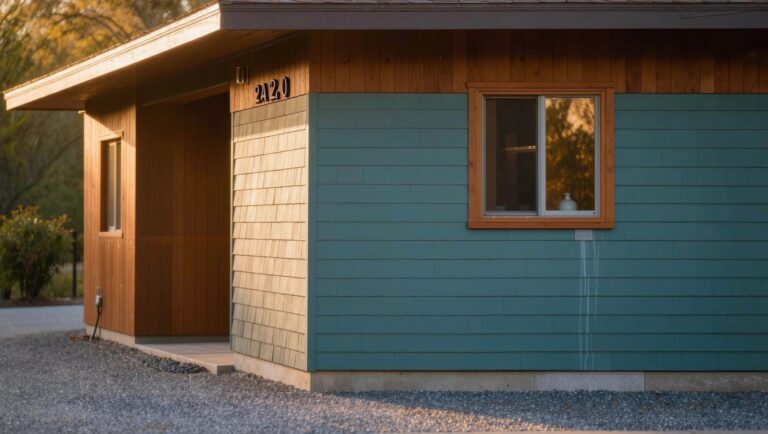
I’ve noticed how faded siding drains the life from even the sturdiest homes after a few harsh winters. Quick updates like board-and-batten overlays breathe new rhythm into plain walls without ripping everything down. I lean toward earthy tones that weave in with the yard and trim, letting the house settle comfortably into its spot. Bold patterns usually flop because they overwhelm the roofline and age unevenly. Some tweaks truly repay the weekend’s work.
Dark Trim on White Board-and-Batten Siding
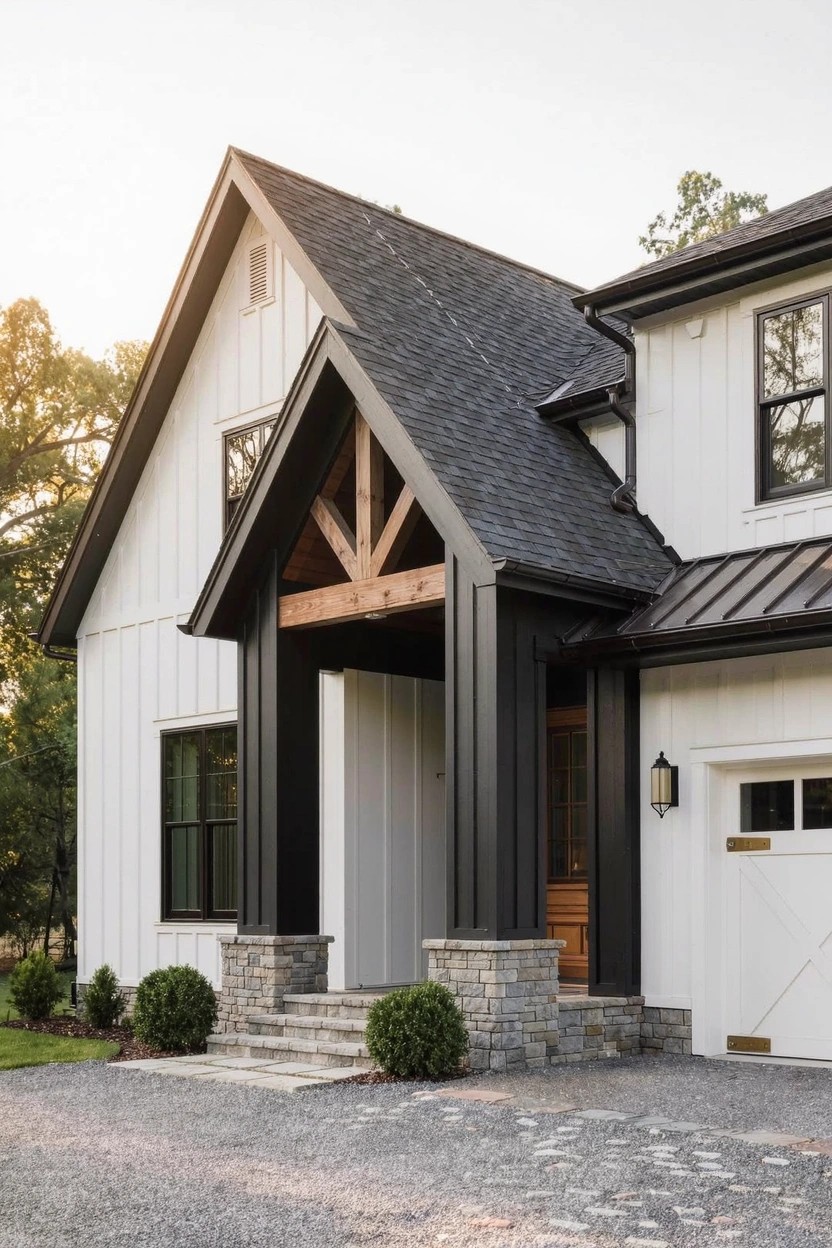
White board-and-batten siding keeps things bright and simple. The dark trim around the porch frame sets it off nicely. You get that crisp farmhouse style without overdoing it. The exposed wood beams inside the gable add some warmth too.
This works best on ranch homes or boxy colonials looking for more character. Go bold with the black paint or metal cladding so it reads from the street. Skip it if your entry is too small. Stone steps like these help ground everything.
Blue Shingle Siding
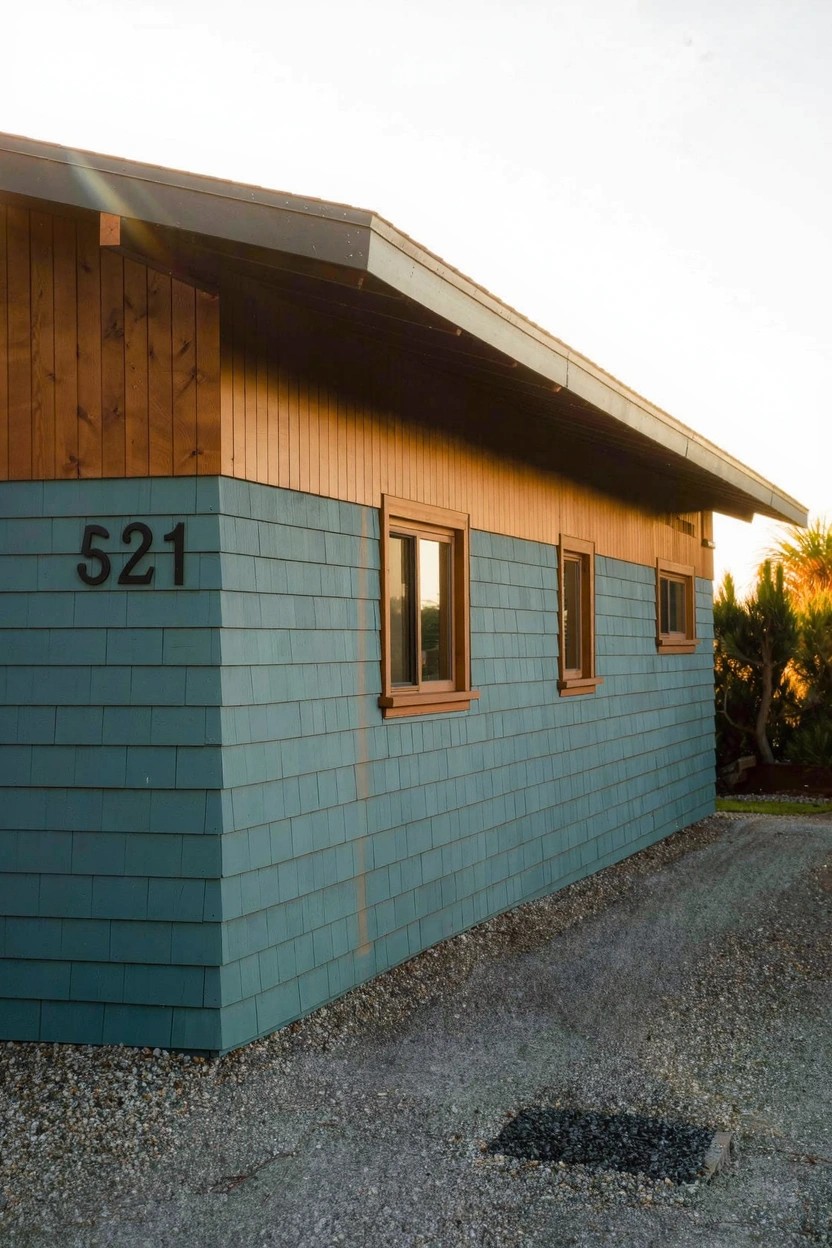
Shingle siding painted a soft blue works well for a simple exterior update. It covers the lower walls here and gives the place a relaxed coastal look that feels fresh. Folks like how it hides wear on older shakes while keeping things light and easy on the eyes.
Put this on ranch houses or small cottages, especially where you want low upkeep near beaches or lakes. Pick a durable exterior paint so it holds color over time, and pair it with natural wood trim up top for some warmth. Skip dark shades if your area gets a lot of sun.
White Shingle Siding
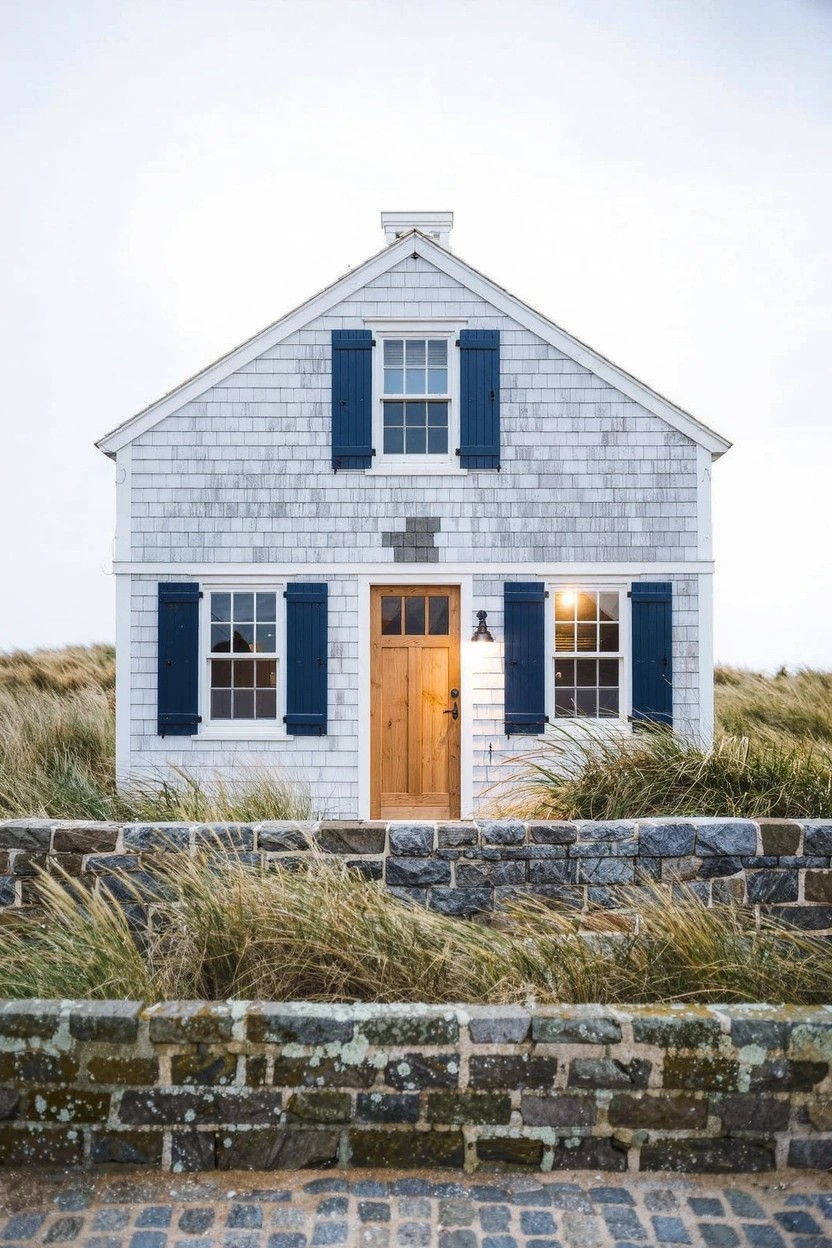
Shingle siding like this brings a bit of texture to a plain exterior. It’s that bumpy, overlapping look that makes a house feel more interesting without much effort. White keeps it clean and bright, especially against a simple yard setup. Folks like how it nods to old beach houses but stays easy to maintain.
You can slap it on most any frame home, from cottages to two-stories. It works best where you want low upkeep, like near the coast or in damp spots. Pair it with darker shutters for some pop. Just make sure to paint or stain regular, or it’ll gray out fast.
Two-Tone Wood Siding
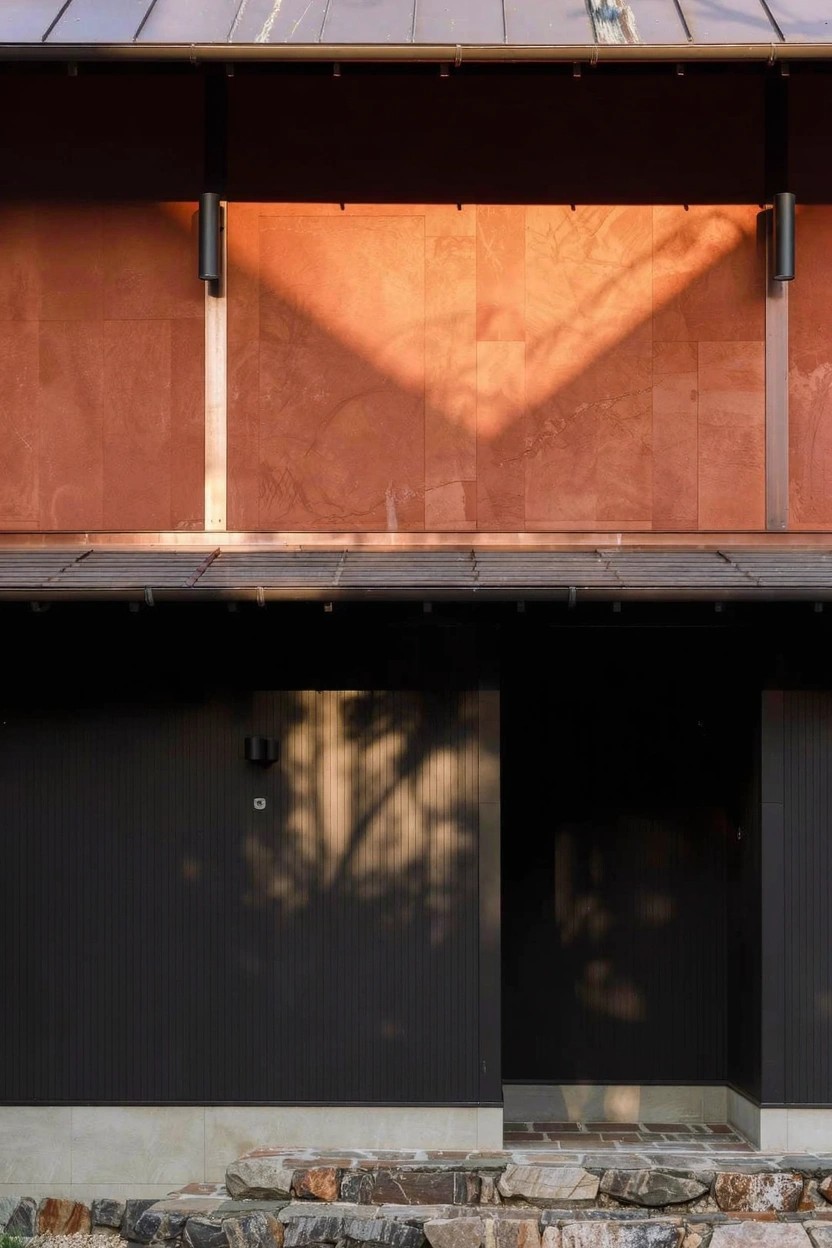
Houses like this one use warm wood siding up top and dark panels down low. The reddish planks on the upper walls stand out against the black lower section. It gives the facade more depth and makes the entry feel tucked in nicely.
This setup works well on ranch homes or modern boxes that need some interest. Pick cedar or similar for the warm tone and keep the base simple. It suits sloped sites with a stone edge. Watch the proportions so the dark part doesn’t overwhelm.
Vertical Corrugated Siding
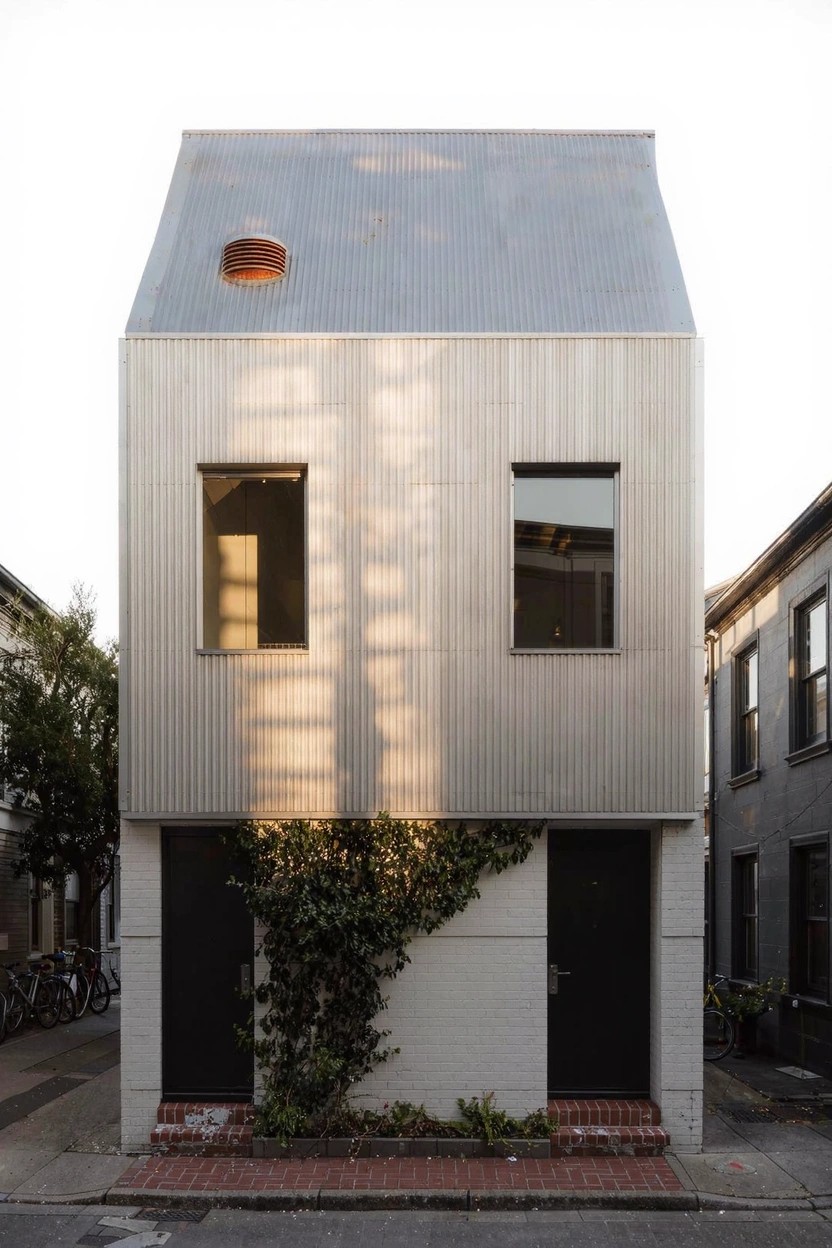
Vertical corrugated metal siding like this turns a plain house into something sharp and current. The slim gray panels run up the full height, catching light in those ridges for subtle shadow play. It fits right in urban spots without overwhelming the street.
This works best on narrow lots or older row homes backed by brick neighbors. Go for pre-finished metal to skip painting hassles, and consider ivy creeping up one edge… it softens the look a bit.
Shingle Siding Basics
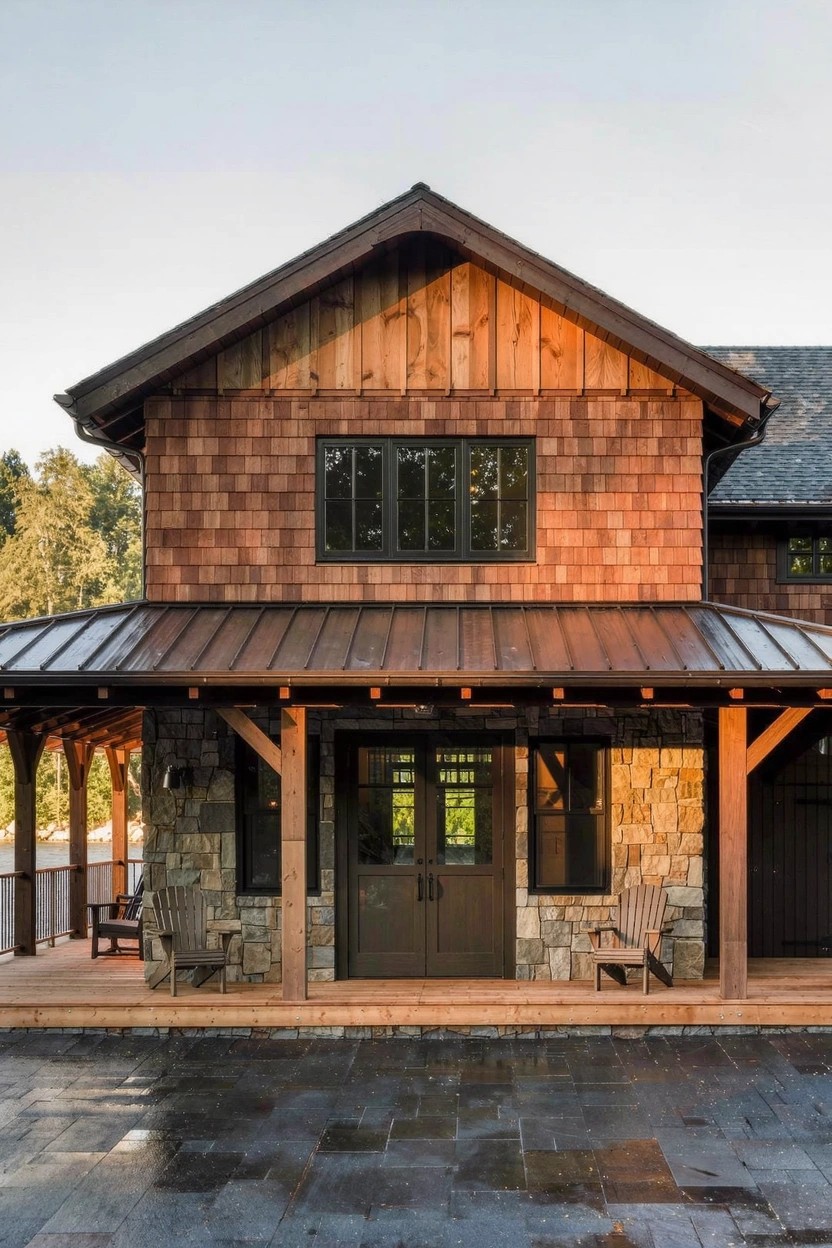
Shingle siding catches the eye with its layered texture and natural wood grain. In this setup, the warm reddish-brown stain on the shingles gives the whole front a cozy, cabin-like vibe that fits right into wooded spots. It stands out more than plain clapboard because of that bumpy surface that plays with light.
You can slap it on most two-story homes with gables, especially if you want quick rustic appeal. Mix in some stone around the base or entry like here to hold it down and add weight. Skip it on super modern houses though. It holds up well but needs regular sealing against weather.
Cantilevered Balcony Over the Entry
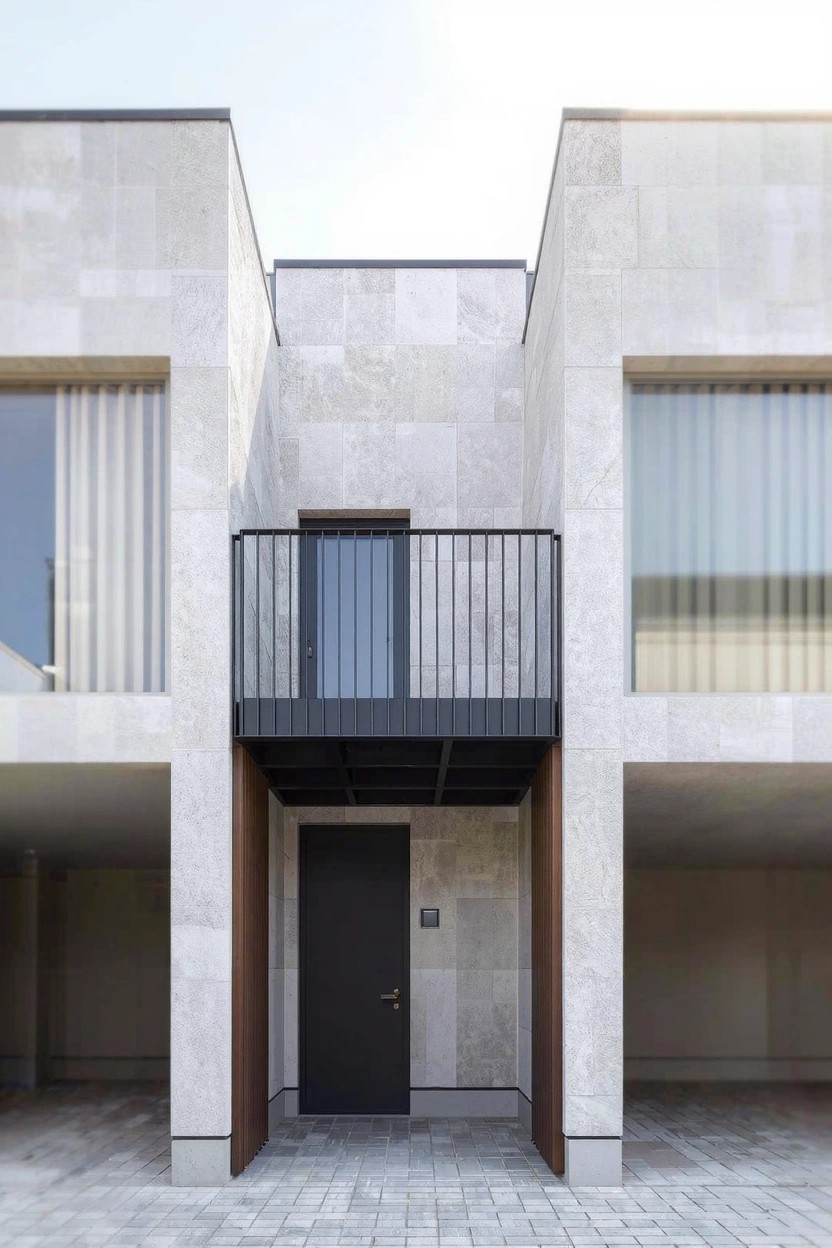
This home uses a black metal balcony that juts out right above the front door. On light stone walls it creates clean contrast and pulls focus to the entrance. Folks notice it right away. It keeps things modern without much fuss.
You can add one like this to a straightforward house facade. It works best on contemporary styles or places with flat front walls. The balcony gives some cover for the door. Just make sure the metal matches your trim so it doesn’t look tacked on.
Sage Green Board and Batten Siding
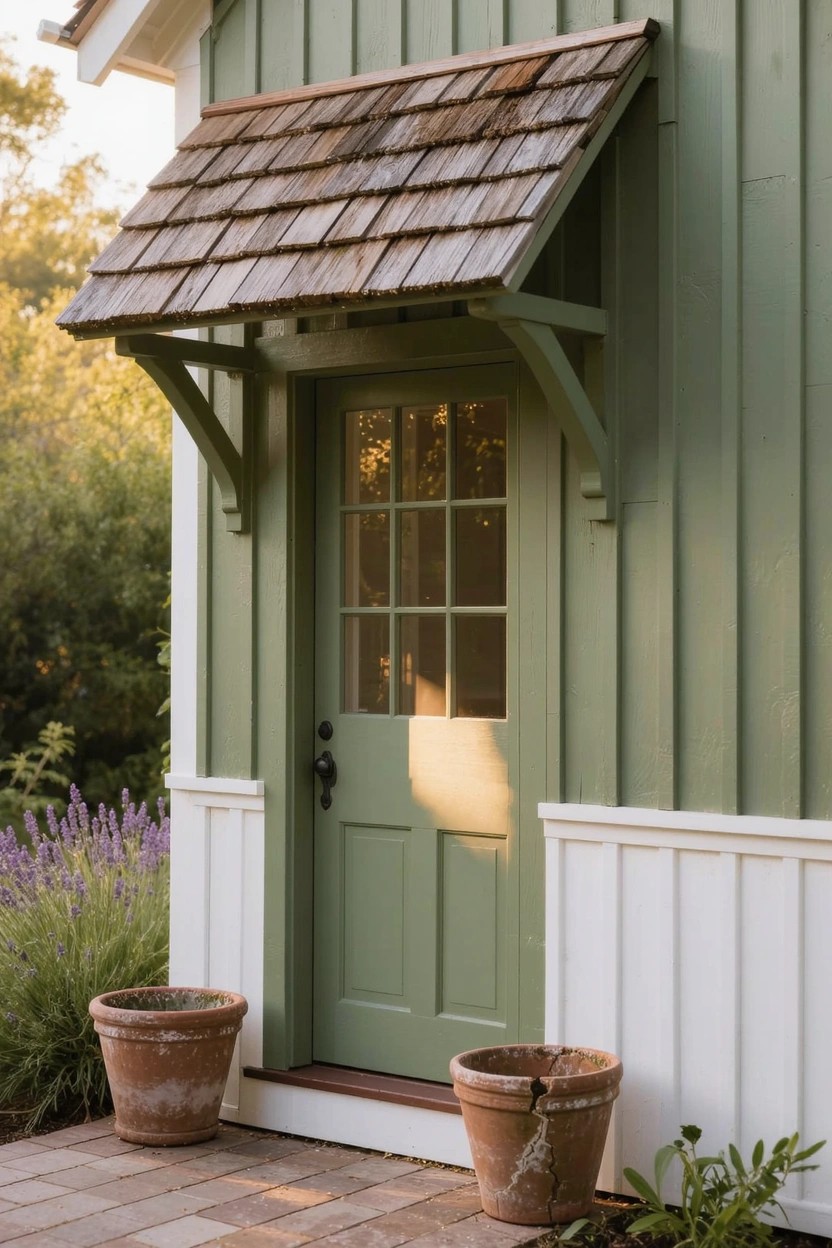
Sage green board and batten siding brings a quiet country charm to any exterior. It softens the look without going too bold, and that color pulls in hints of the garden around it. White trim along the edges and door frame adds just enough contrast to make the green pop without overpowering.
This siding works best on sheds, garages, or side entries where you want simple upkeep. Paint it on vertical boards for that textured feel, match the door color, and flank with pots if you have a patio spot. Skip it on big open facades unless your yard has lots of greenery.
Blackened Wood Siding
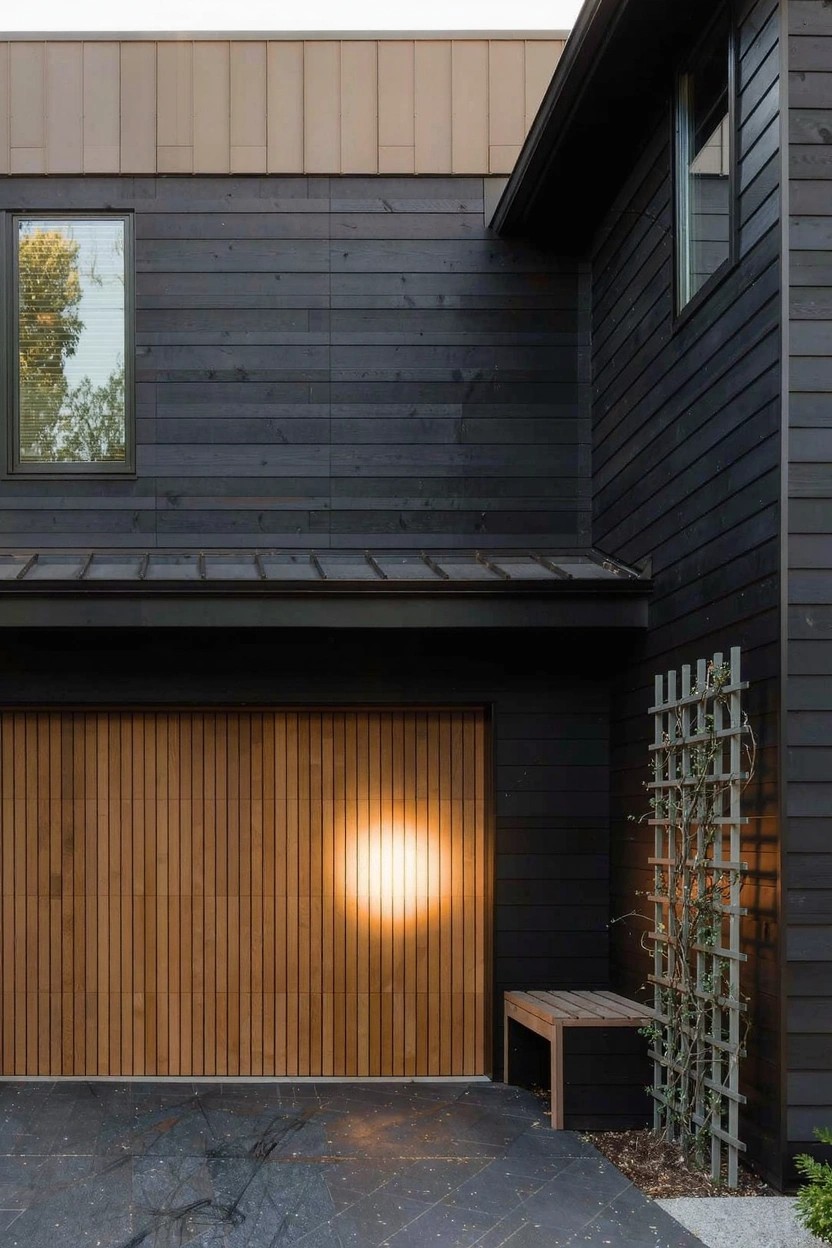
Blackened wood siding turns a plain exterior into something sharp and modern right away. The dark finish comes from torching or staining cedar or other woods, giving that textured look that holds up to rain and sun without showing every mark. Folks like it because it makes lighter elements pop, like a plain wood garage door or nearby plantings.
This siding works best on houses with simple shapes, where you want low upkeep but a strong presence from the street. Slap it on the main walls, then keep accents in natural wood tones to avoid it feeling too heavy. In shadier spots it ages gracefully. Just check local suppliers for fire-treated versions if you’re in a dry area.
Light Stucco Siding with Dark Shutters
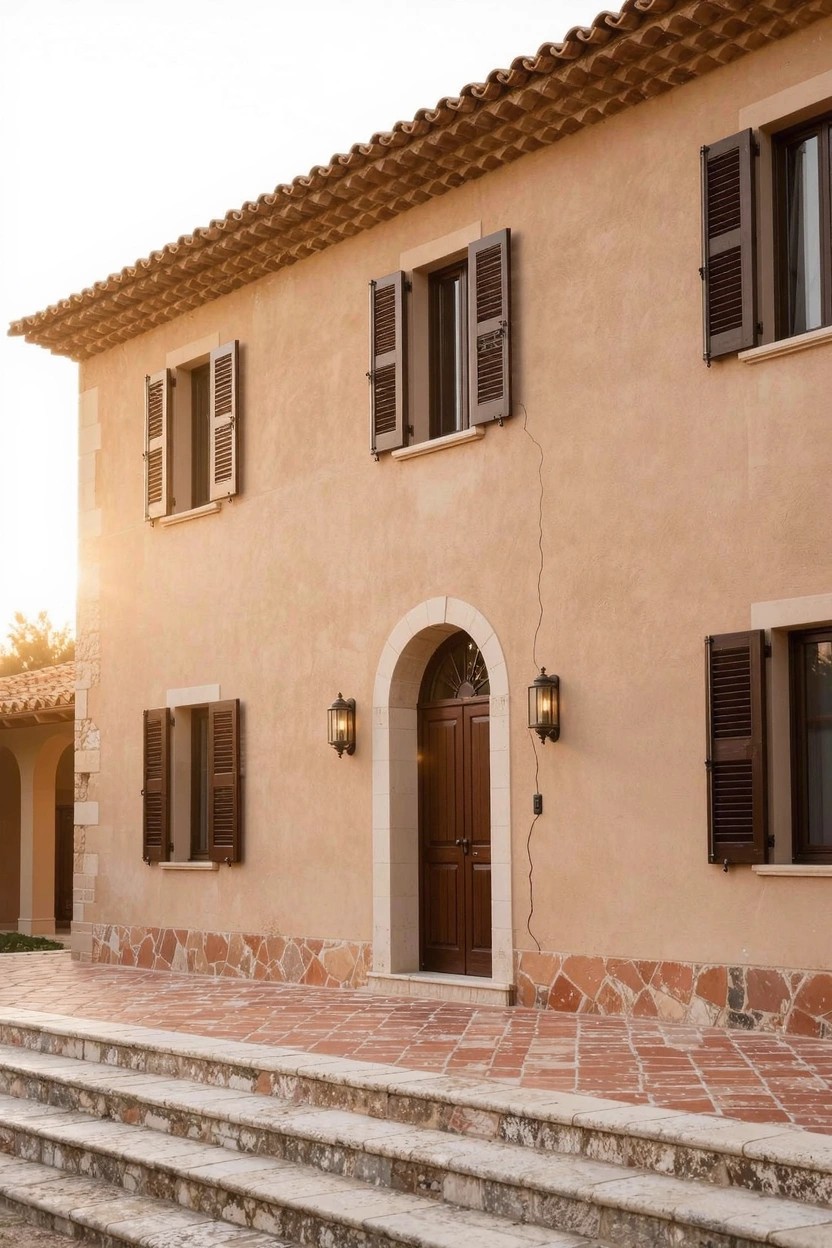
A light beige stucco siding like this covers the walls smoothly and keeps things looking fresh and simple. Pair it with dark wooden shutters on the windows, and you get nice contrast that defines the house without much fuss. Folks like how it feels warm yet crisp, especially in sunny spots.
This setup suits ranch-style homes or older places needing a quick refresh. Go for smooth stucco to avoid a rough texture, and match the shutters to any wood doors nearby. Watch the color balance though. Too yellow a beige might clash.
Gray Siding with Black Trim
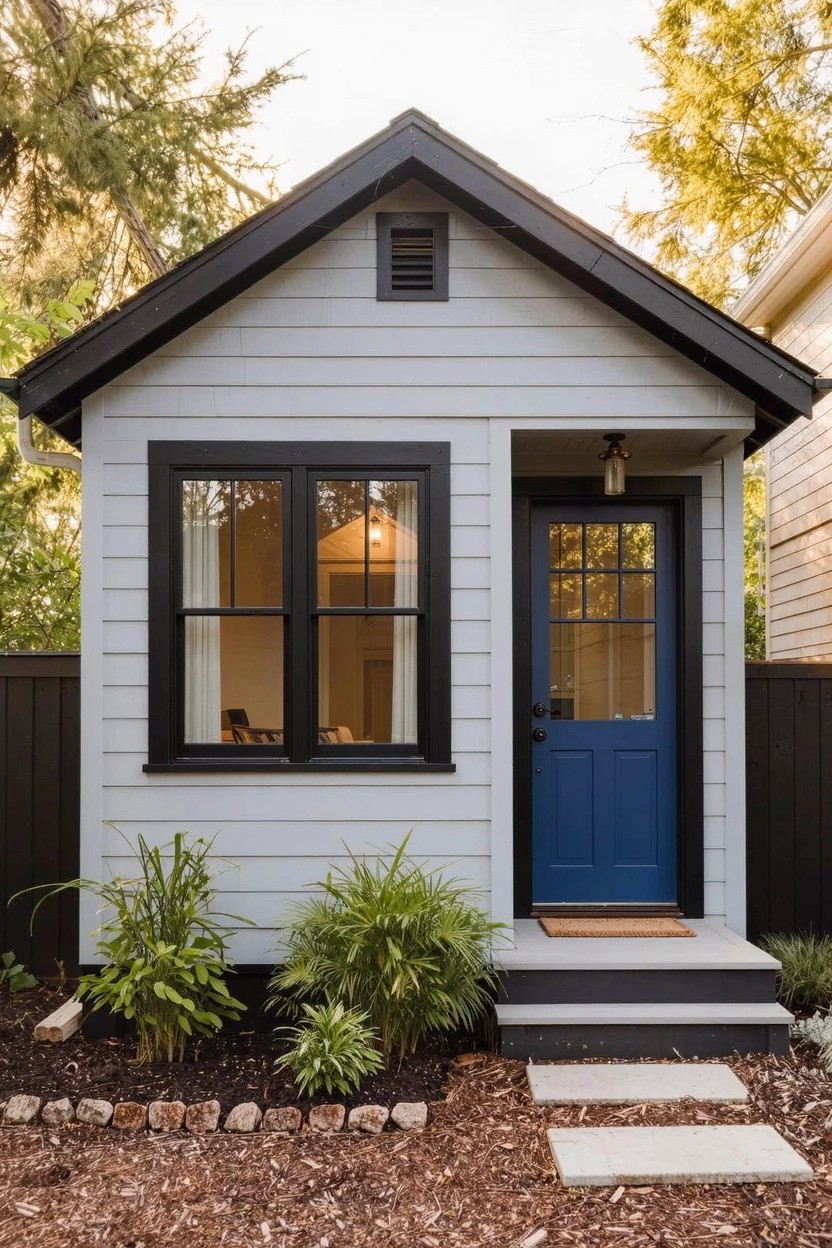
Black trim on gray siding gives a clean, sharp look that works well for smaller structures like sheds or backyard studios. The light gray keeps things soft and approachable, while the black frames around windows and doors add real definition. It pulls the eye right to the entry without overwhelming the space.
This setup fits older homes or simple additions where you want some modern edge. Use it on a detached garage or guest house in a fenced yard. Go for a bold door color if you like, but keep the trim lines straight and the siding fresh. Just make sure the black paint holds up to weather.
Dark Siding Around the Front Entry
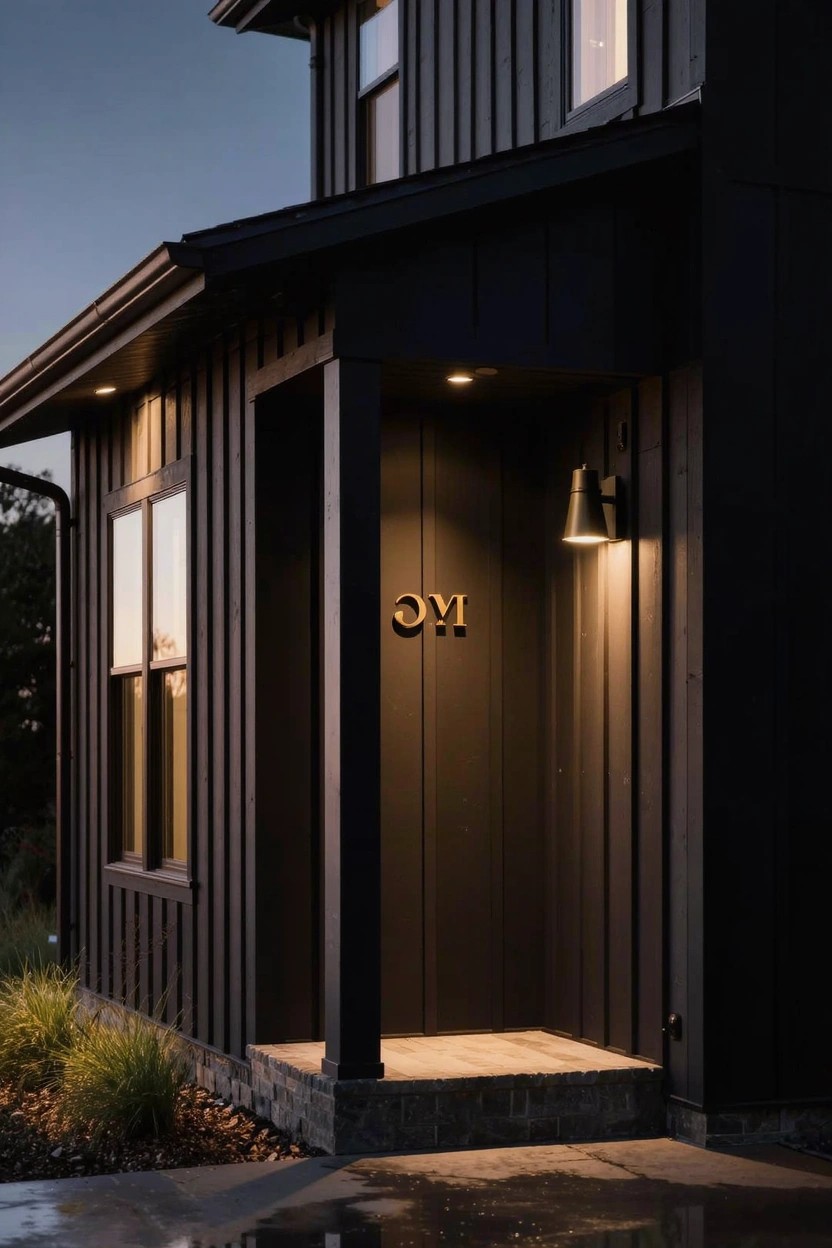
Dark siding works well when you focus it right on the front entry. It pulls the eye to the door without changing the whole house. In this setup, the vertical boards give a clean modern feel, and the simple porch roof keeps rain off while framing things nicely. Add lights like the ones here, and it looks good even after dark.
This kind of siding suits ranch houses or older homes getting a fresh look. Go for a shade close to black if your yard has some green plants nearby. It hides dirt okay but clean it now and then. Brass numbers add a nice touch without much cost.
Wood Shake Siding
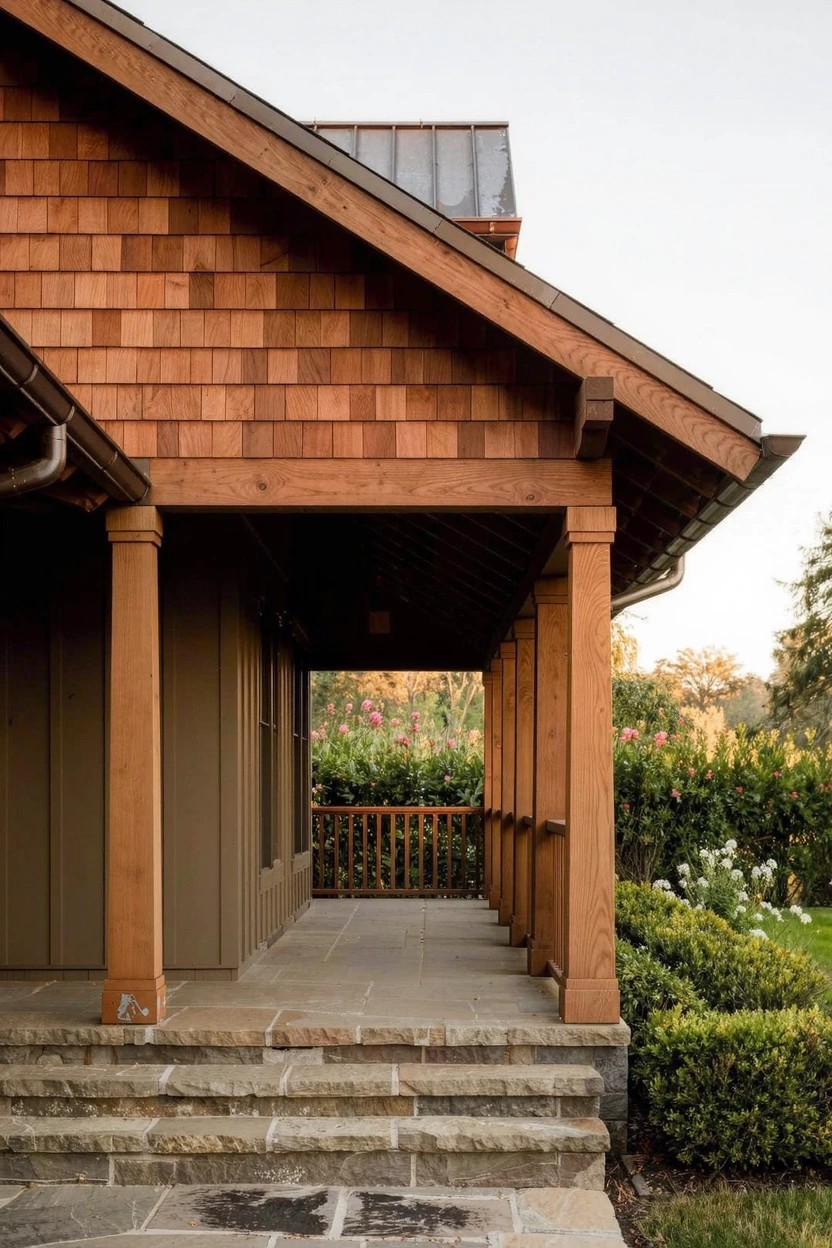
Wood shake siding covers the walls here and gives the whole side of the house a rugged, natural texture. It works because the varied shingle sizes and warm brown color blend right into the yard without trying too hard. Folks like it for that cozy cabin feel on everyday homes.
You can add this siding to gable ends or porch walls on ranch or craftsman houses. It suits spots with some landscaping around the base. Seal it every couple years though. Skip it on super modern places.
Board-and-Batten Siding Over Shingles
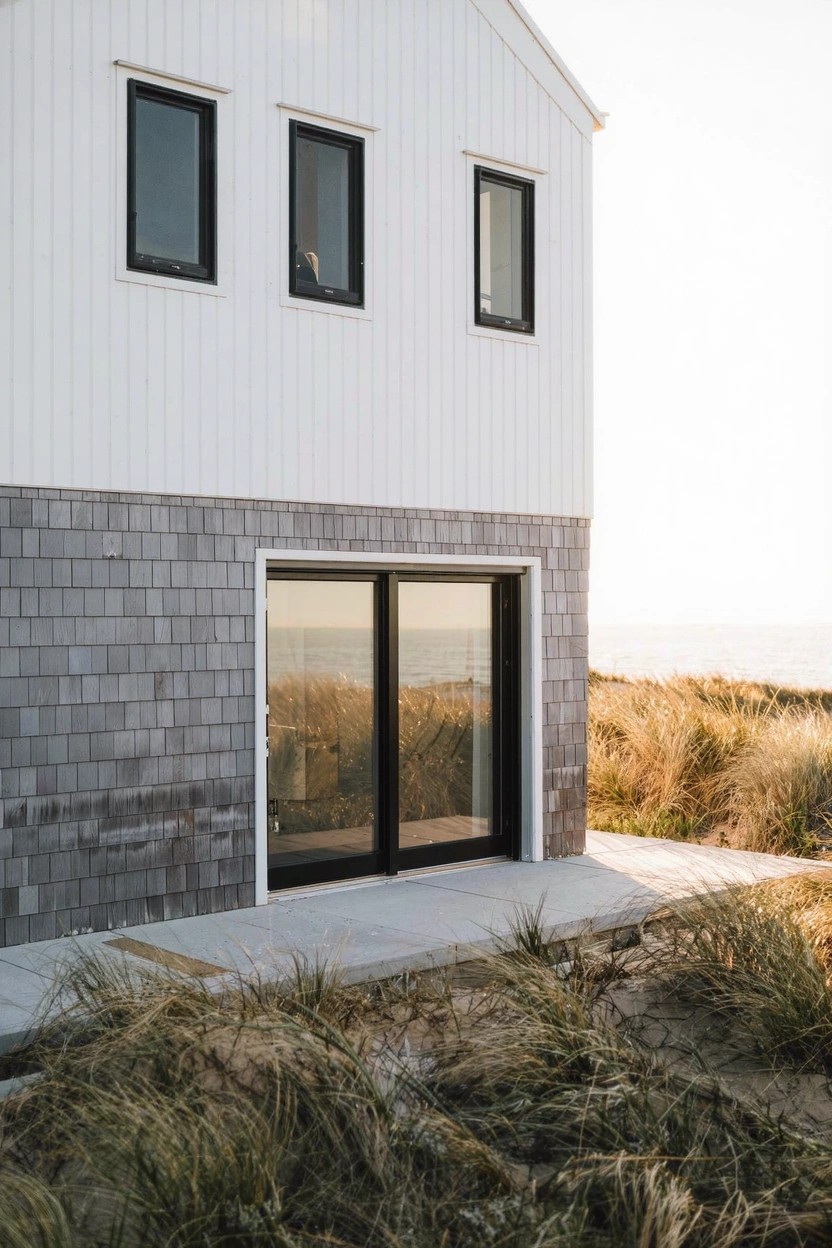
Houses look sharp when you put white board-and-batten siding across the upper story and gray shingles along the bottom. The smooth vertical lines up top play off the textured shingles below. It breaks up a plain wall in a simple way and makes the whole front feel balanced.
This mix suits coastal spots or any yard with open views. Go lighter on top for height, darker at the base to settle things. Ranch styles pick it up fast… watch for good sealants if it’s damp out there.
Wood Siding Over Concrete Base
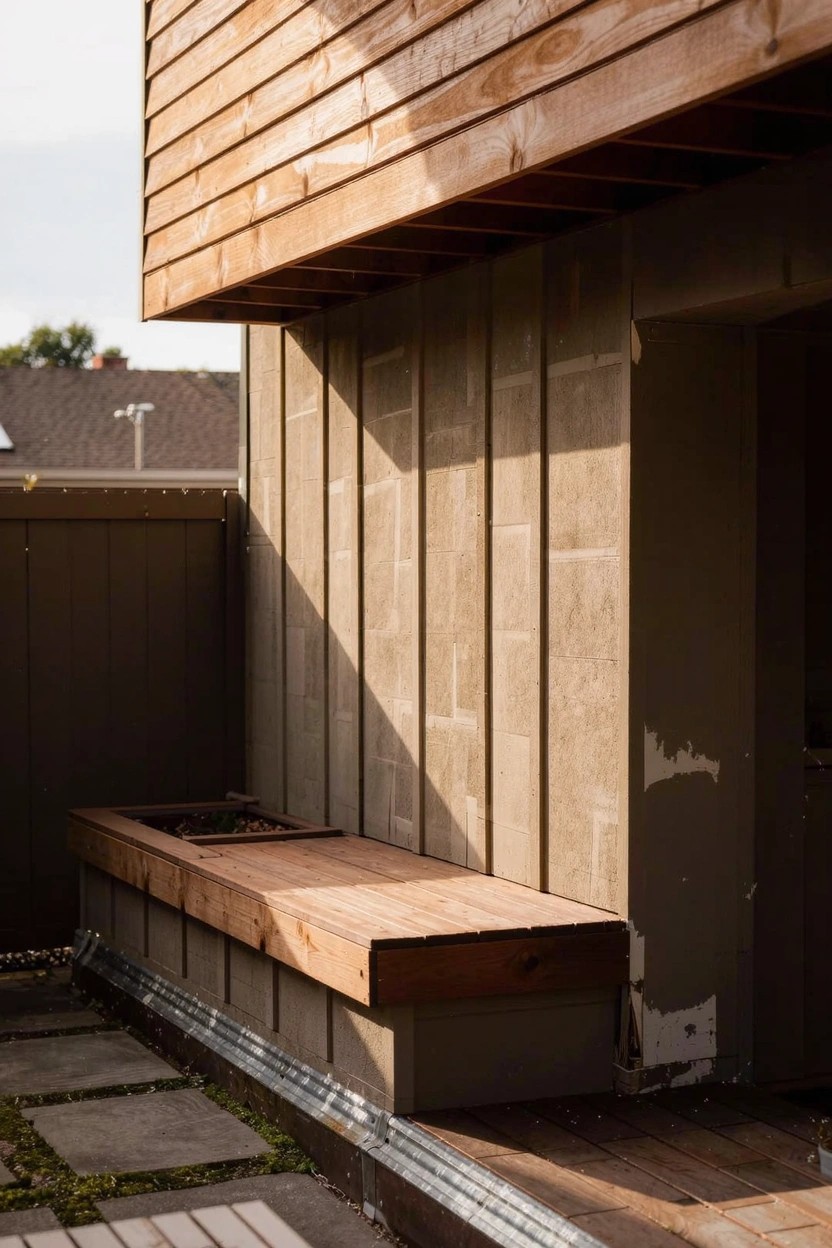
One fresh take on siding is layering warm vertical wood planks over a sturdy concrete base. The wood brings texture and a natural touch, while the concrete keeps things solid and modern. That simple switch adds interest to plain walls fast.
It suits ranch houses or boxy modern spots with flat yards. Build the concrete first for good drainage, then nail up cedar or redwood siding. Watch for moisture between layers, though. Seal both sides right.
Board-and-Batten Siding Over Brick
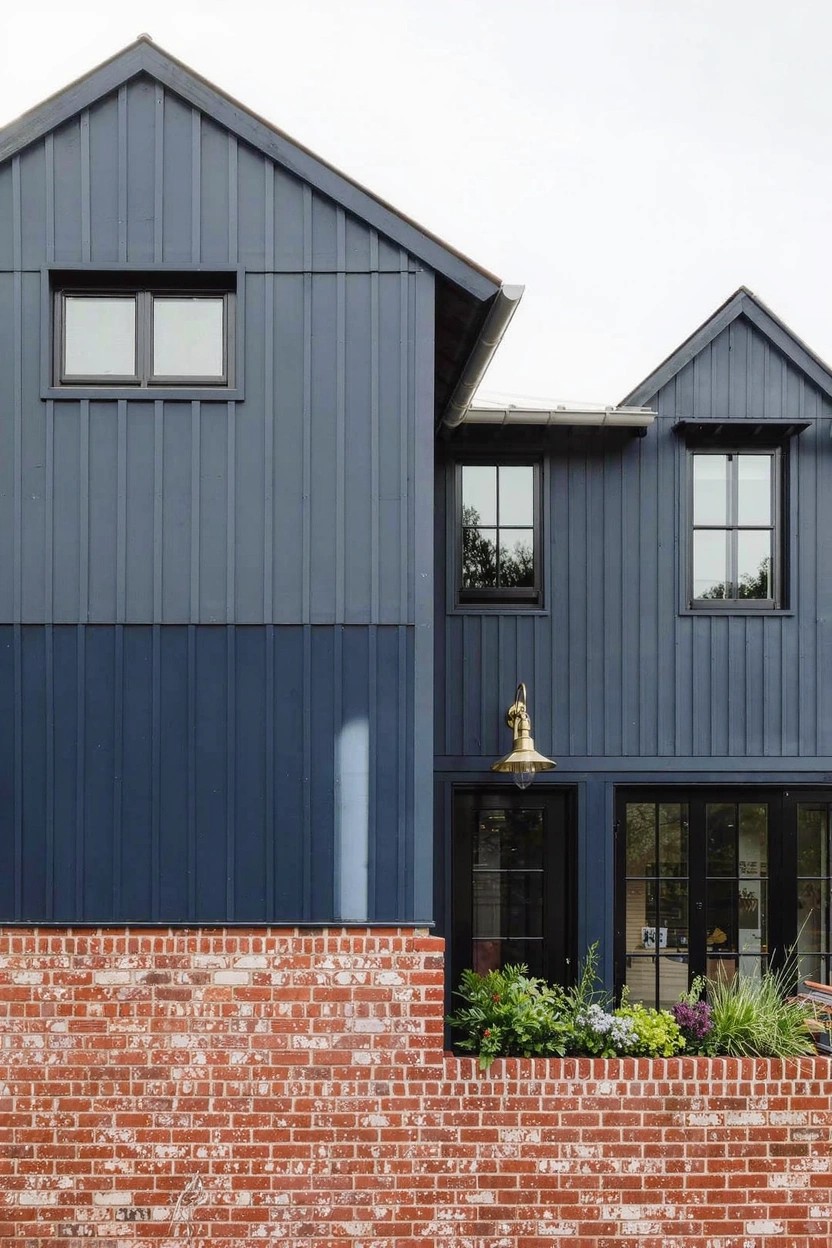
One simple way to refresh your home’s exterior is board-and-batten siding over a brick base. The vertical lines of the siding give a clean, modern look, especially in a deep navy color like this. That brick down low adds some weight and texture without much effort. It stands out because the contrast pulls the eye up while keeping things grounded.
This setup works great on ranch or two-story homes with a plain base. Just paint the siding a dark shade to hide old boards, and leave the brick as is or give it a light clean. Skip it on super traditional colonials, though. Add a lantern by the door for evenings. Easy upgrade that lasts.
Cedar Panels on Lower Walls
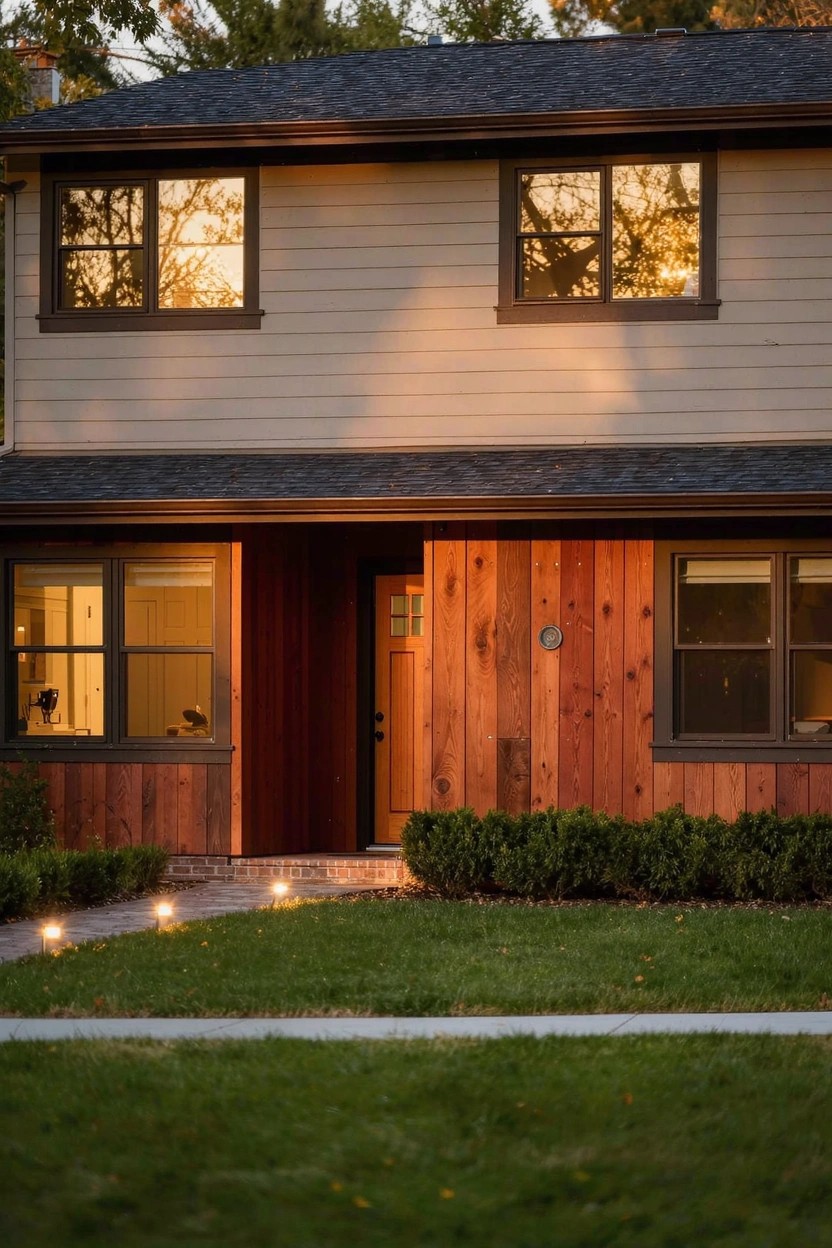
One simple way to upgrade plain siding is adding cedar panels to the lower walls and entry area. The warm wood tone stands out against light neutral siding up top. It adds texture without changing the whole house. Folks like how it makes the front look more welcoming right away.
This works best on ranch-style or two-story homes with boring beige or gray siding. Use vertical cedar boards around the door and base for that cozy contrast. It suits average yards with some bushes nearby. Just seal the wood well to handle weather. Keeps things fresh for years.
Lighting Under Window Awnings
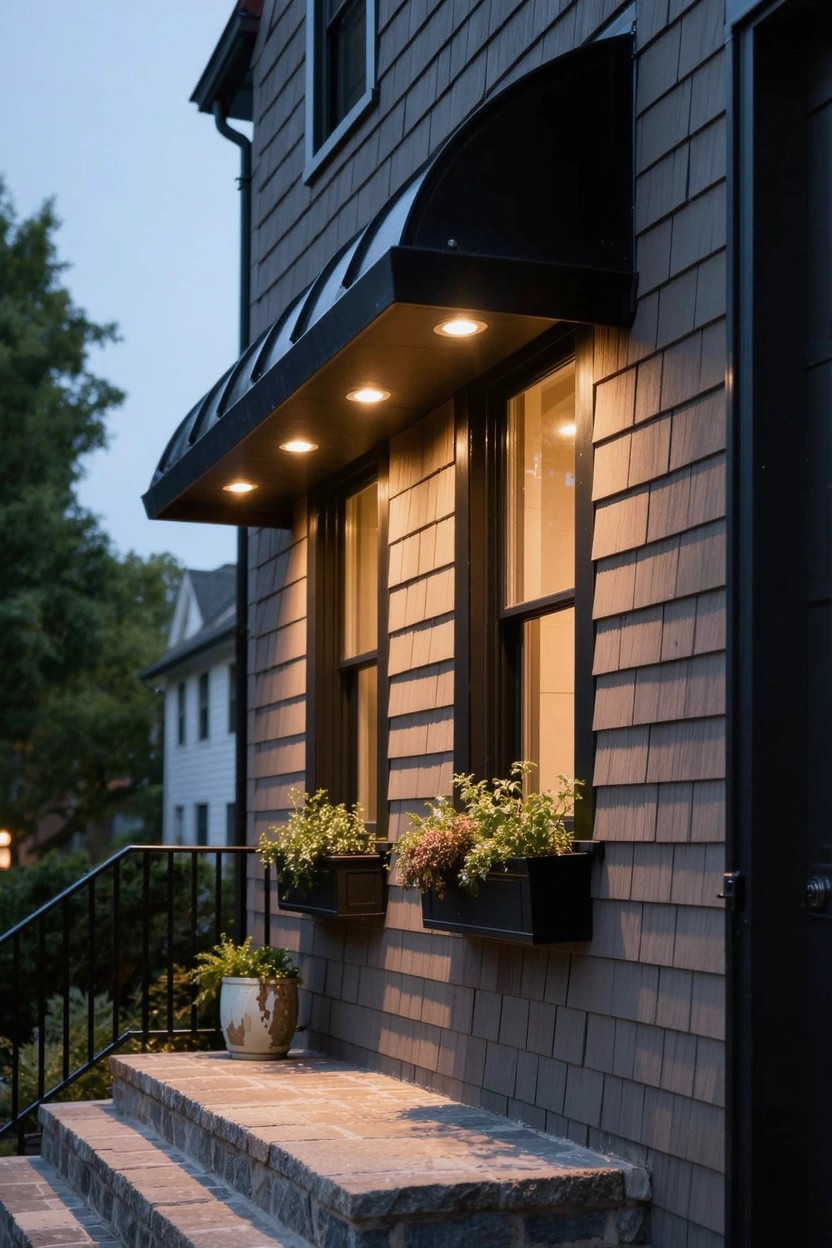
One quick way to boost your home’s evening look is recessed lighting tucked under a simple awning. Like on this shake-sided house, the warm glow picks out the windows and plants below without much fuss. It turns a plain entry into something folks notice when driving by.
You can add this to older homes with double-hung windows near the door. It suits shake or lap siding best, where the contrast shows up. Pick LED strips for easy install, and keep the awning black or dark to frame the light (just check local codes first).
Stucco Siding with Slatted Wood Accents
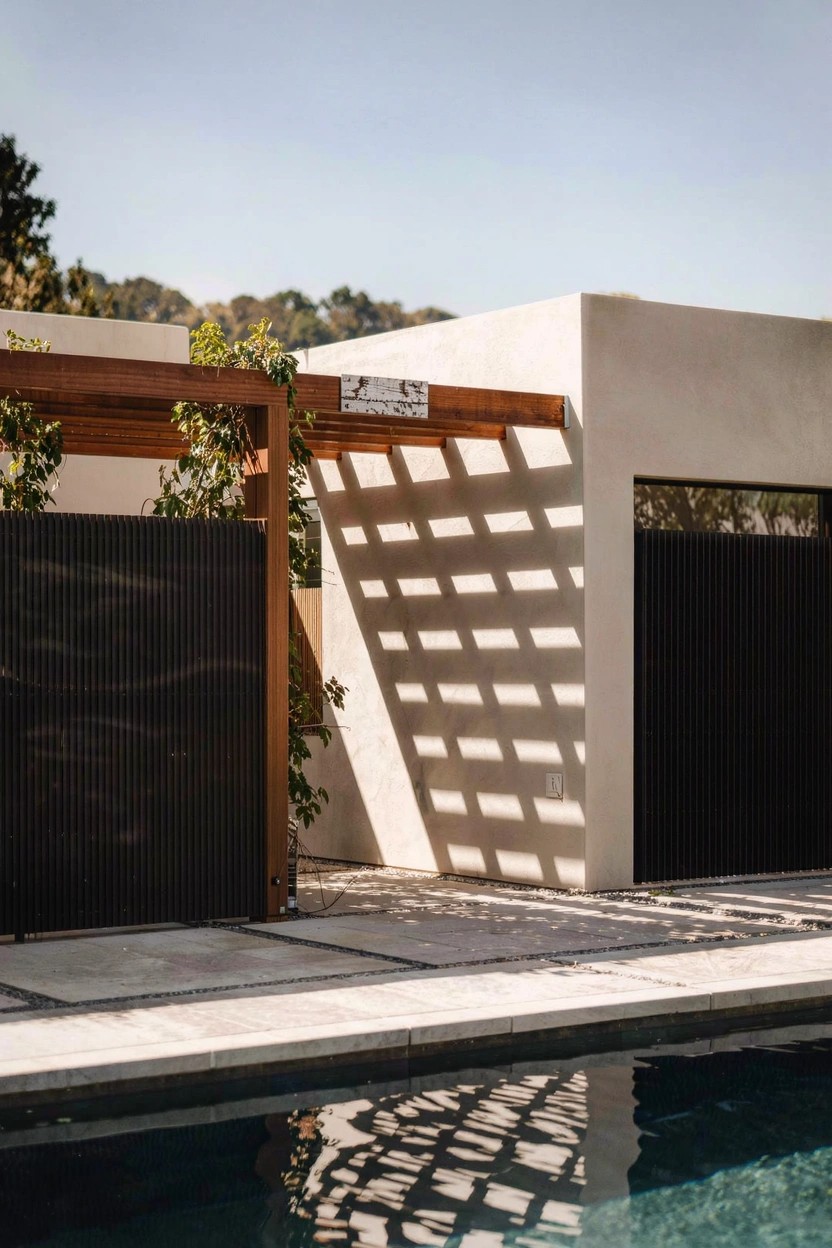
Smooth stucco walls give a clean base for this setup. Dark vertical slats on the gates or screens next to it add contrast that stands out. The light beige against the deep wood tones keeps things simple but sharp. Shadows from the slats shift across the wall through the day. Nice touch.
Try this on homes with flat facades or open yards. It fits modern styles or ranch houses best. Good for hiding views from the street while letting some light in. Pick weatherproof wood and match the slat spacing to your wall height. Skip it if your spot gets too much shade already.
Frequently Asked Questions
Q: Can I pull off these siding makeovers without calling in pros?
A: You can handle most of them yourself if you have basic tools and a free weekend. Start with painting or adding shutters to build skills. That keeps costs down and gives you full control.
Q: How do I pick a siding color that actually looks good on my house?
A: Walk around your neighborhood and snap pics of houses you like. Hold paint swatches up against your current siding at different times of day. It helps you avoid regrets later.
Q: What’s a fast way to refresh siding I can’t fully replace yet?
A: Clean it thoroughly, then slap on a fresh coat of paint. Choose a semi-gloss finish to make dirt slide right off. Your house pops instantly.
Q: Will new siding stand up to harsh weather around here?
A: Go for fiber cement or metal options in windy or rainy spots. They shrug off storms better than wood. And… seal edges tight during install.
