

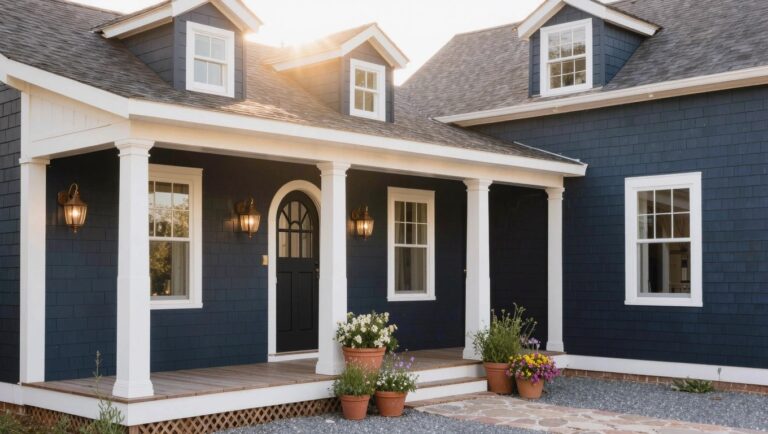
I’ve spent some time walking neighborhoods lately. The siding colors that catch my eye usually soften into the yard’s greens and browns instead of fighting them. I skip anything too electric blue because it drains against most roofs over time. Pairing a muted sage with crisp white trim makes the house feel settled and sharp at once. Two or three here would suit my own place just fine.
Dark Board-and-Batten Siding
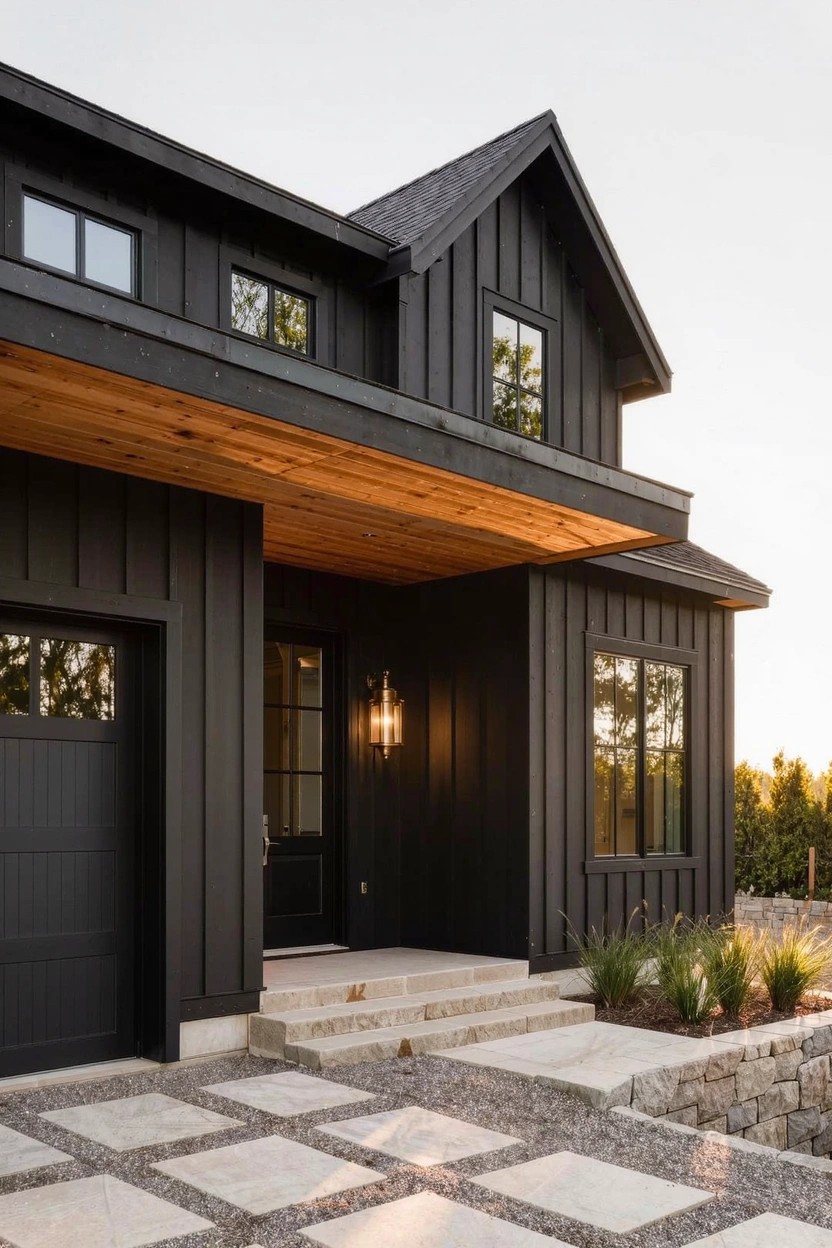
Dark board-and-batten siding like this turns a simple house into something striking. The deep charcoal color picks up shadows nicely and hides everyday dirt better than lighter shades. Those vertical boards add height and movement to the front, especially with black windows framing the view.
Try it on farmhouses or modern builds where you want clean lines without much fuss. It pairs well with wood beams over the entry or stone steps. Keep the maintenance easy by sealing it right away, and avoid it on super sunny spots where fading might show over time.
Navy Blue Shingle Siding
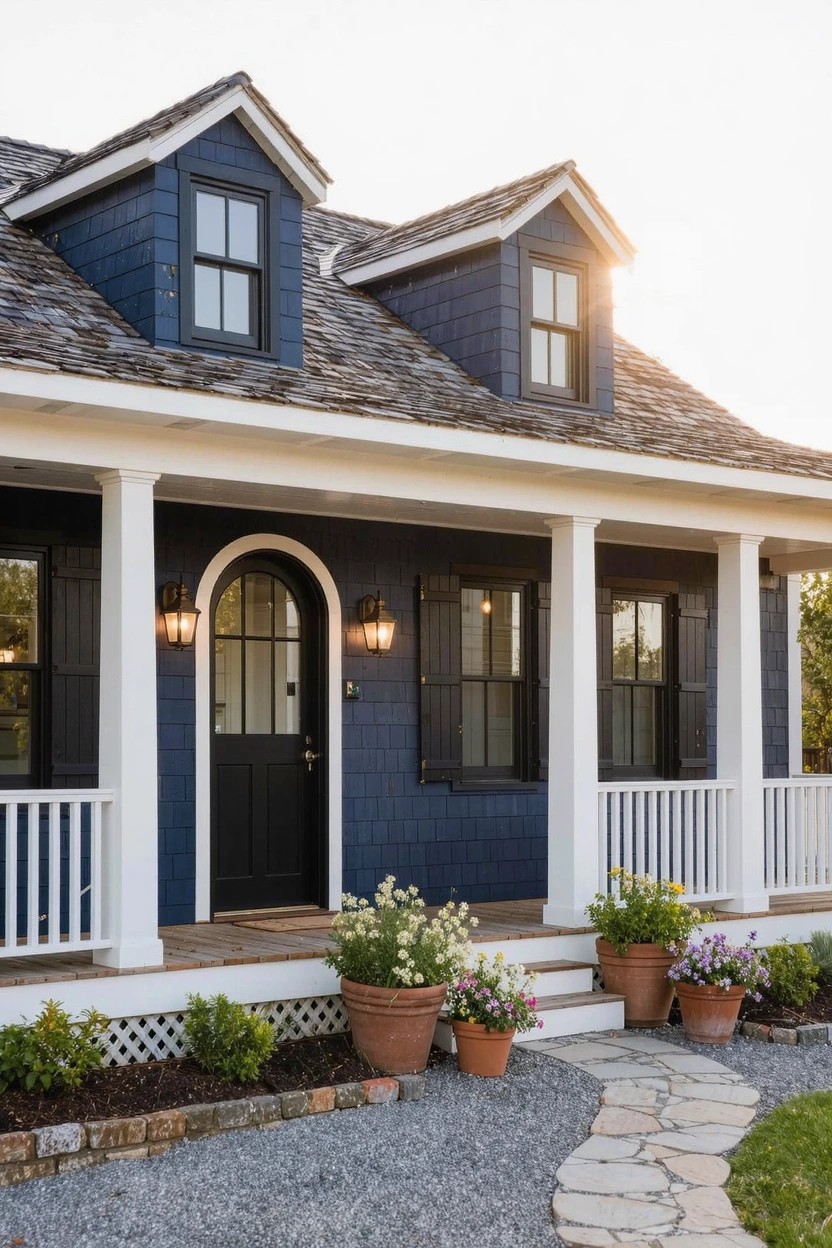
Navy blue shingle siding turns a simple house front into something with real character. It holds up well in the sun and pairs clean with white trim around the porch columns. Folks notice it right away but it doesn’t shout.
Try this on homes with covered porches or Craftsman lines. It suits yards with gravel paths or low plants too. Just keep the trim crisp white. Too much gray around might make it fade back.
Soft Sage Green Siding
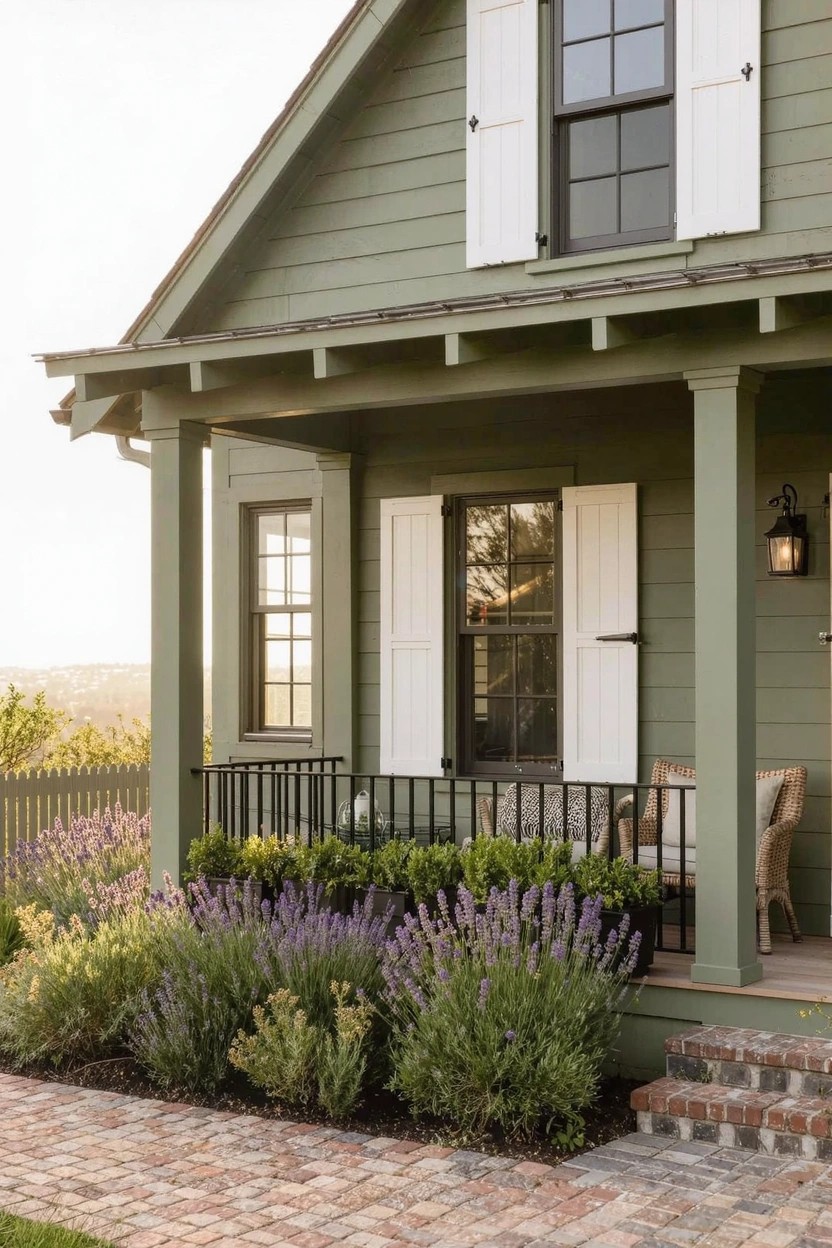
This soft sage green siding catches the eye without trying too hard. It brings a calm, earthy tone to the house that feels right at home in a garden setting. White shutters stand out clean against it, and those lavender plants along the porch railing add just enough color punch.
Homes with porches or simple rooflines take to this color well. It works on farmhouse styles or older bungalows, especially where you have some planting nearby. Keep the trim bright white to make the green pop, and skip anything too bold in the yard.
Warm Tan Siding
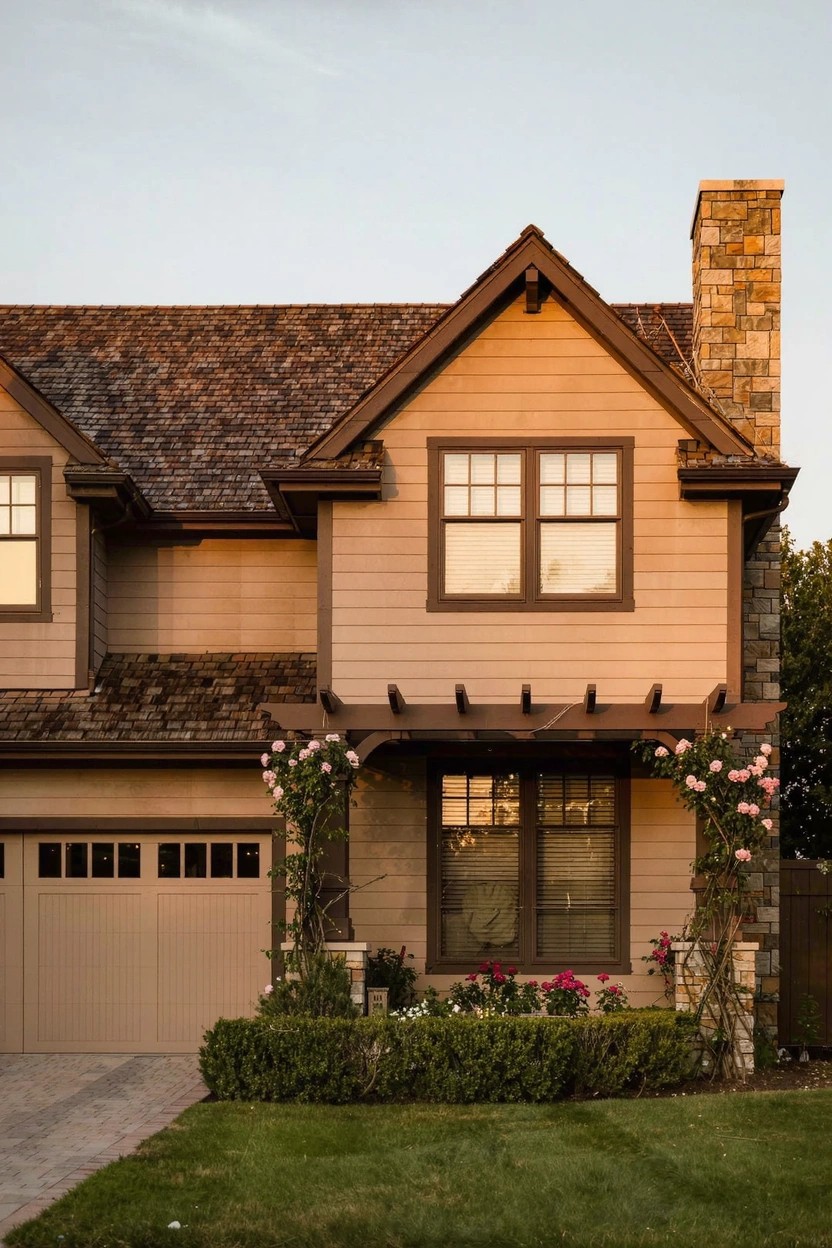
Warm tan siding catches the eye without trying too hard. It blends right in with stone on the chimney and wood shakes up top. Homeowners go for it because the color stays looking good year round. Not too light to show every smudge. Not too dark to feel heavy.
Put it on a two story house with a simple gable roof. It suits places with green lawns and a few shrubs out front. Add climbing roses near the door if you want. Skip bold trim colors though. Let the tan do its thing.
Soft Pink Siding
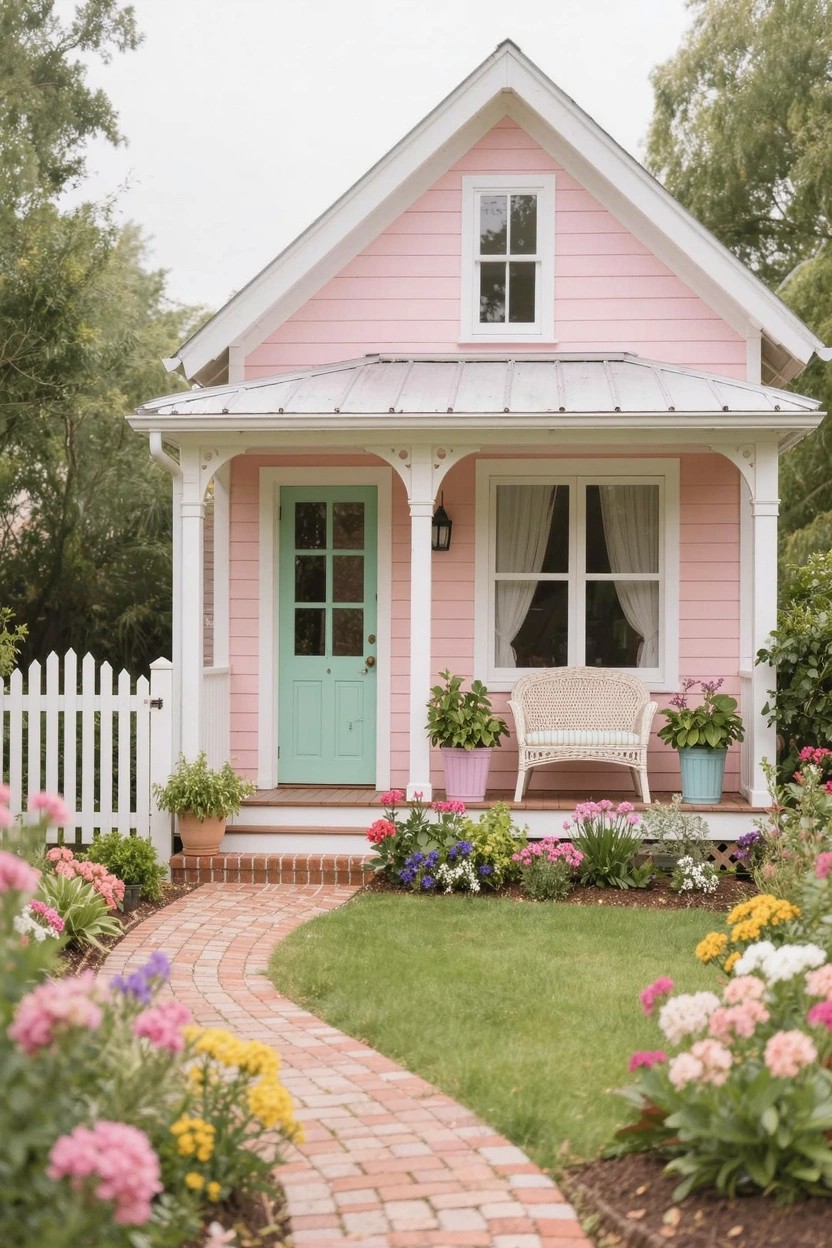
Pink siding like this catches the eye without trying too hard. It gives a small house that storybook feel, especially when you pair it with white trim and a pop of green on the door. Folks notice it right away, and it just looks happy against green lawns and trees.
This color works best on cottage-style homes or tiny houses tucked into gardens. Keep the trim crisp white, add some potted plants on the porch, and it stays fresh year-round. Skip it on big modern boxes though. It can look out of place there.
Warm Orange Siding
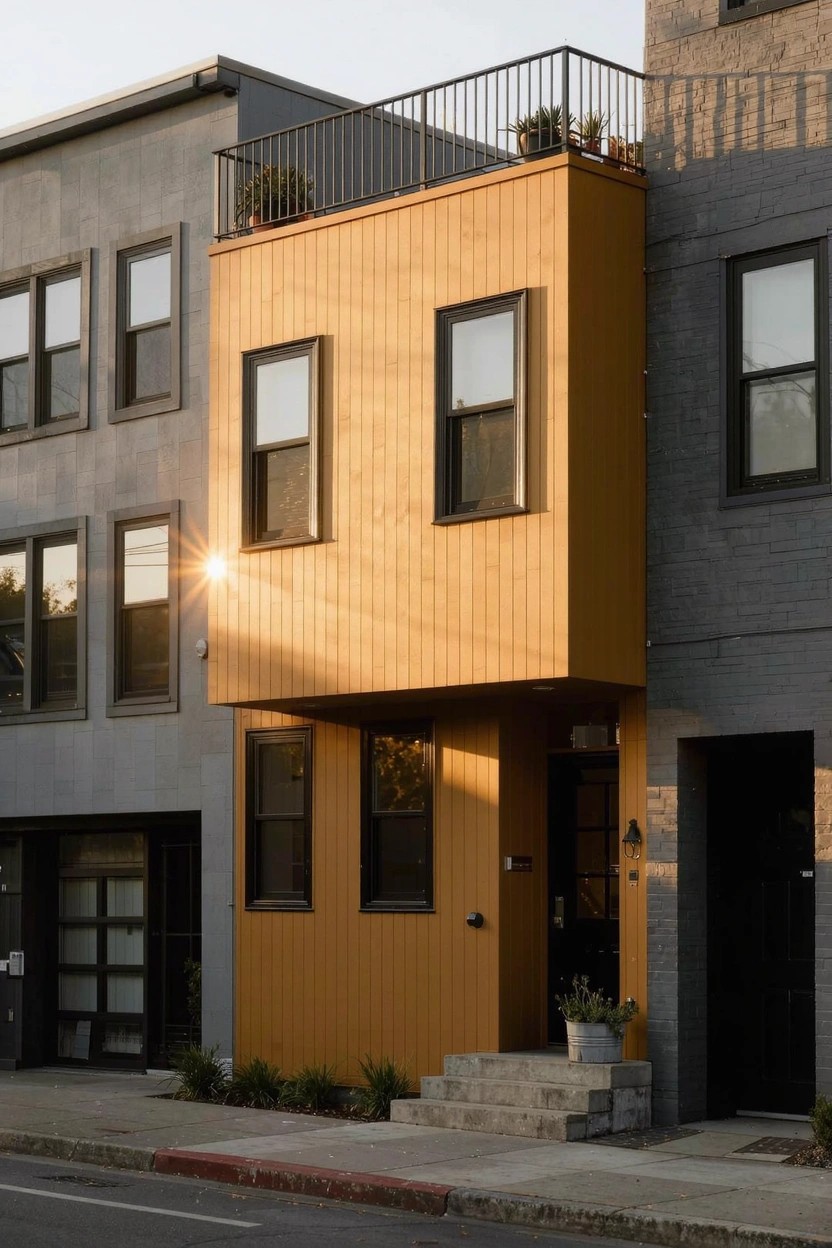
Warm orange siding like this gives a house real standout appeal. It pulls the eye up to that boxy upper section without overwhelming the rest of the place. Against plain gray neighbors, the color adds life and makes the whole front feel more welcoming. Folks notice it from down the street.
You can pull this off on row houses or urban townhomes that need a lift. Stick it on a porch roof or upper story, then keep the entry simple with steps and a few pots. It suits city yards best, where neutral tones dominate. Watch the sun though. It glows even more at dusk.
Crisp White Siding
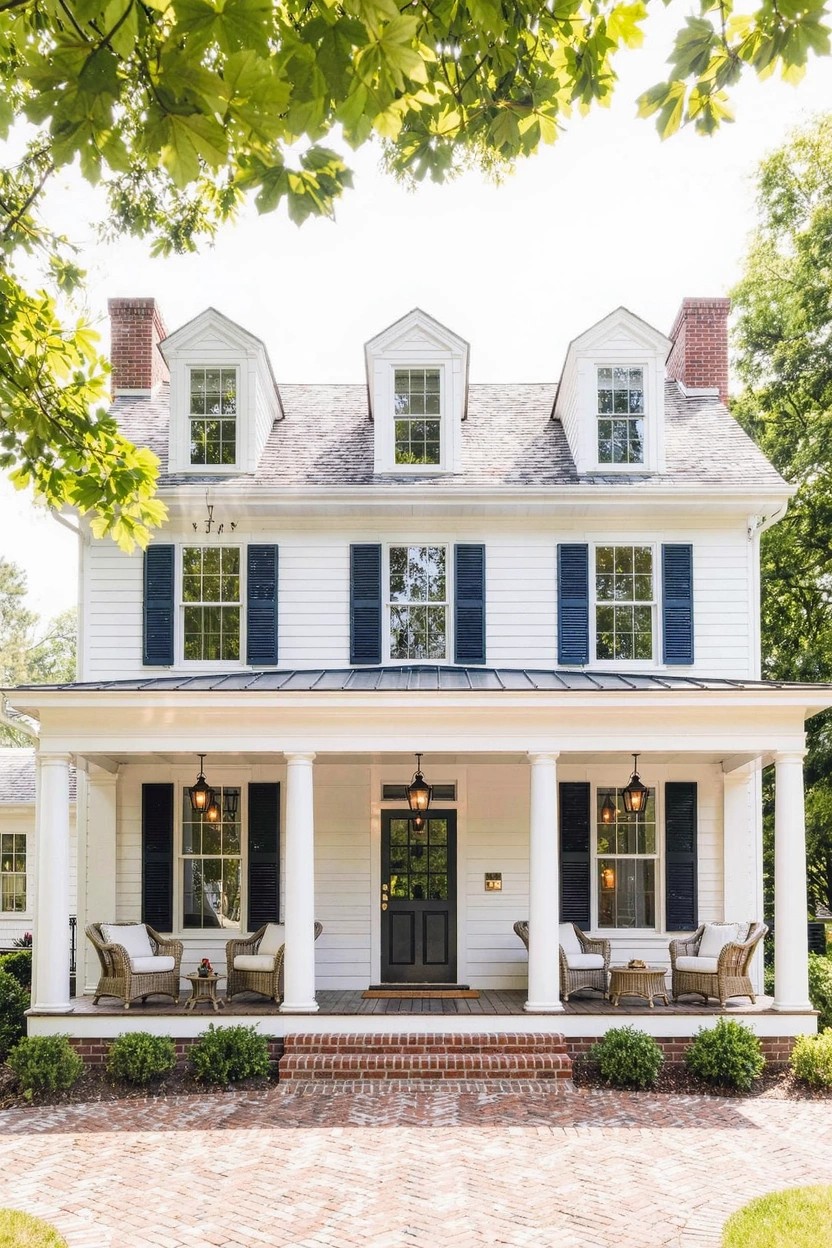
White siding like this keeps a traditional house looking fresh and bright. It lets the shape of the home show through without much fuss. The clean boards pick up light well and pair nicely with a dark roof overhead.
Try it on older colonials or farmhouses where you want simple curb appeal. It suits shady yards or sunny spots. Keep the trim darker so the white stays crisp. Dirt shows more though so plan to wash it now and then.
Dark Gray Siding on Barn Garages
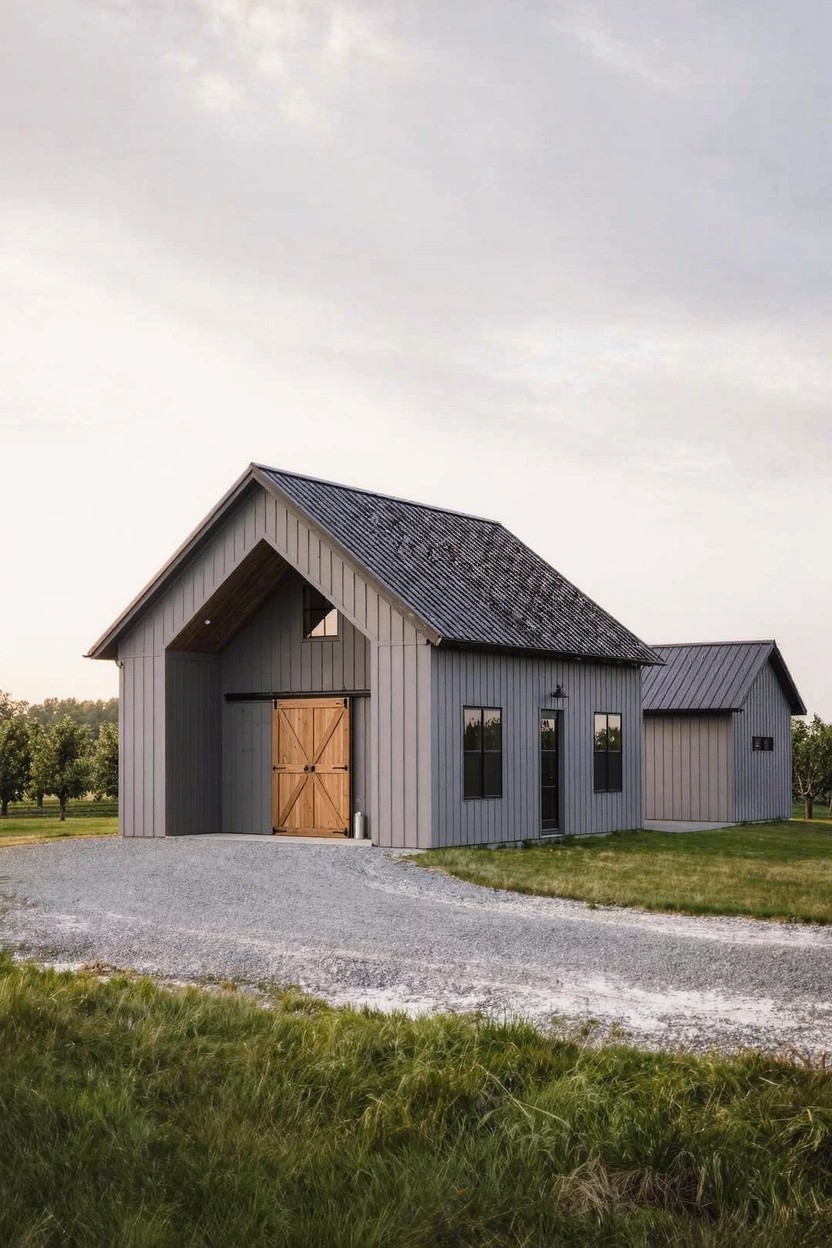
Dark gray siding like this gives a barn garage a clean, modern edge. It tones down the rustic shape without losing that farm feel. The color pulls focus to the big wood doors and keeps the look simple year round.
Put it on outbuildings or detached garages where you want low upkeep. Works best in open yards with gravel or dirt drives. Go a shade lighter if your area’s too wooded, or it might blend in.
Navy Blue Siding
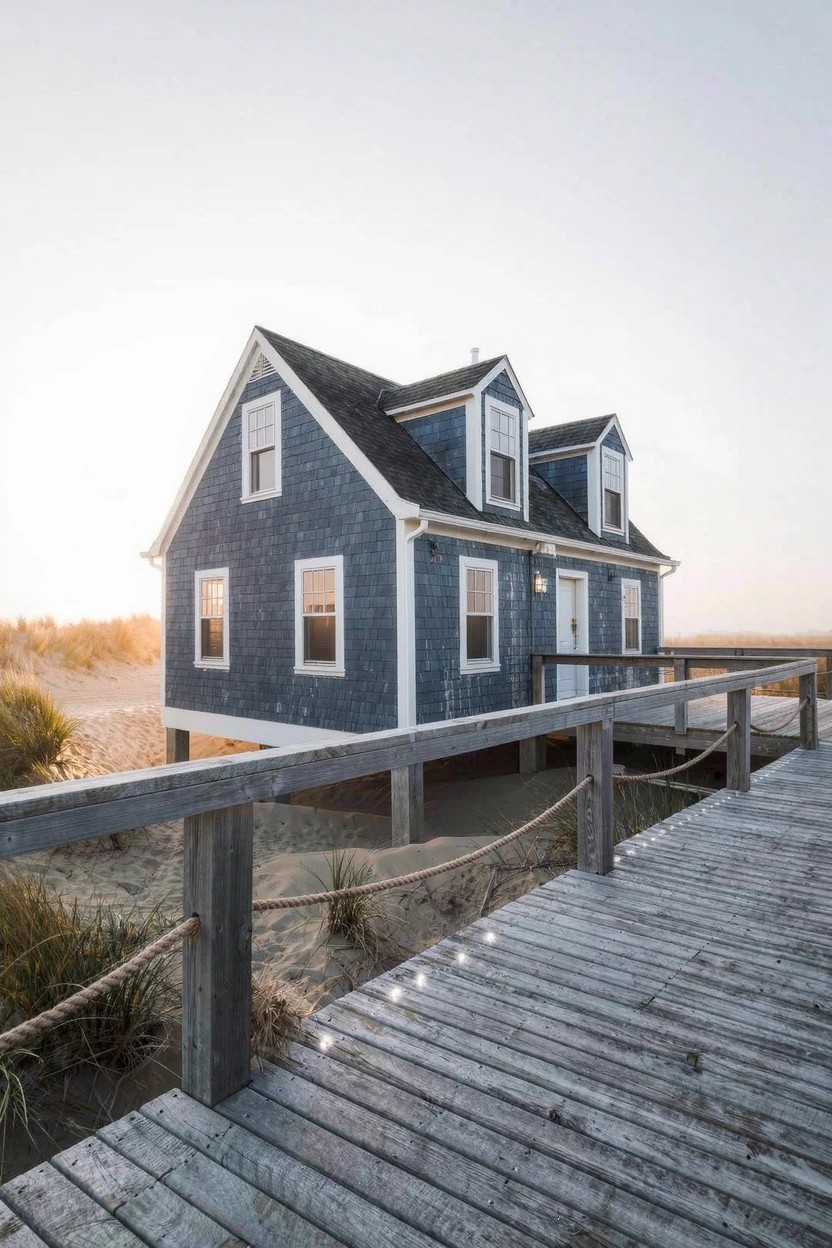
Navy blue siding gives a house that solid coastal feel. It stands out against sand and sky without being too loud. White trim on the windows sharpens everything up. Folks like how it hides everyday dirt from beach living.
This color suits older beach cottages raised on pilings. It works where yards turn to dunes. Go for durable paint to fight salt air. Add a plain wood walkway to reach the door easy.
Sage Green Shingle Siding
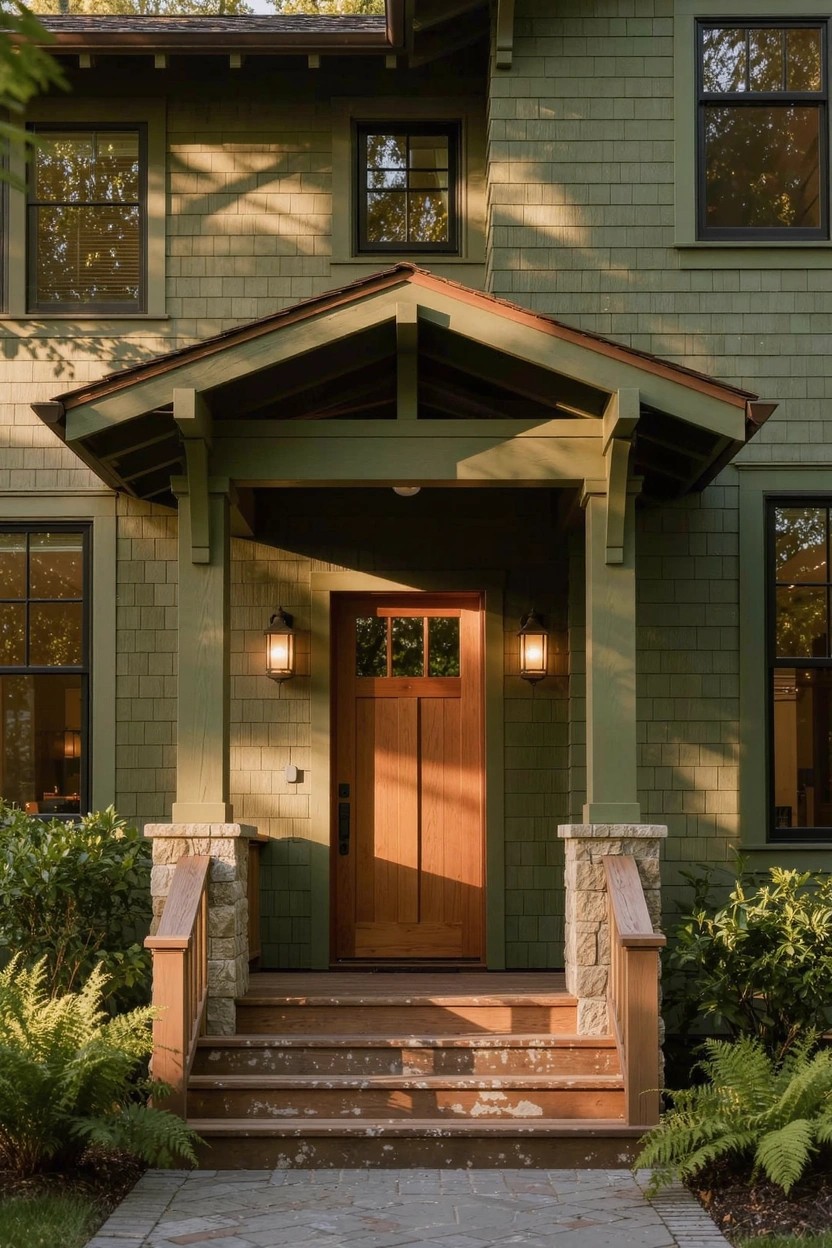
Sage green shingle siding like this blends houses right into their surroundings. It takes on a softer glow in afternoon light, especially against trees and shrubs. Folks notice how it pairs easy with a wooden front door and simple lanterns, keeping things calm and lived-in.
This color suits older Craftsman homes or any place with some woods nearby. Go for it on bigger facades where you want low-key charm. Stick to warm wood trim and stone accents to make it pop a bit. Just hose it down yearly. Dirt shows less than you might think.
Warm Terracotta Siding
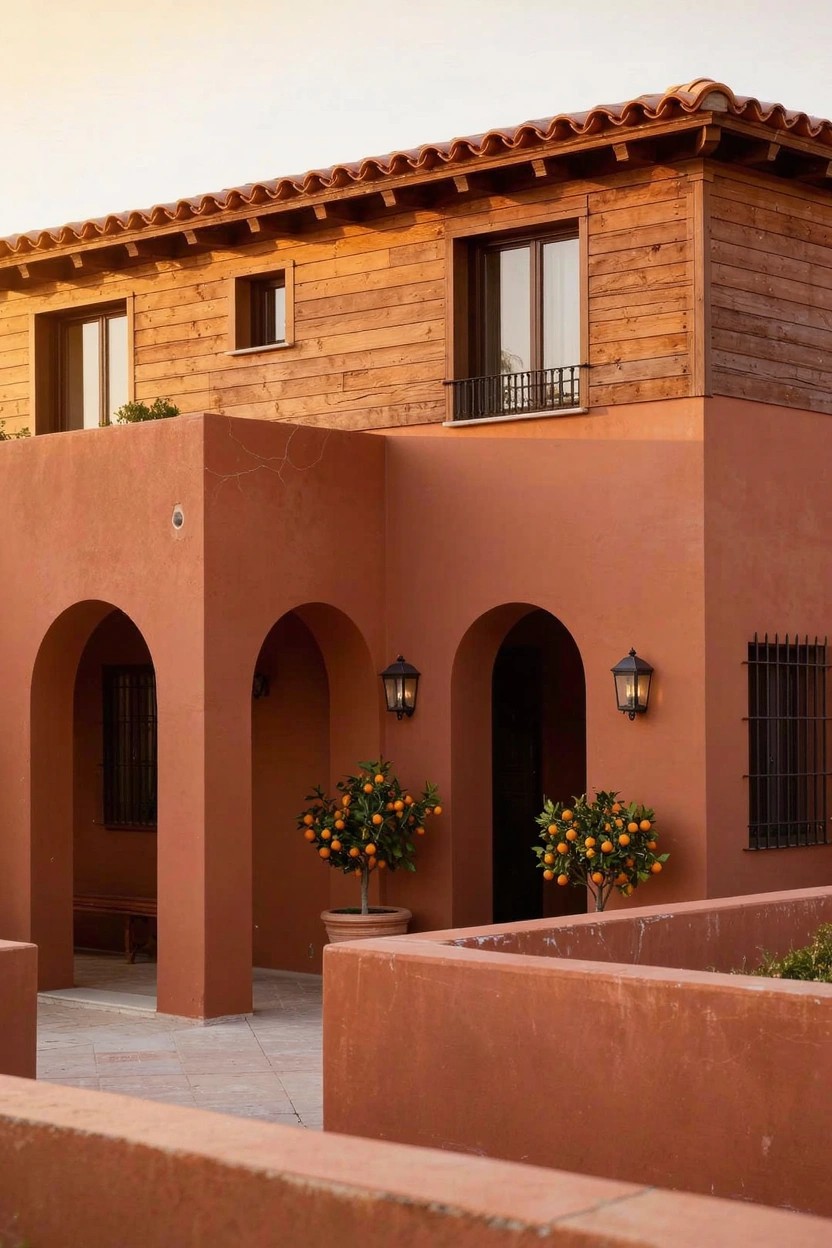
Warm terracotta siding brings a solid, earthy look to a home’s exterior. That reddish-brown stucco color picks up the sun nicely and feels right at home in dry climates. It stands out here against the wood accents up top.
Try it on low-slung houses or ones with tile roofs. It suits yards with simple plantings, like potted citrus trees by the entry. Skip it if your spot stays shady. It can turn muddy then.
White Board-and-Batten Siding
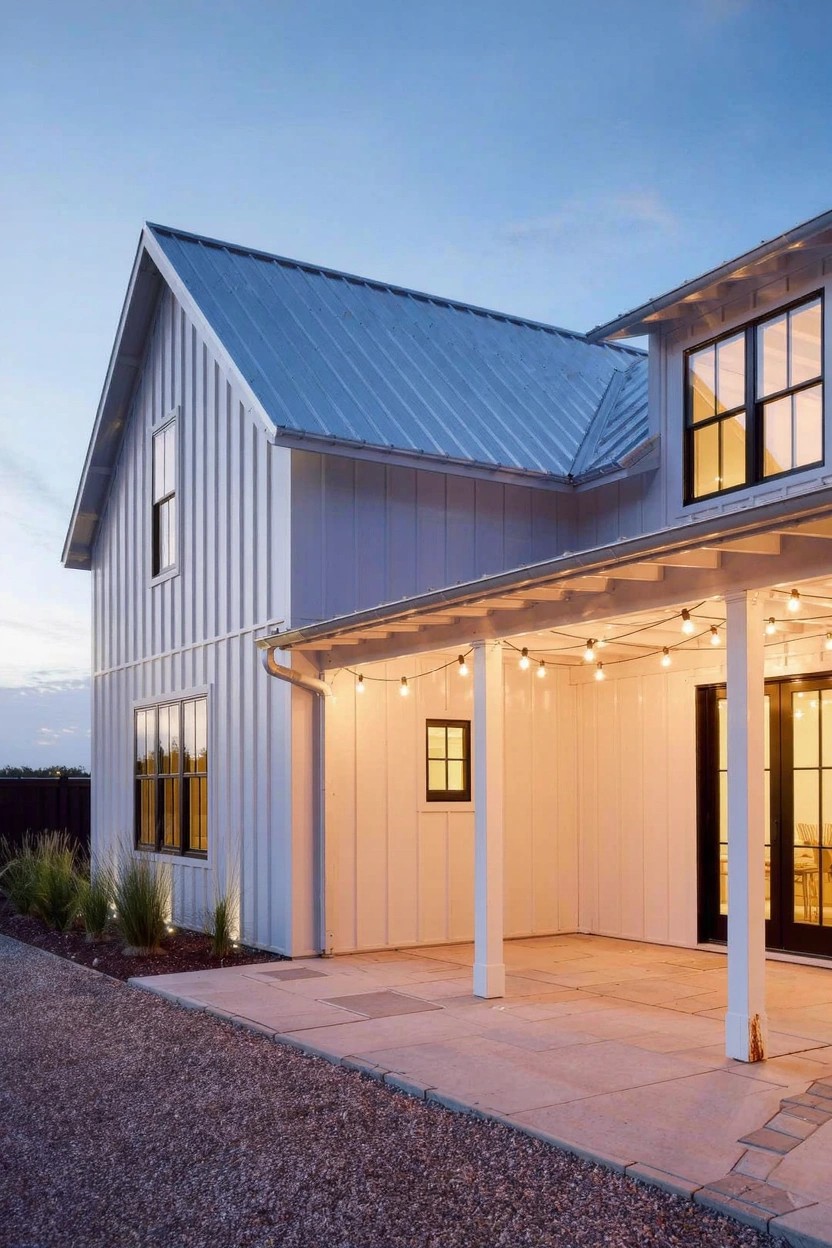
White board-and-batten siding keeps things simple and clean on this farmhouse style home. The vertical lines add a bit of height and texture without much fuss. It stands up well against a gray metal roof and lets evening lights on the porch show up nicely.
This siding works best on homes with open yards or rural spots where you want a bright backdrop for plants or gravel paths. Go for it on two-story houses to make them feel taller. Just clean it now and then since dirt shows on white.
Pale Yellow Siding for Beach Houses
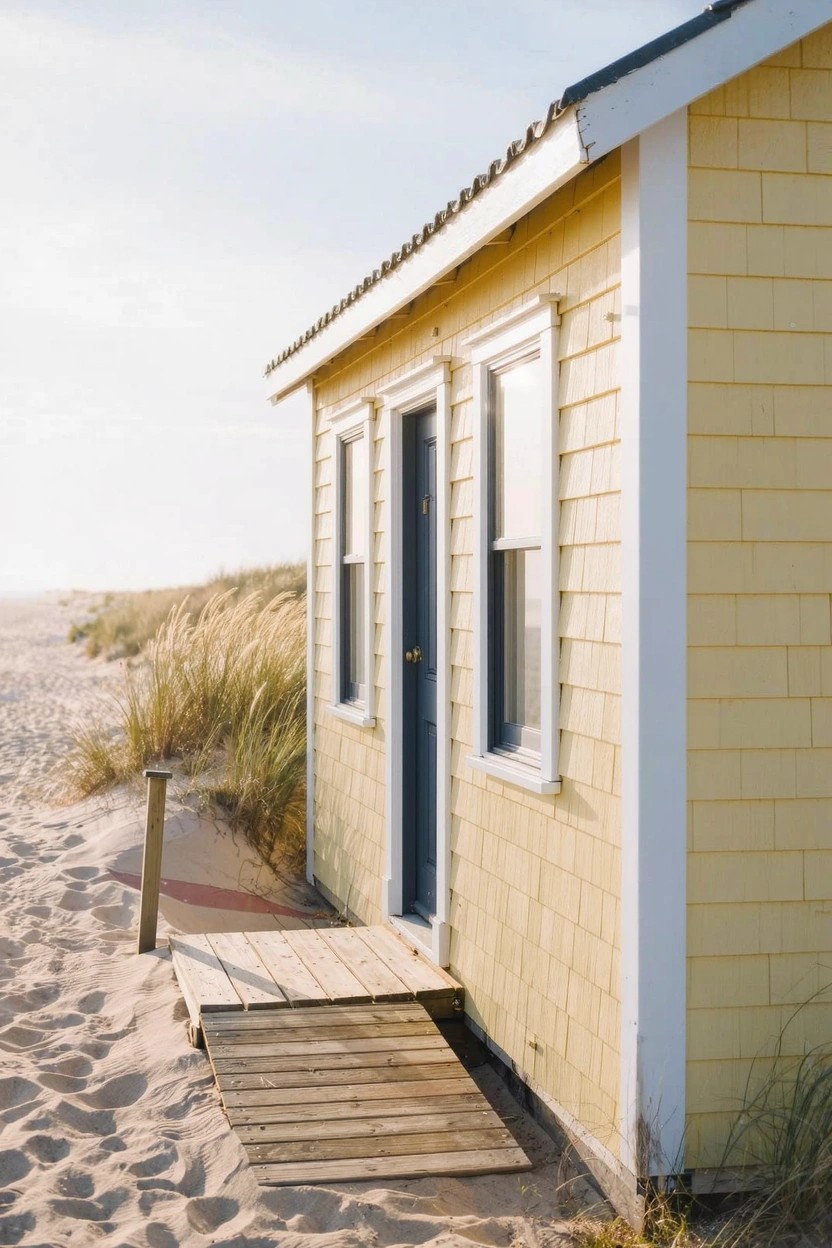
Pale yellow siding catches the light just right on beach houses. It blends with sand and sun-bleached grass without fading into the background. Folks notice how it keeps things cheerful year-round, even in foggy weather.
This color suits small cabins or cottages right by the dunes. Pair it with a dark door for some contrast, like you see here. It fits casual spots best. Steer clear of busy urban yards where dirt shows up more.
Dark Green Trim on Light Siding
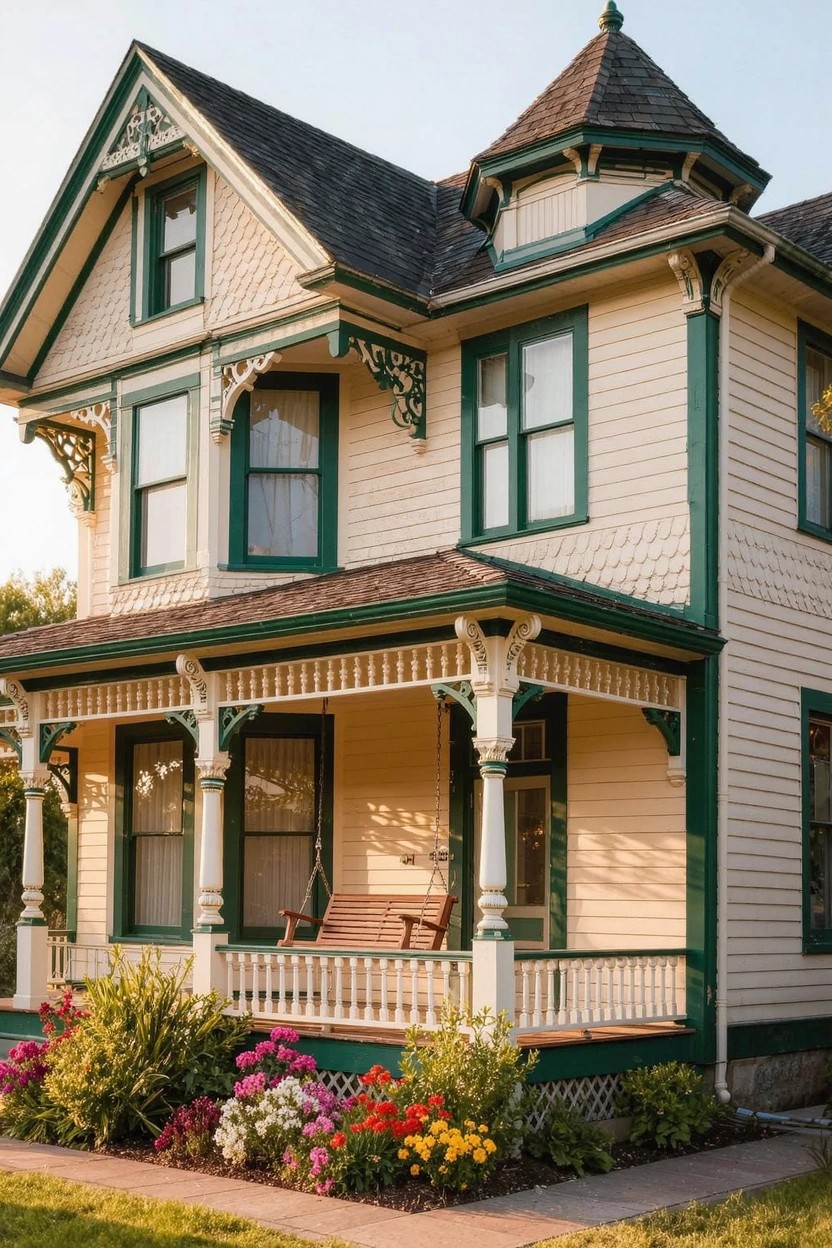
This color combo takes a pale beige siding and sets it off with dark green trim around the windows, porch columns, and roof edges. It gives the house a crisp look that feels fresh but settled in at the same time. The green pops just enough against the light base without overwhelming things.
Try it on older homes with some architectural detail, like a Victorian or Craftsman style. It works best where you have trim work to highlight. Keep the siding neutral so the green stays strong. On plain boxes, it might feel off balance.
Mauve Shingle Siding
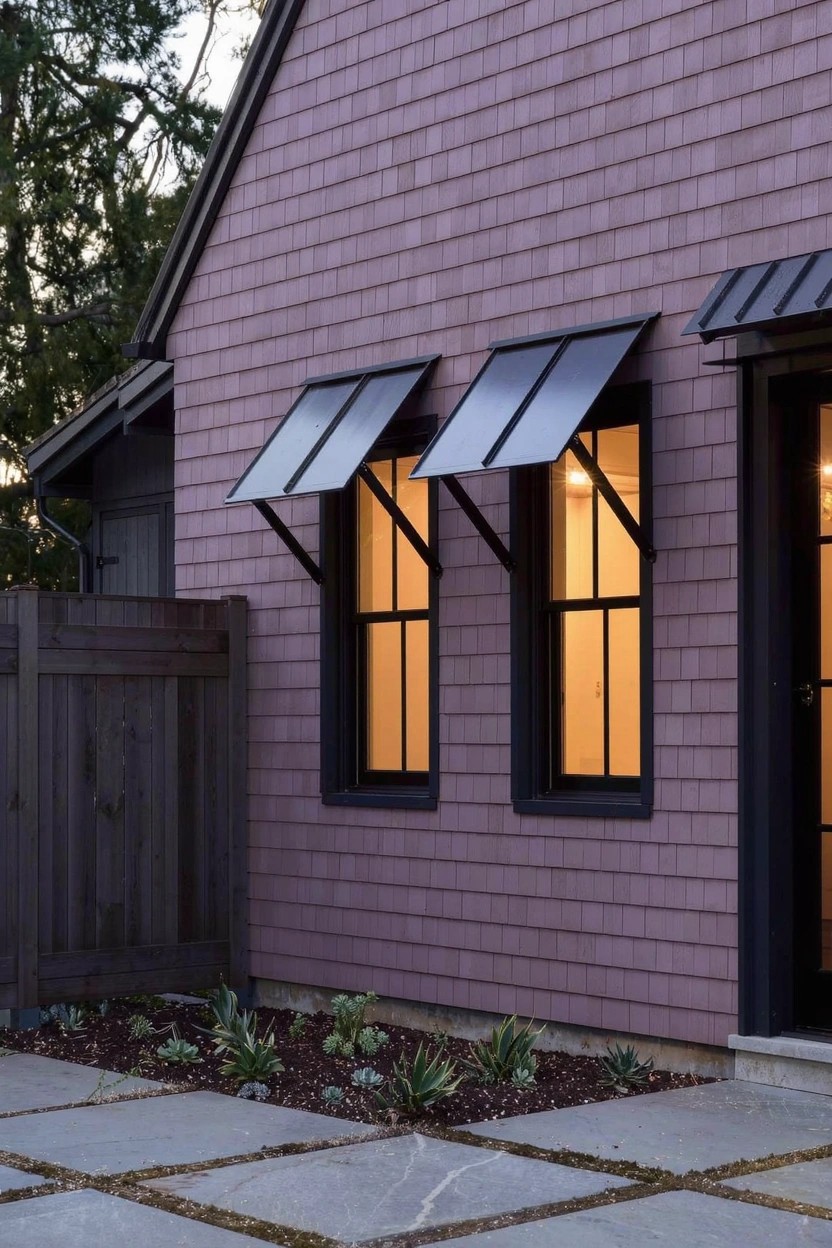
Mauve shingle siding like this brings a quiet color to older-style homes. It sits between pink and purple, soft enough for everyday but different from plain grays or beiges. Black frames on the windows pop against it nicely, and the warm glow from inside at dusk shows how it holds up in low light.
This color works best on shingle or clapboard houses with simple gables and trim. Try it where you have trees or fence nearby to keep things from feeling too bright. Steer clear if your yard is mostly stark white stone, though. It needs some green or wood tones underneath.
Charcoal Gray Corrugated Siding
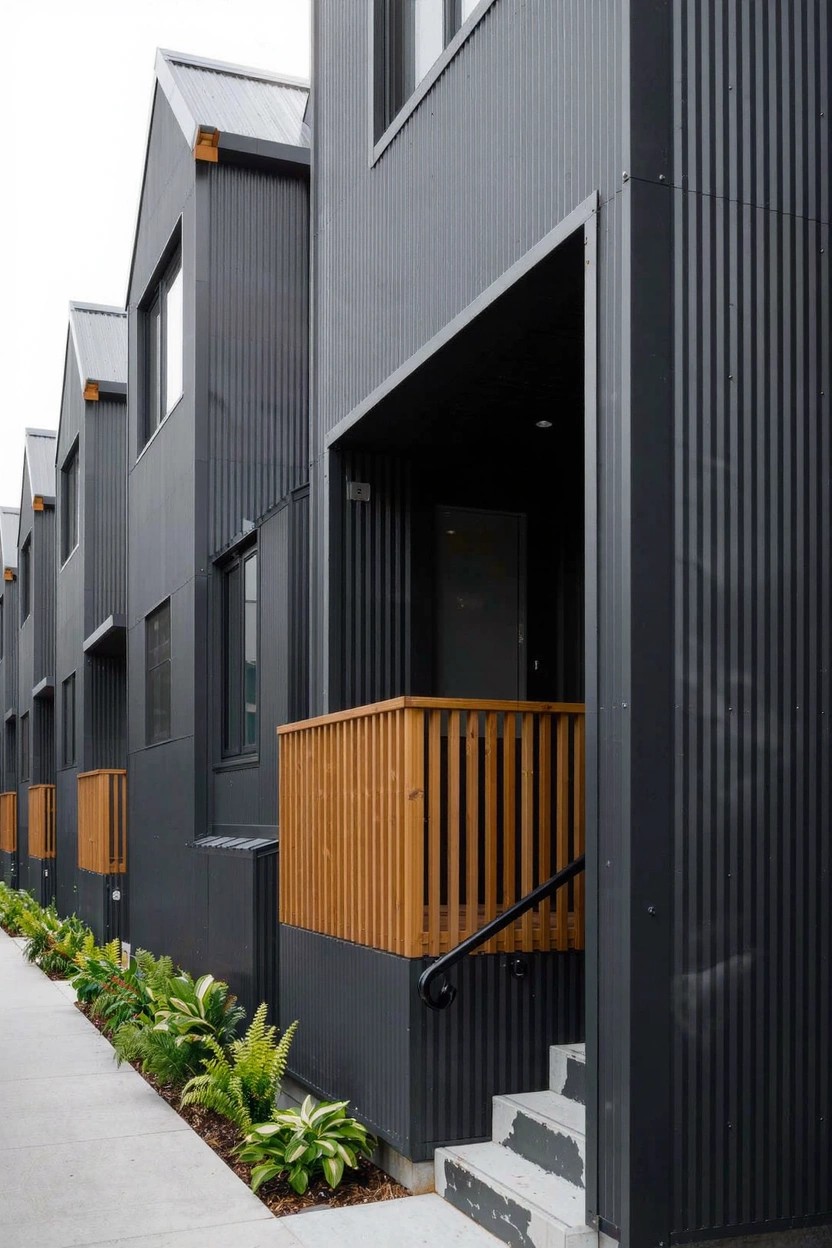
Charcoal gray corrugated siding covers these townhouses from top to bottom. It gives a strong modern look that’s simple and tough. The vertical lines add some texture without fuss, and it holds up well in different weather.
Pair it with wood details like balconies or steps to warm things up a bit. This works great on row houses or new builds in urban spots. Skip it on real old places unless you want a full update. Just make sure the gray shade fits your roof and trim.
Gray Shingles with Warm Window Frames
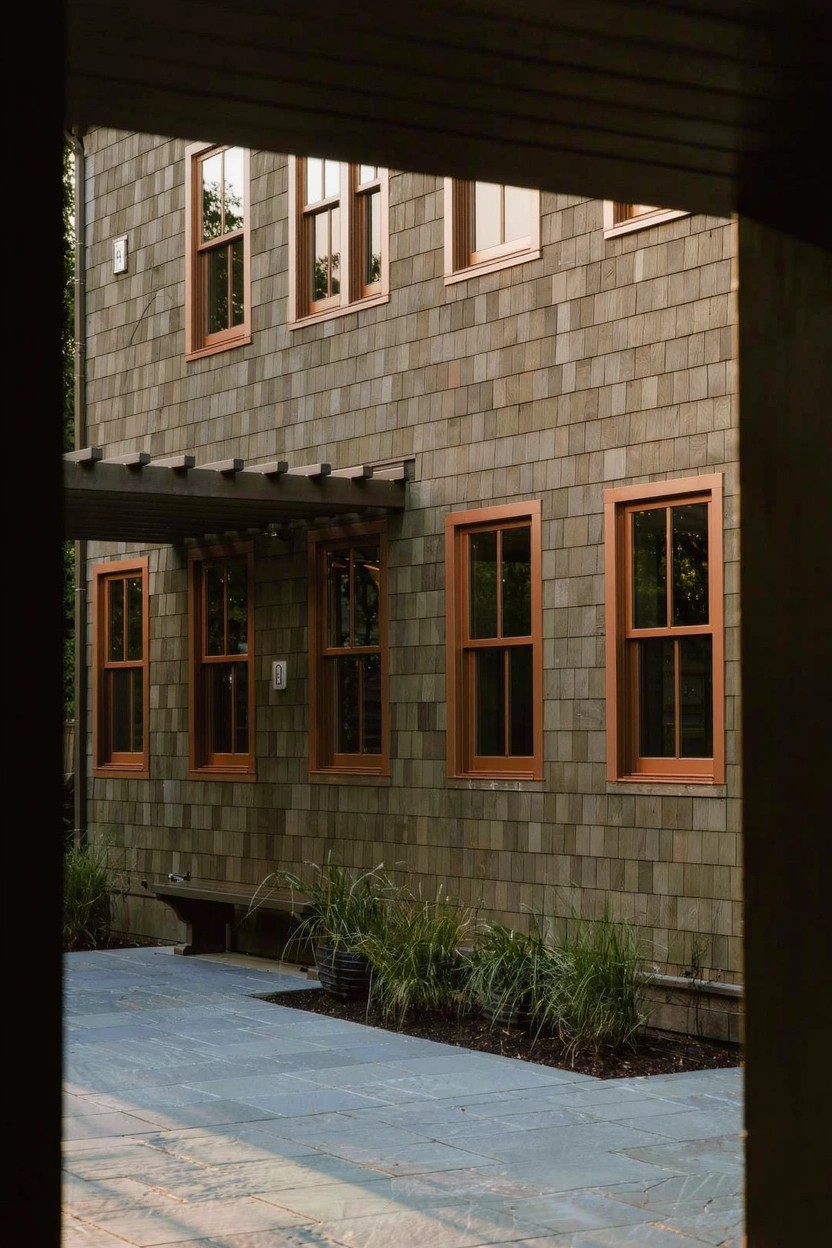
Gray shingle siding like this gives a house a quiet, natural look that blends right into surroundings. The warm orange-brown frames on the windows add just enough contrast to make things interesting. It keeps the siding from feeling too dull, and pulls the eye to those big windows without overpowering the whole facade.
This setup works best on craftsman or coastal style homes, especially where you have trees or greenery nearby. Plant some low grasses along the base to tie it in. Watch out for direct sun fading the wood tones, so pick a good stain or paint.
Warm Reddish Wood Siding
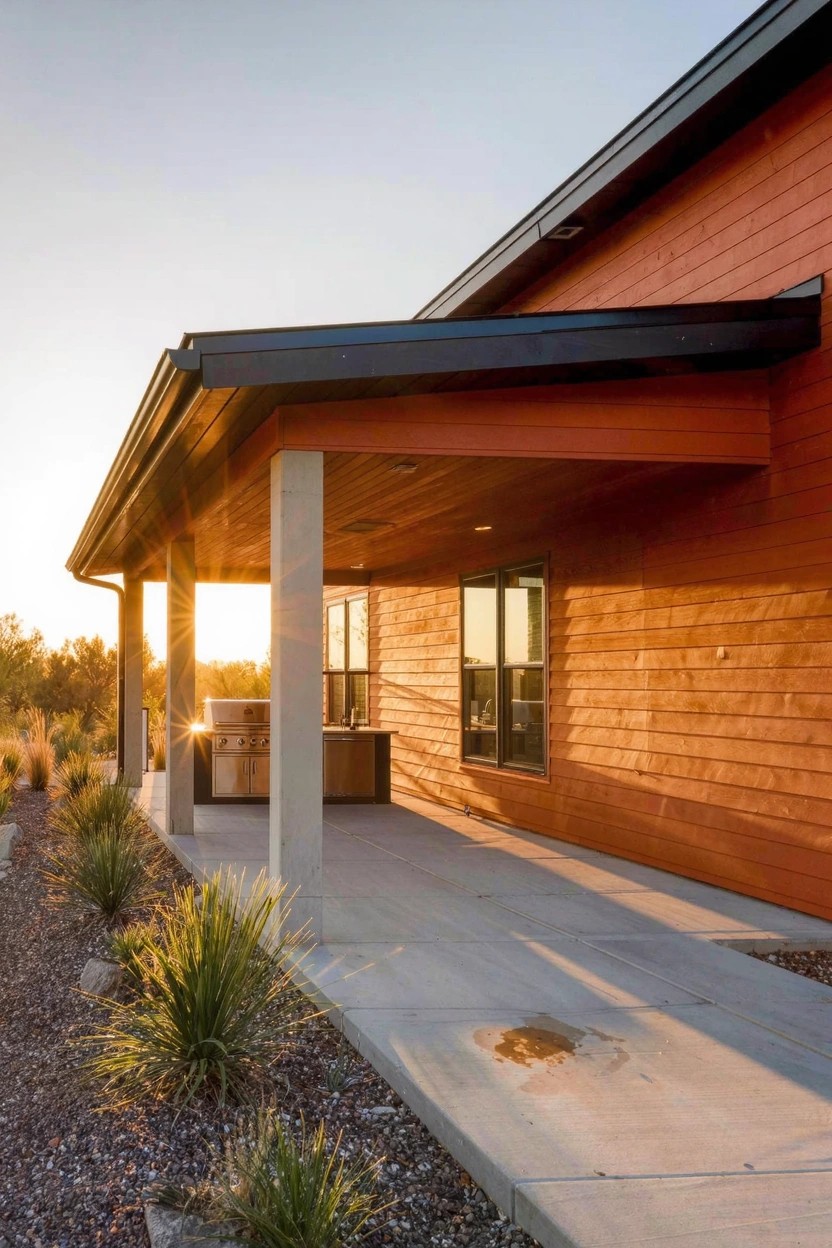
This kind of siding catches the eye with its deep, earthy red-brown tone. It’s wood, likely cedar or pine that’s been stained just right to look rich without being too orange. Folks like it because it warms up the house against all kinds of backgrounds. In the photo, it ties right into the sunset light and those dry grasses nearby.
You can pull this off on ranch homes or low-slung modern builds, especially where there’s open land or scrubby plants. Pair it with concrete posts or stone bases to keep things sturdy. Just make sure the stain holds up to your weather. It works best out west… or anywhere you want that natural cabin feel without going full log.
Turquoise Shingle Siding
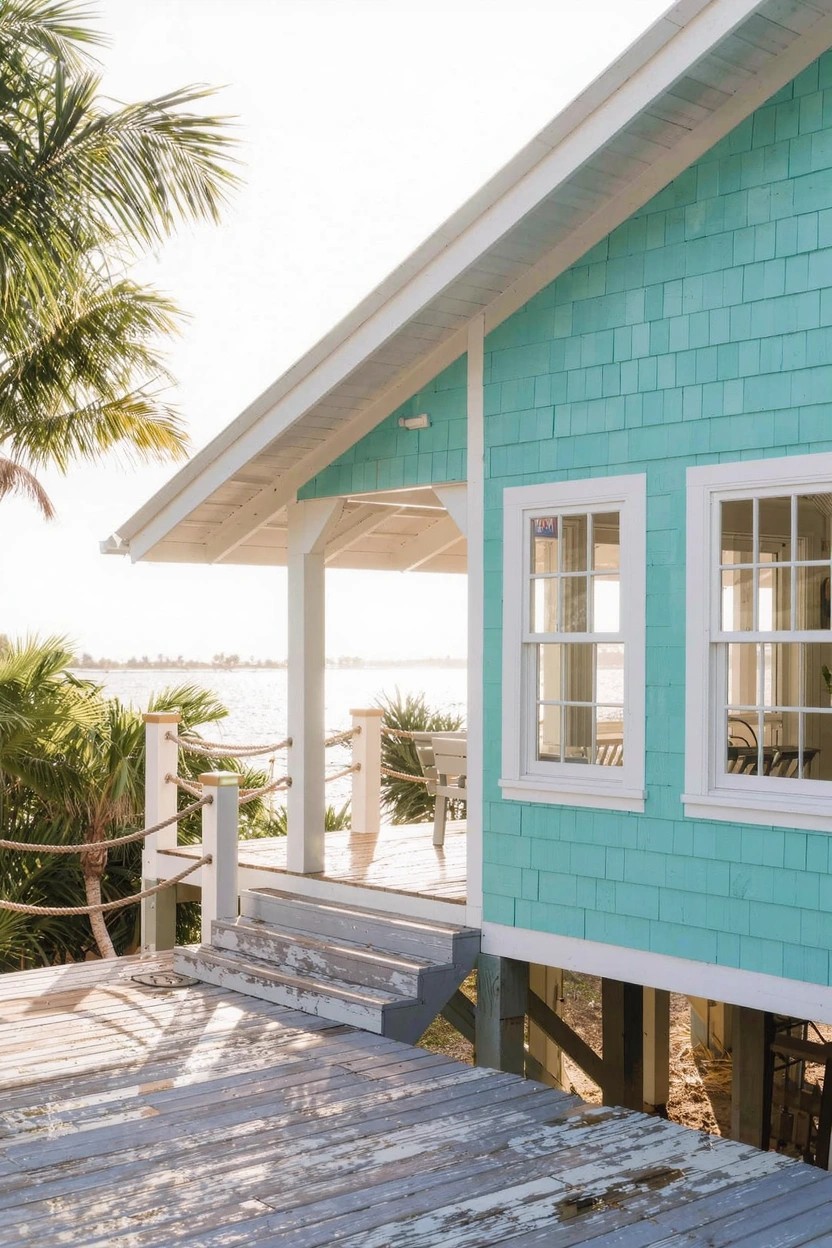
Turquoise shingle siding gives a home that easy coastal feel. It stands out without trying too hard, especially when you pair it with crisp white trim on the windows. Folks like it because it blends right into beachy spots, echoing the water nearby.
Use this color on vacation homes or cottages in warm areas. It looks best raised up on stilts or with a basic deck out front. Skip it if your yard stays shady. The shingles hold the hue well over time.
Red Barn Siding
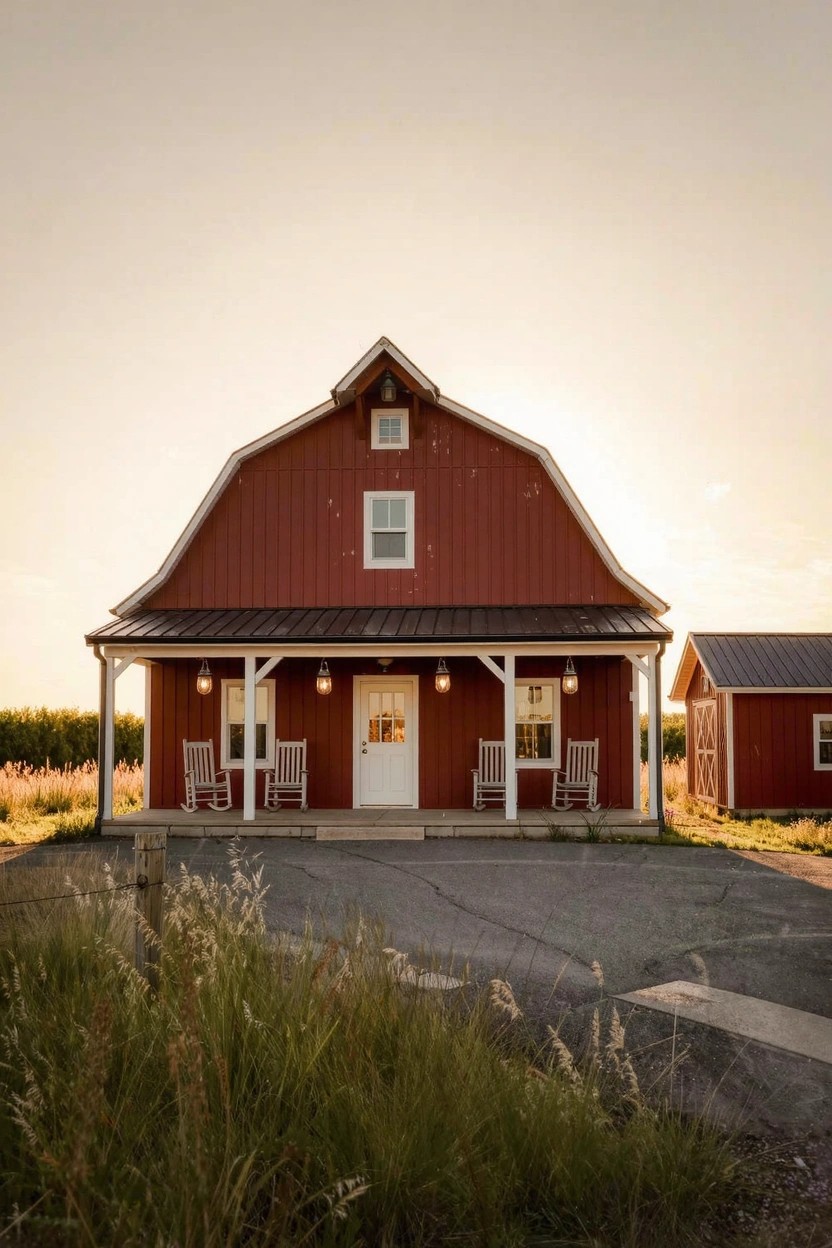
Red siding gives a barn house that strong, familiar look folks remember from the countryside. It stands out nice against open land or fields, and holds up well over time. White trim around the windows and doors keeps things clean without much fuss.
Try this on farm-style homes with a gambrel roof. It fits rural yards or bigger lots best, where the color can breathe. Skip it on small city lots… too much color there. Just add simple porch chairs and you’re set.
Soft Beige Stucco Siding
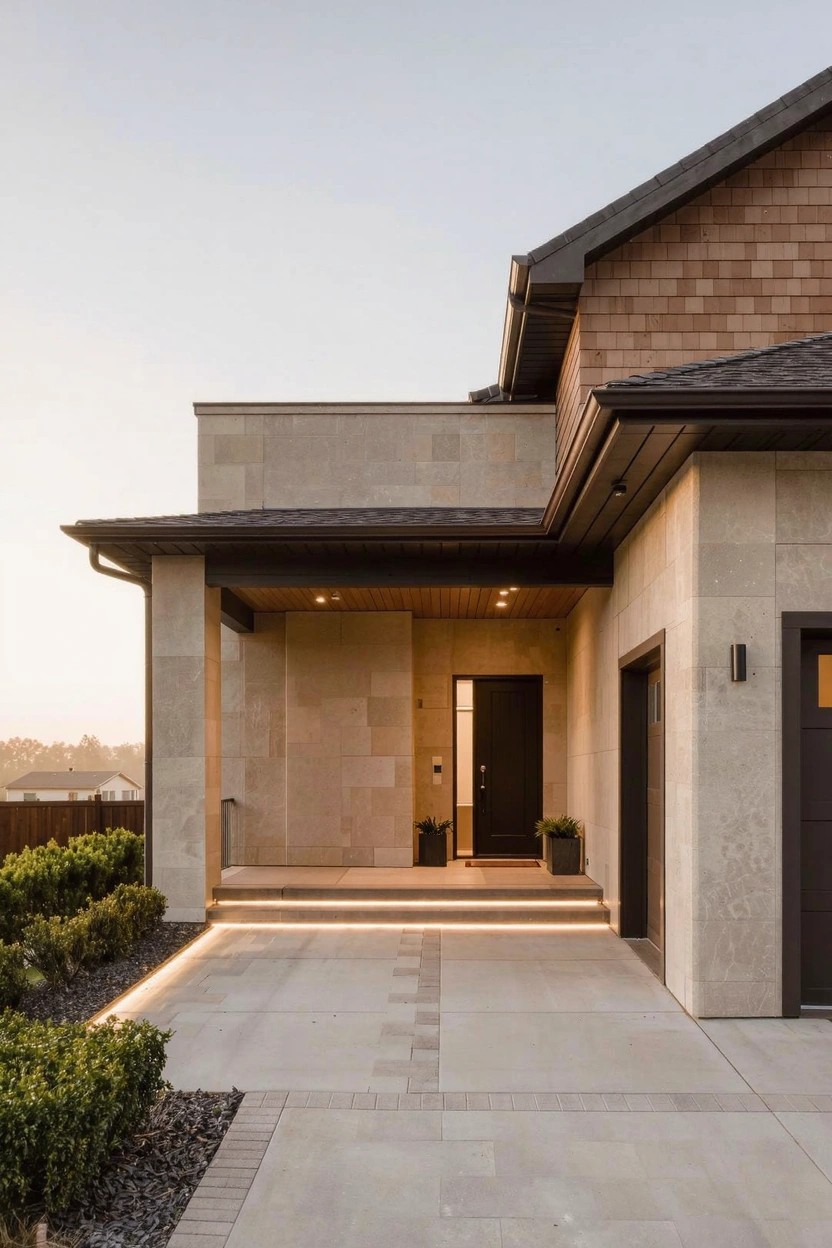
Soft beige stucco siding like this one keeps a home looking calm and put-together. It works because the light color bounces back the evening light without washing out. That subtle warmth shows up against darker shakes up top and black doors below. Folks like it for not trying too hard.
Try it on ranch houses or low-slung modern builds where you want the yard to play a bigger role. It holds up well in sunny spots. Just test the shade outside first… some beiges turn pinkish over time. Pair with gravel paths for easy upkeep.
Navy Blue Siding
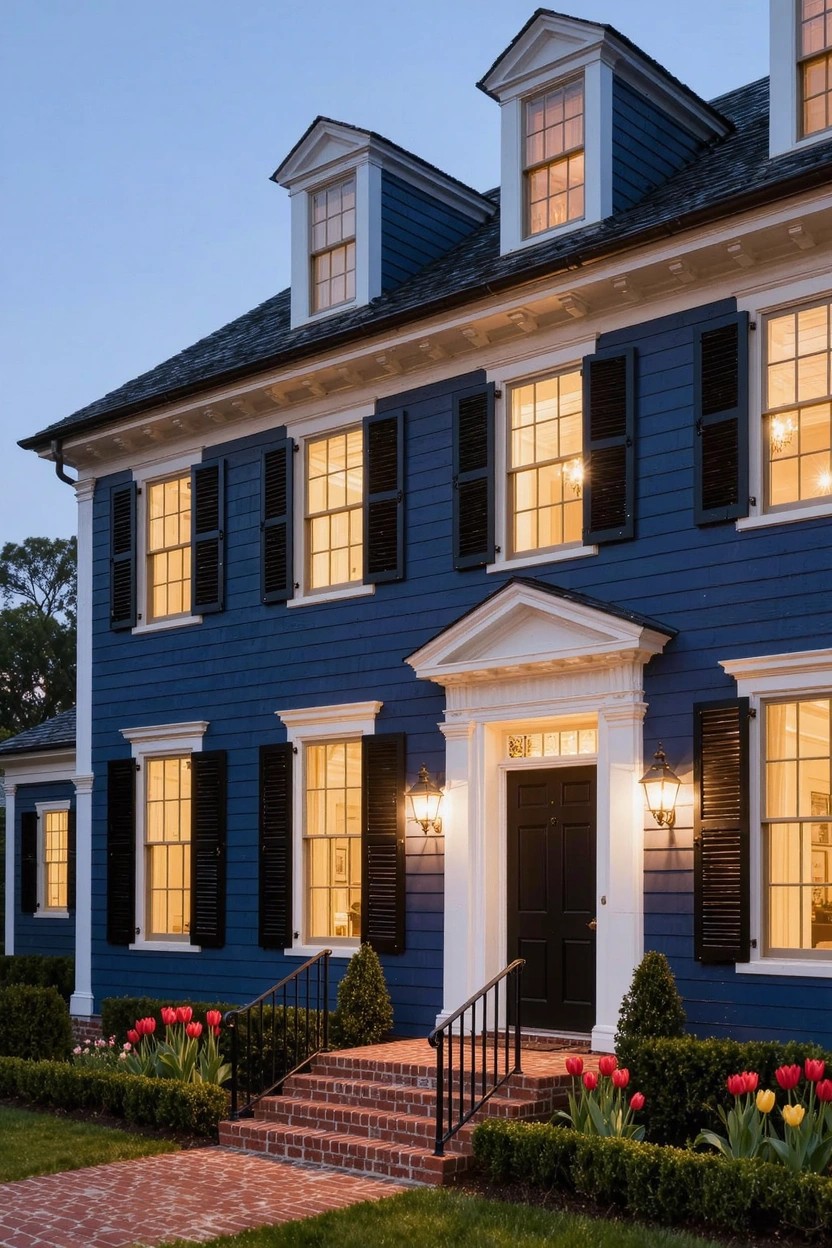
Navy blue siding brings a solid, dependable feel to a house exterior. It shows up clean and strong next to white trim on the windows and eaves. Folks notice how it holds its own in low light, like toward evening when windows glow warm inside.
Try it on older style homes with simple shapes, such as colonials. It fits yards with neat hedges along the walk. Pick a siding that takes paint well, since navy can show dirt over time if you skip good prep.
Frequently Asked Questions
Q: Will dark siding colors heat up my house too much?
A: Dark shades soak up the sun, so they can make things warmer inside during hot months. Stick to lighter options like pale grays or creamy beiges if you’re in a sunny area. You notice the difference on those peak summer days.
Q: How do I pick a color that matches my roof and trim?
A: Look at your roof first and pull from colors a few shades lighter or cooler. Navy roofs pair great with soft whites or warm taupes. Hold samples next to your trim outside to see the real vibe.
Q: What’s the best way to test these colors on my actual house? A: Snag a few siding sample boards from the store. Prop them up where the sun hits and check them morning, noon, and evening. That quick check saves you from regrets.
Q: Can I use these trendy colors on a rental property?
A: Go for neutrals like sage green or light stone that appeal to most renters. They look fresh but won’t scare off picky ones. And they hold up well to everyday wear.
