

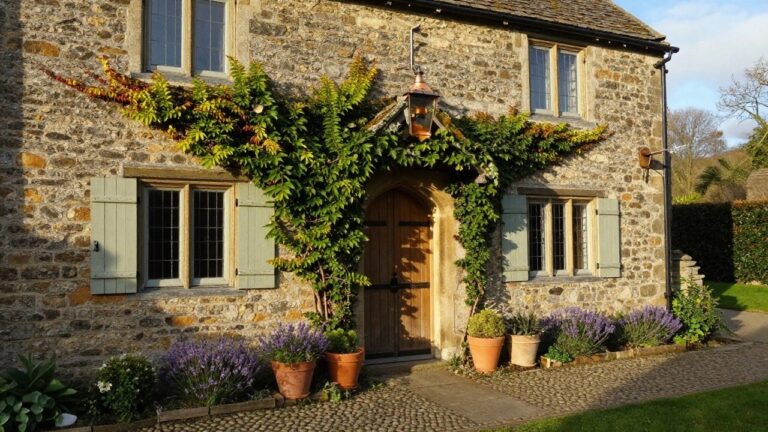
I drive past plenty of cottages, and the ivy-cloaked ones always snag my attention first because they project this quiet, rooted charm right from the street. That green veil softens brick or stone facades without swallowing the roof pitch or front steps whole. I once eyed our siding for some vines myself, figuring they’d age our place nicely, until I spotted how they spotlight any settling cracks up close. Good examples pair the ivy with sturdy trim and entries that keep the house reading balanced, not buried. Curb appeal like that sticks.
Stone Cottage Entry with Ivy
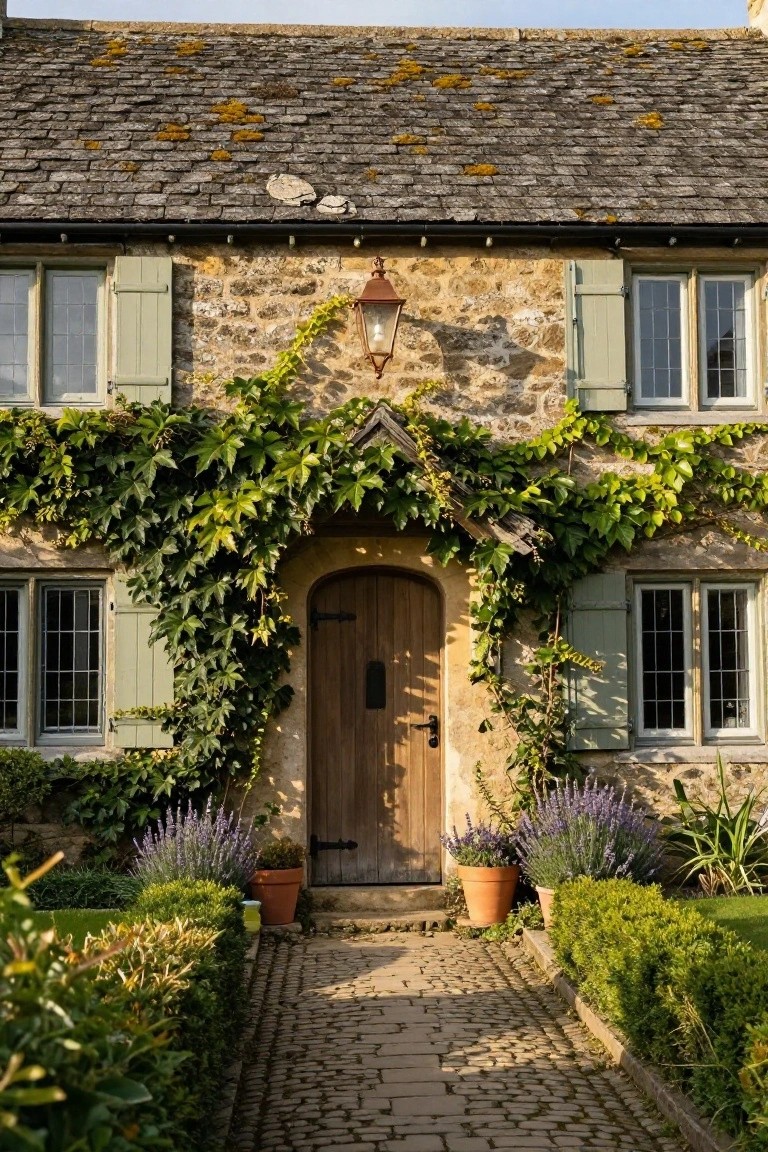
Ivy climbing over the rough stone walls of this cottage pulls everything together in a soft, natural way. It frames the arched wooden door just right, with leaves spilling over the top like a green canopy. That old lantern hanging above adds a bit of glow without taking over.
This look suits older homes made of stone or brick, especially in rural spots where you want curb appeal that lasts. Plant tough ivy varieties that grip without wrecking mortar, and keep paths clear like the cobbles here. Trim once a year…
Recommended Products
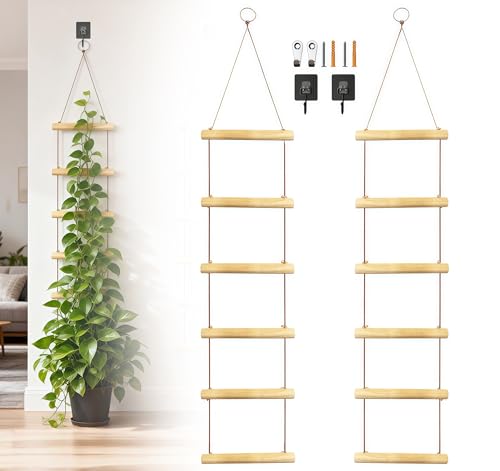
1. Natural Pine Lattice for Plants: Crafted from premium natural pine wood, this lightweight vertical lattice is specifically designed to provide a healthy growing environment for climbing greenery. The rustic wood finish adds a natural touch to your indoor garden while offering a sturdy grip for delicate vines to weave through.

Turn Blank Walls into Living Decor: Transform empty walls into a stylish plant feature with this modern hexagon trellis.Arrange vertically, horizontally, or combine to create a bold honeycomb wall display.
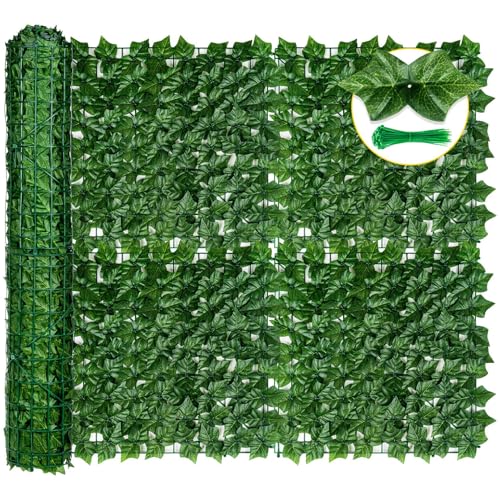
Reinforced Plastic Grid Base for a Stable Artificial Ivy Privacy Fence: Built with a strengthened plastic grid base, this artificial ivy privacy fence maintains its shape and provides reliable support in both indoor and outdoor environments. The reinforced structure keeps each panel steady, preventing bending or sagging on balconies, patios, or backyard fences.
Ivy Covered Stone Walls
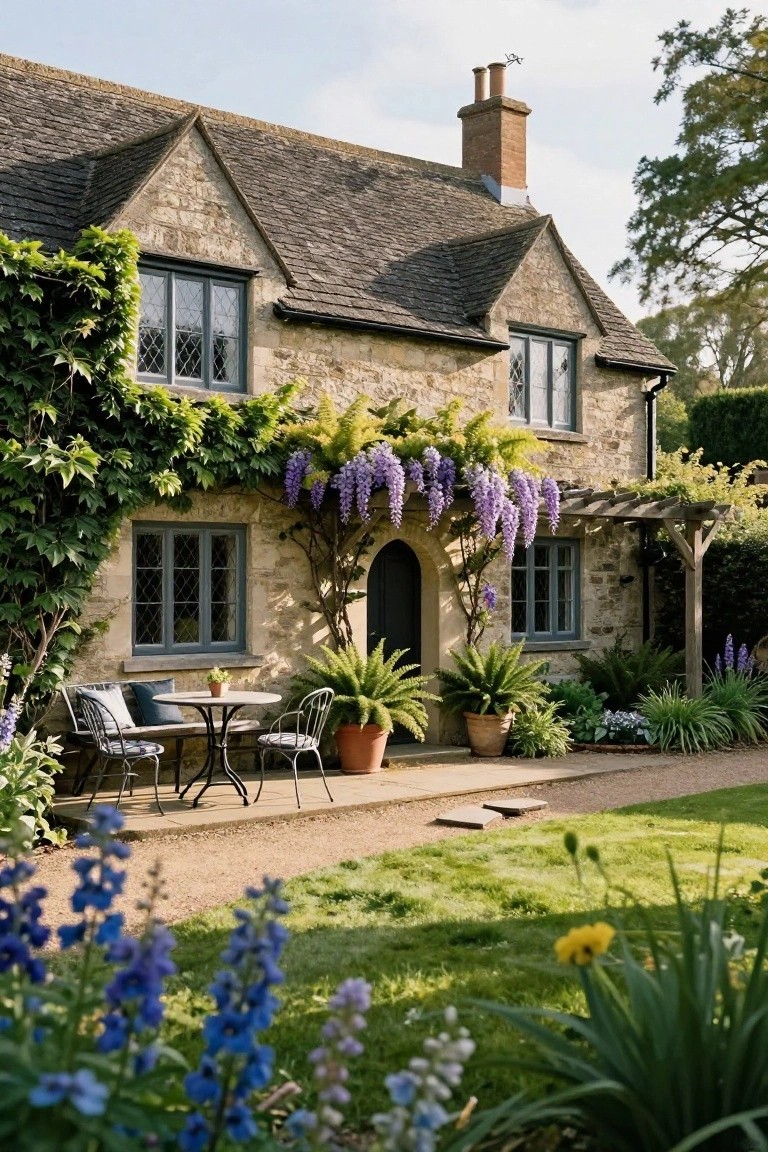
Nothing gives a cottage that instant old-world feel like ivy climbing up the stone walls. It softens the rough texture of the limestone or whatever local stone you’ve got. And it makes the place look settled in, like it’s been there for generations. Here the ivy hugs the facade without overwhelming it. Purple wisteria hangs over the door for extra color.
You can do this on any stone or brick house with solid mortar. Pick a tough climber like English ivy or Virginia creeper. Plant at the base in spring and let it spread. It suits cooler spots best… just trim it back yearly to keep things healthy. Avoid if your walls are too smooth or new.
Ivy Climbing the Entry Walls
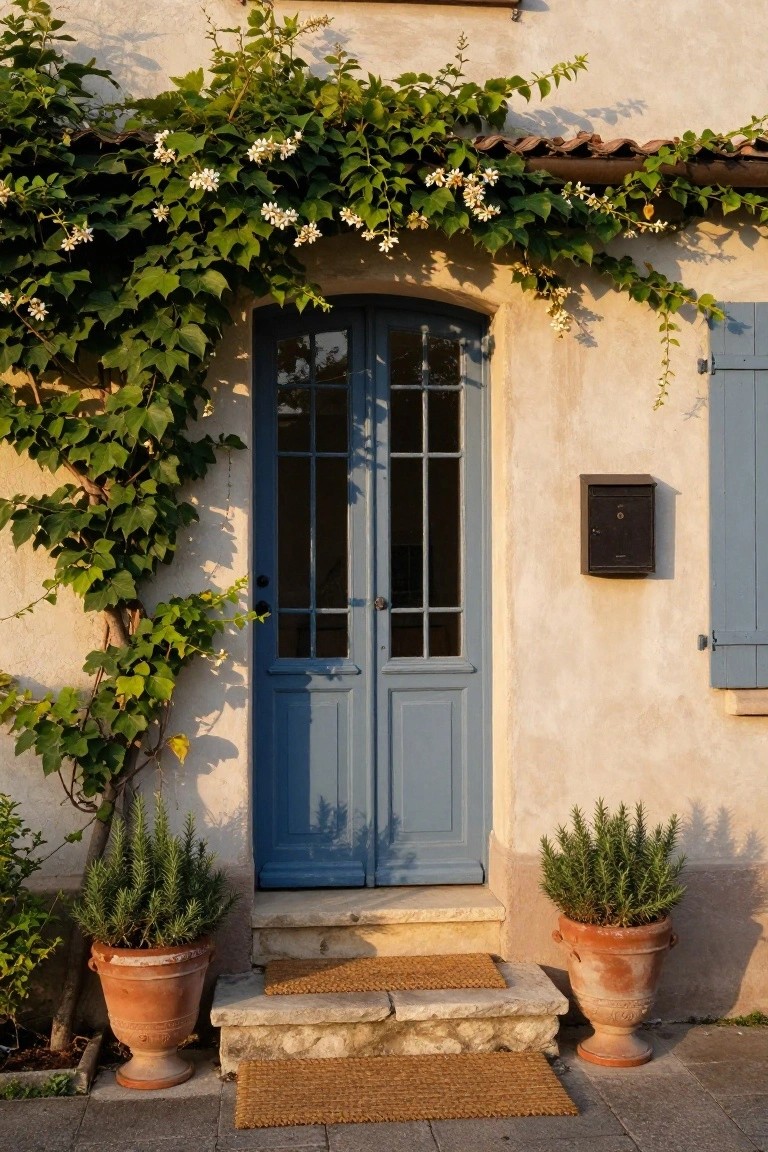
Ivy makes a simple statement when it climbs right up around the front door like this. The green vines and those little white flowers soften the plain stucco wall and pull your eye straight to the blue double doors. It gives the whole place a cozy, settled-in feel without much effort.
You can try this on any cottage-style house facing south or getting steady sun. Pick a tough ivy variety that won’t take over, train it along the arch at first, then let it spread. Flank the steps with big terracotta pots of rosemary or similar upright plants to echo that tidy look. Just trim back in spring to keep the door clear.
Recommended Products

WORTHY BATCH DECORATION APPLICATION : There are totally 84 feet artificial ivy vines、50*green cable ties included in one bag (Each ivy hanging vine approx 7ft long,leaves diameter approx 1.4-1.8inch.comes with 12 Strands artificial ivy vine,plastic vine silk leaves.). Batch application is more cost-effective, such as wedding, garden, and shopping malls.

🍀SIZE:Our artificial ivy garland made from Silk,Plastic,High Quality,Each garland plants 7 FT Long,total 84 Ft,Leaves about 1.5-1.8 inches in diameter,comes with 12x artificial ivy vines.Each fake vines garland holds 80 leaves.

🍀SIZE & PACKAGE:Each package contains 14 x artificial ivy garland ! Each vines stretches 7 FT long, giving you a total of 98 FT of lush greenery. With 80 lifelike leaves per vine (1.5"–1.8" diameter), you’ll have plenty of material to transform any space into a vibrant, nature-inspired retreat
Ivy on Stone Cottage Walls
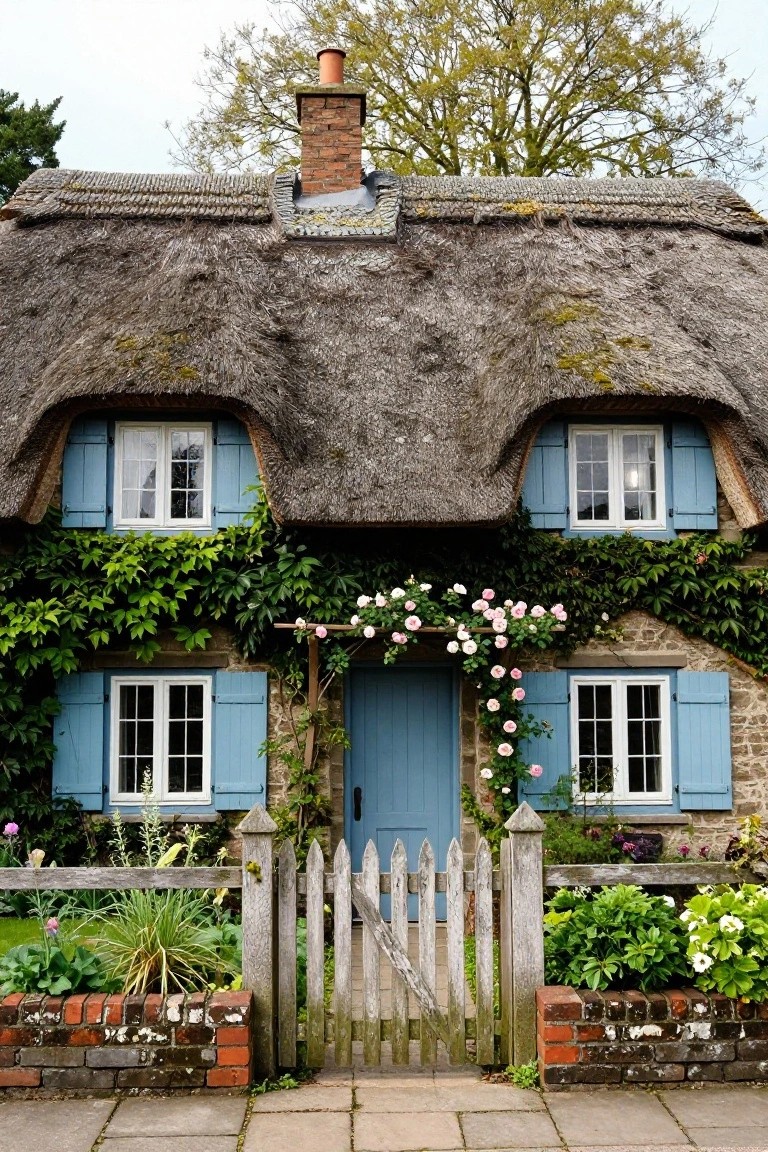
Ivy climbing those rough stone walls turns a simple cottage into something straight out of a storybook. It softens the hard edges of the stone just right, and with a thatched roof overhead, the whole front feels settled and timeless. Folks love how it brings life without much fuss.
Train the ivy up the sides, keeping it clear of windows and the roofline to avoid trouble. It suits older stone or brick homes best, especially in milder spots where it won’t take over. Pair it with a few roses near the door for extra color, but watch it doesn’t smother gutters.
Ivy Covered Cottage Walls
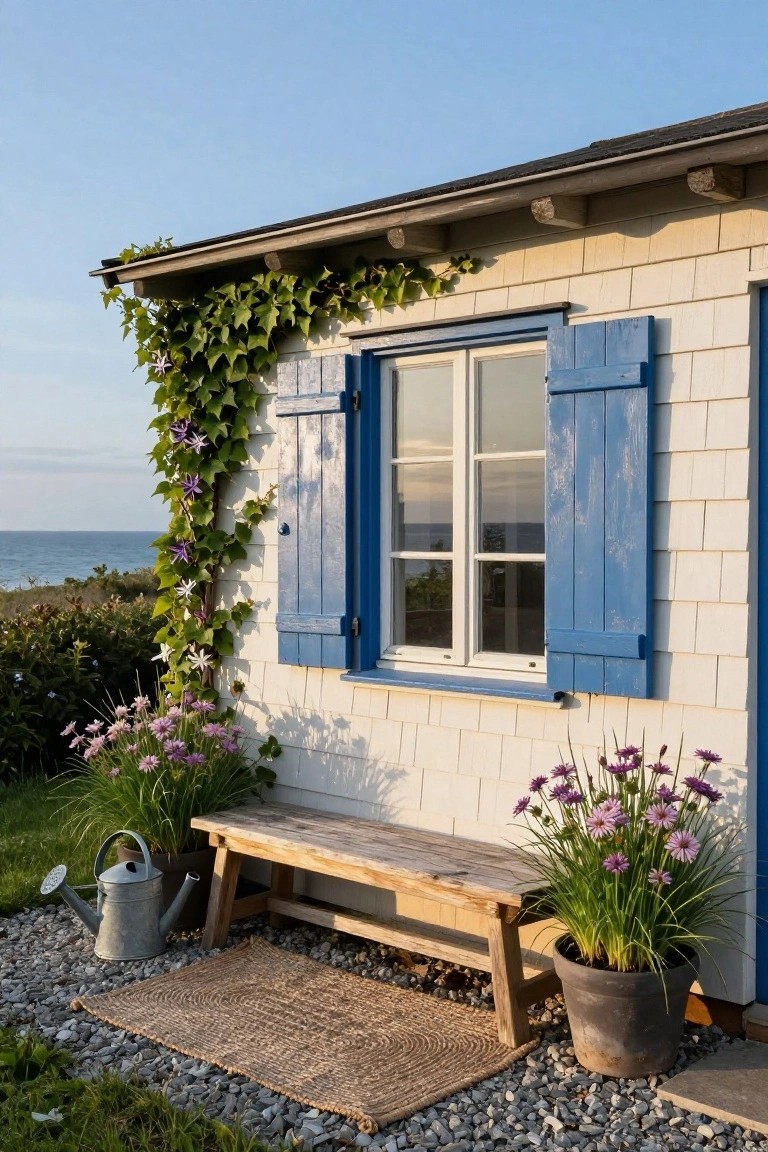
Nothing says cottage like ivy climbing up the walls. Here, lush green vines wrap around the shingle siding, softening the look and giving it that lived-in feel people love. The blue shutters pop against the greenery, and it all ties together without much fuss.
This works best on older homes or seaside spots where you want low-key charm. Plant tough ivy varieties at the base, train them loosely, and add a bench nearby for sitting. Keep an eye on growth so it does not overwhelm windows.
Ivy Covered Cottage Walls
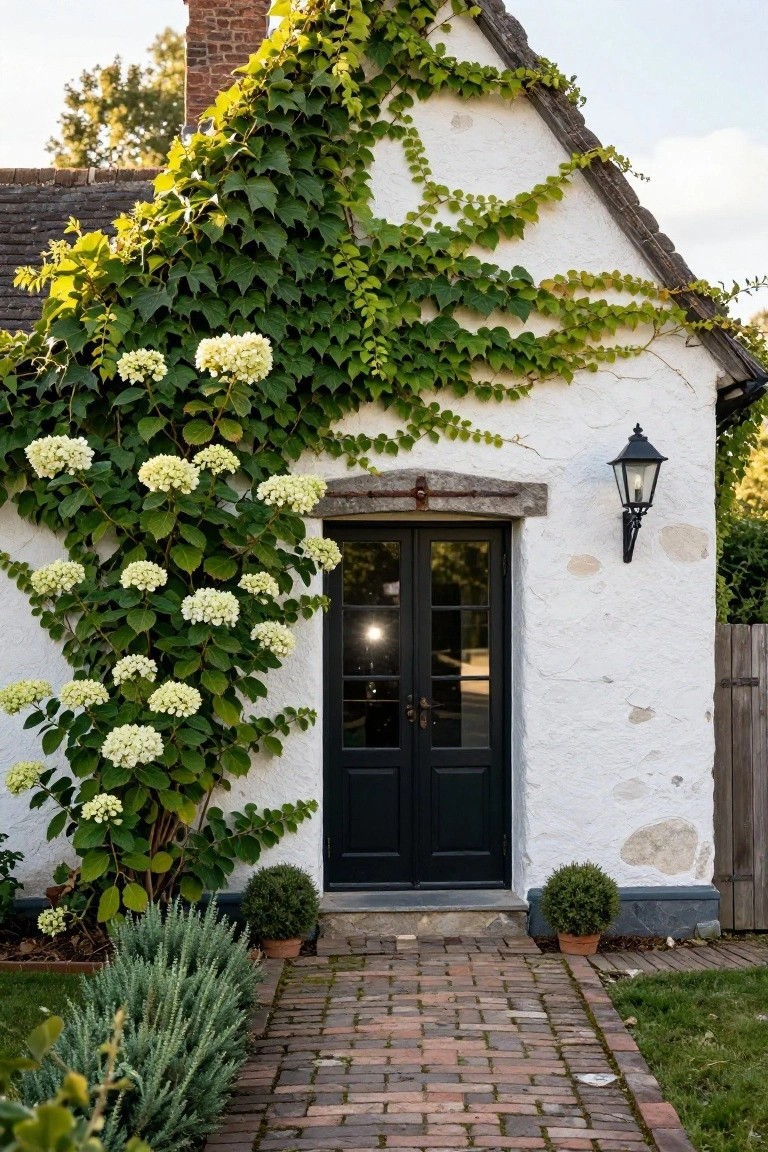
Nothing says cottage charm like ivy climbing up white plaster walls. This look softens the plain stucco surface and adds layers of green that shift with the seasons. Those big white hydrangea blooms popping against the leaves give extra texture without trying too hard. It turns a simple facade into something that feels established and welcoming.
Plant tough ivy varieties at the base near your entry, and guide them up with some ties at first. It suits older homes or bungalows with light-colored walls best. Pair it with a dark door for that nice contrast, but trim back in spots to keep windows clear. Watch for too much growth in wet climates though.
Ivy Covered Cottage Walls
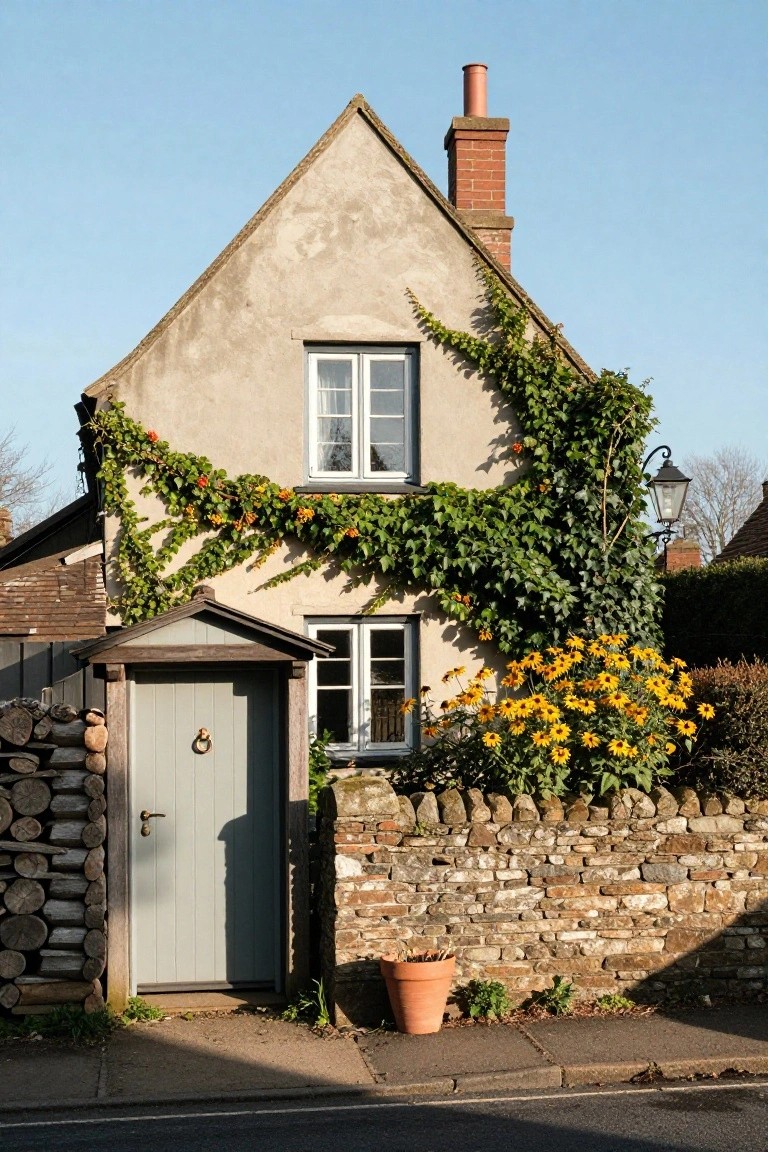
Nothing says timeless cottage charm like ivy climbing up the walls. Here, lush green vines wrap around the stone facade, softening the rough texture and blending the house right into its garden setting. It gives that cozy, storybook feel without much effort, especially on a simple gabled roofline like this one.
This look works best on older stone or stucco homes in rural spots, where the ivy can spread naturally. Plant it near the base, let it grow over years, and trim back as needed to avoid mortar issues. A few bright flowers by the door keep things lively… just don’t let it take over the windows.
Ivy on Brick Walls
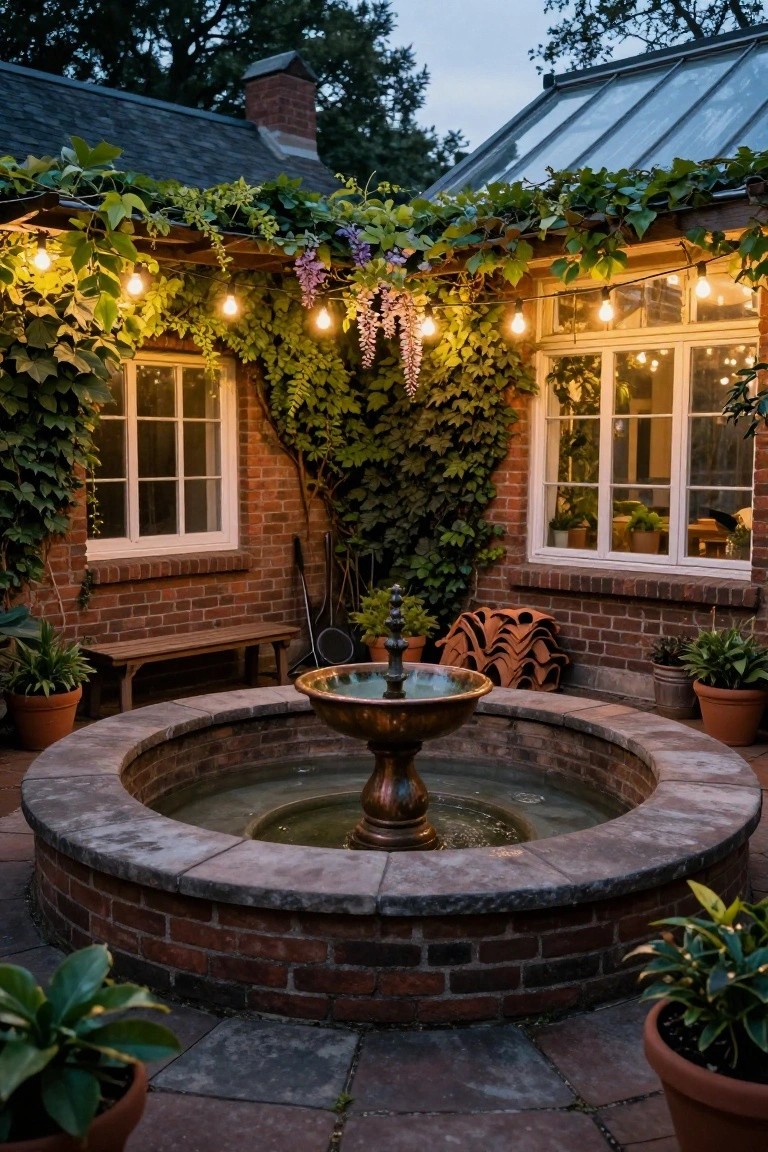
Ivy climbing up brick walls gives a cottage that real old-world feel. It softens the hard lines of the brick and makes the place look lived-in and welcoming right away. In this setup, the green vines cover the corners and frame the windows nicely, blending the house into the garden without much effort.
You can try this on older homes or any brick exterior that needs some charm. Pick a tough ivy variety that won’t damage the mortar, and let it grow slow at first. It works best in partial shade spots like this courtyard edge. Just trim it back now and then to keep things neat.
Half-Timbered Cottage with Ivy Walls
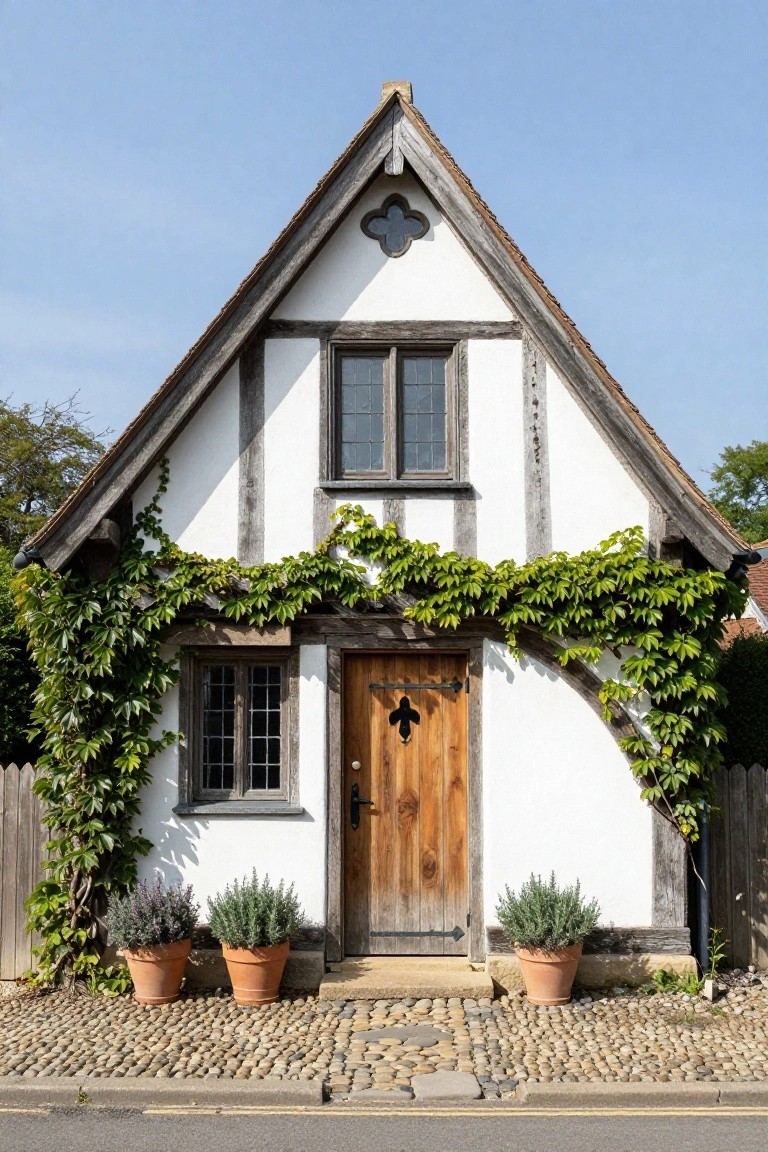
Ivy growing up the sides of a half-timbered cottage gives it that perfect old-world feel. The dark wooden beams stand out against the white plaster, and the green vines fill in the spaces just right. It makes the house look settled and welcoming, like it’s been there forever. A simple wooden door and a couple pots of lavender by the steps keep things straightforward.
This look suits country homes or village houses best, especially ones with that classic English framing. Start with sturdy ivy like Boston ivy at the base of the walls. Train it along the timbers as it grows. Trim it back now and then so it doesn’t mess with the windows or door… and check the plaster underneath every couple years.
Cottage Walls Covered in Ivy
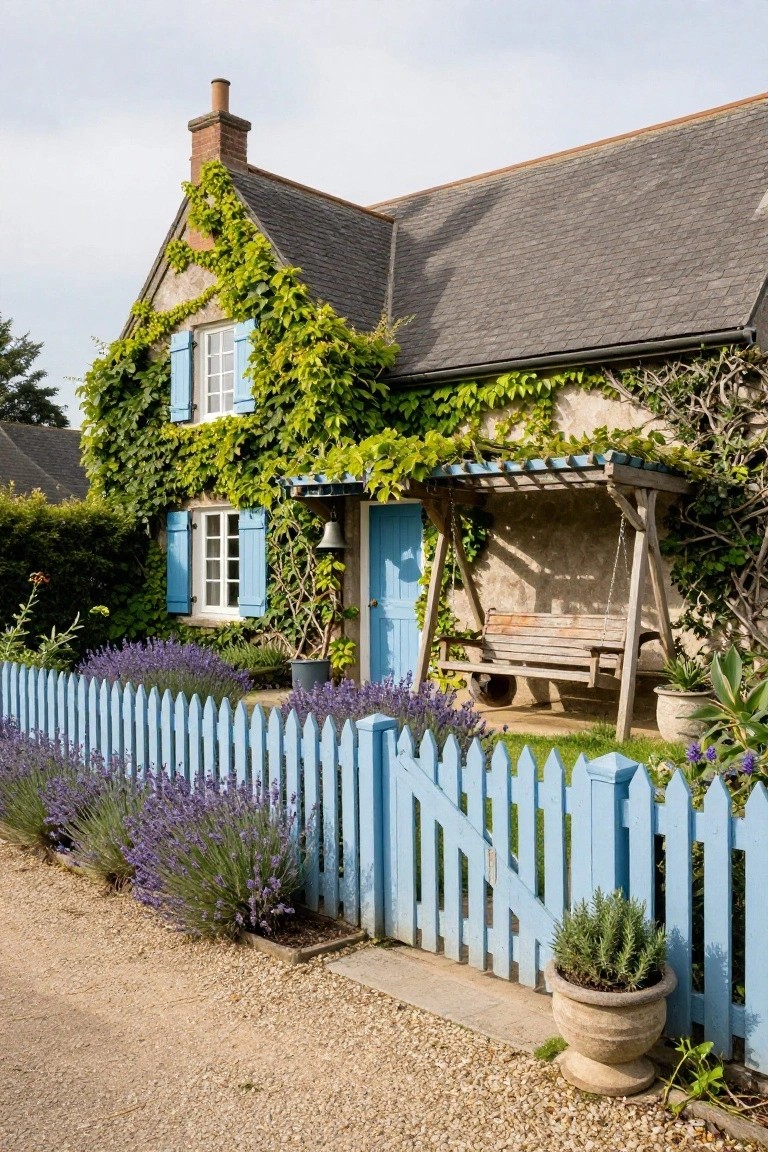
Ivy climbing up the walls of this cottage really brings out that old-world charm people love. It softens the rough stone and stucco, blending the house right into the garden around it. You see it wrapping around the blue shutters and door, making the whole front feel lived-in and welcoming without much effort.
To pull this off, pick a sturdy climbing ivy like English ivy and plant it at the base near corners or doorways. Let it spread naturally over a few seasons on stone, brick, or stucco homes, especially in milder climates. Keep an eye on it though… trim back if it gets too thick on gutters or windows. Pairs well with simple flowers like lavender along the fence for extra cottage feel.
Ivy Covered Cottage Walls
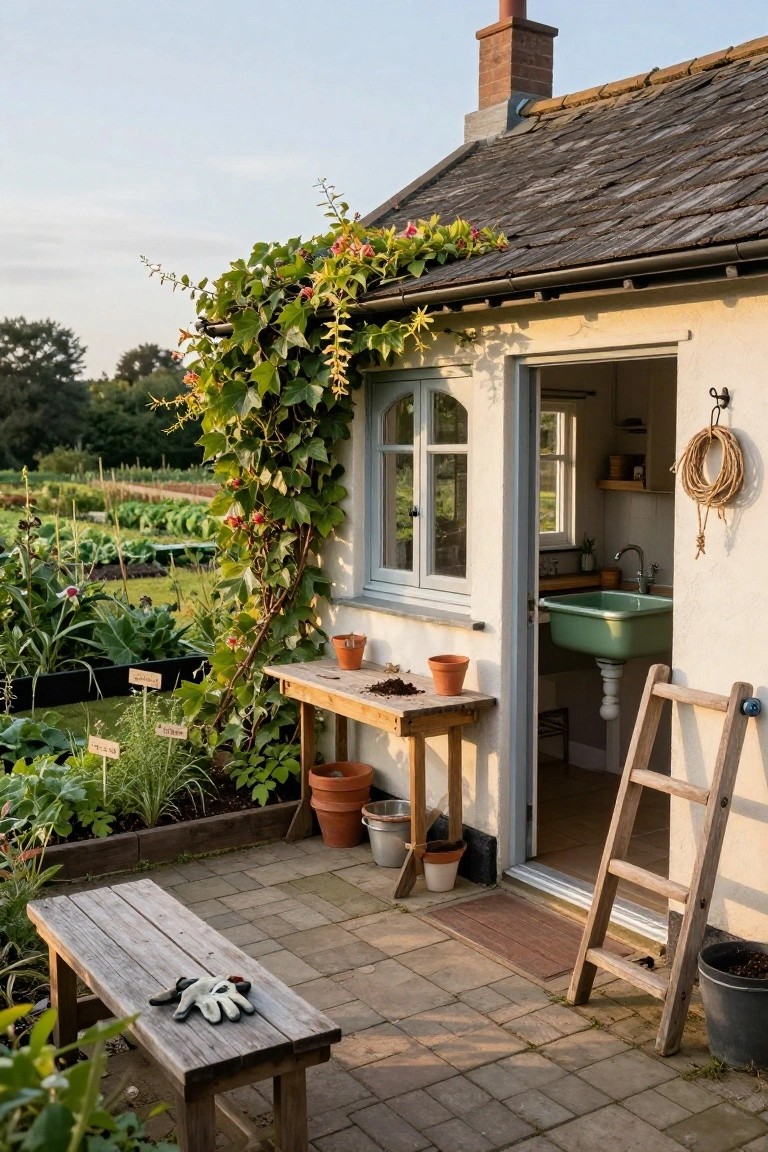
Nothing says timeless cottage like ivy climbing up the walls. It softens the plain plaster and brick, blending the house right into the garden. You get that cozy, storybook look without much effort, especially when the vines mix with nearby plants.
Plant hardy ivy at the base near a door or corner, and train it up with some ties at first. It suits older homes or simple bungalows best, but trim it back yearly to keep gutters clear. Pair it with a few pots out front for extra charm.
Ivy on Stone Cottage Walls
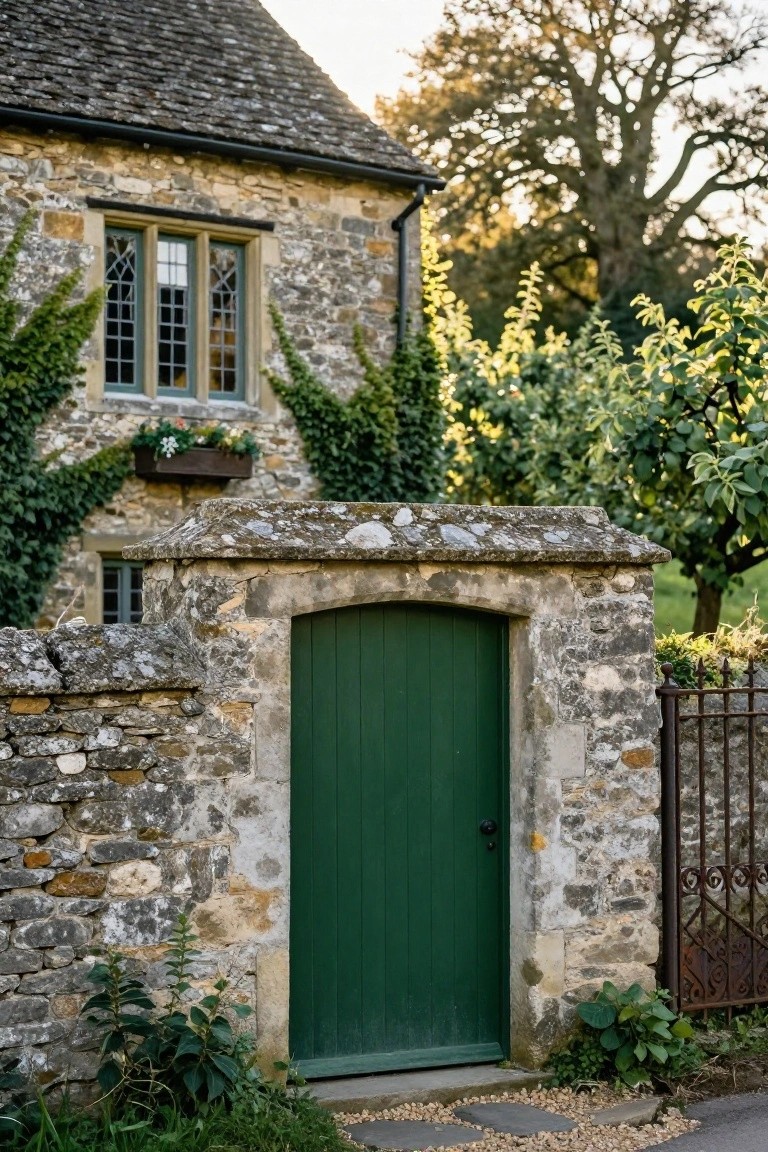
Ivy climbing a rugged stone wall like this gives a cottage that lived-in, storybook feel. It softens the rough texture of the limestone blocks and ties the whole facade together. Here, it grows around the arched green doorway, making the entry look welcoming without much effort.
This look suits older homes or stone builds in rural spots. Let the ivy spread naturally over time, but check the mortar yearly to avoid cracks. Pair it with a simple wood door in a deep color for balance. It keeps things low-key and charming.
Ivy on Timber-Framed Cottage Walls
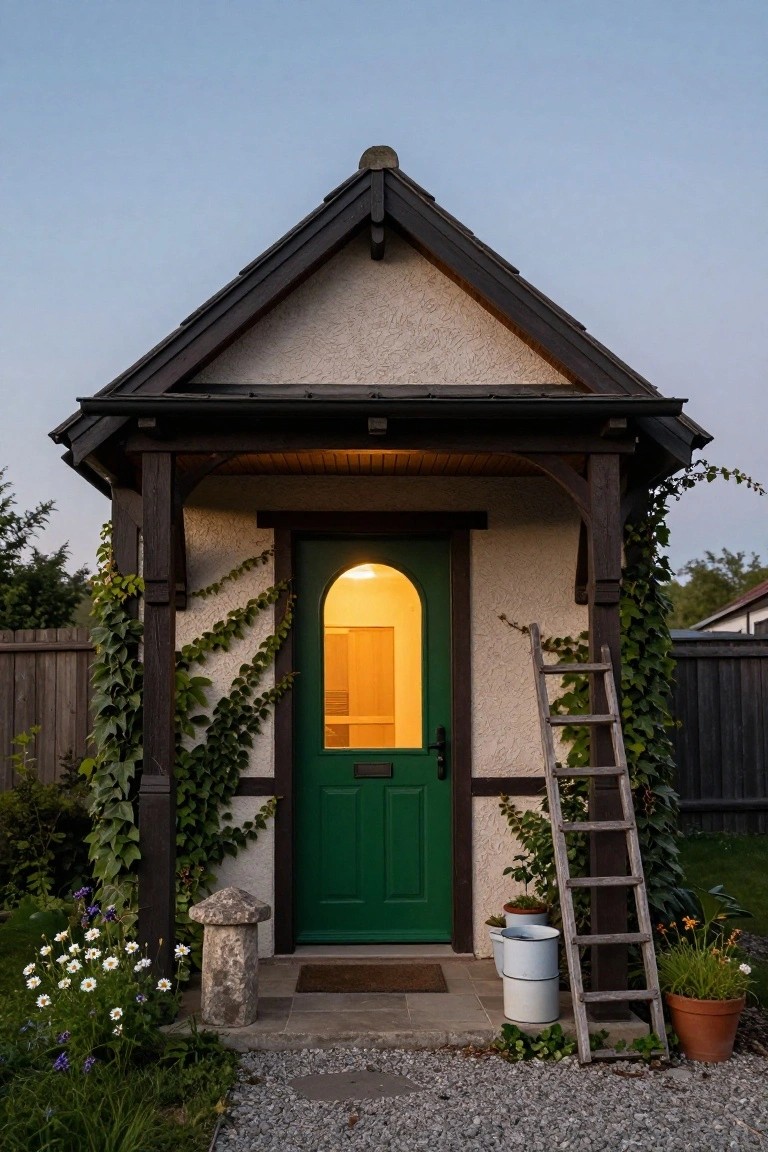
Ivy climbing a timber-framed cottage like this one brings out that old-world cottage feel without much effort. The dark wood beams stand out against the light stucco, and the vines fill in the spaces just right. Add a green arched door, and you get a welcoming spot that looks lived-in and timeless.
This works best on small outbuildings or garden cottages where you want charm without overwhelming the main house. Plant hardy ivy at the base and let it grow up the posts, but keep an eye on it with a ladder for trimming so it stays neat. Suits shady spots in cooler climates, though you might need to choose a less aggressive variety to avoid wall damage.
Ivy-Clad Cottage Walls
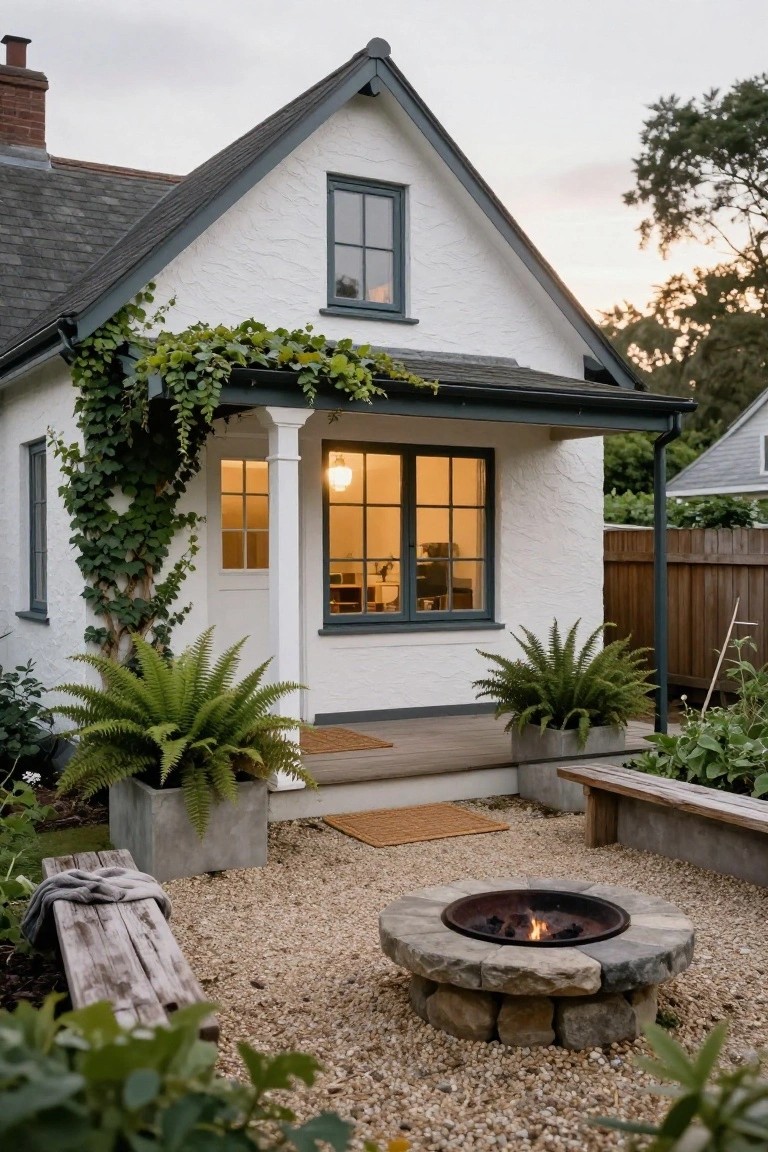
Ivy climbing up the walls of this white cottage pulls together a look that’s been charming homes for ages. The green leaves hug the textured plaster and frame the dark-trimmed windows just right, softening the whole facade without much effort. It makes even a simple house feel established and welcoming, like it’s always been there.
You can try this on any cottage-style home, especially one with light walls and a pitched roof. Pick a tough ivy variety that grows well in your zone, plant it at the base near downspouts or corners, and give it a couple years to spread. Pair it with a gravel patio or potted plants out front to keep things low-key… just watch for too much growth near gutters.
Wisteria Pergola Over Plunge Pool
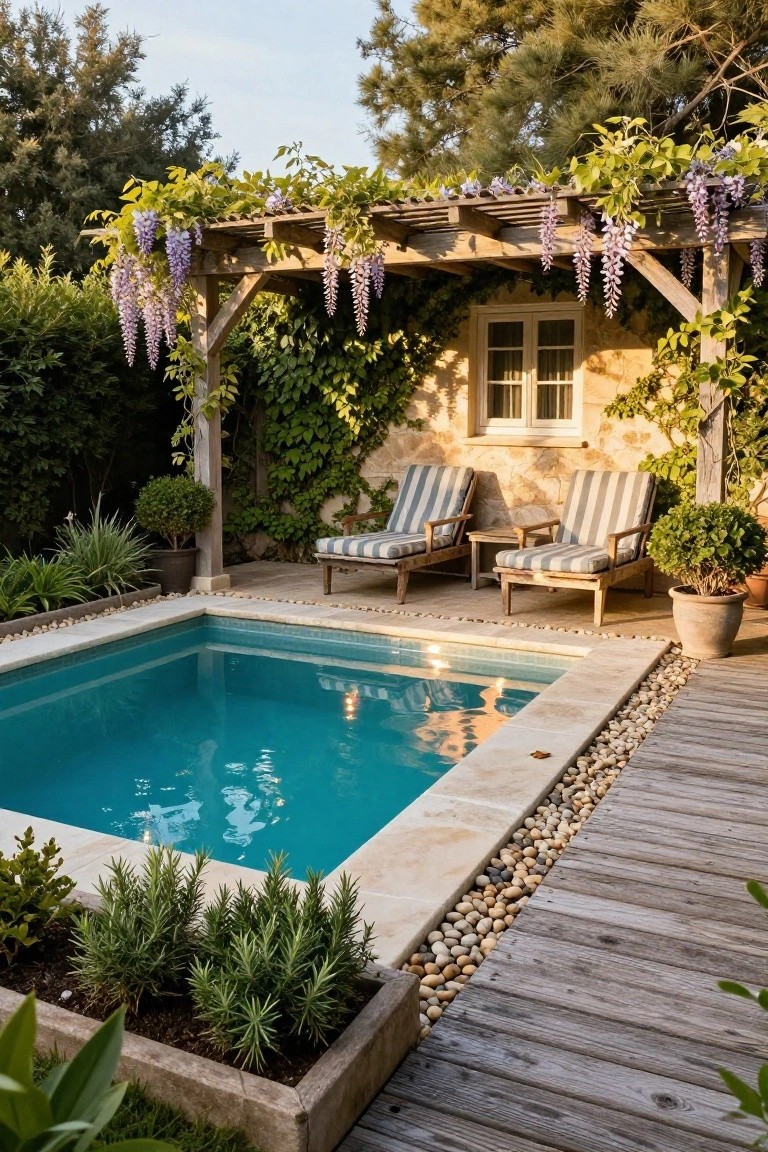
A wooden pergola loaded with hanging wisteria makes a perfect shade spot right over a small pool and a couple of loungers. Those purple cascades soften the whole area and give it that easy cottage feel. It works because the vines grow fast and look full without needing fancy upkeep.
Try this in a tight backyard corner where you want a private dip and relax zone. Pair it with a stone wall for more vine coverage nearby. Sturdy posts hold the weight. Just prune the wisteria now and then so it does not block the loungers too much.
Frequently Asked Questions
Q: Will ivy hurt my cottage’s brick walls over time?
A: English ivy clings with rootlets that grip mortar joints lightly. Choose walls in good repair, and inspect them yearly to catch any cracks early. Skip it on wood siding though.
Q: What’s the best ivy for that classic cottage vibe?
A: Go with English ivy. It thrives in partial shade and spreads steadily for that lush, timeless cover. Plant young vines at the base in spring.
Q: How do I get ivy started without it looking messy at first?
A: Train young shoots up the wall with garden twine or wire mesh until they grip on their own. Water them weekly the first summer. Patience pays off. It fills in nicely after a couple years.
Q: And how often do I need to trim the ivy?
A: Snip back wild growth twice a year, spring and fall. Cut just above a leaf node to encourage bushiness. This keeps your cottage charming, not overgrown.
