

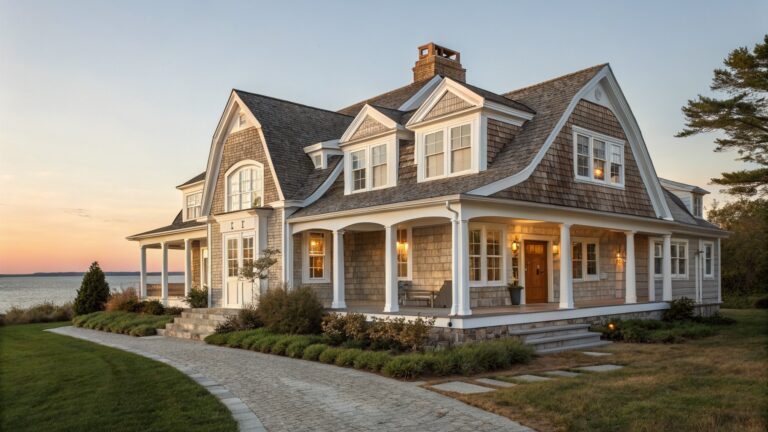
When I look at houses along the coast the siding often decides how the whole place feels from the road before you even reach the door.
Materials like shingles and board and batten change the way light hits the walls and how the trim frames the windows and entries.
Small details decide whether it holds together.
I have noticed that some combinations look clean on a sketch but start to feel busy once the rooflines and actual paint colors come into play on the finished house.
Thinking through how each option will age with salt air and sun helps narrow down what might actually work on your own facade.
Shingles Paired With Stone On The Lower Walls
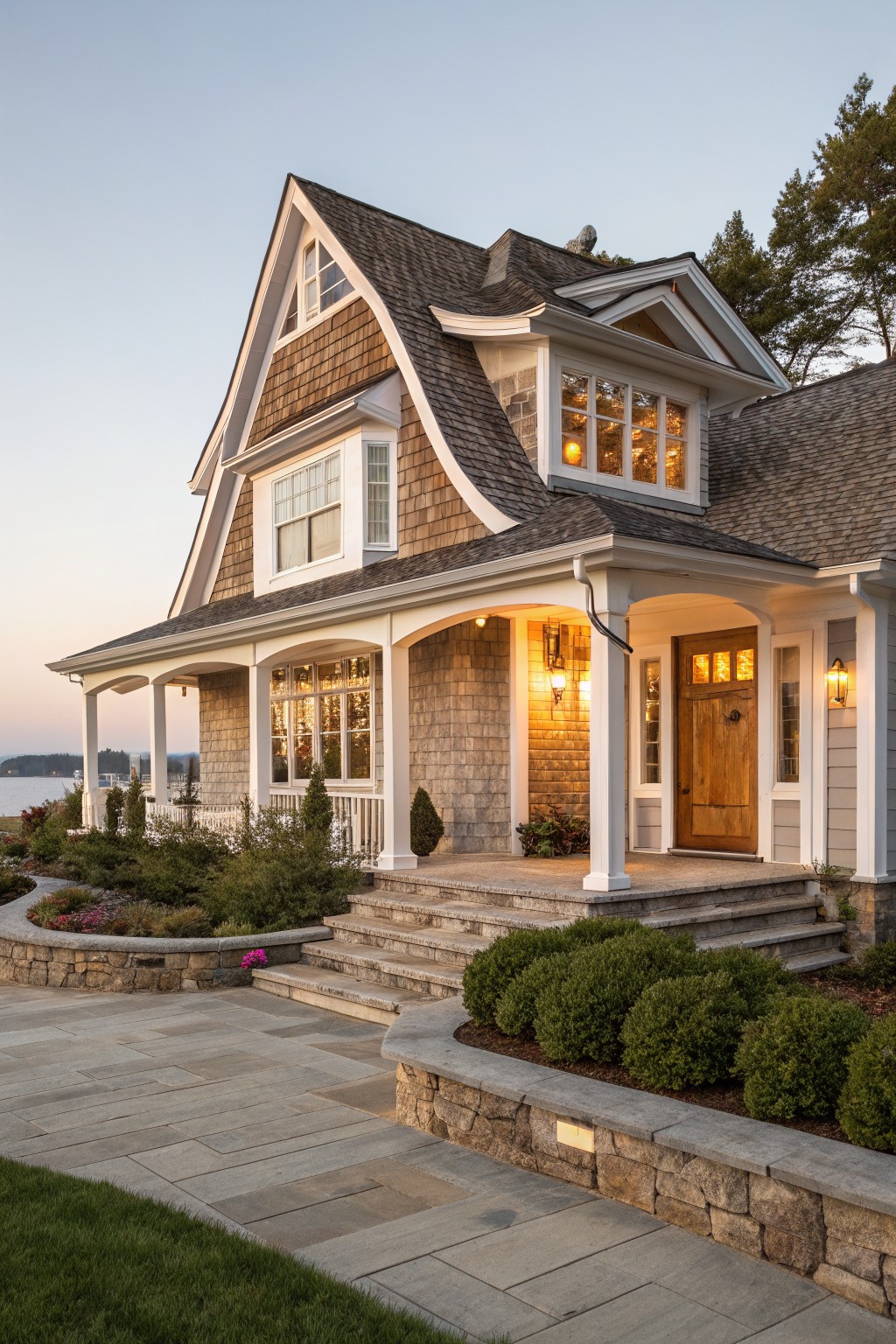
Shingle siding works nicely when it sits above a heavier material like stone. The contrast gives the house a grounded look without feeling too heavy on top.
This approach suits homes with a porch or covered entry because the stone adds durability where people walk and gather. Keep the trim white and simple so the two materials stay balanced.
Board and Batten Siding in a Soft Gray
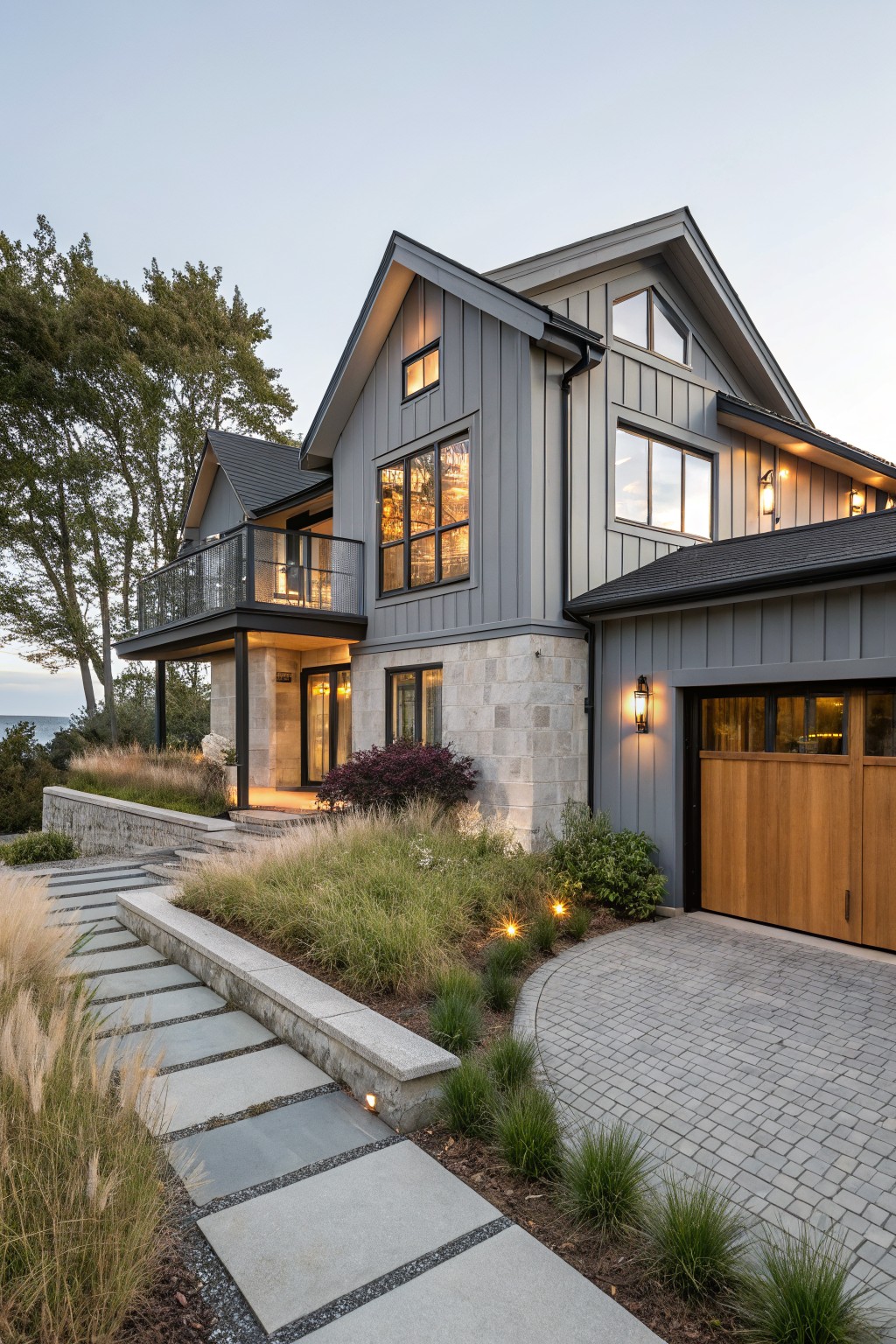
Board and batten siding gives a coastal house that clean vertical look many people want right now. The gray tone here keeps things calm and lets the stone base do some of the work without the whole facade feeling too heavy.
This approach works best on two-story homes with simple rooflines. Keep the color soft so it ages well near the water, and let the stone stop at the first floor so the siding can stay the main focus above.
Gray Shingles With White Trim
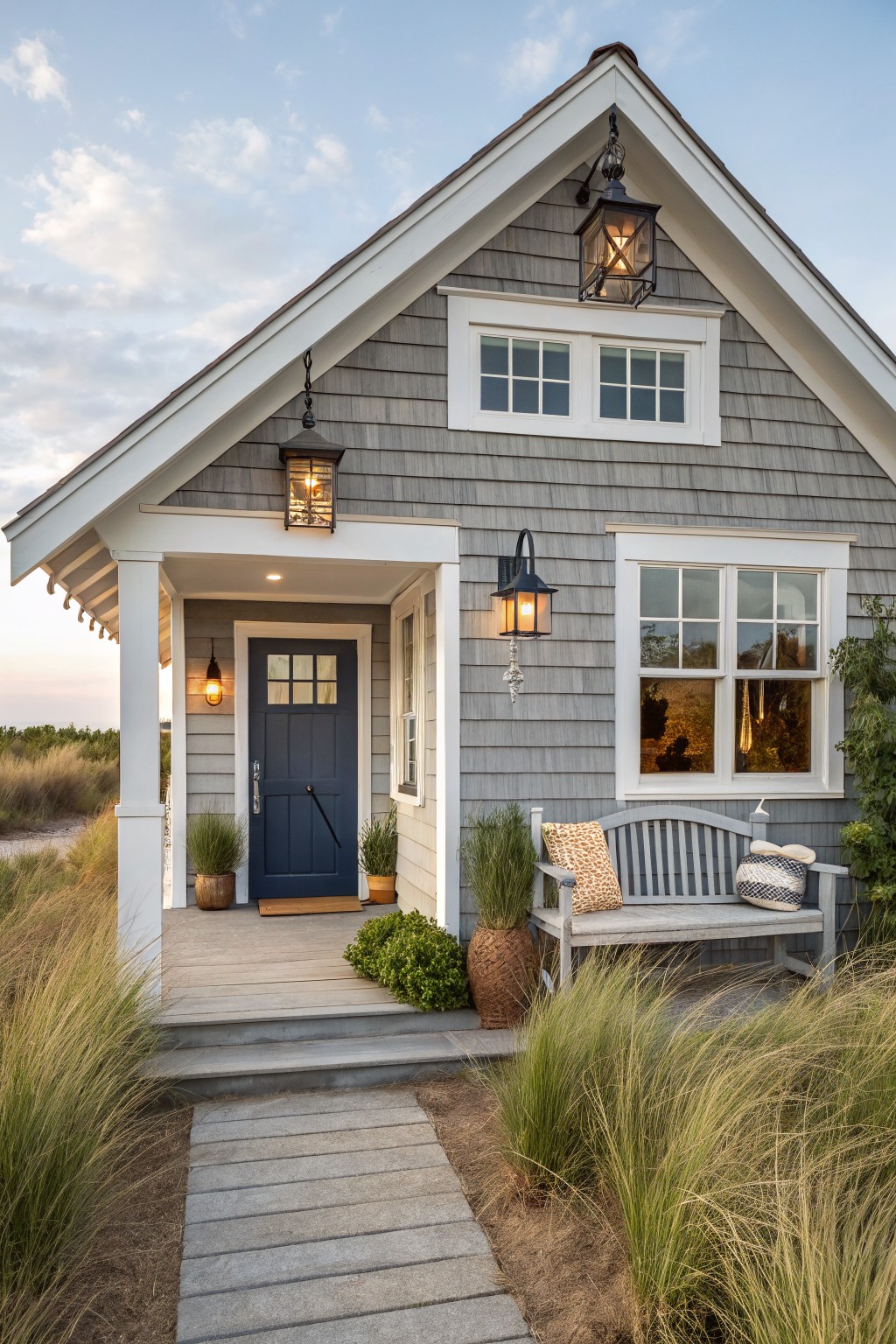
Gray shingle siding gives a house that soft coastal look without trying too hard. The white trim around the windows and gables keeps the whole front from feeling heavy or dull.
This works well on smaller homes or beach cottages where you want some texture but still need the lines to read clean. Stick with a muted gray on the shingles and a bright white on the trim so the contrast stays sharp even after a few seasons of salt air.
Painted Shingles With White Trim
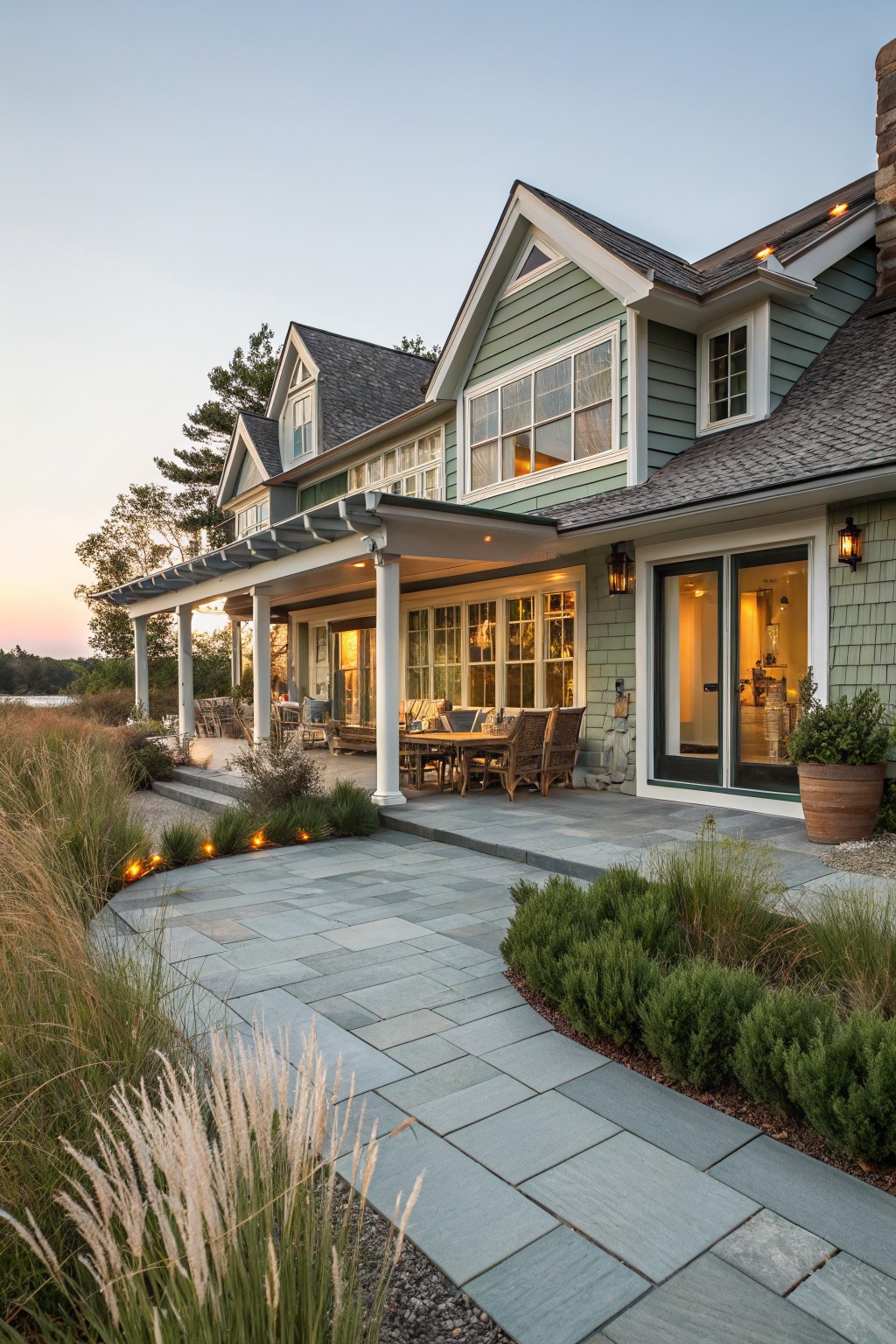
Painted shingles work well on coastal homes because they add texture without making the whole house feel heavy. The soft green color here stays light, and the white trim keeps the lines clean so the siding does not blend into the background.
This approach suits homes that get strong sun and salt air, since the paint protects the wood while the trim highlights windows and gables. Use it on the main body of the house and keep any stone or board and batten accents to a smaller area so the shingles stay the focus.
Gray Shingle Siding With White Trim
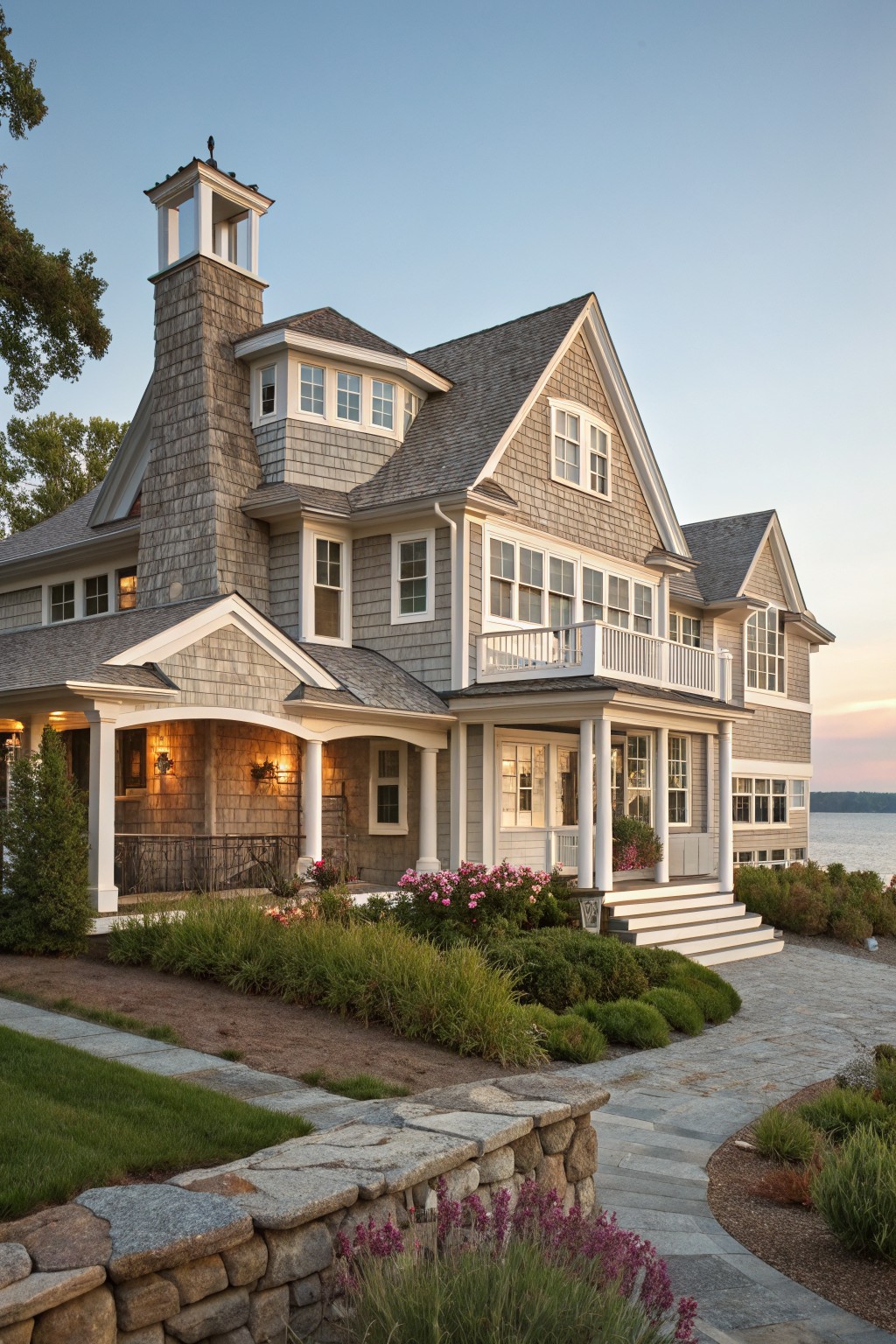
Gray shingle siding gives coastal homes a relaxed look that holds up well near the water. The muted color softens the overall mass of the house while the white trim outlines windows and edges without adding extra fuss.
This combination suits homes with multiple gables and rooflines because the shingles create a unified surface that still reads as simple. It works best in beach settings where you want the siding to age naturally without constant upkeep.
Mix Board and Batten with Horizontal Siding
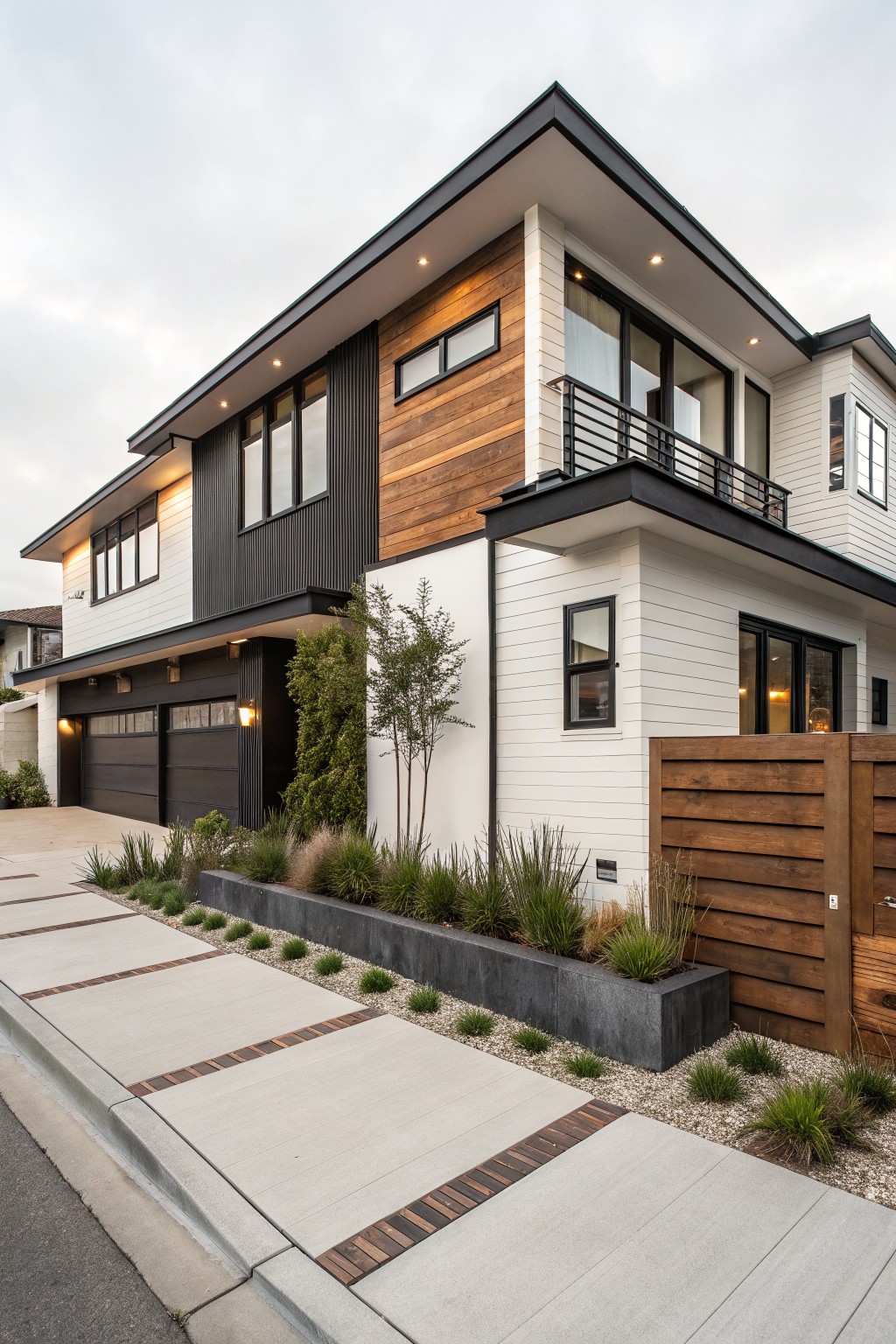
Board and batten works well when it is paired with horizontal siding on the same house. The vertical lines add height and break up wide walls, while the horizontal boards keep the look grounded. This mix gives the exterior more depth without needing extra trim or color changes.
It suits coastal homes that want a clean modern feel but still need some texture. Keep the board and batten in a darker tone and let the horizontal siding stay light. Use the vertical sections on taller walls or near entries so the pattern does not feel random across the whole facade.
Shingle Siding For A Weathered Coastal Feel
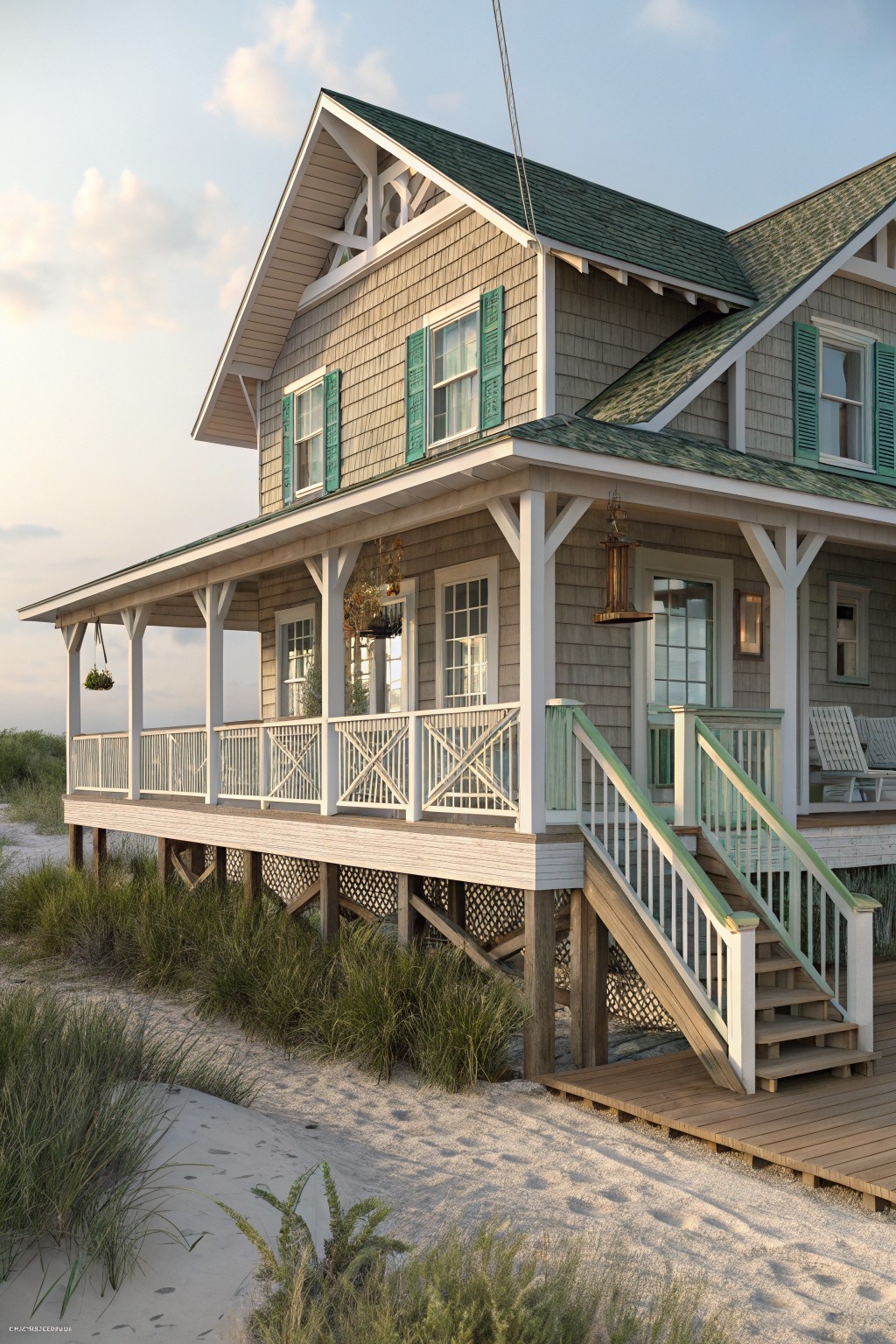
Cedar shingles give a house that relaxed coastal look without much effort. They handle salt air and sun well and slowly turn a soft gray that fits right in with beach surroundings.
This approach works best on homes that sit close to the water or in sandy areas. Keep the trim painted white and avoid adding too many colors so the texture of the shingles stays the main feature.
Dark Shingles With White Trim
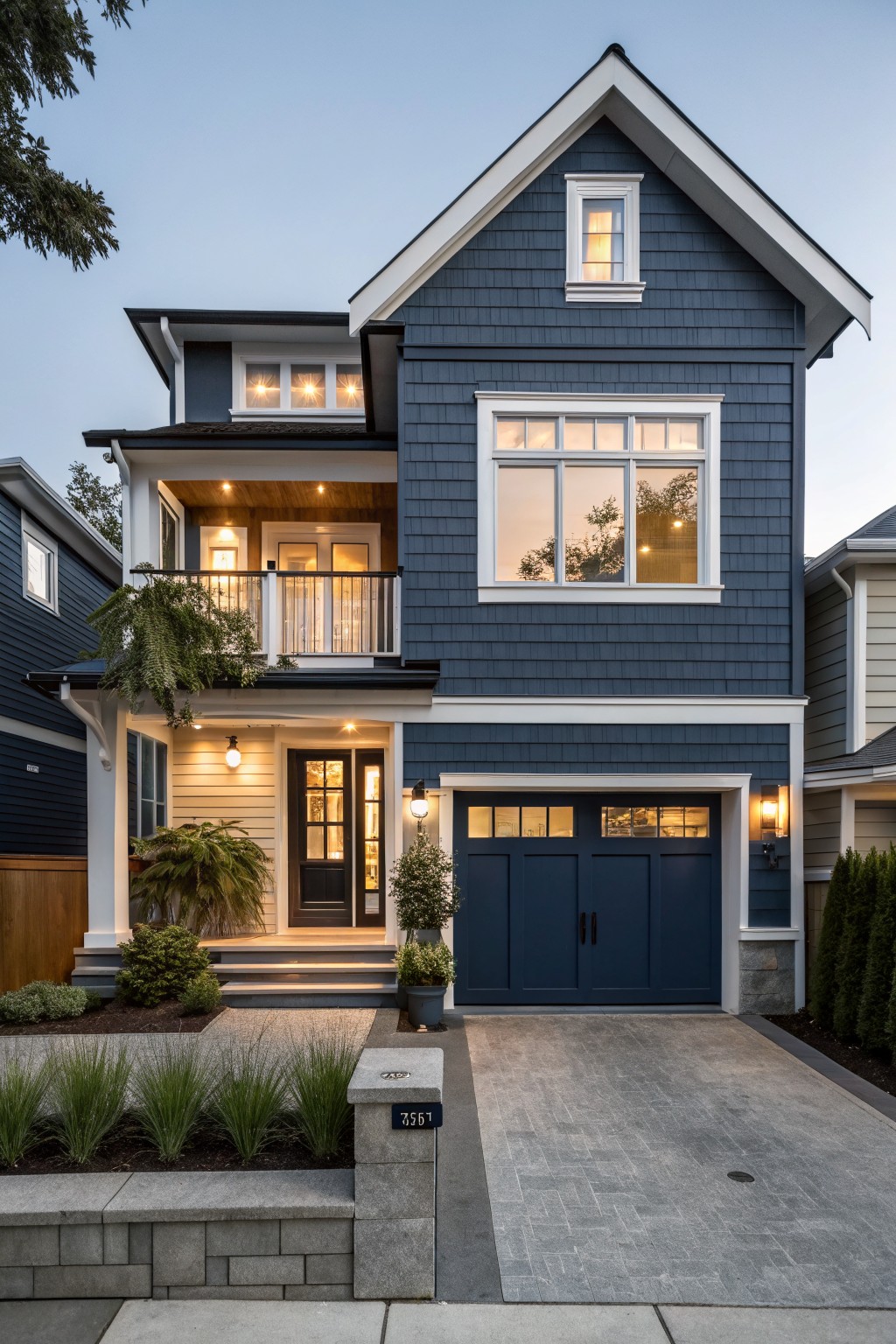
Dark shingles give a house a strong, settled look that holds up well in coastal light. The color stays rich even when the sun hits it hard, and the white trim keeps the whole front from feeling heavy.
This approach works best on homes with simple rooflines and clear window placements. Keep the trim wide enough to stand out, and match the garage door or front door to the shingles so the contrast stays sharp instead of busy.
White Siding And Dark Shutters
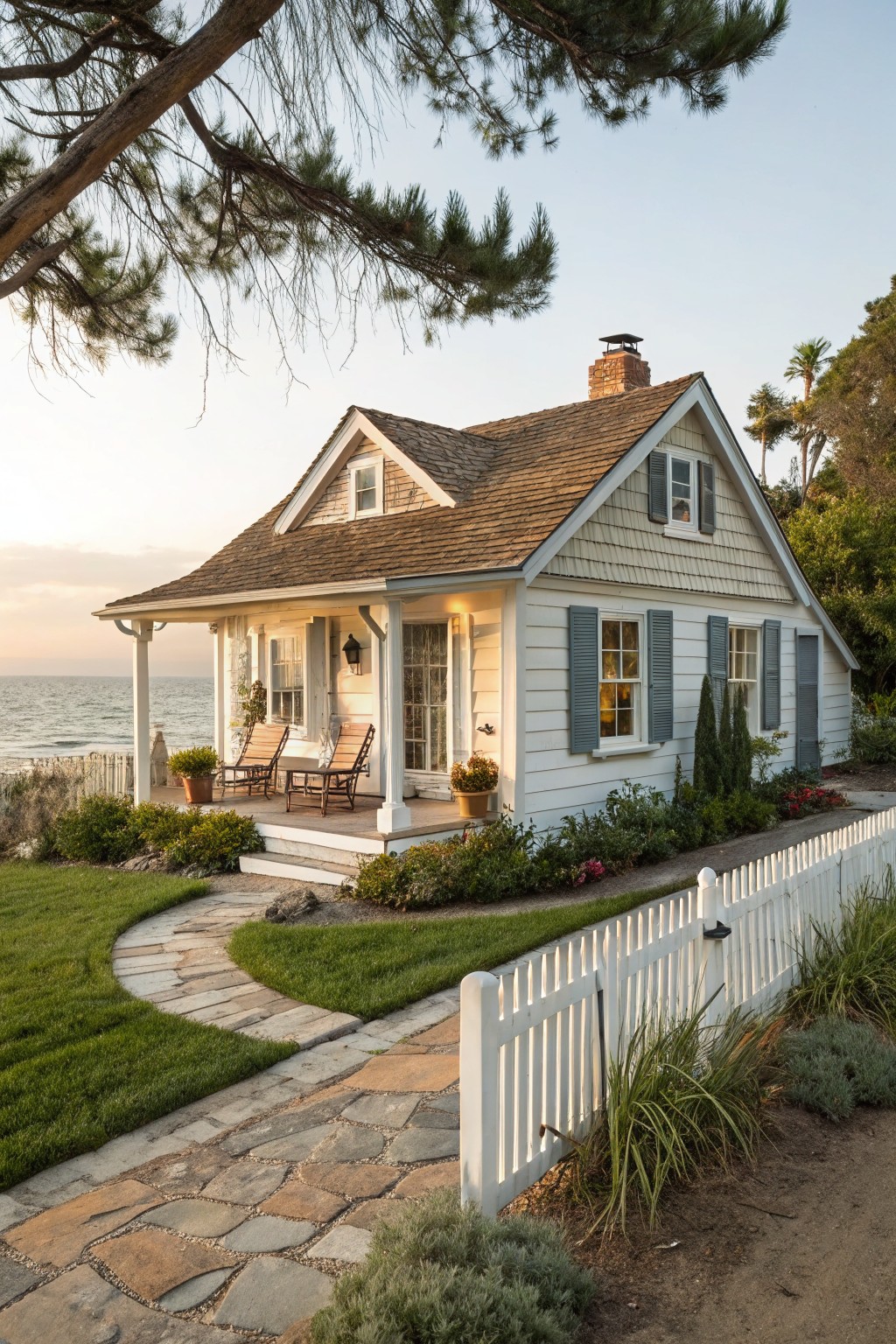
White horizontal siding works well on coastal homes because it stays bright even when the light gets strong near the water. The dark shutters add just enough contrast to keep the front from looking flat while still feeling simple and clean.
This approach suits smaller cottages or traditional shapes best. Keep the trim white so the shutters stand out without competing, and make sure the shutter color is deep enough to read from the street.
Combine Shingles And Board And Batten
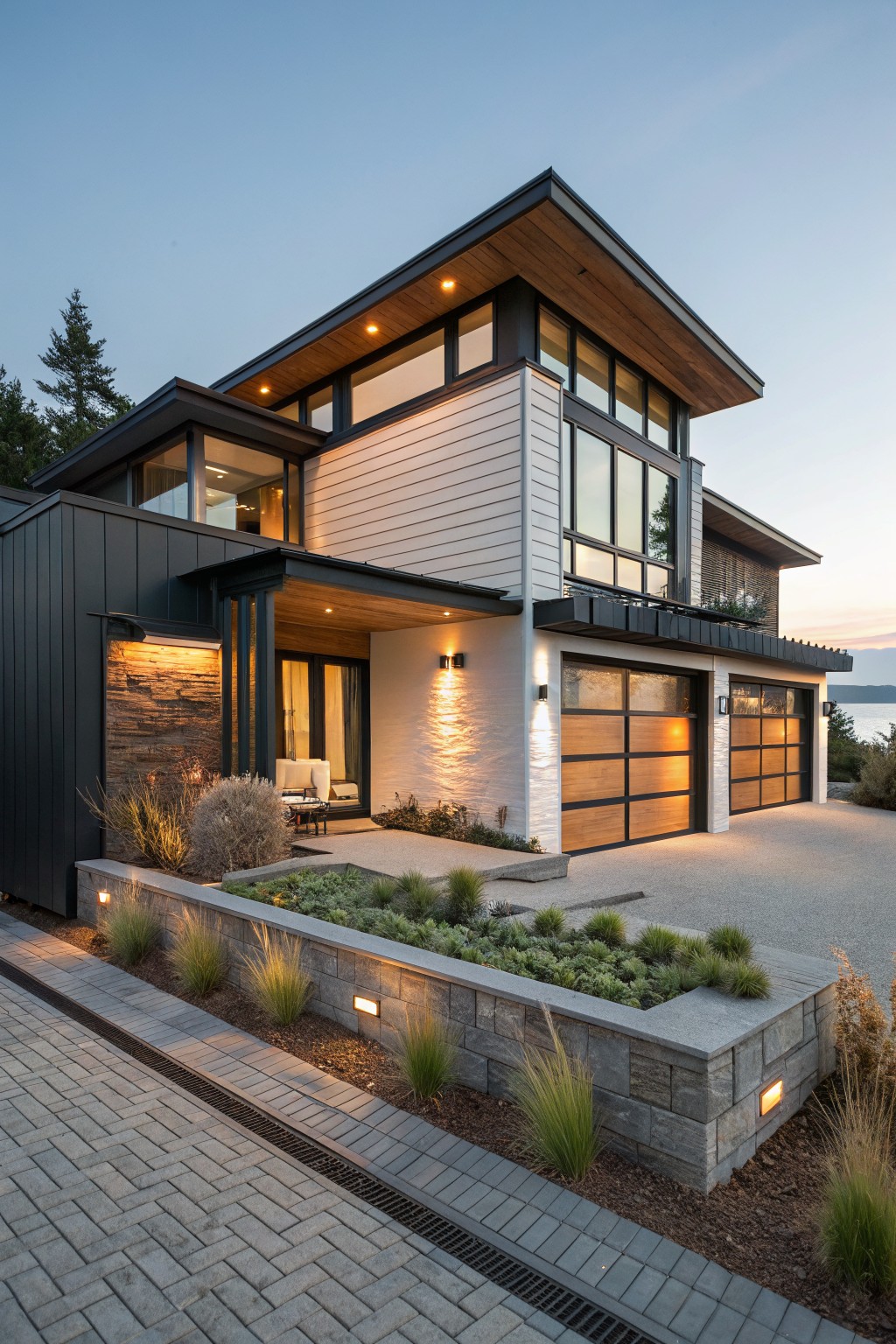
Many coastal homes look flat when they stick to one type of siding across the whole facade. Mixing horizontal shingles with vertical board and batten breaks up the surface and gives the house more shape without adding extra trim or color.
This approach works best on two-story homes where the upper level can take the lighter horizontal siding while the lower sections use the darker vertical boards. Keep the trim simple and let the change in direction do the work. It suits newer builds that still want a relaxed coastal feel rather than a strict traditional look.
Shingle Siding With White Trim
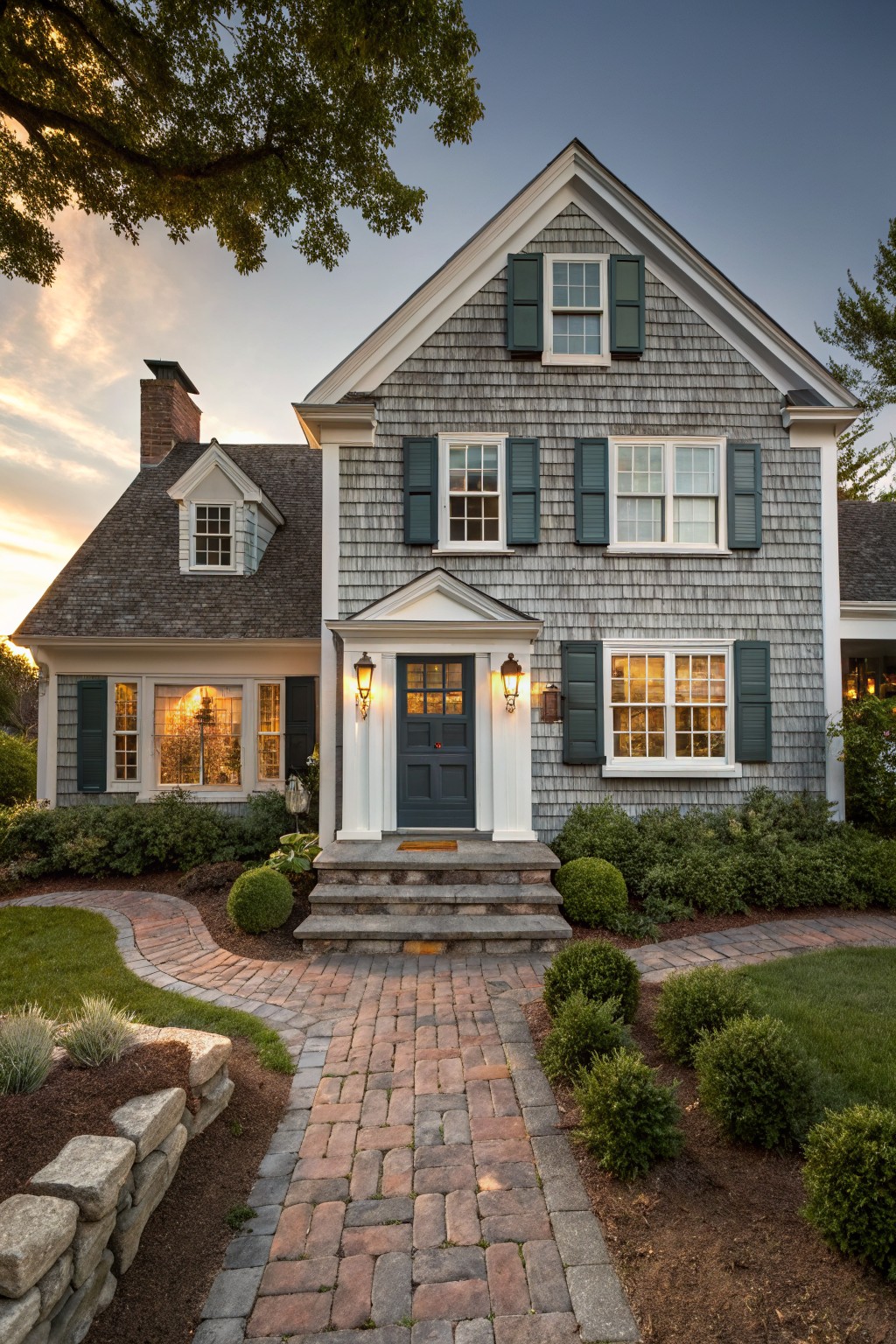
Gray shingle siding gives a house that easy coastal feel without trying too hard. It softens the look of larger homes and works well with simple rooflines and gables. The color also hides a bit of weathering over time.
White trim around the windows and doors keeps the whole front clean and balanced. This approach suits both older homes and newer builds that want a classic look. Just watch how the trim color plays against the shingles in different light before you commit.
Shingle Siding On Coastal Homes
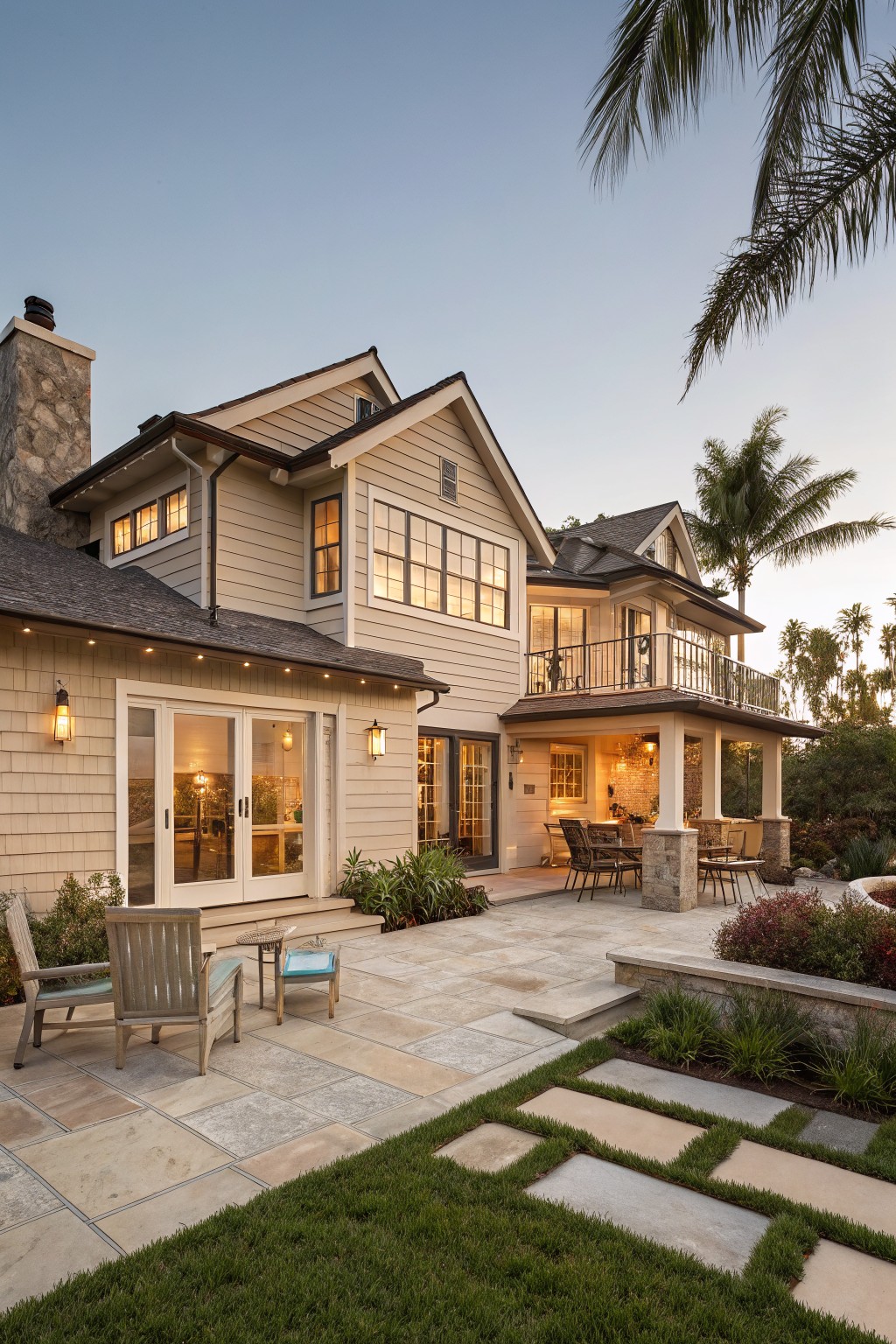
Shingle siding gives a house a simple, textured look that fits right in with coastal settings. The light color helps reflect heat and keeps the whole exterior feeling bright even on cloudy days.
It works best on homes with clean trim around windows and doors. Pair it with a few stone details at the base or on columns if you want a bit more contrast without adding too many materials.
Cedar Shingles With White Trim
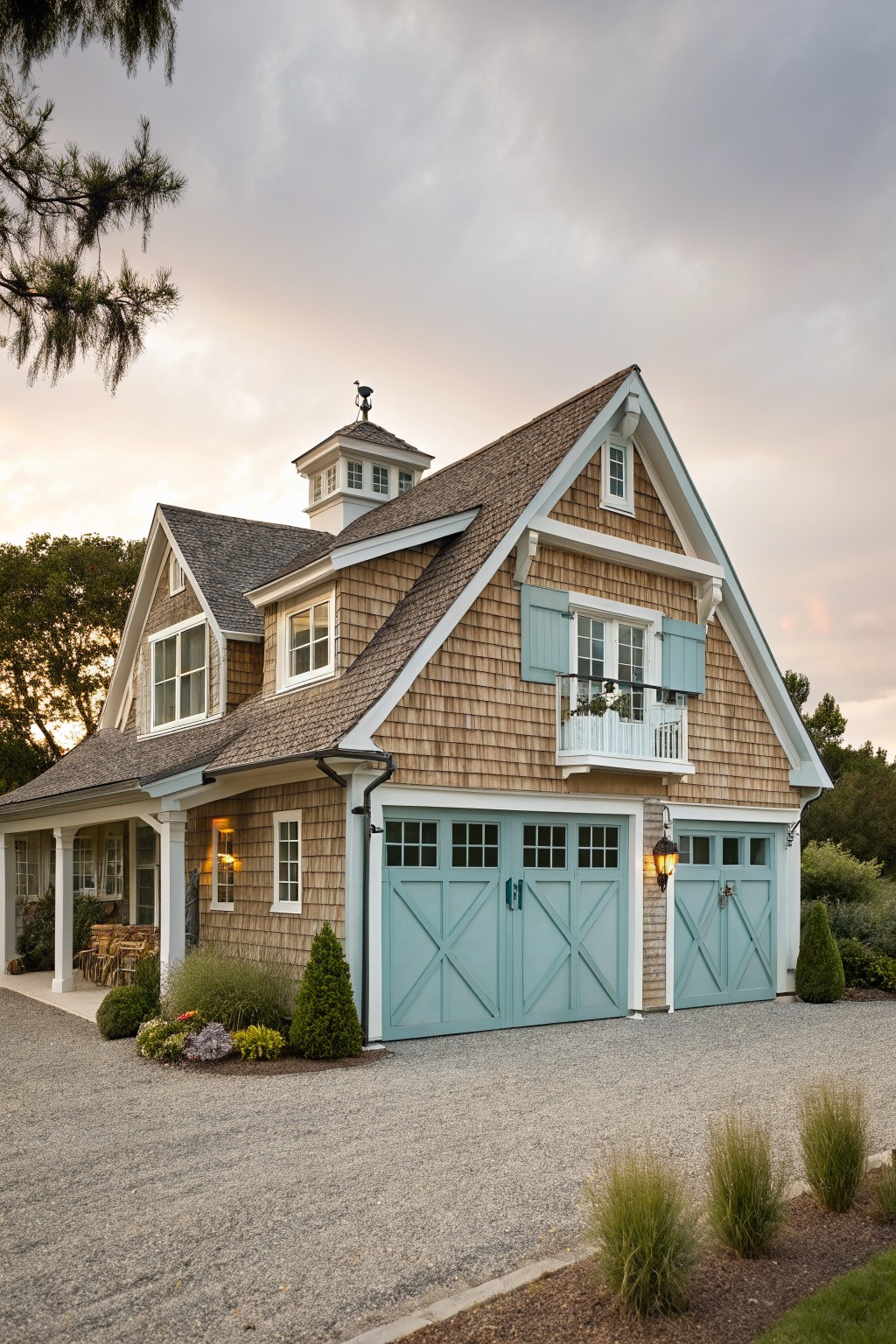
Cedar shingles bring a simple texture that works well on coastal homes. The natural wood tones keep the look relaxed while the white trim around windows and rooflines adds definition without overcomplicating the facade.
This combination suits homes with steep gables and multiple roof angles. It holds up in salty air and pairs easily with painted accents on doors or shutters if you want a touch of color.
Board And Batten Siding For Coastal Homes
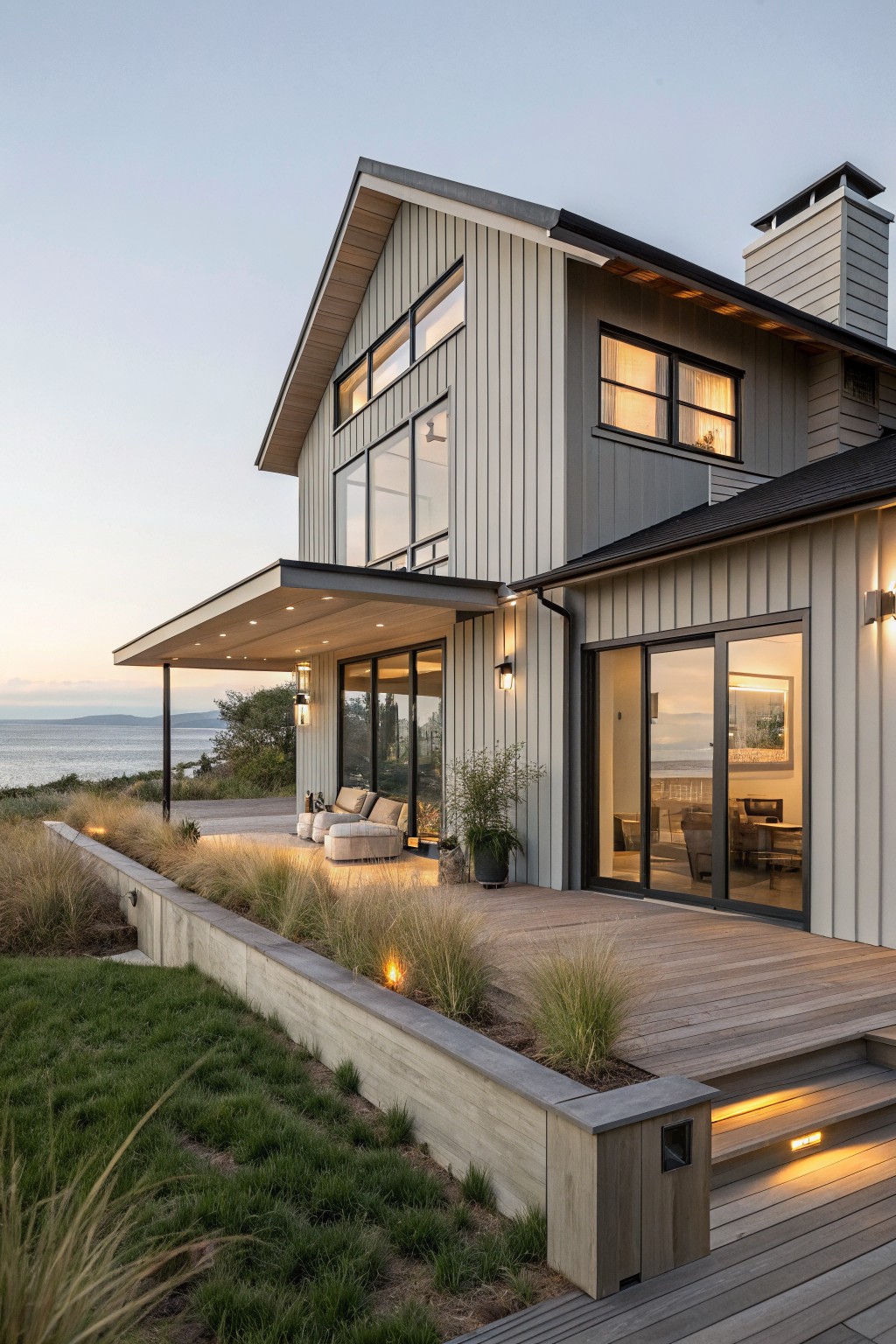
Board and batten siding gives a coastal house a clean look with just enough texture. The vertical lines keep the facade from feeling flat, and the style holds up well against wind and salt air.
This approach works best on homes with simple rooflines and larger windows. It pairs easily with basic trim and a few accent materials so the whole exterior stays low maintenance without looking plain.
Cedar Shingles With White Trim
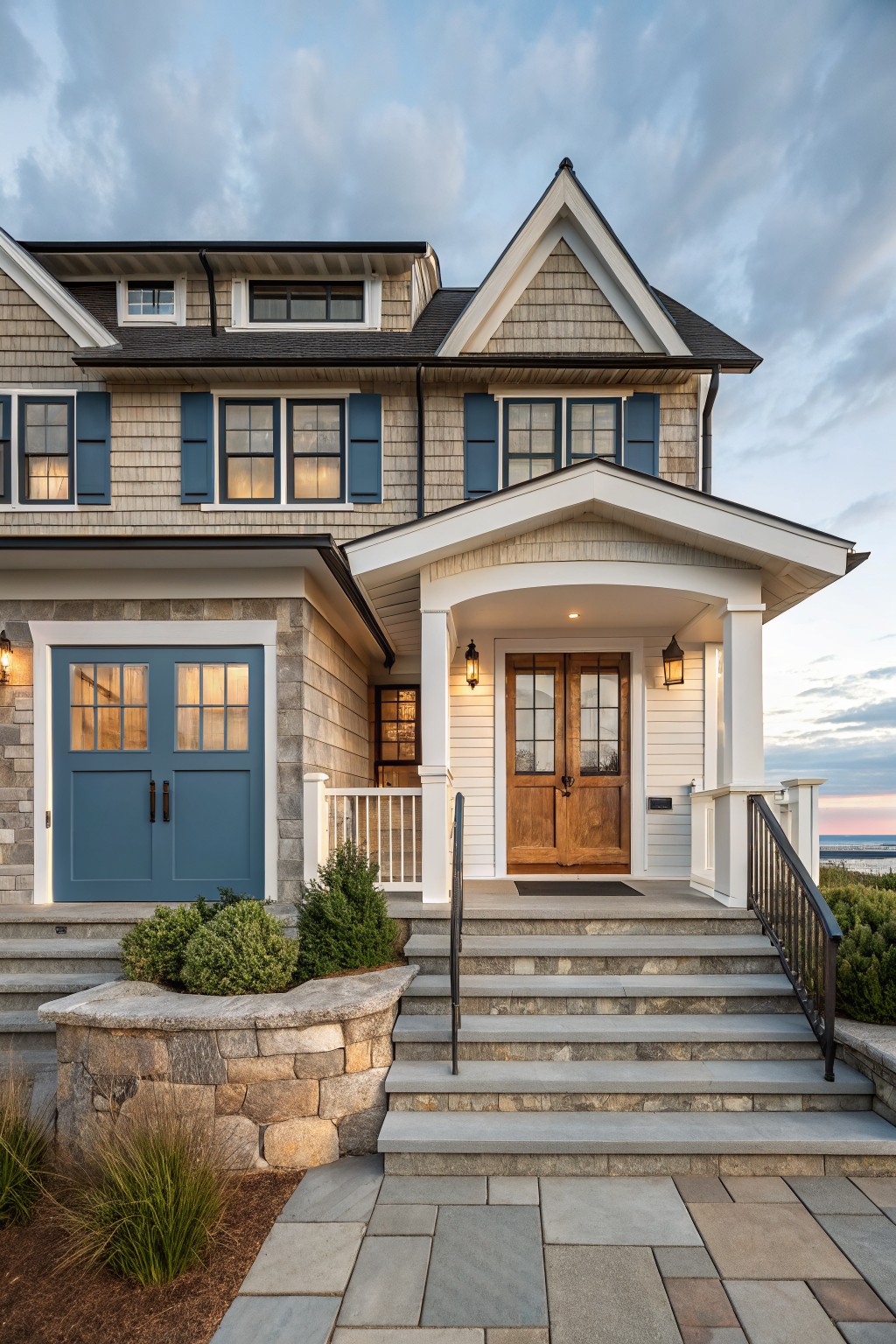
Cedar shingles give a coastal house that textured, weathered look that feels right at home near the water. When they are paired with crisp white trim around the windows and along the rooflines, the whole exterior stays bright and easy to read instead of feeling heavy.
This combination works best on two-story homes where the shingles cover the upper walls and gables. Keep the trim simple and add one soft color on the shutters or front door so the siding remains the main feature without extra fuss.
Dark Shingles With Wood Trim
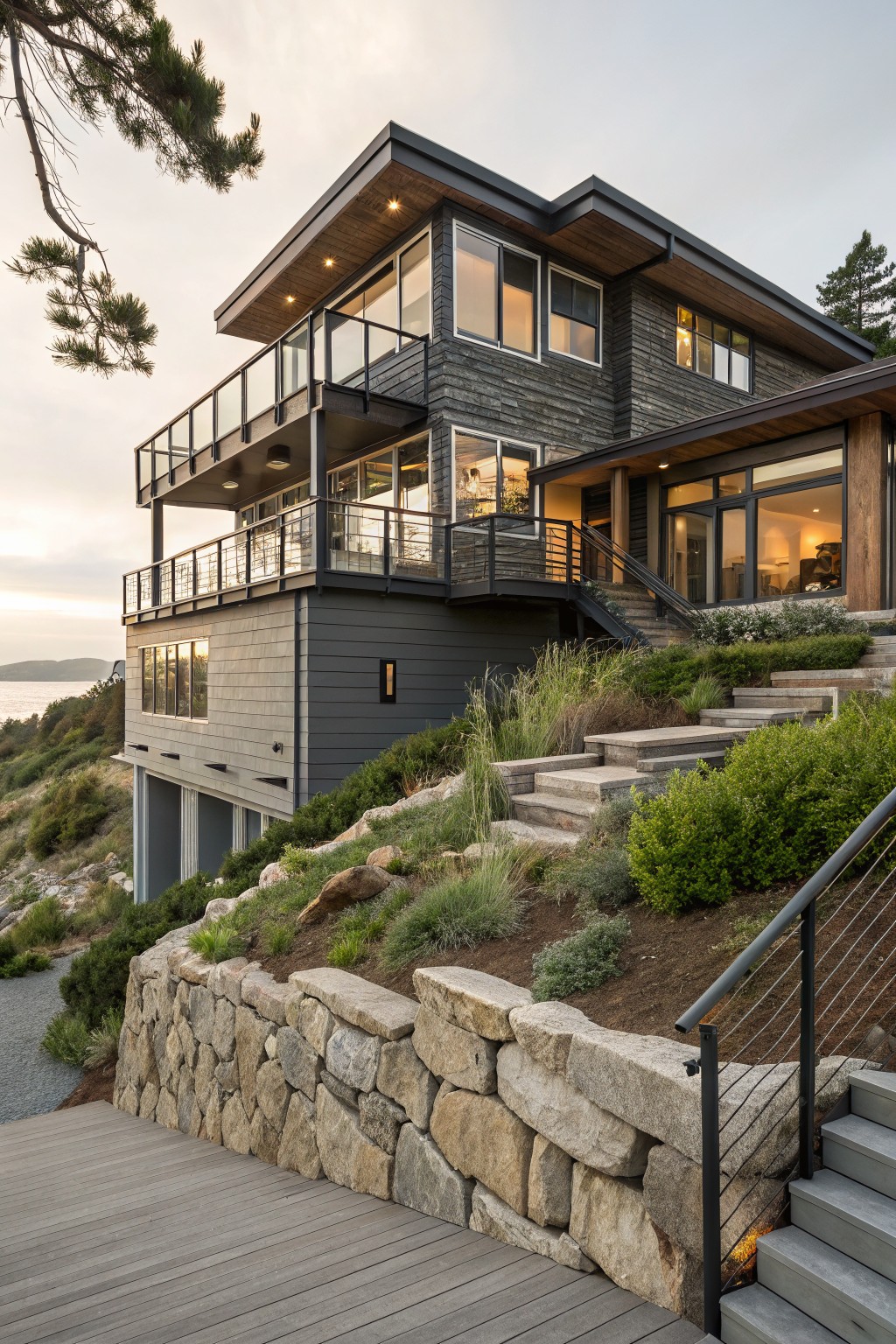
Dark shingles give a coastal house a solid, grounded look that holds up against bright light and open views. The wood trim adds just enough warmth without making the whole exterior feel heavy or too formal.
This mix works best on homes that sit on slopes or near water where you need siding that handles weather but still looks natural. Keep the wood tones simple and let the shingles do most of the work.
Shingles Over Painted Siding
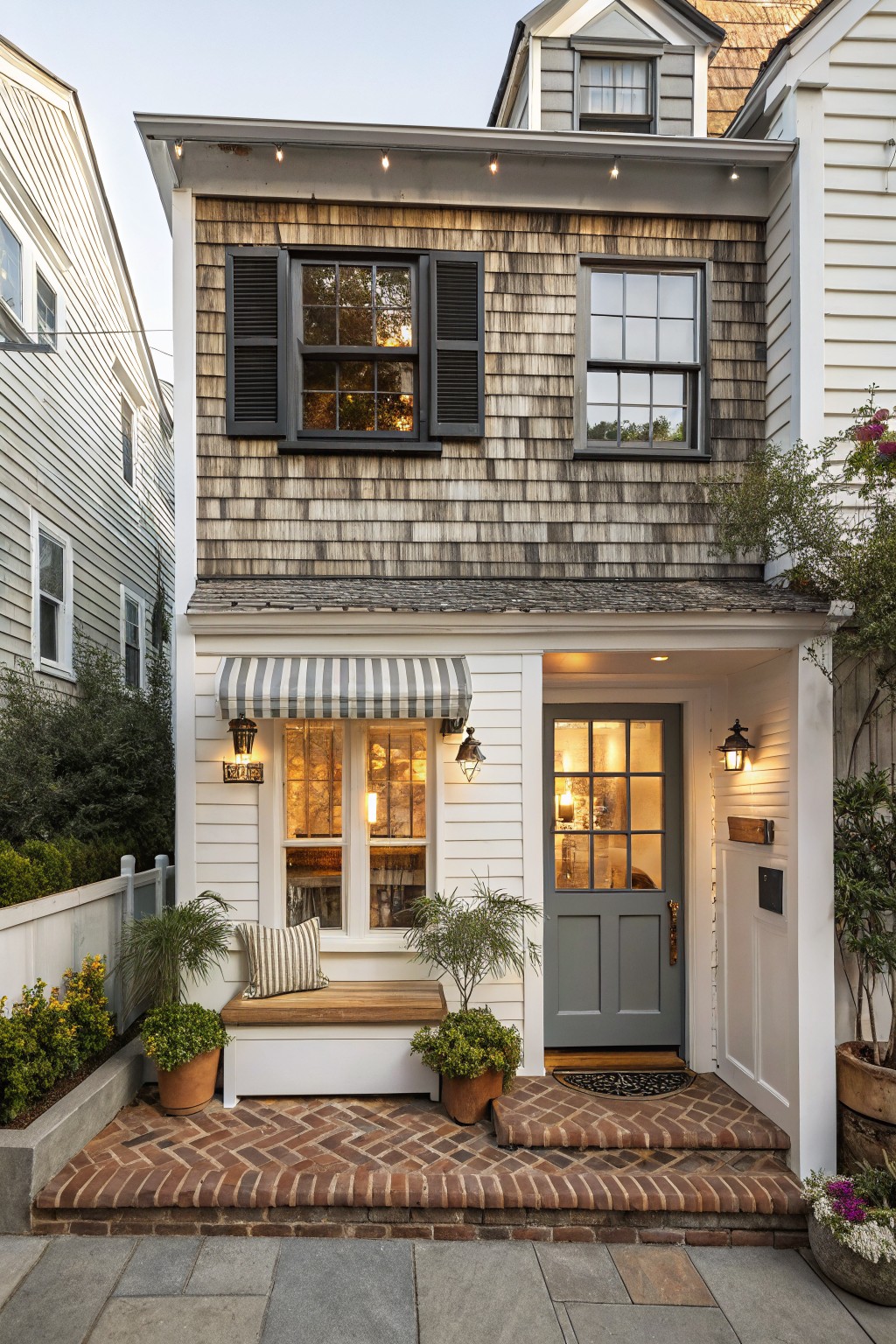
Many coastal homes use shingles on the upper level and switch to painted siding below the roofline. The change breaks up the height and gives the house a lighter feel without losing texture.
This approach works best on two-story cottages or narrow lots where the roof can feel heavy. Keep the shingles in a natural or weathered tone and paint the lower siding and trim white so the transition stays clean.
Light Shingle Siding With White Trim
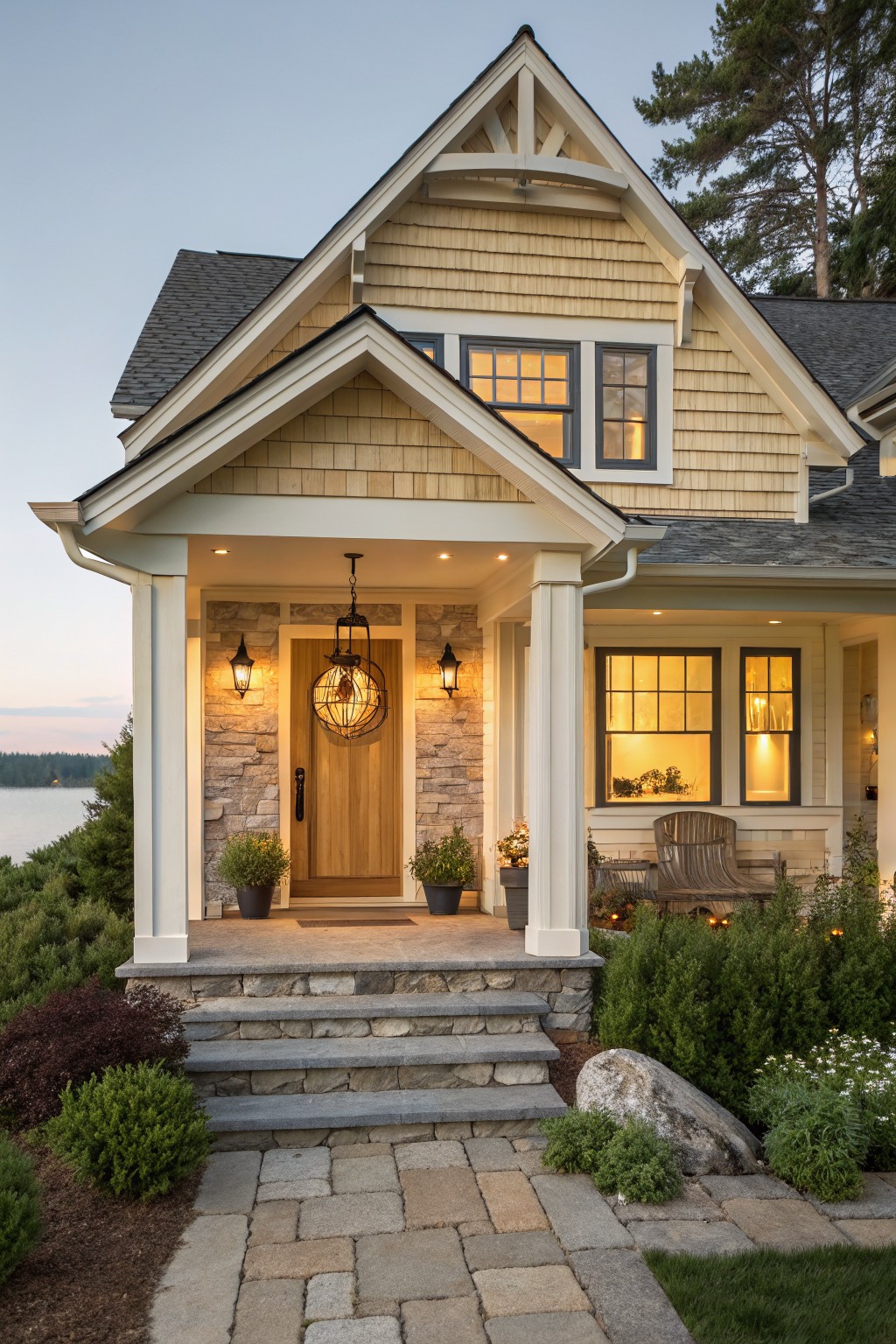
Light shingle siding works well on coastal homes because it feels simple and holds up to the weather. The pale tone here keeps the whole front bright without needing much extra color.
It suits houses that already have a clear roof shape and basic window layout. White trim around the edges makes the shingles stand out, and a bit of stone near the entry adds weight at the bottom so the look stays balanced.
Mixing Horizontal Siding With Shingles
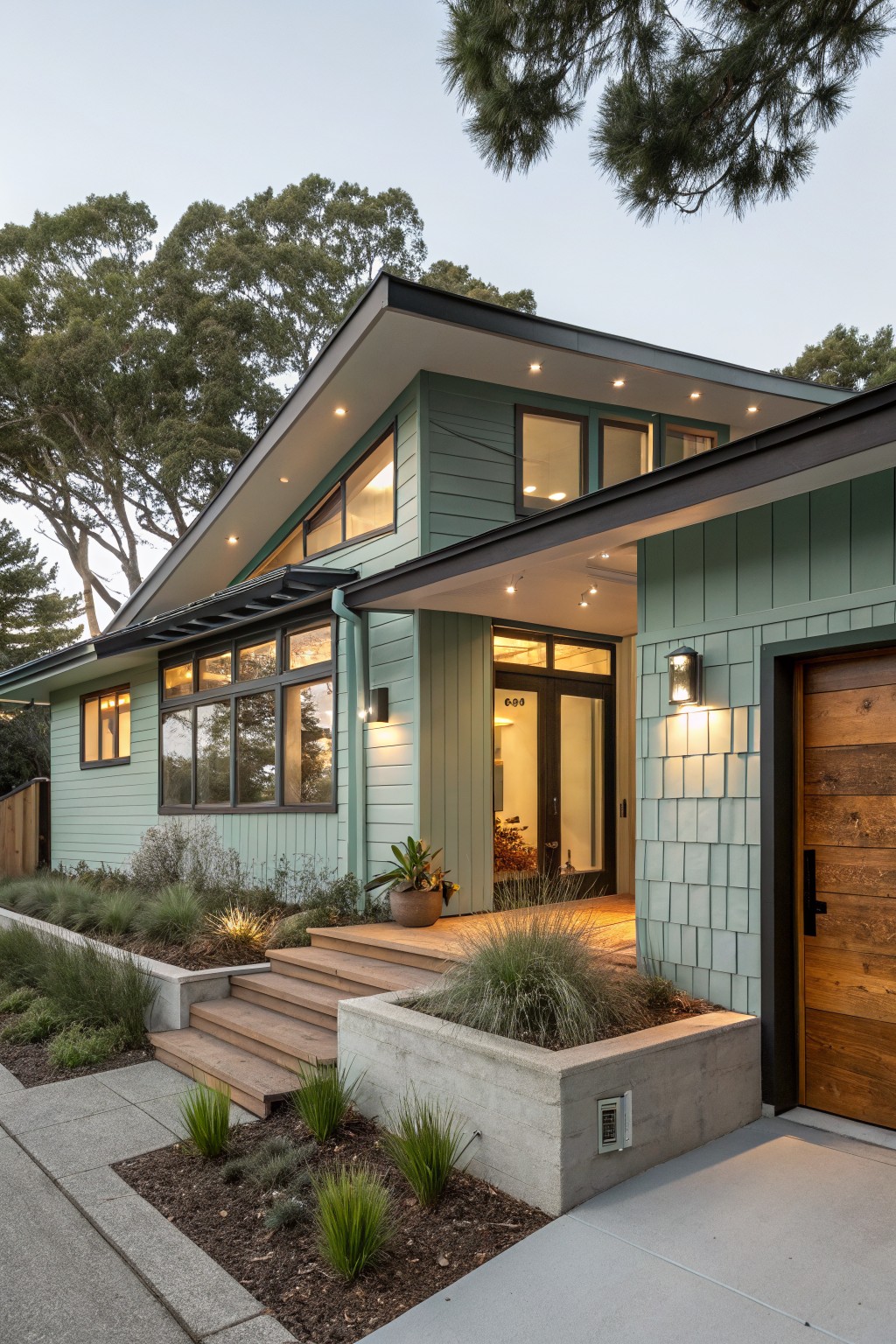
Many coastal homes use one siding style across the whole exterior, but mixing horizontal boards with shingles gives the house more texture without adding extra color or trim. The change in pattern helps break up the facade and keeps the look simple yet interesting, especially on homes with larger wall areas.
This works well on single-story or low-pitched homes where you want some variation around the entry or windows. Stick to the same paint color on both surfaces so the focus stays on the texture change rather than competing tones. Avoid using too many different patterns on one side of the house or the mix can start to feel busy.
Shingles With White Trim For Coastal Homes
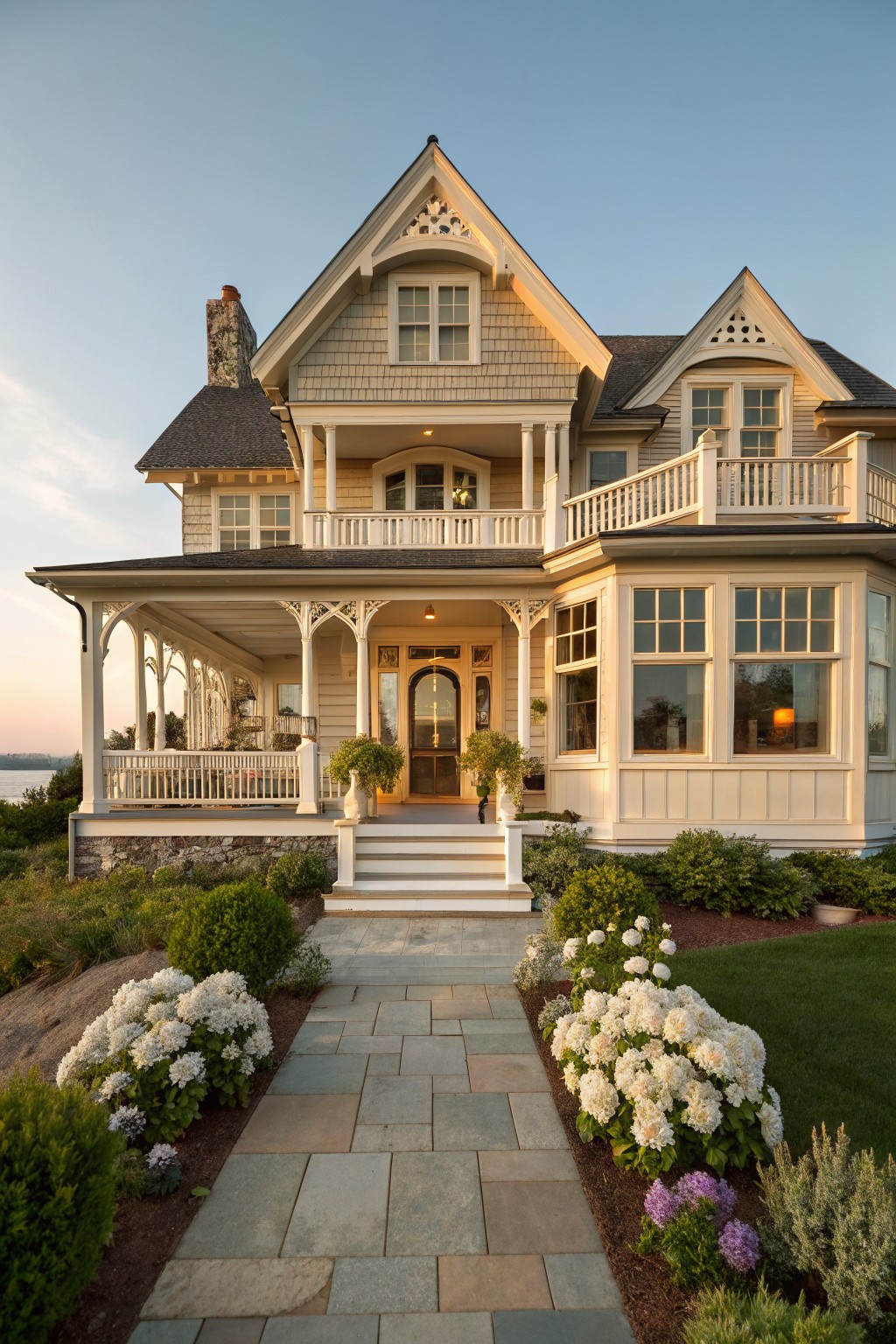
Many coastal homes use shingles on the upper stories because the texture adds depth without needing extra color. The white trim then sharpens the rooflines and porch details so the whole facade feels balanced rather than busy.
This mix works best on homes with multiple gables or a second floor that steps back. Use a light gray or natural shingle and keep the trim bright so the eye follows the architecture instead of getting lost in one flat surface.
Mixing Shingles With Board And Batten
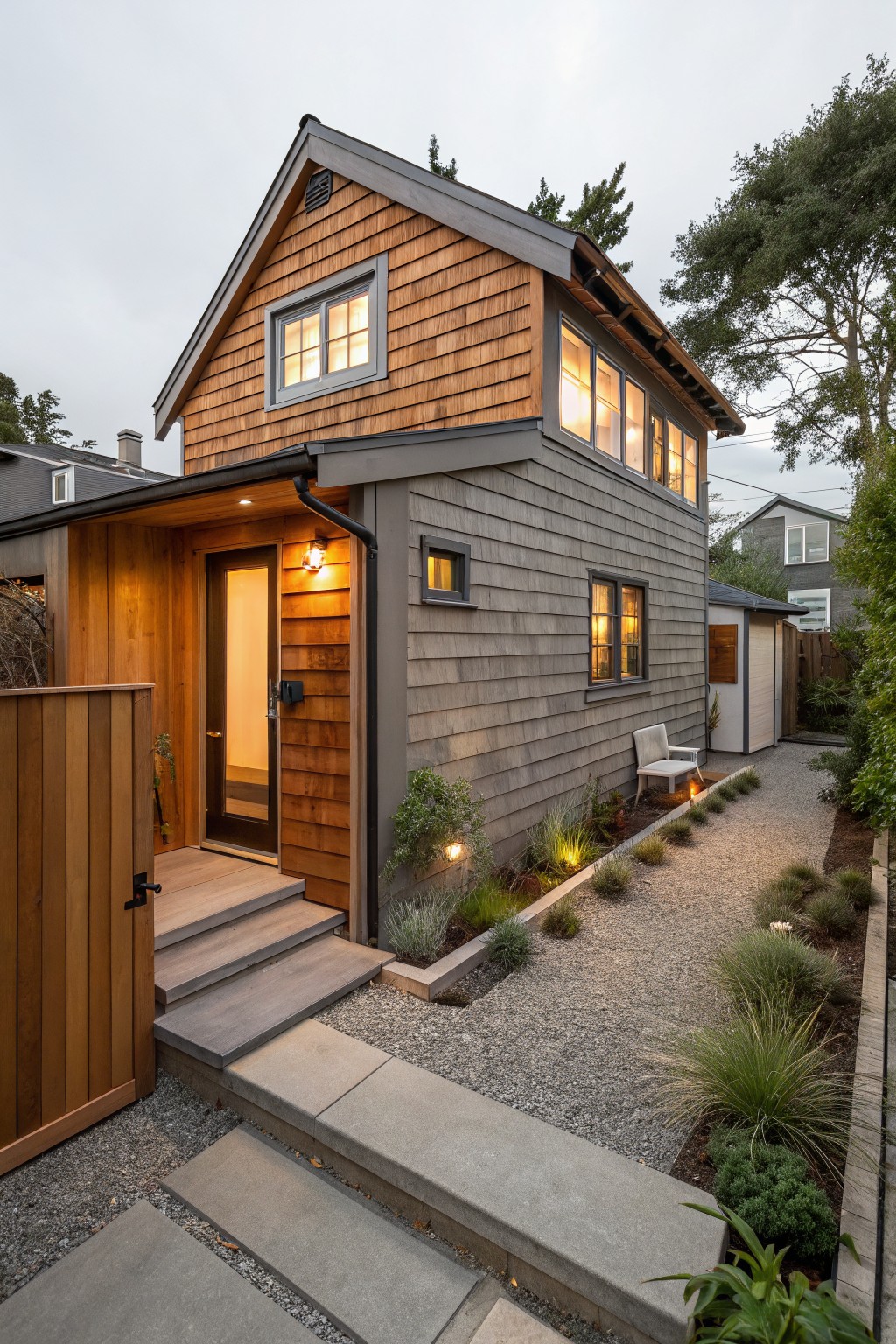
Many coastal homes gain a lot from using two siding styles instead of one. The upper section in natural cedar shingles brings warmth and texture while the lower walls in painted board and batten keep things simple and grounded. The shift between the two materials helps the house feel less boxy without adding extra trim or decoration.
This works best on compact homes where you want to soften the height. Use a soft gray or weathered tone on the lower siding so it still reads as coastal rather than stark. Keep the transition line clean and let the materials do the work.
Light Blue Siding With Stone Accents
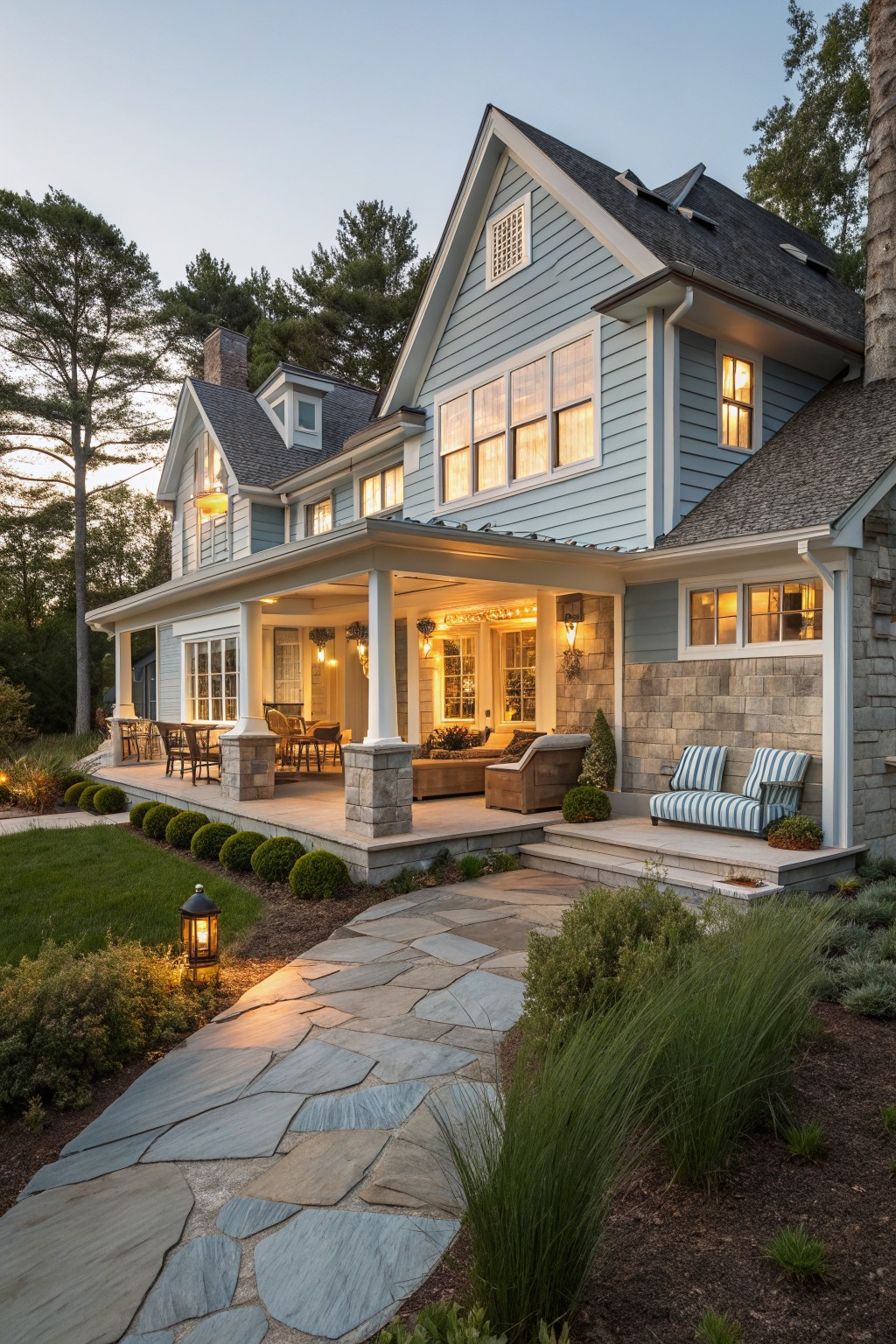
Light blue horizontal siding gives a coastal house a clean, bright look that still feels grounded. The color works especially well when it covers most of the upper walls and gables, while stone is kept to the lower sections and porch columns.
This mix suits homes that already have white trim and simple rooflines. Keep the stone in smaller blocks so it adds texture without taking over the whole facade, and make sure the siding color stays soft rather than too bright.
Frequently Asked Questions
Q: How do I pick between wood shingles and board and batten for a coastal spot that gets lots of rain?
A: Wood shingles shed water well on steep walls but board and batten gives a tighter seal where wind drives rain sideways. Go with shingles if you want that classic cottage feel. They also let you add trim details easily around windows.
Q: What trim should I add to keep siding from rotting near the ground?
A: Use a thick base trim made of cedar to lift the siding a few inches off the soil. This stops moisture from wicking up. Paint it to match your main color so it blends right in.
Q: Do these siding styles need special paint for ocean air?
A: Regular exterior paint works fine but choose one labeled for high humidity. Reapply every five years or so to block salt damage. Focus on the south and west sides where sun and wind hit hardest.
Q: Can I use these ideas on a modern house or do they only suit traditional styles?
A: Board and batten looks sharp on modern homes when you keep the trim simple and paint everything one color. Shingles add texture that softens clean lines.
