


Welcome to a journey through the charming world of colonial house exterior clapboard designs. These classic styles combine history and craftsmanship beautifully. They inspire us to think about how these timeless elements can enhance our modern homes. Let’s explore some standout designs that stay true to tradition while offering fresh inspiration. Get ready to find ideas that you can bring to life in your own space.
Classic Vertical Clapboard
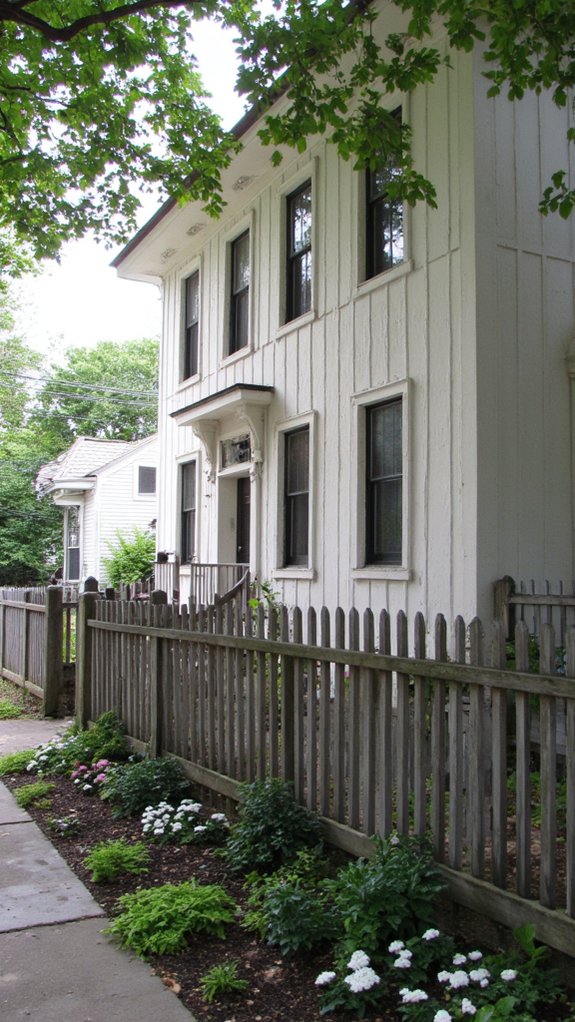
Classic vertical clapboard is a timeless choice for any colonial-style home.
I love how its clean lines and uniform appearance create a sense of elegance and tradition.
This style not only enhances curb appeal but also reflects the historical roots of colonial architecture.
Plus, its vertical installation allows for better water drainage, making it a practical option for durability.
Shingle-Style Clapboard
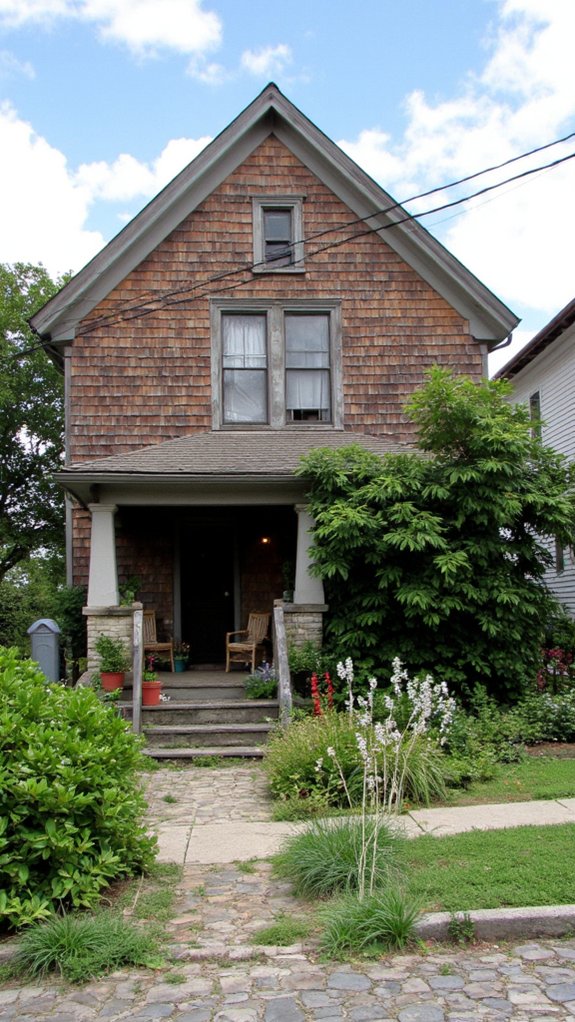
Shingle-style clapboard offers a unique twist on traditional colonial design, combining charm with a sense of warmth.
I love how the overlapping shingles create a beautiful texture that adds depth to any facade. This style often features intricate patterns and varied colors, enhancing the home’s character.
If you’re seeking a cozy, inviting look, shingle-style clapboard might just be the perfect choice for you.
Weathered Cedar Clapboard

Even though many clapboard styles evoke a sense of nostalgia, weathered cedar clapboard stands out for its rustic charm and natural beauty.
I love how it develops a unique patina over time, giving each home character. The rich, warm tones blend seamlessly with nature, creating a welcoming atmosphere.
Plus, it’s durable and low-maintenance, making it a practical choice for a timeless look.
Painted Colonial Clapboard
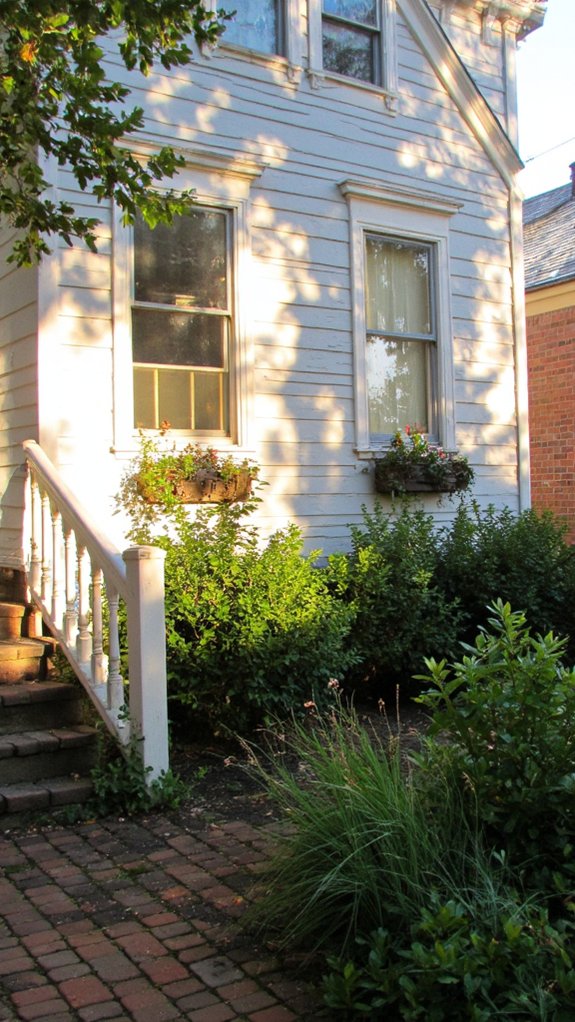
When it comes to painted colonial clapboard, I find that the vibrant hues and crisp lines truly enhance a home’s architectural charm.
Choosing the right color can evoke history while adding personality. Shades like deep navy, soft sage, or classic white bring out the details of the clapboard.
It’s a perfect way to maintain tradition while expressing individual style.
Beaded Clapboard Design

While exploring different clapboard designs, I’ve come to appreciate the distinctive charm of beaded clapboard.
Its elegant groove along the edge creates a visual interest that enhances any colonial home. This design not only adds texture but also reflects a historical authenticity.
I love how the beading captures light, giving the facade a unique character that stands out beautifully in any neighborhood.
Wide Plank Clapboard

After appreciating the elegance of beaded clapboard, I find myself drawn to the robust appeal of wide plank clapboard.
Its bold, rustic charm creates a striking presence on any colonial home. The wider boards not only enhance the exterior’s authenticity but also provide a sturdy, weather-resistant barrier.
I love how they effortlessly blend history with a touch of modernity.
Rustic Reclaimed Clapboard

Rustic reclaimed clapboard captivates me with its rich history and unique character. Each piece tells a story, often sourced from old barns or homes, adding warmth and authenticity to any colonial house.
I love how its weathered texture and varied colors bring depth to a façade, creating a timeless appeal. It’s a sustainable choice that honors craftsmanship while preserving the past.
Board and Batten Clapboard
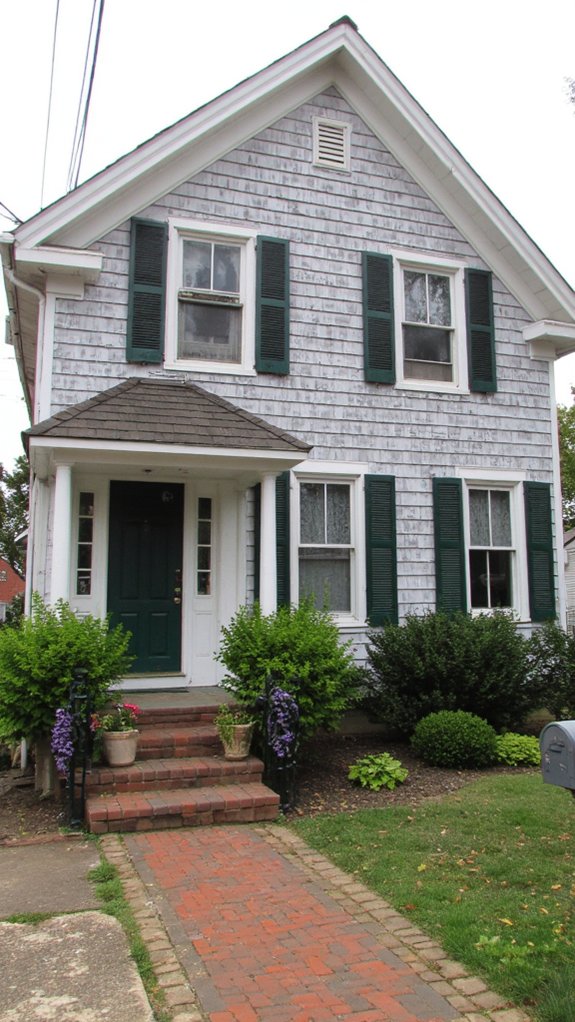
Board and batten clapboard instantly draws me in with its distinctive blend of style and functionality.
I love how the vertical boards create a textured look, adding depth to a home’s exterior. It’s not just aesthetically pleasing; it also offers excellent protection against the elements.
This timeless design choice connects me to history while ensuring my home remains durable and inviting.
Two-Tone Clapboard
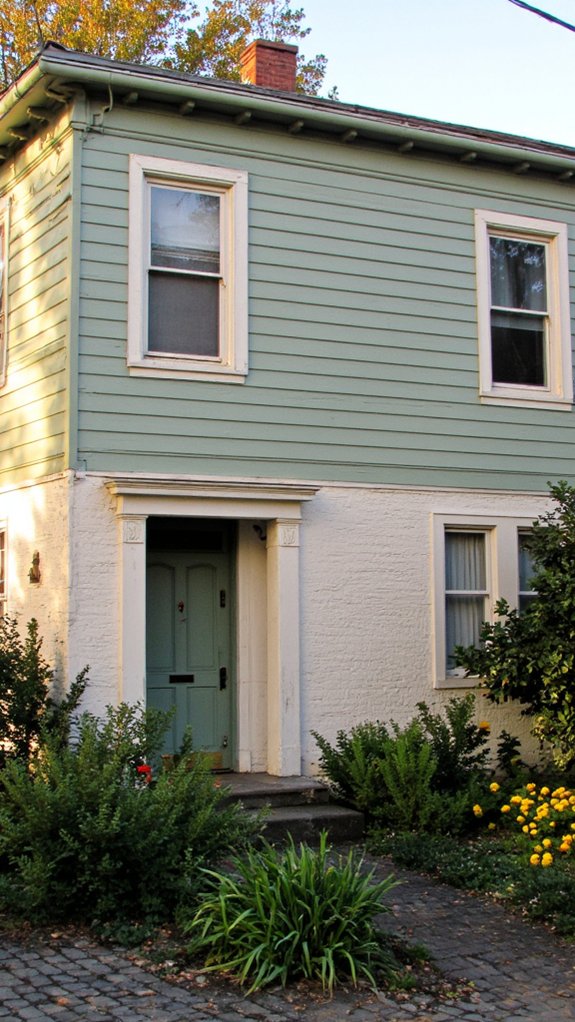
While board and batten clapboard showcases a charming vertical design, two-tone clapboard takes exterior aesthetics to a whole new level.
I love how it combines contrasting colors to highlight architectural features, making a bold statement. This design not only adds depth but also creates visual interest.
If you’re looking to elevate your colonial home’s curb appeal, consider embracing the beauty of two-tone clapboard!
Cape Cod Clapboard

Cape Cod clapboard embodies the essence of New England charm, showcasing a simple yet elegant design that’s perfect for coastal homes.
I love how its clean lines and natural materials blend seamlessly with the rugged landscape. The muted colors often used evoke a sense of tranquility, making these homes feel inviting.
It’s a timeless choice that truly reflects the region’s rich history and character.
Dutch Colonial Clapboard

Dutch Colonial clapboard captures a unique blend of elegance and functionality, making it a popular choice for many homeowners.
I love how its wide, flat boards create a seamless look, while the sloping rooflines add character.
This style not only emphasizes traditional craftsmanship but also encourages energy efficiency.
Choosing Dutch Colonial clapboard can truly enhance the charm of your home’s exterior.
Decorative Trim Clapboard
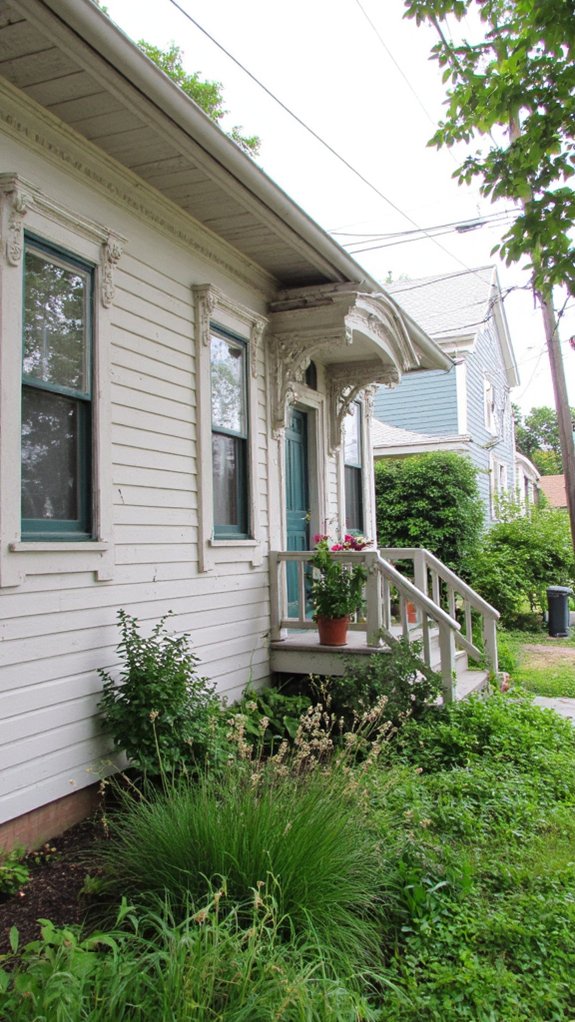
Decorative trim clapboard adds a distinctive flair to any home, transforming standard siding into a work of art.
I love how it can highlight architectural features, drawing the eye and enhancing curb appeal.
From intricate moldings to simple accents, the right trim can make a significant difference.
It’s a small touch that creates a lasting impression and celebrates the history of colonial design.
Mixed Materials Clapboard

Incorporating mixed materials clapboard can truly elevate the aesthetic of a colonial home.
I love how blending wood, stone, or brick adds depth and character to the exterior. This combination not only honors traditional designs but also introduces a unique twist.
You’ll find that the contrasting textures create visual interest and can enhance curb appeal, making your home stand out beautifully.
Textured Clapboard

When I think about enhancing a colonial home’s charm, textured clapboard immediately comes to mind.
Its unique surface adds depth and character, setting the tone for a warm, inviting exterior.
I love how the varying textures catch the light, creating shadows that dance across the façade.
This style not only honors tradition but also brings a fresh, vibrant look to any colonial home.
Historic Preservation Clapboard

As I explore the importance of historic preservation clapboard, it becomes clear that this style is essential for maintaining the architectural integrity of colonial homes.
Using traditional materials and techniques, these clapboards not only reflect the era’s craftsmanship but also enhance the home’s character.
Custom Cut Clapboard

Custom cut clapboard can truly transform a colonial home, providing a unique touch that reflects personal style while honoring traditional craftsmanship.
I love how these tailored pieces fit perfectly to the home’s architecture, creating a seamless blend of history and individuality.
Tailored clapboard pieces harmonize beautifully with a home’s architecture, merging historical charm with personal flair.
Choosing custom options allows me to highlight specific features and guarantee the clapboard complements the overall aesthetic beautifully.
It’s a worthwhile investment!
Painted Accent Clapboard
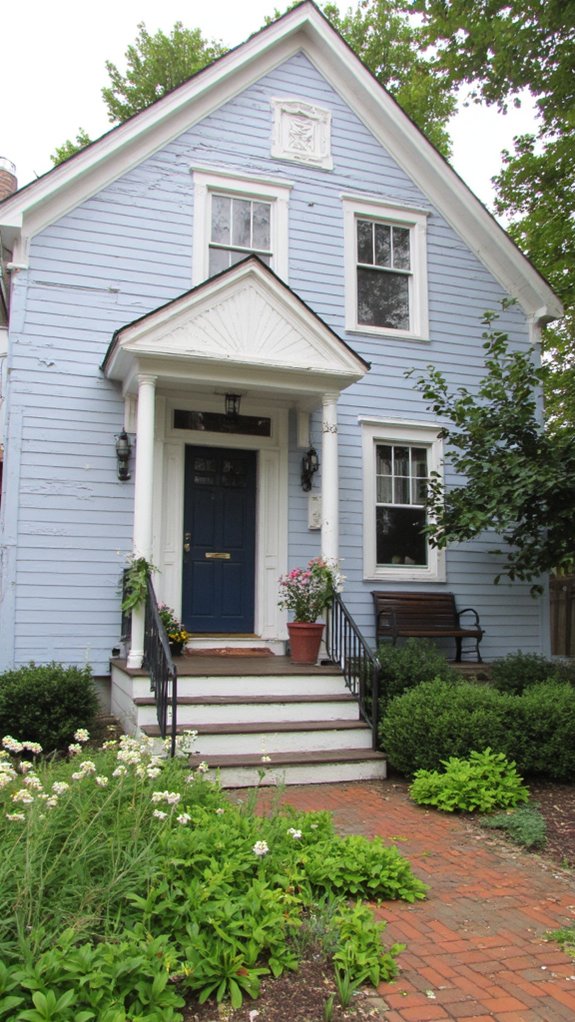
Painted accent clapboard can add a striking visual flair to any colonial home, making it stand out in the neighborhood.
I love how a bold color or subtle hue can highlight architectural features and create a warm, inviting atmosphere.
Choosing the right shade can enhance the historical charm while providing a modern twist, ensuring your home reflects your unique style beautifully.
Eco-Friendly Clapboard
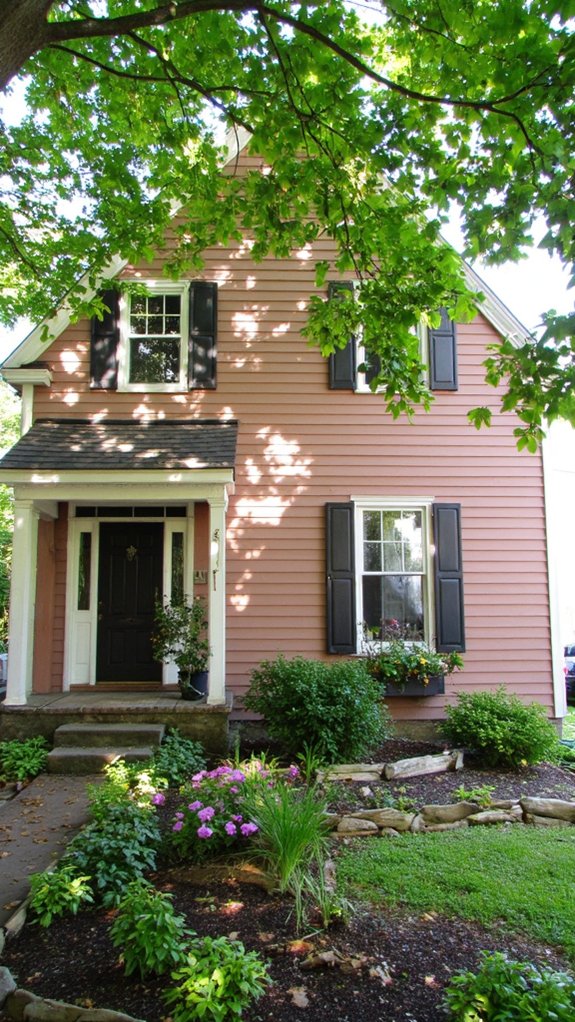
While painted accent clapboard can enhance the aesthetic appeal of a colonial home, eco-friendly clapboard takes sustainability into account without sacrificing style.
I love options like reclaimed wood or composite materials that mimic traditional designs. They not only reduce environmental impact but also offer durability.
Traditional White Clapboard
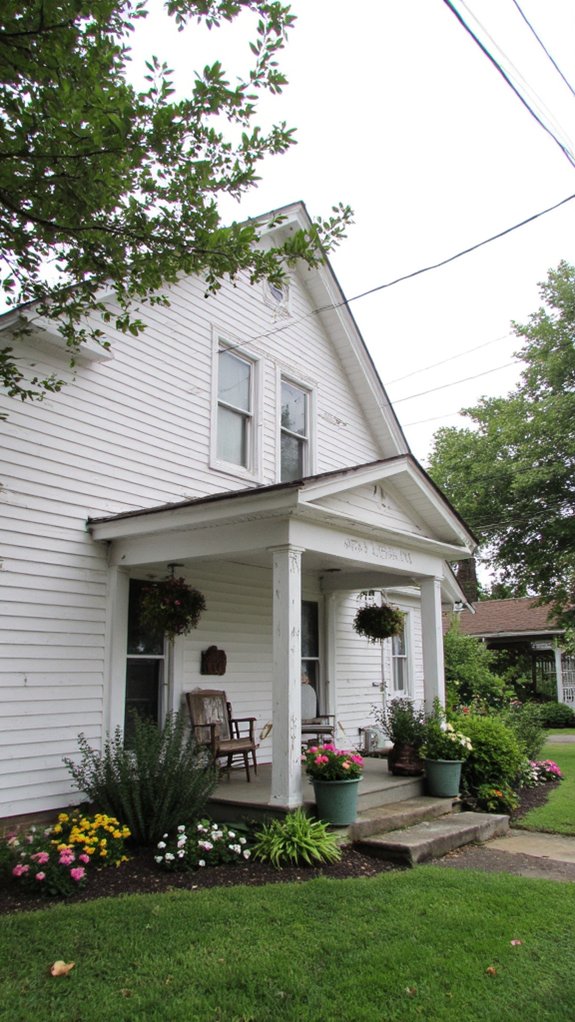
Traditional white clapboard has long been a hallmark of colonial architecture, evoking a sense of timeless elegance.
I’ve always admired its crisp appearance and how it reflects sunlight, brightening any home. This classic siding not only complements the historical charm of colonial houses but also allows for easy maintenance.
When I see it, I feel connected to our rich architectural heritage.
