

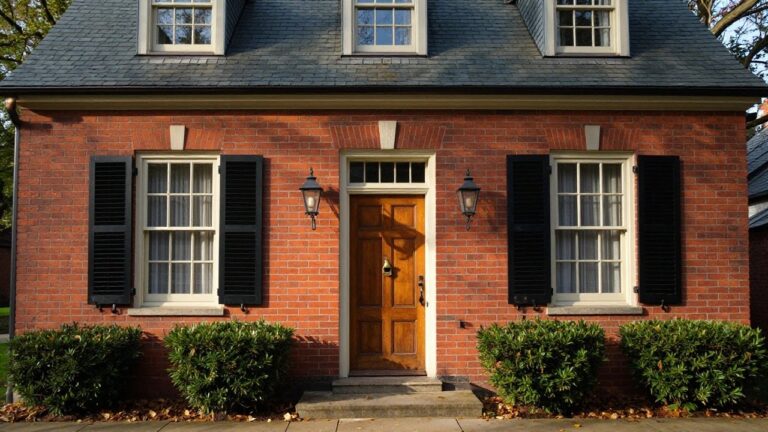
I still get that pull when I spot a classic 1900s Colonial house on a quiet street, where the facade hits just right from the sidewalk.
The balanced symmetry draws your eye first, with its centered front door flanked by evenly spaced windows and a roofline that anchors everything without overwhelming the lot.
I’ve noticed how those shingle or clapboard sidings paired with brick bases stand up to weather over time, looking more at home than flashy new materials ever do.
Homeowners today keep borrowing these roof pitches and entry porches because they boost curb appeal in real neighborhoods, not just staged photos.
One tweak from this era might be worth sketching for your facade.
Classic Colonial Front Entry
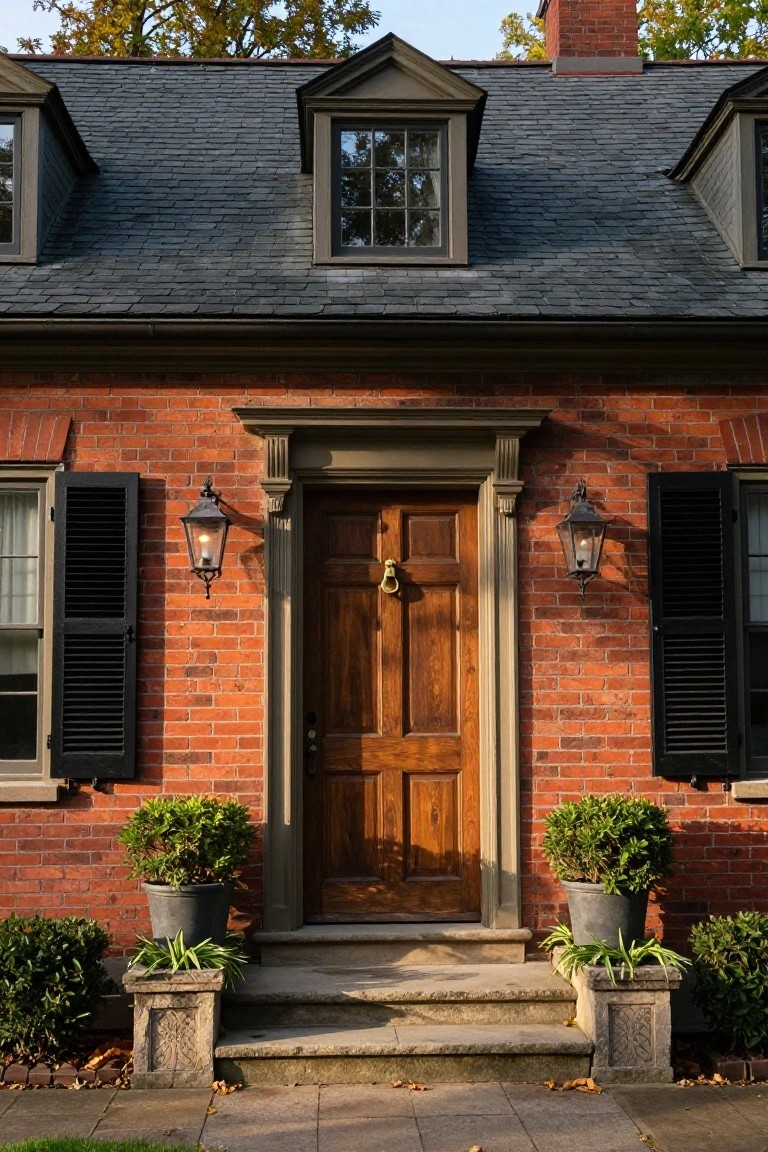
One look at this setup shows how a simple paneled door can anchor a whole facade. The wooden door sits proud under fluted pilasters, with a brass knocker right at eye level. Brick walls and black shutters keep things straightforward, while lanterns on each side add that welcoming glow without overdoing it. It’s the kind of entry that says traditional without trying too hard.
This works best on smaller homes from the early 1900s, or any brick house aiming for curb appeal. Flank the steps with boxwood pots on stone bases for instant symmetry. Stick to dark wood stains and simple hardware, and it fits most neighborhoods. Just watch the scale, smaller doors can feel lost on bigger houses.
Recommended Products
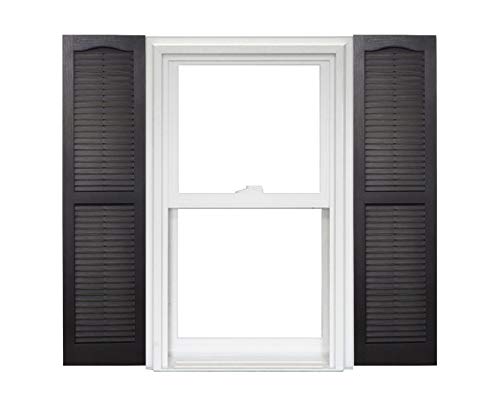
Open Louver Shutters are decorative which fits window heights of 46in - 48in (window is not included with shutters)

Available in various color options

One Piece Injection Molded Polypropylene Construction
Classic Colonial Symmetry
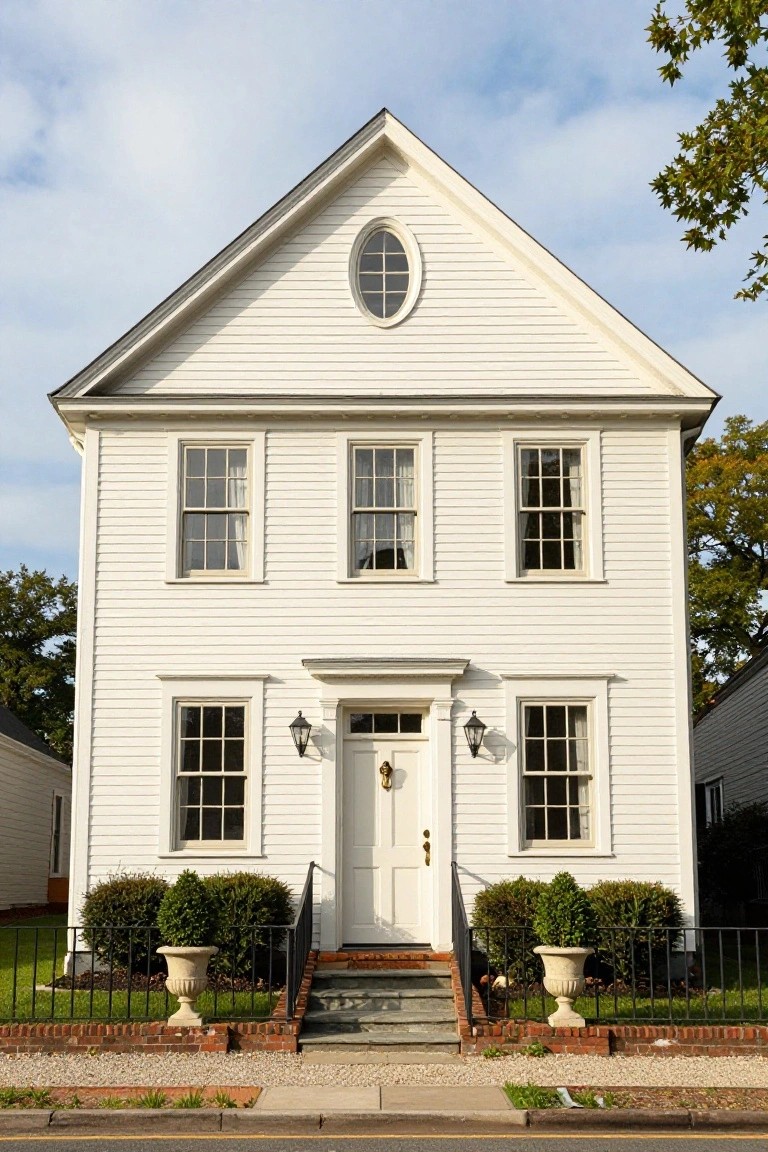
Homes from the early 1900s often used symmetry to make the front feel balanced and welcoming. Here the windows line up evenly left and right of the centered door. White clapboard siding keeps everything crisp and lets the shape stand out. That simple layout gives solid curb appeal that doesn’t date.
This works well on city lots or older neighborhoods where space is tight. Frame the entry with lanterns and neat shrubs. Fresh paint matters most. Skip busy details up front. It suits revivals of traditional Colonials nicely.
Shingle-Style Colonial Facades
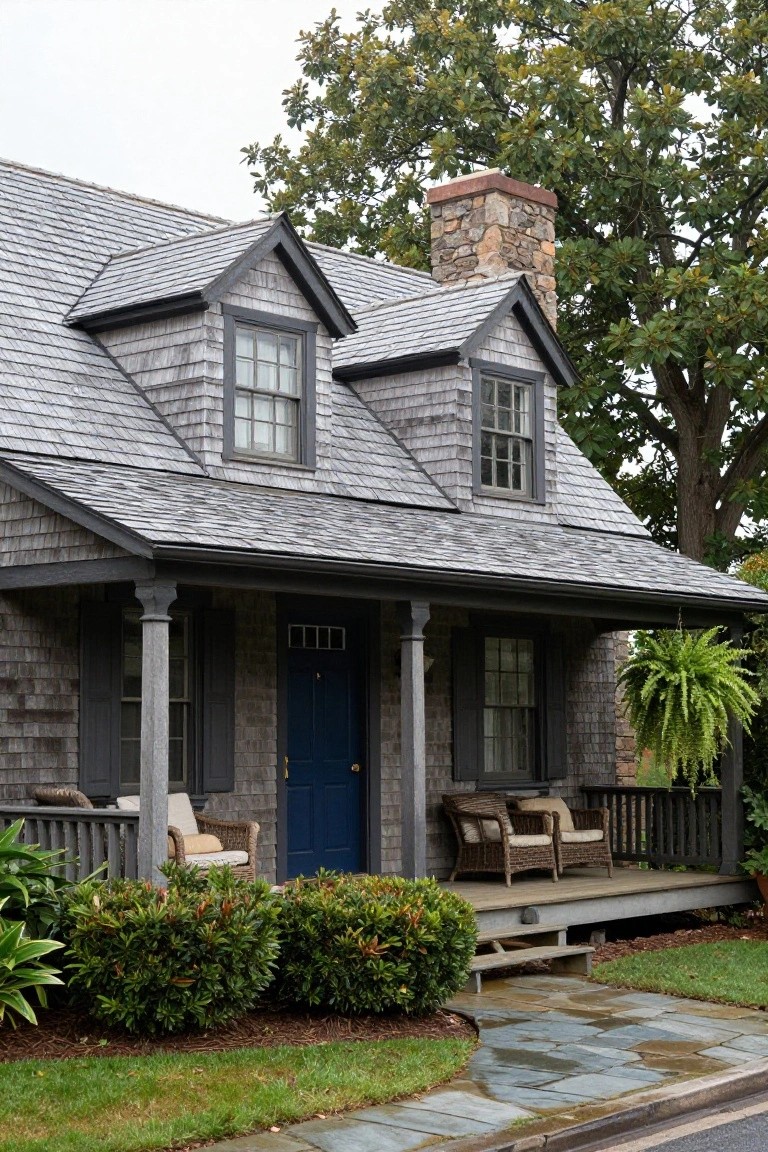
Shingle-style colonials from the early 1900s stand out with their textured siding that catches the light just right. Those overlapping gray shingles give the house a natural, weathered charm that feels at home next to trees and shrubs. The steep gables and stone chimney add height without overwhelming the street view, keeping things grounded and classic.
To pull this off today, start with cedar shingles stained a soft gray. They age well and need little upkeep. Add a deep front porch with simple columns, like the one here with its wicker chairs. This setup suits wooded neighborhoods or coastal spots best. Just keep trim dark to let the shingles shine.
Black Shutters on White Colonial Siding
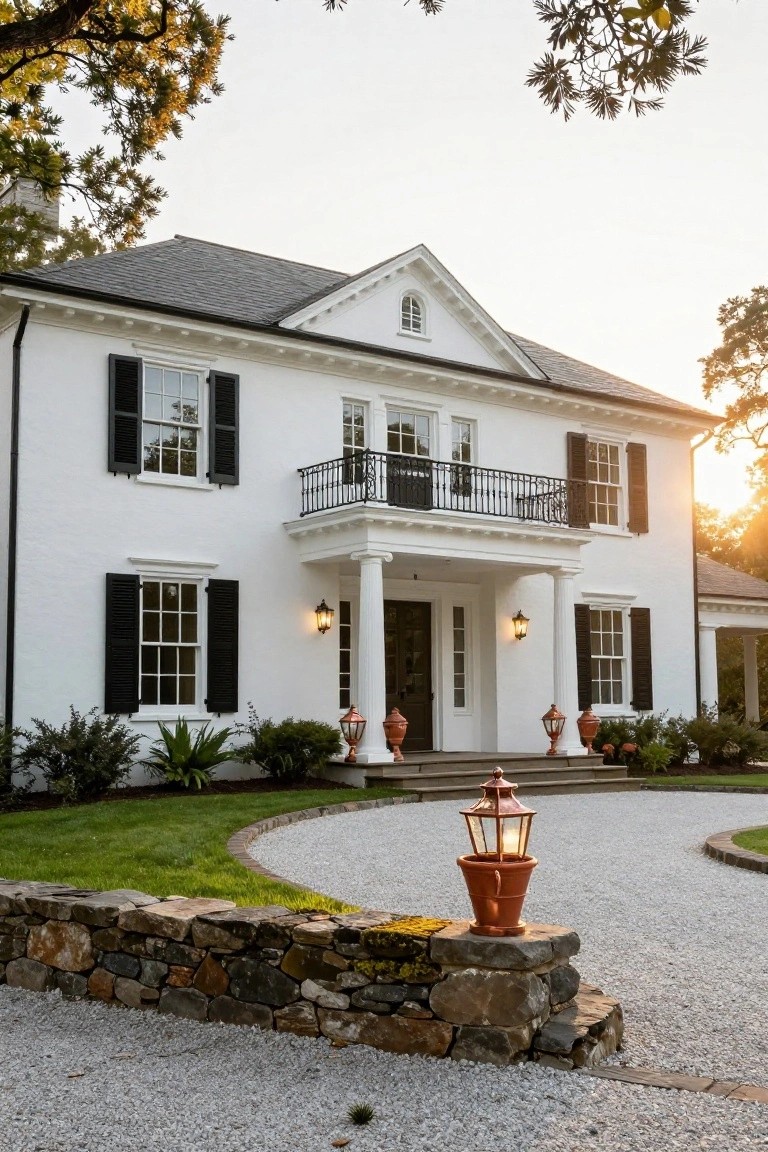
One simple way to give a colonial house that old-school look is painting the siding bright white and adding black shutters to all the windows. It creates a strong contrast that makes every window stand out and pulls the whole facade together. Those multi-pane windows look sharper too, like they belong on a house from the early 1900s.
This setup works best on symmetric homes with balanced windows and a centered door. It suits older neighborhoods or suburban spots where you want curb appeal without much fuss. Just make sure the shutters are sized right for your windows, or they can look off.
Navy Shutters on White Siding
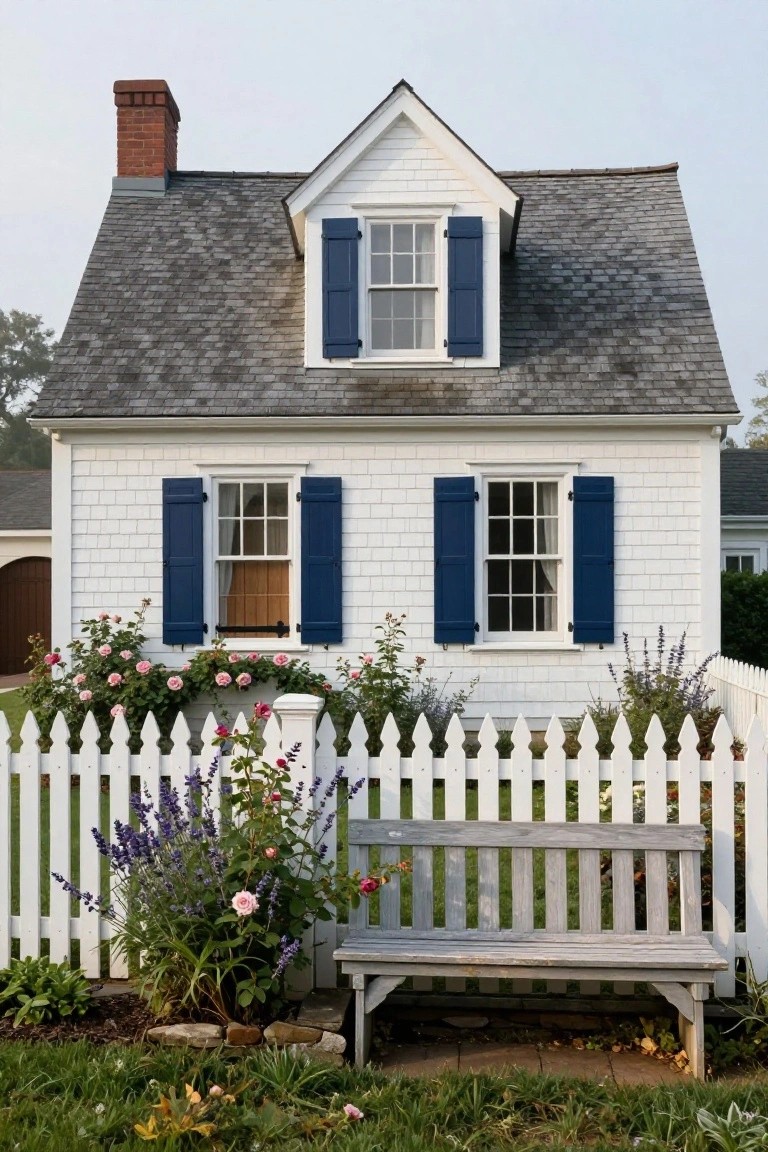
White clapboard siding gets a sharp lift from navy blue shutters. This simple contrast has been around since the early 1900s on colonial homes, and it still works because the dark color pulls focus to the windows without overwhelming the clean lines of the house. You see it here on a compact shingle-roof cottage, where the blue stands out against the bright siding.
Try this on any modest two-story home facing the street. It suits coastal or suburban spots where you want low-key curb appeal. Just stick to glossy paint for weather resistance, and keep the trim white to avoid muddling the look.
Classic White Porch Columns
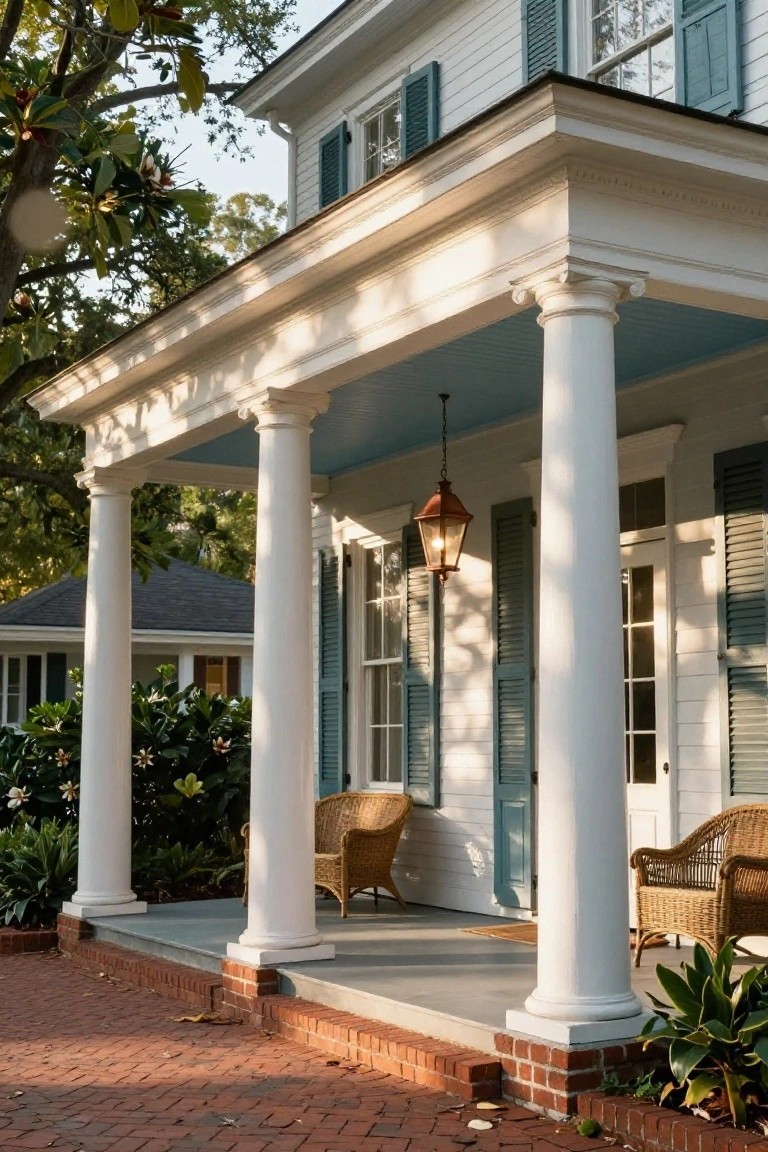
Tall white columns like these are what make many 1900s colonial homes feel so grand and steady. They support the deep porch roof, creating shade and framing the front door just right. Paired with a painted ceiling and simple wicker chairs, they turn the porch into a natural spot to sit without much fuss.
These columns suit homes in warmer spots where you actually use the porch year-round. Go for smooth Doric style on a white house to keep that clean look. Just make sure the base sits firm on brick steps… it helps with curb appeal without overdoing it.
Shingle-Style Gabled Entries
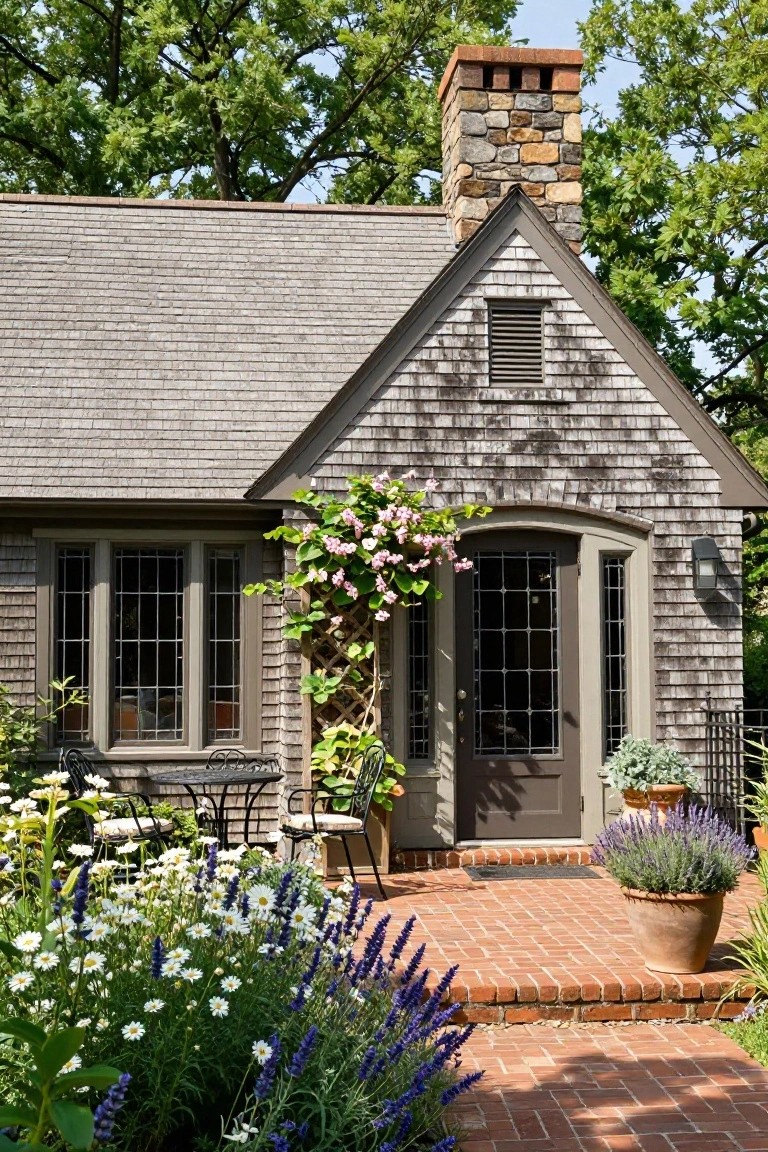
Shingle siding climbing up a gable right over the front door gives these older colonial homes a snug, lived-in look that feels right at home in the early 1900s style. You see it here with the rough stone chimney poking up through the roof, keeping things sturdy without looking too fussy. It’s a simple way to make the entry feel like the heart of the house.
Try this on compact homes where you want curb appeal without big changes. Frame the door with leaded glass windows and add climbing vines along one side for some green touch. It fits wooded neighborhoods best, and watch the maintenance on those shingles to keep the charm going.
Classic Pedimented Entries
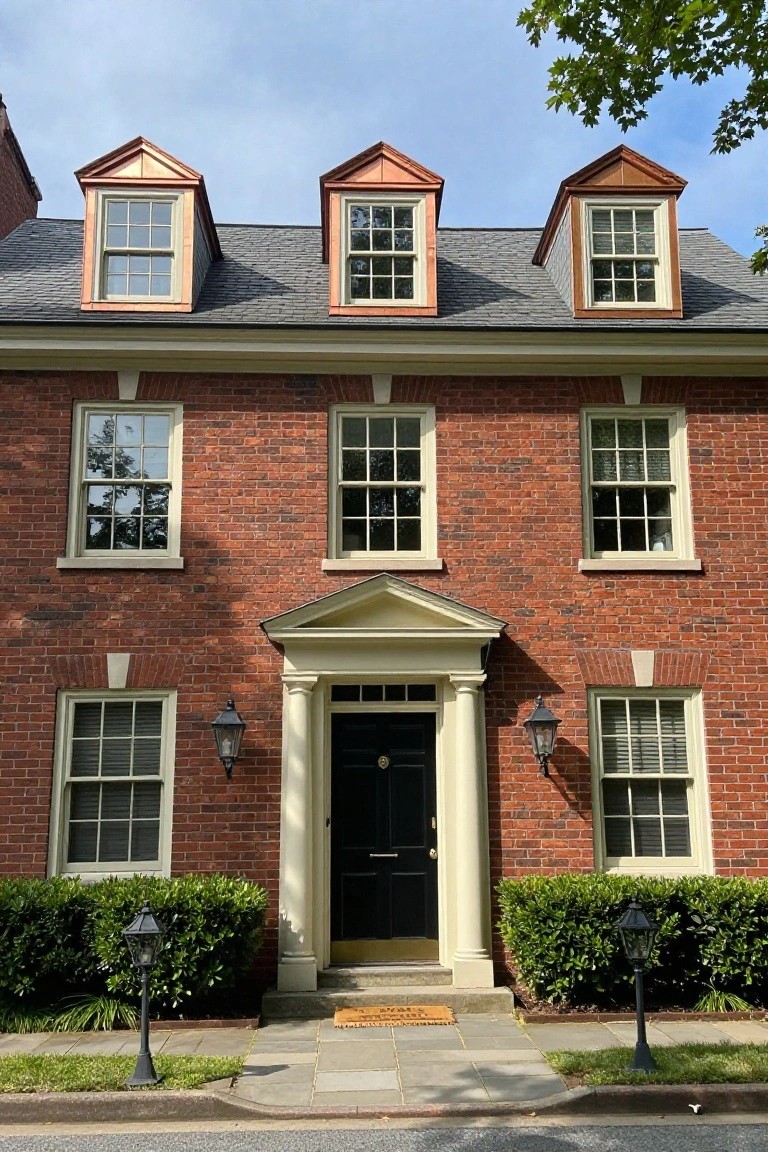
These 1900s Colonial houses nailed the pedimented entry, that simple triangle over the door held up by columns. It pulls everything together on a symmetrical brick facade. Notice how the white trim sets it off nicely, with lanterns adding a bit of glow without overdoing it.
You can pull this off on townhouses or standalone homes where the front needs focus. Match the scale to your windows so it doesn’t look tacked on. Brick or stone bases take it best, keeping that old-school balance alive today.
Columned Front Porches
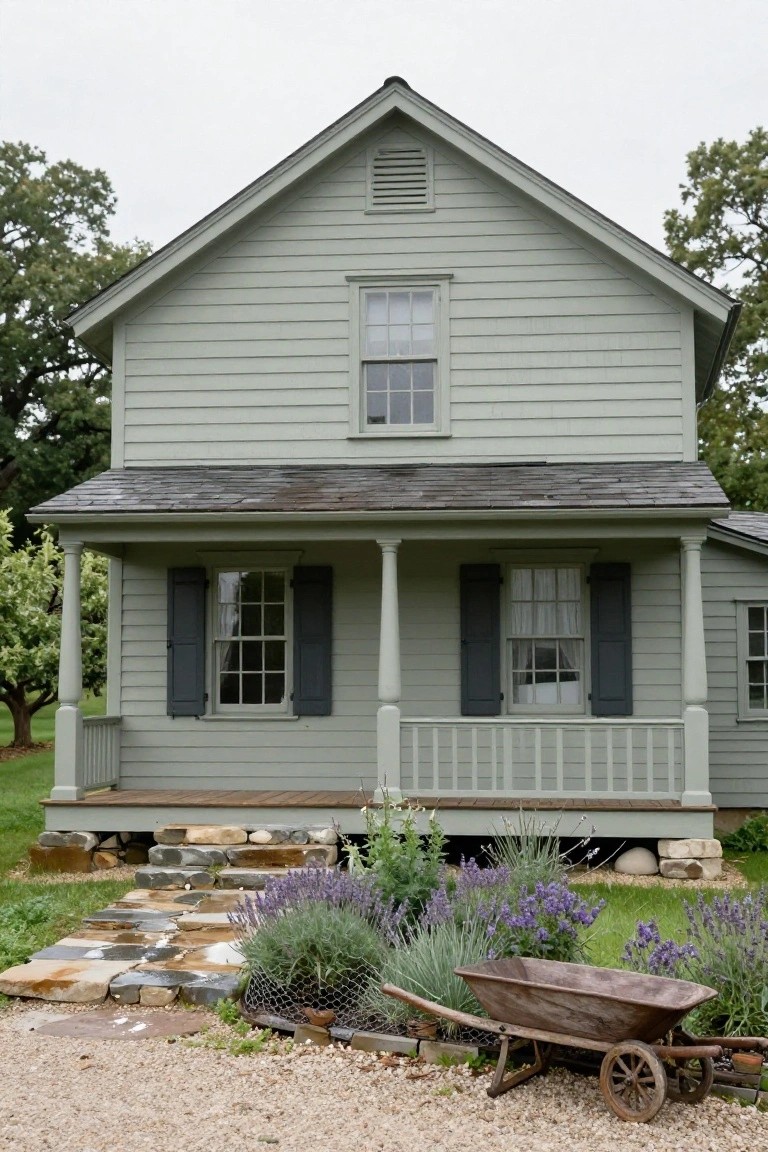
A columned front porch like this one takes a simple Colonial house and makes it feel more open and neighborly. Those tall, round columns hold up the roof just right, giving shade on the porch while framing the front door. Paired with light green siding and dark shutters, it keeps the look fresh but rooted in 1900s style.
These porches suit older homes in leafy neighborhoods where you want foot traffic to slow down a bit. Build one out from an existing entry, using stone steps for the approach. Skip fancy add-ons. Just keep the columns plain and the railing simple, and it blends with today’s yards without much upkeep.
Colonial Facades with Steep Shingle Roofs
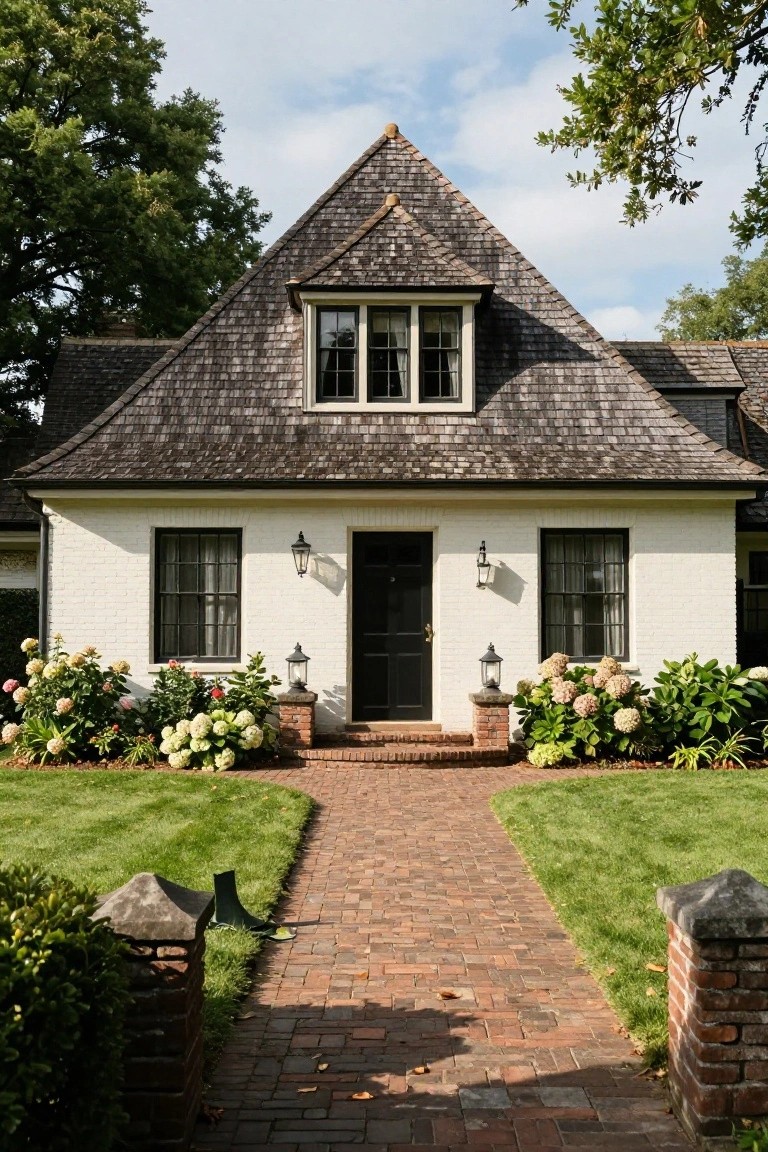
Steep shingle roofs like the one on this home give Colonial designs that tall, peaked look from the early 1900s. The dark shingles stand out against the white siding, and the front gable with its dormer window pulls the eye right up. It makes the house feel sturdy and rooted in tradition without looking heavy.
You see this on smaller homes where the roofline adds height and character fast. Pair it with a simple black door and matching trim for clean lines that last. It works best on streets with other older houses, just keep the landscaping low around the base so the architecture shows.
Brick Rowhouses with Balcony Planters
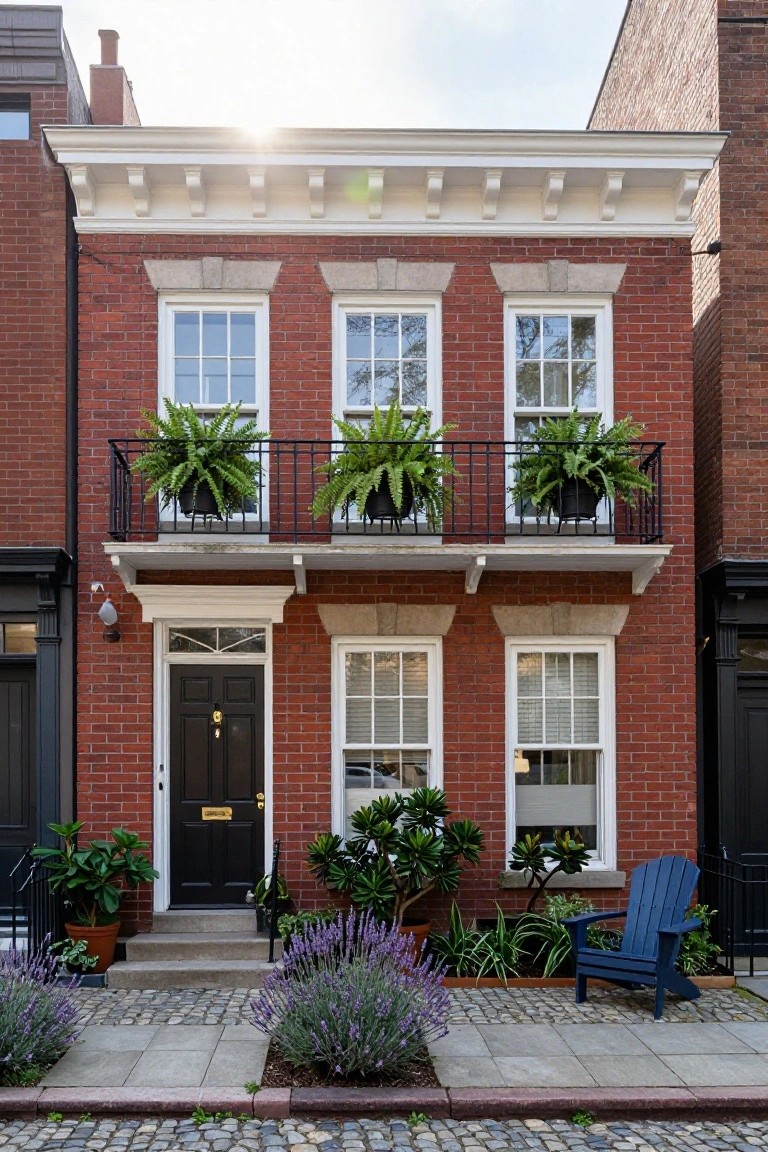
These old brick townhouses really come alive when you add big ferns hanging off the iron balconies. The deep red brick and white trim give that solid 1900s Colonial look, but the plants soften everything up and pull your eye right to the upper windows. It’s a simple move that makes the whole facade feel less boxy, more like a home someone actually lives in.
You can pull this off on narrow urban rowhouses where yard space is tight. Just pick tough, trailing plants like Boston ferns that hang well in pots, and keep the balcony railing black or dark to let the green stand out. It works best on sunny sides, though watch for too much wind up high… might need sturdy hangers.
Shingle Siding Beach Cottages
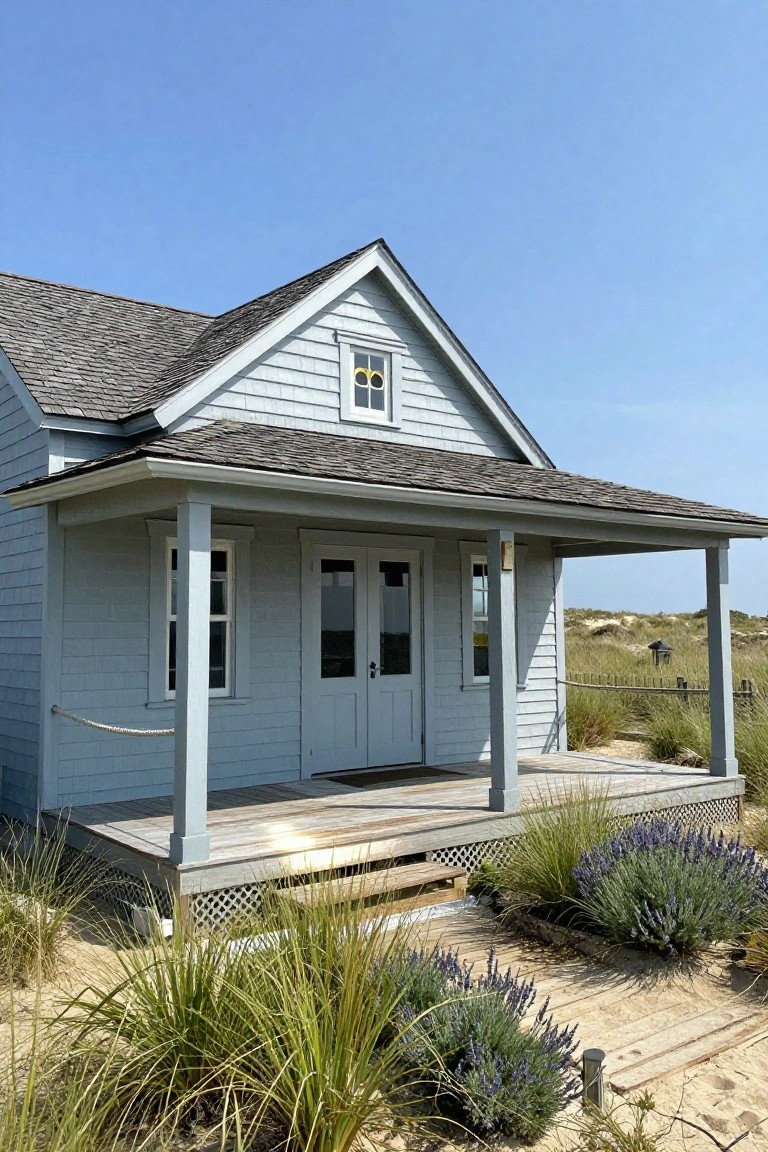
Shingle siding shows up a lot in those early 1900s coastal designs, and this little house nails the look. The gray-blue shingles cover the walls and roof, giving it that weathered, natural feel that fits right into sandy spots like dunes. With the gabled roof and simple lines, it pulls off a cozy scale without feeling boxy. Folks back then loved how it hid joints and aged nicely by the sea.
You can pull this off on smaller homes near water or even inland if you want low upkeep. Pick cedar or synthetic shingles for real durability, and add a deep porch like this one for shade and sitting. Keep plantings simple, maybe some beach grass and low lavender at the base. Just watch for moisture buildup under the porch. It works best where you want the house to blend rather than stand out.
Classic Colonial Symmetry
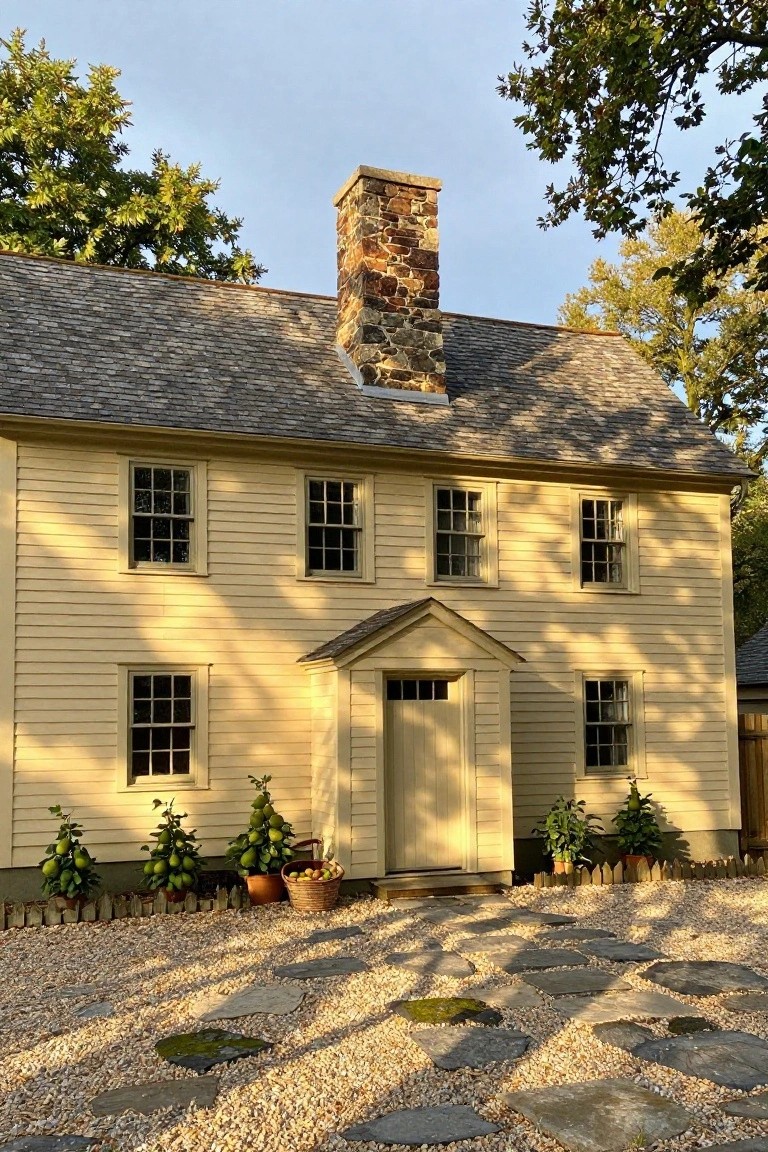
Colonial homes from the 1900s often nailed that balanced look with windows spaced evenly across the facade. Here the six-over-six sashes line up perfectly around a centered door. It gives the whole front a calm, ordered feel that pulls your eye right in without trying too hard. The yellow clapboard softens things up nicely.
This setup works best on straightforward two-story houses like this one. Line up your windows first, then build the entry around them. It suits neighborhoods with older architecture. Just keep the siding paint fresh to avoid a dated vibe.
Black Frames on White Brick Facades
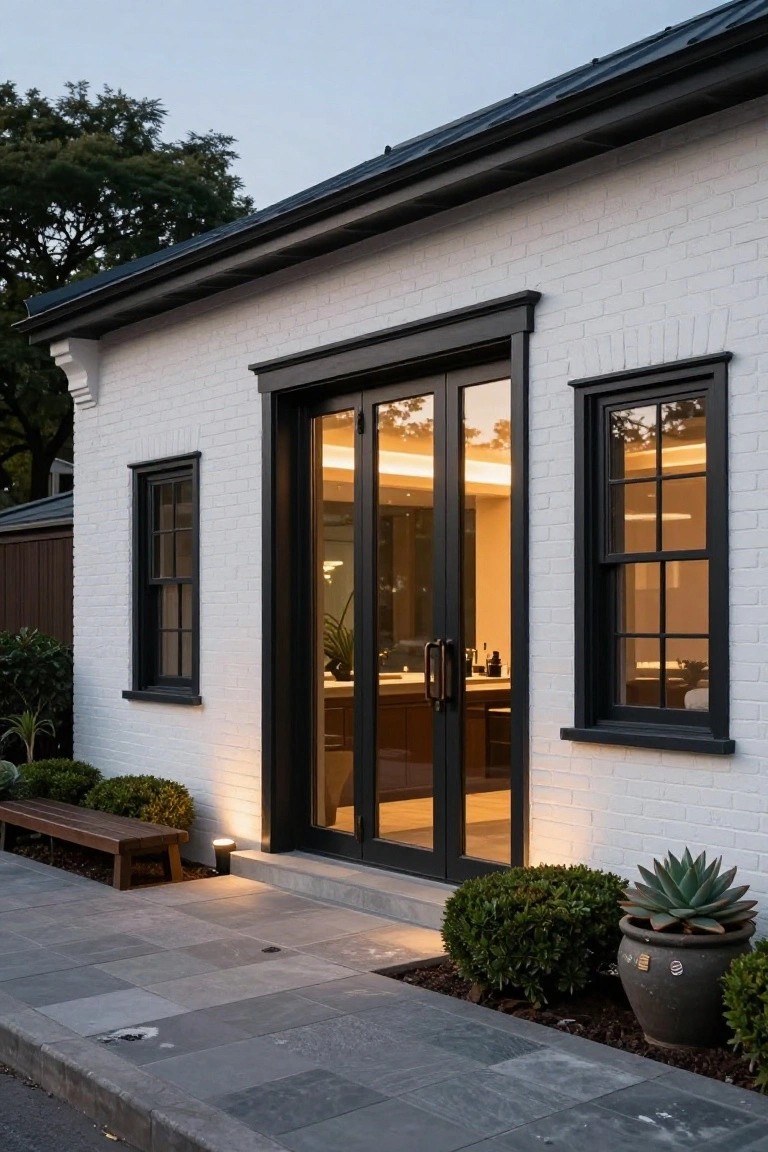
One simple update for 1900s colonial houses shows up in black frames around the windows and doors. Set against plain white brick walls, those dark frames add some punch without messing with the classic look. It keeps the house feeling solid and traditional, but pulls it into today.
This approach fits older homes that need a little modern edge. Use it on the front entry like these tall glass doors, or spread it across side windows. White brick stays bright, black frames stay matte. Just make sure the frames are sturdy enough for the weather.
Bay Window with an Outside Bench
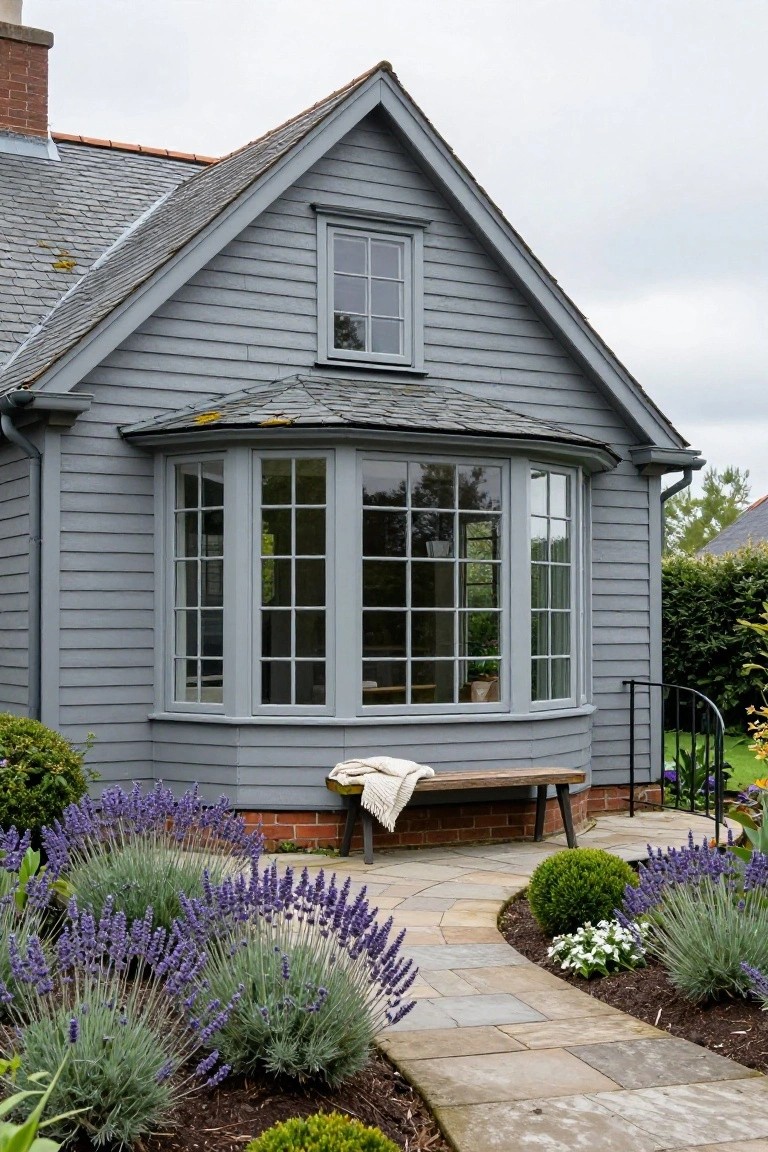
A bay window like this one on a classic clapboard house gets a lot more useful with a simple bench tucked right against it. That wooden seat with a folded blanket on top turns the spot into an instant place to sit and watch the day go by. Houses from the 1900s often had these nooks, and it keeps the exterior feeling practical and homey instead of stiff.
Put one on a side wall or near a path where it won’t block the main entry. It suits family colonials with some yard space, especially if you add low plants around the base for privacy. Just keep the bench scale right so it doesn’t overwhelm the window.
Classic Colonial Brick and Siding Facade
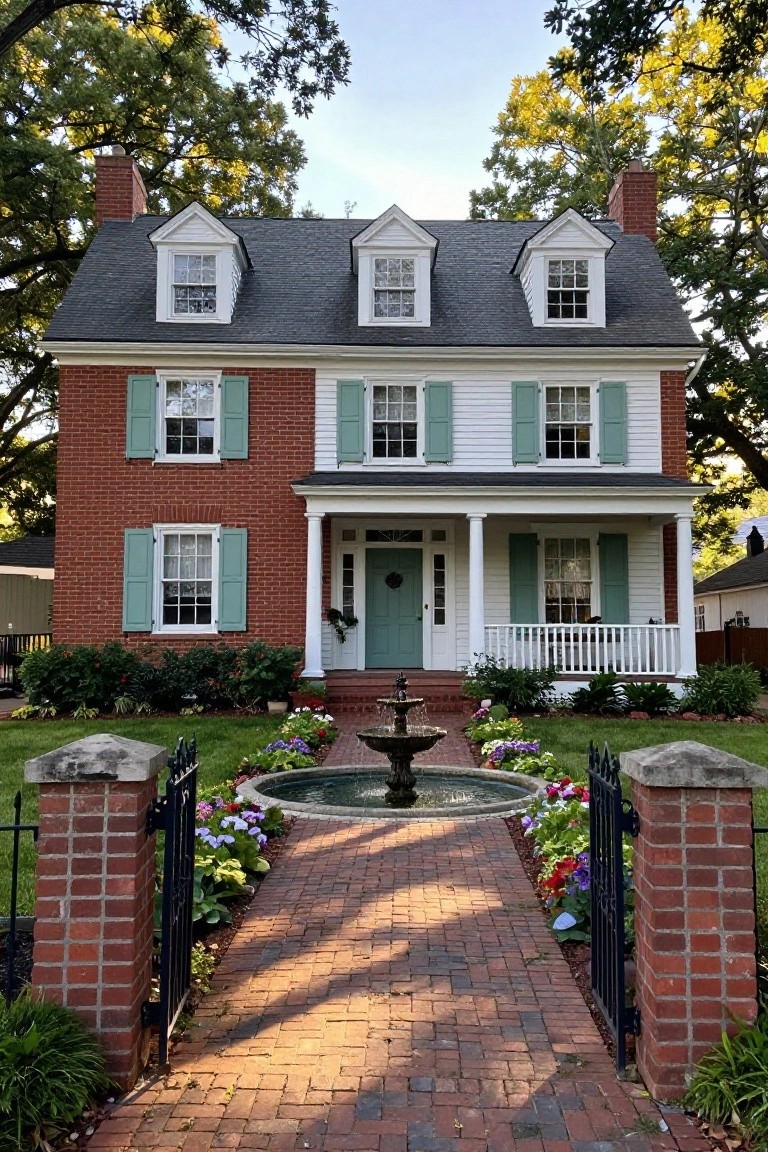
One look at this house and you see why the brick lower level with white clapboard above still turns heads. The red brick gives a sturdy base that feels rooted in history, while the siding keeps things from getting too heavy up top. Green shutters on the windows add that crisp frame, and the teal door pulls it all into a fresh take on the old style.
This setup shines on two-story homes in neighborhoods with mature trees. It suits milder climates where brick holds up without much fuss. Line the front path with low flowers and a simple fountain, like here, to lead right to the porch. Just keep the colors muted so the architecture stays the star.
Shingle Siding for Lasting Curb Appeal
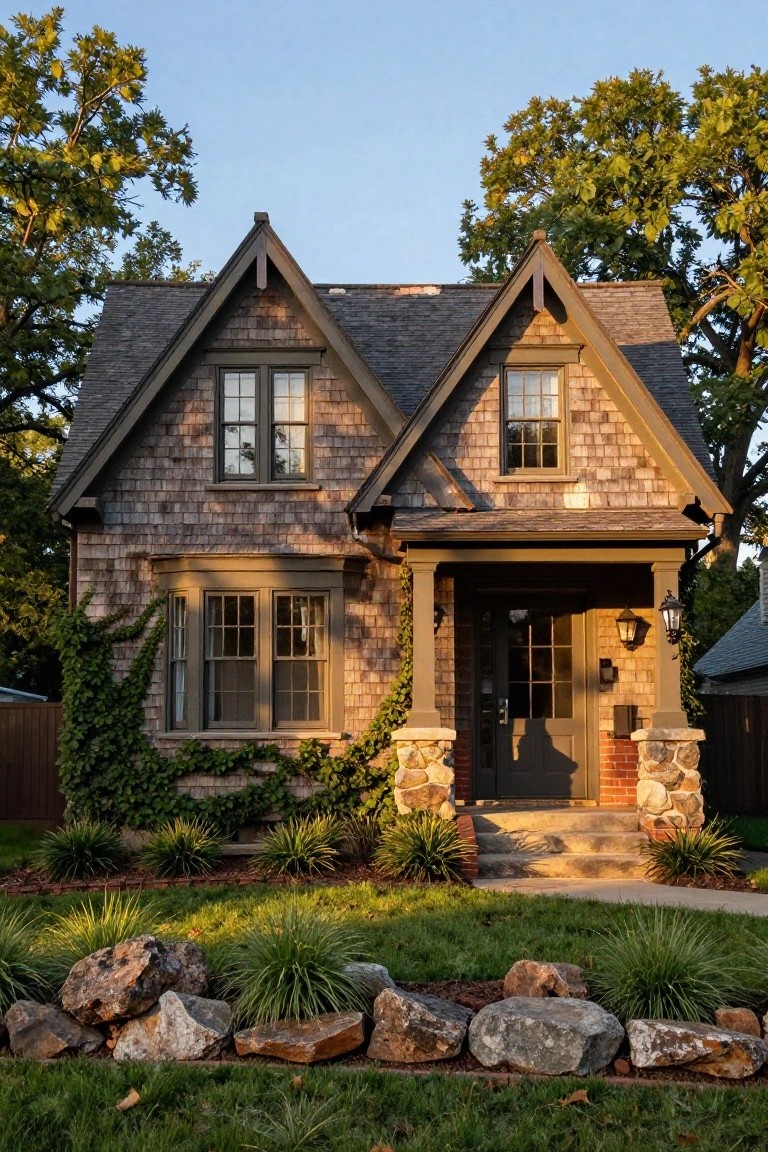
Shingle siding like this gives older homes a rugged yet refined look that pulls from early 1900s Colonial styles. The gray cedar shakes cover the walls and gables smoothly, catching light in a way that makes the house feel settled into its spot. Paired with stone porch posts, it adds weight and texture without overwhelming the simple lines.
You see this on bungalows or smaller Colonials in wooded neighborhoods, where it holds up to weather better than paint. To try it, pick weather-resistant shakes in a muted tone and mix in local stone for the entry. Keep plantings low around the base so the siding stays the focus. It works best on homes with steep roofs, but watch moisture buildup under the porch overhang.
Frequently Asked Questions
Q: How do I paint my Colonial house without messing up the classic look?
A: Stick to soft whites, sages, or muted blues that nod to the era. Test samples in different lights first. Fresh paint revives the whole facade fast.
Q: What’s a simple way to boost curb appeal on an older Colonial?
A: Swap out dated lanterns for black sconces with a subtle glow. They frame the door perfectly and light up evenings nicely. Add window boxes with trailing ivy next.
Q: Can I use modern materials to mimic that 1900s clapboard siding?
A: Fiber cement boards nail the texture and hold paint like a champ. They shrug off weather way better than wood. Install them yourself if you’re handy.
Q: Do these Colonial designs hold up in rainy climates?
A: They do, but seal the trim yearly. Gutters catch most water issues early. And proper flashing around windows keeps rot at bay.
