


I’ve spent time walking neighborhoods with classic colonial homes, and it’s clear that a green palette drawn from nature softens their formal symmetry without overwhelming the structure. From the street, the facade’s first read often comes down to how siding and trim catch the light against evergreen hues or earthy moss tones. I once watched a homeowner swap stark white for a muted forest green on the shutters, and it grounded the whole entryway in a way plain paint never could. These exteriors succeed when materials like cedar or stone mingle with the color choices, creating depth that changes with seasons and holds up to real weather. Some ideas here are simple enough to test on a small scale before committing.
Classic Colonial Facade in Deep Green
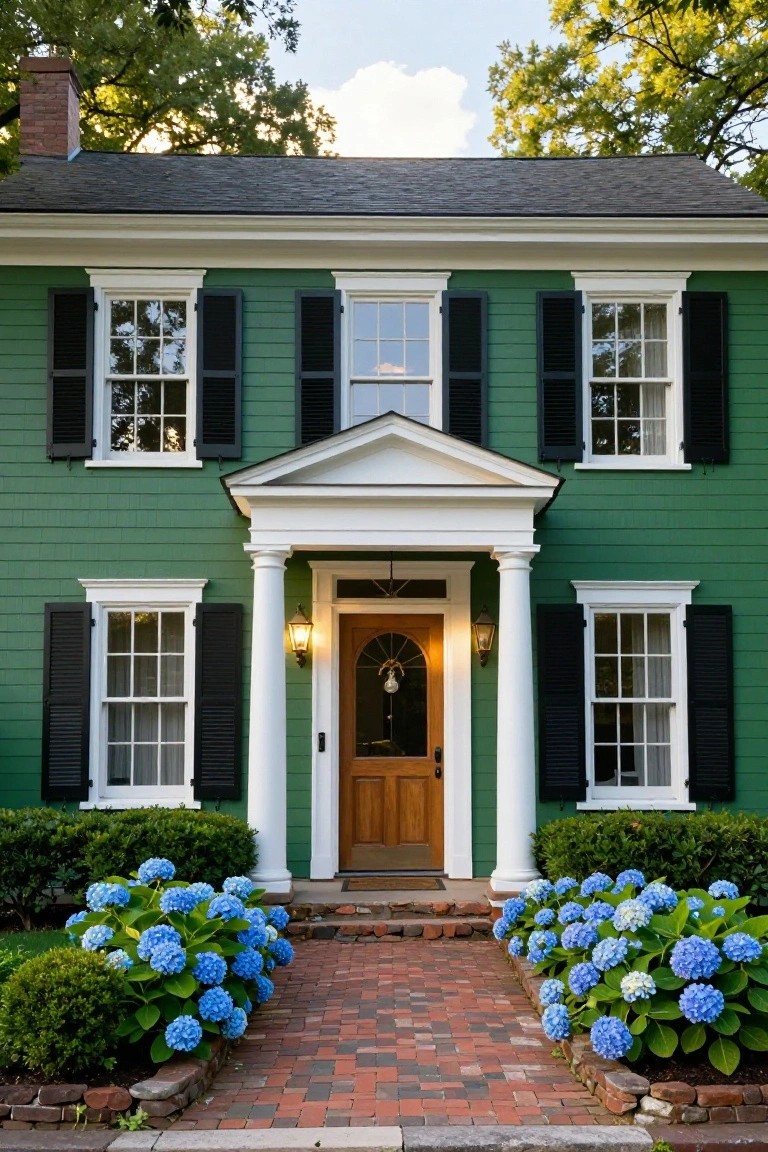
Deep green siding gives this colonial house a fresh, nature-inspired feel that fits right into a leafy neighborhood. The white trim on the porch columns and window frames stands out clean and sharp against the green, while black shutters keep things traditional without feeling stuffy. It’s a simple update that makes the whole front pull together nicely.
Try this on older colonials with good bones, especially where trees or gardens surround the yard. Flank the brick path with big blue hydrangeas… they pick up on the green tones and add soft color right at the entry. Just make sure the green shade isn’t too bright, or it might clash on sunny days.
Recommended Products

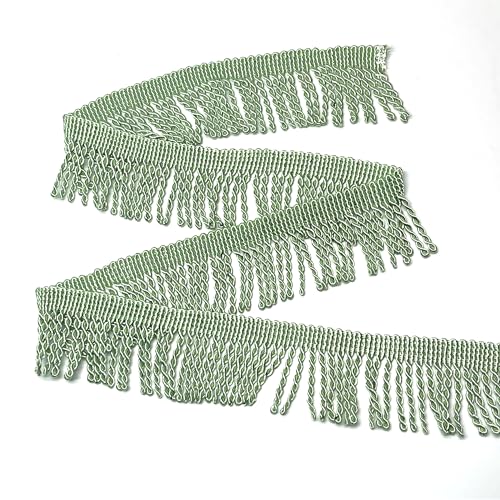
What You Get: 1 roll of double-sided Sage Green Stripe bulletin board border, 52 ft. x 3"
Service Guarantee - If you have any issue of the item, please contact us directly and we will resolve timely

DecoPro Bullion Fringe Trims add elegance, beauty, and detail to any room. Glamorously accent home furnishings, accessories, window treatments, curtains, decorative throw pillows, cushions, towels, costumes, upholstery, epaulettes, and lampshades to elevate your home and house of worship design.
Deep Green Brick Colonial Exterior
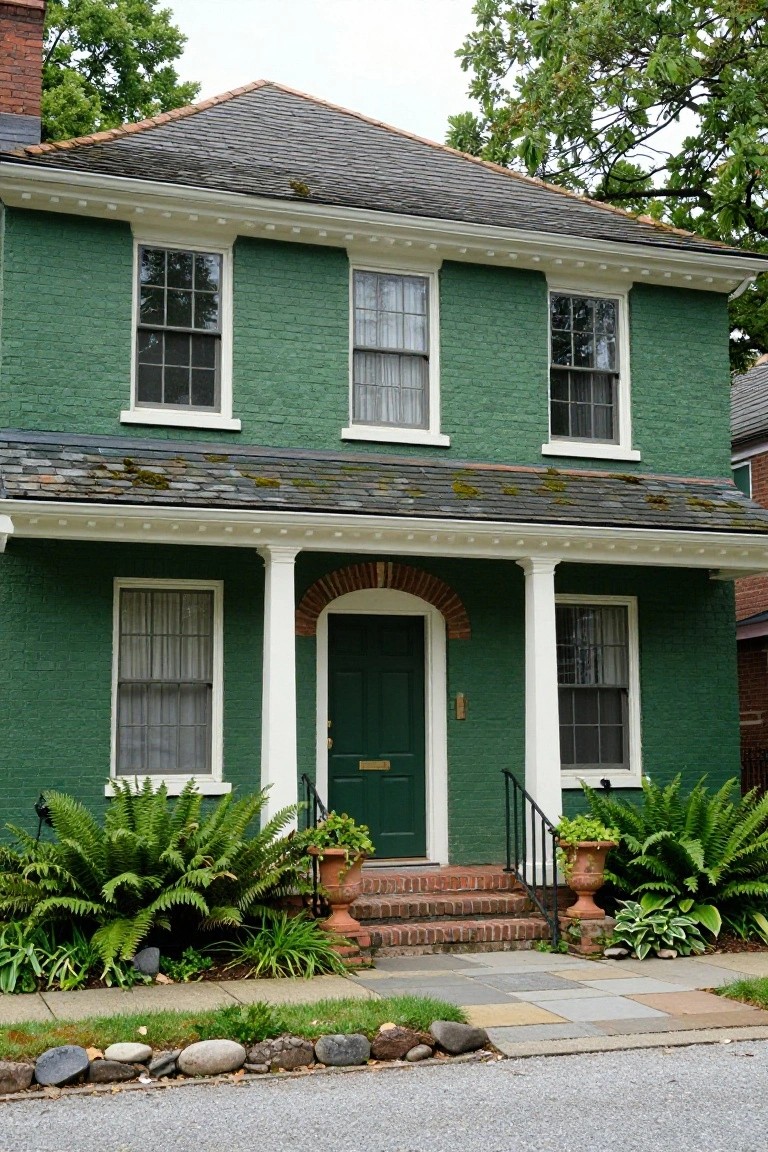
A deep green paint job on brick gives this colonial house a cozy, nature-blended look that feels fresh yet rooted in tradition. It softens the sturdy brick while echoing the trees overhead and ferns at the entry. No bright shades here. Just that mossy tone that settles right in.
Paint it on an older brick colonial facing trees or shade. It hides dirt well and pairs with white trim or a simple porch. Skip it on sunny south sides where it might fade fast. Add big-leafed plants nearby to tie it all together.
Green Front Door on White Colonial Porch
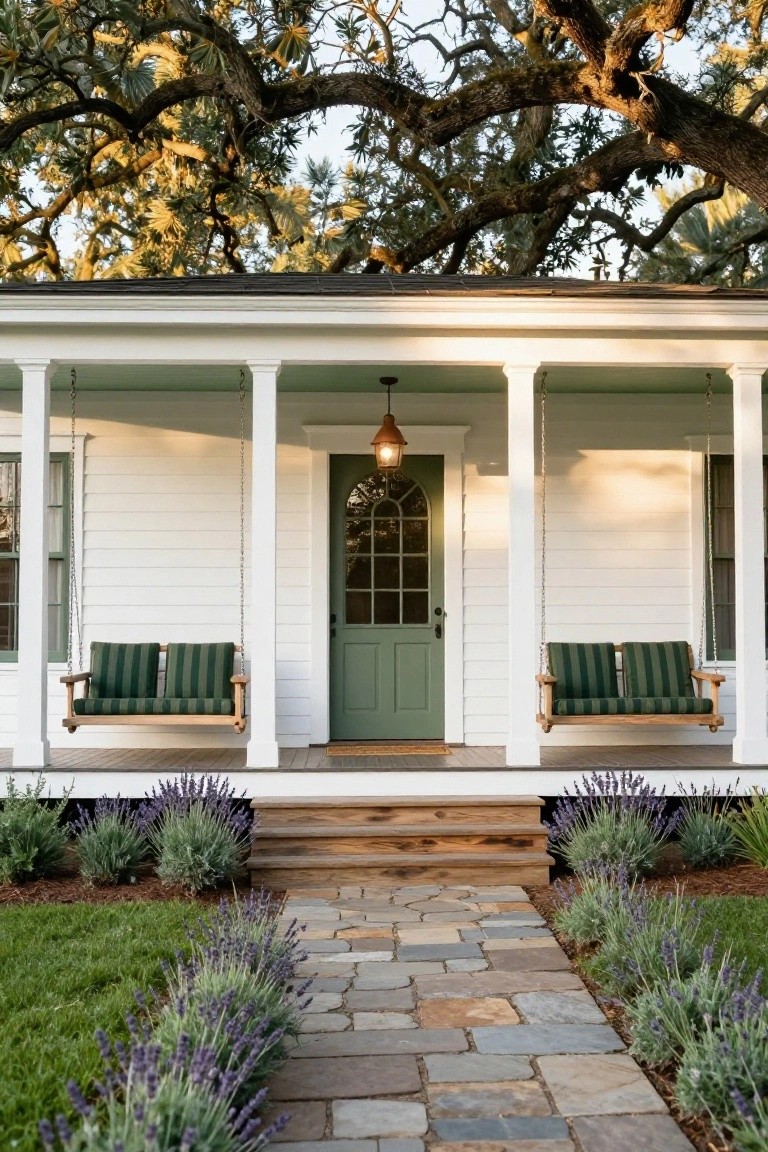
A soft green front door like this one gives a white colonial house a fresh, nature-tied look without overdoing it. It stands out nicely against the clean white siding and columns, pulling in that hint of the outdoors right at the entry. Here, the green echoes the cushions on the porch swings and even the lavender along the path, keeping everything connected and calm.
This works best on traditional homes with big porches where you want subtle color. Go for a sage or muted green to match local plants, and add matching accents on furniture or trim. It suits family houses in green areas… just make sure the door hardware is simple so it doesn’t compete.
Recommended Products

Ready to use, pre-mixed door and trim paint offers a fresh new look on interior or exterior metal, wood and fiberglass

ALL-IN-1 PAINT & PRIMER: A hardy multi-purpose and multi-surface one-coat paint and primer in one for almost any indoor or outdoor surface. A wall, ceiling, floor, skirting board, cabinet, furniture and door paint for your bathroom, kitchen, home and garden.

Ideal for use on interior/exterior surfaces including wood, plastic, plaster, metal, masonry and unglazed ceramic
Green Trim on Light Brick Colonial Homes
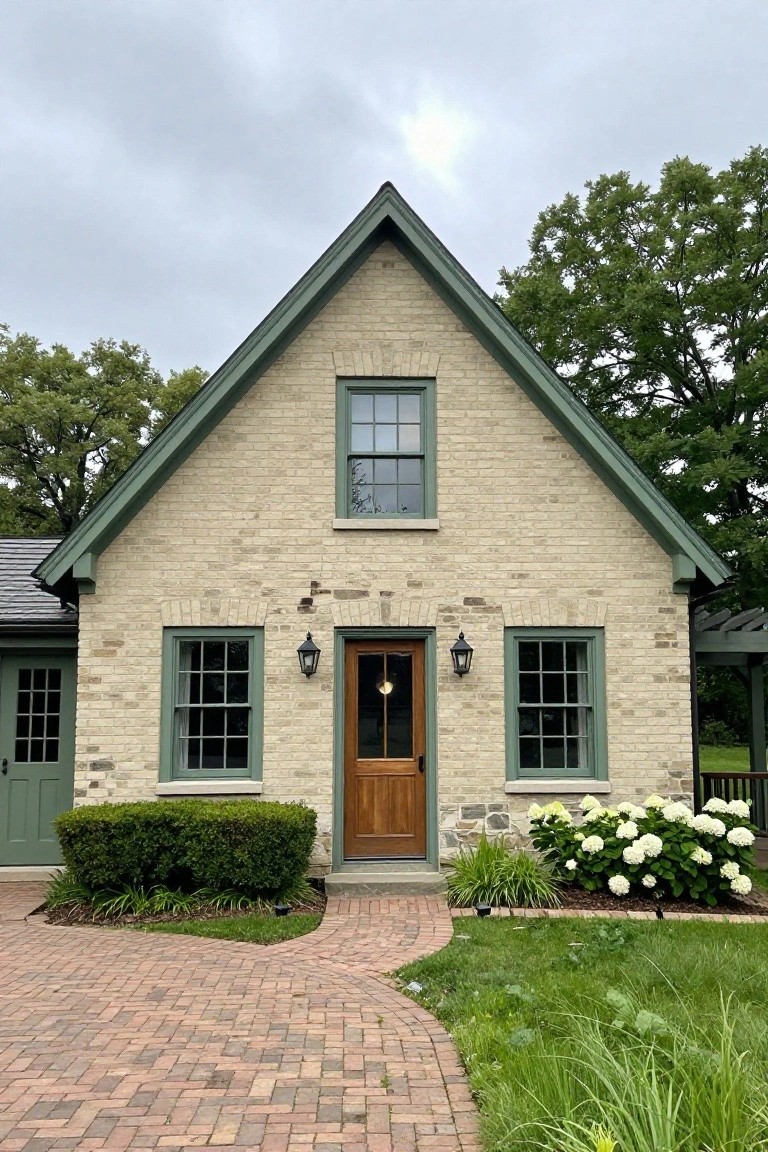
A light beige brick house like this one gets a real lift from sage green trim around the windows, roofline, and doors. That green pulls in the feel of nearby trees and plants without overpowering the classic colonial shape. It keeps things fresh and ties the house right into its yard.
You can pull this off on any older brick home wanting a softer update. Pick a muted green that echoes your local foliage, then add black lanterns by the entry for some contrast. It suits suburban spots with gardens best… just test the shade in different lights first to avoid anything too bold.
Green Door on Brick Colonial Facade
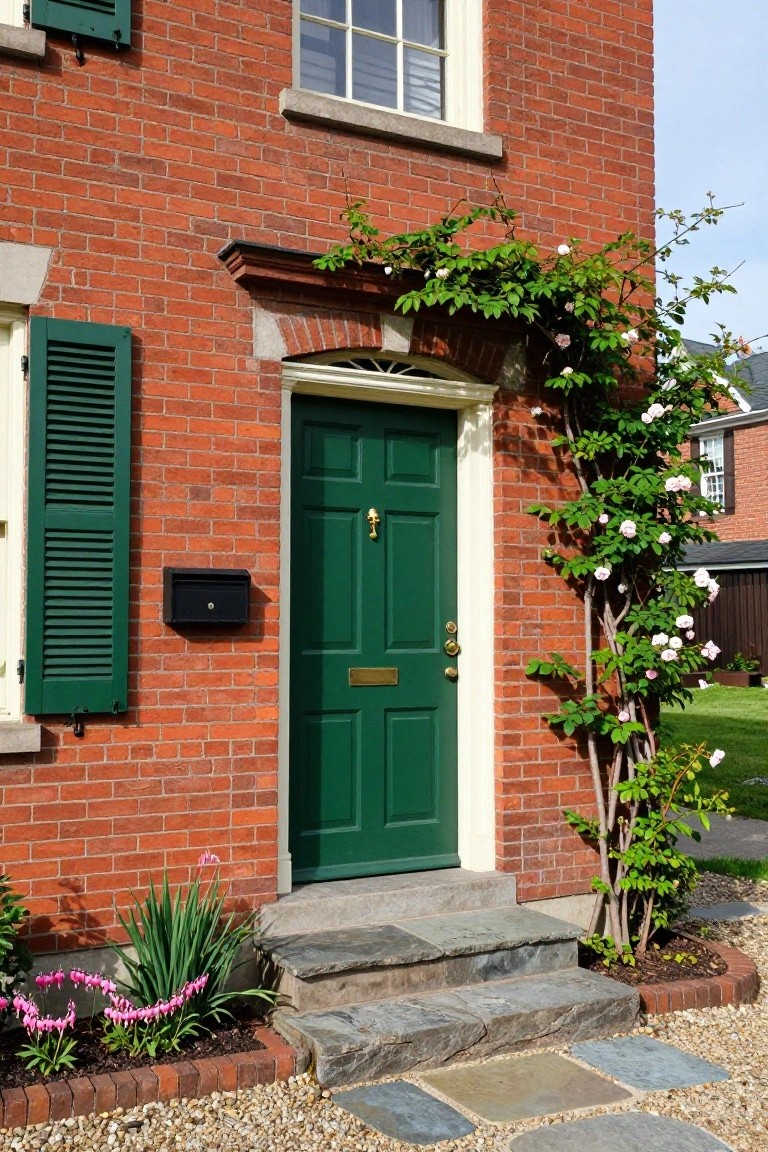
A deep green front door pulls the eye right to the entry on this red brick colonial. It fits the traditional style perfectly, standing out against the warm brick without feeling too modern. Climbing roses along one side soften things up a bit, tying the door to the natural surroundings.
This setup suits older brick homes in town or suburbs where you want curb appeal that lasts. Go for a glossy finish on the door to catch the light, and add brass hardware for a classic touch. It works best when the green echoes nearby plants or trim, but skip it if your roof is dark gray… might fight a little.
Pale Green Shingle Siding
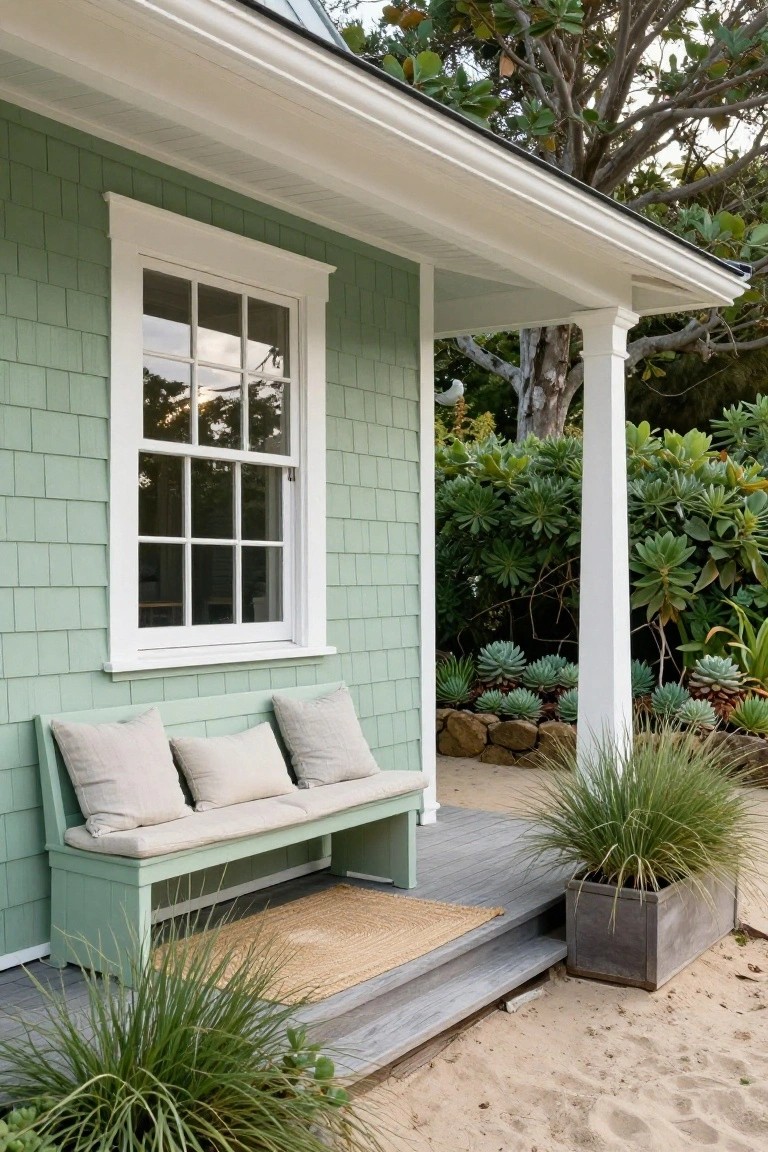
Pale green shingle siding gives a colonial house that easy connection to the outdoors. It picks up on nearby plants and sand without trying too hard. White trim around the windows keeps things crisp, and the color softens the look so the house feels like part of the landscape.
This works best on coastal spots or anywhere with a natural backdrop. Pair it with a simple bench on the porch and some tough plants like succulents or grasses nearby. Skip bold colors elsewhere… let the green do the talking.
Deep Green Siding on a Colonial Facade
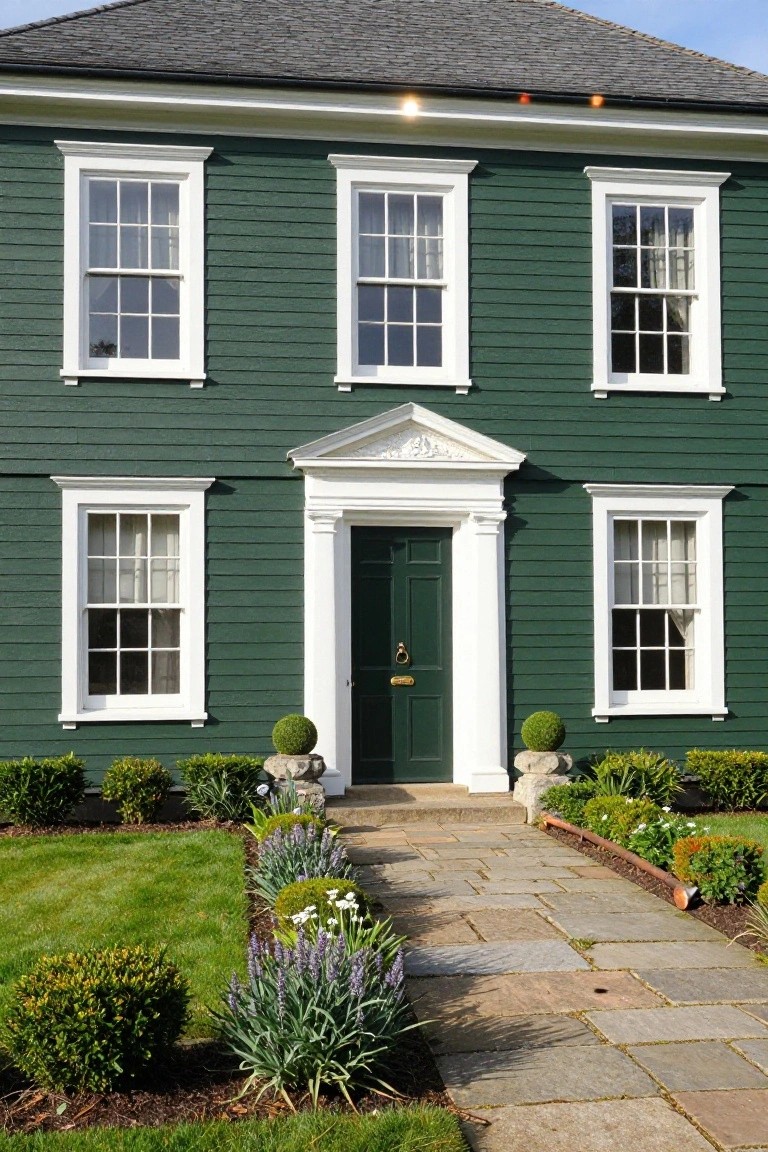
A deep green paint on clapboard siding gives this colonial house a fresh tie to nature without losing its classic lines. The color picks up on forest shades and makes the white trim around the multi-pane windows stand out clean and bright. It feels grounded. Right at home in a neighborhood with trees nearby.
Try this on a two-story colonial or federal style house where you want curb appeal that lasts. Keep the trim white or cream to avoid muddiness. Add boxwoods by the entry for some structure… they echo the green without overdoing it. Works best where summers are mild so the color doesn’t fade fast.
Window Boxes on Green Shutters
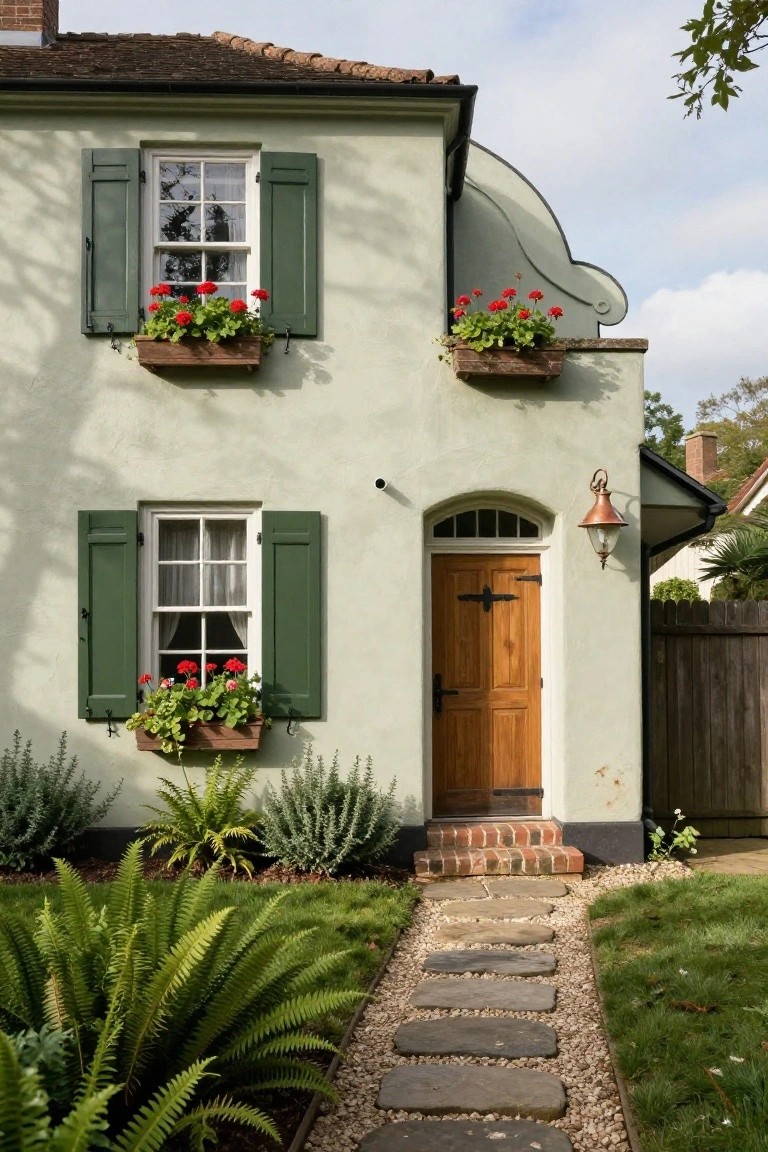
Window boxes overflowing with red geraniums add a lively touch to this green colonial exterior. The dark green shutters frame them nicely against the soft pale green siding. It pulls the eye right to the windows and makes the whole front feel more alive and welcoming. Those bright flowers nod to nature without much effort.
Try this on a two-story colonial or cottage style home where the windows line up well. Pick sturdy boxes that match the shutters, and go for geraniums or similar trailing plants that hang over the edges. It works best on sunny sides, and keep them watered since they dry out fast. Skip it if your facade is too busy already.
Green Shutters on Pale Colonial Walls
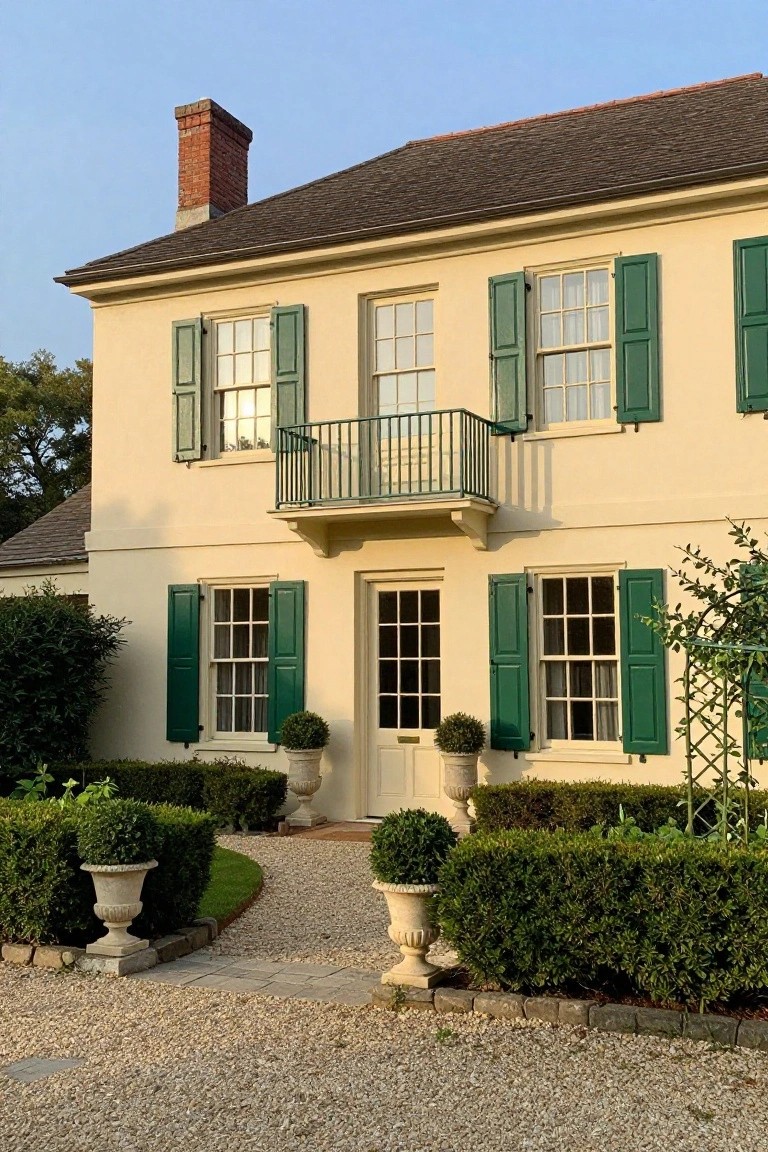
Green shutters stand out nicely against light walls like on this colonial house. The pale beige paint keeps things soft and bright. Those deep green shutters add a traditional touch that feels right at home with nearby plants.
This works well for older colonials or revivals wanting curb appeal without much fuss. Match the green to local trees or shrubs for a natural tie-in. Just make sure the shutters fit the window size so they don’t overwhelm the facade.
Entryway Framed by Climbing Roses
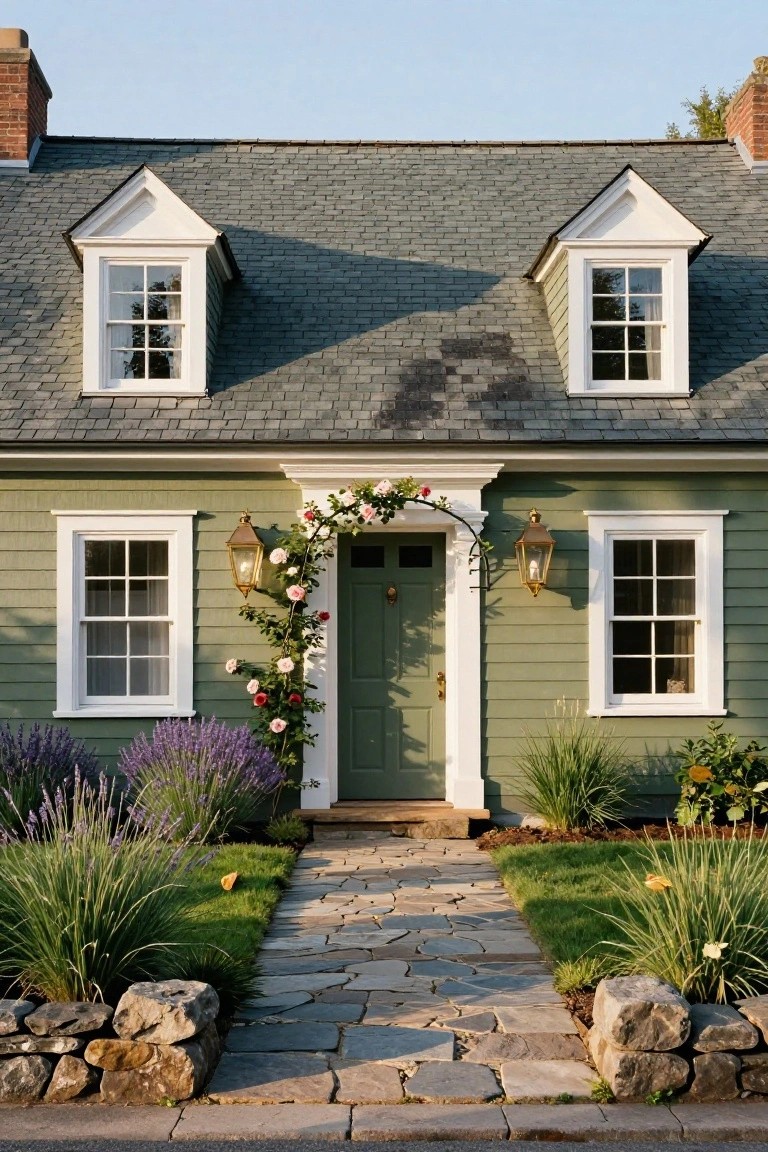
Climbing roses wrapping around the front door give this green colonial house a soft, lived-in charm. The pink and white blooms trail over the white trim and mix right in with the sage green siding and door. It pulls the house closer to the garden without trying too hard.
This works best on homes with some porch or entry overhang to support the vines. Plant roses that bloom a long season, add lanterns like these for night interest, and keep the path clear. Skip it if your spot gets too much shade, since roses need sun.
Green Siding on a Small Colonial House
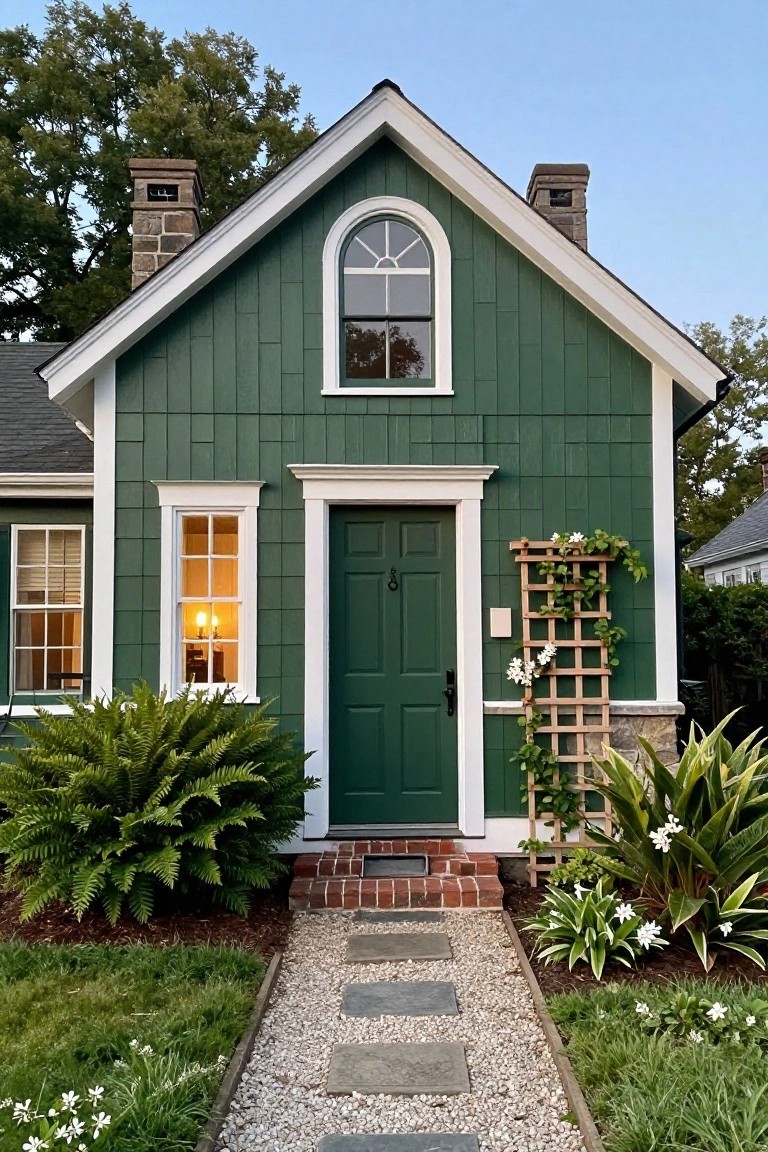
A deep green siding like this turns a simple colonial cottage into something that feels part of the yard. The color picks up on nearby trees and plants without overpowering the classic gable roof and white trim. That matching green door adds a welcoming touch right at the entry, making the whole front feel pulled together.
This works great on compact homes in leafy areas where you want the house to blend in rather than stand out. Paint a test patch first to see how the shade looks in different light. Pair it with ferns or low plants along the path for that extra tie to nature, but skip busy flower beds that might compete.
Colonial Entry Porch with Green Door
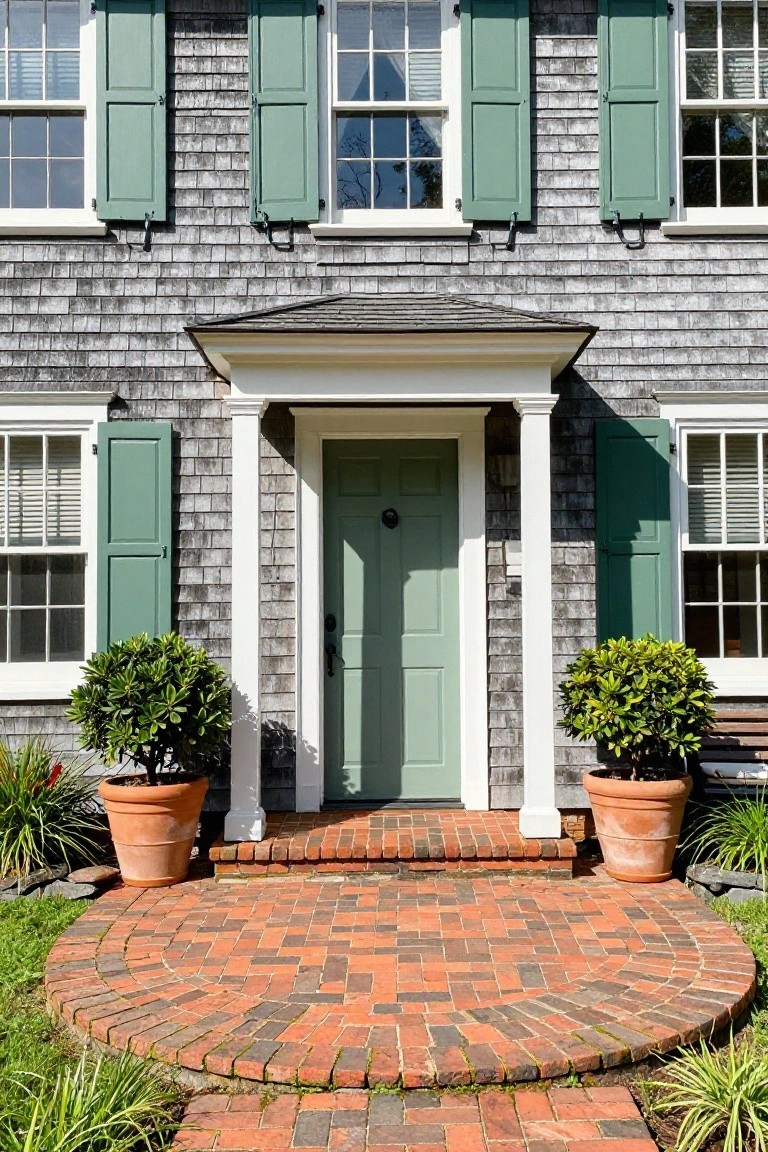
Green doors and matching shutters give this shingle-style colonial a fresh look that ties right into nature. The soft green hue stands out nicely against the weathered gray shingles without overpowering the house. It keeps things classic but adds a bit of color that feels right for coastal or New England homes.
Paint your door and shutters in the same shade for that pulled-together feel. Flank the entry with simple potted boxwoods in terra cotta pots, and lay a brick paver circle for the landing. This setup works best on homes with white columns and trim. Skip bold colors here…stick to greens that echo the landscape.
Soft Green Painted Brick Facade
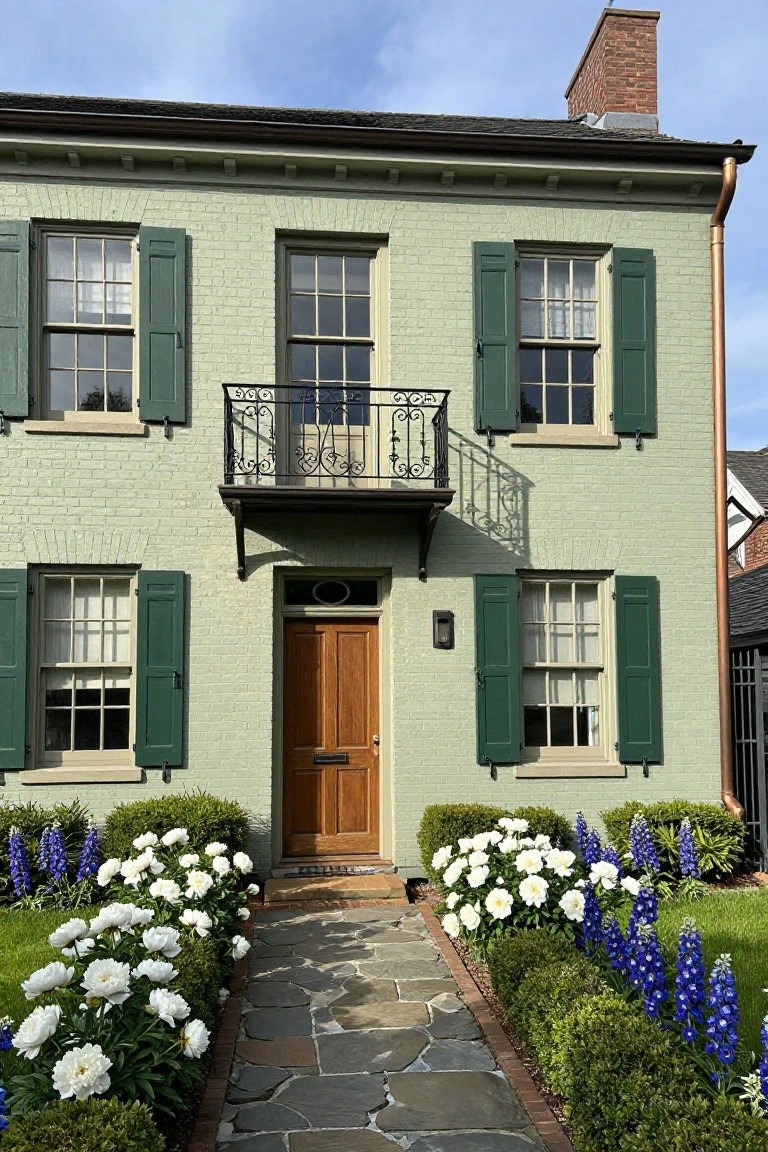
A soft green paint on brick gives this colonial house a fresh, nature-touched look that feels right at home in a garden setting. The pale shade picks up hints from nearby plants without overwhelming the classic brick texture underneath. Dark green shutters add that traditional contrast, making the windows pop just enough.
This approach works best on older homes wanting a subtle update, especially where there’s some landscaping nearby. Paint over clean brick in a breathable formula to avoid moisture issues, and keep plantings simple like white flowers along the entry path. It suits suburban spots with good light, turning the front yard into an easy welcome.
Recommended Products

Ideal for use on interior/exterior surfaces including wood, plastic, plaster, metal, masonry and unglazed ceramic

Use for a variety of indoor and outdoor project surfaces including wood, metal, plaster, masonry or unglazed ceramic

Ideal for use on interior/exterior surfaces including wood, plastic, plaster, metal, masonry and unglazed ceramic
Dark Shingles on a Colonial Facade
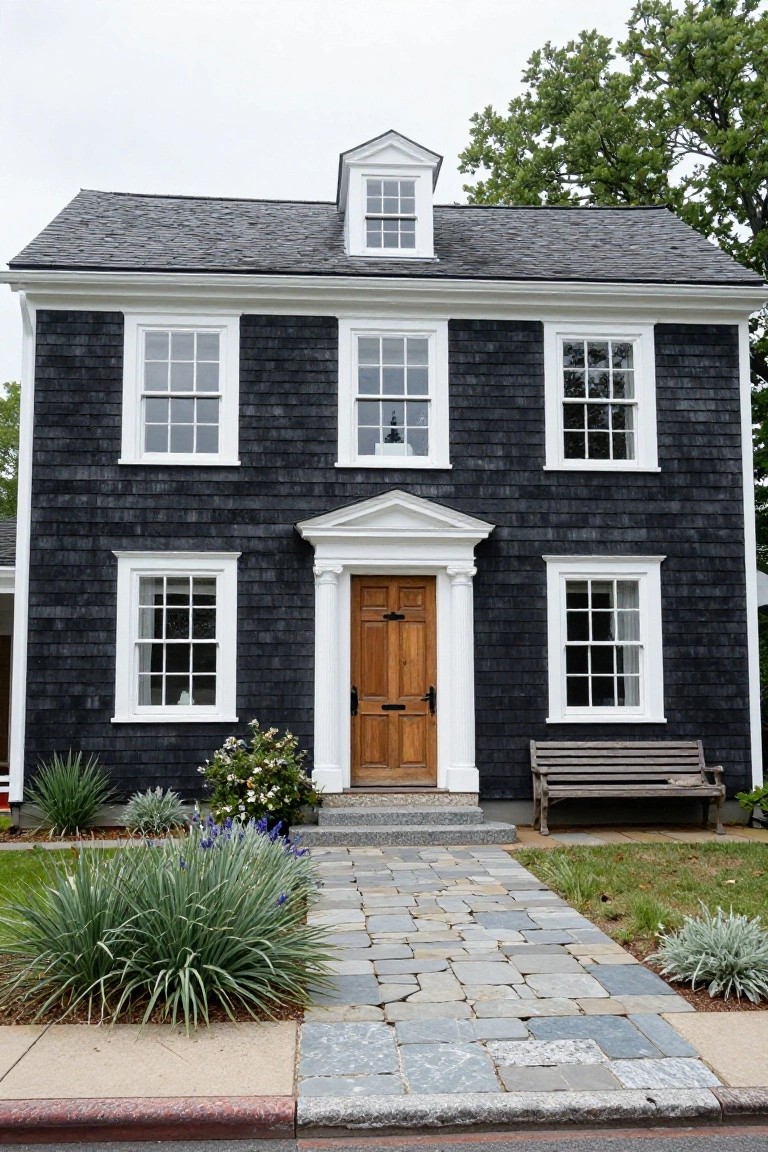
Dark shingles in a deep charcoal give this colonial house a moody, timeless feel that nods to old New England homes. The white trim around the windows and entry makes everything crisp and clean, pulling your eye right to the front door without any fuss. It’s a simple switch from lighter colors that adds real presence from the street.
This look works best on straightforward colonial shapes where you want some drama but not too much. Pair it with a wood door and basic plantings along the walk, and it stays grounded. Keep the trim bright white to avoid muddiness, especially if your area gets rainy weather.
Sage Green Siding on a Colonial House
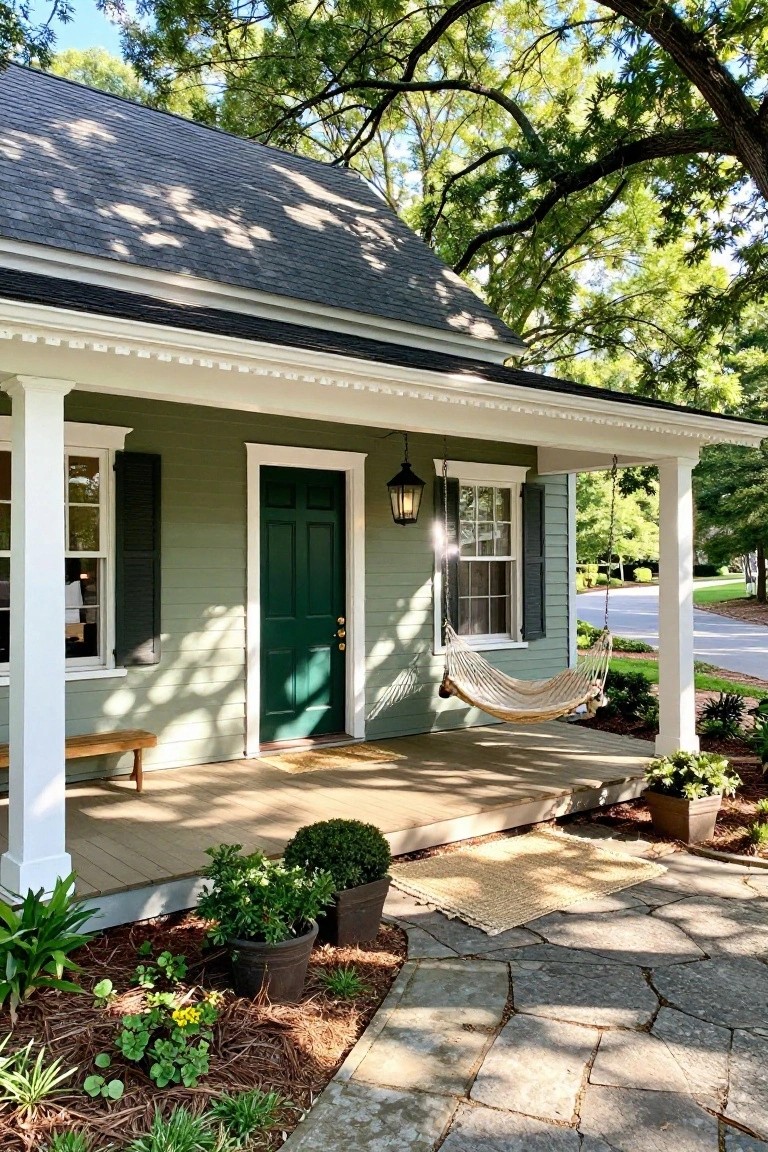
A soft sage green paint on the siding gives this colonial house a calm, nature-pulled-right-from-the-yard feel. It picks up on the surrounding trees and shrubs without going too bold. The white trim around the windows and porch columns keeps things crisp and classic, letting the green do the quiet work.
This look fits older neighborhoods or suburban spots where you want curb appeal that blends in rather than stands out. Pair it with a deeper green door like this one for some depth. Just test the shade in different lights first, since green can shift from cool to warm depending on the sun.
Soft Green Siding on a Porch Colonial
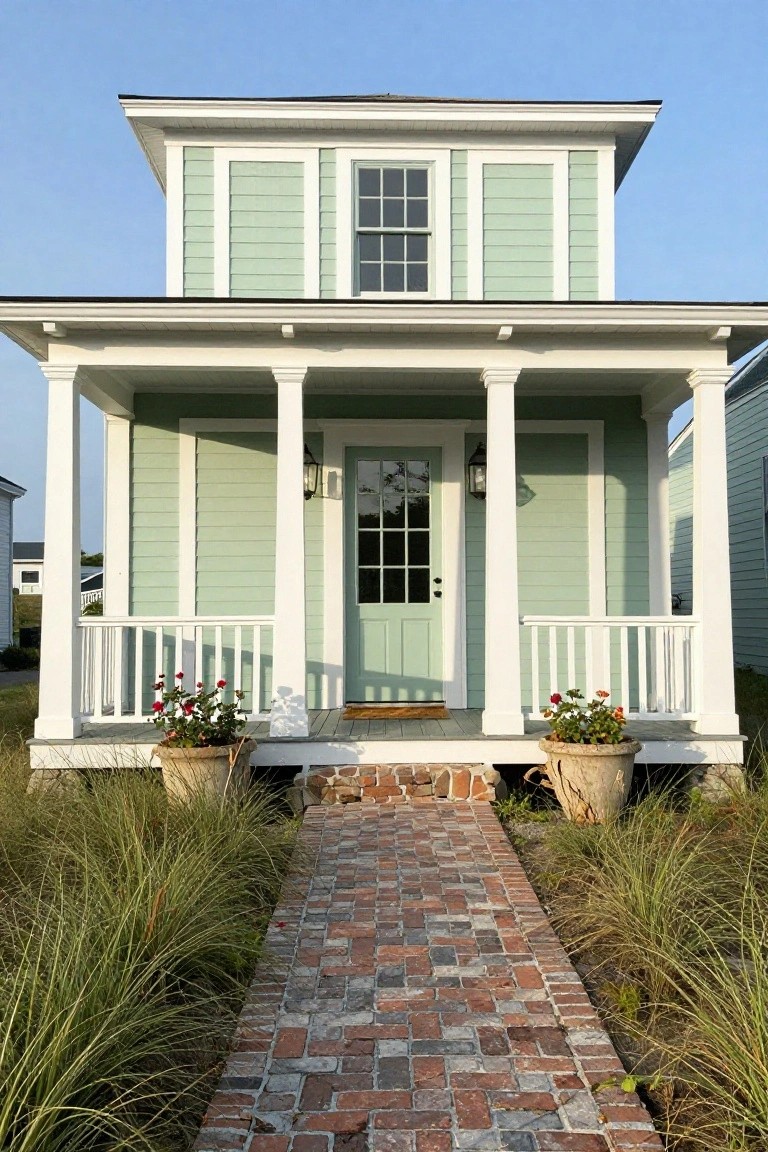
This kind of pale mint green siding shows up nice on a simple two-story Colonial with a front porch. The white columns and trim pop against it, and that green door pulls everything together without trying too hard. It picks up hints from the sea grass around the place, so the house doesn’t fight the yard. Folks like how calm and settled it looks, especially down south or by the coast.
Paint something like this on a raised foundation house if you want curb appeal that lasts. Stick to white for the porch rails and shutters to keep the contrast clean. Watch the pots on the steps, though. Red flowers there add a little life, but don’t overdo the color elsewhere or it gets busy. Works best where you have some natural green nearby.
Green Shutters on Cream Siding
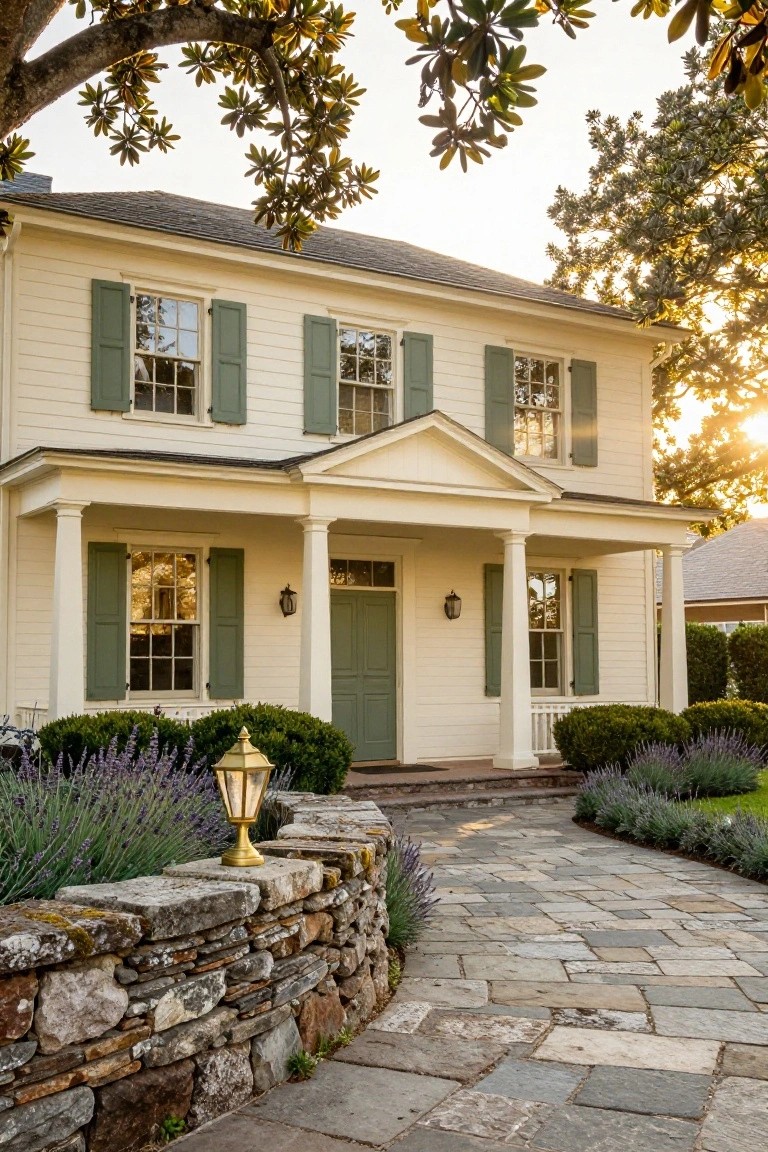
Green shutters work so well on a cream-colored Colonial house. They add that crisp contrast without overpowering the light siding. Here, the deep green picks up on nearby plants like lavender, tying the house right into the garden. It keeps things classic but fresh, especially with the sunset light hitting everything just right.
You can pull this off on most two-story Colonials, old or updated. Go for sturdy wood or fiberglass shutters that match your door color. Plant low shrubs along the front to echo the green. It suits suburban spots with trees overhead… just avoid super dark greens if your area’s too shady.
Green Shingle Siding for Colonial Homes
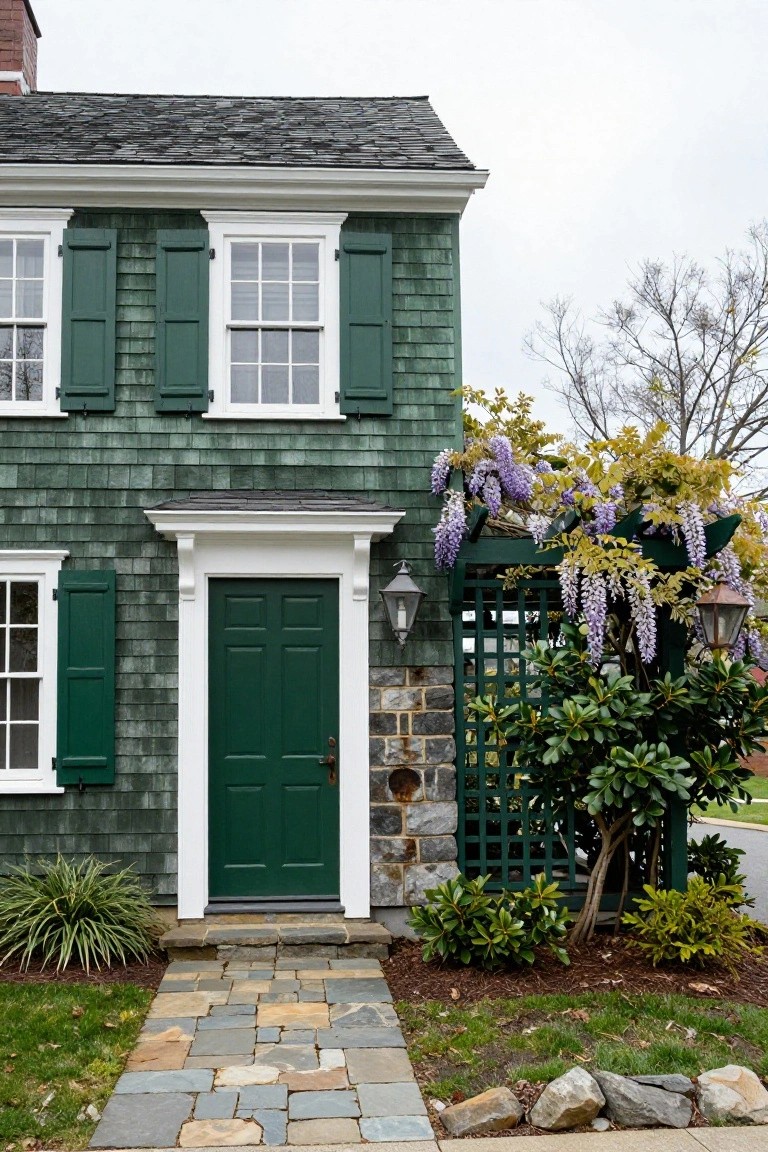
Green shingle siding gives a colonial house that lived-in, nature-connected feel. It picks up on the tones in surrounding trees and plants without trying too hard. Here the dark green shakes cover the whole facade, working well with white trim around the windows and door. It keeps things classic but pulls in the outdoors right away.
You can add this look to older colonials or even updates on traditional homes. Pair it with a matching green door and simple stone steps for easy curb appeal. Let vines like wisteria climb an entry arbor nearby. It fits wooded spots best. Just make sure the shingles are rated for your weather.
Sage Green Facade on Colonial House
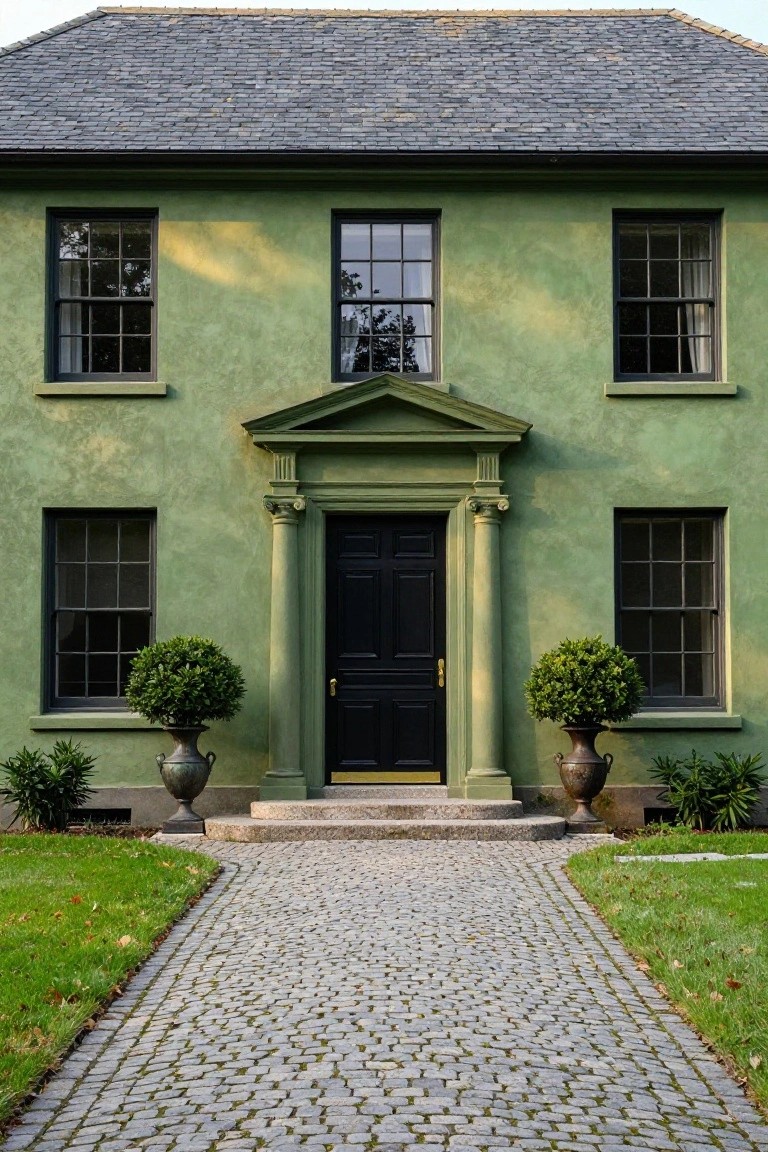
A soft sage green paint brings a fresh, nature-tied feel to this classic colonial exterior. It softens the traditional lines without losing that solid, symmetrical look. The black-framed windows and door add sharp contrast that makes the green pop just right.
This works well on two-story colonials with clean proportions, especially where you want curb appeal that blends into the landscape. Pick a muted shade to avoid it competing with real plants nearby. Pair it with simple entry columns or urns for extra polish.
Porch Wicker Loveseat
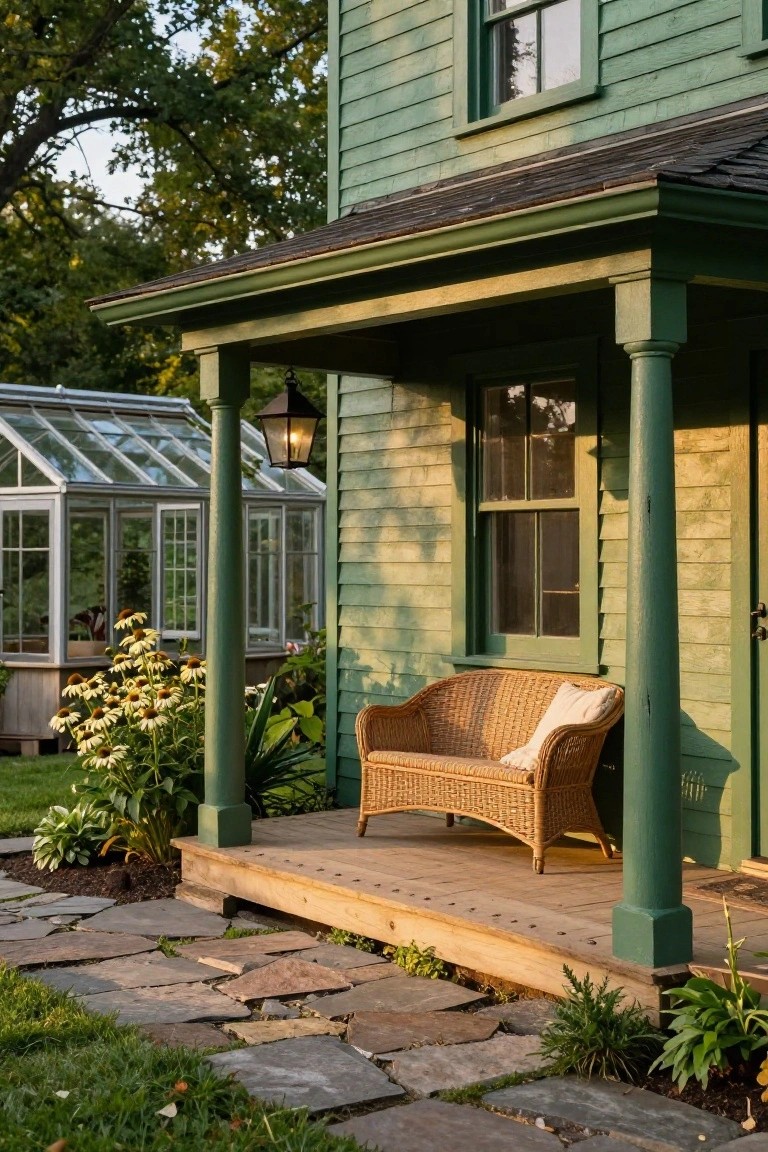
A wicker loveseat like this one sits right on the porch deck, tucked between the columns. It keeps things simple and comfortable, especially with that throw pillow adding a bit of softness. On a green colonial house, it pulls the outdoor space into the picture without much fuss. The nearby flowers and plants make it feel part of the yard too.
Try this on a covered porch with at least a few feet of deck space. It fits older homes with classic columns best, since the natural weave echoes wood tones. Just cover it in wet weather or choose outdoor-rated wicker. Works year-round if you swap pillows for the seasons.
Green Shutters on Gray Siding
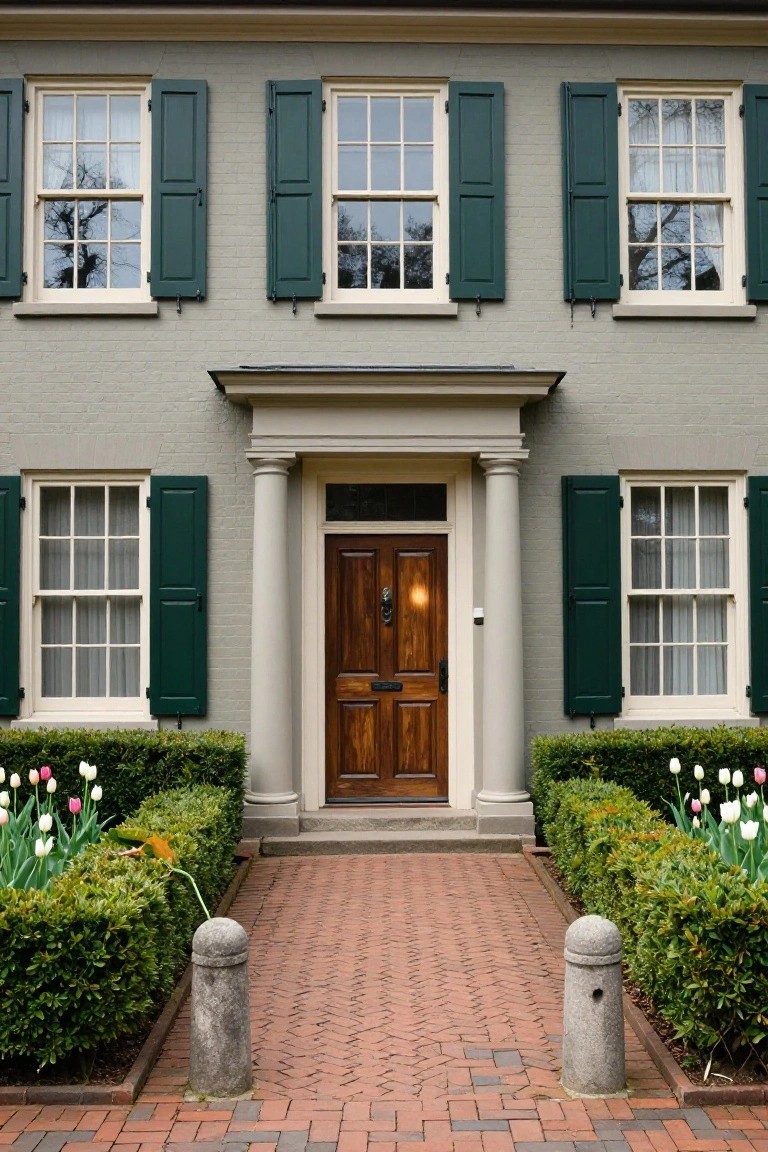
Dark green shutters give this colonial house a fresh, nature-tied look against the soft gray siding. They pick up on the green hedges and tulips out front without overwhelming the simple lines of the facade. That contrast keeps things classic but lively, especially with the warm wood door pulling it all together at the entry.
This setup works well on homes in suburban spots or older neighborhoods where you want steady curb appeal year-round. Match the shutters to nearby plant tones, and keep the siding light to let the green pop. It suits most colonial styles, just size the shutters right to the windows so they don’t look off-balance.
Green Shutters on White Colonial Homes
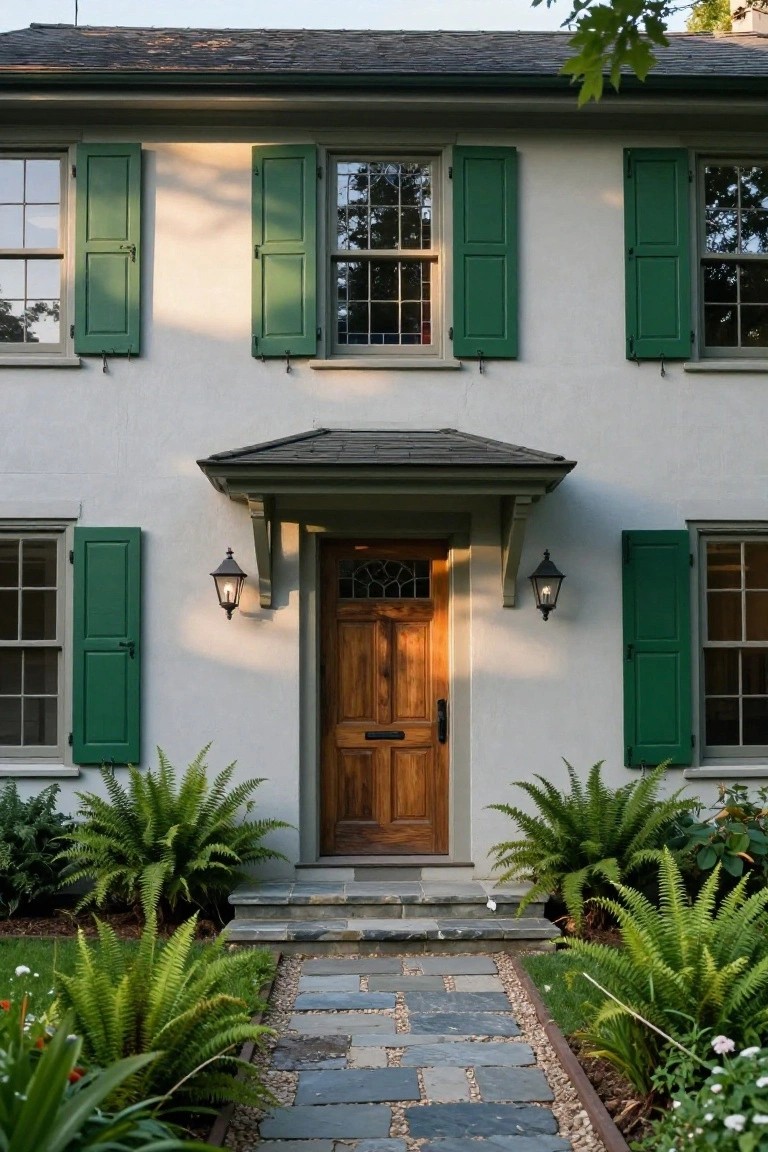
Green shutters give this white colonial house a fresh tie to nature. The deep green color stands out against the clean siding without messing up the classic lines. A wooden door pulls it together, and those ferns at the entry make the whole front feel alive.
This look fits older homes or revamps of traditional styles. Go for it on houses with good window placement. Pick a green that matches local plants so it blends right in. Skip it if your area has harsh winters, since paint can chip fast.
Hydrangeas Flank the Colonial Front Door
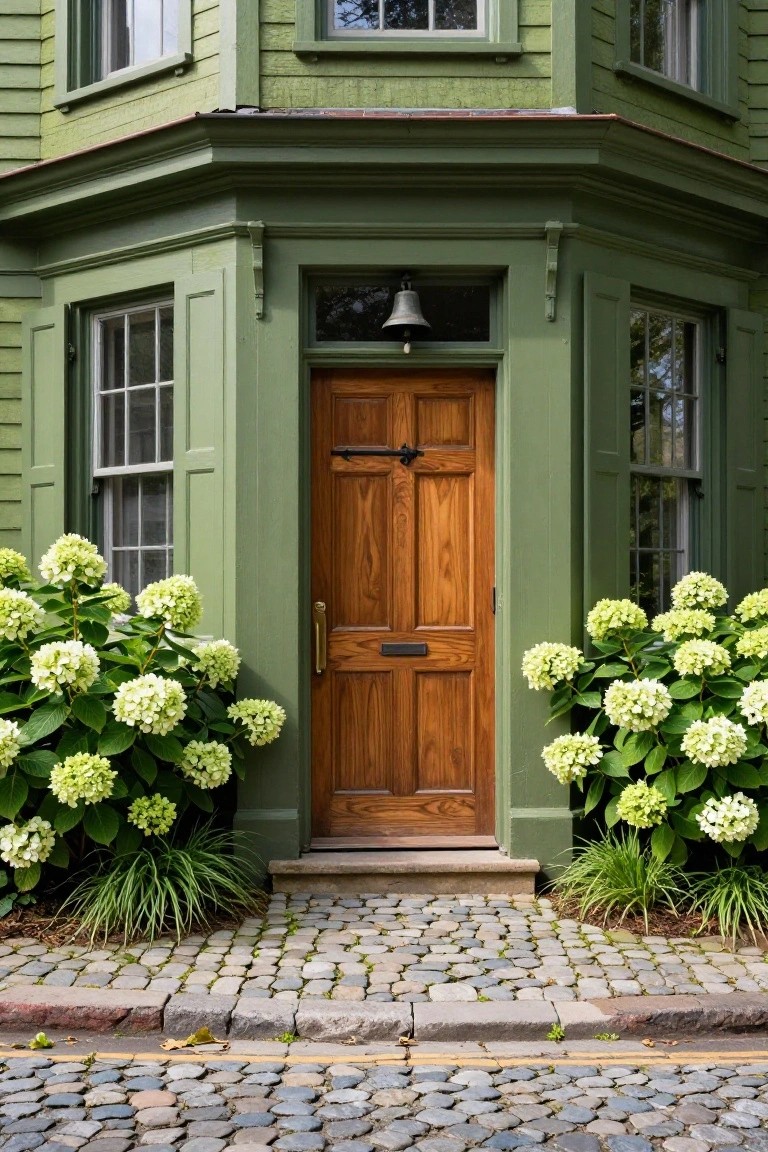
White hydrangeas make a simple, pretty frame around the front door of this green colonial house. The big fluffy blooms stand out against the green siding and warm wooden door. They pull your eye right to the entry without much fuss. It’s a natural way to add some life and soften the look of painted clapboard.
Plant a couple of large hydrangeas on each side of your steps, close enough to hug the corners. This works great on older homes with that classic entry setup. Keep the path clear like the cobblestones here. Just trim them back in late winter so they don’t crowd the walk.
Deep Green Siding on a Colonial House
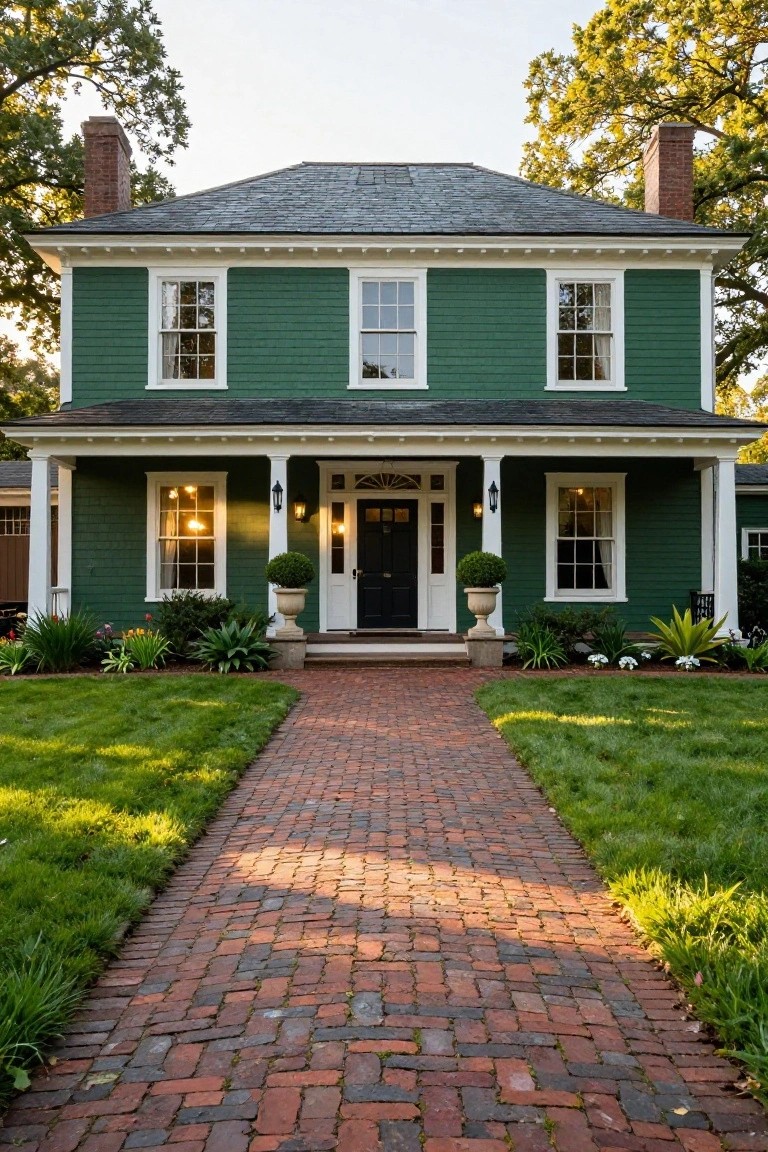
A deep green siding like this on a classic colonial pulls the house right into the landscape around it. The color echoes nearby trees and lawns without overpowering the simple two-story shape, white trim, or gabled roof. It gives that steady, lived-in look folks appreciate on older homes.
Try this on revivals or farmhouses set back from the street, especially where greenery dominates. Add lanterns on the porch and a brick walkway to guide folks up without much fuss. Darker shades hold up better in shade. Lighter ones might fade too quick.
Frequently Asked Questions
Q: How do I pick a green shade that won’t clash with my Colonial architecture?
A: Stick to muted sages or mossy greens. They echo nature without overwhelming the classic symmetry of Colonial homes. Test samples in morning and afternoon light to see how they play with your surroundings.
Q: What trim colors pair well with a green exterior?
A: White trim keeps things crisp and timeless. Go for soft cream if you want a warmer vibe that nods to aged wood. Paint your shutters a deeper forest green to tie it all together.
Q: Can I add climbing vines to my green Colonial house?
A: Yes, plant ivy or climbing hydrangea along the sides. They soften the look and blend right in with the green paint. Just trim them back yearly to avoid any damage to the siding.
Q: How do I maintain green paint on the exterior?
A: Wash it down once a year with mild soap and a soft brush. Freshen up scuffed spots right away to prevent fading. And pick quality paint with mildew resistance, it holds up better in humid spots.
