

I’ve driven by plenty of colonial homes over the years, and the ones that still turn heads keep their facades crisp with original clapboard siding and symmetrical window placements that frame the street view just right. Those details create curb appeal that feels steady and real, not forced, because the materials have aged into soft patinas that photos can never quite capture. I once parked in front of a restored one and noticed how the pitched roofline and centered entry pulled everything together, making the house read as balanced from every angle. Owners who skip trendy overlays and stick to period proportions avoid that awkward look so many updates bring. Details like those dormer shapes or subtle trim work are worth sketching for your own exterior tweaks.
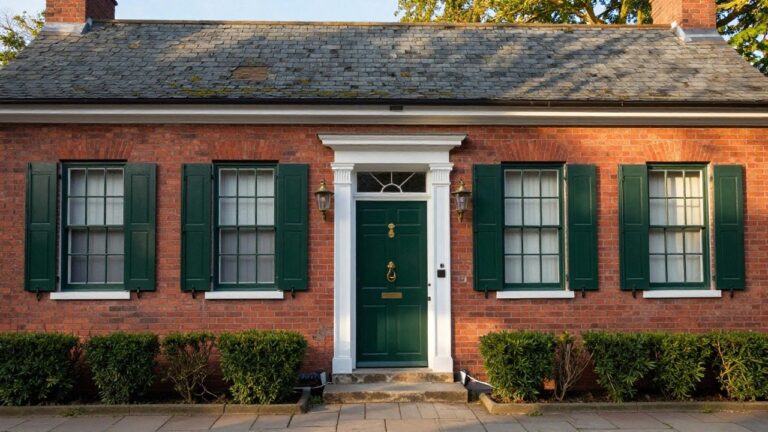
Classic Red Brick Colonial Facade
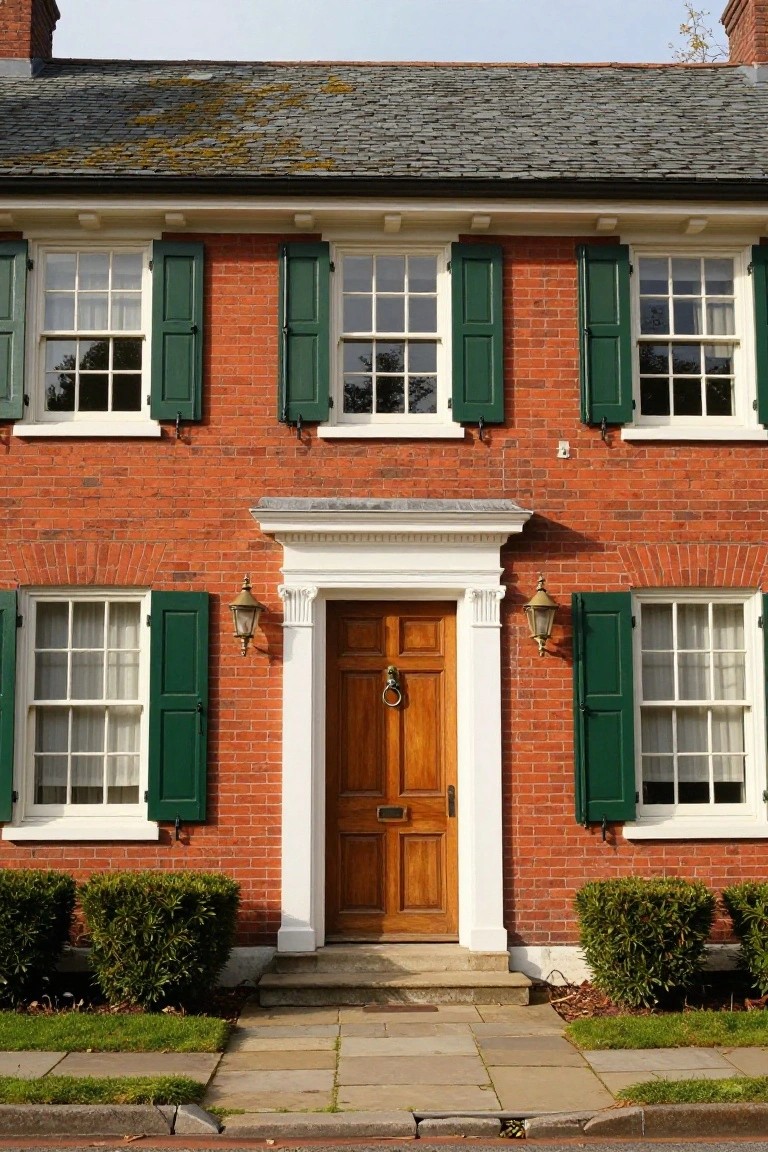
Red brick gives this Colonial house its solid, timeless base. Paired with dark green shutters on every window, it keeps that original historic charm without looking dated. The symmetry across the front pulls everything together nicely, right down to the centered door.
This setup suits older homes in town settings or suburbs where you want curb appeal that nods to the past. Stick to matching shutters and simple lanterns by the door. It holds up well over time, especially with a slate roof like this one.
Classic White Clapboard Colonial
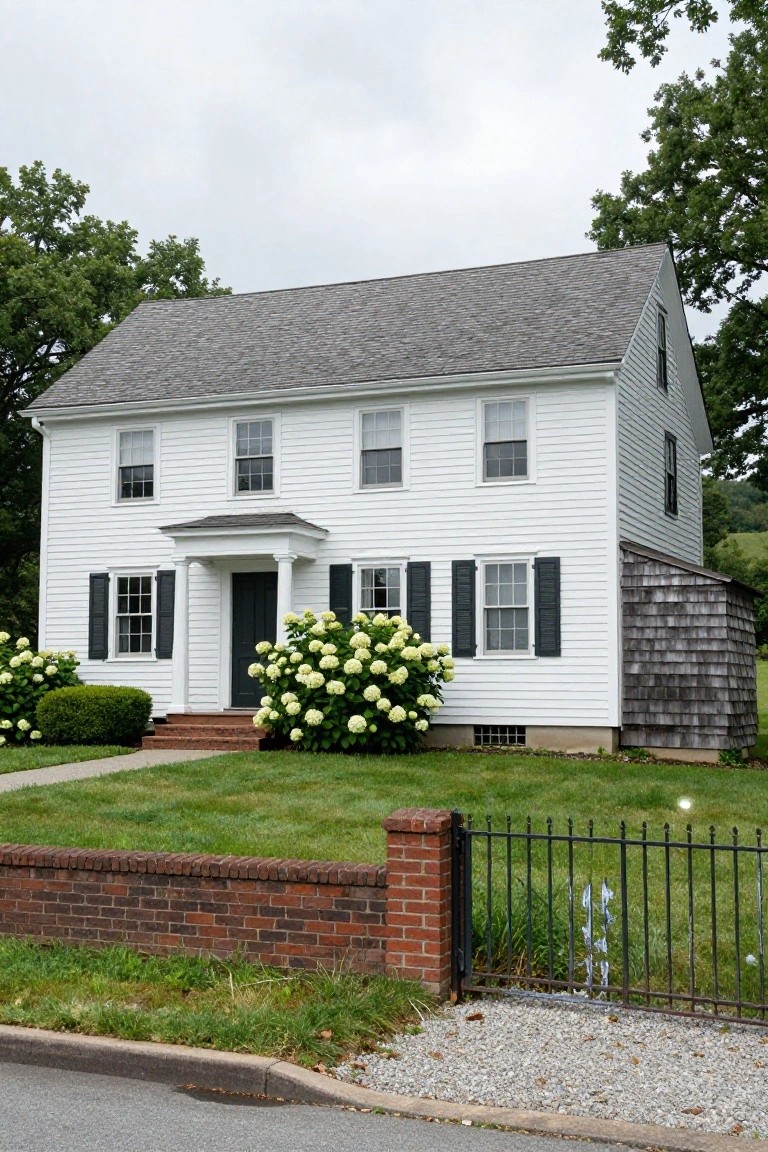
White clapboard siding like this keeps a colonial house feeling true to its roots. Paired with black shutters and evenly spaced windows, it gives off that clean, no-fuss look that’s been around for generations. The simple portico over the door adds just enough welcome without overdoing it.
This setup suits older homes in places with changing weather, like the Northeast. Fresh paint on the siding and shutters holds up well, and boxy shrubs nearby tie it to the yard without stealing the show. Stick to muted colors and straight lines to avoid dating the place.
Classic Colonial Front Porch
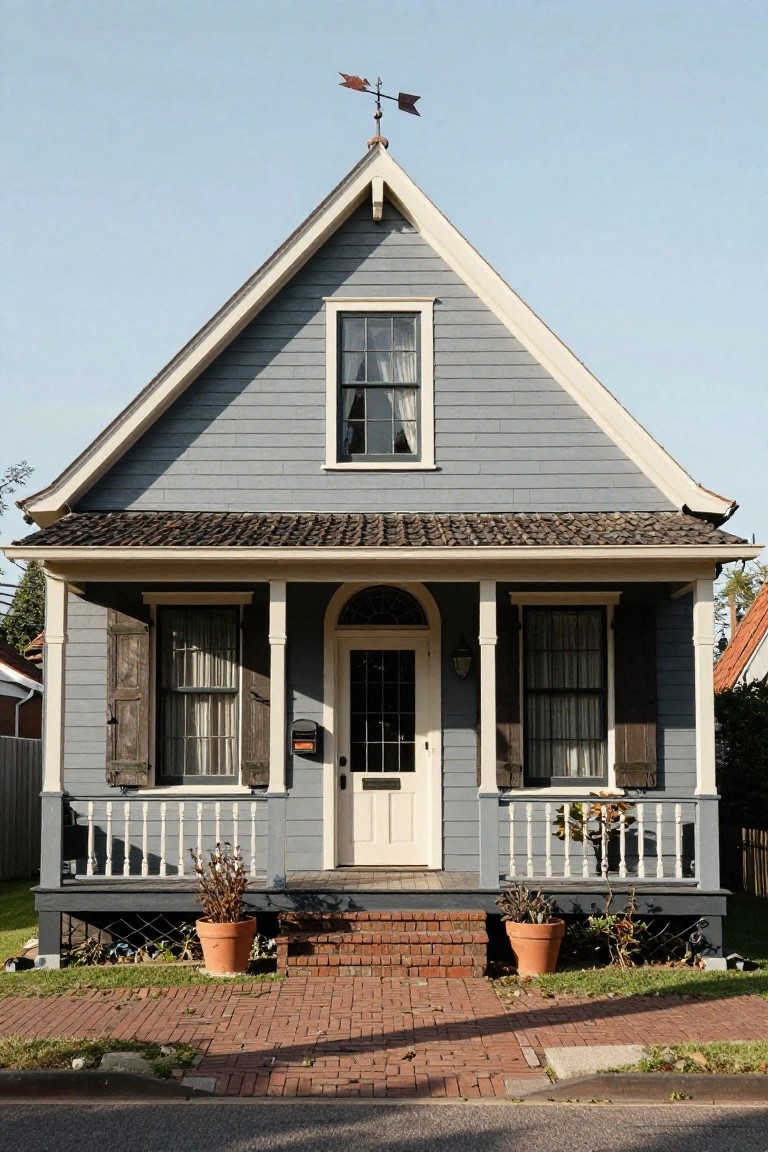
A classic Colonial front porch like this one wraps gently around the house, with tall white columns holding up the roof. It frames the arched entry door just right and makes the whole facade feel open and neighborly. Those simple railing details and a couple of potted plants keep it from looking too plain, while the raised foundation nods to older building ways that handle damp ground well.
This setup works best on smaller historic homes in town settings, where it pulls the eye right to the door without overwhelming the street view. Stick to white paint on the columns for that crisp contrast against clapboard siding. Add brick steps if your yard slopes a bit… it ties everything together without much fuss.
Recommended Products

✅【Versatile Use】—Guardian of the Family. Provides smooth, vinyl siding mounting block for exterior accessories such as light fixtures, cameras, national flag, and fixture doorbells on all wall plate types including T-111, HardieLank lap wall plates and flat surfaces.

UL Listed for Safety: Certified for electrical safety and reliability when installing exterior lighting or fixtures

2 Pieces Design: The iMBAPrice IMBA-8081F is a smooth mounting block designed to provide a secure and attractive way to mount light fixtures and other accessories on exterior surfaces. This particular model often features a built-in box, which helps to provide extra support and stability for light fixtures.
Arched Brick Entryway
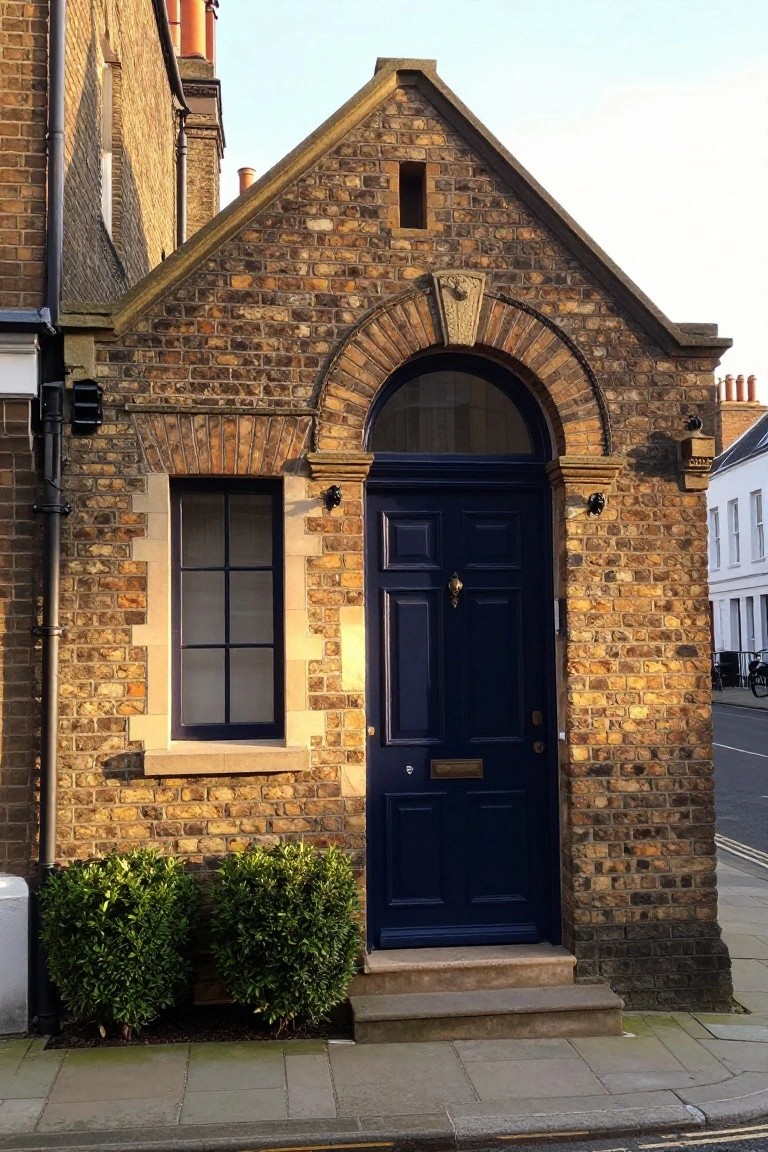
One thing that gives this colonial-style house real presence is the arched brick entry. That gentle curve over the door pulls your eye right up, making the whole facade feel taller and more welcoming without any extra fuss. The navy blue door stands out nice against the mixed brick tones, keeping things classic but with a bit of punch.
You can pull this off on older brick homes where the architecture already has some height. Stick to a deep door color like navy or black to contrast the bricks, and keep the surround simple, no busy carvings. It suits narrow street-facing spots… adds curb appeal without changing much.
Shingle Siding on Colonial Exteriors
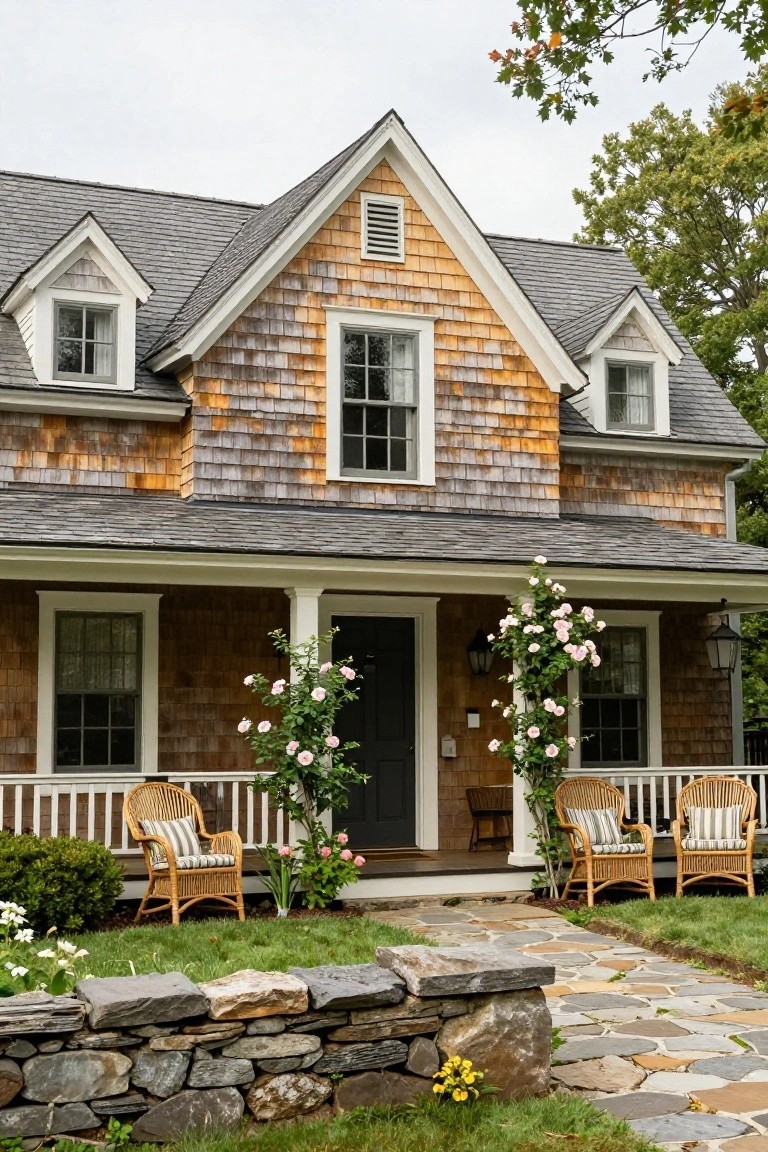
Shingle siding like this brings out the best in older colonial homes. The cedar shakes have that uneven, weathered finish from years outside, mixing light and dark tones naturally. Paired with white trim on the windows and porch, it keeps the house looking sharp without hiding its history.
This works great on homes in coastal areas where weather adds character over time. Pick quality cedar that grays on its own, and it suits gabled roofs with straightforward shapes. Watch for moisture buildup though, so regular checks help it last.
Columned Porch Entry
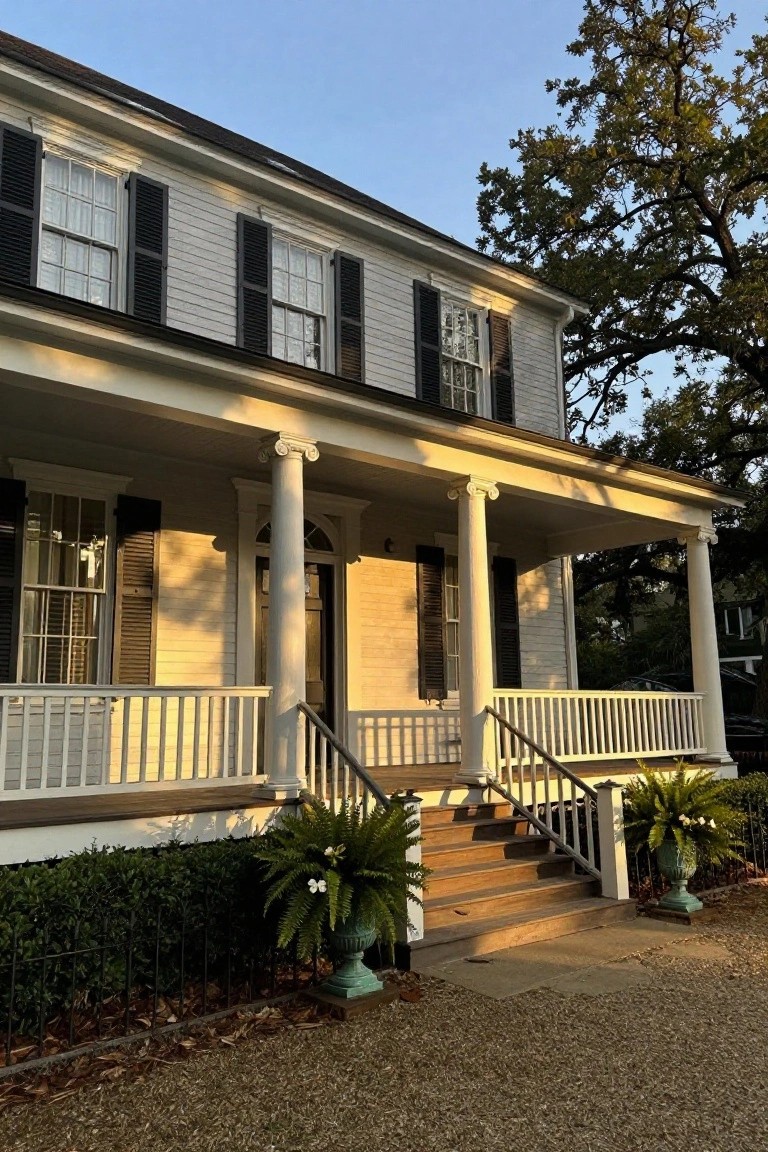
Old colonial homes like this one rely on a raised porch with sturdy columns to make the front door feel important. Those tall fluted columns frame the entry just right, and paired with white clapboard siding they give off that solid, lived-in look. Black shutters on the multipaned windows add a sharp contrast that keeps everything from looking too plain.
This setup suits homes on a raised foundation, especially in warmer spots where porches stay useful year-round. Paint the columns bright white to match the house, and tuck in a couple potted ferns by the steps for life without overdoing the yard work. It pulls the whole facade together and welcomes folks in, just like it has for generations.
Classic White Siding and Green Shutters
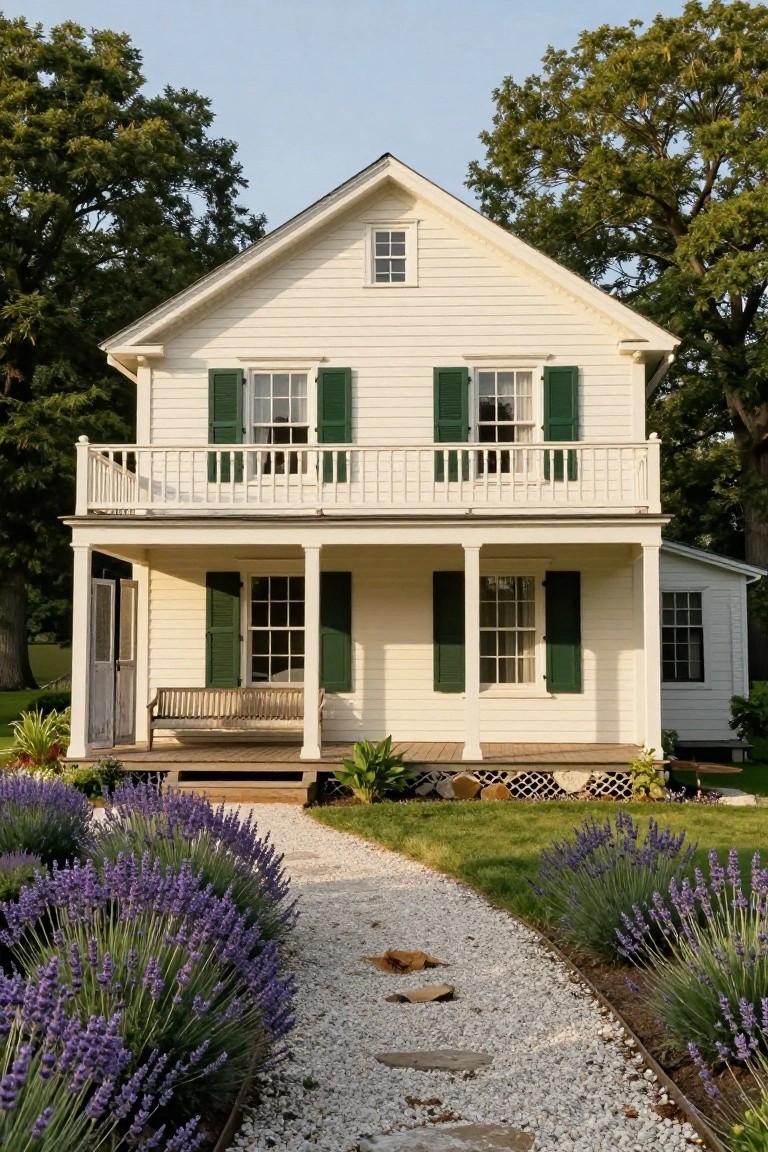
This colonial exterior nails the look so many historic homes aim for. White clapboard siding gives a clean, bright base that highlights the simple roofline and balanced windows. Green shutters pull it together with a bit of color that feels right at home, especially against the trees nearby. It’s straightforward but keeps the original charm front and center.
Homes like this work best in older neighborhoods where you want curb appeal without big changes. Freshen up the siding every few years to avoid peeling, and pick shutters that tie into the landscape, maybe a green that matches local plants. A plain porch bench adds a spot to sit without fuss.
Light Blue Siding on a Colonial Cottage
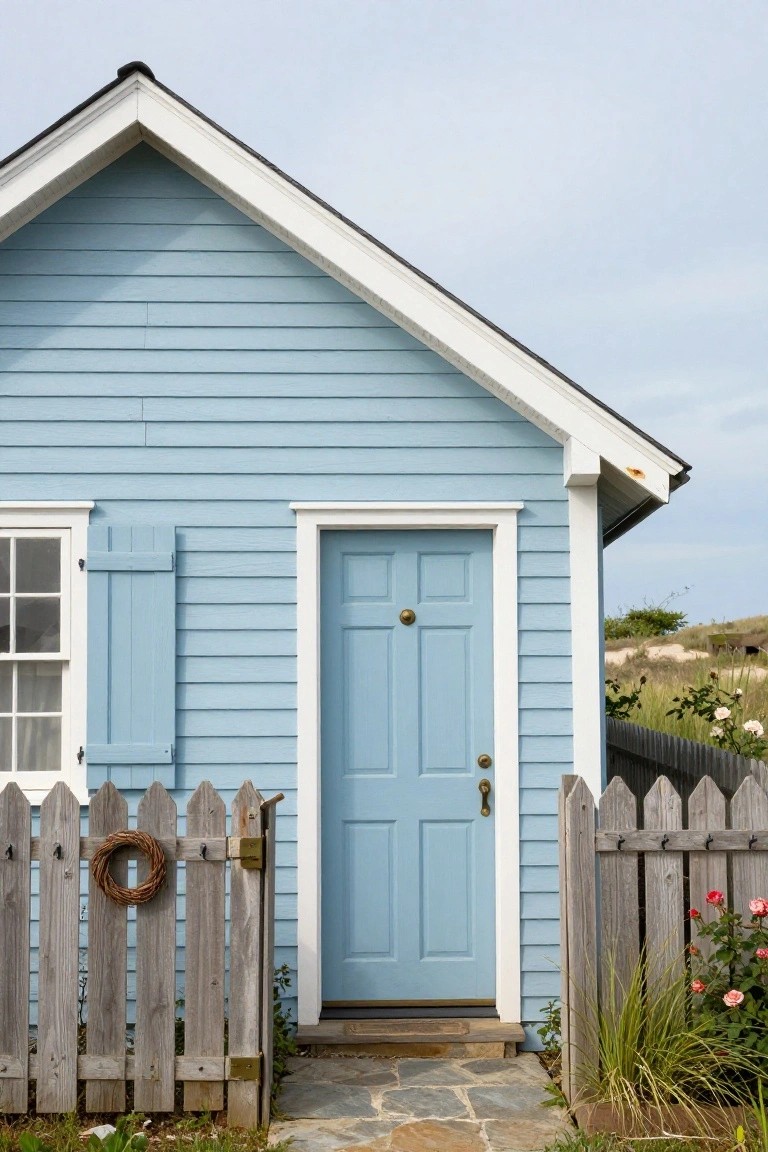
A soft light blue on clapboard siding gives this colonial-style cottage a fresh yet faithful nod to its historic roots. The white trim framing the door and window sharpens everything up without overpowering the simple gable roof and lines. It’s that quiet color choice that makes older homes feel lived-in and right at home in a seaside spot.
You can pull this off on compact colonials or capes, especially where salt air or sun might fade things over time. Go for a muted blue shade, nothing too electric, and keep the trim bright white. Add a basic picket fence at the entry if you want that extra welcoming touch. Watch the weathering though, clapboard needs regular checks to stay sharp.
Pedimented Front Door Entry
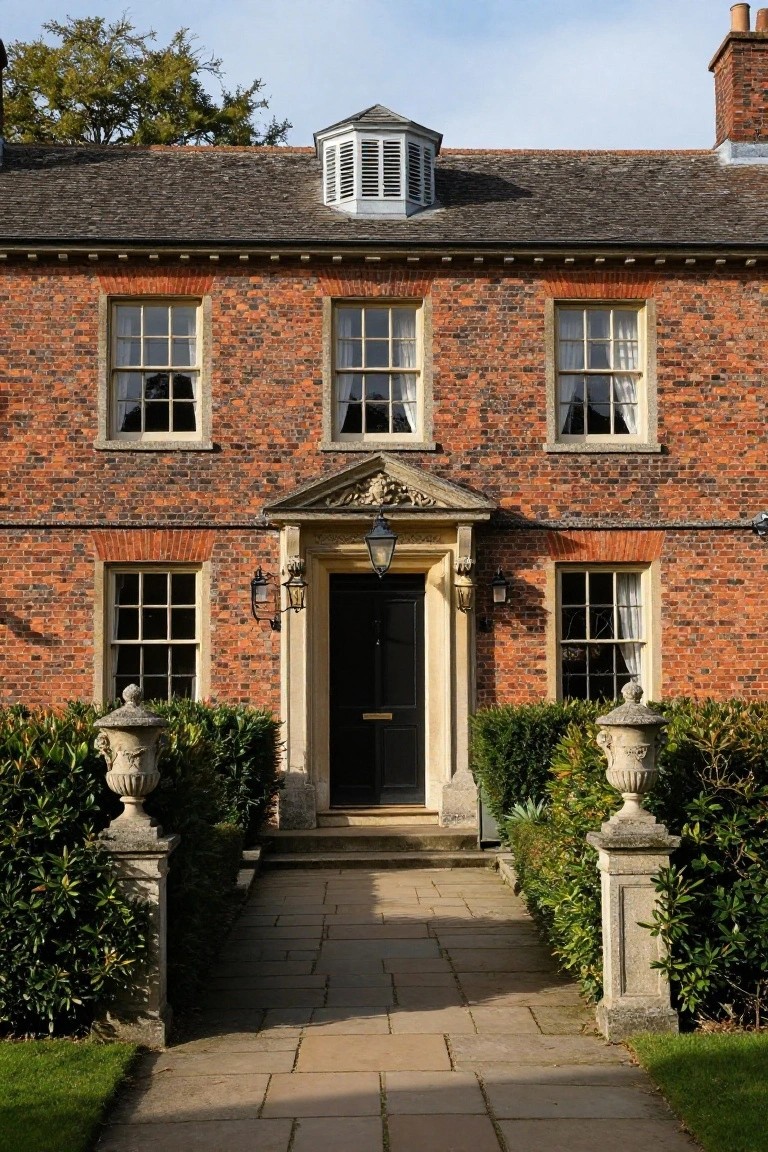
One look at this colonial house and the pediment above the door catches your eye right away. That carved stone detail sits perfectly over the black door, with lanterns on each side adding just the right touch. It’s a classic move that keeps the historic feel intact, making the entrance feel important without overdoing it.
Homes like this show how a pediment pulls the facade together on brick structures with balanced windows. If your place has colonial roots, restoring or adding one works well on the main entry. Stick to subtle carving and pair it with a straight path to keep things formal and easy to maintain. Scale it right though, or it can overwhelm a smaller house.
Yellow Brick with Black Shutters
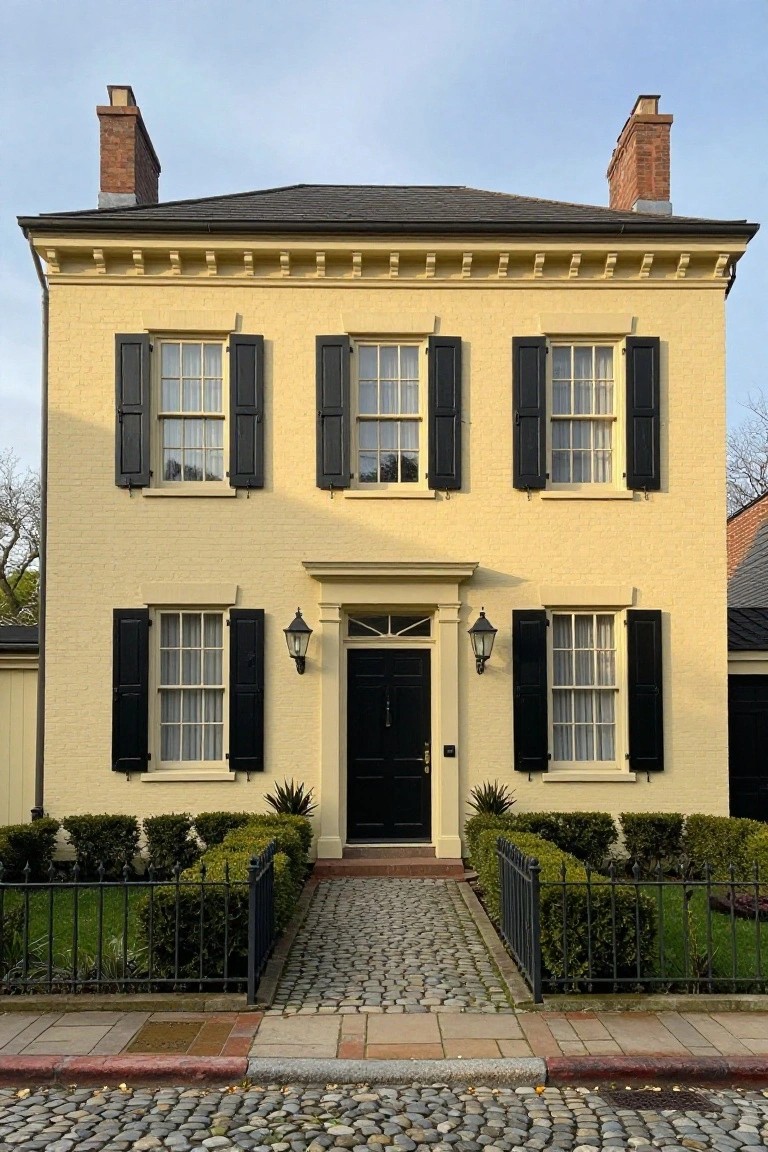
A soft yellow brick facade like this one paired with black shutters is a go-to for keeping colonial homes looking true to their roots. The pale yellow gives a warm glow, especially in morning light, while those solid black shutters add sharp contrast that makes every window pop. It’s simple but pulls the whole front together without any modern tricks.
You see this combo a lot on Federal-style houses from the early 1800s, and it holds up well today. If your place has brick, a fresh coat of pale yellow paint revives it nicely. Keep shutters matte black and hung just right on the windows. Works best on two-story homes with balanced layouts, maybe add matching lanterns by the door for that extra touch at night.
Classic Shingle Siding Facade
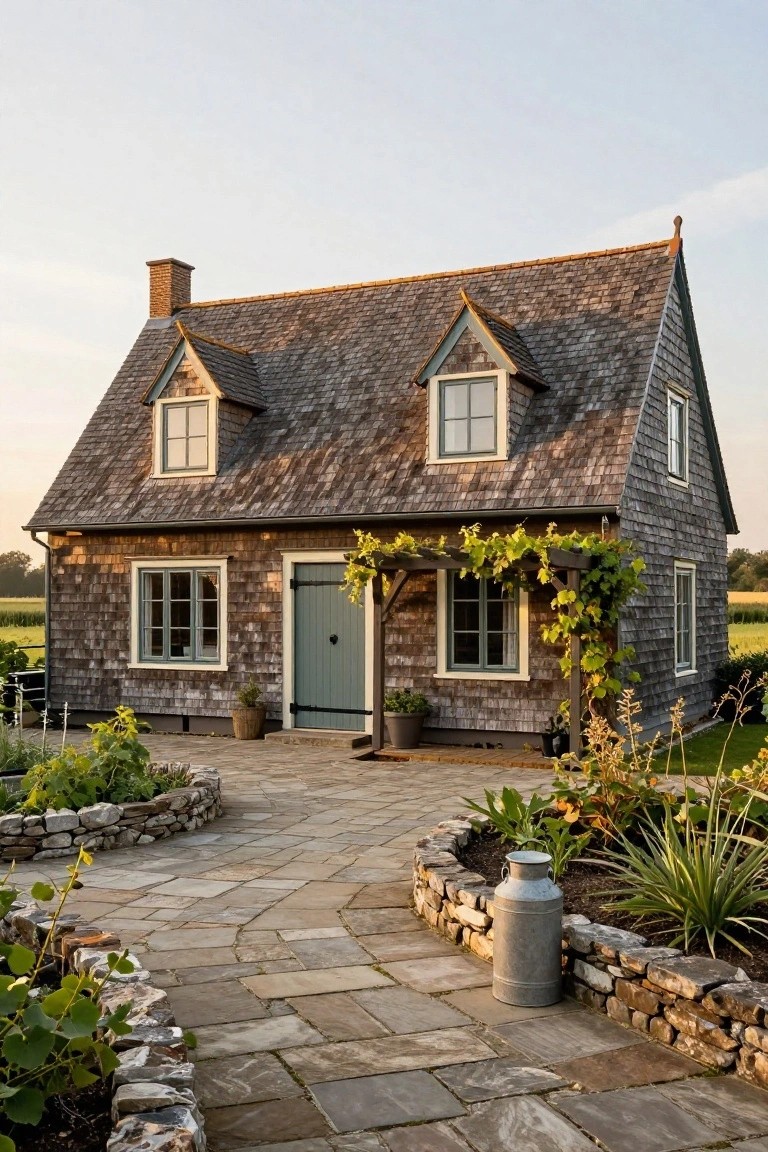
Shingle siding like this gives older homes that lived-in historic feel without looking dated. The gray-green cedar shakes cover the whole front, catching light in a way that shows off the texture and age. It’s a simple choice that fits colonial styles from the coast, keeping the original beauty intact while standing up to weather.
You see it work best on smaller cottages or farmhouses where the roofline has some pitch. Pair it with a wood door in a soft green and let vines climb nearby. Just make sure the shakes are Western red cedar for real durability, and check local codes since some areas want specific overlaps.
Classic Columned Portico
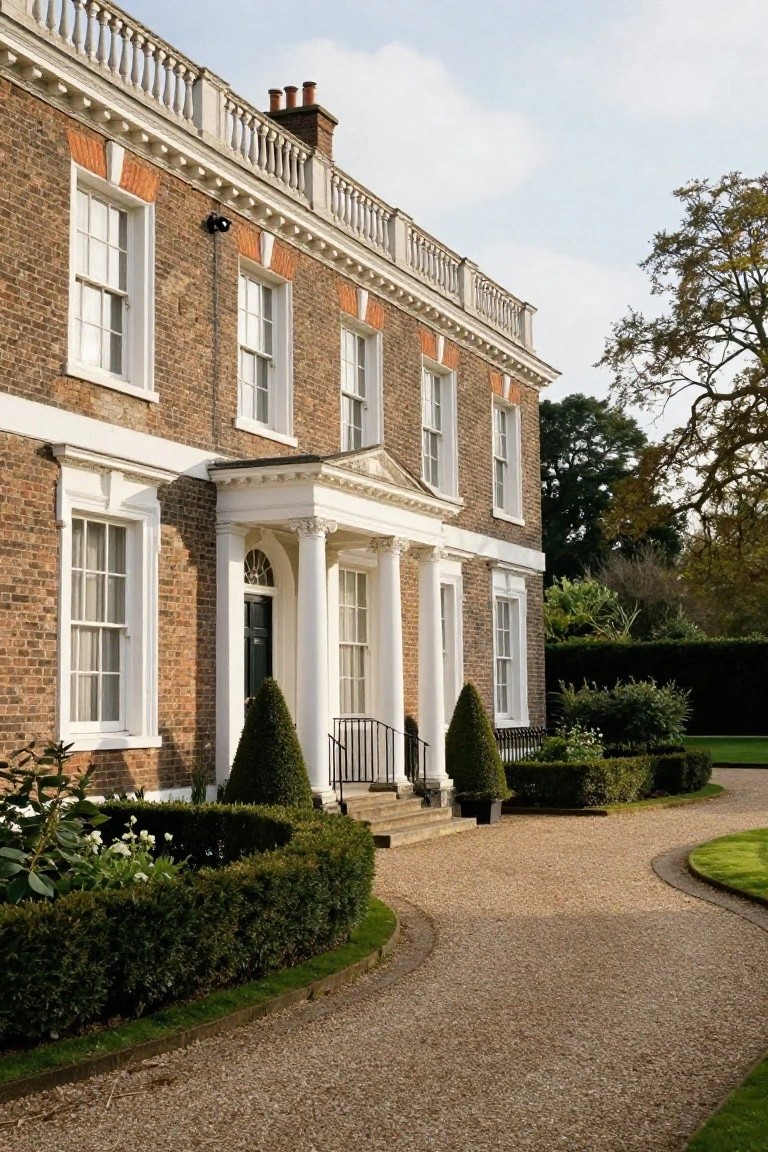
A columned portico like this one takes a simple brick house and turns the front entrance into the main event. The white columns and pediment sit right over the door, framing it nicely against the red brick walls. It’s a straightforward way to add some historic weight without changing much else.
These work great on colonial-style homes that already have good symmetry in the windows and roofline. Scale it to match your house height so it doesn’t look too big or small. Pair it with boxwood topiaries on either side for that extra touch of order in the front yard.
Classic Porch with Rustic Gate
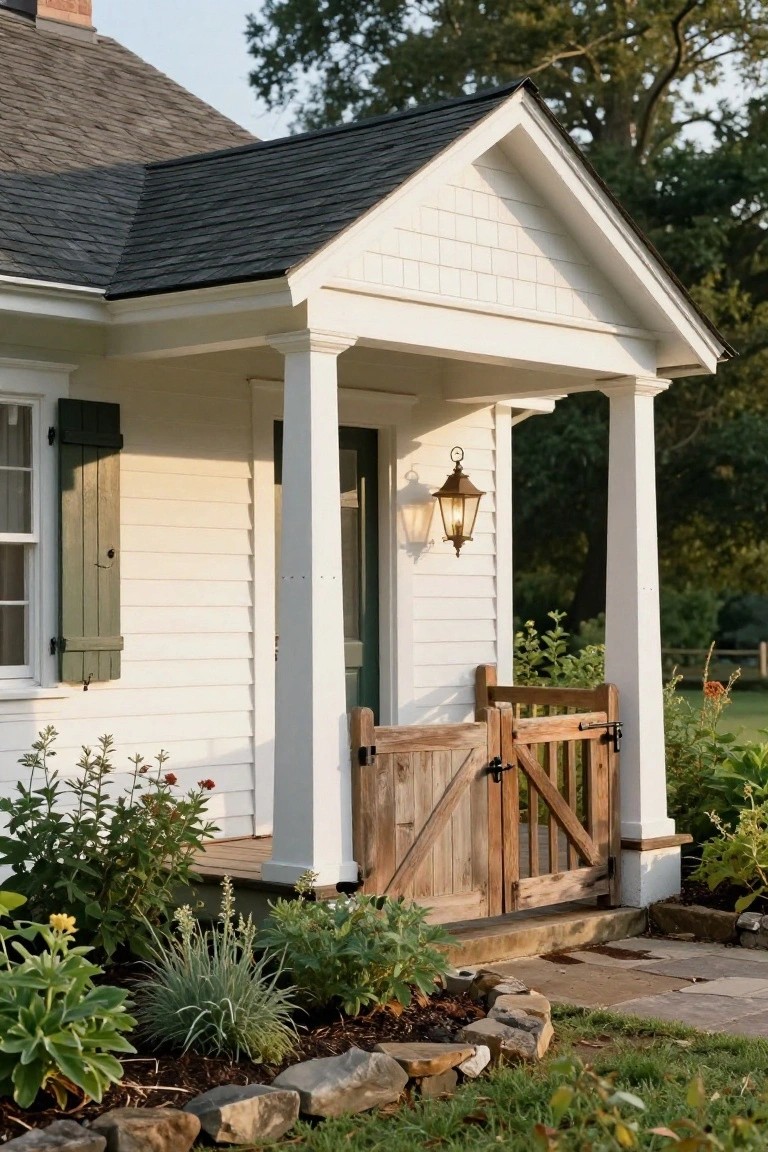
A rustic wooden gate right at the porch steps gives this Colonial home a cozy, defined entry that feels straight out of an old garden path. The slatted design picks up on the house’s white clapboard siding and tall columns without stealing the show. It keeps the historic look intact while making the space feel more personal and protected.
This setup suits older homes with raised porches, especially where you want to tie the architecture to the yard. Go for weathered cedar or pine that matches nearby fences. Plant low flowers along the base to frame it, and it works year-round. Just make sure the latch is sturdy for everyday use.
Classic Columned Porch Entry
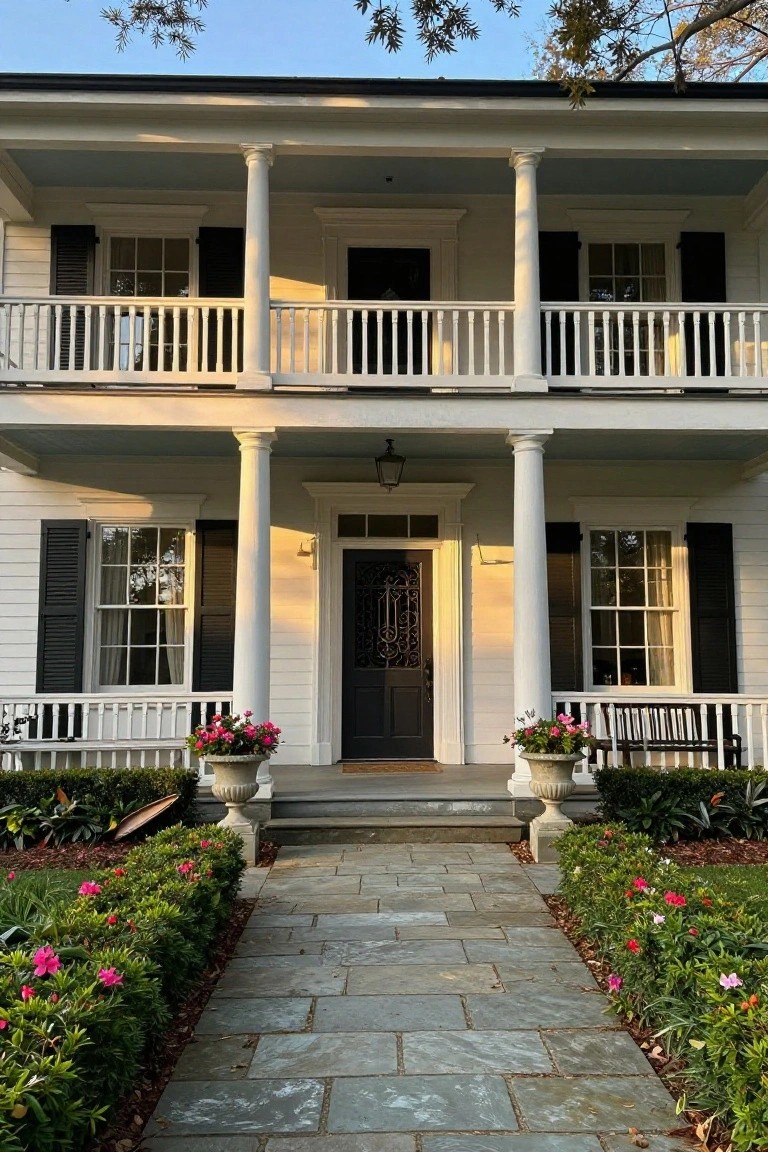
A columned porch like this one gives a colonial home that instant sense of history and welcome. The tall white columns frame the dark front door just right, pulling your eye straight to the entrance without any fuss. It’s a look that’s been around forever because it works. The porch wraps around both levels, making the house feel grand but not overdone, especially with the soft blue ceiling overhead.
You see this style a lot on Southern homes, and it suits older places keeping their original charm. To pull it off, keep the columns simple and paint them crisp white against light siding. Add a stone path leading up, like here, to guide folks in. It fits best where you want curb appeal that lasts. Just make sure the landscaping stays low around the base so the columns stay the star.
Weathered Gray Shingles
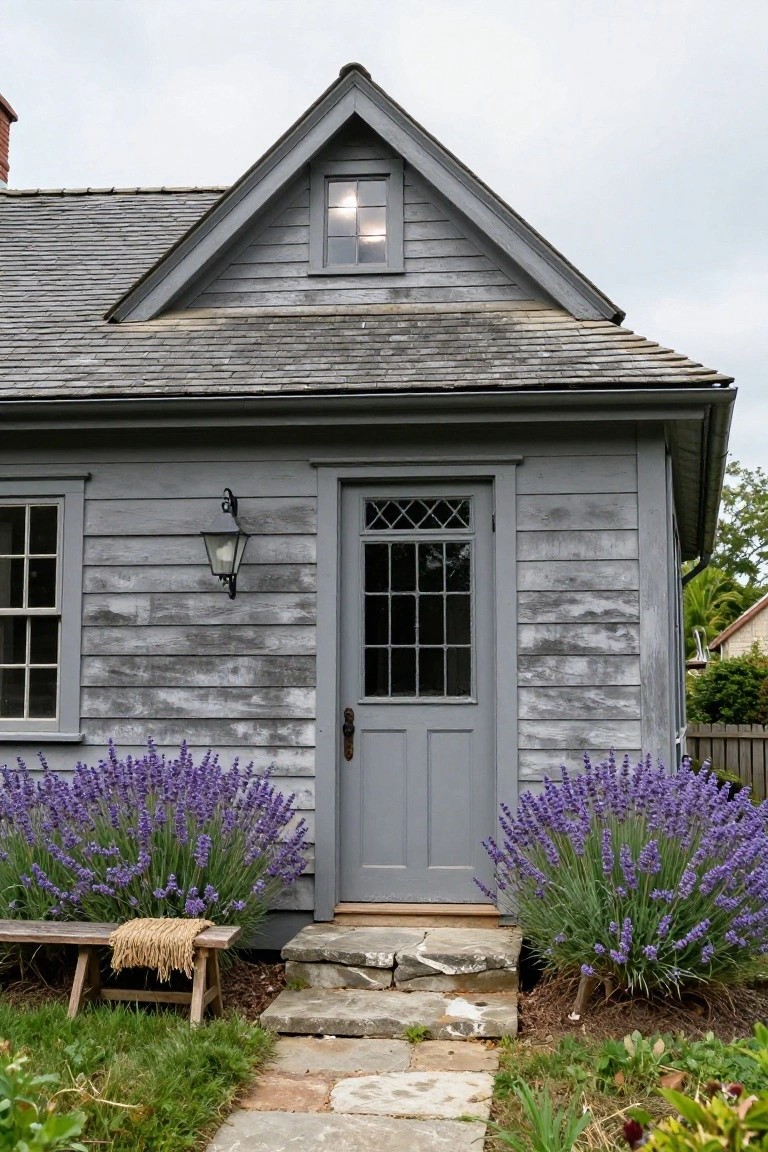
Gray shingles like these show off the real history of a colonial home without much upkeep. The faded tone comes from years outside, giving that soft, lived-in look that new paint just can’t match. Paired with a simple paned door and lantern, it keeps things straightforward and true to the original build.
This works great on smaller outbuildings or side entries where you want charm without fuss. Stick to natural weathering over stripping or staining, especially if your home has that saltbox or Cape Cod vibe. Just trim back plants like the lavender here to let the siding breathe.
Historic Shutters on Brick Facades
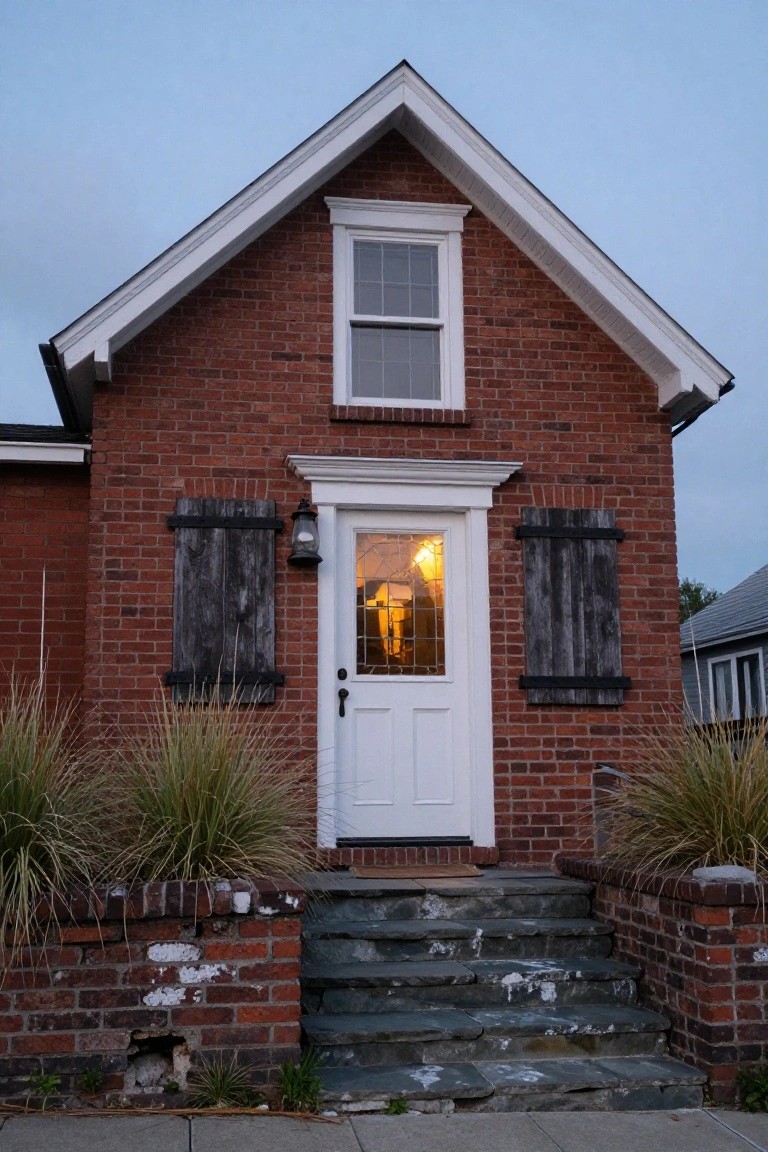
These board-and-batten shutters give this colonial house that real old-time feel. Hung loose on the brick walls next to the white entry door, they look naturally aged without being fake. The warm glow from the stained glass at dusk pulls your eye right to the front steps.
Shutters like these suit older brick homes best, especially colonials in town settings. Hang them high enough to clear the trim, and pick a dark stain that weathers over time. They add curb appeal without much upkeep, as long as you skip the plastic kinds.
Classic Colonial Clapboard Siding
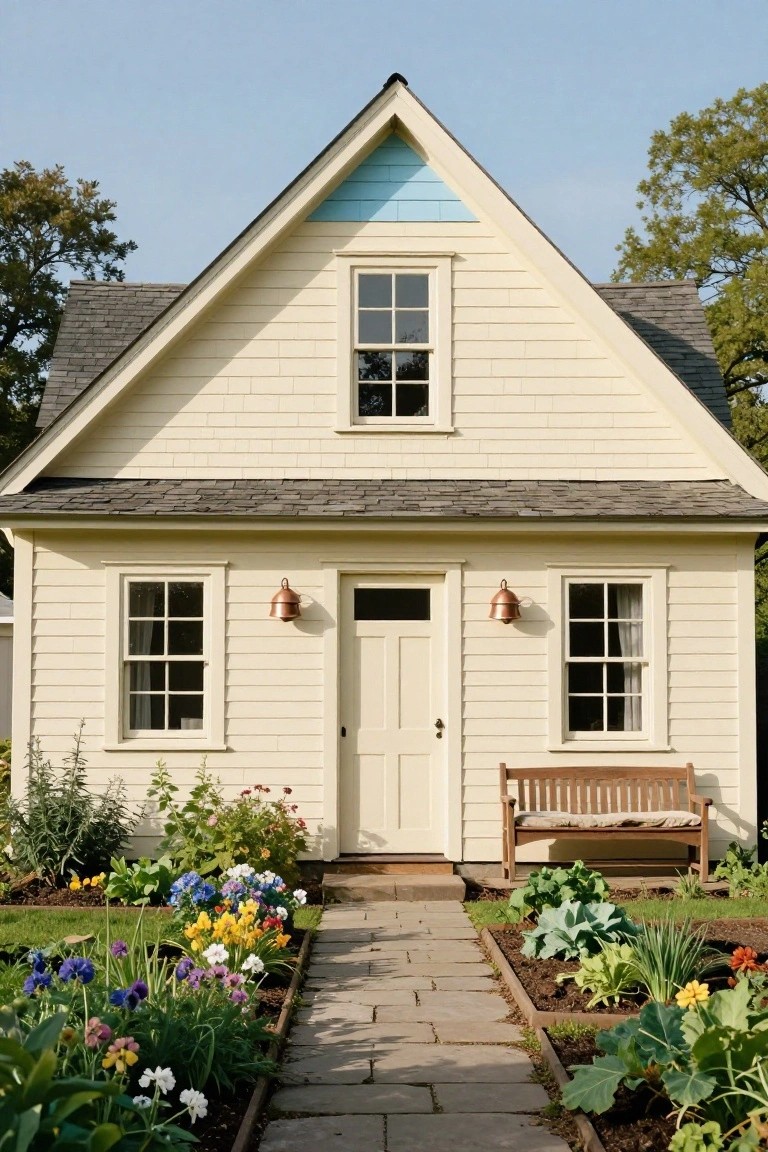
Pale clapboard siding like this keeps a Colonial home looking true to its roots. The soft yellow tone brightens the simple lines without changing the historic feel. A touch of blue under the gable peak nods to original details you see in old New England houses.
This siding works best on smaller homes or cottages where you want easy upkeep. Pick a muted color that picks up from the garden or sky nearby. Add copper lanterns by the door for that extra welcoming touch. It suits spots with some landscaping to frame the entry.
White Clapboard Siding on Colonial Homes
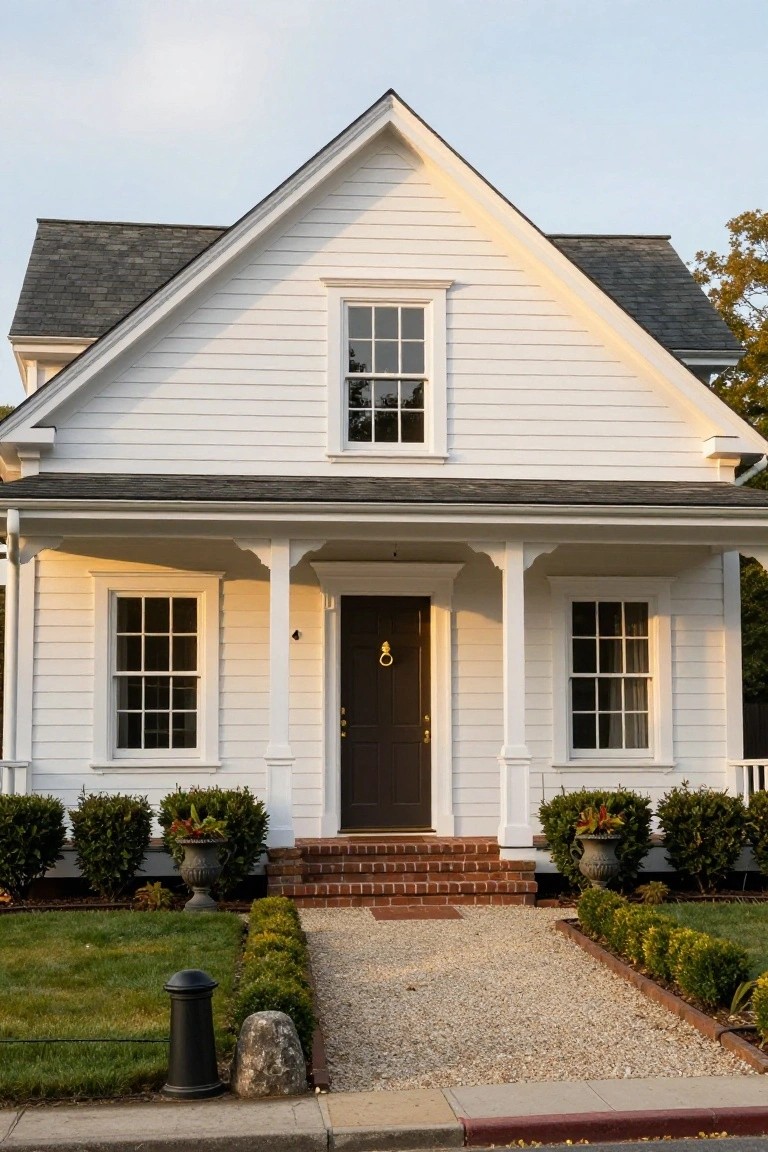
White clapboard siding like this keeps a Colonial house feeling original and unchanged. The horizontal boards give clean lines that highlight the gable roof and symmetrical windows without any fuss. Paired with a dark front door and simple porch columns, it pulls the whole facade together in a way that looks sharp from the street.
This siding works best on older homes with classic shapes, like gables and covered entries. Pick a high-quality paint that holds up to weather, and keep the trim crisp white too. It suits quiet neighborhoods where you want the house to stand on its own, not compete with bold colors or extras.
Frequently Asked Questions
Q: How do you clean clapboard siding on a Colonial without harming the finish?
A: Mix bucketfuls of warm water with a splash of white vinegar. Dip a soft-bristle brush and work in small circles from top down. Rinse right away with your garden hose—it brings back that crisp look fast.
Q: What do you do when trim starts to rot?
A: Scrape out the soft spots carefully. Pack in epoxy consolidant, let it harden overnight, then sand and repaint to match. You save the original shape that way.
Q: Can you swap out old windows and keep the historic vibe?
A: Hunt for wood or fiberglass ones with real divided lights, not snap-in grilles. They mimic the muntins perfectly from the street. And they seal better too.
Q: How do you refresh a tired front door?
A: Strip loose paint with a heat gun on low. Stain the wood bare or slap on oil-based paint in a classic hunter green. Wax it yearly to fend off weather.
