

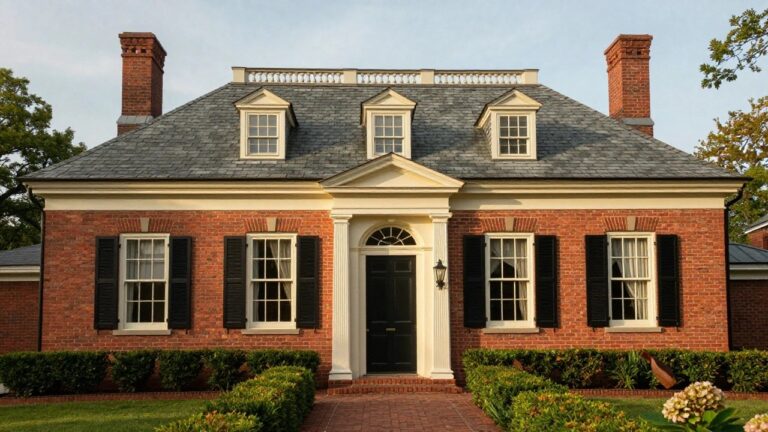
When I drive through neighborhoods lined with colonial homes, the rooflines jump out first because they anchor the entire facade and set expectations for what lies beyond the front door.
A well-chosen roof style pulls together siding, dormers, and entry details into something that feels solid and timeless from the street.
I’ve walked up to enough houses to know that some roof shapes make the curb appeal click right away, while others throw off the proportions no matter the paint color.
These variations prove how pitch and edges can turn a plain exterior into one that holds up year-round against wind and weather.
One or two here might fit your own updates perfectly.
Slate Roofs on Colonial Brick Houses
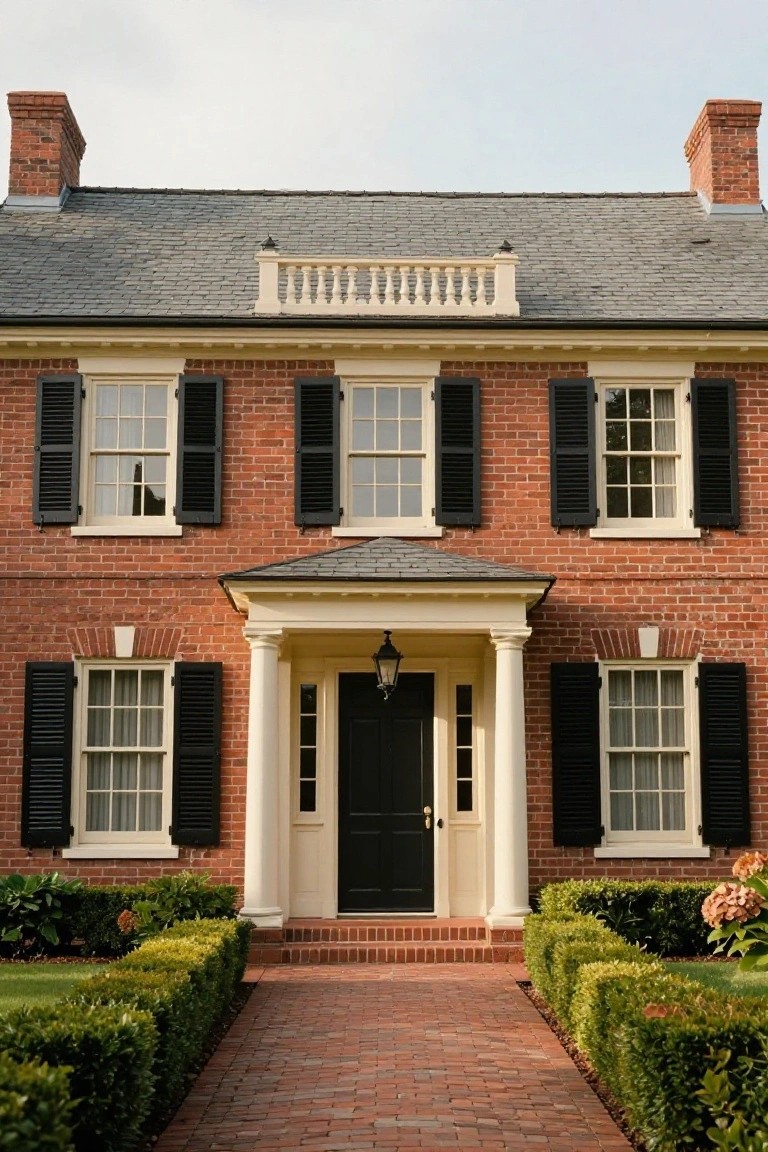
Slate roofs bring a real sense of history to colonial homes like this one. The dark gray shingles sit flat and even across the gables, working with the tall brick chimneys to pull the whole facade together. They hold up well over time too, which is why you’ll see them on older houses that still look sharp.
This style fits best on traditional two-story brick colonials in milder climates where slate won’t crack from freezes. Pair it with black shutters and a columned entry for that full effect. Just check local codes first… some places push for lighter materials now.
Classic Shingled Gable Roof
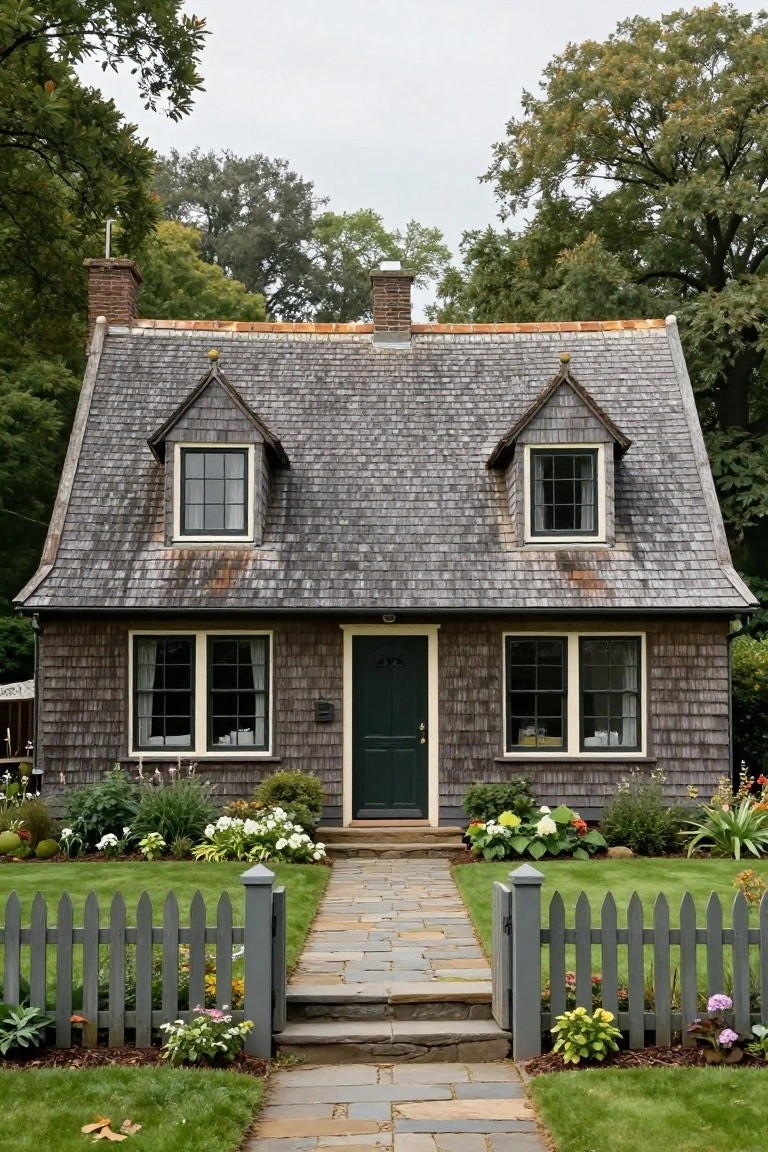
Shingled gable roofs give Colonial homes that familiar peaked look, with steep pitches and cross-gables that make the house feel sturdy and rooted. You see it here on this place, with dormer windows tucked into the roofline and wood shingles running down the sides. It pulls the eye up and sets a cozy, timeless tone right from the street.
These roofs work best on two-story homes in wooded or suburban spots, where the pitch sheds rain well and the shingles age into a soft gray patina. Pair them with simple siding and a bold entry door like the green one shown, but keep the landscaping low-key so the roof stays the star. Skip them on flat sites, though. They need some slope to really shine.
Gable Roof with Central Brick Chimney
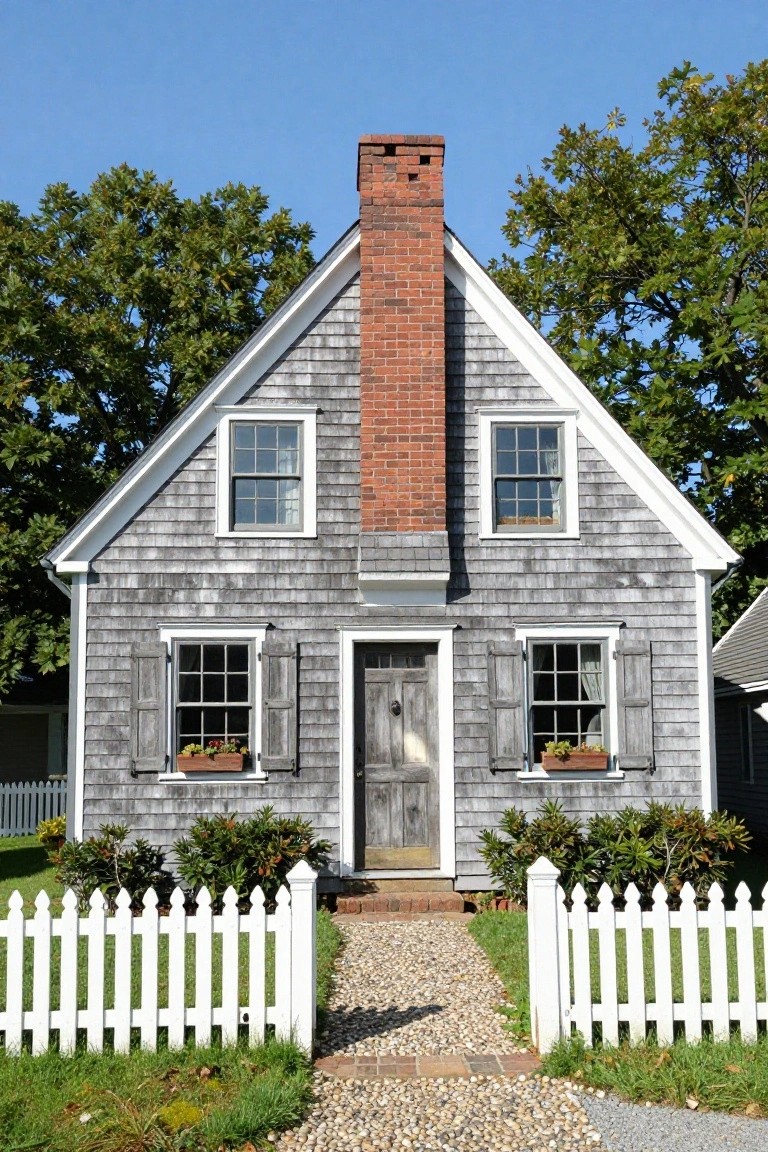
A central brick chimney rising from a steep gable roof gives this Colonial house its strong traditional backbone. The red brick stands out against the gray shingles and white trim, pulling everything together into a neat, balanced shape that feels right at home in a seaside town.
This roof setup works well on smaller two-story homes where you want that classic New England vibe without too much fuss. It handles weather fine, especially rain and snow, and pairs easy with a simple picket fence out front. Keep the chimney maintained though, or you’ll have trouble down the line.
Gable Roof with Dormer
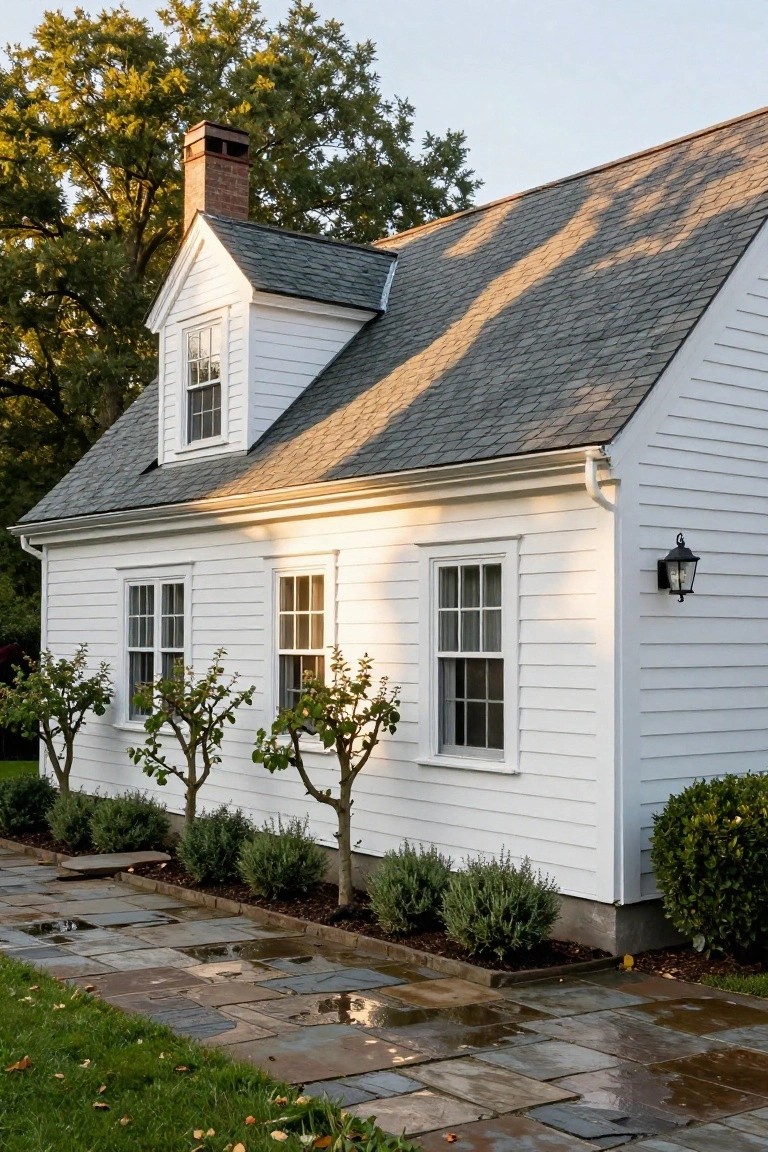
A gable roof with a dormer window gives Colonial homes that classic peaked look. You see it here on this white clapboard house, where the steep pitch and dark slate shingles catch the light just right. The dormer adds a bit of height and lets in extra upstairs light without messing up the simple lines. It pulls the whole side of the house together, making it feel settled and right at home in a wooded spot.
This setup works best on two-story Colonials or saltbox styles where you want some attic space without a full second floor. Pair it with brick chimney and plain siding like this, and it keeps things straightforward. Just make sure the dormer isn’t too big, or it starts to look off balance. Good for older neighborhoods too.
Gable Roof on a Brick Colonial House
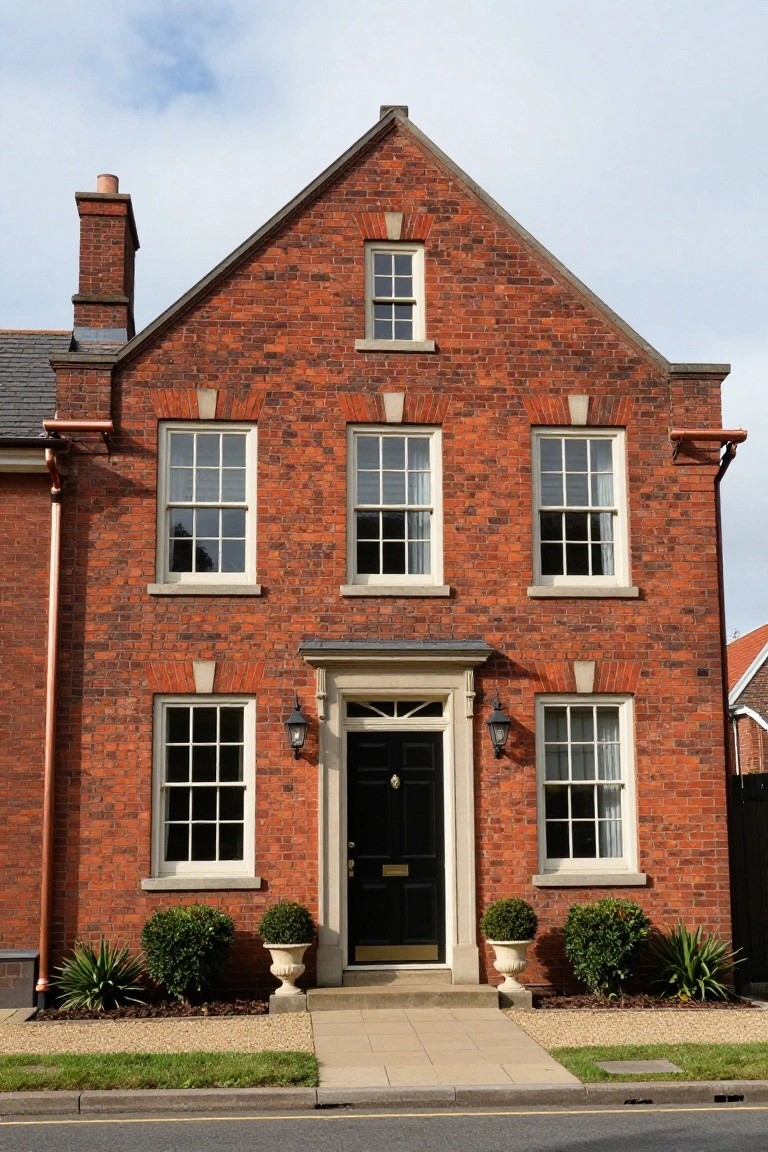
A gable roof like this one gives a colonial house that classic, upright look. It’s steeply pitched with clean lines that match the red brick walls and symmetrical windows. The chimney sits right up top, pulling the eye upward and making the whole front feel balanced and solid. Folks like it because it echoes old English and American styles without trying too hard.
You can pull this off on a two-story home facing the street. Pair it with multi-pane sashes and a centered door for that welcoming touch. It works best where you want curb appeal that lasts… just keep the pitch right so water runs off easy in rainy spots. Skip it on low-slung modern builds.
Slate Pyramidal Roof on Corner Turret
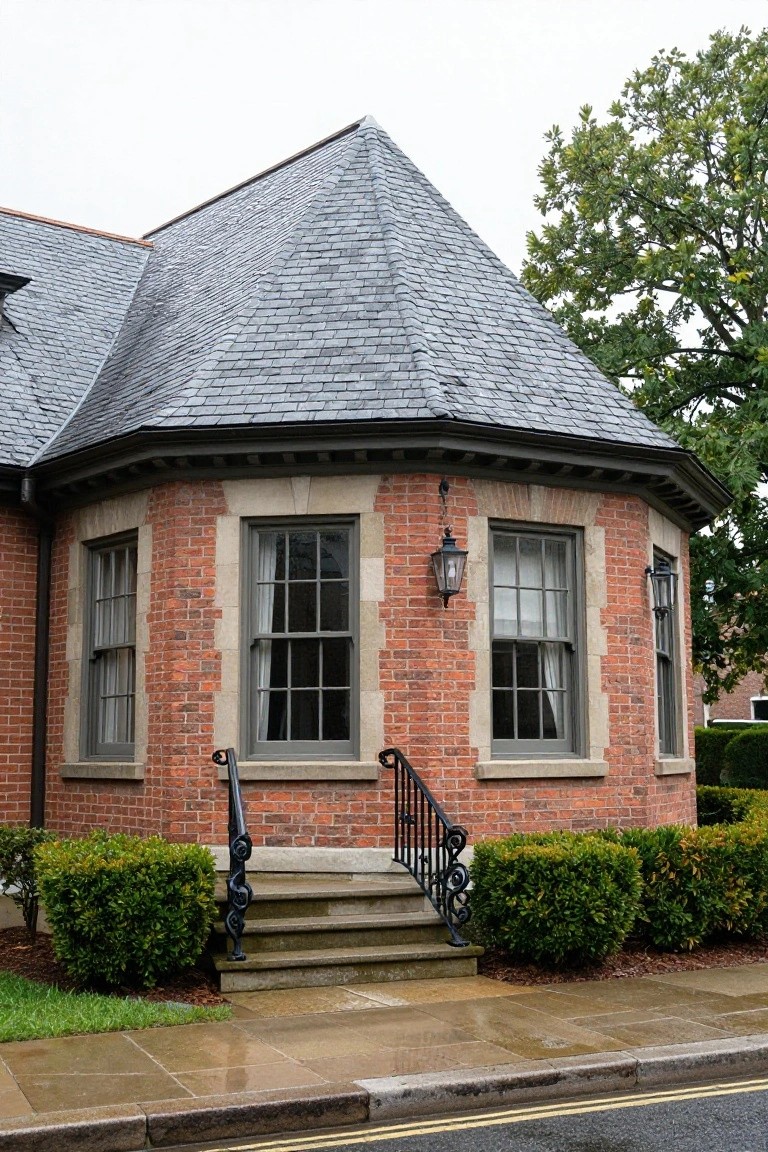
Colonial homes often use a slate pyramidal roof on a corner turret like this to give the house more presence without overdoing it. The sharp pitch and dark slate tiles catch the eye right away, especially against red brick walls. It pulls the whole facade together, making a simple entry feel like part of something bigger.
You see this roof style on older homes in the Northeast, where slate holds up to wet weather year after year. It works best on two-story houses with some brick or stone base. Pair it with lanterns and low steps for that welcoming touch. Just make sure the proportions fit, or it can look added on.
Standing Seam Metal Roof on Colonial Brick
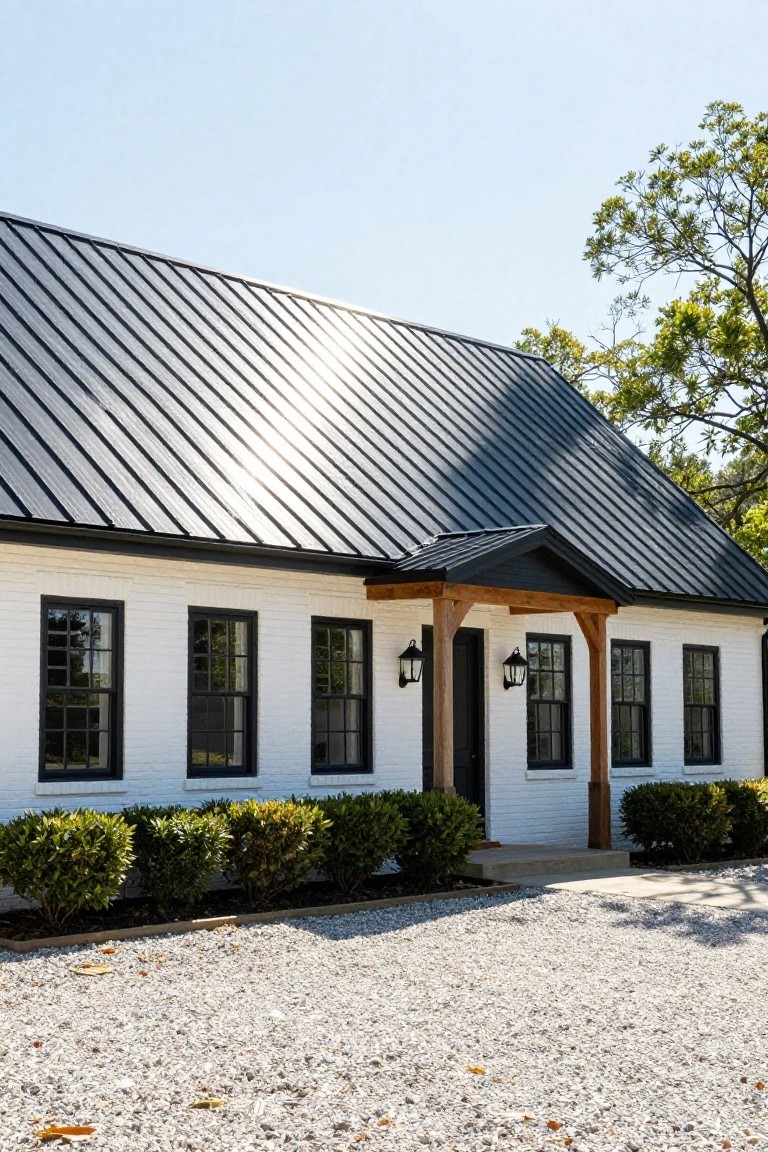
A standing seam metal roof brings a clean, modern edge to a classic colonial house. You see it here on white brick walls with black windows. The dark gray panels catch the light just right and stand out against the bright siding. It keeps that traditional pitched shape but swaps out shingles for something sleeker and tougher. Folks like it because it lasts longer and handles weather better than asphalt.
This roof style works best on homes with simple lines like colonials. Pair it with crisp trim and a wooden porch for balance. It suits older neighborhoods where you want subtle updates without losing charm. Just make sure the pitch is steep enough for runoff. Skip it on super flat roofs.
Classic Gable Roof on Colonial Houses
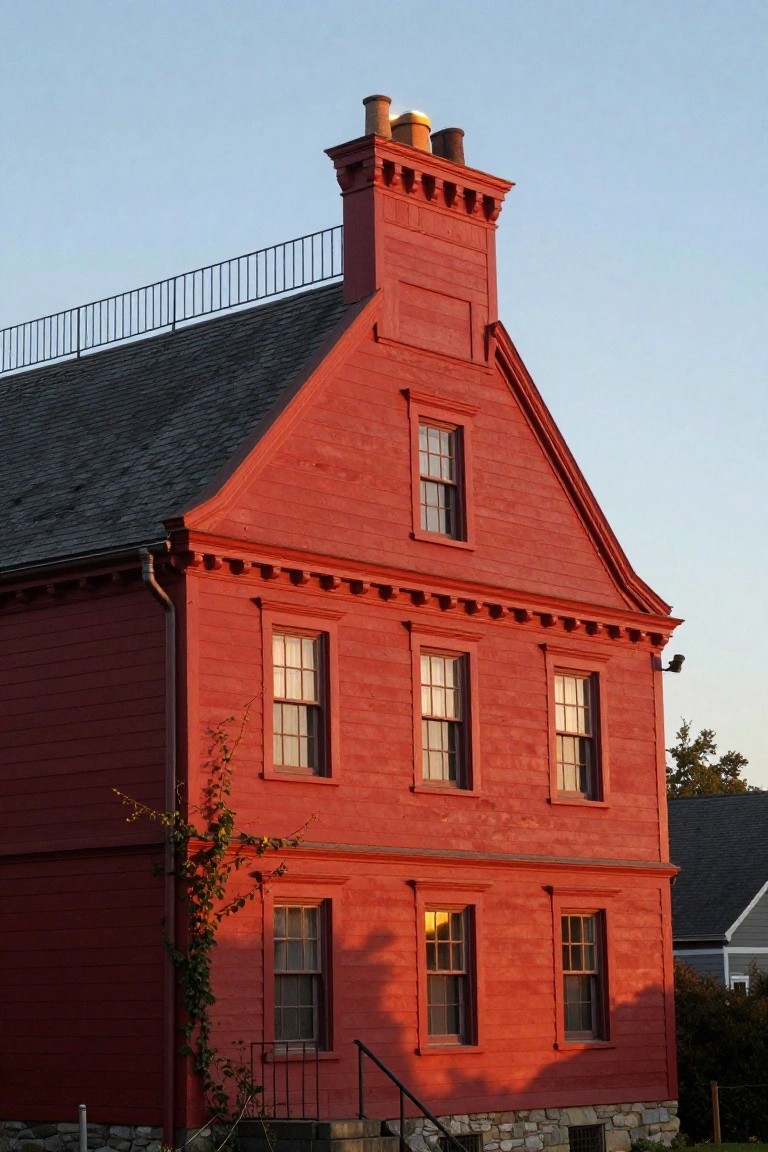
A steep gable roof like this one gives colonial homes that familiar pitched look. It rises sharply from the sides, often with a boxed cornice and dentil trim along the edge. Those details catch the eye up top, making the house feel solid and rooted in history. Paired with red clapboard siding, it stands out without trying too hard.
This roof style works best on two or three story homes in traditional neighborhoods. If you’re restoring an older place, keep the pitch around 9/12 or steeper to match the era. On a new build, add the trim moldings for authenticity, but watch the scale so it doesn’t overwhelm a smaller lot. It’s practical too. Good runoff in rainy areas.
Steep Pitched Shingle Roofs
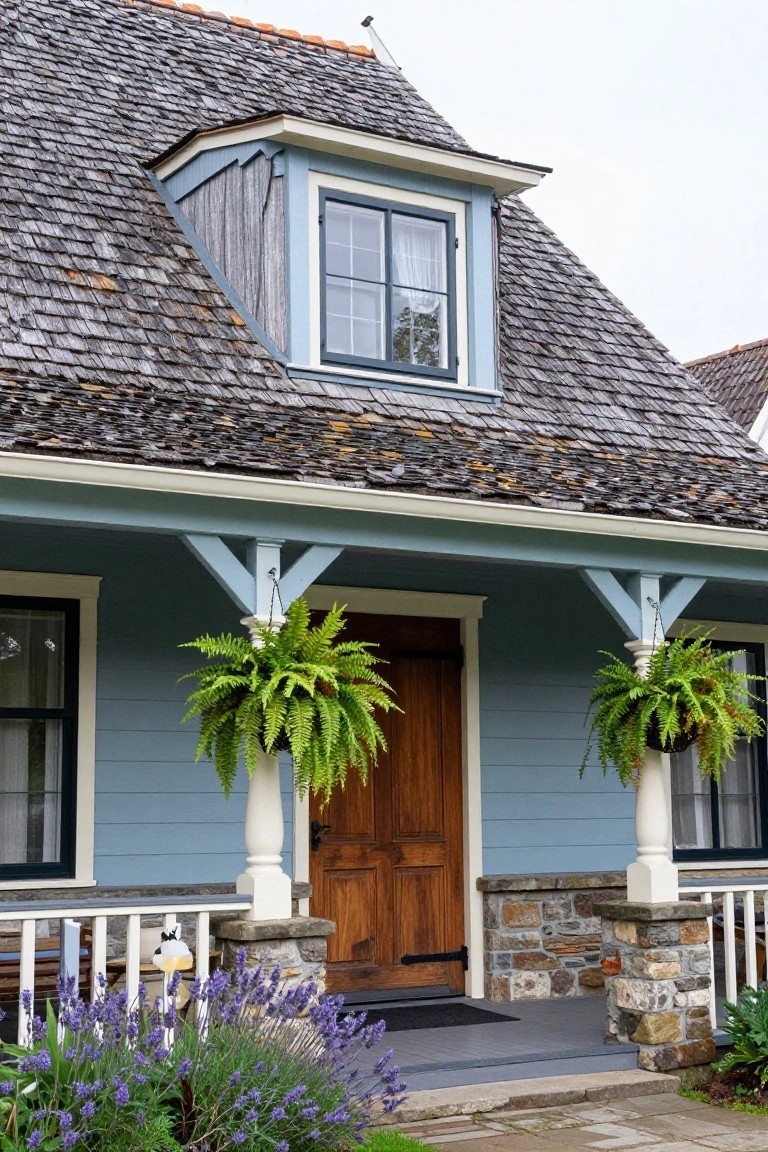
Shingle roofs with a steep pitch bring out the best in colonial homes. They create that strong roofline that makes the house stand tall and defined, especially with the dormer window tucked into the gable. The weathered shakes add texture and a bit of age right away, working well against painted siding like this soft blue.
These roofs suit homes in rainy or snowy areas since the pitch sheds water fast. Go for cedar shakes if you want natural aging, or asphalt ones for less upkeep. They fit two-story colonials best, and adding a front porch keeps the look balanced without overpowering the roof.
Octagonal Slate Roof Towers
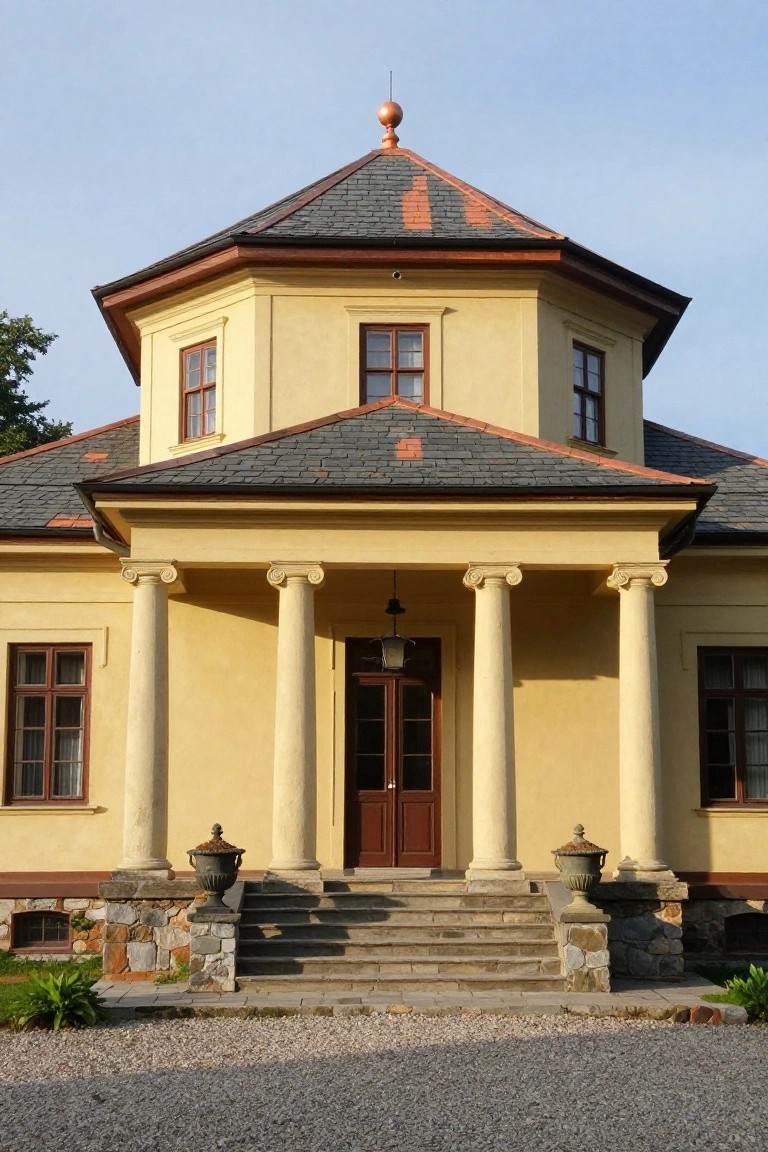
Some colonial homes use an octagonal tower roof to add a little height and character up top. Dark slate shingles cover the angles nicely, with red trim along the edges and a copper ball finial that glows in the sun. It breaks up the main roofline without feeling too busy.
This works best on bigger houses with classical details like columns at the door. Think historic areas or wooded spots where the tower can peek above trees. Just scale it right so the rest of the facade keeps up.
Steep Gable Rooflines
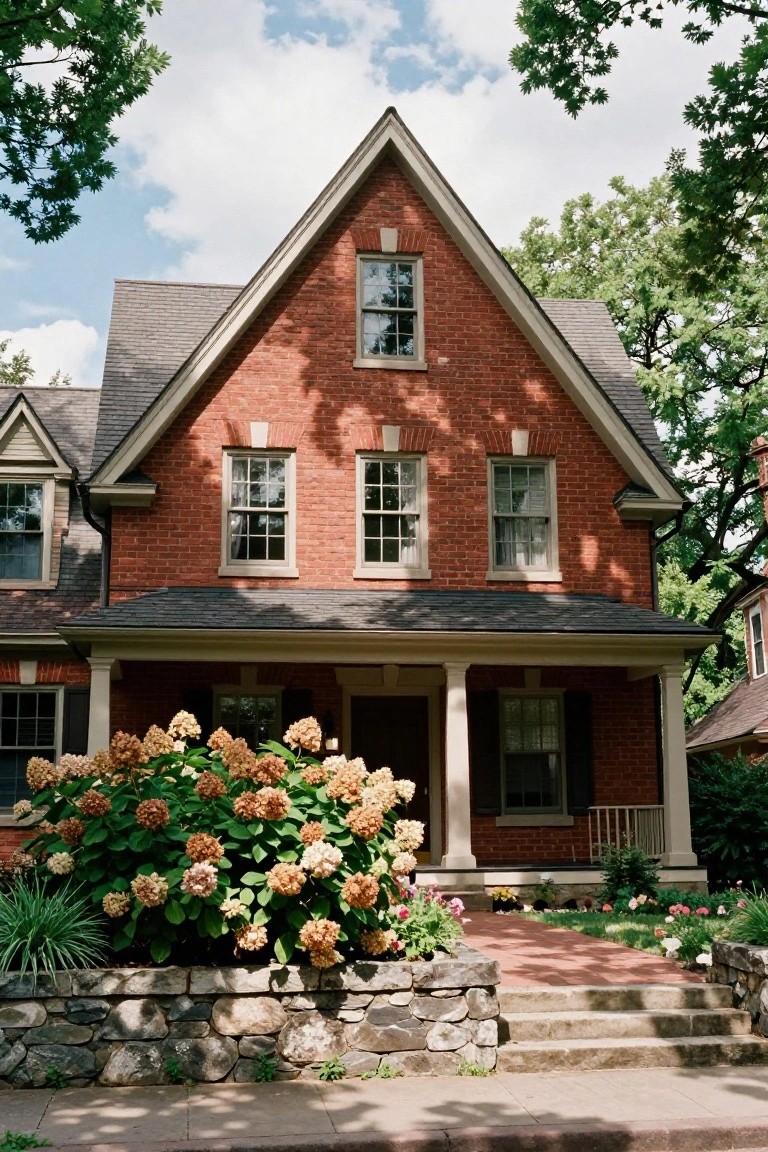
A steep gable roof like this one gives a Colonial house real presence from the street. The tall pitch pulls the eye up, making the brick facade feel balanced and sturdy. It fits right into neighborhoods with older homes, where that classic shape stands out without trying too hard.
You see this roof style a lot on two-story Colonials built in the early 1900s. It works best where you want height without bulk, especially paired with a simple front porch. Keep the dormers small if you add any, so the main gable stays the focus.
Slate Shingle Roofs
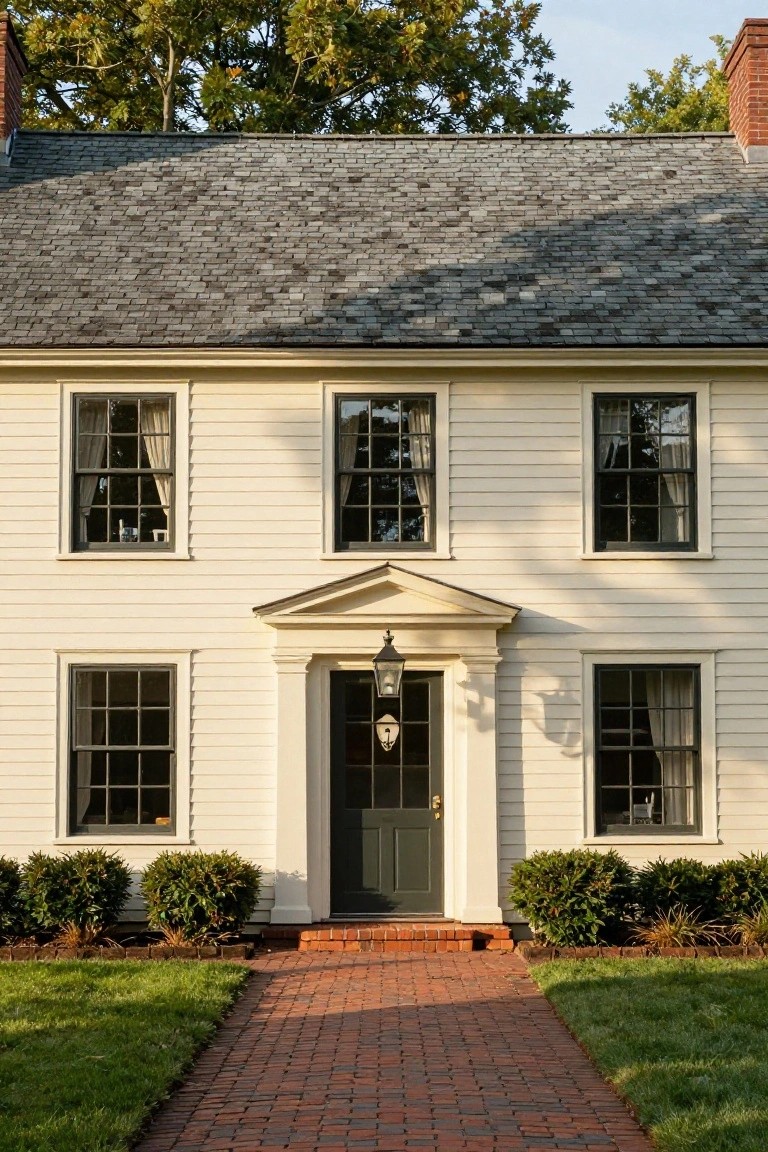
Slate shingle roofs stand out on colonial homes for their textured look and subtle color shifts. Here, the dark gray tiles sit neatly over white clapboard siding, pulling the eye up while keeping the facade simple and balanced. They echo the stone feel of early American houses without much fuss.
These roofs hold up well over time, especially in rainy or snowy spots. They suit traditional two-story colonials best, where the steep pitch shows them off. Just make sure the color blends with your trim, like black window frames, to avoid clashing.
Gable Roofs on Shingle Siding
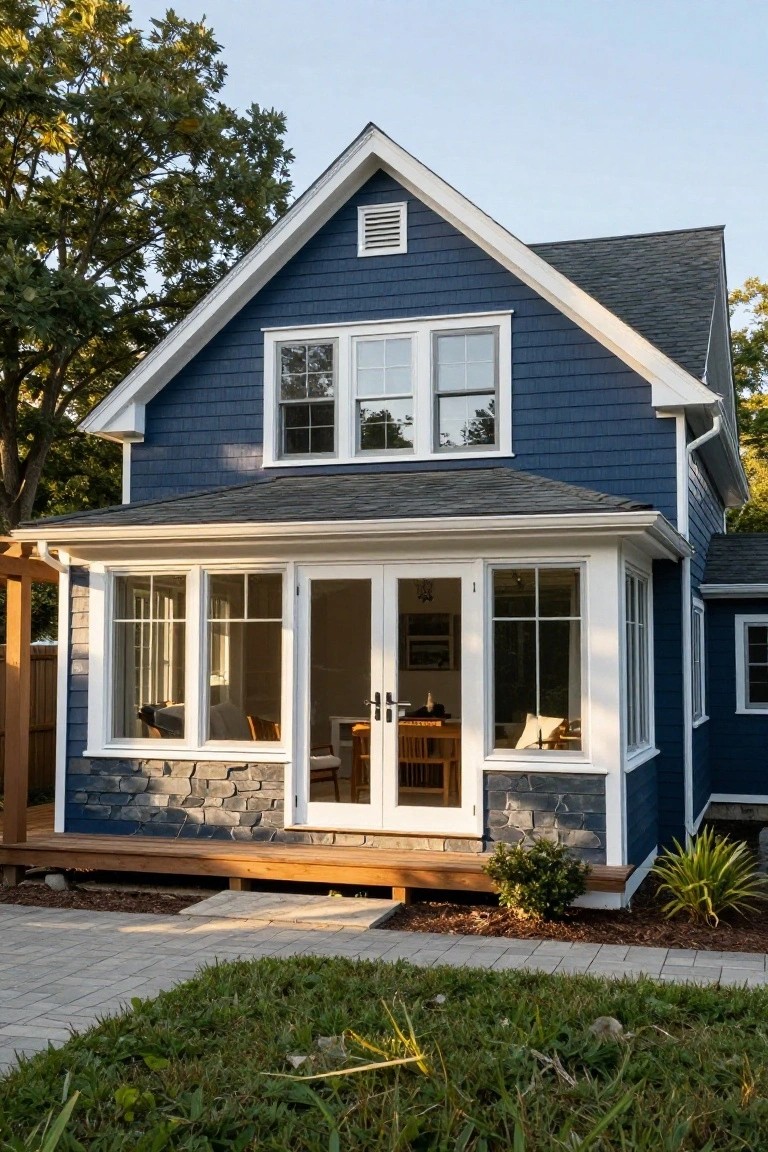
A gable roof like this one sets the tone for a Colonial home right away. The dark shingles sit over navy blue siding, with white trim around the windows and peak vent keeping things crisp. That steep pitch gives the house height and presence, especially with the porch tucked under a smaller gable extension.
You see this style on homes from the Northeast to the Midwest, where it handles weather well. Go for it on a two-story facade or cottage if you want straightforward curb appeal. Keep the shingles bold in color to stand out against siding, but check local rules on pitch for rain runoff.
Shingled Roofs with Cupolas
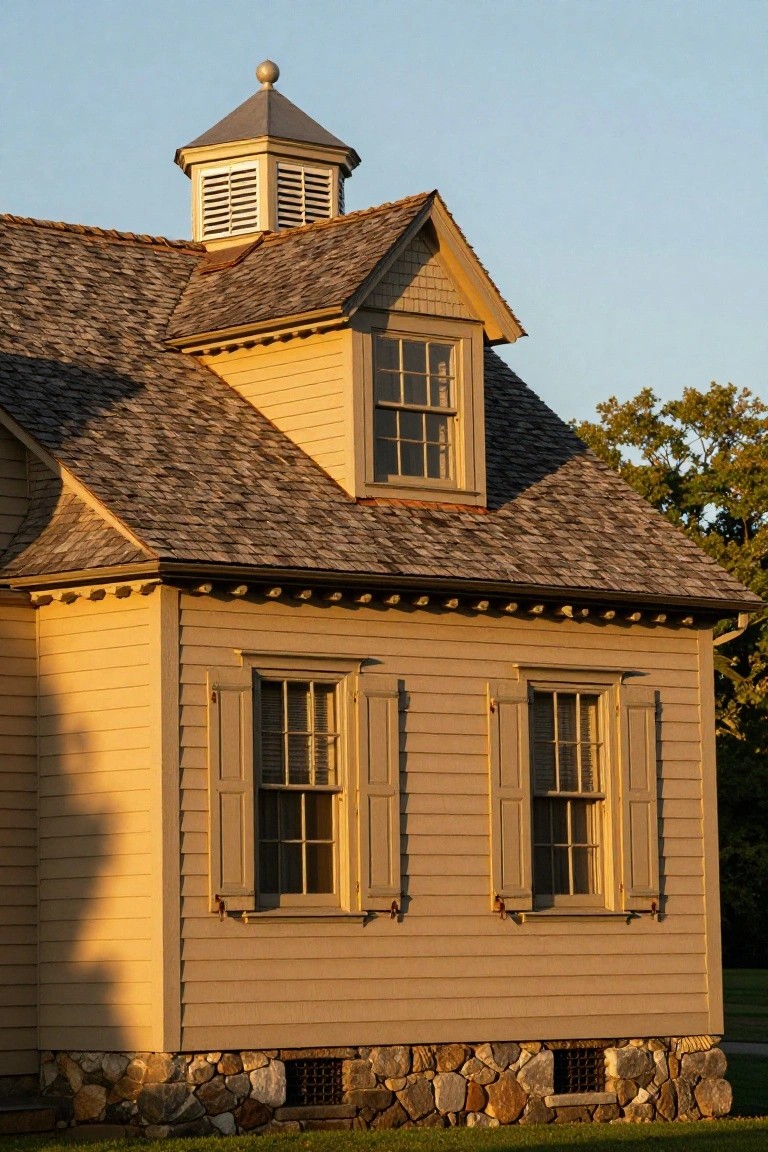
A shingled roof topped with a cupola is one of those classic colonial touches that just fits right. The cedar shakes give a textured, aged look that settles into the landscape nicely, and that little cupola up top adds ventilation plus a spot for a weathervane. It pulls the whole roofline together without overdoing it.
These work best on two-story homes with gables, especially if you want that historic feel on a modern build. Pair it with clapboard siding like this yellow one, and keep the foundation simple with fieldstone. Just make sure the cupola matches the roof pitch so it doesn’t look tacked on.
Symmetrical Dormers on Slate Roof
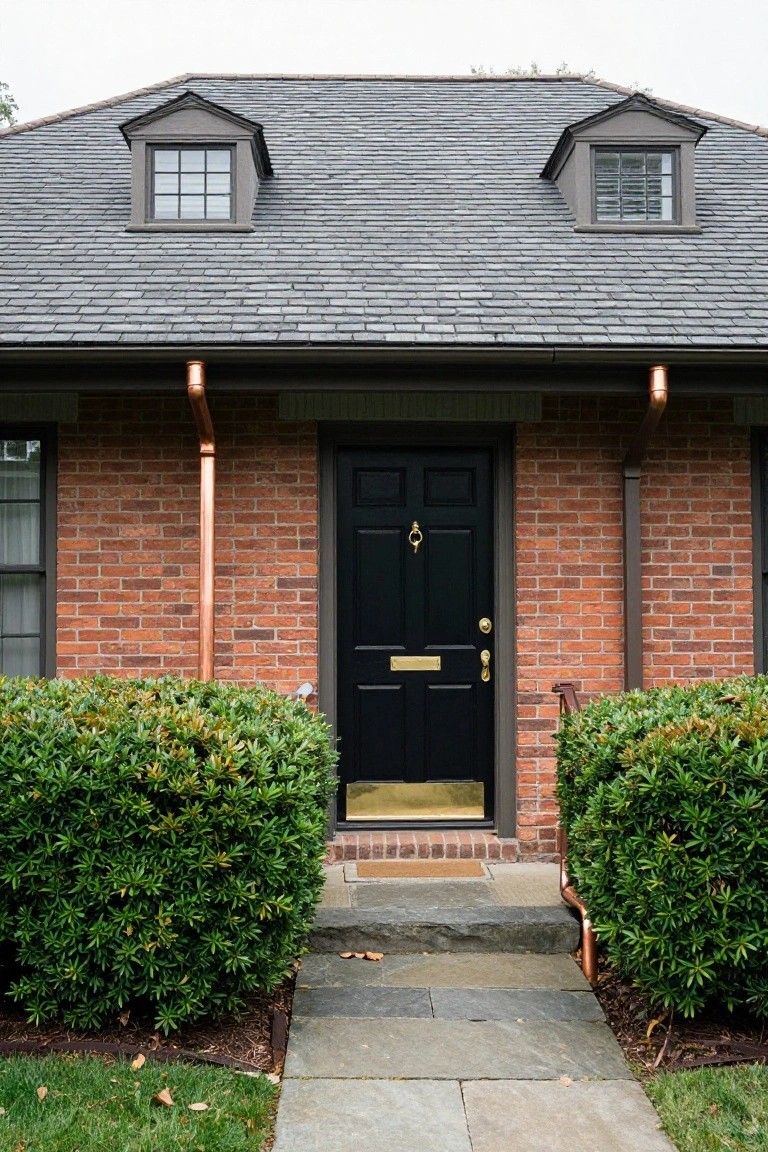
A slate roof with a pair of matching dormers like this one gives a Colonial house real height and balance. The steep pitch and those dormer windows sit right up top, pulling the eye upward while keeping the front facade even and settled. It’s a look that’s been around for ages because it just works, especially on brick siding where the gray tones play off the red.
You see this most on two-story homes in older areas, and it suits places with some slope for drainage. Go for real slate if you can afford it, or synthetic for less upkeep. Keep the dormers simple with six-over-six windows to stay true to the style, and let copper downspouts age alongside for that natural fit.
Shingle Roofs with Dormer Windows
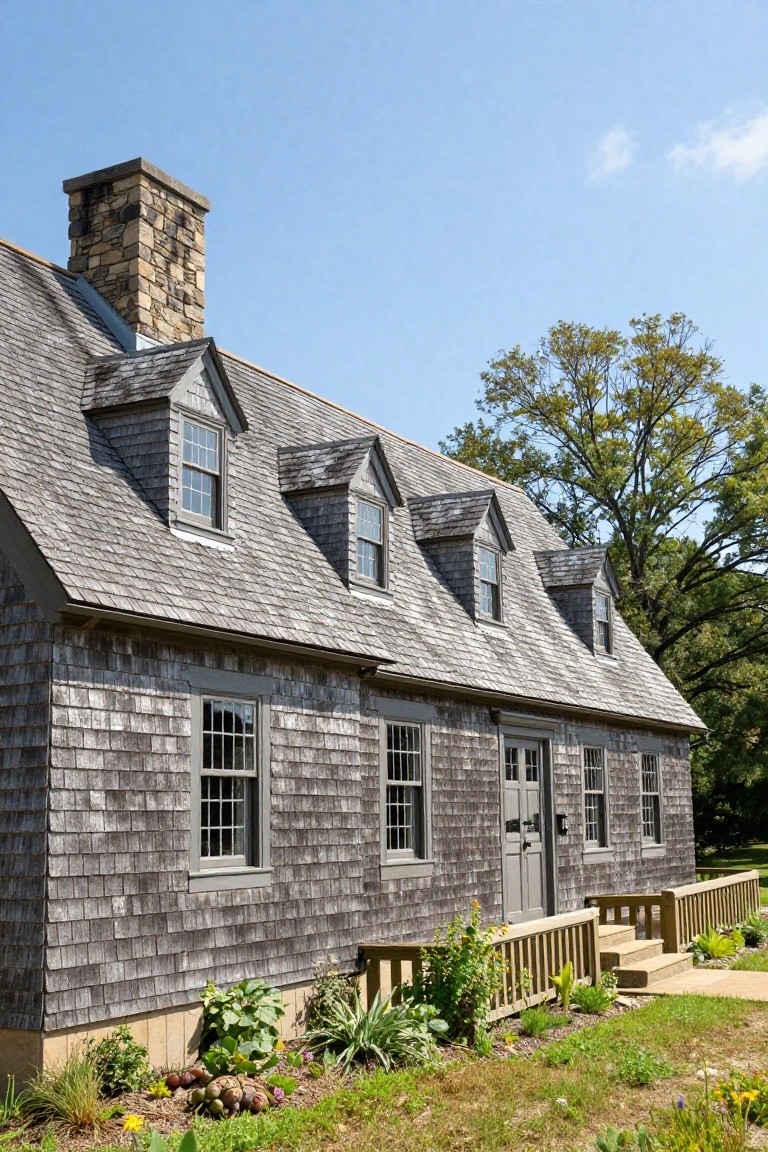
Shingle roofs like this one give colonial homes that classic weathered look, especially when paired with a few dormers along the steep pitch. The gray cedar shakes blend right into the New England landscape, and those dormer windows break up the roofline without making things too busy. It’s a simple way to add upstairs light and space while keeping the house feeling rooted in tradition.
You see this setup a lot on Cape Cod or saltbox styles, where it helps the roof look balanced from the side. It works best on smaller homes under big trees, pulling the eye up without overpowering the front entry. Just make sure the shingles are maintained, or they can start looking too shabby over time.
Pitched Slate Roofs on Brick Houses
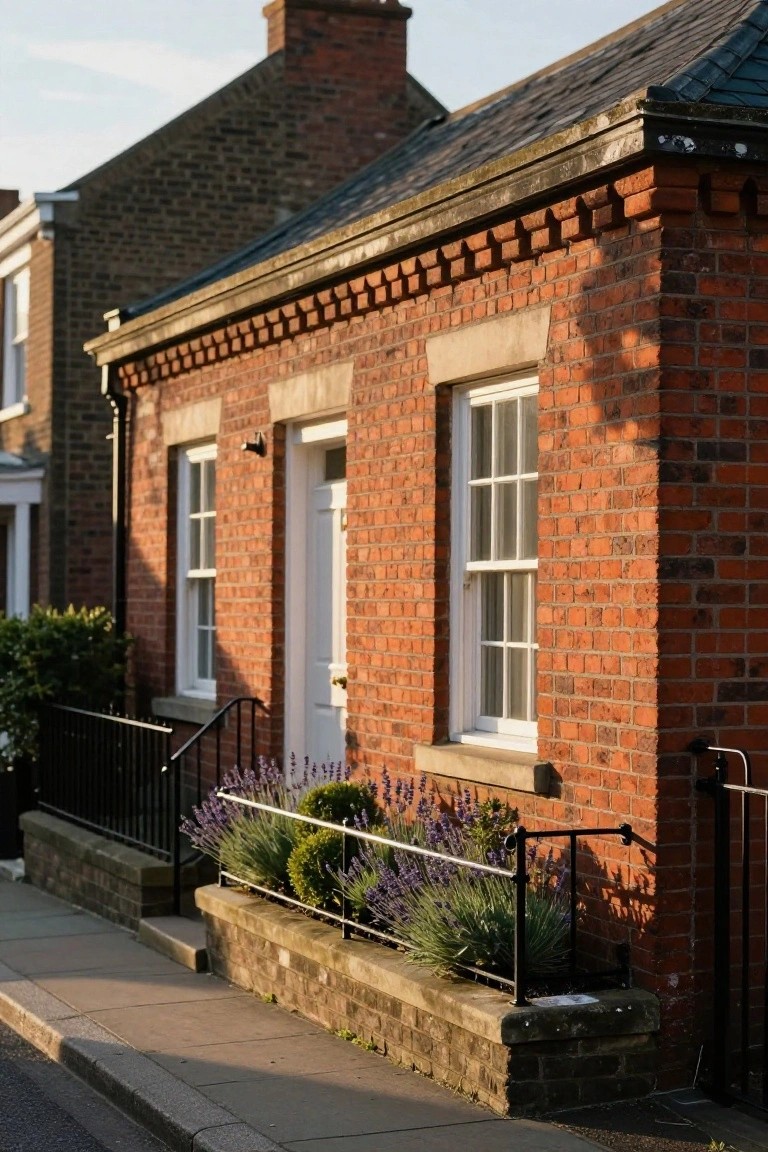
A pitched slate roof like this one sits nicely on a brick colonial exterior. The dark gray slates pick up the warm red tones in the bricks without clashing, and they give the whole house a solid, lasting feel. You see this style a lot in older neighborhoods where homes have that straightforward charm.
These roofs work best on two-story homes with simple gables or hips. They hold up well in wet weather and age gracefully, turning a bit mossy over time if you like that patina. Go for them if your house has sash windows and a plain door, but skip if you’re after something super modern. Add low plants along the front to soften the base without stealing focus.
Corrugated Metal Roofs on Colonial Homes
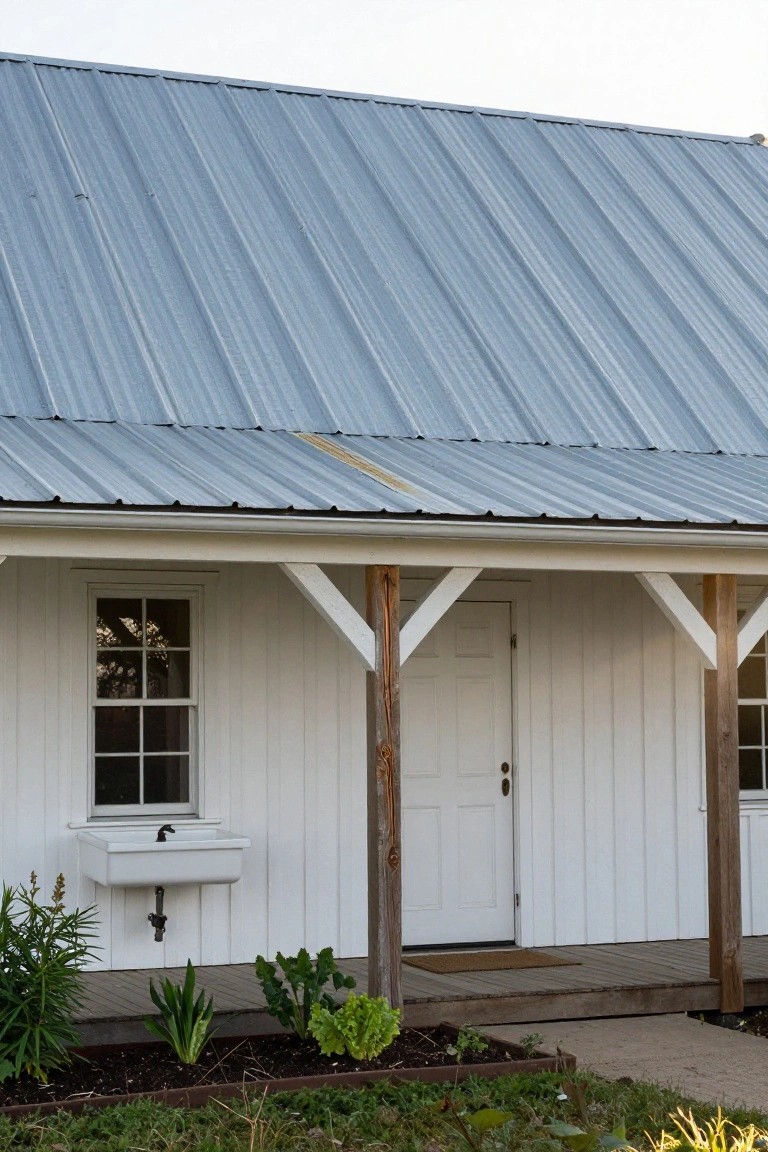
A corrugated metal roof like the one on this white clapboard house adds a practical, rugged touch to a basic colonial setup. The blue-gray panels catch the light just right and stand out against the plain siding and porch. It keeps things simple while making the whole front feel more substantial, like an old farm place that’s been updated a bit.
This roof style fits older colonials or simple gabled houses in the country or suburbs. Go for vertical seams if you want that clean run from eave to ridge. It handles weather well and pairs easy with white paint. Watch the color though, pick one that fades into overcast days so it doesn’t overpower the house.
Black Shingle Gable Roofs
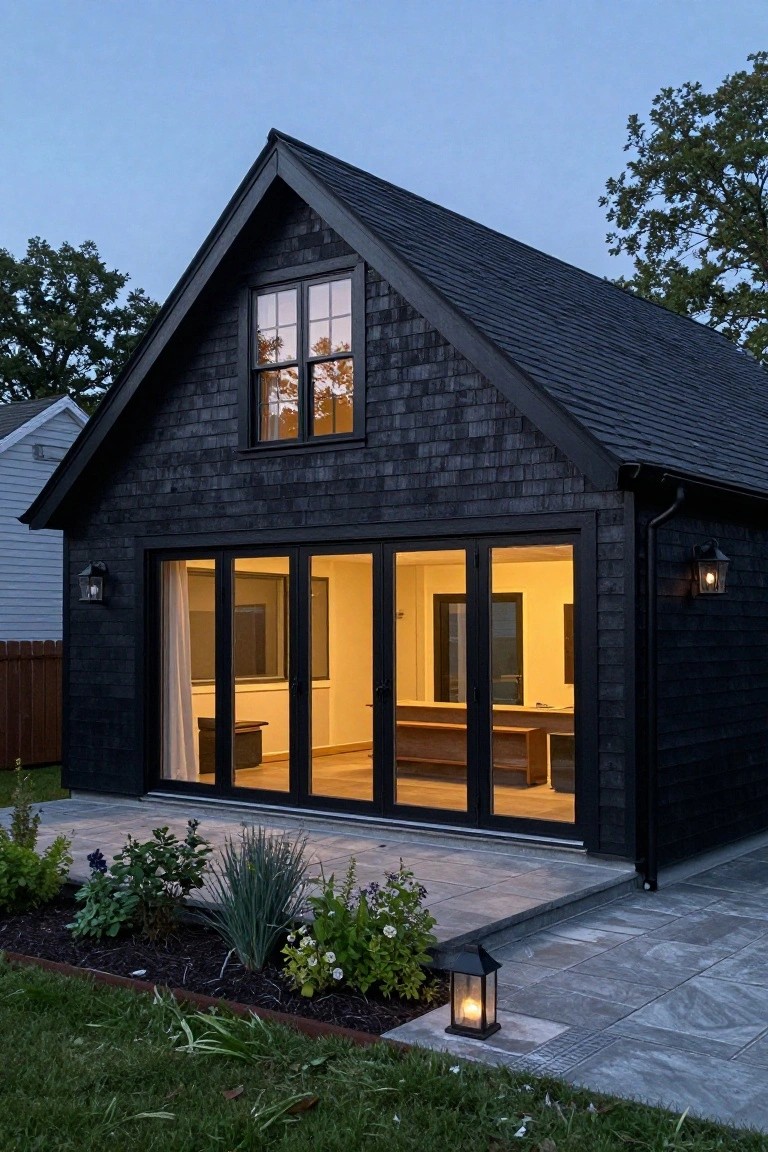
A black shingle gable roof takes the familiar colonial shape and gives it a moody, modern edge. You see it here on this house, where the dark cedar shakes climb up the steep pitch, standing out nicely at dusk. That color pulls the whole facade together without overpowering the simple lines.
This style works best on two-story colonials in leafy neighborhoods, especially if you add big windows below for light. It holds up in rainy spots too. Keep an eye on maintenance though. Seal the shingles every few years to avoid fading.
Spanish Colonial Red Tile Roofs
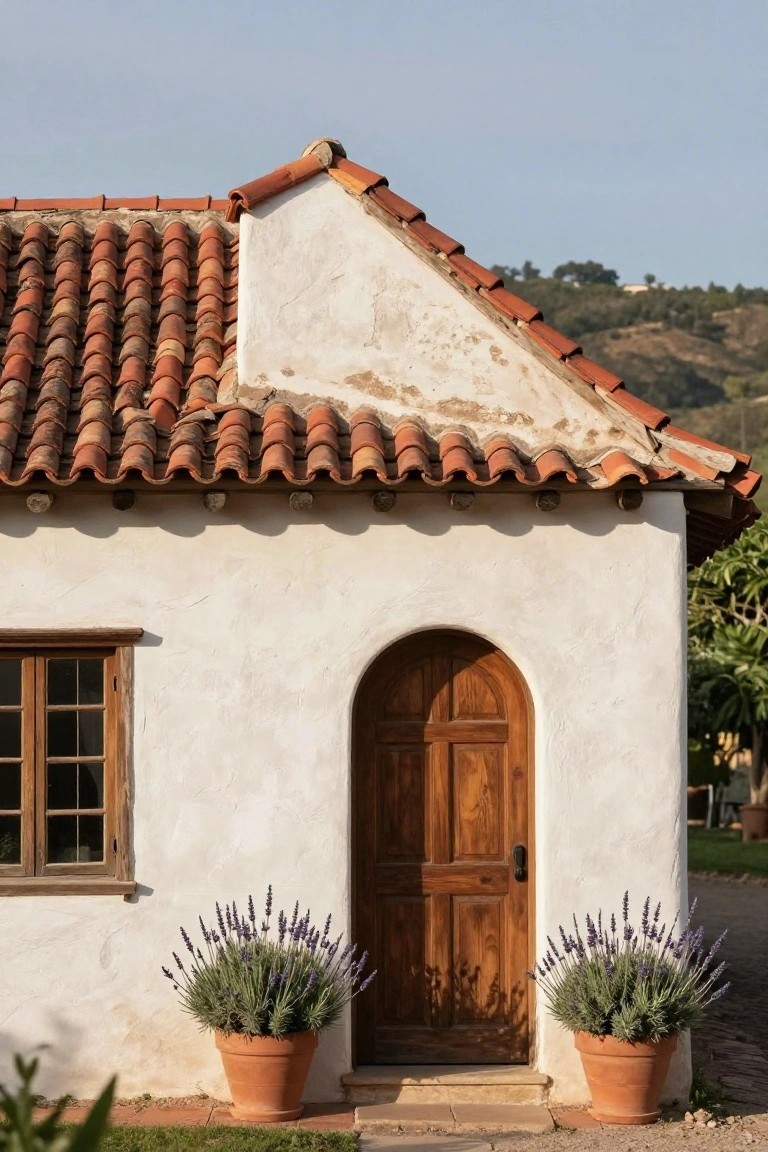
Red clay tile roofs like this one bring that warm, traditional feel to colonial homes. The curved tiles sit nicely over white stucco walls, giving the whole facade a sense of history without trying too hard. It’s a look that’s been around for ages in places like the Southwest, and it just works.
You see it best on single-story homes with simple lines, maybe an arched door nearby. Go for it if your area gets hot sun, since these tiles handle heat well and need little fixing up over time. Add a couple terracotta pots by the entry, and the roof really stands out.
Slate Gable Roof with Brick Chimneys
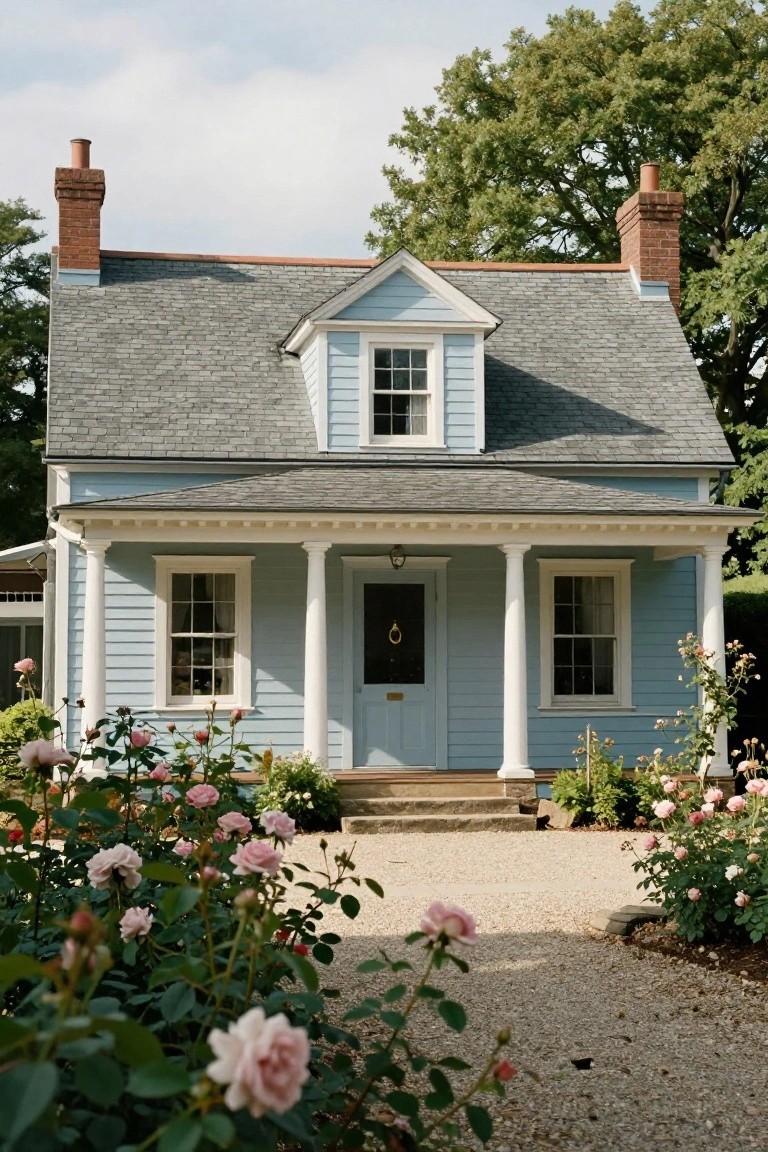
A slate gable roof like this one sets a strong colonial tone right away. The gray shingles slope up steeply to form that familiar peak, while the brick chimneys add real height and warmth. Paired with a simple dormer window, it keeps the roofline balanced and interesting without overdoing it. Folks notice how it frames the house nicely.
This style suits older-style homes or revivals in suburban spots. Go for it if your facade has symmetry and some porch columns. Slate lasts forever but costs more upfront, so think about that. Keeps the look sharp year-round.
Frequently Asked Questions
Q: My colonial roof looks tired. Do I have to match the original style exactly?
A: Stick close to the original for that timeless vibe. A slight tweak like deeper eaves keeps things fresh yet true. Snap photos of nearby colonials for quick inspiration.
Q: Which roof style holds up best in rainy areas?
A: Pick a gable with steep pitch and wide overhangs. Rain sheets off fast and stays away from walls. Line it with metal if storms hit hard.
Q: Can I add dormers without ruining the colonial look?
A: Go for it, they open up attics nicely. Match the roof pitch and siding exactly.
Q: How does roof color tie into the whole colonial exterior?
A: Darker shades ground the house like slate did back then. Pair it with your trim for balance. Test samples in real light first.
