

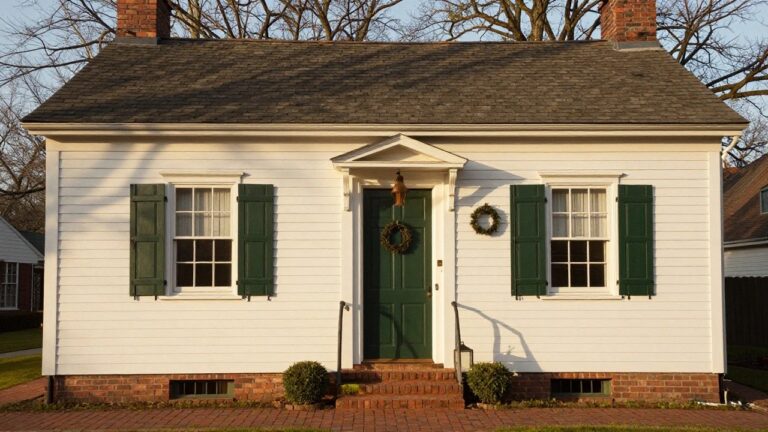
I remember walking up to a restored Colonial in my neighborhood and realizing how the clapboard siding sets the entire mood before you even reach the door.
The way those narrow boards overlap and catch the light makes the facade read as solid and lived-in, not just a flat surface.
From the street, you notice rooflines meeting siding cleanly, entries framed without excess trim, and colors that weather into something authentic.
What tends to fail on modern takes is skimping on material thickness, which leaves the house looking thin and unconvincing up close.
Save the ones with true-to-era proportions, because they hold up best in real yards.
Dark Green Shutters on White Clapboard
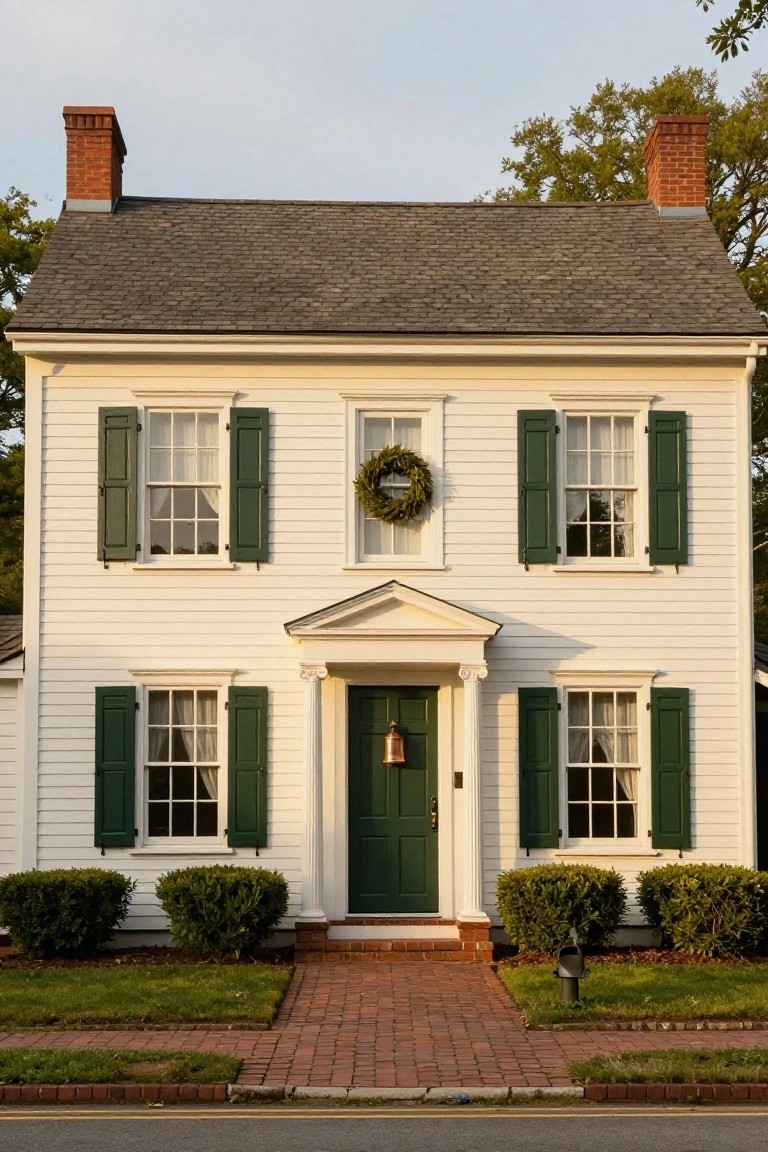
White clapboard siding painted a clean off-white looks sharp when you add dark green shutters. This setup nods to early American homes without overdoing it. The green pulls focus to the windows and door, keeping things balanced and easy on the eye. That wreath on the door adds a homey touch too, but the shutters do most of the work here.
Try this on a two-story colonial with even window spacing. It suits older neighborhoods or revivals where you want history without fuss. Pick a true forest green, not too bright. Scale the shutters to match your window size, and keep the siding fresh. Works fine year-round.
Soft Blue Clapboard Facade
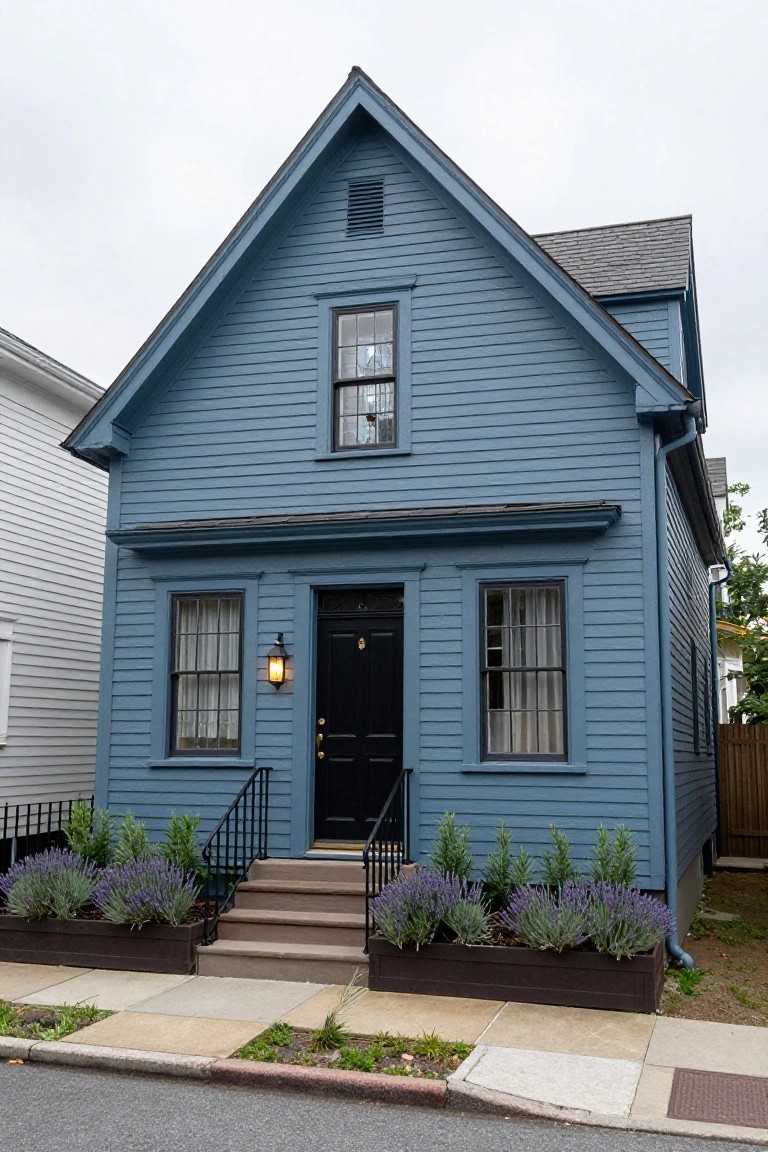
Clapboard siding in a soft blue like this one nails that old colonial look without trying too hard. The narrow house shape fits right in on a city street, and the siding’s gentle color plays nice with the gable roof and those tall, gridded windows. It feels settled and real, like it’s been there a hundred years.
Try this on a two-story home with a straightforward entry. Black door for contrast, maybe lavender in low planters along the steps. It suits older neighborhoods best, where you want to blend in rather than stand out. Just keep the trim crisp, or it starts looking tired.
Soft Gray Clapboard Facade
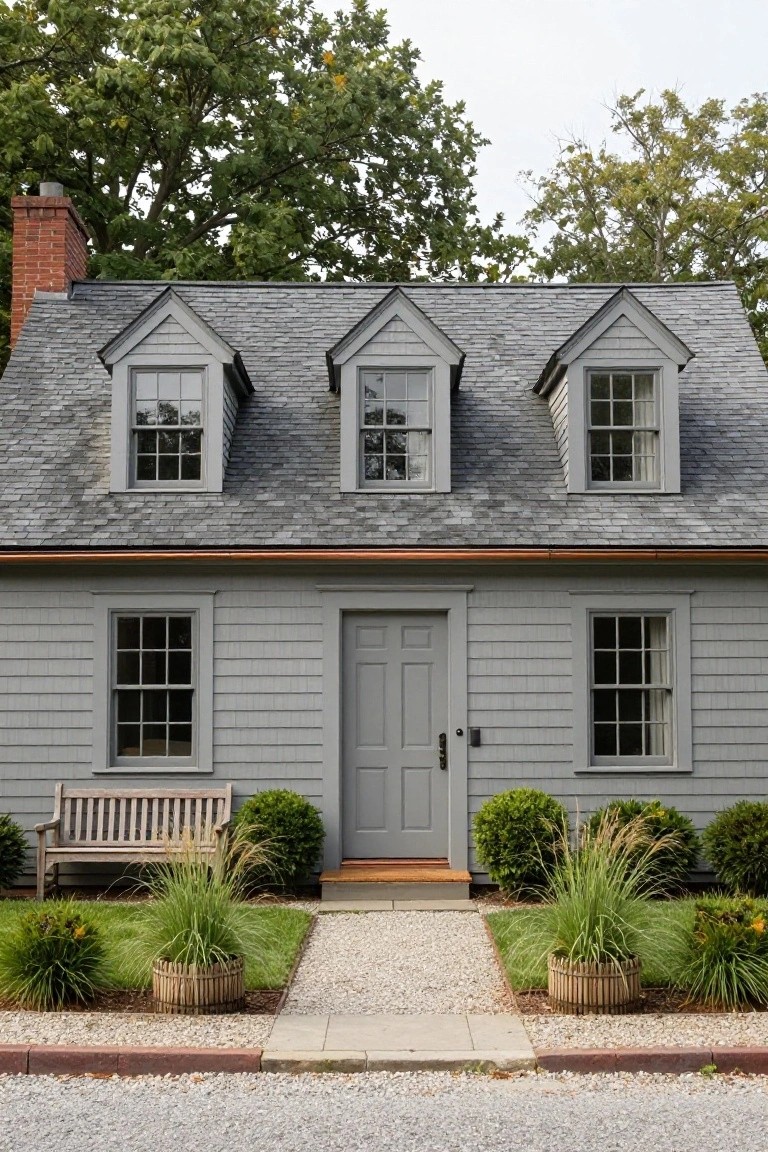
Gray clapboard siding like this hits that classic Colonial note without trying too hard. The soft shade keeps it from looking too modern or too harsh, and it lets the simple gables and dormers take center stage. That copper flashing on the roof edge adds just a bit of patina over time, which fits right in with old-school New England houses.
You can pull this off on a smaller home facing the street, especially if you’re after curb appeal that lasts. Stick to quality paint that holds up to weather, and pair it with plain white trim around the windows and door. It suits homes in wooded spots… avoids feeling out of place.
Recommended Products

Outdoor Hardware Supply 9" x 27" shutters are manufactured from UV-resistant vinyl, resisting chipping and no fading over time. Louvers Do not allow air passage - Decorative Only

One Piece Injection Molded Polypropylene Construction

Vinyl shutters included UV-additives that protect from fading.
Navy Clapboard Siding with White Trim
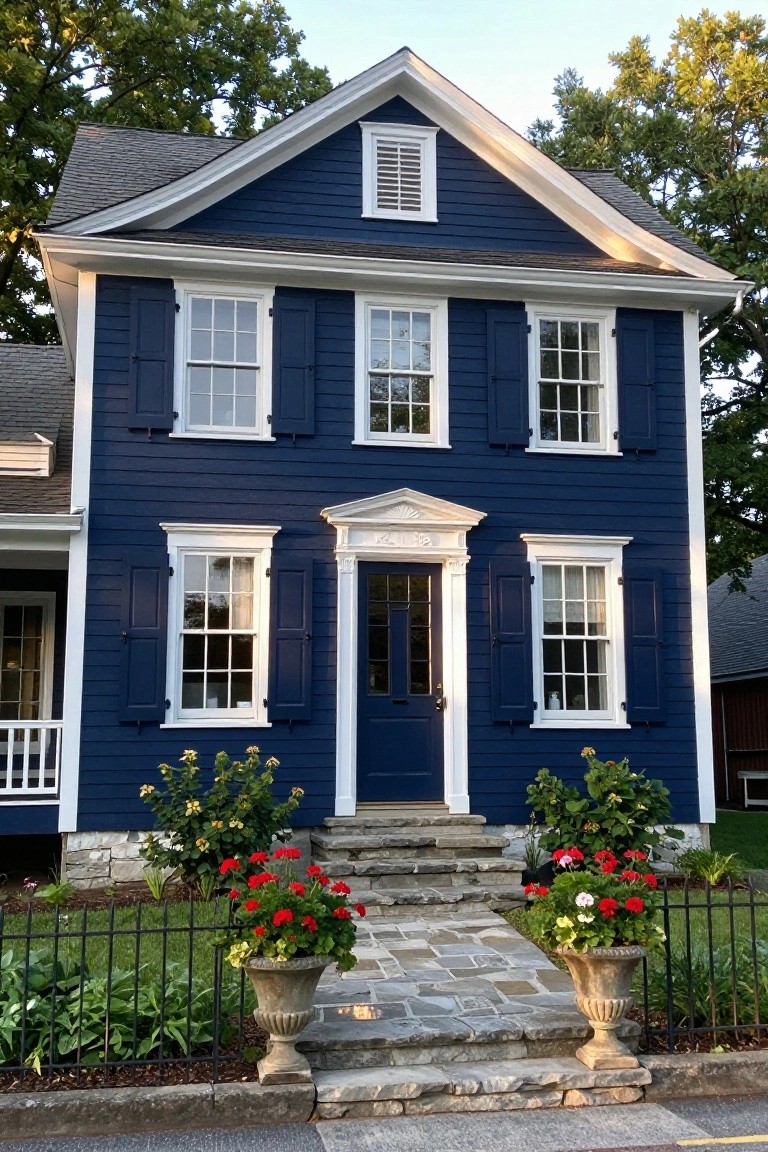
A deep navy paint on clapboard siding brings out the best in this colonial house. The color feels right at home on older styles, pulling from historic palettes without going overboard. White trim around the windows and that pediment over the door keeps everything sharp and balanced. Navy shutters match the body just enough to tie it together.
This setup works well on two-story colonials, especially where you want curb appeal that lasts. Pick a quality exterior paint to hold up in changing weather. It suits homes in wooded areas or suburbs with some trees around. Just keep the trim fresh, or the whole thing dulls down fast.
Sage Green Clapboard Exterior
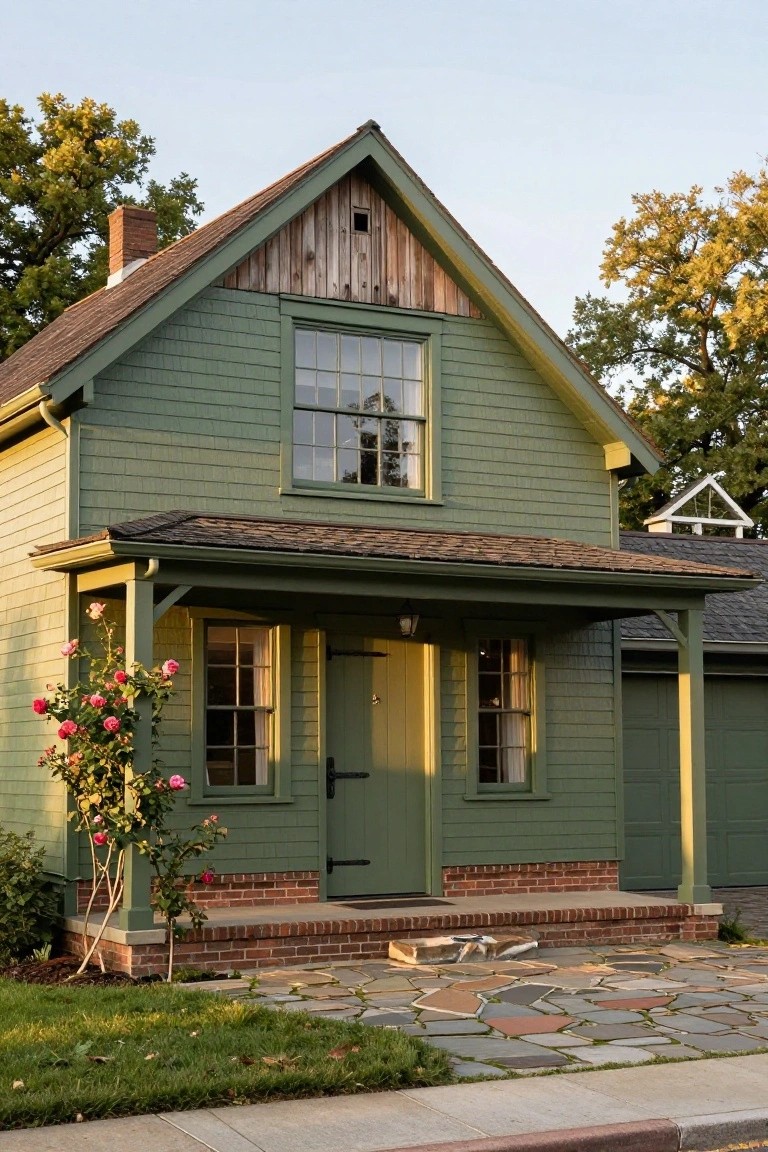
A soft sage green on clapboard siding brings back the feel of early Colonial homes in New England. It stays true to history with its muted tone that echoes aged wood or lichen-covered boards from the 1700s. Here the color covers the whole facade nicely, setting off the gabled roof with wood shakes and the simple front porch.
This look suits older neighborhoods or rural spots where you want curb appeal without bright modern paints. Use it on homes with brick bases or detached garages for balance. Go for high-quality exterior paint to hold up against weather, and keep plantings minimal, like a rose bush by the steps.
Butter Yellow Clapboard Siding
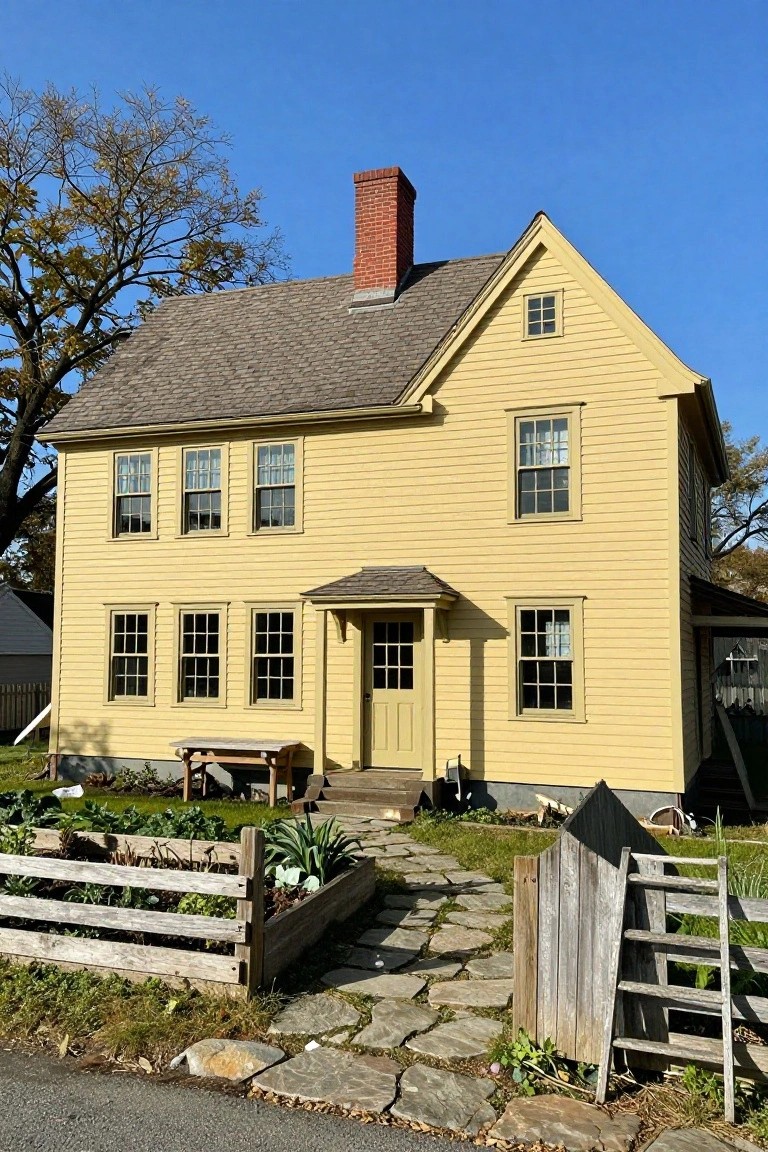
A warm butter yellow clapboard like this one fits right into colonial history. It softens the straight lines of the siding and windows while nodding to old farmhouses from New England. That brick chimney adds a pop of red without overdoing it, and the color holds up well in sunlight.
Try it on two-story homes with gabled roofs and plenty of multi-pane windows. It suits spots with trees or gardens out front, where the yellow picks up natural tones. Keep trim painted fresh white, and skip bold accents to stay true to the period.
Pale Yellow Clapboard with Green Door and Shutters
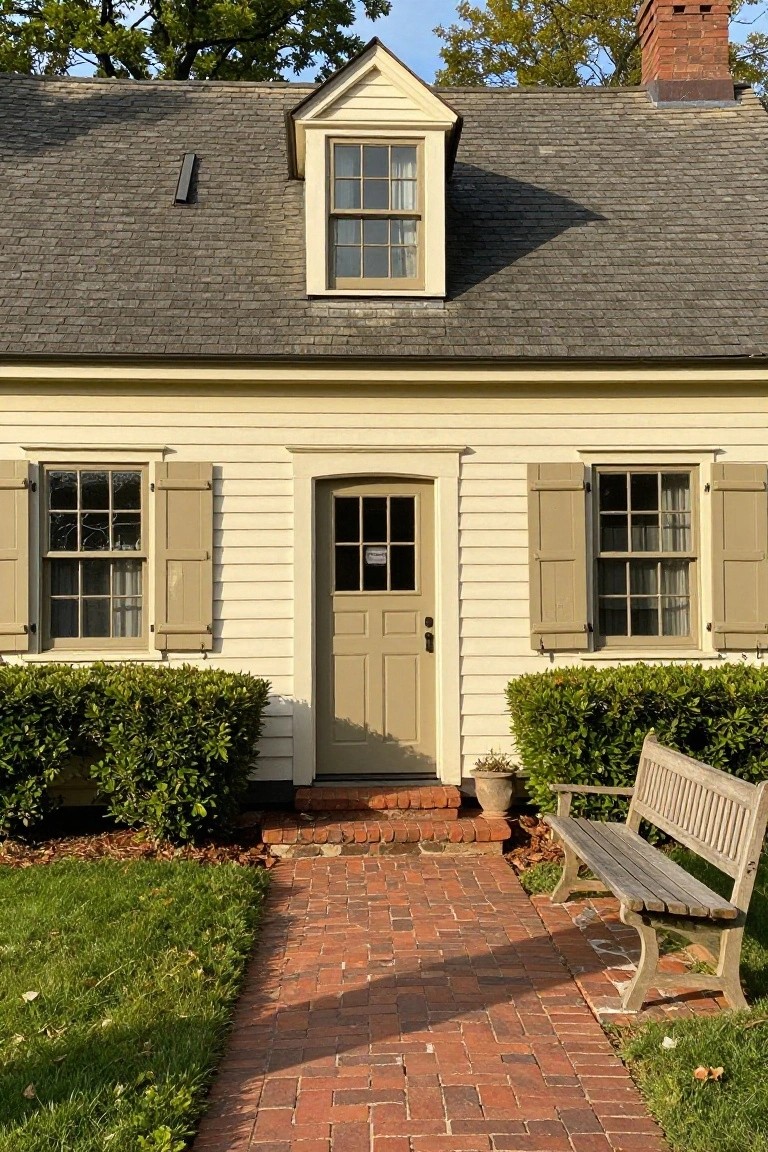
One look at this Colonial exterior shows how well a soft yellow clapboard siding pairs with a deep green door and matching shutters. It keeps things light on top while the green adds that grounded, historical feel without going overboard. The dormer window up front pulls it all together, giving the house a balanced, lived-in charm that fits right into older neighborhoods.
You can pull this off on most clapboard homes from the Northeast down to the South, especially where you want curb appeal that nods to the past. Pick a muted yellow paint that’s not too buttery, and go for solid wood or fiberglass doors in a forest green tone. Keep plantings simple like boxwoods along the base so the siding stays the star. Just watch the sun exposure, yellow can fade if it’s too bright out there.
Symmetrical Clapboard Facade
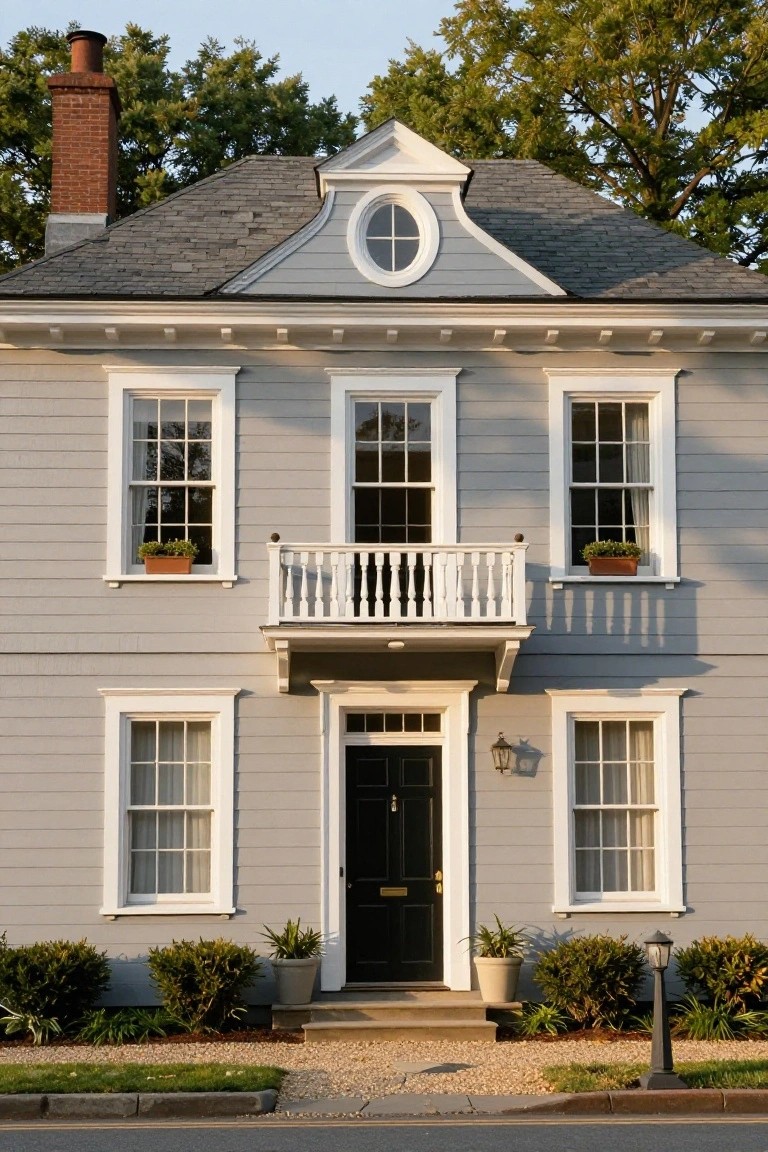
Colonial homes often rely on symmetry to feel balanced and rooted in history. Here, the light gray clapboard siding sets up three equal windows on the second floor, with matching pairs below framing the central black door. A small balcony sits right above the entry, adding just enough detail without overwhelming the clean lines. It’s a look that pulls from early American architecture but keeps things simple.
This setup works best on narrower lots where you want curb appeal without fuss. Pair it with white trim for that sharp contrast, and keep plantings low around the base. Skip bold colors on the door if your neighborhood leans traditional. It suits most clapboard revivals, making the house look settled in right away.
Classic Red Clapboard Colonial
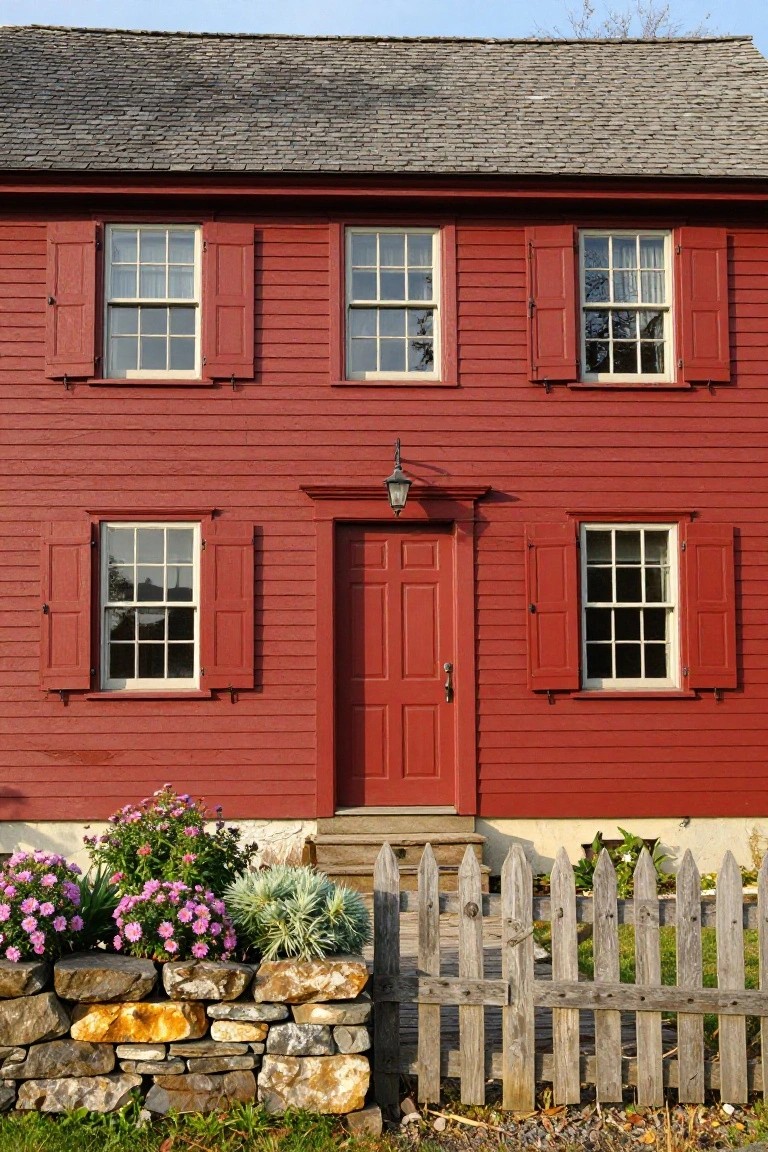
Red clapboard siding like this brings back the look of old New England farmhouses. It’s painted a deep, barn-like red that holds up year after year, paired here with crisp white window trim and those tall, narrow shutters. The color makes the house stand out without losing its roots in colonial history.
You can pull this off on any simple two-story colonial, especially with a slate roof and stone foundation. Go for oil-based paint to mimic the old hand-mixed pigments, and match the siding width to your roof pitch for balance. Skip modern twists… it shines best kept plain.
Black Door on White Clapboard Facade
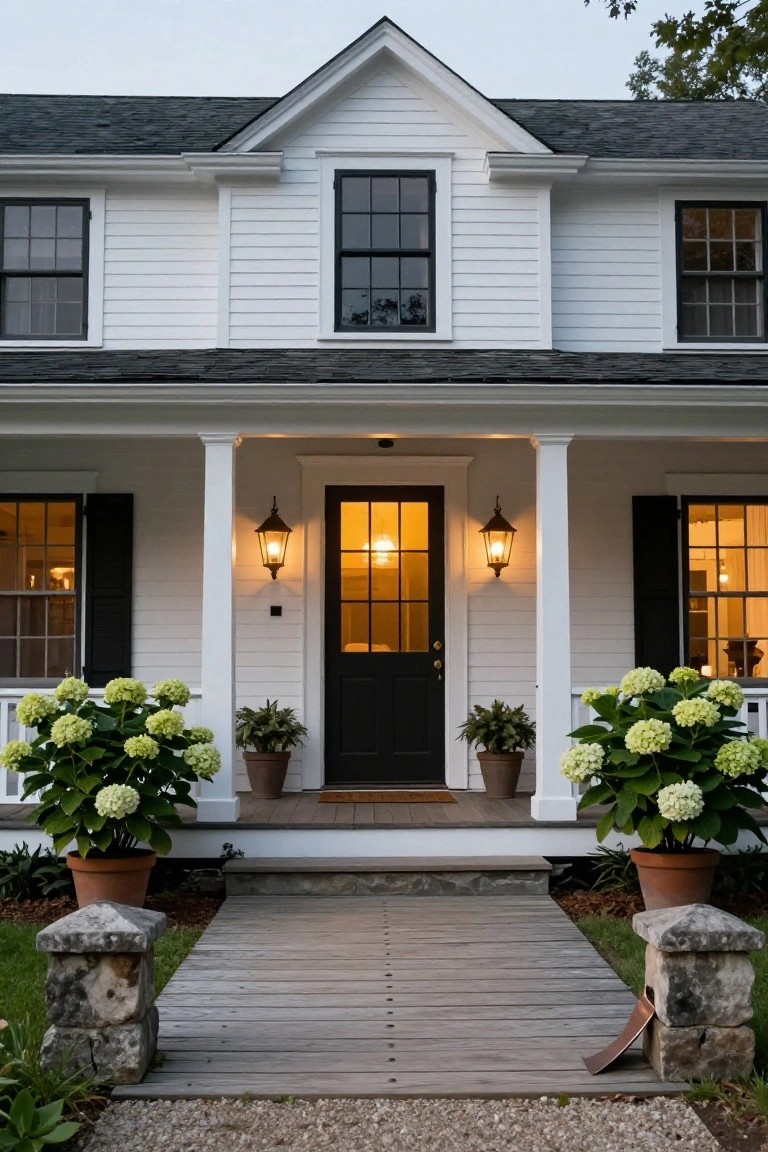
A black front door stands out clean against white clapboard siding. It gives colonial homes that sharp historic edge without much effort. The glass panels let interior light spill out. Flanking lanterns turn the porch into a proper welcome spot come evening.
This look fits older homes with front porches best. Paint the door high gloss black for wipe-ability. Add matching black window frames if updating. Big potted hydrangeas frame it nicely. Skip if your house faces heavy traffic. Dirt shows less on black anyway.
Classic Symmetrical Clapboard Facade
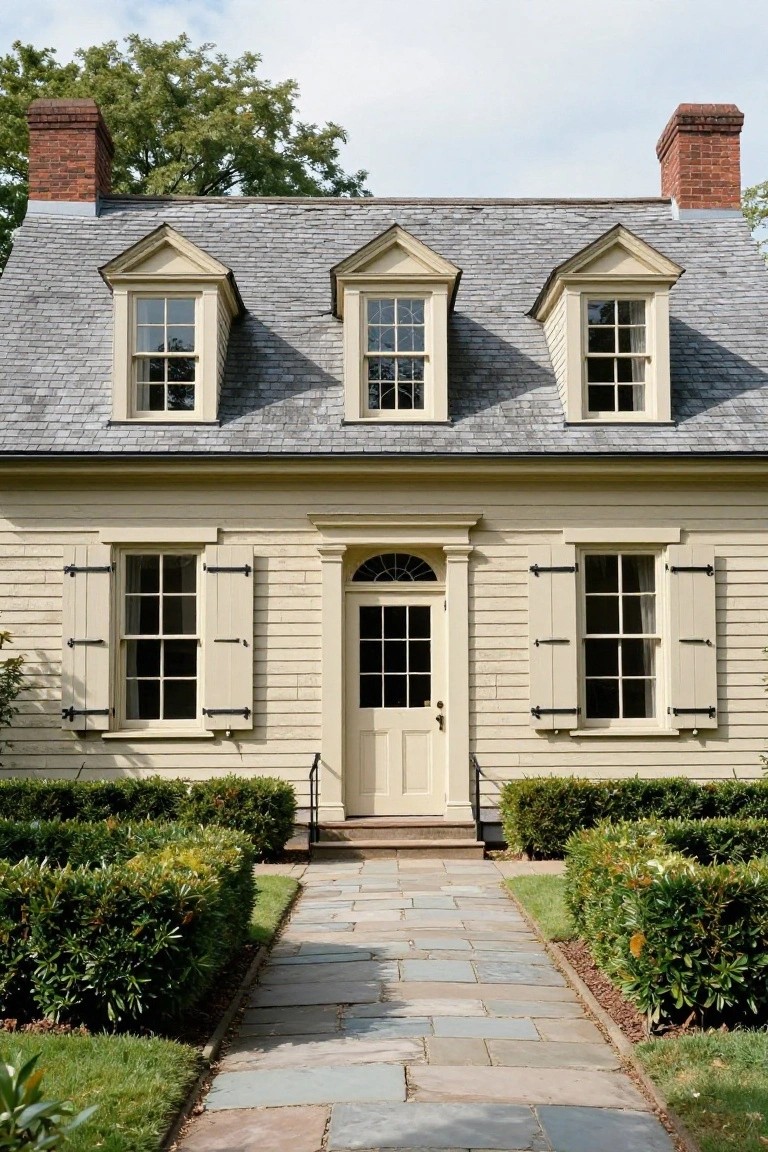
This colonial house pulls off that perfect balance with three matching windows across the front, dormers up top, and a centered door right in the middle. The pale clapboard siding gives it a soft, lived-in feel that fits right into early American history, while the black shutters add just enough contrast without overdoing it. It’s the kind of setup that makes the house look welcoming from the street, no fancy extras needed.
You see this style a lot on homes from the Northeast, where it suits the clapboard tradition best. To try it, keep your windows evenly spaced and match the dormers to the main roof pitch. Stick to muted siding colors like this pale yellow, pair with dark shutters, and add simple boxwoods along the path. It works on smaller homes too, just scale the entry porch down if needed. Avoid busy trim that throws off the symmetry.
Classic Shingled Coastal Facade
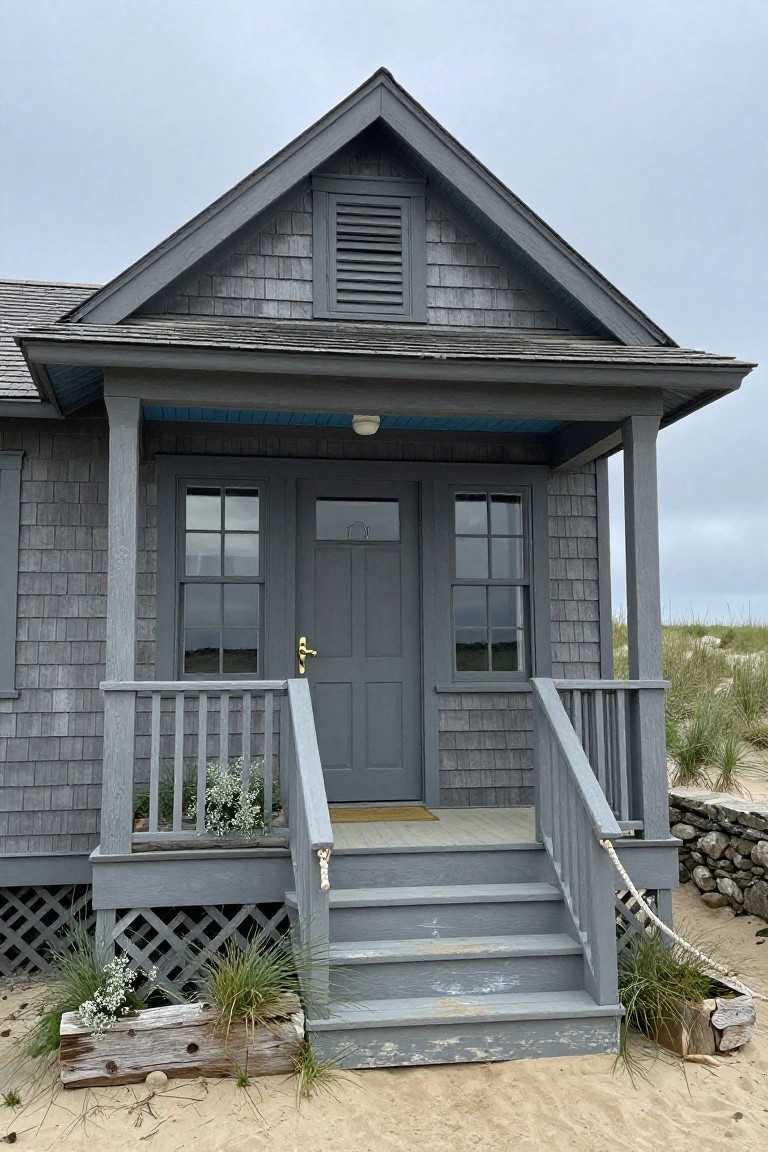
Gray cedar shingles give this colonial-style house its timeless beach cottage charm. They weather to a soft patina over time, blending right into the dunes without any fuss. The simple porch with its blue ceiling pulls you toward the dark door, keeping the entry practical and protected from the elements.
This setup suits smaller homes on the coast or in sandy spots where you want history without high upkeep. Stick to natural grays and whites, add beach grasses at the base, and skip bold colors to stay true to the roots. Just make sure the shingles are properly installed for salt air.
Soft Gray Clapboard on Colonial Facades
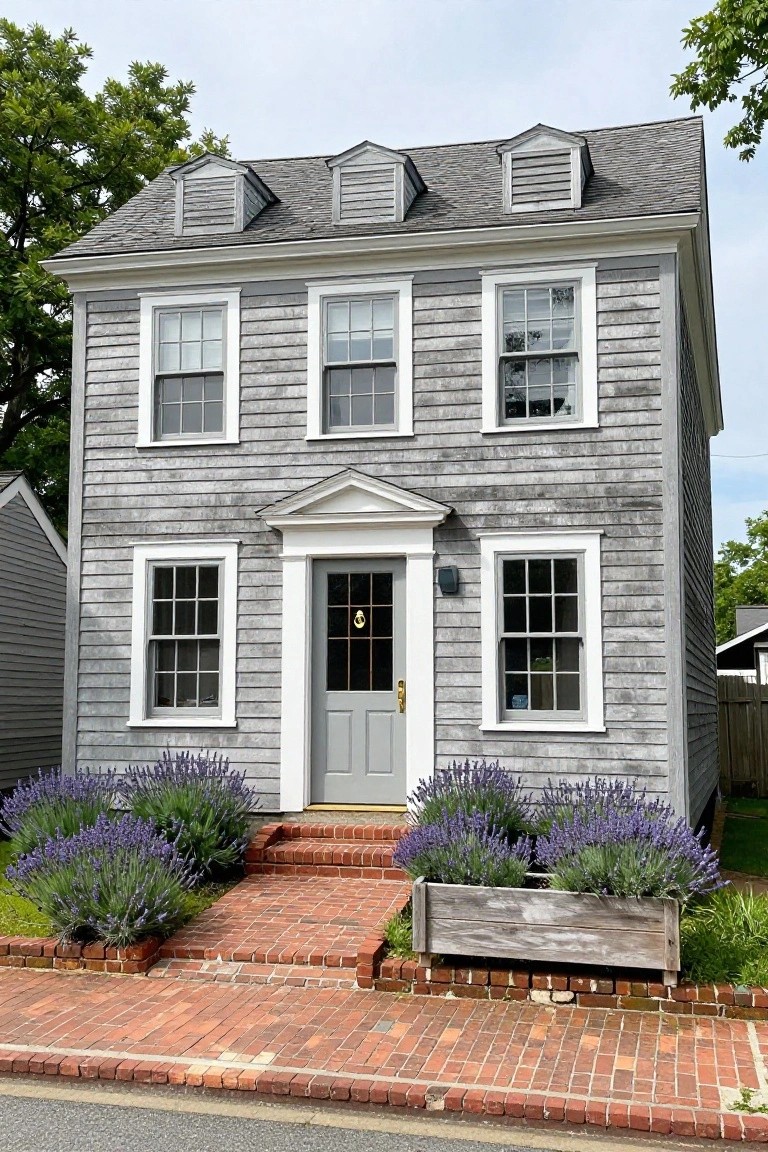
Gray clapboard siding like this gives a colonial house that settled-in look without trying too hard. The soft weathering on the shingles blends with white trim around the multi-pane windows and pedimented entry. It keeps the symmetry front and center, just like originals from two hundred years back.
This works best on homes in coastal spots or anywhere with trees and salt air. Go for low-maintenance cedar or fiber cement in a faded gray shade. Pair it with brick steps and a few tough plants like lavender… nothing fussy. Skip bold colors that fight the history.
Classic Pedimented Entry Door
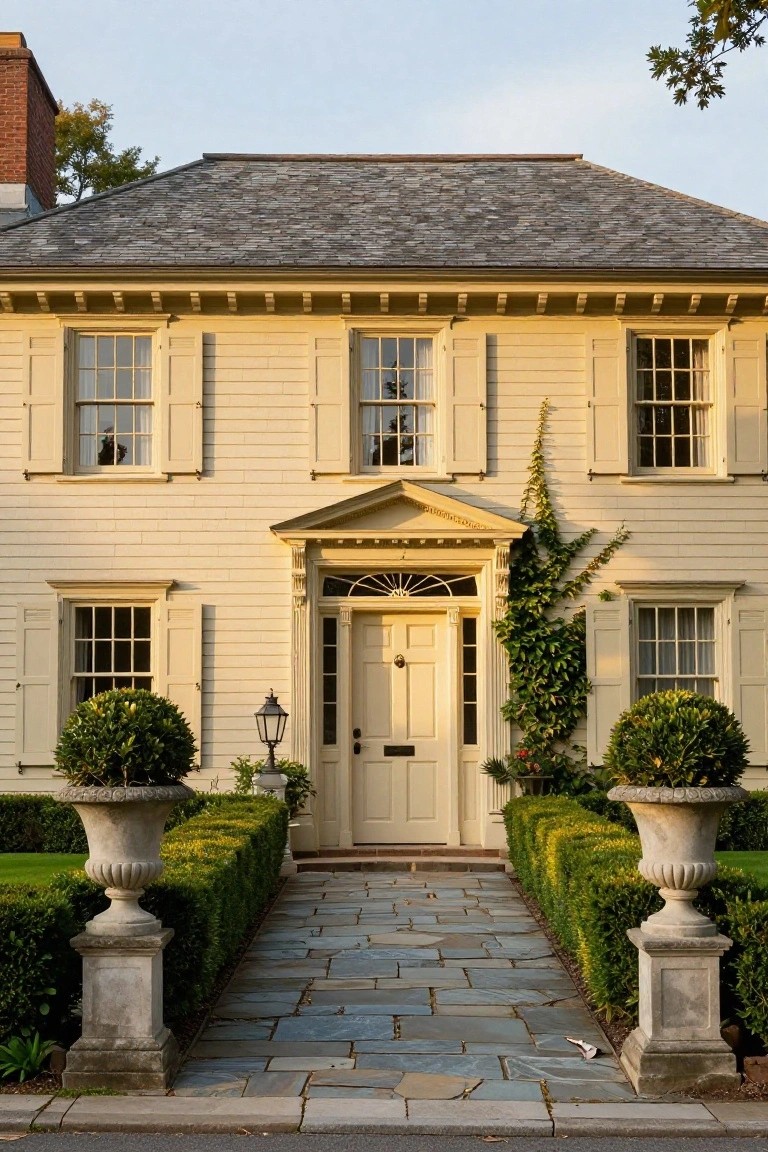
One thing that really marks a colonial clapboard house as authentic is a pedimented entry like this. The curved fanlight above the door, with sidelights on either side, pulls the whole facade together. It sits right in the center under that simple triangular pediment supported by columns, giving the house a balanced, welcoming look that feels straight out of early American design books. The pale yellow clapboard keeps it light and period-right without being too stark.
You can pull this off on most two-story colonial-style homes with clapboard siding. Just make sure the proportions match, the door is paneled wood, and you paint the trim to blend with the siding. It works best where you want curb appeal without much fuss. Skip fancy add-ons though. Keep the path simple, like slate pavers, so the entry stays the focus.
Wrought-Iron Balconies on Clapboard Houses
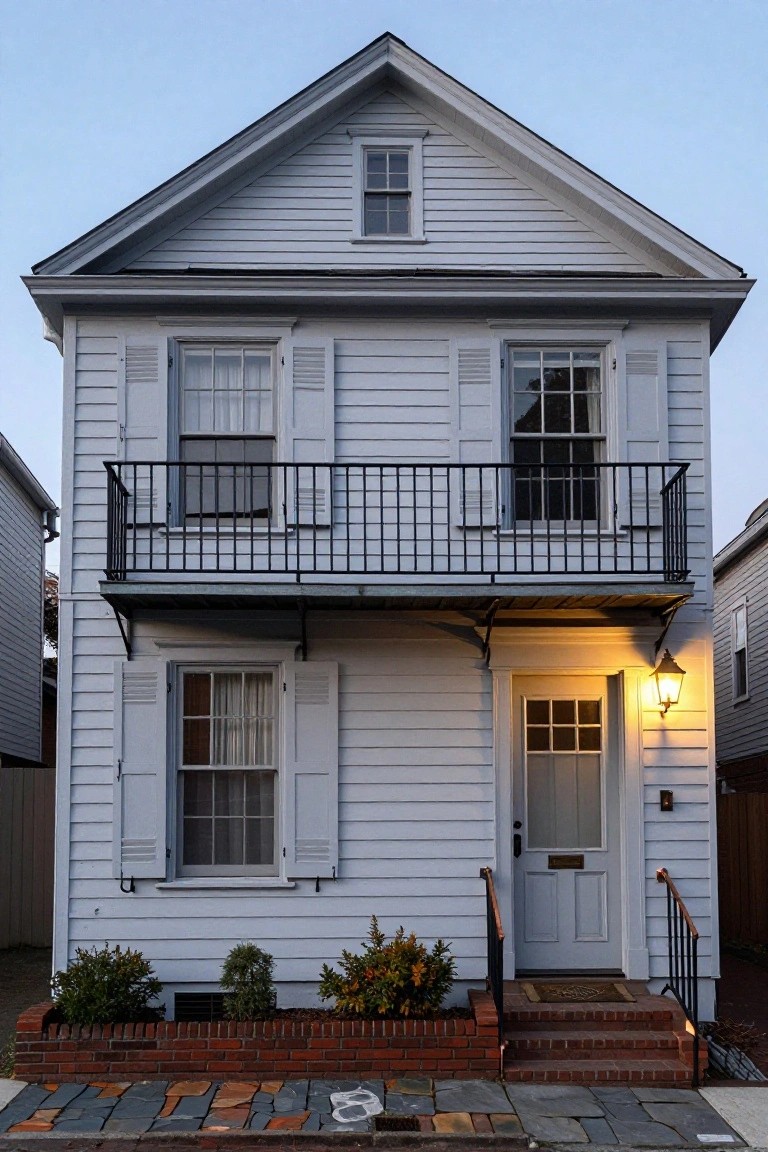
One look at this clapboard house shows how a simple wrought-iron balcony pulls the whole front together. The black railing stands out clean against the white siding, and those bracket supports under the balcony keep things looking sturdy and right from an older time. It adds just enough detail without overdoing it, staying true to colonial roots.
You can add one like this to a two-story clapboard place facing the street. It works best where you want some upper-floor access or just extra charm from the sidewalk. Keep the iron painted black or dark, and match the siding light. Watch for good support brackets so it doesn’t sag over time.
Classic Clapboard Porch Entry
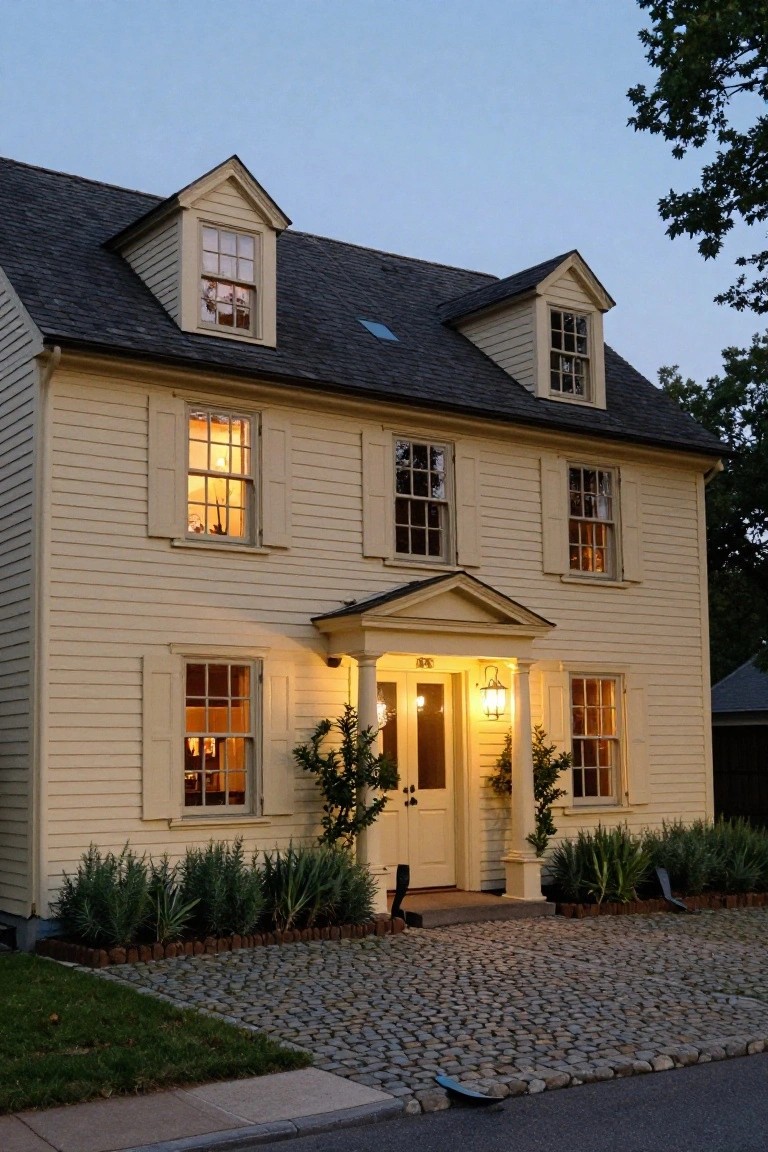
This colonial house pulls off a simple front porch that feels right at home on clapboard siding. The pale yellow paint on the siding picks up the warm glow from lanterns and windows inside, making the whole facade look lived-in and welcoming even at dusk. Boxwoods frame the double doors just enough to nod to old garden styles without overdoing it.
You can add a porch like this to most two-story colonials, especially if the windows line up symmetrically. Keep the columns sturdy but not fancy, and light it with lanterns that match the roof’s dark slate. It works best on homes with some yard space for that cobblestone path feel. Just scale the plants to the door height so nothing blocks the entry.
White Clapboard with Black Shutters
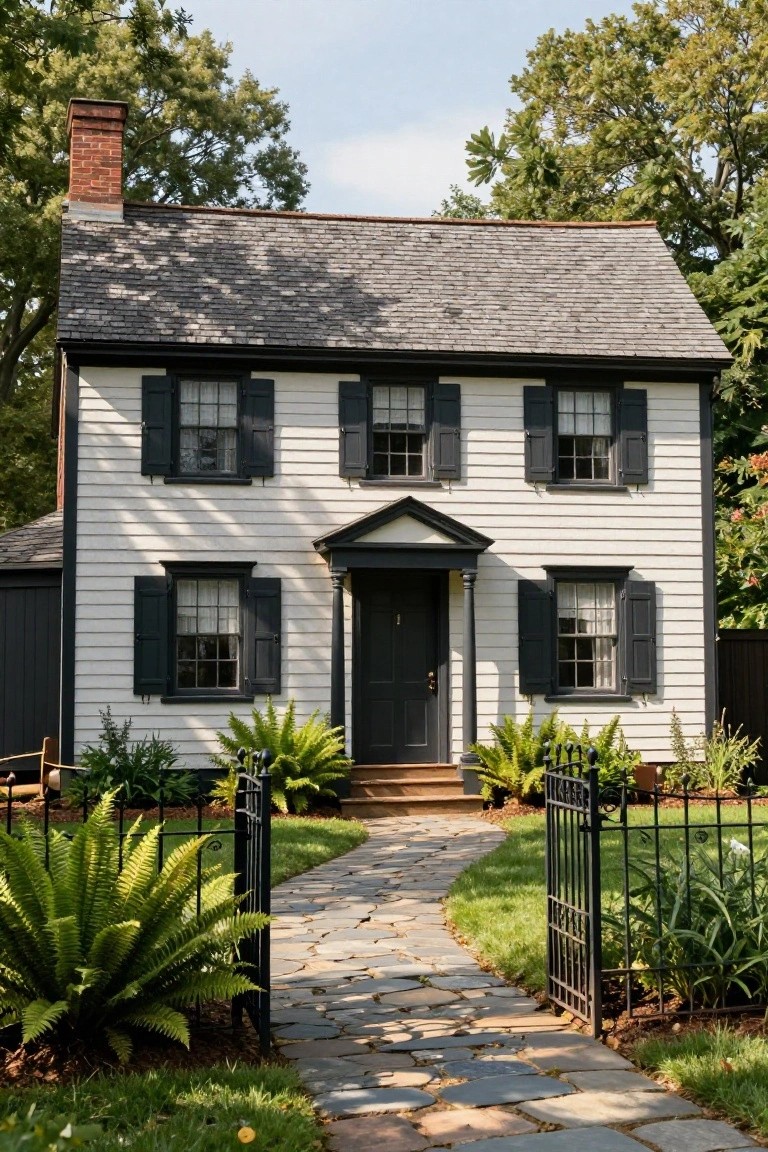
White clapboard siding painted crisp white, set off by black shutters and trim, hits that true colonial note. The high contrast sharpens every window and door without extra fuss. It’s a look pulled straight from early American homes, clean and sturdy under a slate roof.
This setup suits period revivals or older houses getting a refresh. Go for matte black paint to keep it authentic, and add a few ferns out front for softness. Just keep the trim sealed against weather, since black shows dirt faster.
Frequently Asked Questions
Q: How do I match new clapboard to the old stuff on my colonial house?
A: Take a close look at the bevel angle and exposure on your existing boards, usually around 4 to 6 inches. Snap photos and compare them to profiles from mills that specialize in historical reproductions. That way, your replacement blends right in.
Q: Can I paint clapboard in something bolder than white or cream?
A: Stick close to history with soft earth tones like soft gray or muted sage. They nod to the natural pigments folks used back then. Test a small patch first, it fades nicely over time.
Q: What’s the best way to clean dirty clapboard without damaging it?
A: Mix mild soap with water and use a soft brush on a cloudy day. Rinse gently from top down. Skip the pressure washer, it strips the paint too fast.
Q: How do I fix a few cracked clapboards without redoing the whole side?
A: Rip out the bad one carefully with a pry bar. Slide in a matching new board and nail it secure. Caulk the joints lightly for weatherproofing.
