

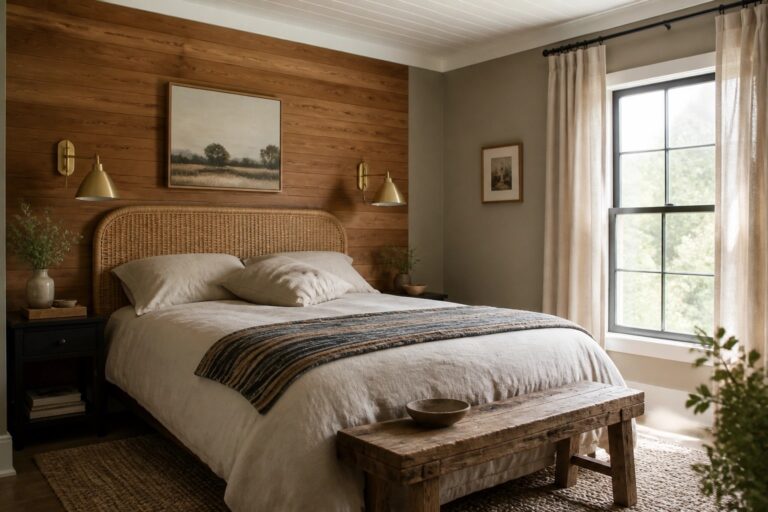
I have spent afternoons watching how cedar siding shifts from honey to deeper brown as the light moves across the front of the house.
The paint next to it needs to hold its own without fighting the grain or turning muddy when the sun drops lower.
Colors that look balanced on a small chip often pull too cool or too pink once they cover a full wall beside real wood and stone.
Testing outside changes the outcome.
I usually tape larger samples right against the cedar itself and check them again after a full day of weather before deciding what stays.
Warm Greige Living Room Walls
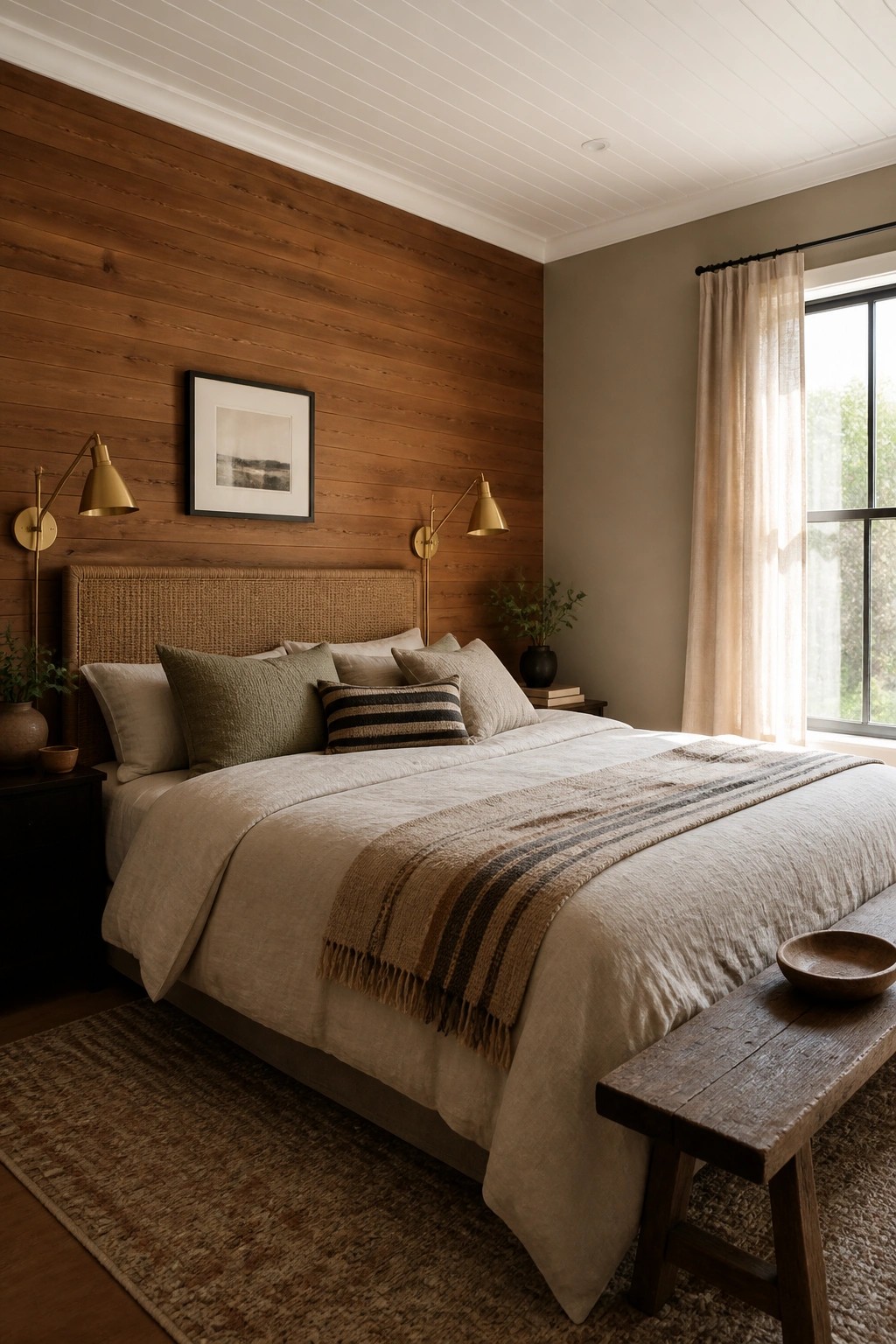
This wall color is a warm greige with a slight green undertone that pairs easily with cedar. It stays soft without turning too cool or flat next to the wood.
It works well in bedrooms or living spaces where you want the wood to stand out. Pair it with natural textiles and avoid anything too stark on the trim, since the undertone can shift depending on the light.
Warm White Farmhouse Siding
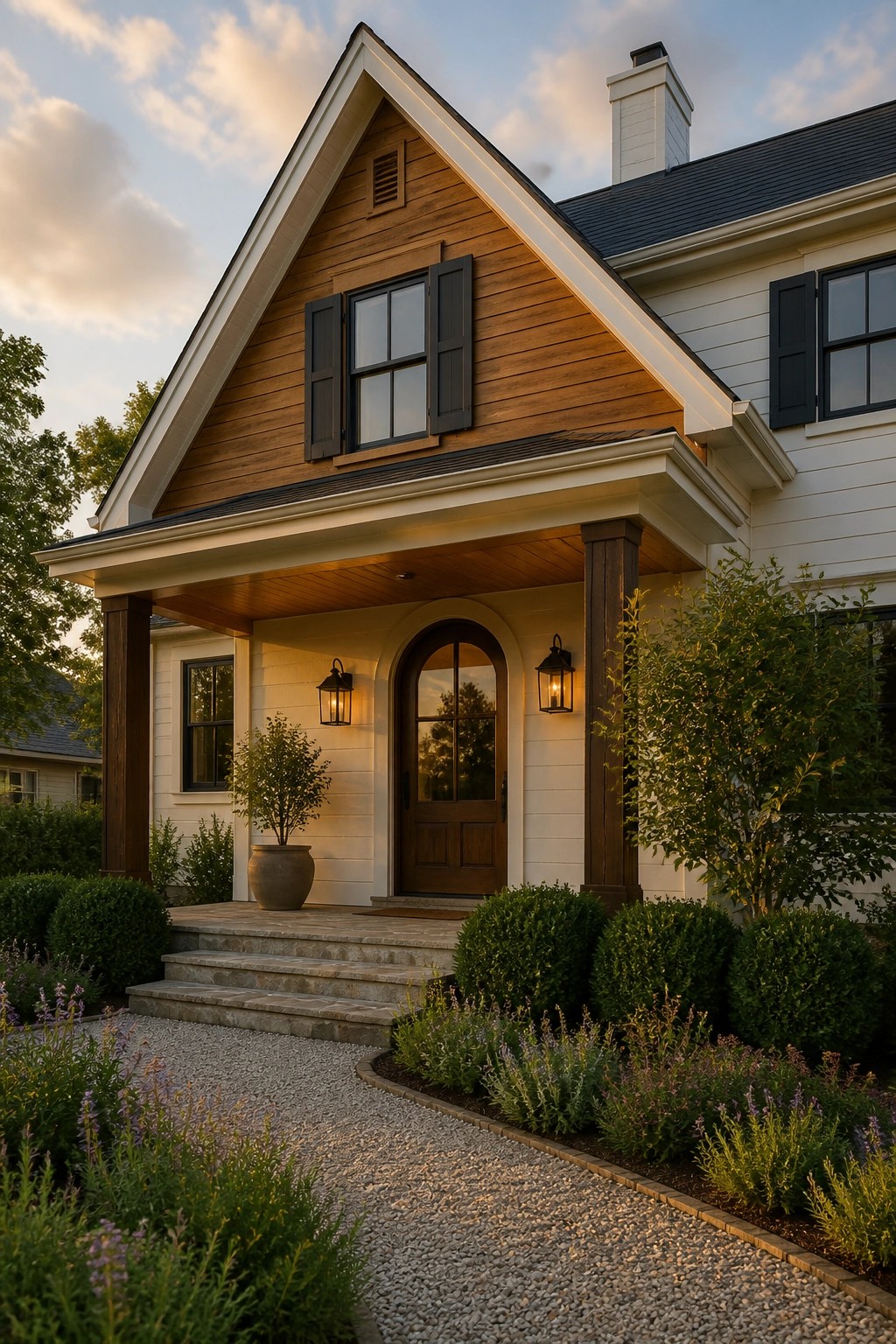
This warm white siding keeps the house looking fresh while letting the cedar accents do the work. It has a soft tone that avoids any stark or cold feel next to the wood. Colors like Benjamin Moore Cloud White or Sherwin Williams Alabaster come close, as does Behr Swiss Coffee.
The white sits with a light creamy undertone that reads nicely against dark windows and natural stone. It suits modern farmhouse exteriors where you want the wood to stay the main focus. Just watch how it shifts in full sun before committing.
Soft Sage Green Cabinets
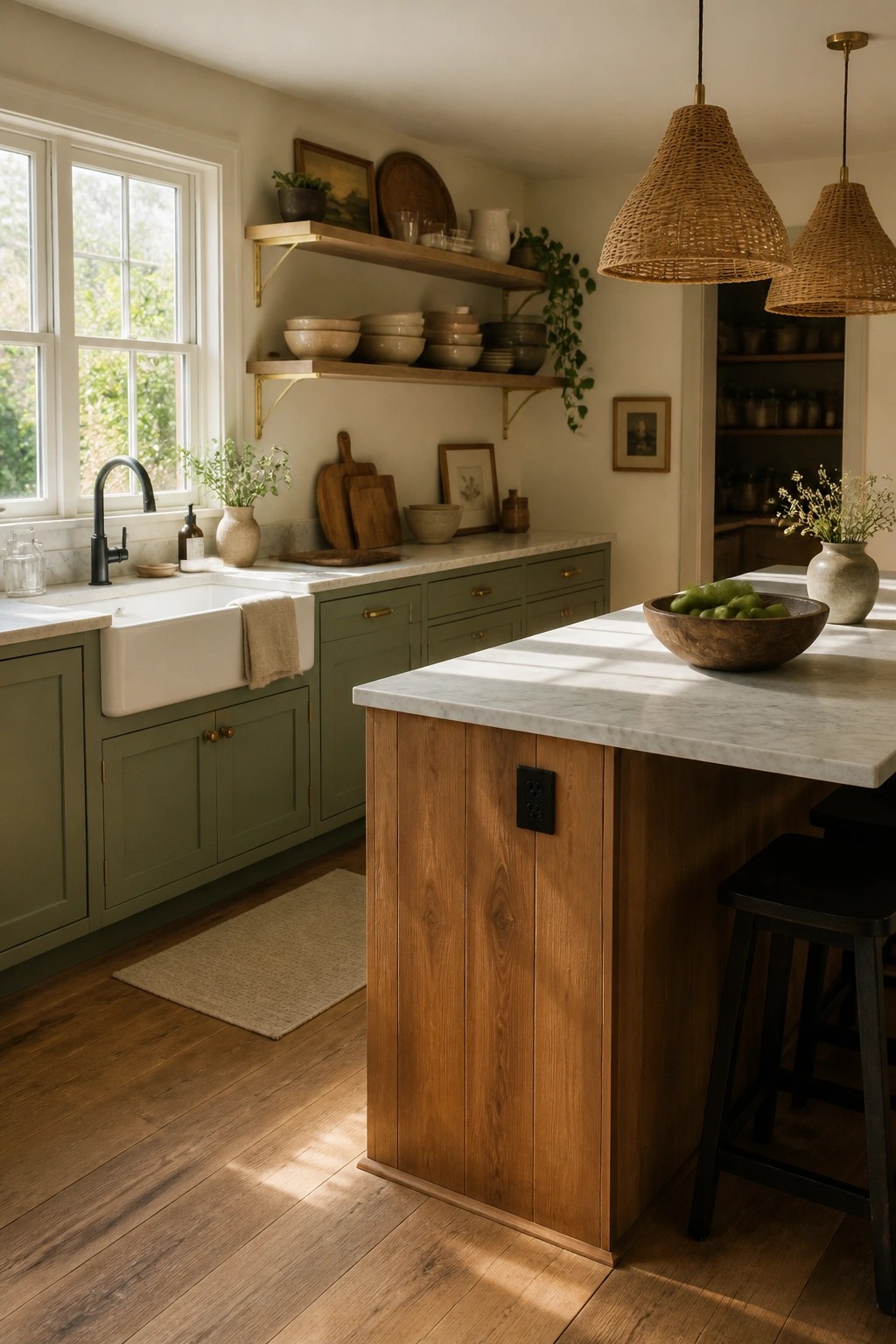
This muted sage green on the cabinets gives a kitchen a calm, grounded feel without going too dark. It sits in that middle range where it feels natural next to wood tones and stone, which is why it shows up often in modern farmhouse spaces.
The color has a slight warmth that keeps it from looking cool or flat, especially when the light changes during the day. It pairs easily with cedar accents, white counters, and black hardware, though it can start to feel heavy if the room gets very little natural light.
Soft Greige Exterior Siding
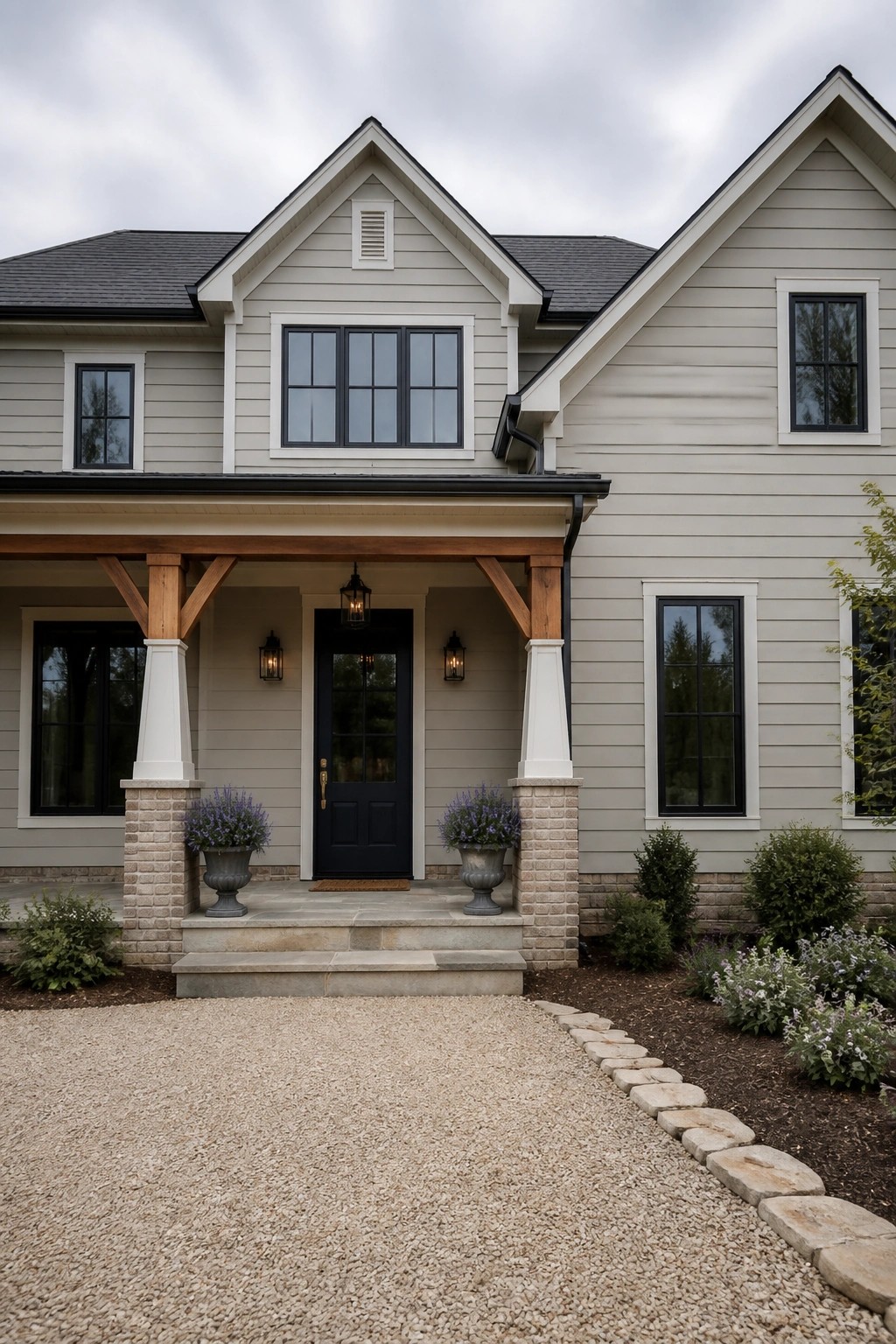
This house uses a soft warm gray on the siding that feels calm and easy to live with. It sits right in the greige family, with just enough warmth to keep the whole exterior from looking too cool or flat next to the wood.
The color holds up well against cedar beams and stone because it stays light without turning pink or green in different light. Sherwin Williams Repose Gray or Benjamin Moore Edgecomb Gray would be close matches if you want to try it.
Warm Terracotta Kitchen Cabinetry
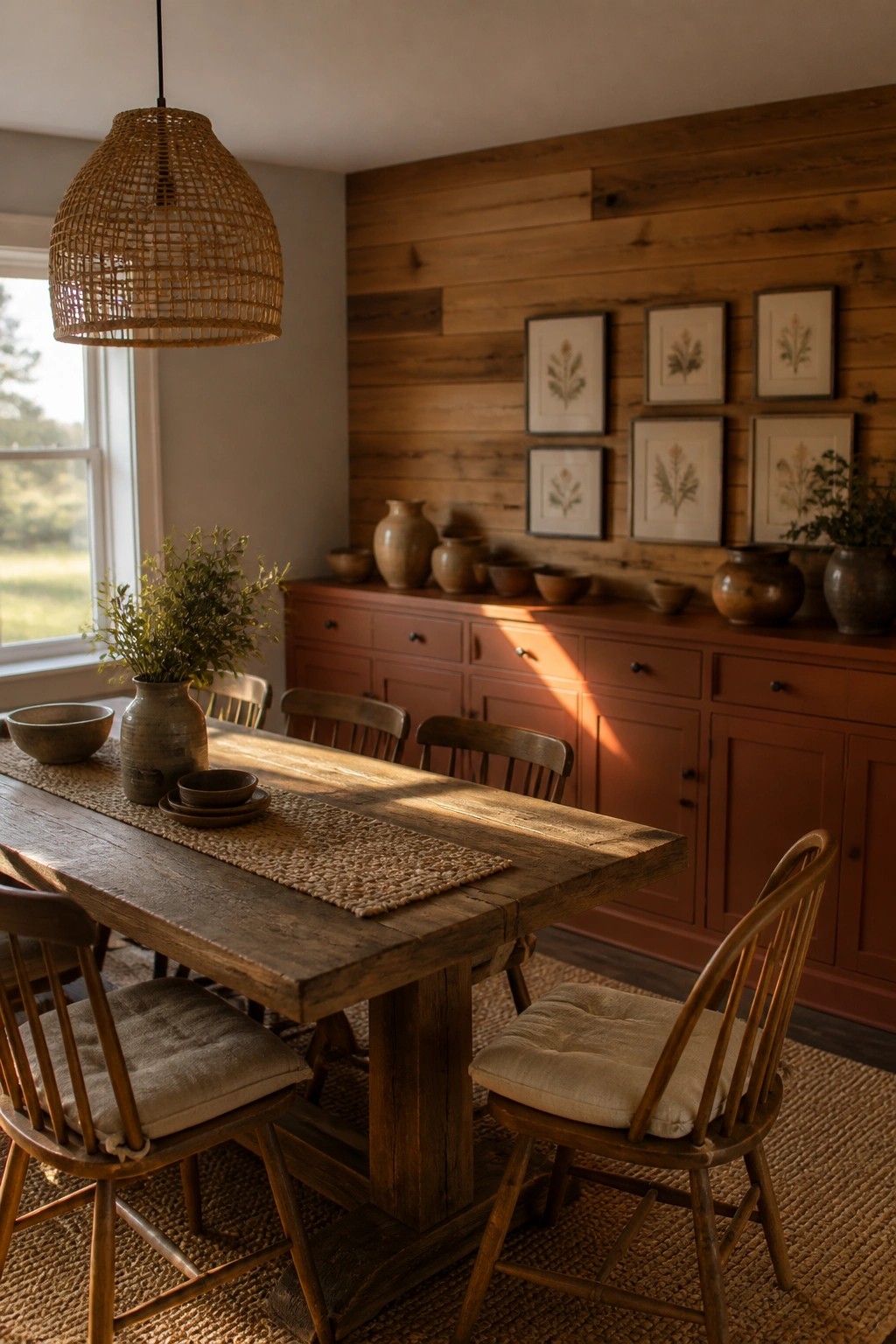
This warm terracotta red gives the cabinet a grounded, earthy feel that fits right into a modern farmhouse room. It sits between red and brown with a soft orange undertone that keeps it from looking too bright or flat.
The shade works best next to natural wood tones and simple woven pieces. It holds up well in mixed light and pairs easily with linen, clay pottery, and other warm neutrals without competing for attention.
Warm Greige Fireplace Walls
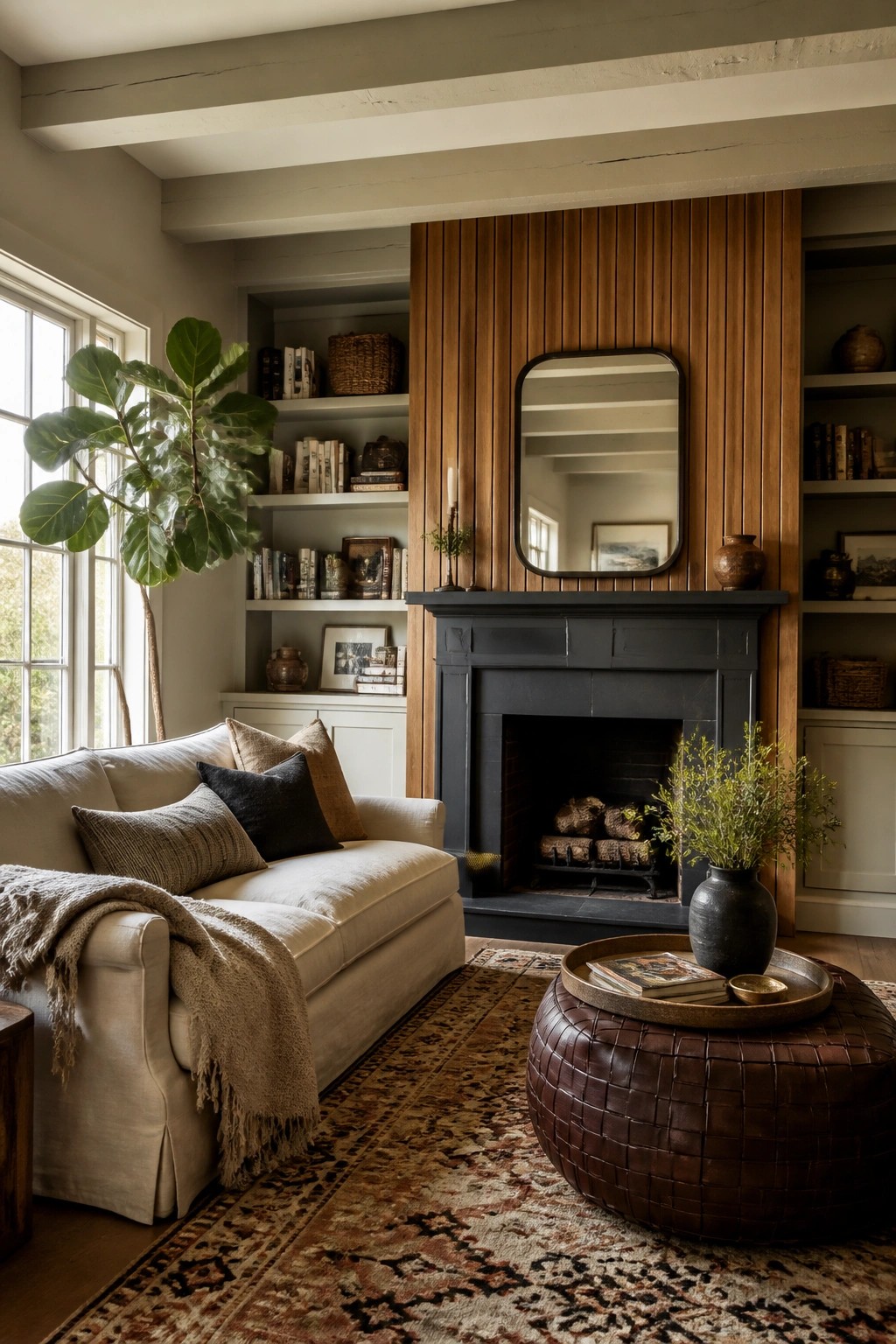
This room uses a warm greige on the walls that sits nicely between gray and beige. It feels soft without going too cool or too yellow, which makes it easy to live with next to wood tones. Colors like this often read closest to Sherwin Williams Accessible Beige, Benjamin Moore Revere Pewter, or Behr Dried Thyme.
The slight warmth helps the white built ins stay bright while the cedar paneling around the fireplace looks richer by comparison. It works well in rooms with mixed wood finishes and layered textiles, though it can start to feel flat if the lighting stays very dim all day.
White Brick Siding
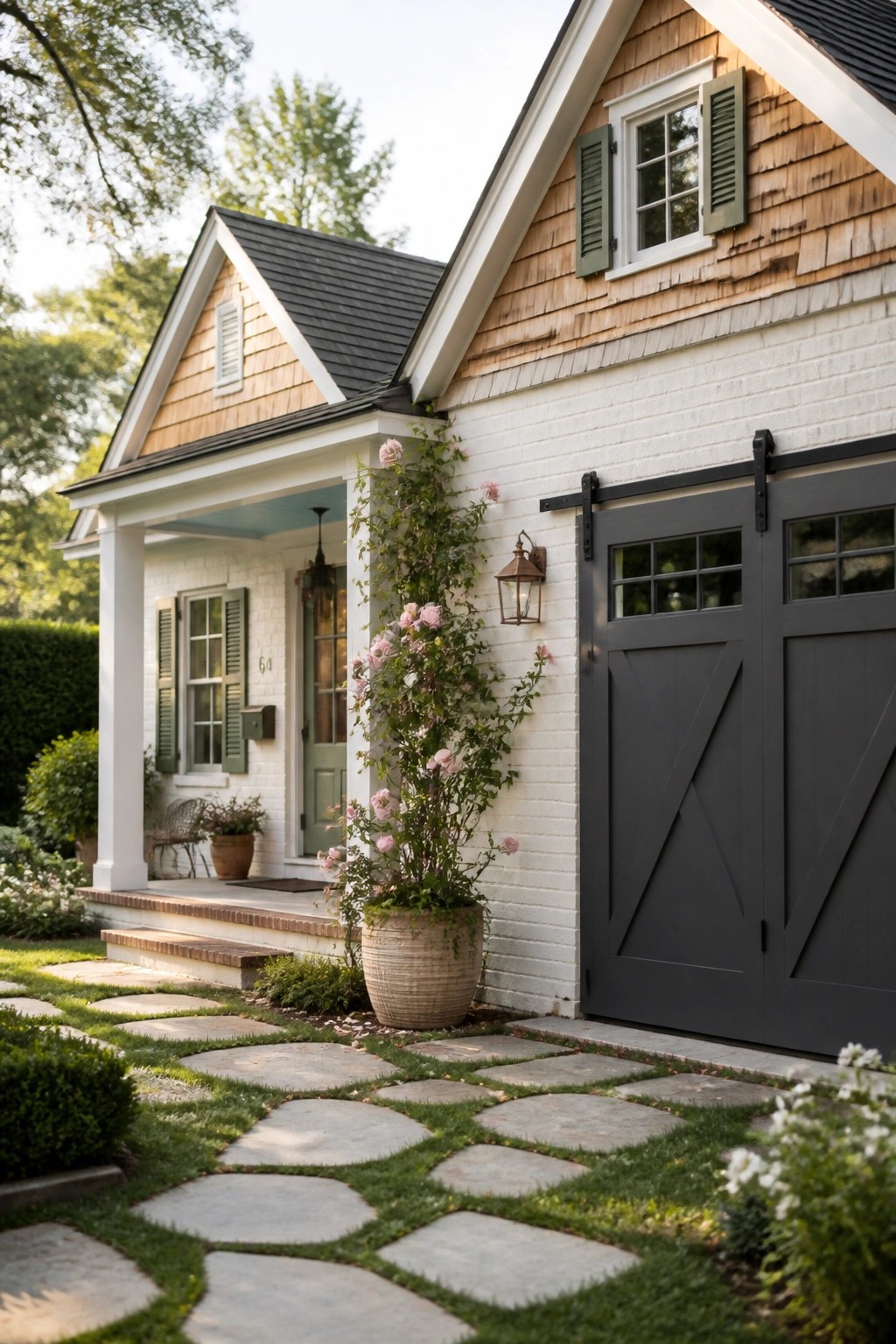
White brick gives this house a clean, simple look that pairs well with cedar shakes. It reads as a bright white with just enough warmth to keep the whole exterior from feeling stark next to the wood and dark roofing.
This color works best on homes where you want the brick to stay light but still blend with natural textures. It sits nicely beside charcoal garage doors and green shutters without competing. Try something close to Benjamin Moore Chantilly Lace or Sherwin Williams Pure White if you want a similar crisp finish on brick.
Soft Gray Bathroom Walls
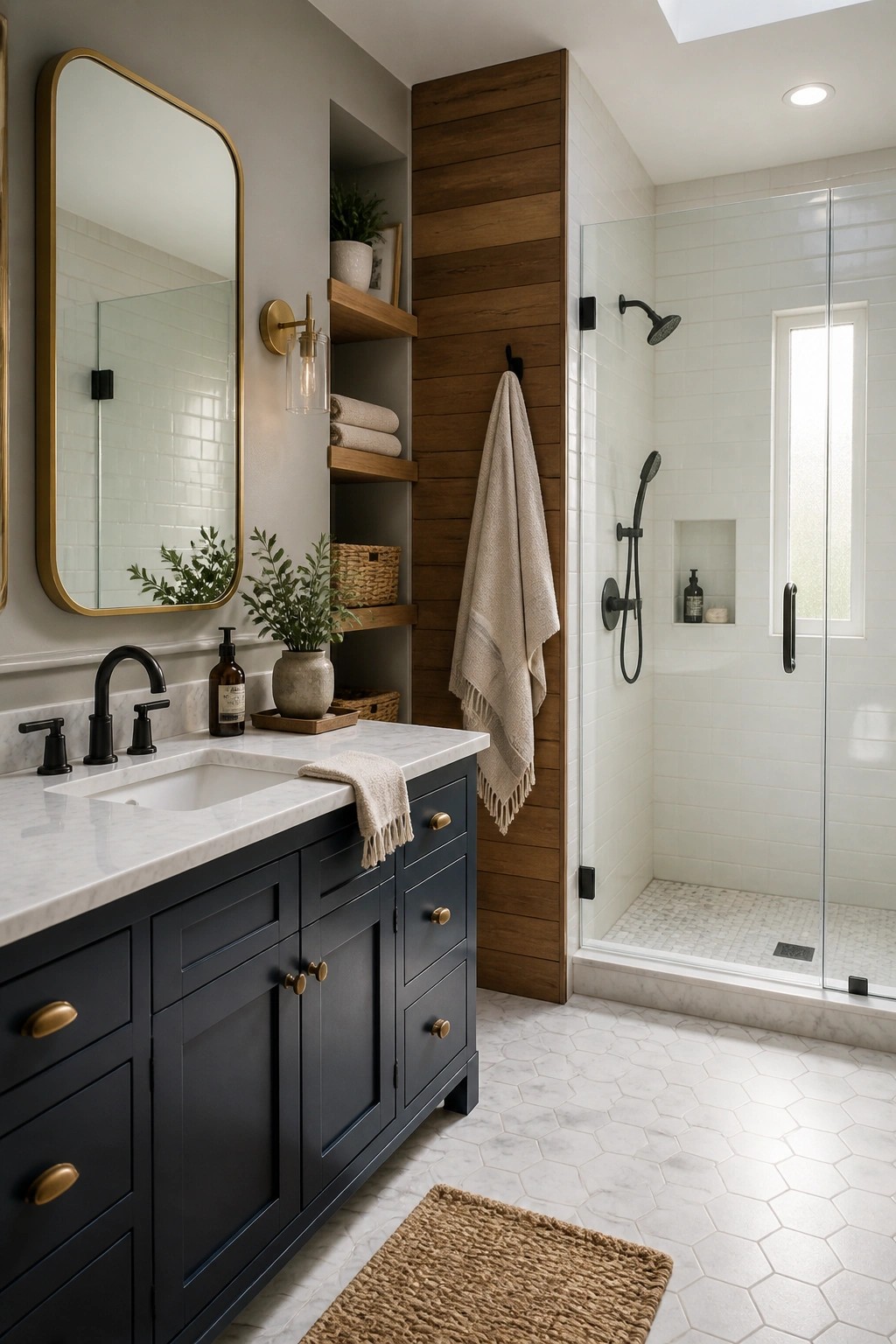
A soft warm gray on the walls sets a quiet background that lets cedar accents and dark cabinetry feel balanced. This color family sits between gray and greige, with enough warmth to keep the room from looking stark next to white tile and black fixtures. It reads closest to Sherwin Williams Repose Gray, Benjamin Moore Collingwood, or Behr Silver Strand.
The undertone stays gentle enough to work in smaller spaces like bathrooms, though it can shift cooler under bright overhead lights. Pair it with natural wood tones and simple black hardware if you want the cedar to stand out without extra contrast.
Warm Greige Hallway Walls
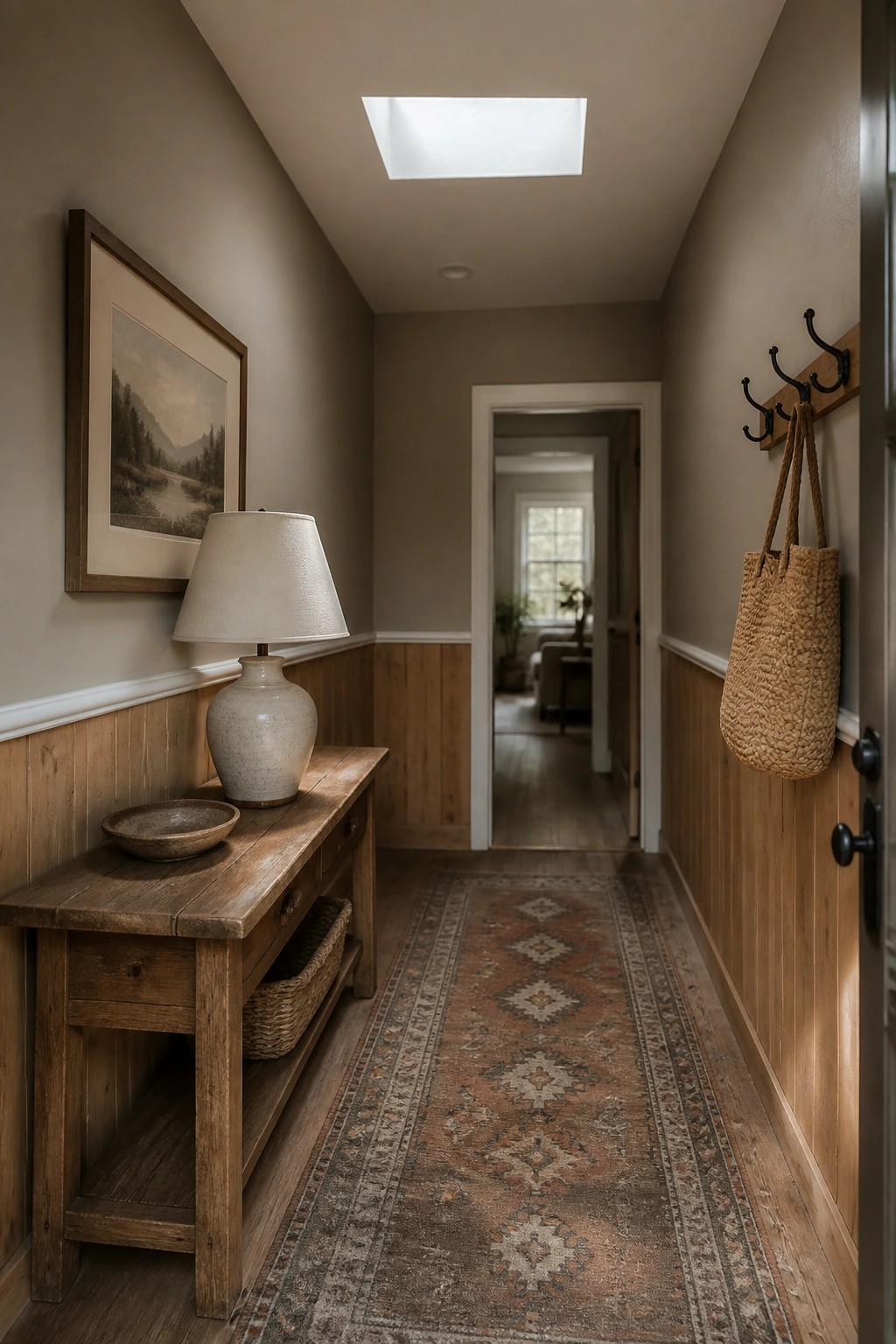
This hallway shows a warm greige that sits nicely between beige and gray. The color feels soft and a little earthy, which helps the space stay calm even with all the wood around it. It works because it does not fight the cedar tones in the wainscoting and console.
The undertone leans slightly warm, so it keeps the wood looking rich instead of cool or washed out. It pairs well with natural textures like the woven basket and the runner, and it suits narrow hallways or entry areas where you want something neutral but not stark.
Creamy White Cedar Siding
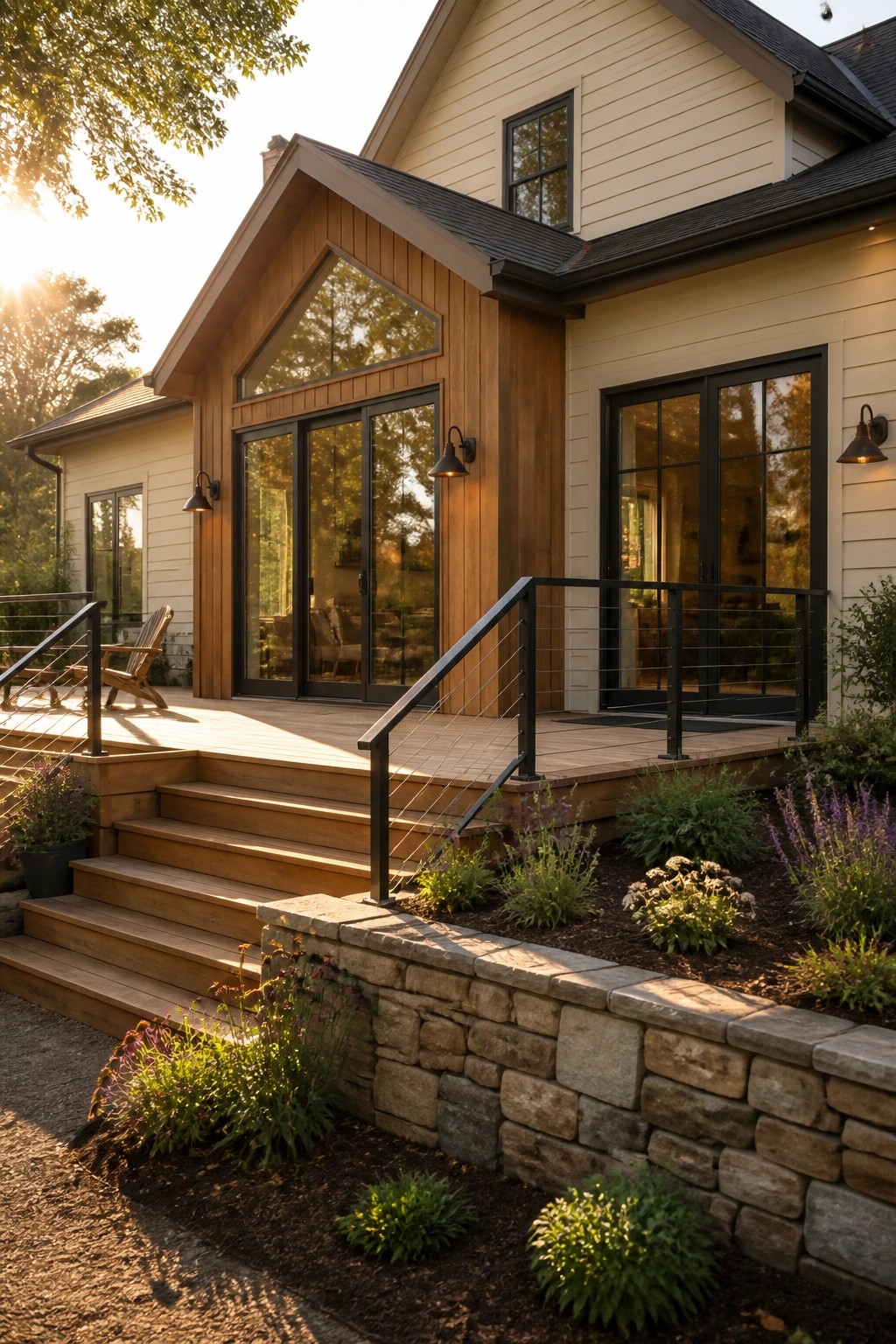
This house uses a warm creamy white on the main siding. It sits in that soft neutral range that feels light but never cold.
The color has a slight yellow undertone that helps the cedar wood read richer next to it. It works best on homes with natural wood accents and dark window frames, since those elements keep the white from feeling flat.
Warm Terracotta Open Shelving Cabinets
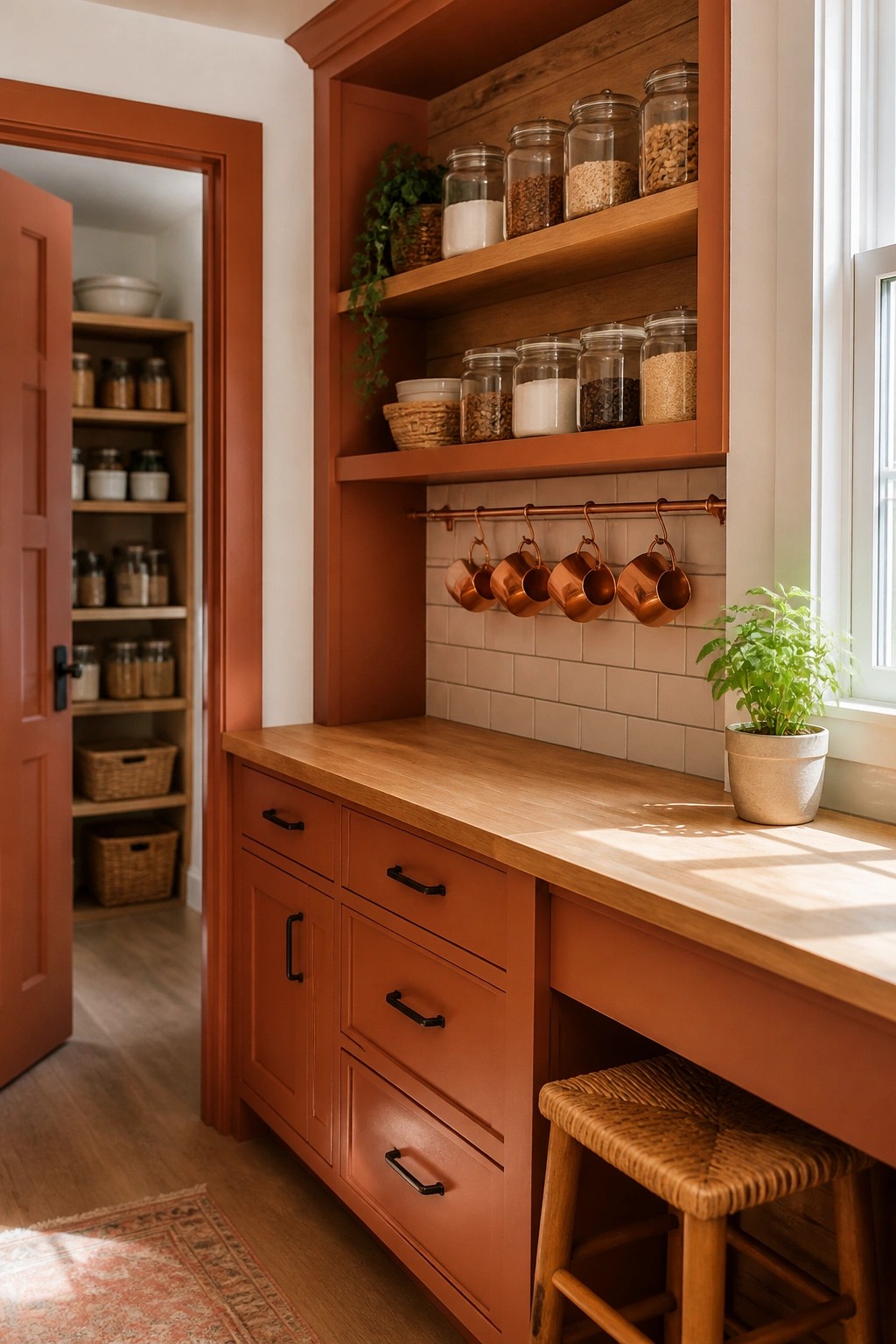
This terracotta color on the cabinetry and open shelving is a warm clay red with soft orange undertones. It gives the space a grounded, earthy feel that works especially well next to natural wood.
The shade reads best in rooms with plenty of light, where it stays inviting rather than heavy. It pairs cleanly with wood counters and simple white tile, though it can start to feel dark if you use it on every surface in a small room.
Warm Beige Nursery Walls
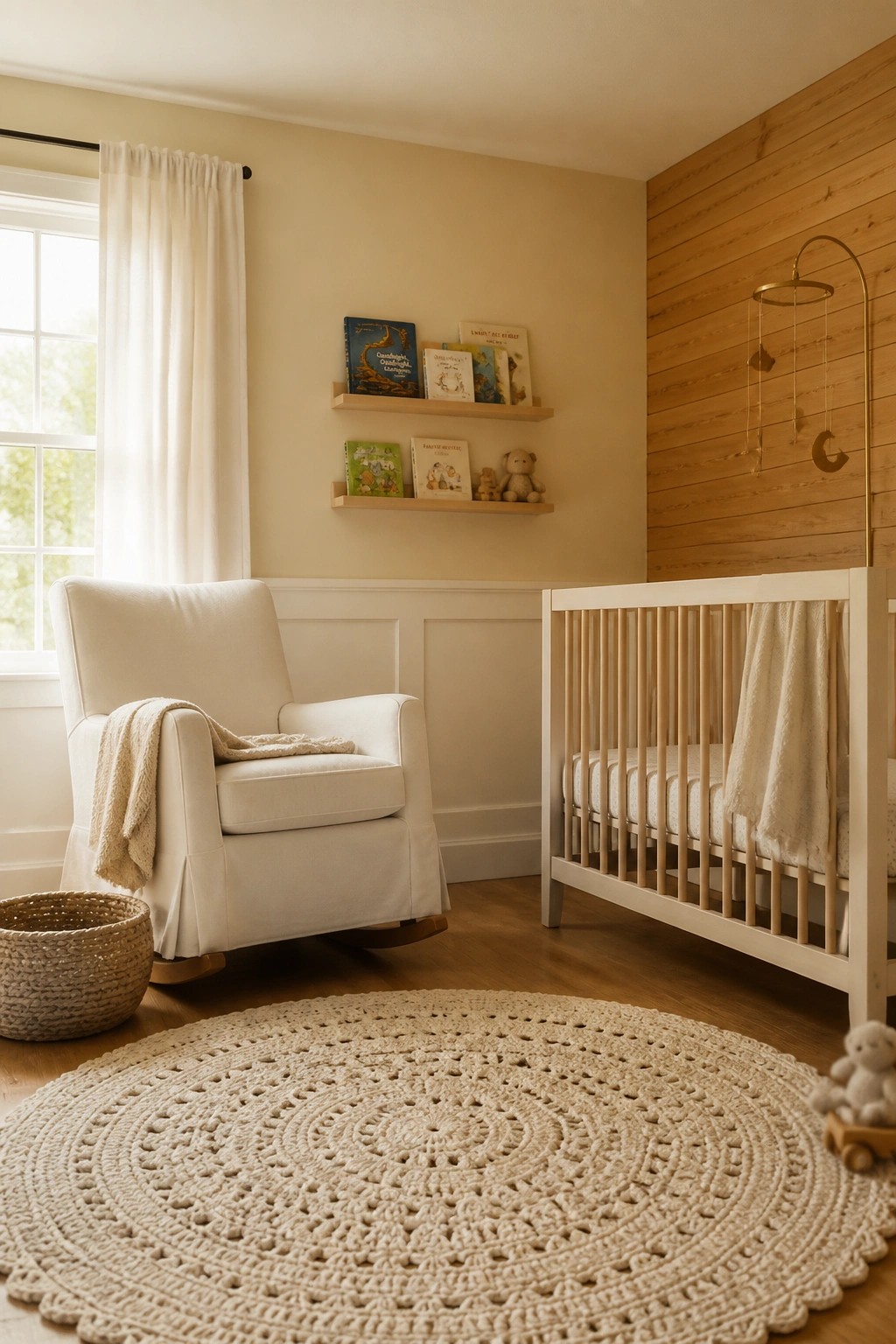
This room uses a soft warm beige on the walls. It is the kind of neutral that feels gentle without disappearing, and it lets the wood tones in the crib and flooring come forward instead of competing with them.
The color sits on the lighter side with a touch of yellow in the undertone, so it stays cozy even when the light changes. It works best with white trim and simple wood pieces, and it suits bedrooms or small spaces where you want things to feel calm but not stark. Likely matches include Sherwin Williams Creamy, Benjamin Moore Lenox Tan, Behr Almond Wisp, or Farrow & Ball Pointing.
Soft Sage Walls
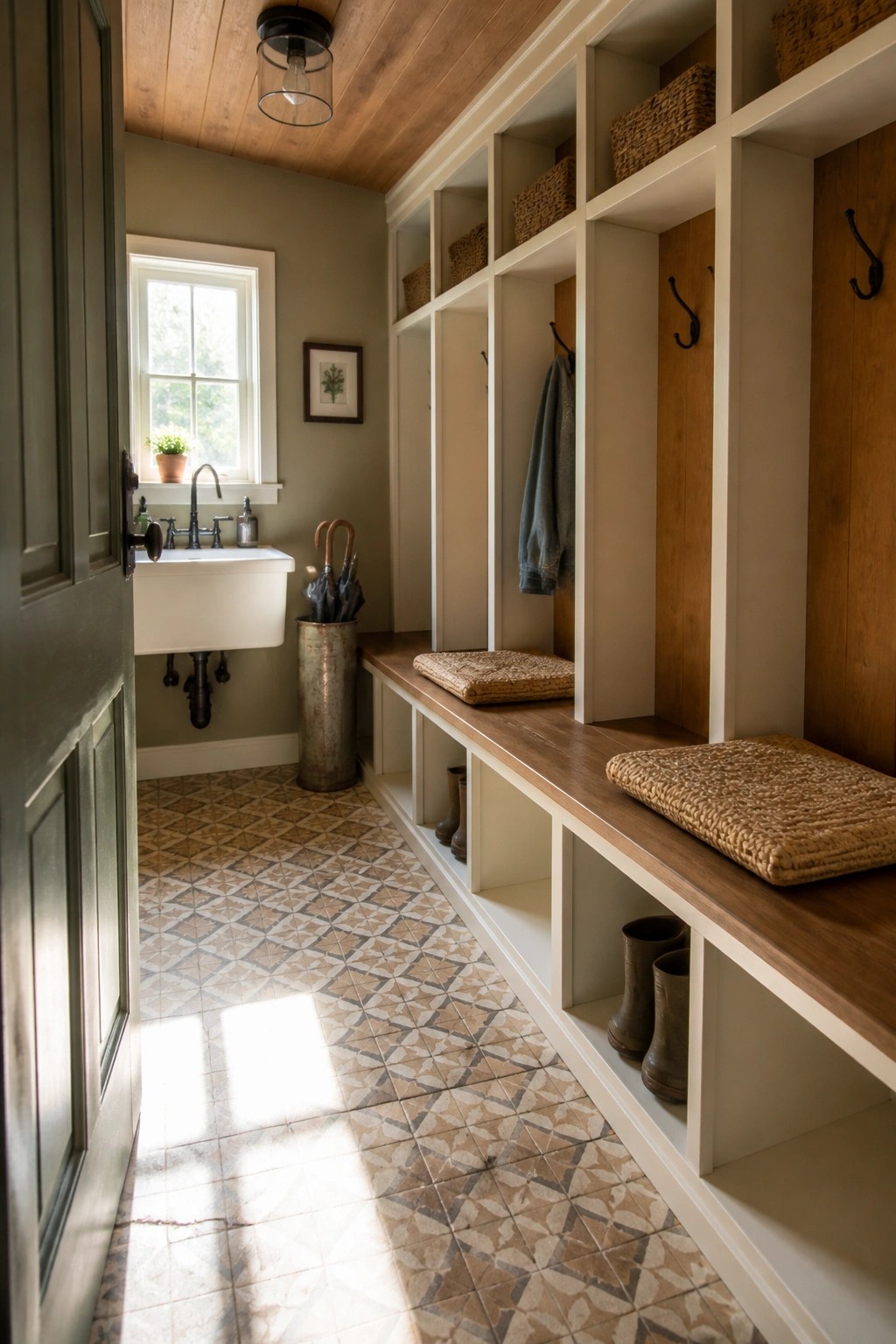
This muted sage gray on the walls gives the space a calm, grounded feel without pulling too much attention. It sits in that useful middle ground between gray and green, which makes it pair naturally with wood tones and simple tile.
The color has a gentle warm undertone that keeps the room from feeling chilly even on overcast days. It works especially well in utility areas where you want something low-key that still looks intentional next to cedar and woven textures.
Crisp White Siding
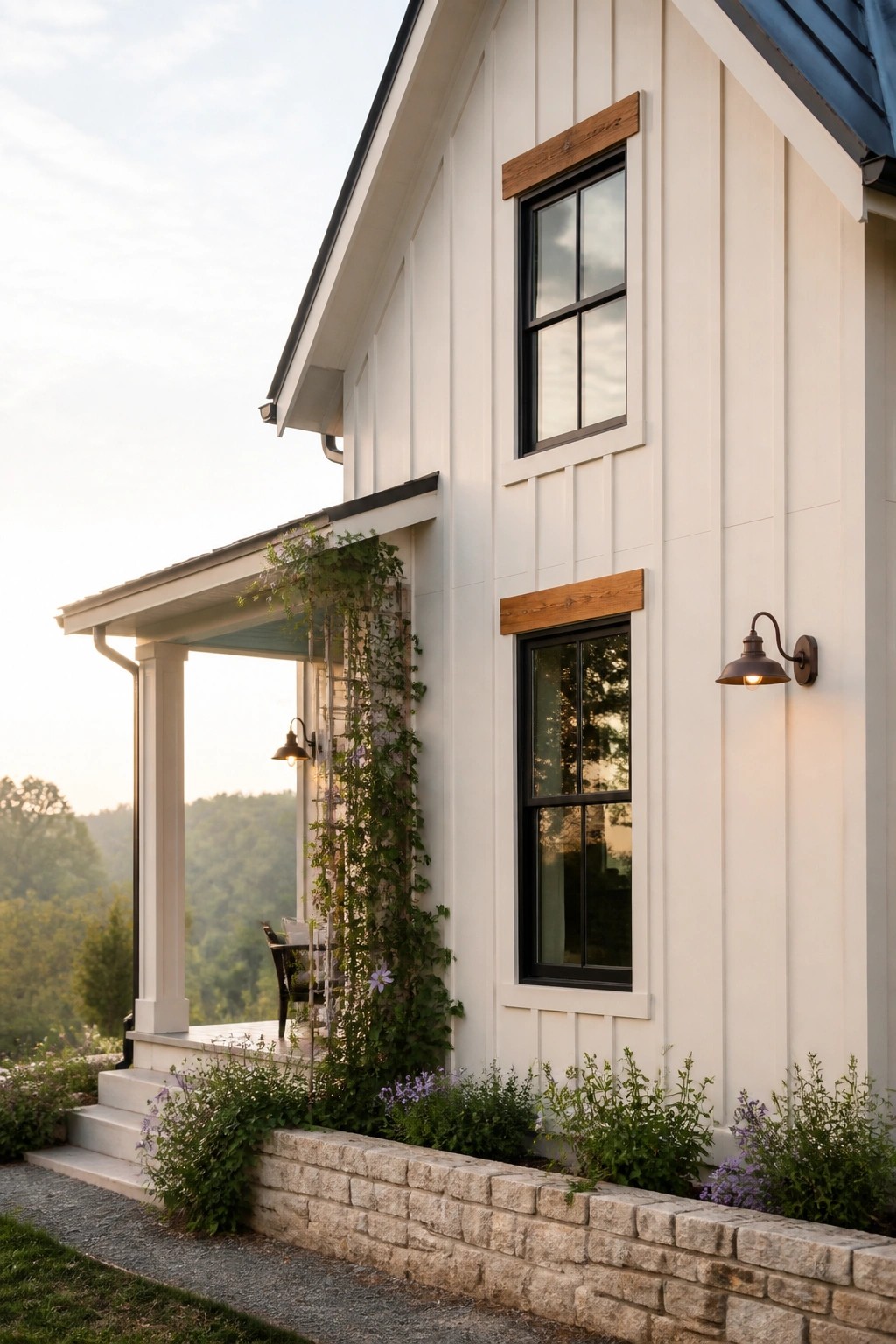
This house uses a bright white on the siding that feels clean and simple. It reads as a true white with just a hint of warmth, which keeps the whole exterior from looking too stark against the wood accents.
Colors like this work well on modern farmhouses because they pair easily with cedar trim and stone foundations. Sherwin Williams Pure White, Benjamin Moore Simply White, and Behr Ultra Pure White all sit in this same range. Just watch the lighting since it can pick up more warmth or coolness depending on the sun.
Deep Olive Walls
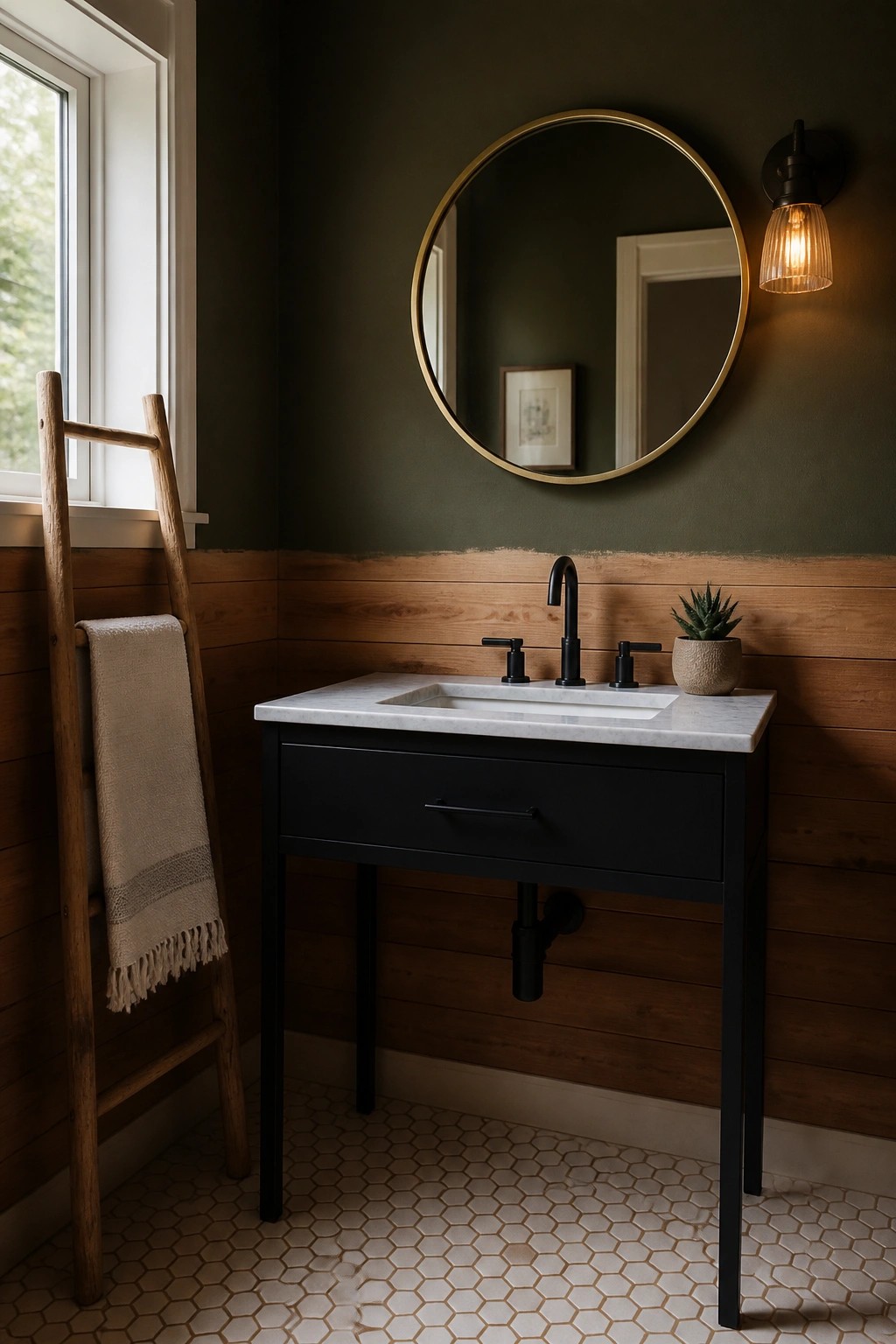
This deep olive green on the upper walls brings a steady, grounded feel to the room. It sits nicely against the warm cedar wainscoting and helps the wood look richer without competing with it.
The color carries a slight warmth that reads well in both natural and artificial light. It works best in smaller rooms where you want some depth, and it pairs cleanly with black hardware and light tile floors.
Soft Greige Siding With Charcoal Roof
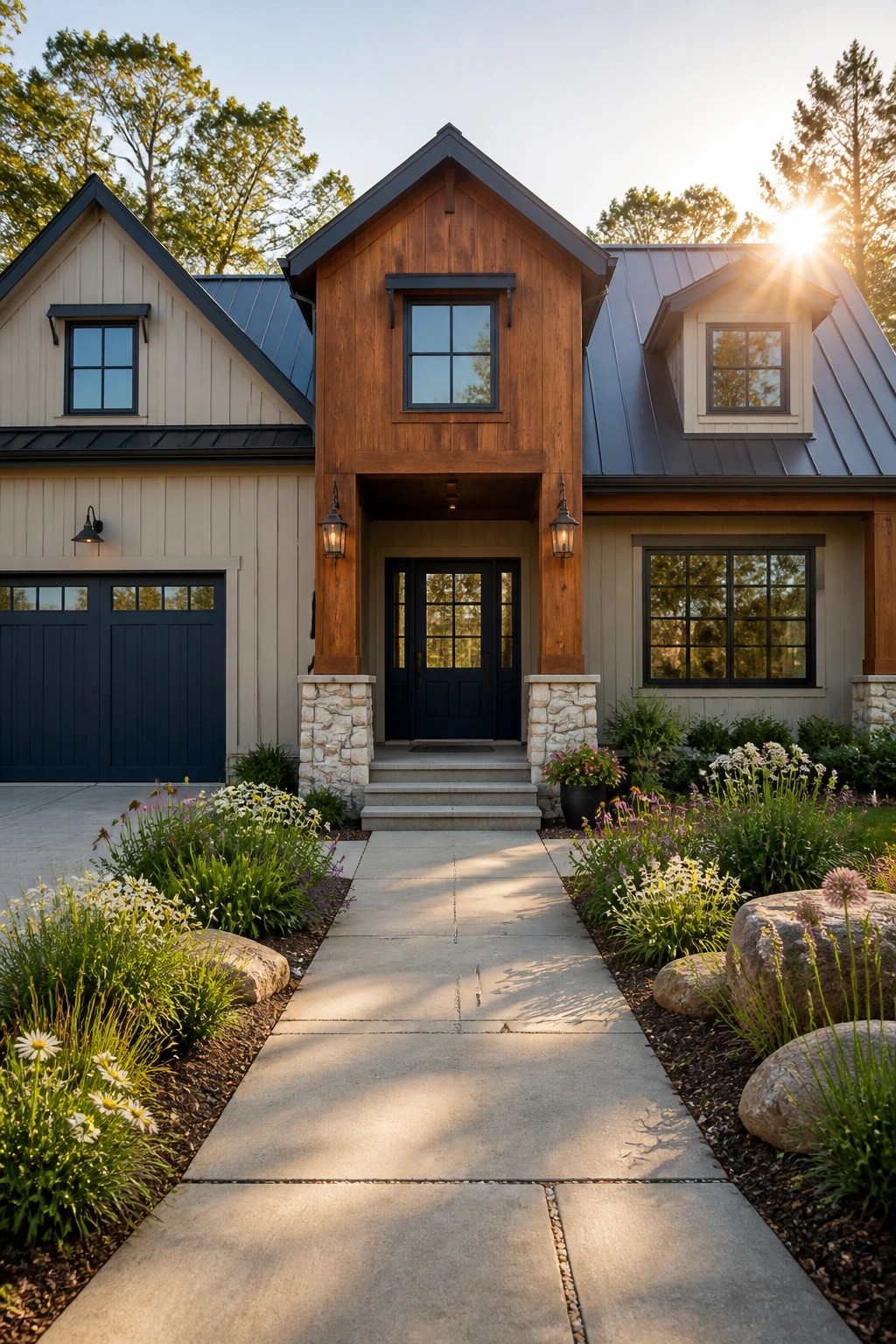
This light greige on the siding is a warm neutral that sits nicely next to the cedar accents. It has enough gray to feel current but stays soft enough that the wood still reads warm. Many people pick this type of color when they want the house to feel grounded without going too dark or too stark.
It works best with charcoal roofing and black window frames. Watch the undertone in strong sun since it can pull a little more beige than it does in shade. Good matches include Sherwin Williams Accessible Beige, Benjamin Moore Revere Pewter, Behr Greige, and Farrow & Ball Elephant’s Breath.
Warm Yellow Doors
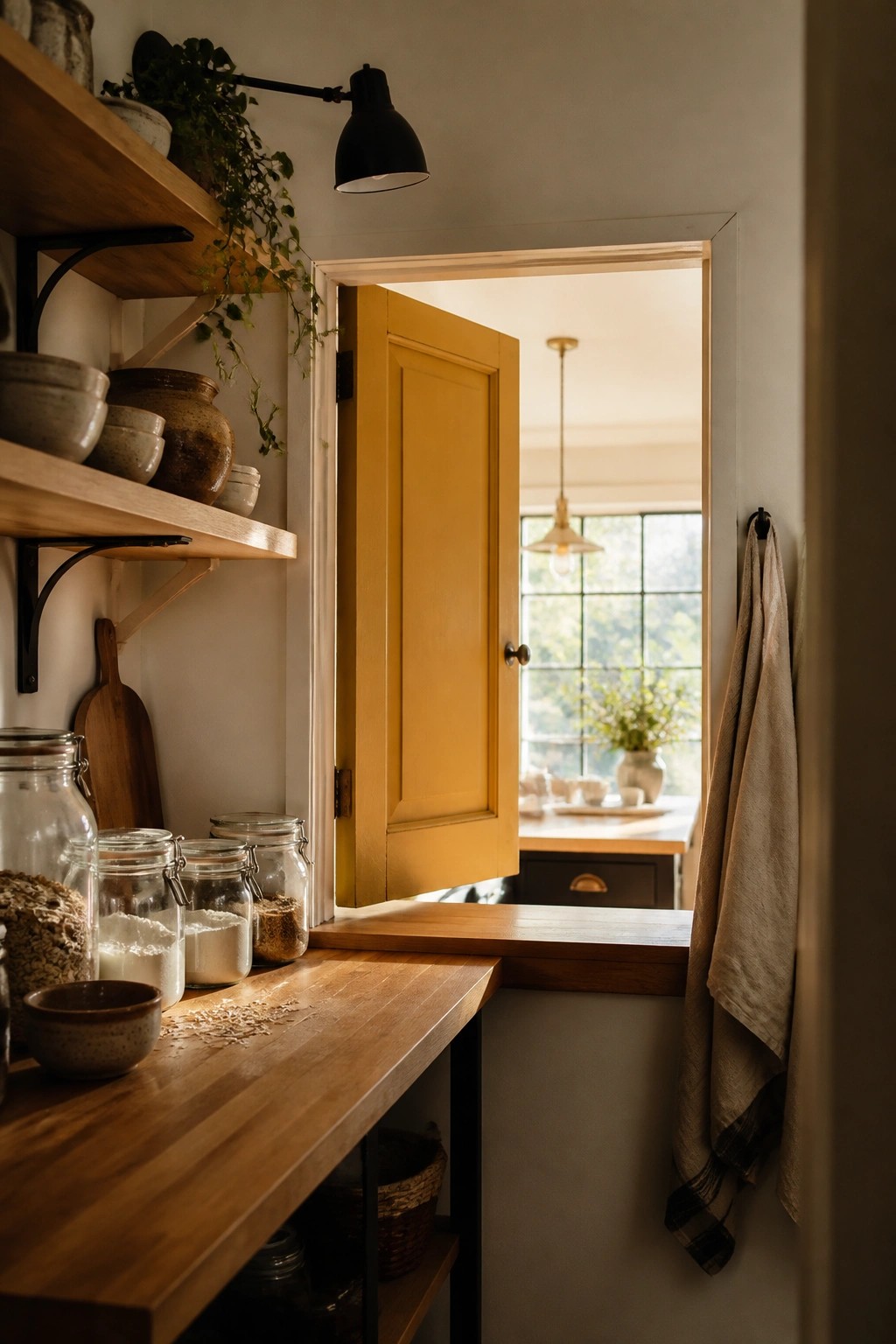
This warm yellow door has a golden mustard tone that brings a soft brightness into the room. It sits between a muted sunflower and a deeper ochre, giving just enough color to feel welcoming while still working with the wood around it.
The shade has warm undertones that keep the space from feeling stark. It pairs easily with natural wood counters and shelves, and it tends to look best in kitchens or pantries where a bit of color helps the room feel lived in. Try it with white walls or trim so the yellow stays the main accent.
Soft Blue Gray Siding
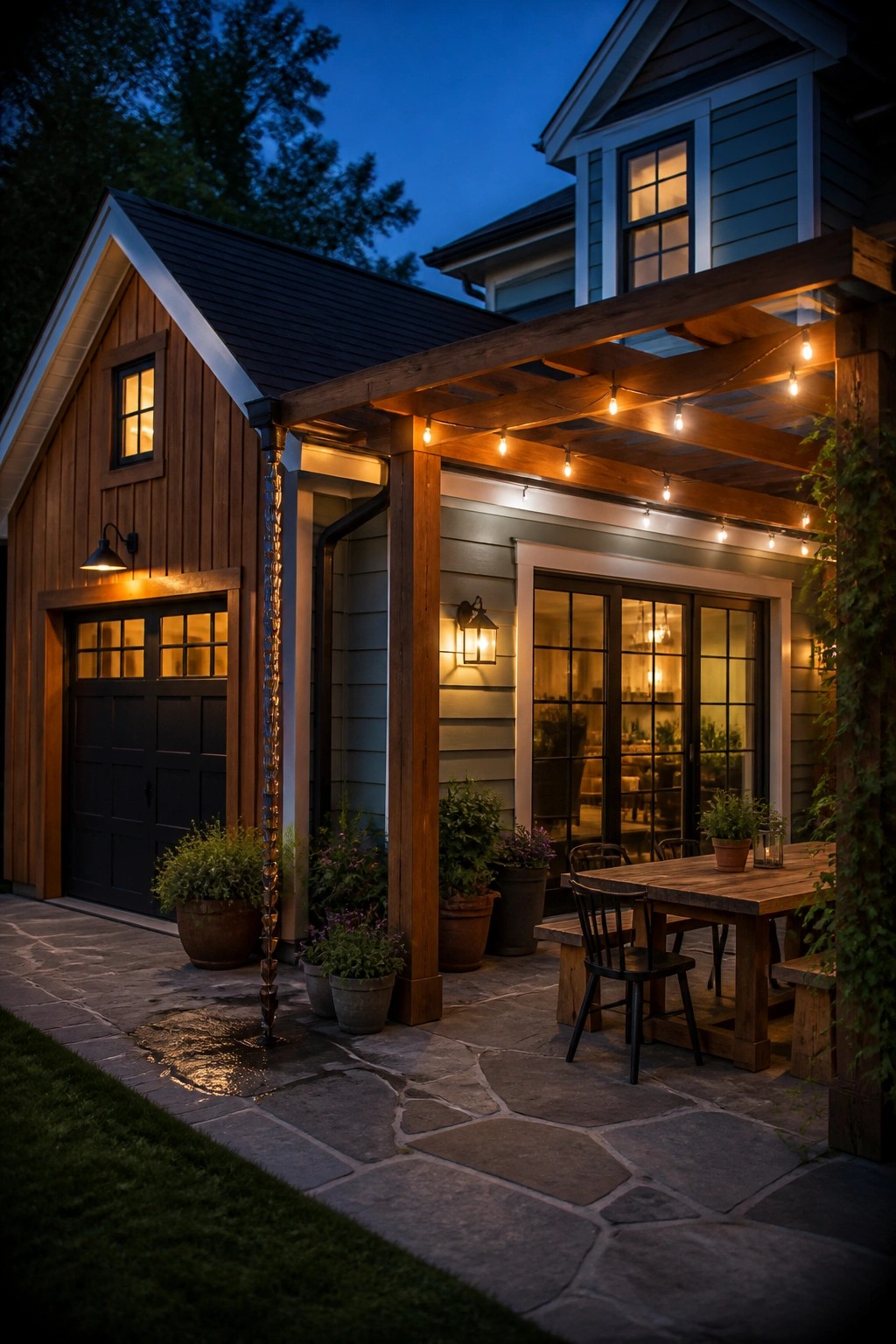
This soft blue gray siding keeps the house feeling calm and balanced next to the cedar. The color sits in a cool neutral range that does not fight the wood tones, and it gives the whole exterior a steadier look without going too dark.
It carries a light blue undertone that shows up more toward evening. The shade works best on homes with natural wood accents and stone, though it can feel a bit chilly if the trim gets too dark.
Soft Greige Built-In Cabinetry
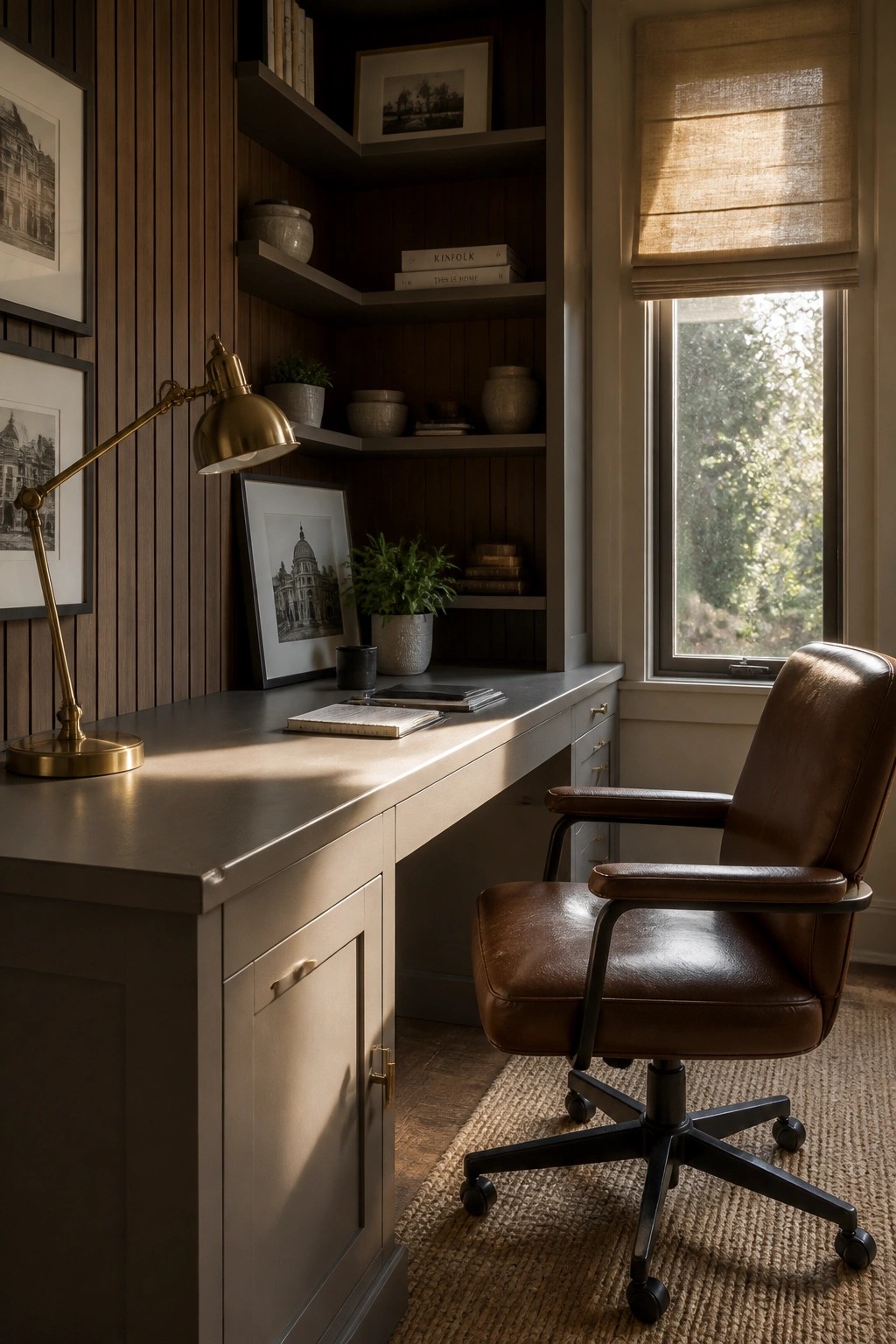
This soft greige works well on the desk and cabinetry because it sits right between gray and beige. It gives the room a calm base that does not fight the wood tones or the darker paneling behind the shelves.
The color has a light warm undertone that keeps the space from feeling flat next to cedar or other wood accents. It pairs easily with black hardware and simple leather pieces, and it holds up fine in both morning and afternoon light.
Frequently Asked Questions
Q: What wall colors bring out cedar accents without washing out their grain? A: Go for warm off-whites or light greiges on the walls. These shades bounce light back onto the wood so the texture reads clearly instead of fading into shadow. Test a sample board first in the actual room light before committing.
Q: How much cedar should I use if I want texture but not an overwhelming wood look? A: Limit it to one or two focal spots like a fireplace surround or kitchen island. Fill the rest of the space with painted trim and soft fabrics that echo the cedar’s warmth. That balance keeps the room feeling modern rather than heavy.
Q: Will cedar work with cooler paint colors if I already have them picked out? A: It can if you add a warm neutral layer in between like a beige sofa or linen drapes. The cedar then acts as the bridge that softens the cooler tones. Skip any stark blues or greens right next to it.
