

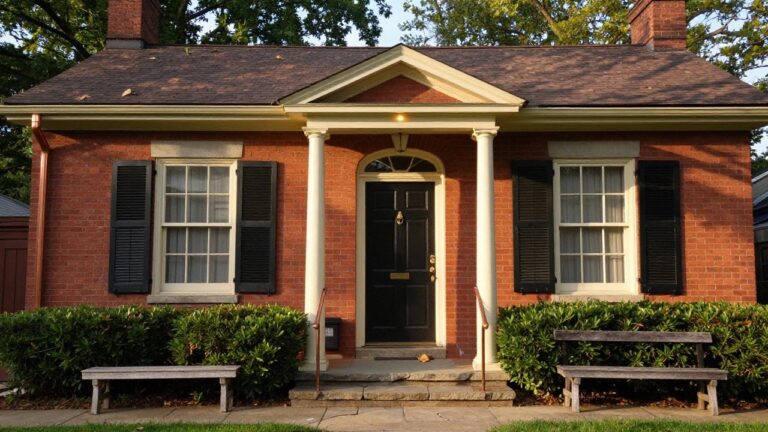
Colonial houses draw you in from the street with their balanced proportions and steep rooflines, but faded paint or bulky additions often dull that first impression.
Homeowners transform curb appeal by choosing materials like crisp clapboard siding that weather gracefully and entries that actually welcome guests.
I once watched a neighbor swap out their dated aluminum windows for divided-light ones, and it suddenly made the whole facade read as timeless instead of tired.
These changes succeed when they respect the style’s symmetry while fixing real wear, from porch columns to dormer details.
Save the shutter refresh on page seven—it’s one I’d test next time.
Classic Portico Entry
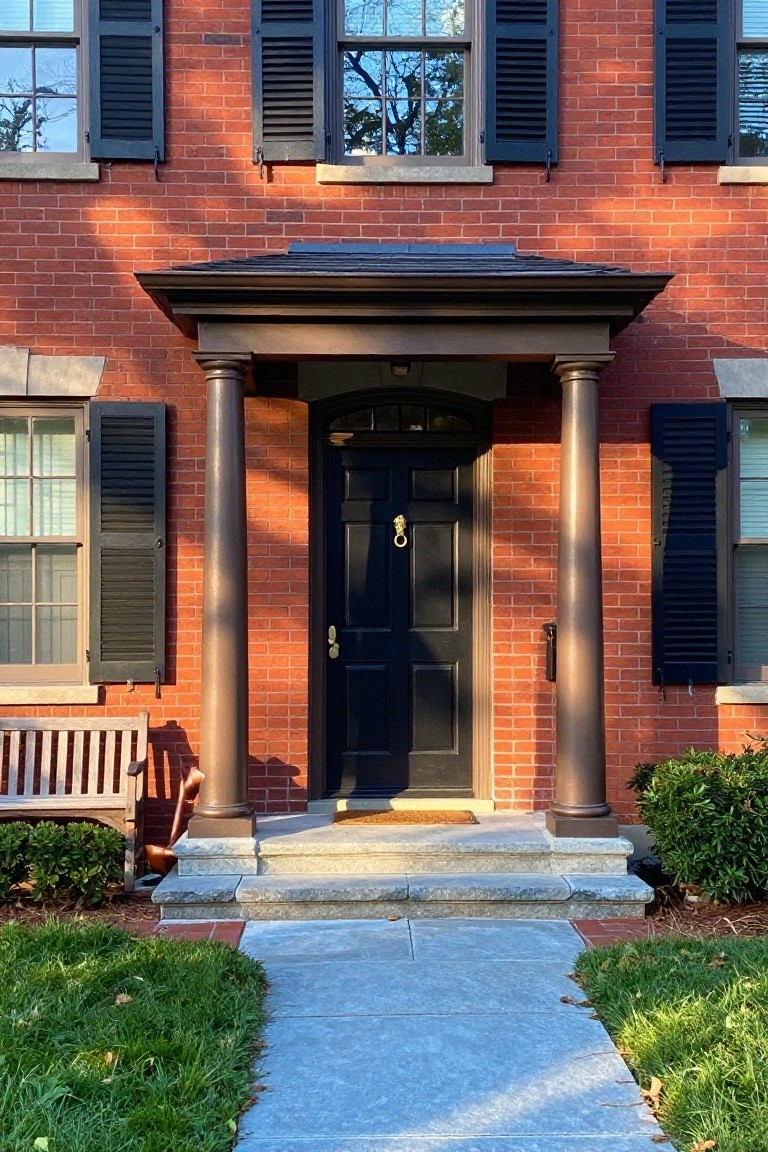
A portico like this one takes a standard brick colonial and makes the front door the real focal point. Those fluted columns support a simple roof overhang that shelters the black door and brass knocker. Against the warm red brick it adds just enough formality without overdoing it. Folks notice the entrance first now. And that bench off to the side? Nice touch for waiting guests.
Try this on older homes with good bones already. Match the columns to your trim color. Go bold on the door paint to pull eyes in. It suits brick or clapboard facades best. Skip if your porch roofline feels too busy already.
Recommended Products

Plastruct Patterned Sheets, Clapboard Siding, 1/4"� 1/4"
Gray Door Contrast on a White Colonial Facade
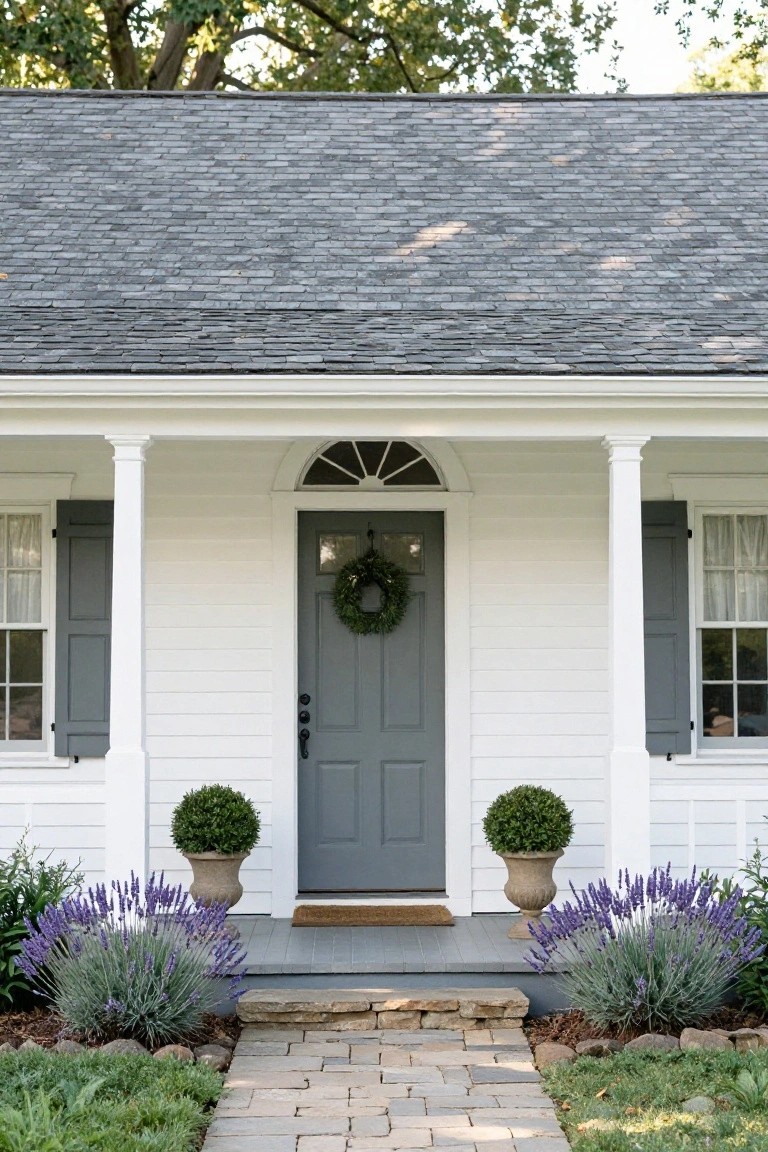
One straightforward way to update a colonial house exterior is painting the front door a deep gray. Against the clean white siding it really pops, drawing the eye right to the entry without overwhelming the classic lines. The boxwood topiaries and lavender plants on either side keep things simple and add a bit of green life that ties into the porch columns nicely.
This works best on traditional homes where you want some color but not too much. Pick a gray with some blue undertones to match shutters, and flank the door with matching pots for balance. Skip it if your house has a lot of trim already, since the contrast might compete. Easy to do yourself in a weekend.
Simple Portico Entry
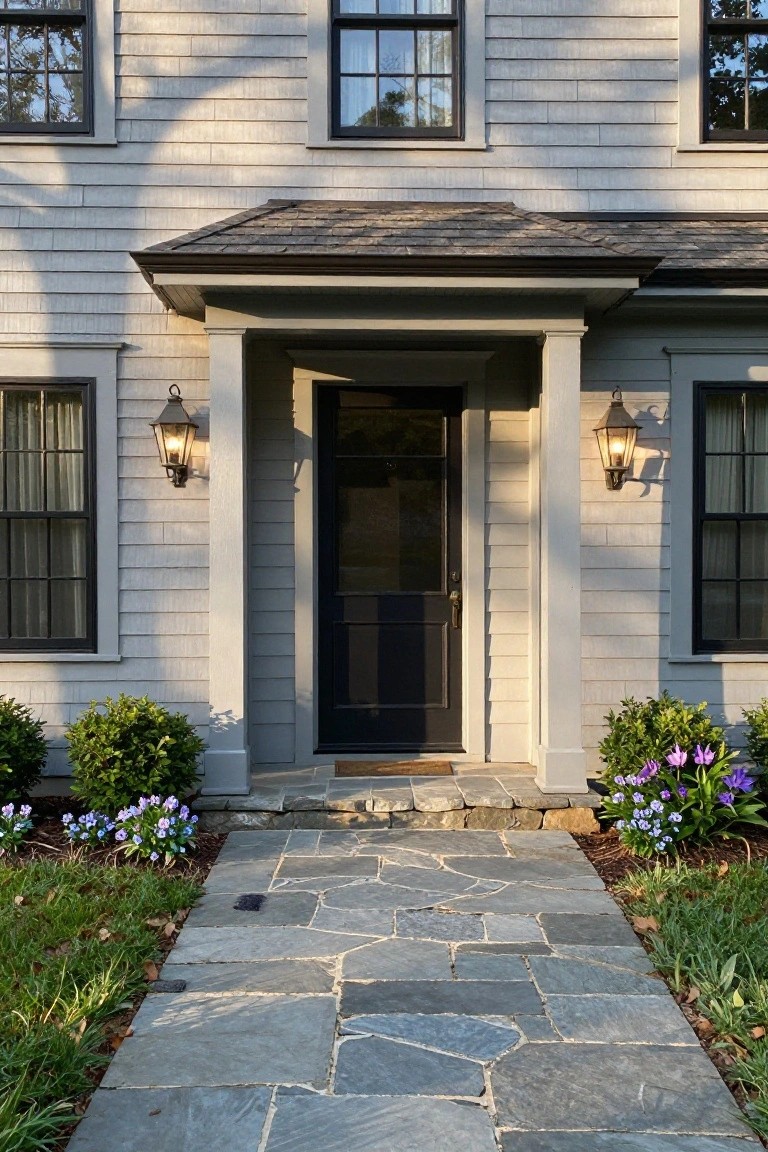
A portico like this one over the front door gives a colonial house that clear sense of welcome right at the street. The black door pops against the light gray shingles, and matching lanterns on either side light it up nicely. It’s a straightforward way to add structure without changing the whole facade.
This works great on shingle-style homes that feel a bit plain upfront. Build it with columns to match your trim, pair it with a stone path, and add low shrubs on the sides. Skip anything too busy around the door to keep the focus there.
Navy Shutters on White Colonial Siding
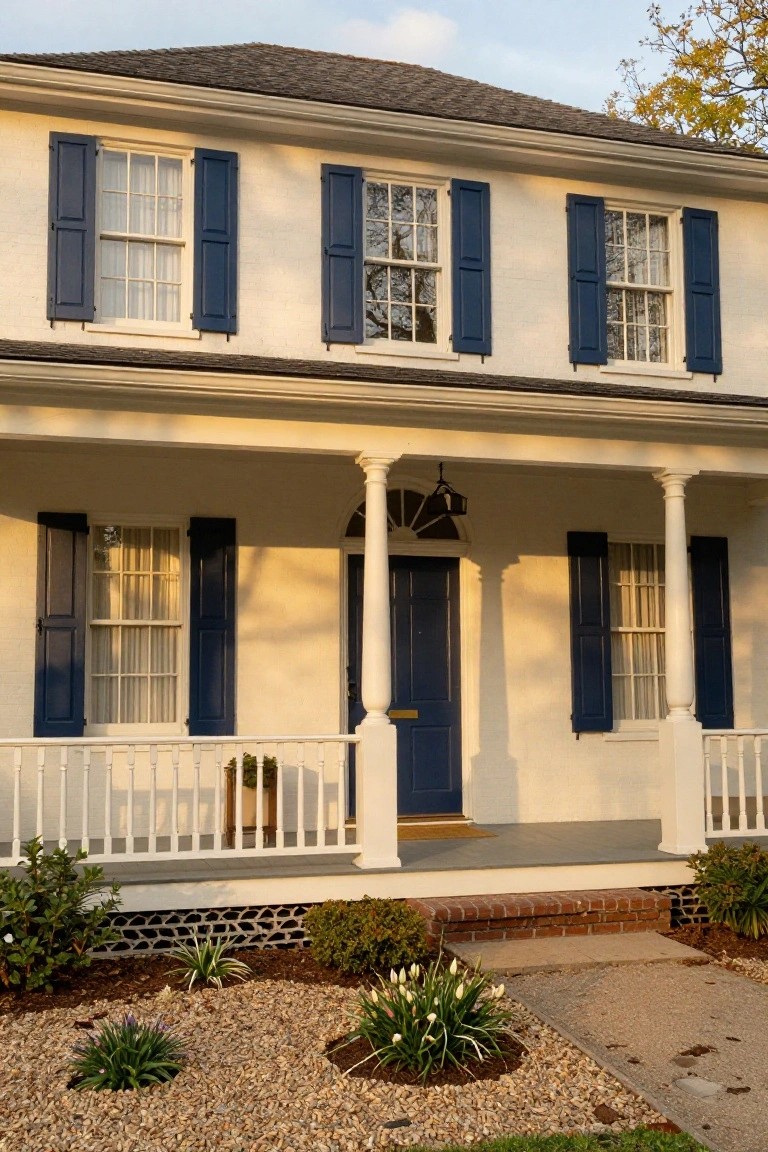
Navy blue shutters work well on this white colonial house. They frame the tall windows and match the front door. That dark color adds contrast to the pale siding without changing the classic shape.
Try it on homes from the 1700s or revivals like this. It suits porches with columns. Pick a matte navy finish. Just test samples in your light first… mornings and late day both matter.
Blue Shingles Refresh Colonial Style
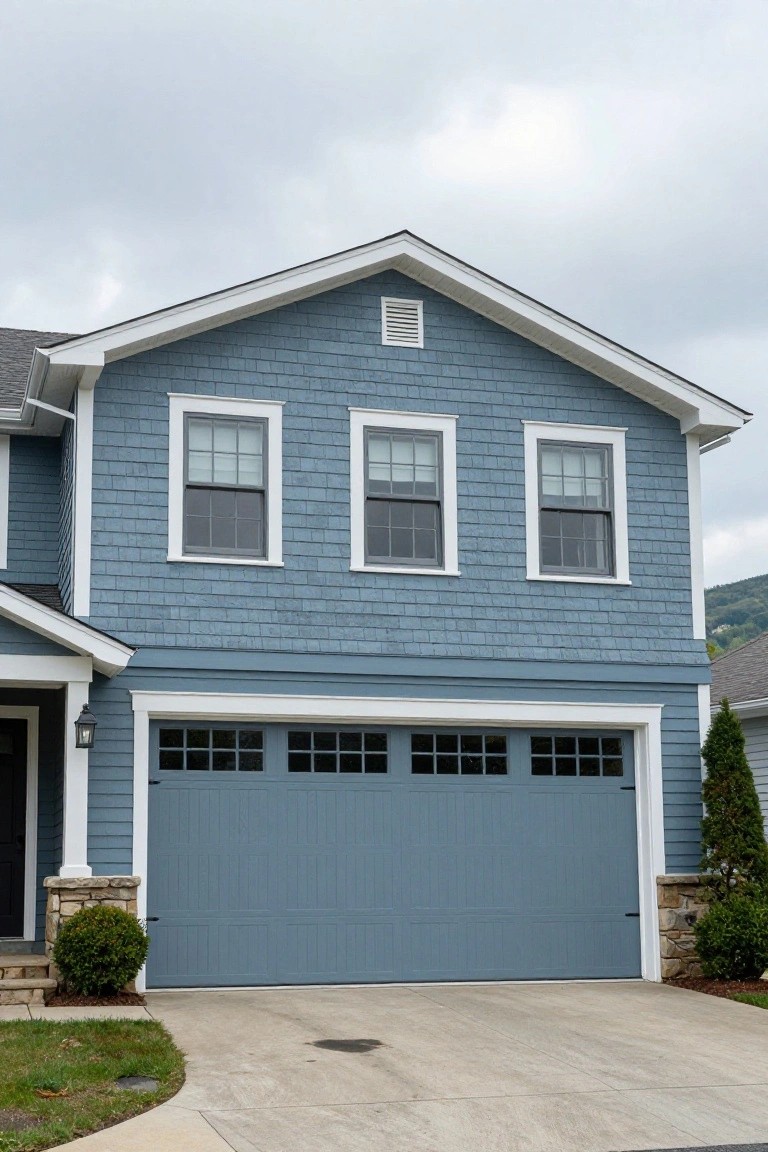
This house shows how blue shingle siding can give a Colonial exterior a cool, laid-back update. The soft blue paint on the shakes pairs right with white trim and dark window frames. It keeps the classic gabled shape but adds a bit of coastal feel that makes the front yard look more alive.
Painted shakes like these work best on two-story homes with clean lines and some stone details at the base. They hold up well in mild weather and suit spots near hills or water. Pick a muted blue to avoid it looking too bold next to neighbors’ houses.
Painting the Porch Ceiling Blue
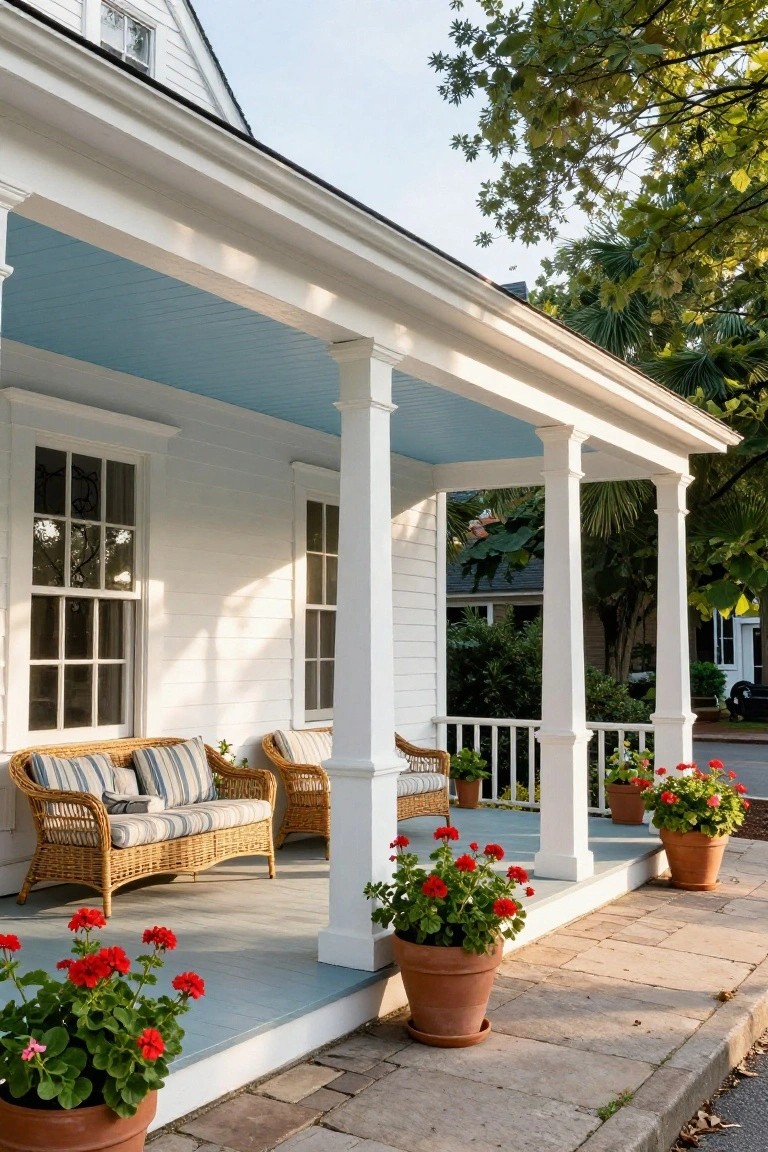
A blue ceiling on the porch is an old-school trick that gives Colonial homes a fresh lift. You see it a lot in Southern places, where the color helps beat the heat by reflecting light and keeps bugs away too. Against a crisp white house like this one, it adds just enough color without overdoing it. Folks notice it right away from the street.
This move fits best on front porches with good columns or trim work. Pick a flat porch-and-ceiling paint in a soft blue-gray, something mildew-proof. Skip it if your porch gets direct rain. On a classic house, it pulls everything together nice and easy.
Cupola Tops a Classic Colonial Garage
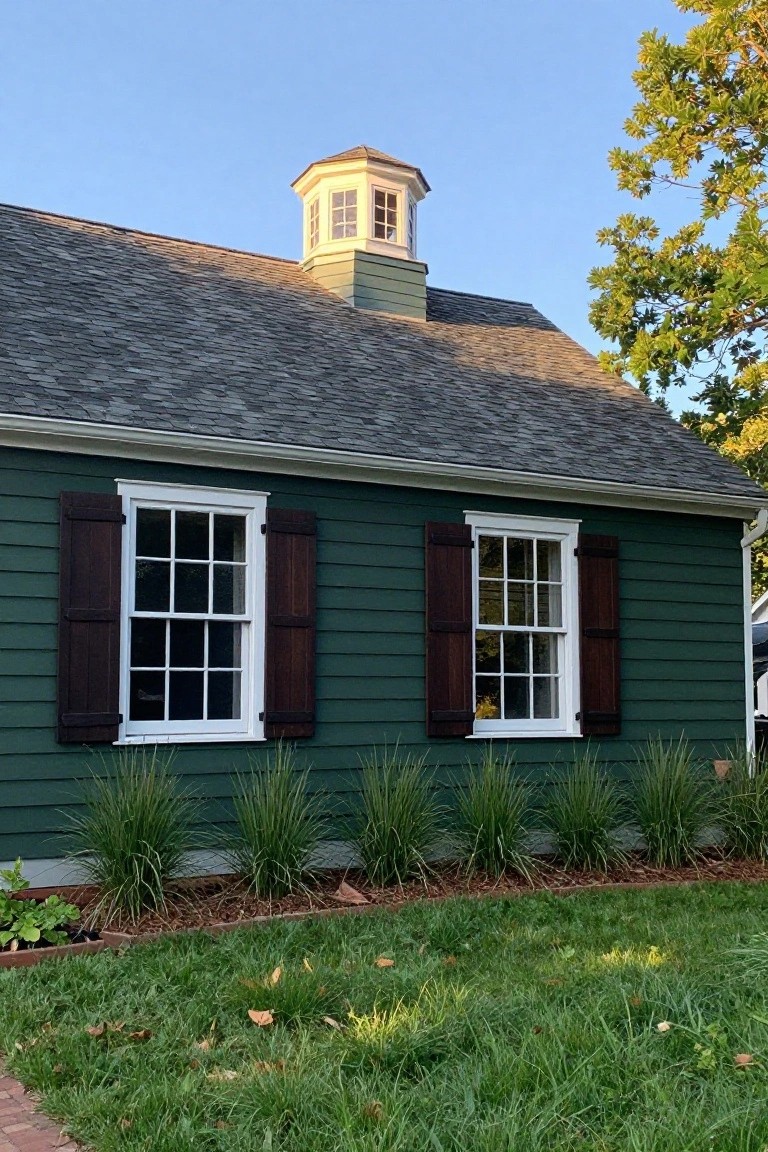
A cupola like this one sits right on the peak of the roof and changes everything about a simple colonial garage. It adds that touch of old-house character without overdoing it, especially against the dark green clapboard siding and those tall 6-over-6 windows with mahogany shutters. Folks notice it first. It pulls your eye up and makes the building feel more complete, like it belongs in a historic neighborhood.
Put one on a detached garage or guest house if you want subtle height and interest. It suits sloped roofs best, and keep the style simple with white trim to match the windows. Skip it on flat roofs though. Scale it right so it doesn’t overwhelm a small structure.
Black Brick Update for Colonial Facades
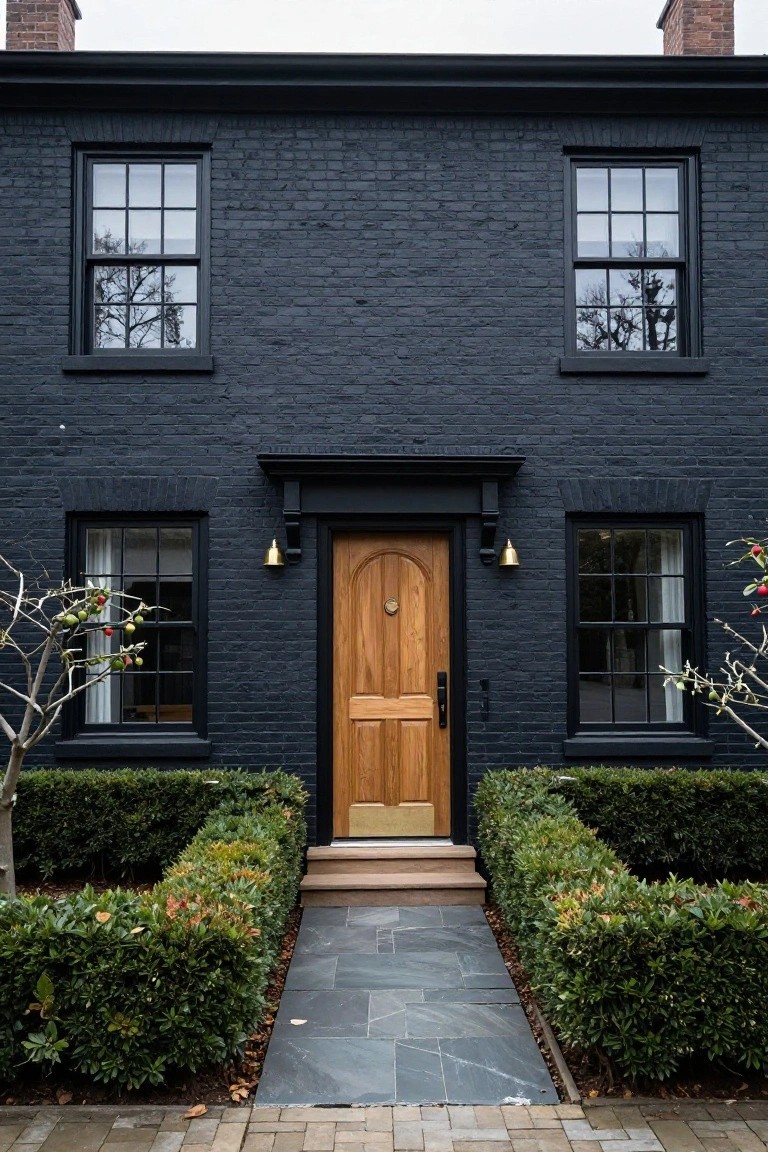
Taking a classic colonial brick house and painting the bricks a deep matte black completely changes the feel. It keeps the traditional shape and proportions but gives it a fresh, modern look that stands out without trying too hard. That warm wood door right in the center pulls everything together. It contrasts nicely against the dark walls and makes the entry feel welcoming.
This works best on older brick homes that need a simple refresh. You can do it with a solid masonry paint made for exteriors. It suits narrow townhouses or row homes especially well. Just make sure the windows are trimmed to match so it doesn’t look patchy. The boxwoods along the path help frame it without much upkeep.
Classic Shingle Siding Update
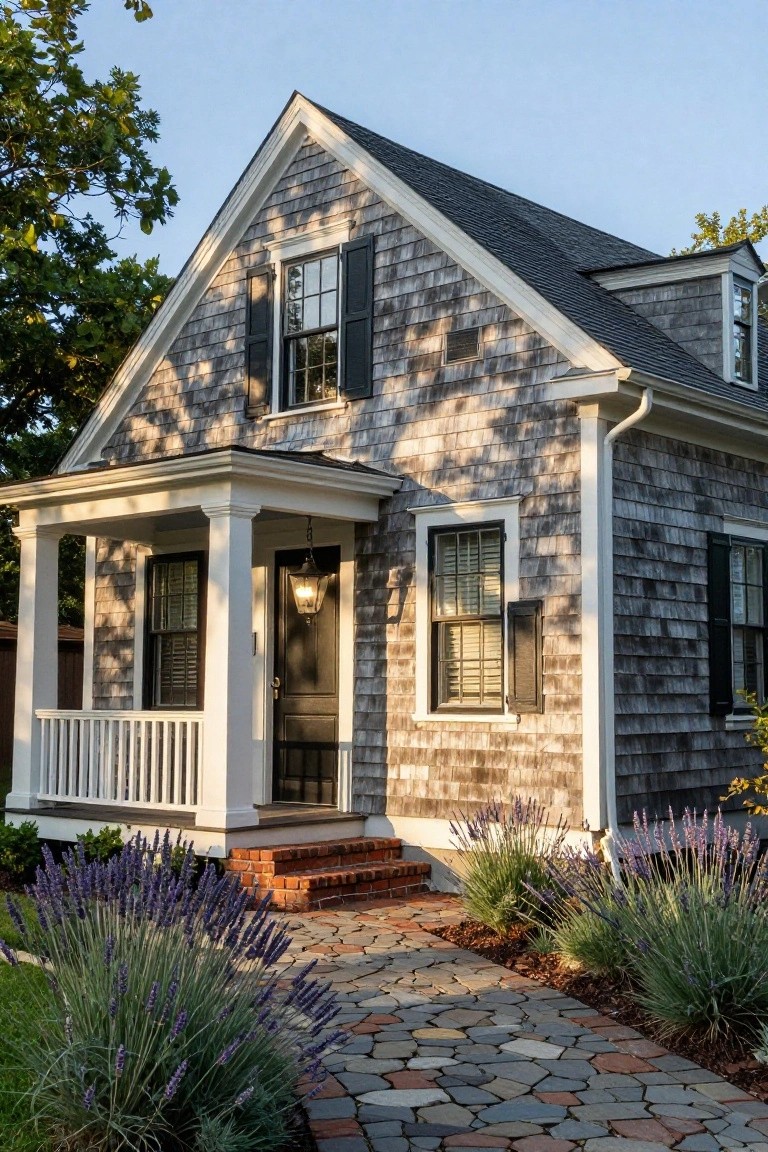
Shingle siding gives this colonial house a rugged yet refined look that fits right into its neighborhood. The gray tones pick up shadows nicely during the day, adding depth without any fuss. White trim around the windows and porch keeps everything crisp and pulls the eye to the entry.
You can pull this off on older colonials wanting that coastal vibe, especially where weather changes a lot. Go for cedar shingles if you like natural aging, or fiber cement for less upkeep. Pair it with a simple porch like this one, and your curb appeal jumps without a full rebuild.
Dark Green Siding on a Colonial Facade
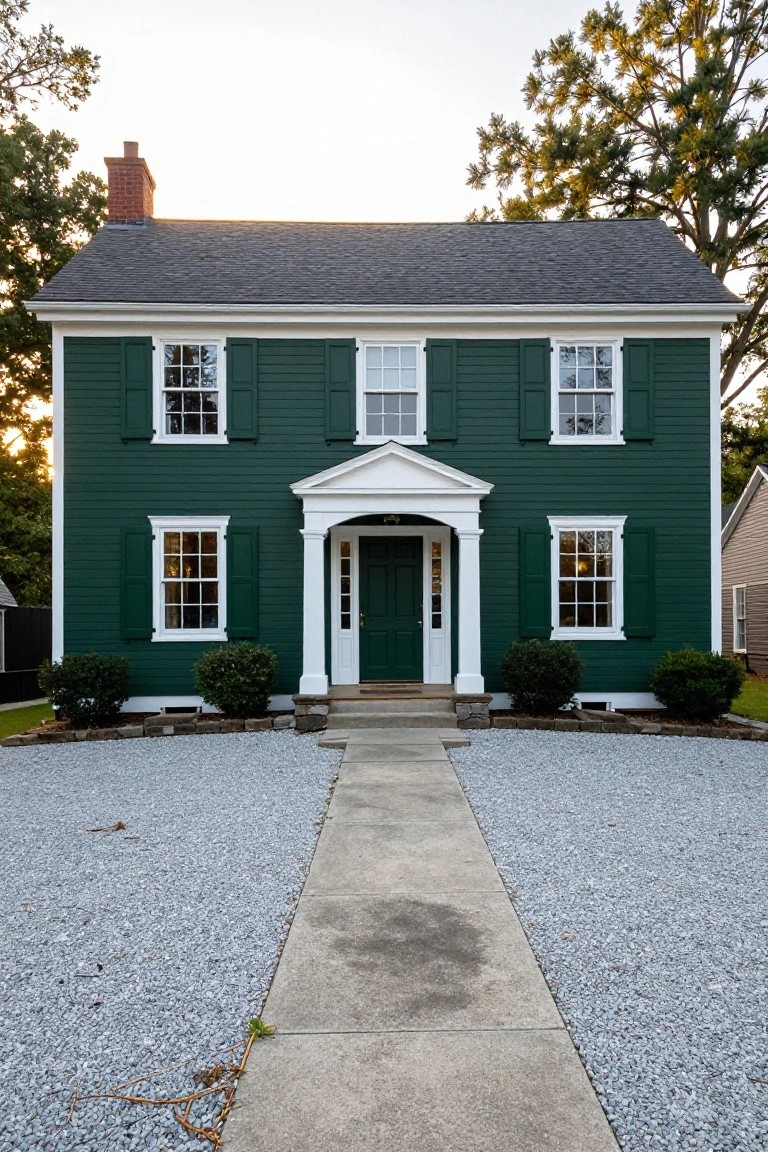
A colonial house like this one gets a real boost from dark green siding paired with crisp white trim. The green gives it a fresh, grounded look that feels right at home in a neighborhood with trees and open sky. White shutters and the pediment over the door keep things classic without going overboard. It’s the kind of change that makes the house stand out just enough.
This works best on older colonials with good bones, especially if the trim was already white or easy to repaint. Pick a deep green shade that matches your area’s foliage so it blends in naturally. Avoid lighter greens, they can look dated fast. Just make sure the front walk stays simple to let the house do the talking.
Symmetrical Columned Porch Entry
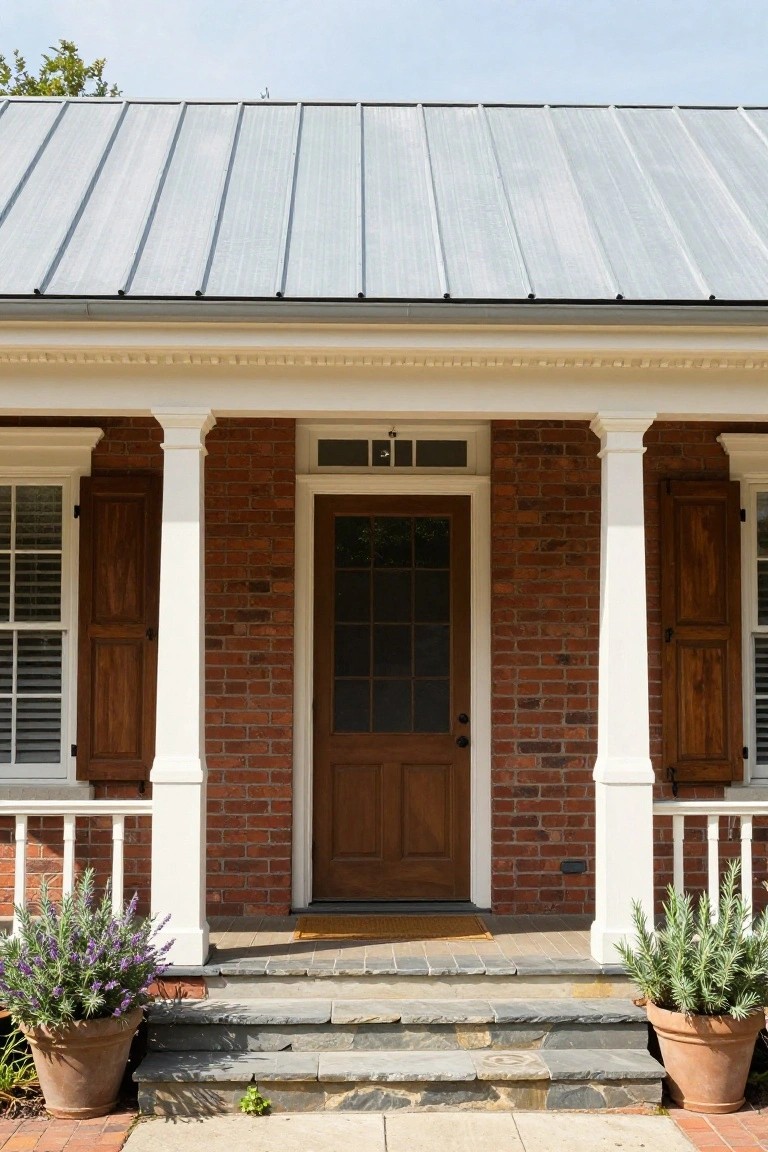
A simple columned porch like this takes a basic brick house and gives it real colonial character. The white columns stand out clean against the red brick walls, framing the wood door just right. Those matching pots of lavender on the steps pull it all together without much fuss. It’s the kind of front entry that feels solid and timeless right away.
You can pull this off on older homes needing a refresh, or even new builds aiming for classic looks. Keep the columns proportional to your house size, and stick to stone steps for that grounded feel. Skip anything too busy around the door. It suits most front yards, especially where you want easy welcome without overdoing landscaping.
Recommended Products

Available in various color options

Fade-Resistant Color Technology: Color-through process resists fading and hides scratches for long-lasting appearance

One Piece Injection Molded Polypropylene Construction
Classic Columned Porch Entry
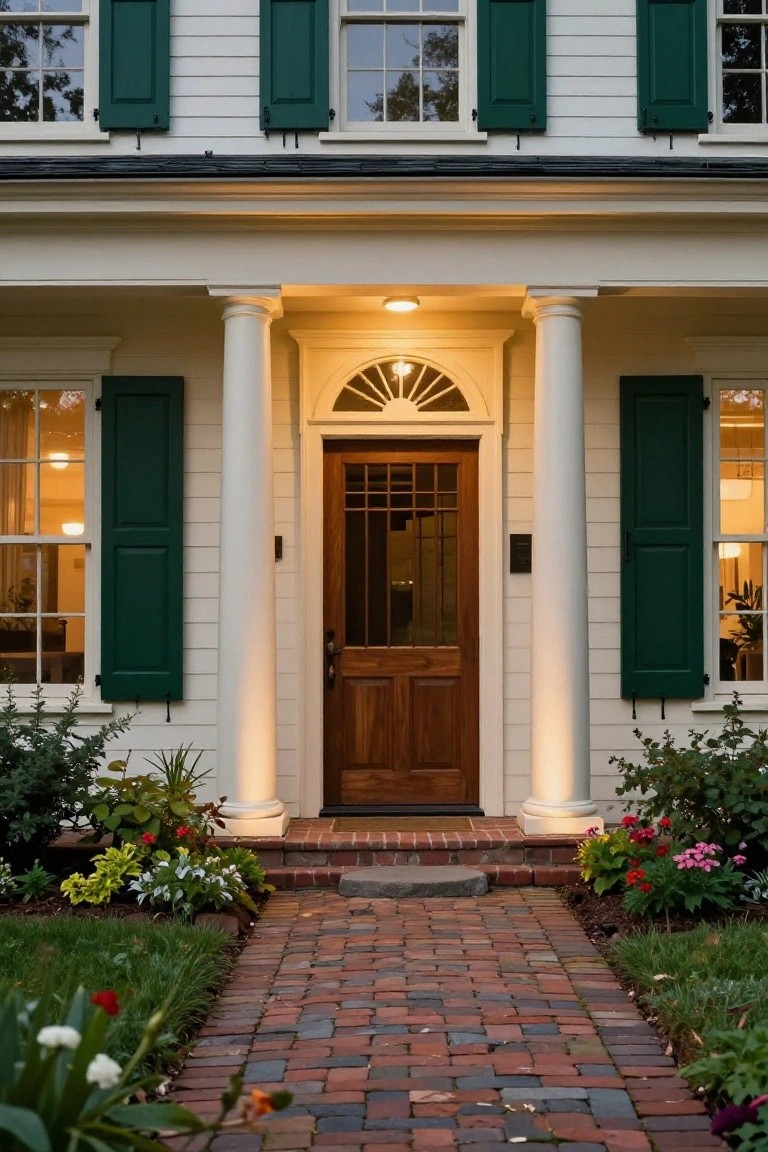
A columned porch like this one takes a colonial house front and makes it feel more grand right away. The white columns frame the wooden door nicely, and that half-round window above pulls light in at night. It works because it gives visitors a clear spot to focus on when they walk up, instead of the whole house at once.
You can add columns like these to a plain front step if your house has good bones already. They suit older homes in the suburbs or small towns best, where you want that traditional look without too much fuss. Just match the door color to the trim, and keep plants low around the path so nothing blocks the view.
Shingle Siding Adds Real Character
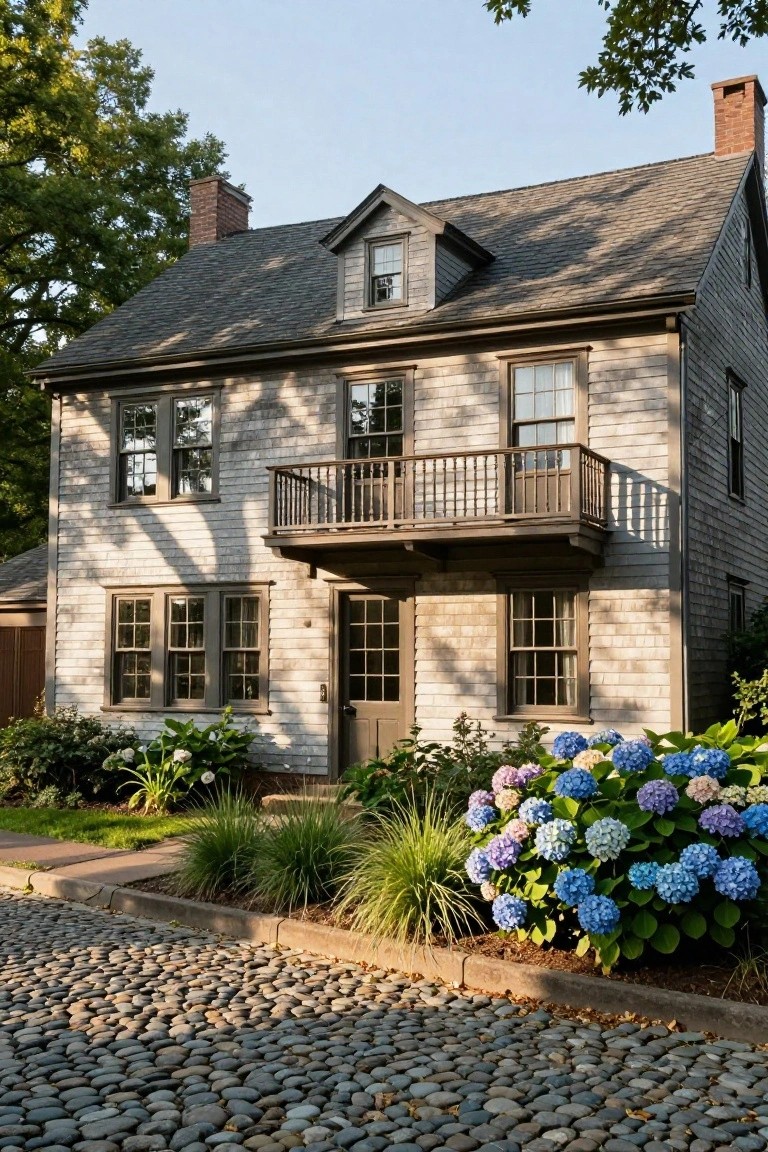
Shingle siding like you see here gives a colonial house that soft, settled look. It weathers nicely over time, blending with trees and plants around it. The second-story balcony pulls your eye up without making things busy.
This works best on older homes or ones getting a historic update. Use it where upkeep stays simple, like coastal spots. Just frame the entry with a few big shrubs, and skip anything too fussy.
Welcoming Porch Entry Design
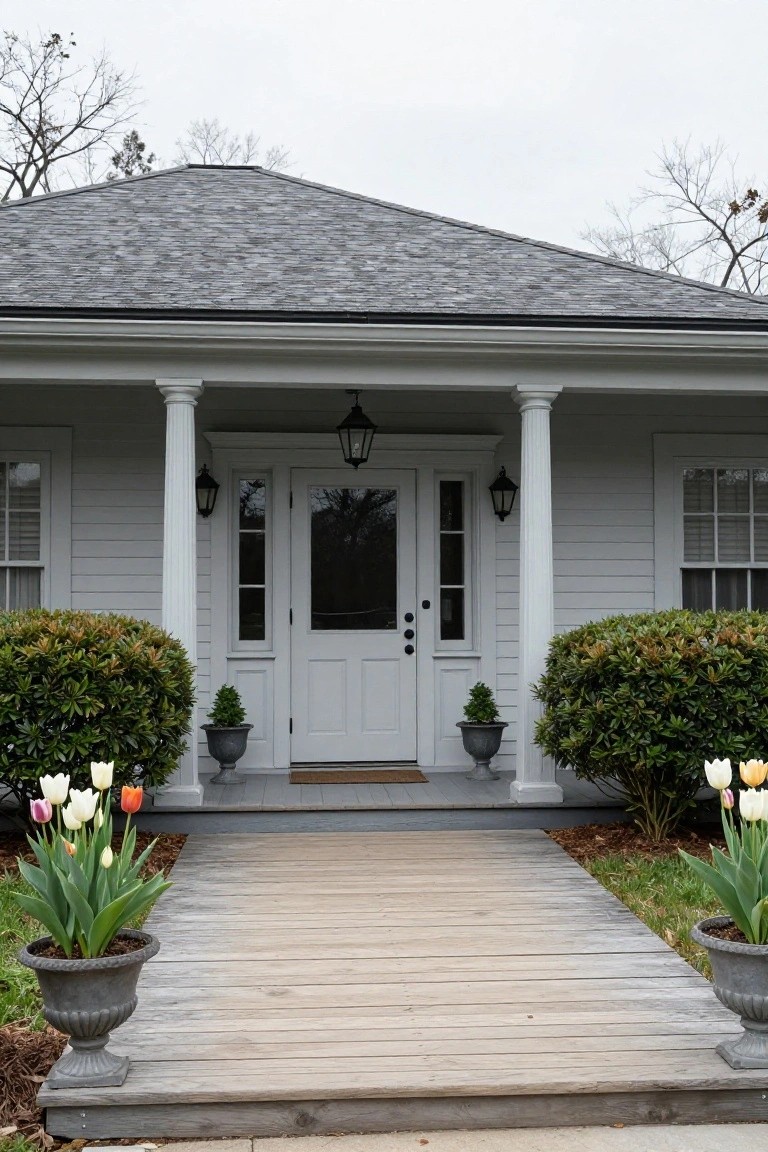
A classic front porch like this one uses simple white columns to hold up the roof over the double doors. Paired with lanterns and those big tulip pots on the wooden path, it pulls the whole entry together. Older colonial houses often look flat without something like this. It adds just enough structure to make folks notice the home right away.
Put this to work on traditional homes with basic facades. Start with matching columns if your porch is open, then flank the steps with urns full of seasonal blooms. The wood walkway softens concrete edges nicely. Keep plantings low around the pots so the architecture stays the focus… scale matters here.
Porch Swing for Everyday Charm
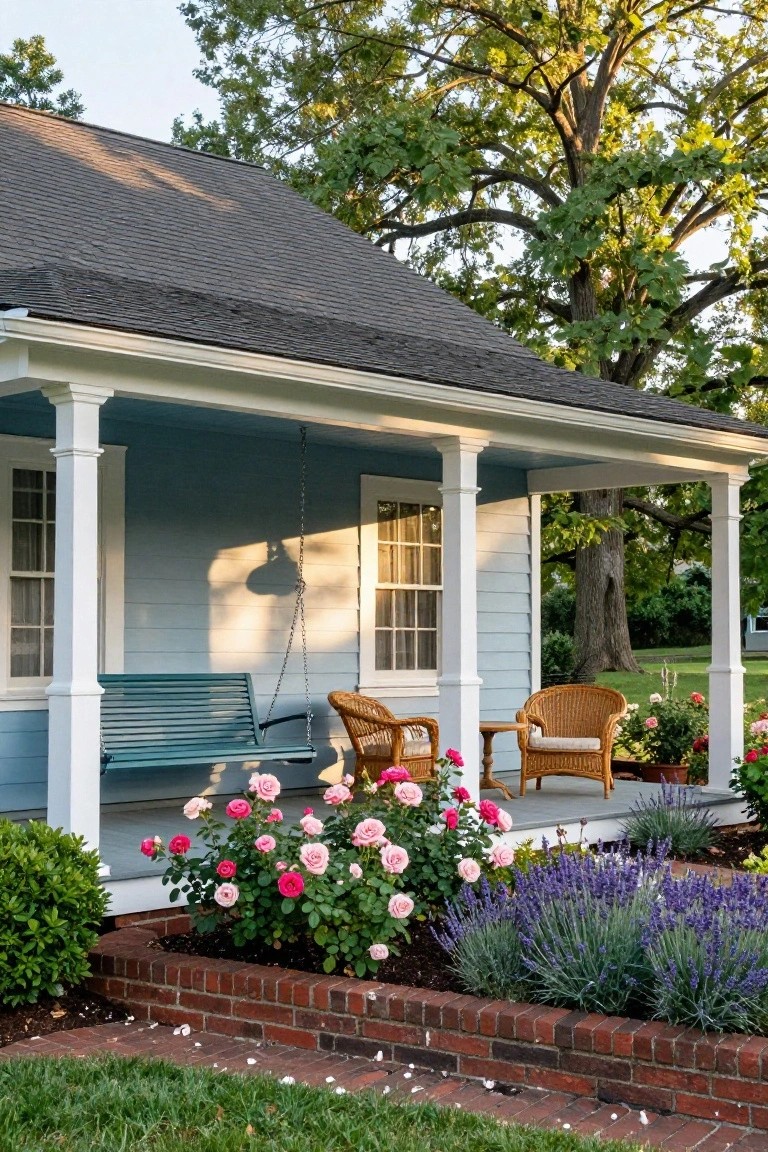
A simple porch swing like this one turns a basic colonial front porch into a spot you actually want to use. Hung from the ceiling with sturdy chains, it sways gently and pairs right with a couple of wicker chairs around a small table. The blue house paint and white columns keep it classic, but that swing adds a lived-in feel that makes the whole facade more approachable.
Put one on your porch if you have enough overhang and solid beams up top. It works best on homes with at least 6 feet of porch depth so folks can stretch out. Skip it if your porch faces a busy street, though. Add some potted flowers nearby for color without much upkeep.
Classic Black Door Entry
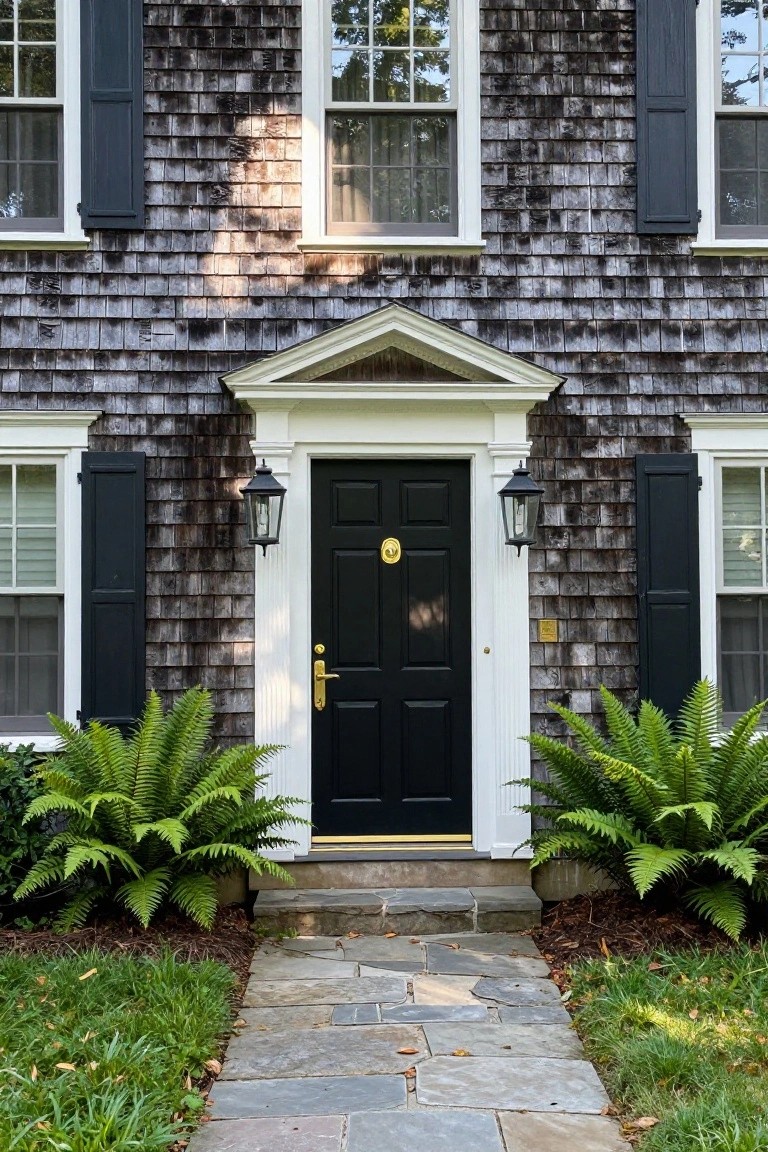
A black front door like this one really stands out on a shingle-style colonial house. The dark glossy finish contrasts sharply with the weathered gray shingles and crisp white trim around the portico. Flanking lanterns and a brass knocker add just enough polish without overdoing it. It’s a simple change that gives the whole facade more presence.
This works best on traditional homes in coastal or wooded areas where the shingles feel right at home. Swap out an old faded door for black, and keep the columns and lights simple. Add low ferns on either side for a soft touch. Avoid busy hardware. It freshens up the entry without a full remodel.
Wood Timbers Add Charm to Brick Colonials
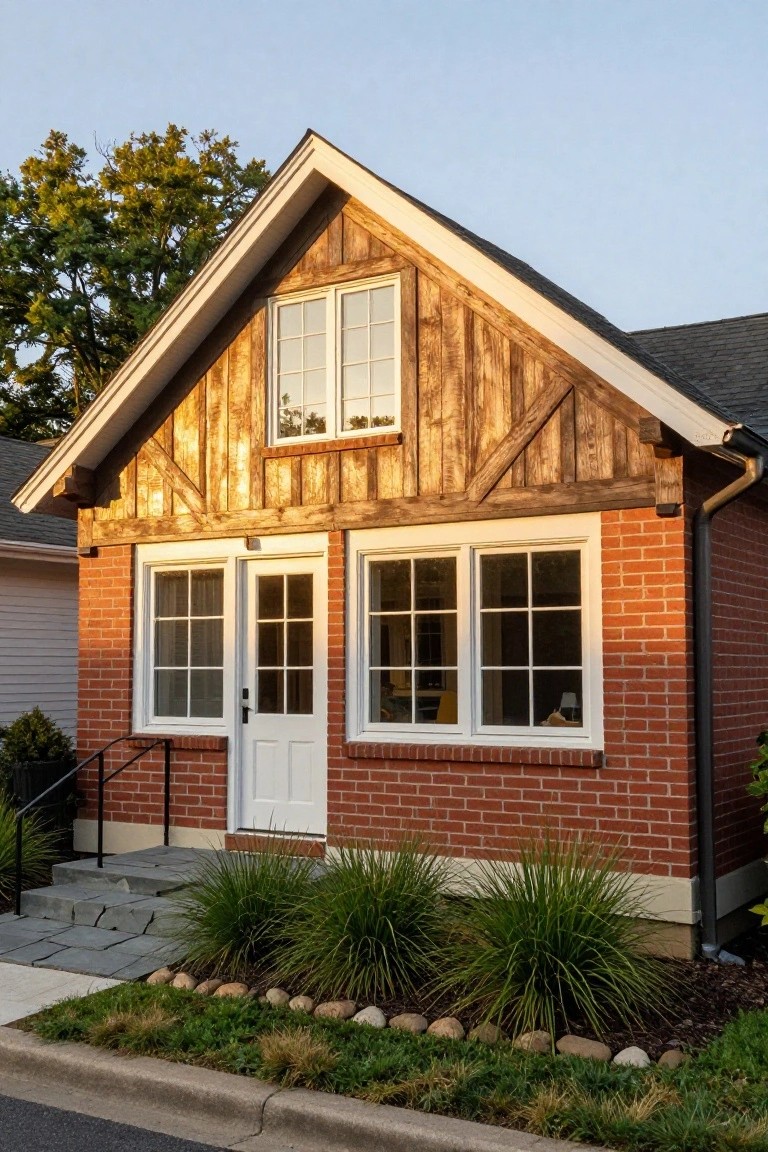
Sometimes a plain brick house just needs a little wood to feel more like home. Here, the dark timbers frame the gable and run down the sides, warming up the red brick without overdoing it. That mix turns a standard colonial into something with real character. Folks notice the contrast right away, especially with the white door pulling it all together.
You can pull this off on most brick homes from the 50s or 60s. Keep the timbers reclaimed or stained dark for that aged look. It suits suburbs where you want curb appeal but not fuss. Just match the scale to your roofline, and add simple plants out front to keep things grounded.
Red Door on Brick Colonial Facade
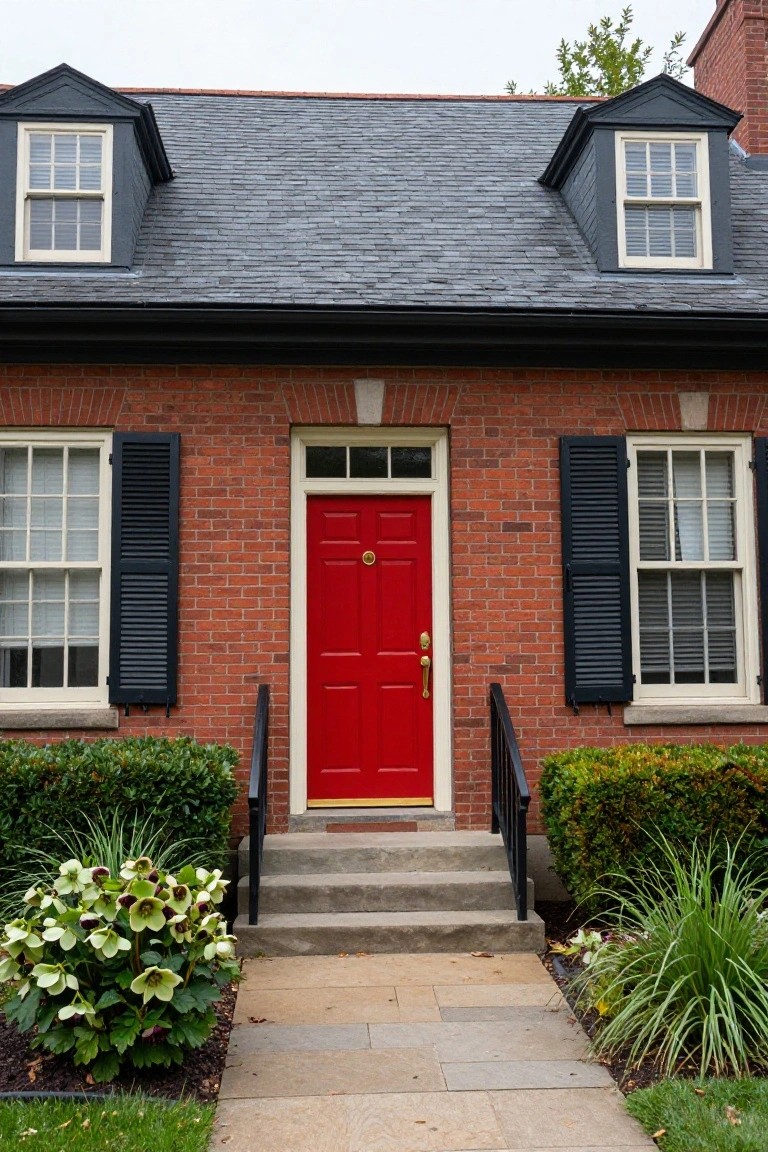
A bright red front door grabs your eye right away on this classic brick colonial. The red brick walls already have warmth. But that door turns the simple entry into something friendly and noticeable. Black shutters and white trim keep things balanced. No need for big changes.
This works well on older brick homes that feel a bit plain. Paint the door glossy red. Add black hardware and keep plantings low around the steps. Skip it if your house has too much color already. Or test with a seasonal wreath first.
Classic Colonial Porch Entry
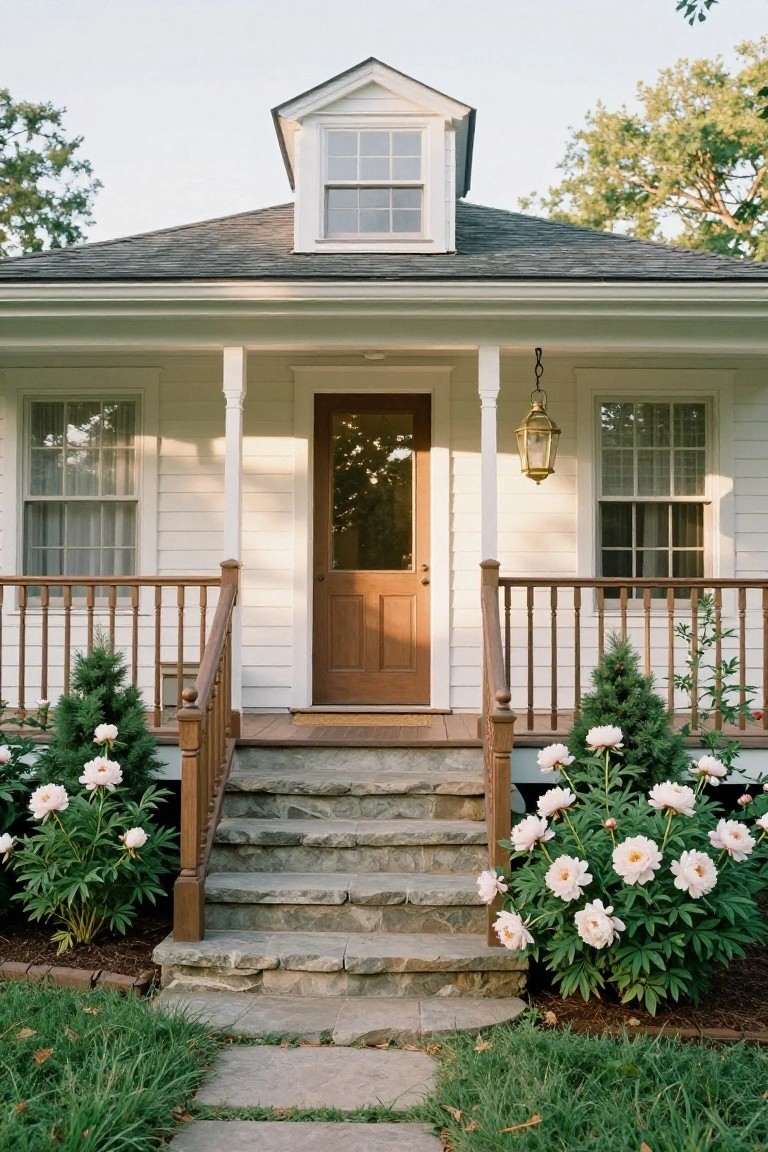
One thing that really works here is the simple porch setup with those sturdy stone steps leading right up to the door. It gives the whole front of the house a welcoming feel without overdoing it. The white siding stays crisp and traditional, but the brown wood door and railing add just enough warmth to pull you in. Flanking evergreens and those big pink peonies keep it soft around the edges.
This kind of entry suits older colonial homes looking for a straightforward refresh. Use natural flagstone for the steps if you want that grounded look, and plant low evergreens or perennials that bloom in summer on both sides. It works best on smaller front yards where you don’t want a lot of fuss. Just make sure the steps are wide enough for easy walking.
Frequently Asked Questions
Q: How do I start a colonial exterior makeover on a budget?
A: Walk around your house and note what bugs you most, like peeling paint or dated shutters.
Pick one small fix, such as fresh front door paint in a bold hue.
That quick win builds momentum without draining your wallet.
Q: What colors work best for a colonial house?
A: Stick to earthy tones like soft grays, warm beiges, or crisp whites for the siding.
Pair them with deeper accents on trim, maybe navy or hunter green.
Test samples in morning and evening light to see how they play.
Q: Do I need a permit for these kinds of changes?
A: Check your local rules first, especially for big stuff like roof swaps or window replacements.
Small paint jobs or shutter swaps usually skip the hassle.
Call town hall if you’re unsure, it saves headaches later.
Q: How do I keep the new look looking fresh?
A: Hose down siding yearly and touch up paint nicks right away.
Trim back overgrown bushes so they don’t rub against the house.
And reseal the deck every couple years to fight weather wear.
