

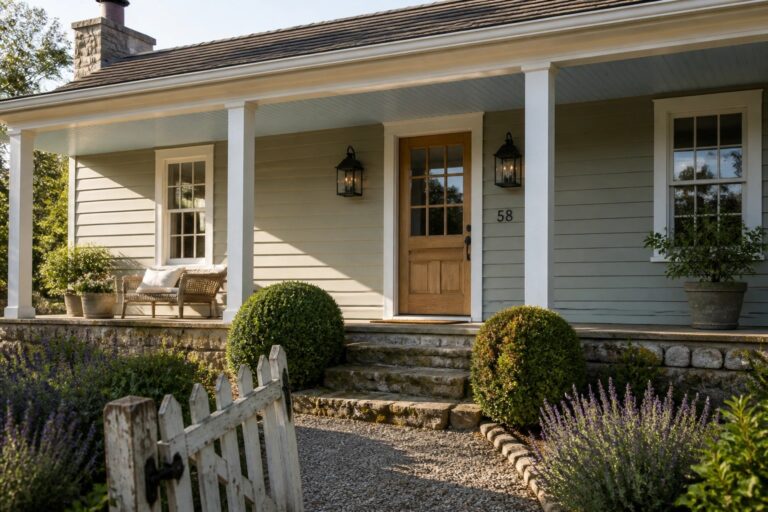
I often find that paint on the outside of a house looks different once it is up against the actual roof shingles and trim boards.
The way a color responds to morning light versus late afternoon shadows can change the whole feel of the exterior.
Testing on site reveals a lot.
I always put up a few larger samples first before deciding.
That way I catch any surprises from the weather or the time of day before committing to gallons of paint.
Soft Sage Green Farmhouse Siding
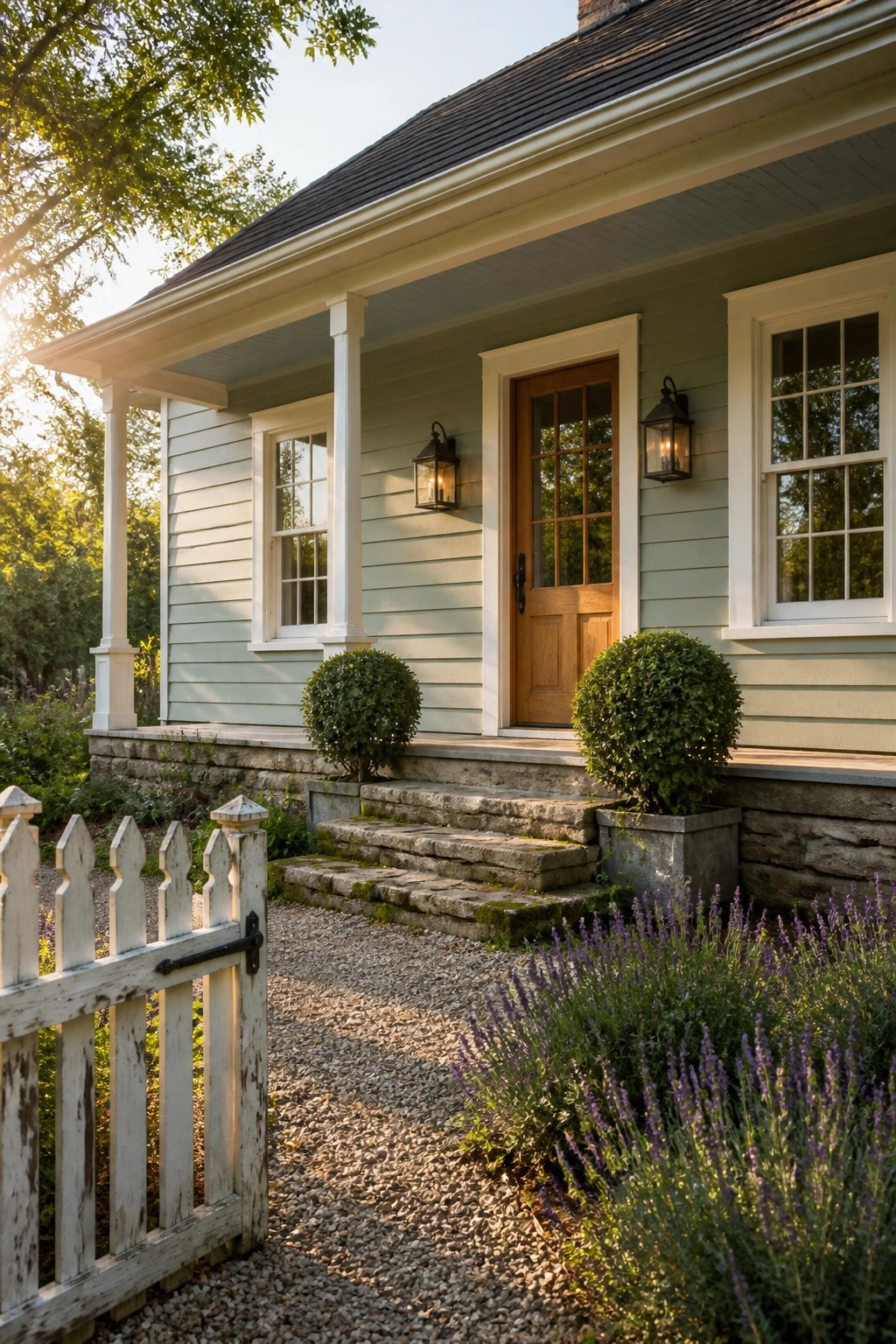
This soft sage green works well on cottage farmhouse exteriors because it feels calm and a little earthy without standing out too much. It has a muted tone that sits nicely next to white trim and stone foundations. Colors like this often read closest to Benjamin Moore Saybrook Sage, Sherwin Williams Halcyon Green, or Behr Aged Sage.
It tends to stay steady in changing light and pairs easily with natural wood doors or dark accents. Just watch that it does not pull too cool next to very warm stone or red brick.
Creamy White Siding
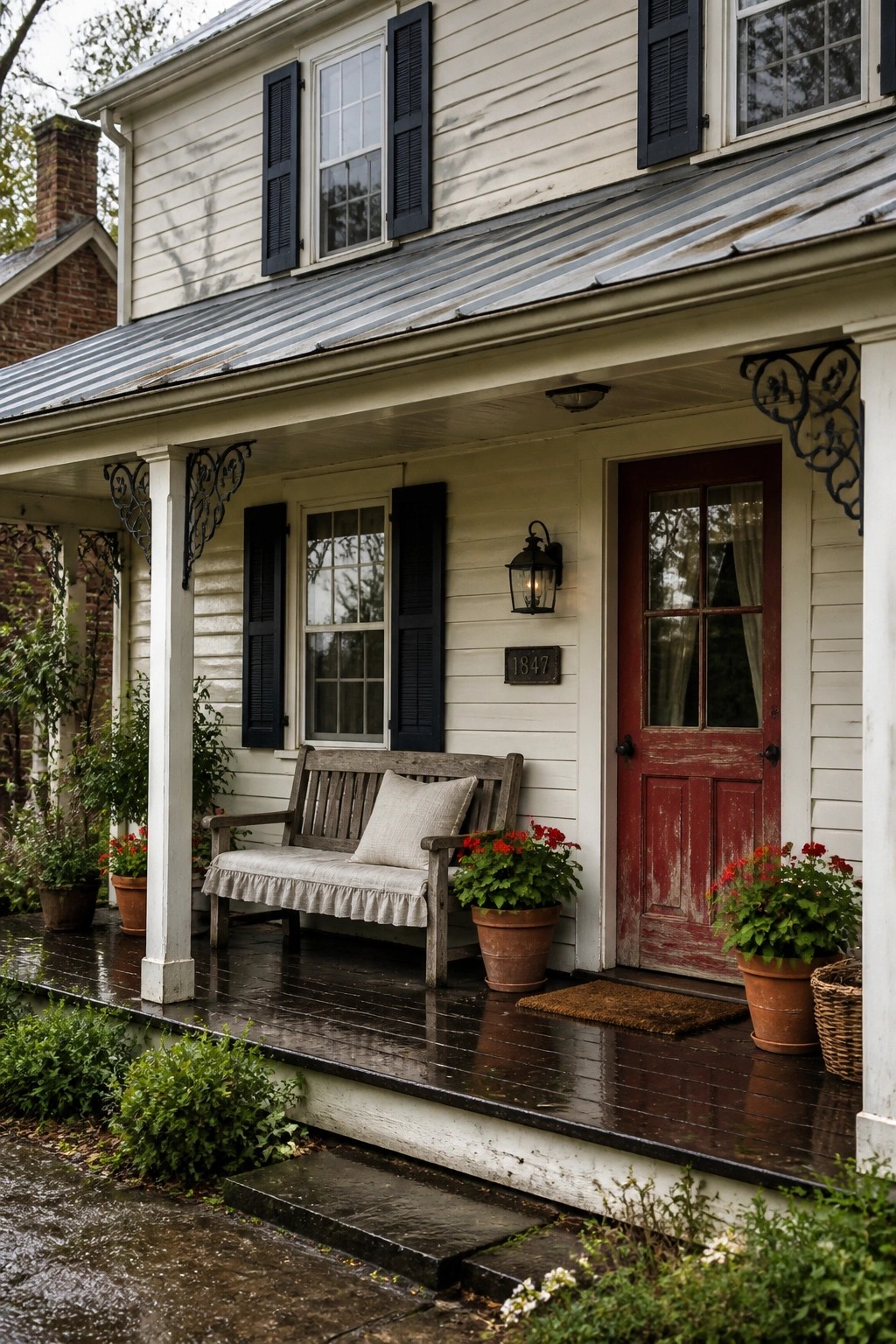
A soft creamy white covers the siding here and gives the house that relaxed farmhouse look. It sits between stark white and light beige, which helps it feel warm next to the dark metal roof and trim.
This color has gentle warm undertones that keep the whole exterior from looking too cool or flat. It works best on older homes with simple details and pairs well with red doors or natural brick accents. Sherwin Williams Creamy, Benjamin Moore White Dove, Behr Creamy White, and Farrow & Ball Pointing all read very close to this shade.
Deep red siding
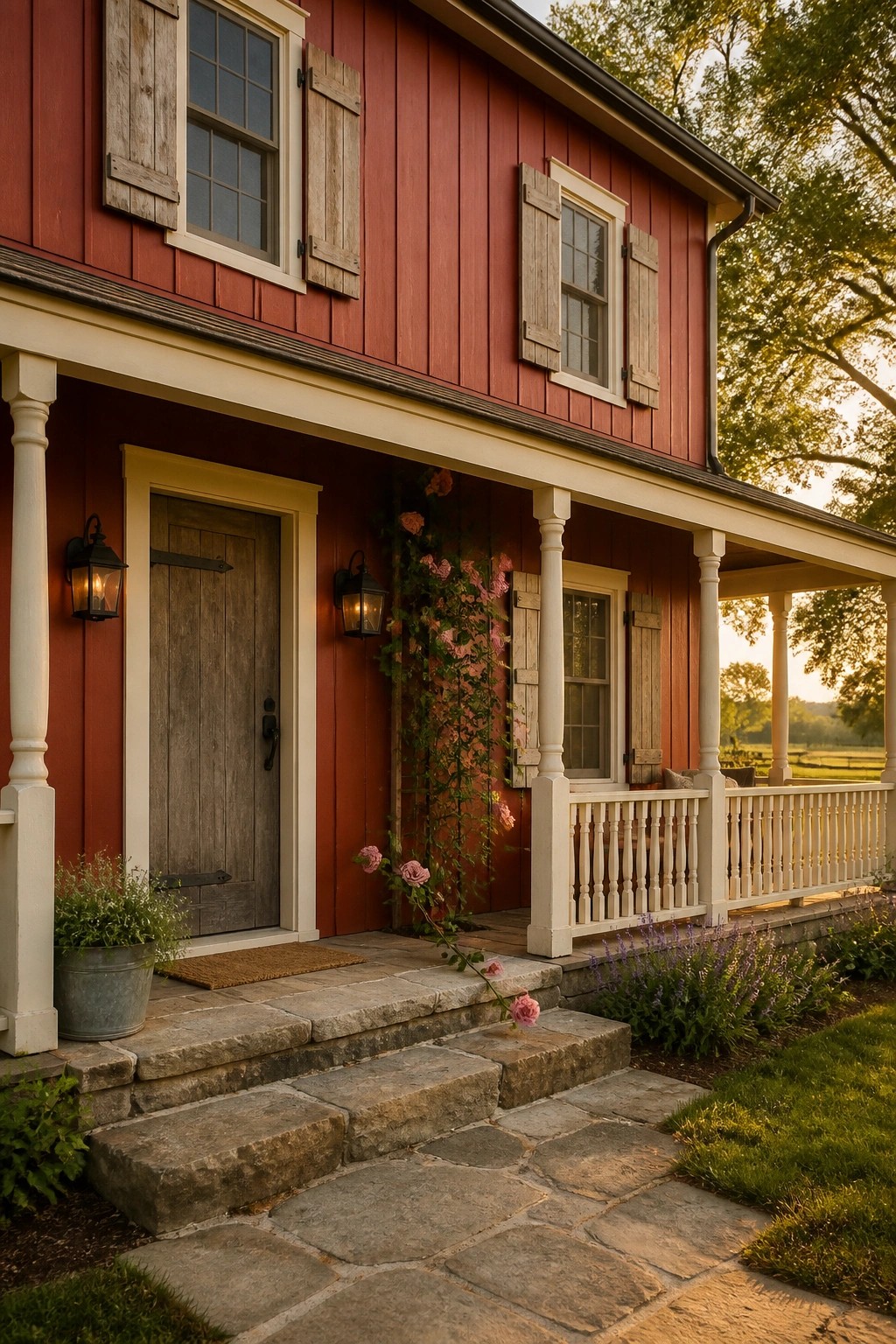
This deep red siding brings a classic farmhouse warmth that feels settled and welcoming. It falls into the warm barn red family with a bit of earthy depth that keeps it from looking too bold. Colors like this often read closest to Sherwin Williams Barn Red, Benjamin Moore Heritage Red, or Behr Cottage Red.
The red works especially well against white trim and stone details. It holds its tone nicely in natural light and suits older homes or new builds aiming for that relaxed country style. Just keep an eye on how it sits next to any greenery since the contrast can shift depending on the season.
Soft Blue Green Siding
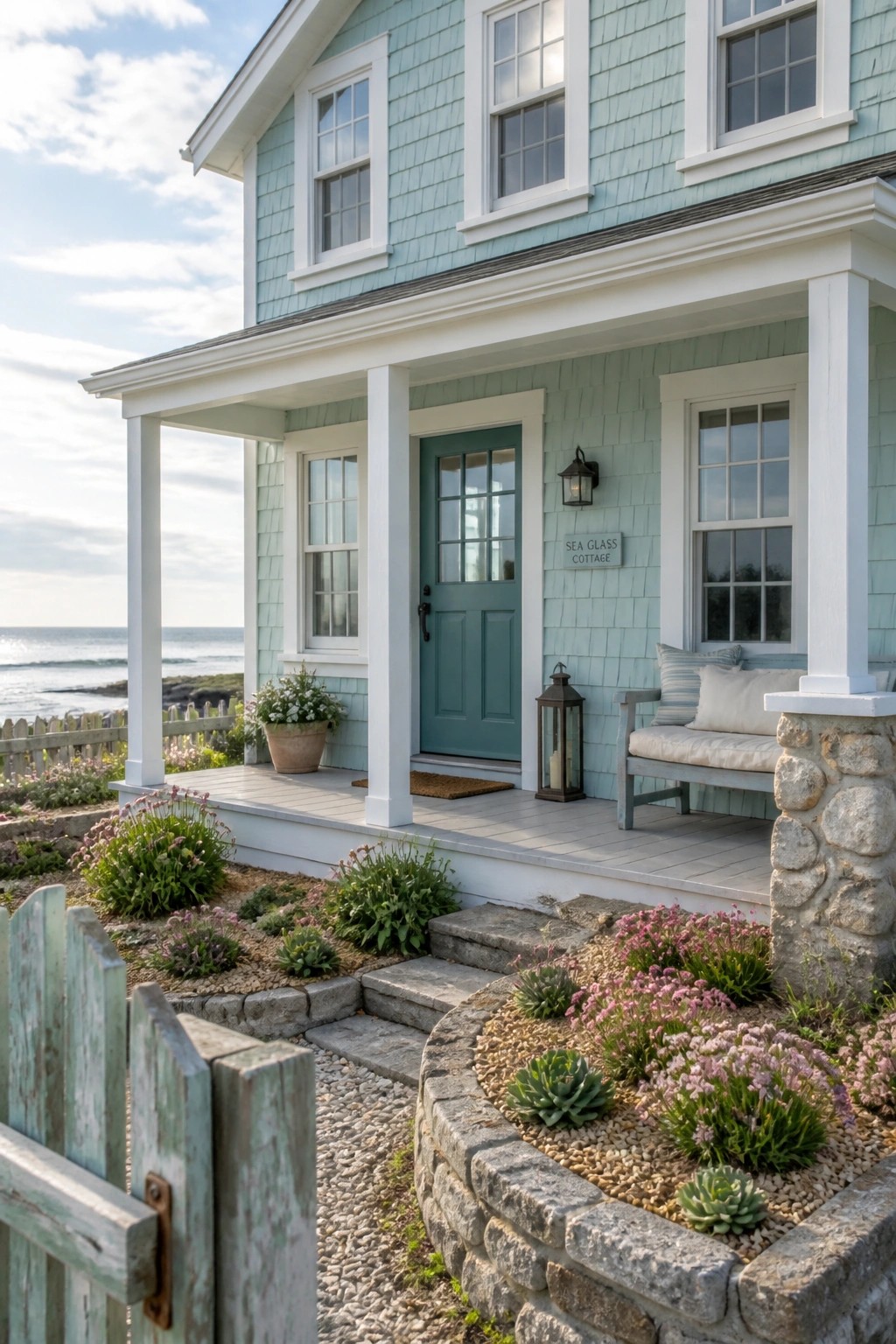
This light blue green siding gives a cottage farmhouse a calm, slightly coastal feel without looking too bright. It sits right in that soft blue green family and works well when you want color that still feels relaxed next to white trim. It reads closest to Sherwin Williams Sea Salt, Benjamin Moore Palladian Blue, or Behr Soft Aqua.
The cool undertone shows up more in morning light and stays gentle next to stone and wood. It suits homes with simple trim and natural materials, though it can look a little washed out if the roof is very dark.
Light Greige Siding With Stone Accents
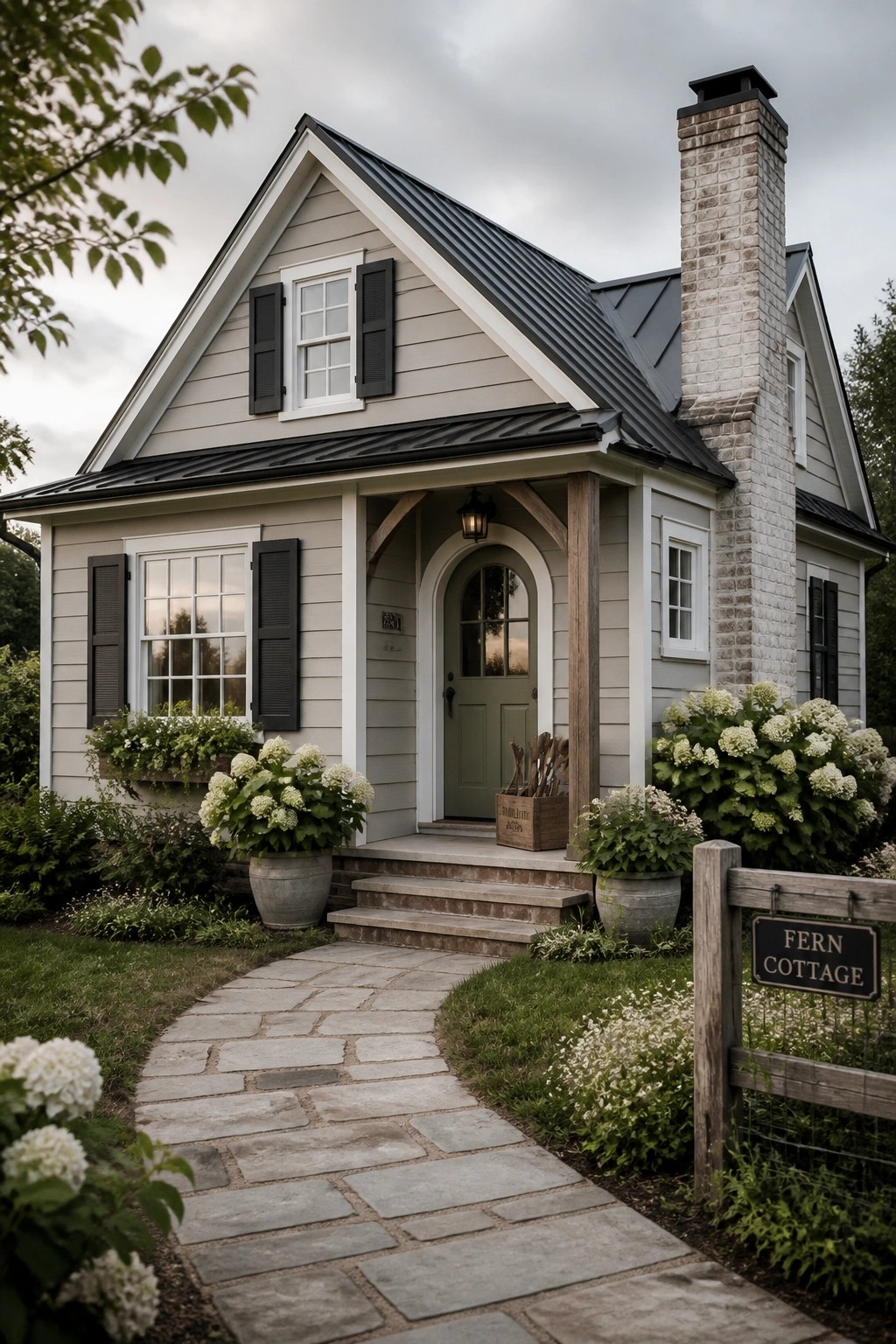
This cottage has a soft greige on the main walls. It is a light warm gray that leans just a bit toward beige, which keeps the house from feeling too cool or flat against the darker roof.
The color has a gentle warmth that sits nicely with white trim and stone details. It works best on older homes or farmhouses where you want something relaxed that still feels clean. Try it with natural wood doors or simple black hardware if you want a bit more contrast.
Warm Greige Siding
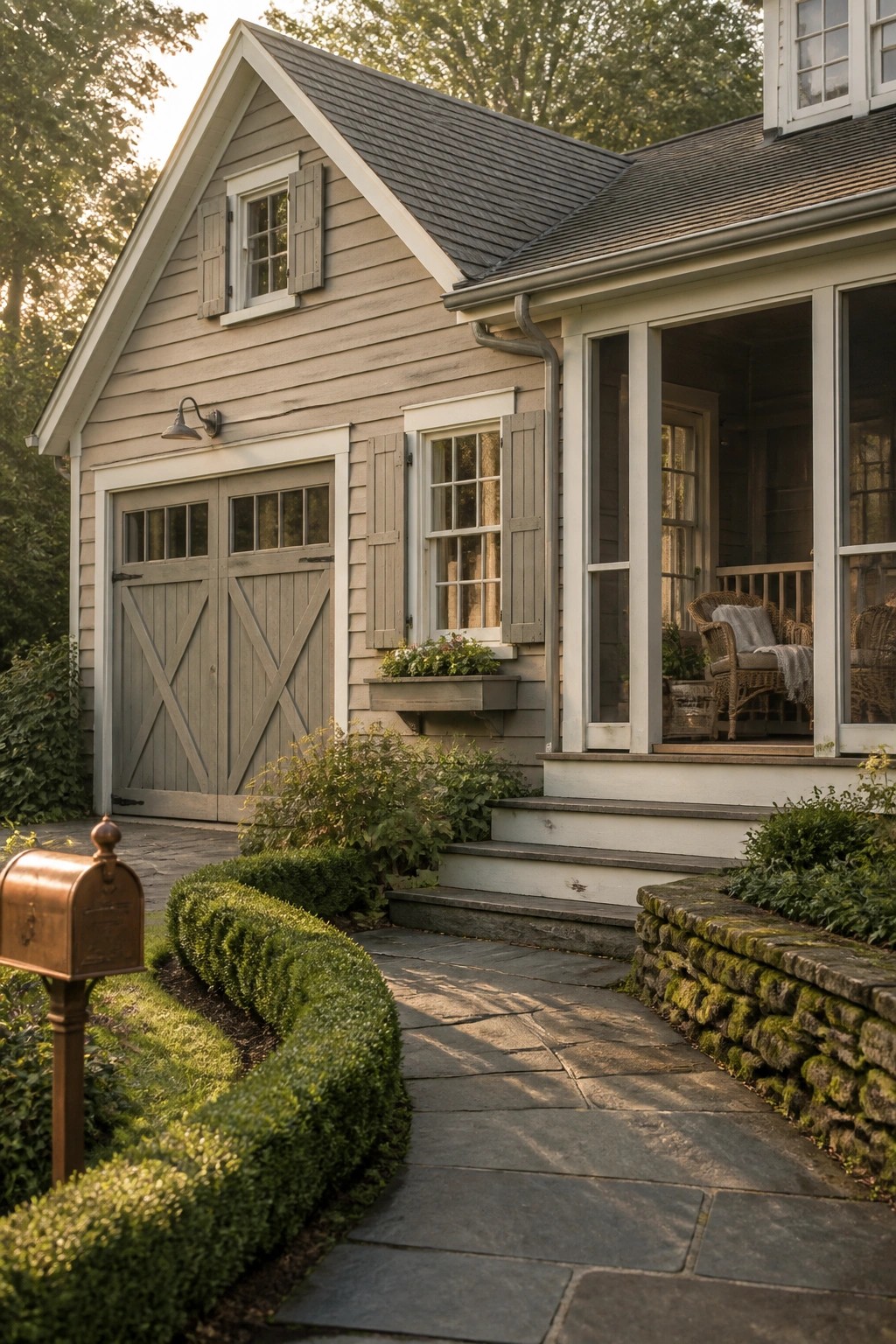
This siding color is a warm greige that blends gray and beige in a way that feels soft outdoors. It sits somewhere between Sherwin Williams Accessible Beige and Benjamin Moore Revere Pewter, with a hint of Benjamin Moore Edgecomb Gray in the mix too.
The color works well on cottage style homes because it keeps things relaxed next to white trim and stone details. It holds up in changing light and pairs easily with most roof colors, though very cool grays nearby can make it look a bit flat.
Soft blue gray siding
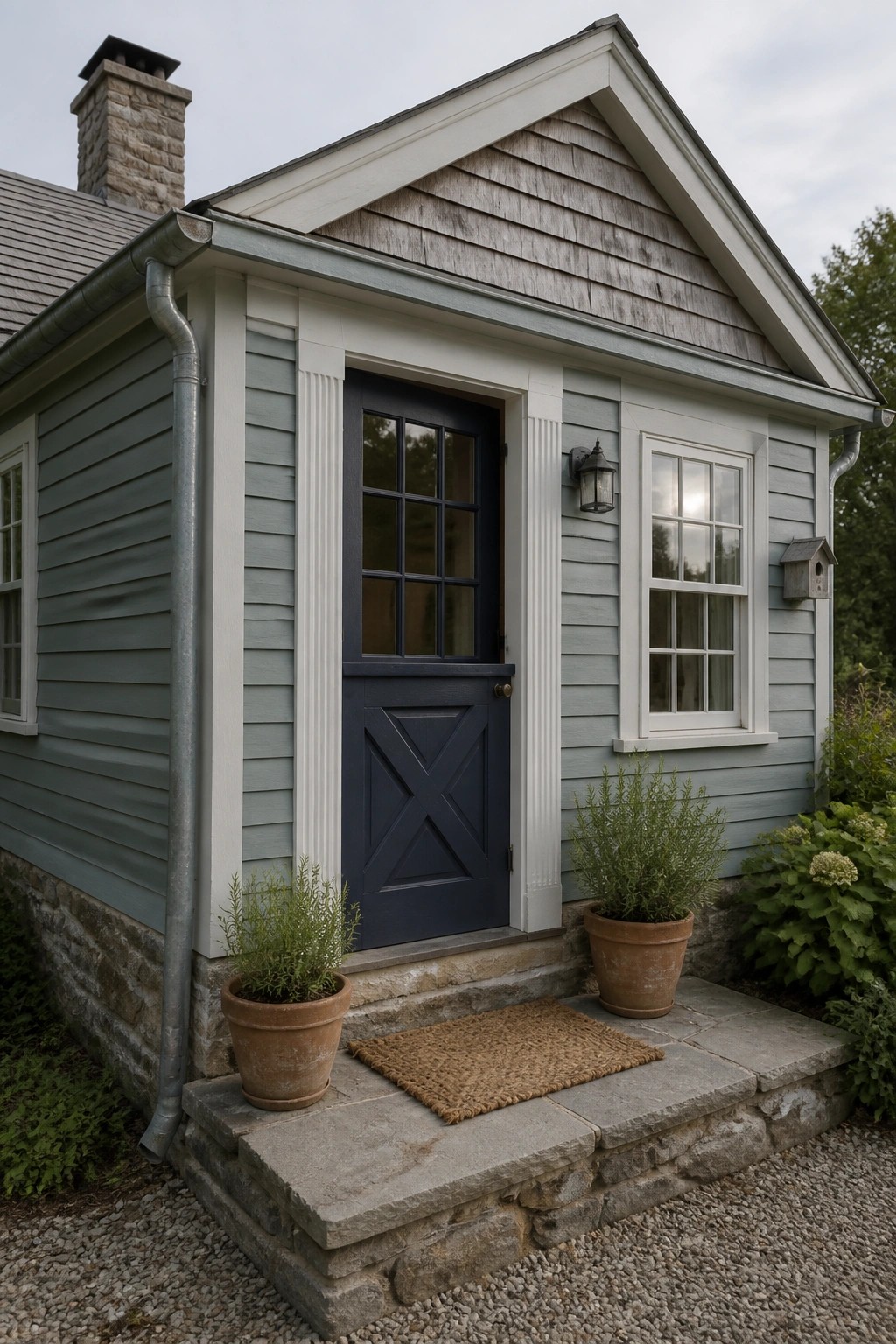
This soft blue gray on the siding is a good choice for cottage farmhouse exteriors. It has a muted tone that feels calm and a little weathered without looking dull. The color sits somewhere between gray and blue with cool undertones that keep it from feeling too green or too flat.
It works best on homes with white trim and simple details. Pair it with stone or gravel around the base, and it holds up well against most roof colors. One thing to check is how it shifts in full sun, since the blue can read stronger at certain times of day.
Muted Sage Green Siding With Gray Undertones
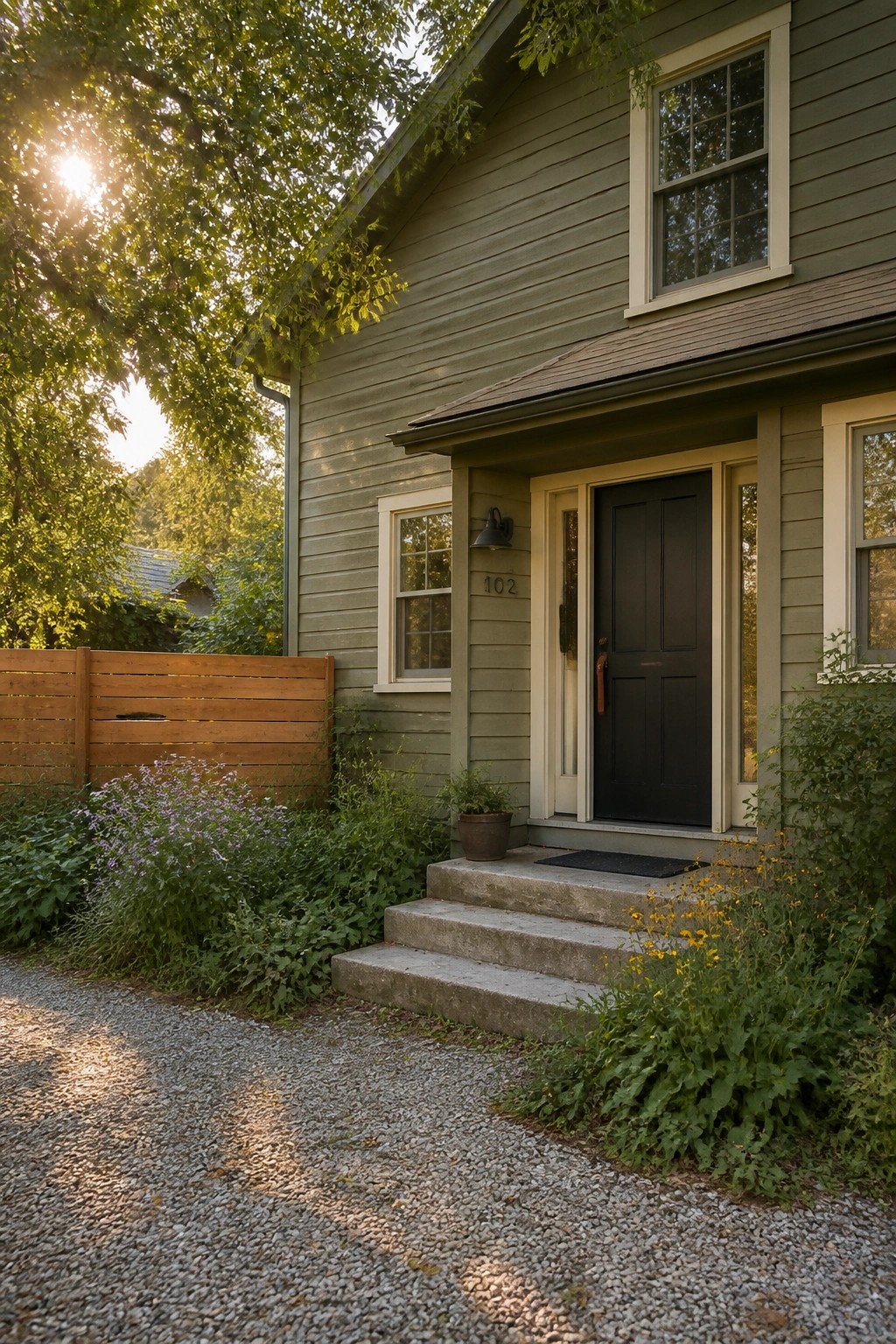
A muted sage green like this gives cottage farmhouse exteriors a relaxed, lived-in look without feeling too bold. It sits somewhere between gray and green, which helps it feel grounded next to gravel paths and wood fencing. The color reads closest to Sherwin Williams Evergreen Fog or Benjamin Moore Saybrook Sage, with Behr Bonsai as another close option.
It carries a soft gray undertone that keeps the house from looking too bright in full sun. This shade works best with warm white trim and a dark door, and it tends to hold up well against changing light through the day. Watch how it shifts on larger walls before committing.
Soft Gray Siding
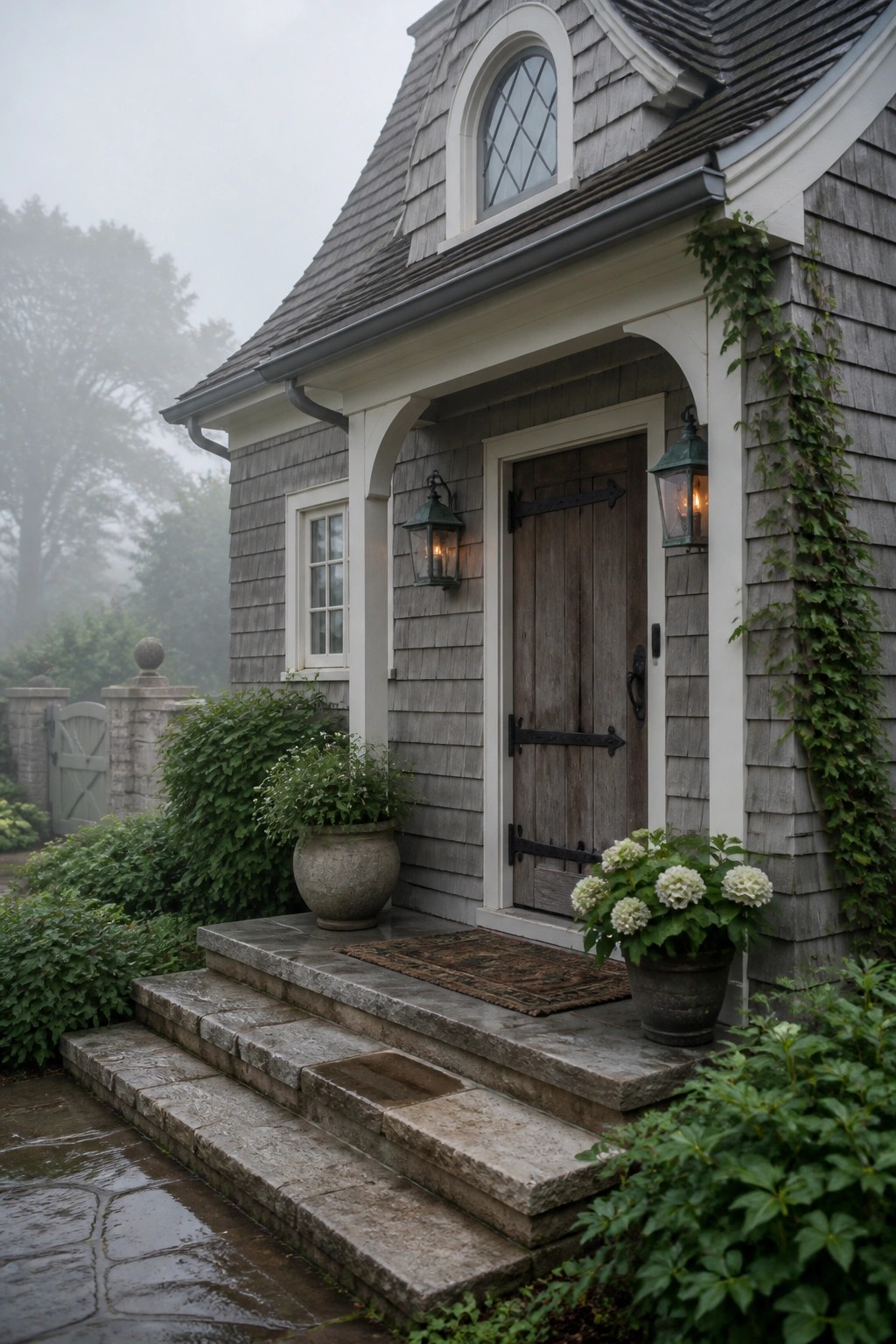
A soft weathered gray covers the wood shingles here and gives the whole exterior a calm, settled look. This kind of gray sits between cool and neutral, so it feels natural next to stone and greenery without standing out too much. It works especially well on older homes or cottages that already have some texture in the siding.
The color has a light blue undertone that shows more on overcast days. It pairs easily with white trim and dark hardware, though it can look flat if the roof or masonry runs too warm. Sherwin Williams Repose Gray, Benjamin Moore Coventry Gray, and Behr Silver Strand all sit close to this shade.
Warm Greige Siding With Dark Trim
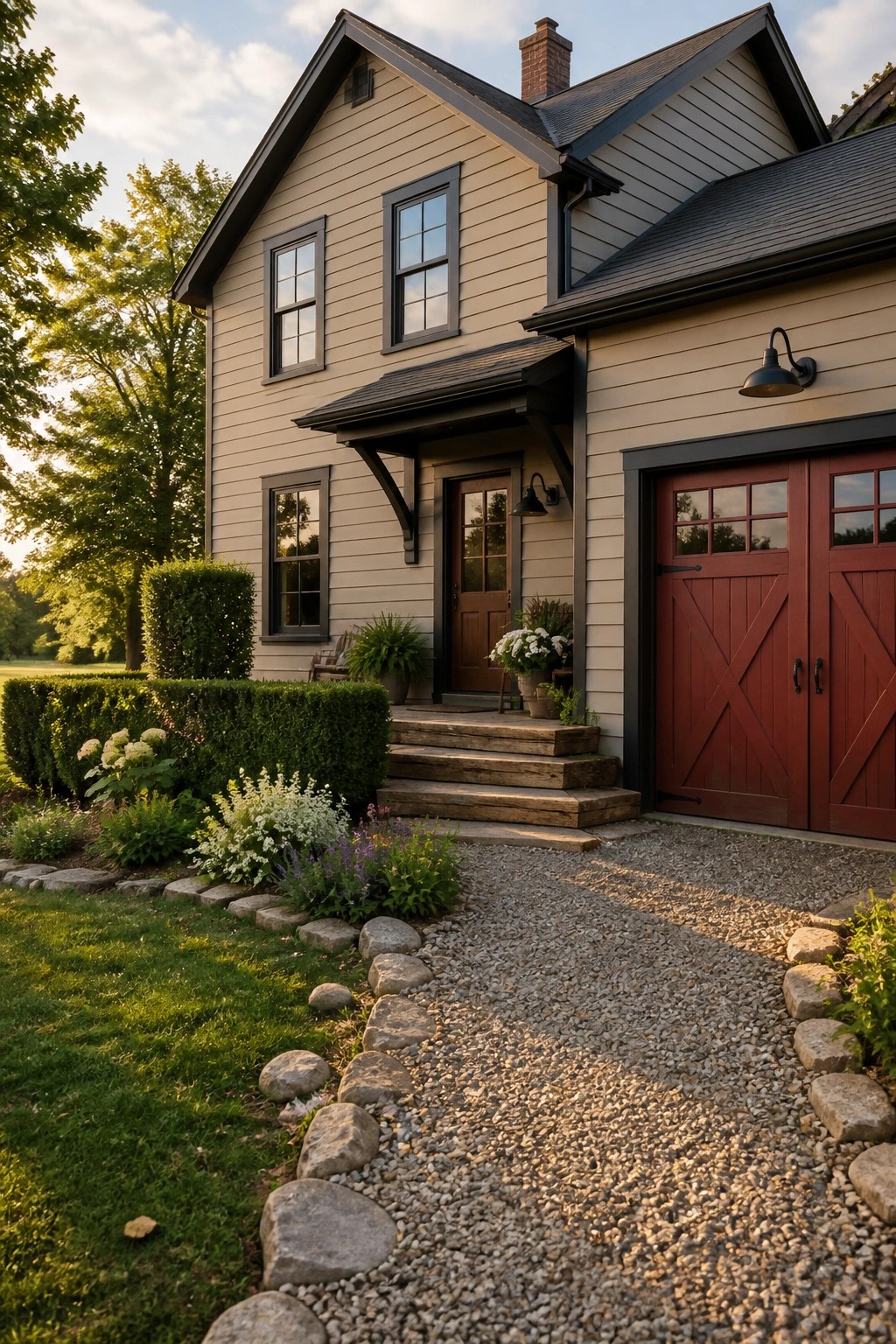
This house uses a soft greige on the siding that sits right between warm beige and light gray. It gives the exterior a relaxed look without feeling too stark or too plain, and it works well with the dark trim and roofing.
The color has a slight warm undertone that keeps it from going cold in shade. It pairs nicely with natural wood accents and red doors, and it suits older homes or simpler farmhouses that need something low-key but still pulled together. Try it with white or charcoal trim depending on how much contrast you want.
Warm Terracotta Stucco
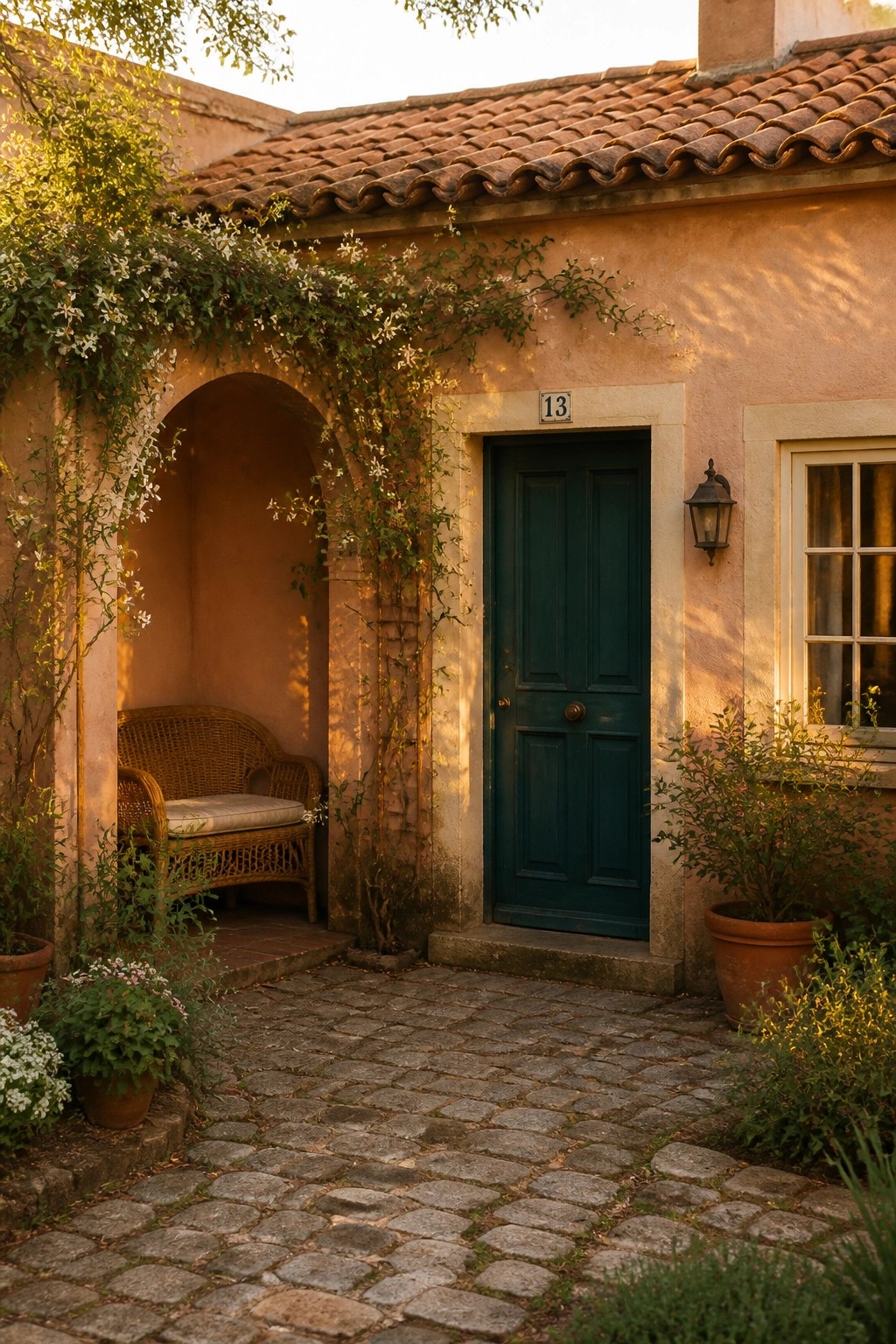
This soft terracotta color on the exterior walls gives a cottage a relaxed, earthy look that feels right at home in the countryside. It lands between peach and clay, with enough warmth to keep the house from feeling stark against stone or greenery.
The tone has a gentle warmth that shifts a bit depending on the light, so it works best on textured stucco where small variations show through. It pairs easily with dark trim or doors and holds up well on older homes that already have some character in the masonry.
Deep Navy Siding
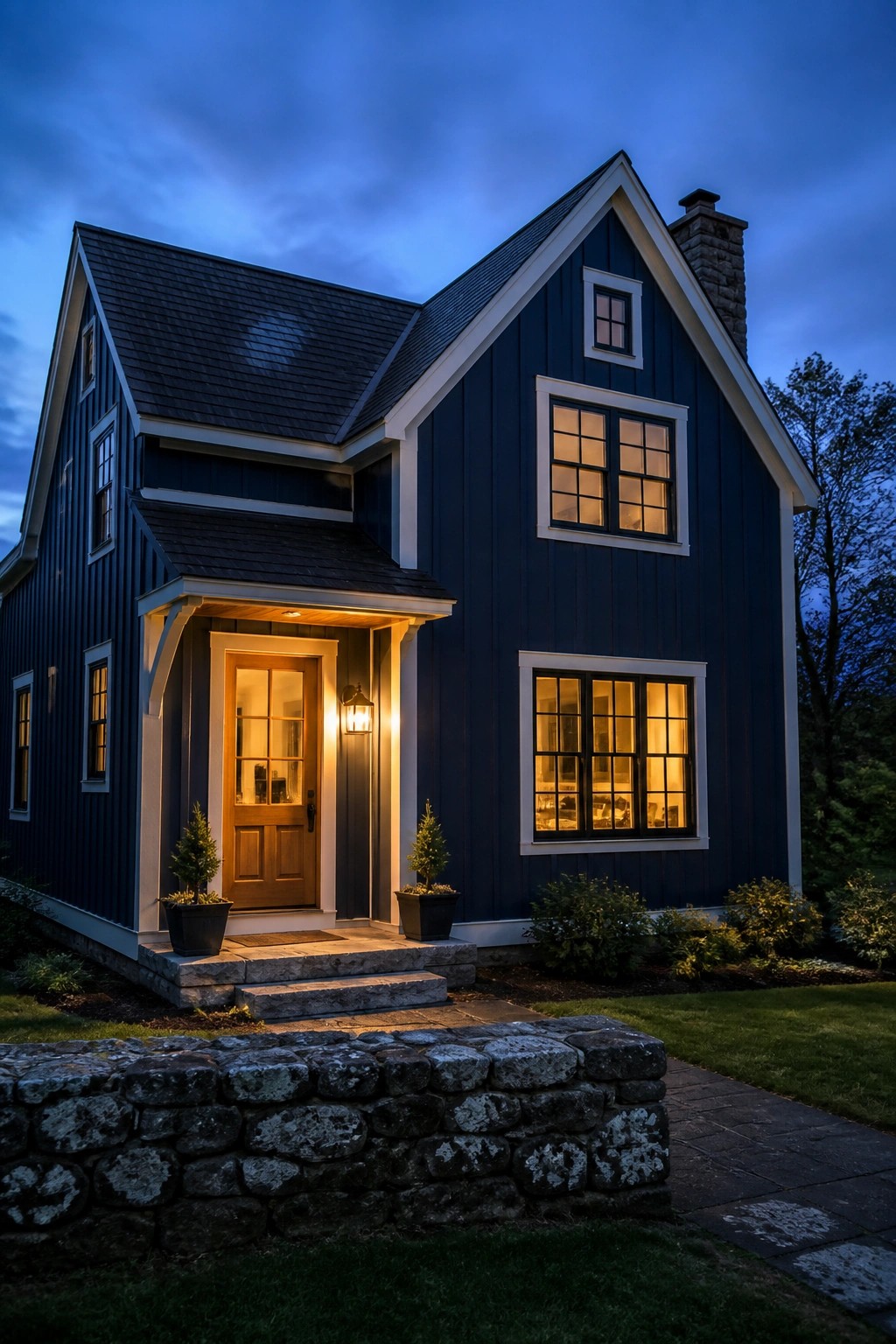
This deep navy blue gives cottage farmhouse homes a solid, grounded feel without looking heavy. It sits in a cool color family with enough depth to stand out against lighter trim and roofing.
It pairs well with stone foundations and natural wood doors. The color can shift a little in changing light, so testing a sample on the actual siding helps avoid surprises once it is up.
Soft Gray Green Siding
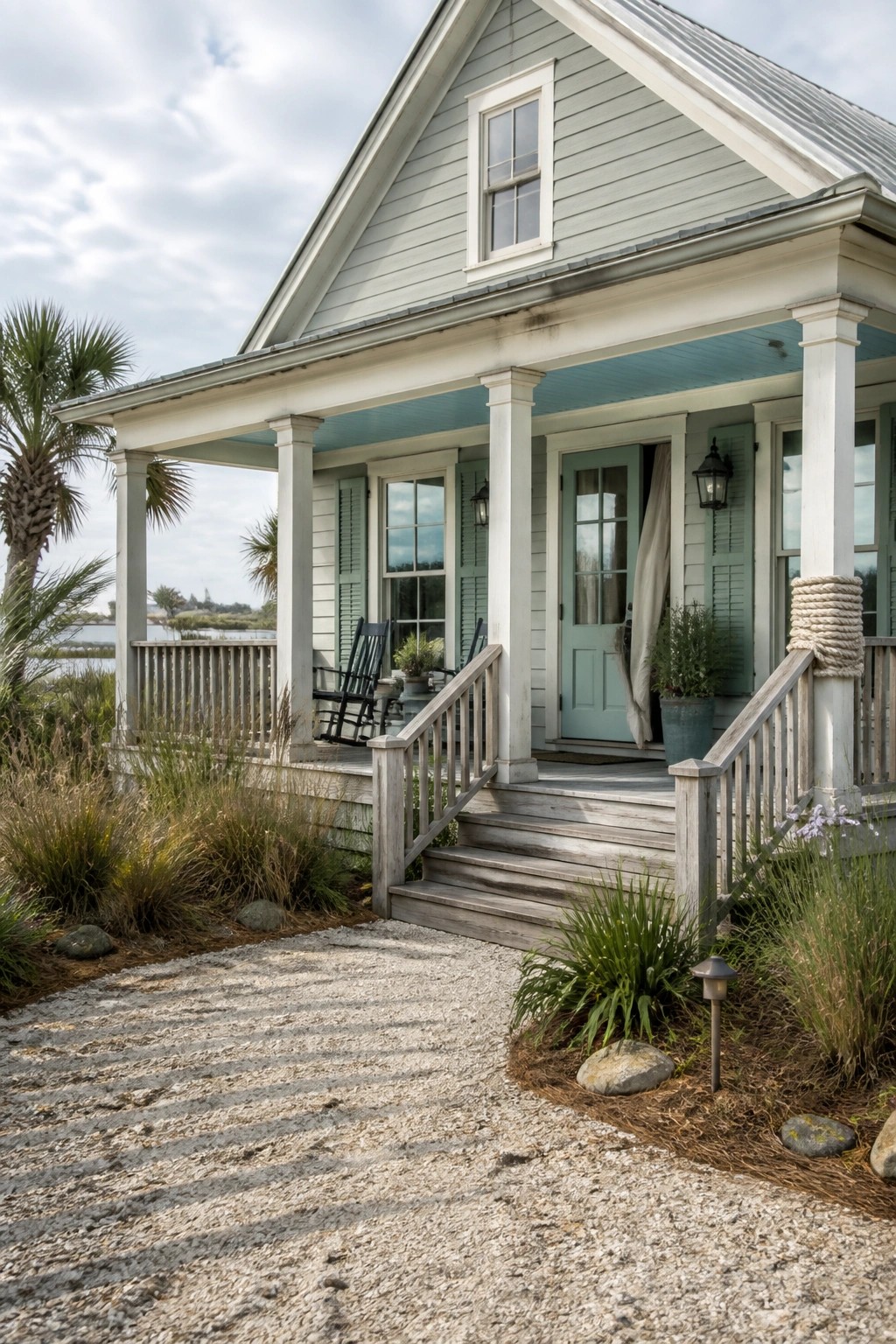
This soft gray green siding gives a cottage farmhouse that relaxed look without trying too hard. It sits right between gray and sage, so it feels calm and a little earthy at the same time. The color reads closest to Sherwin Williams Sea Salt, Benjamin Moore Silver Satin, Behr Silver Strand, or Farrow & Ball Pigeon.
The slight green undertone shows up more when the light hits it, which helps the house blend with grass and trees around it. It works best with simple white trim and weathered wood details, and it tends to stay looking clean even after a few seasons outdoors.
Soft Sage Siding
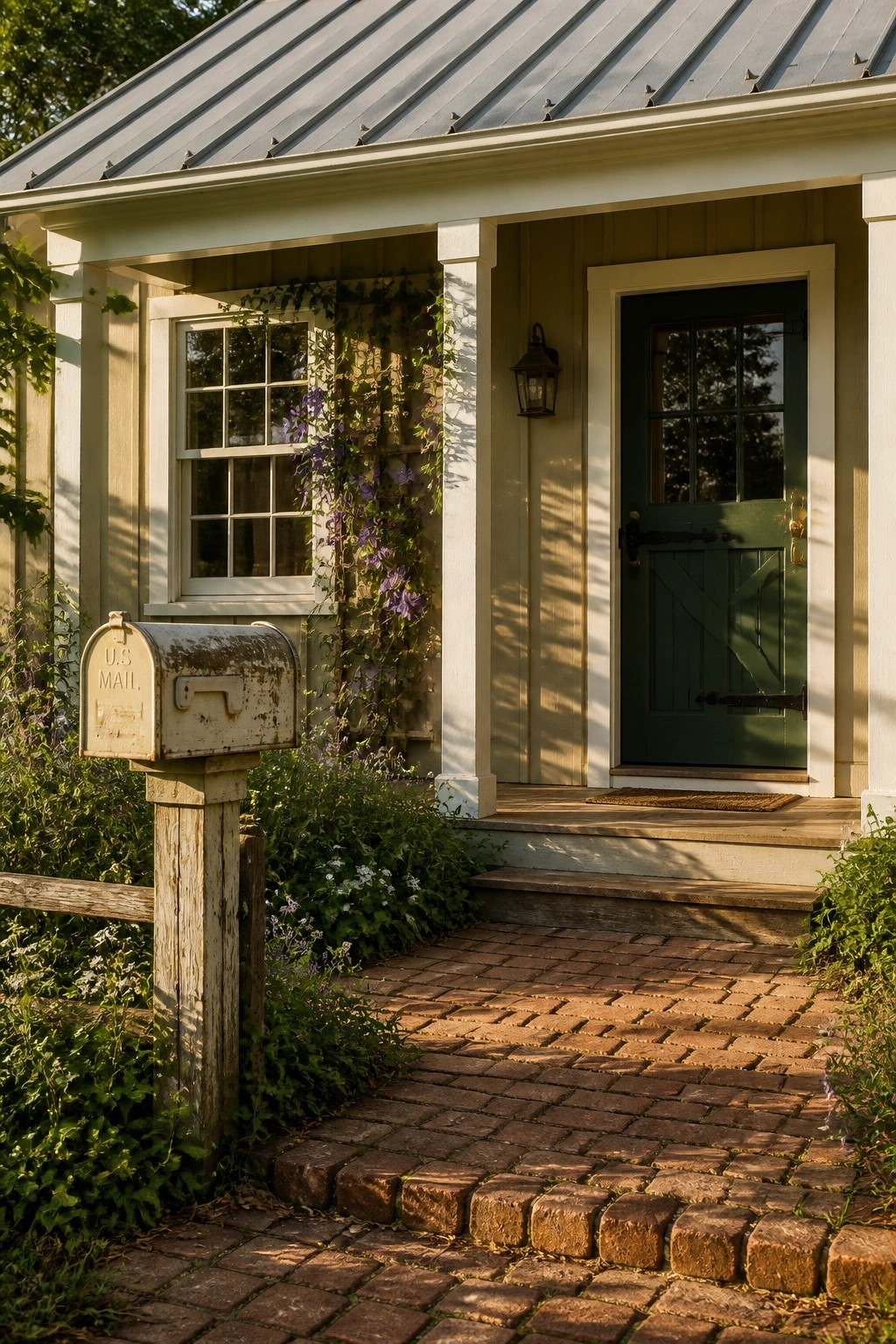
This siding color is a soft sage green that sits somewhere between gray and green. It feels quiet and settled on a cottage exterior without pulling too much attention.
The color has a warm undertone that keeps it from looking cool or flat next to brick and wood. It works best on homes with white trim and pairs well with a deeper green door or simple black hardware.
Muted Blue Gray Cottage Siding
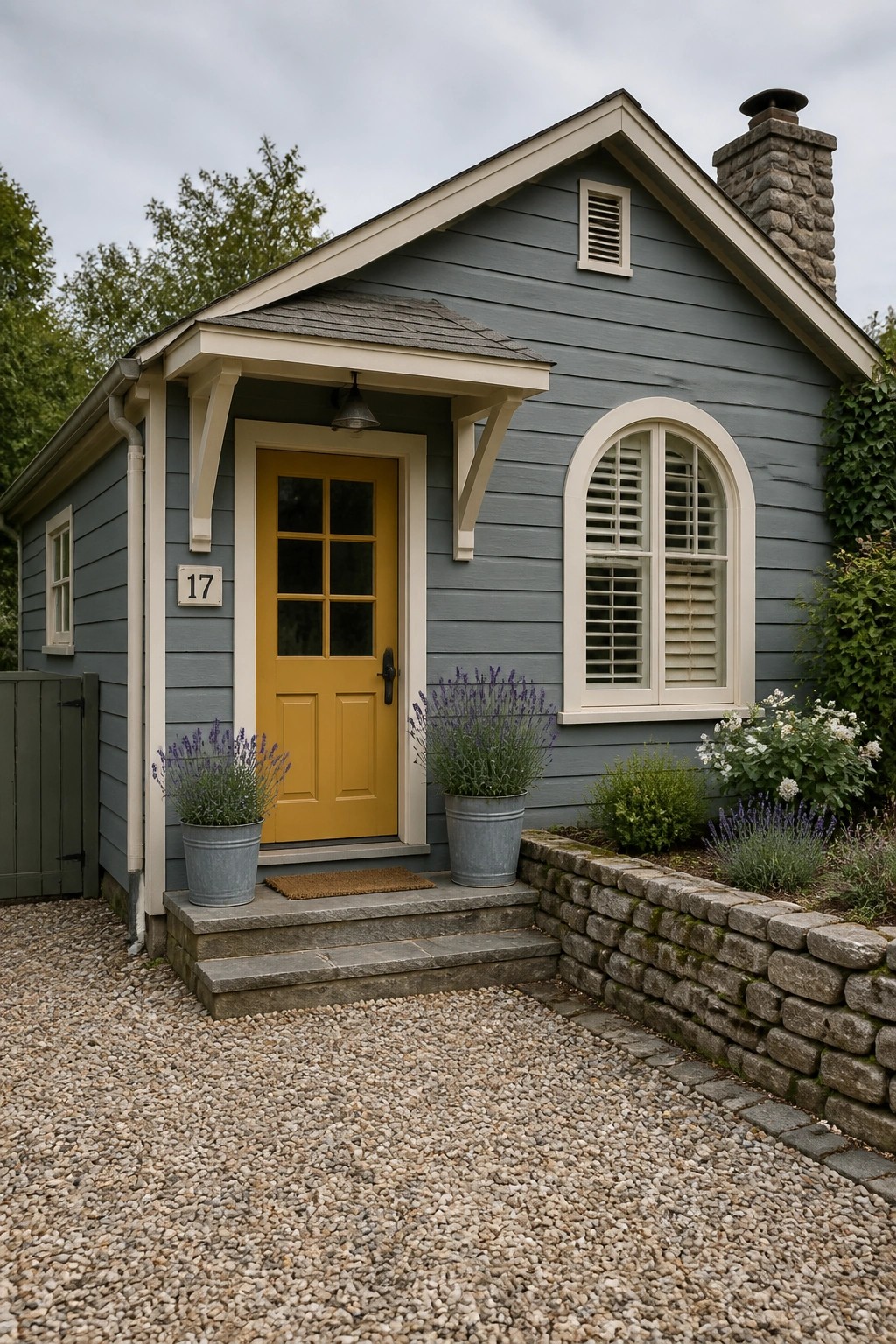
This house uses a muted blue-gray on the siding that sits somewhere between gray and soft blue. It feels calm and a little old-fashioned, which fits the cottage farmhouse style without looking too bold or too washed out.
The color has cool undertones that stay steady next to white trim and stone. It works best on homes with simple details and pairs nicely with natural wood doors or dark roofing. In strong sunlight it can read a touch greener, so it helps to test a sample on the actual wall first.
Earthy Sage Green Cottage Siding
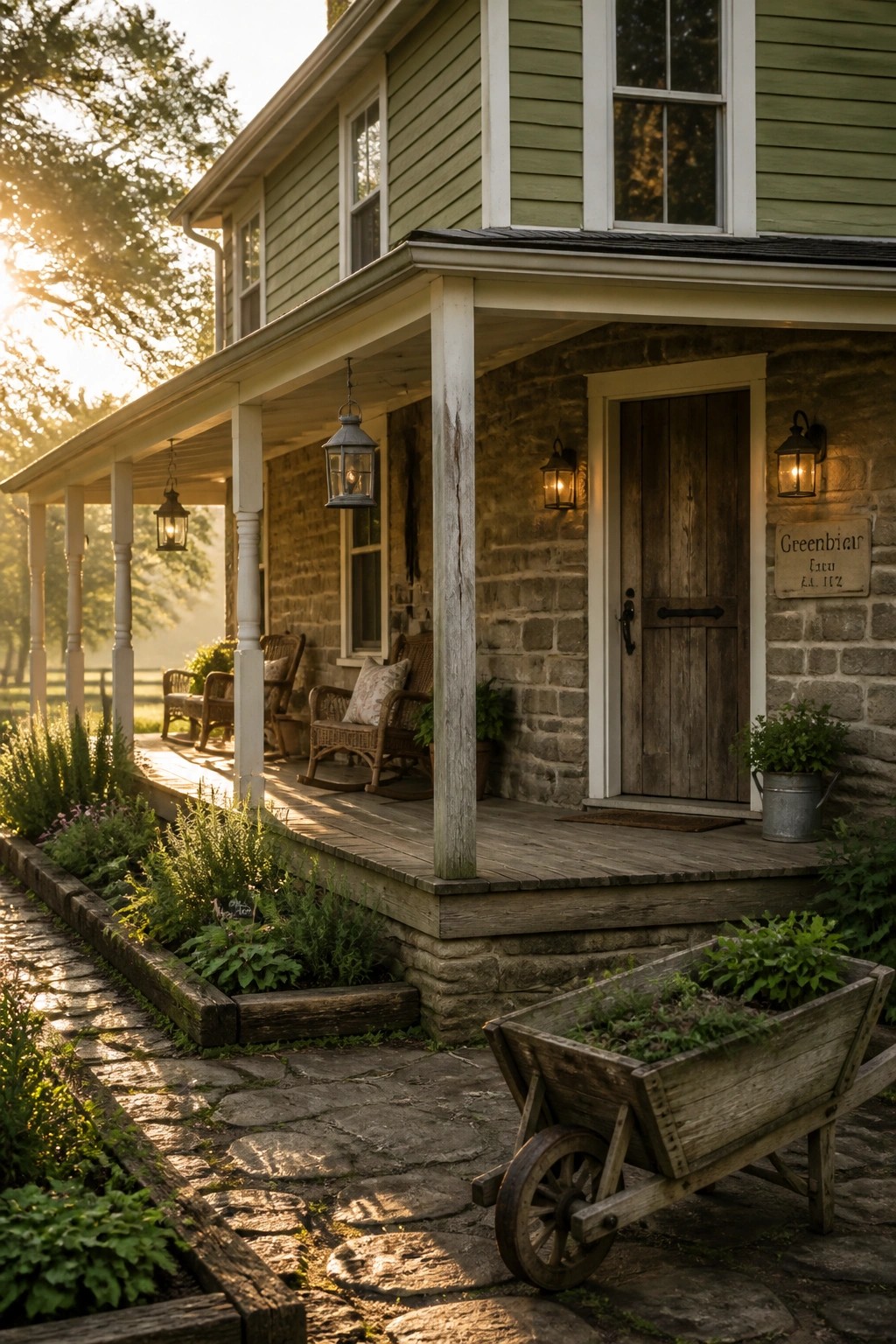
This soft sage green siding gives a cottage farmhouse that relaxed look without trying too hard. It sits in a gentle middle ground between gray and green, which helps it feel calm next to stone and wood.
The color has a slight earthy undertone that works best on homes with natural materials around them. It pairs easily with white trim and holds up well in changing light, though it can look a bit flat if the house gets very little sun.
Pale yellow siding
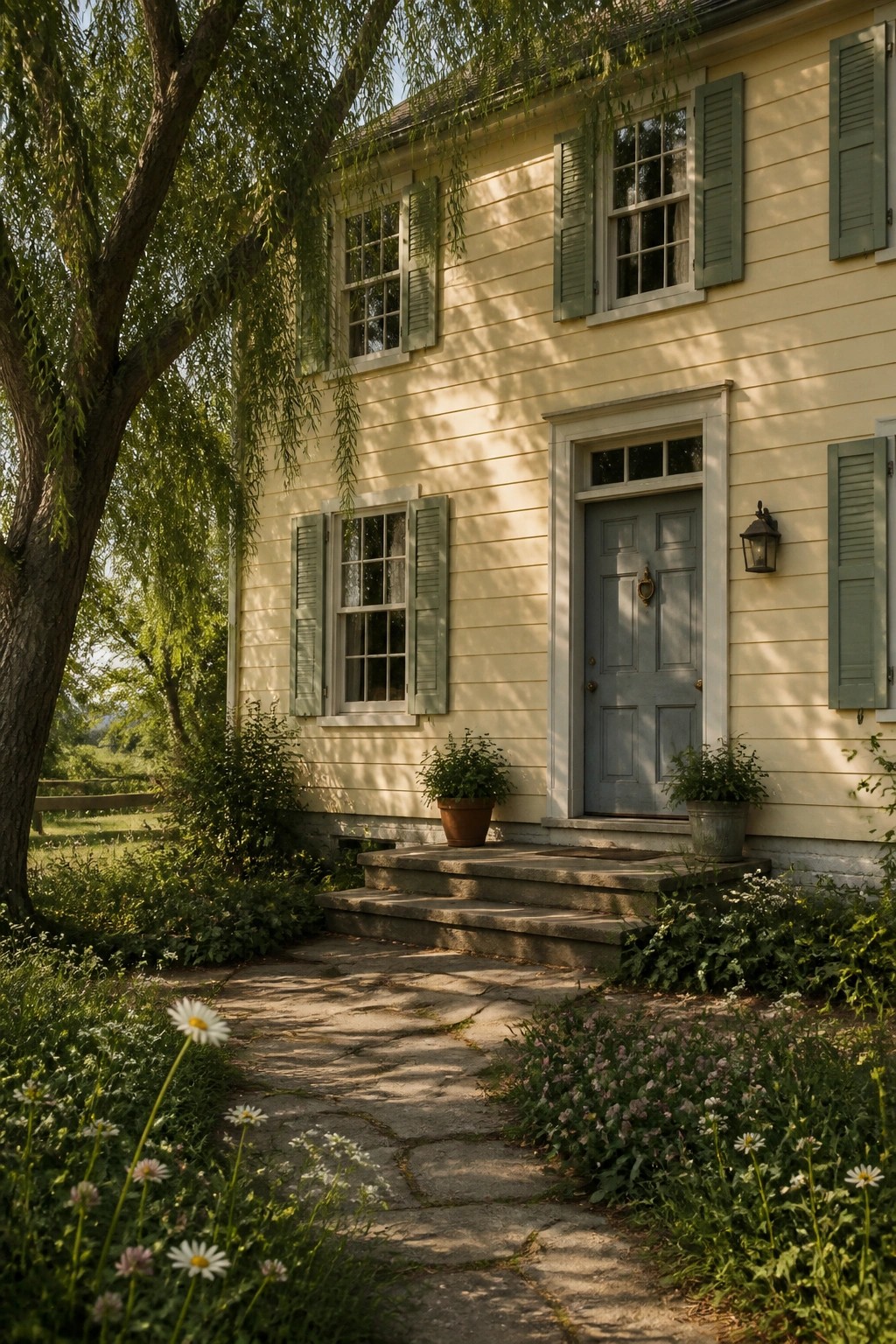
This pale yellow siding gives a cottage farmhouse that relaxed, sunlit look without being too bright. It is a warm, soft yellow with a hint of cream that feels easy and lived-in on older homes. The color works well because it brightens the exterior while still sitting nicely against natural stone and wood tones around the property.
It has a gentle warm undertone that shows up more in morning light and pairs best with off-white trim and a soft gray door. Watch how it reacts to strong afternoon sun though, since it can shift a little greener in some lights. Good matches include Benjamin Moore Hawthorne Yellow, Sherwin Williams Friendly Yellow, Behr Lemon Meringue, and Farrow & Ball Yellow Ground.
Deep Gray Siding
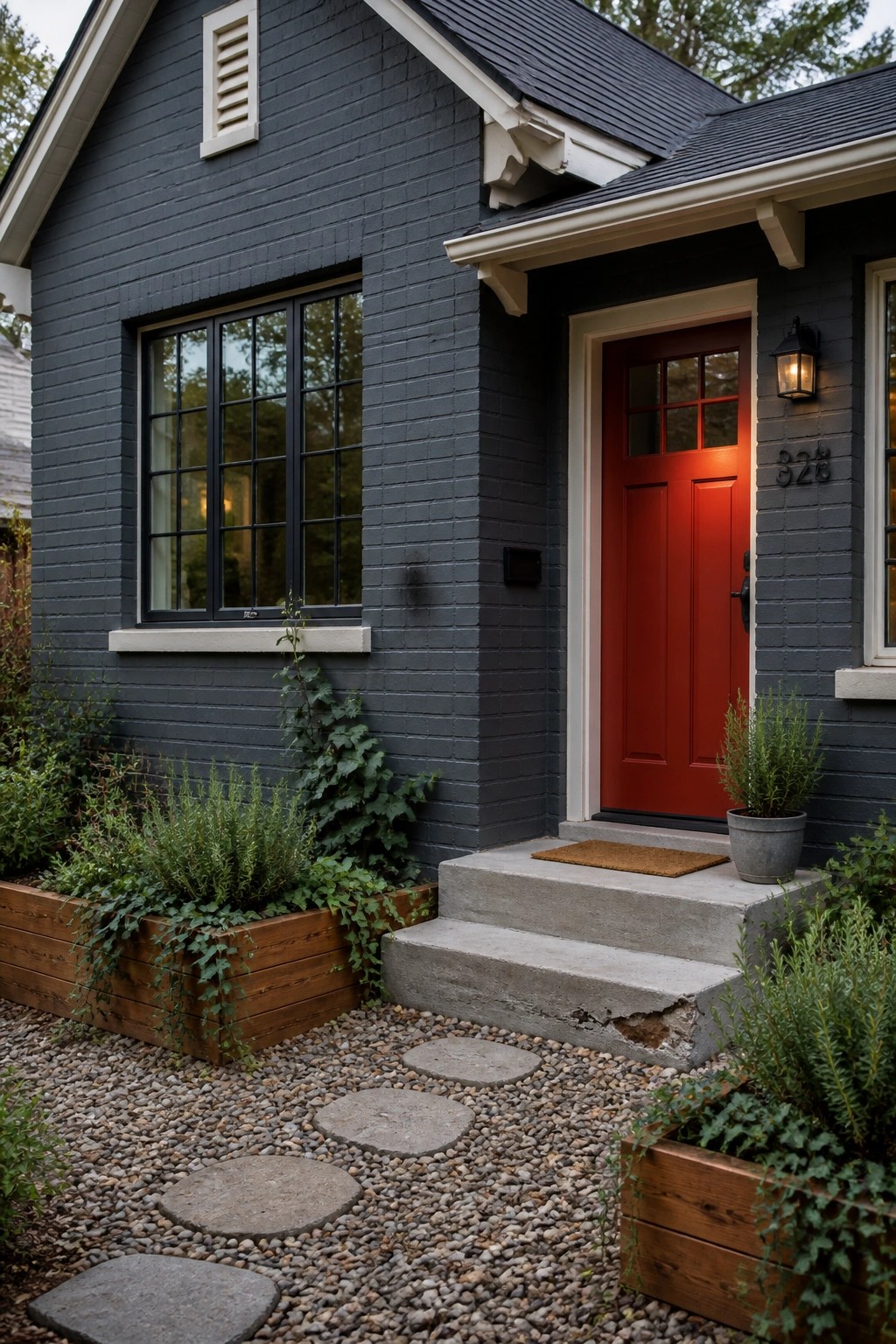
A deep charcoal gray works well on cottage farmhouse homes because it feels solid and calm without looking heavy. This color sits nicely on brick or wood siding and gives the whole house a relaxed country presence that still feels current.
It has cool undertones that read a bit blue in some lights, so it pairs best with warm white trim or a brighter door color to keep things balanced. Many people like it on homes with natural stone or gravel paths because the gray grounds the look without competing with the surroundings. Matches to consider include Sherwin Williams Iron Ore, Benjamin Moore Kendall Charcoal, Behr Black Fox, or Farrow & Ball Railings.
Cool-Toned Sage Green Farmhouse Siding
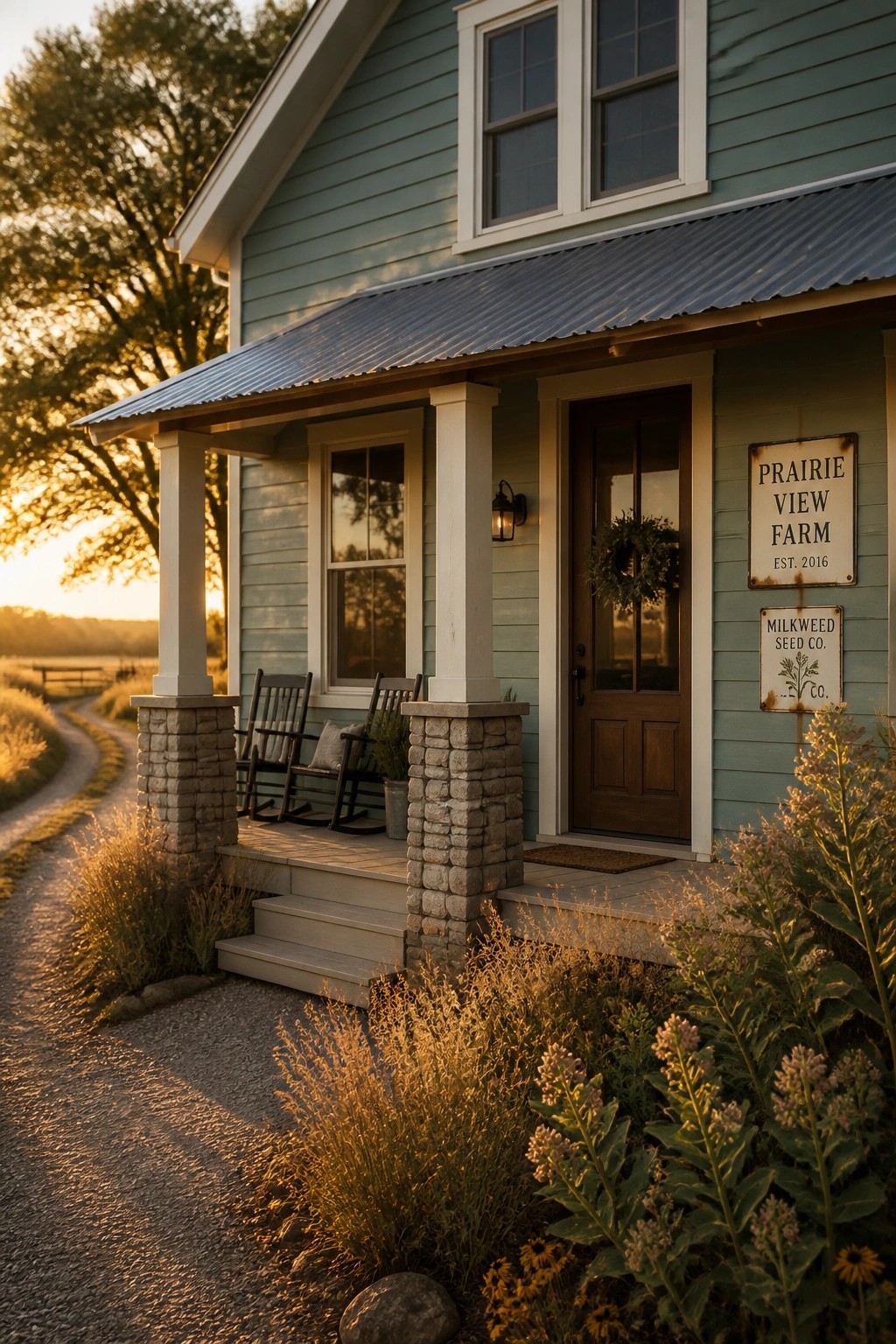
This soft sage green siding gives the house a calm country look without trying too hard. The color sits in that gentle space between green and blue and feels right for older farmhouses. It reads closest to Sherwin Williams Rainwashed or Benjamin Moore Soft Fern, with Behr Mossy Green as another close option.
The shade has cool undertones that stay easy on the eyes next to white trim. It works best on homes with stone bases or simple wood doors, though it can look a bit flat if the roof is too dark or the light is very harsh.
Frequently Asked Questions
Q: My roof is a dark charcoal. Which colors from the list will pair without looking too heavy?
A: Stick with soft whites or warm greiges that reflect light back up. They balance the roof and keep the whole house feeling open. Avoid anything too yellow based or the contrast can turn muddy fast.
Q: How do I test a color like sage green before painting the whole place?
A: Paint big samples on plywood and lean them against the house for a week. Check them in morning light and again at dusk to see the shifts. This saves you from a color that only looks good in the store.
Q: Will a pale color show every mud splash from the driveway?
A: Yes but a quick rinse with the hose clears most of it. Darker trim around the base hides the lower splatters anyway. Focus your energy on a durable exterior finish instead.
