

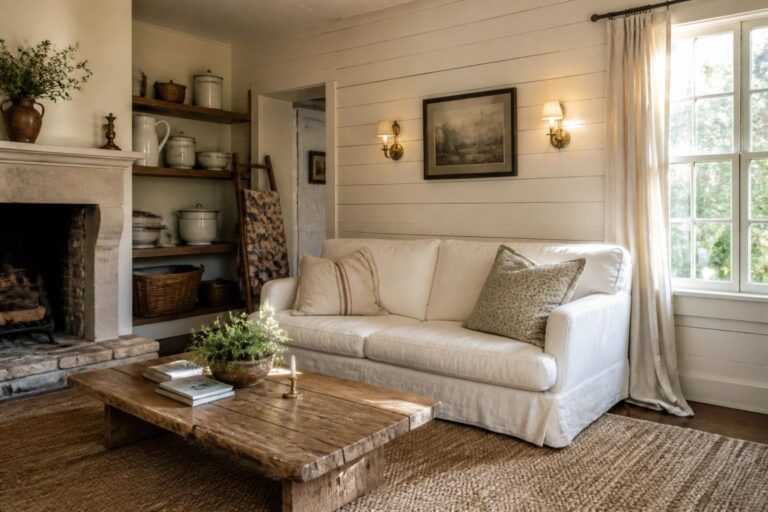
When I repaint a room in my own home I always end up wondering how the color will settle once furniture and daily life fill the space.
Rustic farmhouse interiors tend to rely on layers of texture and light that change with the seasons, so the paint needs to work with all of that rather than stand alone.
Not every warm tone holds up the same way.
I have found that testing a color in the actual room for at least a few days helps me see whether it will feel cozy or just dark once the sun moves.
Paying attention to those small shifts usually leads to choices that feel right long after the paint dries.
Soft White Paint For A Light Base
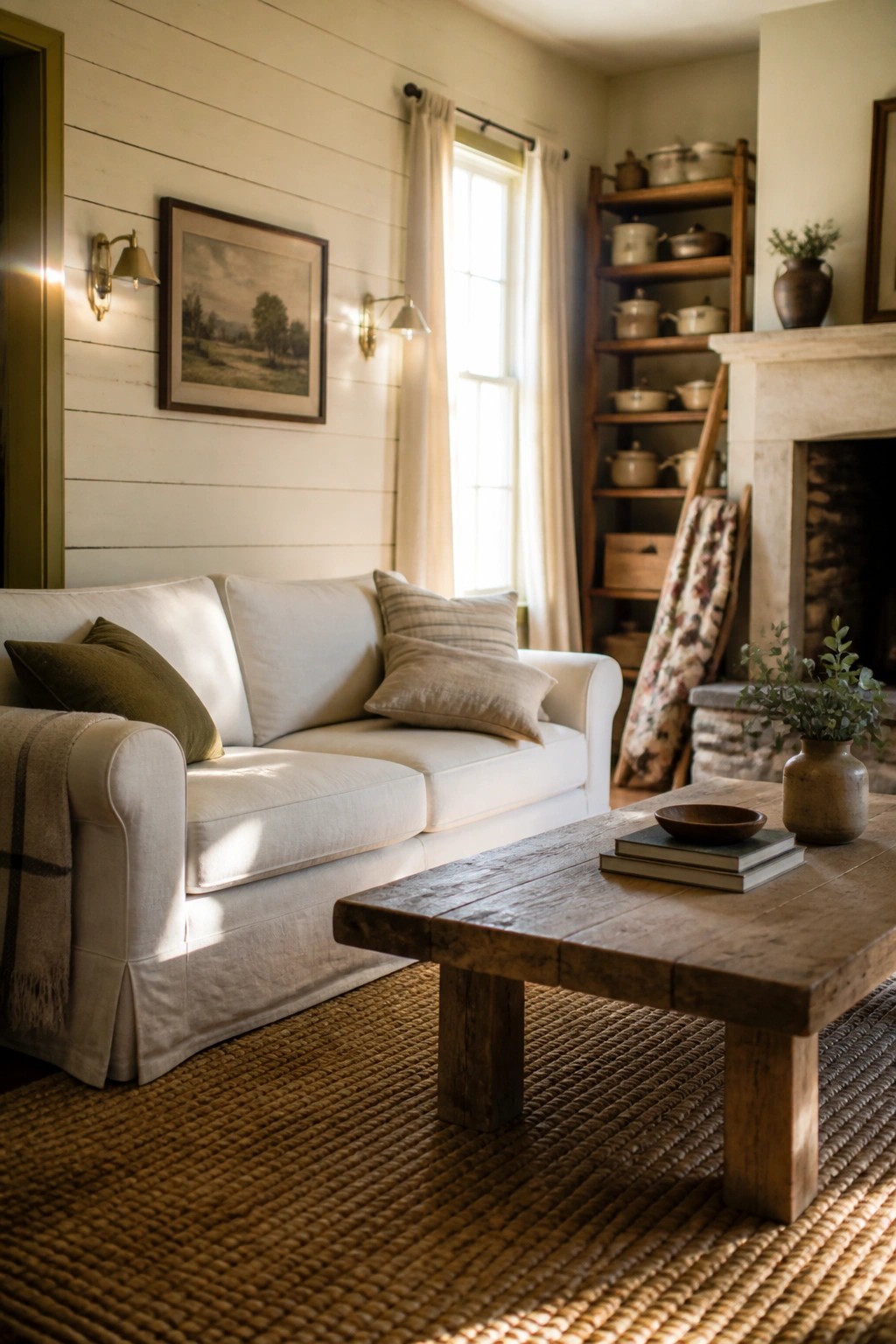
A soft white on the walls lets natural light move through the room without making it feel stark. This color choice pairs well with wood tones and simple fabrics, giving the space a calm and open feel that still reads as farmhouse.
It suits homes that get decent daylight and works best when you keep the trim and ceiling in the same tone. Watch the undertones though, since cooler whites can feel chilly next to older wood and stone.
Muted Green Cabinet Paint For Farmhouse Kitchens
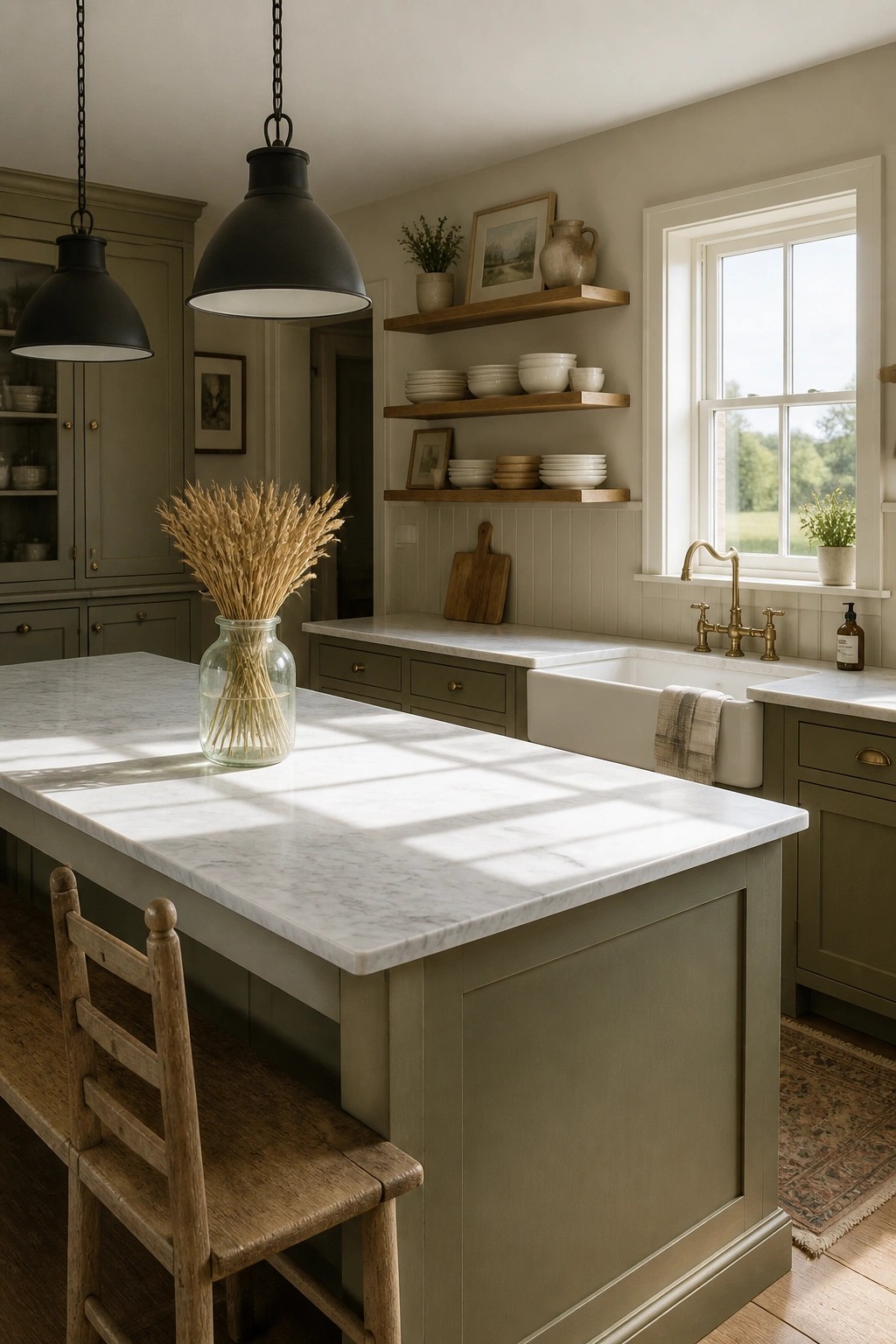
A soft green on cabinets gives a kitchen that settled, lived-in look without feeling heavy. The color sits nicely between gray and olive, so it reads warm even on overcast days and works with both wood tones and stone surfaces.
This shade suits older homes or new builds aiming for a simple rustic style. Keep the walls a touch lighter and let natural light do the rest. Avoid pairing it with too much black or stark white, since that can make the green feel cooler than intended.
Warm Earth Tones on Bedroom Walls
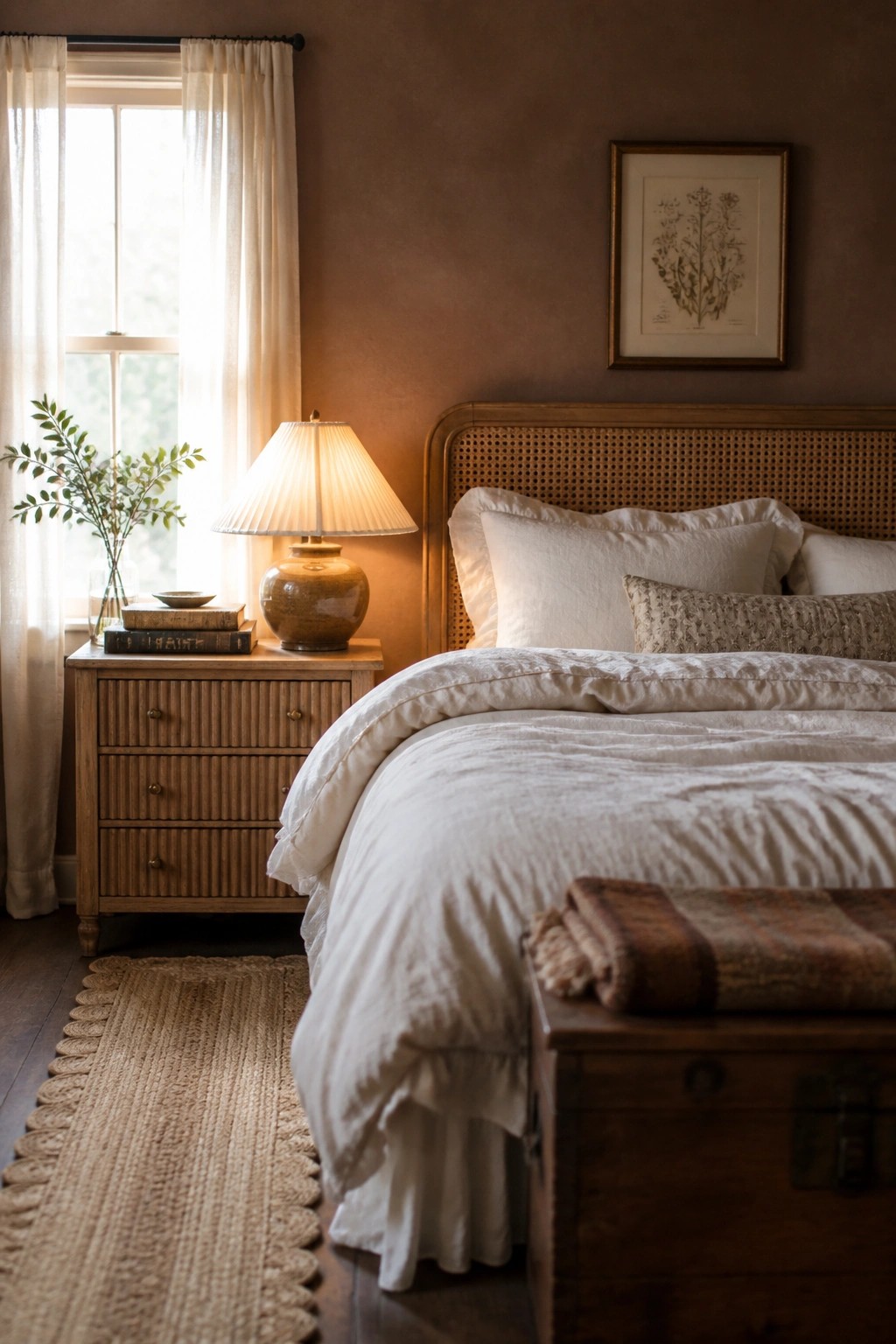
A soft brown paint color like the one on these walls gives a room an immediate sense of warmth without feeling heavy. It works especially well in rustic farmhouse homes because it echoes natural wood tones and keeps the space feeling grounded even when the light changes throughout the day.
This shade suits bedrooms best, where you want a calm backdrop that still feels welcoming. Pair it with light linens and simple wood furniture so the color stays the main focus without overwhelming the room. Test the paint on a larger patch first, since these tones can shift more than you expect once the furniture is in place.
Soft Warm Neutrals in Entry Halls
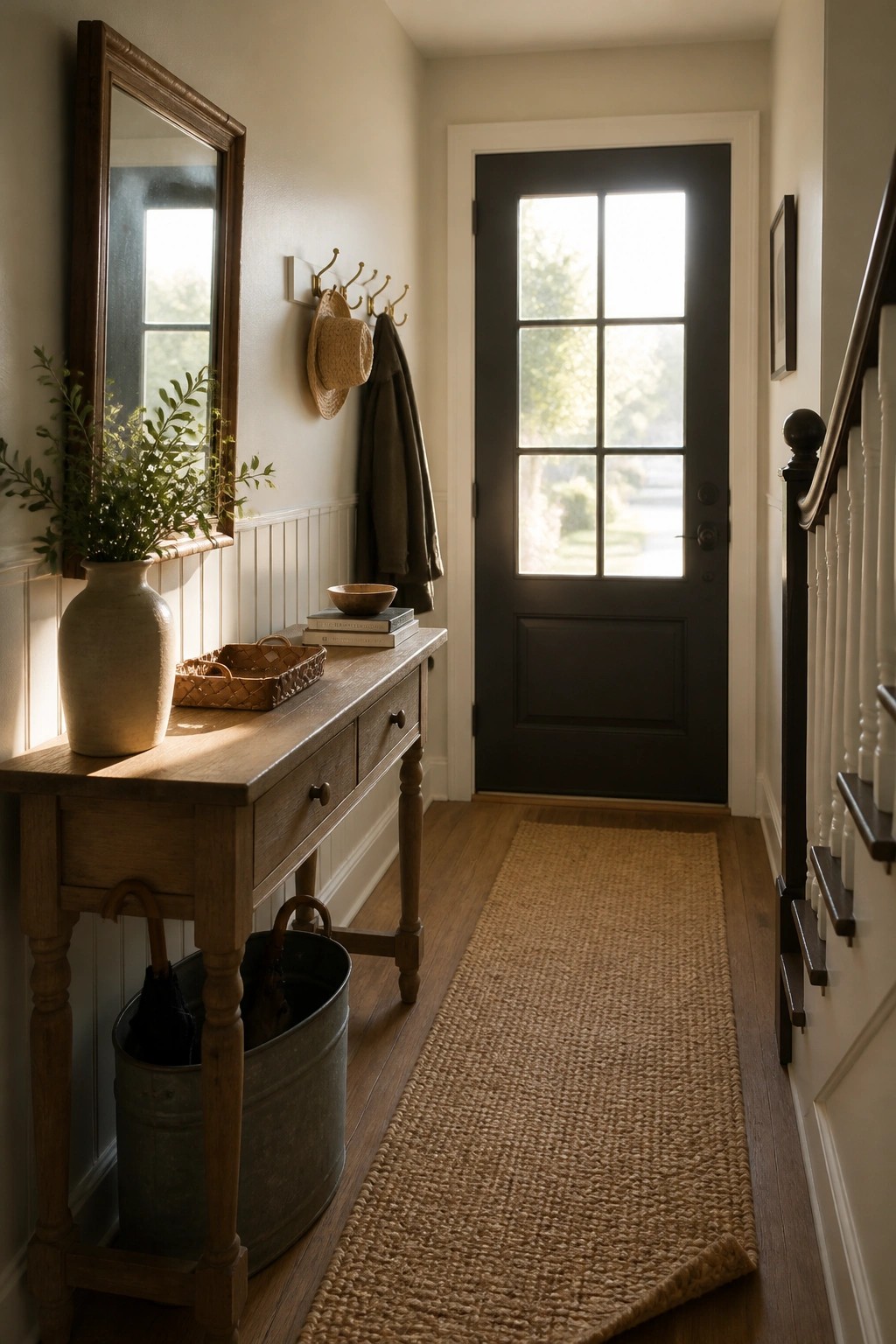
A light warm neutral on the walls can make an entry feel calm and open without trying too hard. It lets wood tones and simple furnishings stand out while still keeping the space from feeling cold or empty.
This color choice works especially well in older homes or hallways with some natural light. Test a few samples at different times of day since the tone can shift once furniture and rugs are added.
Muted Green Paint For Cozy Rustic Walls
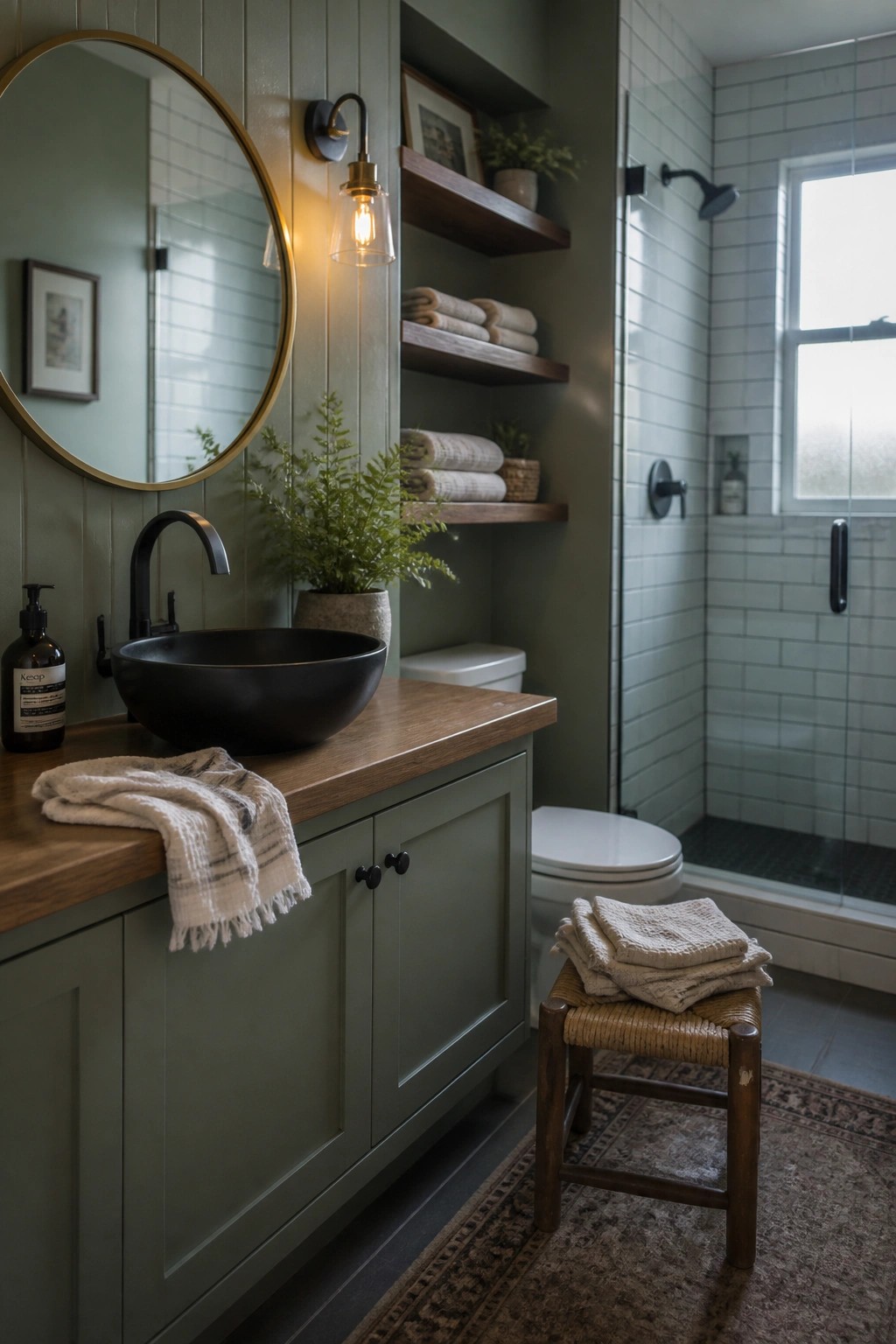
A soft green paint color like this one gives a bathroom an easy, grounded feeling. It works especially well with wood vanities and darker fixtures because it keeps the space from feeling stark or cold.
This kind of shade suits older homes or any room where you want a bit of warmth without going too dark. Keep the trim light and let the color cover most of the walls so the effect stays simple and calm.
Soft Green Paint On Walls And Built Ins
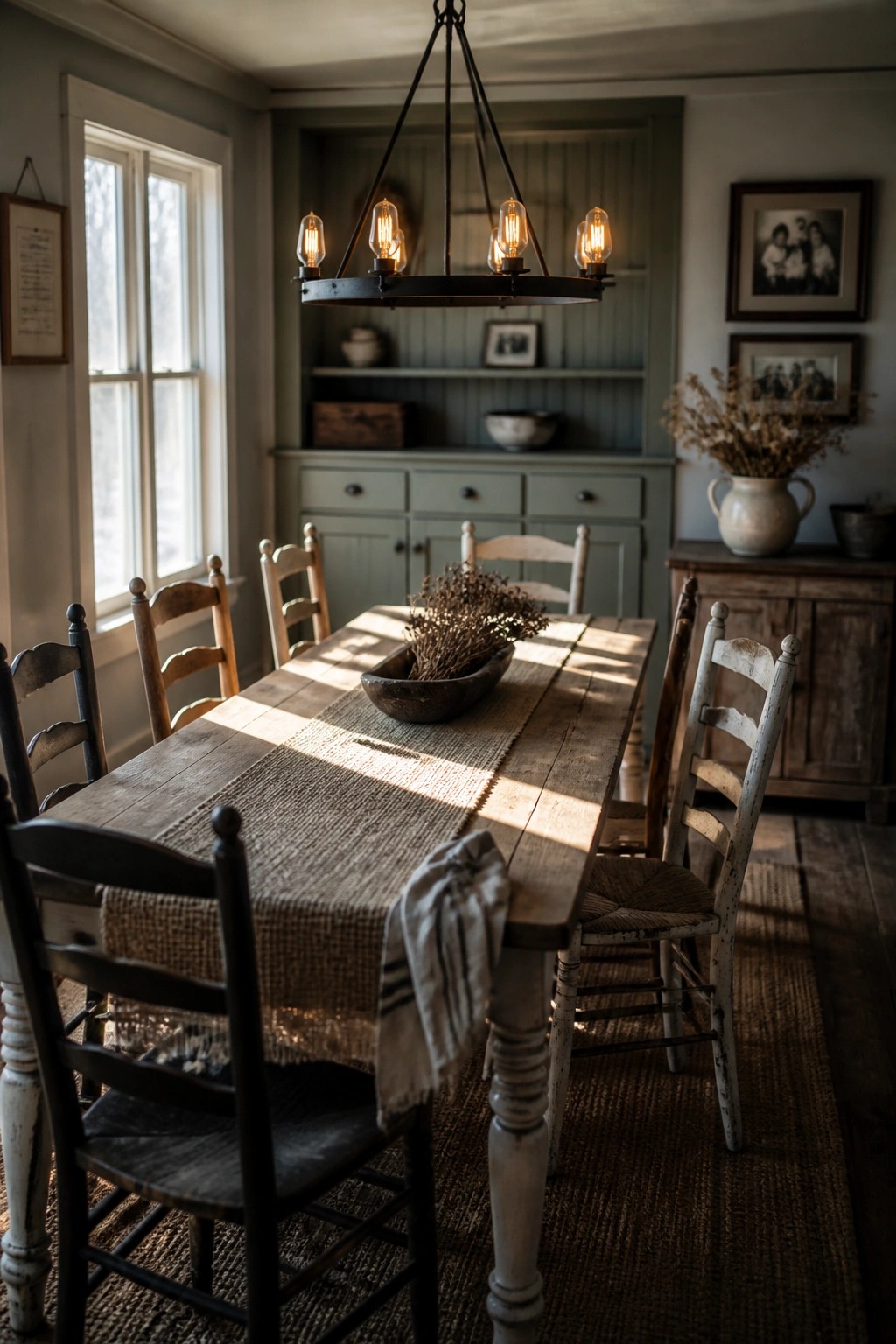
A soft green paint color works well on both walls and built in cabinetry in a rustic dining room. It gives the space a calm background without competing with the wood tones of the table and chairs.
This shade suits older farmhouses that already mix painted surfaces with natural wood. It looks best when the green stays muted rather than bright so the room still feels warm and lived in.
Soft Blue Walls For Everyday Rooms
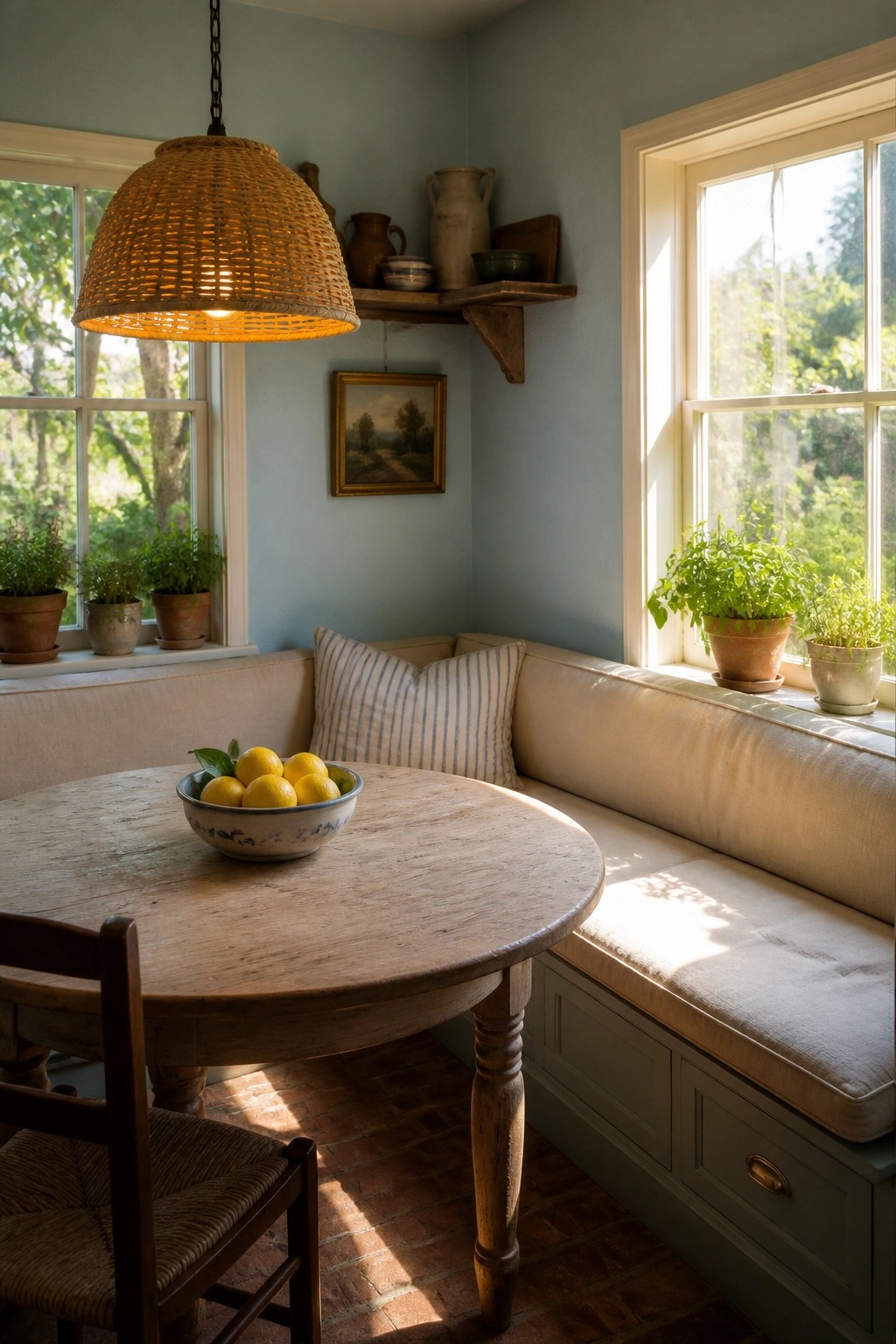
A soft blue on the walls gives a room that calm, slightly cool tone that still feels warm because of the wood and sunlight around it. It works especially well in older homes where you want the space to feel fresh without losing any of its rustic character.
This color suits rooms that get good natural light and already have wood tones or simple furnishings. Keep the trim light and let the blue stay muted so the whole room stays easy to live in rather than trying too hard.
Painting Built-Ins the Same Color as the Walls
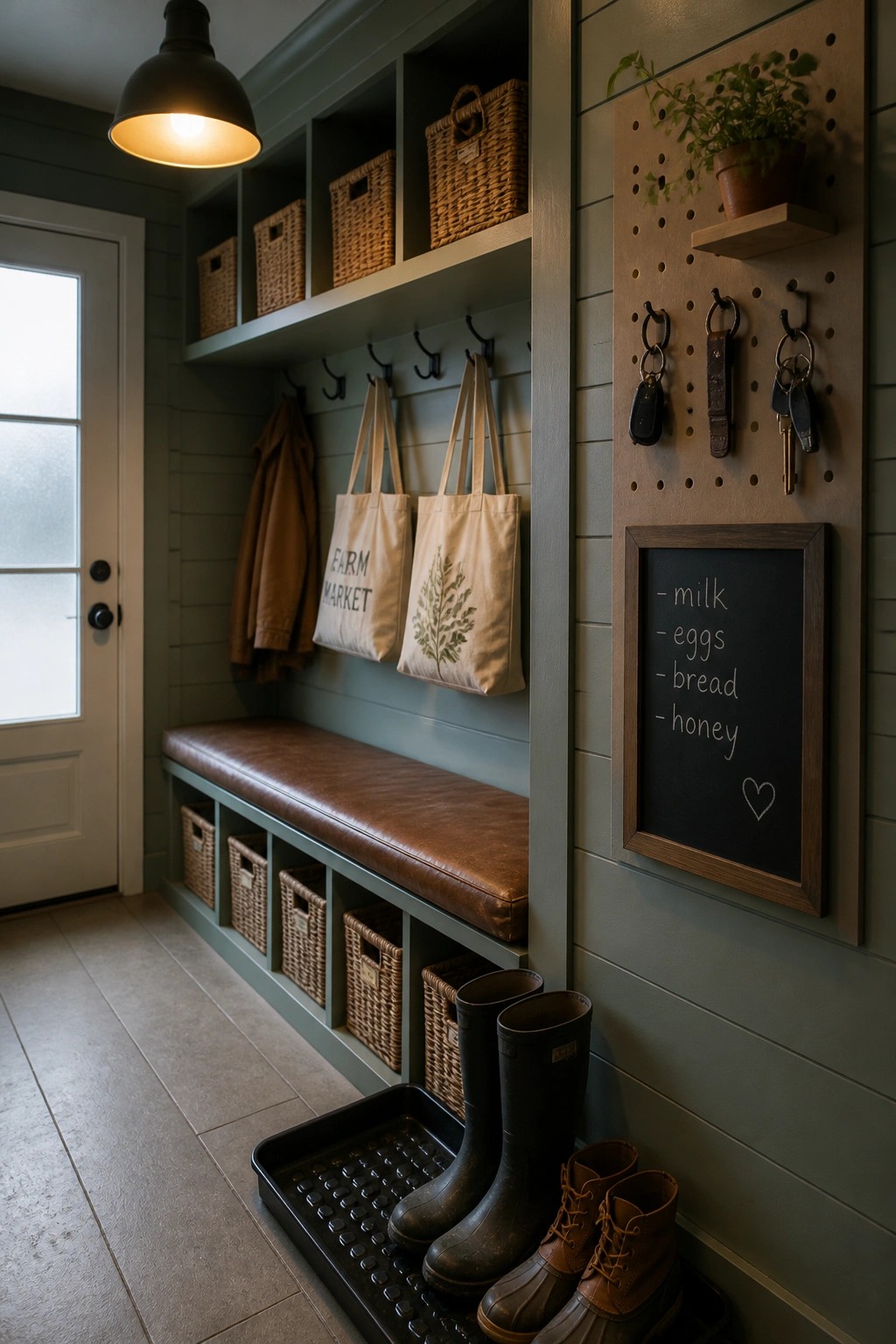
A single paint color across both the walls and the built-in bench and shelves gives the whole space a calm, finished look. In a small entry area this approach avoids visual clutter and makes the room feel a little larger without any extra work.
The same soft green used here works well in mudrooms or back entries where you want storage that blends in rather than stands out. Choose a muted shade with a touch of gray so it stays warm under different lighting and pairs easily with wood tones and natural textures.
Warm Neutrals for Cozy Studies
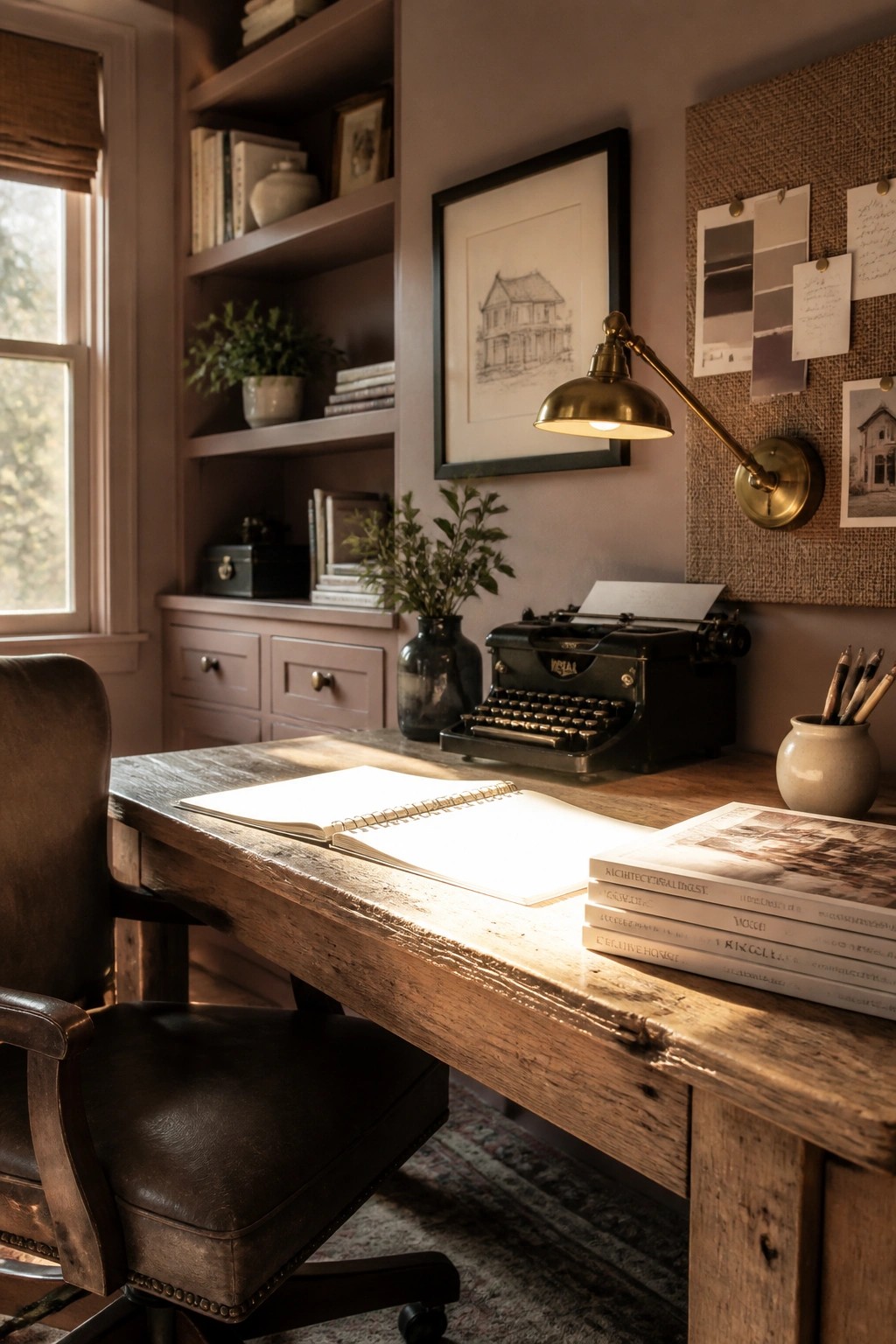
A soft warm neutral on the walls can turn a basic workspace into something that feels calm and lived in. This muted tone works especially well when paired with wood tones and simple furnishings because it keeps the room grounded without feeling heavy.
Try this kind of color in smaller rooms that need to feel welcoming rather than stark. It suits homes that lean rustic or farmhouse since it lets natural materials stand out while still adding a layer of softness. Watch the undertones though, since some neutrals shift cooler in certain lights.
Soft Neutral Paint on Bedroom Walls
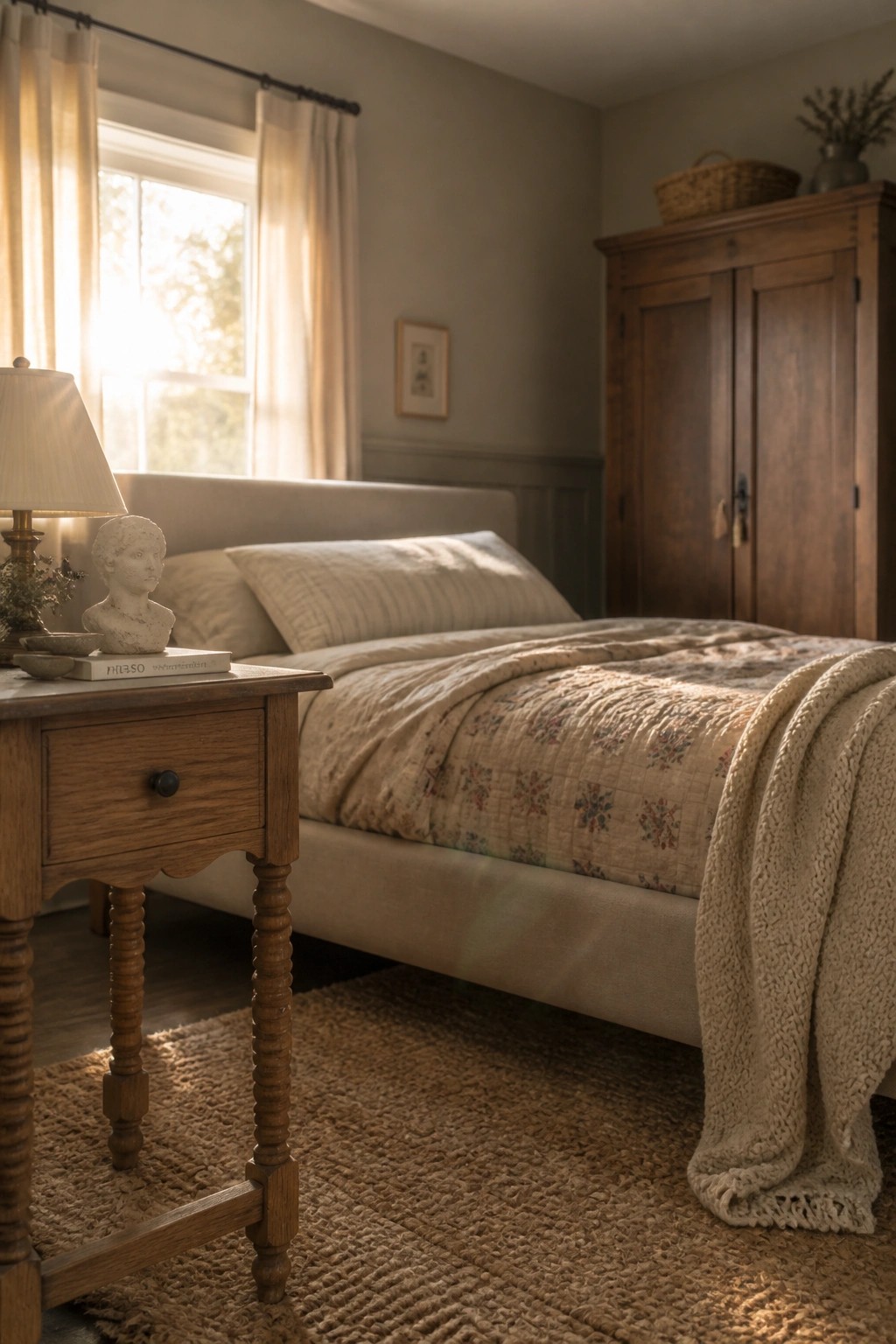
A soft neutral wall color like this muted gray green helps a rustic farmhouse bedroom feel calm and warm without trying too hard. It works well because it lets the wood tones and layered fabrics stand out while keeping the whole space relaxed.
This kind of paint suits older homes or simpler rooms where you want a gentle background rather than a bold statement. It pairs best with natural materials and avoids feeling cold when the light shifts during the day.
Soft Gray Cabinets For A Cozy Laundry Room
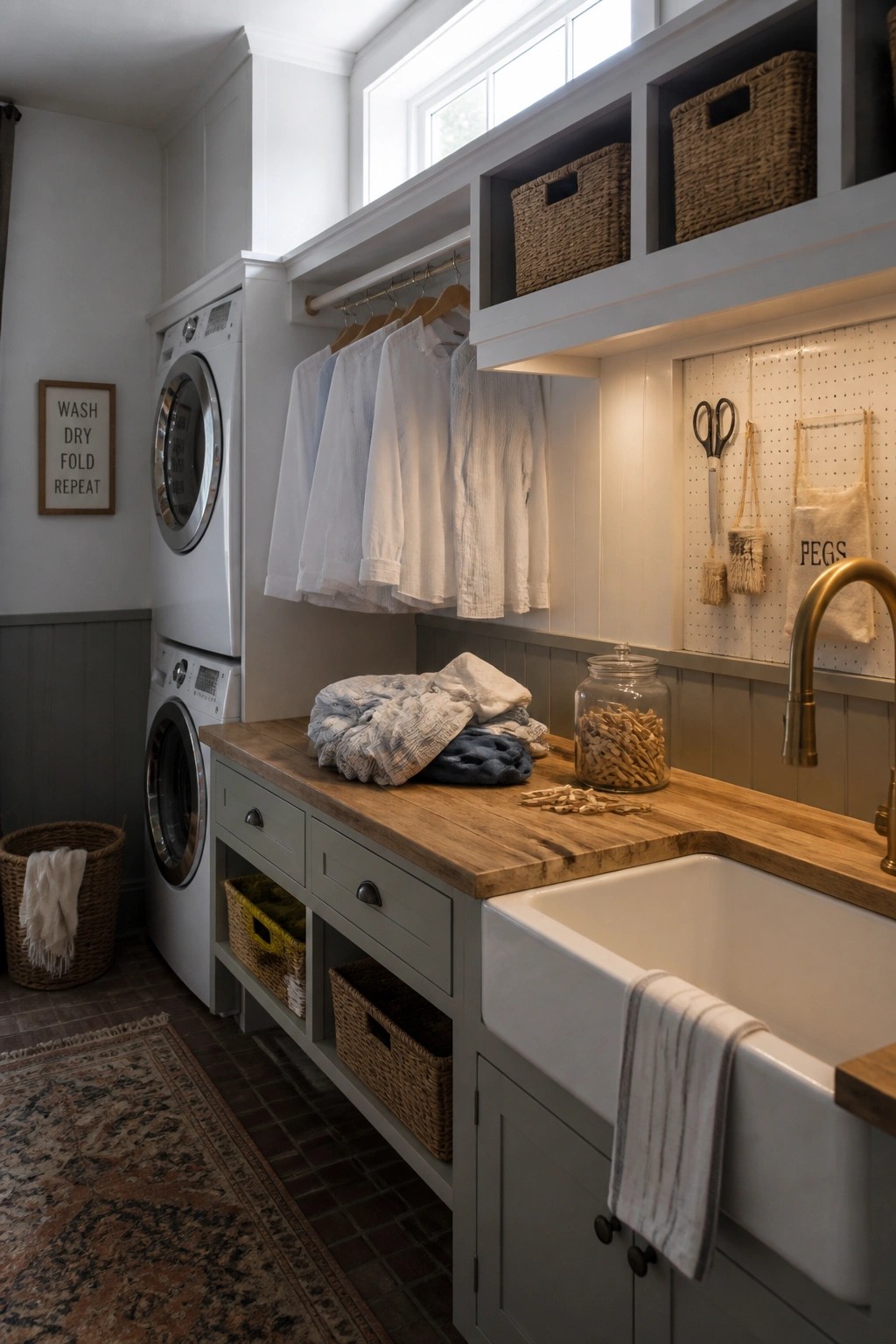
A soft gray on built-in cabinets can turn a laundry room into a space that feels part of the house instead of a separate work area. The color keeps things calm while still letting wood tones and simple hardware stand out.
This approach works well in older homes or any space that needs to feel connected to the rest of the interiors. Pair the gray with natural wood counters and open storage so the room stays practical without looking too stark or cold.
Warm Neutrals For Hallway Walls
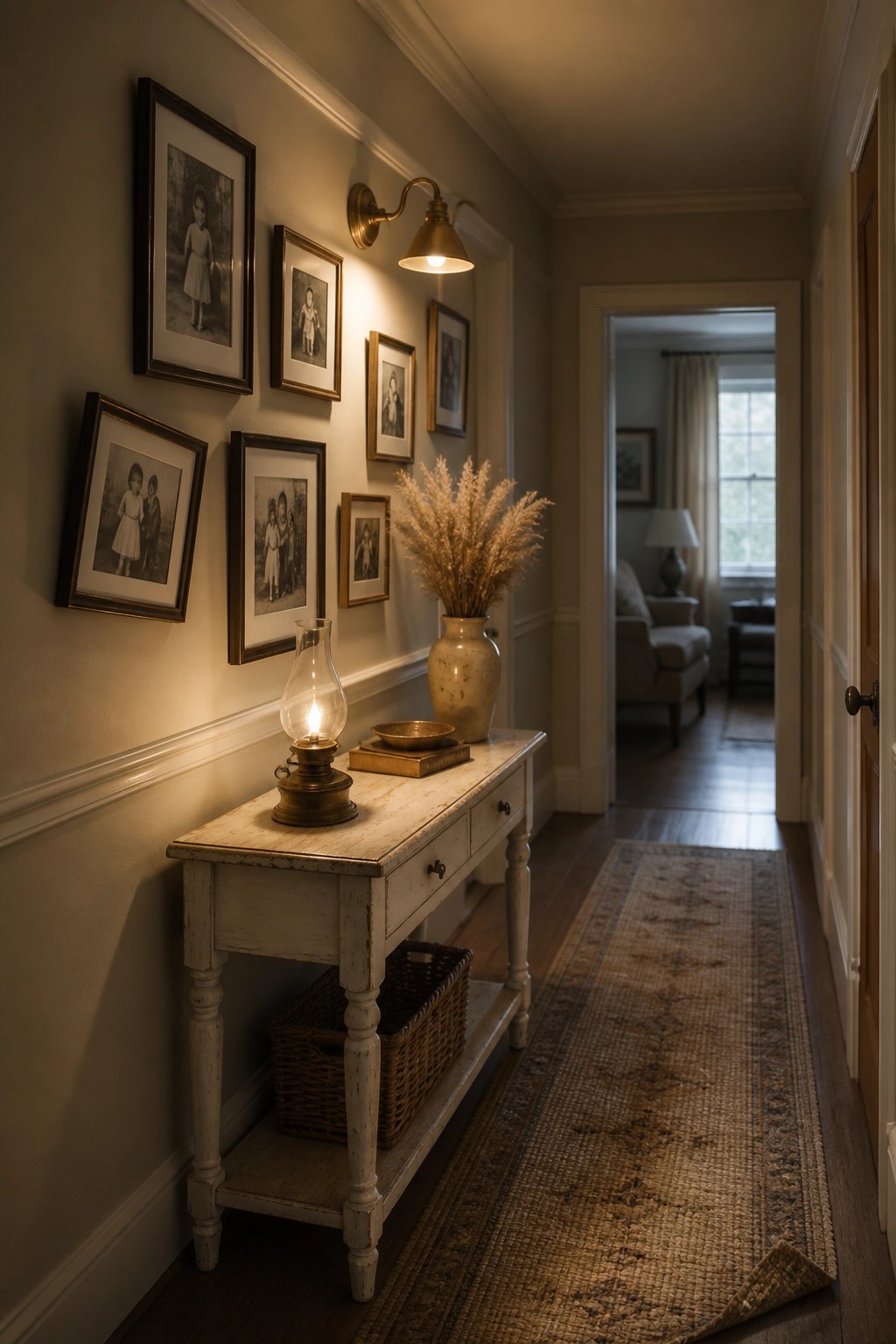
A soft warm neutral on the walls can make a hallway feel more welcoming instead of just a pass-through space. The color holds onto light from lamps and sconces and gives the room a gentle glow that works well with older wood and simple furniture.
This choice suits homes that already have some rustic pieces or vintage details. It keeps the focus on texture rather than bold color and works best when you avoid anything too cool or gray that might make the space feel flat.
Warm Yellow on the Lower Walls
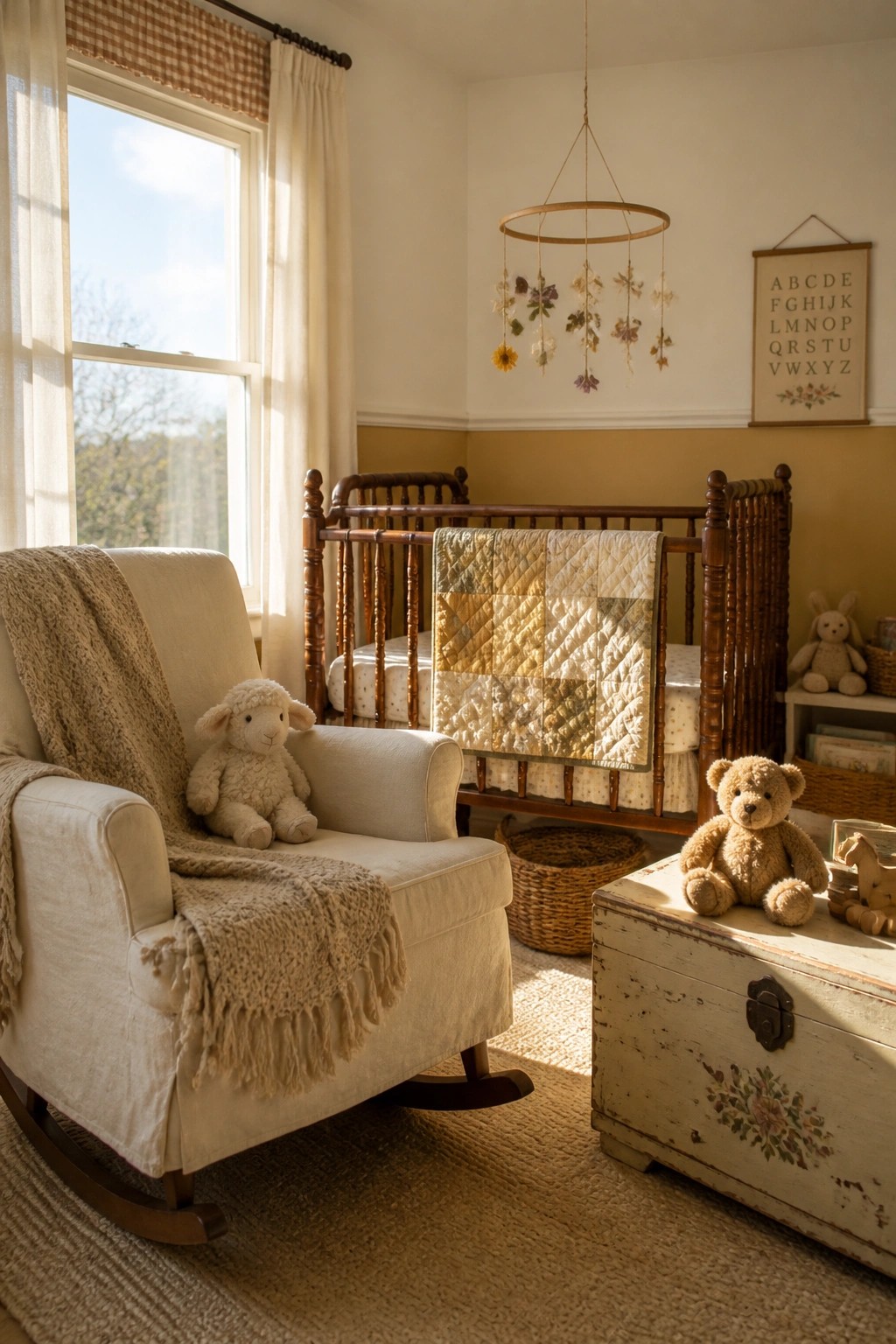
Painting the lower half of the walls in a soft yellow gives the room a gentle warmth that feels steady and lived in. It adds color without making the space feel busy or dark, and it pairs easily with wood tones and simple fabrics.
This works well in smaller rooms where you want some depth but still need the space to feel open. Keep the top half light, stick with natural textures, and avoid strong contrasts if you want the look to stay calm and easy.
Dark Paint Shades for Bathroom Walls
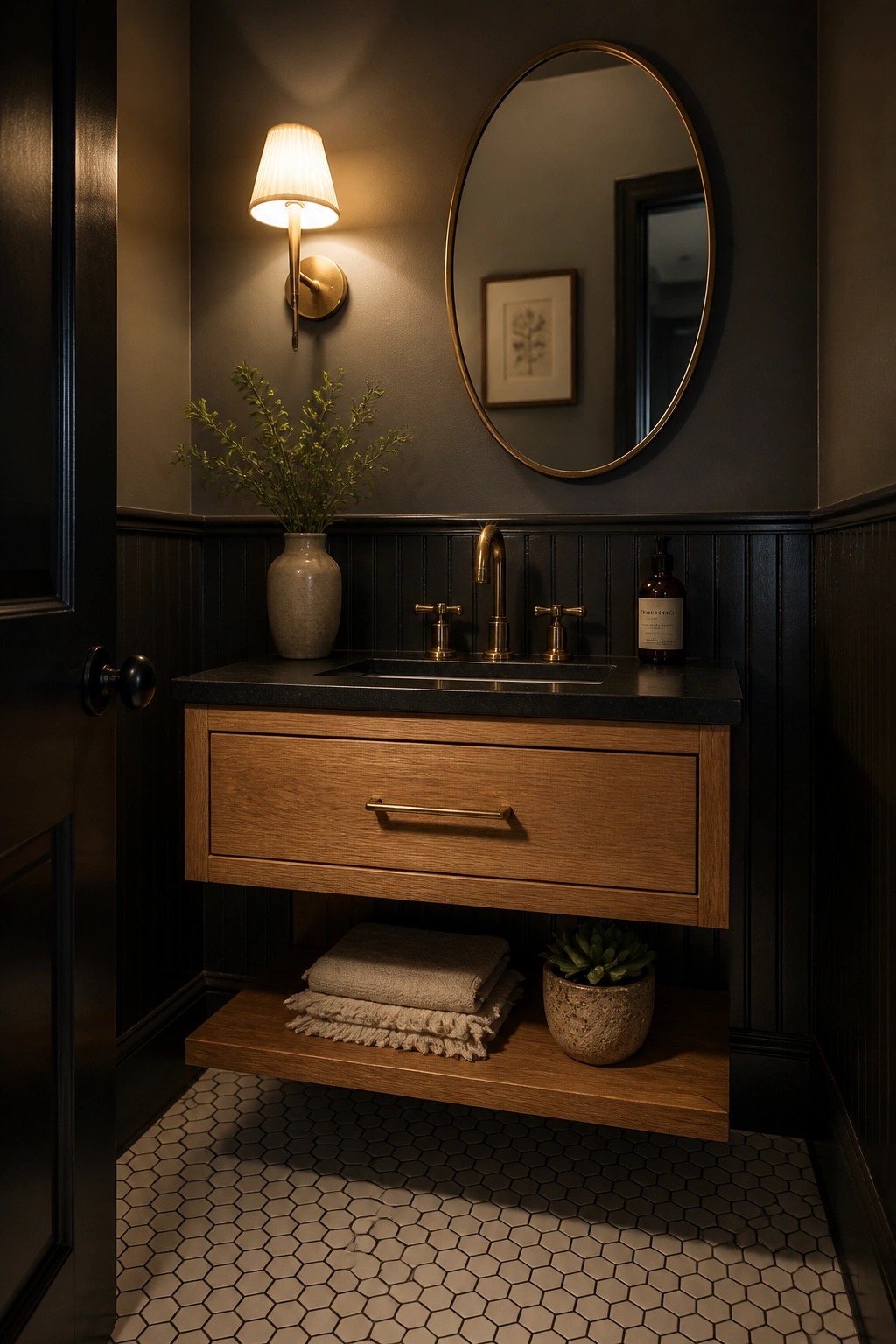
A deep wall color can make a small bathroom feel more inviting instead of stark. The charcoal shade here grounds the space and works well with the warm wood of the vanity and the black trim.
This approach suits powder rooms or guest baths where you want some depth without making the room feel closed in. Pair the paint with wood tones and simple brass fixtures so the darkness feels balanced rather than heavy.
Choose a Muted Green for the Walls
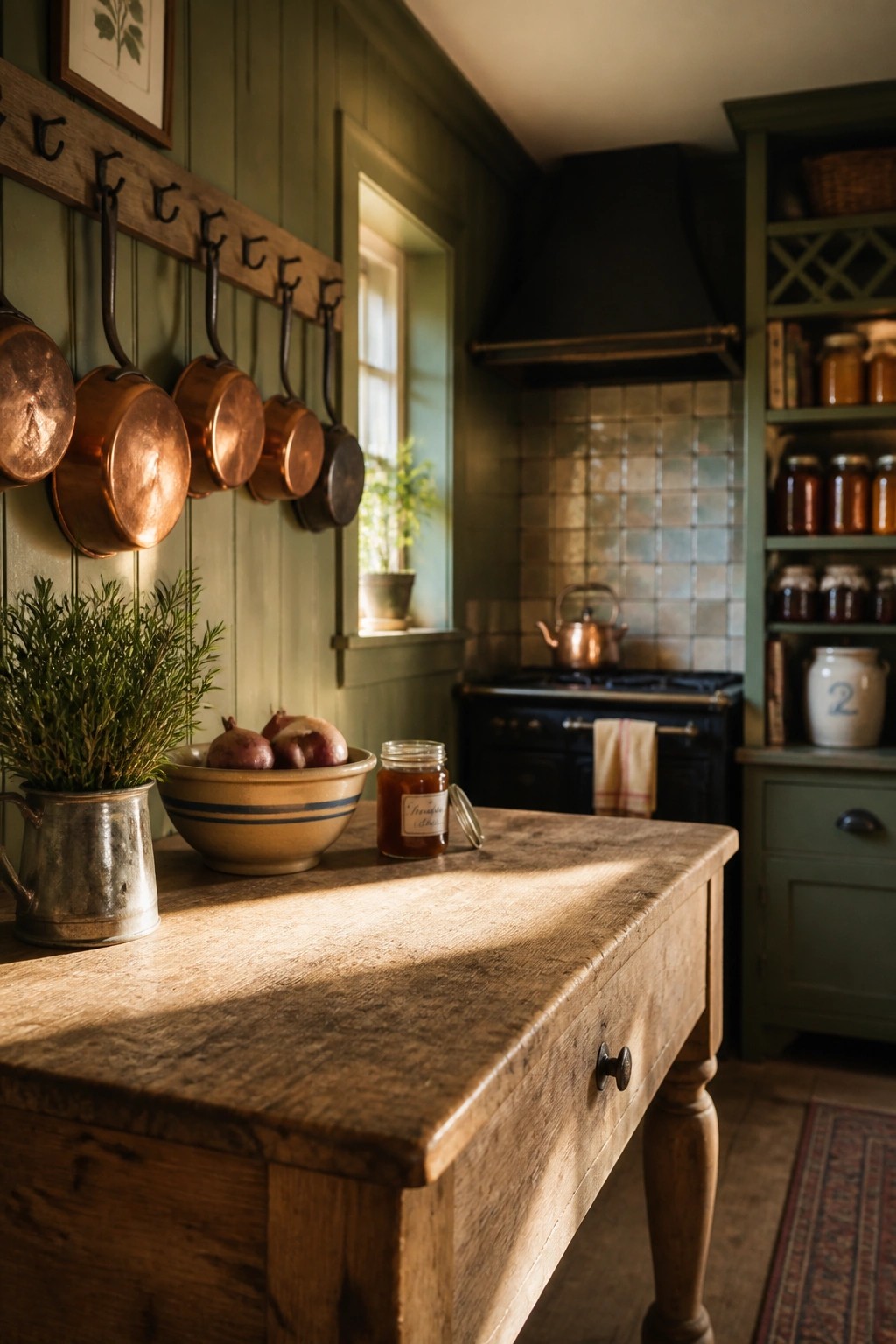
A muted green on the walls gives a kitchen that settled, lived-in feel without trying too hard. It works especially well with wood and copper because the color stays quiet while the natural materials add warmth.
This approach suits older homes or any space that needs to feel a little softer. Keep the trim simple and let the green do most of the work, then add just a few practical pieces like open shelving or a sturdy table.
Soft Blue Paint For Farmhouse Walls
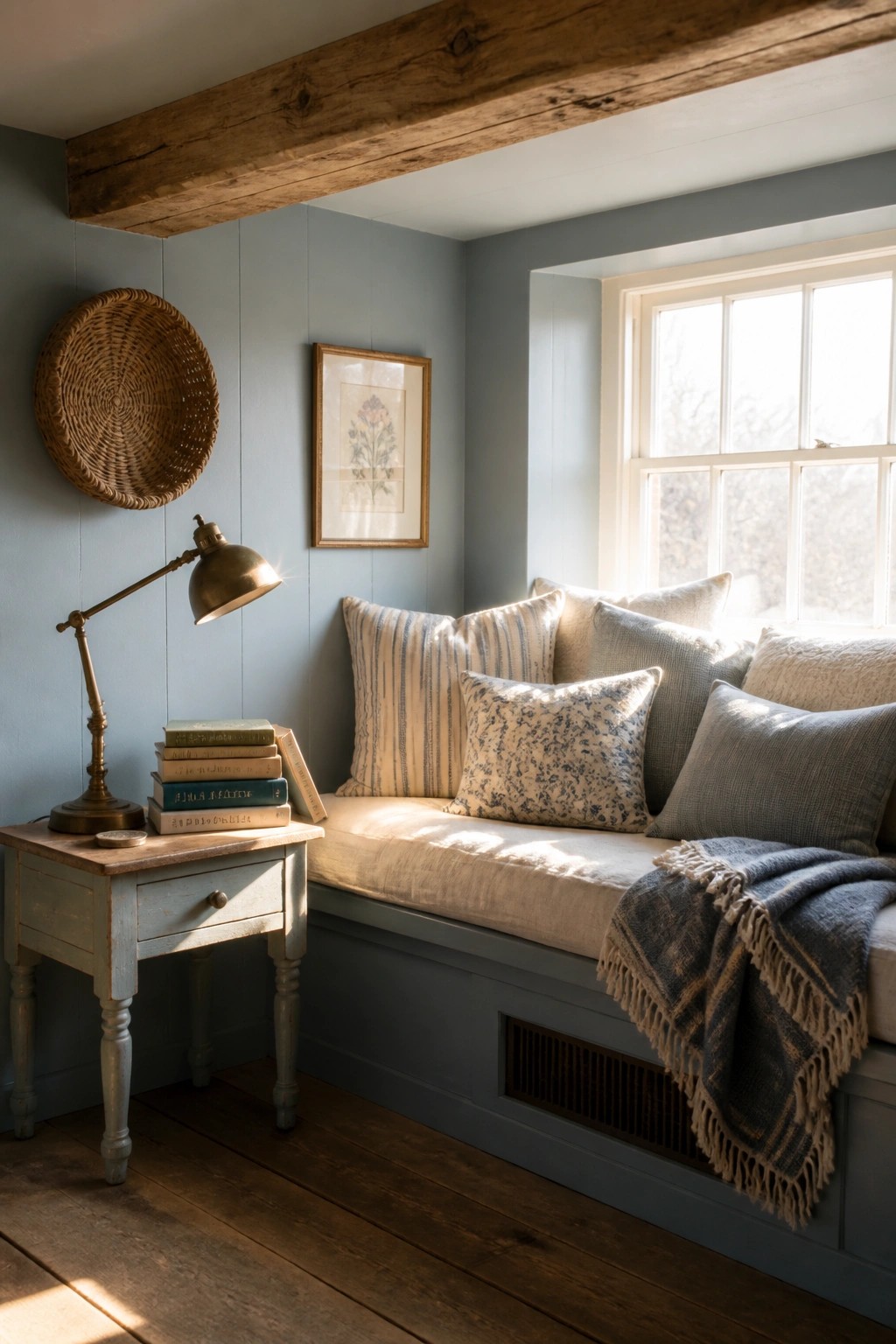
A soft blue on the walls gives a rustic room a calm base that still feels warm. It works with wood tones and simple fabrics without making the space feel cold or flat.
This shade suits rooms that get decent daylight, like a window seat area or small sitting spot. Keep the trim light so the wood floors and beams can provide contrast, and avoid overloading the space with too many patterns.
Warm Neutrals for Farmhouse Walls
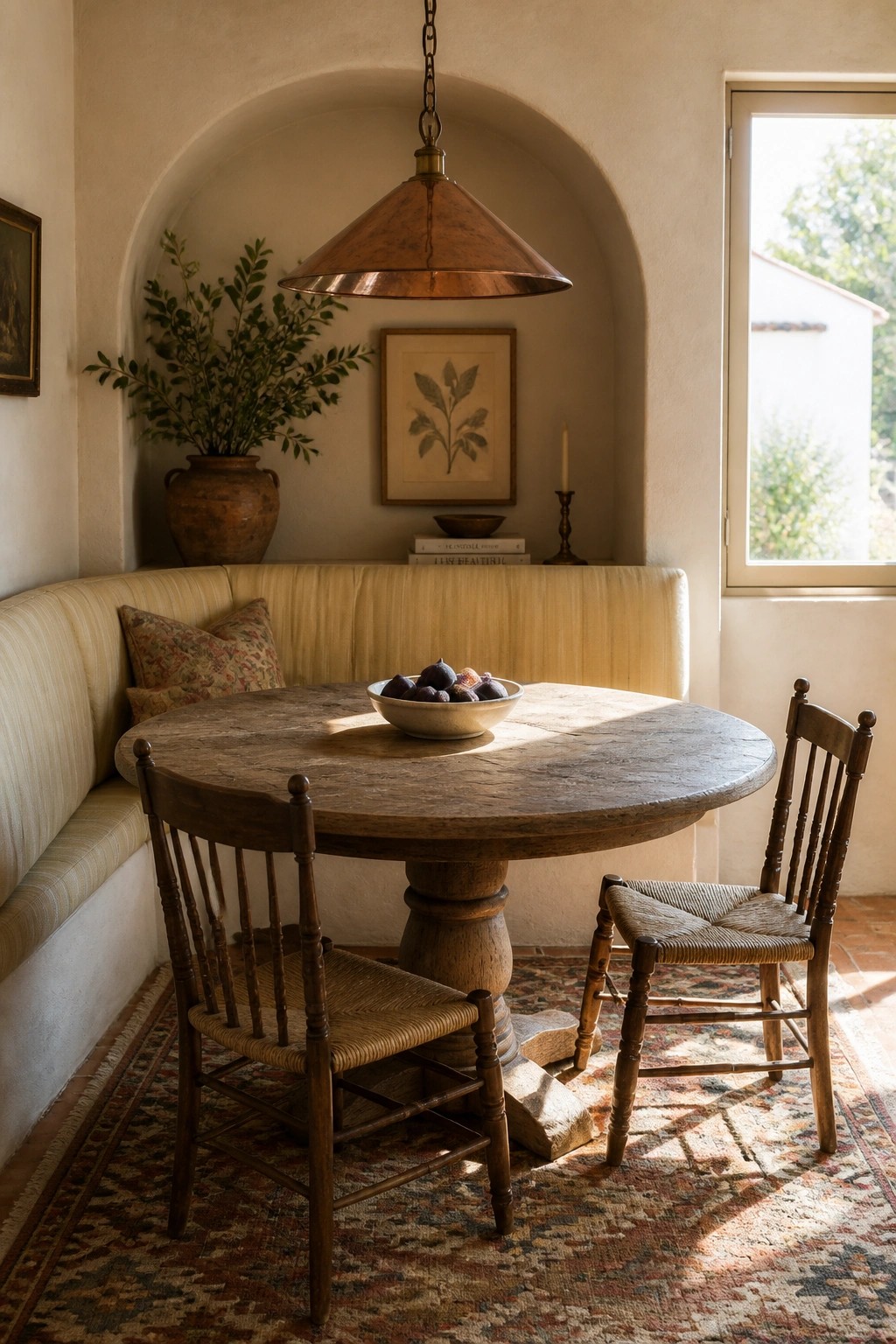
Warm neutral paint colors work well in rustic settings because they let wood tones and natural textures stand out without feeling busy. A soft beige or cream shade keeps the whole space calm and comfortable even when the room has heavy furniture and older details.
These colors suit older homes or any spot where you want a simple background that still feels welcoming. Test samples on the wall first since light can shift how they read at different times of day.
Warm Green Walls for Everyday Comfort
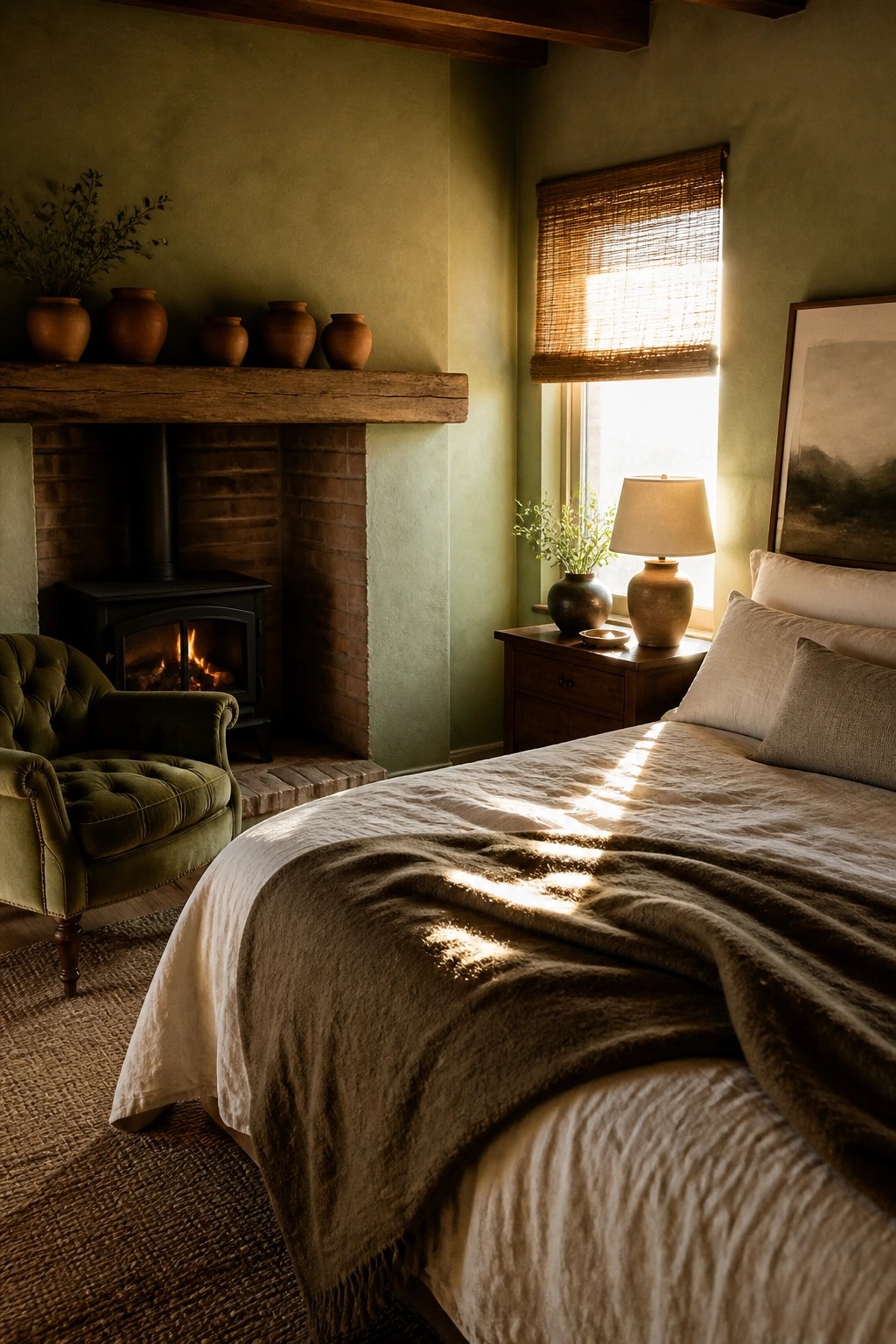
A soft green on the walls can make a bedroom feel settled and easy to live in. It works especially well when the room already has wood beams, brick, and simple furniture because the color ties everything together without needing lots of extra pieces.
This shade suits older homes or newer ones that aim for a rustic farmhouse look. Use it on all four walls, keep trim light, and let natural light do the rest so the room stays welcoming through every season.
Paint Colors That Complement Open Shelving
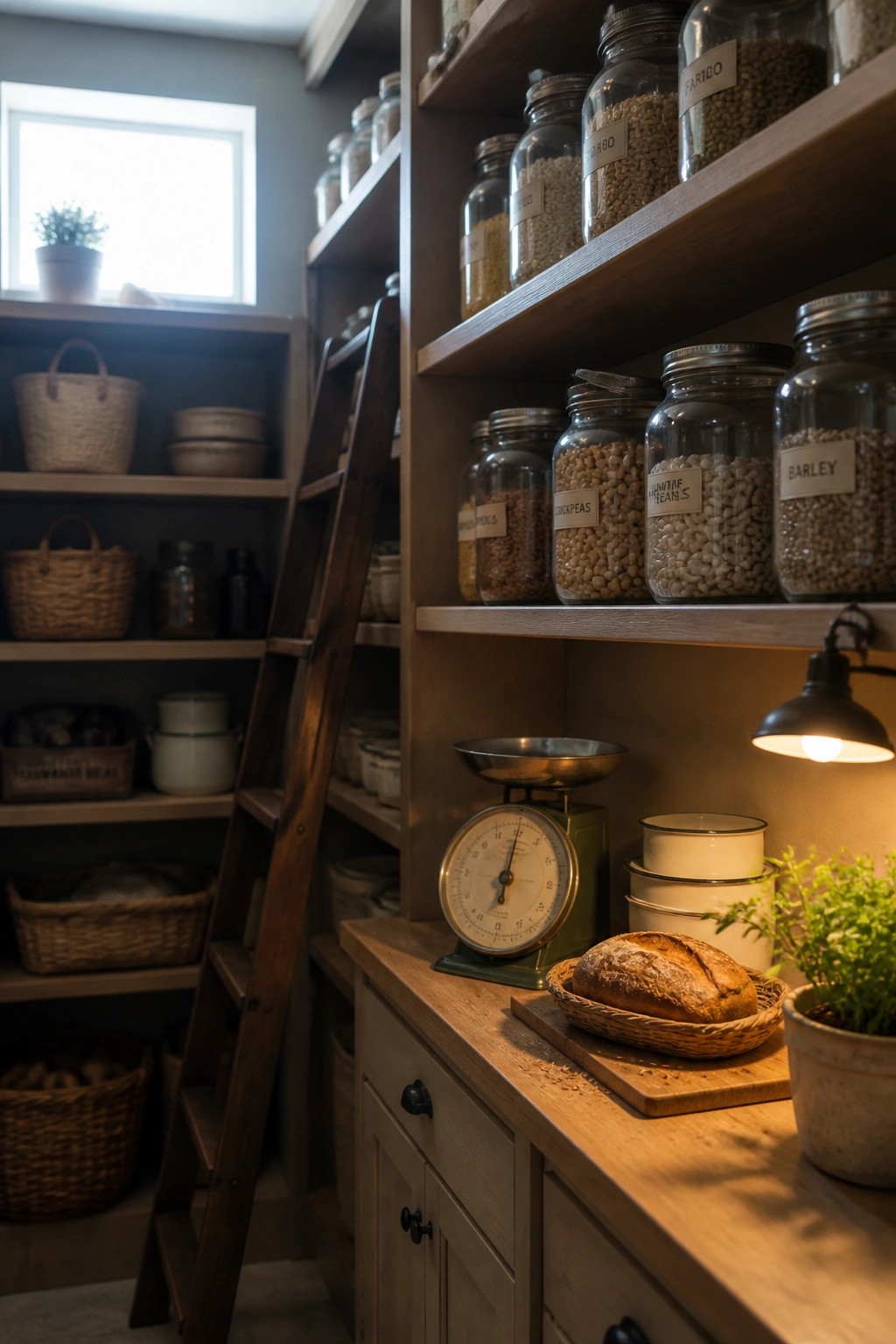
Open shelving works best when the wall color stays quiet. A soft neutral or light gray lets the wood grain and the jars on the shelves do most of the work, which keeps the space feeling warm instead of busy.
This approach suits any room that mixes storage and display, like a pantry or utility space. Stick with low-sheen paint so the finish feels lived-in rather than stark, and test the color against your actual wood tones before committing.
Warm Neutral Paint For Small Bathrooms
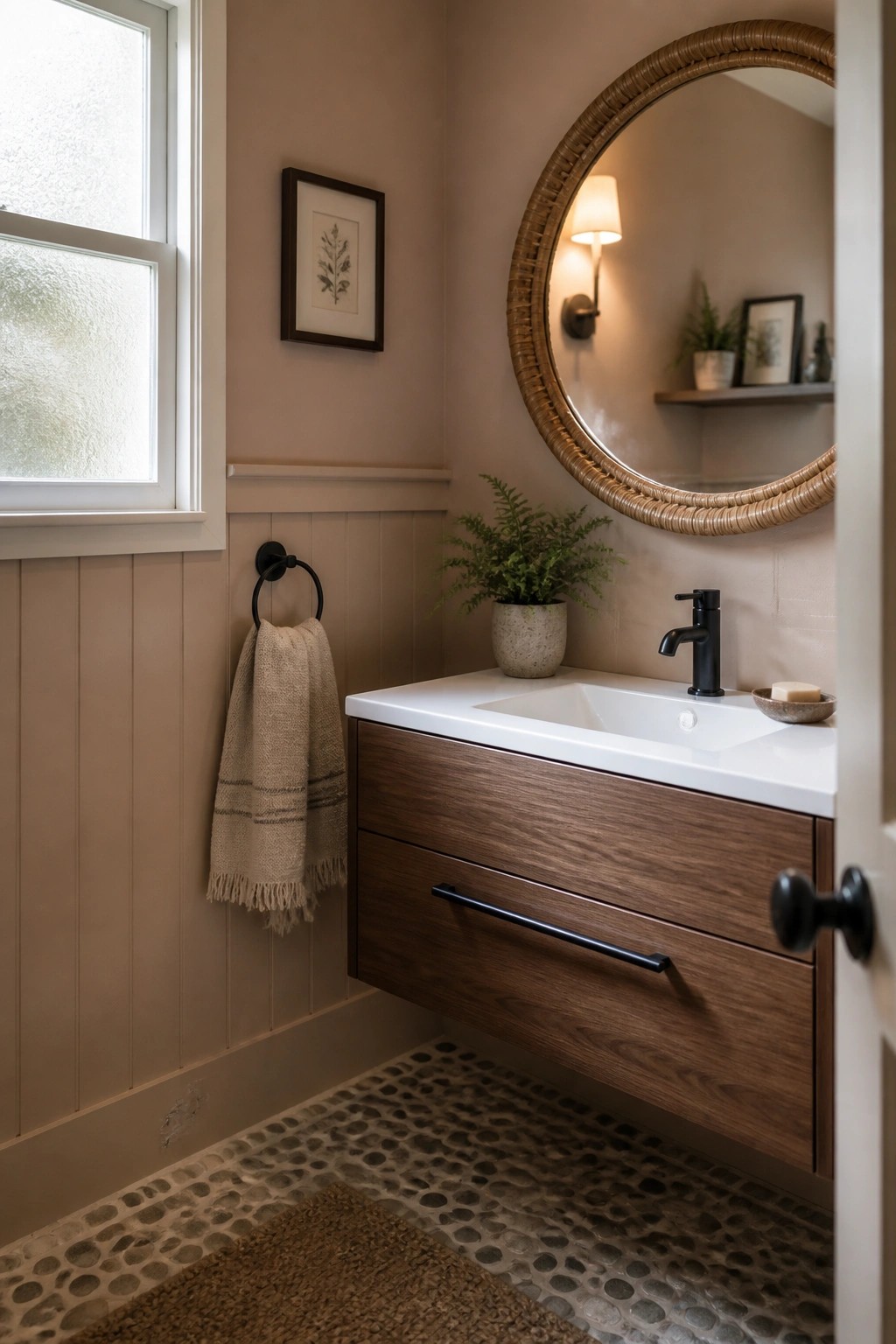
A warm neutral like this soft beige makes a small bathroom feel calm and inviting right away. It avoids the chill that cooler grays often bring and pairs easily with wood tones and simple fixtures.
Use it in any compact space where you want everyday comfort without extra effort. Keep trim and ceilings light so the color stays gentle, and let natural materials like wood or stone do the rest of the work.
Soft Green Walls For Workspaces
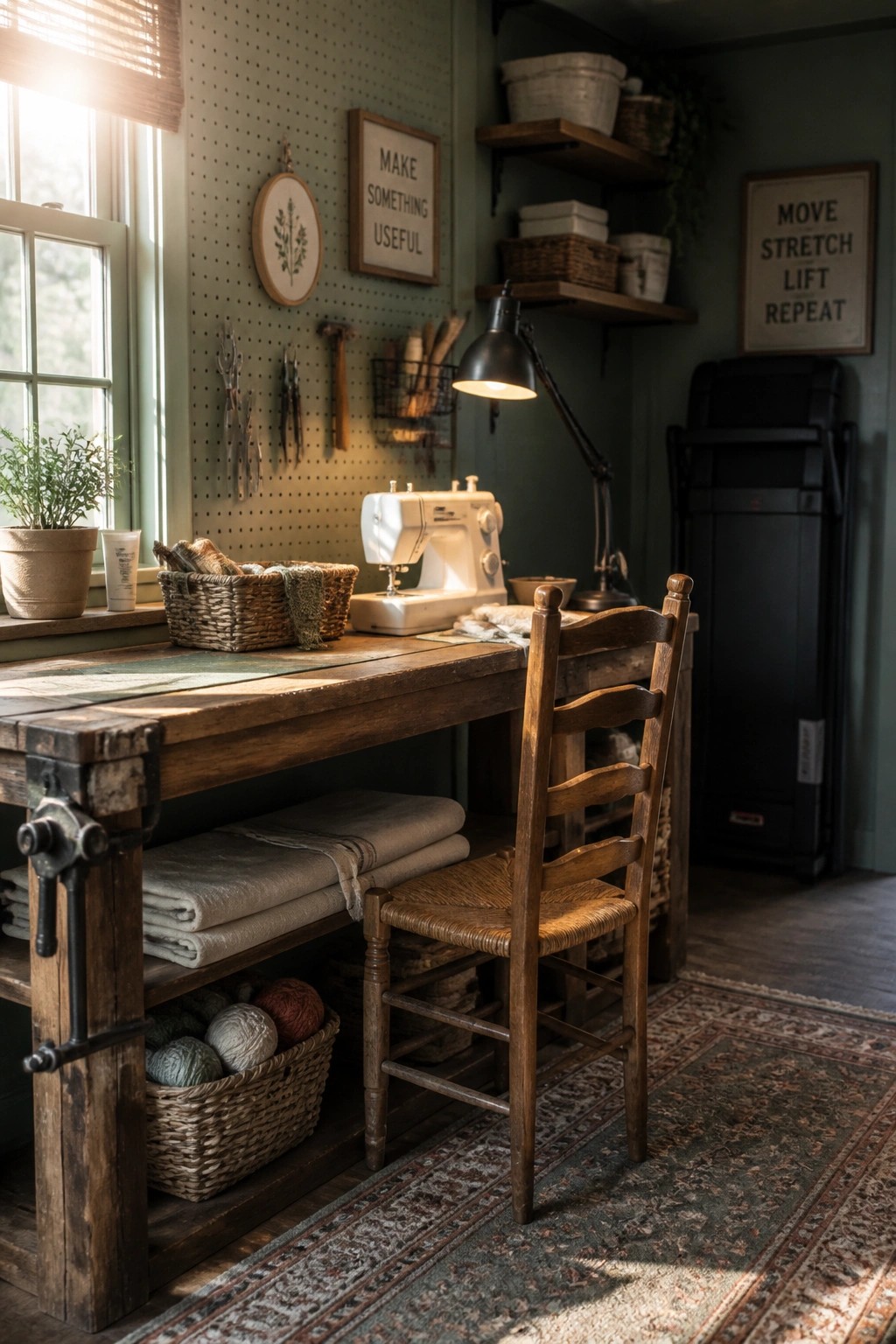
A muted green on the walls gives a craft room or workspace a calm feel without making it look too plain. It blends nicely with wood furniture and simple storage, and it keeps the space from feeling cold even on overcast days.
This color works well in rooms that already have natural wood tones and older furniture. Use it where you want the space to feel useful rather than styled, and test the shade in both morning and afternoon light before committing.
Warm Neutral Paint For Bathroom Walls
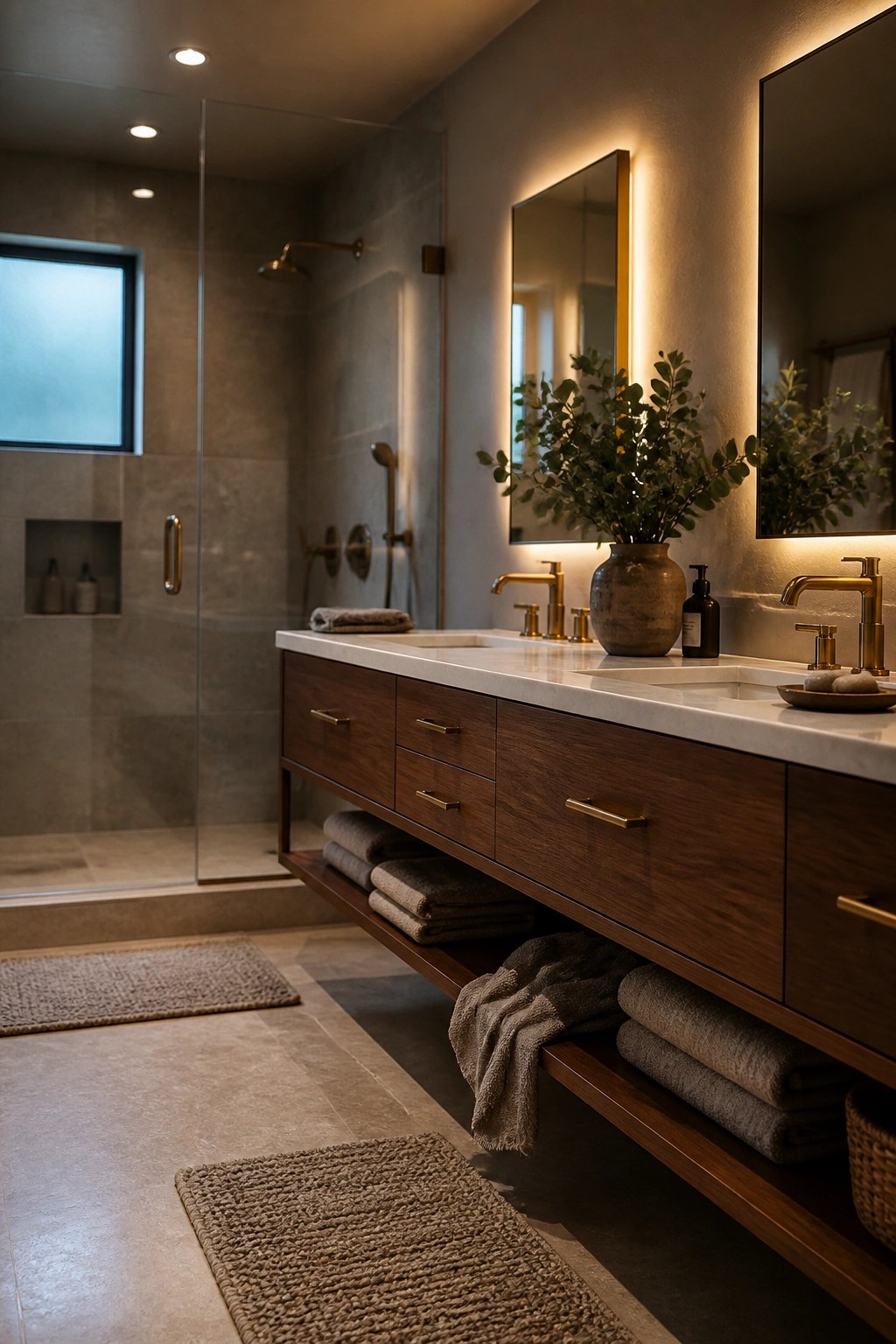
A soft warm neutral on the walls gives a bathroom that quiet, settled feeling right away. It keeps the space from turning cold while still letting the wood tones and fixtures stand out without competing.
This kind of color works especially well in smaller bathrooms or those with lots of natural wood. It suits rustic farmhouse homes that want warmth without going too dark or busy. Just test the paint in different lights first since these shades can shift more than you expect once the room is finished.
Frequently Asked Questions
Q: How light should my paint color be if the room gets little sunlight?
A: Choose a warm off-white or creamy beige from the list to brighten things up naturally. These shades bounce what little light you have and keep the farmhouse vibe cozy instead of stark.
Q: Do these colors hide imperfections on older walls?
A: Yes, the softer muted tones do a good job of blending minor flaws. Apply them in two thin coats for the best coverage without buildup.
Q: What color should I try first if I want a big change?
A: Start with a soft sage green or warm taupe. It shifts the mood right away while staying true to that rustic warmth.
