

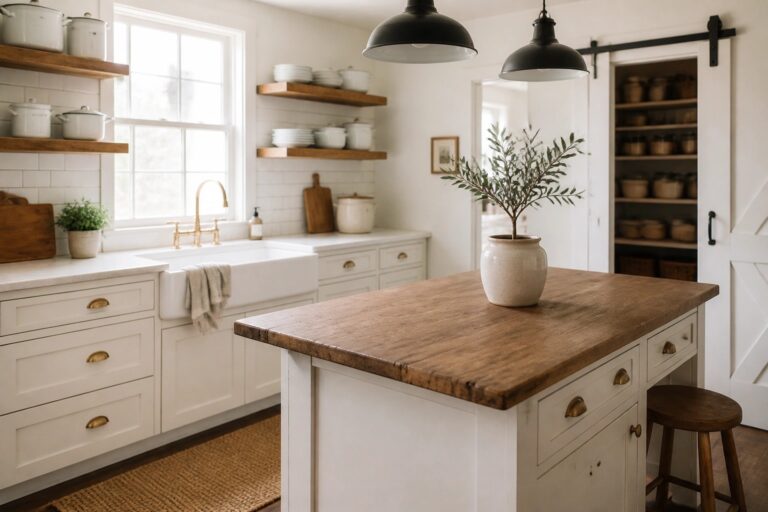
I have spent more time than I care to admit standing in half-painted rooms trying to decide if a white leans too cool or too warm for the light that comes through the windows.
In older farmhouses the walls often carry years of wear that only become obvious once you start fresh with a clean white.
Some whites simply work better than others.
I usually test a few samples on different walls before committing because the morning sun can turn one shade into something entirely different by afternoon.
The right choice tends to make the whole room feel more open without losing the cozy feel that draws people into farmhouse style in the first place.
Painting Walls And Cabinets The Same White
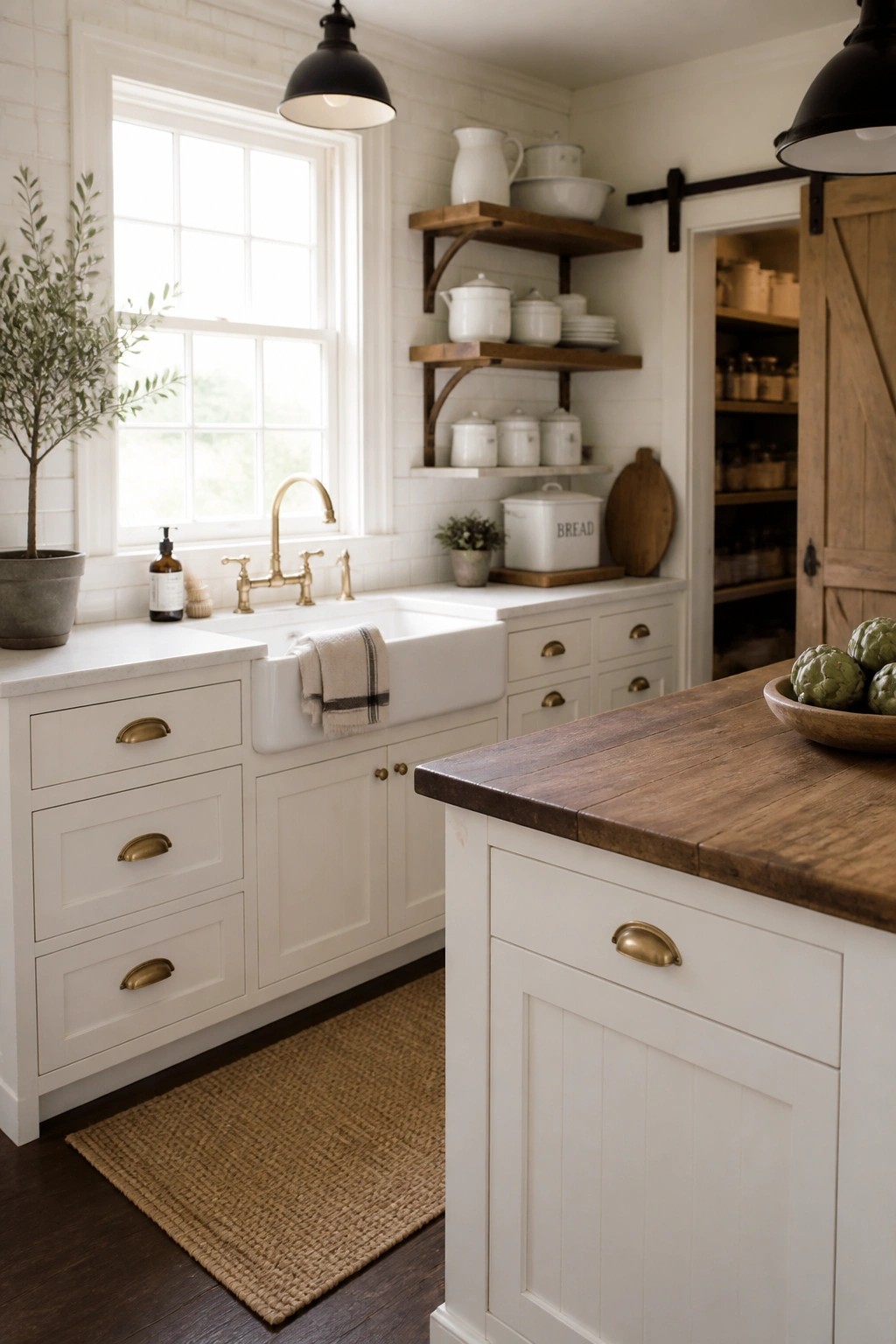
Many farmhouse kitchens feel brighter and more open when the walls and cabinets share the same white paint. This simple choice removes visual breaks, so the eye moves easily across the space without stopping at color changes. It works especially well in rooms with smaller windows or darker wood floors.
The approach suits older homes or new builds that lean traditional. Stick with one white throughout the main surfaces, then add warmth through wood tones on counters or open shelving. Avoid switching to a second white on trim unless the room has very high ceilings.
Painting Wainscoting White
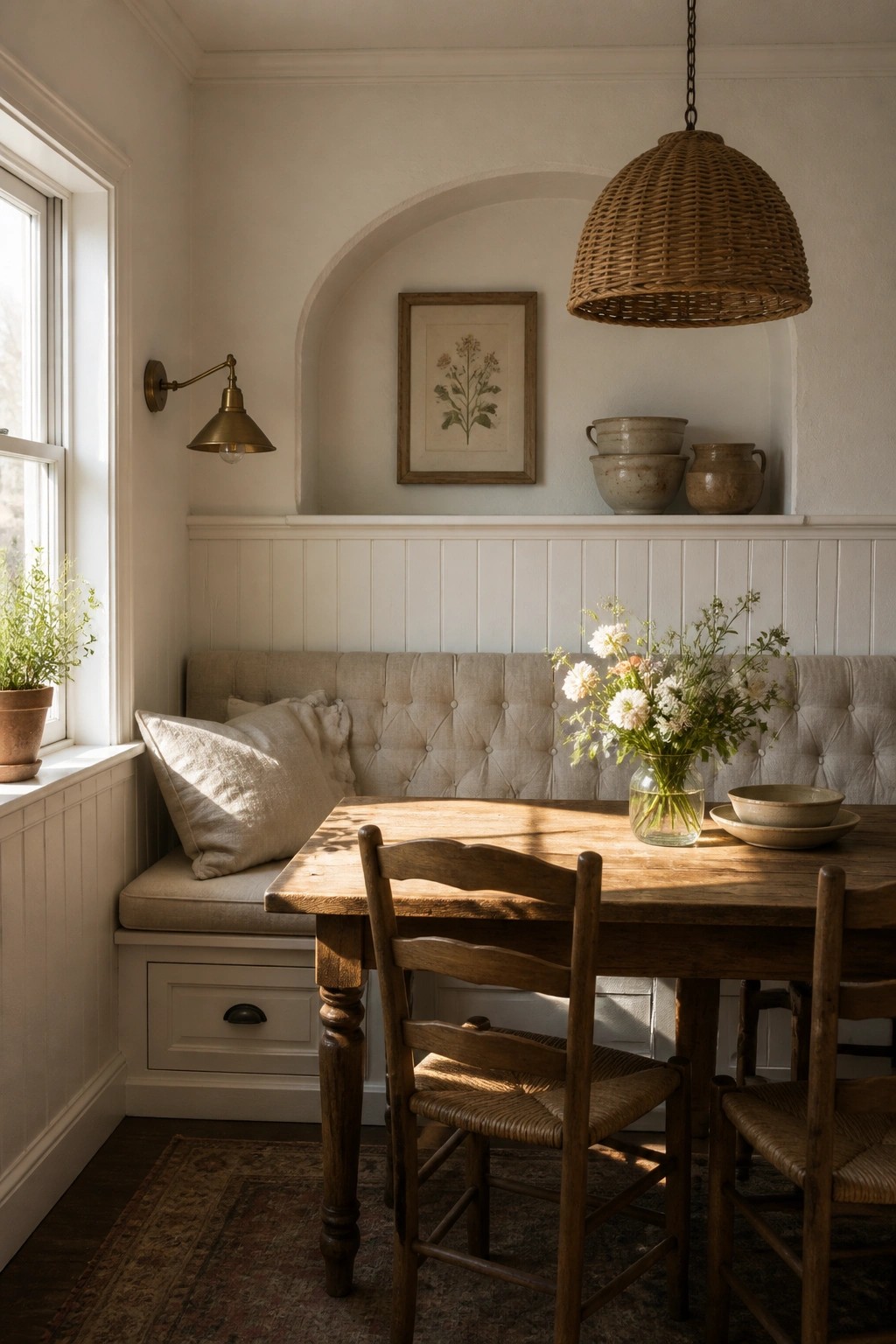
White paint on wainscoting gives a room that clean, open feel without much effort. It brightens the lower half of the wall, makes the space look taller, and lets wood furniture and soft fabrics stand out instead of competing with busy colors.
This works best in dining areas or breakfast nooks where light is limited. Stick with a warm white that has a bit of cream so the wood tones do not feel cold. Avoid anything too stark if the room gets little sun.
Painting Brick Fireplaces White
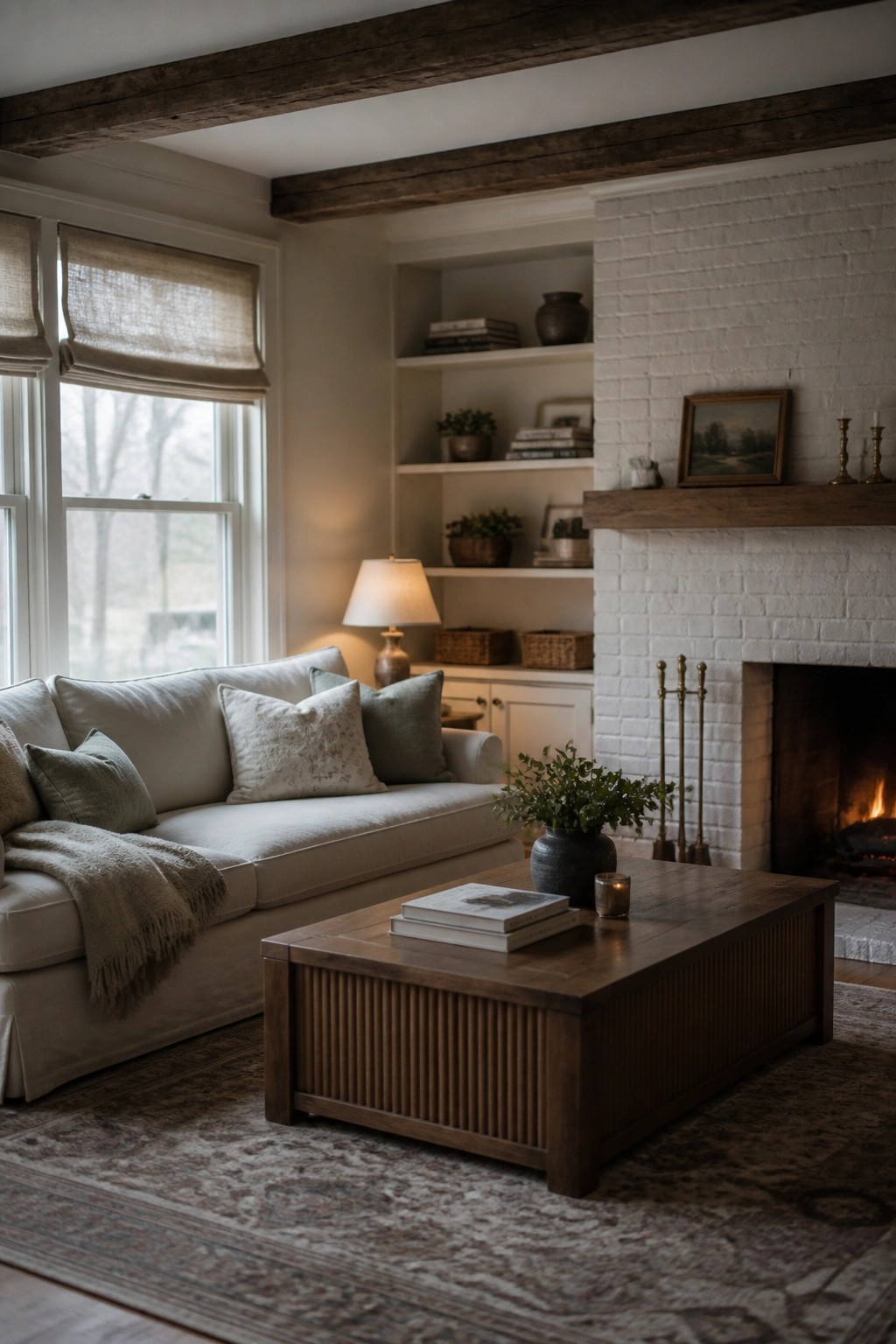
White paint on brick fireplaces keeps a room feeling open and bright without losing the texture that makes farmhouse style feel grounded. The light color reflects more light around the seating area and helps the dark wood mantel and beams stand out in a simple way rather than compete.
This approach works best in living rooms that already have neutral walls and wood tones. Stick with a clean white that has a touch of warmth so the brick does not look stark against softer fabrics and rugs.
Soft White Walls For A Calm Bedroom
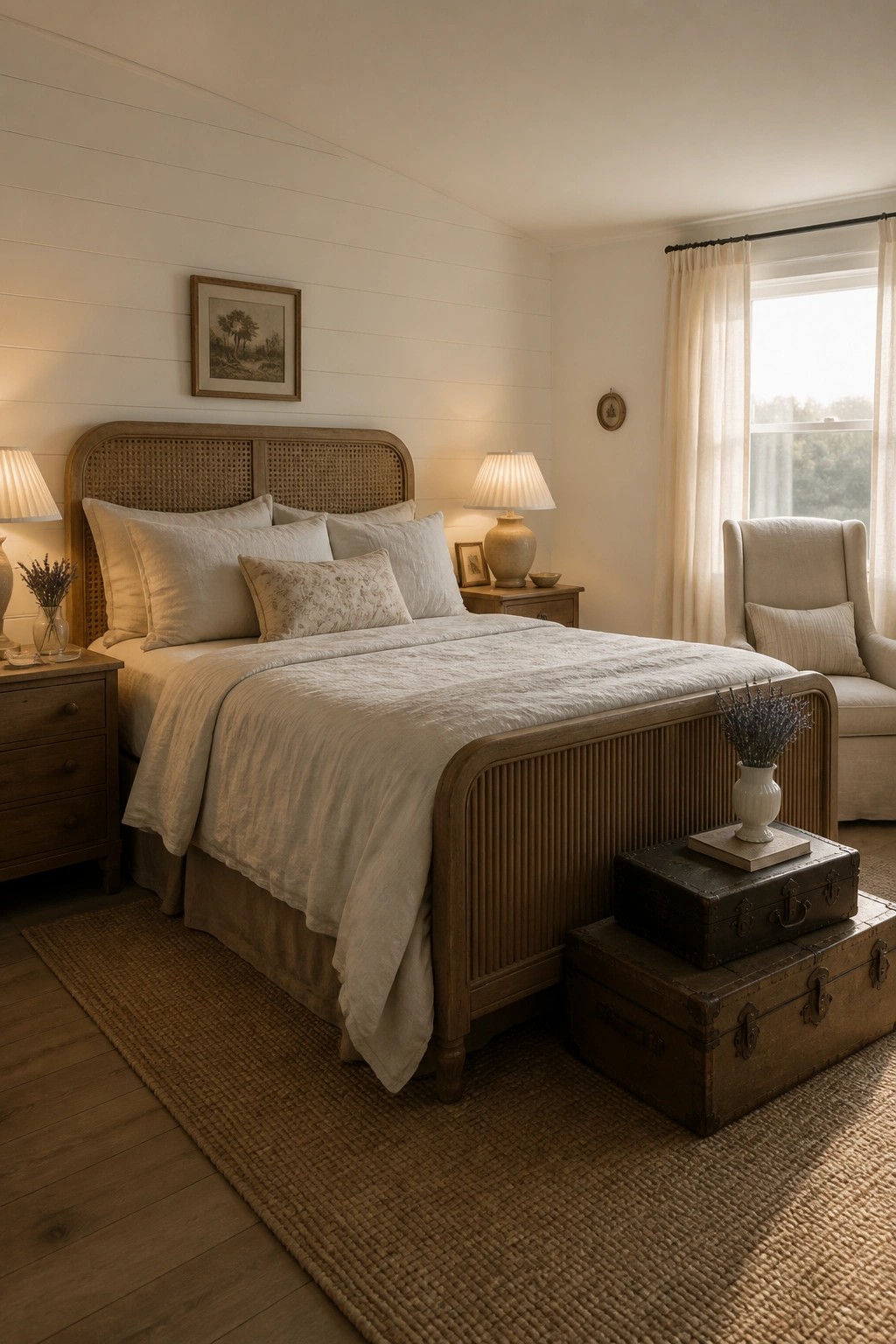
A soft white on the walls gives a bedroom that clean, open feel without making it look too stark. It lets the wood tones and soft fabrics do the work while still keeping everything bright during the day.
This approach works best in rooms with decent natural light and simple furniture. It suits farmhouse homes that want a relaxed look, but it helps to add a few textured pieces like a woven rug or linen bedding so the space does not feel flat.
White Built-Ins in the Office
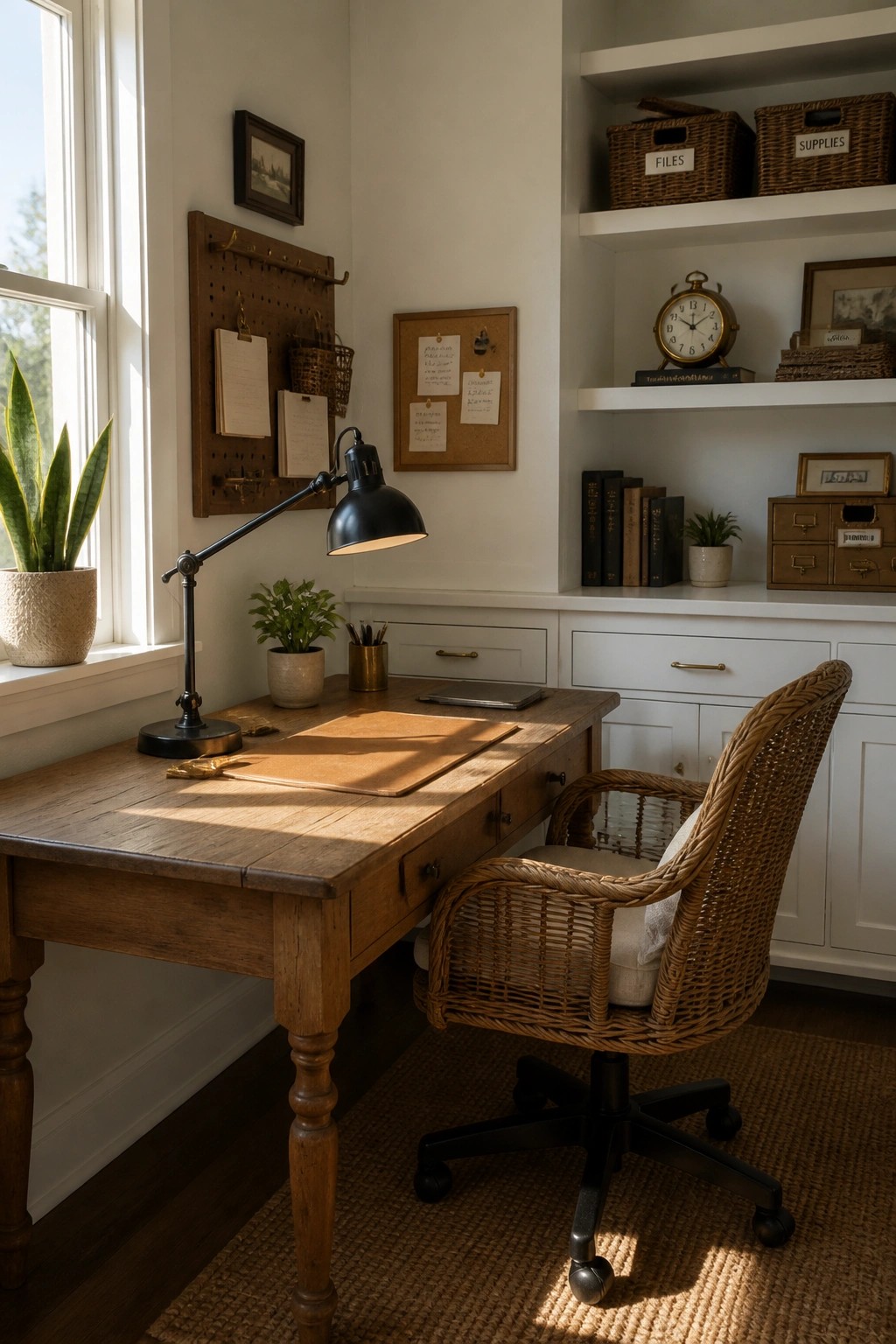
White painted cabinetry and open shelves give this workspace a clean, open feel without making it look sterile. The bright finish bounces light around the room and keeps the focus on the desk and daily work instead of clutter.
This approach works well in smaller offices or any room that needs to feel bigger and calmer. Pair the white with wood tones on the floor and furniture so the space stays warm rather than stark. Keep the hardware simple and avoid overcrowding the shelves.
White Paint That Opens Up A Bedroom
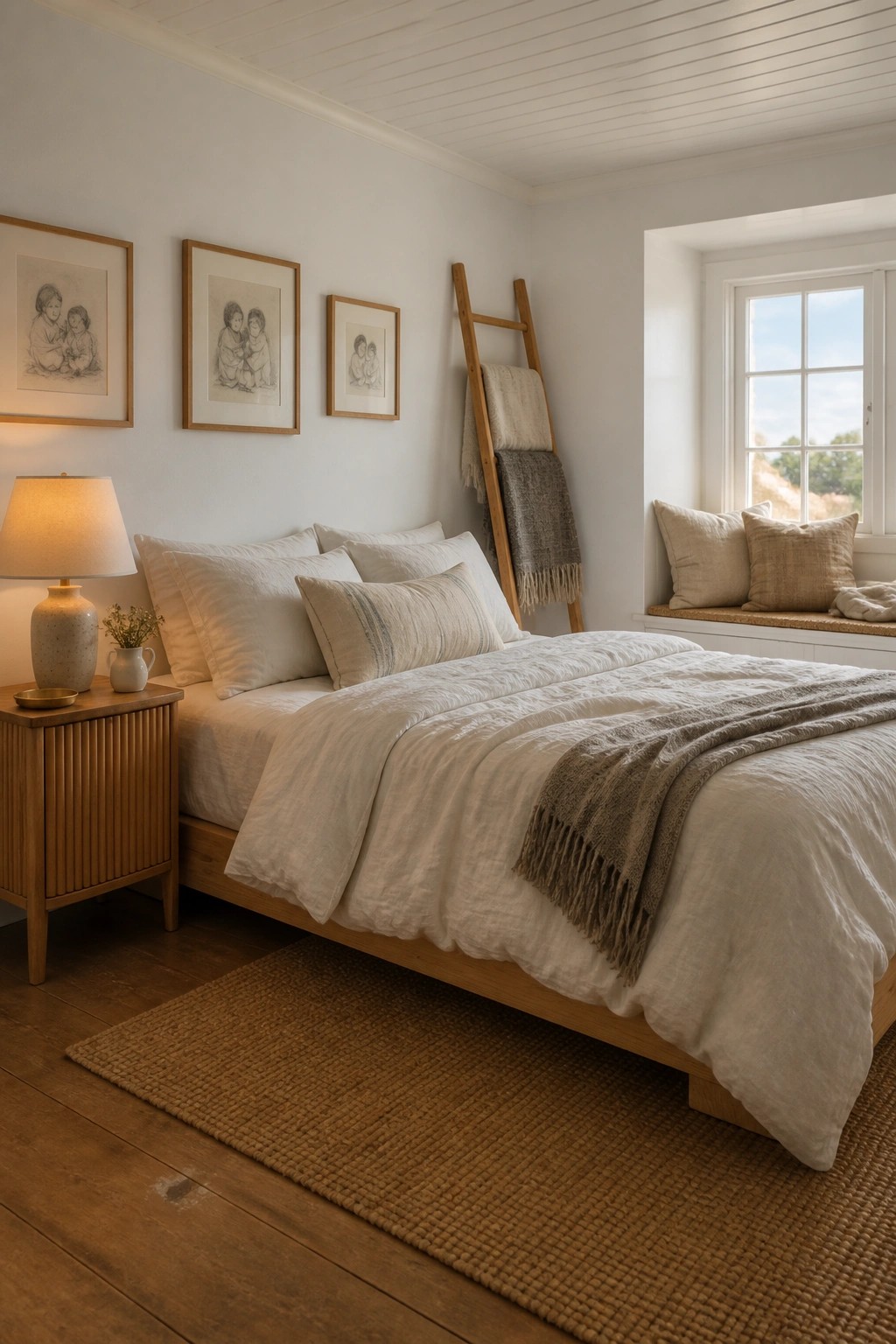
White walls can make a bedroom feel calmer and more open without much effort. They reflect light well and let the wood tones and soft textiles stand out in a simple way.
This approach works best in rooms with decent natural light and suits farmhouse homes that want a clean look without feeling stark. Stick with a warm white that has a touch of cream so the space stays inviting rather than cold.
White Paint In Mudrooms And Laundry Rooms
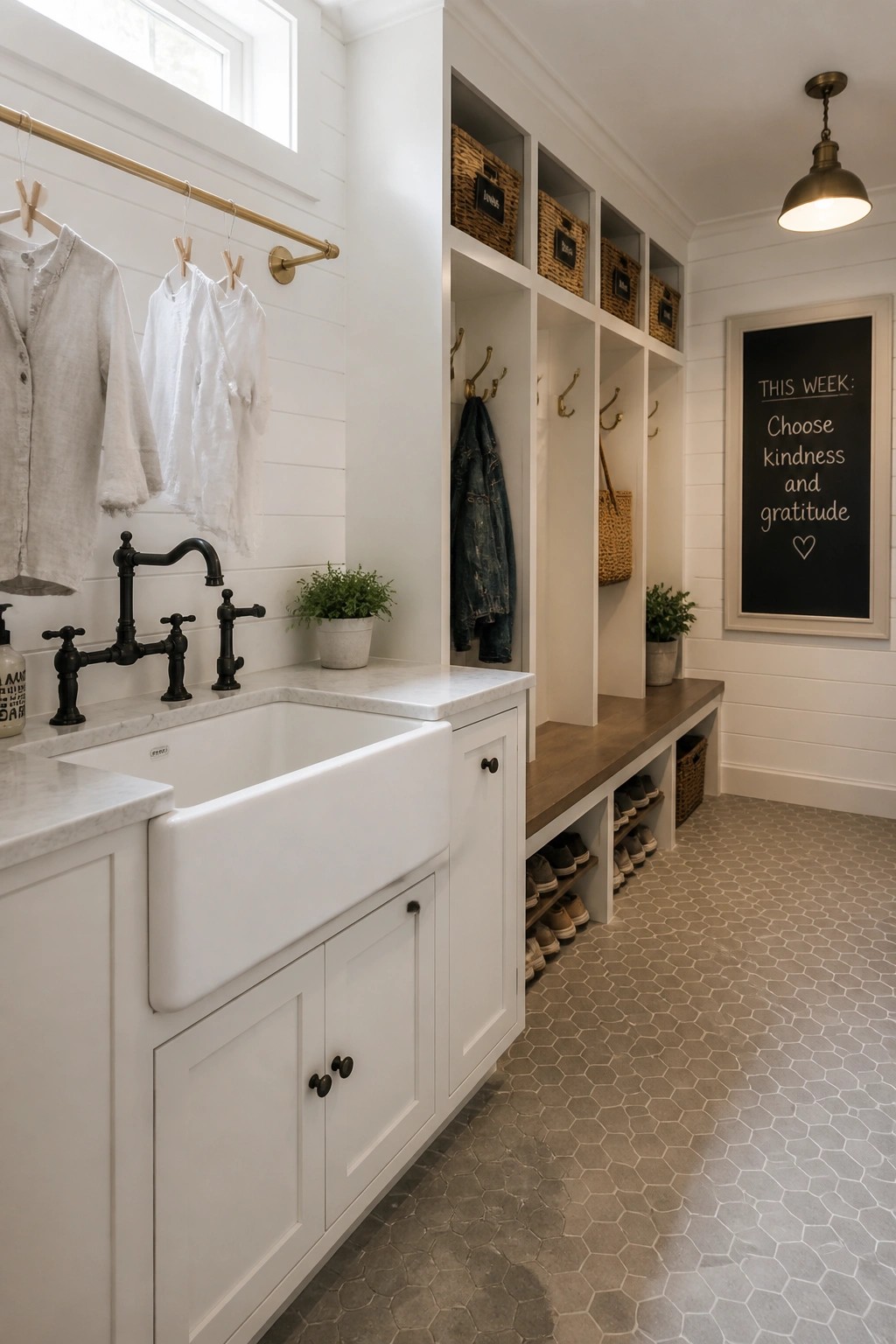
White paint works well in busy utility spaces because it keeps the room from feeling dark or cramped. In this setup the walls, cabinets, and trim all share the same crisp white, which makes the sink area and open storage read as one clean surface rather than a collection of separate pieces.
This approach suits homes that already lean farmhouse or cottage style and have decent natural light. Keep the white consistent on both walls and casework, then add only a few wood tones or baskets so the space stays bright without looking sterile.
White Paint That Brightens Narrow Entries
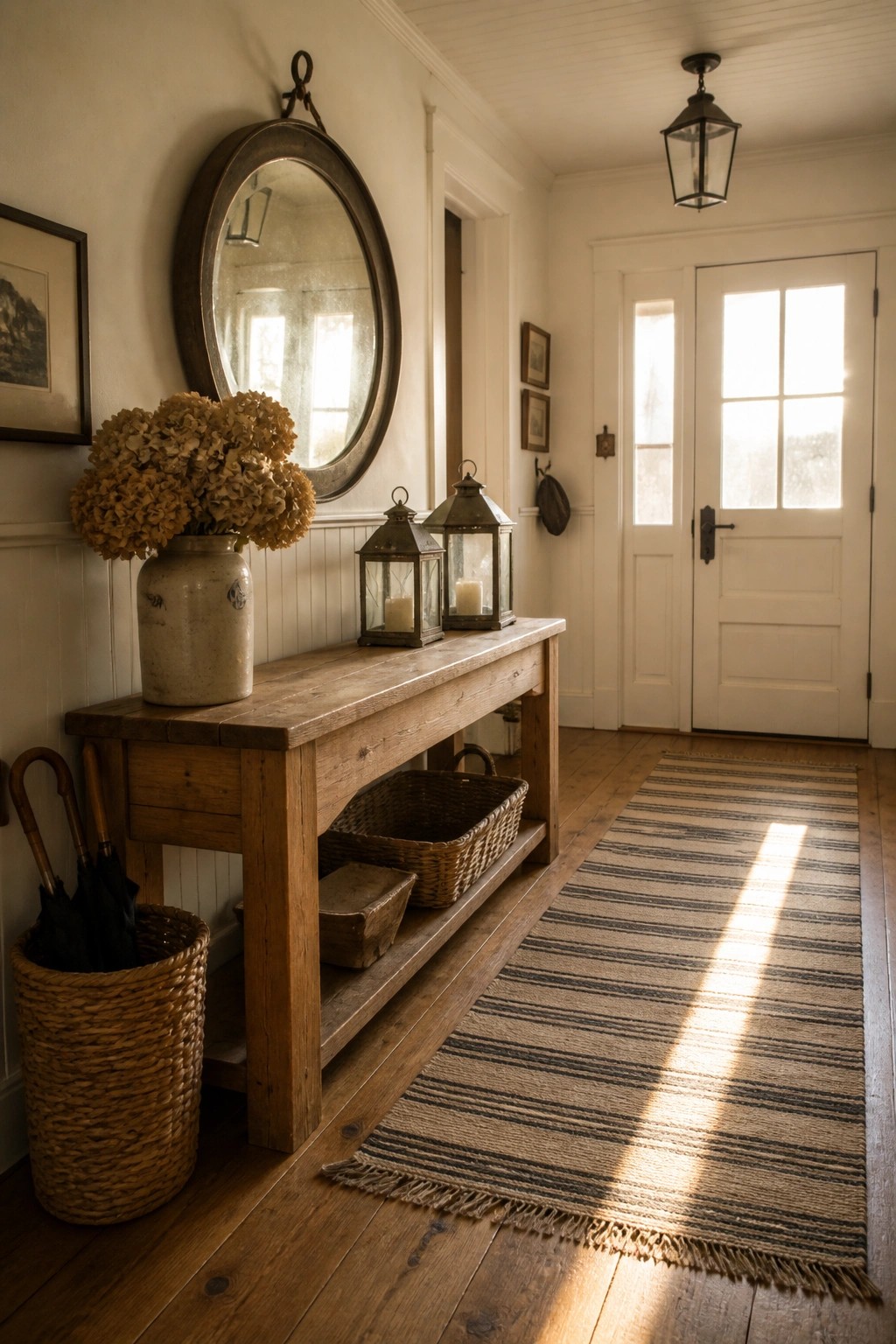
White paint helps narrow hallways feel wider and more open by bouncing light through the space. It works especially well in older homes where the walls already have simple trim or beadboard, since the light color keeps those details from looking heavy.
This approach suits farmhouses with wood floors and furniture because the white lets the natural tones stand out. Keep the white slightly warm so it does not fight with the wood, and carry the same color up to the ceiling for a cleaner finish.
White Paint for Crisp Clean Bathrooms
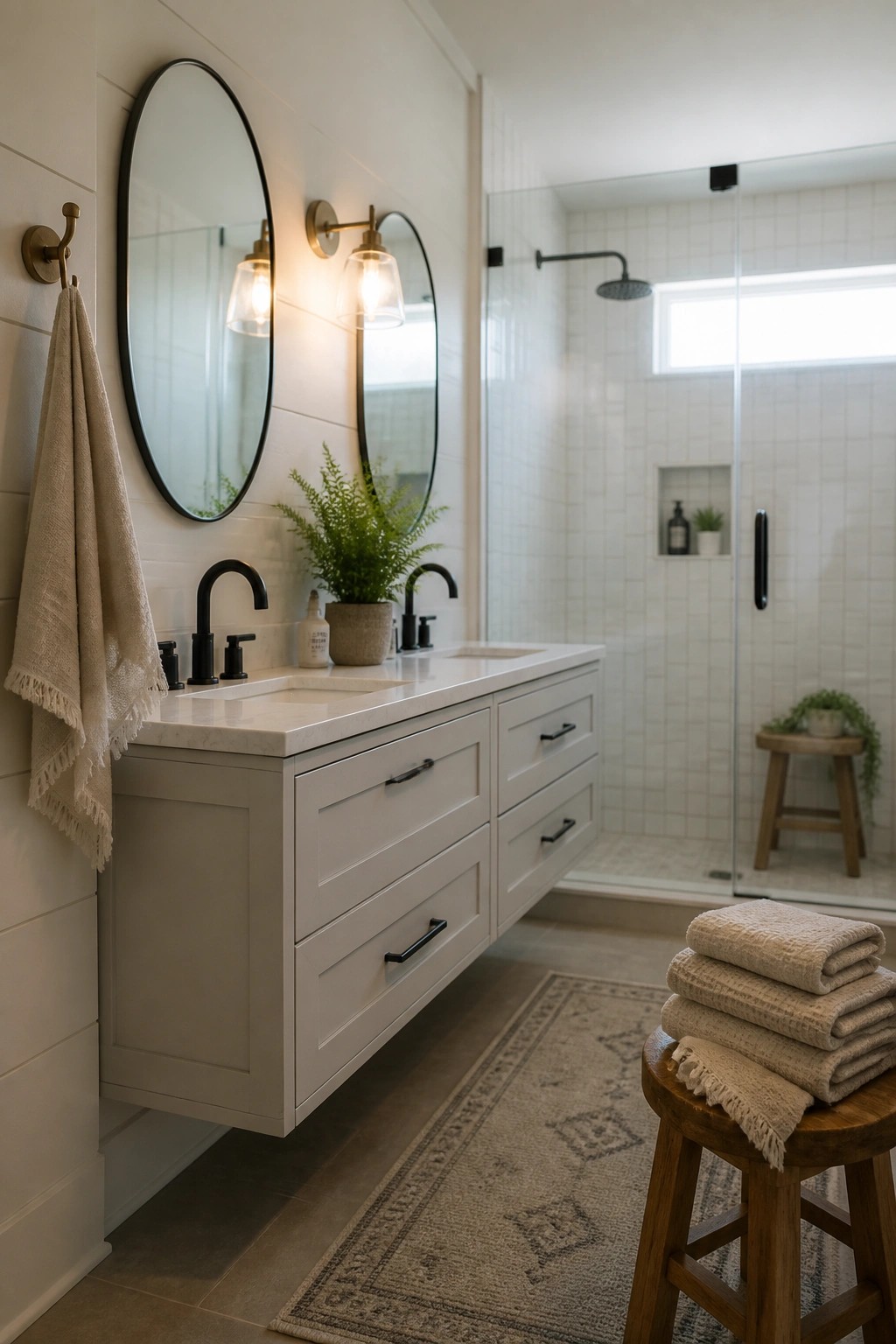
White paint on the walls and vanity keeps a bathroom feeling open and fresh. It reflects light well and makes the space look larger without any extra effort.
This works best in farmhouse homes where you want simple contrast with black fixtures and hardware. Stick with a clean white that has a touch of warmth so the room does not feel cold.
White Paint That Keeps A Room Feeling Crisp And Clean
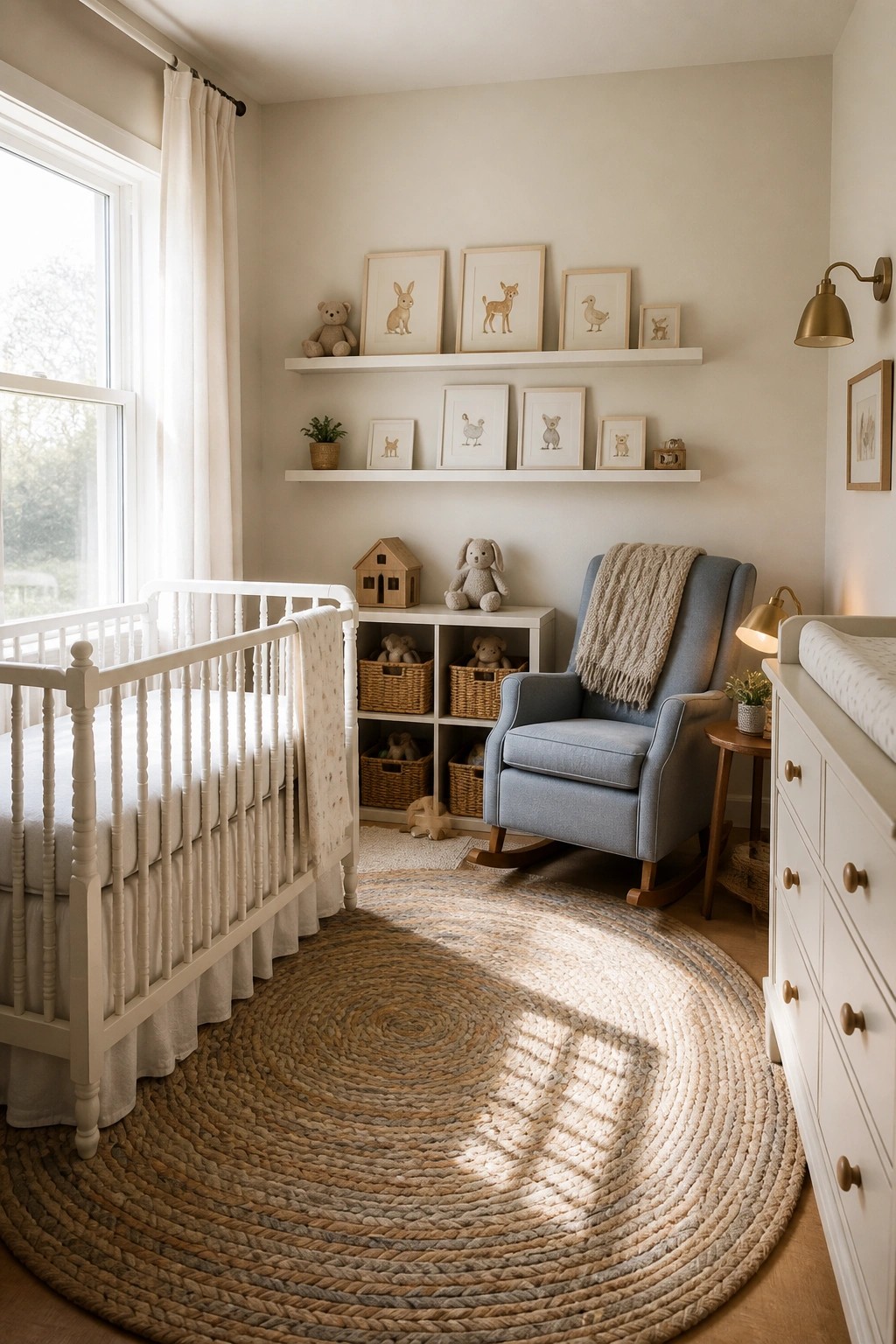
White paint on the walls and trim gives a nursery that bright, open feel even when the space holds plenty of furniture. The clean white base lets light from the window move freely around the room and stops the area from feeling crowded or dark.
This approach works well in farmhouse homes where you want simple walls that stay fresh looking over time. Use it in any room that gets steady daylight and keep the trim and larger pieces in the same white family so the whole space reads calm and uncluttered.
White Paint For Walls And Wainscoting
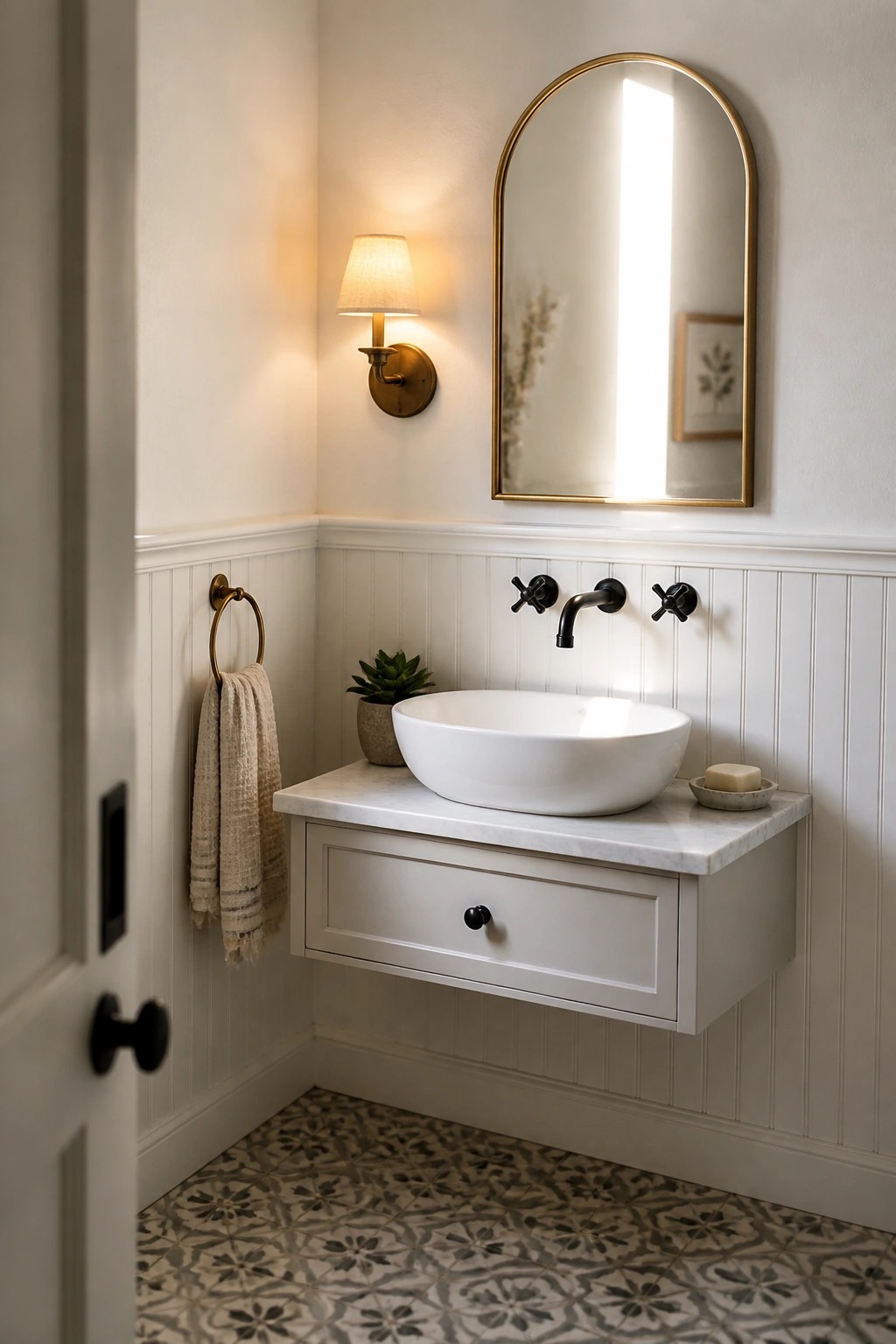
One white paint color used on both the walls and the wainscoting keeps the whole space feeling crisp and connected. The look stays simple without any hard color breaks at the chair rail, which helps a small bathroom feel a little larger.
This works best in farmhouse homes that already have beadboard or paneling. Pick a clean white with a slight warm undertone so the room does not go too stark, and test it on both the flat wall and the trim before committing.
White Walls That Highlight Natural Wood
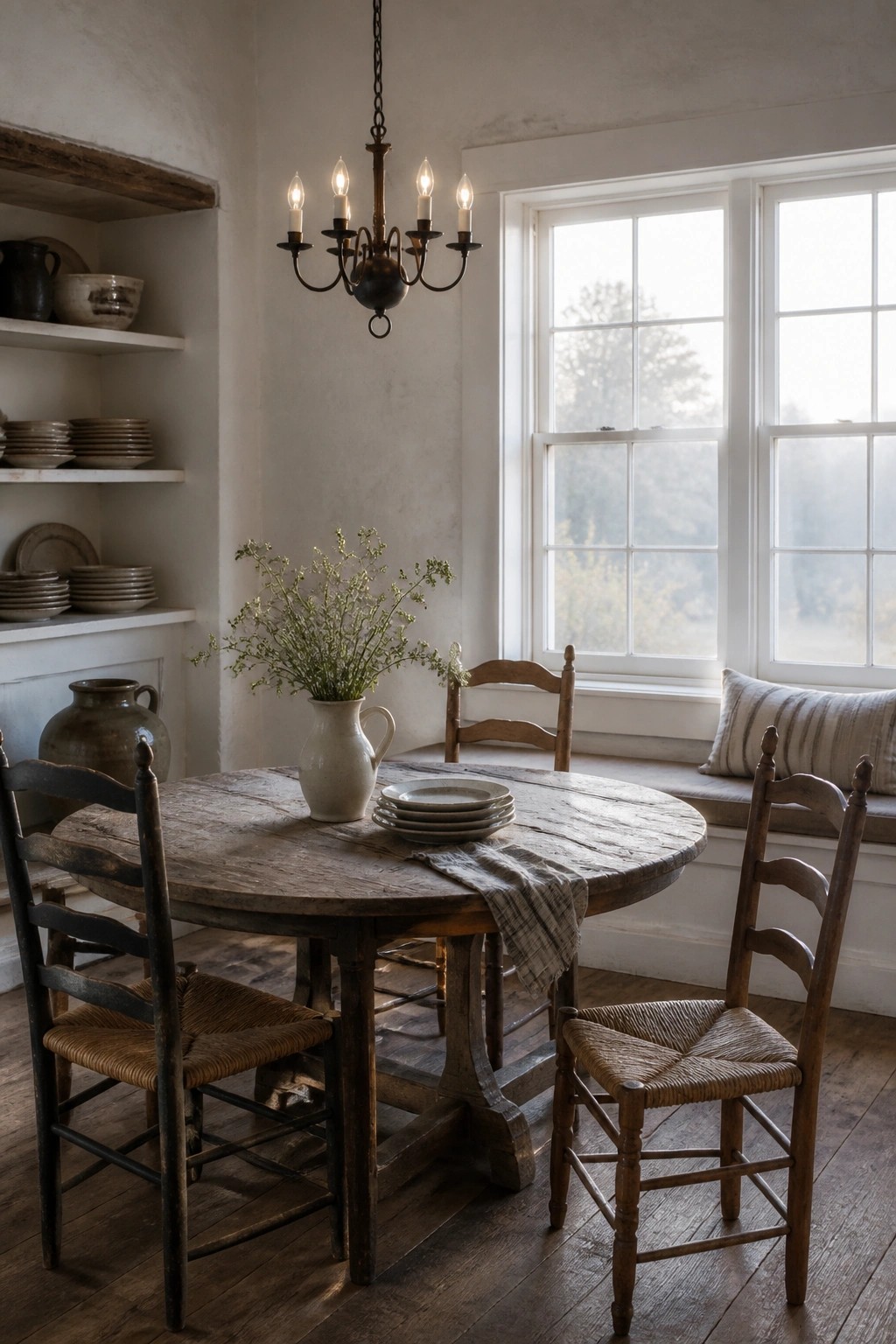
White walls give a room like this a clean starting point that lets the wood tones on the table and chairs come through without looking heavy. The light color keeps the whole space feeling open even when the furniture is dark and textured.
This works best in older homes or farmhouse interiors where you want the wood to stay the main feature. Pick a white with a touch of warmth so it does not fight the grain or make the room feel cold.
White Paint That Keeps The Room Bright And Clean
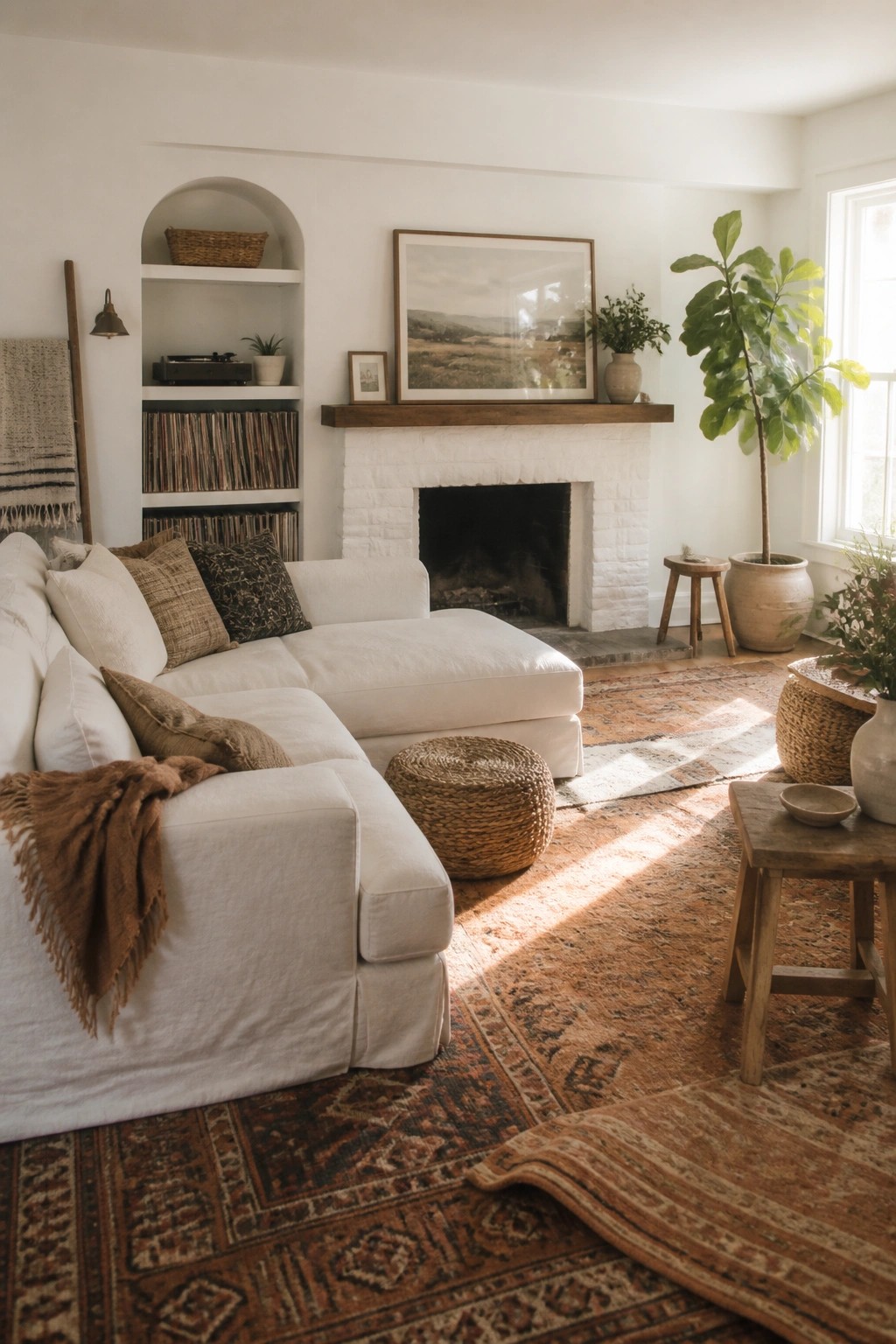
White paint on the walls and fireplace creates a simple backdrop that makes the whole space feel open. It works well because it lets the wood tones, rugs, and textiles carry the warmth without fighting against darker colors.
This choice suits farmhouse living rooms that get plenty of natural light. Match the trim and built-ins to the same white so the room stays cohesive instead of looking broken up by too many shades.
Light Walls to Balance Warm Wood
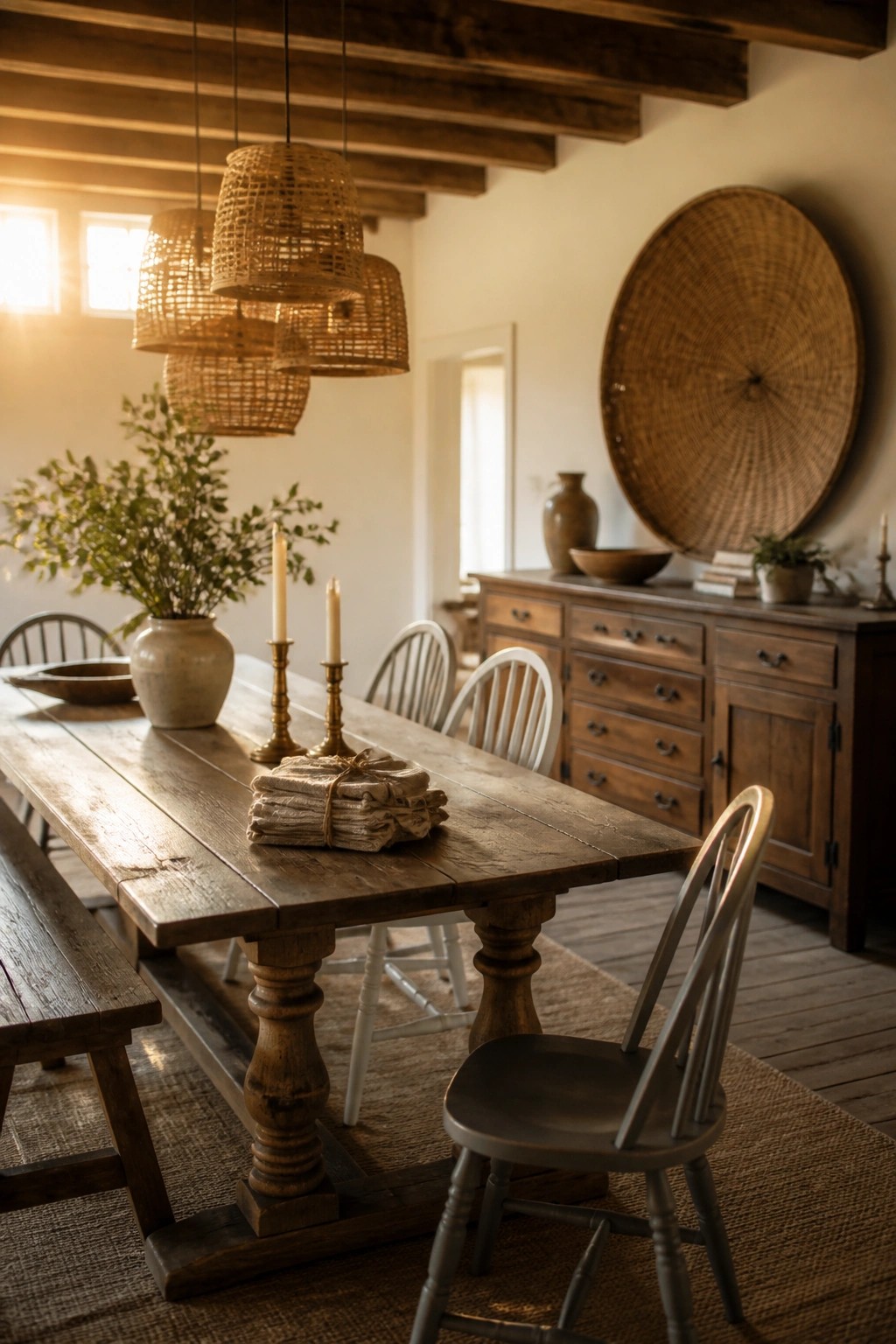
Light wall colors can keep a room full of wood from feeling too heavy. In spaces with a big table, chairs, and other wooden pieces, a clean off-white helps the natural tones stand out without making the room feel dark or closed in.
This approach works best in dining rooms or kitchens that get good natural light. Test the paint on a few walls first, since wood can cast warm reflections that change how the color reads during the day.
White Paint for Hallway Walls
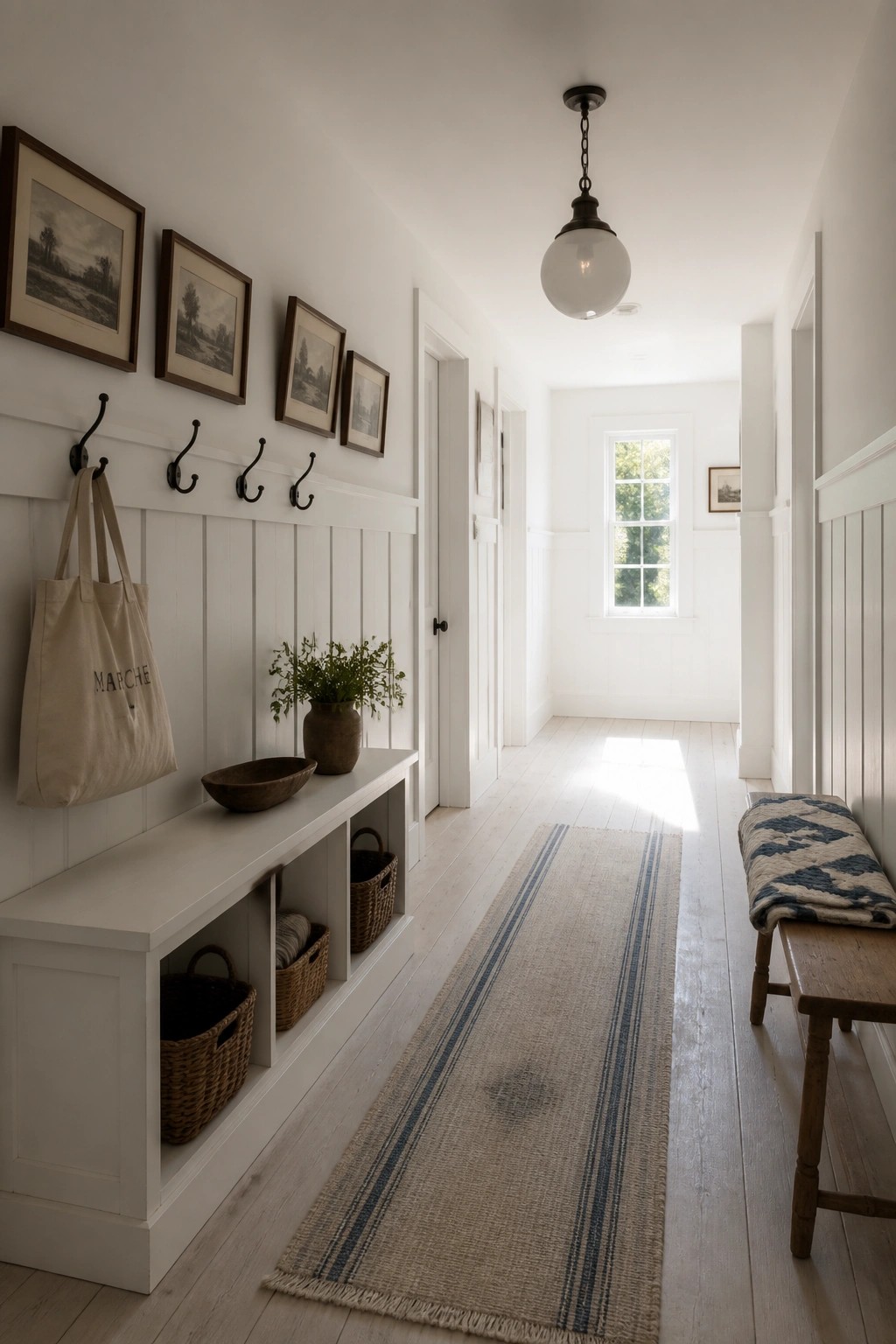
White paint helps hallways stay bright and open, especially when the space is long and narrow. It makes the trim and wainscoting stand out in a simple way that feels clean without extra effort.
This works best in farmhouse homes where you need hooks and built-in storage along the wall. A crisp white keeps the area from feeling crowded even when baskets and bags are in use.
Soft White Paint For Farmhouse Kitchens
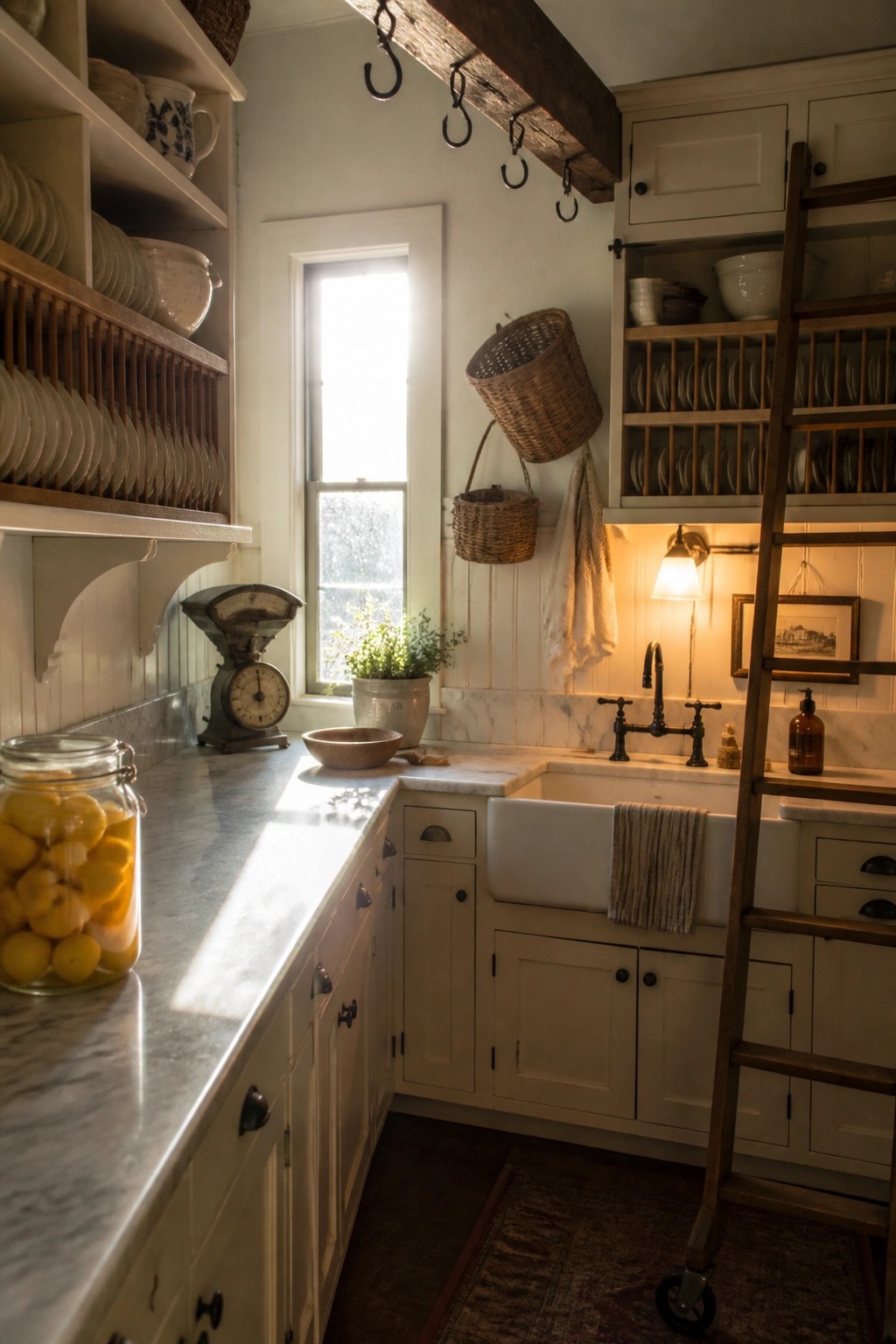
White paint on the cabinets and walls gives this kitchen a light, open feel without looking stark. The soft shade keeps the space calm and makes the wood tones on the open shelves and ladder stand out nicely. Many people like this approach because it works well with older homes that already have simple trim and basic hardware.
This color choice suits smaller kitchens especially well since it helps reflect light from the window. Stick with a warm off-white rather than a cool bright one if your room gets little direct sun. Test the paint on a few cabinet doors first so you can see how it looks with your counters and flooring.
White Paint In The Laundry Room
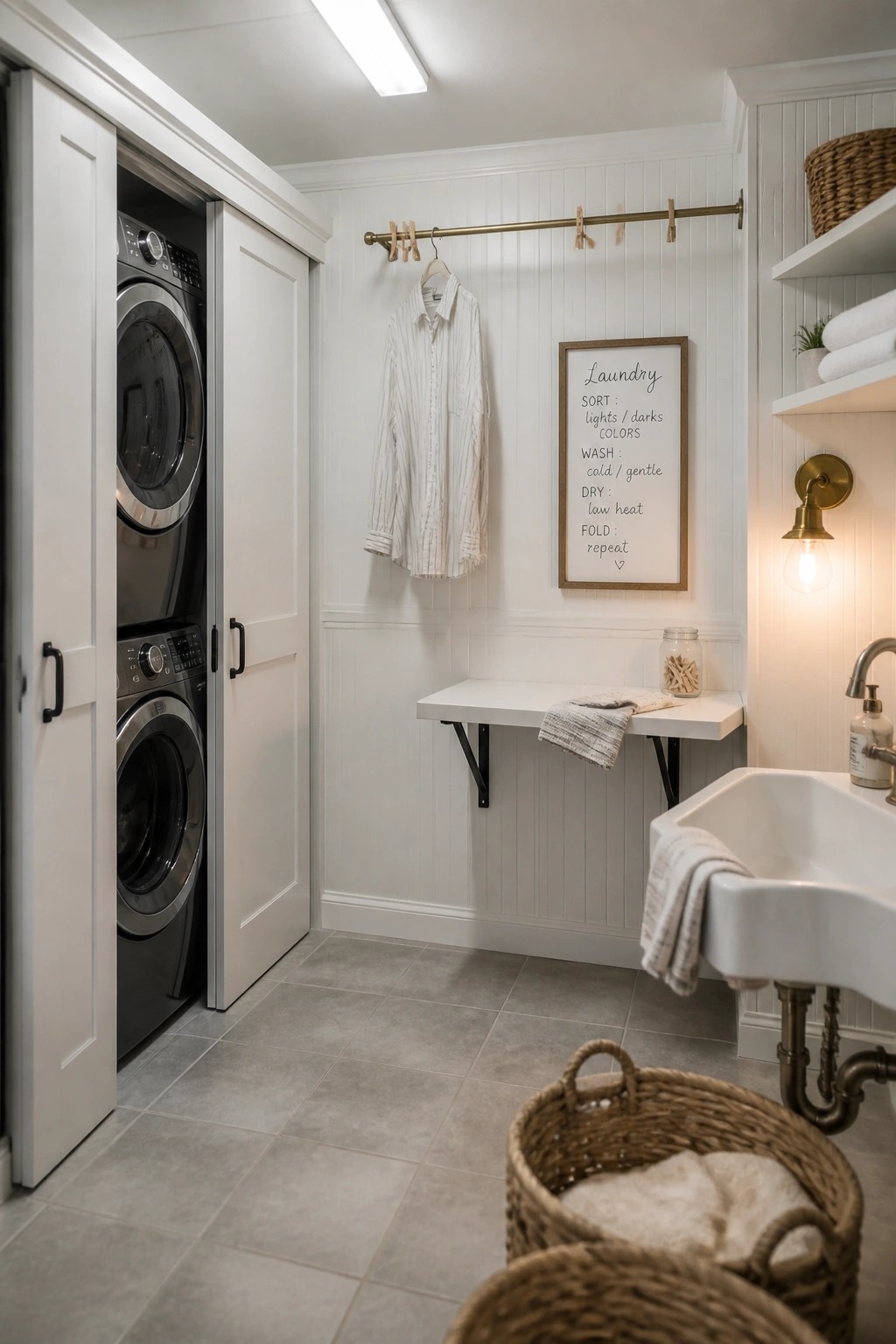
White paint keeps a laundry room from feeling closed in. It reflects what little light comes in and makes the space look cleaner even when clothes are piled up. Many people choose it because the room gets used every day and a bright finish helps it feel less like a chore zone.
This works best in smaller homes or any layout where the laundry room sits near living areas. Stick with a simple white on both walls and trim so the cabinetry and fixtures blend in without extra contrast. It also makes it easier to add just one or two natural textures like wood or woven baskets without the space looking busy.
White Paint For Crisp Clean Bathrooms
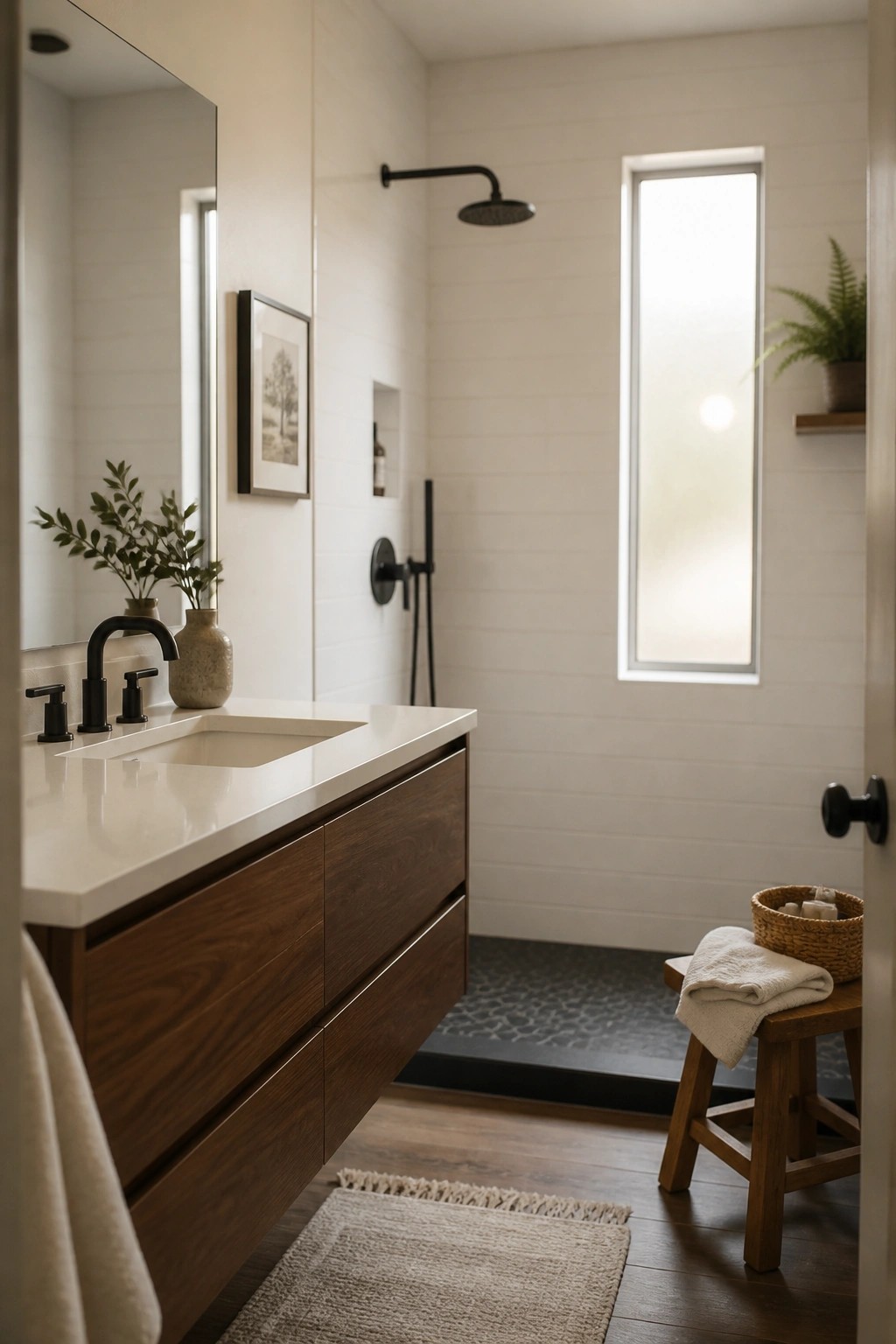
White paint on the walls makes a bathroom feel open and easy to keep looking fresh. It bounces light around the space and lets the wood tones and darker fixtures stand out without crowding the room.
This works well in smaller bathrooms or any farmhouse style space where you want things to stay simple. Pick a white with a touch of warmth so the room does not feel cold next to natural wood.
Frequently Asked Questions
Q: Which white from the list holds up best in a kitchen with lots of natural light?
A: Go with one that has soft gray undertones so it stays crisp instead of warming up too much by midday. Paint a couple of sample boards and prop them near the windows at different hours. That quick check shows you exactly how the color shifts before you commit.
Q: How do I avoid a sterile look when using these whites on every wall?
A: Layer in warm wood tones or a few textured pieces like linen curtains to keep the space inviting. The article whites already lean clean so you only need one or two natural accents to balance them out.
Q: Will any of these whites work on trim without clashing with the walls?
A: Yes. Choose a slightly brighter version of your main wall color for the trim so the whole room feels pulled together. Apply two coats and let each dry fully to prevent any yellowing at the edges.
Q: What happens if my ceilings are lower than standard height?
A: Stick to the coolest white on the list and run it up onto the ceiling too. This trick opens the room up without extra effort.
