

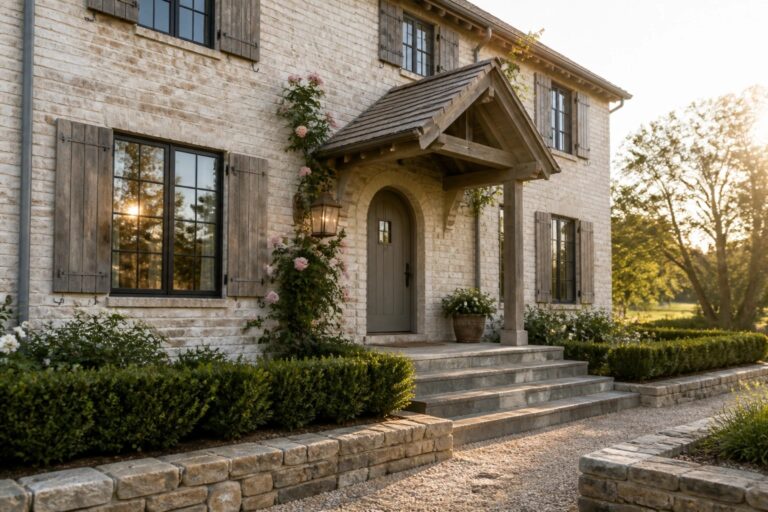
I’ve always noticed that raw brick on a farmhouse can make the whole front feel heavier than it needs to.
Limewashing softens the masonry while still letting some of the original texture come through, which keeps the look honest instead of covered up.
It changes how the whole front reads from the street.
When I walk past older homes that have tried this, the ones that work best usually let the wash wear a little uneven so the brick shows in spots.
Those are the versions I picture testing on my own place if I ever get the chance.
Add a Timber Gable at the Entry
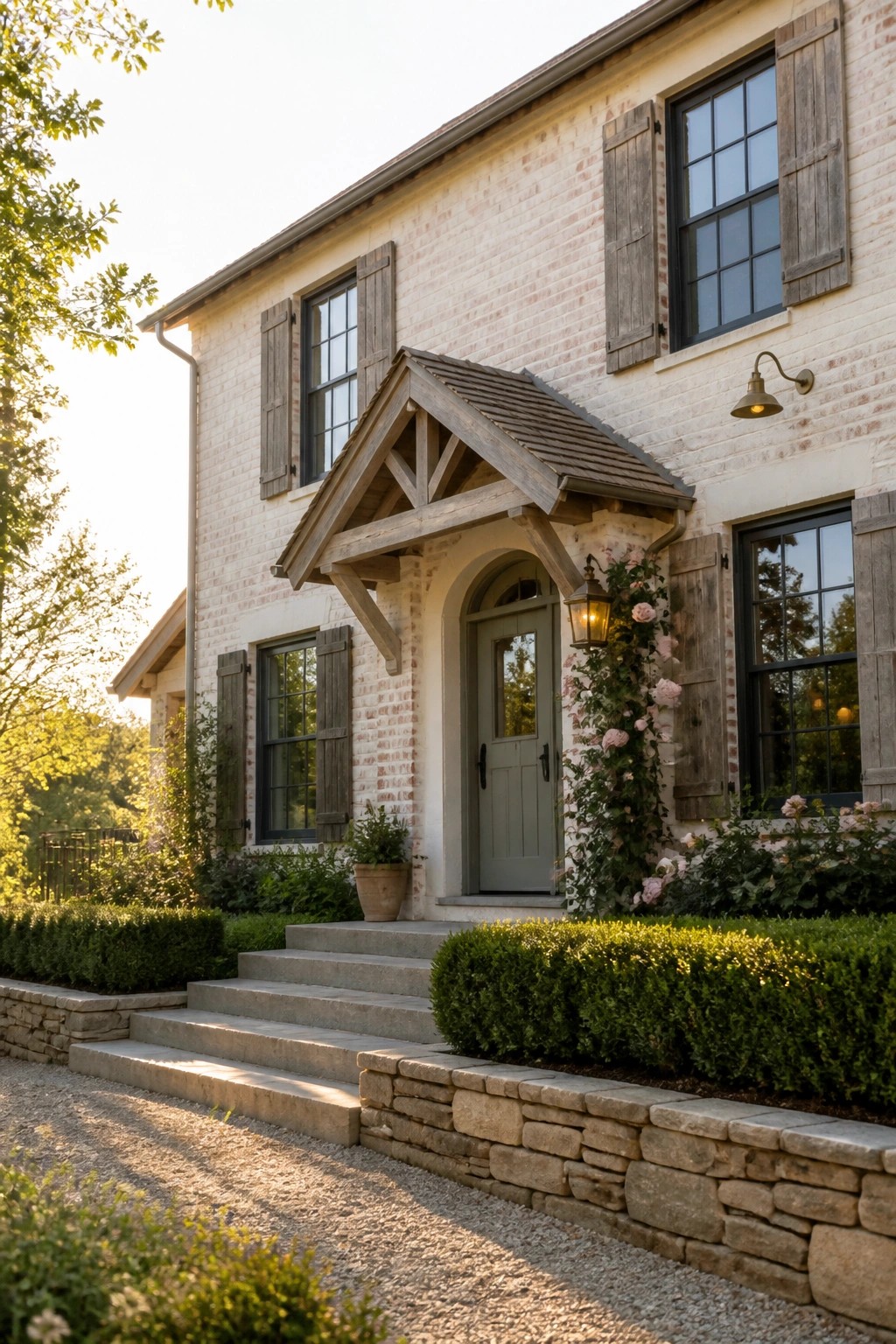
A timber gable over the door gives the brick wall a break and brings in some natural texture. It keeps the look simple while making the entry feel more settled and less flat.
This works best on farmhouses where the brick already has a soft tone. Use weathered wood, keep the lines clean, and let a few plants climb up one side if the light allows it.
Limewash Brick Around The Porch
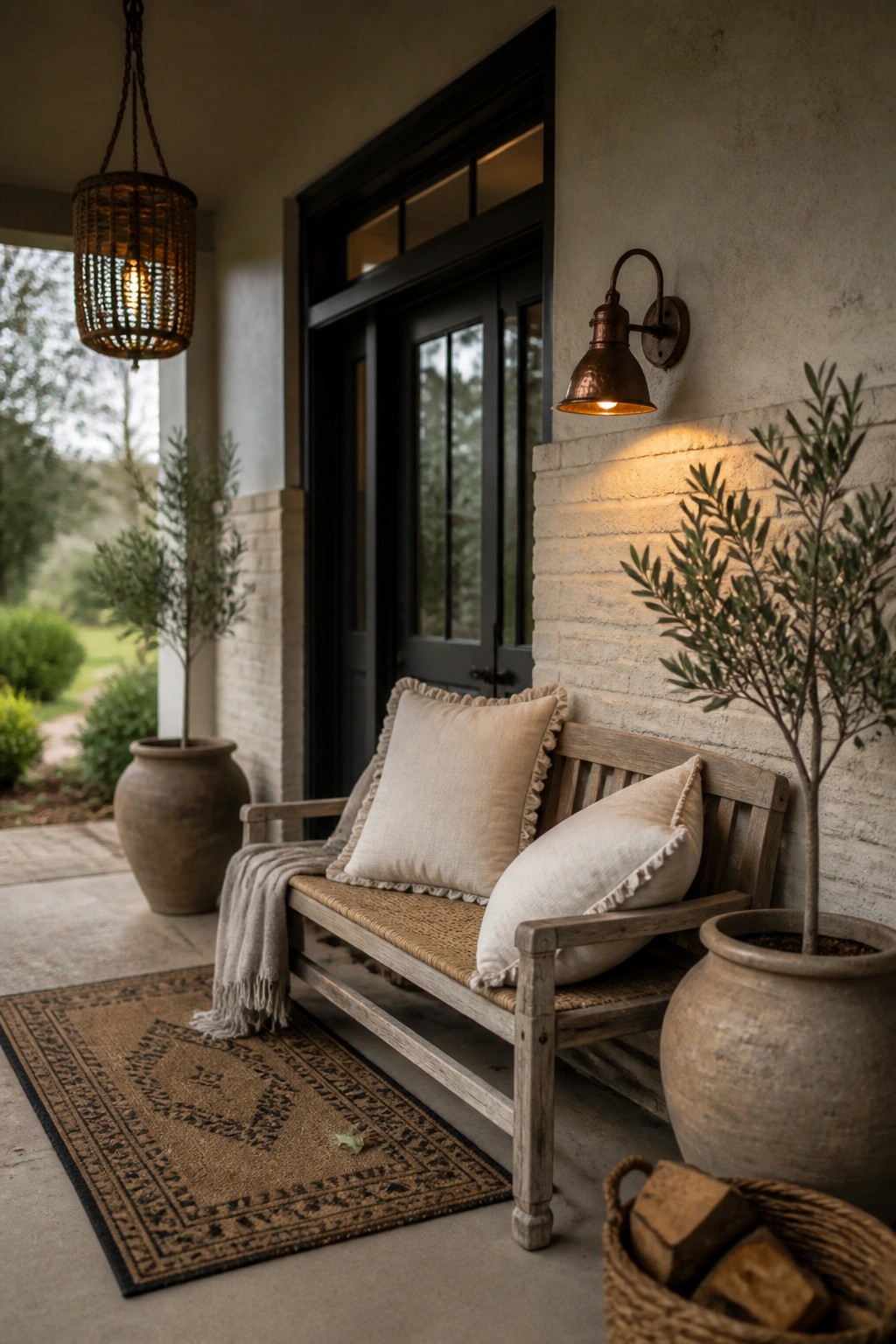
Limewash works well on brick when you want the surface to feel less heavy. It lightens the color without hiding the texture, so the wall still reads as brick but sits more softly next to darker trim and doors.
This finish suits farmhouse porches where you already have wood seating and simple pots. Keep the application thin so some variation shows through, and test it on a small section first since brick takes the wash differently depending on age and exposure.
Limewash The Brick Exterior
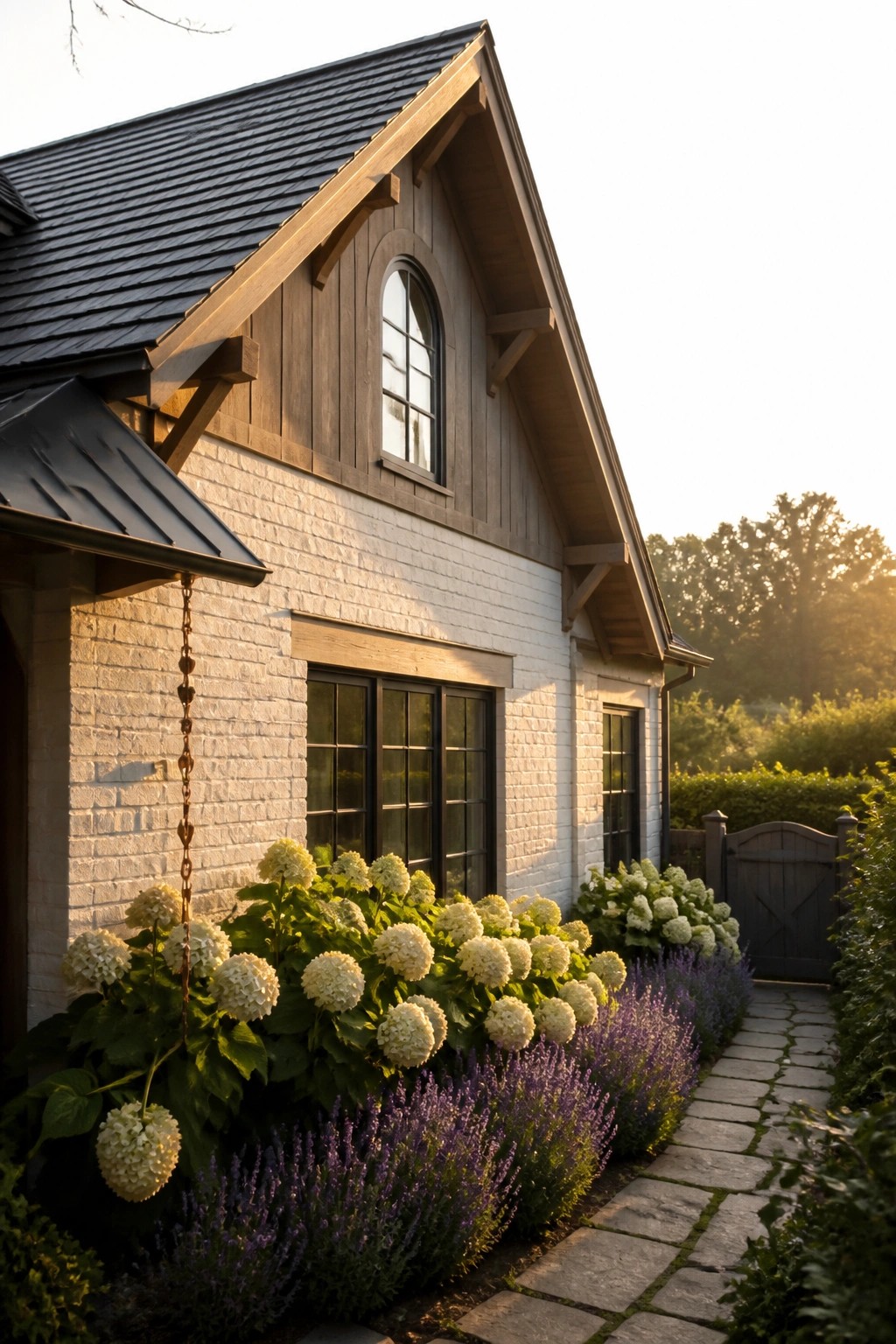
Limewashing brick gives a farmhouse a lighter, softer look than raw masonry. The pale finish blends nicely with wood trim and dark windows while still letting some texture come through.
This works especially well on traditional brick homes where you want to keep the material but tone down the weight. Apply it in thin coats so the brick shows a bit, and test a small area first to get the right shade.
Limewash Brick For A Softer Farmhouse Look
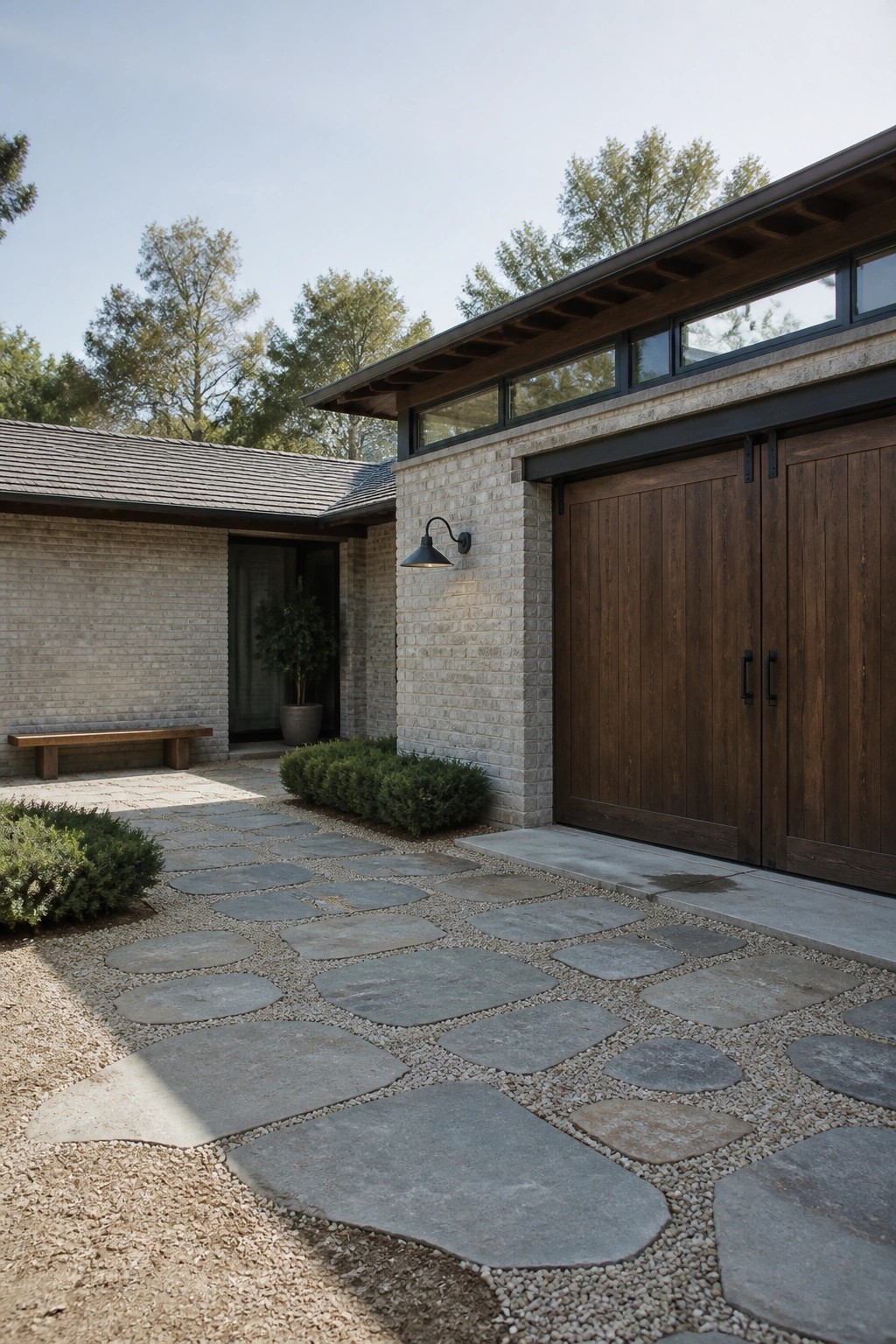
Limewashing brick takes the edge off traditional masonry and gives the whole exterior a lighter feel. The pale finish still shows the texture of the brick but removes that heavy, solid look many older farmhouses carry.
This approach works best on homes that already have strong wood details. Dark garage doors and trim create just enough contrast to keep the light brick from feeling too pale while still softening the overall mass of the building.
Limewash an Outdoor Fireplace
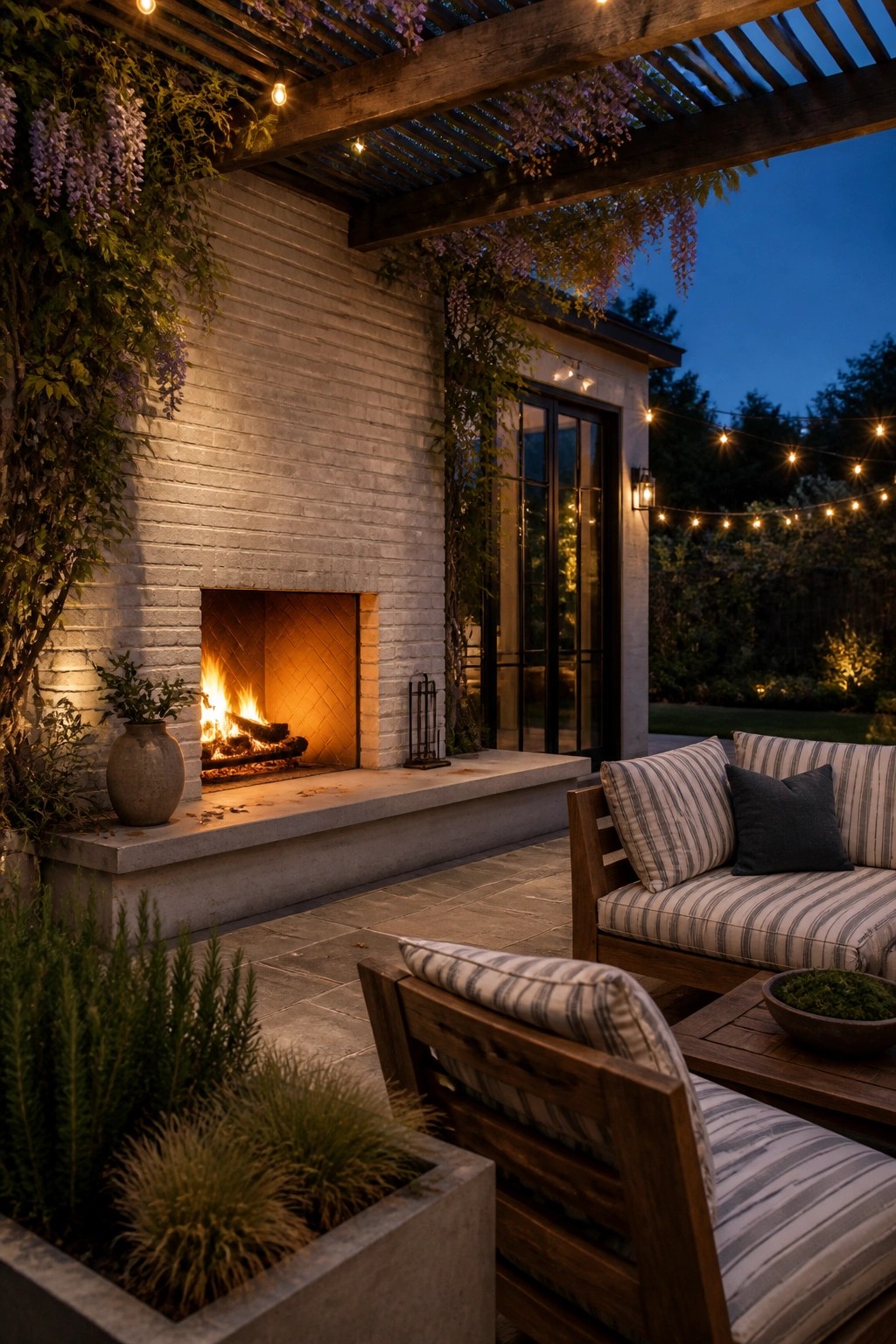
A limewashed brick fireplace can turn an ordinary patio into a place that feels finished and welcoming. The light coating softens the heavy look of the masonry while still showing some texture, which helps it blend with both the house and the surrounding garden.
This approach works best on homes where the outdoor space sits right next to the main structure. Keep the seating close so the fireplace becomes the natural center without needing extra walls or screens.
Use a Winding Gravel Path
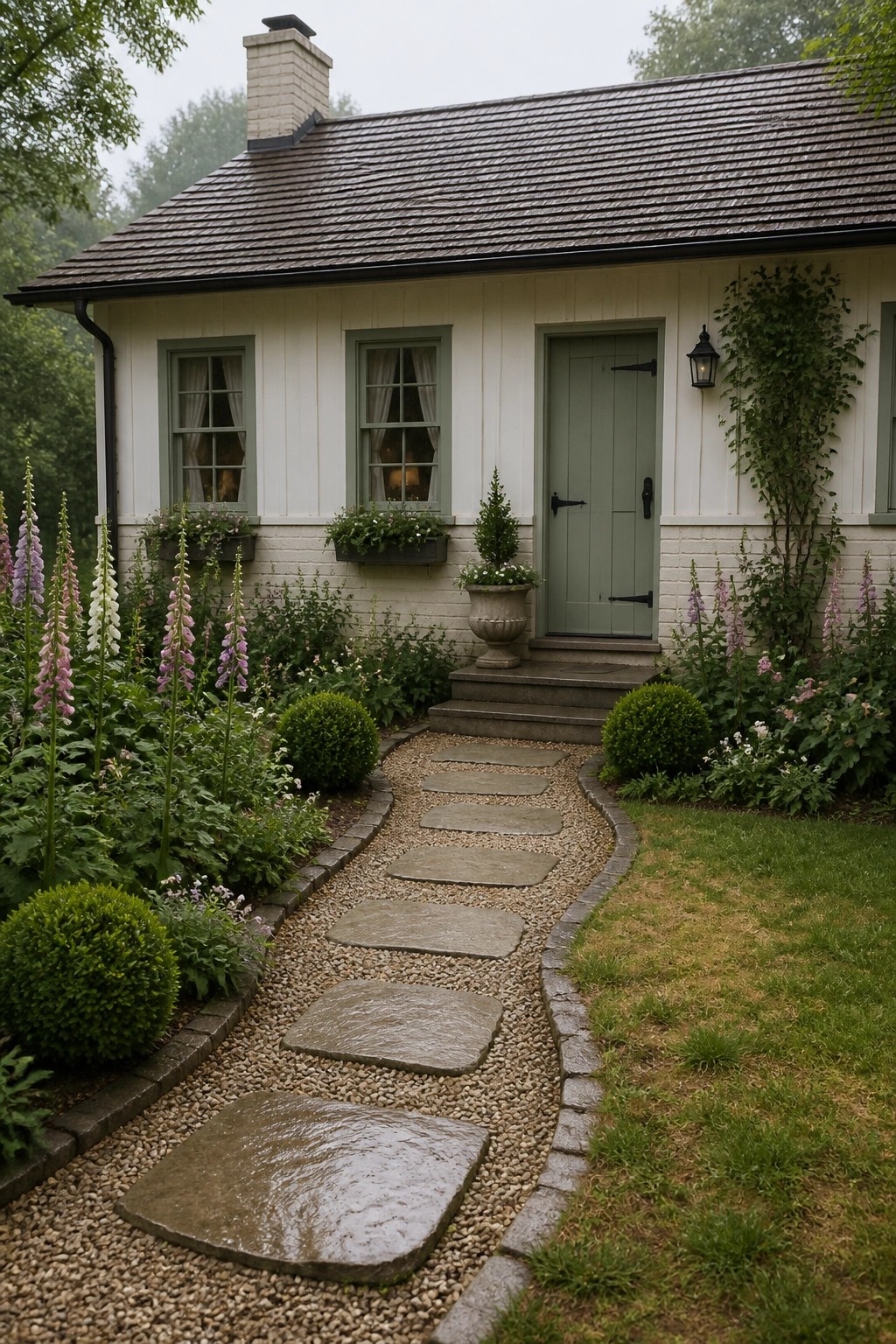
A gravel path with stepping stones softens the front of a brick or painted farmhouse by breaking the straight lines of the foundation. The loose material and gentle curve let the garden reach the door without feeling formal or stiff.
This approach works best on smaller lots or older homes where you want the landscape to do some of the work. Keep the stones irregular and the gravel light in color so the path feels natural rather than built.
Vines and Pots Soften Limewashed Brick
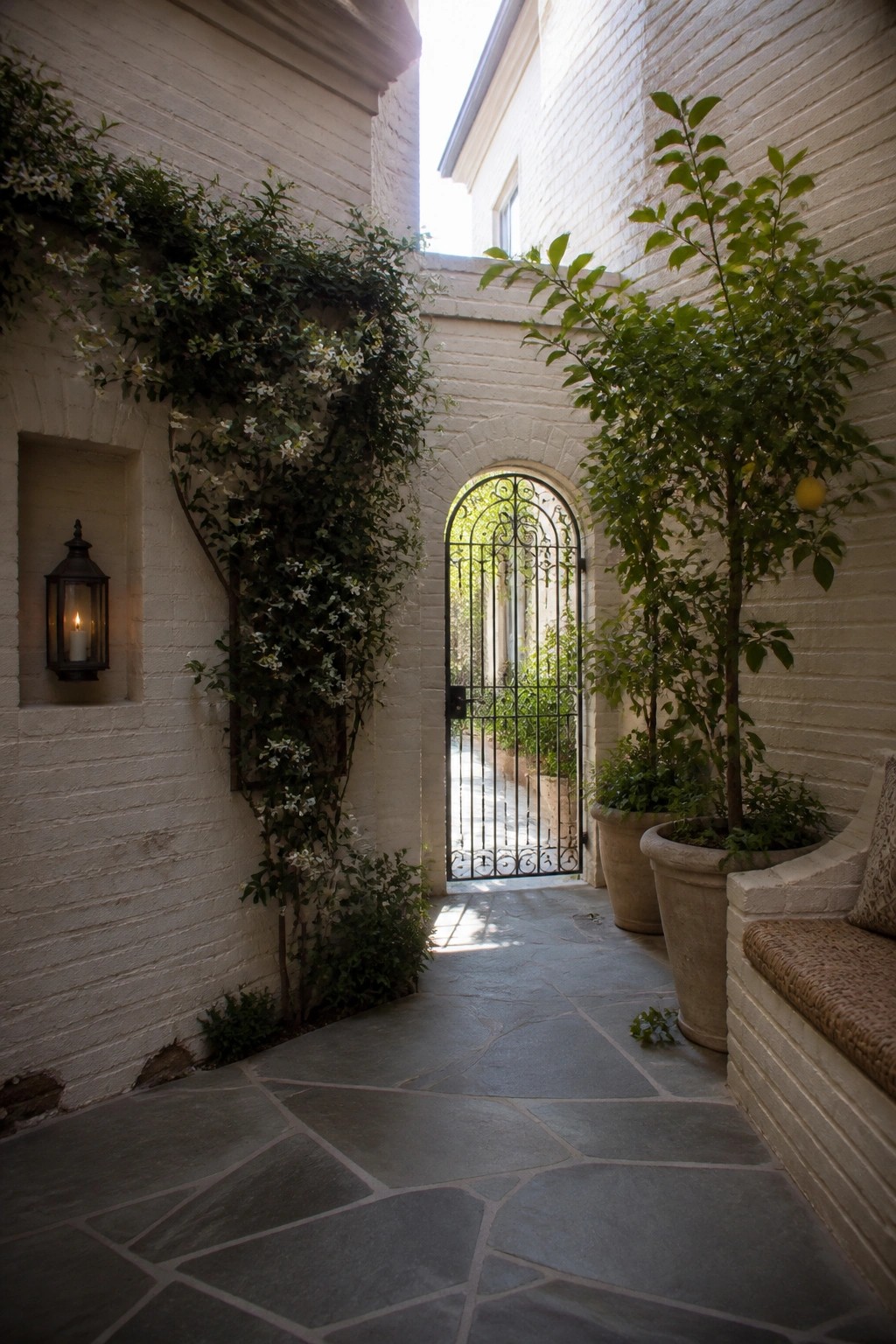
Climbing vines and a few well-placed pots can take the edge off white brick walls without much effort. The greenery breaks up the flat surface and gives the masonry a lived-in look that fits a farmhouse style.
This works best on side passages or narrow courtyard walls where floor space is limited. Use vigorous climbers that can attach themselves and add a couple of larger pots for height and seasonal interest. Keep an eye on watering since containers dry out faster than beds.
Limewash Brick With Black Frames
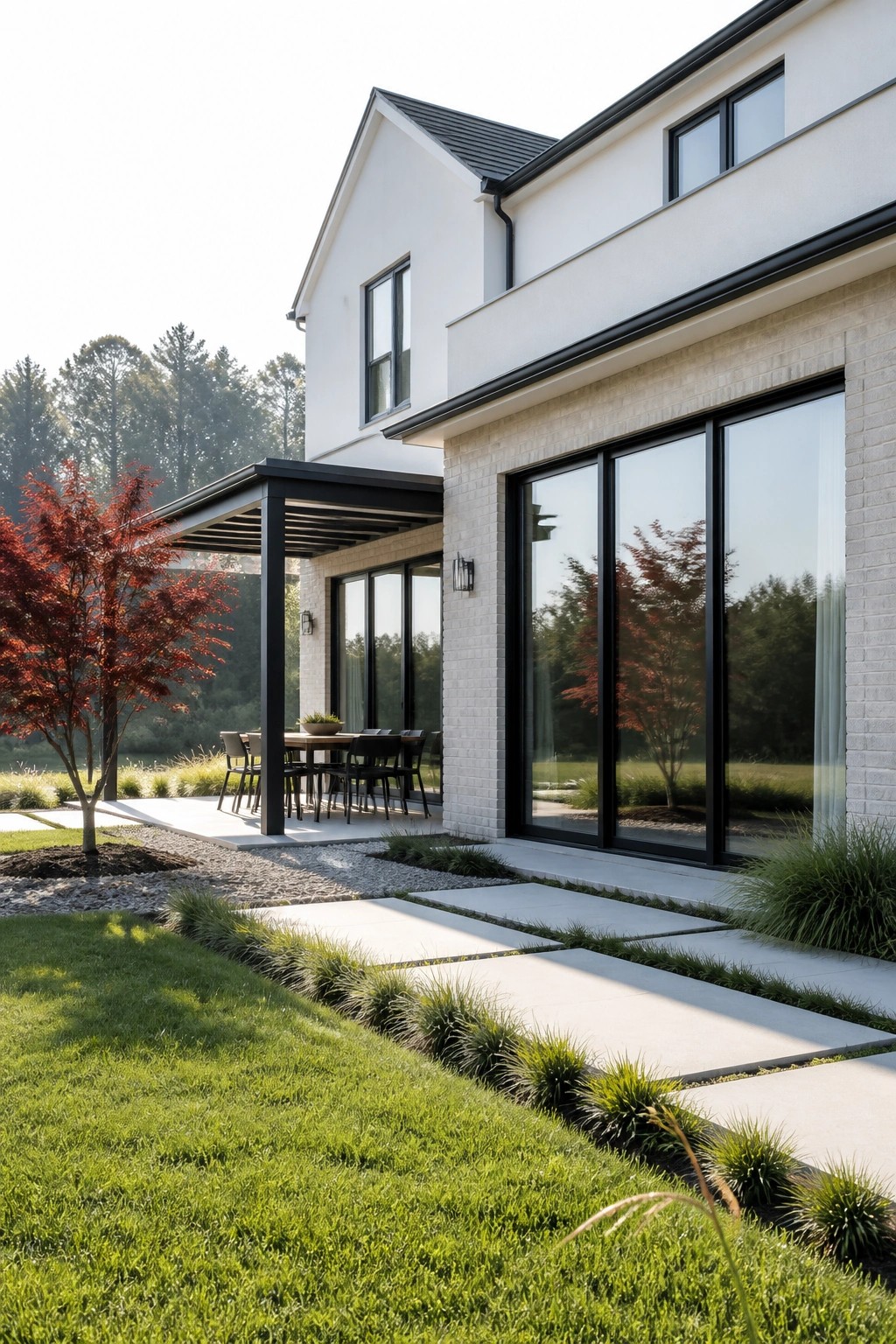
Limewash gives brick a lighter tone that feels less heavy than traditional red or brown masonry. The white finish keeps the texture visible but softens the overall look, especially when the house has strong modern lines.
This approach suits farmhouses that want contrast without going too dark or too stark. Use it on the main walls and pair it with black window and door frames so the lighter brick reads clean and updated.
Hang a Swing on the Porch
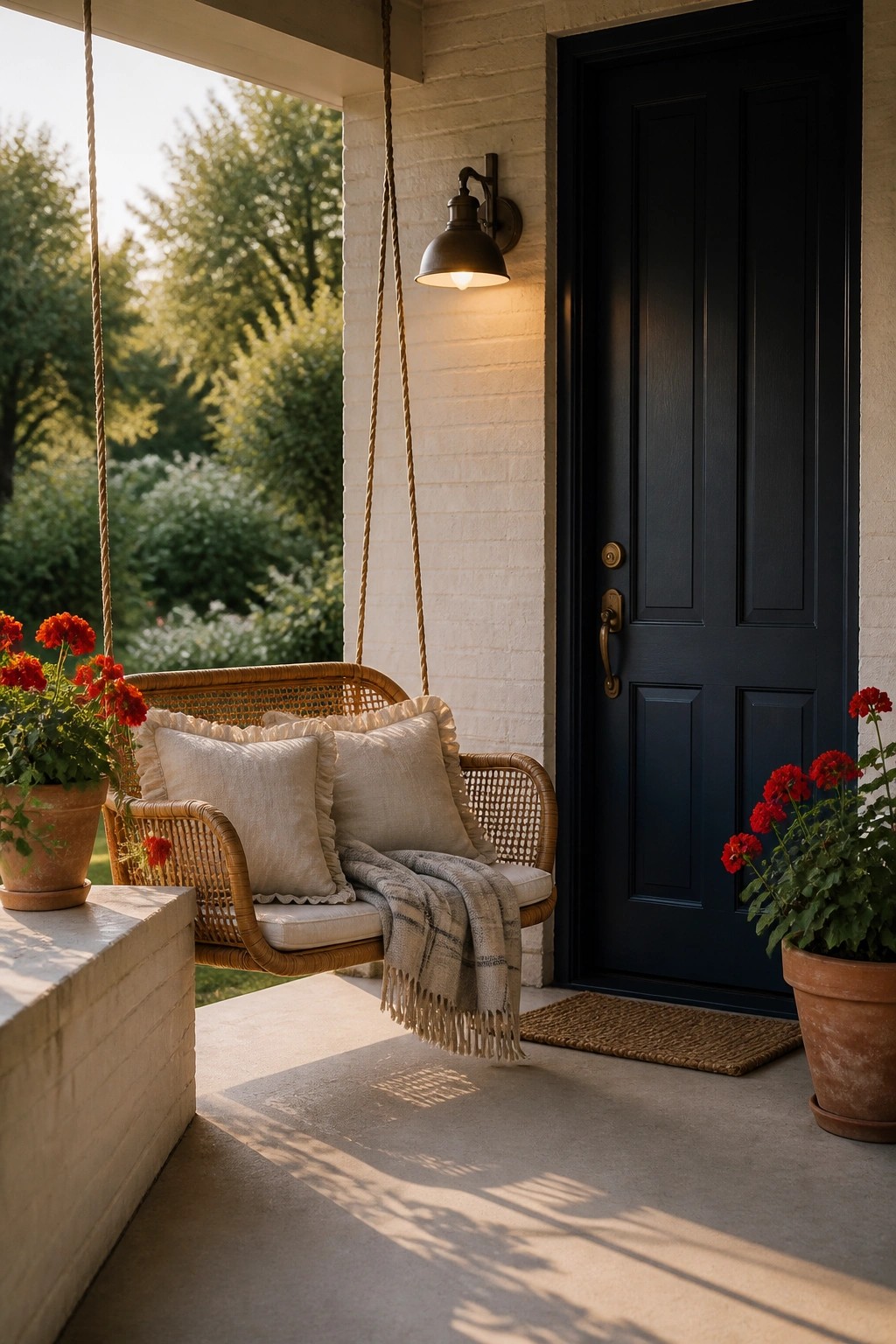
A hanging swing gives a porch an easy, lived-in feel that works especially well with limewashed brick. The soft texture of the brick keeps the whole area from feeling too heavy or formal, and the swing adds a spot to actually sit without crowding the space.
This setup works best on farmhouses or older homes where the porch gets some shade. Keep the swing simple with neutral cushions and maybe a light throw, and let the limewashed wall do most of the work. Just make sure the ceiling framing can handle the weight before you hang anything.
Limewash Brick Chimneys For A Softer Look
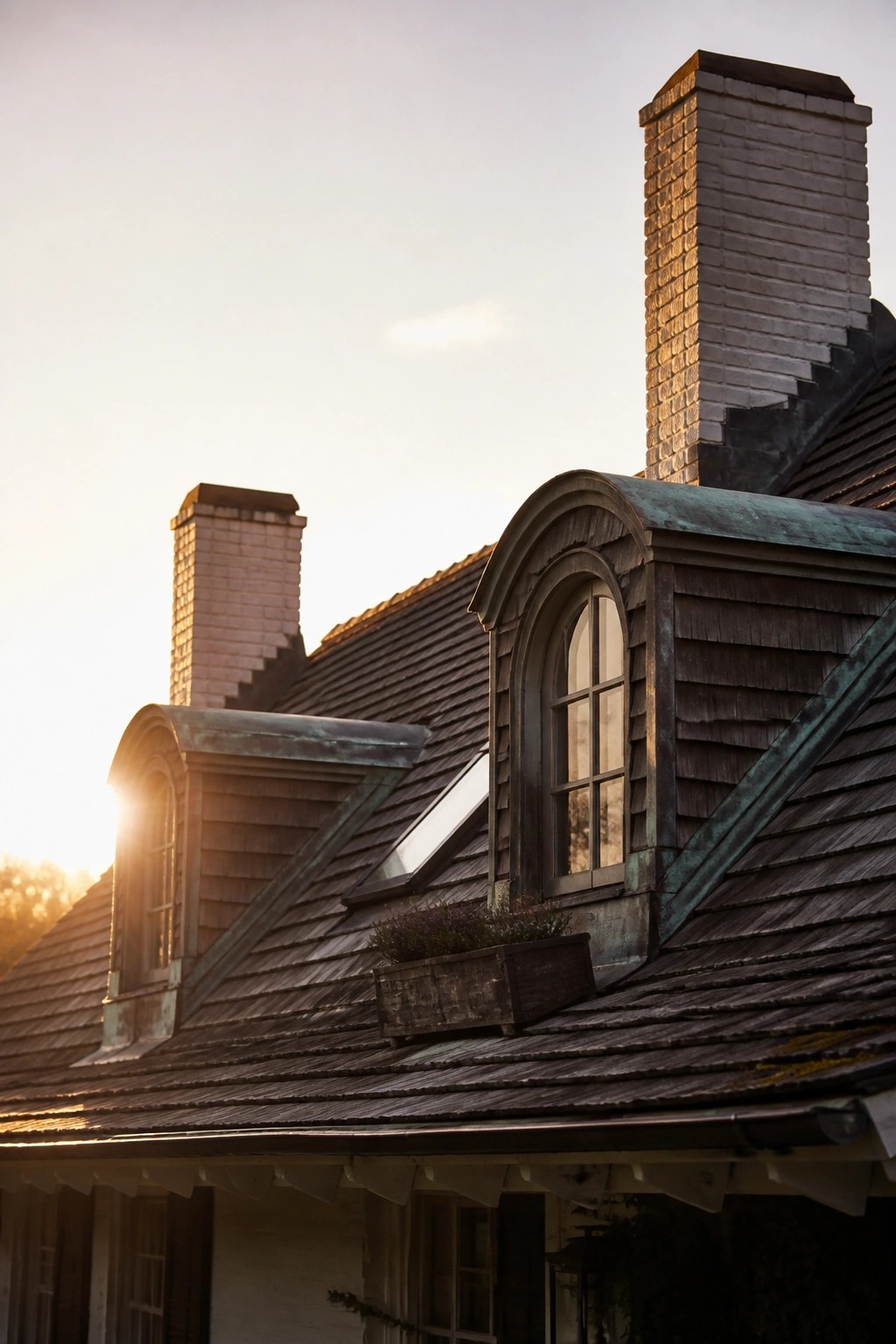
Limewashing brick chimneys takes some of the weight out of traditional masonry. The light finish blends better with the rest of the house and keeps the brick from feeling too heavy against dark roofs or siding.
This approach suits older farmhouses that still need the chimney shape but want a gentler overall appearance. Focus the limewash on the upper sections first and let it weather naturally over time.
Limewash Brick for a Softer Finish
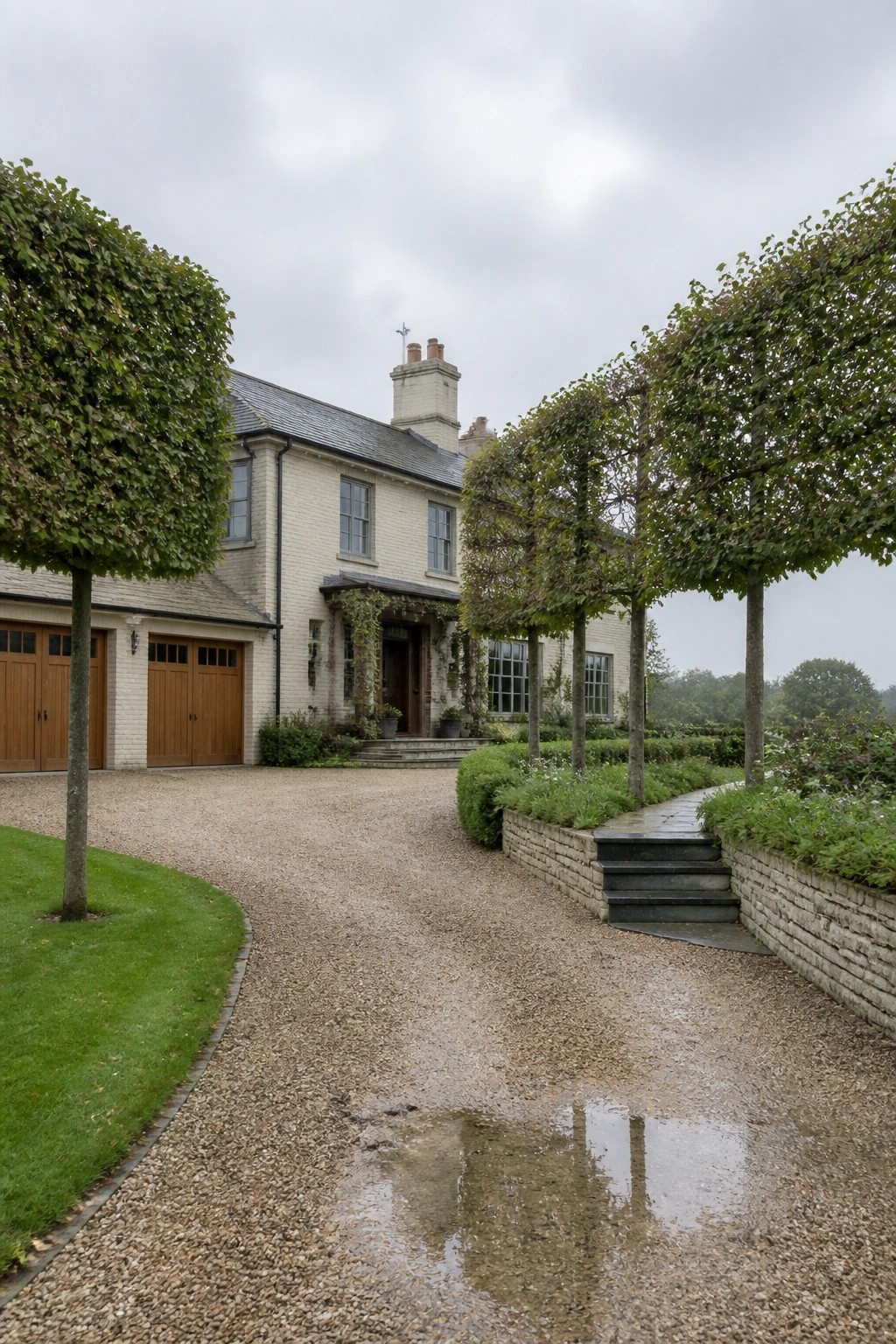
Limewash gives brick a lighter, less solid look that works especially well on farmhouses. The finish lets some texture show through while taking the edge off the dark, heavy feel that plain brick can have.
It suits homes where the goal is to keep the classic shape but make the overall appearance calmer. Use a breathable product and plan on a couple of coats, since the color will shift slightly as it weathers.
Built-In Planters Along Masonry Walls
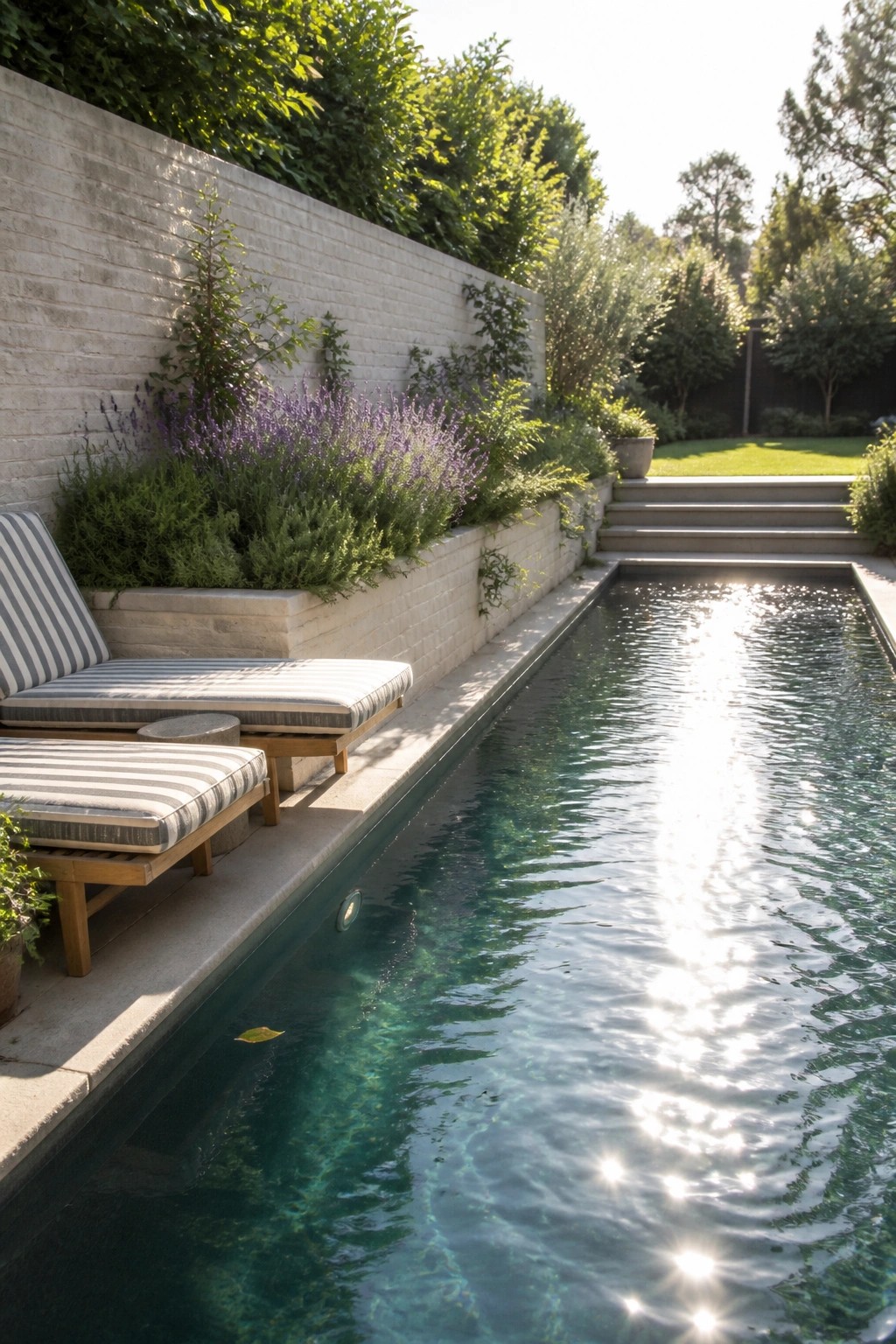
Many people like adding planting beds right into a wall when they have a pool or patio area. It breaks up the flat surface and brings some life right next to the water without needing extra room for separate pots or beds.
This works well on homes with concrete or brick walls around outdoor spaces. Try it on a side wall or back fence where you want a bit of softness without taking up floor space. Keep the plants low and simple so they do not block views or get in the way of seating.
White Siding to Soften Stone Chimneys
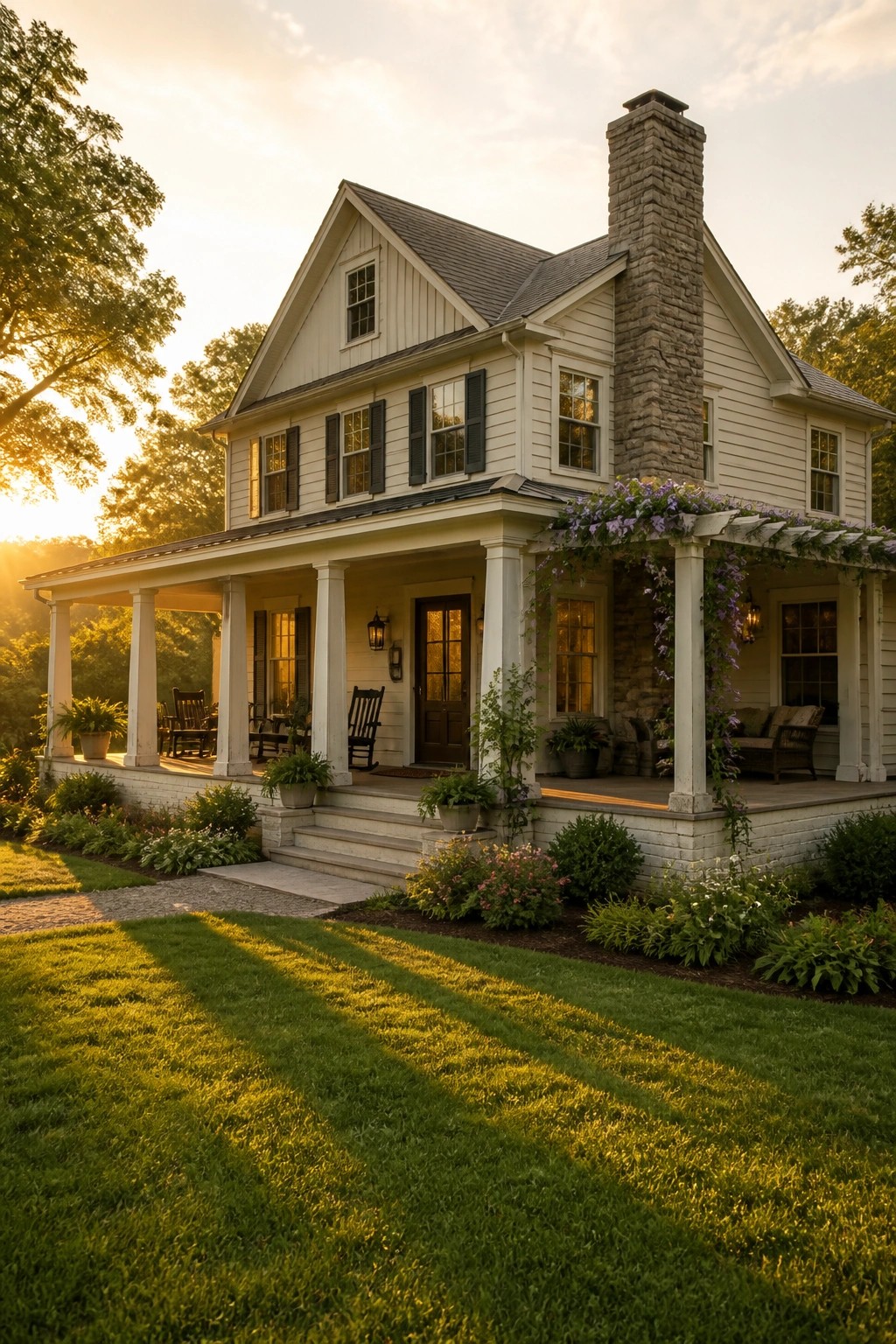
White siding works well when you want to keep a stone chimney but reduce how heavy it feels on the house. The light color spreads across the main walls and makes the darker stone read as an accent instead of the main feature.
This approach suits older farmhouses that already have masonry in place. Keep the white slightly warm so it sits comfortably next to the stone, and let the chimney stay its natural color rather than painting it too.
Arched Entries with Limewashed Brick
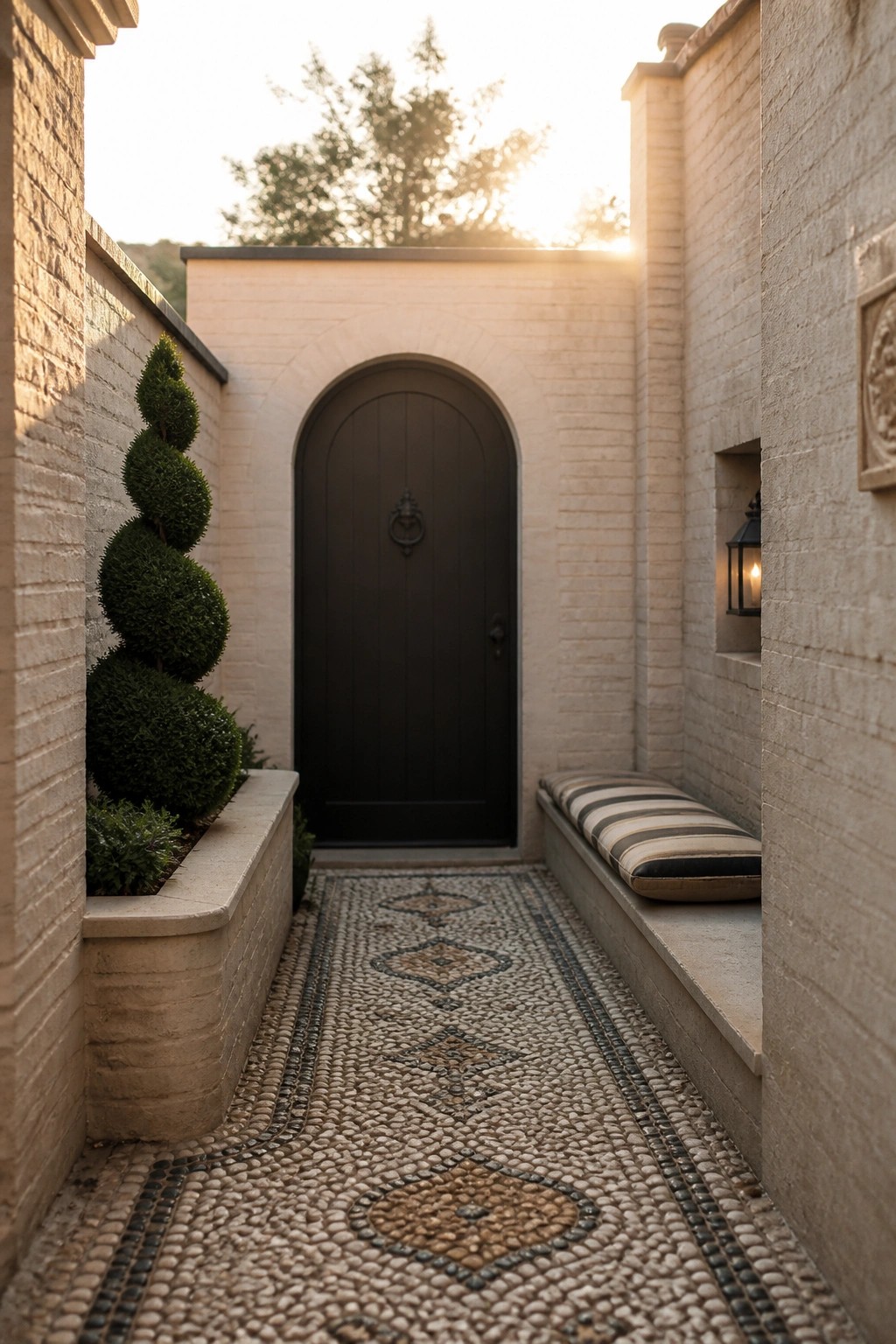
An arched door set into limewashed brick gives the entry a softer look than a standard rectangular opening in plain masonry. The curve breaks up the straight lines, and the light finish on the brick keeps the whole thing from feeling heavy or too formal.
This works best on farmhouses where the goal is to keep the traditional structure but make it feel more welcoming. Try it on a side courtyard or main entry, and keep the door color dark so the arch stays the focal point. Avoid overdoing the curve on very small facades, where it can start to look forced.
Set Up Outdoor Dining Next to Open Doors
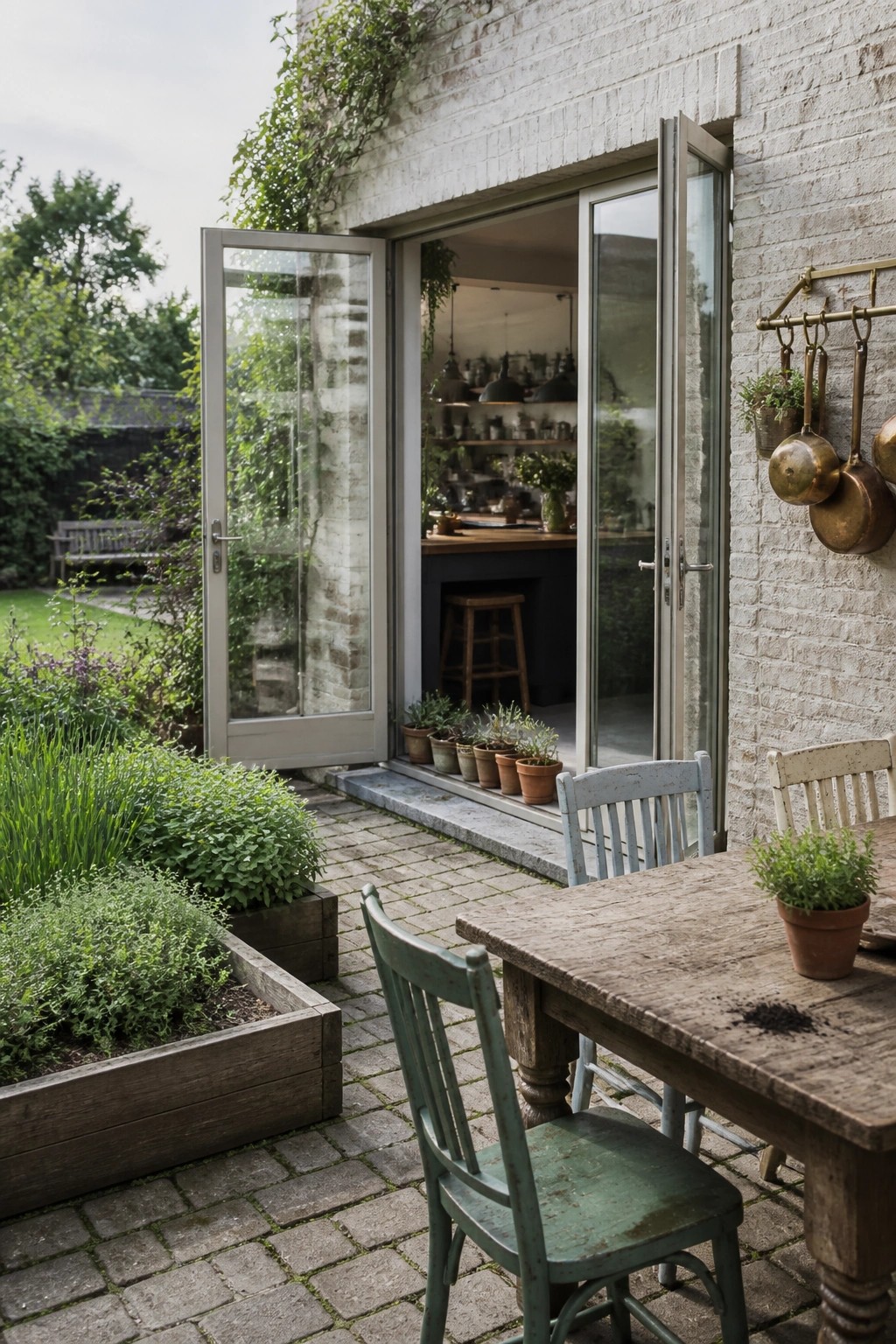
Limewashed brick already softens a traditional wall, but the real gain comes when you place a table right beside wide open doors. The light surface reflects a bit of garden light and the open doorway turns the patio into an easy extension of the kitchen without any extra structure.
This works best on farmhouses where daily meals move outside in good weather. Keep the table simple, add a few pots along the threshold, and make sure the doors swing fully open so traffic flows without steps or awkward gaps.
Limewash on Brick to Soften Masonry
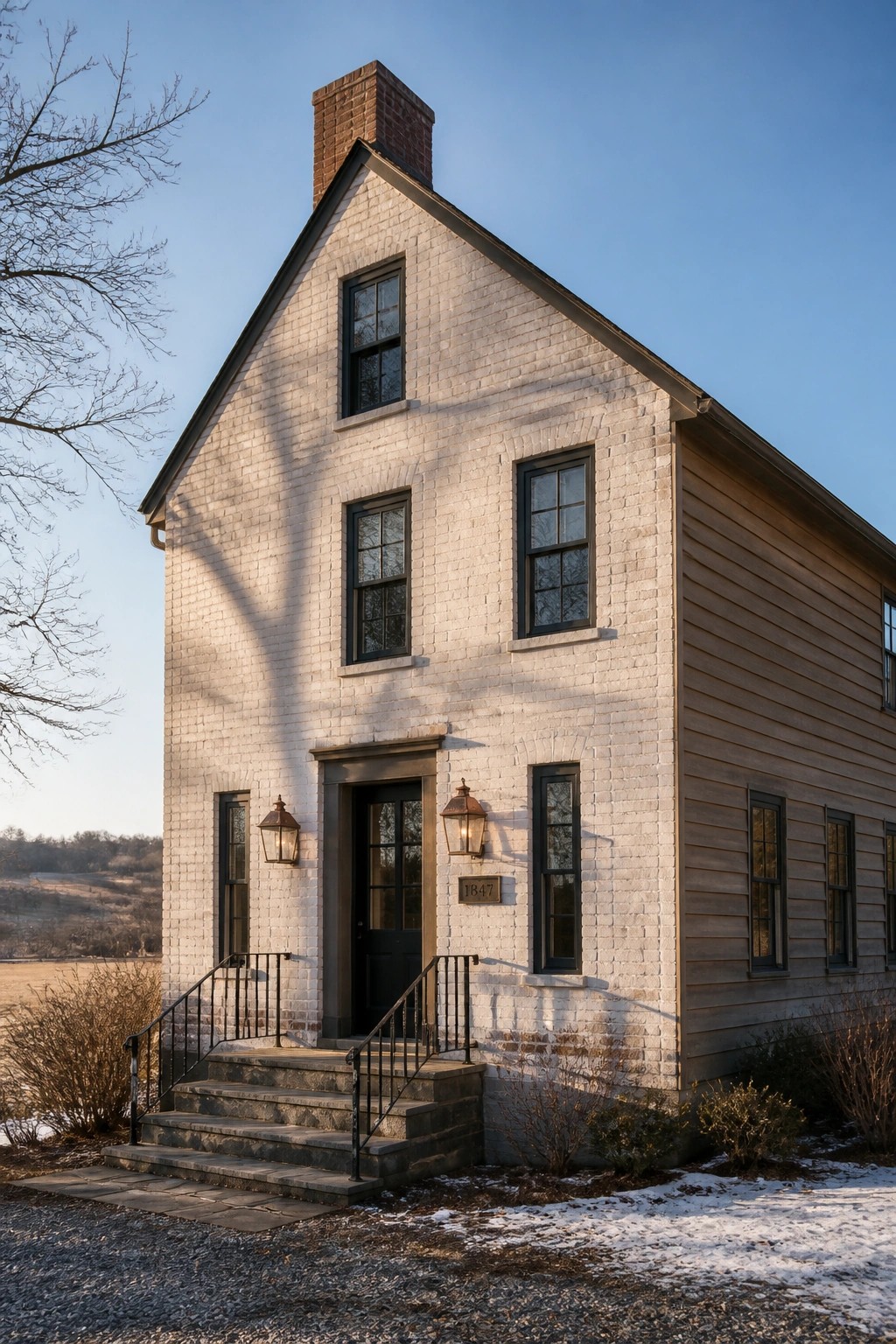
Limewash takes the edge off traditional brick by giving it a lighter, slightly uneven finish that still shows the texture underneath. It works especially well on older farmhouses where the original masonry can feel a bit stark on its own.
This approach pairs nicely with wood siding on the sides or back of the house, since the softer front helps balance the whole exterior. Test a small patch first, because the final color depends on how the brick takes the wash.
Limewash Brick For A Softer Look
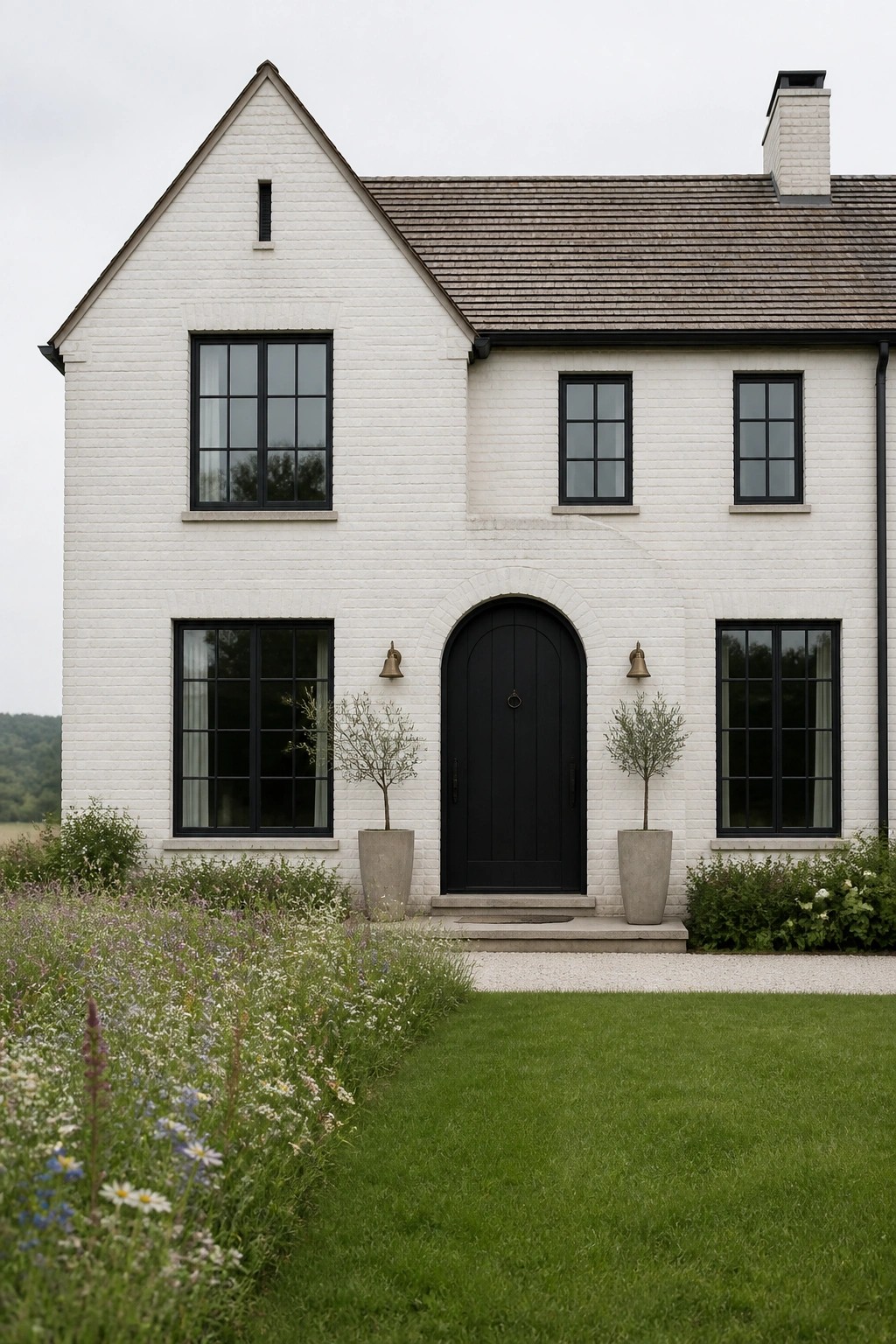
Limewash takes the weight out of traditional brick by giving it a lighter, chalkier finish. It keeps the texture but removes the heavy feel that plain masonry often has.
This works best on farmhouses where you want the brick to blend in rather than stand out. Use it on the whole facade or just the front for the biggest shift without changing the structure.
Limewash Brick Walls Around Outdoor Kitchens
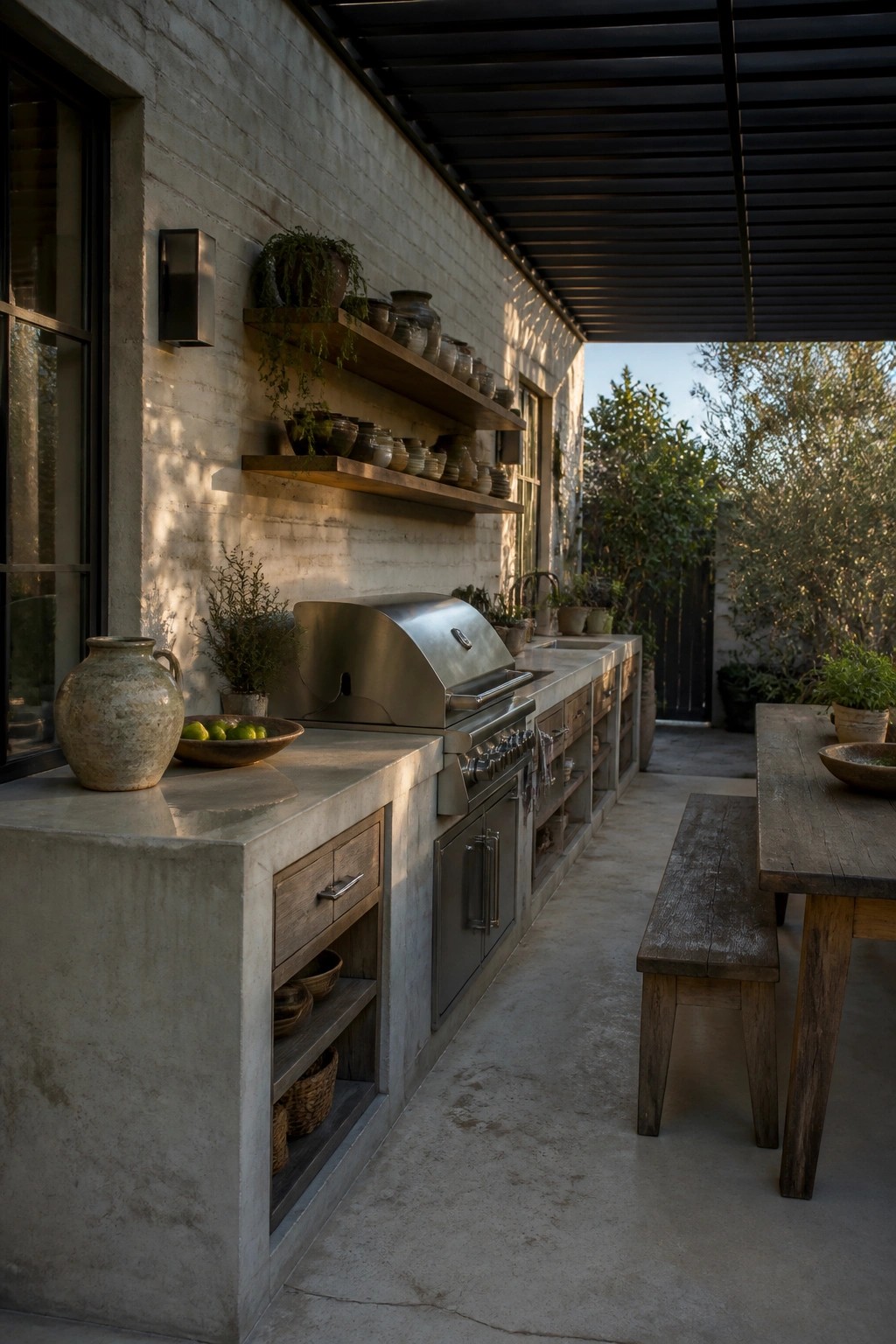
Limewash softens the look of brick or block walls in outdoor cooking areas. It lightens the surface without hiding the texture, so the space feels less industrial and more tied to the rest of the house.
Apply it to the main wall behind the counters and shelving. This works best on farmhouses where the patio sits close to the exterior and you want the materials to read as one continuous surface rather than two separate zones.
Limewash Softens Brick Exteriors
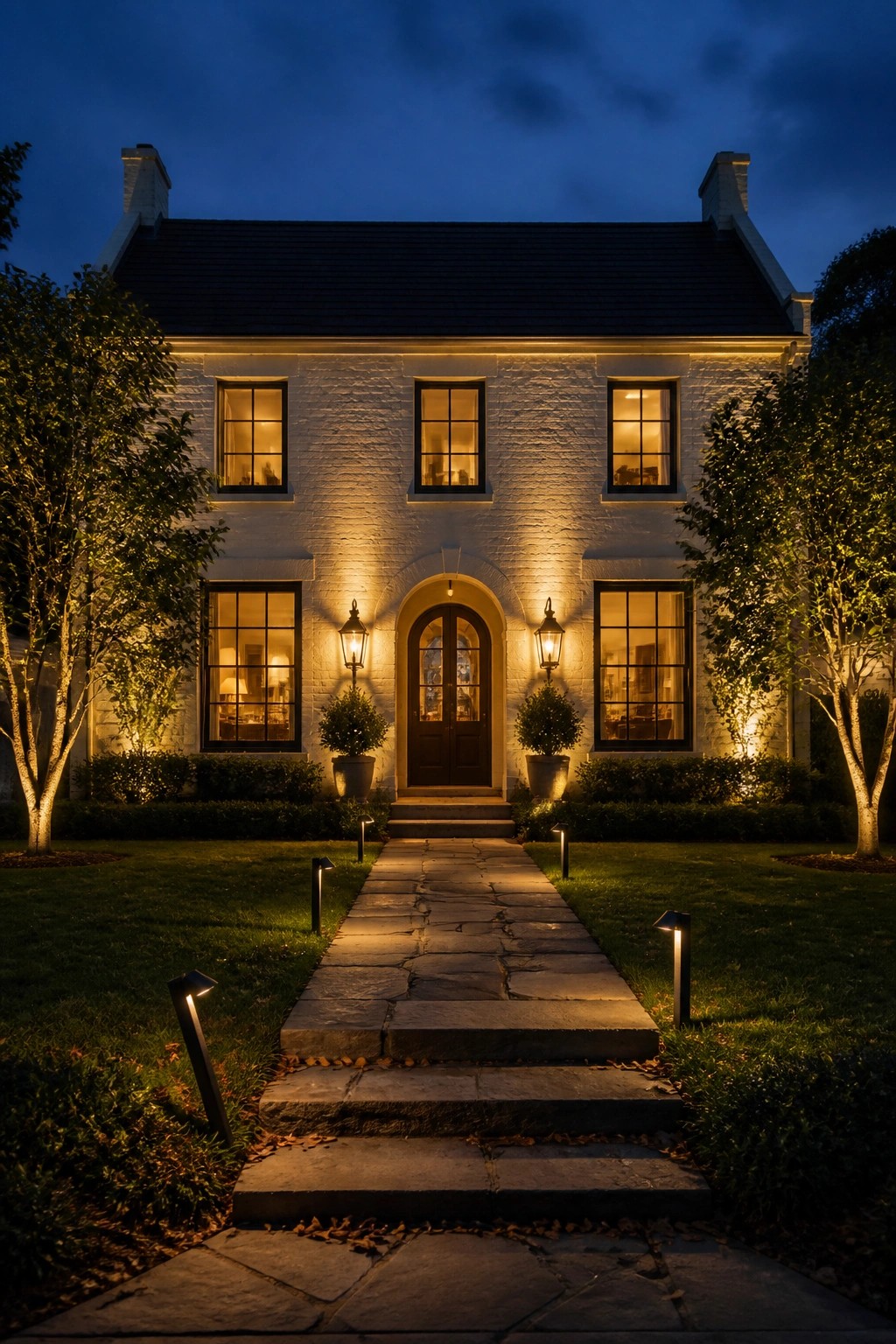
Limewash takes the edge off traditional brick and gives it a lighter, more relaxed surface. The finish lets some of the texture come through while muting the strong lines that can make masonry feel heavy.
This approach suits older farmhouses or new builds that want to keep the brick structure but lose the stark look. It works best when the wash is applied evenly and allowed to weather slightly so the house blends into its surroundings instead of standing out as a solid block.
Apply Limewash in Thin Coats for a Natural Brick Finish
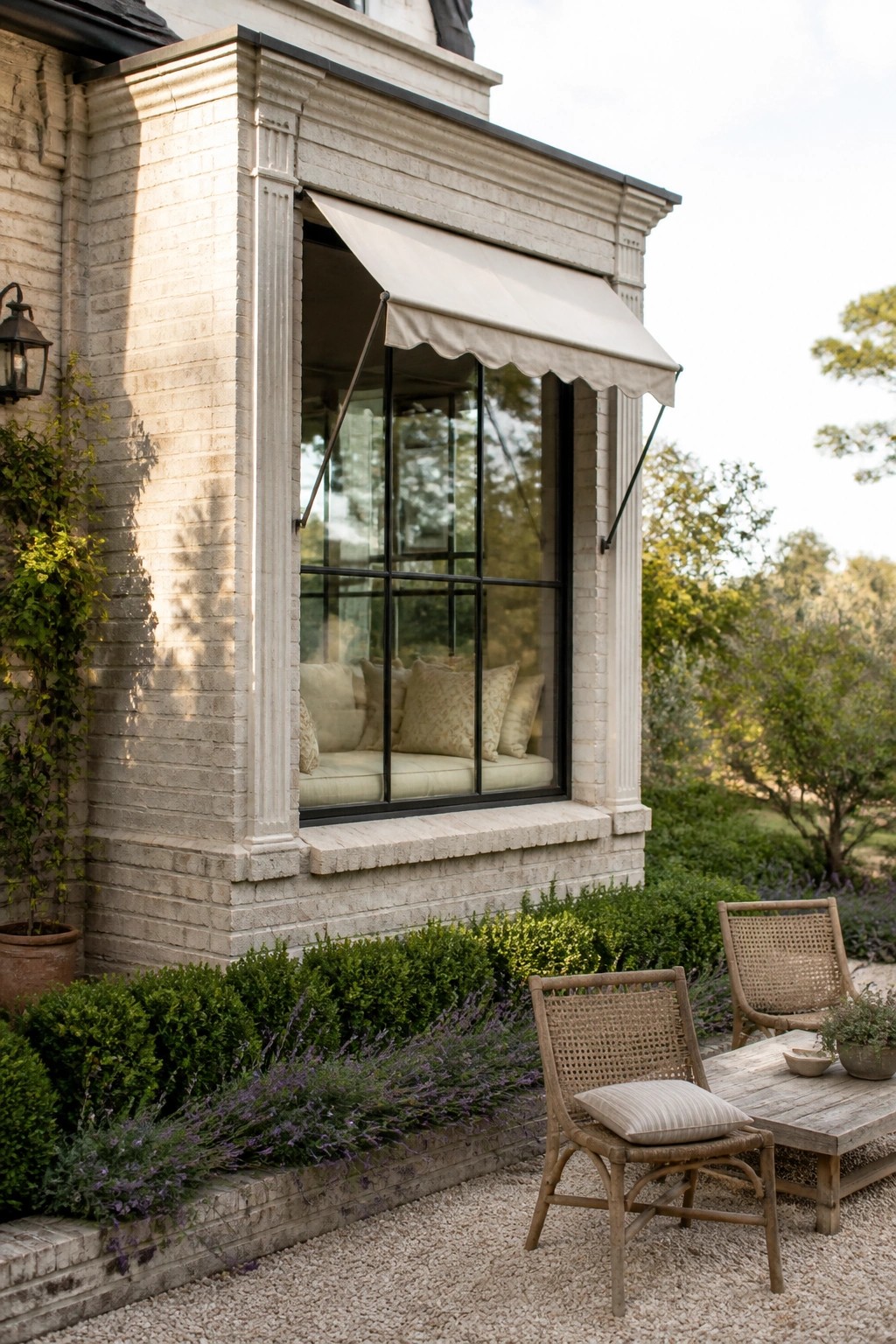
Limewash works well on brick because it lightens the surface without hiding the texture. The result feels calmer and less heavy than raw masonry, which helps a traditional farmhouse blend into its surroundings instead of standing out.
It suits homes that already have simple lines and outdoor spaces meant for daily use. Apply it in thin coats and let the brick show through slightly so the finish stays natural over time.
Limewash Brick for a Softer Farmhouse Exterior
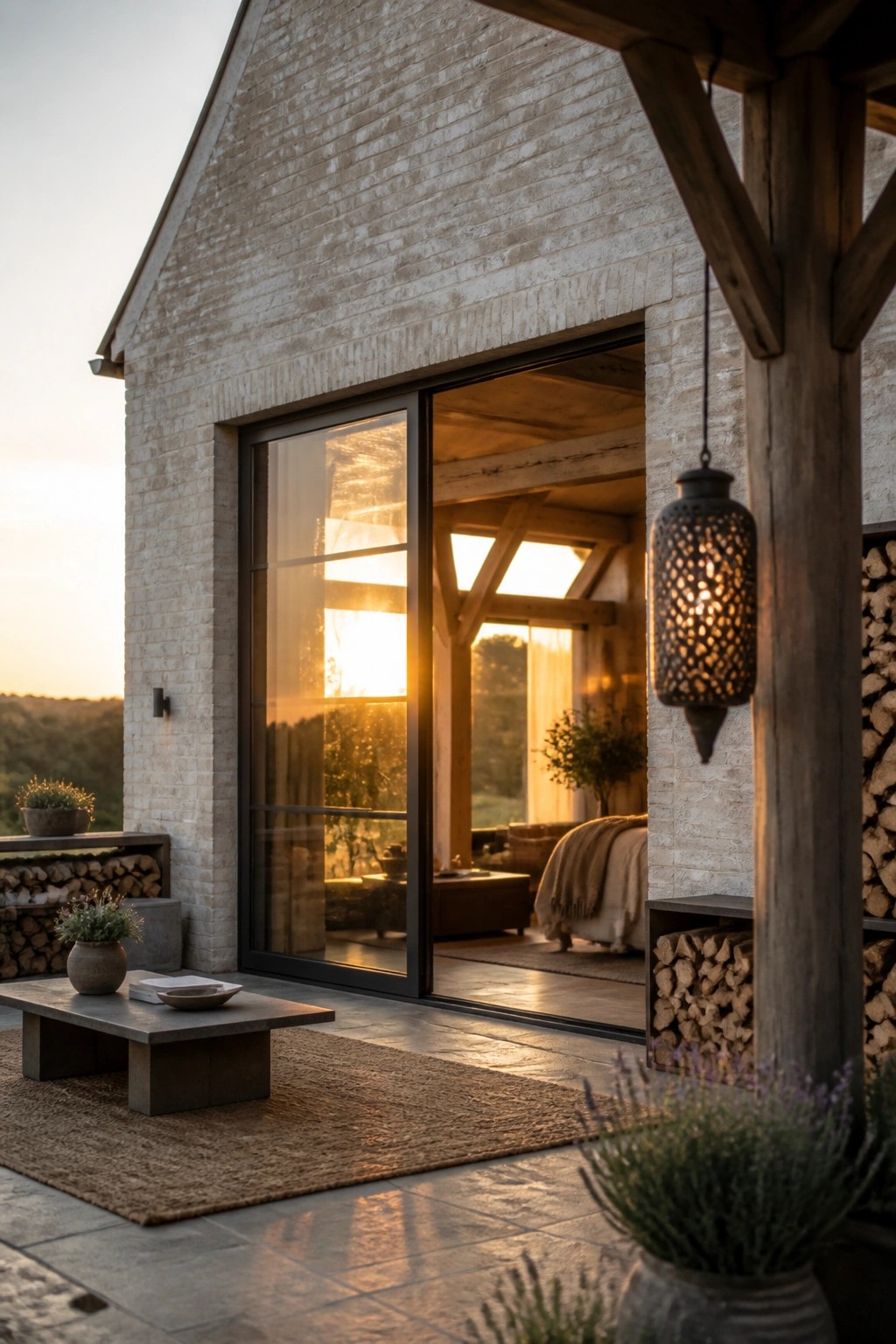
Limewash takes the edge off traditional brick by giving it a matte, chalky finish that feels lighter and less formal. It works especially well on farmhouses where the masonry can otherwise look too solid and heavy against the landscape.
This finish suits homes that want a relaxed look without losing the character of brick. Keep the application thin so some texture shows through, and pair it with simple openings like large glass doors to let the softened wall feel even more welcoming.
Frequently Asked Questions
Q: How long does limewash last on brick before it needs refreshing?
A: It often stays looking good for five years or more if you avoid harsh cleaners. A light hose down once a season keeps it fresh. The brick underneath stays protected too.
Q: Can limewash go over brick that already has paint?
A: Clean off any loose paint first with a scraper. Limewash grabs better on bare surfaces. Apply two thin coats for even coverage.
Q: Will the limewash make my dark brick look too light?
A: Pick a shade that matches the undertones in your brick. It softens without covering everything completely. Try a sample board on the side of the house.
