

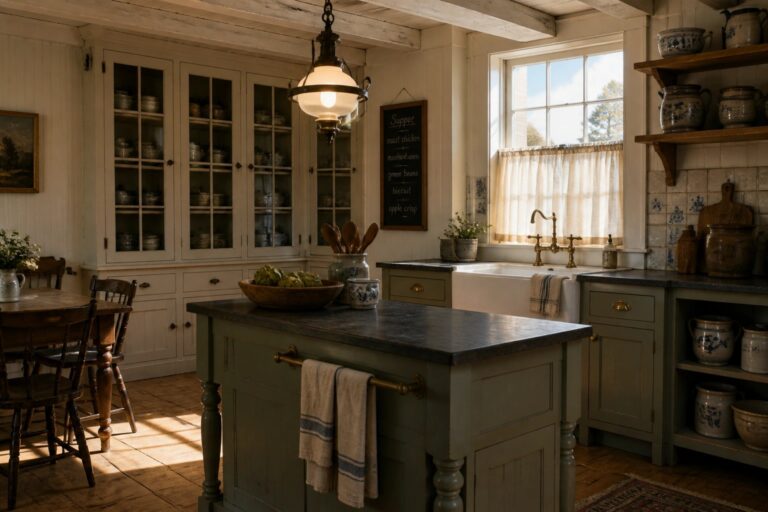
Remodeling a historic farmhouse always starts with deciding which original details still shape how the rooms work together.
I learned this after swapping out some trim too fast and noticing how the spaces lost their natural flow once the old lines were gone.
Details like that tend to matter more once you live with them every day.
Thinking ahead about how new updates will sit next to the existing structure helps avoid changes that feel added on later.
Testing a few of these choices in my own house made clear which ones actually improve daily use without erasing the charm.
Two-Tone Painted Cabinets
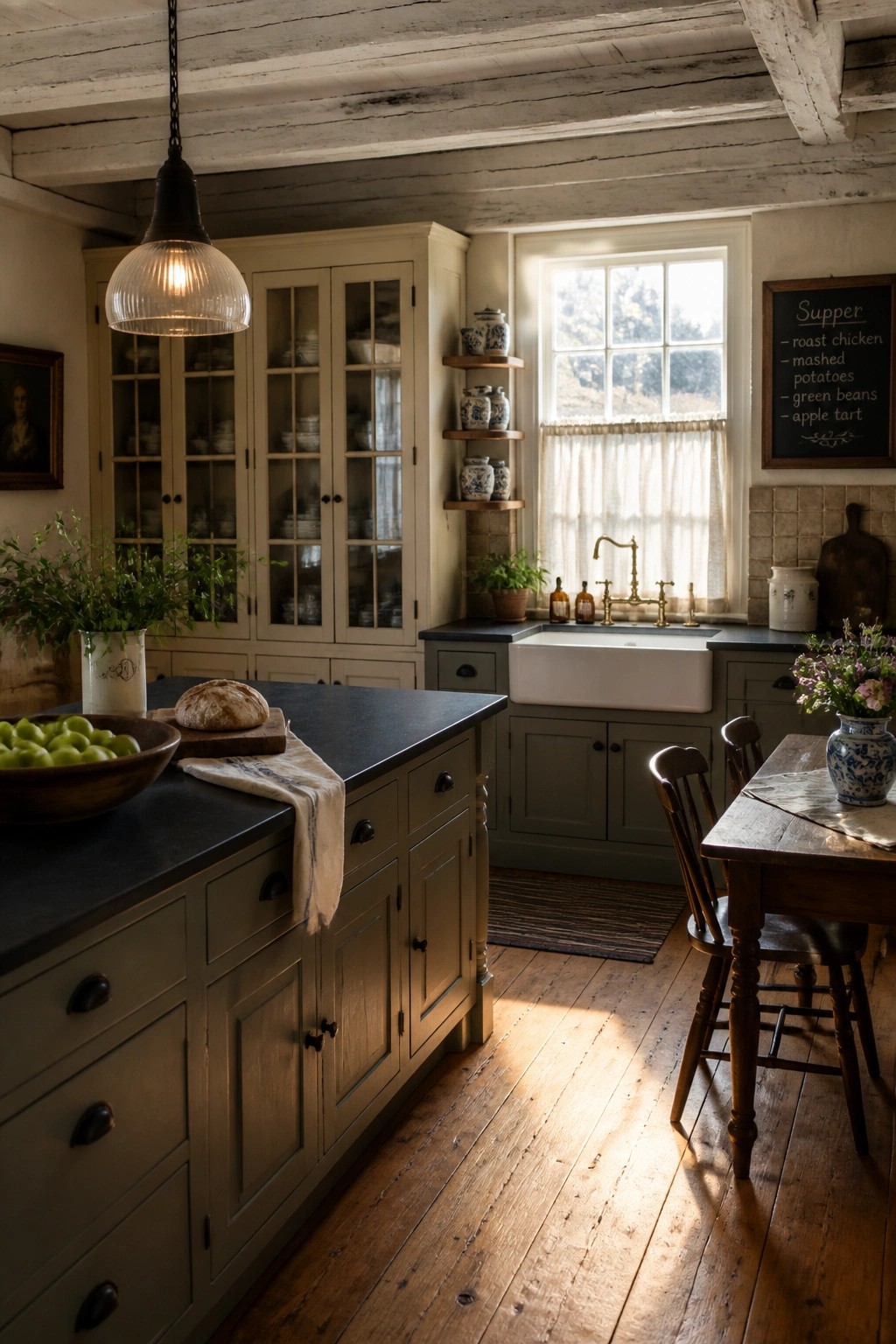
Many older farmhouses keep their original cabinet layout but refresh the look with paint in two soft colors. The lighter shade on the upper cabinets and the deeper tone on the base cabinets adds some contrast while still feeling connected to the home’s history.
This works best in kitchens that already have a mix of closed storage and open shelving. It gives the room more depth without needing new cabinetry, and it pairs easily with dark counters and simple hardware that many historic homes already have.
Built-In Shelving Around The Fireplace
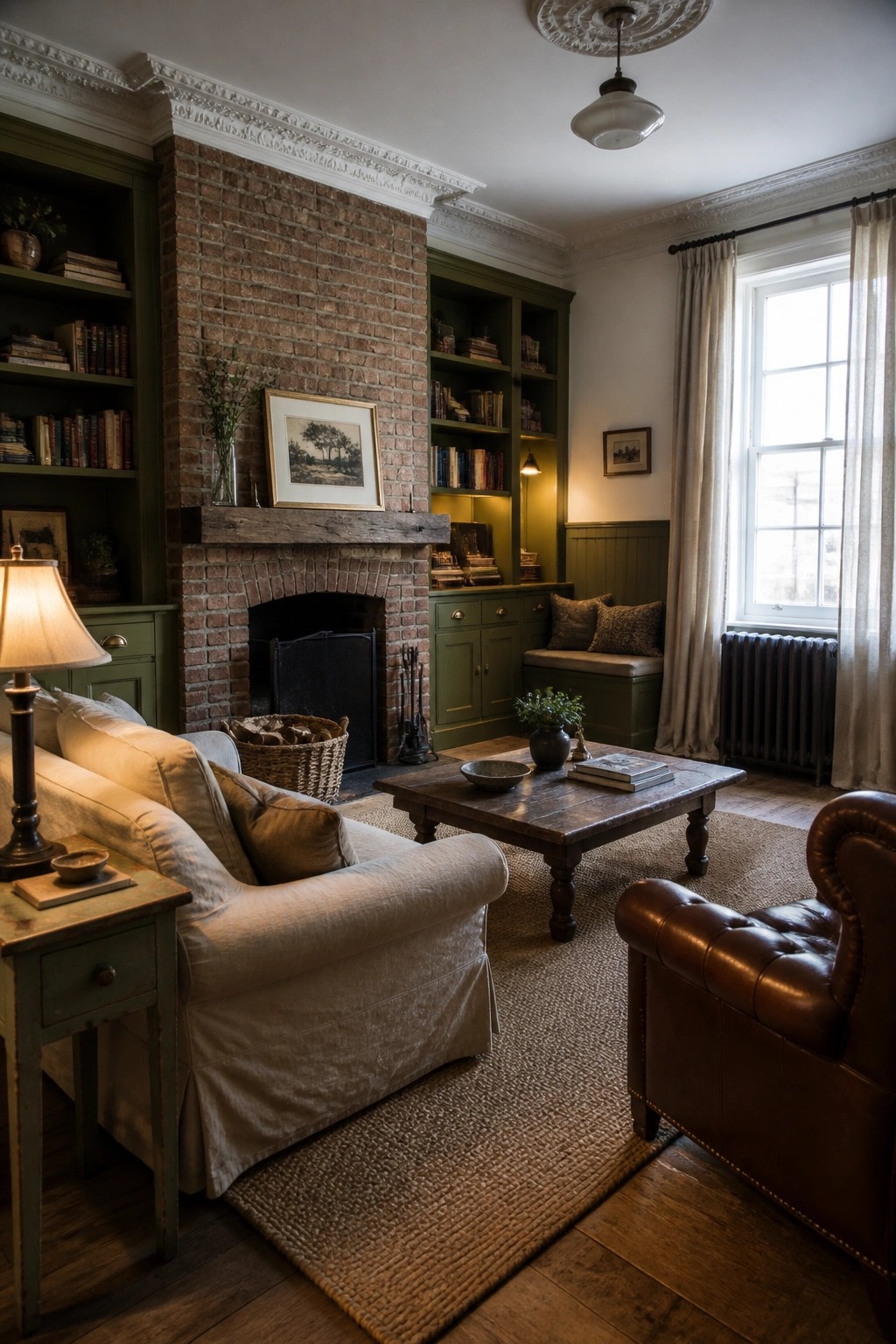
Built-ins on both sides of a fireplace give you useful storage while keeping the original fireplace as the main feature. This setup works well in older homes because it adds function without covering up brick or wood details that already have character.
It suits living rooms that need space for books and everyday items. Match the paint color to the walls or trim so the shelves feel like they have always been there.
Built-In Drawers Under The Bed
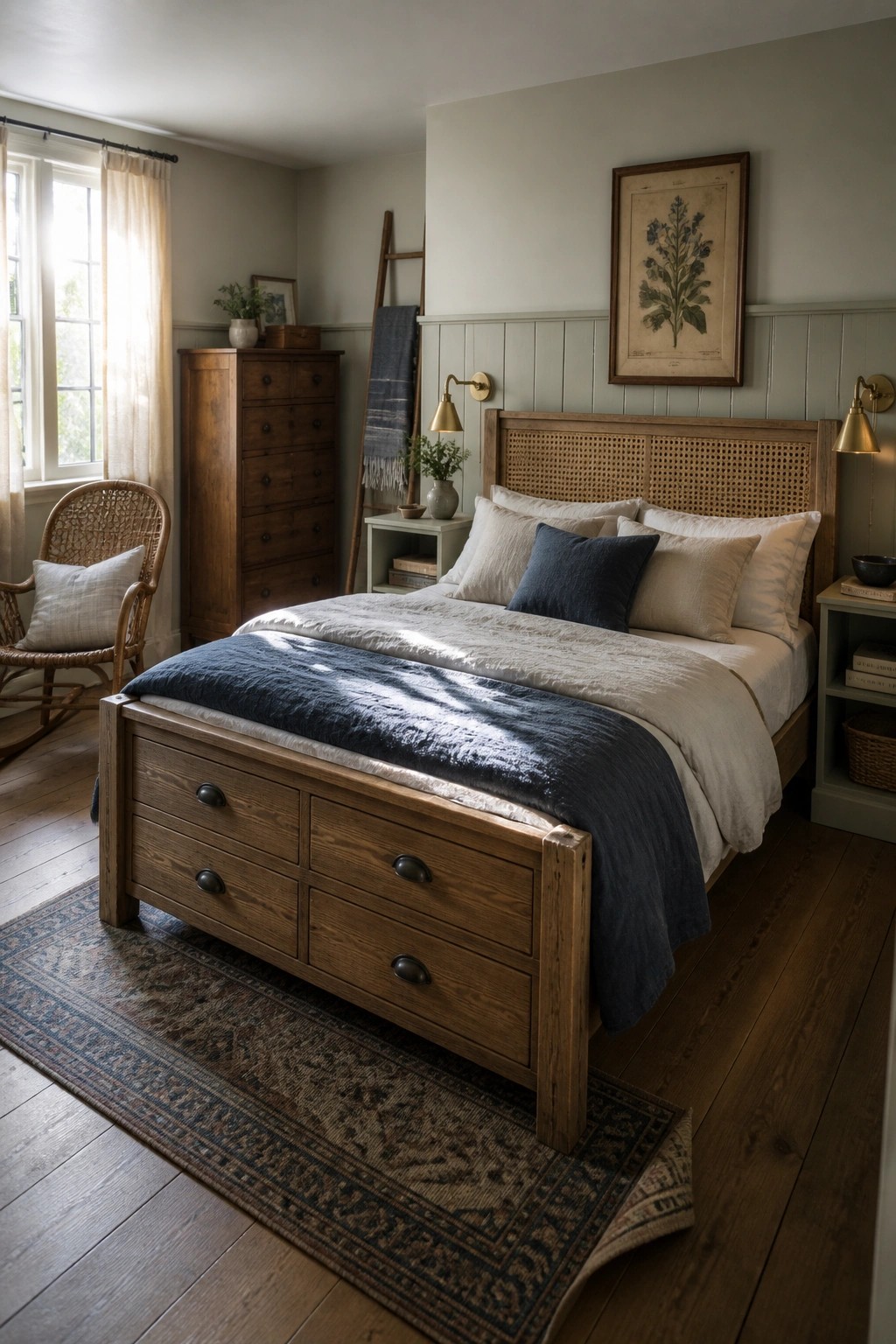
A bed frame with drawers built right into the base can give you useful storage while keeping the room from feeling crowded. In older farmhouses this works well because it adds space without bringing in extra pieces that might clash with the original trim and floors.
This setup suits bedrooms where closet space is tight. Choose a solid wood frame that matches the rest of the room so the drawers feel like part of the original furniture rather than an obvious add-on.
Add a Window Seat in the Dining Room
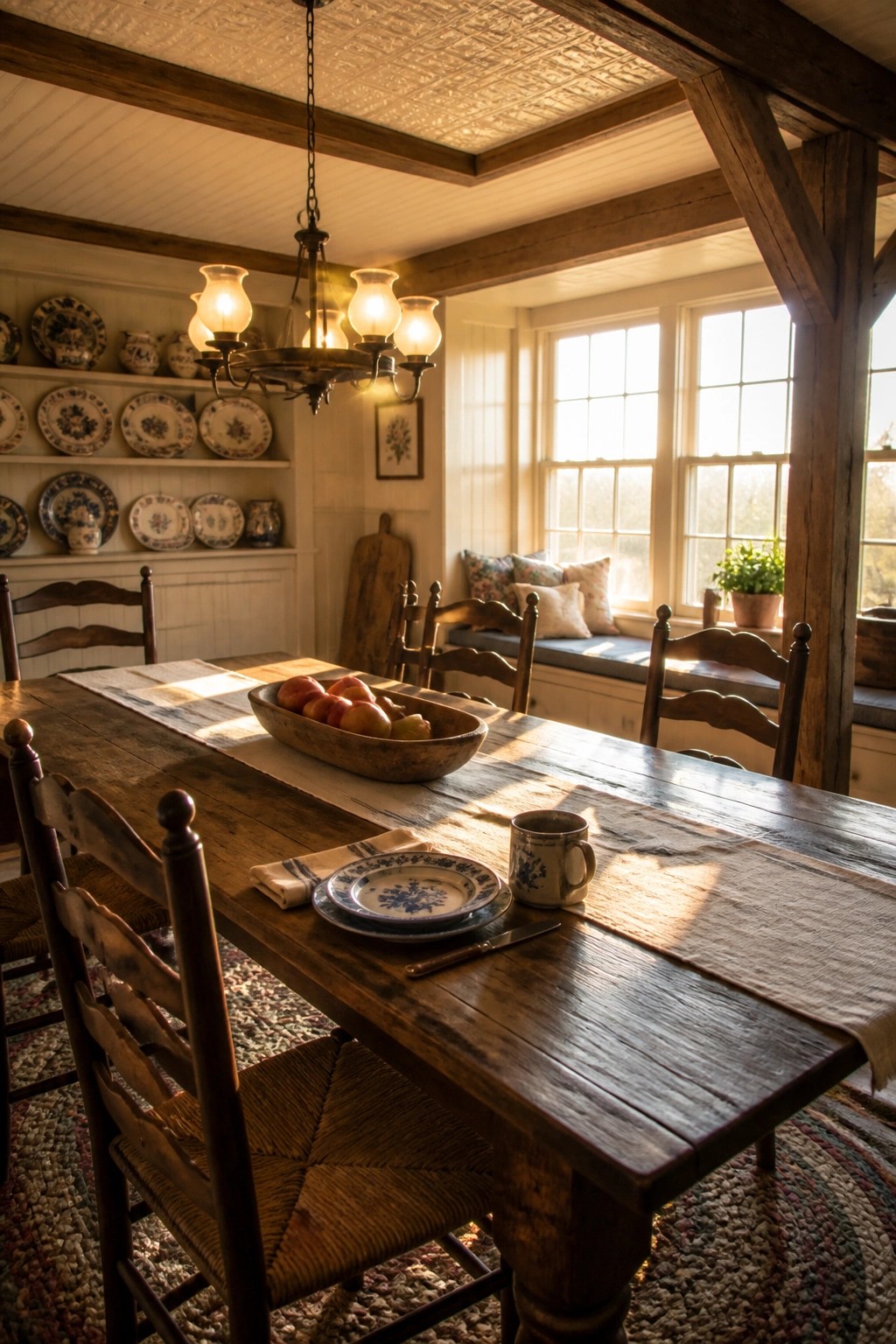
A window seat makes good use of extra wall space along a row of windows. It gives you more places to sit without crowding the table, and it turns a sunny spot into something useful instead of just empty wall.
This works especially well in older farmhouses where the windows are already deep and the rooms feel a bit formal. Keep the cushions simple and the storage underneath basic so it still feels like part of the original house instead of something added later.
Add A Sliding Barn Door Pantry
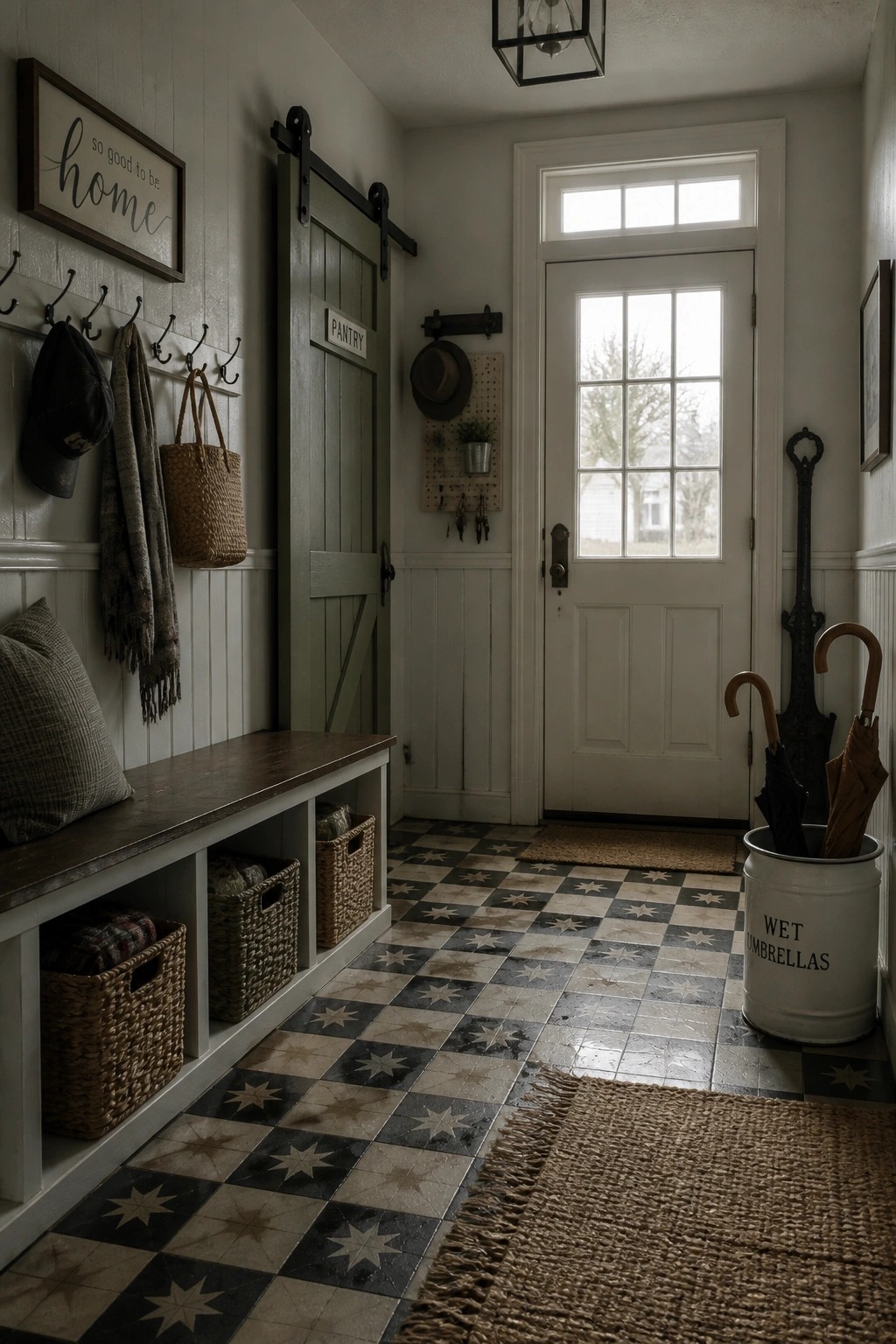
Many farmhouses once had small pantries right off the main entry or mudroom. A sliding barn door brings that storage back without eating up floor space or blocking the flow of the room.
This setup works best near a back or side door where coats, baskets, and everyday items need a home. Keep the door hardware simple and match the wood tone to other trim so the pantry feels like part of the original house rather than an add-on.
Add Built-In Shelves Around the Fireplace
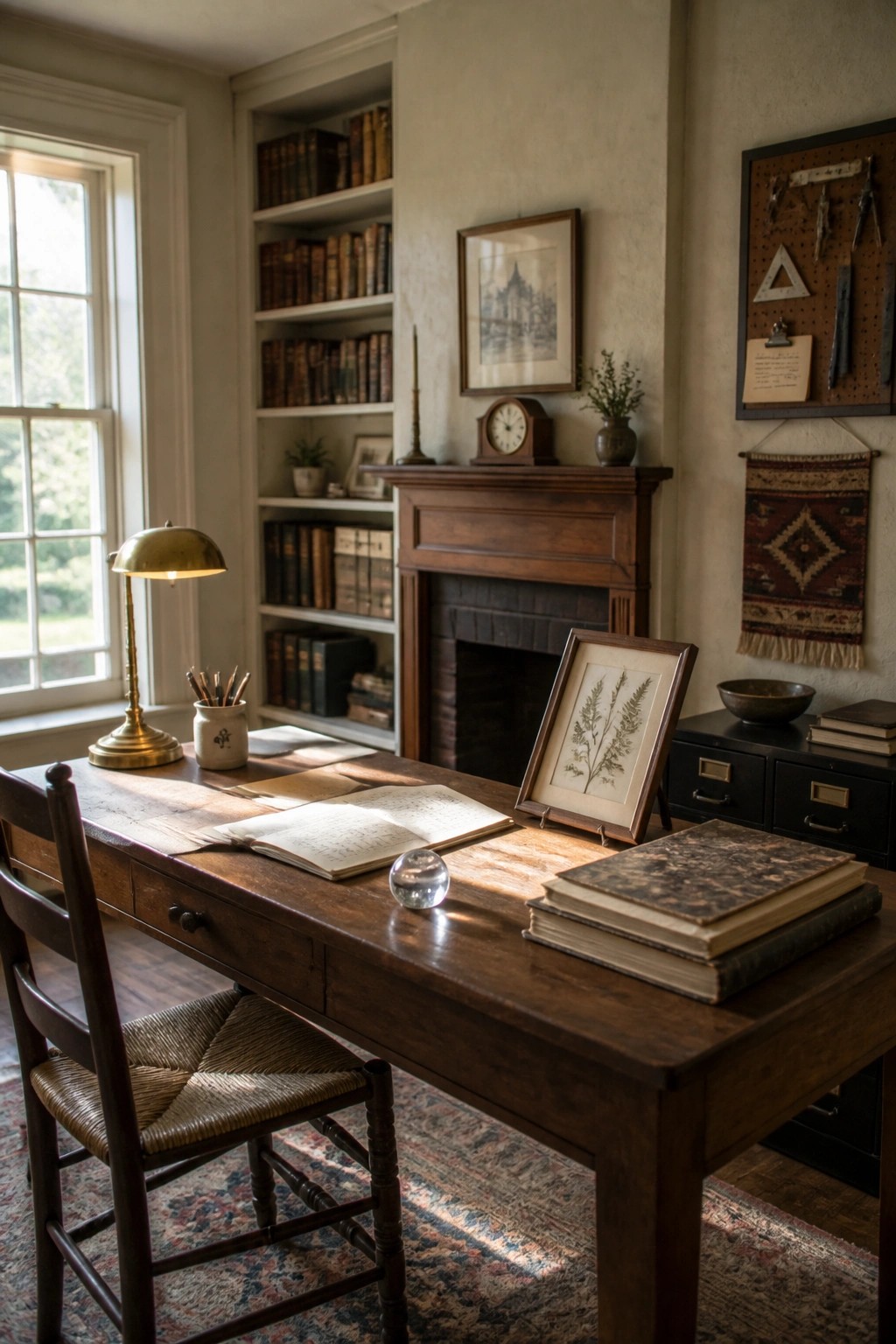
Many historic farmhouses already have a solid fireplace in a room that could work as a study. Adding shelves on both sides turns that wall into real storage without covering up the original brick or mantel.
This setup suits homes where you want the room to feel useful every day. Keep the shelves filled with books and a few plain objects so the space stays practical rather than staged.
Open Shelving With Labeled Jars
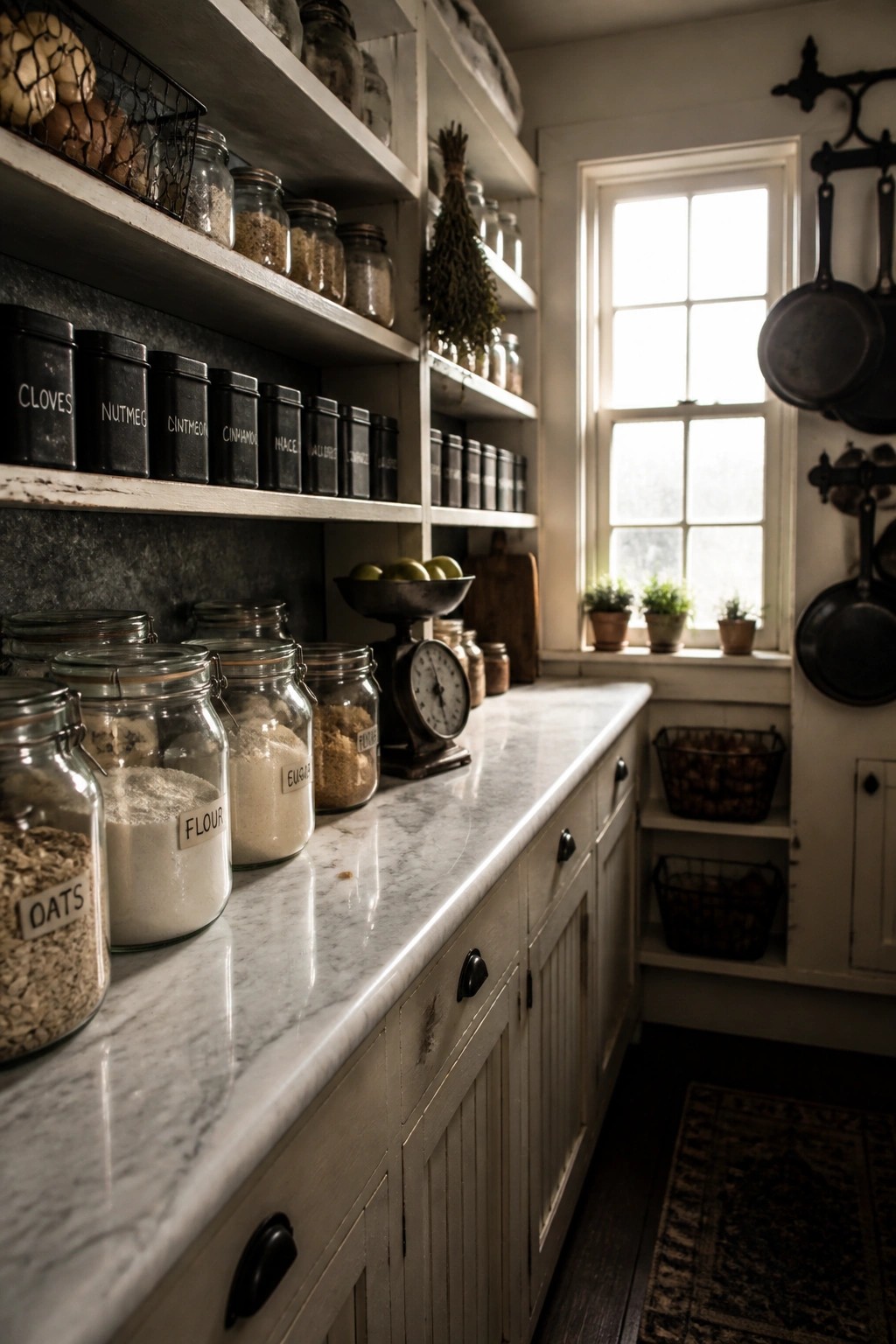
Many older farmhouses used open shelves in the kitchen or pantry because they made daily items easy to reach. Clear glass jars with simple paper labels keep that same practical approach while adding order to the space.
This style works best in homes that already have some built-in shelving or where closed cabinets feel too heavy. Match the jars where you can and add a few darker tins for contrast so the shelves stay readable without looking cluttered.
Open Storage Under the Utility Sink
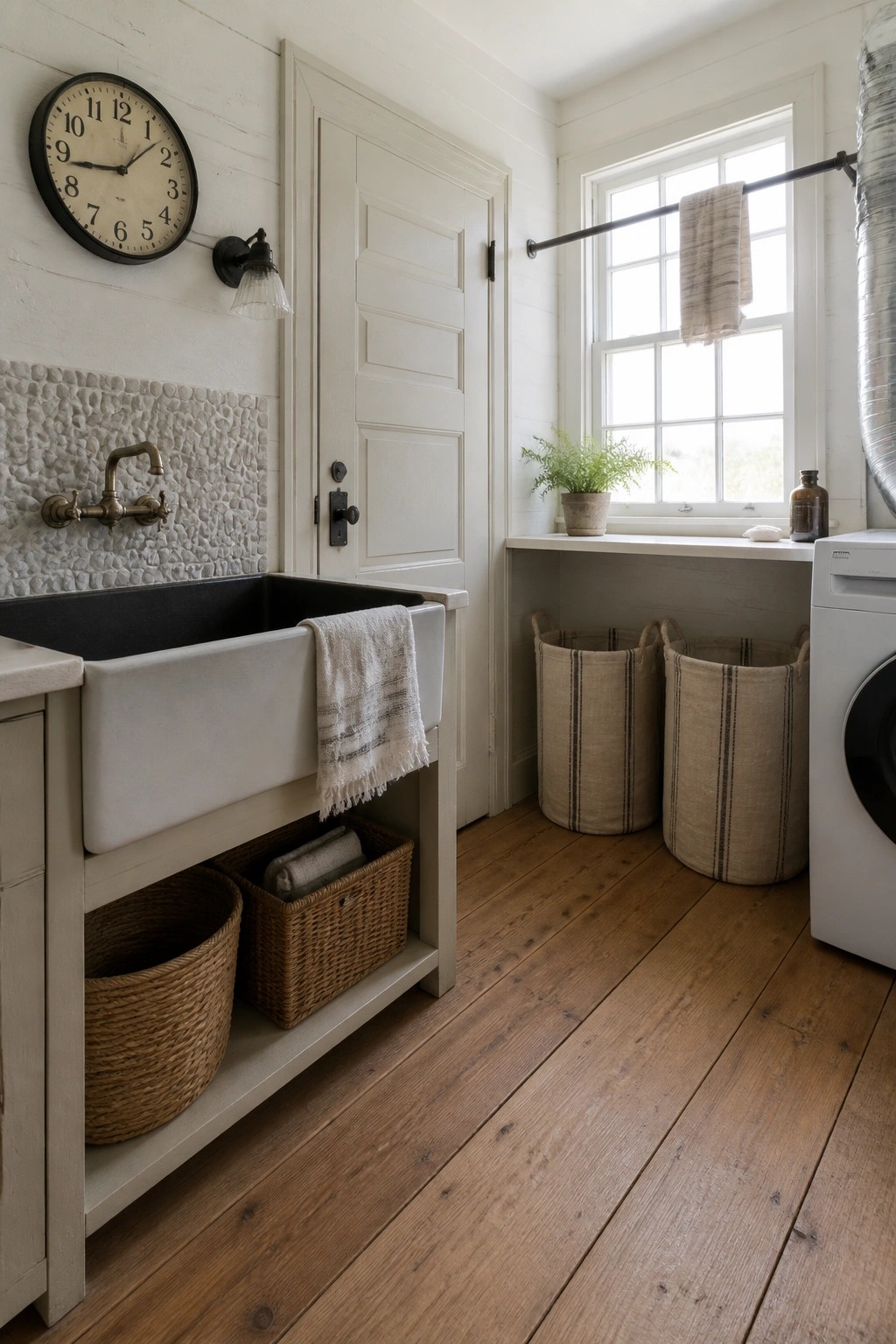
Many older homes already have a deep sink in the laundry or utility space, and leaving the area below it open makes the room feel more useful day to day. Baskets slide in easily and give you a place to keep towels, rags, or supplies without adding extra cabinets that can crowd a small room.
This works best in a farmhouse where you want the sink to stay the main feature. Choose baskets that sit flat on the floor so nothing gets trapped underneath, and keep the number low so the space stays simple rather than busy.
Use a Vintage Trunk for Bedroom Storage
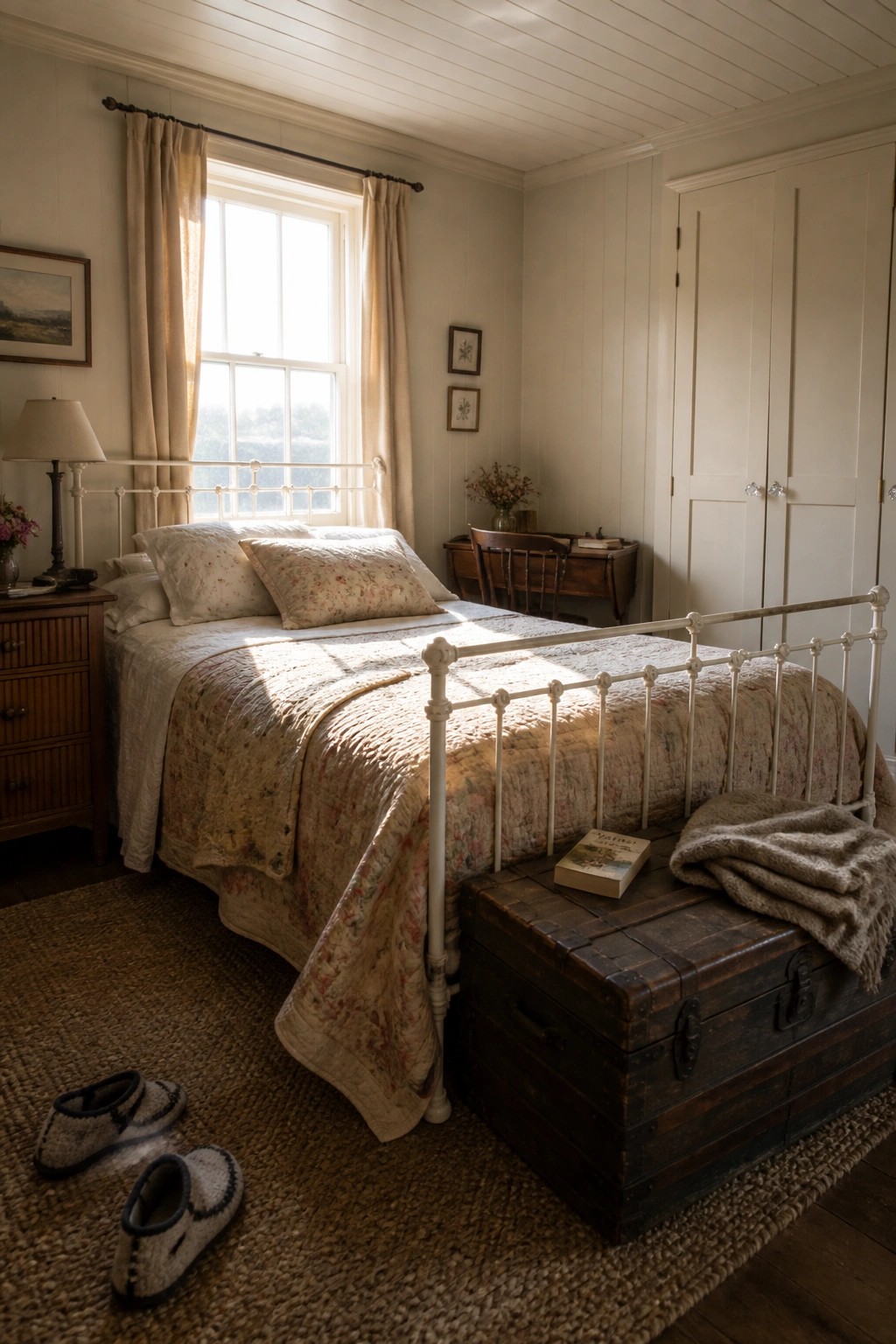
Placing an old trunk at the foot of the bed gives you useful extra storage without adding bulky furniture. It keeps blankets, linens, or seasonal clothes out of sight while fitting the simple, practical style of a historic farmhouse.
This works best in bedrooms that already have a bed frame with some age to it. Choose a trunk that matches the scale of the bed so it does not feel too heavy or too small for the space.
Preserve The Original Sink
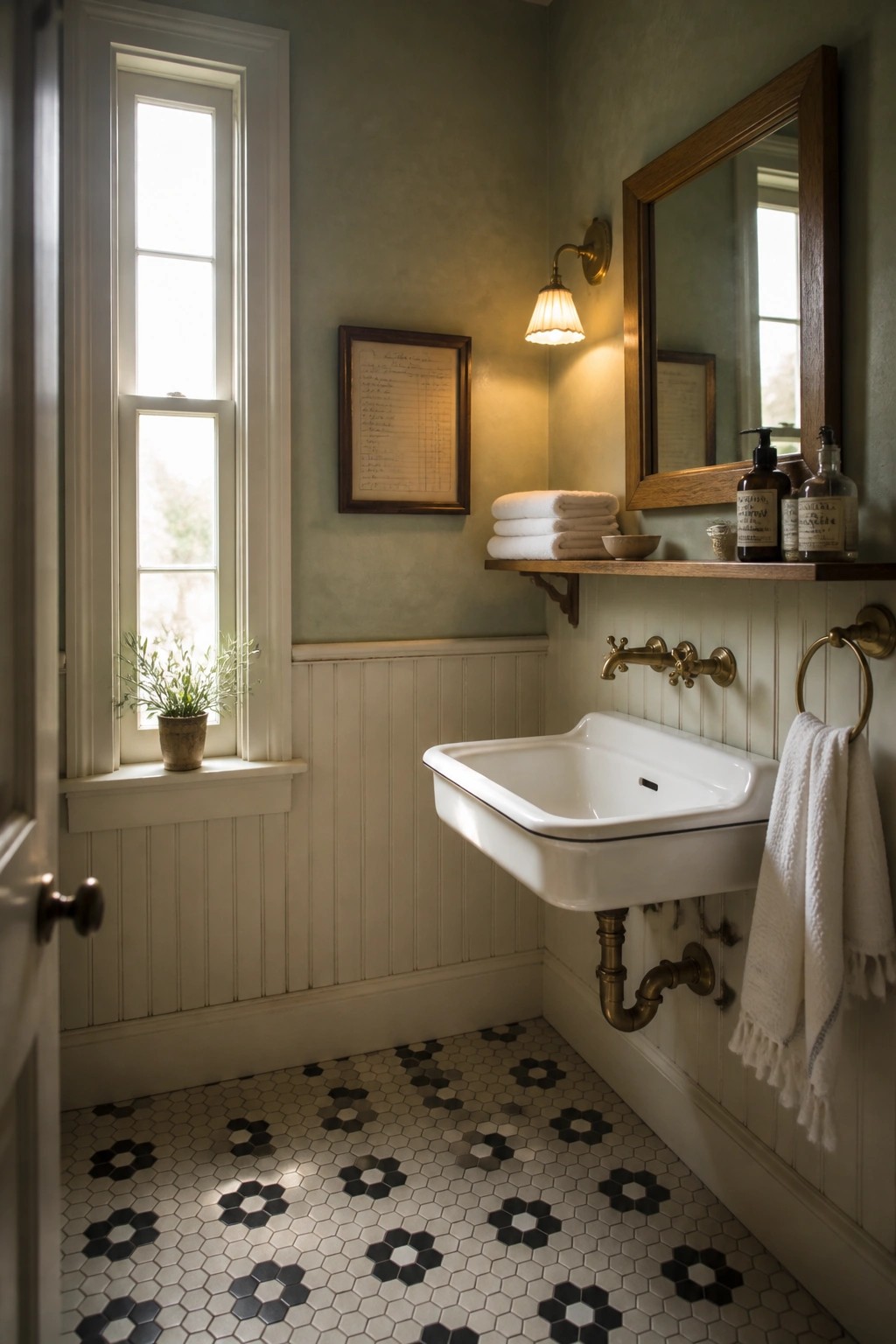
Many old farmhouses still have their original sinks tucked away in bathrooms. Leaving one in place keeps the room tied to the house’s past without needing a full replacement.
This approach works best in smaller spaces where the sink can stay mounted on the wall. Pair it with beadboard below and simple tile on the floor so the old fixture stays the focus.
Built-In Benches For Shoe Storage
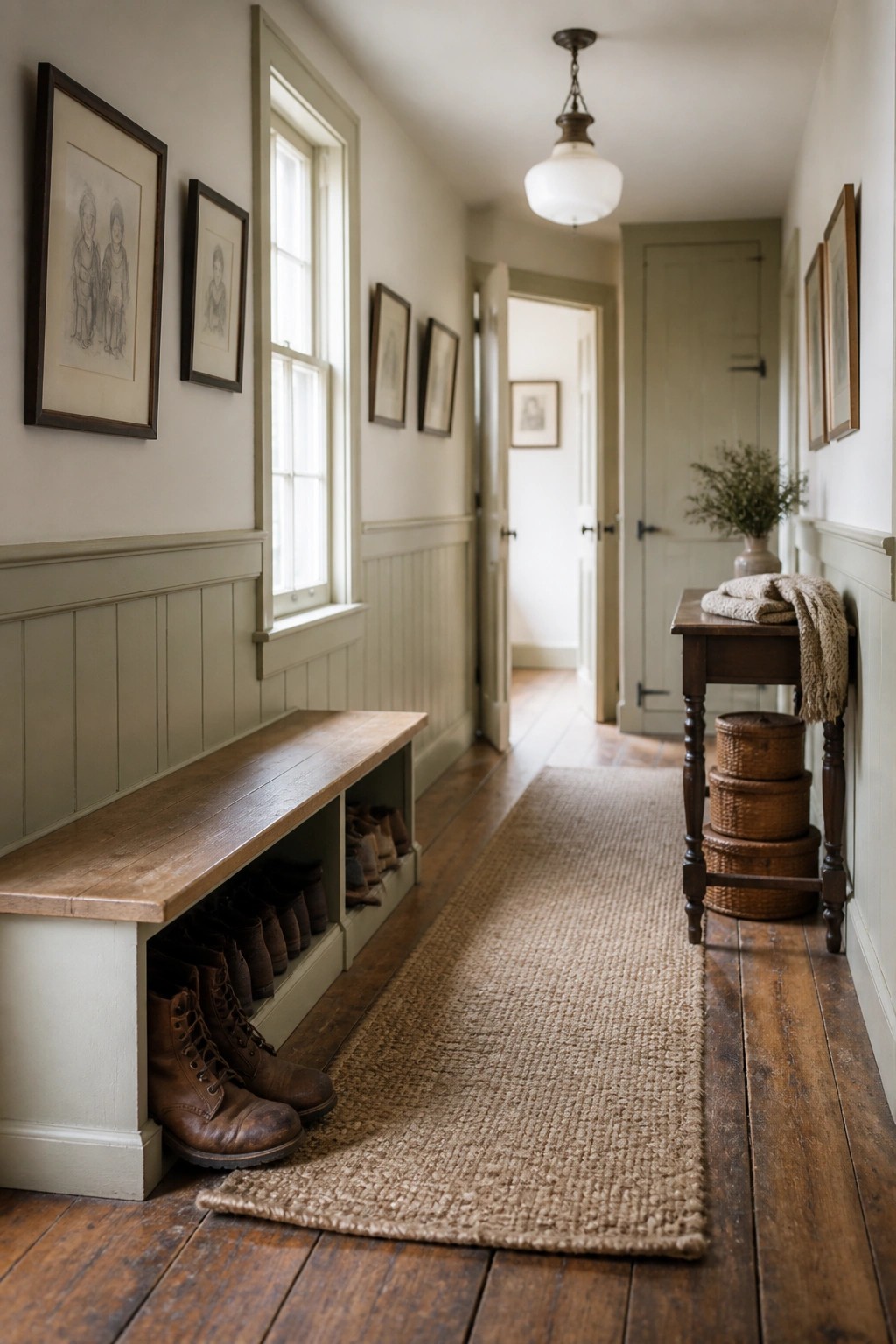
A built-in bench along a hallway wall gives boots and shoes a place to land without taking over the floor. It keeps things tidy while still feeling like it belongs in an older house.
This works best near a side or back door where people come in and out often. Use simple wood and match the trim or wainscoting already in the room so the bench looks like it was always there.
Open Shelving For Toy Storage
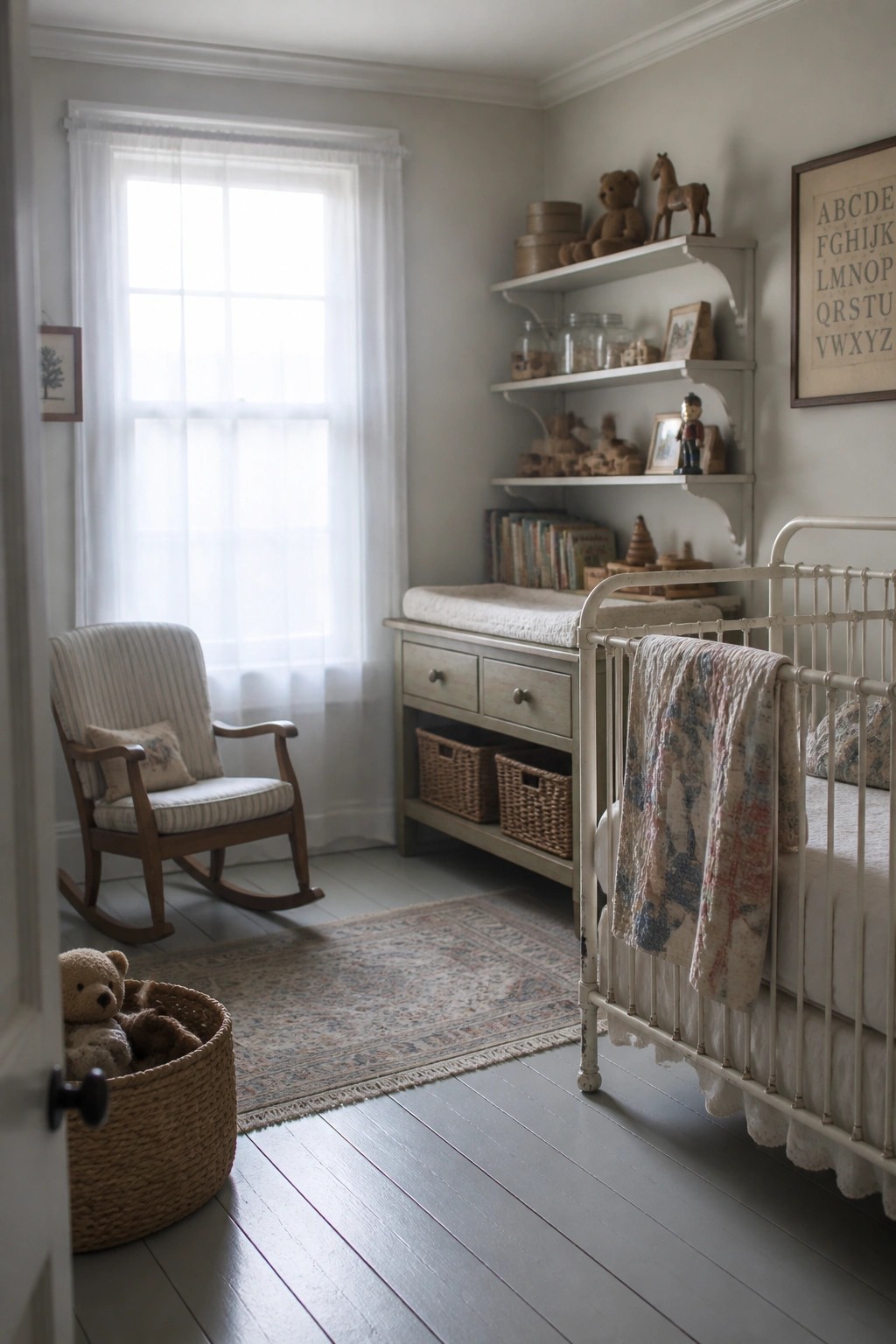
Open shelving gives a nursery a simple way to handle toys and books without making the room feel closed in. In an older home it keeps the space light and lets the collection of wooden toys and small books add to the character instead of hiding it behind doors.
Place baskets on the bottom level for anything that needs to stay out of sight. This works best in rooms that already have good natural light and painted woodwork, since the open style keeps everything feeling airy and easy to reach.
Install Beadboard Wainscoting In The Bathroom
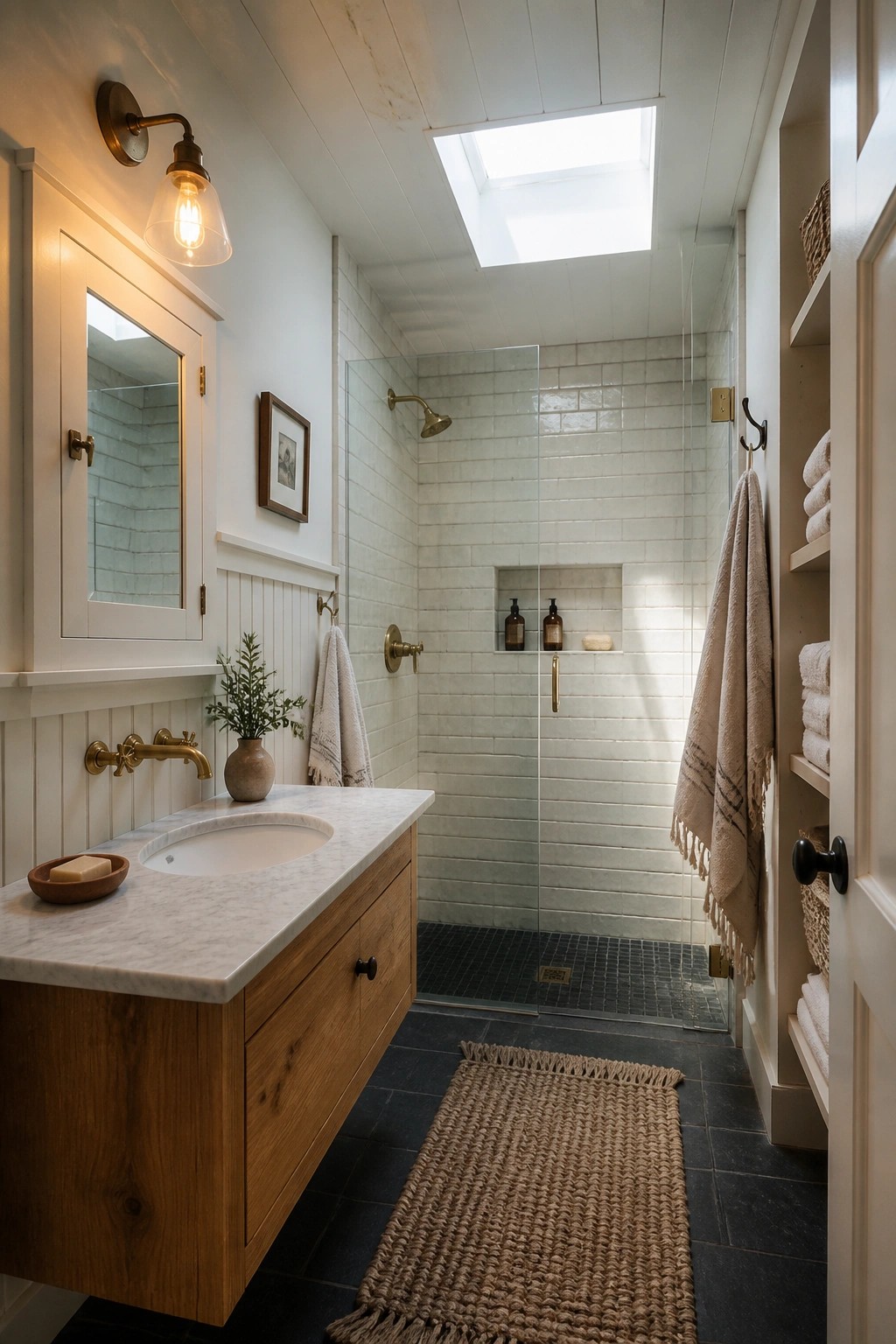
Beadboard on the lower walls gives a bathroom that simple farmhouse look many older homes already have. It adds a bit of texture and keeps the space from feeling too plain after a remodel, especially when the rest of the room gets updated with new fixtures or tile.
This works best in homes that still show similar trim in other rooms. Keep the top edge simple and paint it the same color as the walls above so the detail feels like it has always been there.
Use A Wooden Trunk As Your Coffee Table
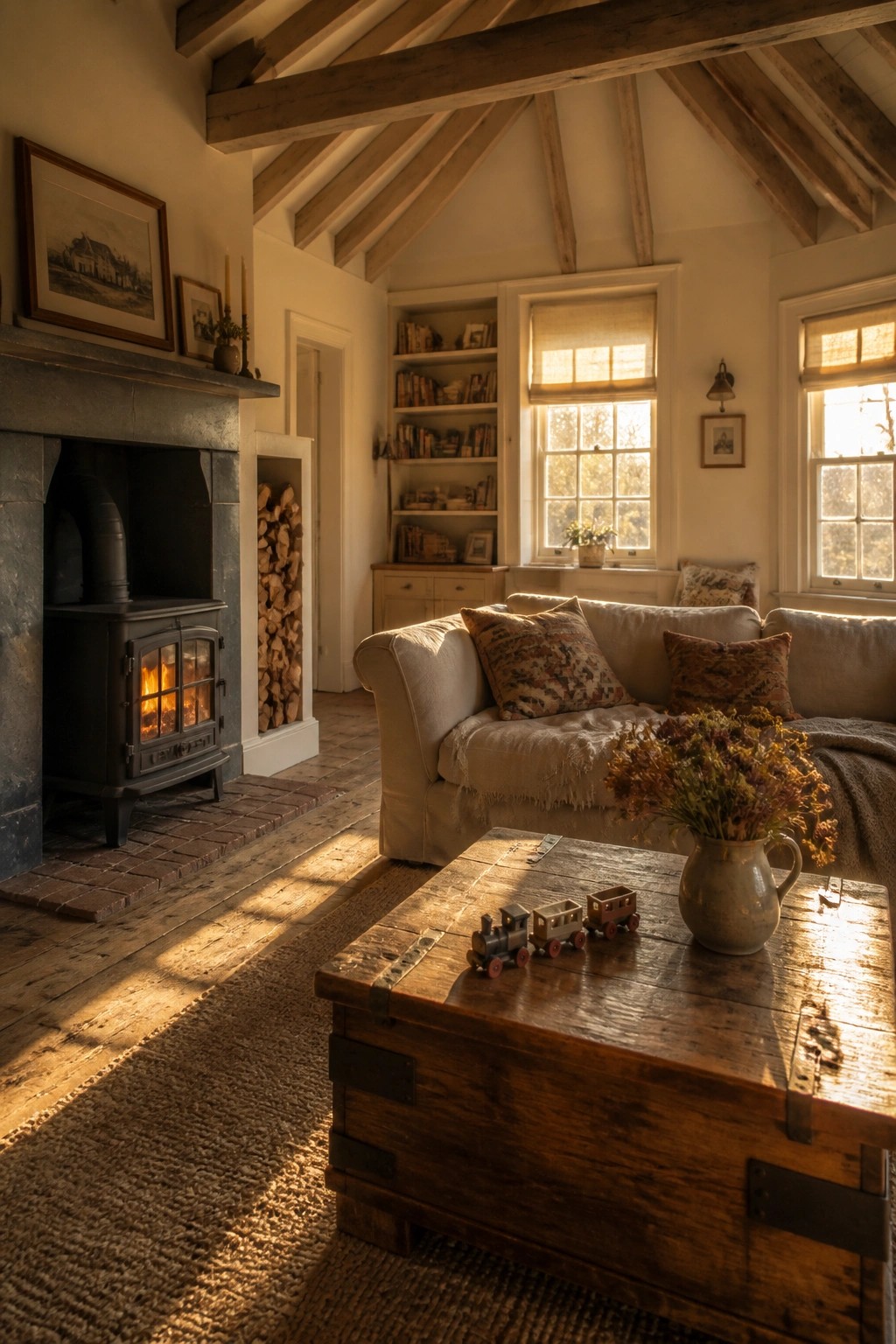
Many older homes already have a few sturdy trunks tucked away in attics or basements. Setting one in front of the sofa turns it into a coffee table that also hides blankets, games, or extra pillows.
This choice fits best in a living room where you want storage without adding more cabinets. Keep the finish simple so it blends with existing wood floors and beams.
Built-In Banquette Seating For Window Nooks
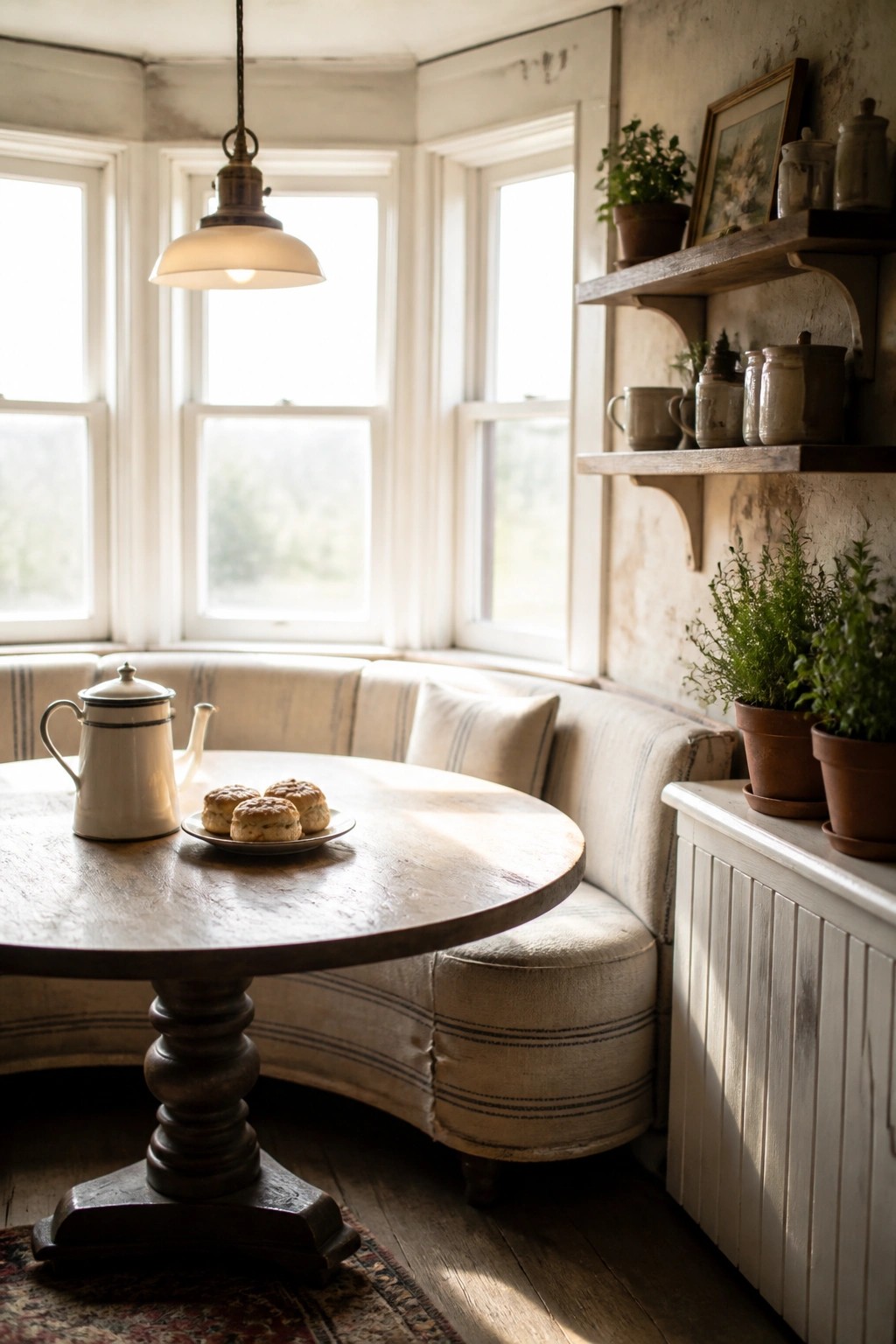
Many historic farmhouses have bay windows or odd corners that are difficult to furnish without crowding the room. A curved banquette that follows the window line turns that space into seating while keeping the original architecture front and center.
This approach works best in kitchens or breakfast areas where you want everyday seating without adding extra chairs. Build it low enough to sit comfortably at a standard table and add simple cushions in durable fabric so it holds up to daily use.
Built-Ins Along Sloped Walls
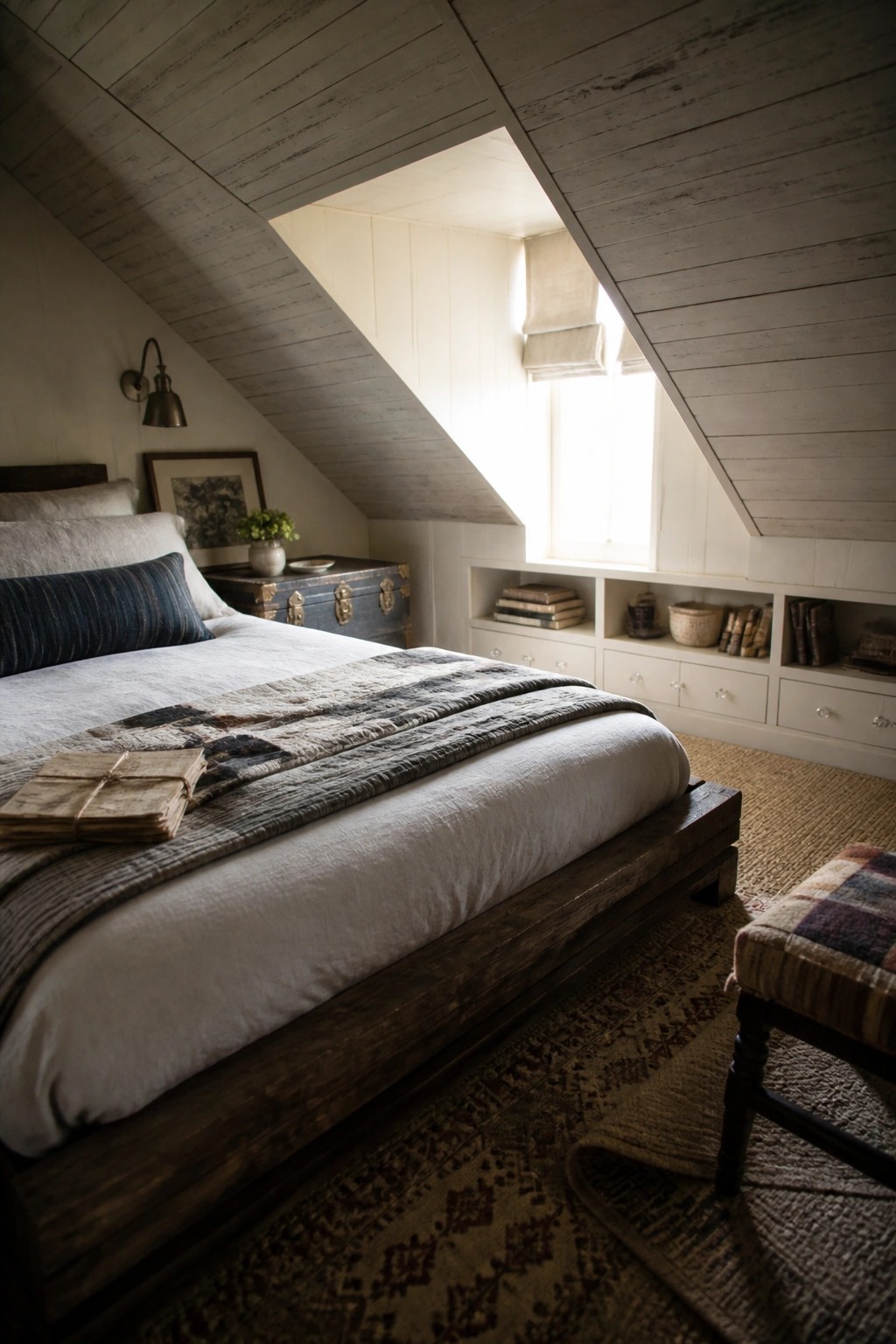
Old farmhouses often end up with bedrooms under the roof where the ceiling drops low along the walls. Built-in storage fills those awkward spots with drawers and open shelves that follow the angle instead of fighting it.
This works best in smaller upstairs rooms where freestanding pieces would block light or movement. Keep the finish simple and light so the wood ceiling and trim stay the main focus.
Add a Long Farm Table to the Kitchen
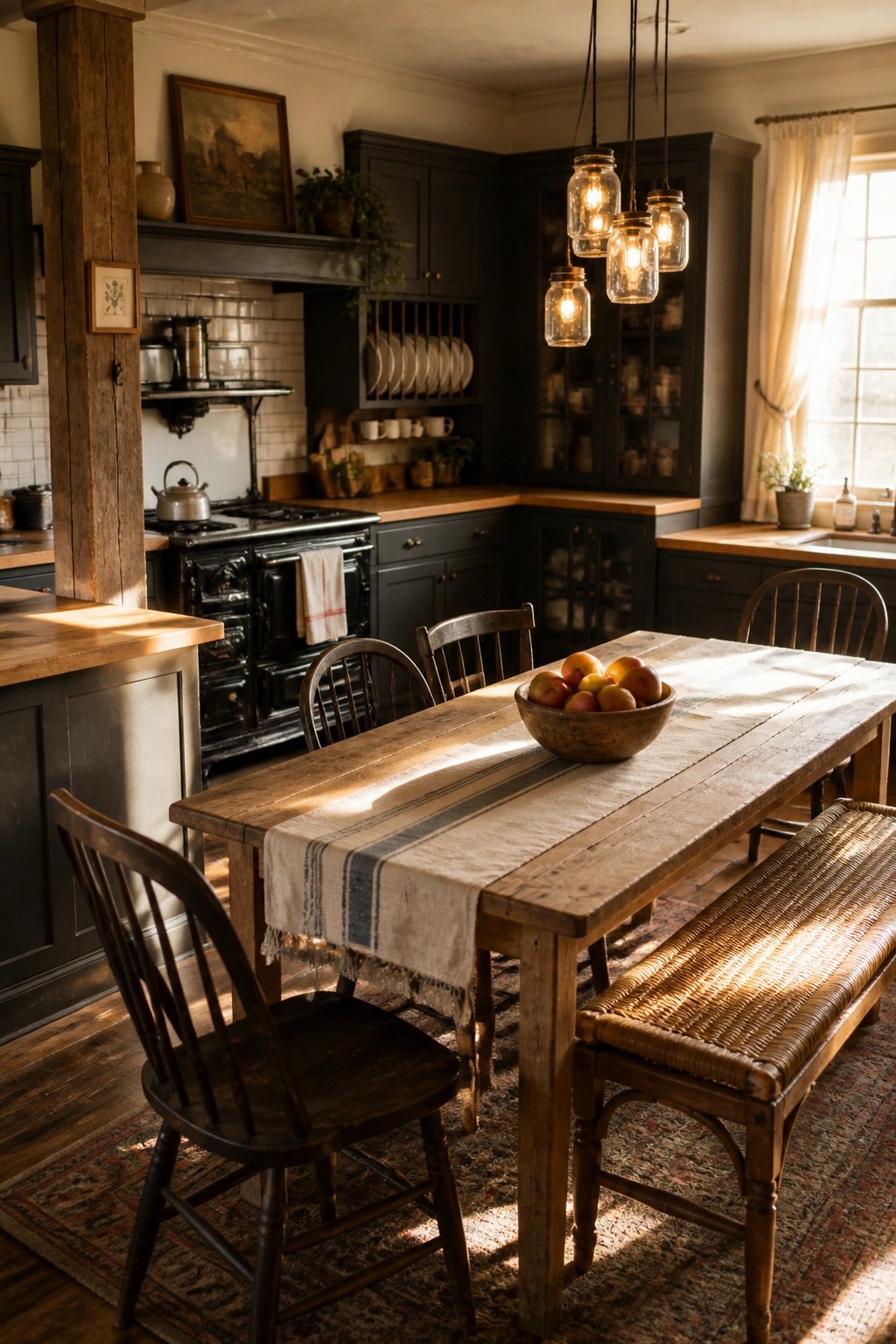
A long wooden table placed right in the kitchen gives the room a practical center for meals and daily use. It keeps the space feeling connected instead of splitting the cooking area off from where people actually sit and gather. The simple lines and natural wood work well with older homes because they echo the original character without trying too hard.
This setup works best in farmhouses that already have decent floor space near the stove and sink. Keep the table finish simple and let the chairs and bench vary a bit so the look stays relaxed. Just make sure there is enough room to walk around the table once people are seated.
Built-In Bookshelves Add Storage And Character
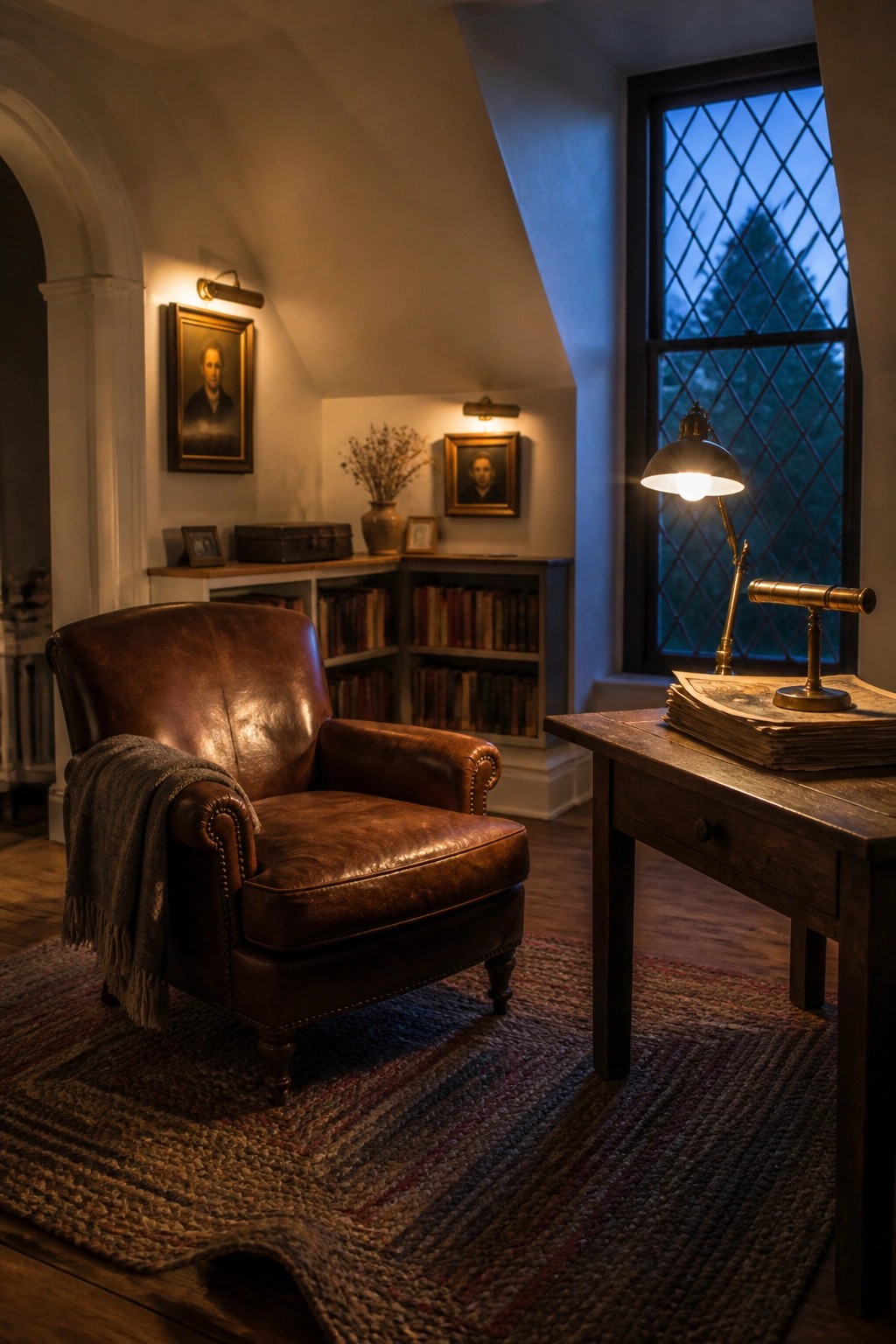
Built-in bookshelves fit right into the nooks and angles of an older farmhouse. They turn awkward wall space into useful storage while keeping the room from feeling too modern or stripped down.
Place them low under sloped ceilings or along side walls in a study or sitting area. A simple wood finish that matches the trim helps them blend in, and leaving room for a chair nearby makes the shelves part of daily life instead of just decoration.
Place A Sturdy Work Table In Your Sewing Room
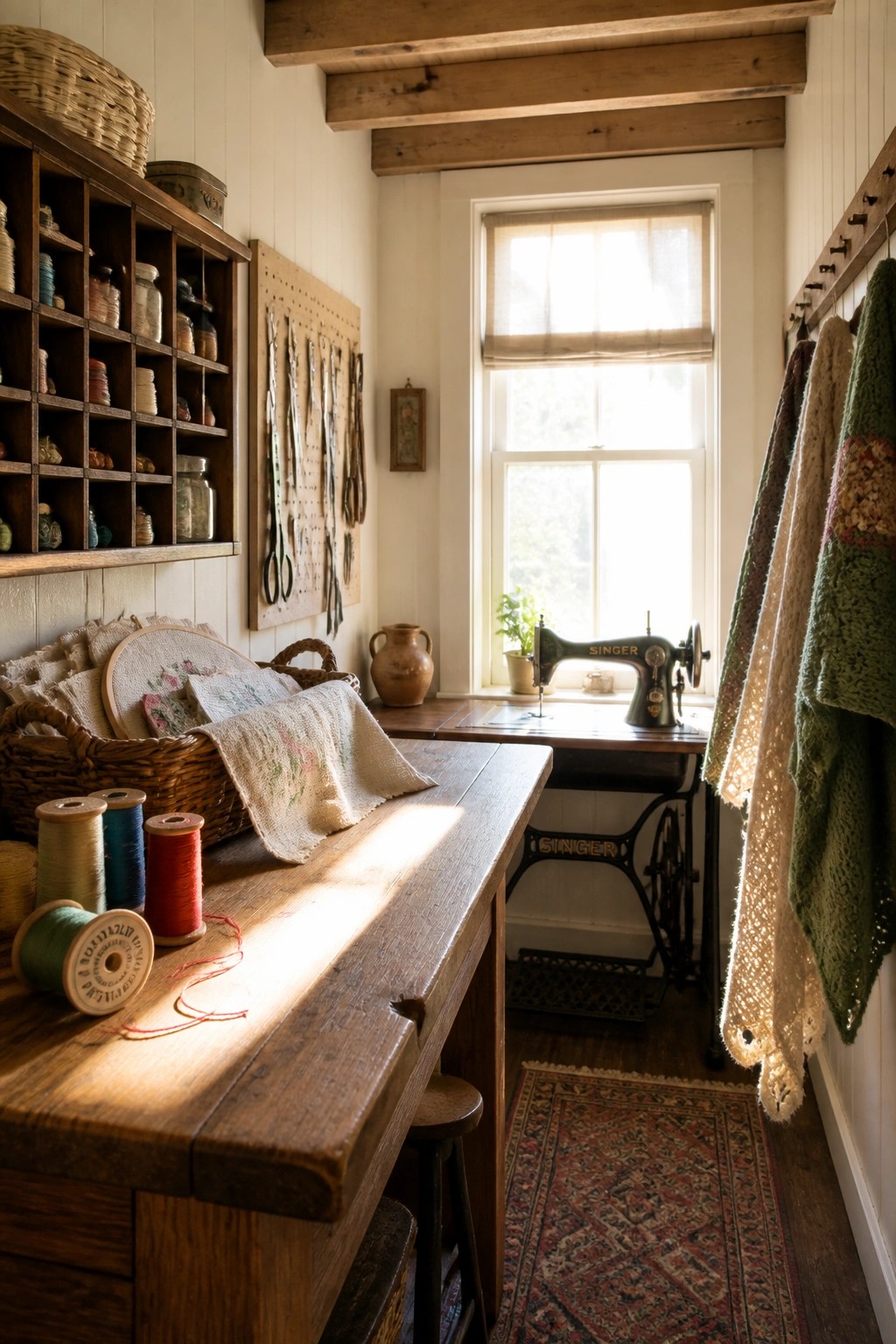
A solid wooden table gives you plenty of room to cut fabric, pin pieces, and keep projects going without clearing space every time. It feels right at home in a farmhouse because it is simple, tough, and ready for daily use.
Set the table near your sewing machine so you can move easily between cutting and stitching. Keep thread, baskets, and small tools close by on open shelves so you can grab what you need without digging through drawers. This works best in a spare room that already has good natural light.
Try A Pegboard Wall For Laundry Room Storage
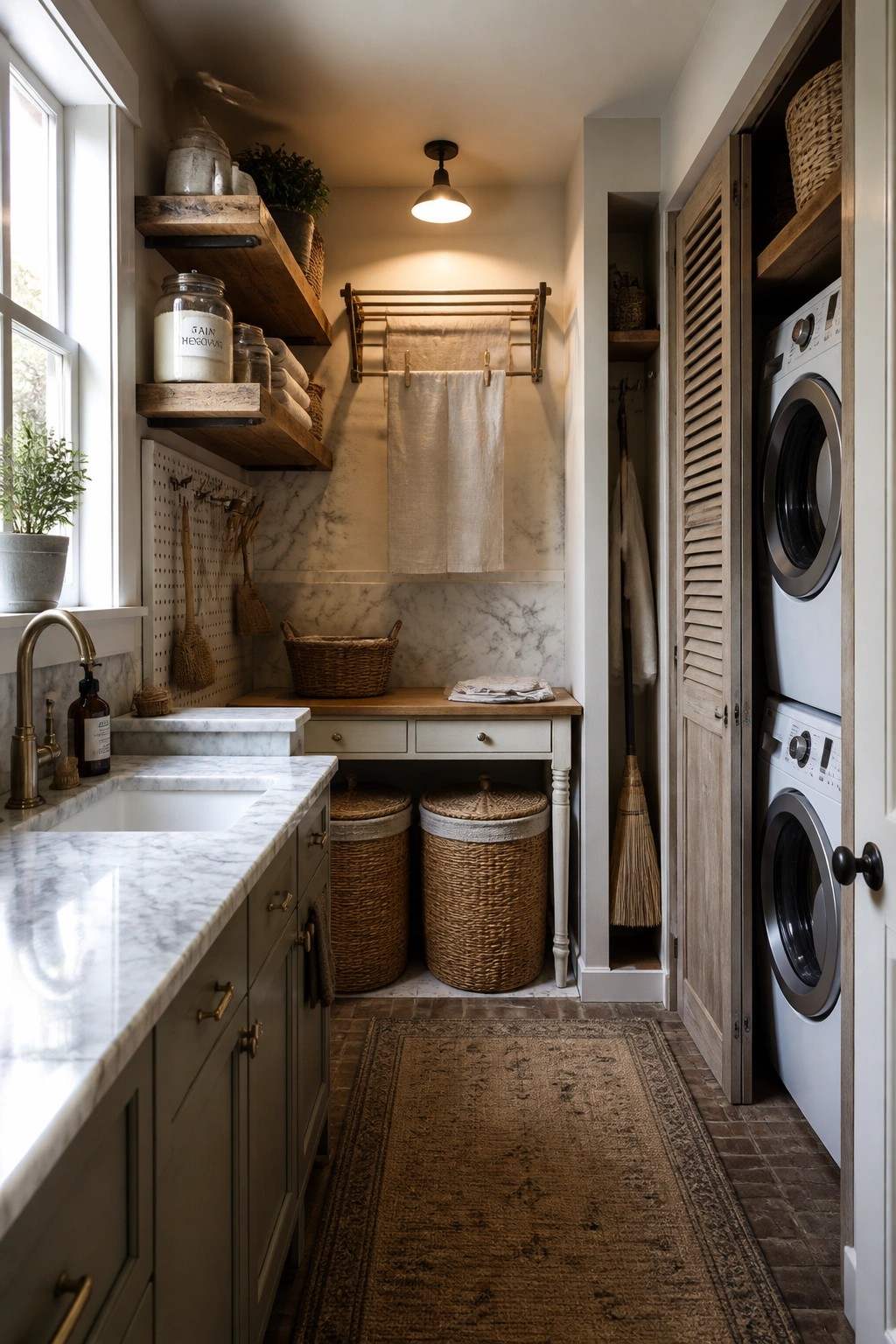
A pegboard gives you a simple way to keep brushes, brooms, and small tools right where you need them. In older homes it adds function without taking up floor space, and it fits the plain, useful look that belongs in a farmhouse.
Place it above a work counter or near the sink so everyday items stay off the floor and easy to reach. It works best in narrow utility rooms where closed cabinets would feel too heavy, and it leaves room for baskets or shelves below.
Frequently Asked Questions
Q: How do I handle old wood floors that have some damage? A: Sand just the worn spots and refinish the whole floor with a matte sealant. This keeps the natural marks from years of use while making them safer to walk on. Patch any deep gouges with matching wood filler before you seal.
Q: What works best for updating a kitchen without gutting the layout? A: Swap in open shelving made from reclaimed boards to show off the original wall lines. Keep the sink in its old spot and add a new faucet that mimics the style of the pump handle it replaced. This way the room feels fresh but still reads as part of the house.
Q: Can I improve drafts around the windows? A: Repair the sashes first so they close tight again. Add simple rope caulk or felt strips inside the frames for the winter months. You get better comfort without covering up the trim details that give the rooms their age.
Q: How do I choose lighting that fits the era? A: Look for simple glass shades or metal sconces in catalogs that sell reproductions. Hang them where old wiring already runs so you avoid new holes in the plaster. One or two well-placed fixtures can change how the whole room feels at night.
