

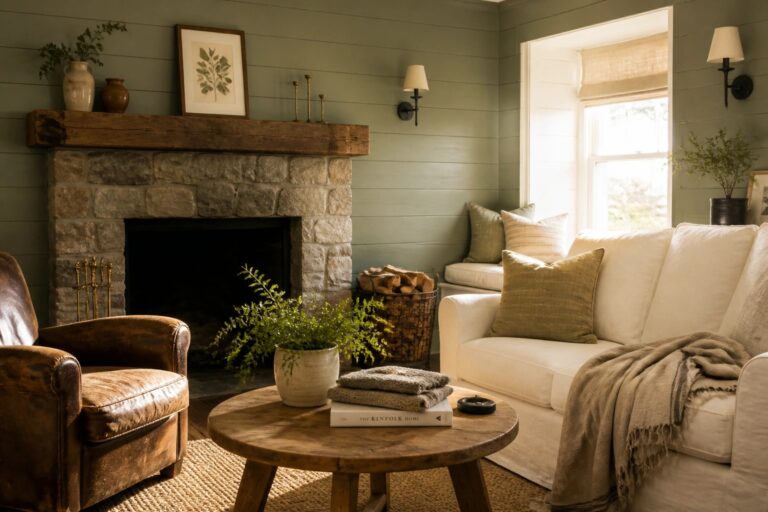
I have found that picking wall colors for a farmhouse often comes down to how they settle into a room once the furniture and daily light are in place.
Sage green tends to soften the edges of older spaces without making them feel dim or closed in.
Some shades look different on the wall than they do on a paint chip.
I usually test a few samples on different walls before committing because the undertones show up more clearly that way.
That step has saved me from colors that end up feeling too heavy once the rest of the room comes together.
Sage Green Walls In A Farmhouse Living Room
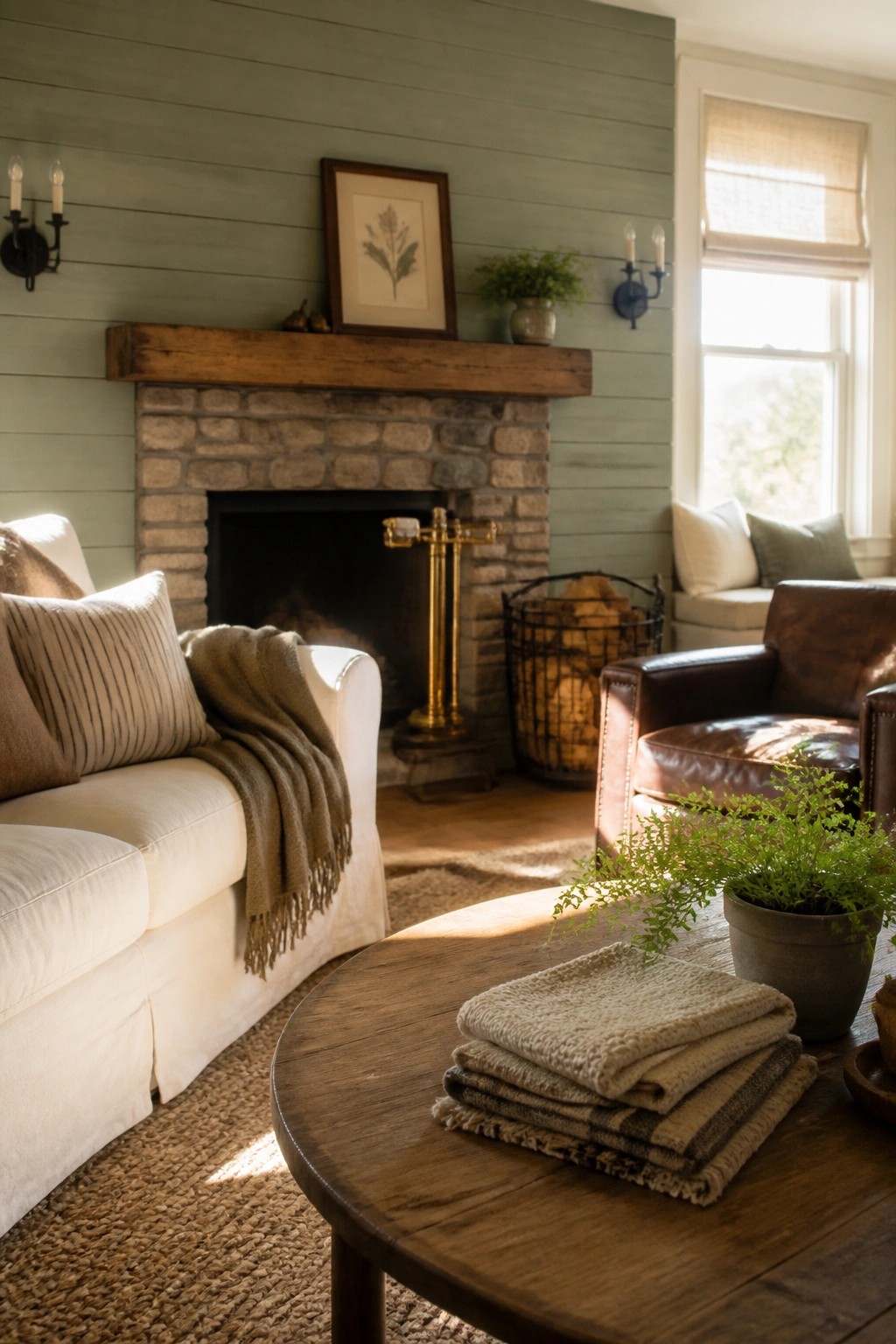
Sage green brings a soft natural tone to living room walls that feels calm without turning cold. It works especially well with wood tones and stone, giving the space a settled look that still feels light.
This color suits older homes or farmhouse styles where you want warmth from the walls themselves. Use it across all four walls if the room gets steady daylight, or keep it to the main wall behind the fireplace if you want to test it first.
Sage Green Cabinets For Farmhouse Kitchens
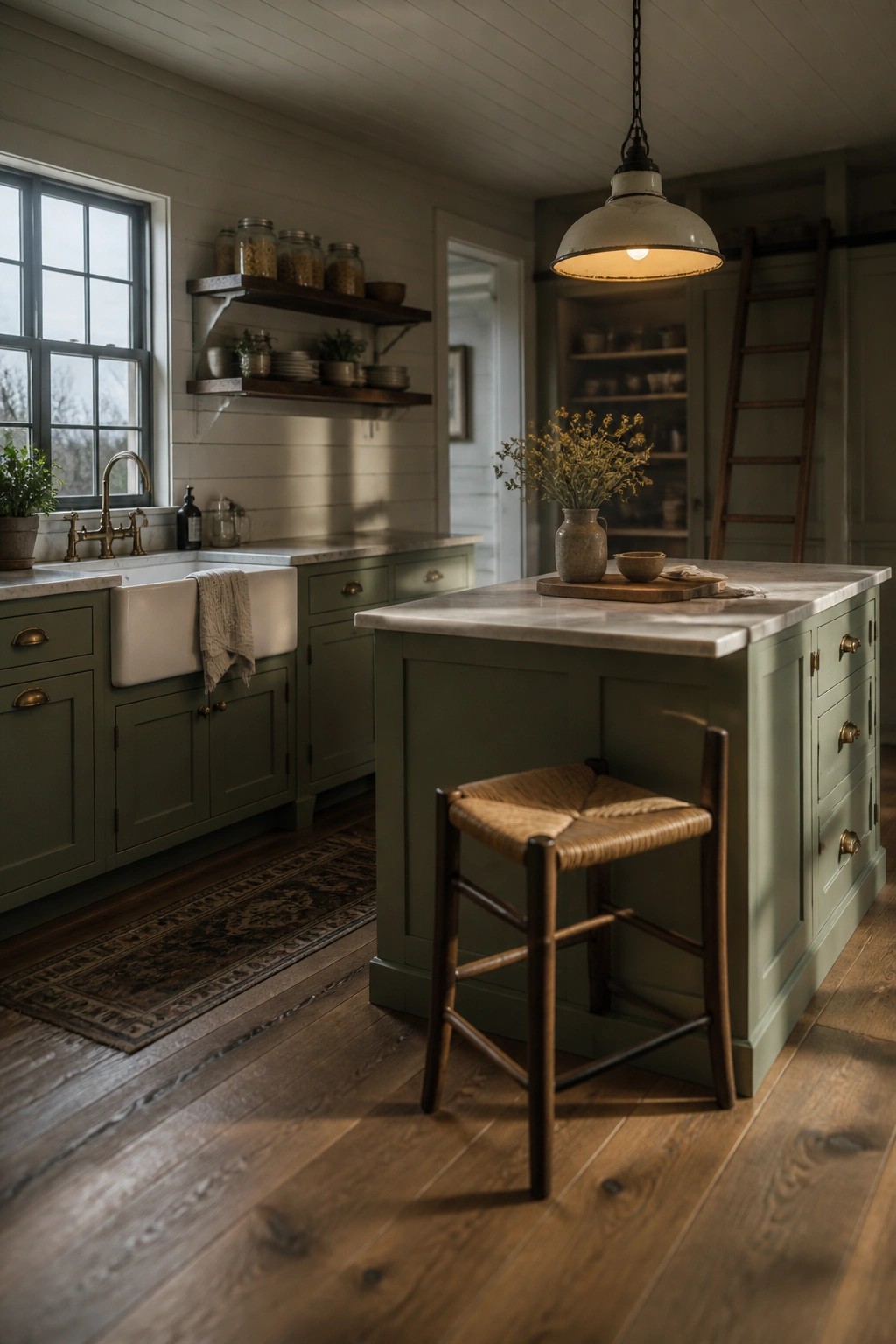
Sage green on cabinets gives a kitchen a quiet warmth that feels natural rather than styled. It softens the look of wood floors and white surfaces while still letting the room feel bright and open during the day.
This color works best in spaces with decent natural light and simple trim. It suits older homes or newer builds that lean farmhouse, and it holds up well when paired with unlacquered brass or wood tones. Test a few samples on the doors themselves before committing, since the shade can shift once the cabinets are in place.
Sage Green Wainscoting For Everyday Warmth
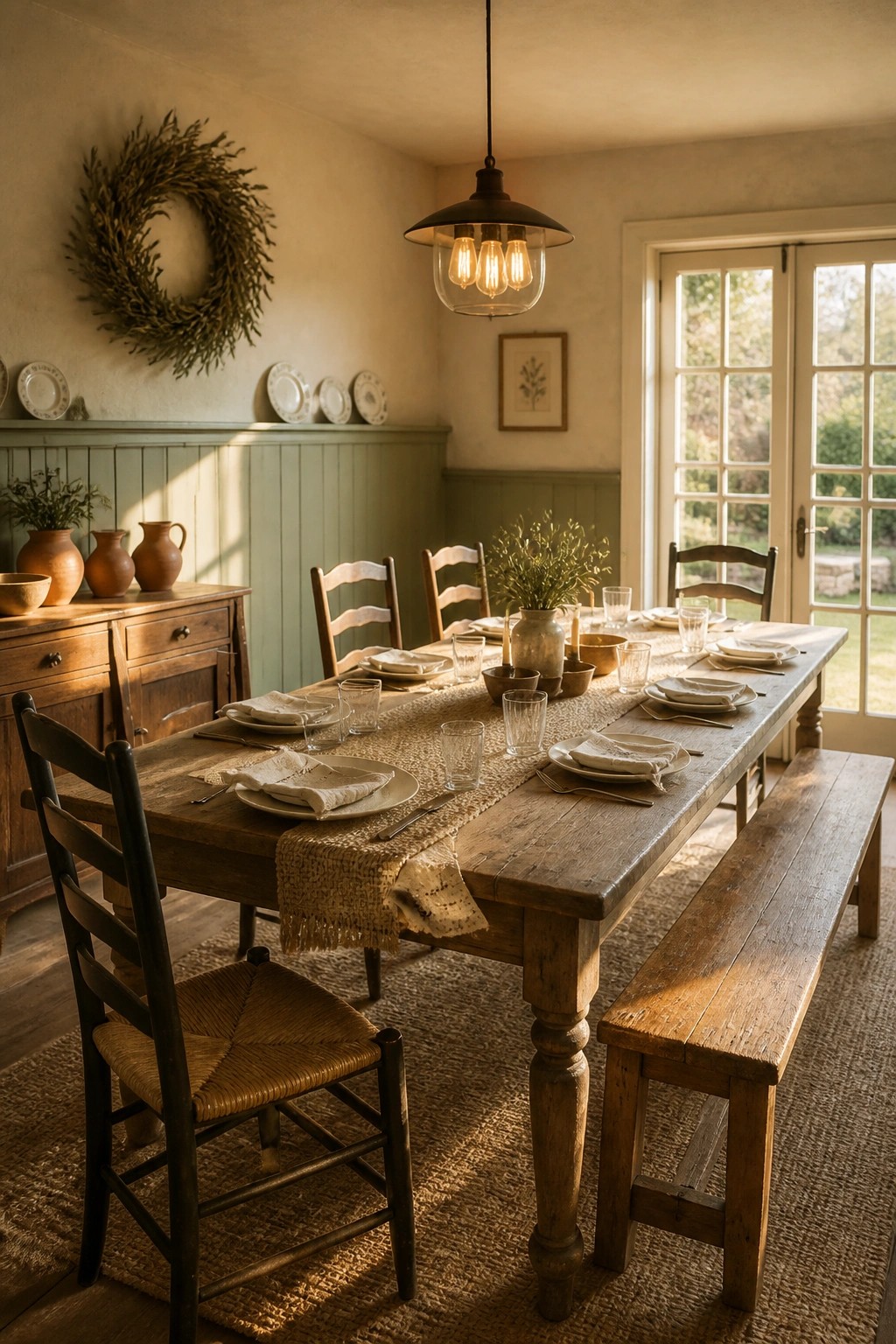
Sage green on the lower walls gives a dining room a soft grounded look that feels natural with wood furniture and simple finishes. It adds just enough color without making the space feel heavy or too styled.
This works especially well in rooms that already have wood tones and get decent daylight. Keep the upper walls a warm off-white and stick with basic trim details so the green stays calm and easy to live with.
Sage Green Bedroom Walls
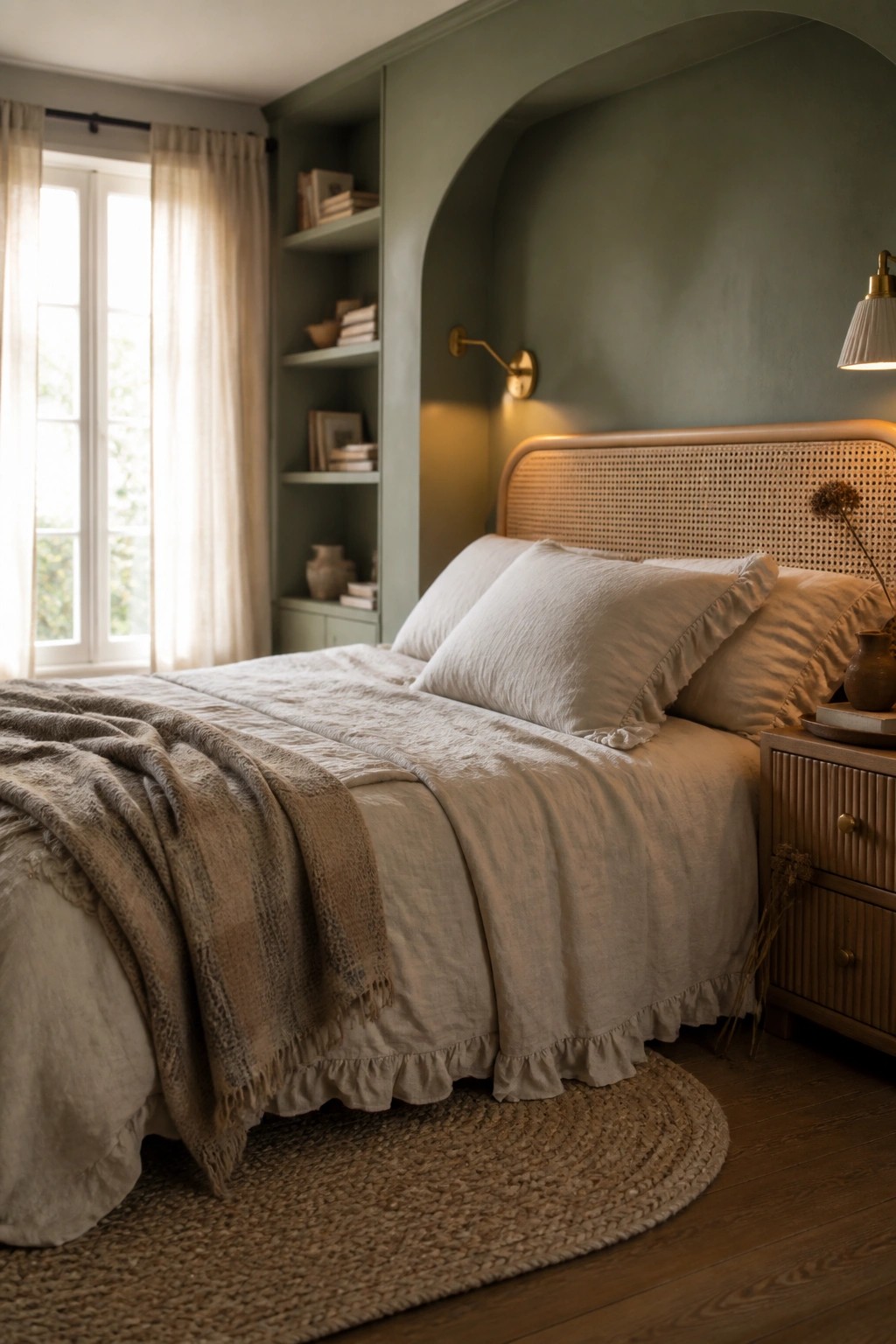
Sage green brings a soft natural tone to a bedroom without making the room feel cold. It works especially well when the color covers the full wall surface and continues into built-in shelves, so the whole area feels connected.
This color suits older homes or simple farmhouse rooms where you want warmth from the walls rather than from extra layers of pattern. Keep the rest of the room quiet with wood and linen so the green stays the main feature.
Sage Green Walls In A Nursery
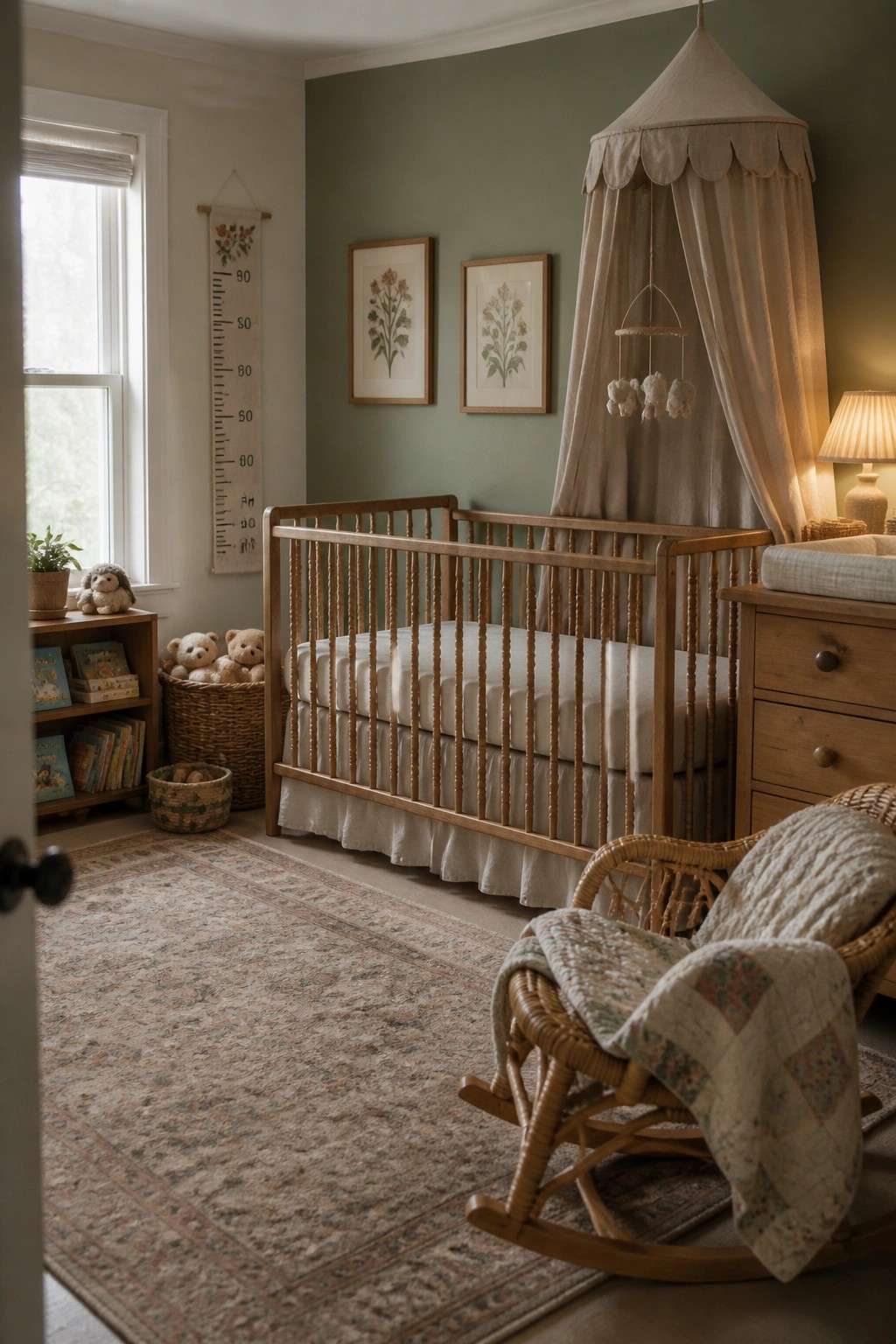
Sage green brings a quiet warmth to a nursery without feeling too bright or too pale. The color sits nicely between gray and green, so it works with wood tones and soft fabrics while still keeping the room feeling calm.
This shade suits a simple farmhouse style where the goal is comfort over decoration. Keep the trim white or natural wood, and let the walls do most of the work. It also ages well as the child grows, so you do not need to repaint right away.
Sage Green Vanity Cabinets For A Farmhouse Bath
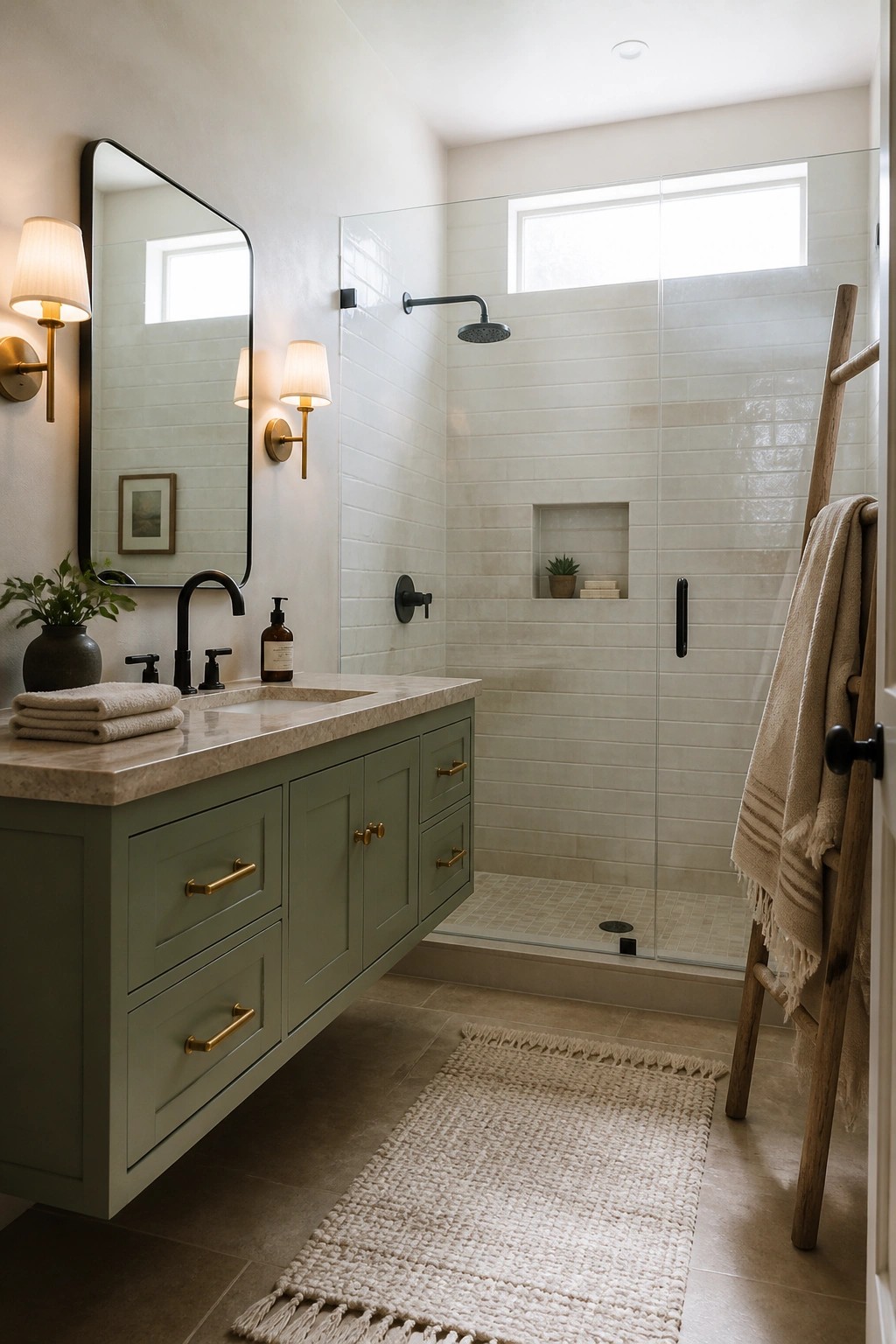
Sage green works well on bathroom vanities because it brings a soft natural tone that feels grounded without making the room feel heavy. In a farmhouse setting the color pairs easily with simple hardware and stone tops, giving the space warmth while still keeping things light and practical.
This approach suits smaller baths or guest rooms where you want a bit of color but do not want to commit to painting every wall. It also holds up nicely against moisture when the cabinets are properly finished, and the muted shade tends to age well as trends shift.
Sage Green Wainscoting In Entries
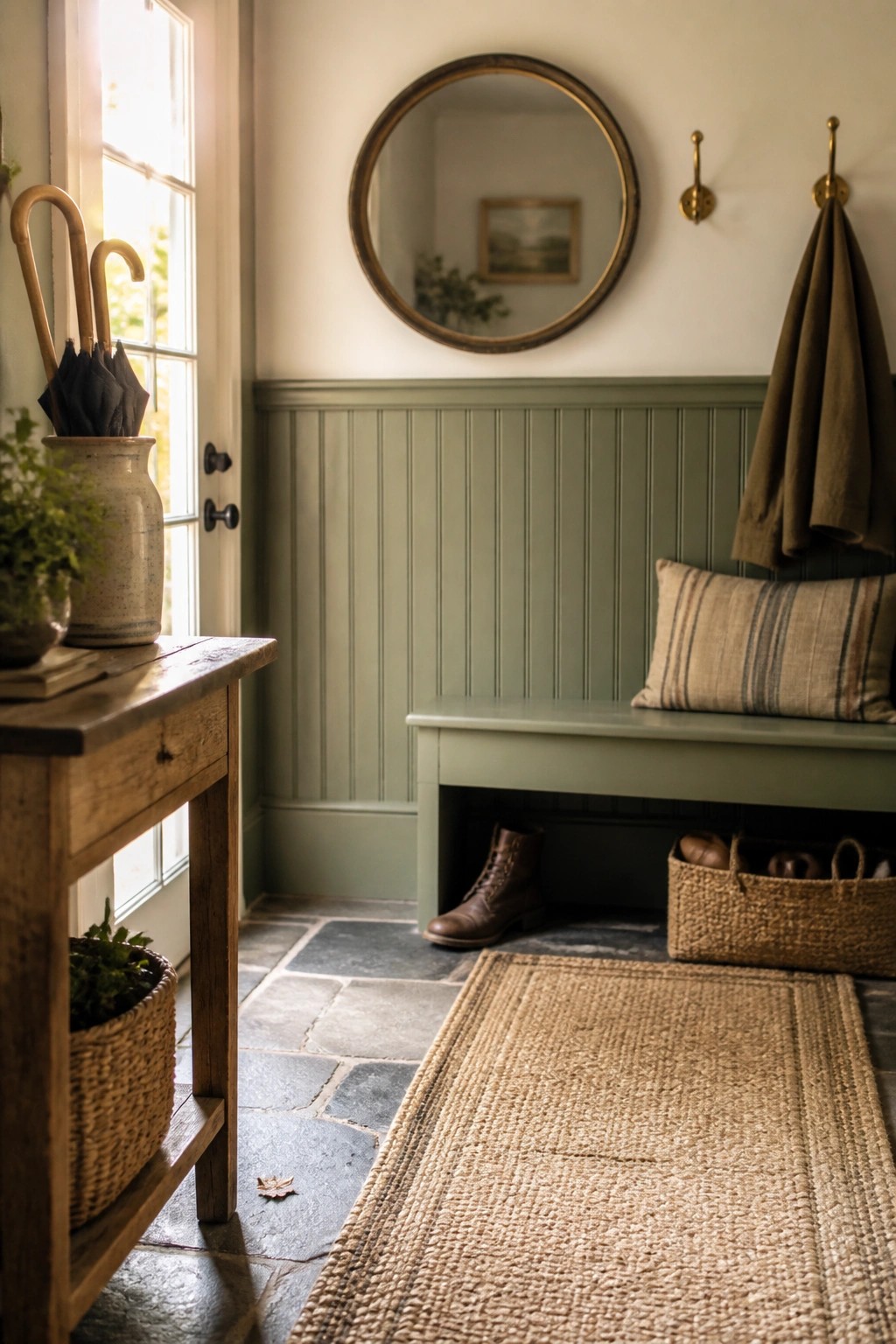
Sage green on the lower walls gives an entry a settled, farmhouse feel without making the space feel dark. The color works especially well on beadboard because the vertical lines keep it from looking flat, and the tone pairs naturally with wood tones and stone floors.
This approach suits homes that need a durable surface near the door where boots and bags come in. Keep the upper walls light so the room stays bright, and match the bench or trim to the same green for a pulled-together look.
Sage Green Cabinets for Laundry Rooms
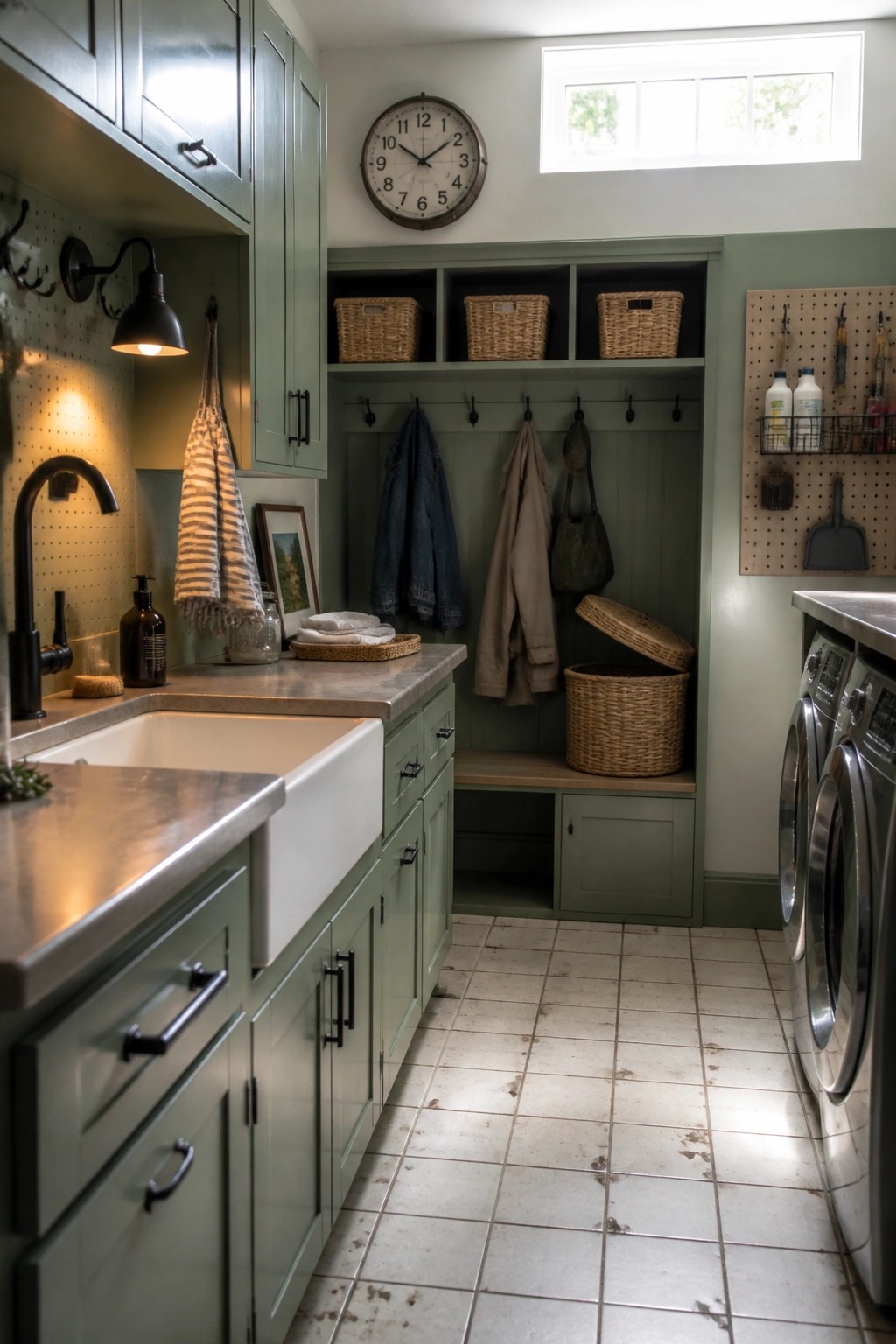
Sage green brings a calm, natural tone to laundry rooms where most people just want something practical and easy to keep up. The color keeps the space from feeling cold or purely functional while still letting the room do its job.
It works best in homes that already lean toward farmhouse or cottage style. Use it on built-in cabinets and pair it with simple hooks and open baskets so the green stays the main focus without adding clutter.
Sage Green Built-Ins For The Study
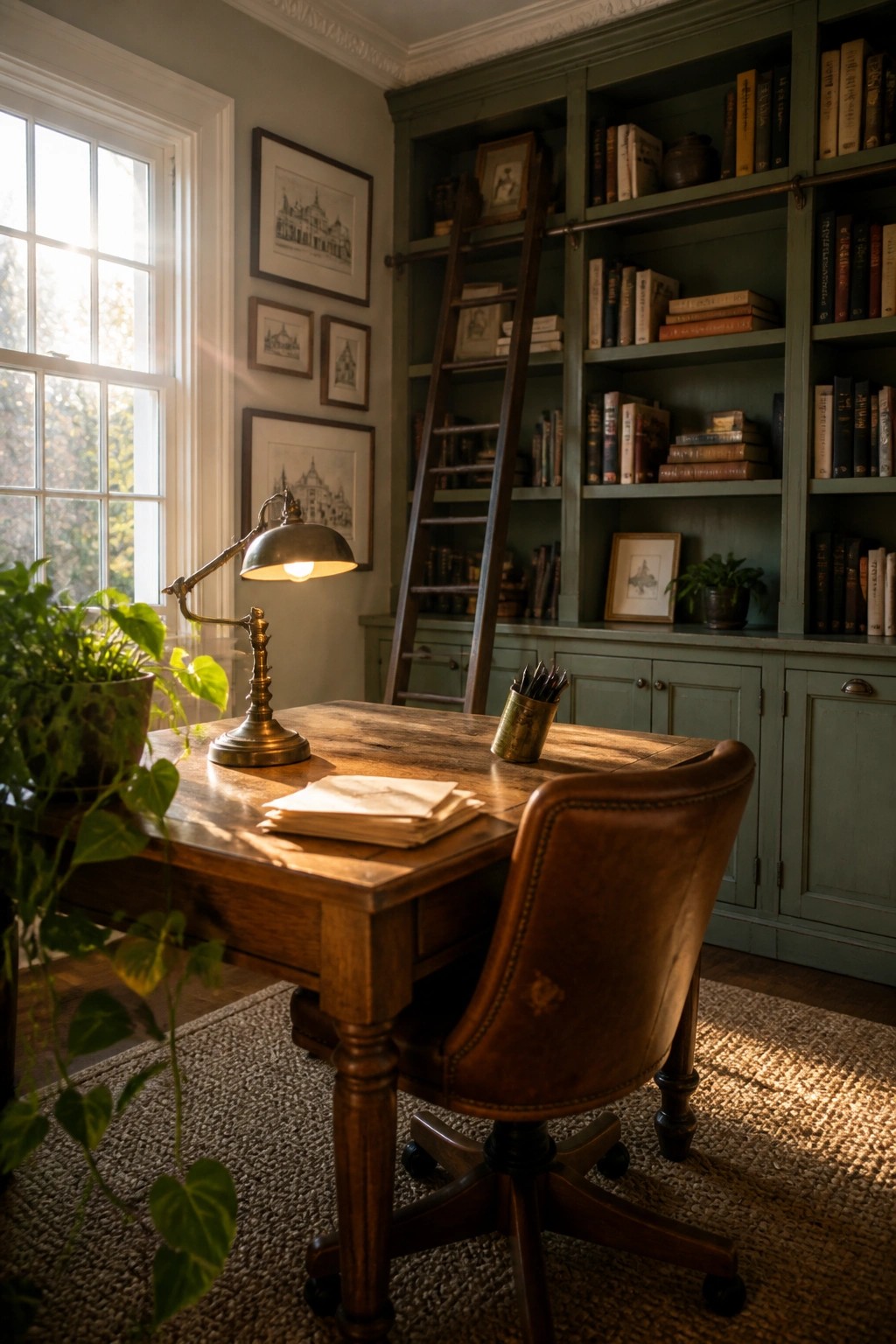
Painting built-in shelves and cabinets sage green gives a room a quiet, grounded feel. The color works with wood tones and keeps the space from feeling too stark or plain.
This approach fits home offices and libraries especially well. It suits older homes or any room where you want the built-ins to add warmth without taking over.
Sage Green Walls In The Bedroom
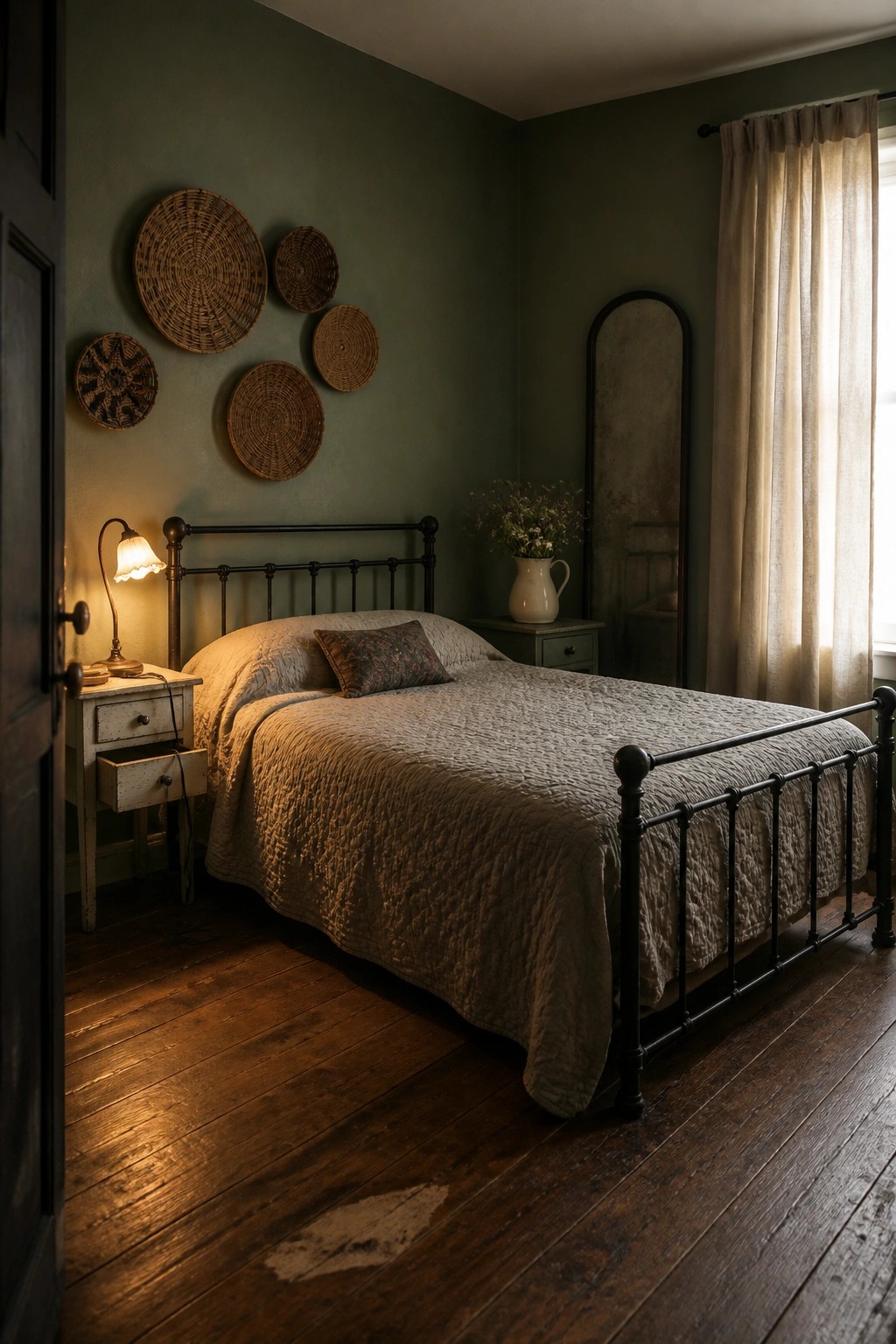
Sage green gives a bedroom that soft, lived-in feel without trying too hard. It works especially well when the rest of the room stays simple, like wood floors and basic bedding, so the color can settle in and feel natural.
This shade suits older homes or spaces that already have some texture, such as worn wood or metal beds. It can feel a bit heavy in very small rooms, so test a large sample first and keep the ceiling and trim light.
Sage Green Built-Ins For Pantry Storage
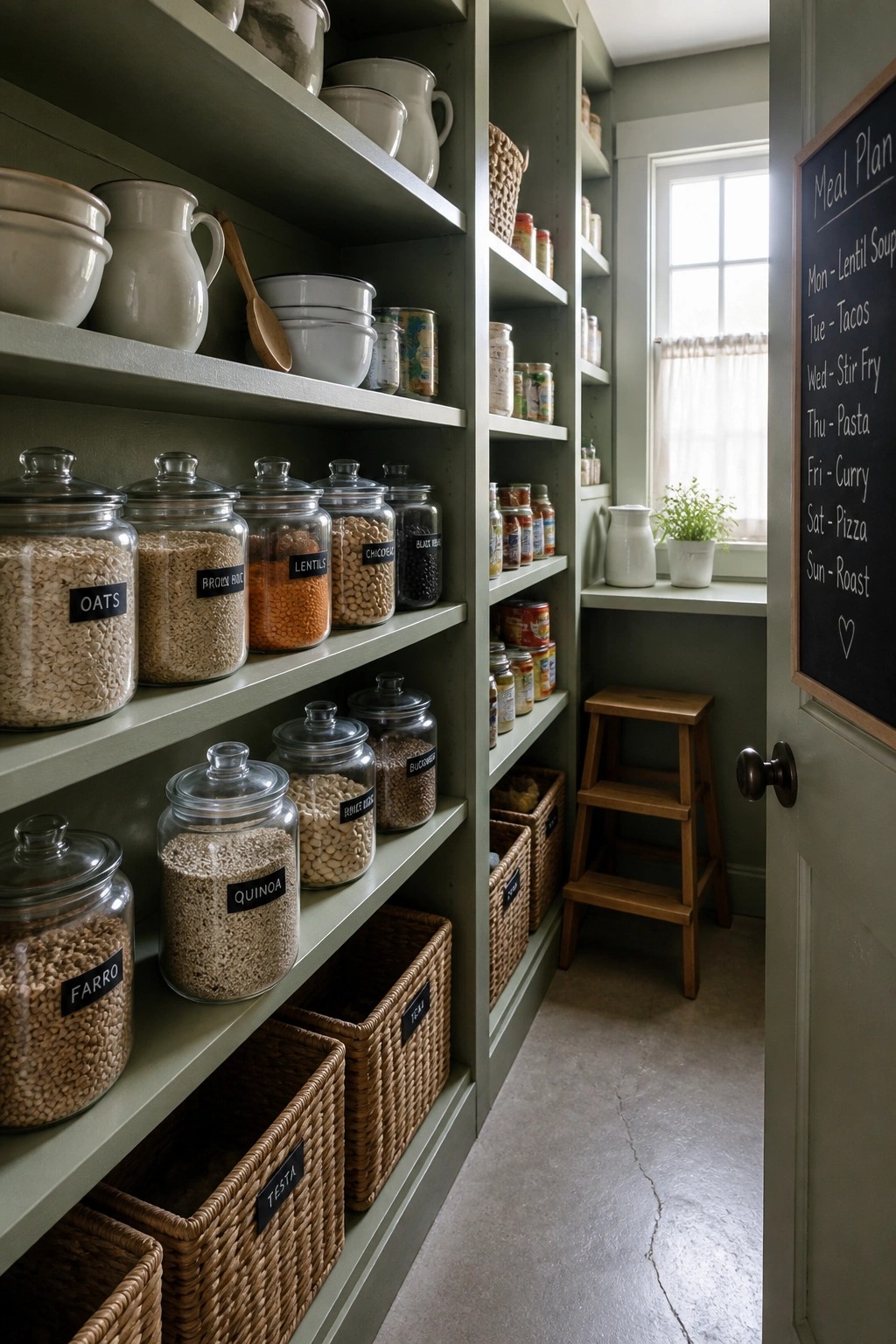
Painting pantry shelves sage green turns a basic storage space into something that feels calm and put together. The color works well with clear jars and baskets because it keeps the focus on the contents without making the area feel stark or cold.
This choice suits older homes or farmhouse kitchens where storage needs to stay practical. It helps the room feel cohesive with the rest of the house while still handling everyday use like bulk goods and labeled containers.
Sage Green On Stairwell Walls
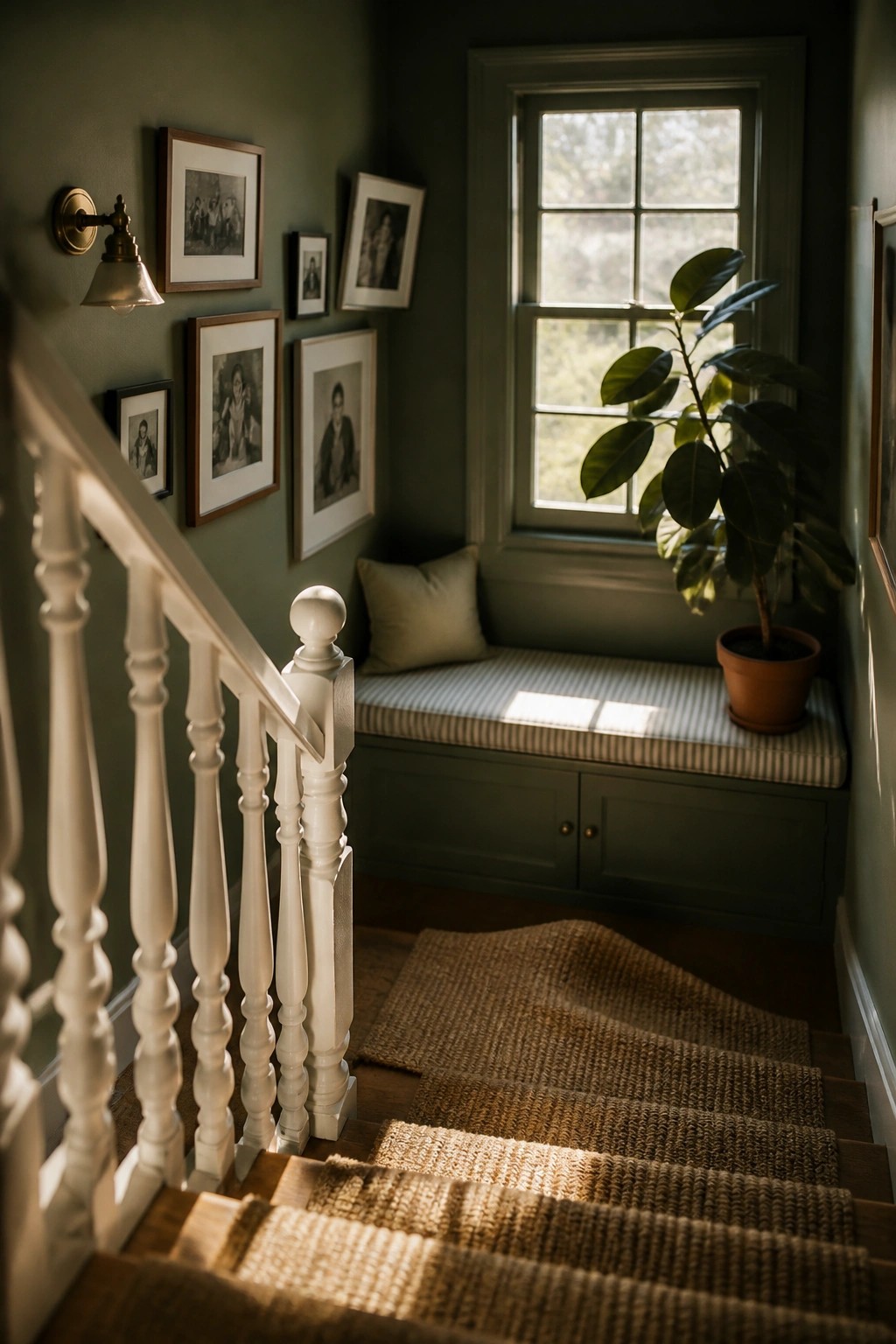
Sage green paint gives a stairwell just enough color to feel interesting while still keeping the space light and calm. It works especially well when the walls run alongside white trim and a window that brings in plenty of daylight.
This shade suits older farmhouses or similar homes where the stairs connect living areas and you want a soft background rather than a bold statement. Keep the trim crisp and add simple details like framed photos or a built-in bench to let the color settle in naturally.
Sage Green Walls For Farmhouse Warmth
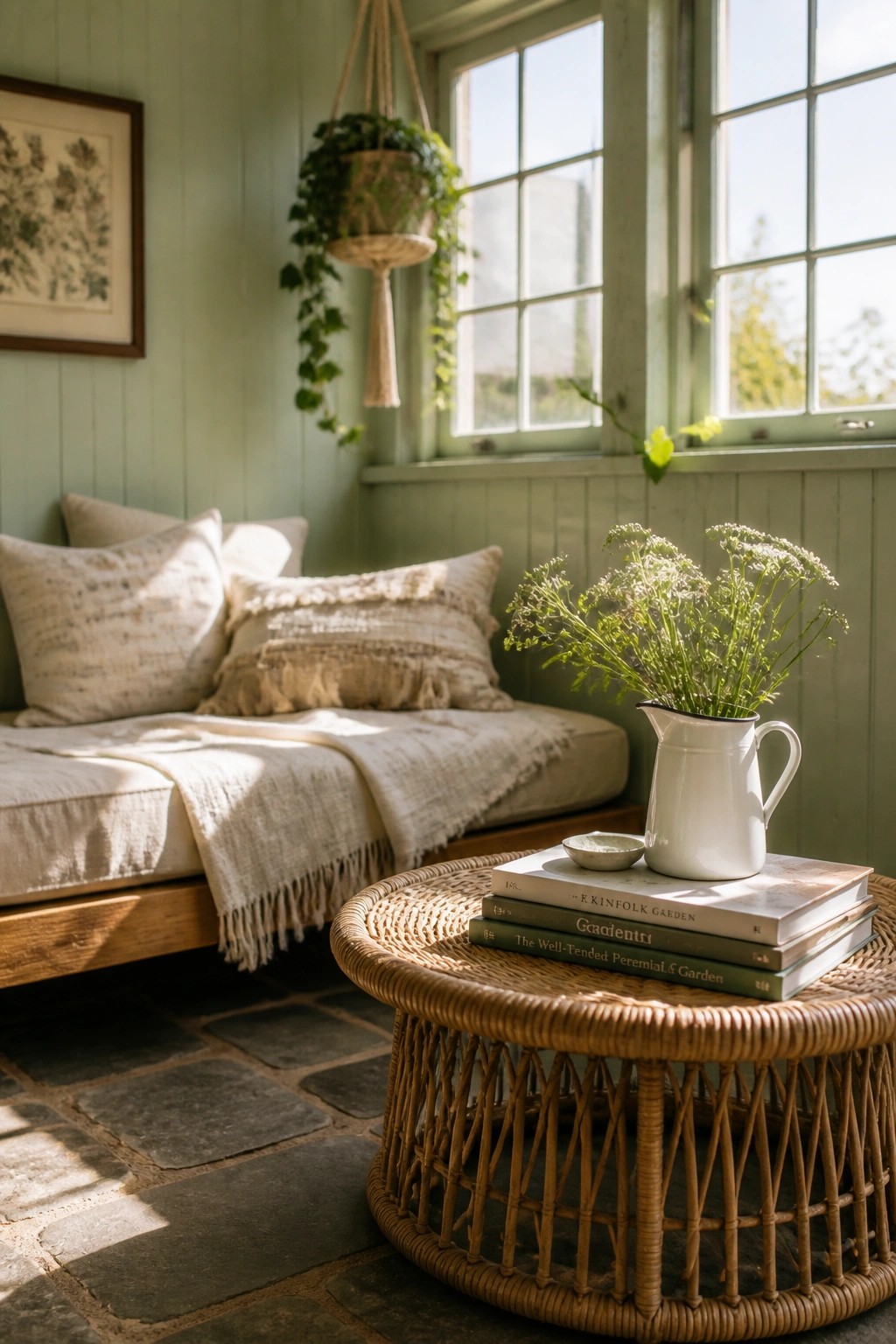
Sage green on the walls gives a farmhouse room that soft, lived-in feeling without much effort. It works because the color stays gentle and picks up whatever light comes through the windows, making the space feel warmer and more connected to the outdoors.
This shade suits smaller sitting areas or corners where you want a calm backdrop. Keep the rest of the room in natural textures like wood and linen so the green does the quiet work of tying everything together.
Sage Green Walls With White Wainscoting
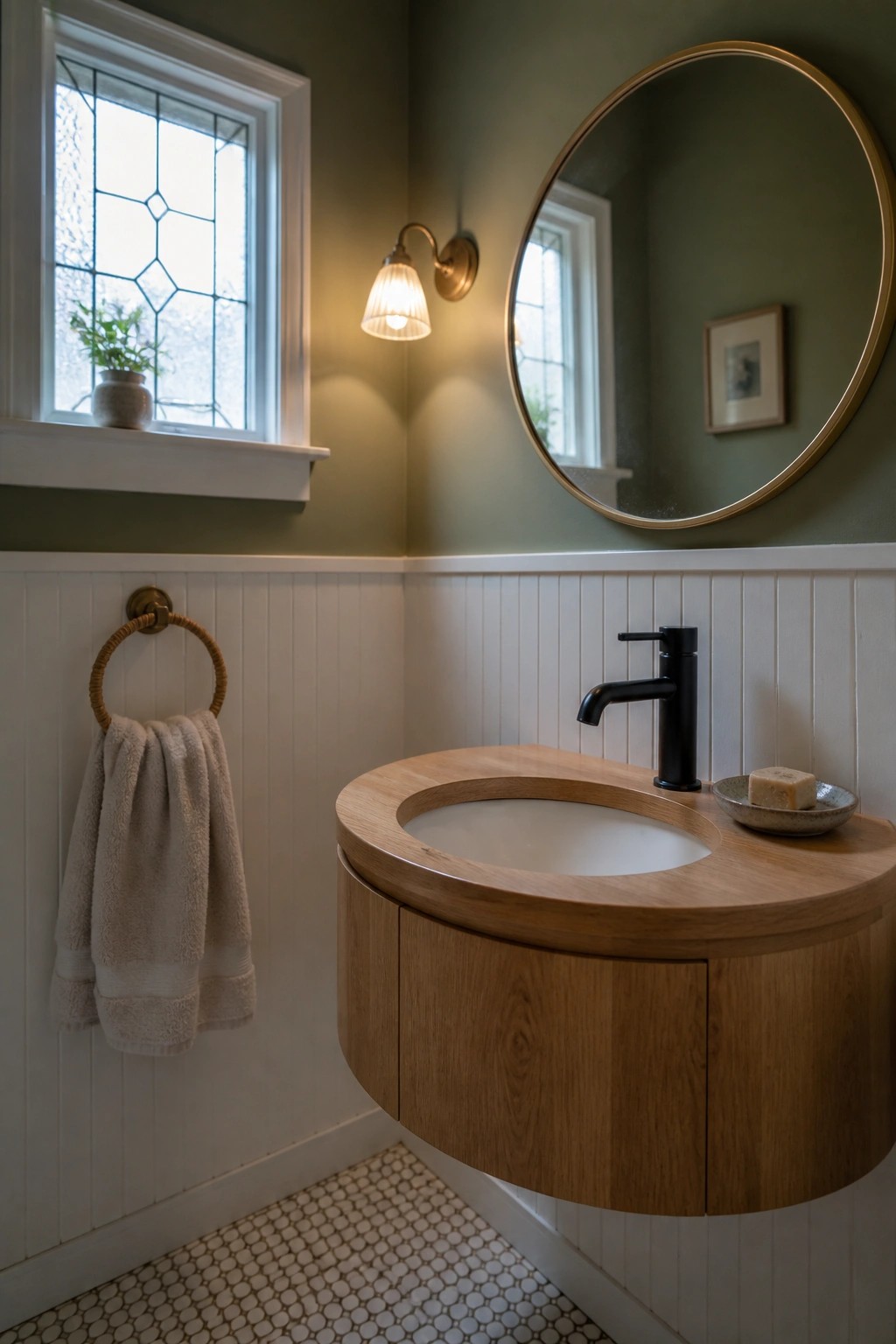
Sage green brings a soft natural tone to bathrooms without making them feel cold or too dark. The color sits nicely above white beadboard, which keeps the lower half of the room bright and helps the green read as warm rather than muddy.
This look works best in smaller bathrooms or older homes where you want a bit of color but still need the space to feel light. Keep the trim and ceiling white, then bring in wood tones on the vanity or shelving so the green does not stand alone.
Sage Green Walls In The Bathroom
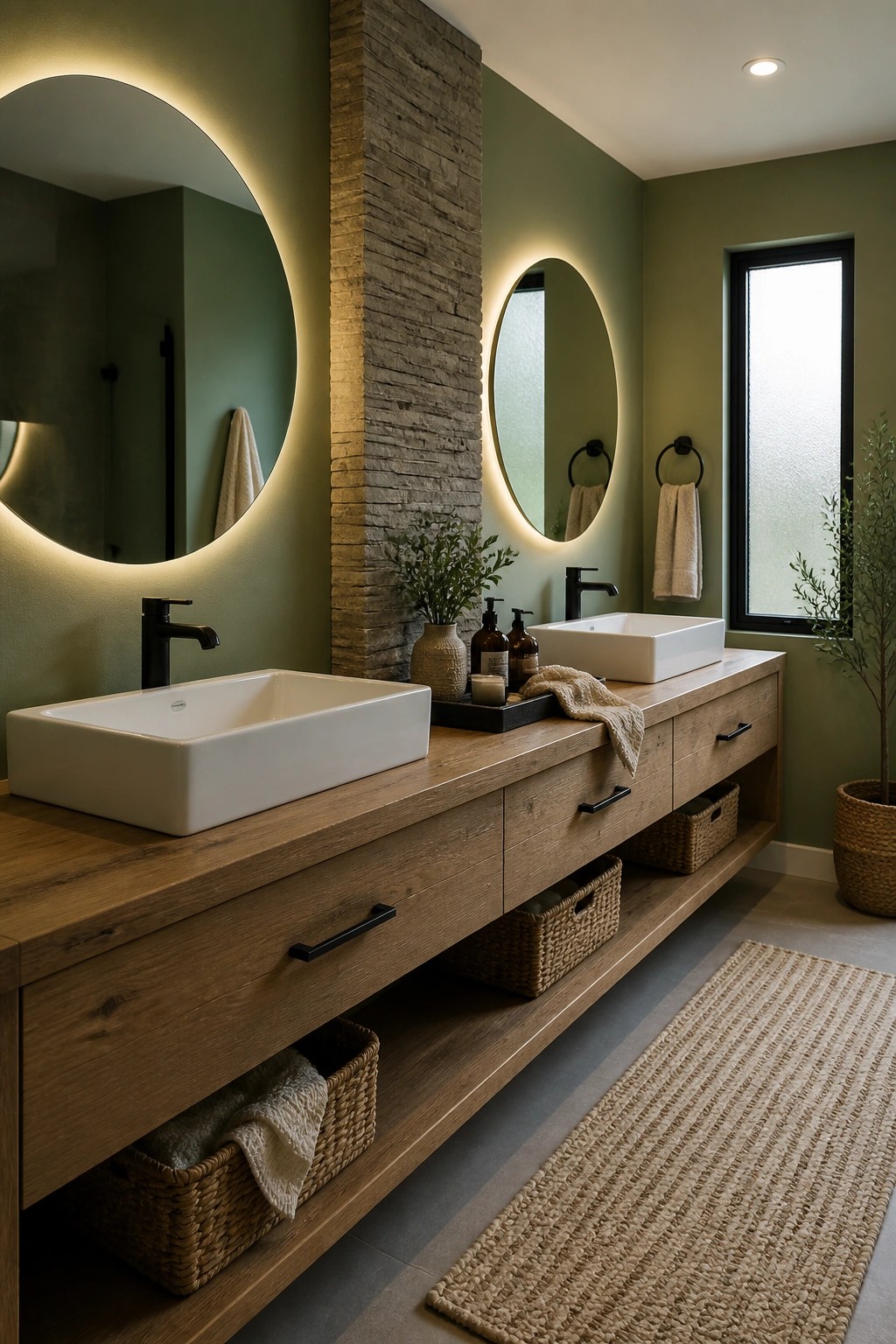
Sage green paint gives bathrooms a soft natural tone that feels calm without turning cold. It works especially well when paired with wood vanities and simple stone accents that keep the space from feeling stark.
This color suits farmhouse homes that want a bit of color on the walls while staying relaxed and easy to live with. It shows up best in rooms with decent natural light so the green stays gentle rather than heavy.
Sage Green Built-In Seating
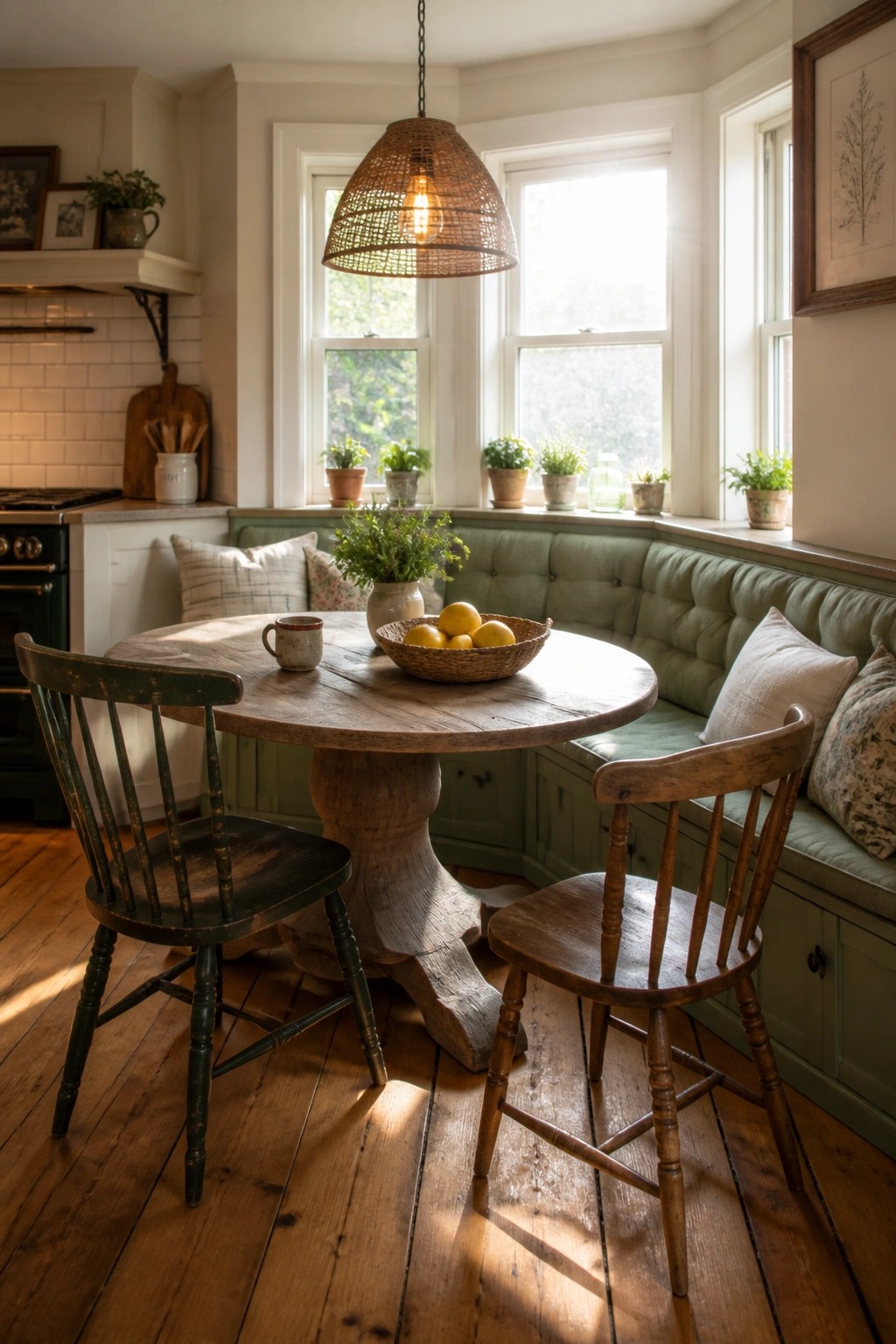
Painting the built-in bench and lower cabinets sage green gives a kitchen corner a soft, grounded look that feels lived in rather than styled. The color sits nicely against the wood tones of the table and floor, and it keeps the space from feeling too stark even when sunlight hits hard.
This approach works best in older homes or farmhouse kitchens where you already have some wood and simple trim. Keep the green muted so it blends with the rest of the room instead of standing out as a separate feature.
Sage Green Kitchen Cabinets
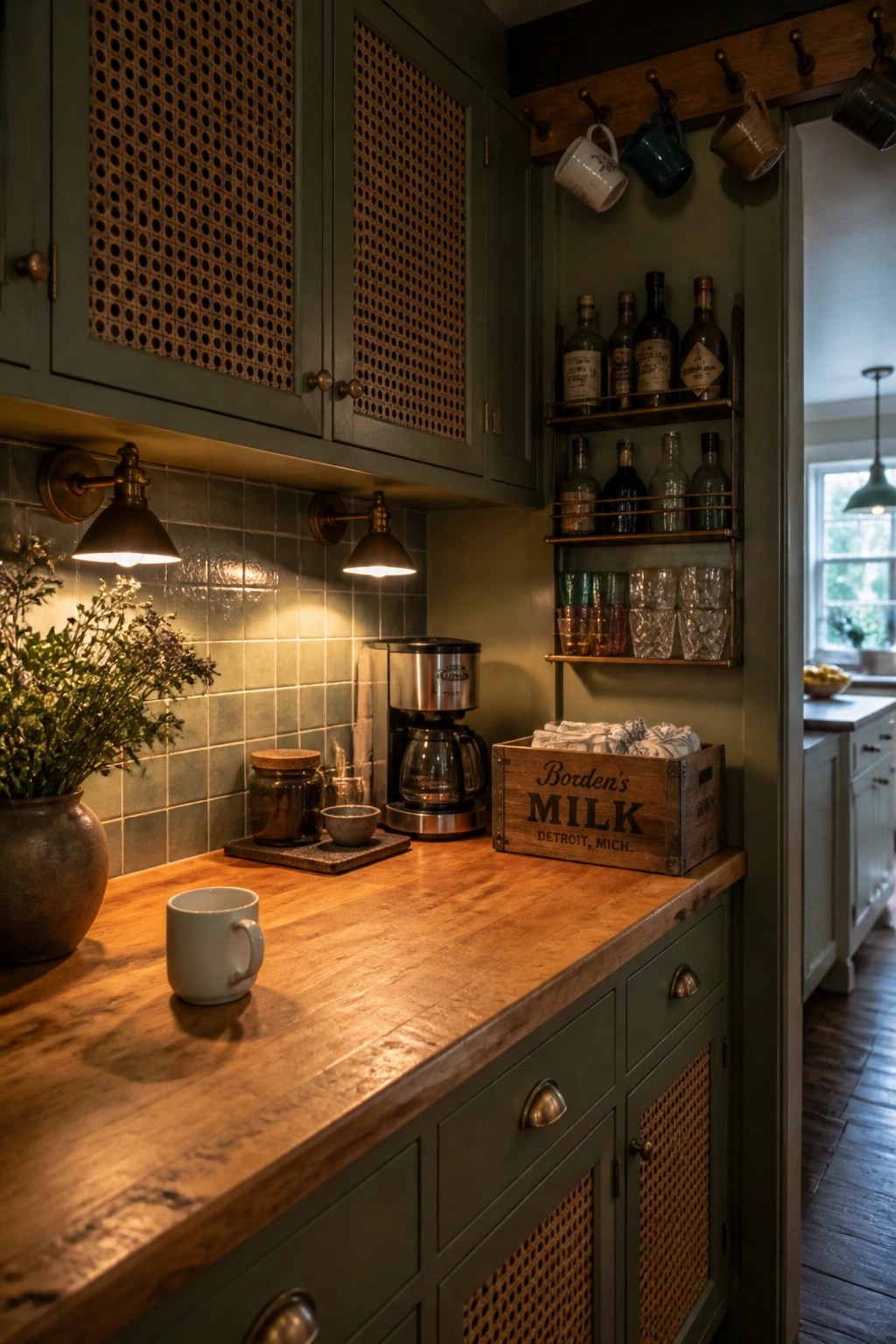
Sage green cabinets give a kitchen a softer look without losing the practical feel that farmhouse spaces need. The color sits nicely between gray and green, so it works with wood tones and everyday clutter instead of fighting them.
This approach fits older homes or any kitchen that gets steady daylight. Keep the counters in a warm wood and add simple hardware so the green stays the main note without feeling styled too hard.
Sage Green In The Laundry Room
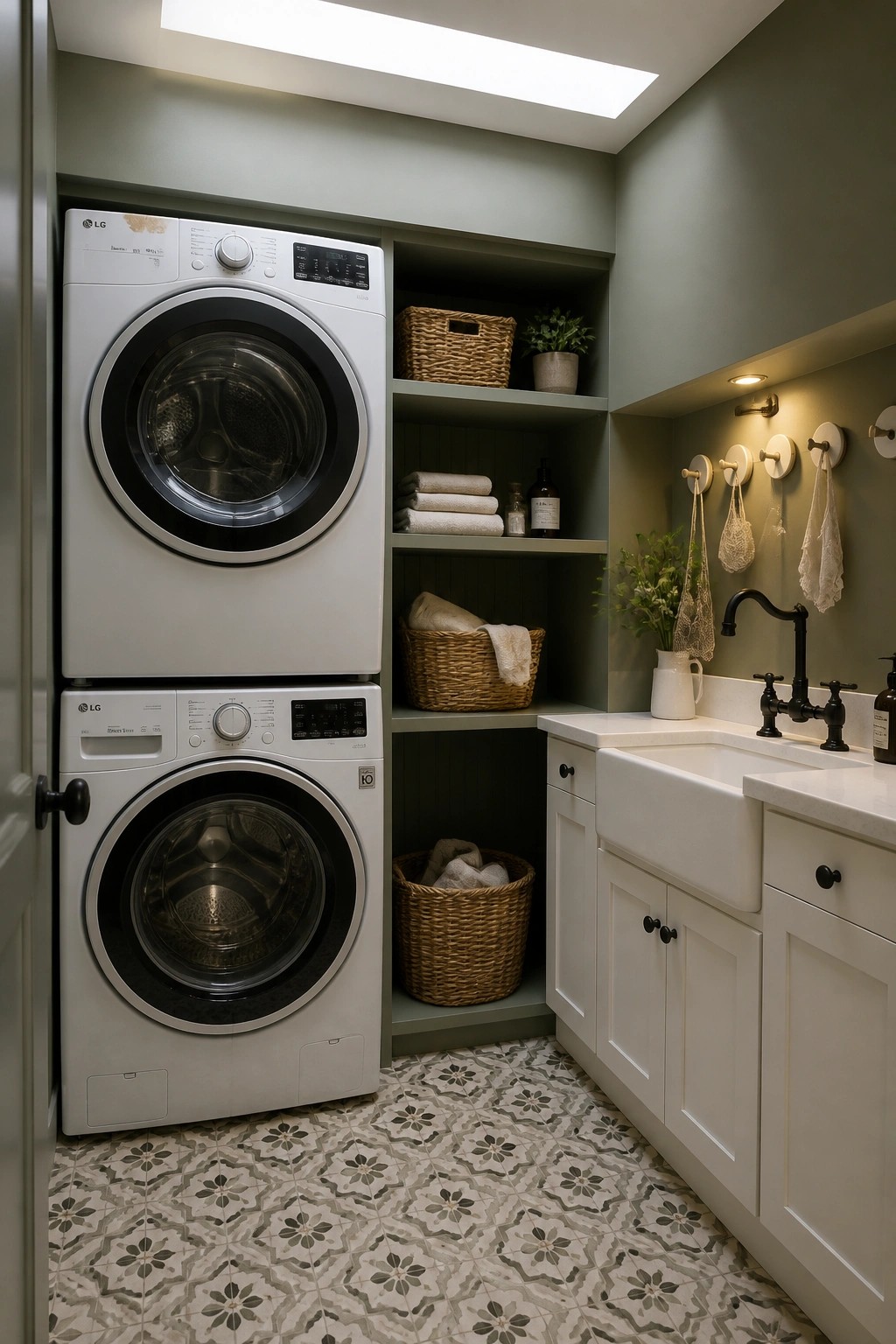
Painting laundry room walls sage green gives the space a calmer, more finished feel without losing its practical side. The soft color works well against white cabinets and open shelving, keeping the room from feeling cold or purely functional.
This approach suits smaller utility rooms in farmhouse homes where you want a little warmth. It pairs easily with simple hardware and natural textures so the room still reads as part of the house rather than an afterthought.
Sage Green Walls In A Workspace
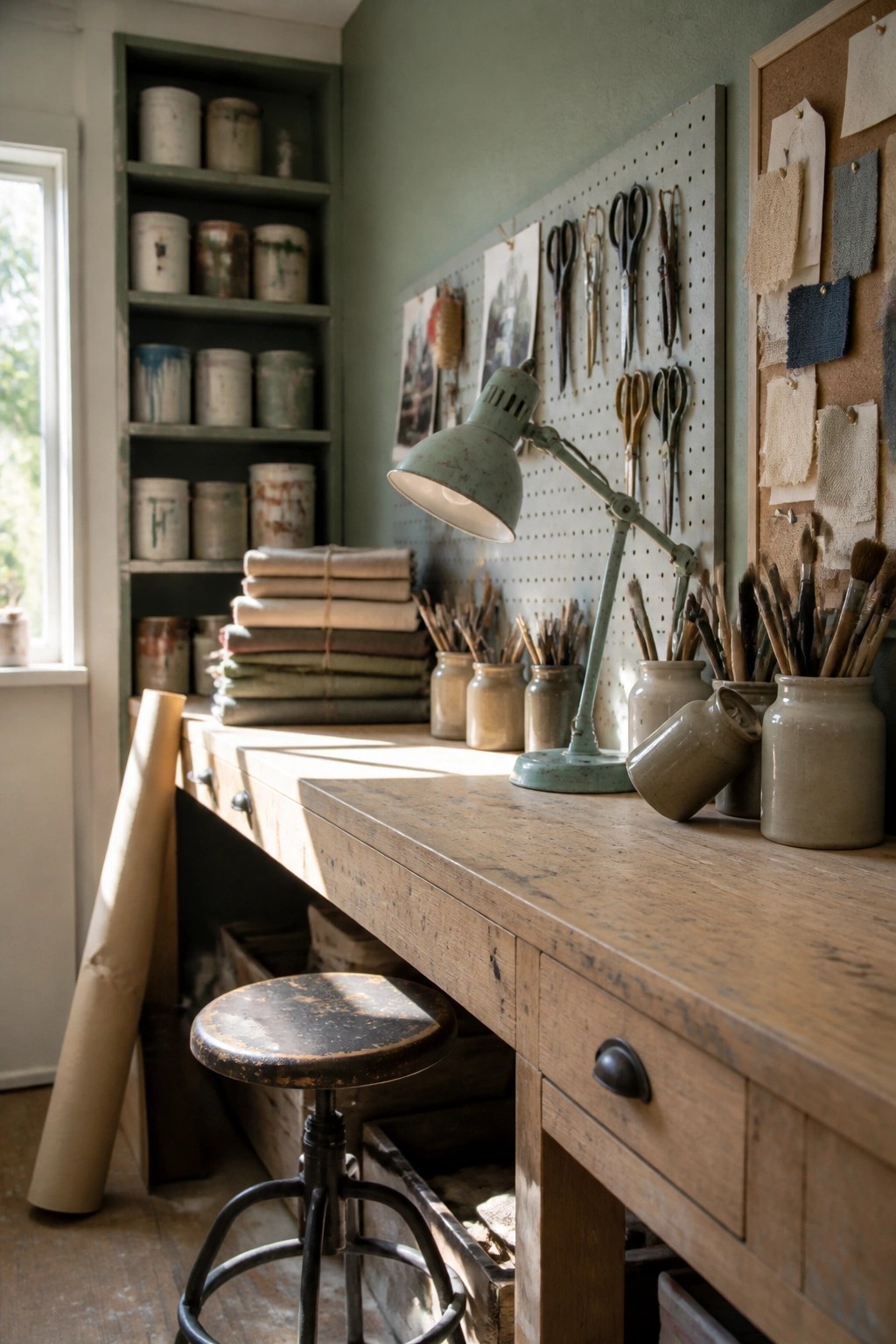
Sage green brings a quiet calm to a room that gets used every day. In a space like this, the soft color keeps the walls from competing with tools, papers, and materials while still adding warmth through the natural wood tones around it.
It works especially well in a home studio or craft room where you want the focus on the work rather than the decor. Keep the trim and ceiling light so the green stays gentle, and let the wood furniture and open shelving do the rest.
Sage Green Walls For A Cozy Window Nook
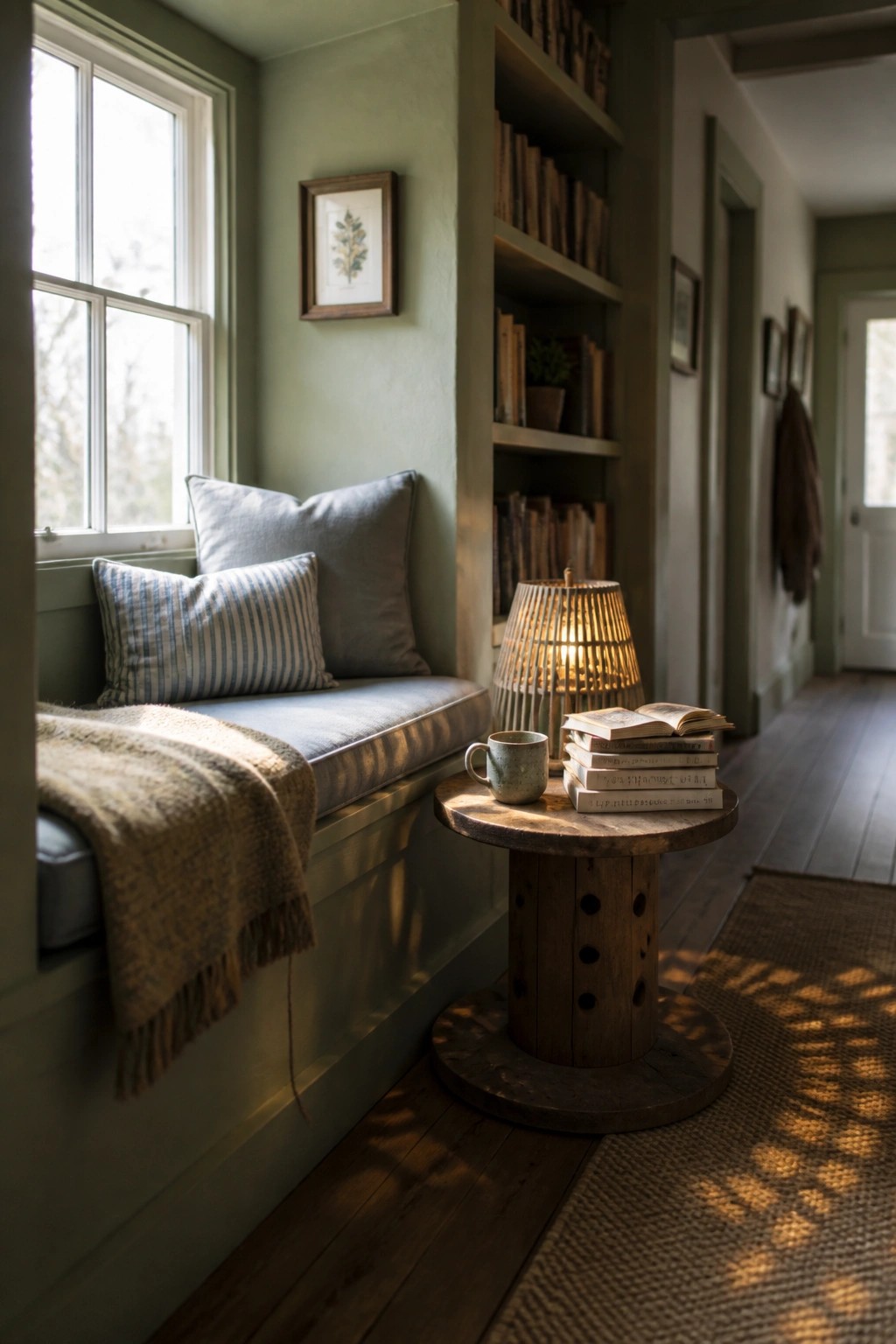
Sage green brings a soft warmth to walls without making a room feel heavy. It works especially well in smaller corners where you want a place to sit and read or just slow down for a bit.
This color suits farmhouse homes with built-ins like shelves and a window seat. Keep the trim light and add simple wood pieces so the green stays the main focus rather than competing with too many other tones.
Sage Green Cabinets In Utility Rooms
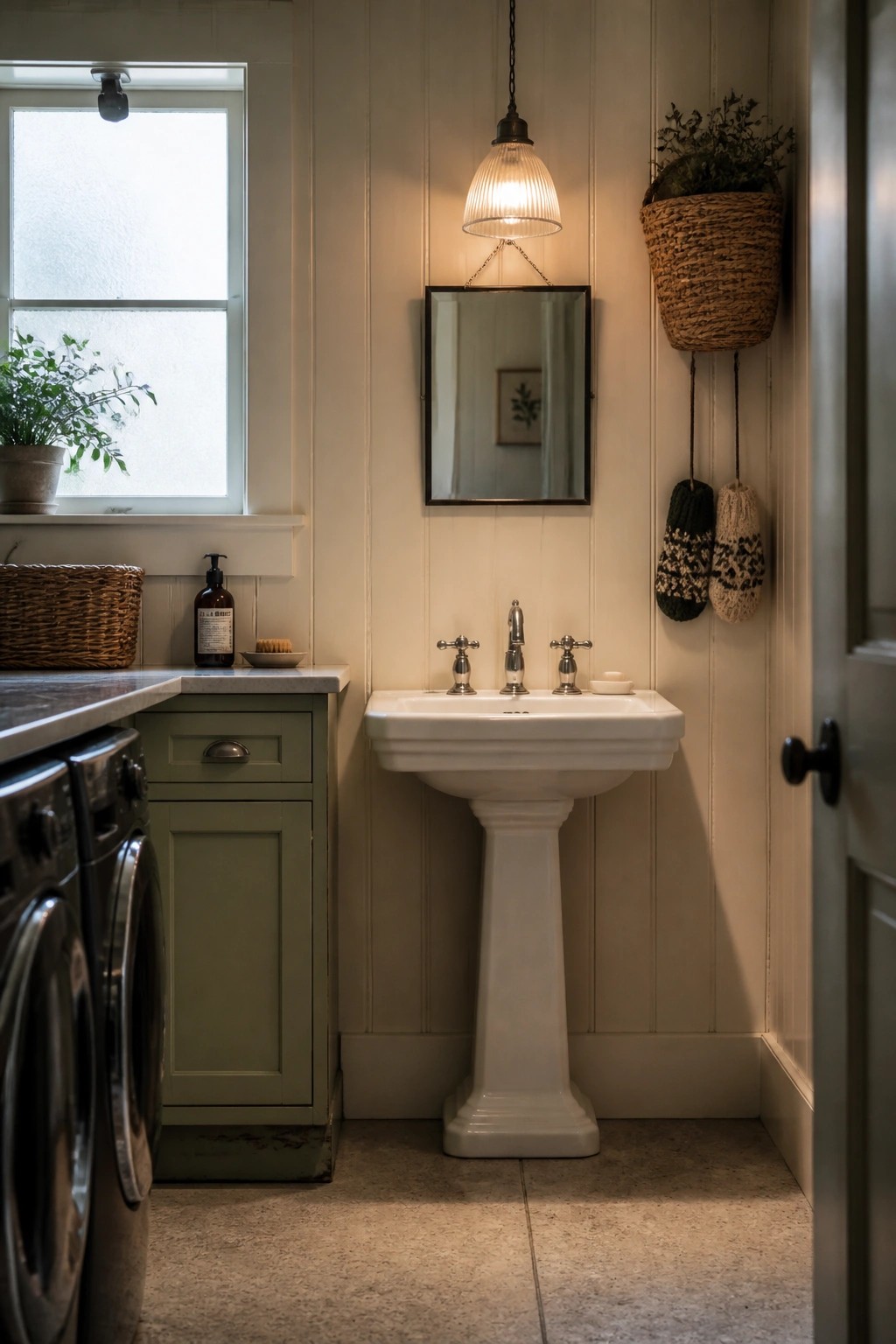
Many people skip color in utility spaces, but a soft sage green on the lower cabinets can make the room feel warmer and more finished. It keeps the space practical while adding just enough depth to tie it in with the rest of the house.
This color choice works best in older homes or simple farmhouse layouts where the cabinetry sits low and the walls stay light. It handles daily use well and still feels calm next to white sinks and natural wood tones.
Sage Green Cabinetry In The Kitchen
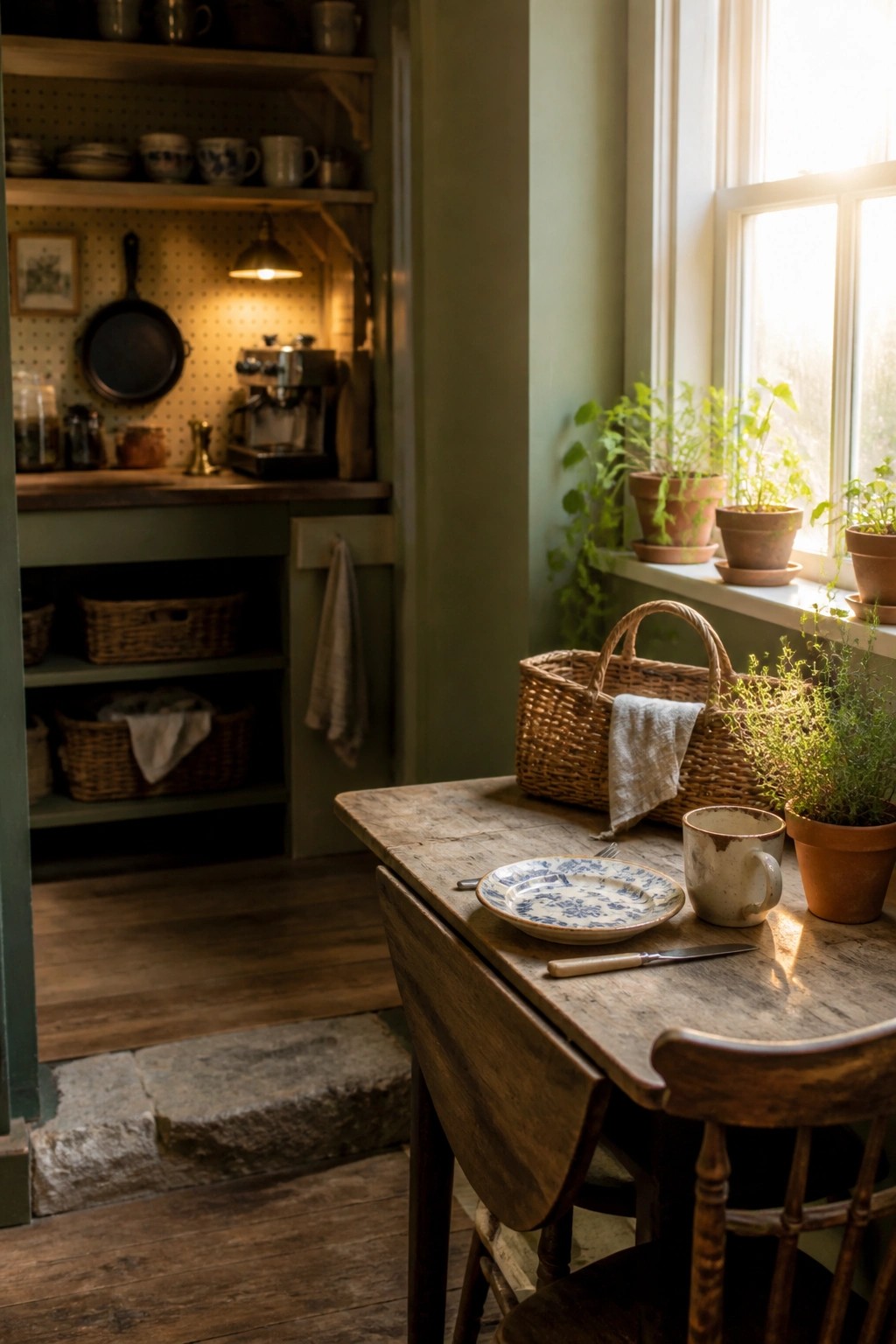
Sage green works well on cabinetry because it brings a soft natural tone that feels grounded next to wood and stone. The color adds warmth without making the room feel heavy or closed in.
It suits older homes with simple built-ins and plenty of natural light. Use it on the lower cabinets first if you want to keep the look balanced and easy to live with.
Frequently Asked Questions
Q: How light or dark should my sage green be for a small farmhouse bedroom? A: Go with a lighter sage that reflects light well. Darker shades can make the space feel closed in. Test a sample on the wall to see the effect in your room.
Q: Can I mix sage green with other greens without it looking messy? A: Layer in olive or muted forest tones through pillows and rugs. Keep the main walls in one consistent sage for balance. This approach adds depth naturally.
Q: What if the sage green turns out cooler than I expected once it’s on the walls? A: Warm it up with brass hardware and linen curtains in beige. Those additions bring back the cozy farmhouse vibe quickly.
