

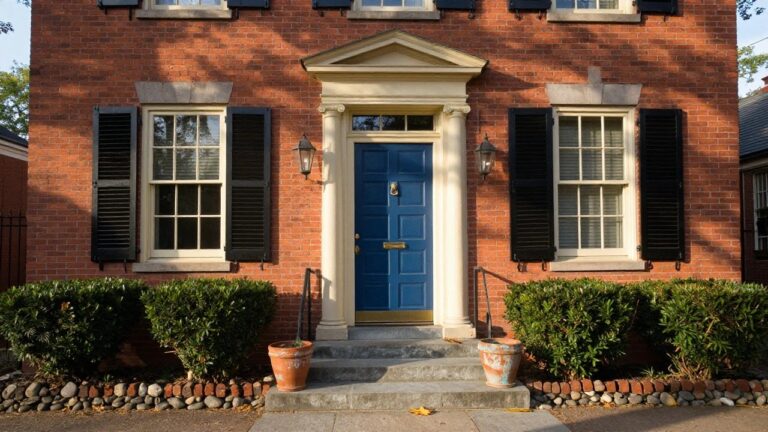
When you drive by a colonial house, the pillars flanking the entry often decide if the facade feels grand or just cluttered.
I learned that the hard way on a friend’s reno, where mismatched column heights threw off the roofline’s clean symmetry from the curb.
Solid pillar designs scale to the siding and brickwork below, framing the door without dominating the street view.
They pull your eye straight to the front porch steps.
The ones that weather well over time make the biggest difference in how a home holds its presence year after year.
Brick Facade with White Porch Columns
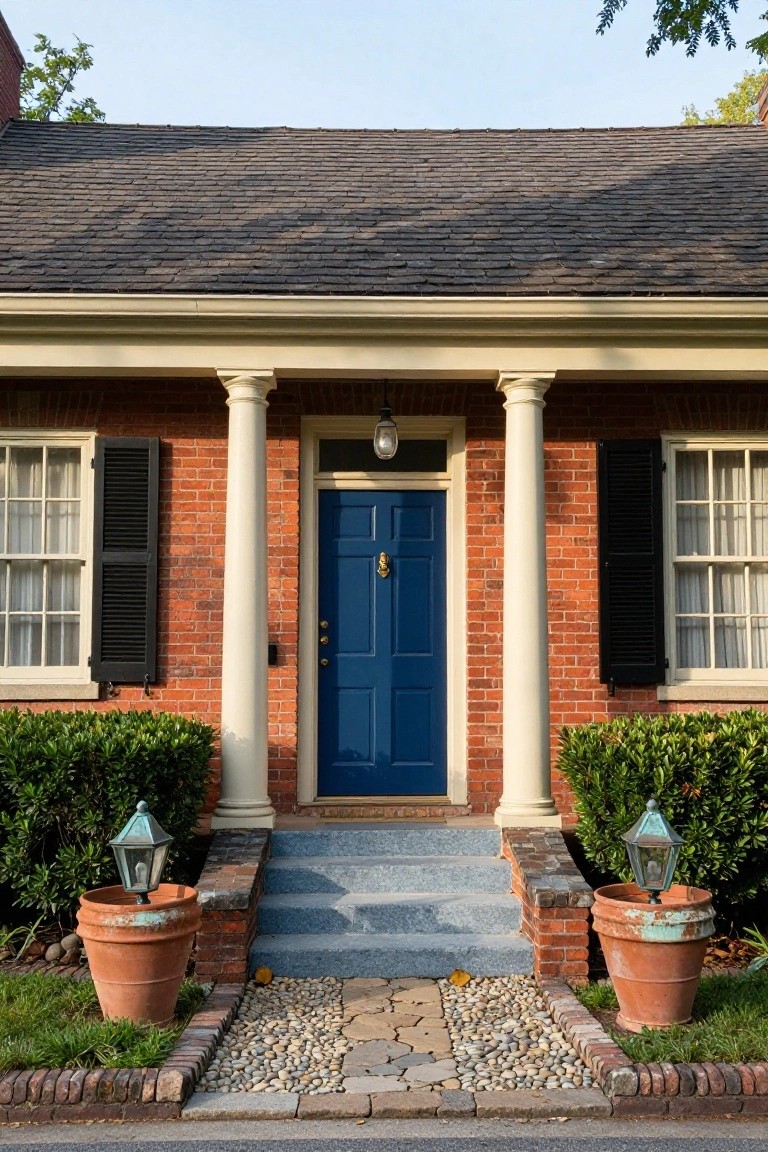
White columns like these give a colonial brick house instant presence. They stand smooth and tall between the red brick walls, holding up a simple roof over the entry. That clean contrast pulls everything together without much fuss. Folks notice the symmetry right away, and it makes the front door feel like the main event.
You can pull this off on most older homes or new builds aiming for traditional style. Keep the columns bright white so they pop, and size them to match your porch steps. They suit walk-up neighborhoods best. Just watch the proportions, nothing too beefy on a small house.
Classic White Porch Pillars
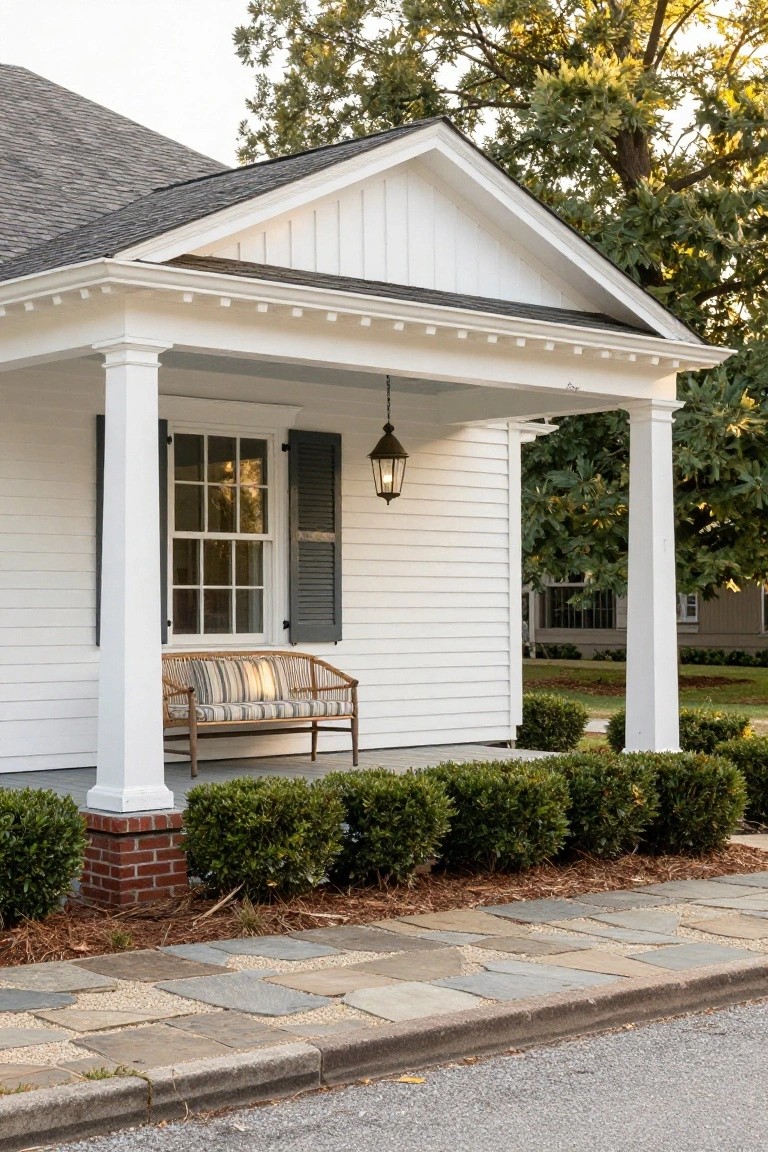
White porch pillars like these give a house that solid Colonial feel right away. They’re simple and tall, painted crisp against the siding, and they hold up the roof without any extra trim getting in the way. Paired with a bench tucked beside one, they turn the porch into a natural spot to sit out front or on the side.
This look fits older homes or new builds aiming for tradition. Paint the pillars bright white to keep things clean, and plant low boxwoods at the base for a bit of green without overwhelming. It works best on porches that see some use, but watch the paint for weather wear in rainy spots.
White Columns on a Light Blue House
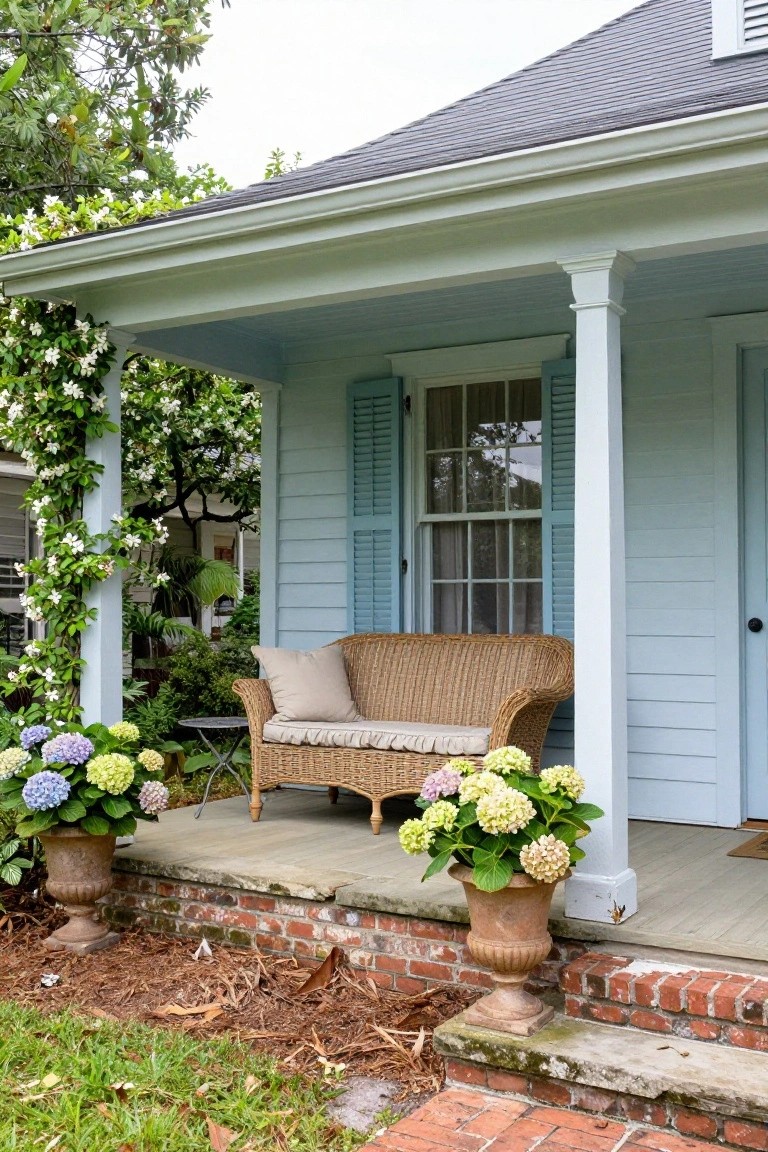
White columns like these give a colonial house instant curb appeal. Painted crisp white against pale blue siding, they stand tall and clean, supporting the porch roof without fuss. That simple contrast pulls the eye right to the entry, making the whole front feel put together and welcoming.
This setup suits older homes in warm climates, where humidity hits the paint less hard. Go for smooth round columns with basic caps and bases, then keep porch furniture casual like that wicker seat. Scale them to your roof pitch so they don’t look stubby… and refresh the white paint every couple years to hold the look.
Recommended Products

🌿 [Elegant 2-Piece Roman Column Display Set]: This set of European-style Roman pillars creates a refined focal point for weddings, parties, and special events. With a clean white finish and classic column silhouette, it pairs beautifully with florals, drapery, or decorative accents to build a sophisticated and romantic atmosphere.

Item Description: Endurathane Fluted Pilaster w/ Attached 16" Plinth, 5"W x 96"H x 2"D, Plinth Can Be Trimmed Up to 13", High Density Polyurethane, Factory Primed White, Sold Each
Item Description: Endurathane Fluted Pilaster w/ Attached 14" Plinth, 8"W x 100"H x 2 3/4"D, Plinth Can Be Trimmed Up to 11", High Density Polyurethane, Factory Primed White, Sold Each
Fluted Pillars Around the Entry Door
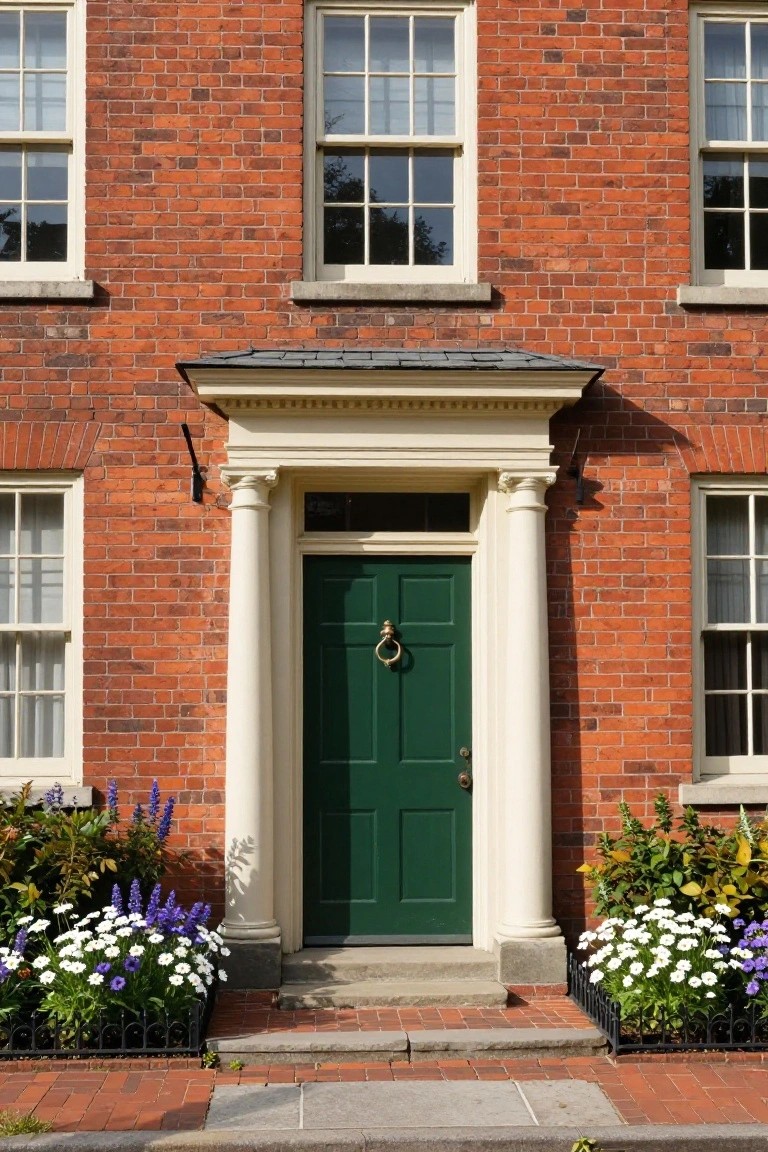
These fluted white pillars give a colonial house that solid, welcoming look right at the front door. They stand out against the red brick walls and frame the green door nicely, making the whole entrance feel balanced and a bit grand. It’s a classic move that nods to older architecture without trying too hard.
Try this on brick or stone homes where you want some structure up front. Paint the pillars to match your trim, and pair them with plants on the sides for a softer edge. Scale matters though. Too big and they overpower a smaller door.
Sturdy Wooden Porch Pillars
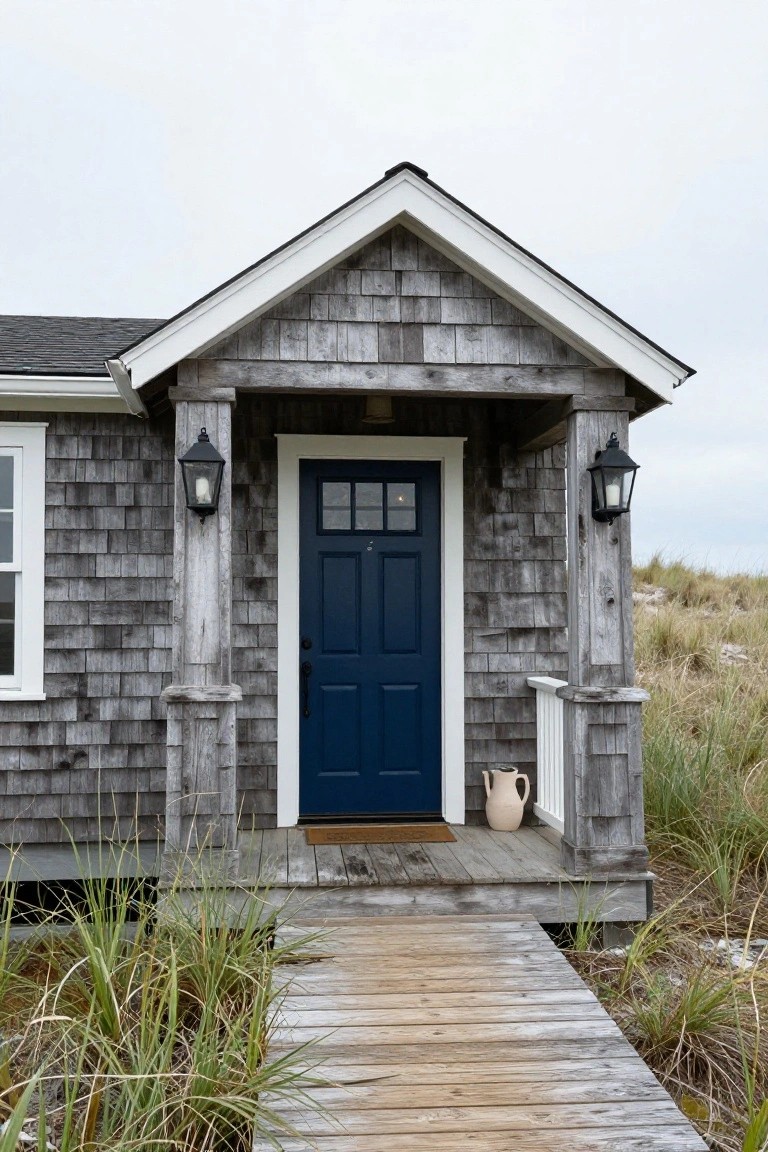
Simple square pillars like these carry the weight of a porch roof while framing the entry door. Made from weathered wood that blends with shingle siding, they give the whole front a solid, lived-in feel. Pair them with lanterns, and you get soft light that welcomes folks right up the path.
This works best on coastal colonials or beach houses where you want that natural patina. Use cedar or pine posts, let them age outdoors, and keep the bases sturdy on a raised porch. Skip paint to maintain the gray tones. It keeps things low-key and practical.
Fluted Columns Frame the Colonial Entry
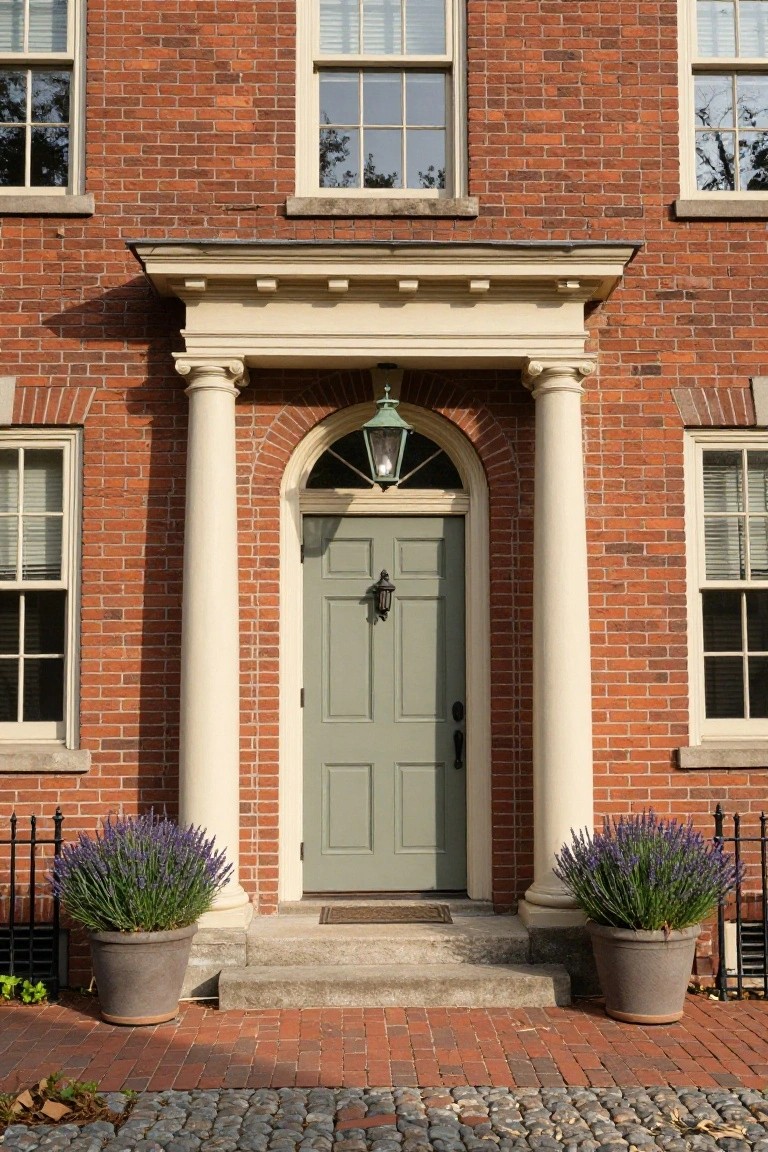
Tall fluted columns like these stand on either side of the front door, giving a red brick house that classic colonial look. The white columns pick up on the trim and contrast nicely with the brick, while the arched doorway and hanging lantern add just enough detail without overdoing it. It’s a simple way to make the entrance feel important and welcoming right from the street.
This setup works best on two- or three-story homes with straightforward facades. Keep the columns smooth and painted for clean lines, and flank the steps with low plants like lavender to soften things up a bit. Skip it on super modern houses, though. It shines where you want timeless curb appeal that doesn’t scream for attention.
Fluted Columns Frame a Welcoming Portico
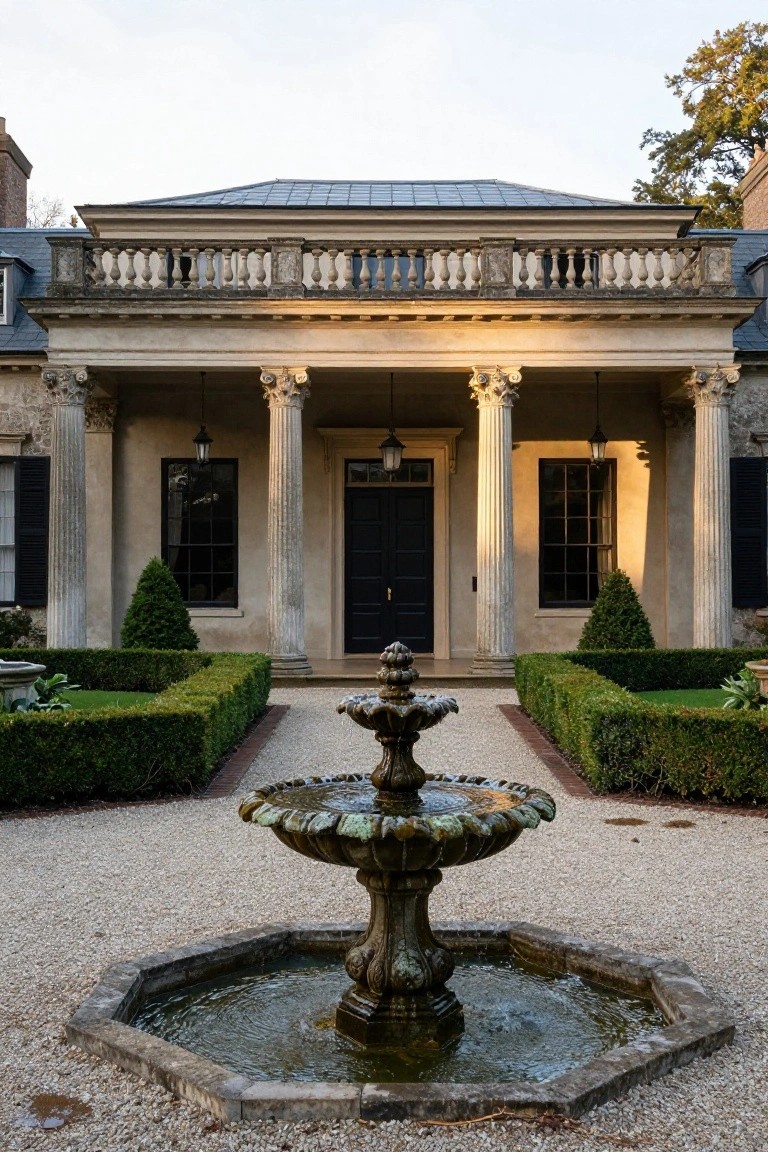
Fluted columns like these give a colonial home real presence right at the front door. The tall pillars with their carved capitals stand out against the stucco walls and support a simple roof overhang. They pull the eye up and make the entry feel important without trying too hard. Paired with lanterns hanging between them, the whole setup looks balanced and timeless.
You can pull this off on homes with enough setback from the street. They work best where the architecture already nods to classic styles, maybe brick or stone bases. Keep the columns proportional to the door height, and add gravel paths or low hedges to lead people in. Just watch the scale on smaller houses, they can overwhelm if too beefy.
Classic Porch Columns
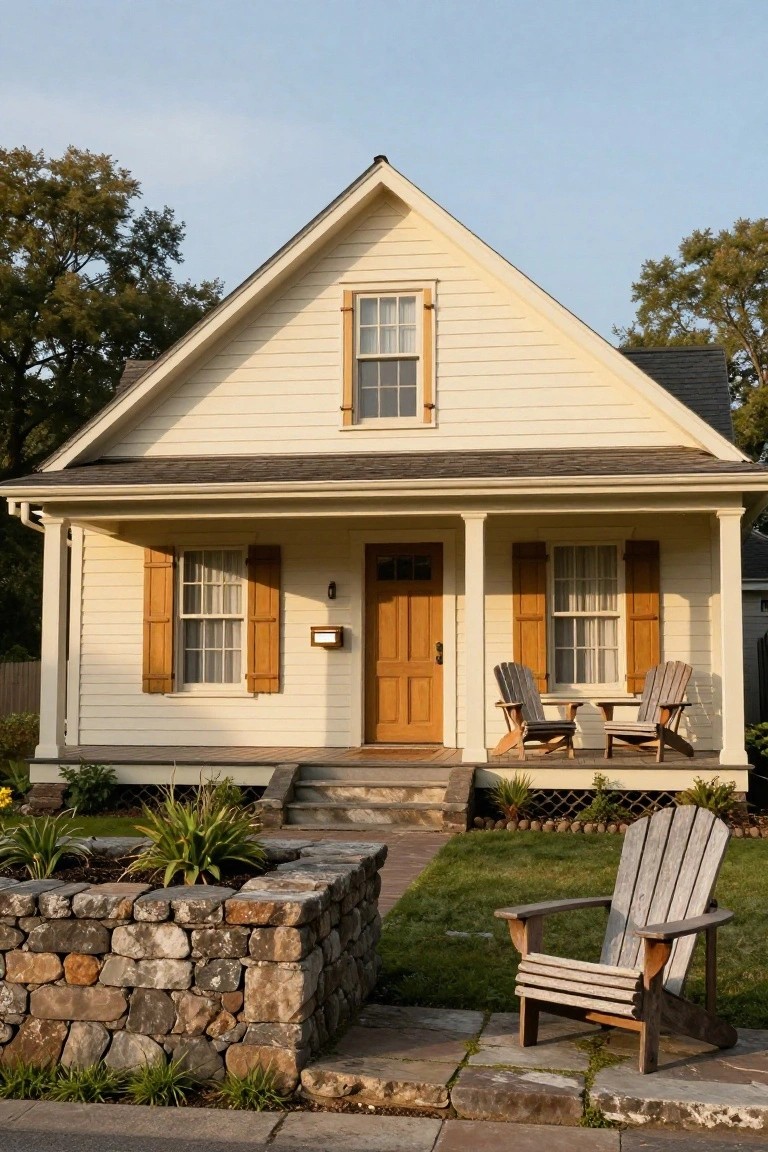
Classic round columns like these hold up the porch roof on many older colonial homes. They give the front a solid, balanced look that pulls your eye right to the entry. Here, the white columns stand crisp against pale yellow siding, with wooden shutters to match the warm tones. It’s a simple way to add height and tradition without much fuss.
You can pull this off on ranch or two-story homes with enough porch space for the columns to breathe. Keep them painted fresh and straight, maybe add a couple chairs nearby for sitting. Skip fancy details if your house is plain. Works great in neighborhoods where folks keep things traditional.
Pillars Framing a Classic Brick Entry
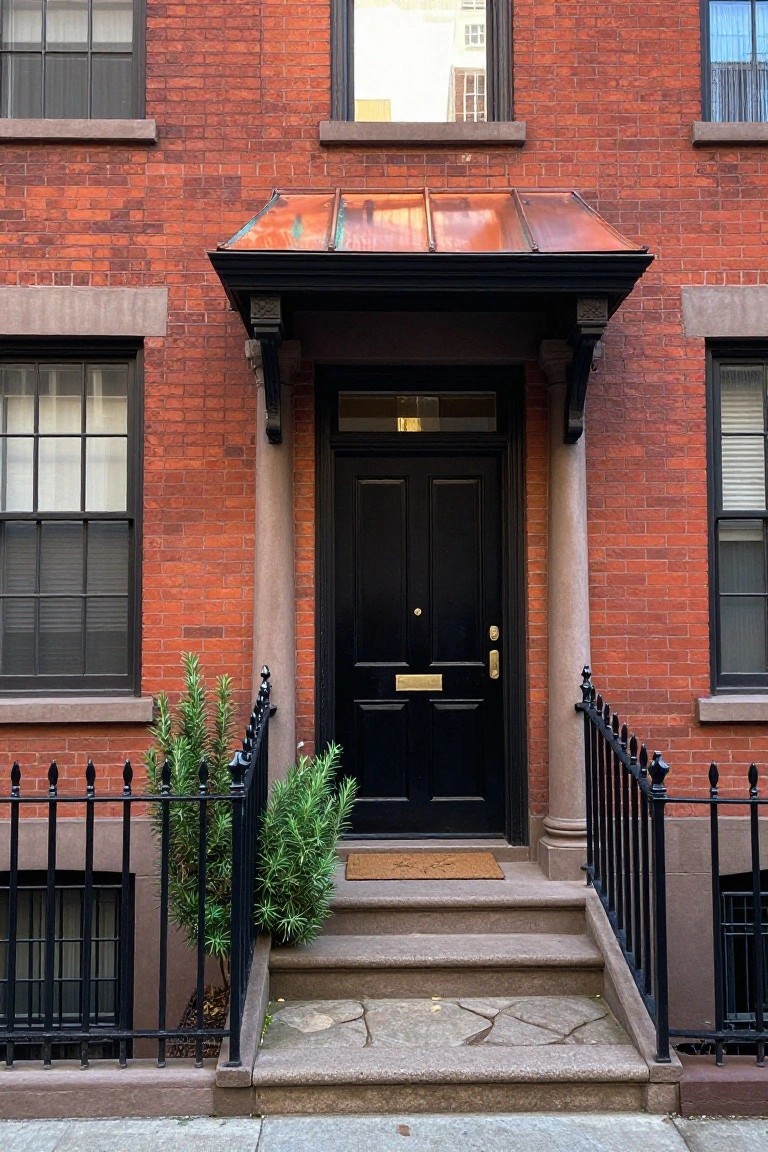
These pillars give a colonial front door real presence without taking over the whole facade. Set against red brick, they add that smooth stone contrast that pulls your eye straight to the entry. The black door pops nicely, and the setup feels balanced on a narrow street-facing house.
You can pull this off on older townhomes or revamped row houses. Go for fluted columns if you want subtle detail, and match the height to your steps. Skip anything too bulky though. It keeps the walk-up simple and strong.
Recommended Products

Material: The roman column pedestal made of high-quality plastic with an injection molding process, it can resist wear, shock, and deformation while keeping a smoother and more beautiful exterior.Package Includes 2 model options in quantities of 2Pcs and 4Pcs
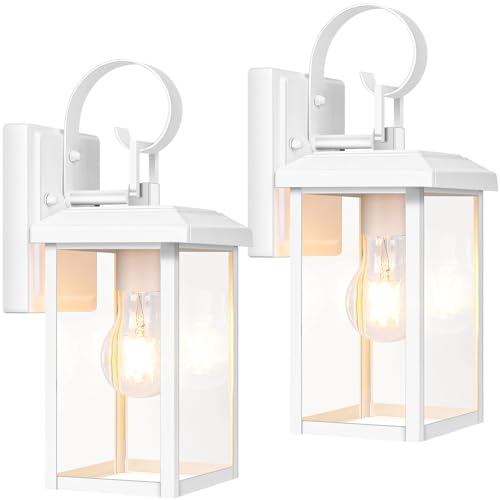
All-Weather Porch Lights: Our outdoor sconce lights are built to last, made with durable metal and tough glass that can withstand any weather condition, from sunny days to snowy nights. Designed with high-quality materials, these outdoor light fixtures ensure long-lasting brightness and resistance to rust and corrosion, maintaining their flawless appearance year after year

✨ Elevate Your Ceremony with Timeless Elegance: Create breathtaking entrances, altar backdrops, or floral displays with Karida 2-piece Roman column set. Designed to blend classic Greek aesthetics with modern durability, these pedestals bring refined sophistication to weddings, parties, garden ceremonies, and exhibitions.
Pillars Frame a Classic Entry Porch
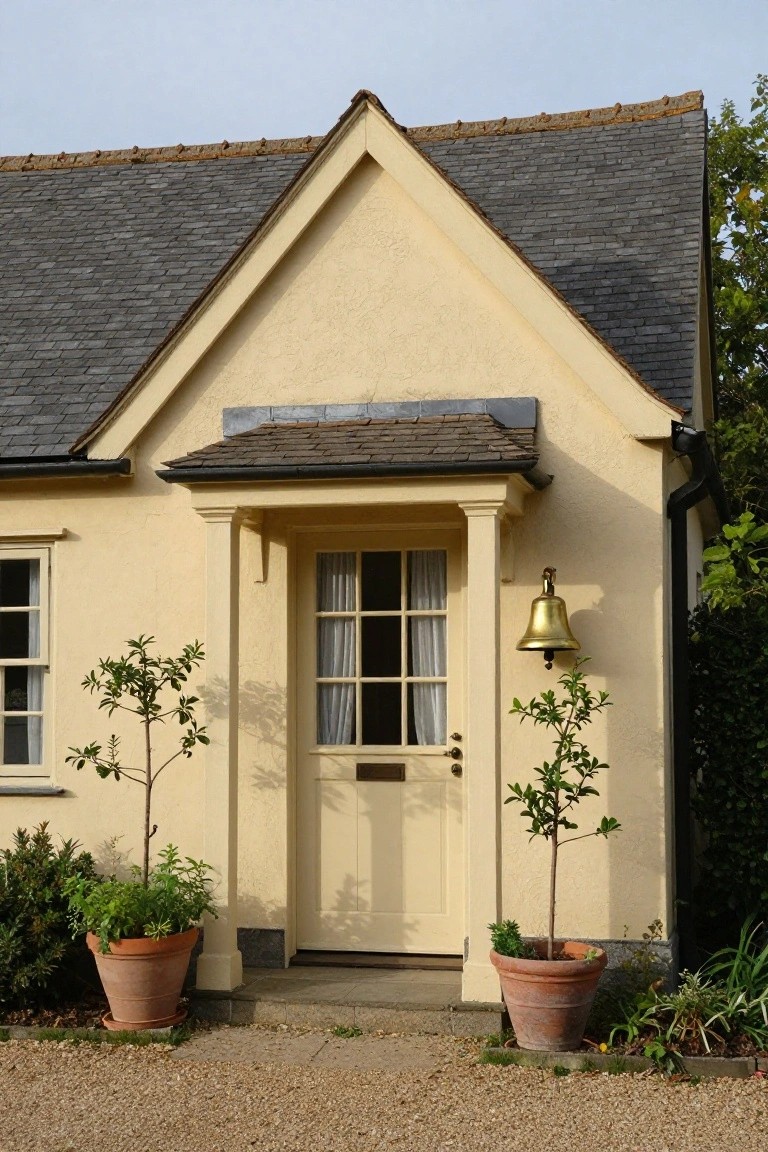
Slim pillars like these hold up a simple porch roof right over the front door. They add that colonial touch without taking over the whole facade. Paired with pale yellow walls and a plain wood door, the look stays clean and welcoming. A brass bell on one side pulls it together nicely.
This works best on cottages or smaller homes where you want some structure up front. Plant trees in pots nearby to soften things up. Skip heavy trim or big columns unless the house scale calls for it. It fits traditional neighborhoods just fine.
White Fluted Pillars on Dark Siding
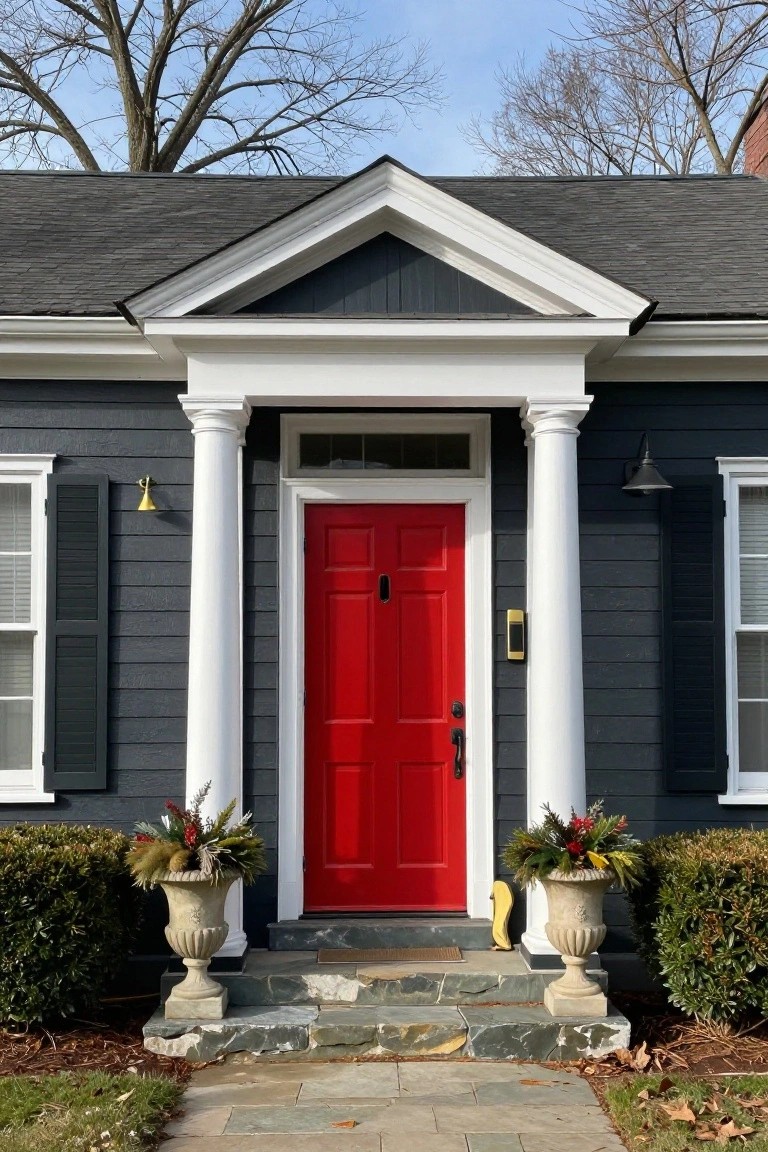
Tall white fluted pillars like these give a Colonial house real presence right at the entry. They stand out clean and sharp against the dark gray siding. That simple contrast pulls your eye straight to the door without much fuss. The columns support a small pediment roof too, keeping things traditional but not overdone.
You can pull this off on compact homes or cottages where you want curb appeal that lasts. Pick smooth fluted columns in bright white paint, pair with moody siding colors like charcoal or navy. It suits front porches or stoops. Just make sure the base sits steady on stone or brick steps… keeps it from looking floaty.
Classic Columns on a Yellow Porch
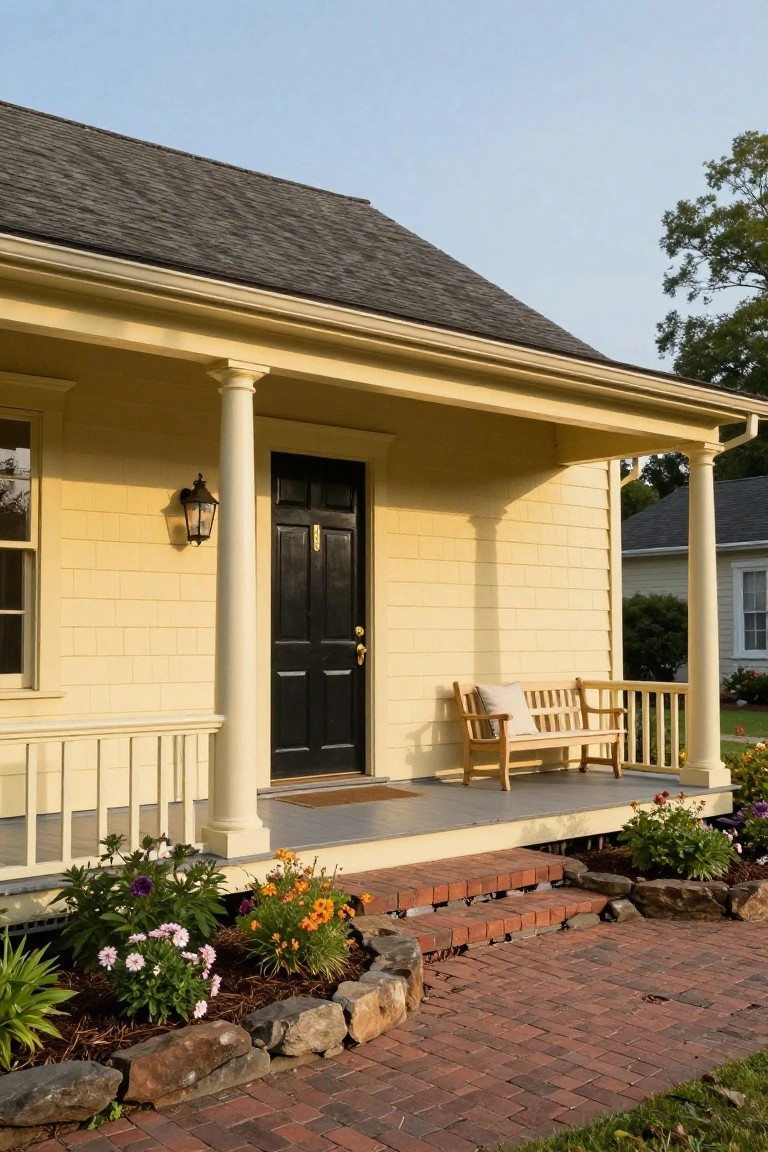
White columns like these carry a lot of the charm on a colonial front porch. They hold up the roof with clean lines and add that traditional touch to the pale yellow siding. The dark front door sits right between them, making the entry feel focused and welcoming without much extra effort.
This setup works best on homes with light walls and simple shapes. Go for round or fluted columns in white paint to keep it crisp. It suits older neighborhoods or revamped cottages. Just make sure they’re sturdy enough for the roof weight, and add plants nearby to soften the base.
Fluted Pillars Frame a Garden Shed Entry
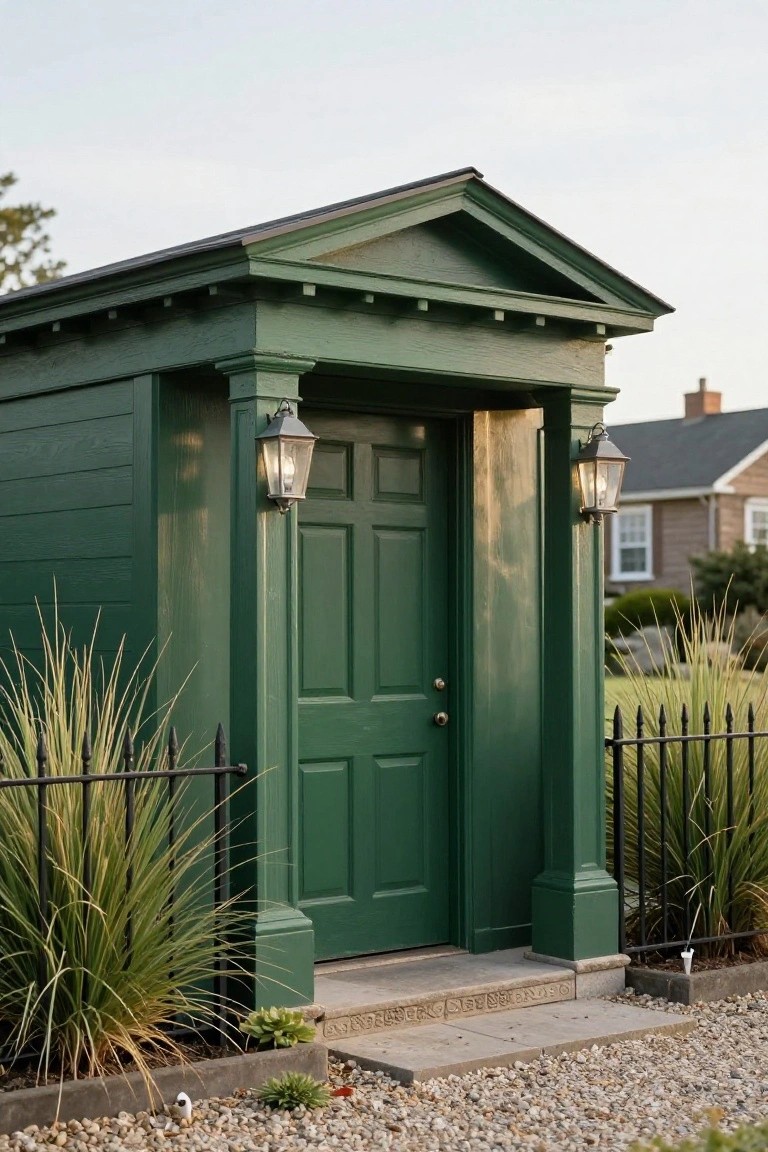
Fluted pillars like these give even a simple garden shed some real colonial character. Paired with a clean pediment overhead, they turn a plain door into something that feels like a little temple front porch. The deep green paint ties it right into the yard without overpowering things.
You can pull this off on smaller outbuildings around a traditional home, especially where you want a bit of formality without going big. Keep the columns proportionate to the structure, and add lanterns on each side for light at dusk. It suits coastal or country properties best, but watch the scale if your main house is more modern.
Symmetrical Pillars Around the Entry
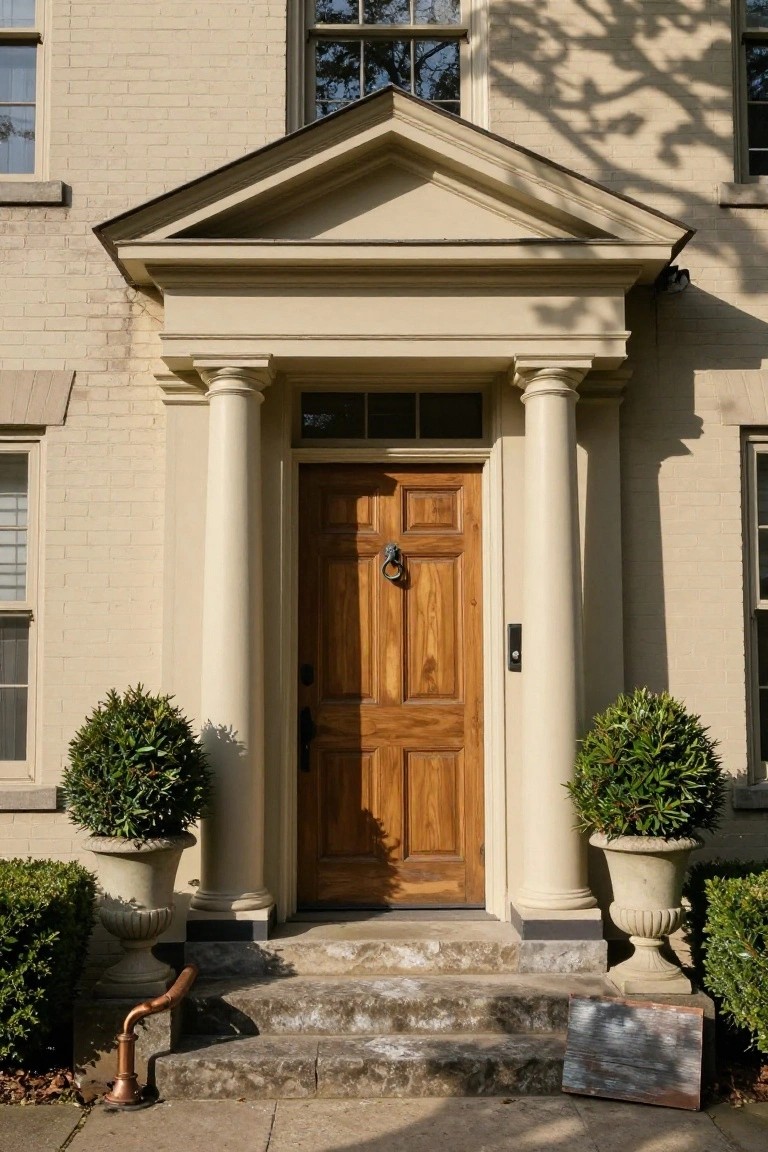
Nothing says colonial quite like a pair of clean white pillars standing guard on either side of the front door. They add height and structure to the facade without overwhelming the simple brick underneath. That balanced look pulls your eye straight to the entrance and gives the whole house a sense of order.
You see this setup a lot on homes from the early 1800s style. It works best where you want to highlight the door, maybe with matching urns holding boxwoods for some green. Keep the columns plain and paint them a crisp white to let the brick do the rest. Just make sure the steps leading up are solid too.
Fluted Columns for a Classic Portico
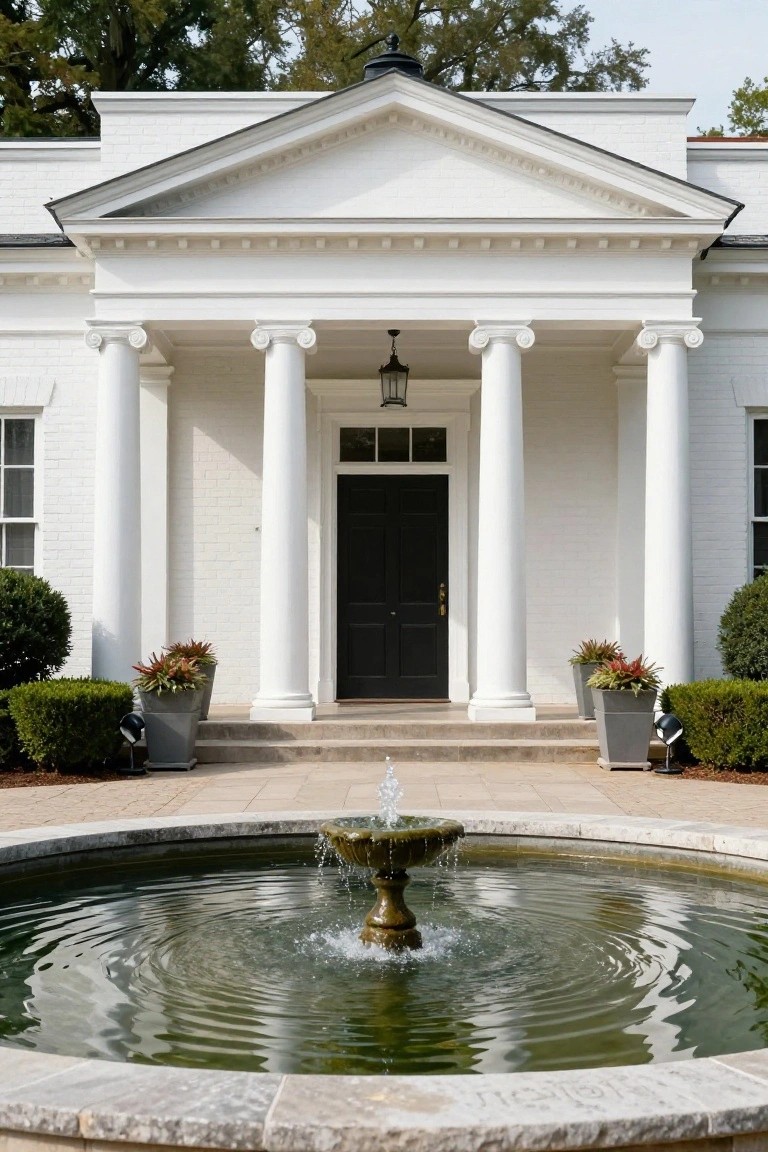
Tall fluted columns like these carry a pediment over the entry door and really set the tone for a colonial front. Painted white against matching brick, they stand out clean and crisp. That black door pulls it all together without trying too hard. It’s the kind of pillar detail that gives a house some real stature right from the curb.
You can pull this off on most two-story homes with a flat front facade. Give the portico room to breathe, maybe 10 feet deep at least. Flank the steps with simple pots and keep the columns bright white for that sharp look. Skip fussy trim around the base. It suits traditional neighborhoods fine.
Rustic Timber Pillars on Stone Bases
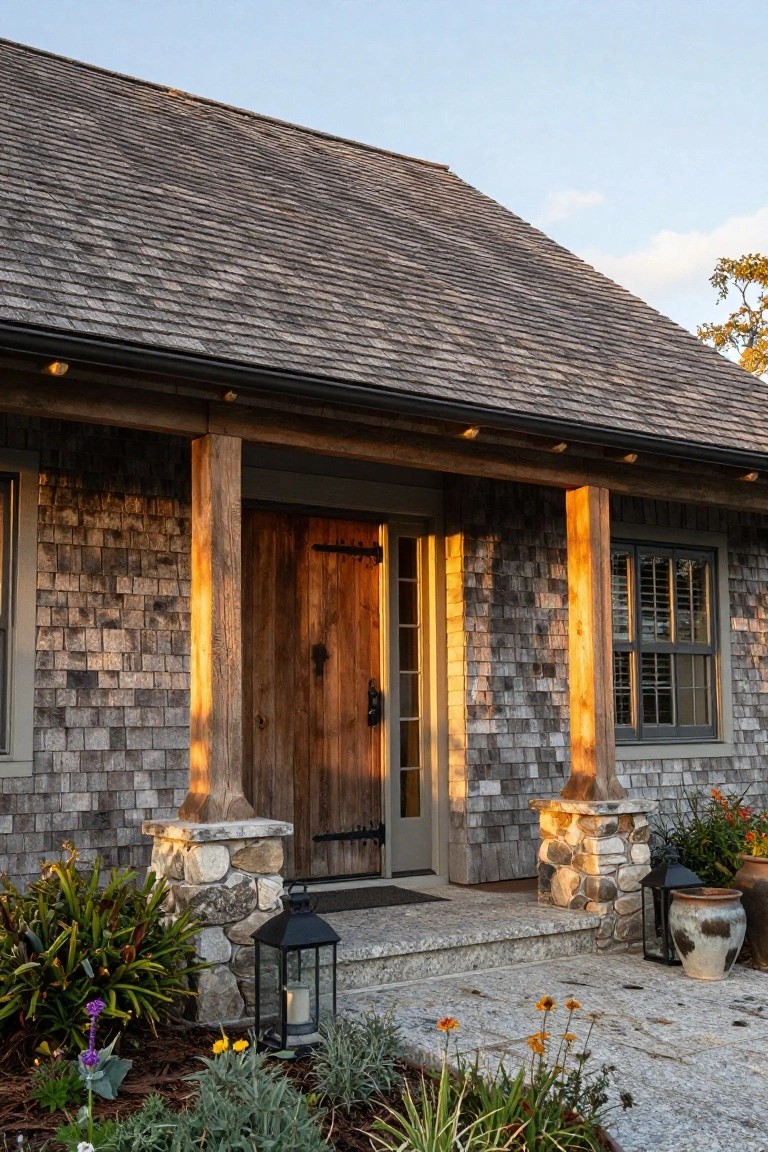
These sturdy wooden pillars stand out on a colonial-style home because they mix rough-hewn timber with solid stone bases. The timber posts catch the light just right, especially in the late afternoon, and they tie into the shingled siding without overpowering it. It’s a simple way to give the entry porch some weight and character, making the whole front feel more established.
You can pull this off on homes with shaker or cape cod vibes, where you want that handcrafted look without going full log cabin. Set the stone bases a bit wider for stability, and keep the posts peeled but not too smooth. Watch the scale though. Too beefy, and it dwarfs the door, this setup works best when the pillars frame the entry without stealing the show.
Frequently Asked Questions
Q: How do I pick pillar sizes that won’t overwhelm my porch?
A: Grab a tape measure and note your porch width. Choose pillars about one-fifth as wide for perfect proportion. They draw the eye without crowding the space.
Q: Can I refresh old pillars to match these Colonial designs?
A: Strip off peeling paint with a gentle scraper. Add fluted details using foam molds you attach with adhesive. A fresh coat of white paint ties it all together fast.
Q: What material holds up best in rainy areas?
A: Go with fiberglass pillars. They resist moisture way better than wood. Wipe them down yearly to keep that crisp look.
Q: Do these designs work on non-Colonial homes?
A: Sure, slim down the profiles a bit. Pair them with your siding color for subtle contrast. And they add instant charm anywhere.
