

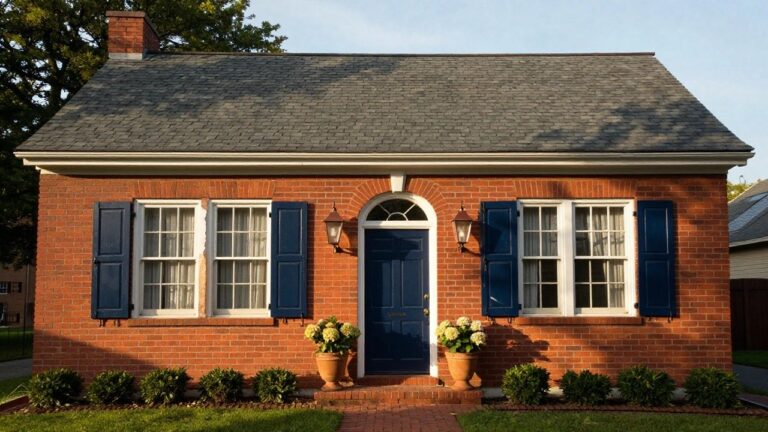
I’ve noticed that on colonial houses, the shutters set the tone for the entire front facade right from the street. They frame the windows in a way that highlights the symmetry so many of these homes depend on for their charm. When I helped a friend pick new ones for their siding, we focused on how the slat widths matched the roofline pitch, and it transformed the whole entry approach. Shutters that scale well to the house size tend to draw the eye positively instead of distracting. Some styles in here could work well if you tweak them for your own materials and light conditions.
Navy Blue Shutters on Red Brick
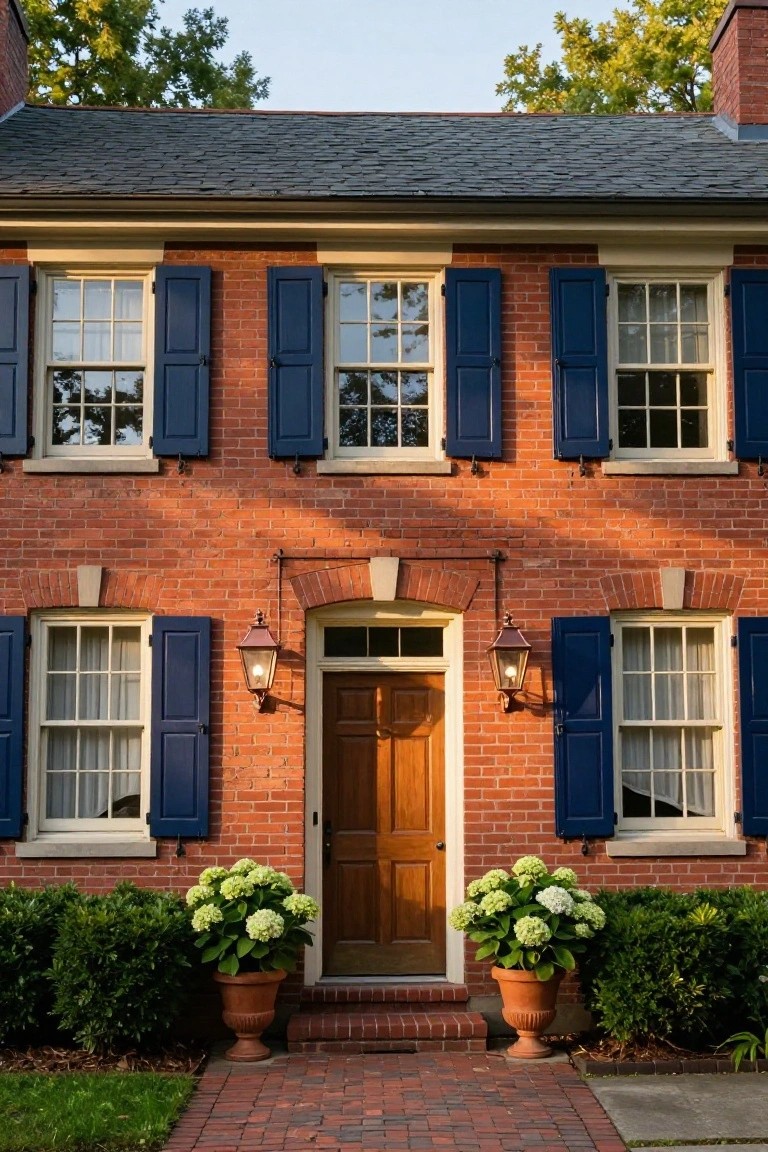
Navy blue shutters stand out nicely against the warm red brick of this colonial house. They add a crisp contrast that feels right for the style, without overpowering the facade. The deep blue picks up on classic colors, making the whole front look put-together and timeless.
These shutters work well on traditional brick homes, especially two-story ones with symmetrical windows. Place them on either side of each window, keeping them the same width as the openings. They frame the entry door too, and pair fine with white trim or lanterns. Skip if your brick is too orange… might clash a bit.
Recommended Products

Vinyl shutters included UV-additives that protect from fading.

One Piece Injection Molded Polypropylene Construction
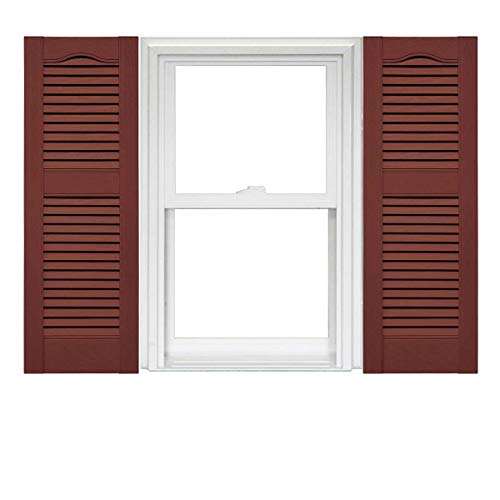
Complete Mounting Hardware Included: Comes with mounting hardware (shutter loks and Zinc Coated Screws) for easy installation
Green Shutters on White Colonial Siding
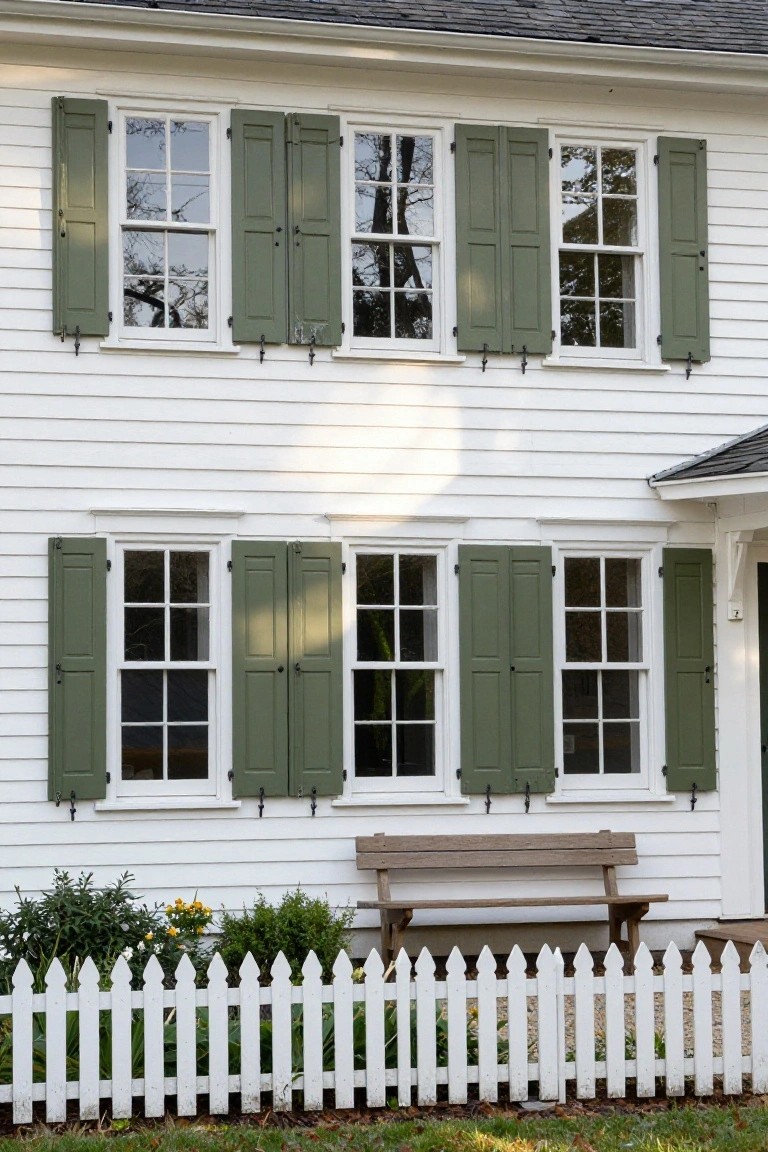
Green shutters stand out nicely against white clapboard siding on this two-story colonial house. That deep green color pulls the whole front together without overpowering the clean lines. It gives the place a settled, old-time feel that fits right into neighborhoods with similar homes.
You can pull this off on most traditional colonials, especially where the siding is bright white and windows have those divided-light panes. Keep the shutters louvered and hung just right on the hinges. Add a simple bench out front if there’s room… it keeps things practical. Skip it on super-modern updates though.
Black Shutters on Red Brick Colonial
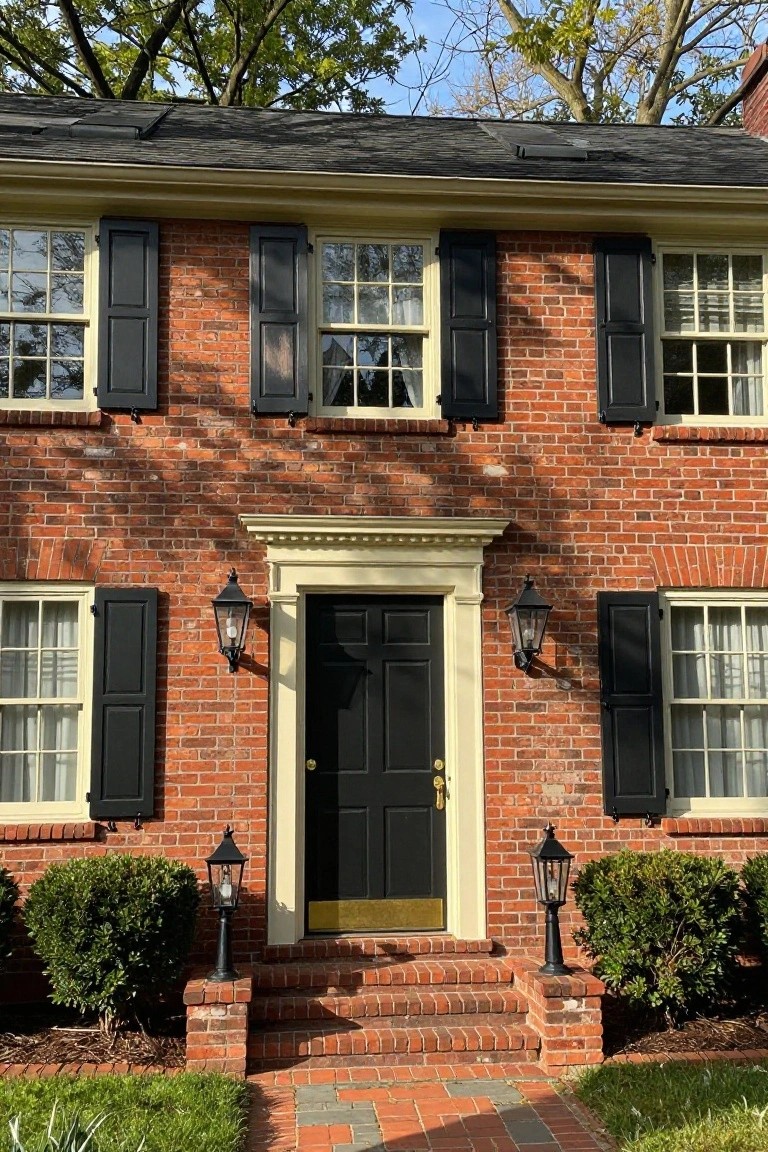
Nothing finishes a classic red brick colonial like a set of black shutters. They give the house that sharp contrast right away. The dark color pops against the warm brick without overwhelming it. And on this two-story facade, they frame every window just right, pulling the whole front together.
These work best on traditional homes with some age to them. Pair black shutters with cream trim around doors and windows, then add lanterns by the entry for that extra touch. Skip them if your brick is too orange or your roofline too busy. They suit most suburbs where you want curb appeal that lasts.
Recommended Products

Item Description: 14 3/4"W x 59"H Lifetime Vinyl, Standard Two Equal Panels, Raised Panel Shutters, w/Installation Shutter-Lok's & Matching Screws (Per Pair), Forest Green

One Piece Injection Molded Polypropylene Construction

One Piece Injection Molded Polypropylene Construction
Blue Shutters on Shingle Colonial Homes
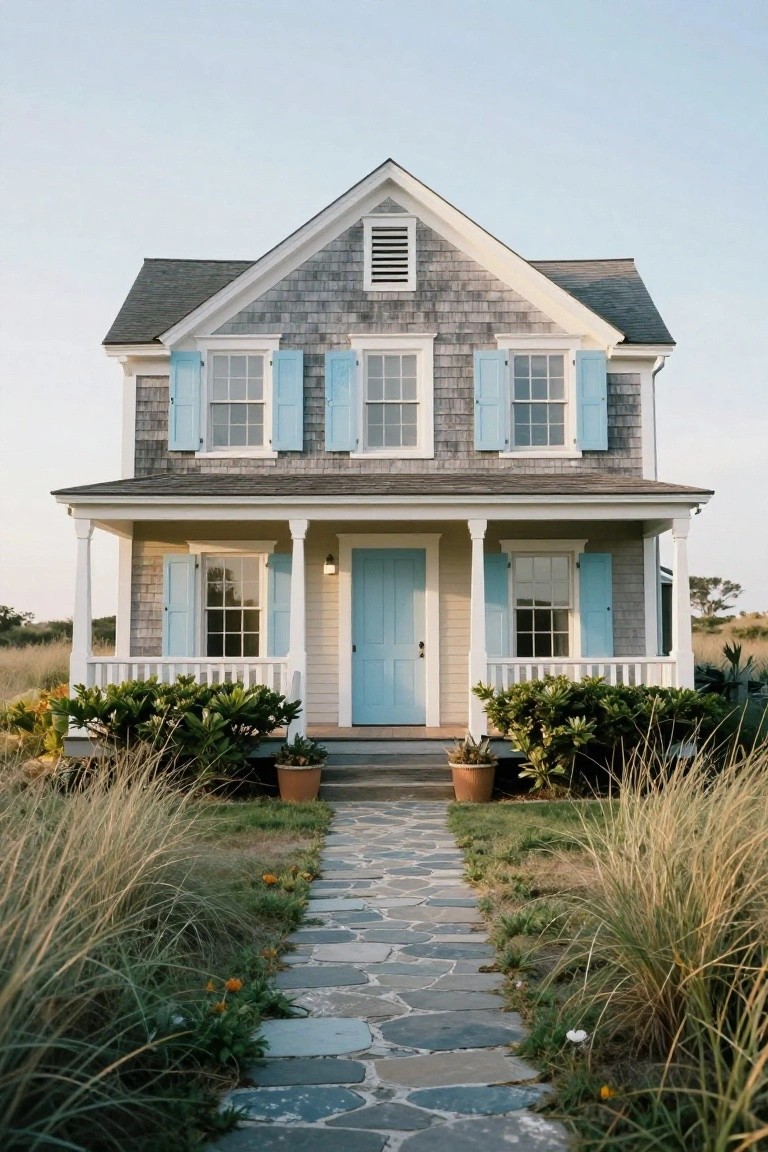
Light blue shutters give this shingle-style colonial a fresh coastal feel without overdoing it. They stand out nicely against the gray shingles and white trim, pulling the eye right to the windows and porch. That soft blue shade keeps things calm and ties into the door color too. It’s a simple way to add personality to a classic house.
You can pull this off on any seaside colonial or cottage where you want subtle color. Pair them with neutral siding like shingles or clapboard, and stick to white trim for contrast. Just make sure the blue isn’t too bright, or it might clash on busier streets. Works great in low-key neighborhoods.
Black Shutters on White Colonial Houses
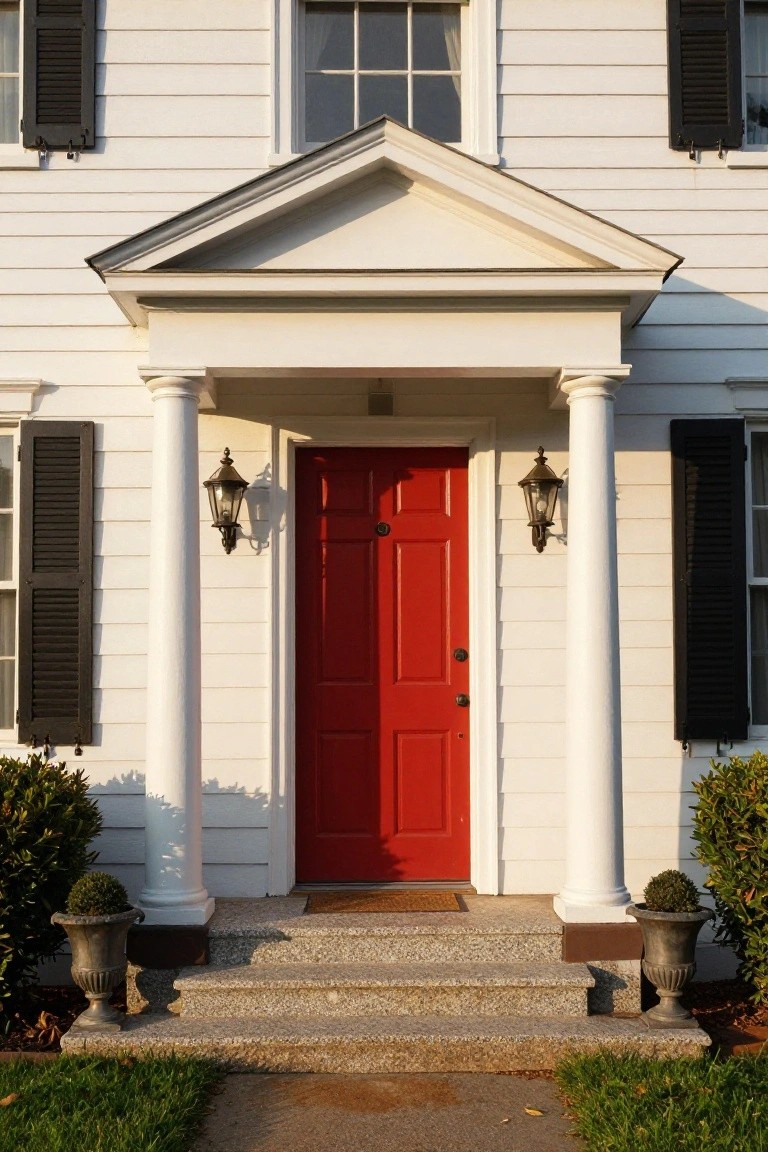
Black shutters stand out nicely against a white exterior like this. They give the house that crisp colonial feel without much fuss. The dark color picks up on the lanterns and door hardware too. Paired with a red front door, it pulls everything together in a simple way folks have liked for years.
You can use this on most two-story colonials with columns or a porch. It works best where the siding stays bright and clean. Keep plants low around the entry so the shutters stay the focus. One thing. If your house faces north and stays shady, black might feel too heavy, so test a sample first.
Dark Green Shutters on Gray Siding
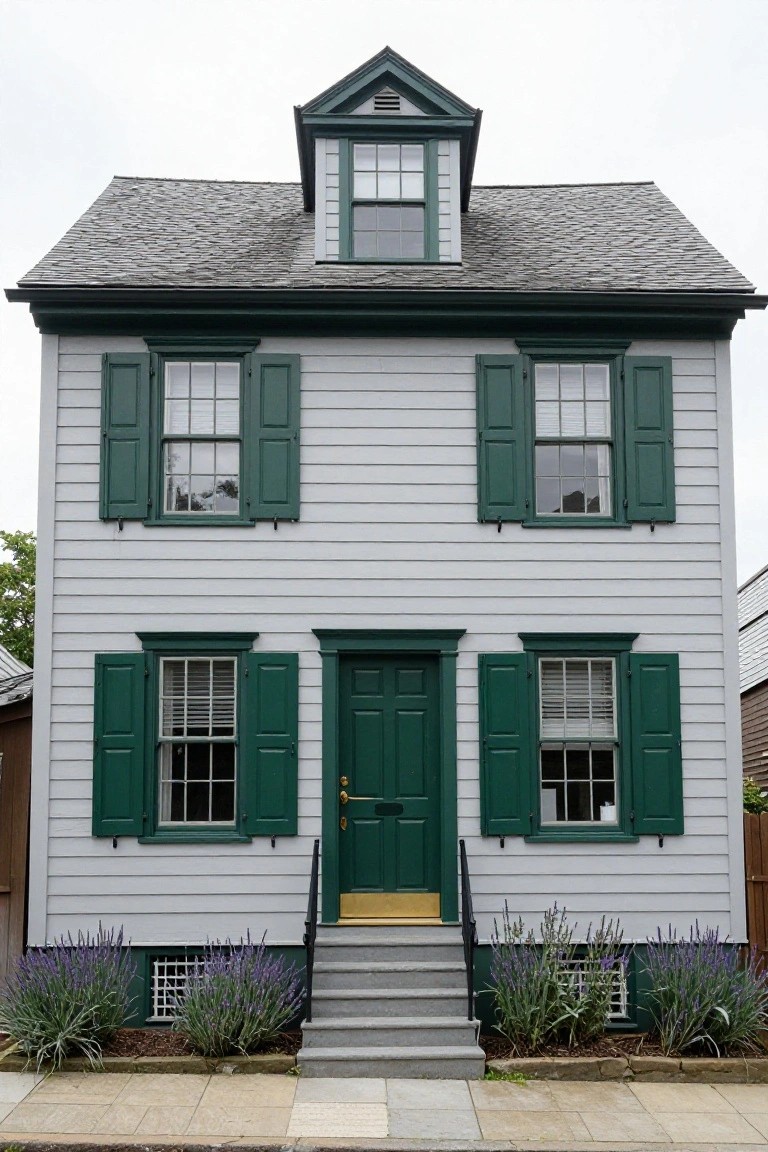
Dark green shutters stand out nicely against light gray clapboard siding on this classic colonial house. The green picks up the trim around the windows and roofline, giving the facade some life without too much color. It keeps things traditional but fresh.
This look fits older homes or new builds aiming for that historic feel. Use it where you want contrast that ties into the entry door, like here with the matching green. Gray siding in pale tones works best, and it holds up well in shady spots.
Red Shutters on Brick Colonial Homes
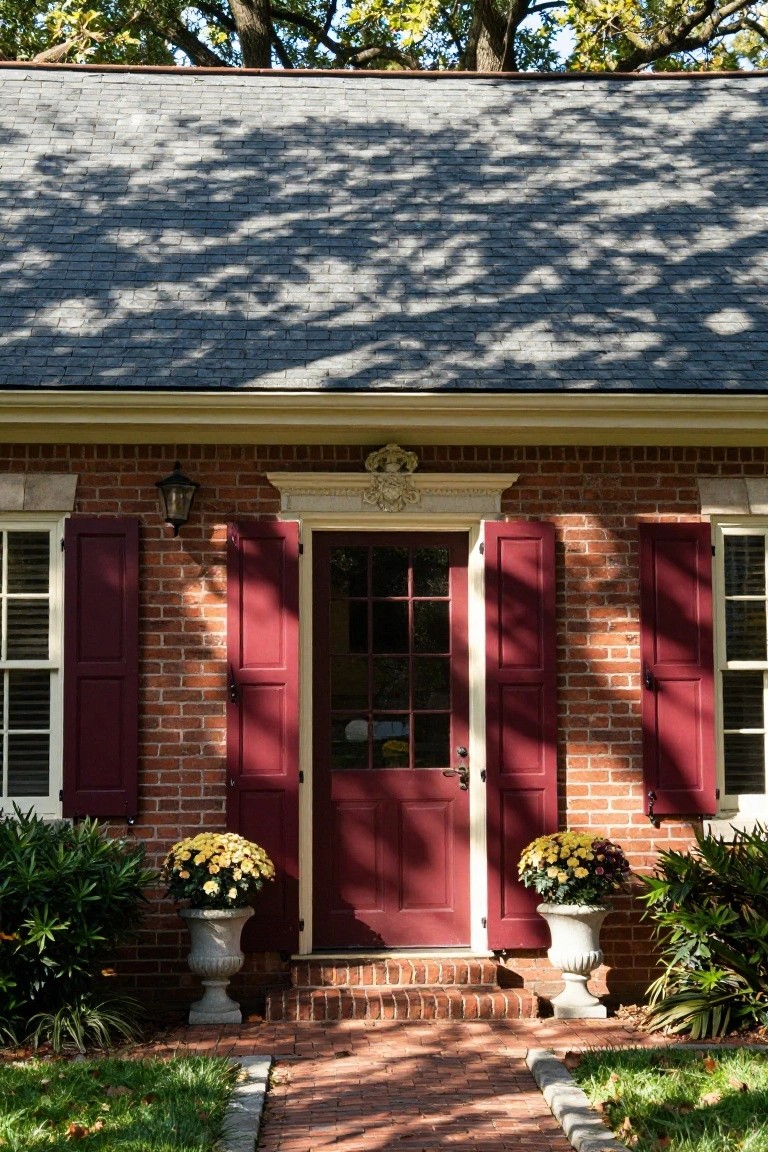
Red shutters have a way of pulling a brick colonial house together. They pick up the warmth in the brick without overpowering it, especially when you match them close to the front door color like this. The deep maroon tone here sits right against the red brick walls and frames the glass-paneled door nicely. It gives that settled, traditional feel folks expect from these older styles.
You can pull this off on most brick homes from the East Coast on back. Just go for a shade that’s a bit deeper than your brick, not candy-apple bright. Pair them with simple urn planters at the entry to keep things grounded. Skip it if your brick is super pale. Might look off.
Green Shutters on Shingle Siding
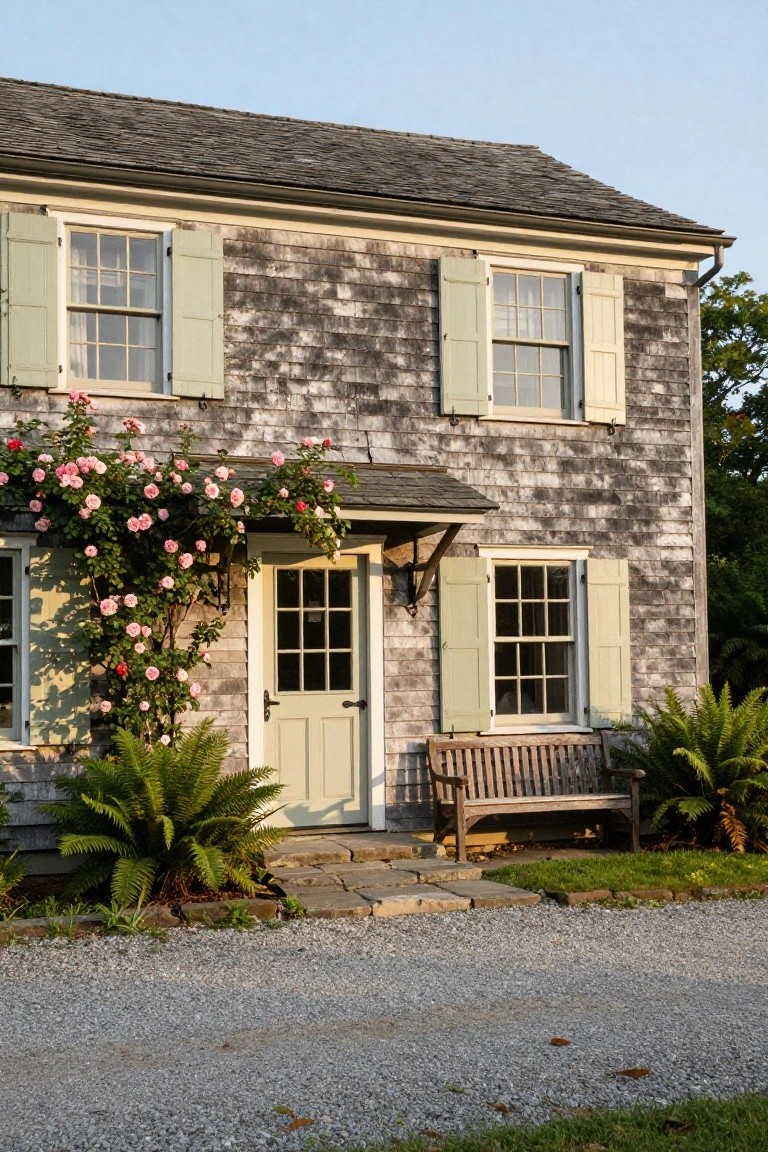
Green shutters work well on houses with gray shingle siding like this one. They pick up the traditional colonial colors without overpowering the weathered texture of the shingles. The green ties right into the door and adds a bit of life around the entry, making the whole front feel put together.
You can pull this off on older homes or new builds aiming for that East Coast vibe. Stick to a soft green shade on multi-pane windows, and keep the shutters board-and-batten style for authenticity. It suits shady spots under trees… just make sure they operate smoothly if you want that functional look.
Black Shutters on Cream Siding
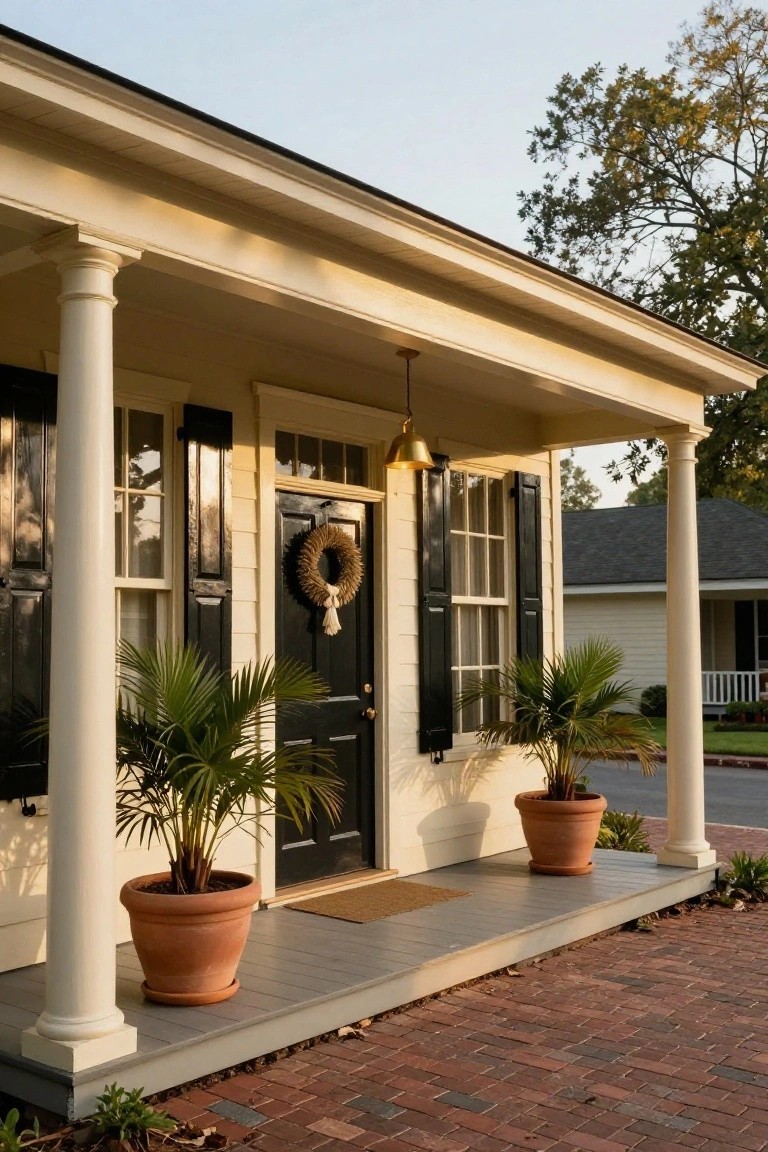
Black shutters stand out clean and sharp against a pale cream house like this. They pull the black front door right into the picture, framing those multipane windows without any fuss. It’s a straightforward way to give a colonial place some definition. Folks notice it right away from the street.
You can pull this off on any front-facing porch with columns or simple trim. It suits older homes in the South, where a bit of warmth in the siding keeps things from feeling stark. Keep the shutters sized right to the windows, and skip anything too glossy. Works year-round too.
Black Shutters on Red Colonial Houses
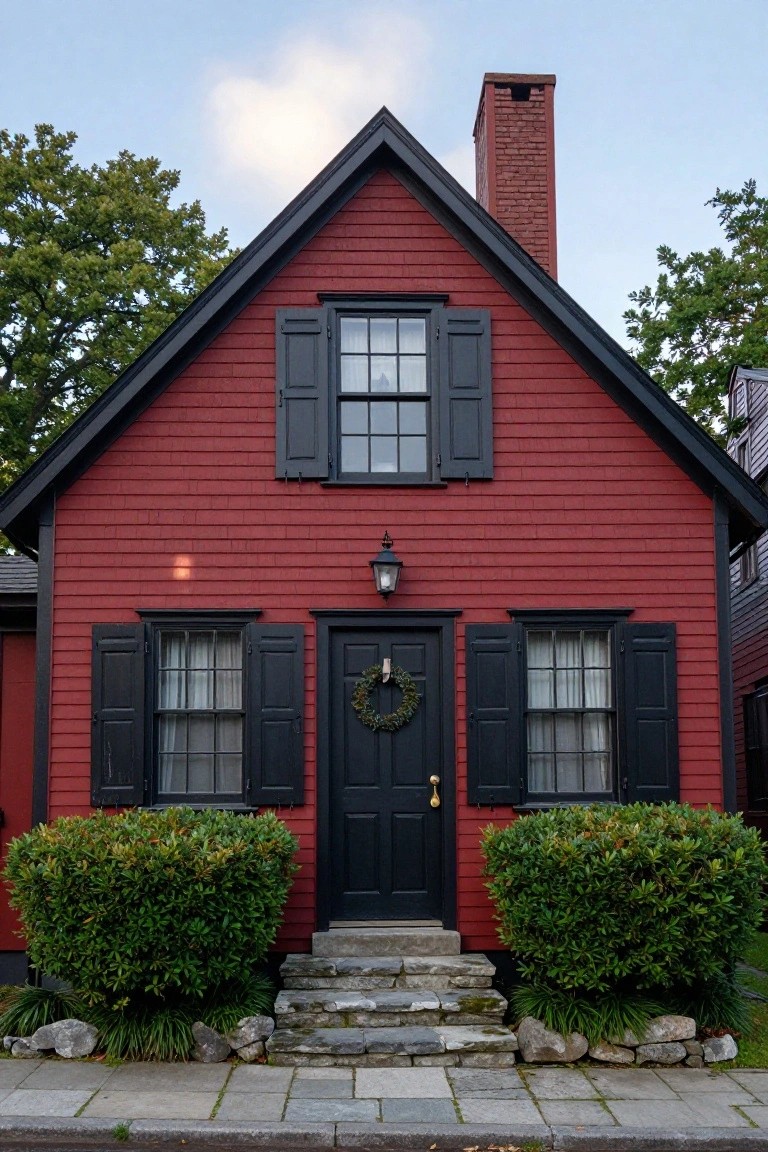
Black shutters stand out sharp against red siding like they do on this classic colonial home. The dark wood frames pull the eyes to the windows and door right away. That contrast keeps the bold color from feeling too much. It just looks right for older style houses.
Try this on homes with clapboard or shingle siding in shades of barn red or brick red. It suits New England colonials best where trim stays simple. Paint the front door to match and add a lantern for evenings. Skip it if your house has too much white trim already.
Navy Blue Shutters on White Colonial Homes
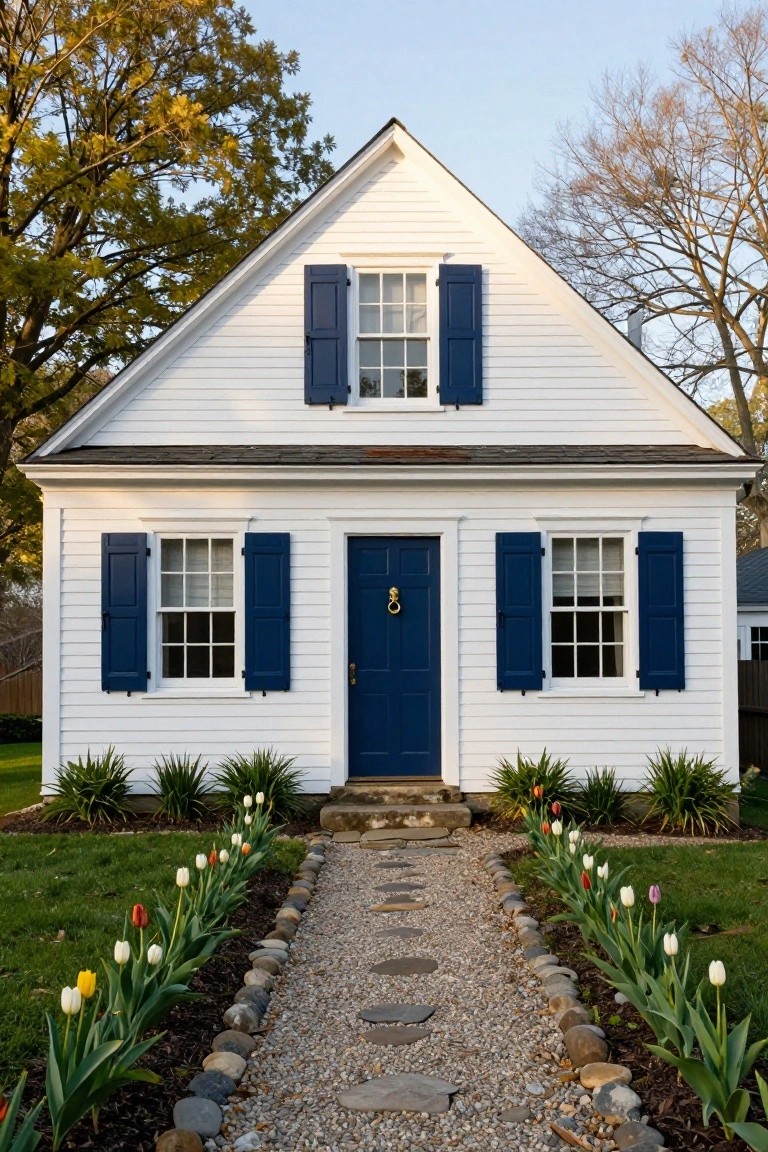
Navy blue shutters stand out nicely against the clean white siding of a classic colonial house. They give that traditional look a bit more punch without going overboard. The deep blue color pulls from the door too, so everything ties together. It’s a simple choice that makes the front feel put-together and welcoming.
These shutters work best on homes with clapboard siding and symmetrical windows. Paint them to match the door for extra cohesion, or keep them a shade darker for contrast. They suit older neighborhoods where you want curb appeal that fits right in. Just make sure the hardware looks sturdy, nothing too flimsy.
Recommended Products

HEAVY-DUTY WROUGHT IRON BUILD: Constructed from premium, sturdy wrought iron, these exterior shutter and gate hinges are built to hold heavy loads and protect your windows during strong storms. Ideal for functional outdoor window shutters, faux shutters, and heavy-duty gates.

One Piece Injection Molded Polypropylene Construction
One Piece Injection Molded Polypropylene Construction
Green Shutters on a Colonial Facade
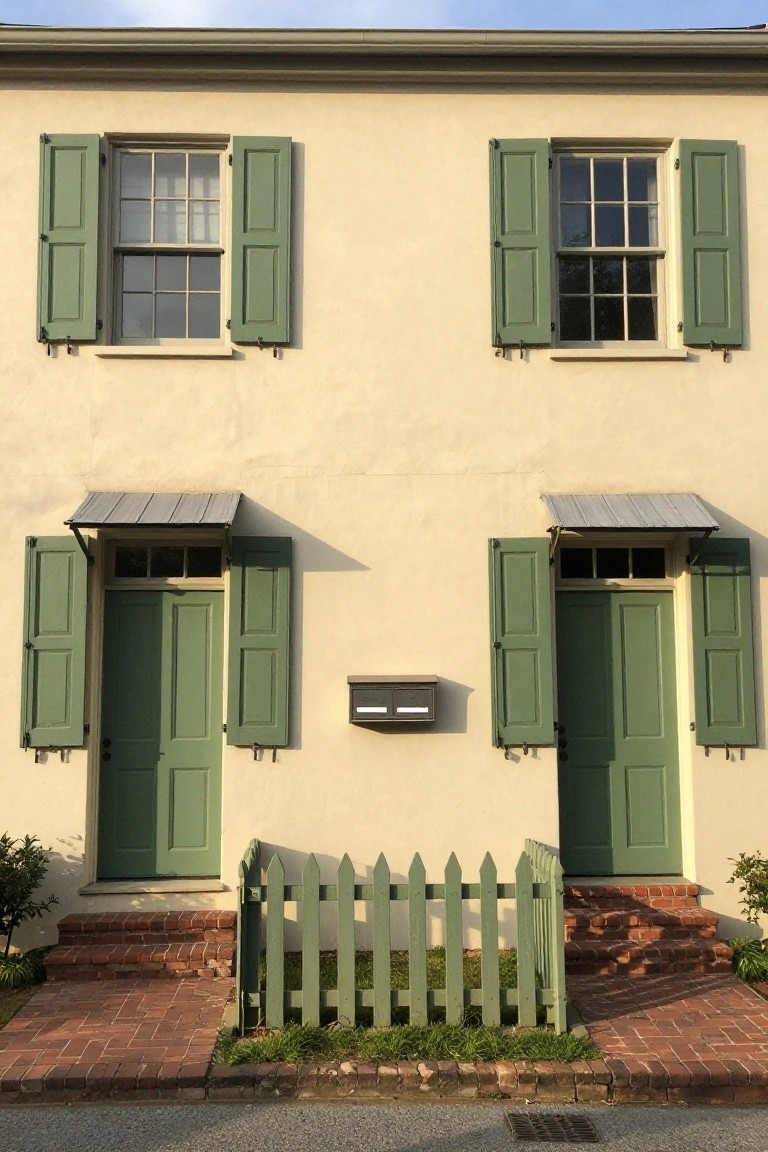
Green shutters like these pull together the front of a simple colonial house. Set against pale stucco walls, they frame the tall windows and double doors without stealing the show. The color echoes the doors themselves, giving everything a matched, settled look that feels right for older homes.
Paint your shutters a shade of green that picks up from the doors or trim. This setup suits narrow townhouses or row homes on brick walks. Skip it on busier streets where too much color might clash. Just keep the shutters true to size, hanging close to the window edges.
Classic White Shutters on Blue Siding
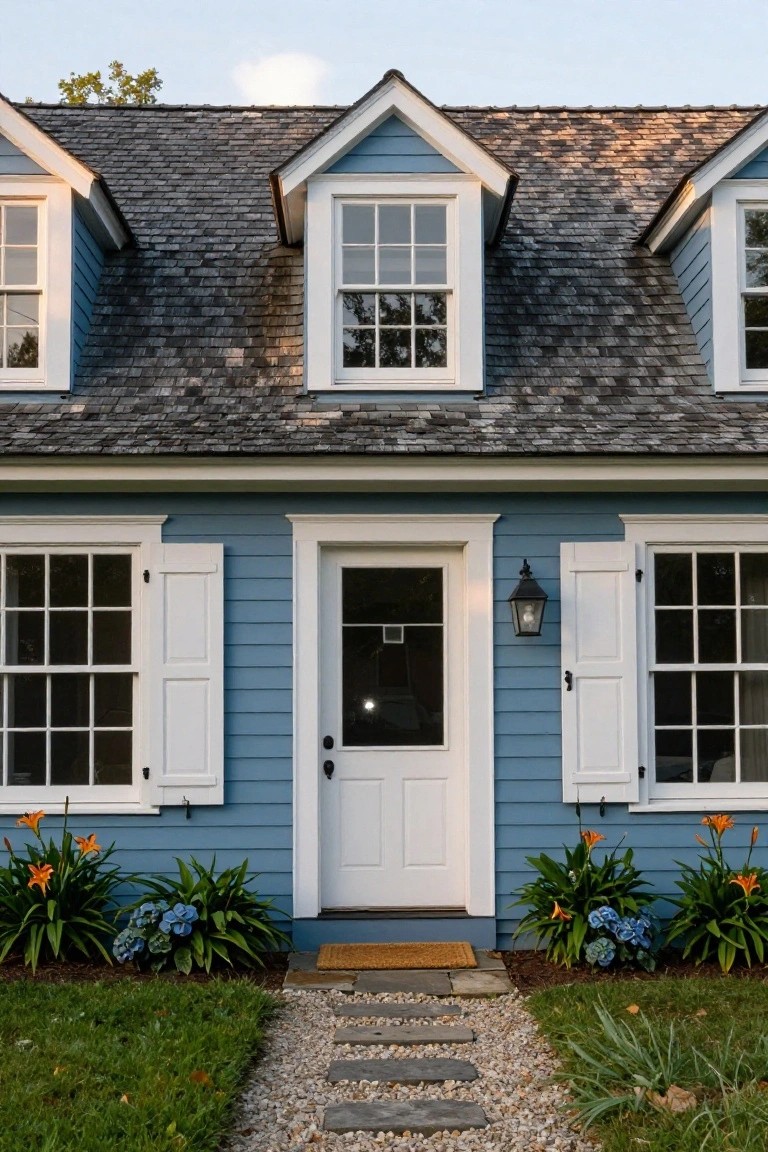
White shutters give a colonial house that finished look folks always notice. Here, they frame the windows sharp against the soft blue siding. That simple contrast keeps things traditional but fresh. No fuss.
You see this a lot on older homes along the coast. It suits clapboard siding best. Paint the shutters a true white, and match the door trim. Watch for peeling in damp spots. Easy fix with good prep.
Black Shutters on Pale Yellow Colonial Siding
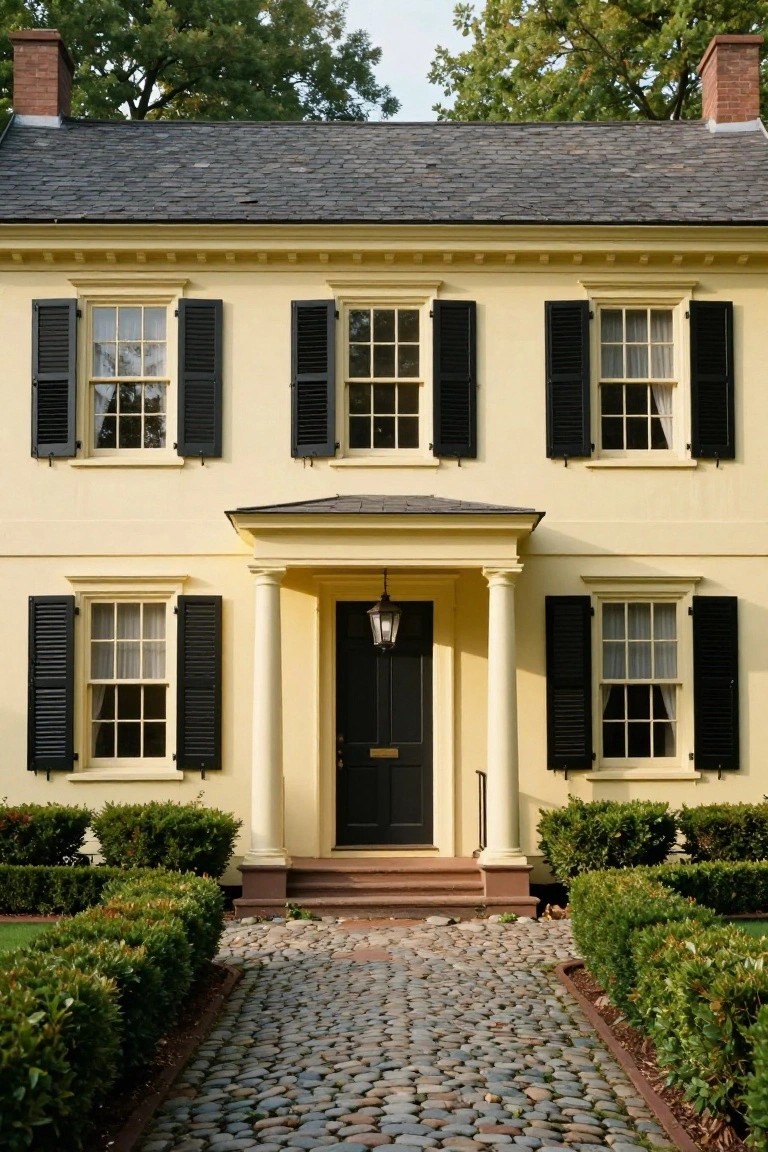
Black shutters like these show up often on colonial homes for good reason. They give the pale yellow siding a sharp outline that makes the whole facade pop without overwhelming it. The contrast pulls your eye to the windows and entry, keeping things balanced and traditional. Notice how they match the black door too. It ties everything together neatly.
This setup works best on homes with light-colored clapboard or siding. Go for glossy black paint on the shutters to handle weather better. It suits older neighborhoods or suburbs where you want curb appeal that nods to history. Just keep the yellow soft, not too bright, or it might clash. Boxwoods along the walk help frame it all nicely.
Black Shutters on White Siding
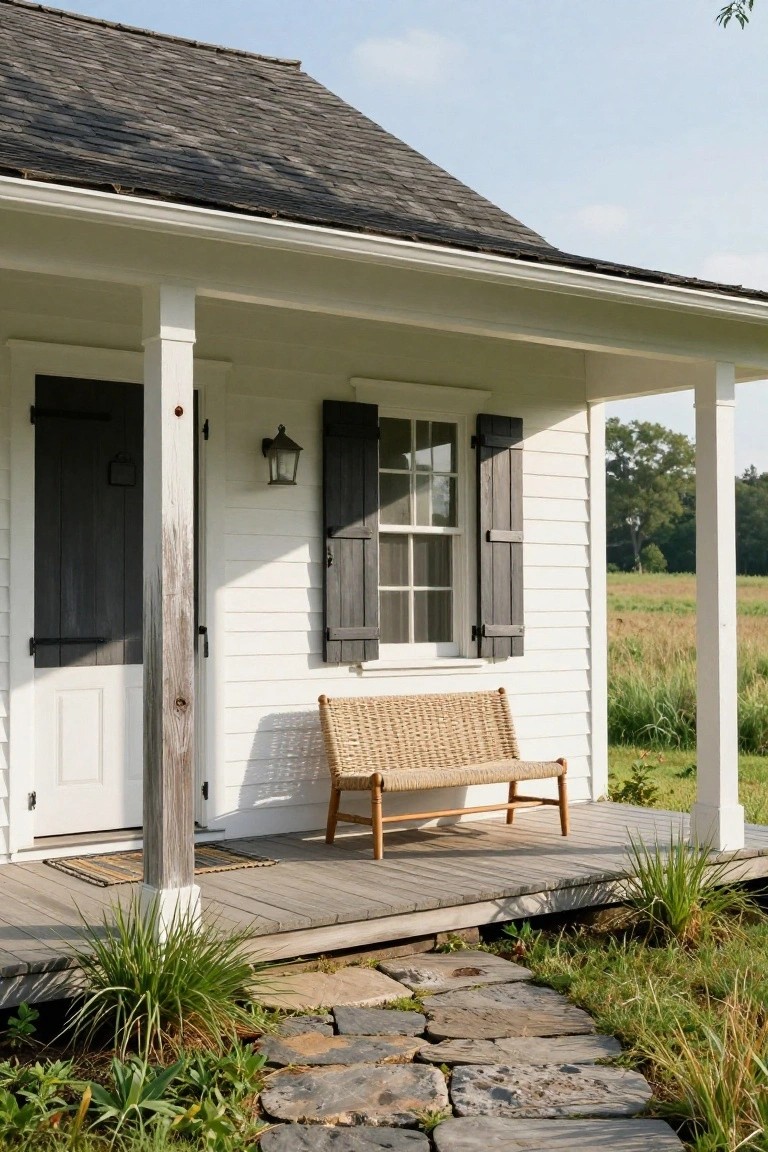
Black shutters like these work so well on a white clapboard house. They add that sharp contrast folks expect from colonial style. The dark wood pulls your eye to the windows and door right away. And on a smaller home like this one, they make the whole front feel balanced and put together.
Try this on farmhouses or cottages in the country. Paint the siding bright white to let the shutters stand out. Wood ones hold up better outside, especially if you seal them. Skip it on busier facades though. Too much going on and the shutters get lost.
Classic Red Shutters on White Colonial Houses
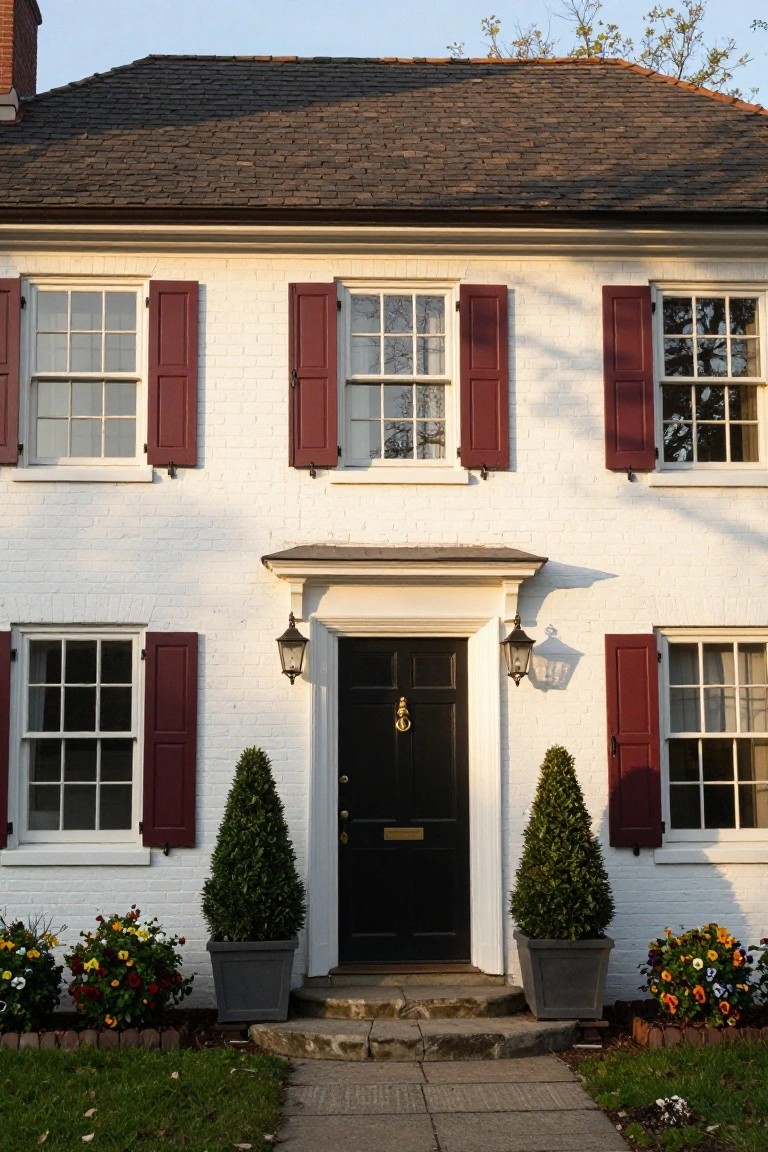
Red shutters have a way of pulling a colonial house together. On this white brick exterior, they frame the multi-pane windows just right and add some real punch without overdoing it. The black door and lanterns keep things simple, but those shutters are what make the front feel finished and traditional.
You can pull this off on most colonial or federal-style homes, especially ones with light siding or brick. Go for a true red, not too bright, and match the size to your windows. They work best on two-story facades where they repeat across the front. Just keep the hardware basic so the color stays the star.
Green Shutters on Shingled Colonial Facades
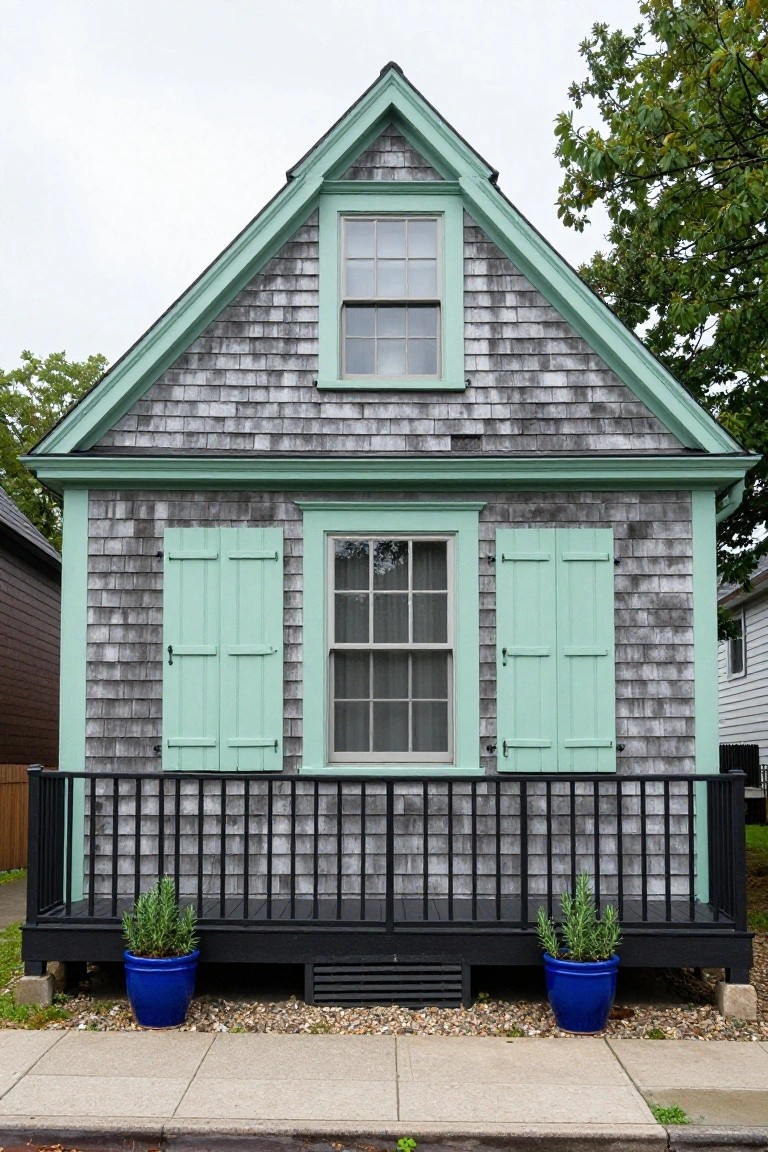
Green shutters like these give a shingled house that fresh coastal feel. They stand out nicely against gray cedar shakes without overwhelming the simple lines. The minty shade here picks up the trim color too. It keeps things looking put-together and a bit cheerful.
You can pull this off on smaller colonials or cottages in damp areas where shingles hold up well. Match the green to your trim or door for easy flow. Just stick to muted tones so it stays classic, not too bold. Blue pots nearby add a little extra without much effort.
Classic Green Shutters on Pale Siding
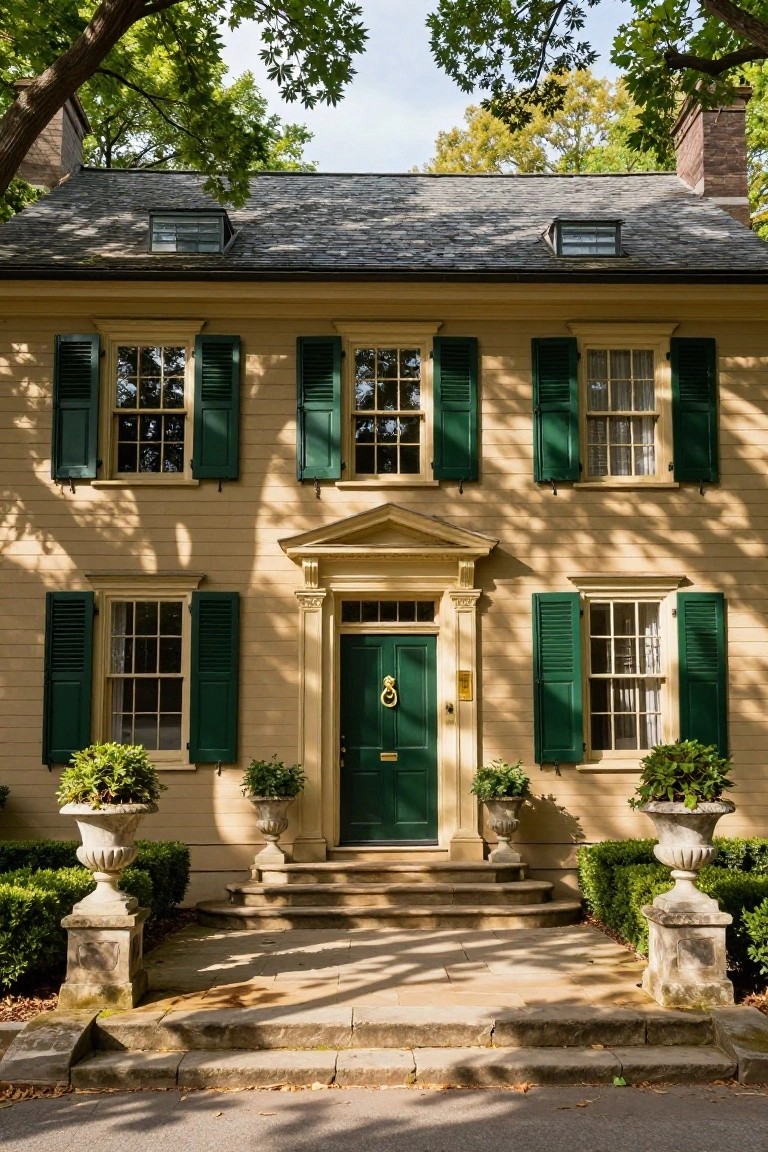
Deep green shutters like these bring out the best in a colonial house with buttery yellow siding. The color pops against the soft exterior without overwhelming it. That contrast draws the eye to each window and the centered door. It keeps things traditional yet fresh.
Try this on clapboard homes in neutral tones. The shutters work year-round and suit most neighborhoods. Just make sure they match the door for a pulled-together front. Avoid brighter greens unless you want more drama.
Black Shutters on Mint Siding
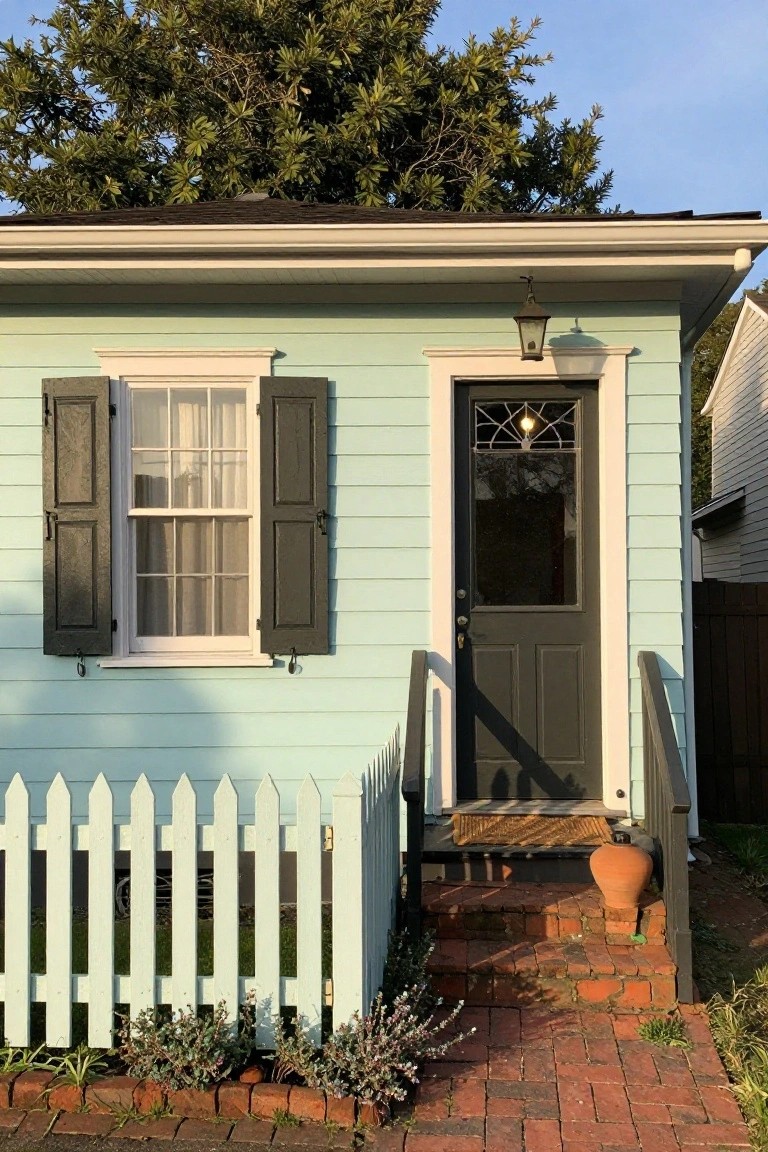
Black shutters stand out sharp against this soft mint siding. They frame the window right by the door, picking up the dark color there too. That simple contrast pulls the front together. Gives a house that old-school colonial look folks still go for.
Try this on a cottage-style place or anything one story. It works best where you want some punch without dark trim everywhere. Keep shutters sized to fit the window glass. A white picket fence nearby keeps things light.
Black Shutters on White Colonial Siding
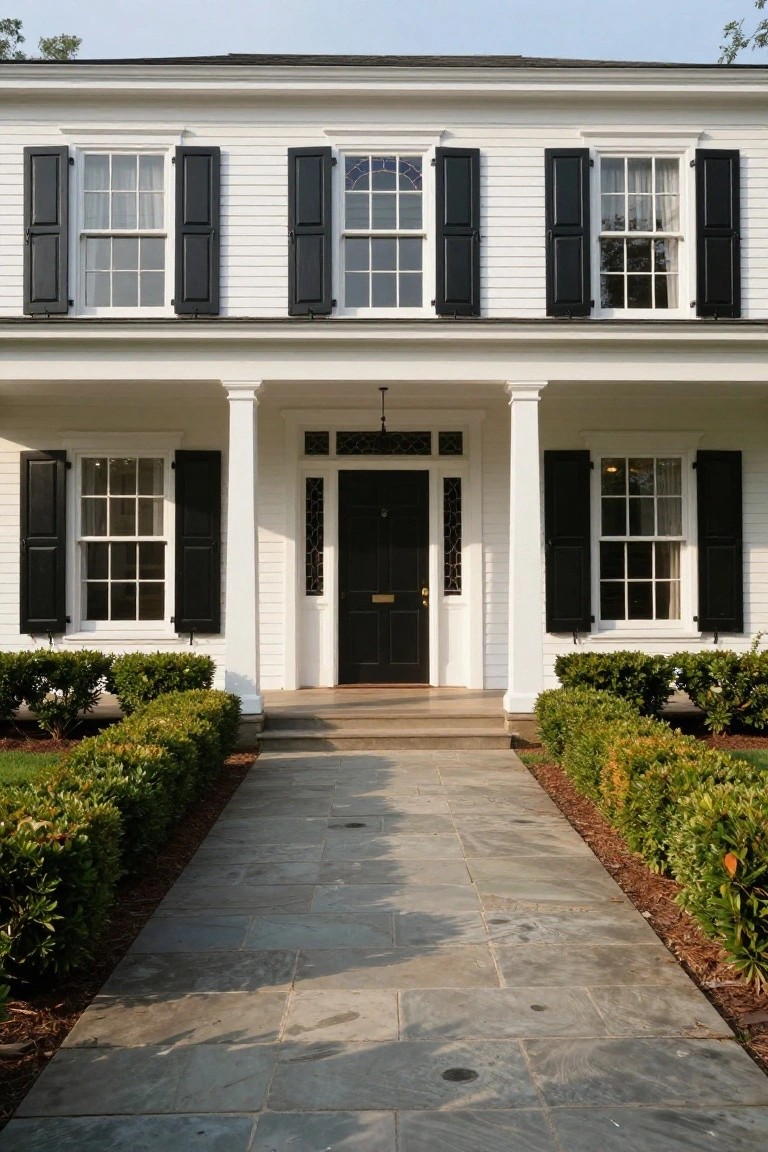
Black shutters give this white colonial house a sharp, finished look. They stand out against the clean clapboard siding and frame the tall, symmetric windows just right. That contrast pulls the front together without much fuss. It’s a simple move that nods to old-school style but keeps things fresh.
Try it on homes with balanced facades and plenty of windows. It works best where the siding stays bright white, maybe with a dark door to match. Skip it if your house has too many colors already, or it might feel busy.
Frequently Asked Questions
Q: How do I pick the right shutter size for my colonial windows?
A: Measure the width of your window frame from edge to edge. Order shutters that equal about half that width so they meet in the middle when closed. They’ll frame your windows perfectly without looking too bulky.
Q: Are vinyl shutters a good choice for that authentic colonial vibe?
A: Vinyl works great if you want low upkeep and they come in styles that mimic wood grain. Pick ones with louvers and S-shaped hardware to nail the traditional look. Just avoid super glossy finishes, they can feel a bit off.
Q: Can I install these shutters myself over a weekend?
A: Yes, most homeowners handle it with basic tools like a drill and level. Attach them to the siding next to the window with screws, not hinges if they’re decorative. Test the fit first to keep things straight.
Q: How do you keep colonial shutters looking sharp year after year?
A: Hose them down twice a year to knock off dirt and pollen. Spot touch-up paint matches the house color on any chips right away. Wood ones need a fresh coat every few years, but vinyl just rinses clean.
