

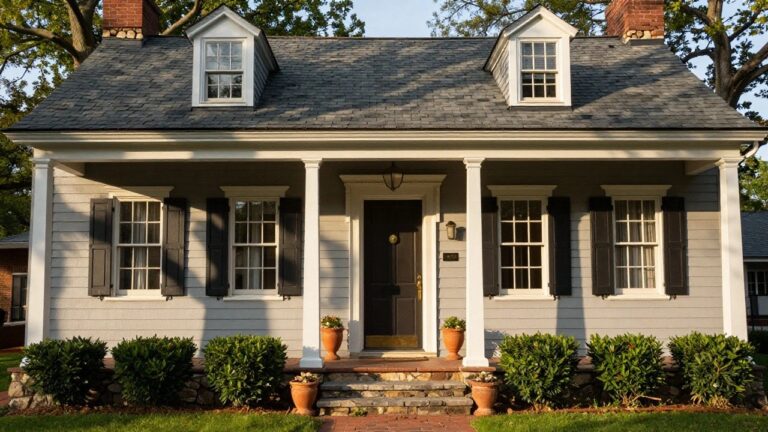
When you drive up to a colonial house, the facade tells you everything about its character before you even step out.
I remember eyeing one down the street where rugged stone quoins framed the corners just right, making the whole thing feel more solid in person than any rendering could show.
Those accents play off the symmetry of gables and dormers without stealing the show.
Stone grounds it all.
Picking a few to adapt could shift your curb appeal in ways that last.
Stone Steps Build Curb Appeal
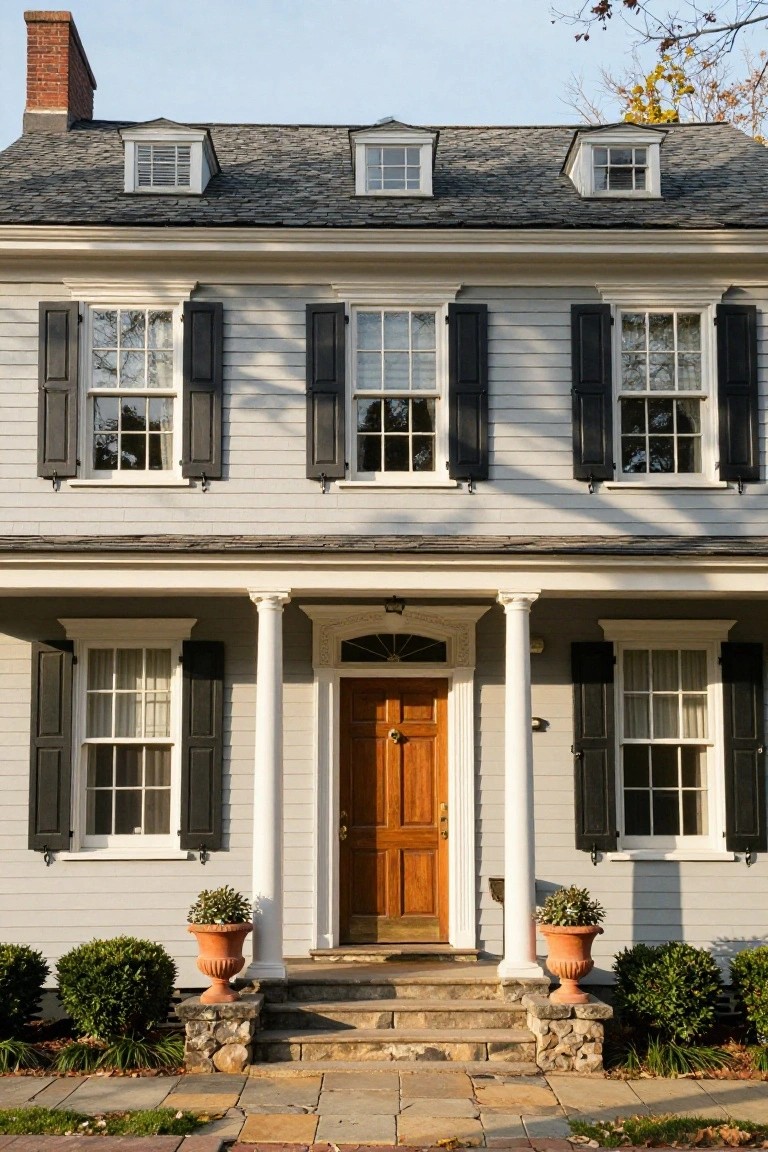
Rugged stone steps like these give a colonial house a solid, grounded entry that feels right at home in any neighborhood. They pick up on the natural stone chimney up top and tie the whole facade together without overdoing it. The rough texture stands out against the smooth clapboard siding and clean porch columns. Paired with those big terracotta pots, it keeps things simple but welcoming.
These steps work best where there’s a bit of a rise from the walkway to the porch. They’re practical for everyday use and hold up well over time. Try them on traditional homes with painted siding. Just make sure the stone color blends with your roof or chimney so it doesn’t fight the rest of the house.
Stone Quoins Sharpen Brick Colonial Facades
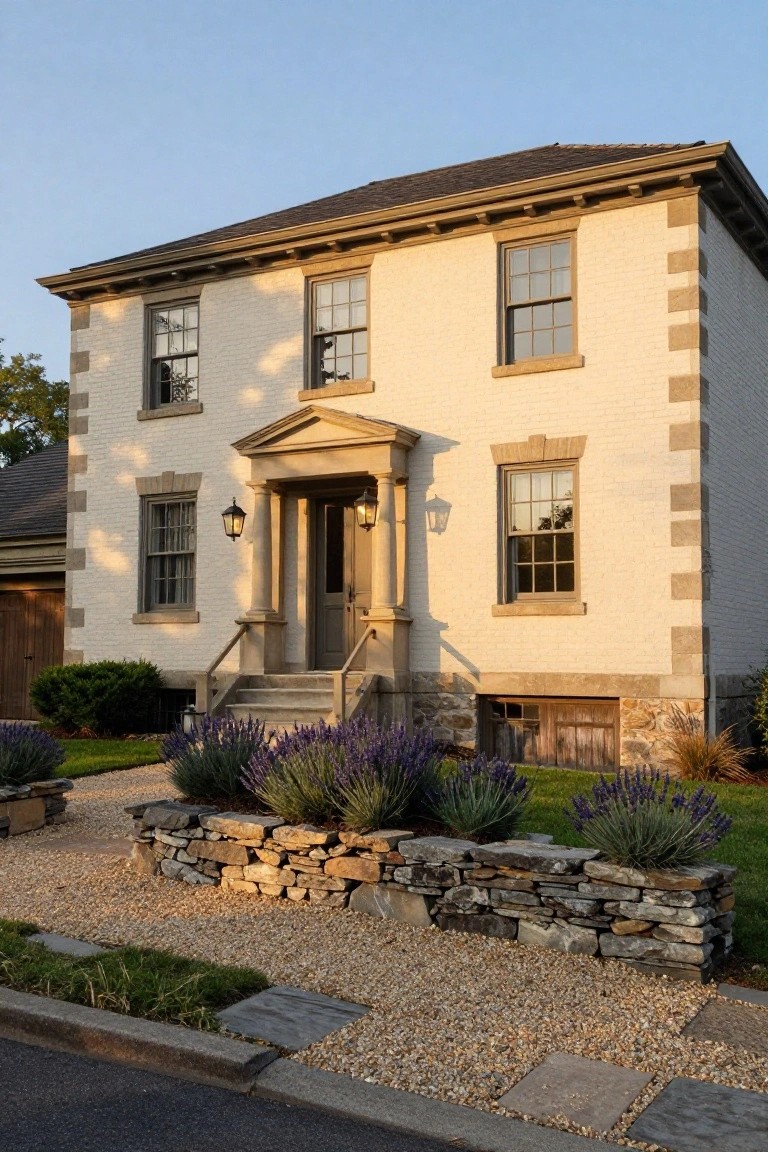
Stone quoins running up the corners of this colonial house give the light brick walls a clean, structured look. They frame the windows and entry without overwhelming the softer brick surface. It’s a simple way to nod to traditional architecture while keeping things fresh and not too heavy.
These vertical stone accents work best on homes with pale brick or stucco siding. They add just enough contrast for curb appeal, especially around a classic pedimented porch. Pair them with a dark roofline for balance, and keep the scale right so the house doesn’t feel boxy. Good for suburban lots where you want that old-school charm without the upkeep.
Stone Steps Build a Welcoming Entry
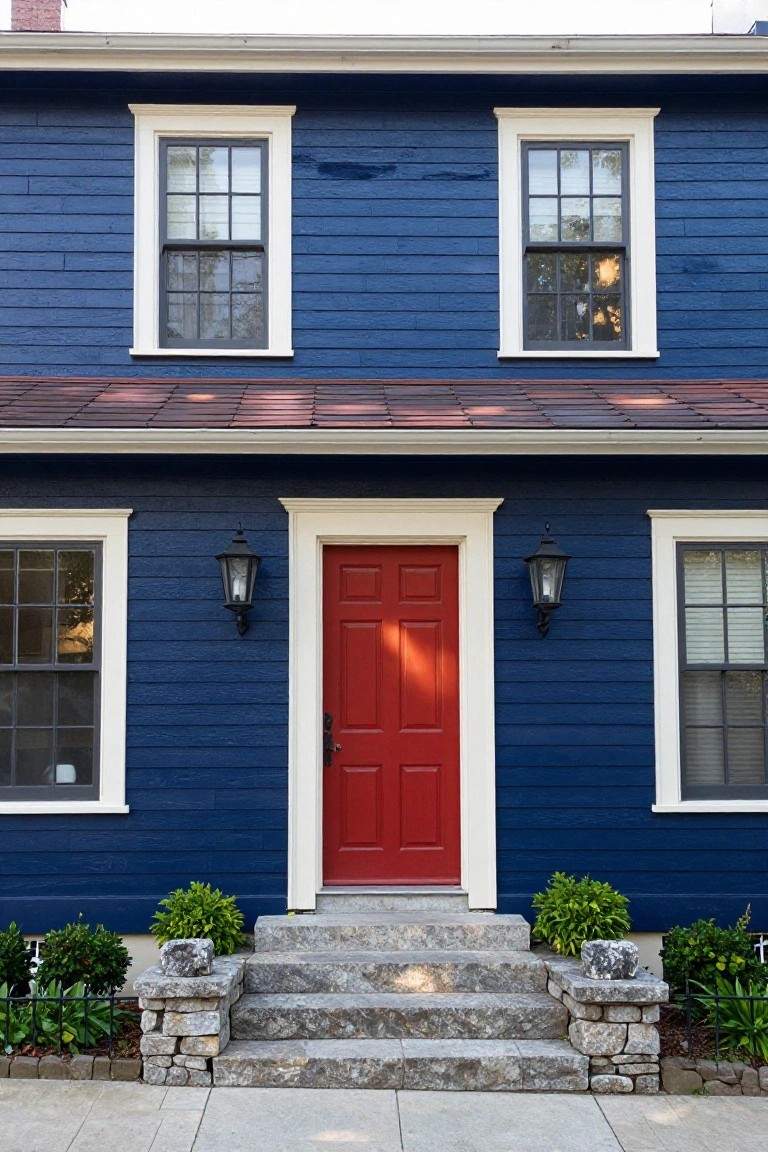
Rough stone steps like these give a colonial house some real texture right at the front door. The uneven limestone slabs lead up to that bright red door, and the matching stone bases hold simple green shrubs. Against the smooth navy clapboard siding, it all feels grounded. No fussy details. Just solid footing that says this place has history.
These work best on traditional homes with painted wood siding. They suit a classic stoop setup, especially if your door pops in color. Go for local stone to blend with the yard. Skip overly smooth cuts, though. That keeps the rustic feel without looking forced.
Stone Steps Strengthen Colonial Entries
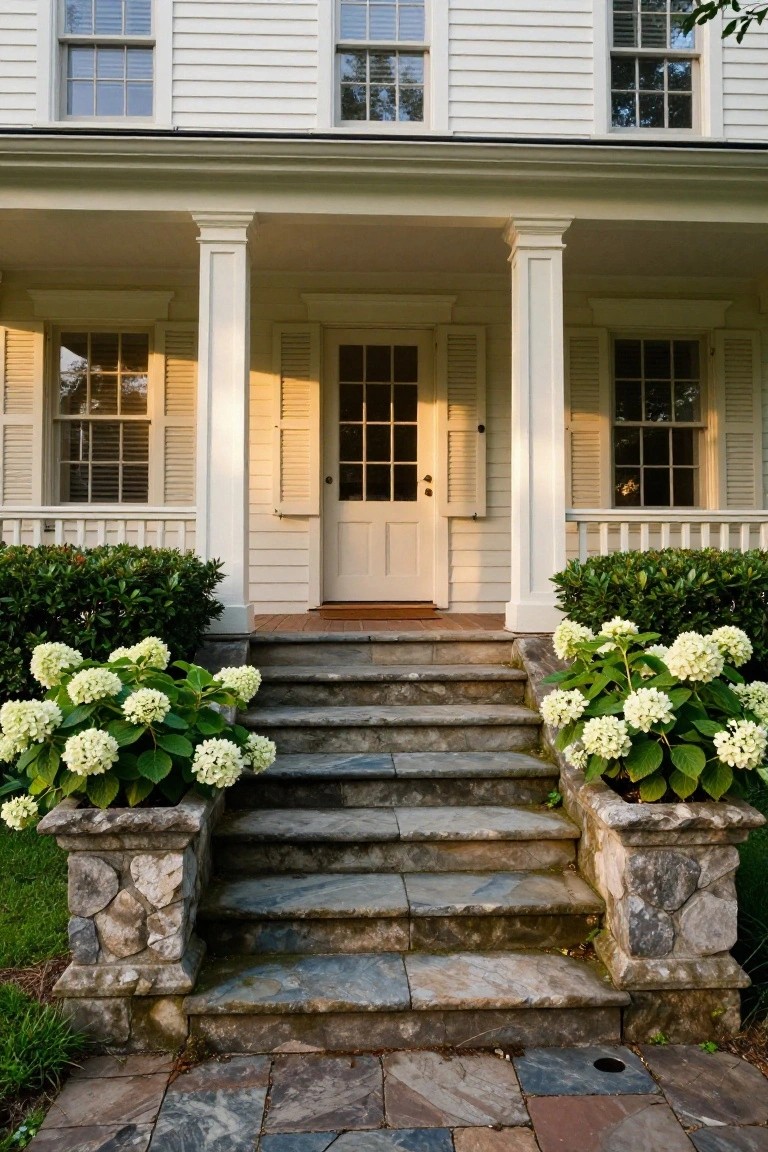
Rough stone steps like these give a classic white colonial house a solid base. They lead right up to the porch without overpowering the clean clapboard siding. Flanking planters in the same stone, stuffed with big white hydrangeas, tie it all together. The mix of smooth wood and rugged stone adds quiet interest that feels right at home in older styles.
These work best on homes with raised porches or entry platforms. Pick local stone for a natural fit, and keep the steps wide enough for easy access. Skip fussy edges. Let the stone show some age over time. It suits traditional neighborhoods where you want subtle strength, not flash.
Brick Townhouse with Stone Window Frames
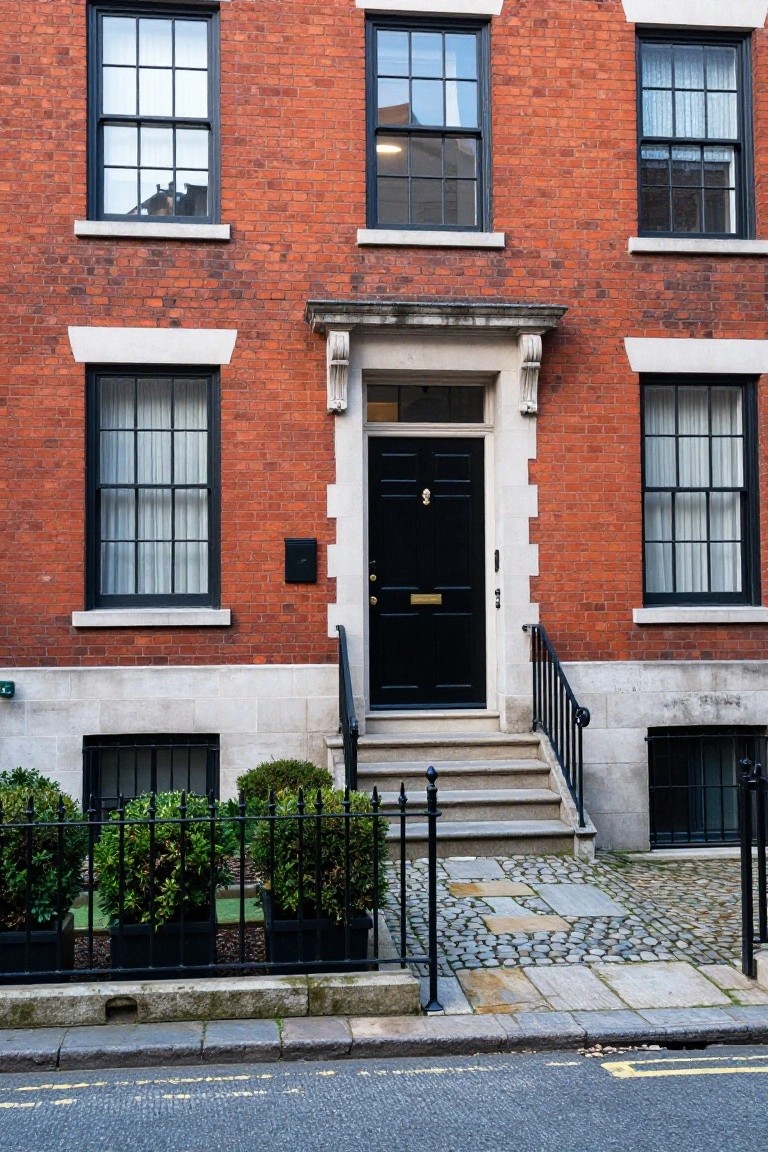
White stone frames around the tall windows and entry door give this red brick townhouse a clean, classic lift. The stone picks up the light-colored sills and lintels, setting off the deep brick without any fuss. Black window frames and door keep it sharp.
This setup suits narrow urban homes or row houses where you want subtle polish. Use it on Georgian or Federal style facades. Keep plantings simple like the boxwoods here, low and tidy along the base. Avoid too much stone or it starts competing with the brick.
Stone Chimney Accent on Colonial Siding
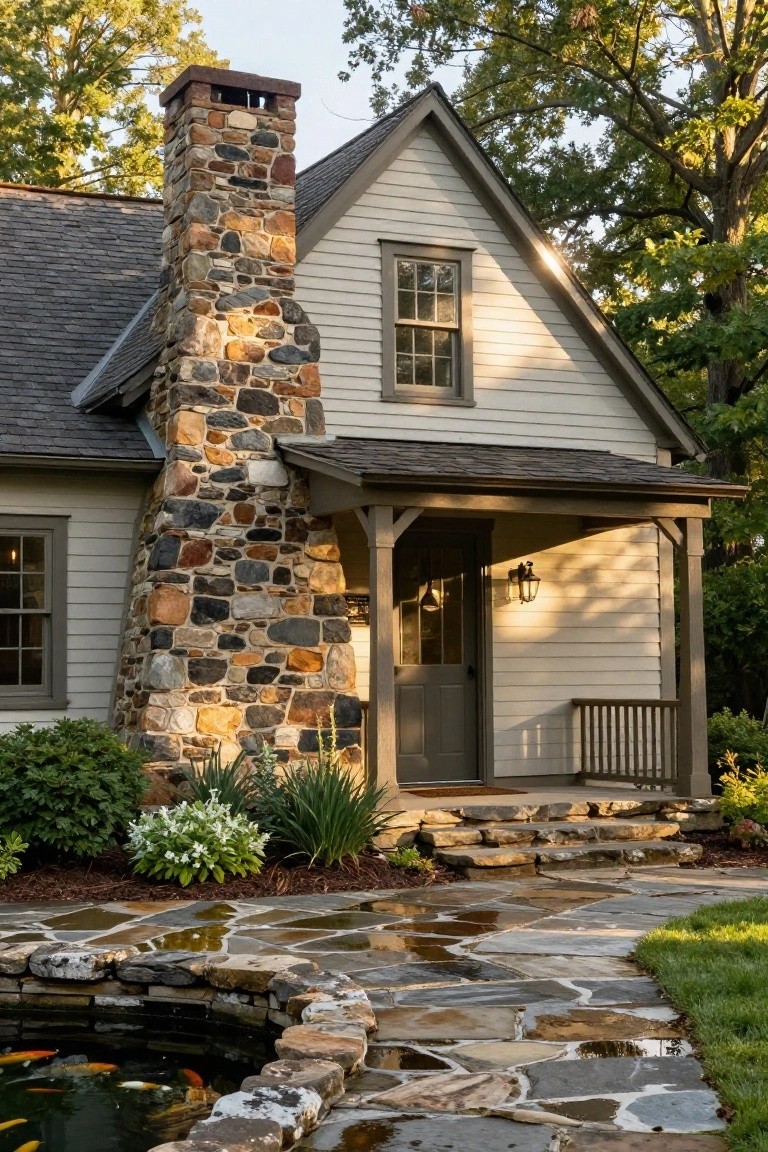
A tall chimney stacked with rough, multicolored stones grabs the eye right away on this clapboard house. The mix of dark grays, browns, and rusty reds against the pale siding adds real texture and pulls the whole front together. It keeps that classic colonial feel but makes it less plain.
This works great on homes with simple gables and porches, especially if you have trees around for some backdrop. Go for local fieldstone to keep it authentic and low-key. Just make sure the mortar blends in so the stones do the talking.
Stone Bases for Porch Columns
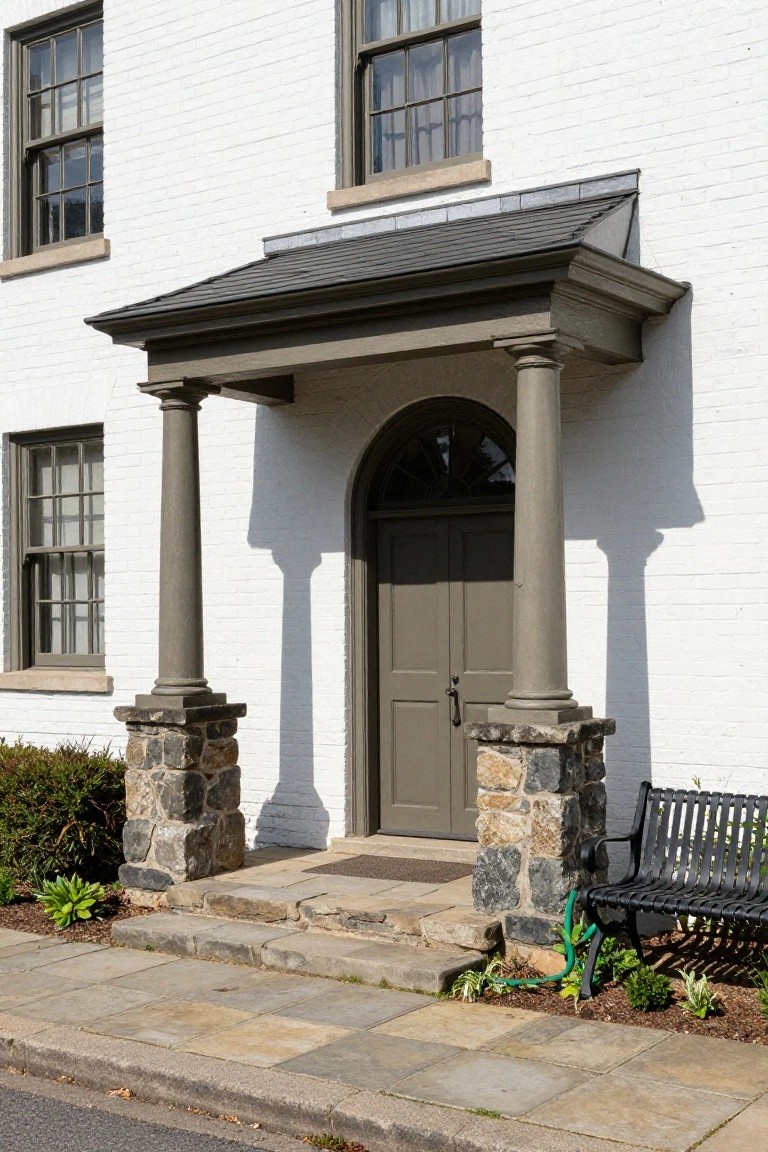
One straightforward way to give a colonial porch more presence is stone bases on the columns. Those rough fieldstone pieces at the bottom here sit right on squat pedestals and hold up the tall fluted columns nicely. Against the clean white brick, they add just enough texture to make the entry feel sturdy and settled.
You can pull this off on most classic homes with a similar portico setup. Pick stones that echo the local area for that natural tie-in. It suits spots where the architecture needs a little weight at ground level… but keep the bases low so they don’t throw off the column proportions.
Stone Walls Add Charm to Colonial Facades
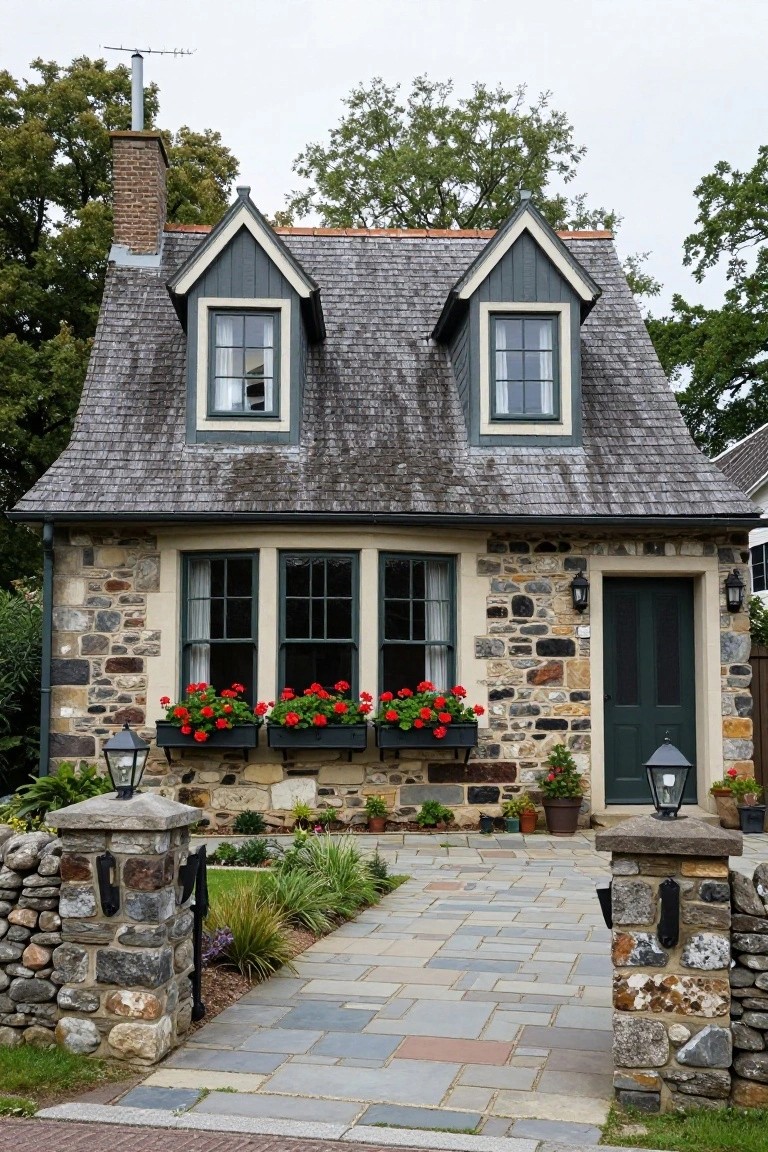
Fieldstone walls like these bring a handmade feel to colonial homes that smoother materials just don’t have. The mix of gray and tan stones fits right into the landscape, and they frame the big windows and entry without overwhelming the house. Paired with those flower boxes full of red geraniums, it keeps things lively.
You can pull this off on ranch-style or smaller two-story colonials where you want some texture up front. Use local stone if you can to blend with the yard, and keep the trim painted a strong color like green to make the stones pop. Watch the scale though. Too much stone might bury a plain door.
Stone Columns Boost Porch Appeal
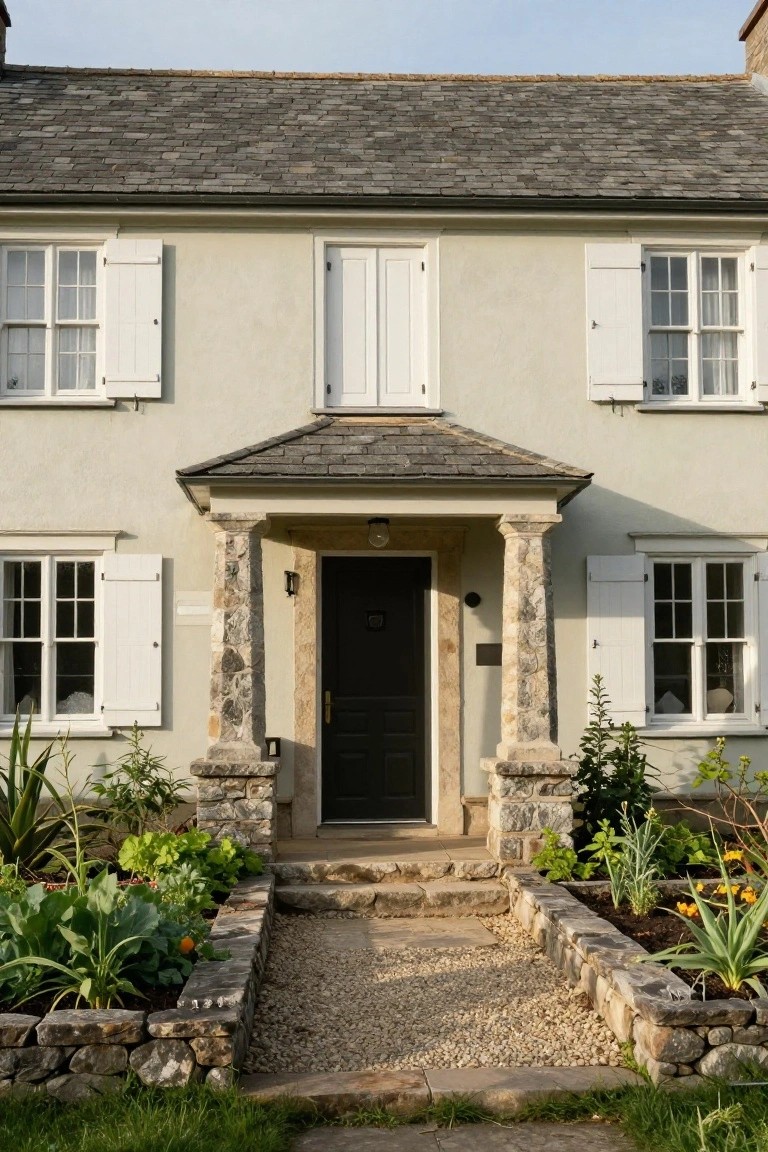
A simple way to make a colonial porch stand out is with stone columns like these. The rough textured stone on the pillars and porch edges adds some heft against the pale walls. It keeps the look traditional but gives the entry a bit more weight. Notice how it frames the dark door nicely without overwhelming the house.
This works best on stucco or rendered homes where you want subtle contrast. Use local stone to blend with the area. It suits quieter neighborhoods… just keep the planting beds low around the base so the columns stay the focus. Avoid smooth stone. It needs that rugged feel to pull it off.
Recommended Products

【Solid Wood & Handcrafted Quality】: Crafted from premium solid wood, this sturdy step stool combines durability with elegant craftsmanship. Its robust construction ensures long-lasting performance as a reliable step platform for everyday use.

BUILT TO LAST - Our hot tub step uses premium wood-like poly-lumber which is extra durable, waterproof, rot-proof, UV-resistant, and maintenance-free. It looks/feels just like wood, you won't believe it's a plastic step. It's a favourite among hot tub accessories.
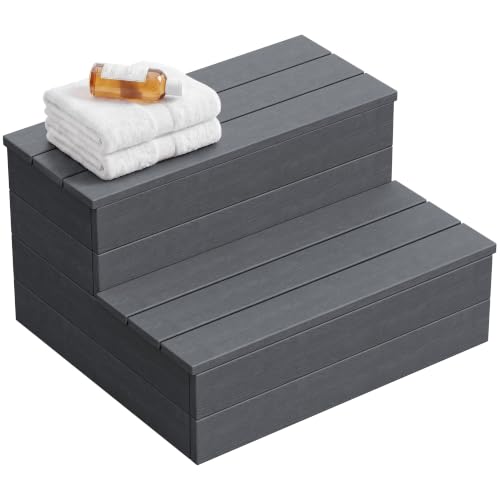
Heavy-Duty Capacity: Constructed from high-density polyethylene that maintains structural integrity under pressure; supports up to 550 lbs. without flexing or weakening; accommodates adults carrying towels or drinks to and from the spa; provides reliable stability for daily use
Stone Pillars at the Entry
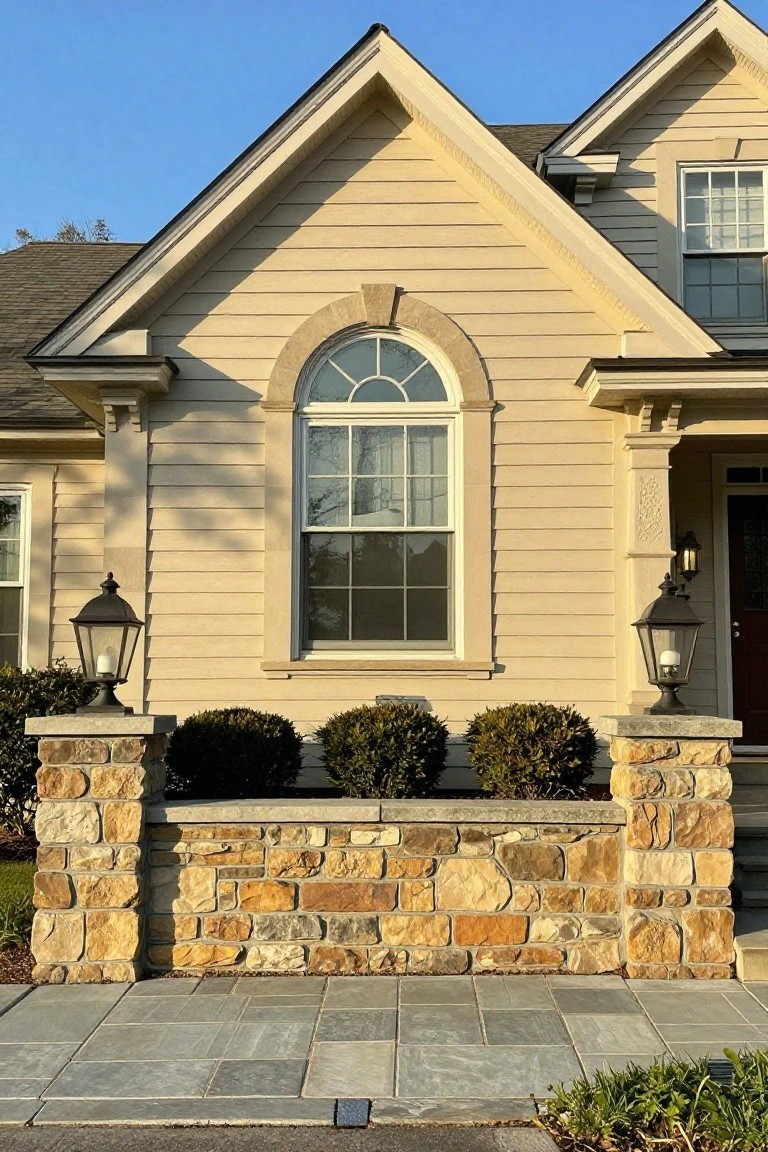
These stone pillars sit right at the front steps of a classic colonial home. They flank a short slate path and hold up lanterns that light the way. With boxwoods planted snug between them, the pillars ground the beige siding and make the entry feel sturdy and put-together. It’s a simple way to add some texture without changing the whole look.
Pillars like this suit homes with light-colored siding or clapboard. They work best when the stone has natural color variations, like tans and browns here. Tuck in evergreens for year-round green. Just keep them low-profile so they don’t overwhelm a smaller front yard.
Stone Steps Anchor the Colonial Entry
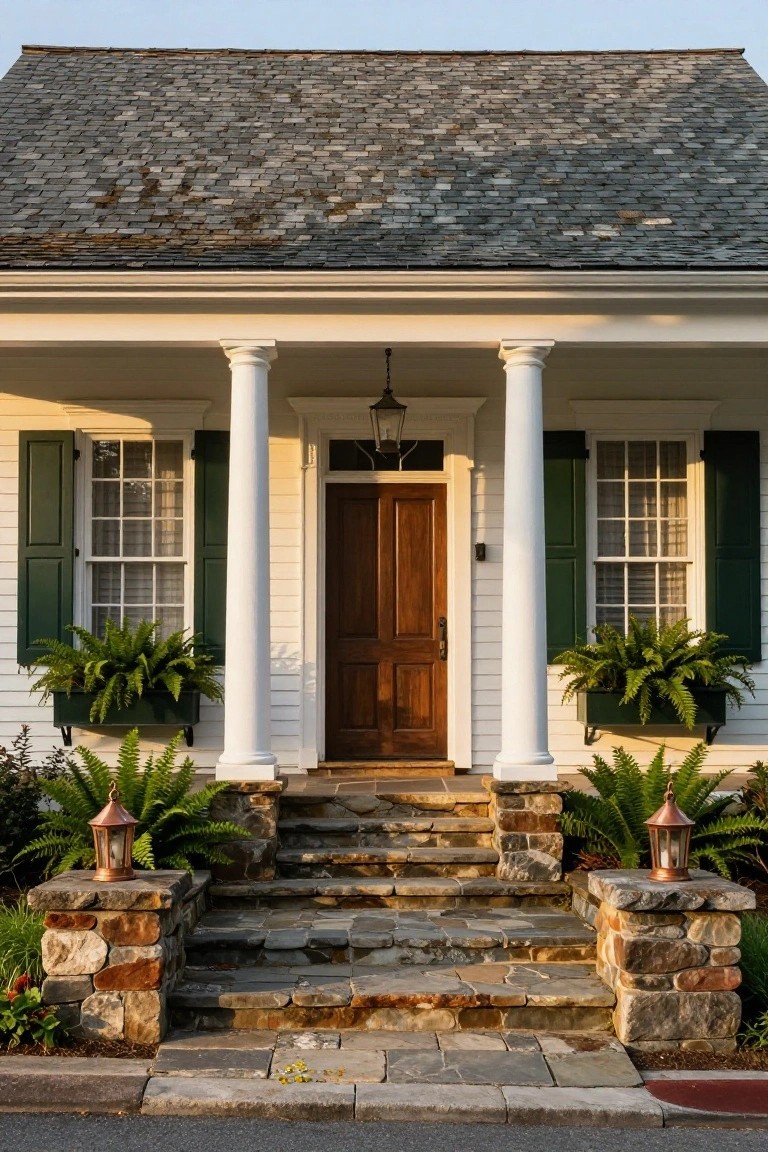
A classic colonial house gets a real lift from rugged stone steps leading up to the porch. Those uneven flagstone treads and sturdy stone pillars at the base add some natural texture against the clean white siding and columns. It keeps the traditional look but makes the front entry feel more solid and connected to the ground, especially with the slate roof overhead.
This works best on homes with a raised porch or any slope at the front. Pick stone in earthy tones that echo your roof or chimney so it blends right in. Skip overly smooth cuts, though. The rough edges are what give it character without overwhelming the architecture.
Stone Base Grounds a Blue Clapboard Facade
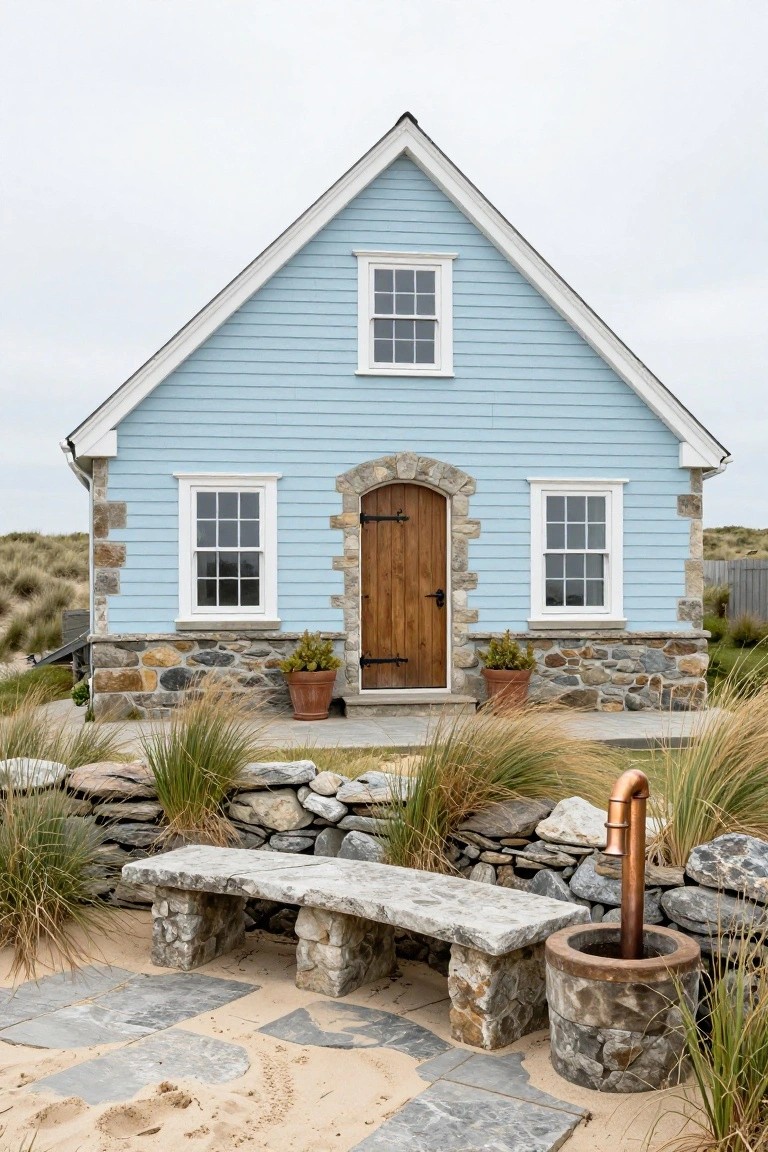
A simple light blue clapboard house gets a lot more presence with a rugged stone base like this one. The mix of textured stones at the foundation and around the entry pulls the eye right to the front door, making the whole facade feel sturdier and more connected to the sandy ground nearby. It’s a classic colonial move that adds character without much fuss.
This works best on homes in beachy or rural spots where you want some natural tie-in. Pick stones in earth tones that match your site, pair them with a pale siding color, and keep plantings low around the base so the stone stays visible. Just avoid overdoing the stone height or it can overwhelm a small house.
Climbing Roses on Stone Walls
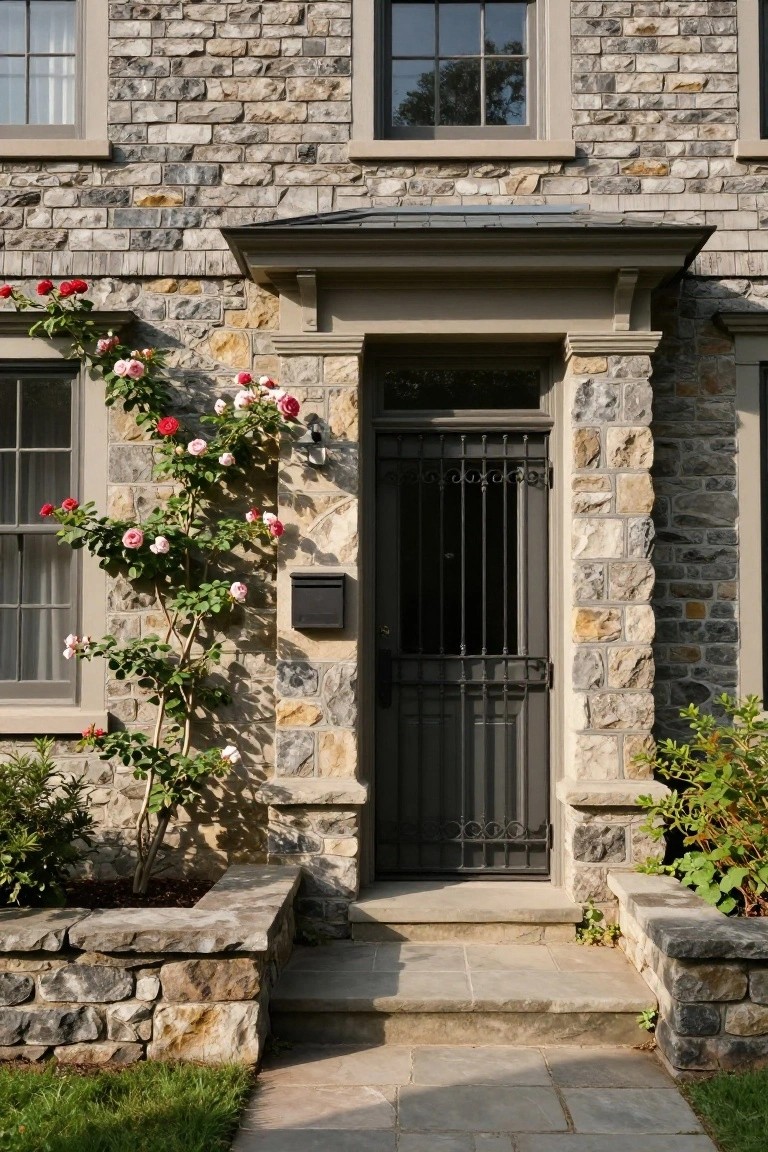
One simple way to warm up a colonial stone exterior is letting climbing roses grow right up the walls. They add pops of color and a bit of softness against all that rugged fieldstone. In this setup, the pink and red blooms trail along the left side of the entry, making the front door feel more welcoming without much effort.
These work best on homes with textured stone like this irregular gray mix. Plant them near the foundation so they climb naturally toward windows or pillars. Keep them trimmed once a year to avoid overwhelming the stone. They suit older-style houses in mild climates where roses thrive, and pair nicely with a simple iron gate for security.
Stone Stoop Accents on Brick Colonial Facades
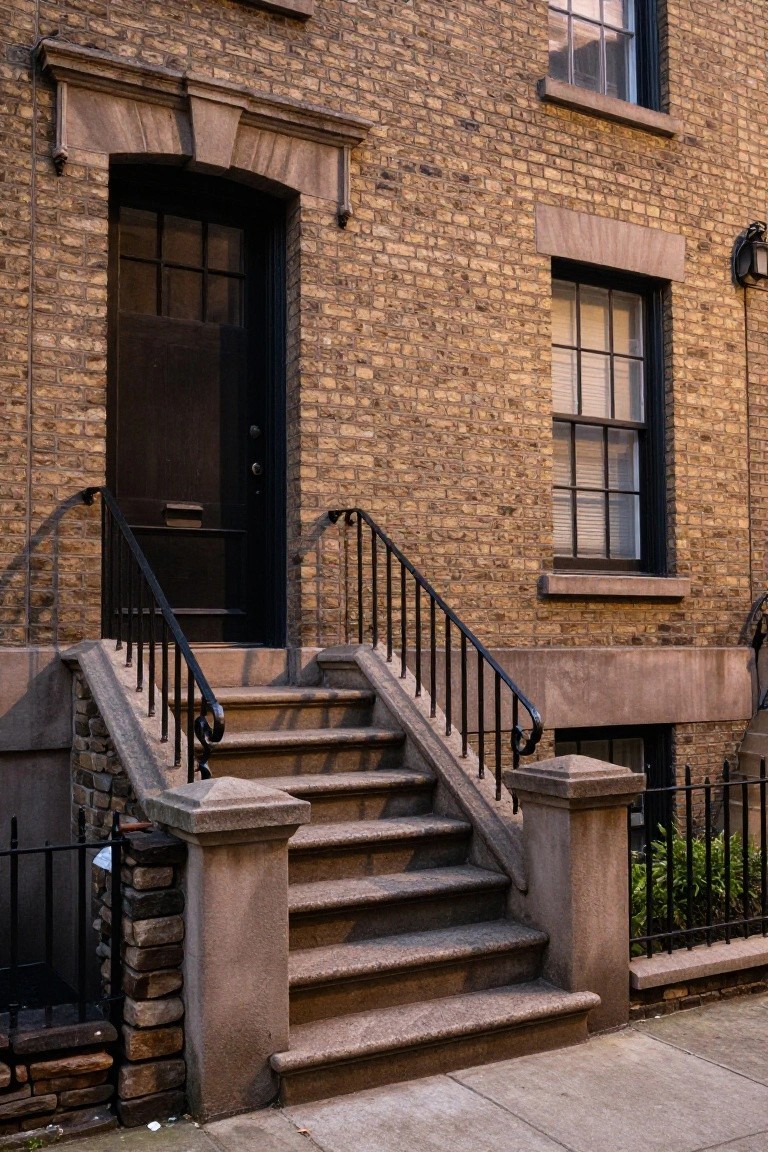
A simple way to lift a plain brick colonial is with stone on the entry stoop. Here the broad stone steps and squared posts stand out against the warm brown brick. That mix gives the front a solid, established look without much fuss. Black iron railings tie it right in.
This works best on narrow townhouses or row homes where you want more presence at street level. Keep the stone in a matching light tone so it blends rather than fights the brick. It’s low upkeep too, especially if you skip paint on the railings.
Stone Base Grounds a Shingle Colonial
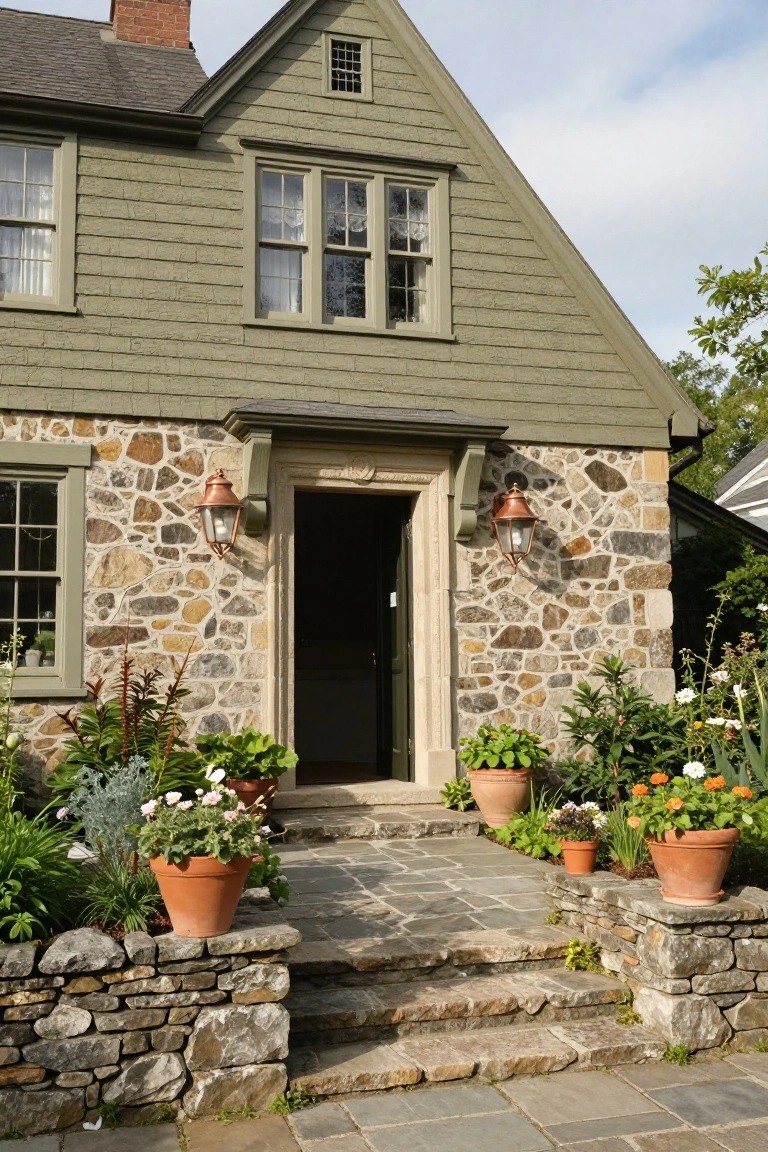
A solid stone foundation like this one takes a classic shingle-sided colonial up a notch. The rough textures down low contrast nicely with the smoother green shingles above, making the entry feel sturdy and rooted. Copper lanterns hung on the stone walls add a bit of patina without overdoing it.
This approach suits older homes or new builds aiming for that timeless look. It works great in rural spots or with some trees around. Keep the stone in earth tones to match the siding, and scale it right so it doesn’t overwhelm the door.
Colonial Brick House with Stone Base
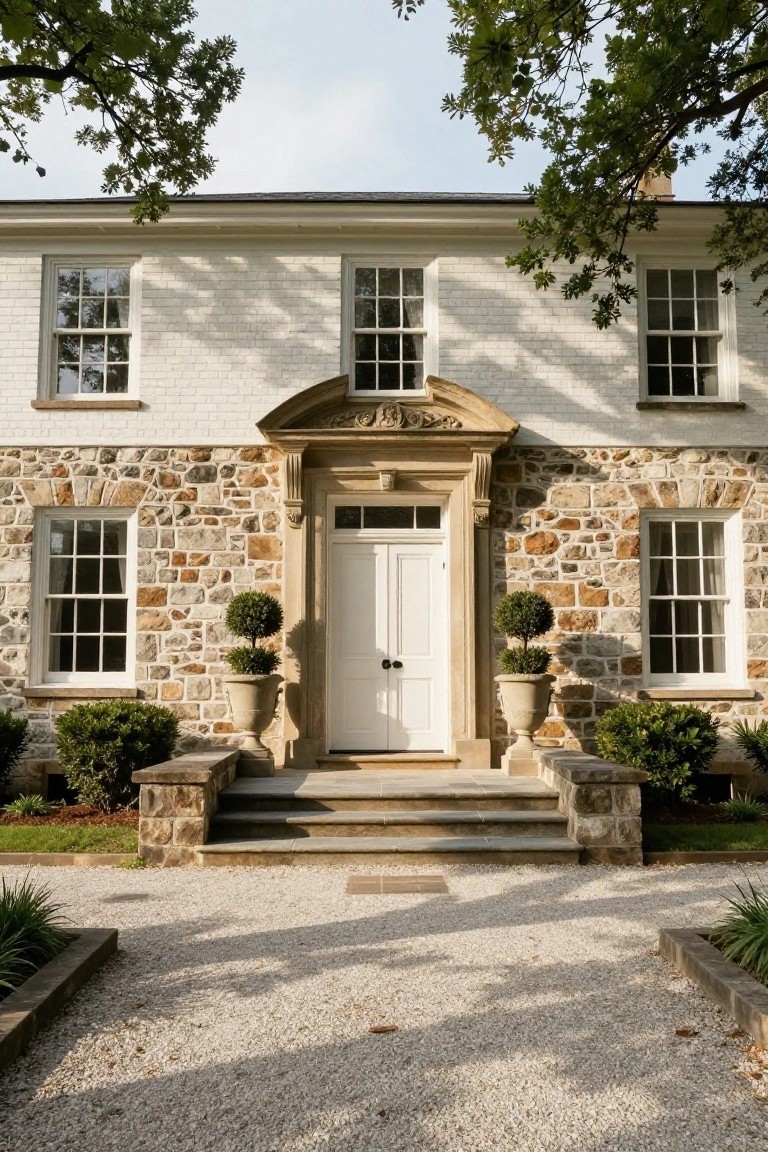
Stone accents like this show up nicely on colonial homes. Here the lower level and entry are built from rugged stone, while smooth white brick covers the upper stories. That mix adds real texture and weight to the facade. It keeps things classic but stops short of plain. Boxwoods beside the door pull it all together without fuss.
Try this on a two-story brick house facing the street. Pick stone that echoes local quarry looks for authenticity. Stone steps leading up help too. It suits suburbs or older neighborhoods best. Just match the stone color to your brick so it blends rather than fights.
Frequently Asked Questions
Q: Can I add stone accents to my existing Colonial without a huge remodel?
A: Pick thin stone veneer that goes right over your current siding. Prep the surface well and let a mason handle the install for a clean finish. You get that elevated look in weeks, not months.
Q: What stones pair best with a white Colonial exterior?
A: Go for soft gray limestone or beige sandstone. They add warmth without clashing against the crisp white paint. Lay samples on your porch to see how sunlight hits them.
Q: How do I clean stone accents so they stay fresh?
A: Rinse with a garden hose every couple months. Spot clean with dish soap and a soft brush for any buildup. Avoid pressure washers—they pit the surface.
Q: Will stone accents work on a smaller Colonial house?
A: Scale down to smaller stones around doors and corners. They punch up the entry without overwhelming the facade. But skip full walls; they dwarf tight spaces.
