

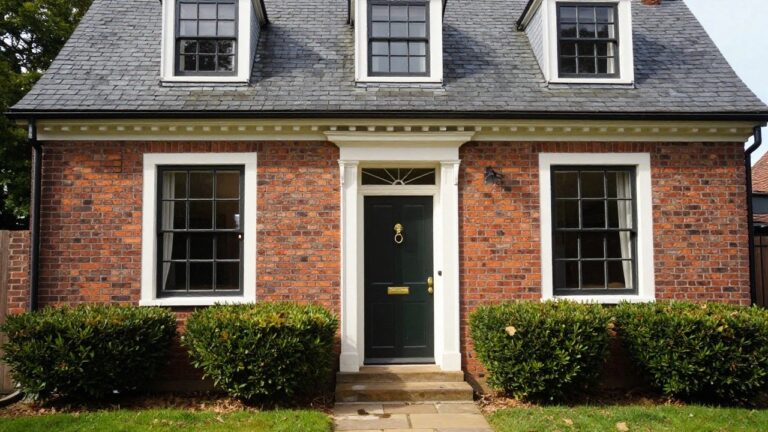
Colonial houses draw the eye from the street because their exterior trim sets the tone for that classic, balanced facade.
I once stopped to look at a restored one nearby, where the clean window casings and eave details made the siding and roofline read sharper in person than any photo could show.
Those small choices create curb appeal that lasts through seasons.
Trim like raised panels or subtle corner boards enhances the entry without clashing against brick or clapboard.
I’ve jotted down a handful from real neighborhoods that seem worth adapting to your own house.
Crisp White Trim on Red Brick
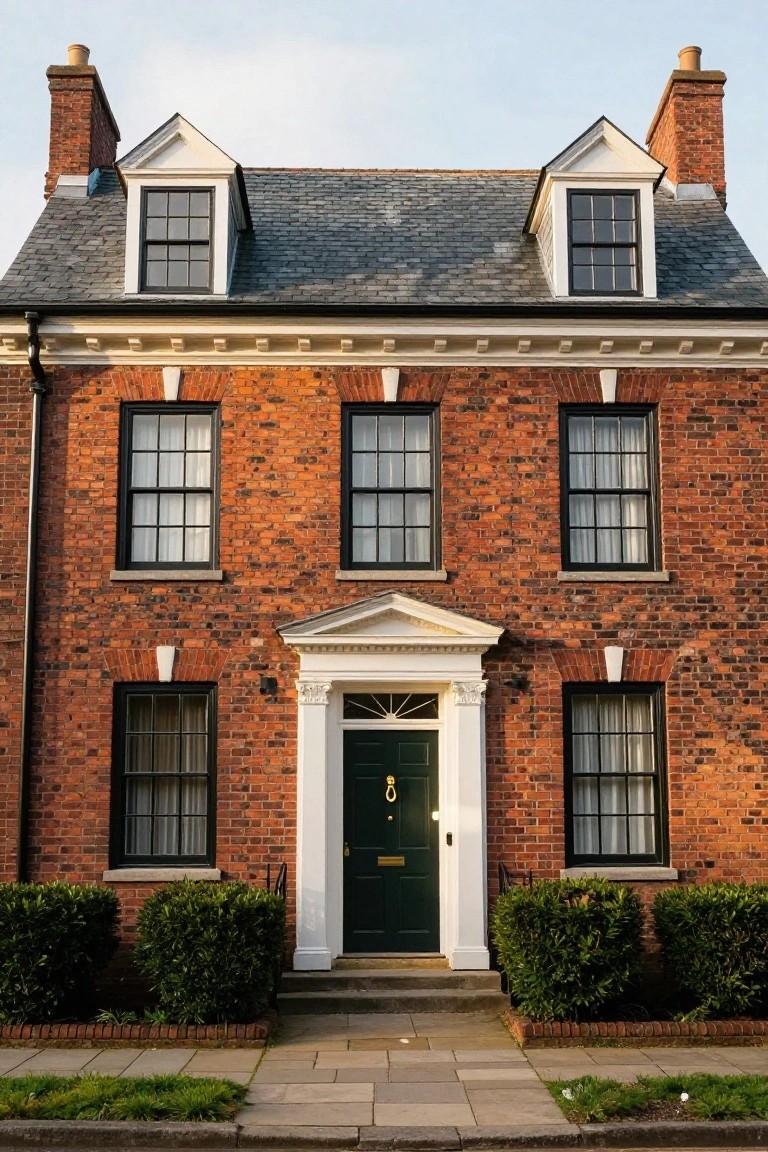
White trim painted crisp against red brick walls gives a Colonial house that sharp, defined look. It outlines each window nicely and frames the entry without overwhelming the brick. Folks like how it pulls the eye to the architecture, keeping things balanced and fresh.
This trim style works best on symmetrical facades like Georgian or Federal homes. Go for semi-gloss paint to stand up to weather, and refresh it every few years. It suits urban rows or suburban lots… just keep the brick mortar clean too.
Fluted Columns Define Porch Trim
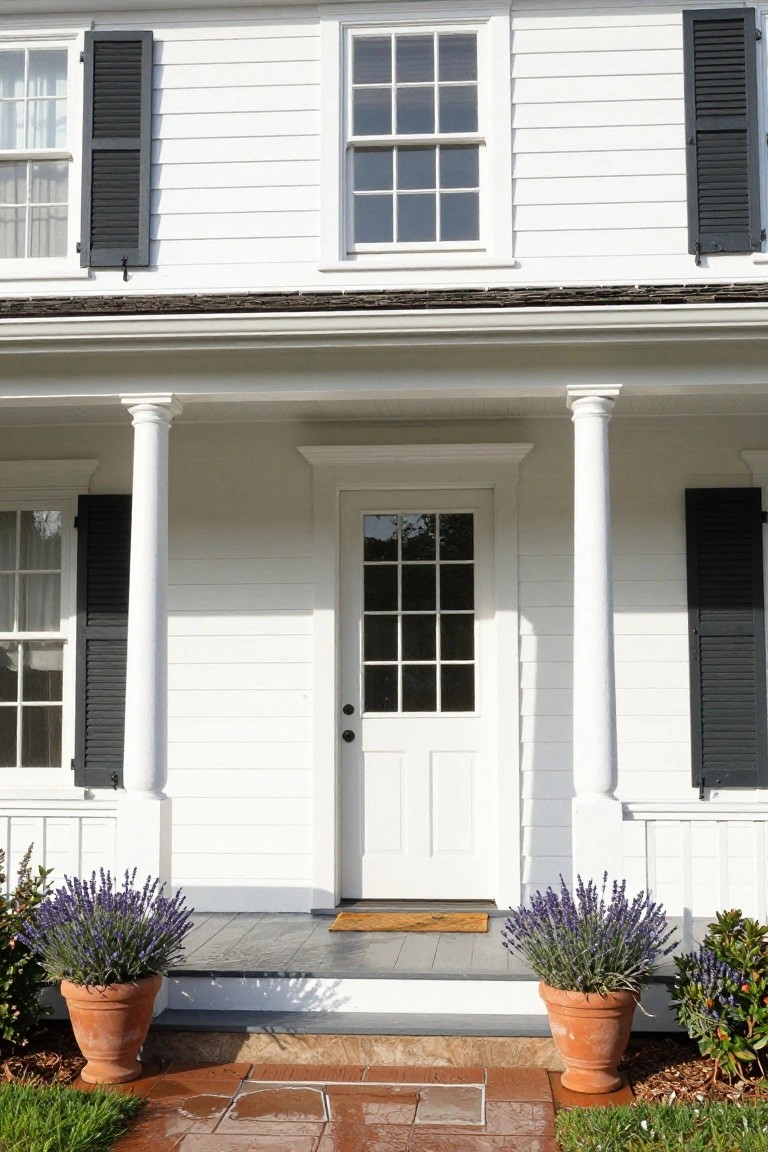
Fluted columns on a colonial porch bring out those clean lines people love. The subtle grooves running up the shaft add just enough detail to make the entry stand tall. Painted white like the trim here, they tie right into the house without stealing the show, and the black shutters nearby keep things sharp.
Put these on homes with a front porch that covers the door. They suit classic two-story colonials best, especially where you want structure around a simple paneled door. Size them to fit your porch width, and go for smooth fluting if you like low upkeep.
Crisp White Trim on Light Blue Siding
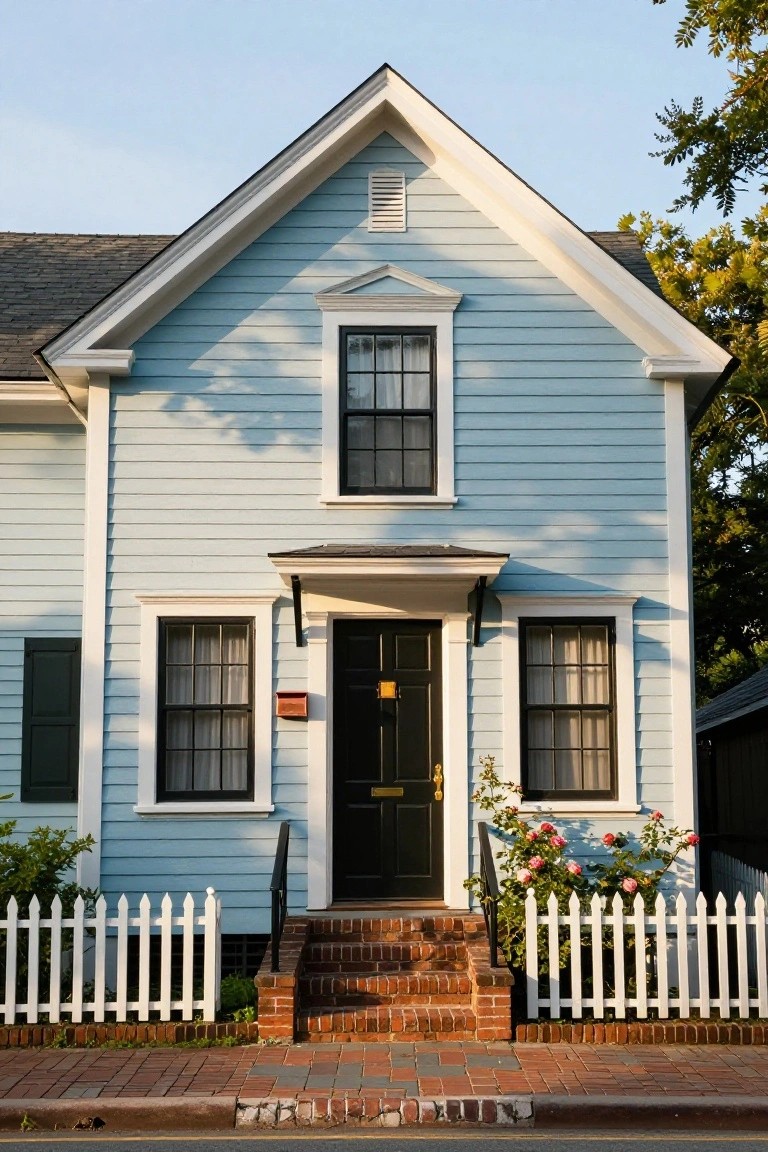
White trim like this works well on a soft blue house exterior. It outlines every window frame, shutter, and porch edge so they stand out nice and sharp. Colonial homes often use this kind of contrast to keep things looking clean and put-together without much fuss.
Try it on clapboard siding in a traditional neighborhood. The white picks up the picket fence too, tying the front yard in. Just stick to matte paints so it doesn’t glare, and it suits most any size house from small cottages on up.
Pilaster Trim for Clean Lines
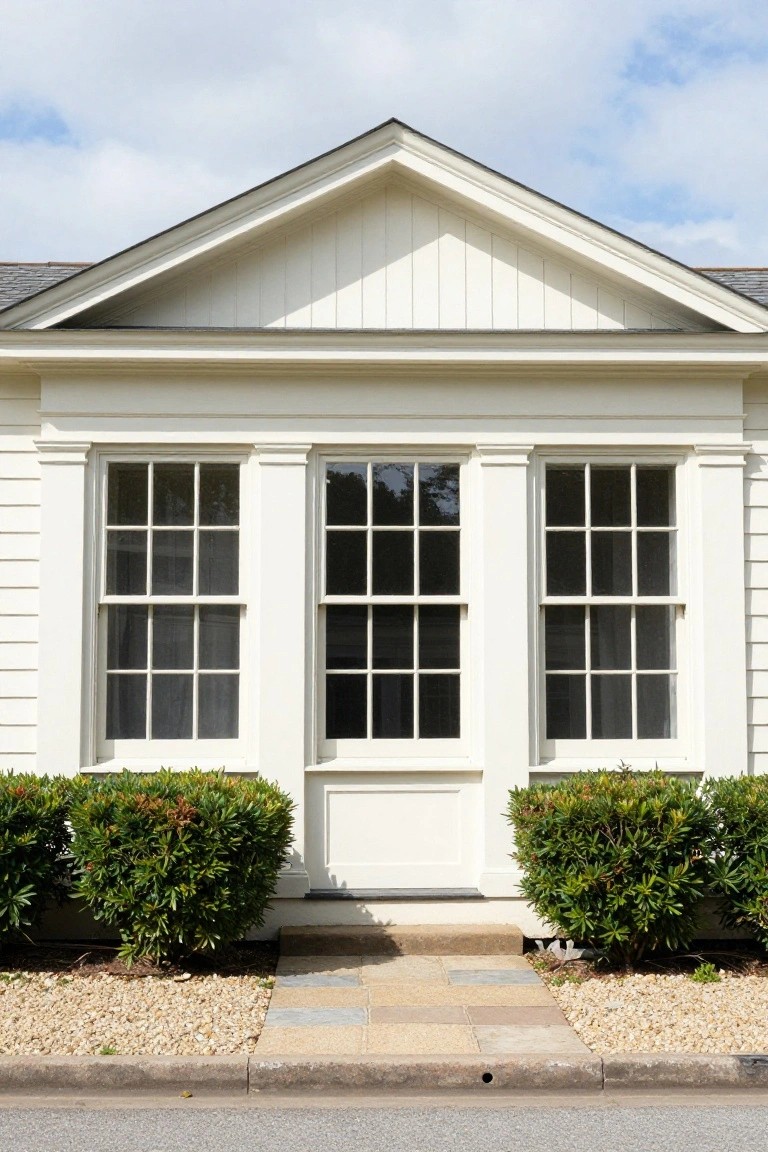
Pilasters like these give the facade a sharp, classical edge. They’re slim fluted columns that sit between the windows and frame the entry without taking over. On a white house, the trim pops just enough to highlight the symmetry and keep things looking fresh and put-together.
You can add them around grouped windows near the door on any Colonial-style home. They suit smaller front facades especially well, pairing nicely with simple siding and a few boxwoods out front. Just match the height to your windows so they don’t overwhelm the scale.
Crisp White Trim on Gray Shingles
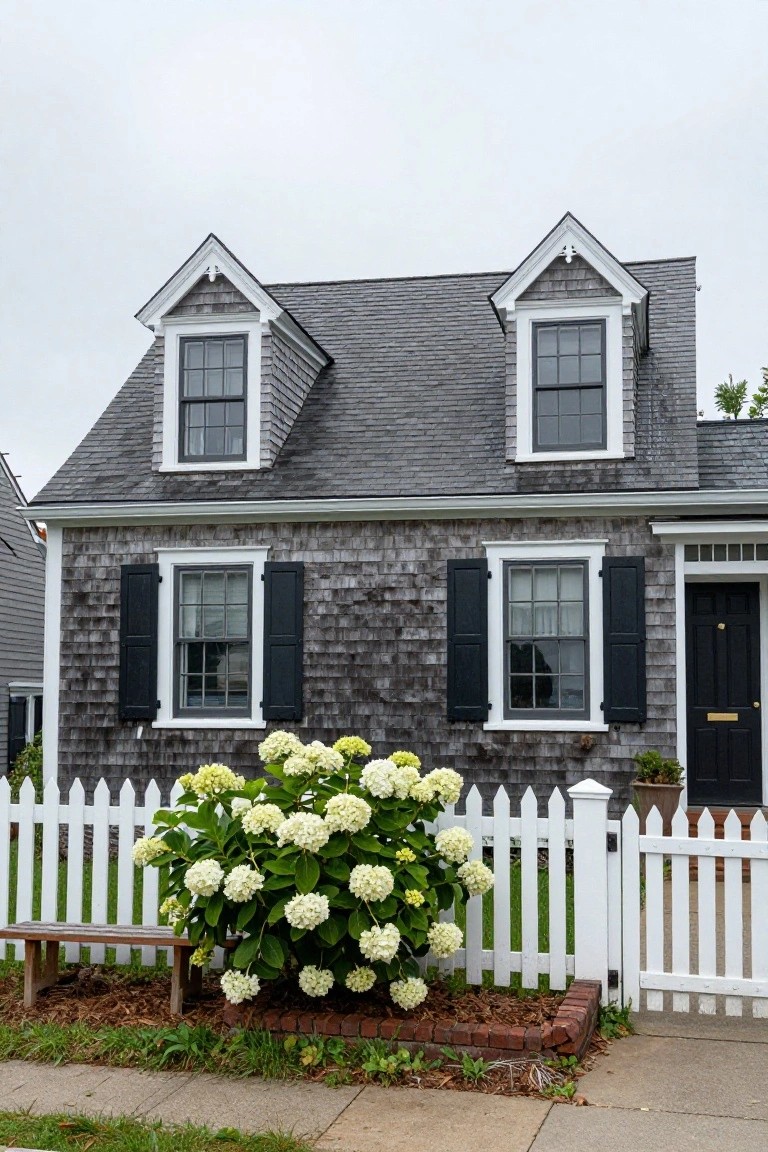
White trim stands out nicely against gray shingle siding. It outlines the windows and dormers cleanly, giving the house that sharp Colonial shape without much fuss. The black shutters add some punch too, but it’s the trim that keeps everything looking tight and put-together.
This setup works best on homes with simple rooflines like Capes or cottages. Paint the trim bright white to make it pop, and stick to muted grays on the shingles so the contrast stays crisp. It suits coastal spots or older neighborhoods… just watch the paint doesn’t yellow over time in sunny areas.
Fluted Columns for Entry Trim
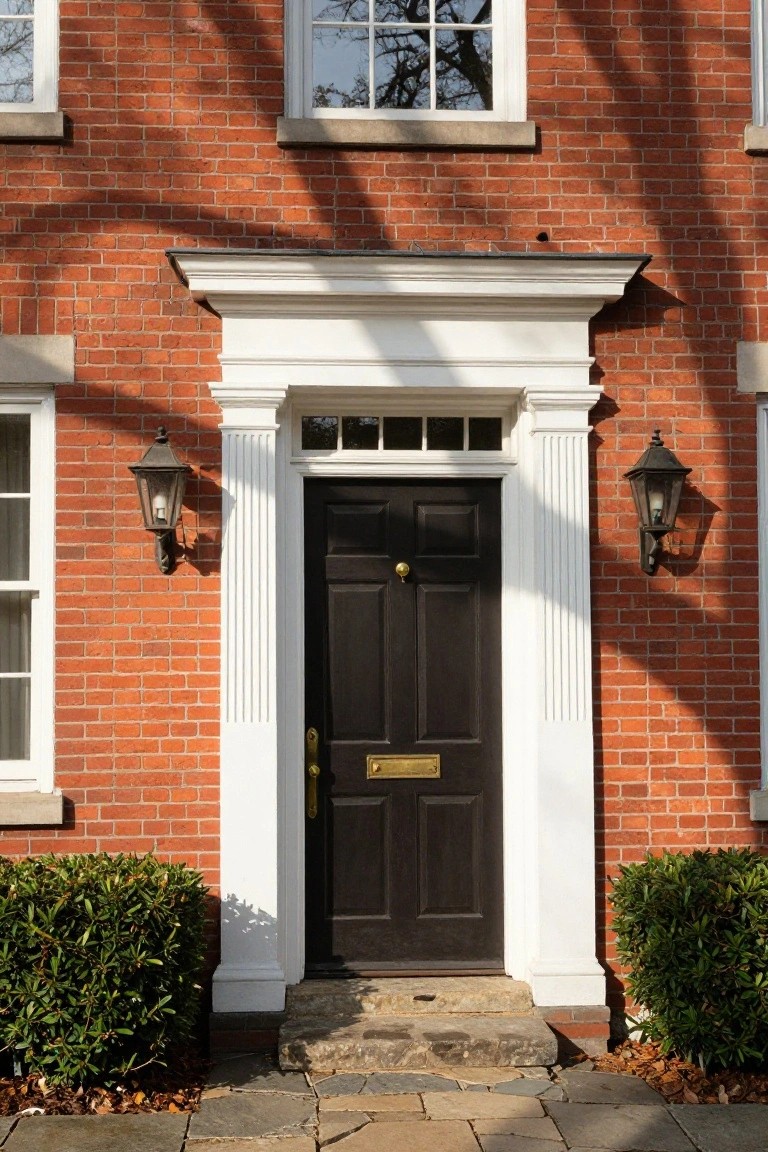
White fluted columns like these frame the front door and add clean lines to a brick house. They stand out against the red brick walls, keeping things crisp and pulling the eye right to the entry. A simple pediment up top ties it together, and the dark door keeps it from feeling too bright.
This trim idea suits older colonial homes or any brick facade wanting that traditional touch. Use it where the entry needs definition, maybe with lanterns on each side for evening light. Boxwoods at the base work well too. Just make sure the columns match your roofline height so it doesn’t look off.
Crisp White Trim on Dark Siding
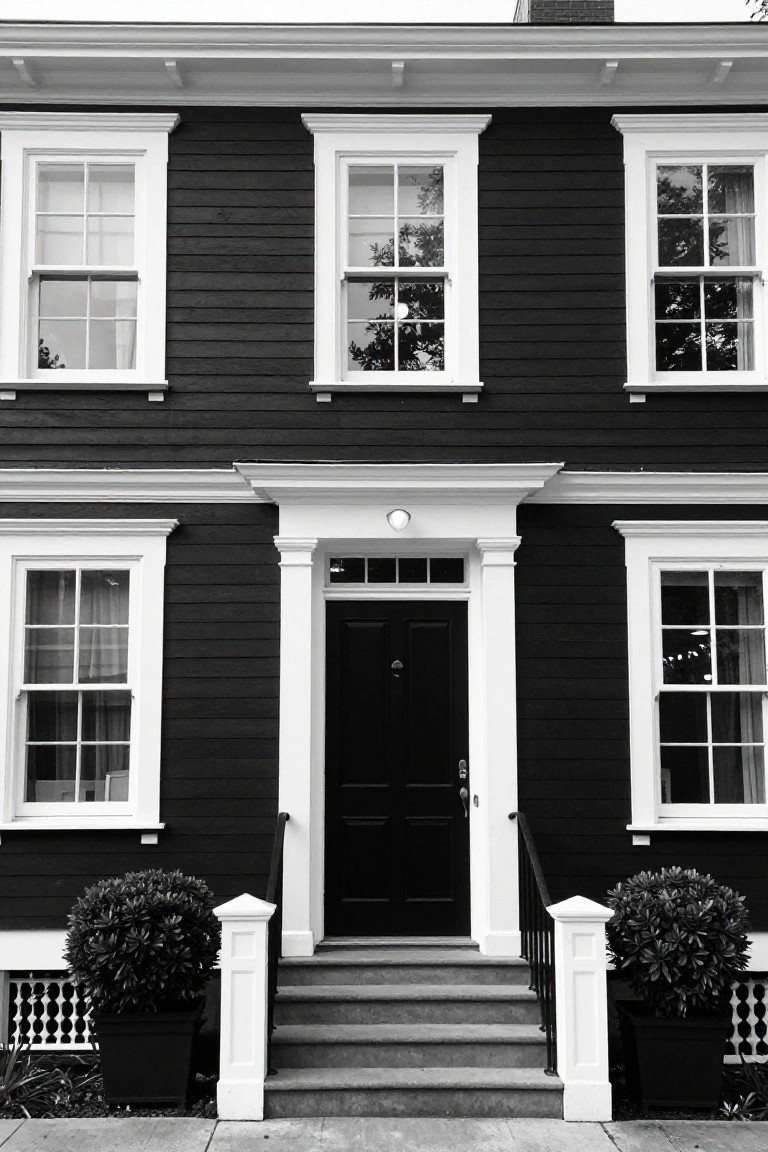
A dark house like this one gets a lot from simple white trim. The black siding sets off the white frames around every window and the porch details. It keeps things clean and sharp, especially on a colonial style where straight lines matter. No need for fancy extras. Just good contrast.
Try this on any older home with clapboard or shingle siding. Paint the trim bright white and let the house color go deep black or charcoal. It works best facing the street for that quick curb appeal. Watch the trim paint though. It shows dirt fast so plan to touch up now and then.
Navy Blue Trim on White Siding
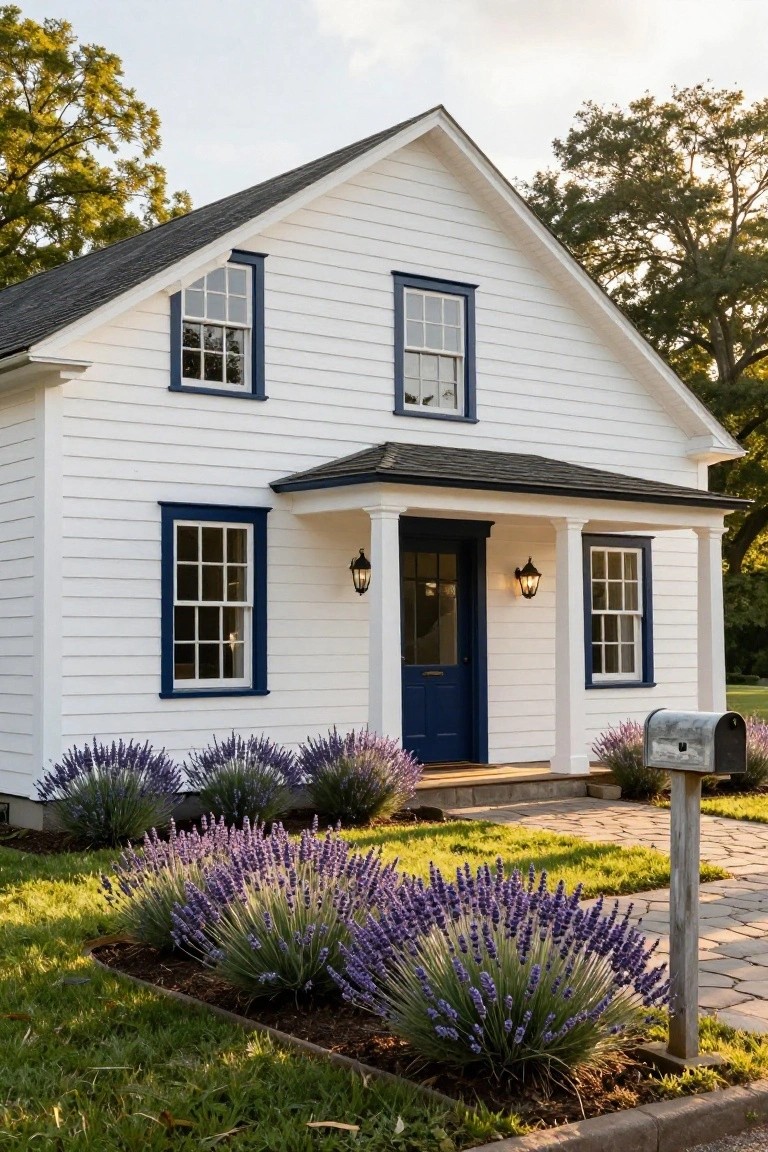
A classic white colonial house gets a fresh lift with navy blue trim around the windows, door, and porch edges. That deep blue cuts clean lines against the bright siding. It keeps things simple and sharp, letting the house shape stand out on its own.
This trim choice works best on older style homes with clapboard or shingle siding. Paint the trim in a semi-gloss for easy cleaning, especially near the entry. It suits yards with green grass or low plants… nothing too busy. Just watch the sun fade on lighter blues, so stick with navy.
Crisp White Trim on Beige Siding
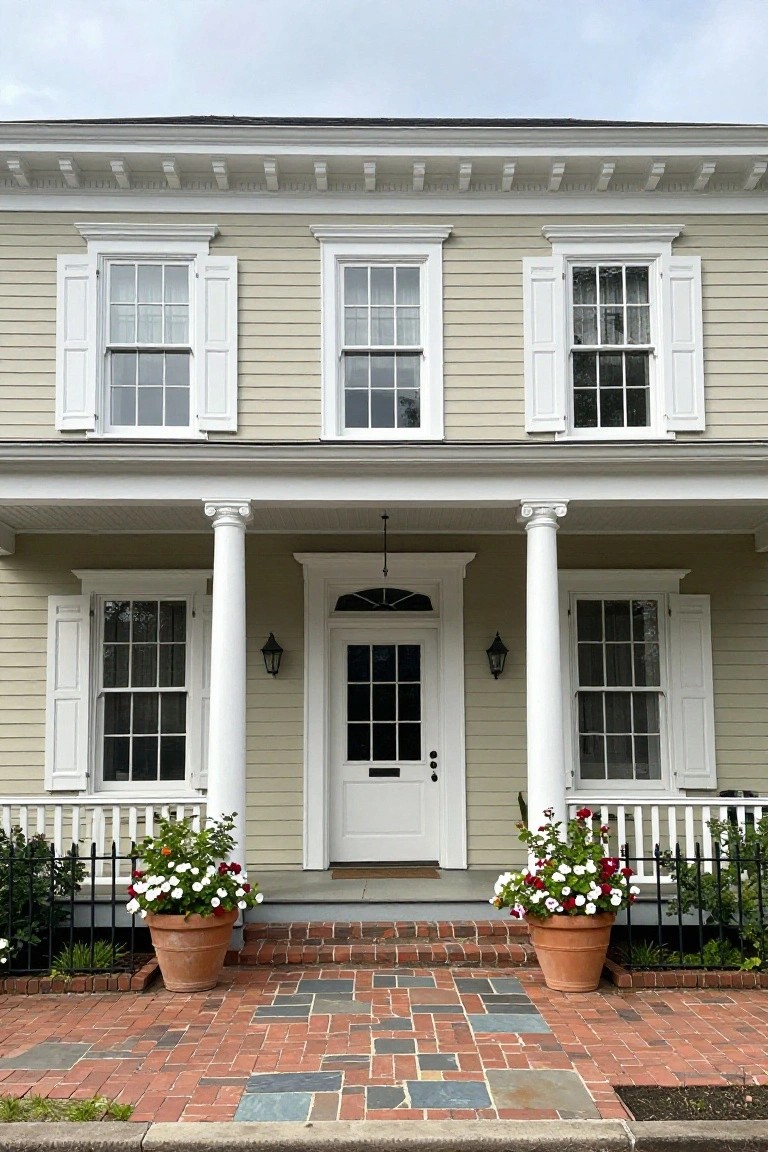
A soft beige siding like this pairs perfectly with bright white trim to keep things clean and sharp on a Colonial front. The white shutters hugging the windows, the trim around the door, and those fluted porch columns all stand out without overwhelming the house. It gives the whole facade a fresh, pulled-together feel that says traditional but not stuffy.
You can pull this off on most two-story Colonials with a front porch. Stick to simple moldings and keep the siding muted so the white pops. It works well in neighborhoods where homes sit close together. Just make sure the trim is fresh paint, or it loses that crisp edge quick.
Black Window Trim on White Siding
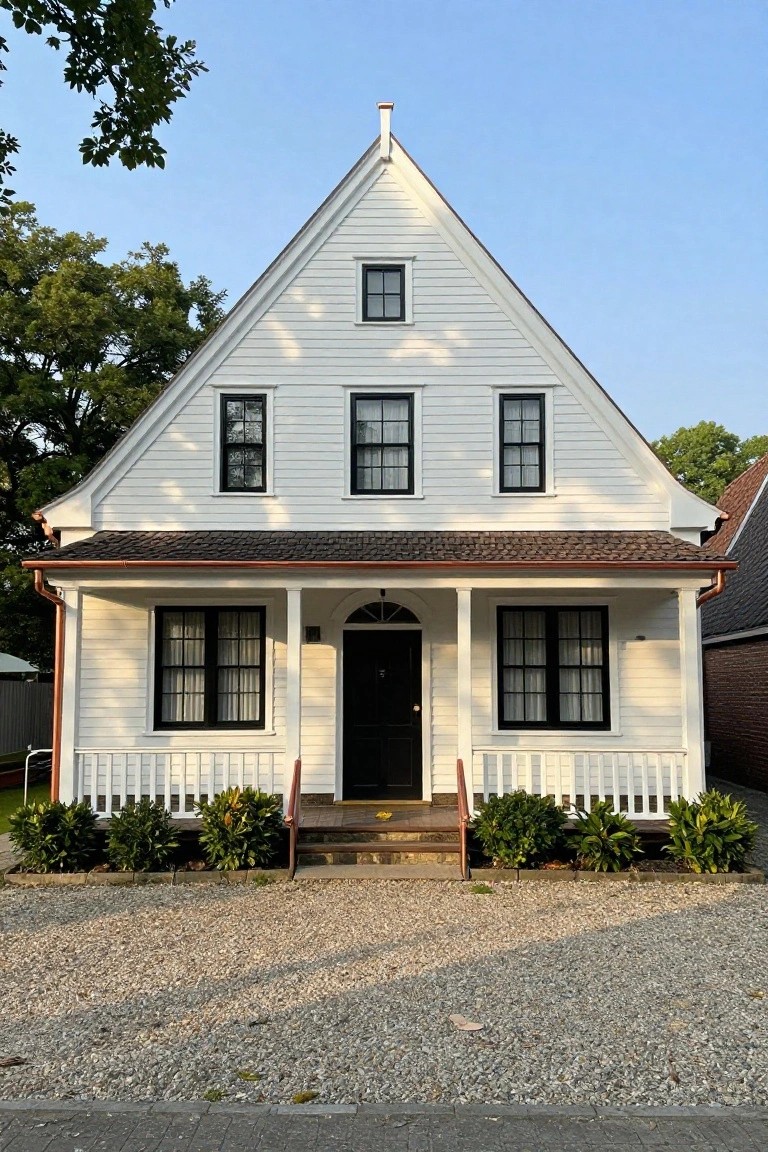
One clean way to sharpen up a Colonial house is black trim around the windows. It stands out nice against white clapboard siding like this. The dark frames make each window pop without much fuss. Keeps things simple and classic.
This works best on houses with good window placement already. Pair it with a black front door too if you want. Stick to straight lines and even spacing. It suits older homes or new builds aiming for that traditional look. Just make sure the paint holds up in your weather.
Black Trim on Light Siding
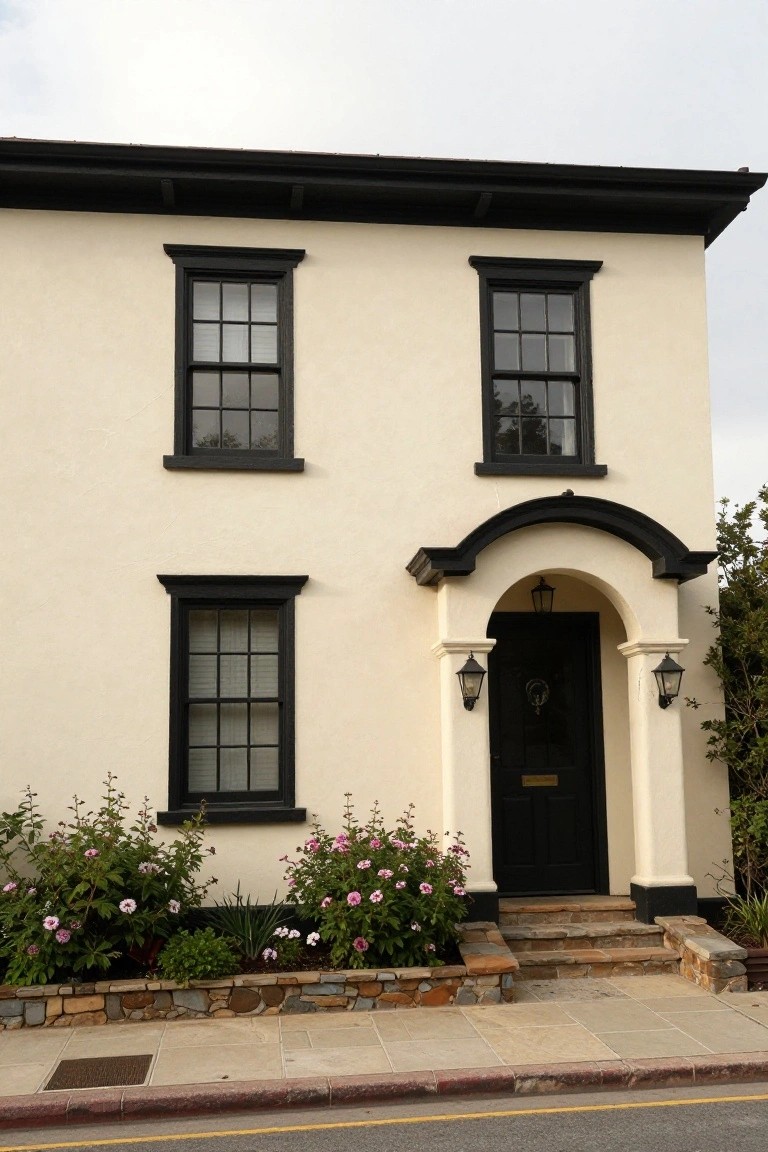
Black trim stands out sharp against pale walls like on this house. The dark frames around the windows and the curved entry arch pull your eye right to the architecture. It keeps things clean and classic, especially for colonial styles where you want details to pop without extra color.
Try this on homes with cream or white siding. It suits traditional neighborhoods or older properties needing a refresh. Just balance the black so it frames rather than overwhelms. Fresh paint on the trim makes a big difference.
Crisp White Trim on Brick Facades
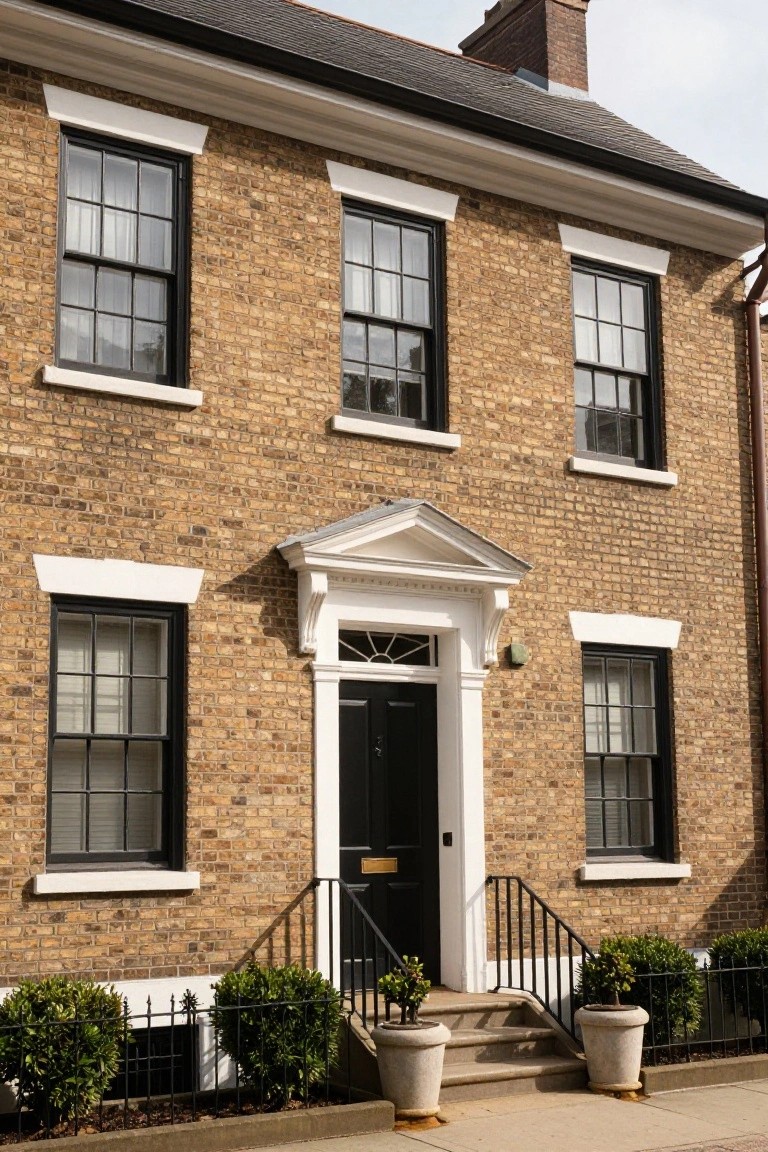
White trim stands out nicely against warm brick like this. It defines the windows and entry with clean lines. The pediment over the door adds a simple classical touch that keeps the whole front looking sharp and put-together.
This approach fits older townhouses or any colonial-style home. Use it on sills, cornices, and door surrounds. Pair it with black-painted window frames for extra contrast. Watch the paint though. It needs regular touch-ups to stay crisp.
Recommended Products

Amish Style painted mailbox

Amish Style painted mailbox
Crisp White Trim on Gray Siding
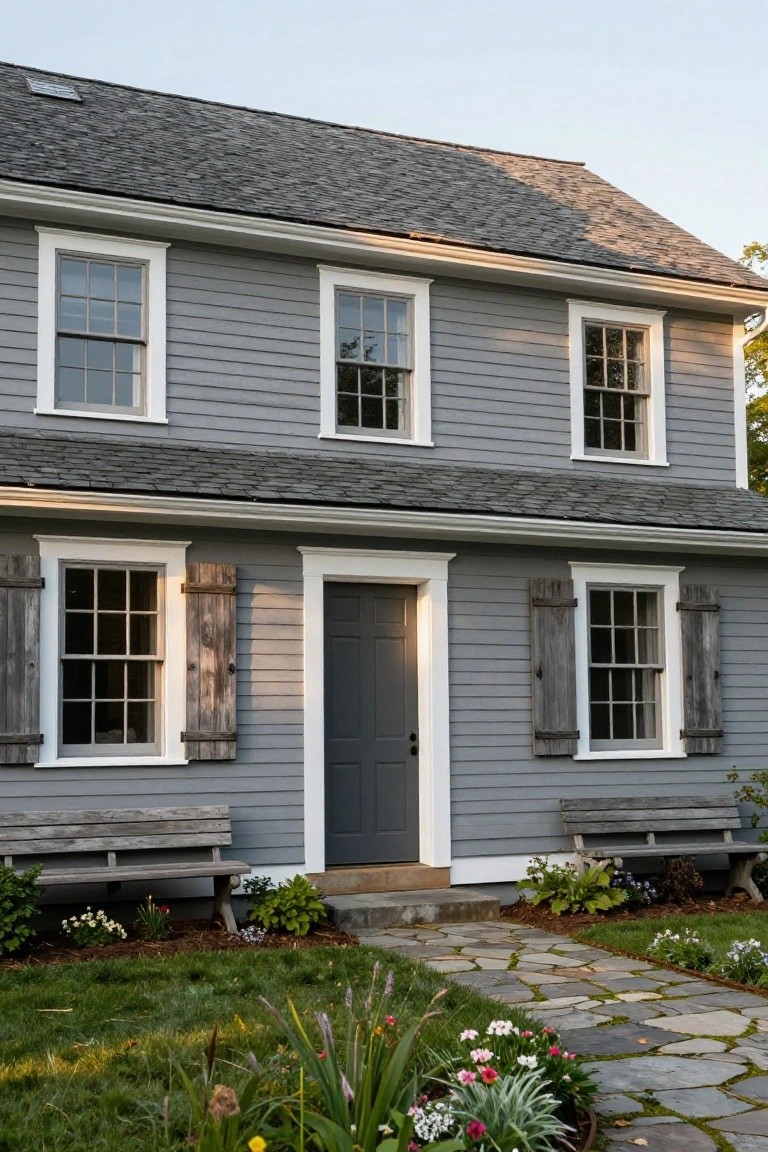
A soft gray clapboard siding like this pairs perfectly with bright white trim around the windows and door. It creates those clean lines that make a colonial house look put-together and fresh. The trim stands out just enough to highlight the classic shapes without overwhelming the quieter body color.
This setup works well on homes in shady spots or cooler climates where the gray keeps things neutral. Go for a semi-gloss white paint on the trim to hold up against weather, and keep the siding in a muted tone. Older houses with some patina take to it nicely too.
Blue Porch Ceiling Trim
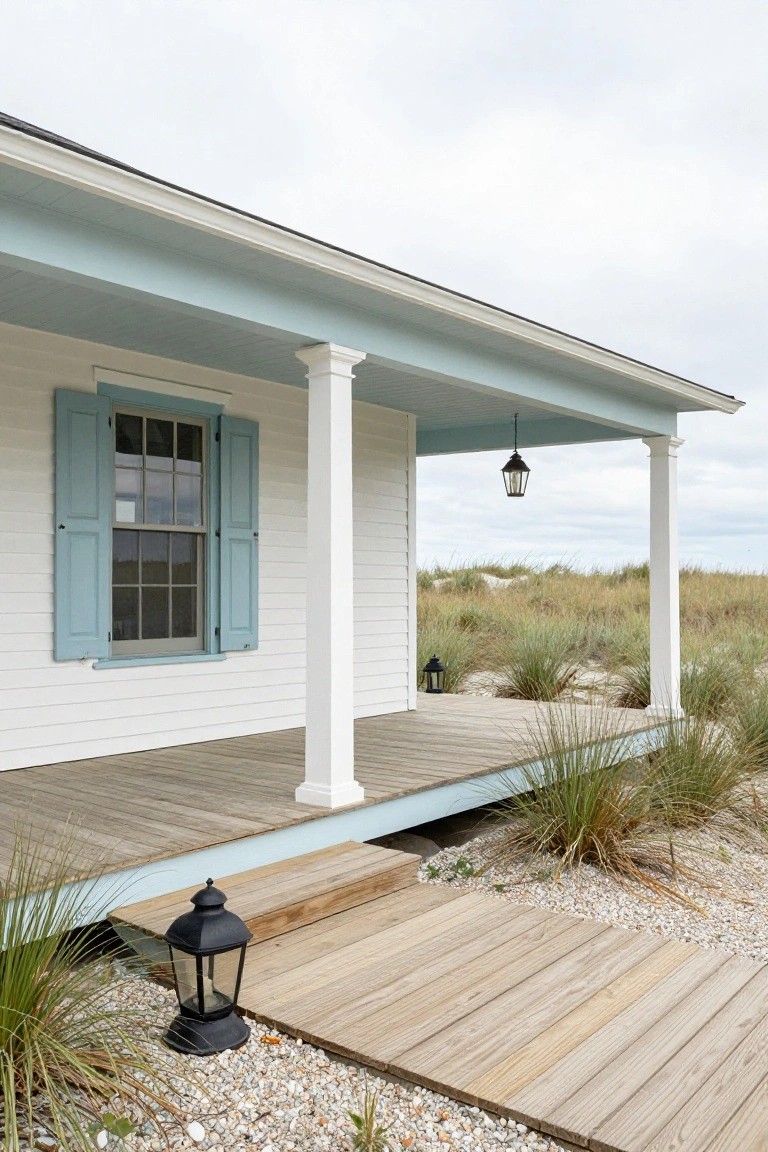
A blue porch ceiling works well on a white clapboard house like this one. It picks up the color from the shutters and adds a clean line of contrast right where people notice it most. That pop of color keeps the colonial look sharp without going overboard.
Try this on homes near the water or in milder climates. It suits classic siding and columns best. Pick a soft blue that ties into your shutters or the sky. Glossy paint holds up to weather better and cleans easy.
Crisp White Trim on Navy Brick
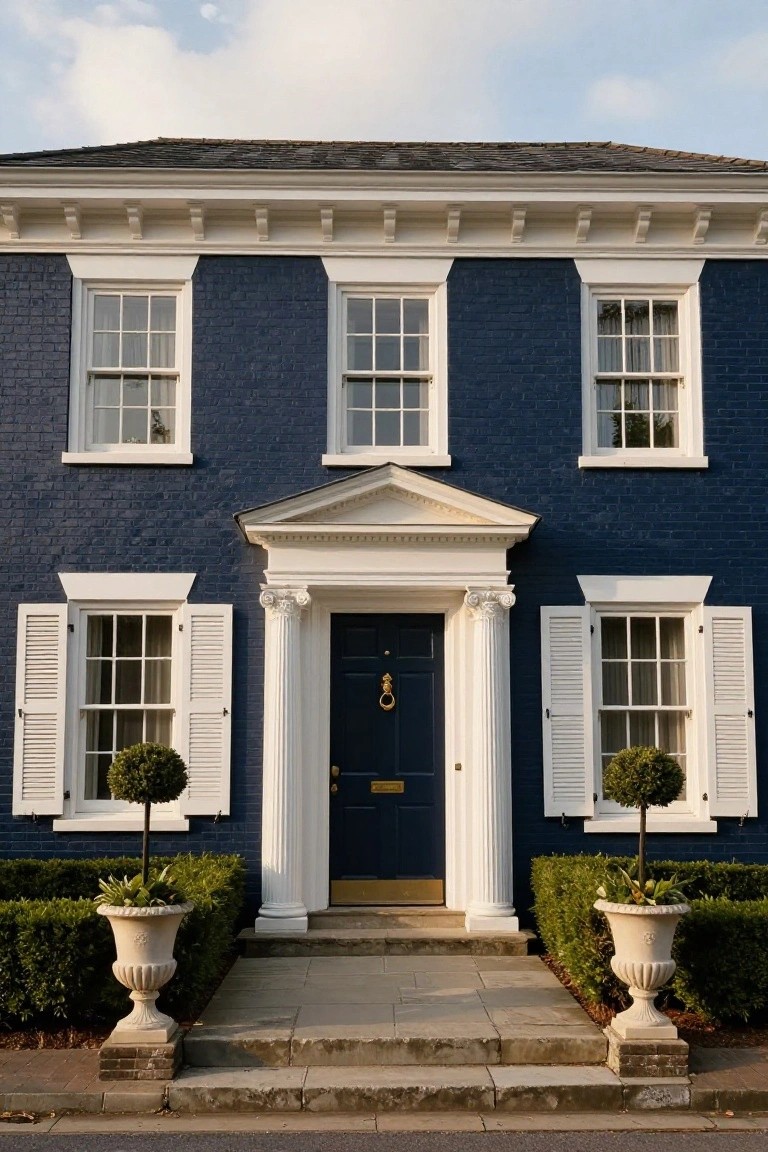
Dark navy brick gives a colonial house real depth and presence. Pair it with bright white trim around the windows, doors, and roofline, and everything snaps into focus. Those clean lines on the shutters and frames keep the look sharp without any fuss. Add a classical portico with columns at the entry, and you get that welcoming punch right up front.
This setup works best on homes with good symmetry, like two-story colonials facing the street. Paint the trim glossy white for extra pop, but stick to quality exterior paint on the brick to hold up over time. Flank the steps with simple urns and clipped boxwoods… it ties the architecture to the ground without overwhelming things. Skip busy patterns. Keep it plain.
Crisp White Porch Columns
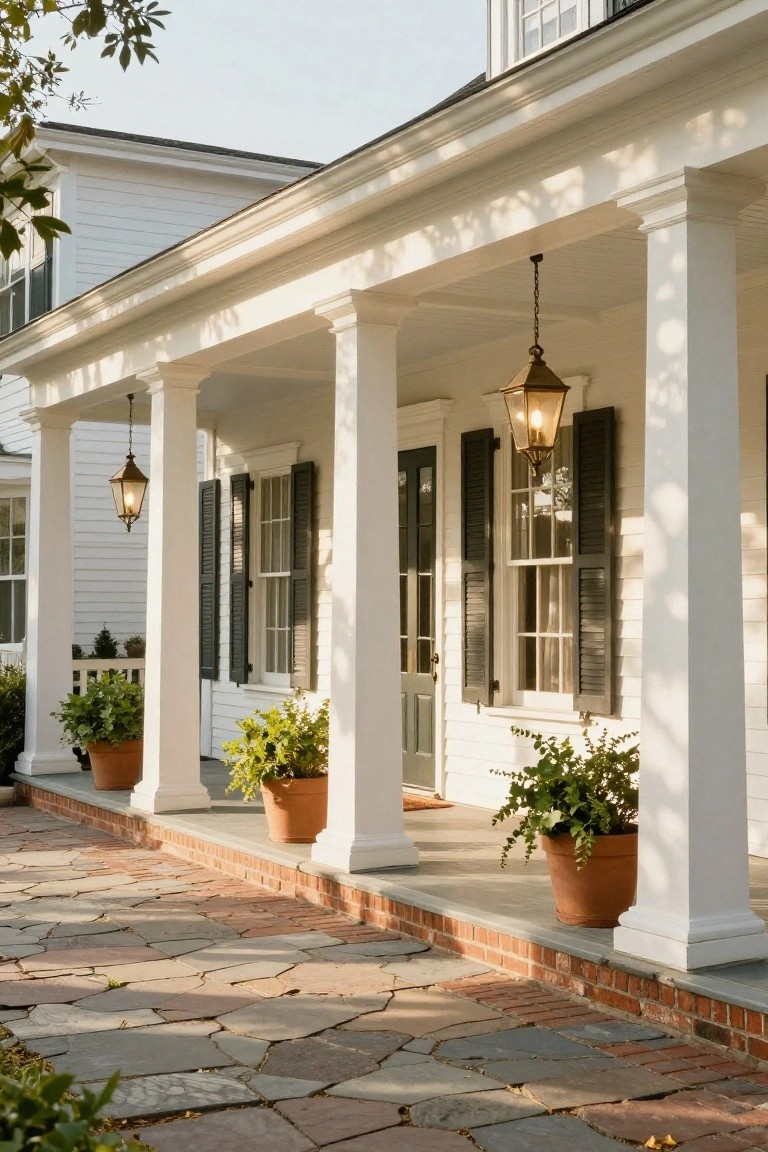
White porch columns like these give a colonial house that clean, solid look without much fuss. They’re tall and fluted just enough to add some detail, but they stay simple against the white siding. Paired with hanging brass lanterns, they frame the entry nicely and make the whole front feel put-together.
These work best on homes with wide porches where you want symmetry and a bit of height. Paint them the same shade as the trim for that crisp edge, and hang lanterns at eye level. Skip busy patterns. They suit traditional setups, especially if your house has dark shutters or a green door to pull some contrast.
White Trim Frames Stone Colonial Entry
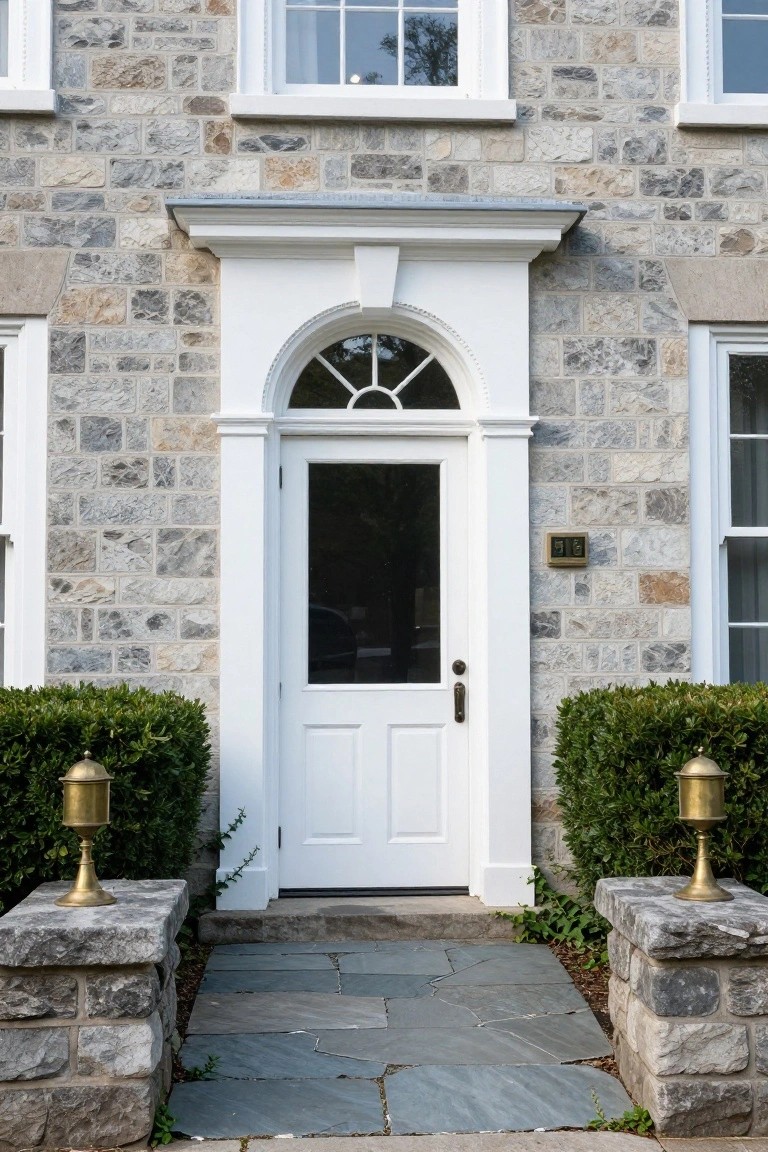
A white door and matching trim stand out sharp against rough stone walls like this. The clean lines around the paneled door and that arched window above pull your eye right to the entrance. It gives a Colonial house that crisp, put-together look without much effort.
Try this on stone or brick homes where the facade feels a bit heavy. Paint trim bright white for the contrast, keep the door simple, and add lanterns on stone bases for a touch of formality. It suits front entries that need welcoming without overwhelming the architecture… just scale the trim to match your door height.
Crisp White Trim on Neutral Siding
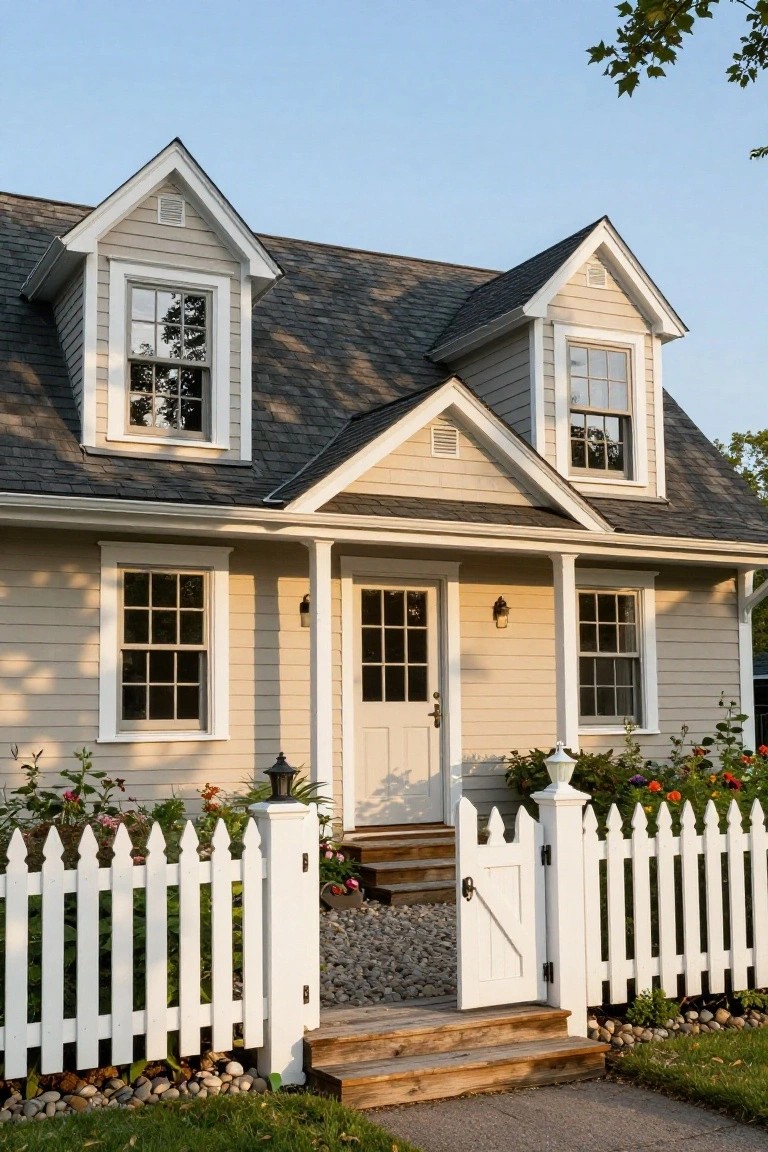
White trim stands out nice and clean against softer siding colors like this beige. It picks up the classic Colonial lines around the dormers, windows, and porch columns without overpowering the house. That sharp contrast keeps everything looking fresh and put-together, especially as the sun hits it in the late day.
You can pull this off on most Colonial or Cape Cod style homes where the body is a light neutral. Paint the trim bright white, but stick to semi-gloss for easy cleaning. It works best if your siding isn’t too dark… just avoid going too bold on the house color itself, or the trim might feel lost. A simple white picket fence ties it right in at the entry.
Crisp White Trim on Gray Siding
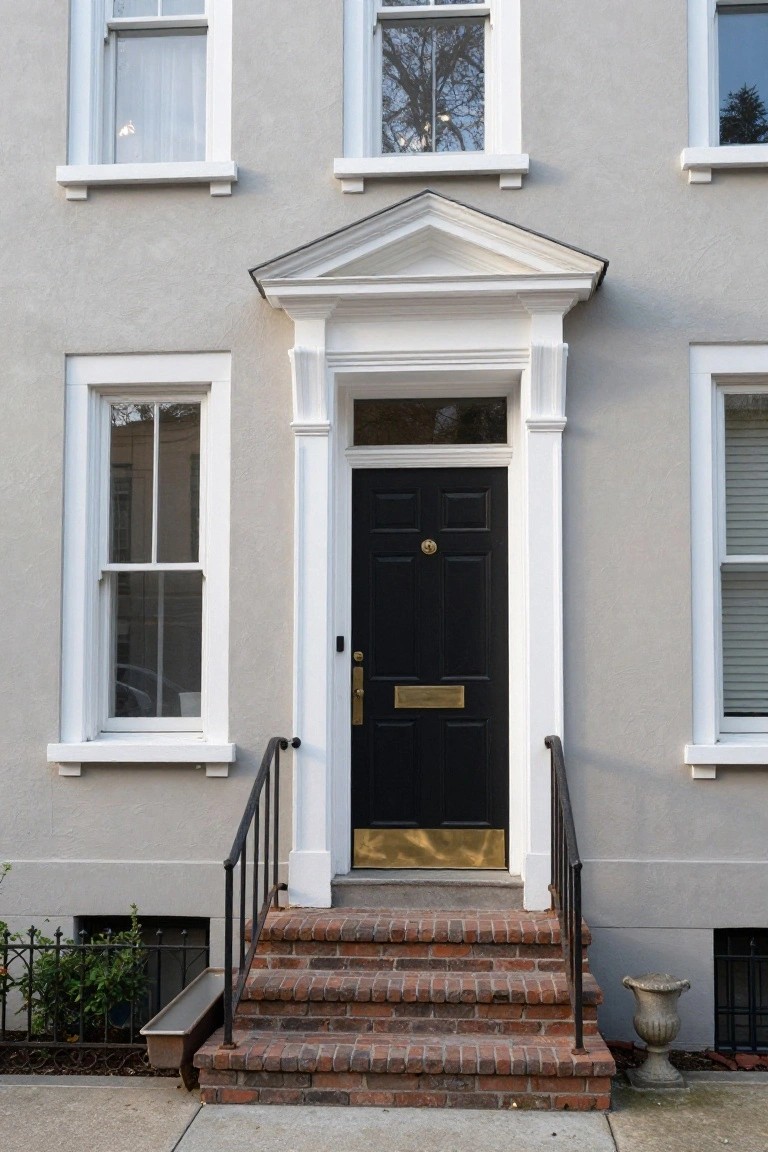
White trim stands out clean and sharp against softer gray siding like it does here. It frames the windows and entry without much fuss, pulling your eye right to the house’s classic lines. That simple contrast keeps things looking fresh and put-together, especially on older styles.
Put this to work on townhouses or colonials where the siding is neutral. Pair it with a dark door for extra punch. Just make sure the trim paint is high-quality so it holds up over time… no peeling allowed.
Crisp White Trim on Pale Yellow Siding
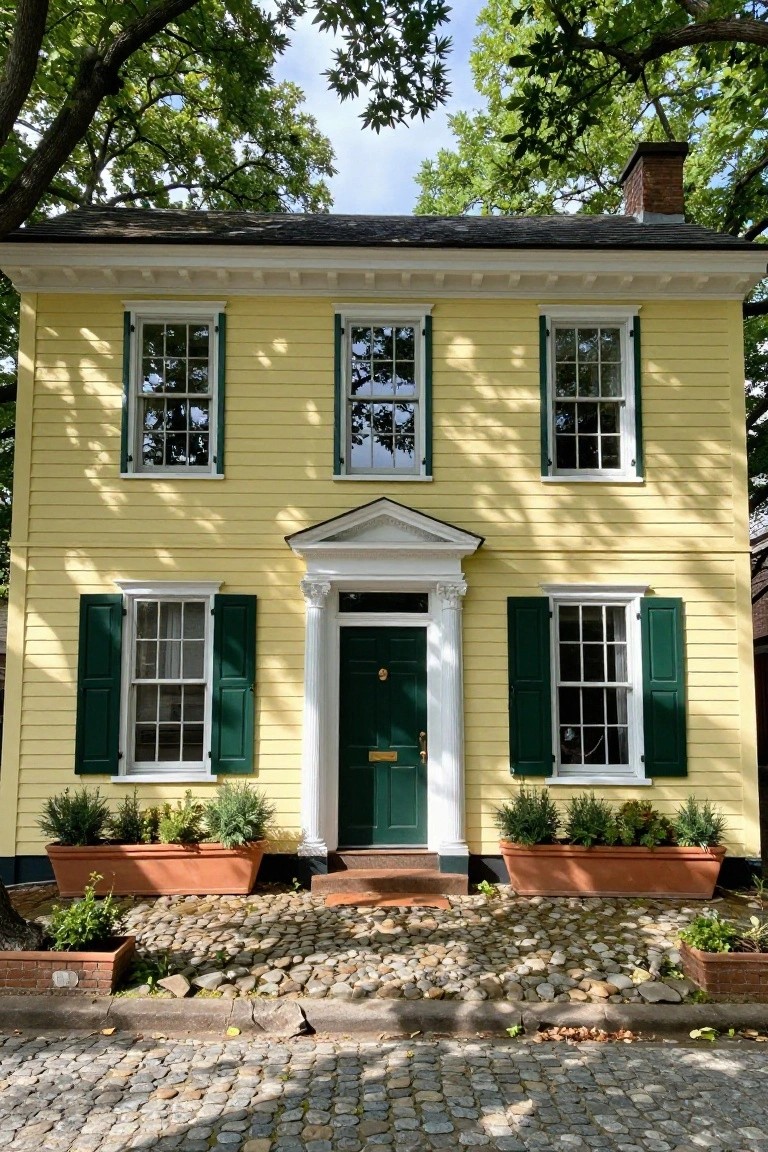
A soft pale yellow siding like this gives a colonial house a gentle warmth that feels right at home in older neighborhoods. Crisp white trim pulls it all together by sharply outlining the windows and entry. You see it here framing the multi-pane sashes and that simple pediment over the door. Green shutters keep the look traditional without much fuss.
This setup shines on two-story facades where you want clean lines that last. It suits homes with some historic vibe, especially under big trees for dappled light. Go for high-quality paint to hold the contrast over years. Skip bold colors on the trim; white stays fresh and lets the siding breathe.
Crisp White Trim on Pale Siding
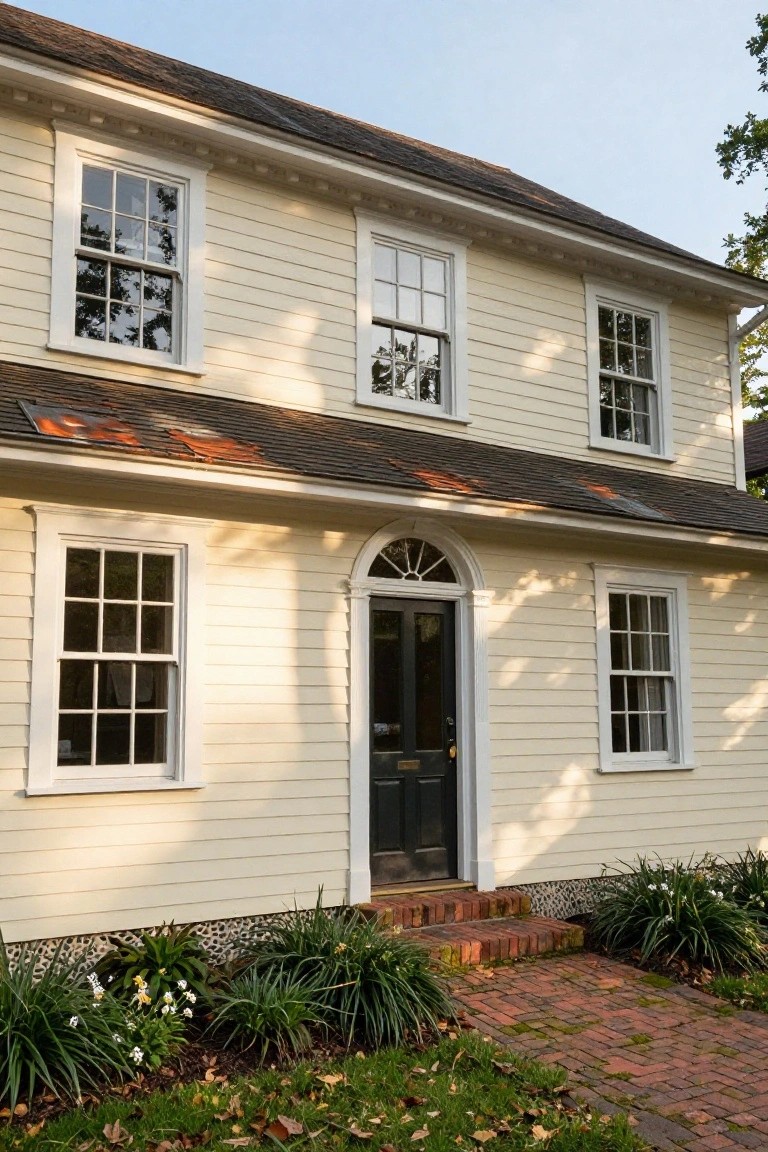
White trim stands out clean and sharp against pale siding like this. It frames the windows and door nicely, giving that classic colonial feel without much fuss. The multi-pane sashes and simple surrounds keep details crisp, even as the house settles into its setting.
This works best on homes with light clapboard or similar siding. Pick a true white for contrast, and keep it freshly painted to avoid yellowing. It suits older neighborhoods where you want tidy curb appeal that doesn’t shout.
Crisp White Trim on Gray Siding
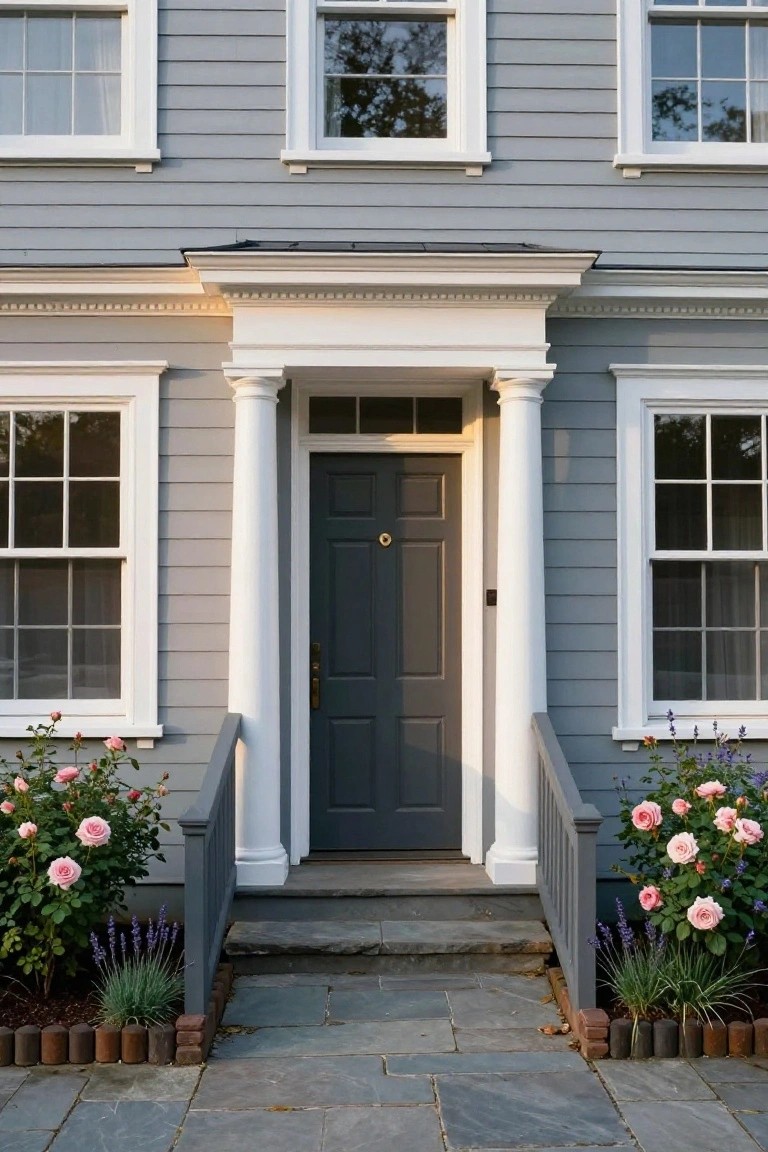
White trim stands out clean and sharp against softer gray siding like this. It outlines the windows, door, and porch columns without overwhelming the house. That simple contrast keeps the Colonial style feeling fresh and put-together, especially around the entry where details like the pediment add just enough formality.
This look suits older homes or revivals with clapboard or shingle siding. Use it where you want curb appeal that lasts year-round. Stick to bright white paint on the trim, and match it with darker accents on the door. Watch the scale though. on bigger houses, beefier columns help it hold up.
Frequently Asked Questions
Q: How do I clean dingy trim before painting it fresh?
A: Mix mild soap with warm water in a bucket. Scrub the trim with a soft-bristle brush, working in sections. Rinse thoroughly and let it dry completely.
Q: Can I just paint over old trim, or do I need to scrape first?
A: Scrape loose paint flakes away with a putty knife. Sand lightly for a smooth base. Paint sticks better and lasts longer this way.
Q: What’s a simple color combo for Colonial trim on white siding?
A: Pick crisp black for the main trim lines. Add cream accents on smaller details. It sharpens the whole facade without overwhelming.
Q: Will wood trim warp in humid areas?
A: Choose kiln-dried wood and seal every edge well. Paint both sides before install. And check gaps yearly to catch issues early.
