

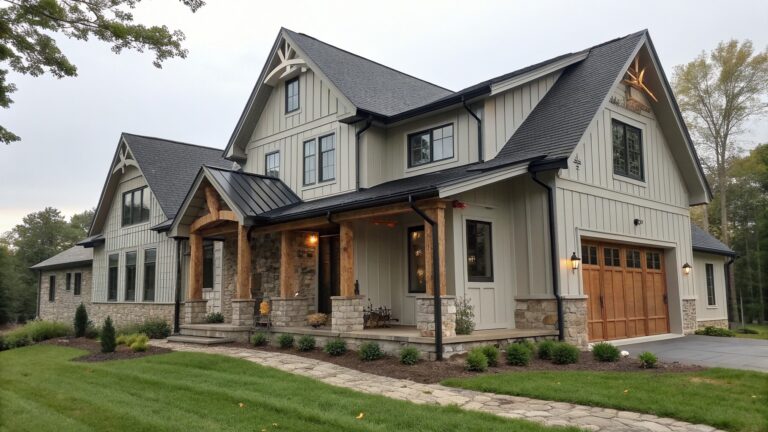
When I look at older homes in my neighborhood, the dated facades stand out mostly because of mismatched materials and tired entry details that no longer fit the style.
Updating those elements often brings the whole exterior together in a way that feels intentional rather than patched.
I have found that choosing the right siding or trim can shift how the house reads from the street more than I expected.
Some changes work better than others in practice.
It helps to focus on the parts that people notice first, like the front door area and the roof edges.
Pair Stone With Siding On The Lower Walls
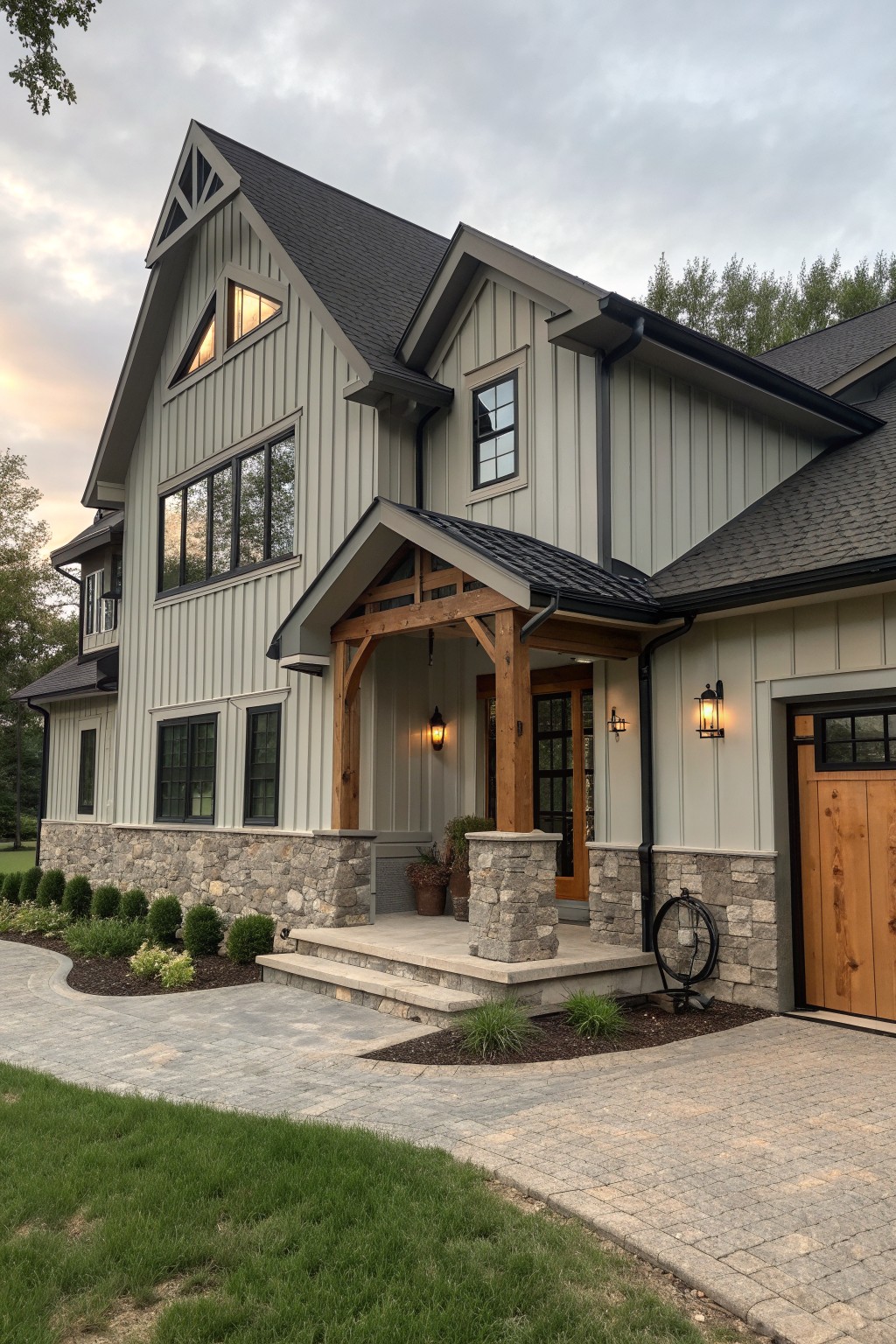
Stone along the bottom of the house gives the siding something solid to sit on. It adds weight without making the whole exterior feel heavy, and it works especially well when the siding runs vertical. The look stays clean but still reads as farmhouse.
This move suits homes that already have a simple roofline and want a quick update. Keep the stone height modest so it does not swallow the windows, and match the color to the siding rather than going for high contrast.
Create A Covered Entry With Mixed Materials
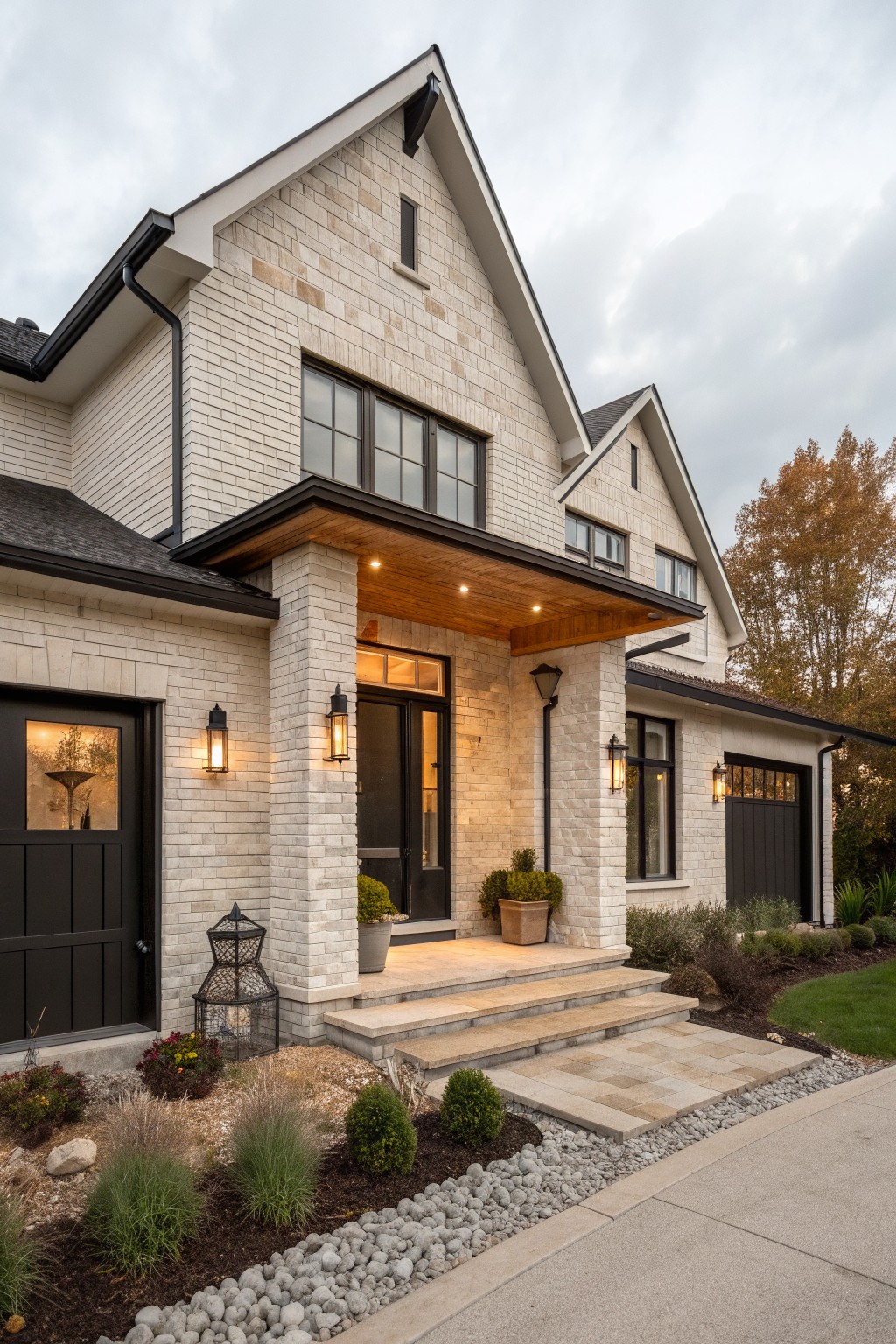
A covered entry with a wood ceiling and stone columns gives the front door a clear sense of arrival. It adds shelter while breaking up the height of the gable and tying the materials together in a simple way.
This approach suits homes that already have some height or a steep roofline. Keep the overhang fairly deep so the space feels usable, and match the wood tone to any other trim so the look stays consistent rather than busy.
Wood Siding With Dark Trim Updates Dated Facades
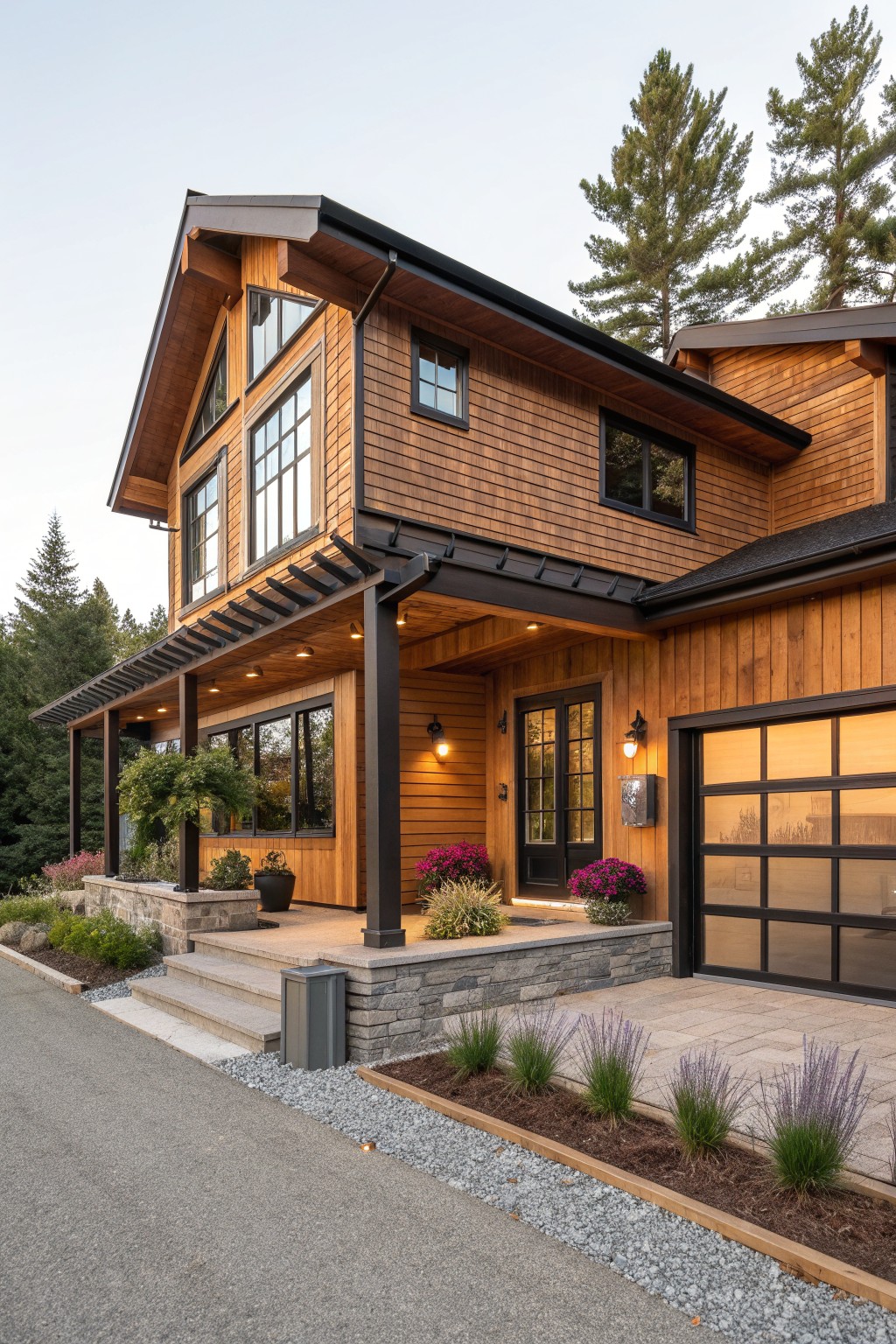
Many older homes look instantly fresher once the siding shifts to natural wood and the trim turns dark. The contrast adds depth and keeps the house from feeling flat or dated while still reading as farmhouse.
This works best on two-story homes where you can run the wood horizontally and let the dark framing outline windows and roof edges. Just match the trim color on the garage door and entry so the whole front stays simple and cohesive.
Mix Siding Materials For Visual Interest
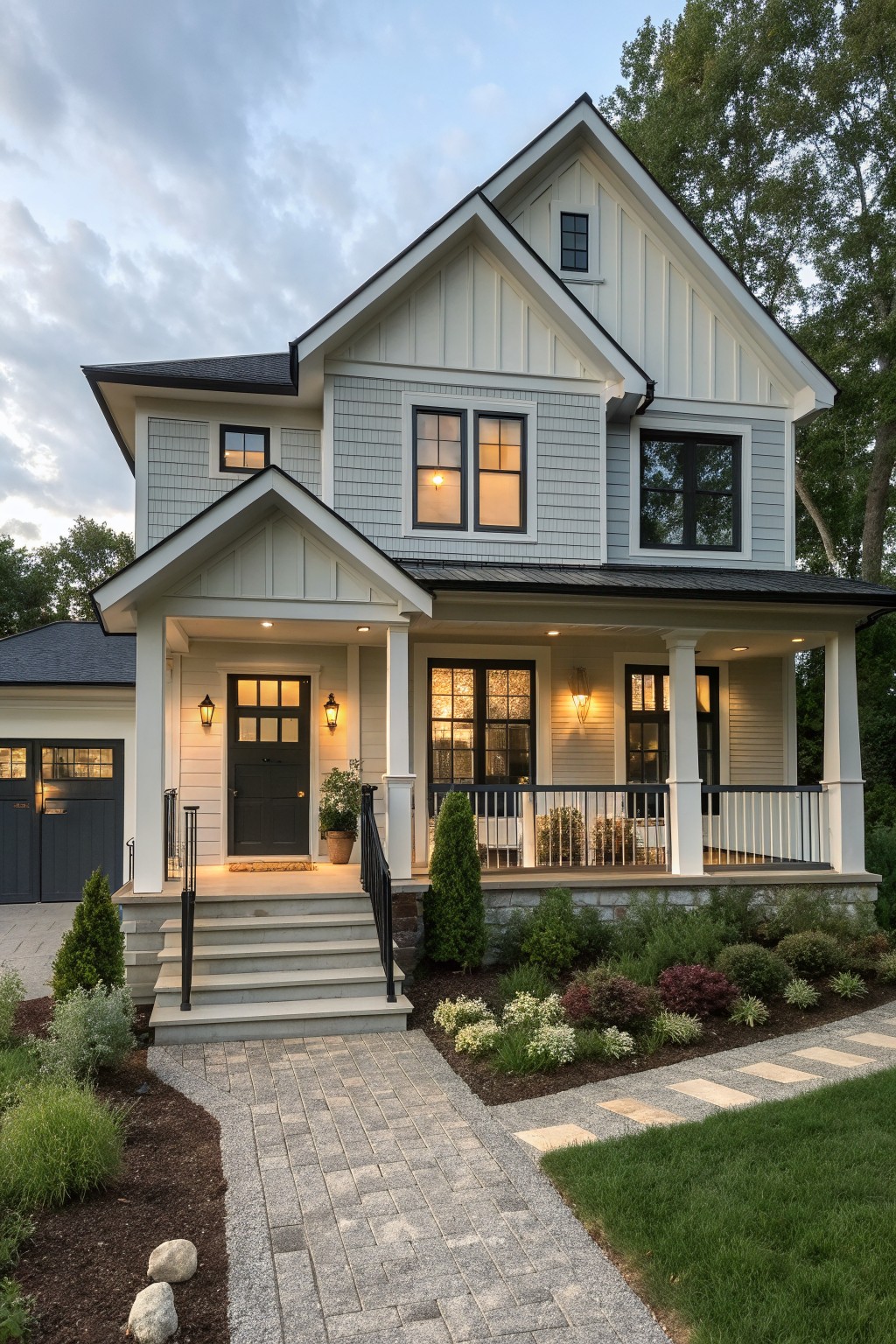
Mixing two types of siding gives a house more texture without adding extra trim or details. The upper level uses vertical boards while the lower section has shingles, which breaks up the height and keeps the facade from looking flat.
This approach works well on two-story homes that need a simple refresh. Keep the colors close in tone so the change feels natural rather than busy, and let the siding shift happen at a natural line like the porch roof.
Add a Built-In Bench to the Porch
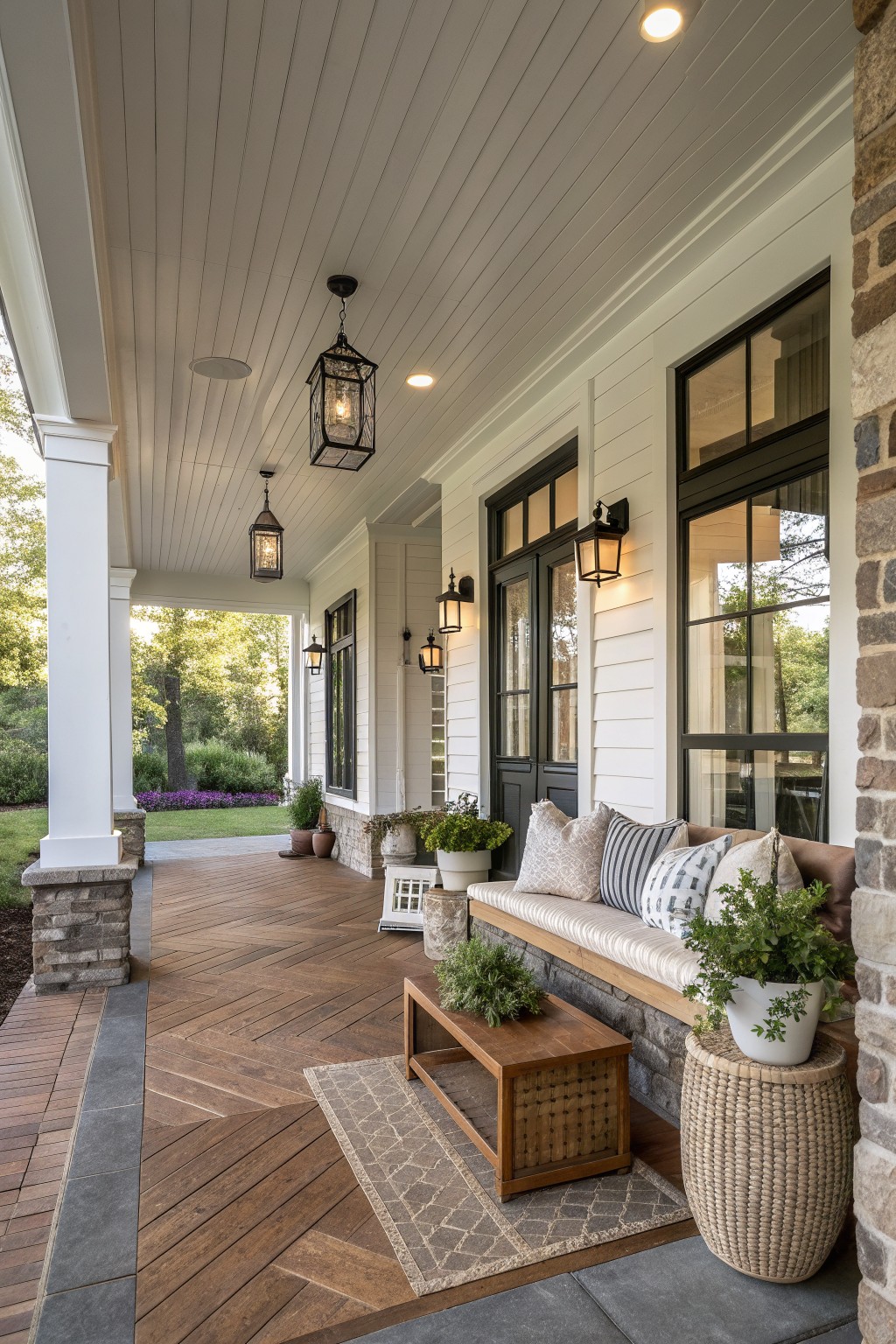
A built-in bench gives a porch steady seating without crowding the floor with extra chairs. It turns the space into a place where people actually want to sit and stay awhile, especially when the bench runs along the house wall and lines up with the existing stone base.
This setup works best on farmhouses where the porch already has some width. Keep the cushion simple and neutral, add a low table in front for drinks or plants, and the whole area feels finished without much extra effort.
Mixing Stone and Wood on a White Facade
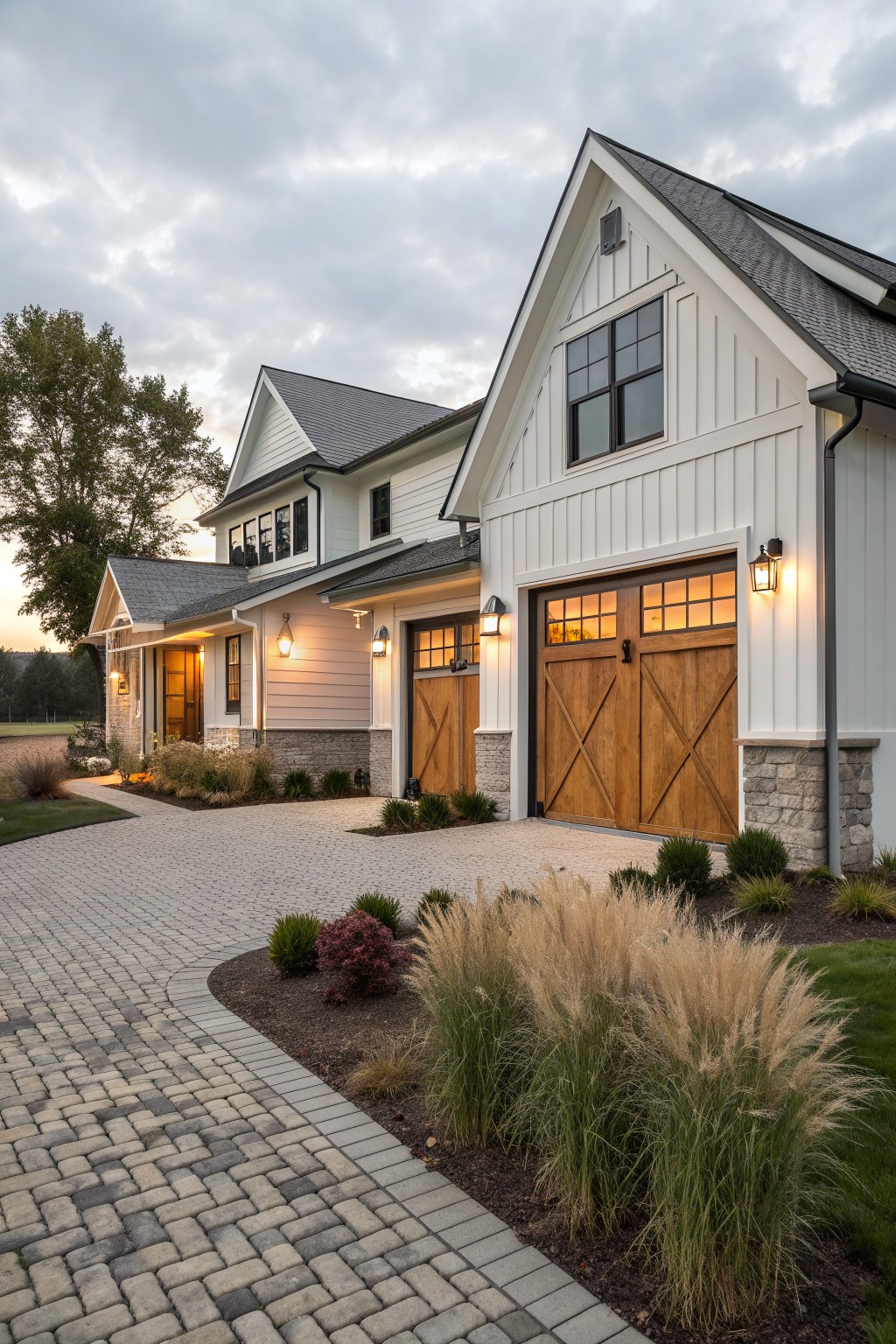
Mixing stone at the base with wood accents on a white exterior gives an older house more weight and character without major changes. The stone grounds the look while the wood doors bring in some warmth that plain siding often lacks.
This approach works best on homes where the garage faces the street. It suits places that need a quick update rather than a full rebuild. Keep the siding simple and let the lower materials carry the contrast.
Mix Stone With Siding For A Fresh Facade
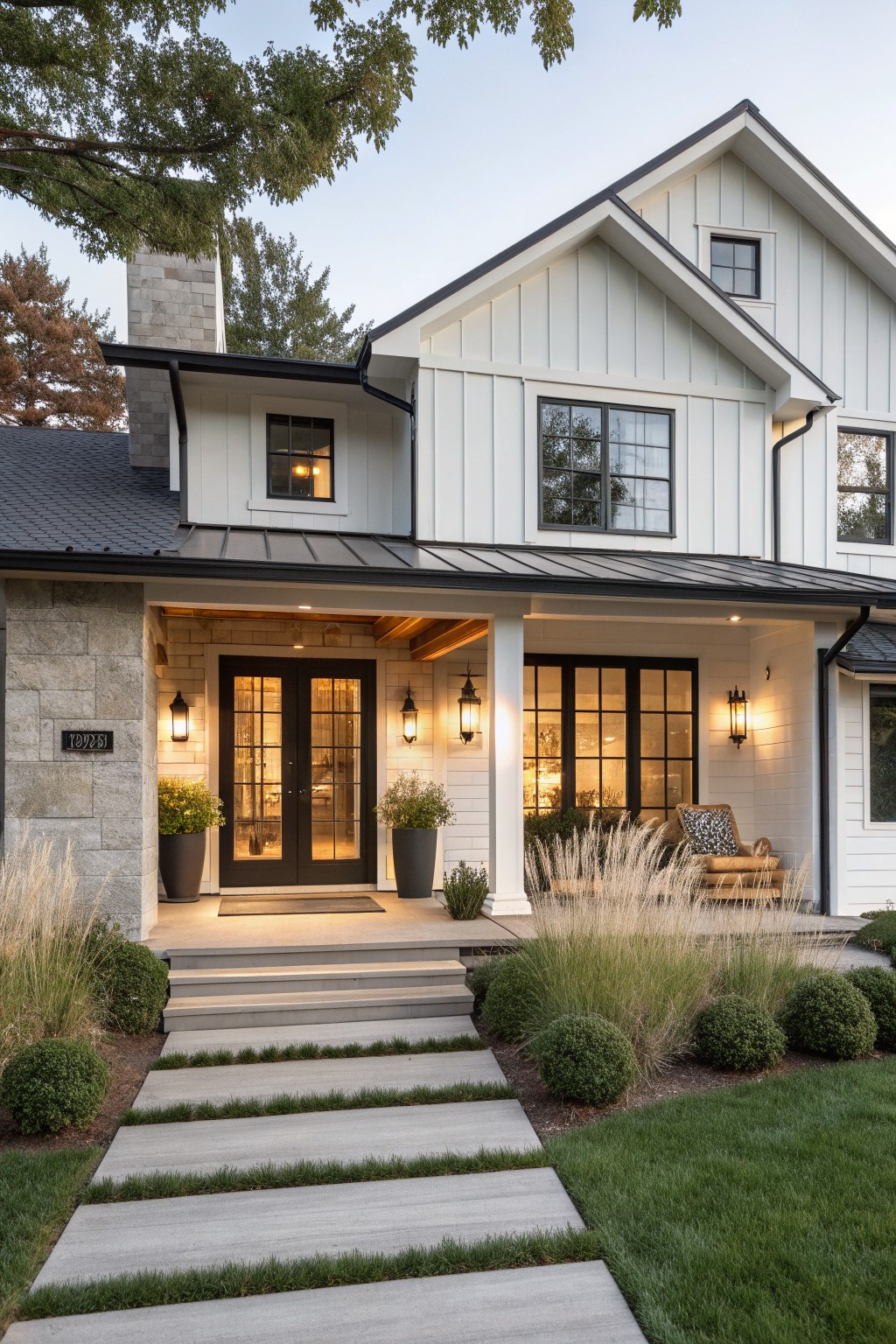
Many older farmhouses look flat once the original siding starts to age. Adding stone around the entry and base gives the house more weight and breaks up the long stretches of siding without needing a full rebuild.
This approach works best on homes with a fairly simple shape. Keep the siding light, use dark frames on the doors and windows, and let the stone stay in one or two focused areas so it does not overwhelm the rest of the facade.
Add Timber Beams Over the Porch
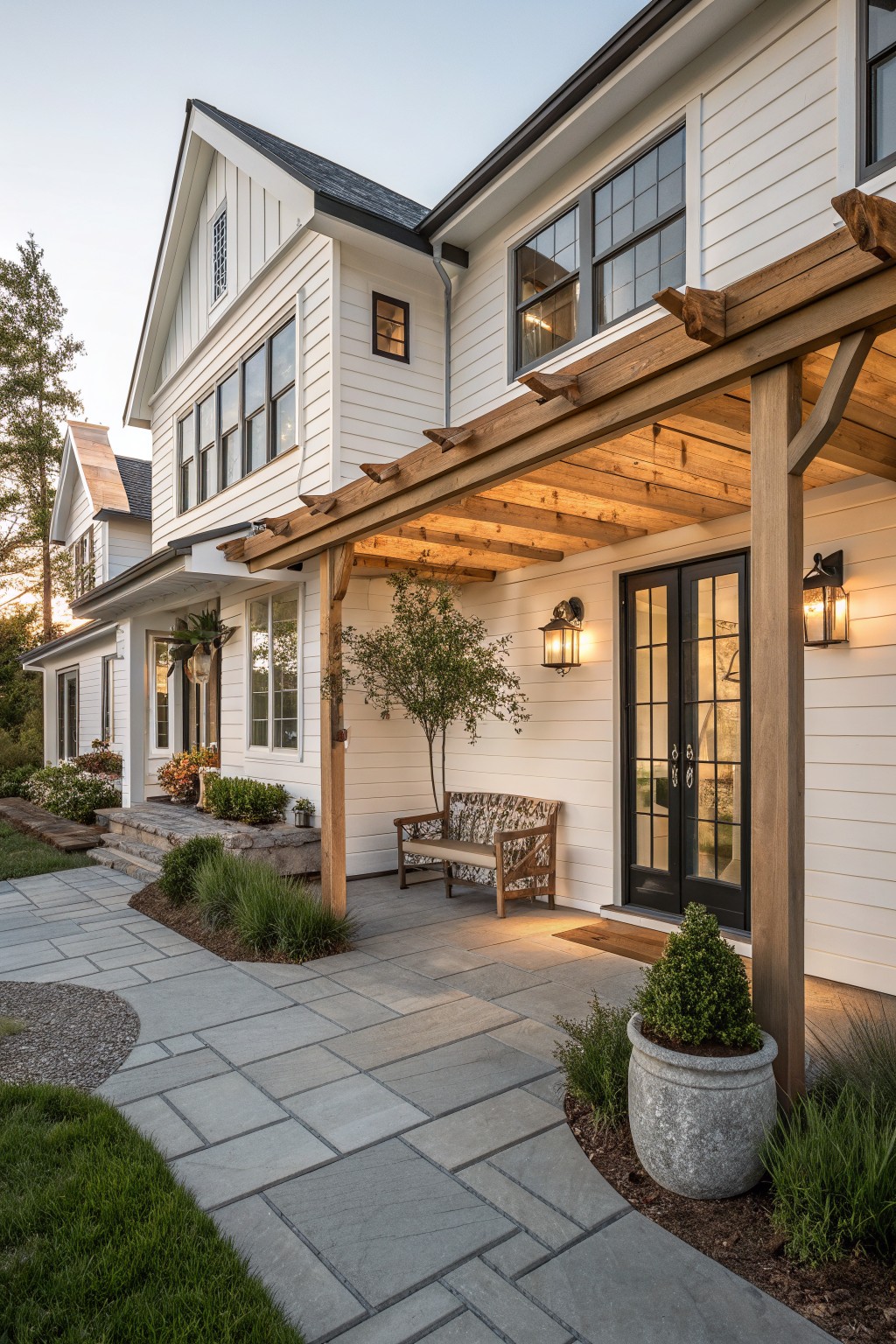
One simple way to give a farmhouse more presence is to run heavy timber beams across the porch to form a partial cover. The wood adds texture and breaks up the flat wall, while still letting light through and keeping the space open.
This approach works best on homes with clean white siding and darker windows or doors. It gives you a defined entry area without building a full roof, and it pairs easily with a bench or a few pots underneath. Just keep the beams thick enough to feel substantial rather than thin and decorative.
Paint Shutters A Bold Color
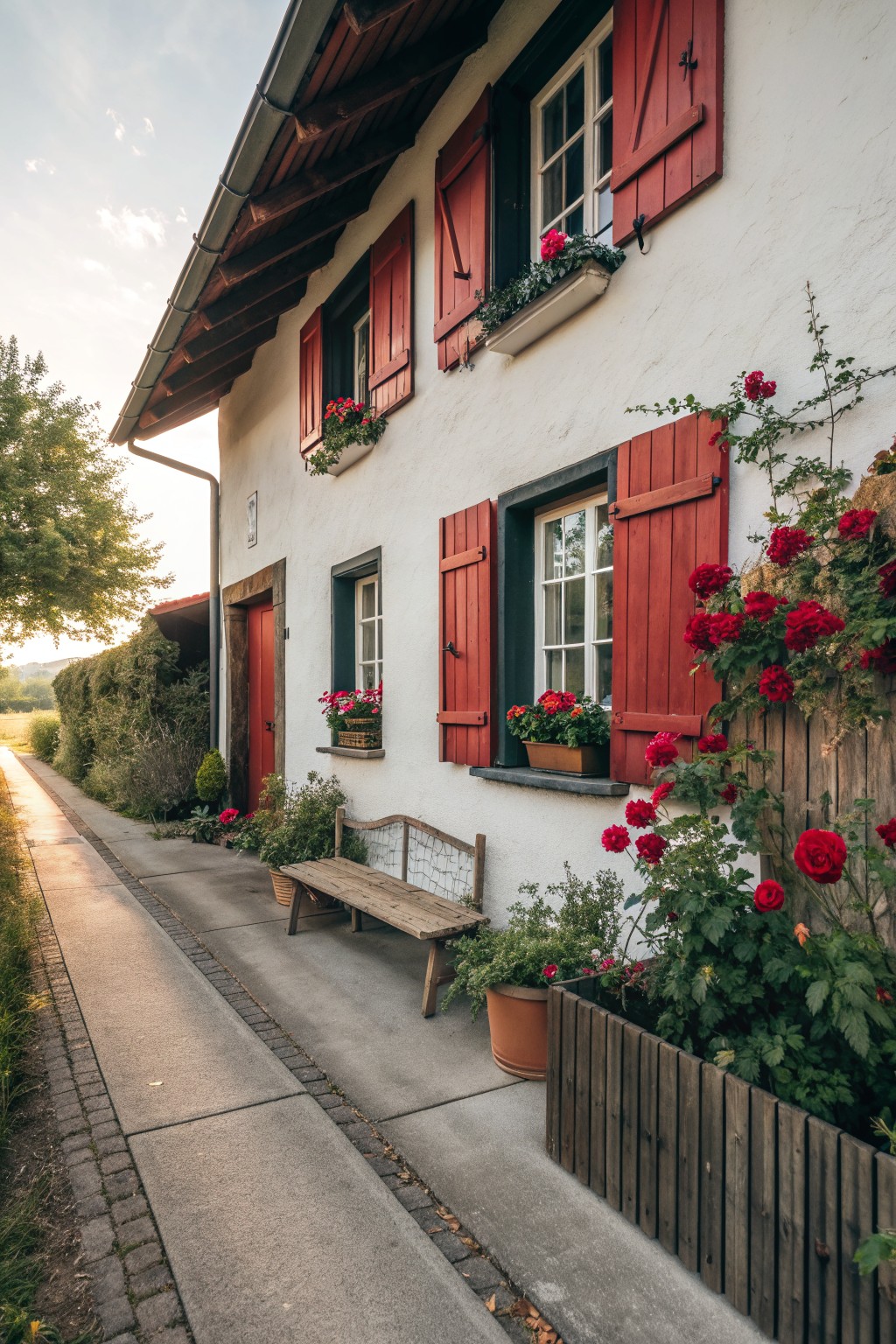
One simple way to freshen up a plain white house is to paint the shutters a strong color. The red here stands out against the walls and gives the whole front a welcoming look without any big construction.
This move works best on older farmhouses that already have basic window openings. Choose a color that contrasts clearly, keep the boxes planted, and the change feels finished even if the rest of the exterior stays the same.
Add a Timber Porch to Ground the Facade
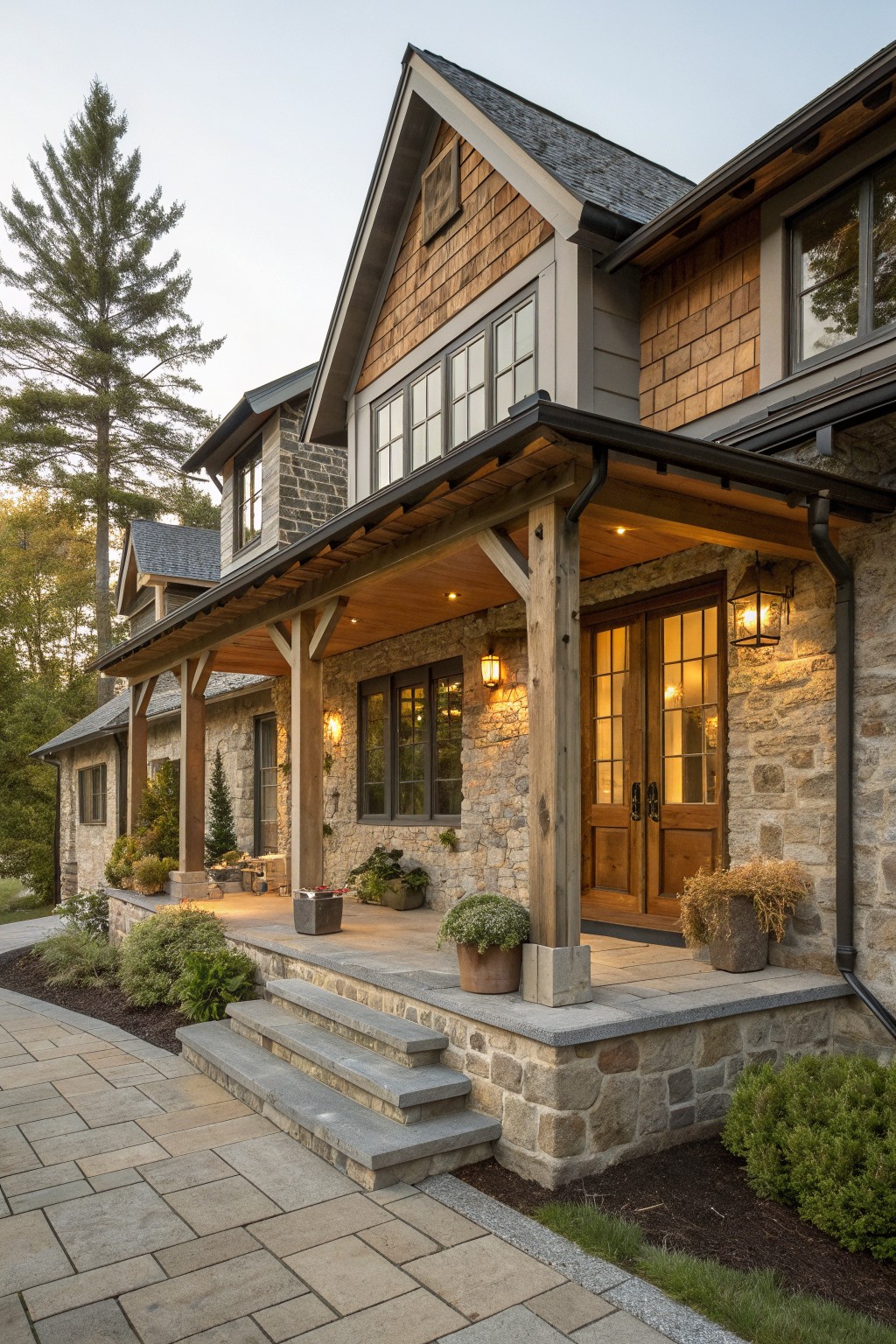
A deep porch framed with thick wooden posts and beams gives a stone house more weight at the front. The structure bridges the rough stone and smoother wood siding without needing extra trim or decoration.
This move works best on homes where the entry feels flat or too small. It suits both older facades getting refreshed and newer builds that want a clear farmhouse feel. Keep the wood natural and let the posts carry the look.
Mix Stone And Stucco On The Exterior
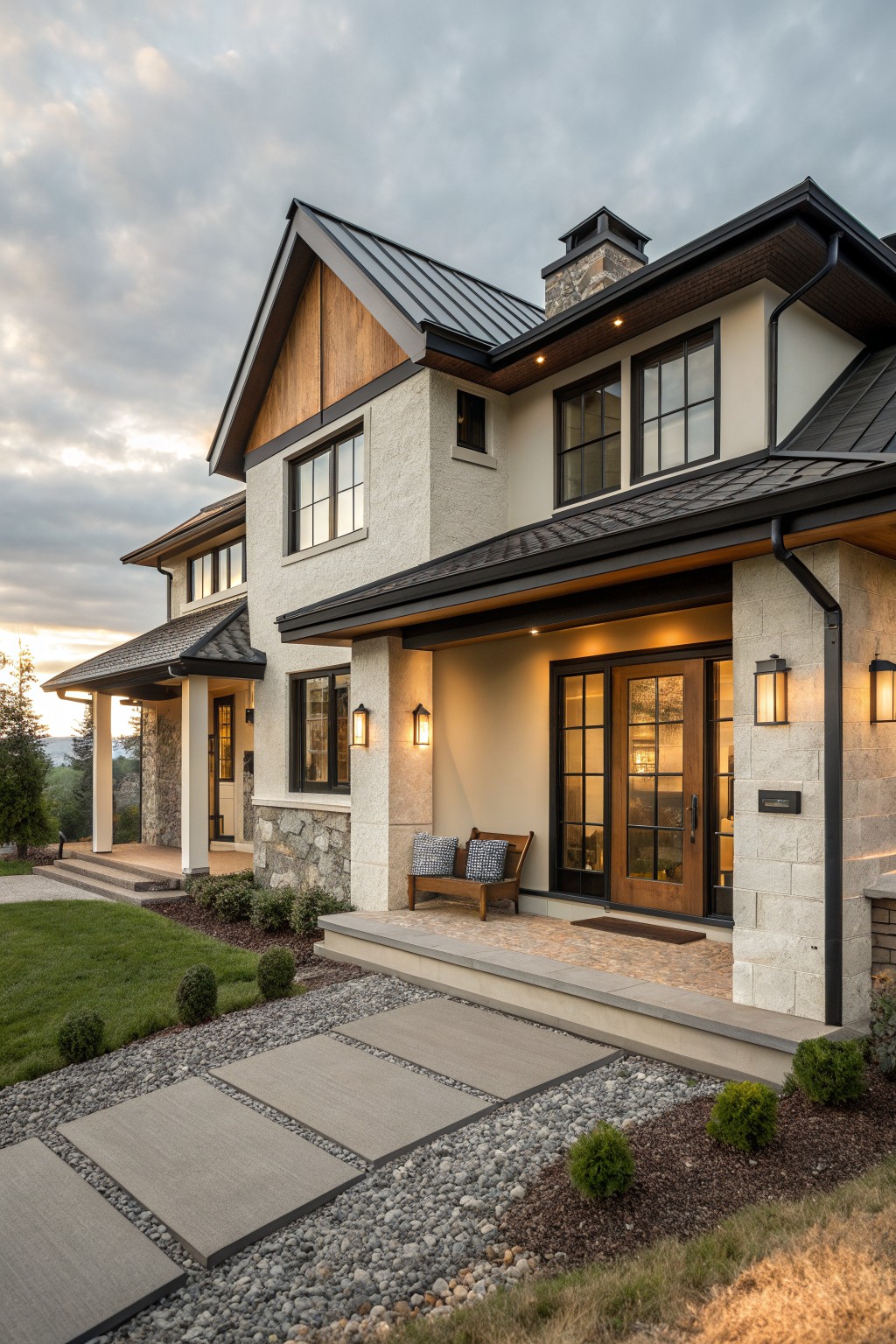
Blending stone with stucco gives an older house more texture while keeping the overall look light. The stone adds weight at the base and around key spots like the chimney, and the stucco keeps the upper walls from feeling too heavy or dark.
This mix works best on homes that already have some traditional lines but need a cleaner update. Keep the stone low and use it sparingly so it does not overwhelm the facade. Dark trim and a metal roof help tie the two materials together without adding more color.
Blend Wood Siding With White Walls
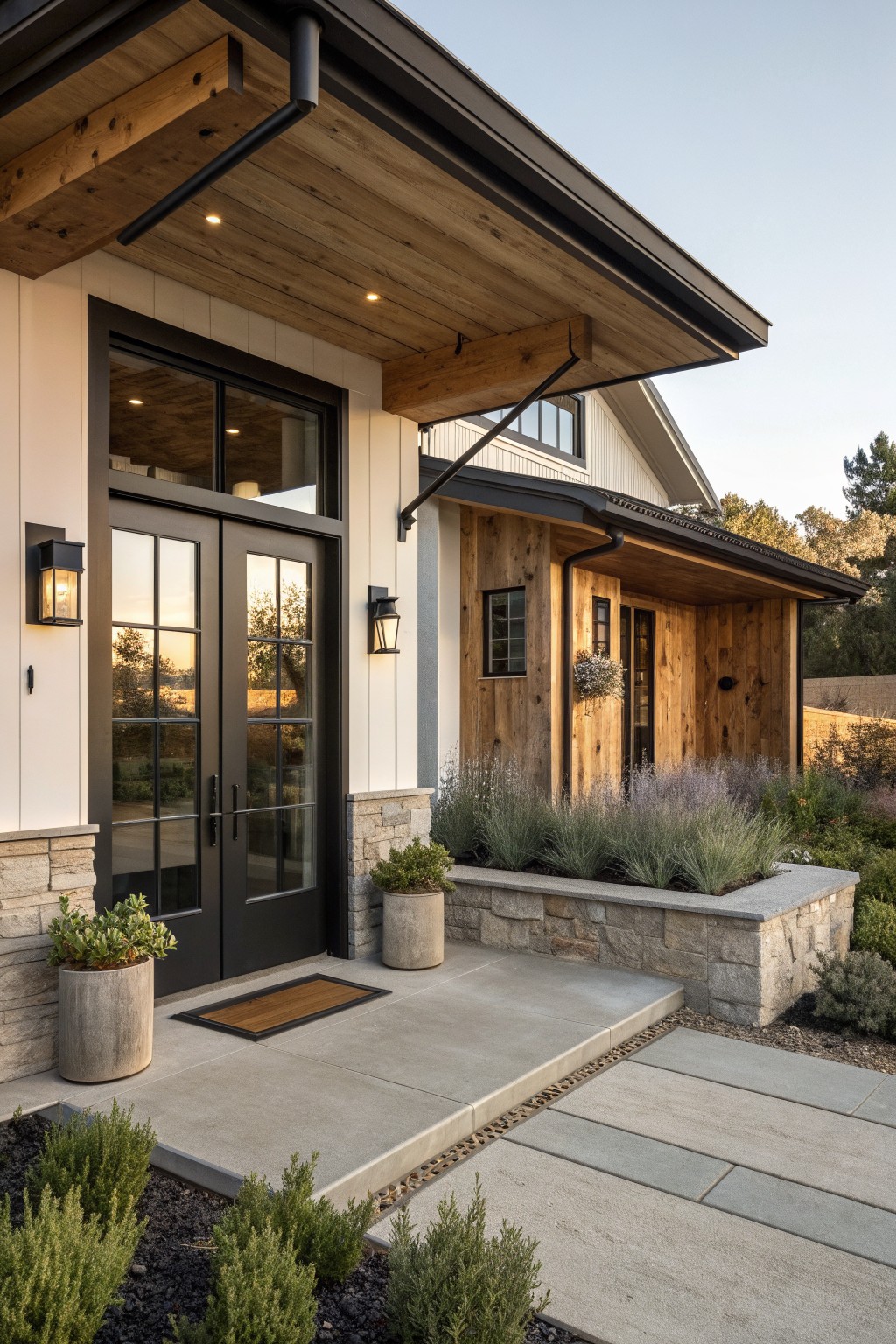
Many older farmhouses start to feel flat once the paint fades or the trim looks tired. Adding sections of natural wood siding next to light walls gives the exterior some texture and warmth without changing the whole shape of the house.
This approach works best on homes with a fairly simple roofline. Keep the wood to one main wall or around the entry so the update stays focused instead of spreading out and looking cluttered.
Vertical Wood Siding Updates Farmhouse Exteriors
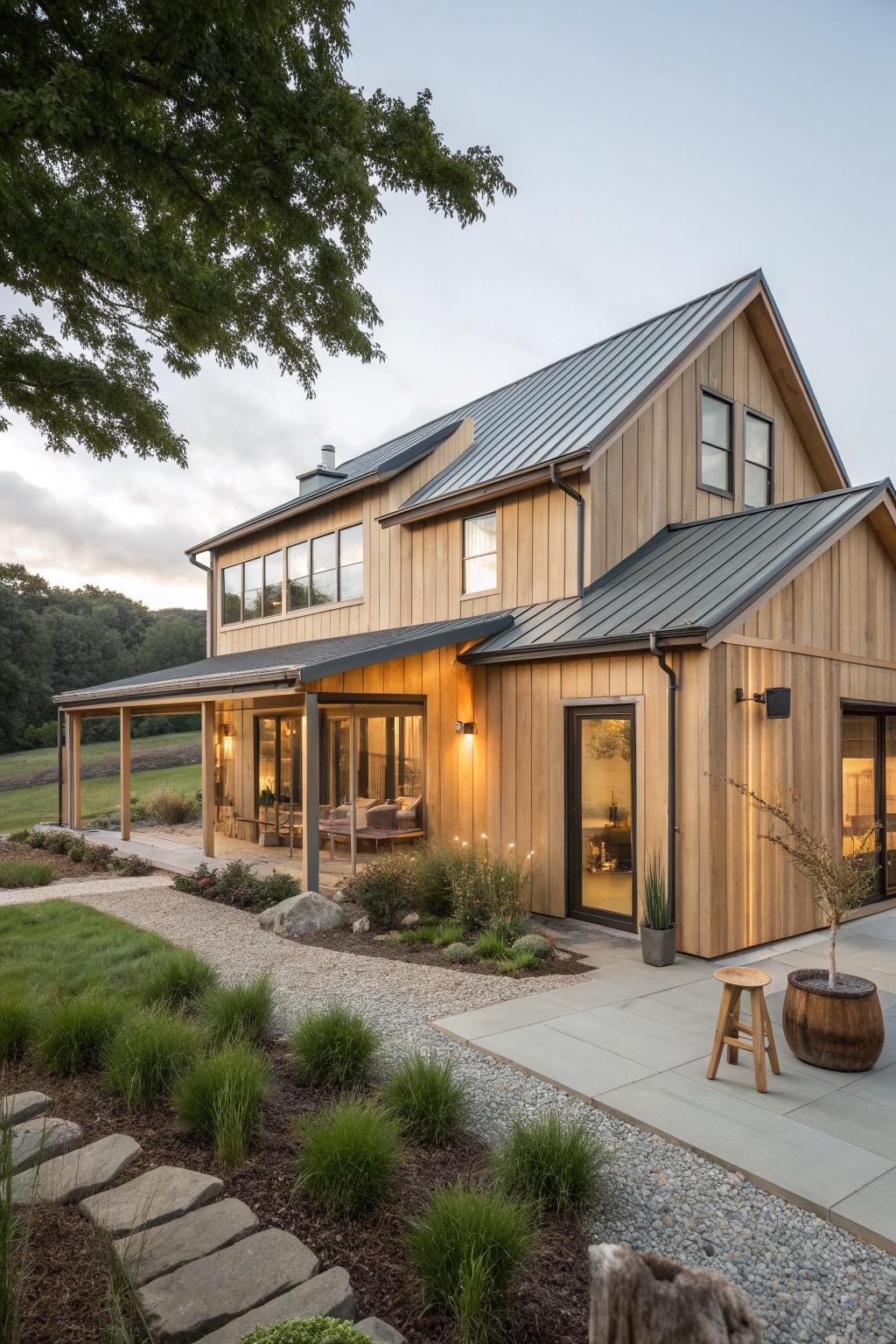
Vertical wood siding gives many older farmhouses a lighter and more current appearance. The boards run up and down instead of across, which helps the walls look taller and less heavy than the usual horizontal style.
This approach works well on homes with simple rooflines where a dark metal roof can add contrast. It suits houses that still want a rural feel but need a cleaner finish than traditional lap siding provides.
Combine Stone With Dark Frames
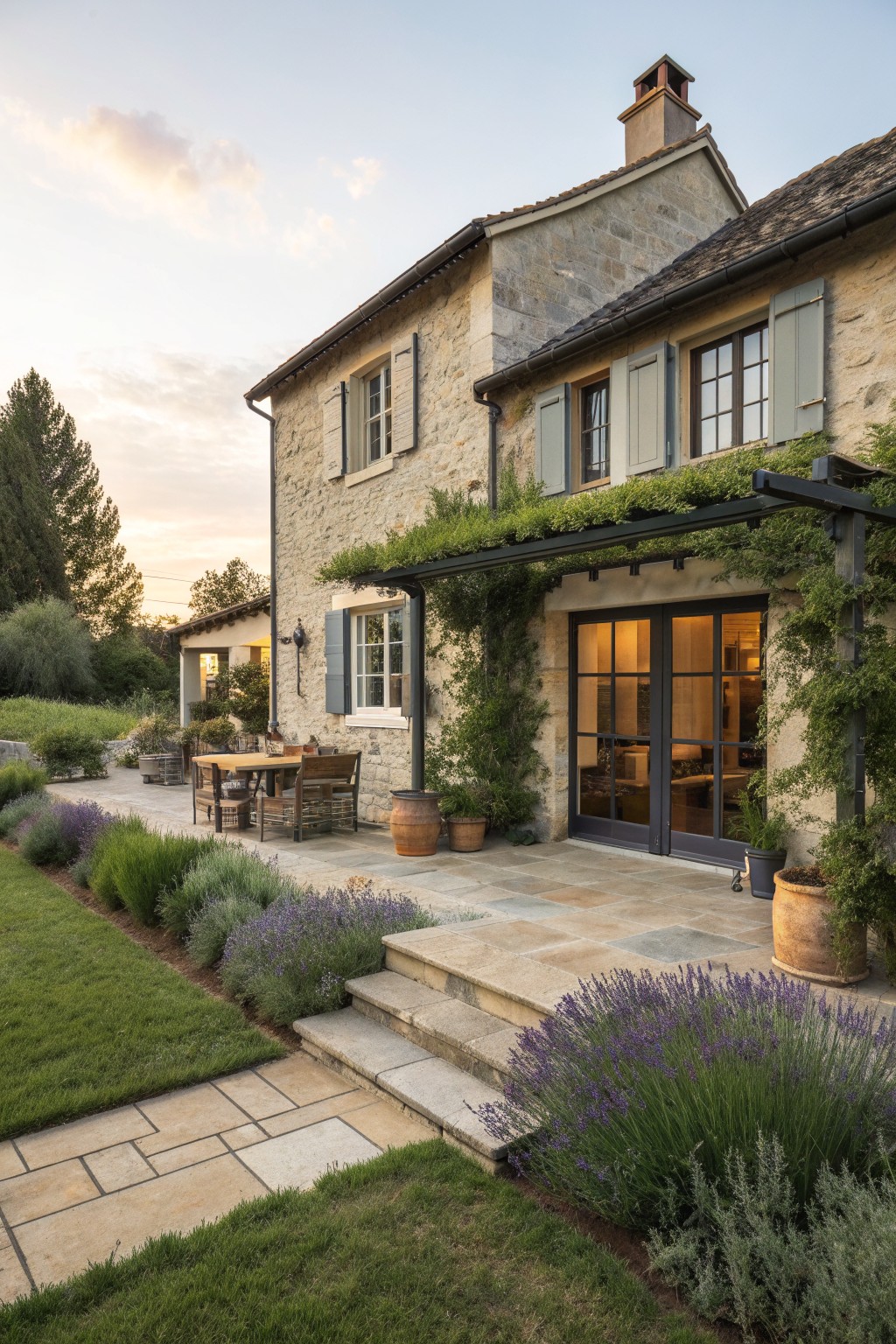
Many stone houses from earlier eras can start to feel a bit plain or heavy once the original windows age. Adding dark frames around the openings gives the stone something to push against, so the whole front reads as more current while the natural texture stays front and center.
This move suits older farmhouses that already have solid walls and rooflines. Keep the frames simple and matte so they do not compete with the stone, and let any added greenery on a nearby structure soften the edges over time.
Black Trim Updates Light Siding Exteriors
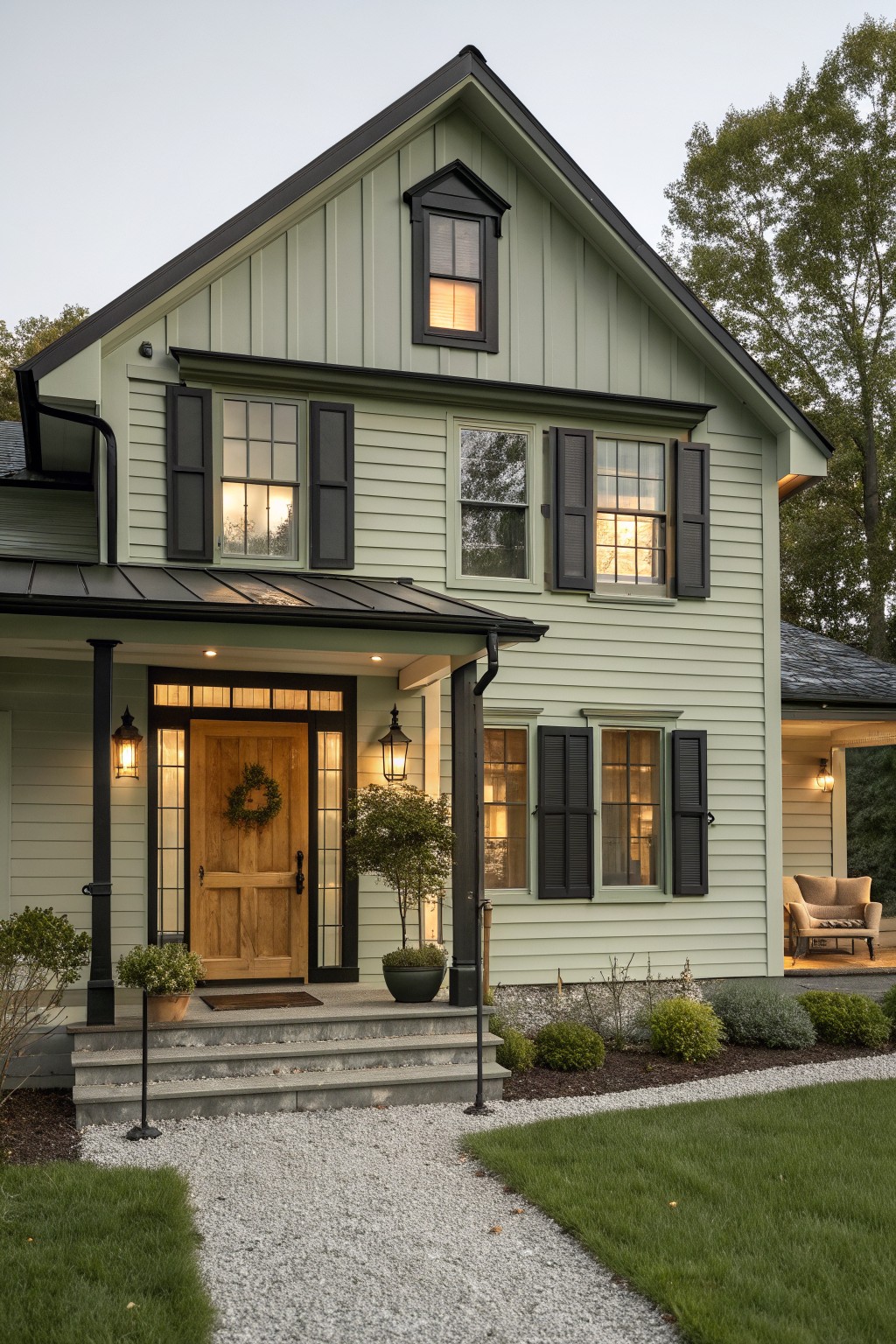
Many older homes get a quick lift when the windows and shutters are painted a deep black instead of a matching or lighter color. The contrast makes the house look cleaner and more current while the soft siding keeps the overall feel warm and simple.
This works best on homes that already have a fairly plain shape and a few well-placed windows. Keep the siding color muted so the black does not overpower it, and test the trim color on a small section first to see how it reads in your light.
Mix Stone With White Siding On Older Homes
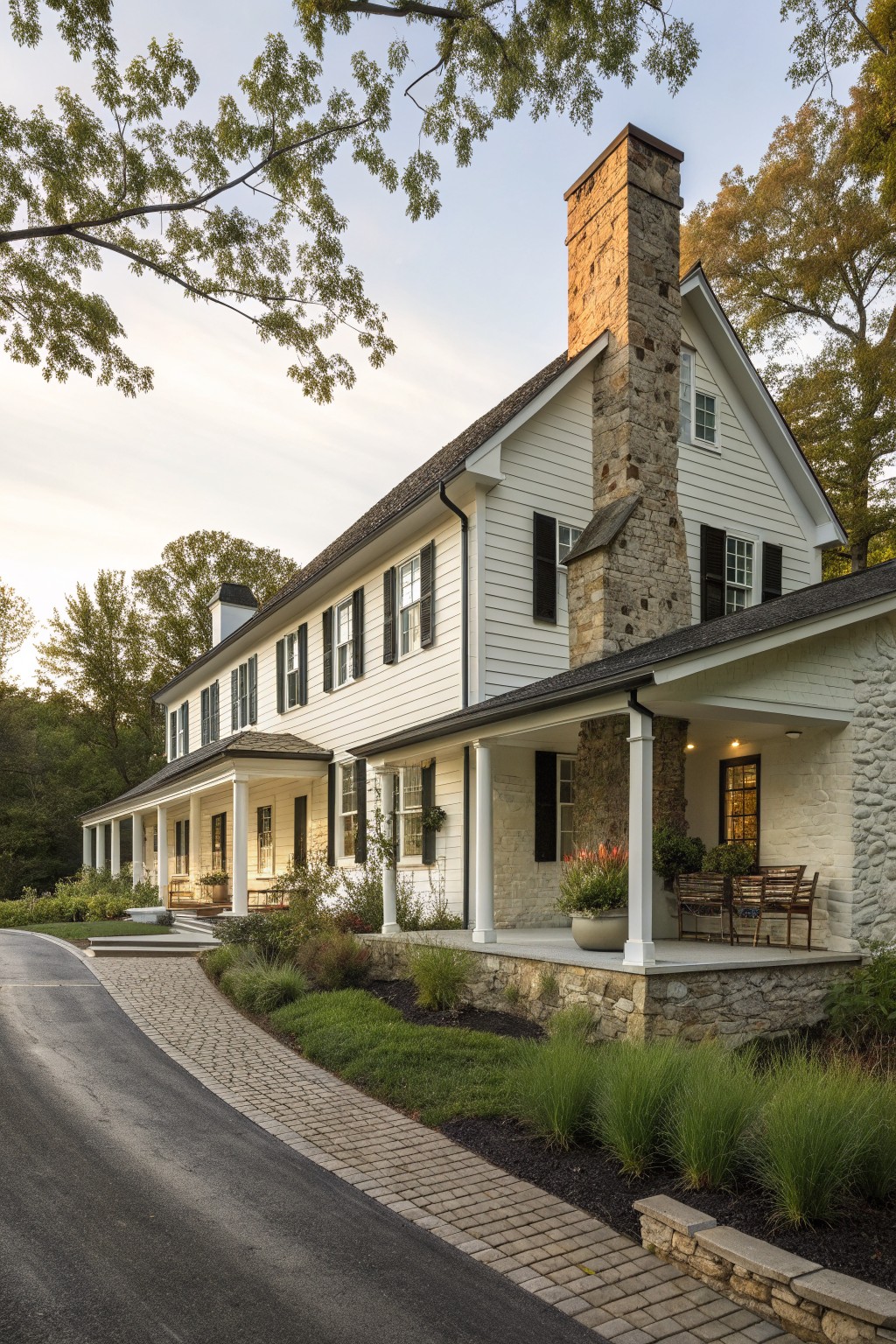
White siding already gives a house a clean base, but adding stone on a few key spots brings in texture and weight. The tall chimney and porch base here show how stone can make the whole exterior feel more grounded without turning it dark or heavy.
This works best on dated farmhouses that still have good proportions. Keep the stone limited to the chimney, foundation, or porch supports so the white siding stays the main feature and the house does not end up looking too busy.
Add A Rustic Gate To Mark The Entry
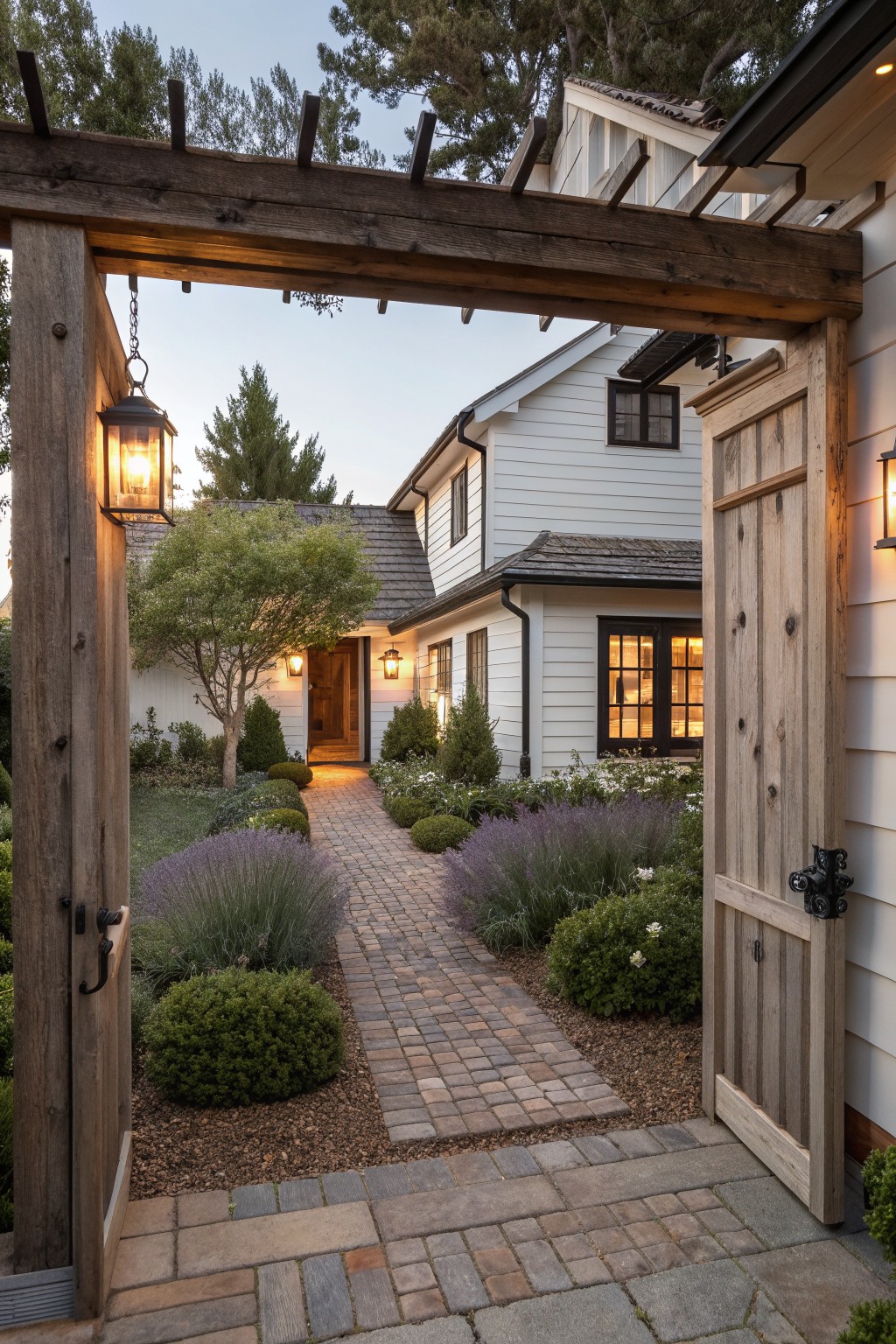
A wooden gate set into a simple arbor gives the front of the house a clear starting point. It turns an open path into something that feels more intentional and helps the whole facade look more put together without adding much cost.
This works best on homes where the front yard has some depth. Keep the gate and posts in a weathered wood tone that matches the trim or accents on the house, and let the path materials stay simple so the gate stays the main detail.
Adding a Wide Porch to Refresh the Front
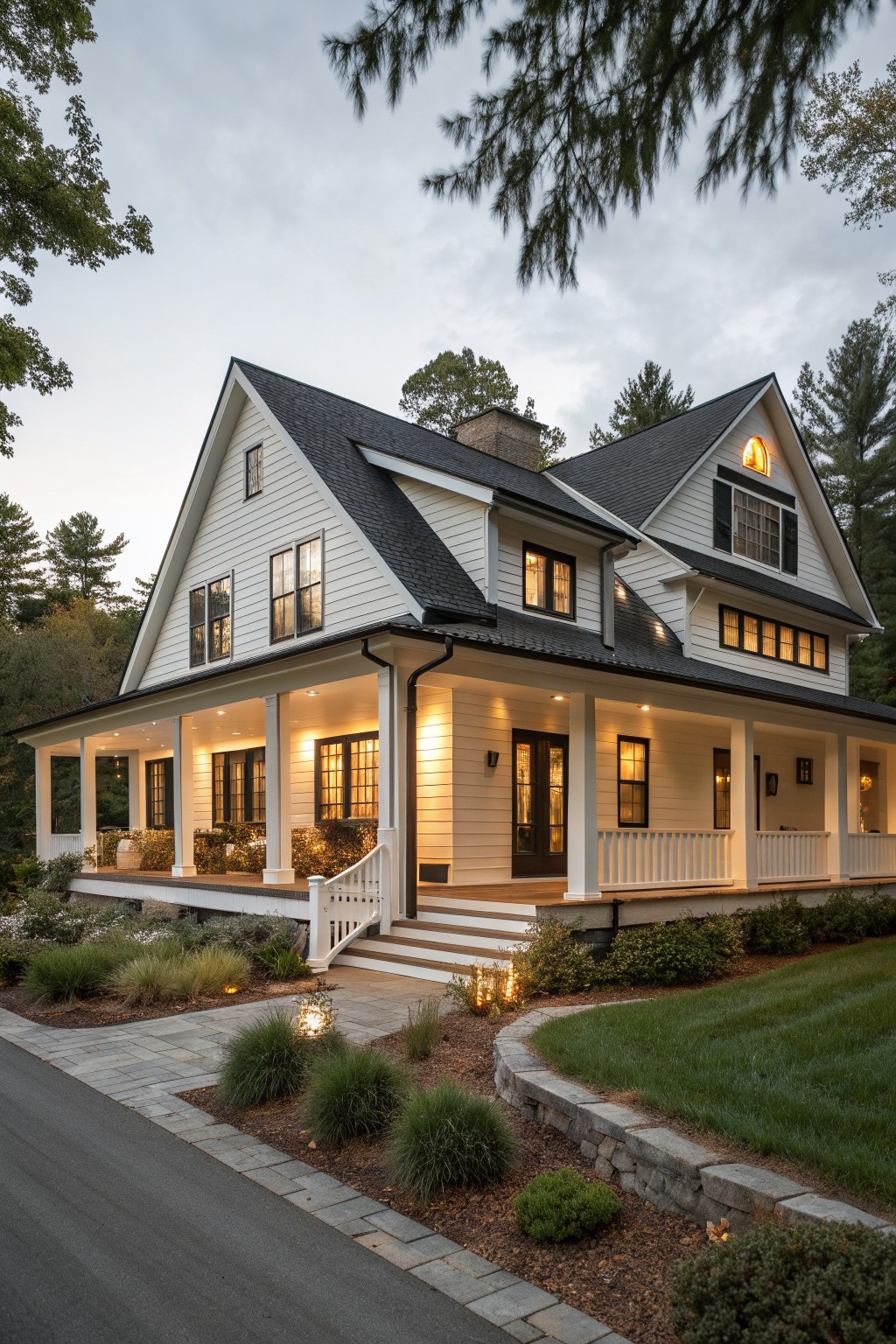
A wide porch can give an older house a much more settled appearance. It pulls the eye forward and creates a clear entry point without changing the roof or siding. Many dated facades start to feel current again once the porch is added and painted to match the rest of the exterior.
This approach works best on homes that already have a decent front setback. Keep the columns plain and the railing low so the porch does not overwhelm the windows above it. Warm lights under the eaves help the space feel finished after dark and make the whole front more welcoming from the street.
Mixing Wood Doors With White Siding
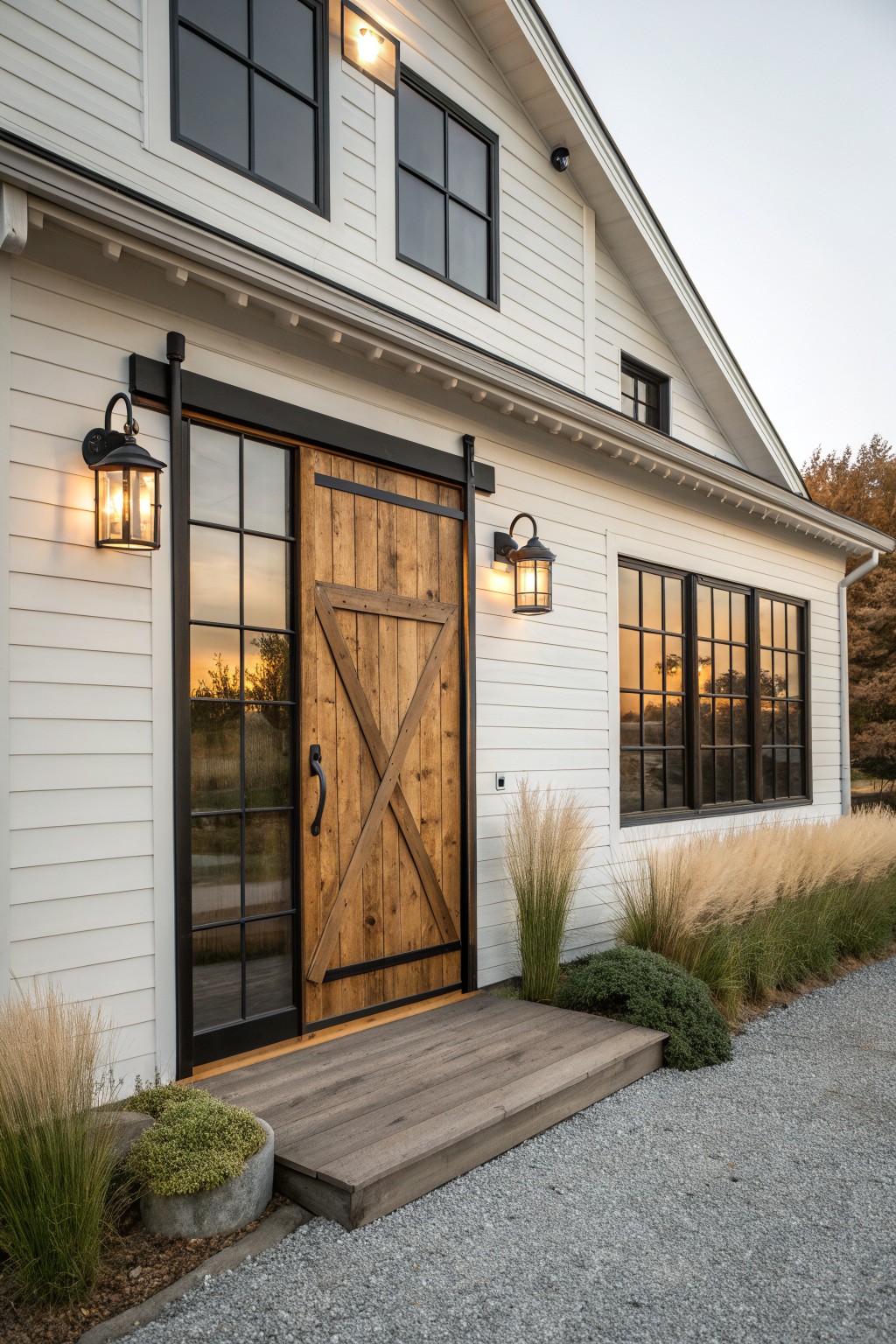
One simple way to refresh a dated exterior is to add a natural wood door against white siding. The wood adds warmth and texture that breaks up the clean lines without making the house feel busy.
This approach works best on farmhouses where the rest of the facade stays simple. Stick with dark hardware and trim so the door becomes the main point of interest instead of competing with too many other details.
Lay a Stone Path Through the Front Garden
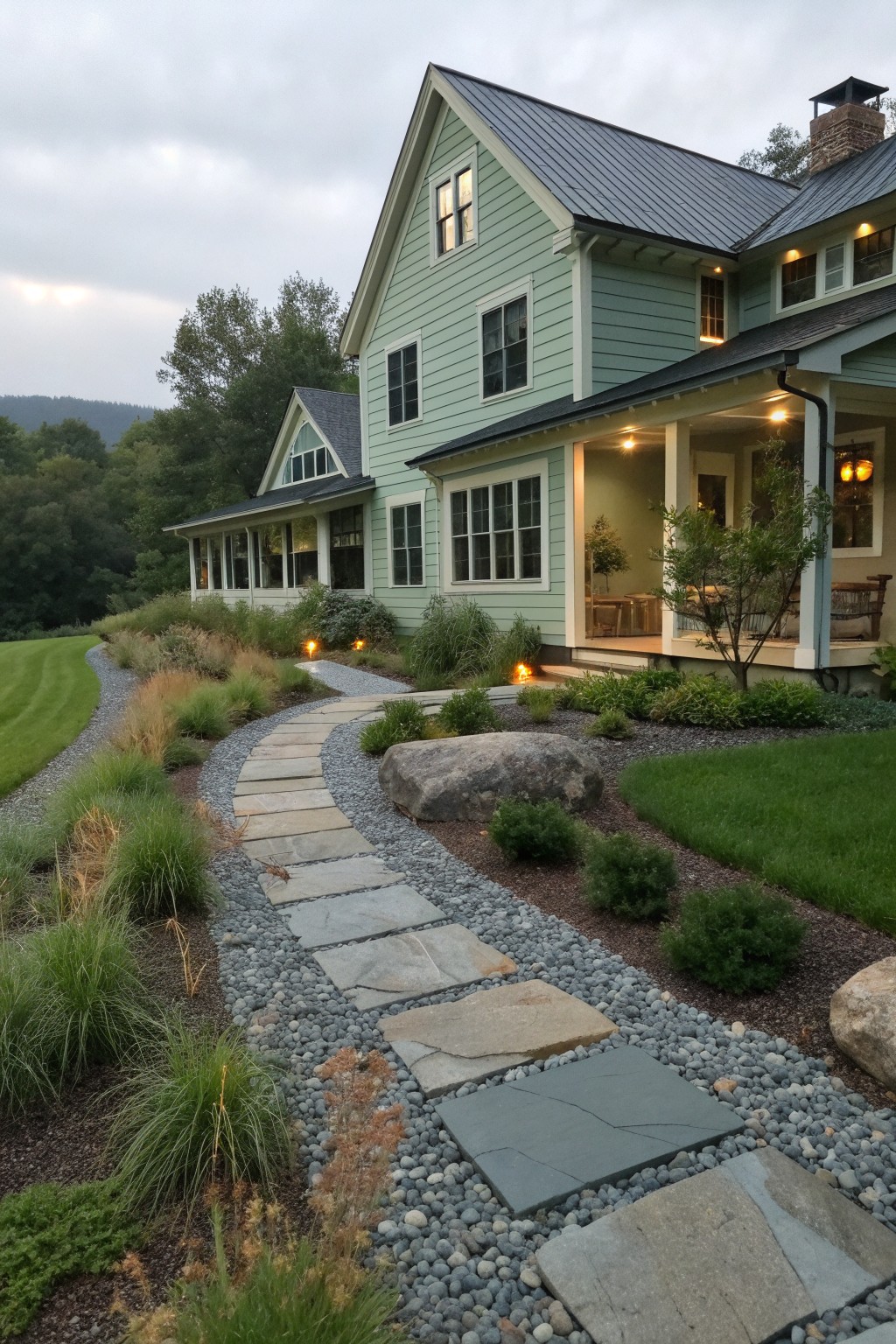
A path made of irregular stone slabs set into gravel gives the yard a relaxed structure. It pulls the eye forward and makes the walk to the door feel natural instead of stiff.
This approach suits older farmhouses that sit a little above the lawn. Keep the stones uneven in size, let low plants spill over the edges, and use the gravel to fill the gaps so the whole thing stays easy to maintain.
Frequently Asked Questions
Q: Can I keep my existing windows or do they need to go?
A: Keep them if the frames are in good shape. Paint them black to stand out against lighter siding. This simple step pulls the modern farmhouse look together fast.
Q: My siding is old and faded. Is painting enough or should I replace it?
A: Painting freshens things up quickly on a budget. Go for a warm white or light gray. Add wood accents around the windows for that rustic touch.
Q: How do I make sure the updates don’t clash with my neighborhood?
A: Stick with simple additions like board and batten on the gable. It updates the facade without standing out too much.
