

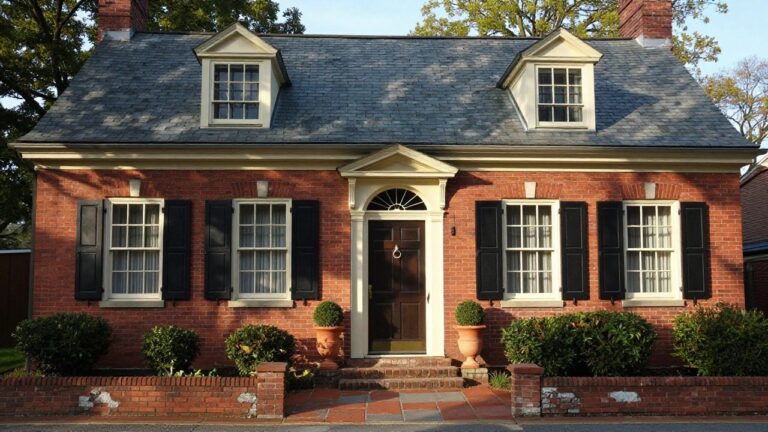
I’ve driven past plenty of Georgian Colonial houses over the years, and the ones that stick with me always start with a facade that feels perfectly balanced from the curb. That front-facing symmetry draws your eye straight to the entry, making the whole house read as welcoming yet grand without trying too hard. I once parked in front of a restored one nearby and noticed how the right mix of brick tones and white trim held up even under overcast skies, proving materials matter more than you might think. These exteriors handle rooflines and window placements in smart ways that boost curb appeal season after season. A few details from them are worth sketching out for your own home to test what clicks in real light.
Symmetry Defines This Georgian Facade
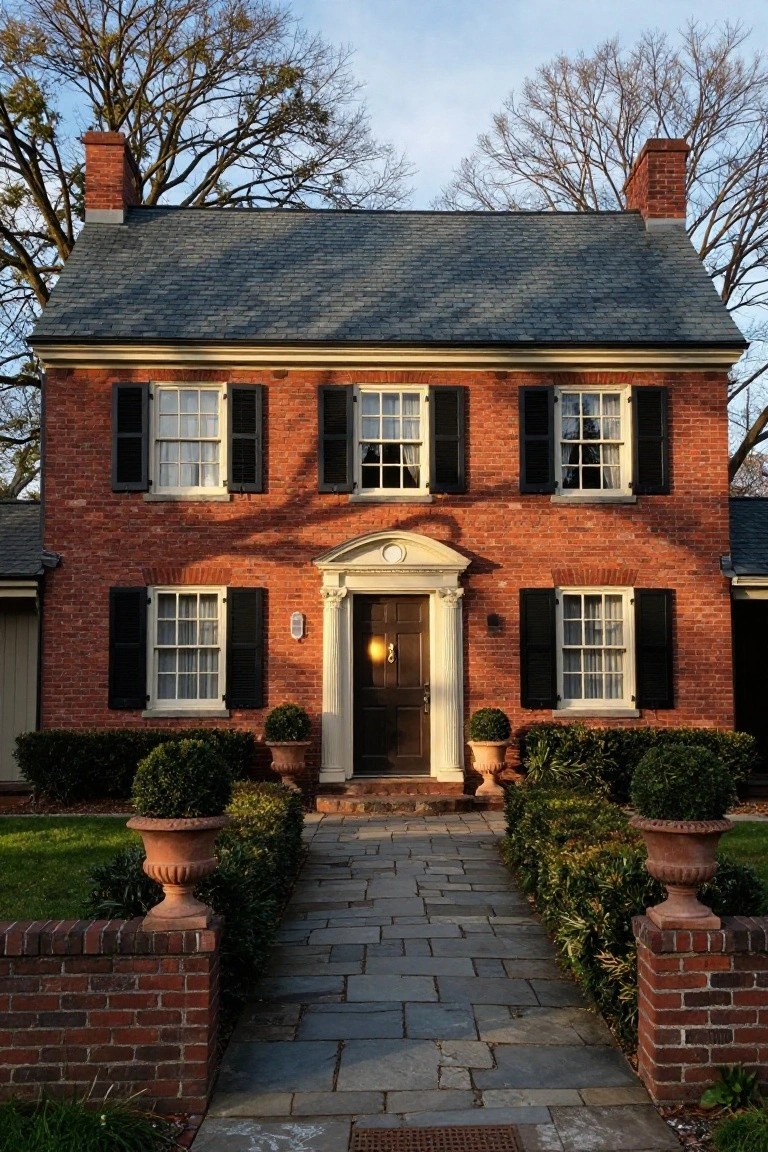
Georgian colonials shine when they lean into symmetry. This brick house nails it with evenly spaced windows across the front, all paired up on either side of the center door. The black shutters match perfectly, and that white pediment over the entry pulls it all together without trying too hard. It’s a look that feels steady and classic right from the street.
You see this style a lot in older neighborhoods, and it fits homes on smaller lots where every inch counts. Stick to uniform window sizes and simple shutters to pull it off. Brick keeps things grounded, especially with a slate roof overhead. Just watch the proportions, entry can’t overpower the sides.
White Colonial with Green Shutters
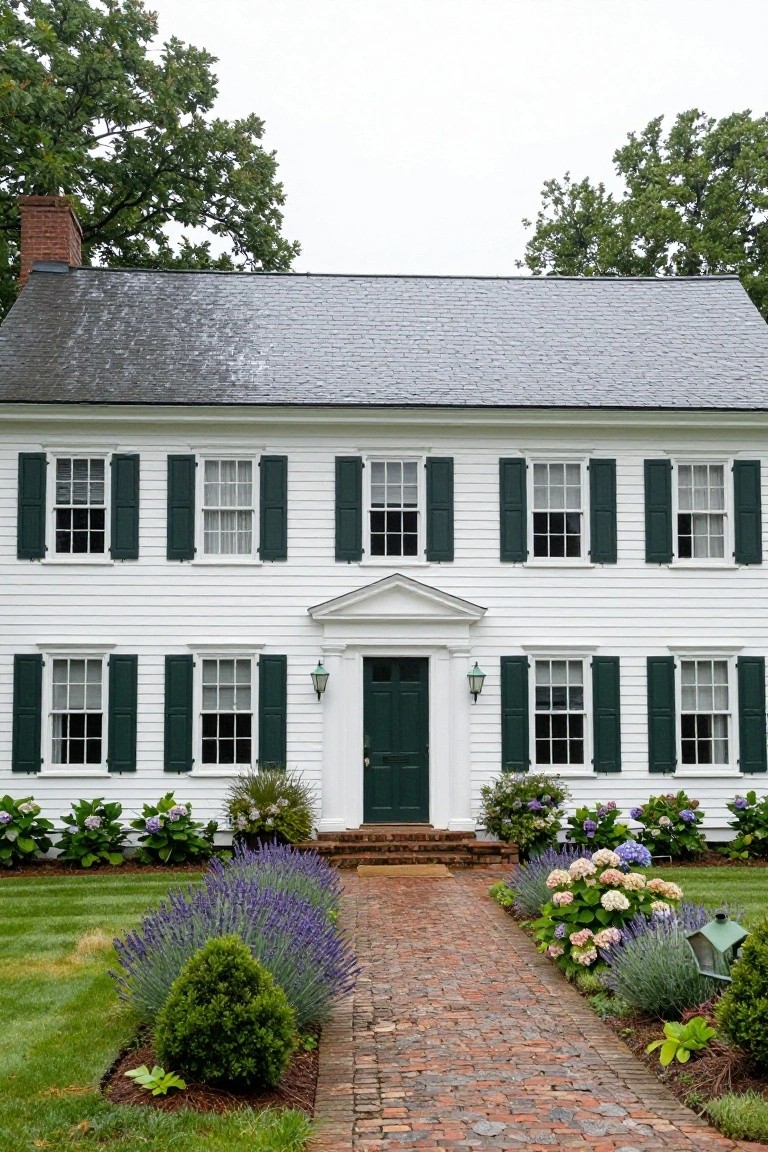
Nothing beats the clean look of a white clapboard house set off by dark green shutters. It gives that sharp contrast that makes every window stand out and pulls your eye right to the front door. The green ties in with the door color too, so the whole entry feels pulled together without much fuss.
This setup works great on Georgian colonials or any traditional home wanting some classic curb appeal. Paint the shutters a deep forest green to keep it grounded, and make sure they fit the window size properly. It suits shady yards or overcast spots since the white brightens things up. Just avoid lighter greens, they can look off.
Classic Red Brick Georgian Facade
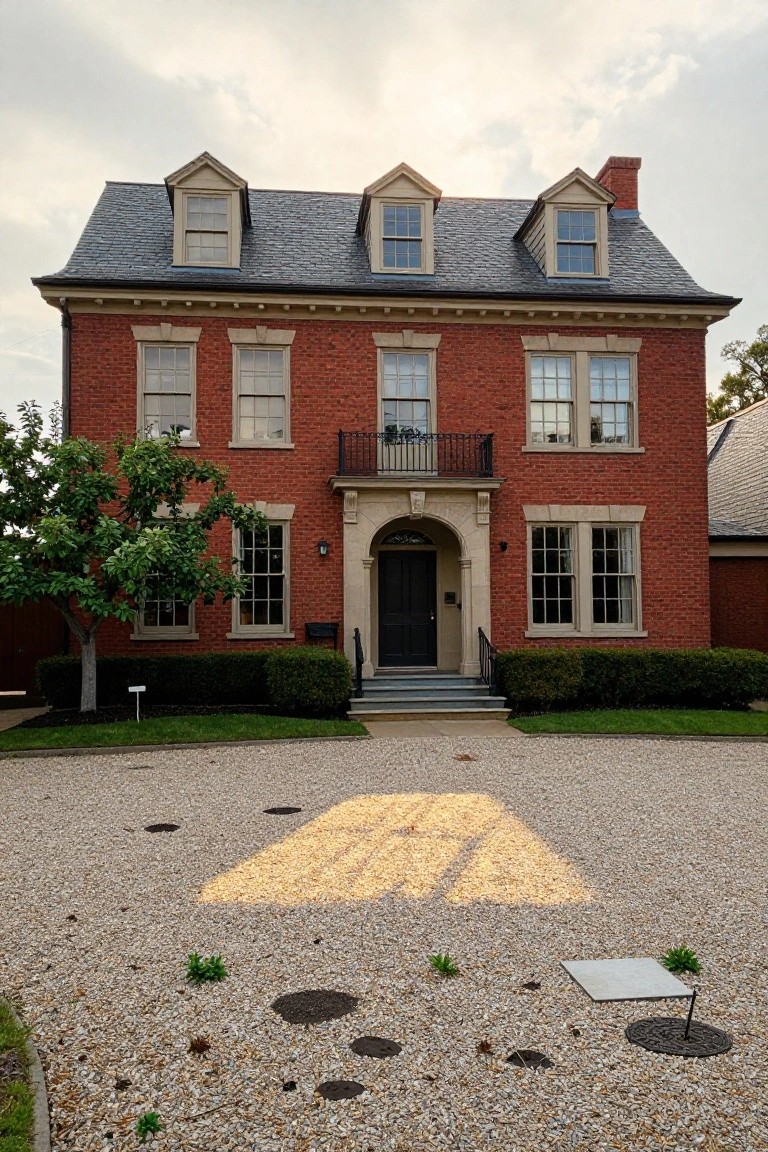
Red brick exteriors like this one capture the heart of Georgian Colonial style. The even rows of windows, paired dormers, and that slate roof keep everything balanced and sturdy looking. It’s a look that feels right at home in older neighborhoods, holding up well over time without much fuss.
You can pull this off on most two-story homes with some front yard space. Stick to clean white trim around doors and windows, and keep landscaping simple like boxwoods and gravel paths. Avoid painting the brick. It hides the natural texture that makes the whole thing work.
Classic Navy Front Door Entry
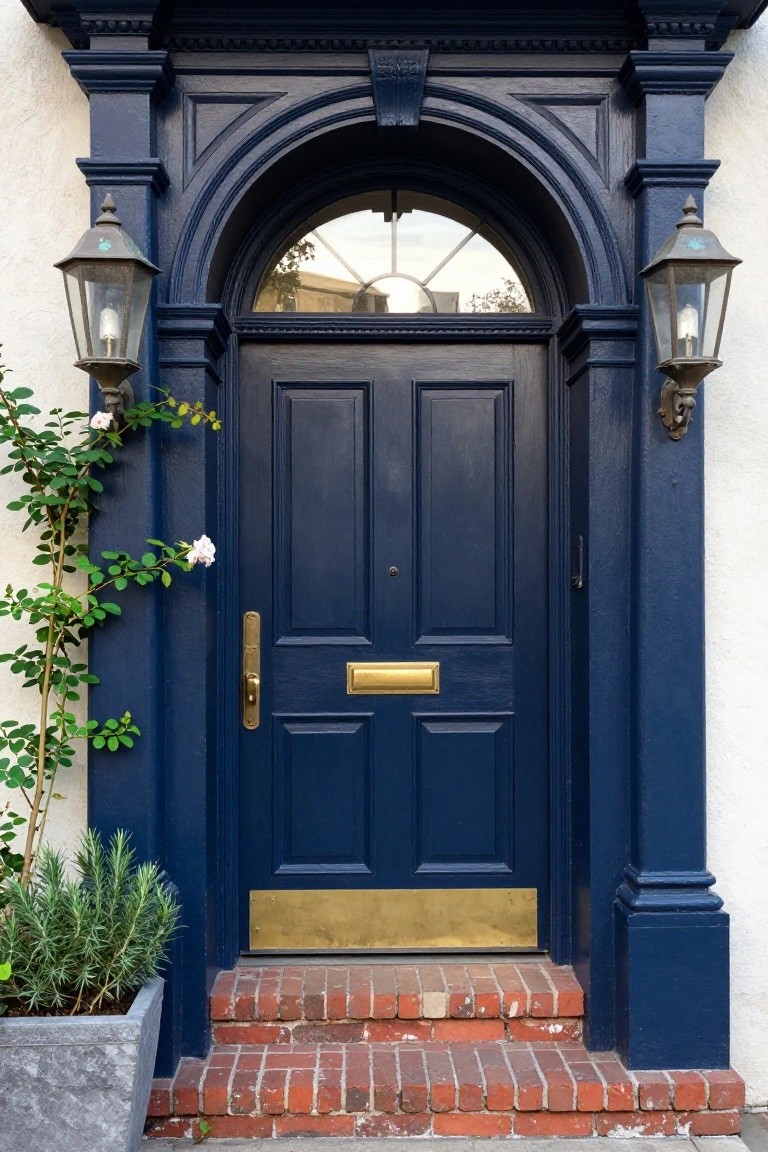
A deep navy blue front door like this one gives a Georgian house that rich, welcoming vibe without trying too hard. The color picks up on the dark trim around the arched entry and stands out against the lighter walls. Brass hardware on the knocker and letterbox adds just the right gleam, making the whole facade feel put-together and a bit formal.
This look fits older colonial homes best, especially where you want curb appeal that lasts through seasons. Paint your door in a semi-gloss navy for weather resistance, and keep plantings simple nearby—like a climbing rose or potted rosemary—so they don’t steal the show. Skip busier colors here; navy keeps things grounded.
Symmetrical Gables on a Georgian Facade
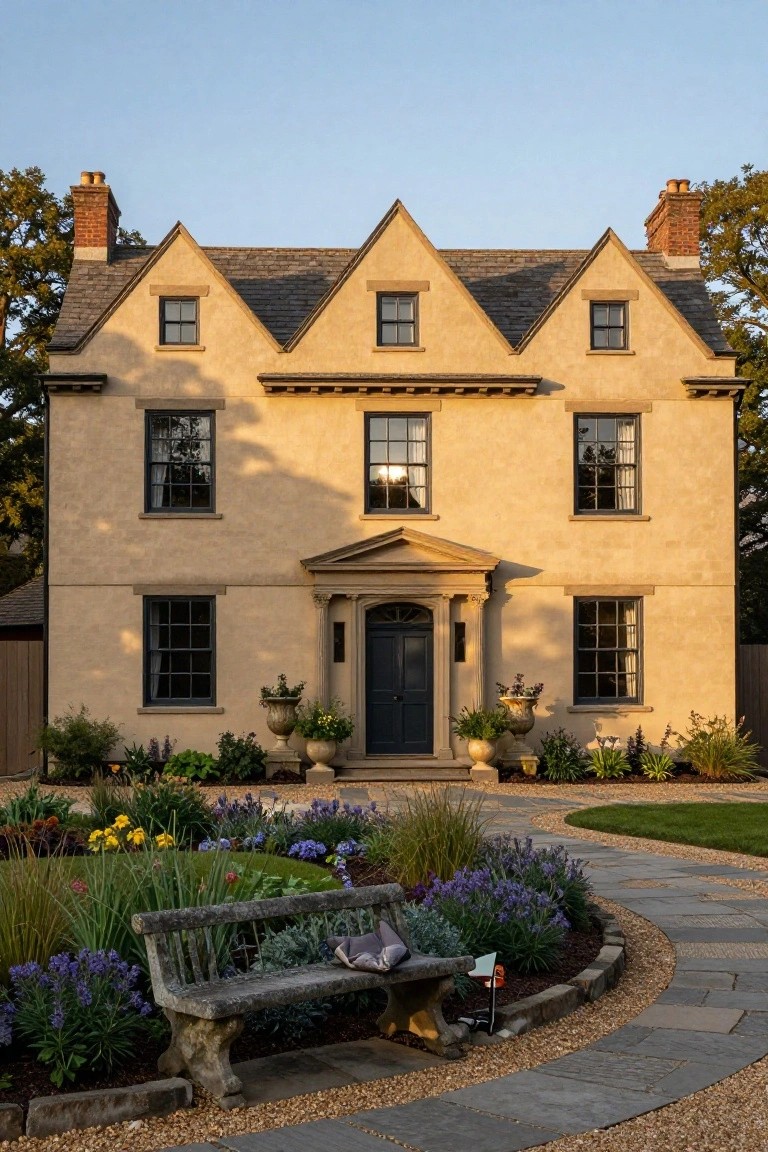
Georgian colonials often stick to simple hip roofs. But this one uses three matching gables across the front to keep things balanced while adding roofline character. The tall narrow windows line up perfectly under each peak. And that beige stucco finish keeps the look light and timeless.
Try this on a two-story home where you want classic proportions without a plain box shape. It suits quieter neighborhoods with room for a stone path and some beds out front. Just make sure the gables match the entry pediment so it all pulls together. Works best when the windows stay dark-framed against a pale wall.
Classic Brick Colonial Porch
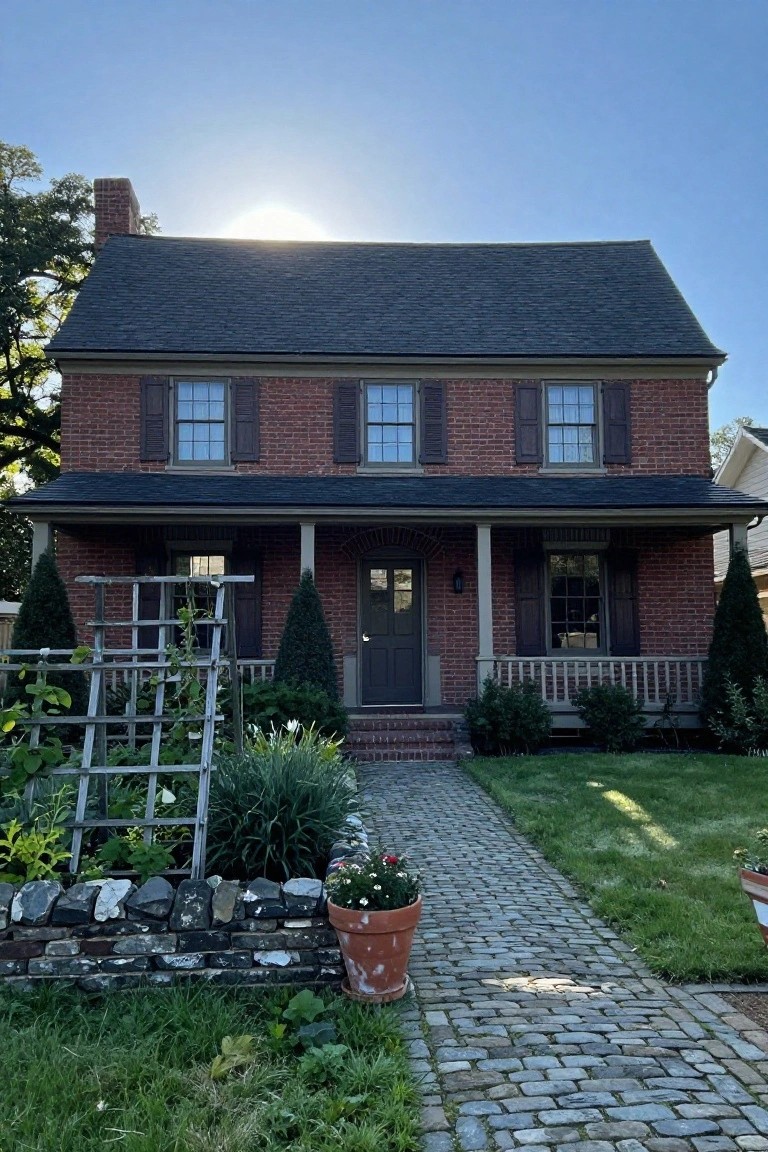
A red brick house like this one nails the Georgian look with its clean symmetry and that sturdy front porch. The multi-pane windows with dark shutters line up just right, pulling everything toward the centered door. Add columns on the porch, and it feels solid, like it’s been there forever. Nothing flashy. Just right proportions that make the whole facade welcoming from the street.
This setup works best on a standard two-story home in a neighborhood with some mature trees around. Lay down a simple cobble path to the steps, keep plantings low along the edges, and you’ve got easy curb appeal. Skip big flashy lights or too many pots though. Let the brick and porch do the talking. Fits older suburbs perfectly, or even a new build wanting that settled-in vibe.
Symmetrical Georgian Facade
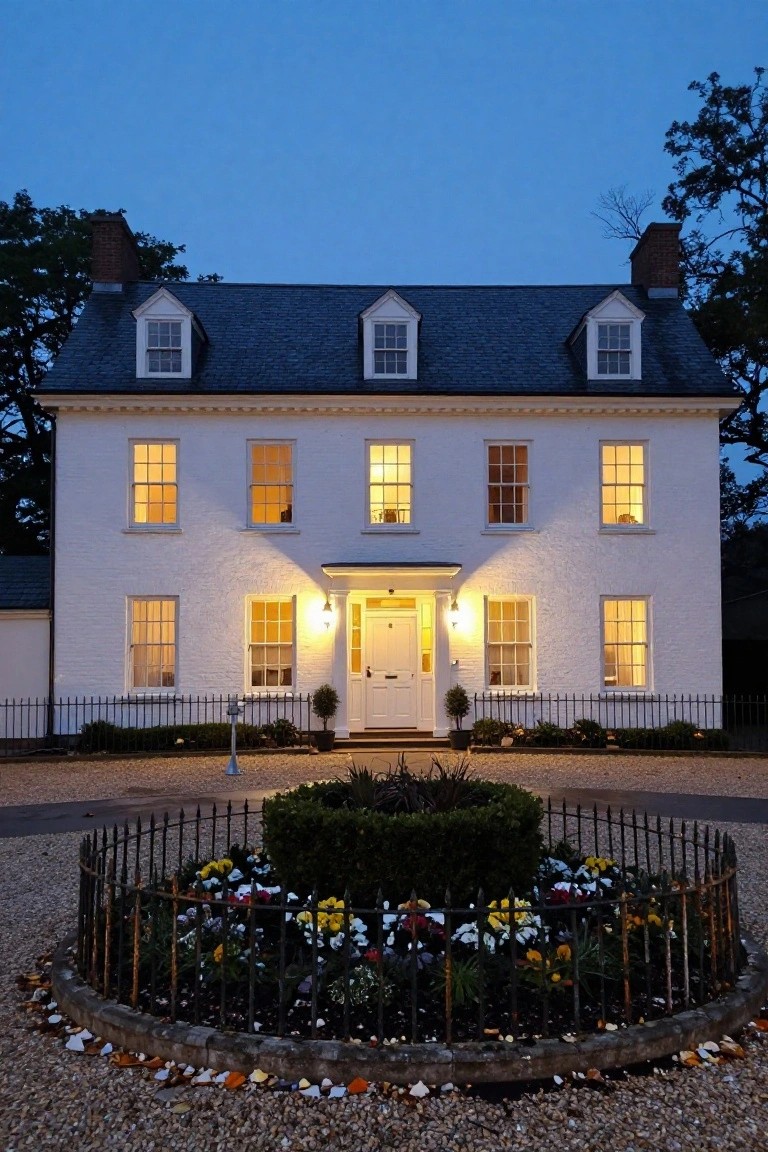
Georgian colonials shine when they get the symmetry just right. Equal windows on each side of the door, dormers up top, all lined up clean. Here the white exterior picks up the fading light, and those warm glows from inside the windows make the whole front feel lived-in and steady.
Paint your house white or light stucco to pull this off. Keep the door dead center under a simple pediment. Add lanterns by the steps for evenings… it suits town lots or country spots where you want that solid, no-fuss look without extra trim.
Classic Columned Front Porch
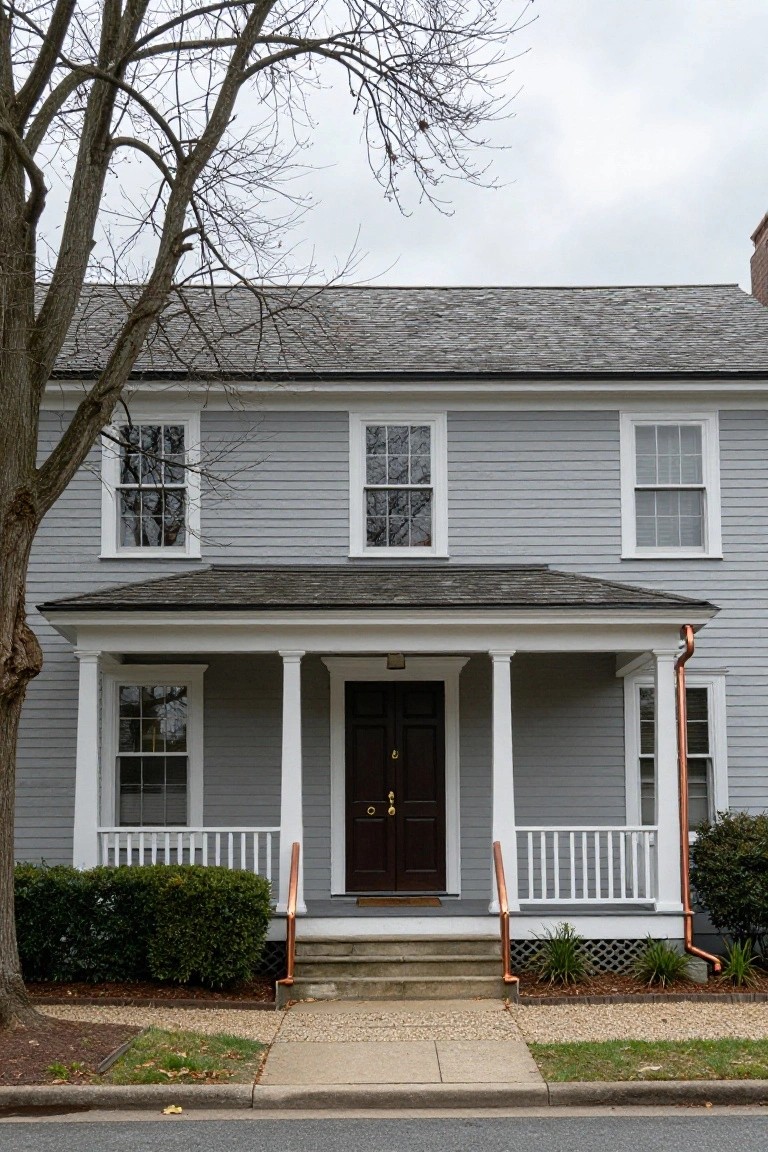
A columned front porch like this one fits right into the Georgian Colonial style. White columns support a simple roofline over the centered door, keeping things balanced and traditional. The gray siding and dark wood door keep the focus on that entry without extra fuss.
This setup suits older homes or new builds aiming for historic charm. It gives shade at the door and boosts curb appeal from the street. Go for painted wood columns to match white trim, and pair with boxwoods along the steps for a tidy base.
Classic Arched Brick Entry
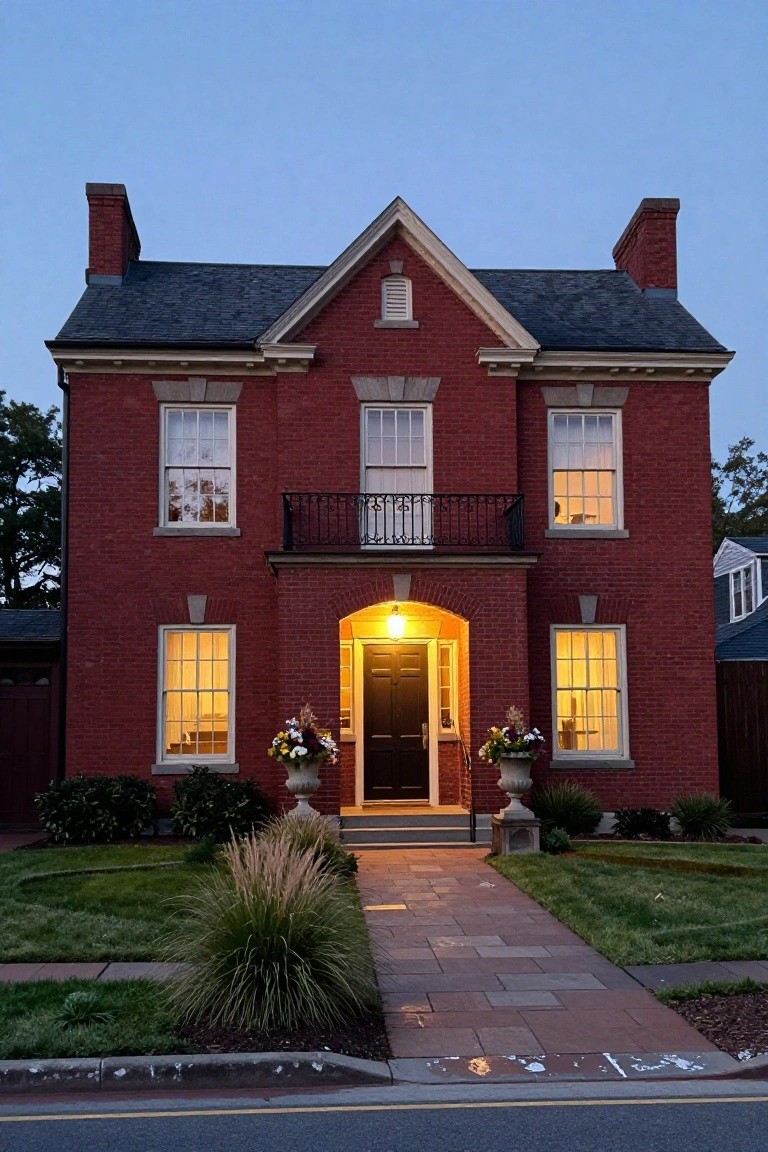
A simple arched entry like this one pulls the eye right to the front door. Built in red brick to match the house, it has that old-school colonial feel without trying too hard. The light above the door turns on at dusk and makes the whole spot glow softly. Flanking planters add some height and balance on both sides.
This works well on brick homes from the 1800s or any revival style nearby. Keep the arch proportions right so it doesn’t overwhelm the door. Soft exterior lighting is key here. It helps on street-facing lots where you want neighbors to notice. Skip it if your entry is super narrow.
Formal Entry Portico
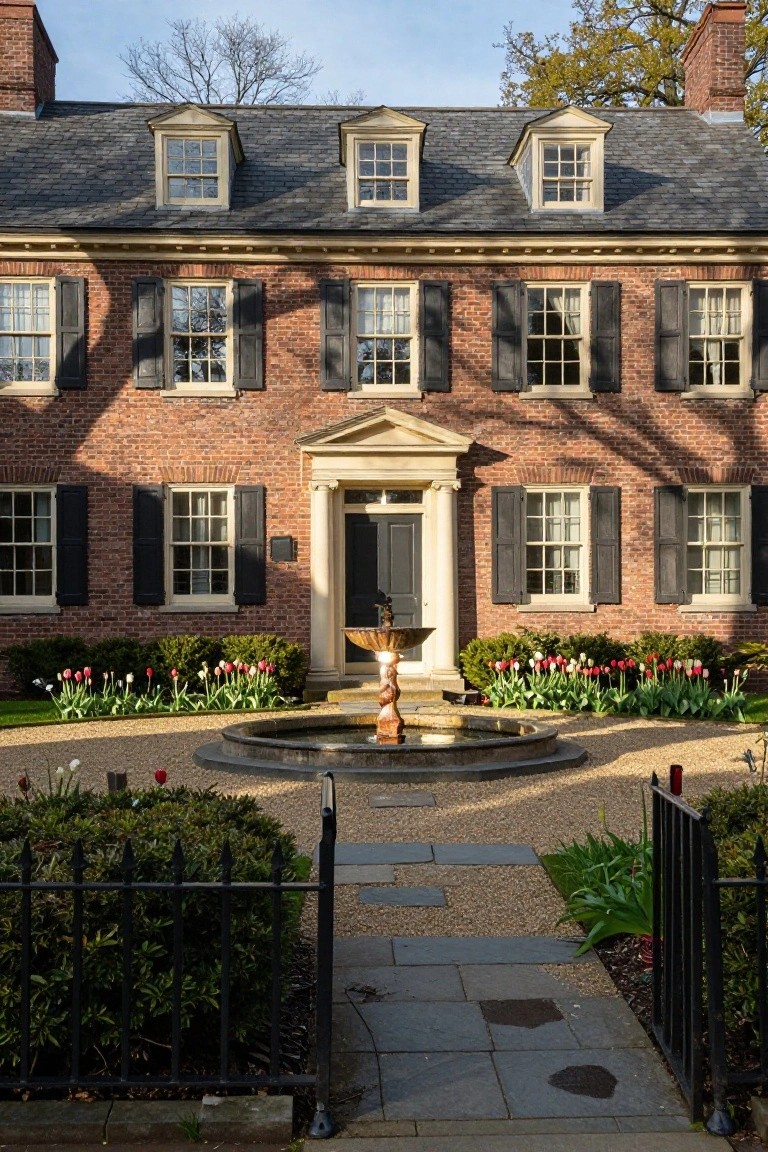
A columned portico like this one sits right over the front door and sets the tone for a true Georgian colonial look. It frames the dark wood door perfectly against the red brick walls, with black shutters on the multi-pane windows keeping everything crisp and balanced. That little fountain in the foreground just pulls your eye straight to the entrance.
This setup works great on brick homes with good symmetry already in place. Keep the columns simple and paint the trim white to let the brick do the talking. It suits quieter neighborhoods where you want classic curb appeal, but scale it right or the whole facade can feel top-heavy.
Classic Porch Rocking Chairs
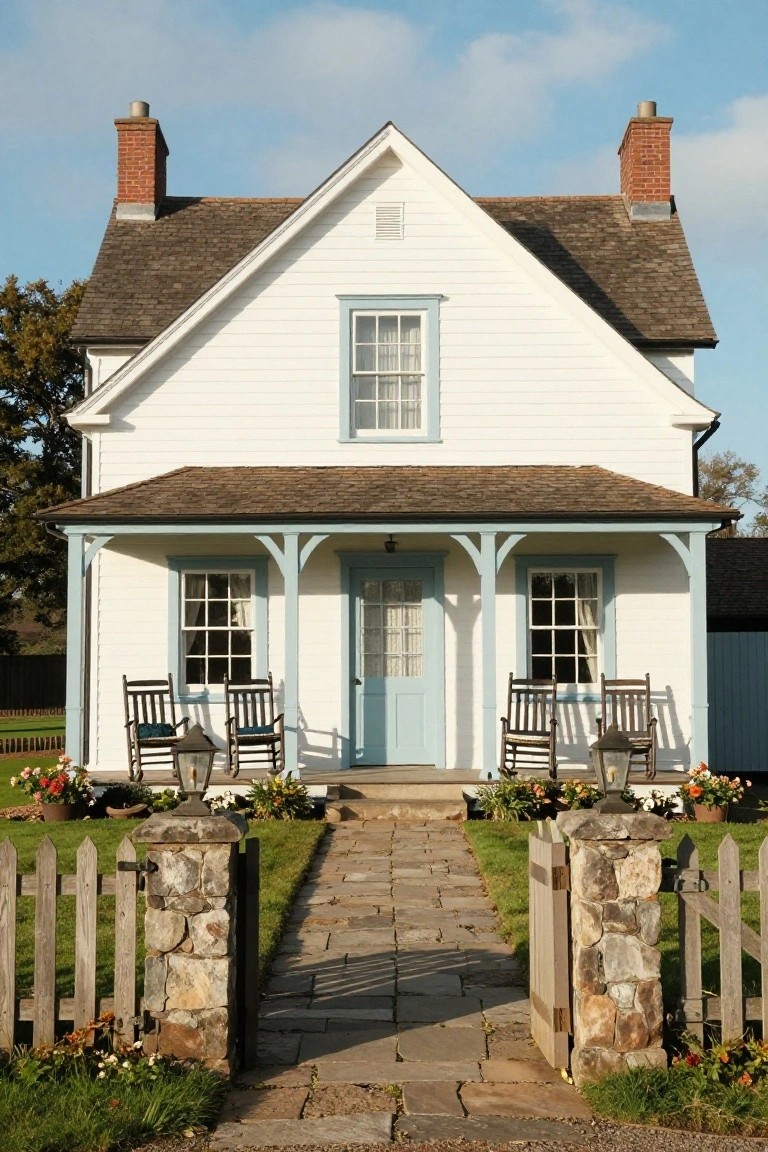
A pair of simple wooden rockers sits on this covered front porch, flanked by lanterns and potted flowers. They pull you right into that relaxed colonial vibe, like the house is ready for company any afternoon. It’s a straightforward way to make the entry feel lived-in and friendly.
This works best on homes with a raised porch foundation. Go for sturdy chairs that won’t tip, and space them to leave room for the door. Avoid crowding with too many plants… keeps the focus on sitting and enjoying the view.
Recommended Products

Outdoor Hardware Supply 9" x 27" shutters are manufactured from UV-resistant vinyl, resisting chipping and no fading over time. Louvers Do not allow air passage - Decorative Only

Available in various color options

One Piece Injection Molded Polypropylene Construction
Classic Red Front Door Entry
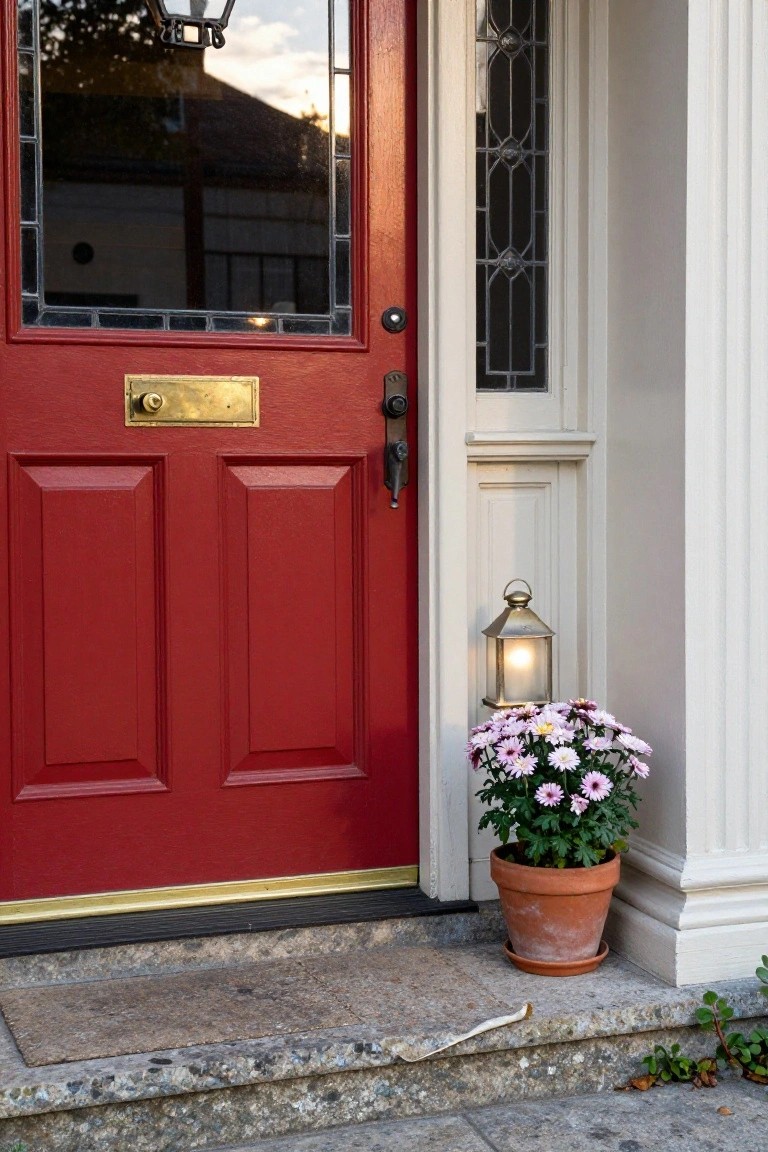
Red front doors give Georgian colonials that instant welcoming feel. They work well against white trim and stone steps, making the entry the clear focal point. This one uses a deep red paint on paneled wood, with brass knocker and letterbox for shine.
Try it on homes with symmetrical facades. Go for a traditional red shade, and add a simple lantern plus a potted plant nearby. It suits older neighborhoods… keeps curb appeal steady year round.
Built-In Brick Fire Pit
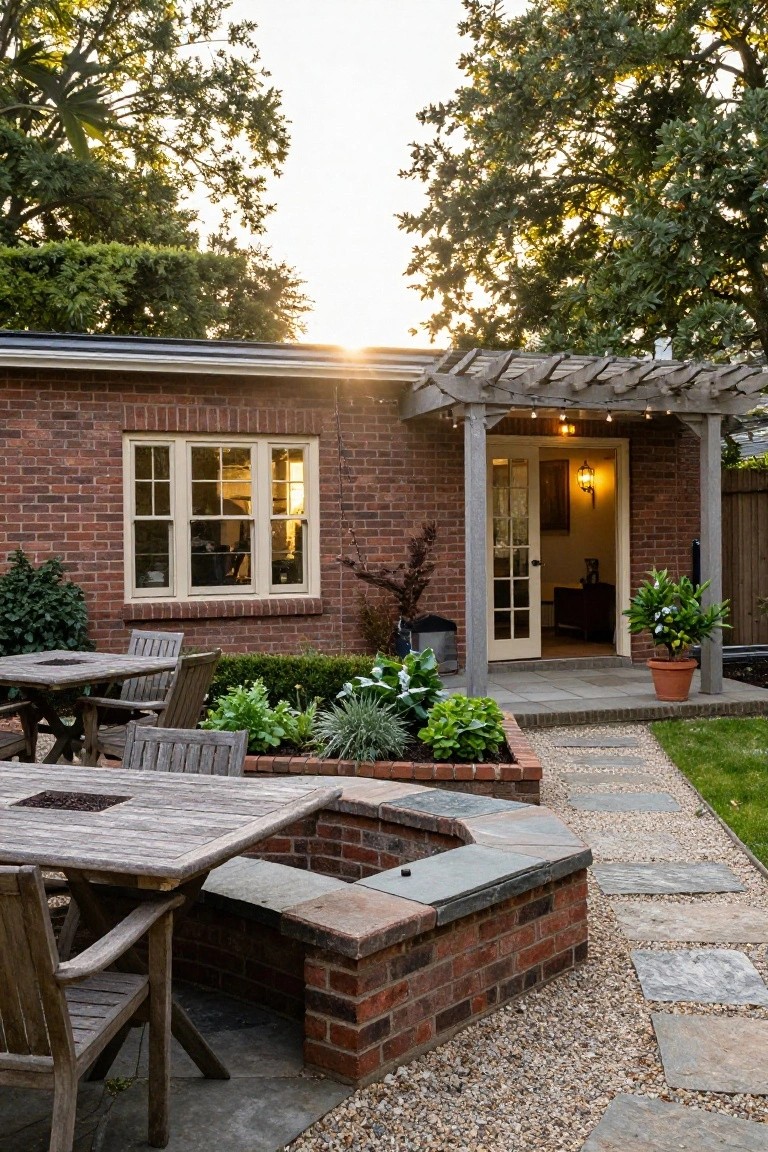
One nice touch in classic homes is a simple brick fire pit right off the patio. It pulls the house materials outside and gives everyone a spot to gather around. The curved shape here fits neatly by the seating, and since it’s the same brick as the wall, it just blends in without trying too hard. That kind of match-up keeps things looking put-together.
You can add one like this where your patio meets the house, especially if you have brick or stone siding already. It works best in milder spots for year-round use… pair it with basic wood chairs and a table nearby. Keep the size modest so it doesn’t overwhelm smaller yards, and check local rules on open flames.
Classic Portico Entrance
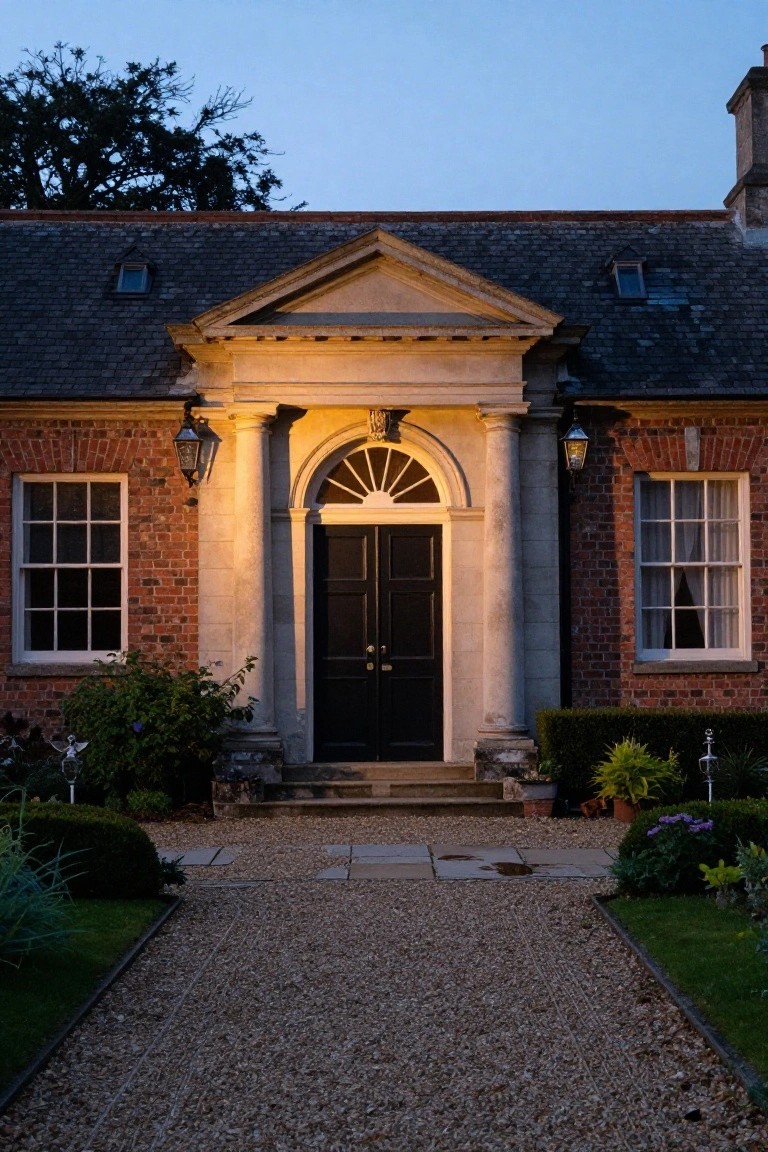
A portico like this one gives a Georgian colonial house that solid, welcoming front door presence. The stone columns and curved fanlight over the black door pull the eye right in, while the lanterns light it up nicely at dusk. It keeps the facade balanced and formal without feeling stuffy.
You see this detail on many older English-style homes, and it fits right on brick builds with slate roofs. Try it where you want more curb appeal on a flat entry. Just match the stone to your brick for that clean contrast, and keep plantings low around the base so the architecture stays the star.
Classic Pedimented Portico Entry
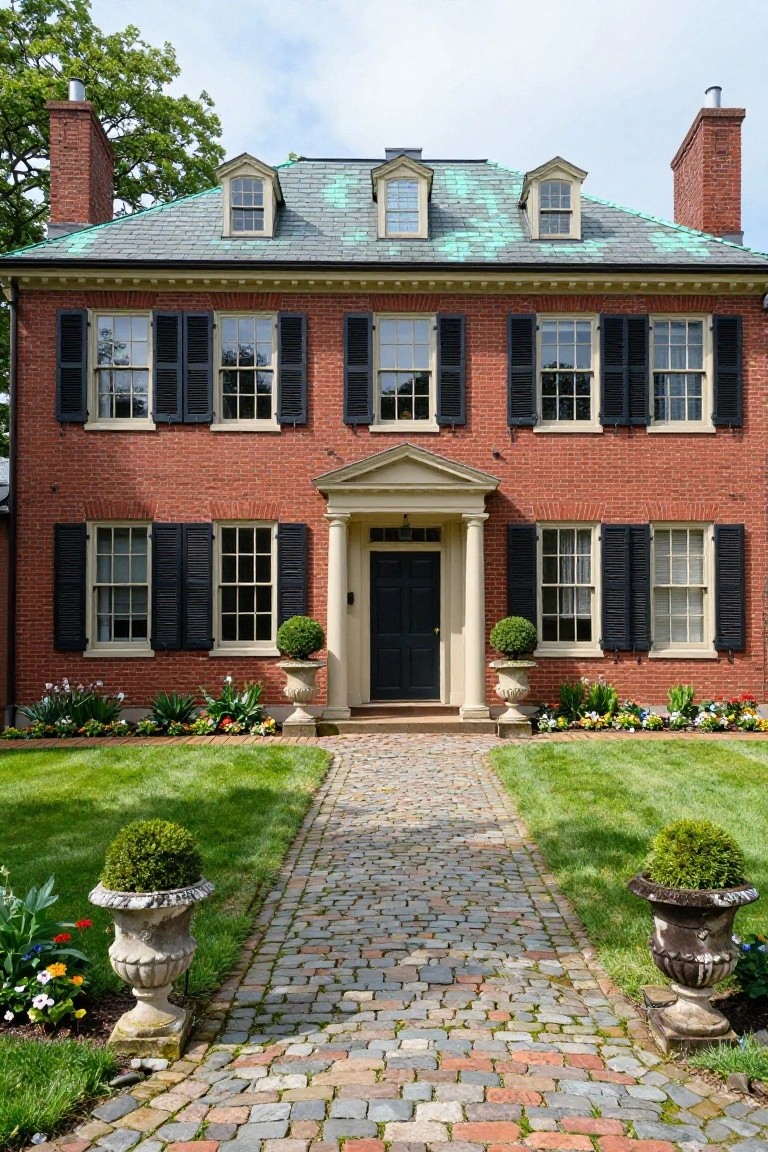
A pedimented portico like this one sits right above the front door, with slender columns holding up a simple triangular top. It pulls the eye straight to the entrance on a brick Georgian house. The white trim stands out clean against the red brick, and those matching urns on either side keep things balanced and formal without overdoing it.
This setup works best on symmetrical facades where you want a touch of history. Add it to a colonial-style home facing the street, and pair the dark door with black shutters for that crisp look. Keep the path simple, like these uneven cobblestones, so it leads people right in. Skip it on busier lots, though… it shines where there’s room to approach.
Classic Porch Entry Design
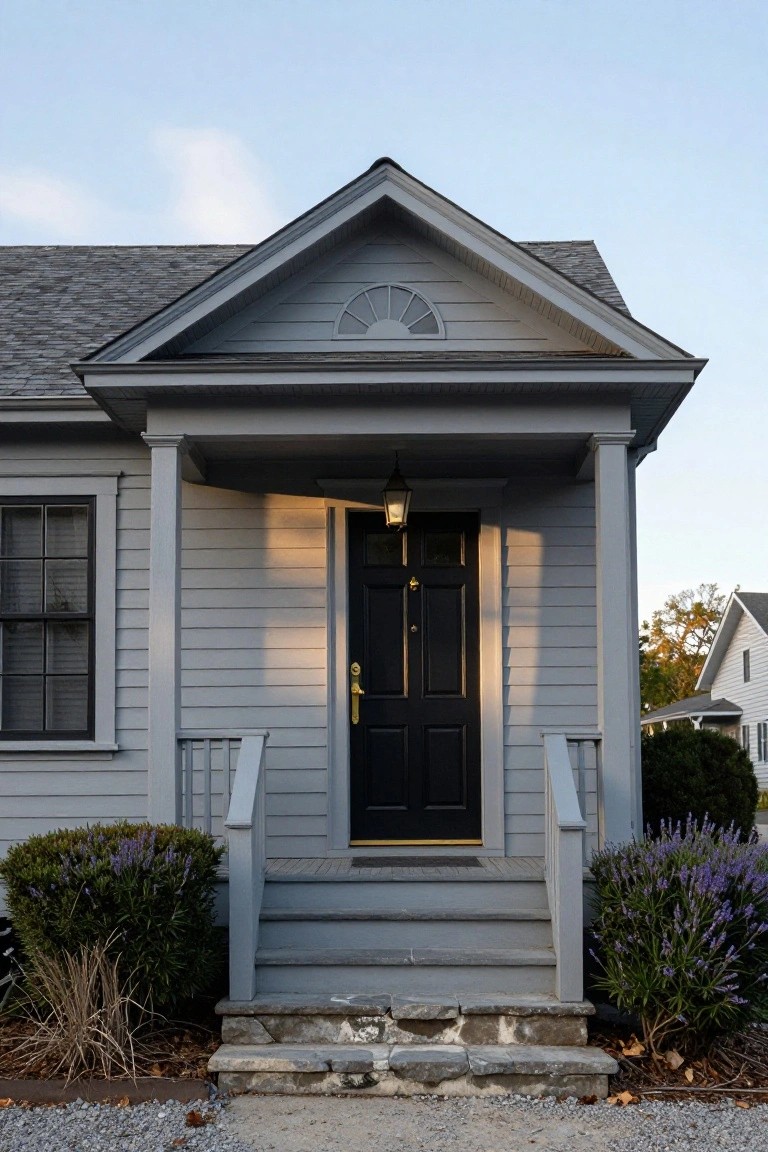
A simple covered porch like this one gives a Georgian Colonial house that instant welcoming feel. With its white columns holding up the gable roof and a bold black door right in the center, it pulls your eye straight to the front entrance. The gray shingle siding keeps things understated, letting the porch do the talking without overwhelming the whole facade.
This setup works best on smaller homes where you want curb appeal without big changes. Add stone steps and a couple low shrubs on the sides, like those lavender bushes here, to frame it nicely. It suits traditional neighborhoods… just make sure the columns match your roofline so it doesn’t look tacked on.
Classic Pedimented Entry Doorway
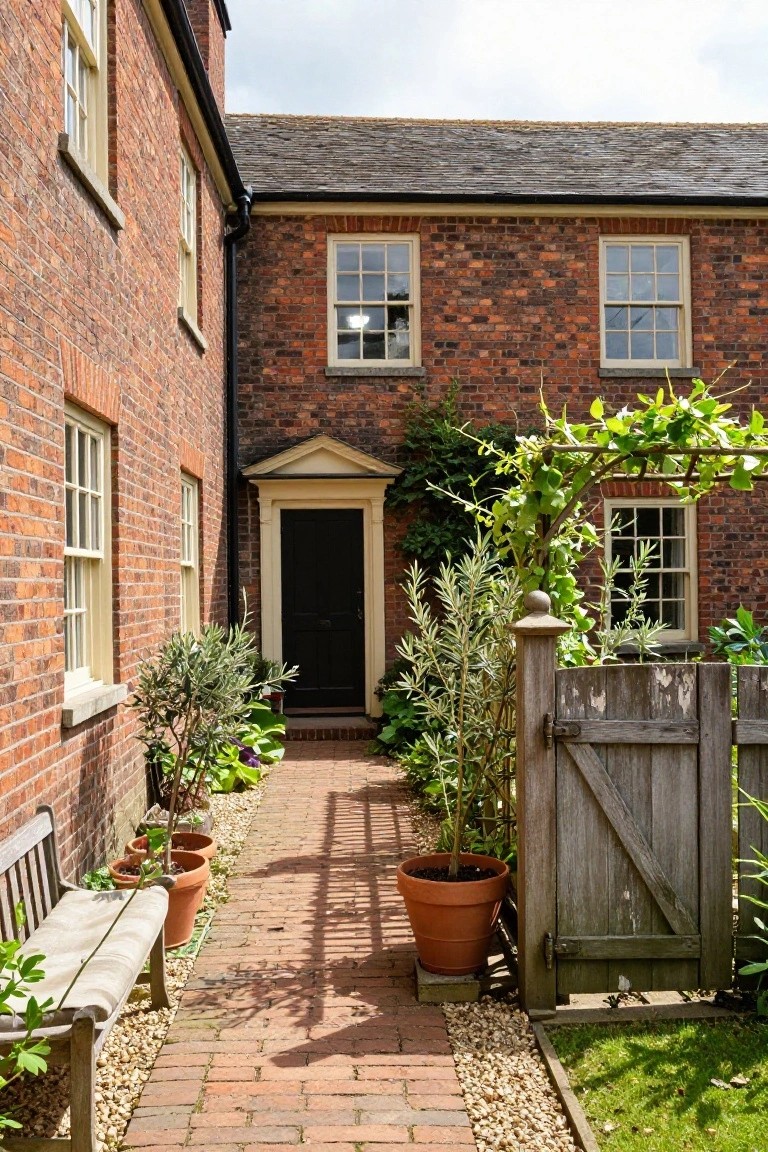
Georgian homes often feature a pediment over the front door like this one. It gives the brick facade a touch of formal elegance without much fuss. The light pediment sits neatly above the black door, tying into the sash windows and making the whole entry pop just right.
This detail suits older brick houses looking for subtle curb appeal. Pair it with a straight path and a few pots of olive trees or similar plants along the sides. It keeps things balanced on narrower approaches. Skip anything too busy around it, or the charm gets lost.
Brick Pediment Entry Door
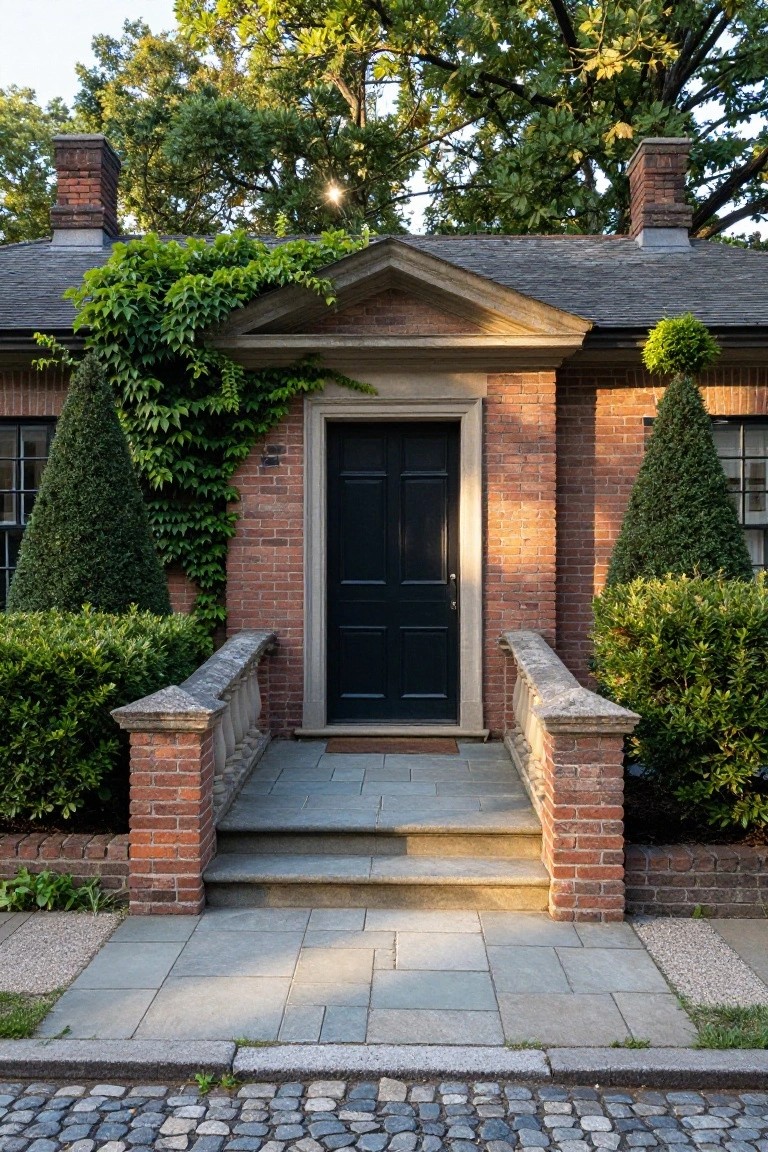
A pediment over the front door gives Georgian houses that clean classical look. Set against red brick like this, with a deep black paneled door below, it pulls the eye right to the entrance. Symmetrical boxwoods on brick piers keep things balanced and formal, without much fuss.
This works best on compact homes where you want the entry to stand out. Pair it with wide stone steps and a low balustrade for easy access. Skip heavy vines if your climate is too wet. It fits older neighborhoods, making the house feel settled and proper.
Classic Stone Garden House Facade
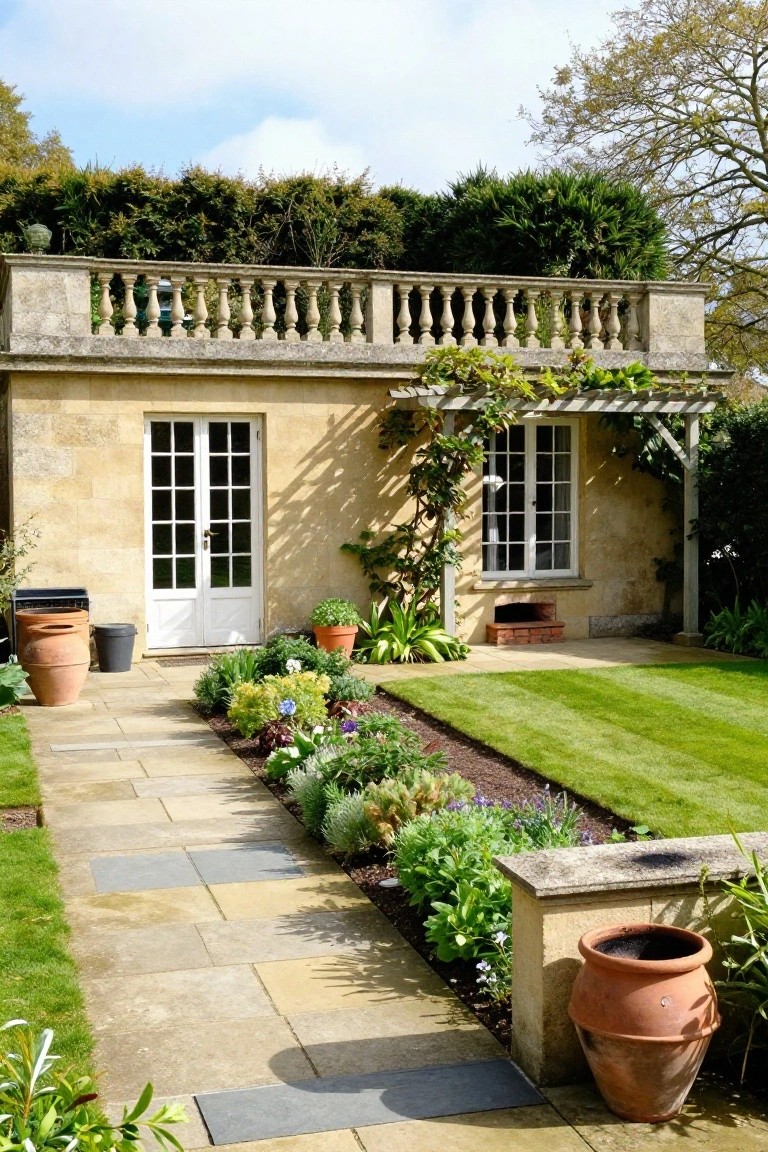
This kind of small stone building pulls off that old-world Georgian look without trying too hard. The honey-colored walls and simple balustrade balcony up top give it a settled, timeless feel that fits right into a larger property. French doors in the center make it feel open to the garden, and the texture of the stone keeps things from looking too plain.
You can add one like this as a garden retreat or extra living space on a half-acre lot or bigger. It works best where you want some separation but still a view out. Keep the scale modest so it doesn’t overpower the main house, and pick stone that matches your local style if you can.
Classic Arched Entry Design
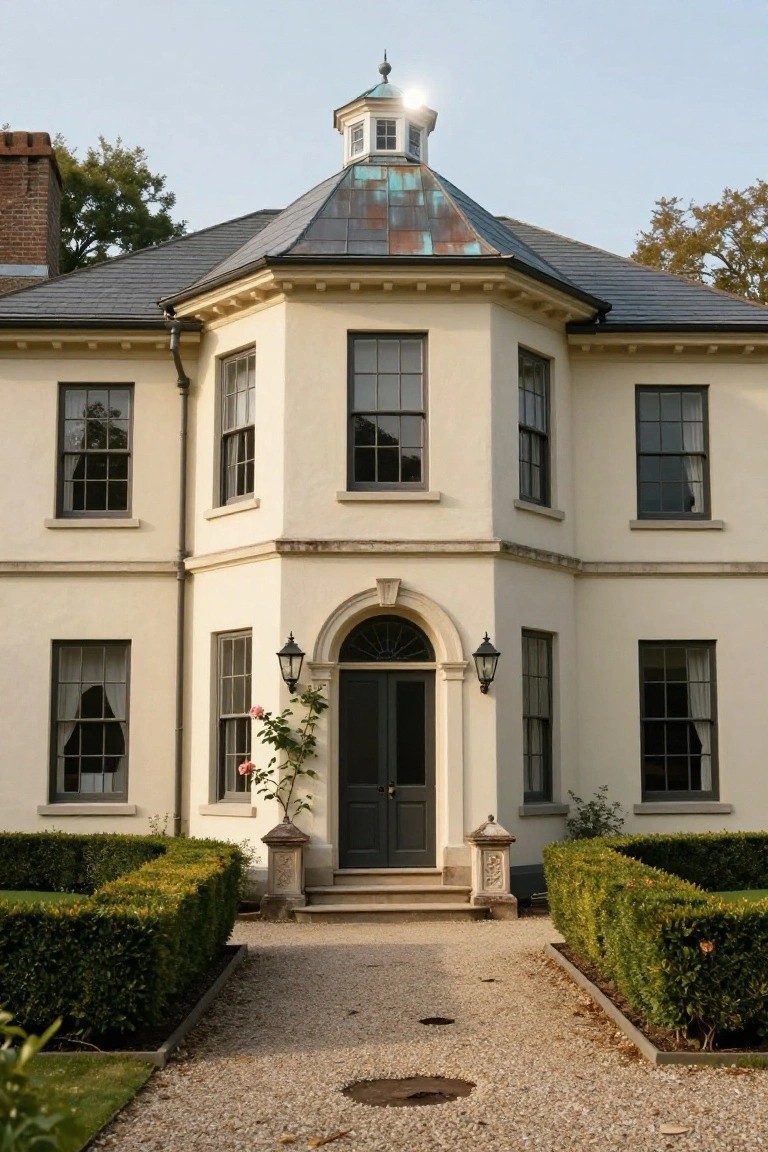
A simple arched doorway like this one gives a Georgian colonial house real presence right at the front. The pale stucco walls set off the dark wood door nicely, and those lanterns on either side add just enough light without overdoing it. It’s all about that balanced look that pulls your eye straight to the entrance.
You can pull this off on most traditional homes by keeping the arch subtle and the surround plain stone. It works best where you want to highlight symmetry, maybe with low hedges along the path to guide people in. Skip big decorations around it though, or it starts to feel busy.
Frequently Asked Questions
Q: How do I clean brick siding on my Georgian colonial without messing it up?
A: Mix mild soap with water and use a soft brush to scrub gently. Rinse everything off with a garden hose on low pressure. Pressure washers strip away the patina you want to keep.
Q: Can I update the windows and still hold onto that classic Georgian look?
A: Go for double-hung windows with grid muntins that match the original proportions. Choose energy-efficient glass that fits behind the grids. They blend right in while cutting your bills.
Q: What colors pop best on the trim and door?
A: White or off-white trim sets off red brick perfectly. Paint the door a deep green or navy… it adds punch without overwhelming the symmetry.
Q: My house needs new lighting. How do I pick fixtures that fit?
A: Hunt for lanterns with black metal frames and clear glass. Mount them symmetrically by the door. They echo the colonial lanterns without looking fake.
