

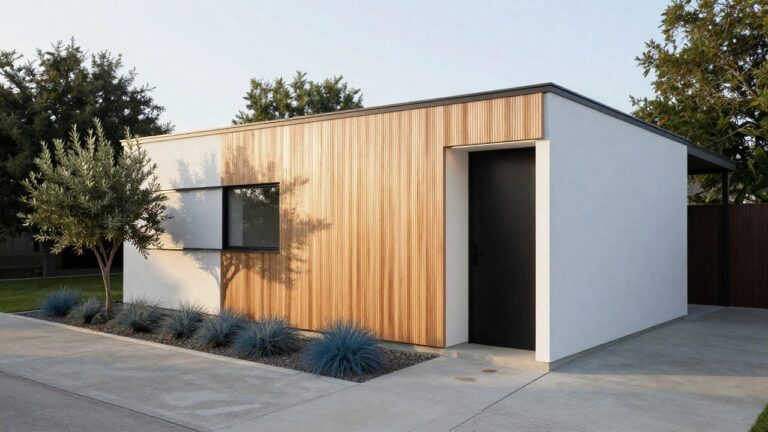
When you approach a house from the street, its elevation hits you first, shaping whether it feels fresh or just another box.
Modern facades work best when they layer materials like wood siding over concrete bases, creating depth that changes with the light through the day.
I once helped a neighbor tweak their entry canopy, and it shifted the whole front from stark to welcoming without major changes.
Rooflines deserve more thought than they get.
The ideas here come from real homes where those tweaks boosted curb appeal enough to make drivers slow down, and they’re flexible enough to scale for your setup.
Dark Brick Facade with Wood Entry
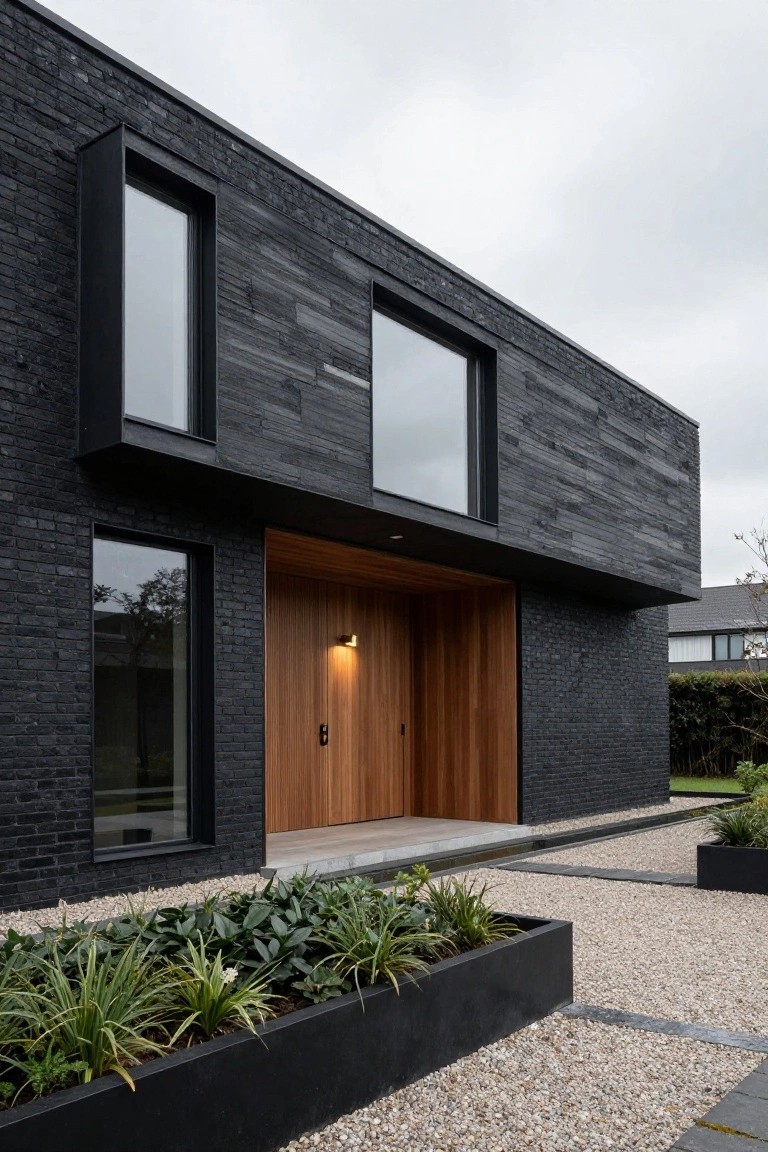
This look uses black brick for most of the house exterior, then pulls in a wooden entry door and recess to break things up. The dark brick keeps everything sleek and modern. That wood adds just enough warmth without going overboard. It’s a simple way to make the front feel welcoming on what could otherwise look too stark.
Try this on a newer build or remodel where you want curb appeal that stays low-key. It fits suburban spots with some yard space. Keep the landscaping simple, like those black planters and gravel path here. One thing. Make sure the wood is treated well so it holds up over time.
Recommended Products

Cleans house siding including vinyl, aluminum, stucco, wood and brick

REMOVE TOUGH STAINS: Home Armor Outdoor Cleaner+ powers away dirt, grime, algae, mold and mildew stains. No scrubbing required.

REMOVE TOUGH STAINS: Home Armor Pressure Wash Concentrate blasts away stains from dirt, grime, algae, mold and mildew with professional strength.
Warm Wood Siding on a Modern Facade
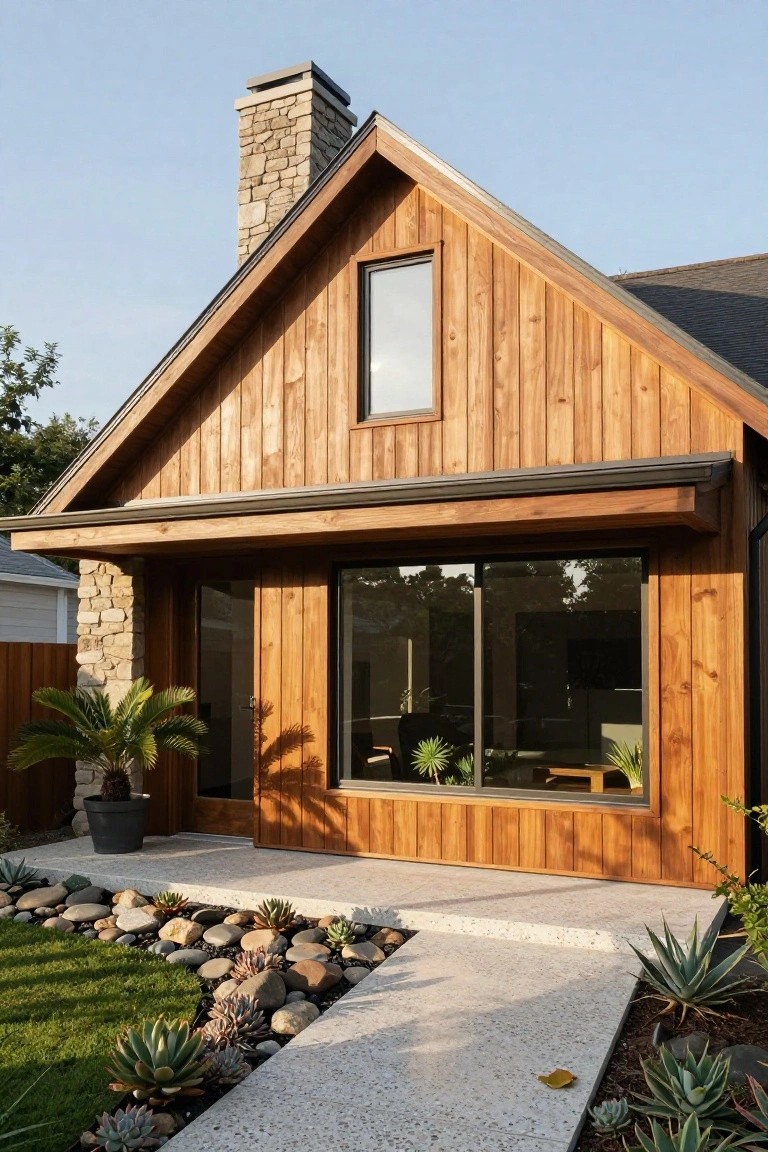
Vertical wood siding like this brings a cozy, natural feel to what could be a stark modern house. The light brown boards cover most of the front, working well with the gabled roof and simple stone chimney. Large glass windows let light pour in, but the wood keeps things from feeling too cold or glassy.
This look fits homes in suburbs or spots with some trees around. Use cedar or similar wood that’s treated for weather. It suits one- or two-story designs where you want curb appeal without fuss. Just make sure the siding gets sealed right to hold up over time.
Modern Coastal Shingle Facade
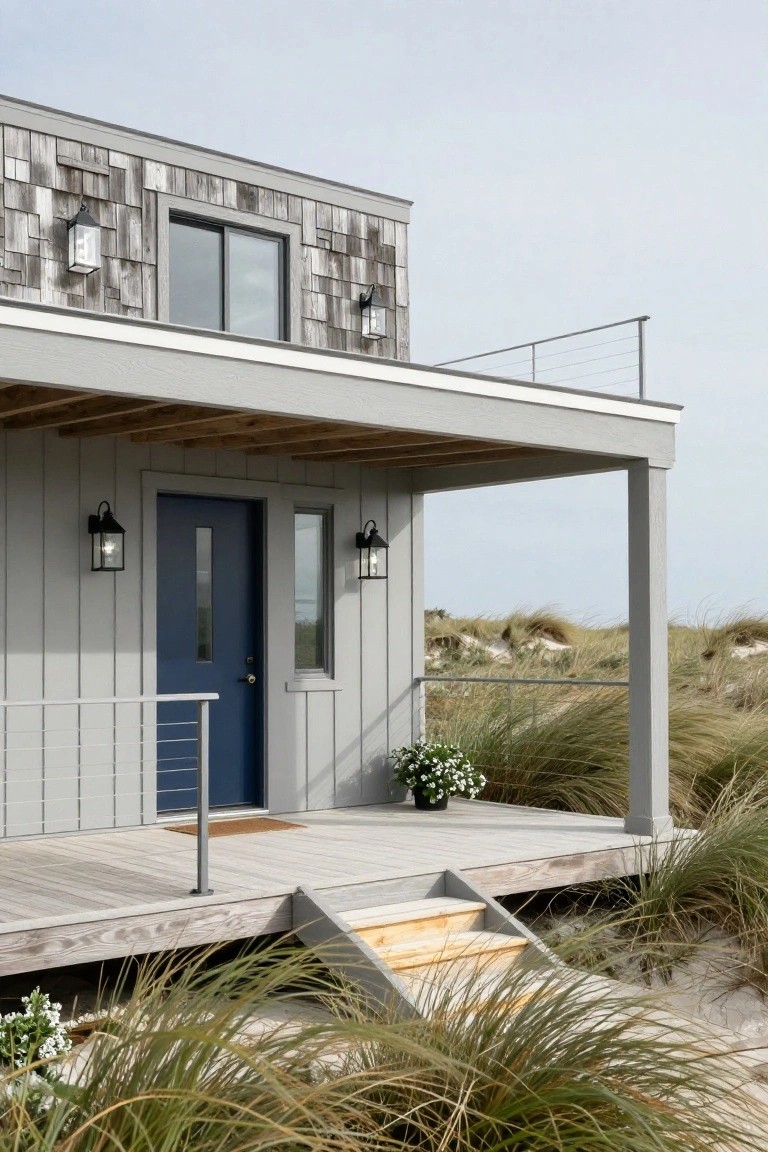
Shingle siding like this gives a beach house that weathered, lived-in feel right away. Here it’s used on the upper level for texture, paired with smooth gray vertical boards below. That mix keeps things from looking too rustic. The simple porch and blue door pull it all together without fuss.
This setup works best on elevated spots near dunes or water, where the light grays blend with sand and sky. Go for it on a small cottage if you want low-key curb appeal. Just match the tones to your surroundings so it doesn’t stick out too much.
Recommended Products

Universal Compatibility: This vertical siding lamp mounting kit fits for T-111 siding, HardiePlank Lap siding, flat surfaces, ensuring broad application across common exterior wall types

Precise Custom - This octagon mounting block is precisely designed for 1/2" width lap vinyl siding. It provides a flush, stable and gap-free mounting base for various outdoor light fixtures, enabling neat, tidy and safe outdoor light installation
Black Barn Door on a Simple Porch
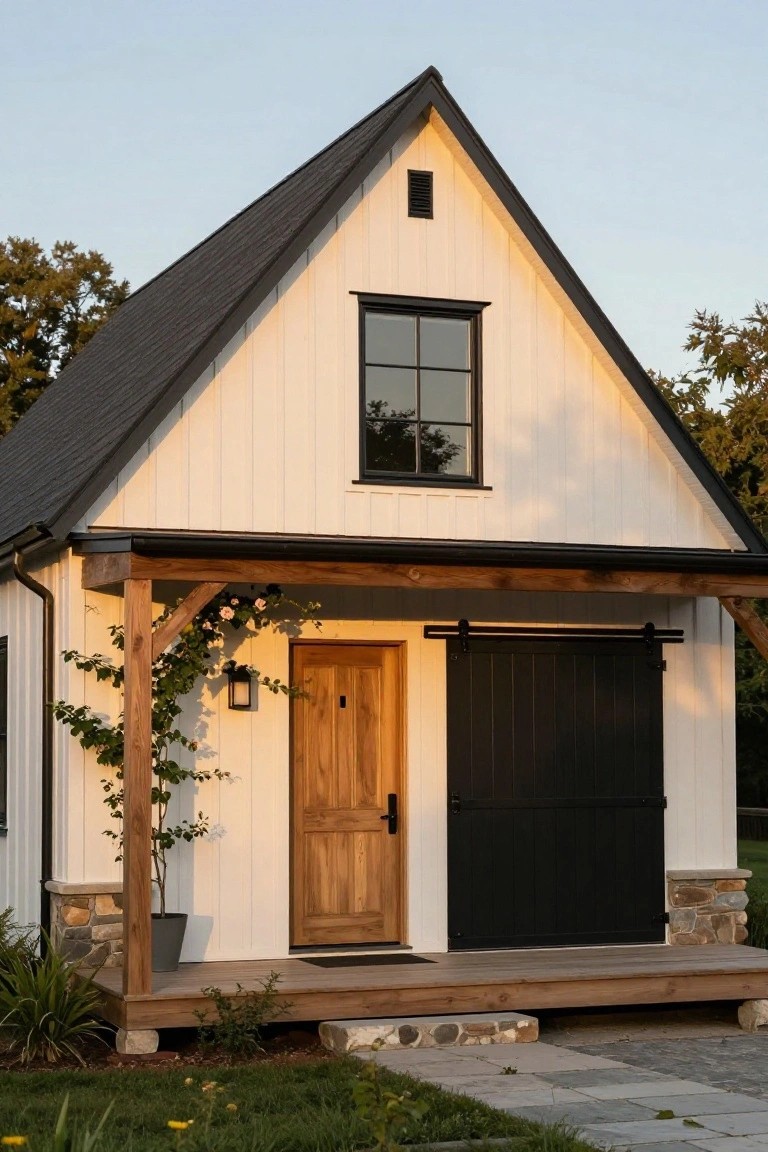
One look at this setup shows how a big black sliding barn door next to the main entry can add real function without messing up the front look. The white siding keeps things clean and bright. That wood door pulls you right in. It’s a fresh way to handle garage access on smaller homes or additions.
You can pull this off on ranch styles or modern farmhouses where space is tight. Just match the black to your roofline or trim so it ties together. Skip it if your porch is super narrow… the door needs room to slide. Works great in rural spots or suburbs wanting that casual vibe.
Cantilevered Concrete Facades
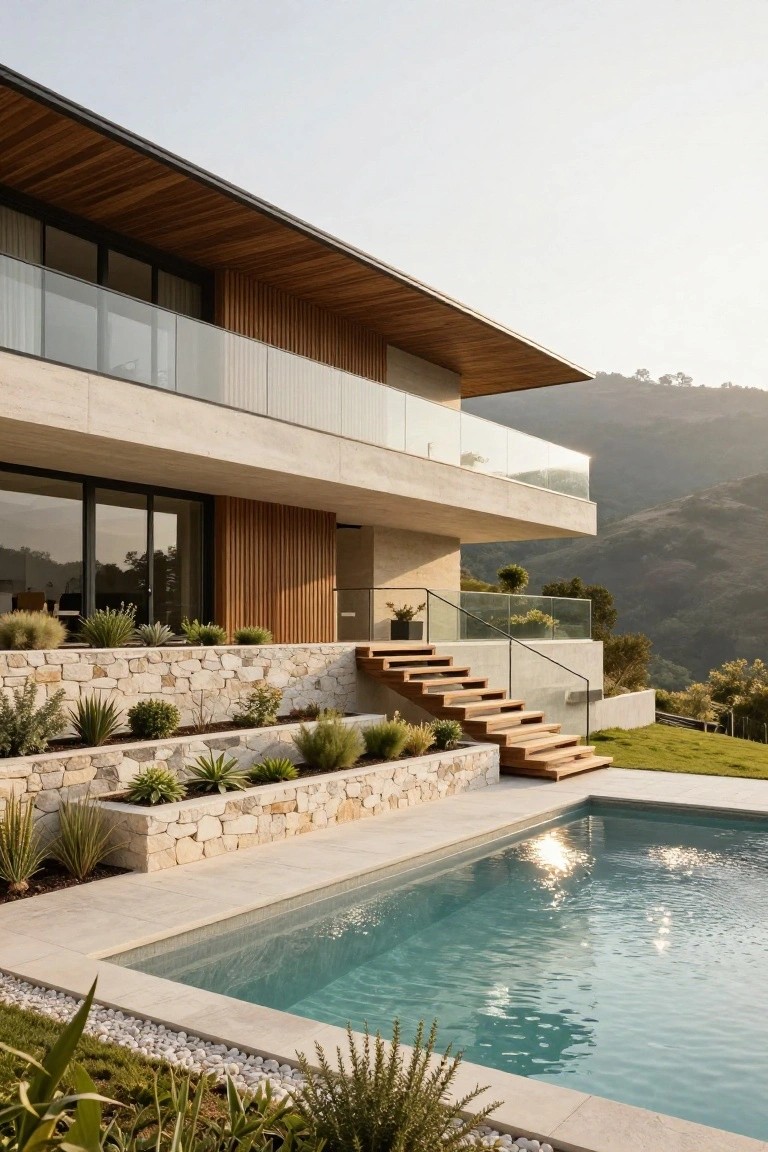
Cantilevered facades like this one let the house project out over the slope. Here, pale concrete forms the main structure with wood panels adding warmth along the edges. Glass railings keep the lines clean and let views flow right through. It makes the elevation feel light and connected to the hillside below.
This approach suits sloped sites where you want drama from the architecture. Pair it with a pool at the base to extend the usable space. It works best on modern homes but watch the engineering costs on steeper terrain.
Brick Archway with Wood Door
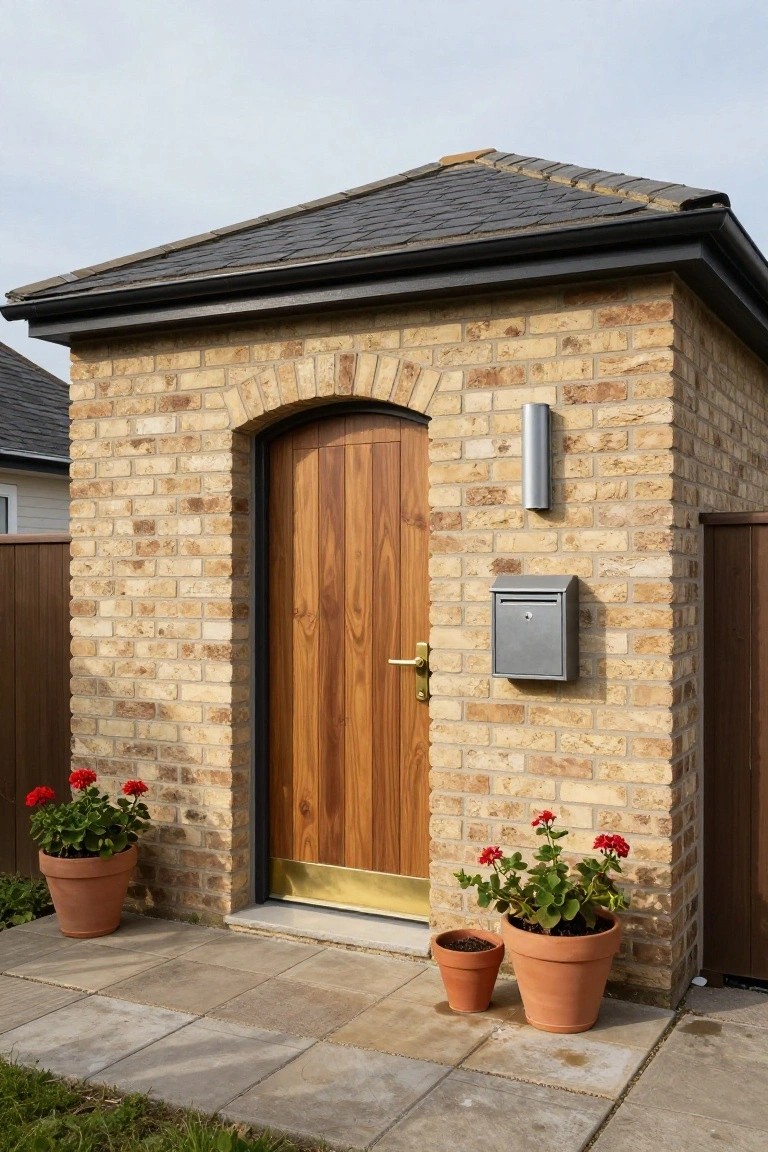
A brick archway framing a solid wood door like this one brings a touch of classic style to any small outbuilding or garage. The pale yellow bricks have that soft, aged look, and the rich timber door adds real warmth right at the entry. It’s straightforward but makes the whole facade feel more inviting.
You can pull this off on side structures or even a home’s back entrance where you want some character without big changes. Pair it with simple pots of geraniums for a pop of red. Keep the arch subtle so it doesn’t overwhelm a modern house line.
Vertical Wood Cladding on Modern Homes
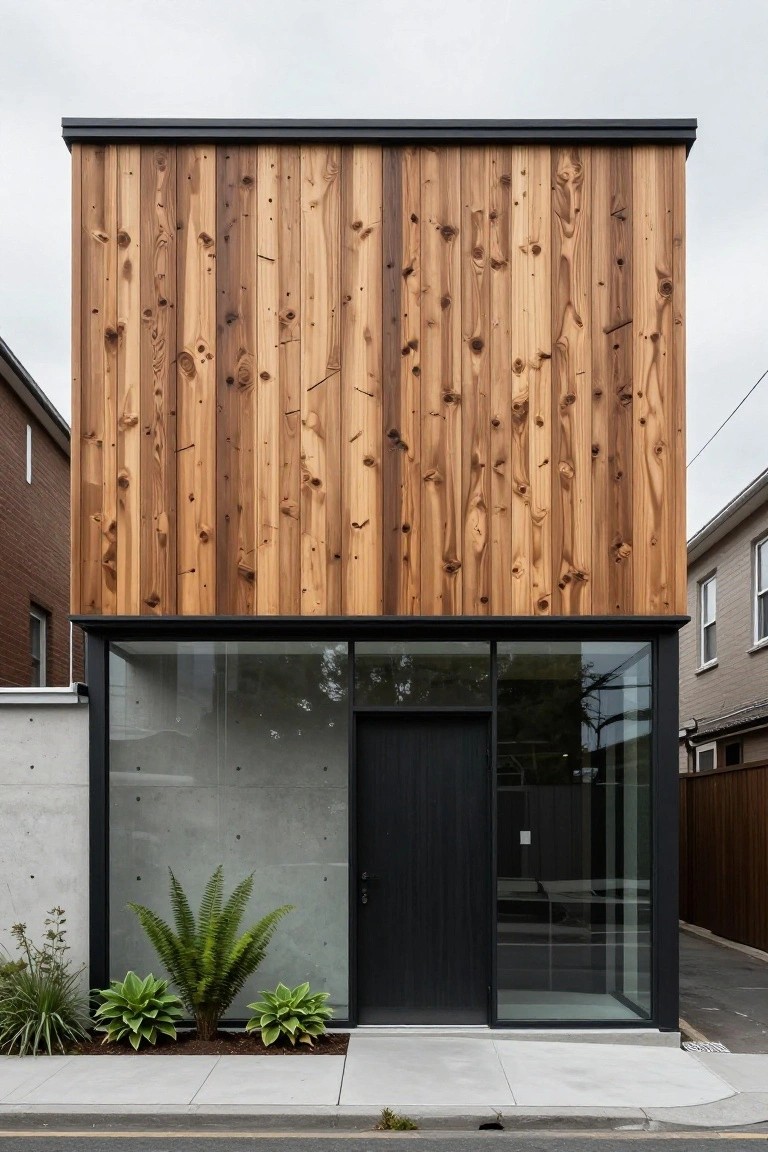
Wood cladding like this gives a modern house some real warmth without going overboard. Those vertical planks with their knots and natural color stand out against the clean lines of the boxy shape. It softens what could be a stark concrete and glass look, making the place feel more approachable right from the street. Neighbors on either side don’t distract from it either.
You can pull this off on narrow urban lots or anywhere you want low-key curb appeal. Pair the wood higher up with a concrete base and big glass at the entry, like here with the black door and ferns out front. It works best on two-story homes facing the road. Just make sure the wood is treated for weather, or it’ll gray too fast.
Wood Cladding Around the Entry
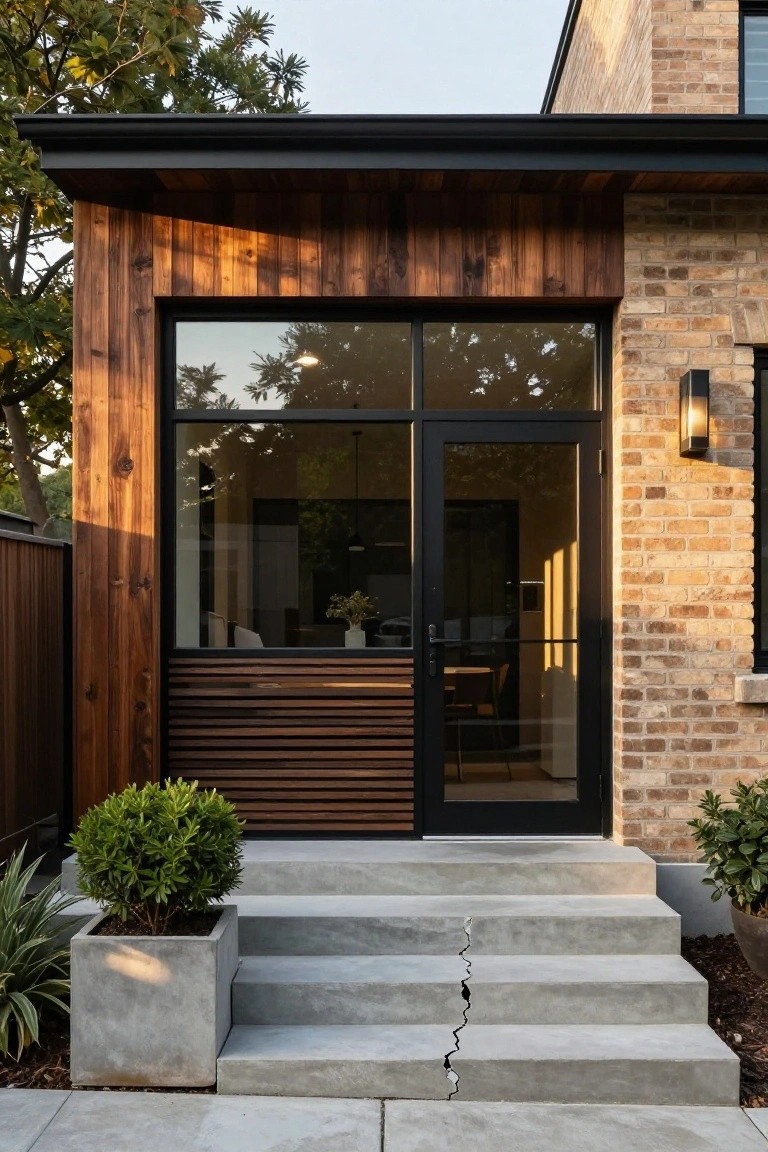
Sometimes a plain brick house just needs a little warmth at the front door. Here, dark-stained wood planks wrap the entry area, climbing up beside big glass panels and black frames. It pulls the eye right to the door without overwhelming the brick. Those slatted lower panels add a nice texture too. Feels modern but not cold.
This works best on older brick homes like ranches or two-stories in the suburbs. Keep the wood vertical for height, and match it with concrete steps for easy upkeep. Add boxwood pots on each side like this. Skip fancy trim. Just lets the materials do their thing.
Recommended Products

Dusk to Dawn Bulb Included: Our LED Wall Lantern comes with a removable dusk to dawn bulb. The E26 based bulb emits warm 3000K light, consuming just 6W while providing the brightness equivalent to a 60W traditional bulb

Sophisticated Dusk to Dawn Photocell Sensor: Adopted with advanced dusk to dawn sensor, our 2 pack dusk to dawn outdoor lighting will detect the surrounding brightness sensitively, auto-on at dusk & auto-off at dawn. They’re high-efficiency and energy-saving wall sconces which will save your electricity and create convenience to turn on/off the outdoor wall lights. Simplify your daily life with TOBUSA fantastic wall lights. (Please note that these outdoor lights are NOT SOLAR/ Motion Sensor.)
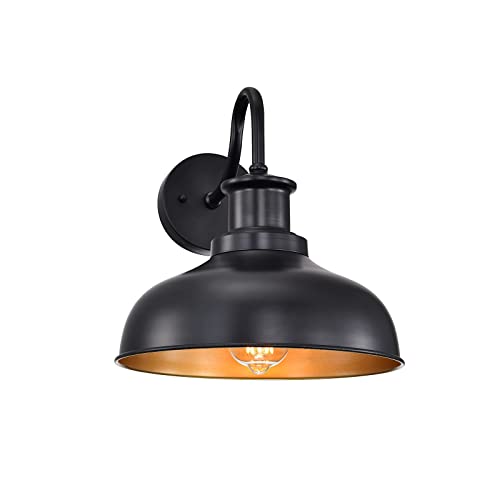
【Rustic & Industrial Wall Light Fixture】:The outdoor wall light has a matte black finish with gold interior, classic curved top cover and arm, this outdoor farmhouse wall sconce presents a charming and fashionable appearance, sublimates your lifestyle and creates a pleasant atmosphere. Perfect for any decoration style. The gold interior can adjust the atmosphere and create a beautiful lighting decoration for your indoor or outdoor home.
Shingle Siding on Elevated Beach Houses
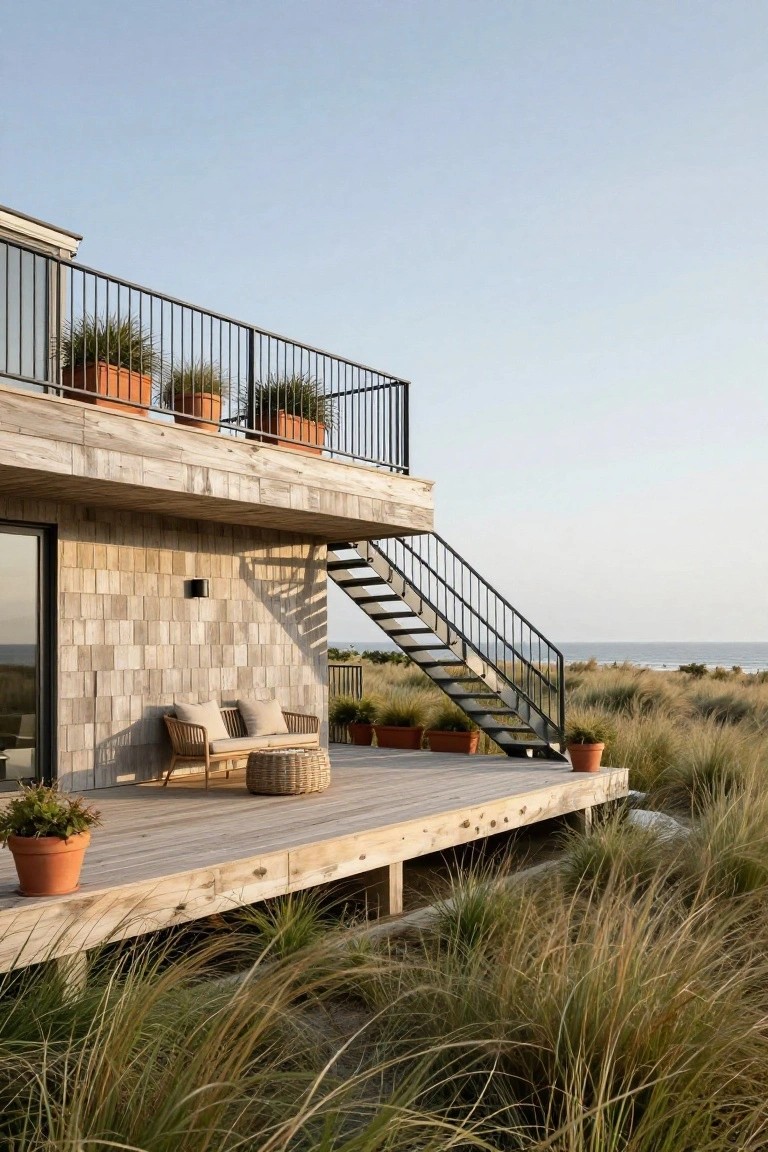
Shingle siding gives this beach house a look that fits right into the dunes. The gray wood shakes cover the walls and have that weathered feel already, like they’ve been there for years. Raising the whole thing up on posts keeps it safe from high water and sand, while letting you see straight out to the ocean.
You see this a lot on coastal spots where you need something tough but not too fussy. Use wider horizontal shingles for a modern twist, and add black metal stairs like these to connect the deck without much visual clutter. It suits vacation homes best, or anywhere the yard turns into beach. Just make sure the posts are sturdy for wind.
White Facade with Wood Cladding
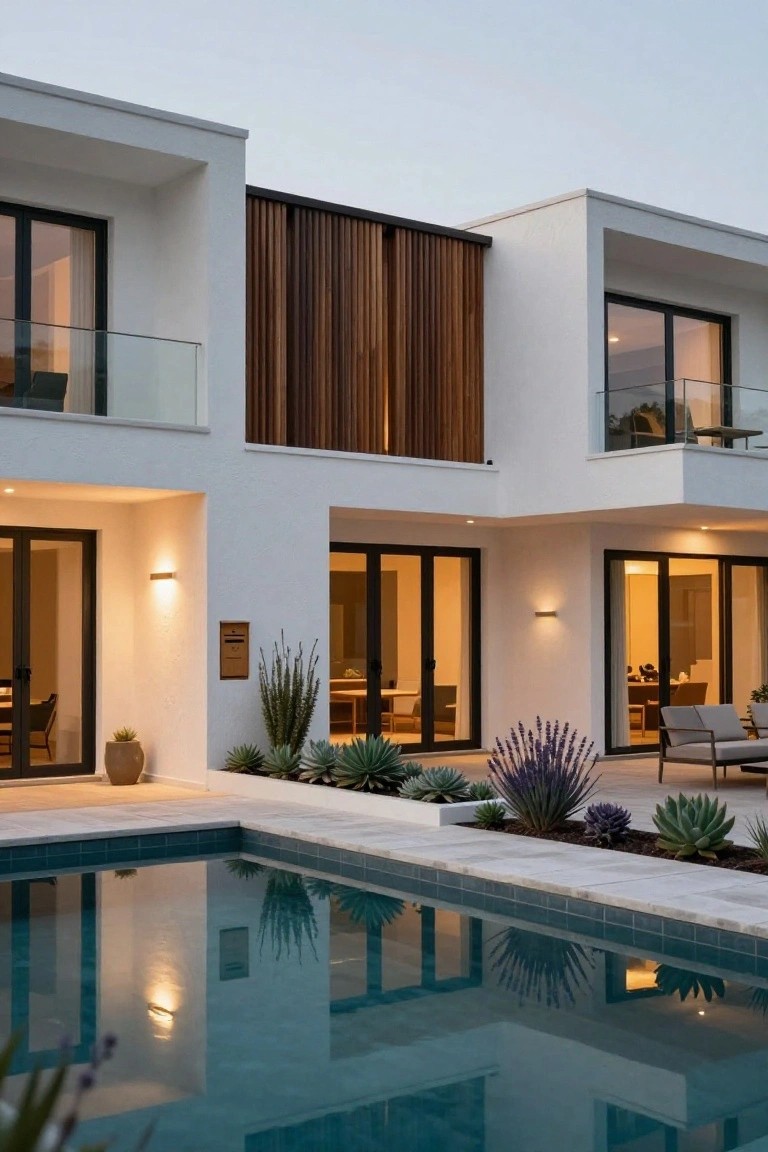
One simple way to warm up a stark white modern house is adding a section of vertical wood cladding. Here, it covers part of the upper level, breaking up the clean white stucco walls nicely. The wood adds texture and a bit of natural color that fits right in, especially with the glass doors and pool nearby pulling everything together.
This works best on homes in warm, dry spots where the white keeps things cool and the wood holds up well. Try it on a two-story design to add height without extra bulk. Just make sure the wood is treated for outdoors, and keep plantings simple around the base so the contrast stays clear.
Arched Entryway in Adobe Style
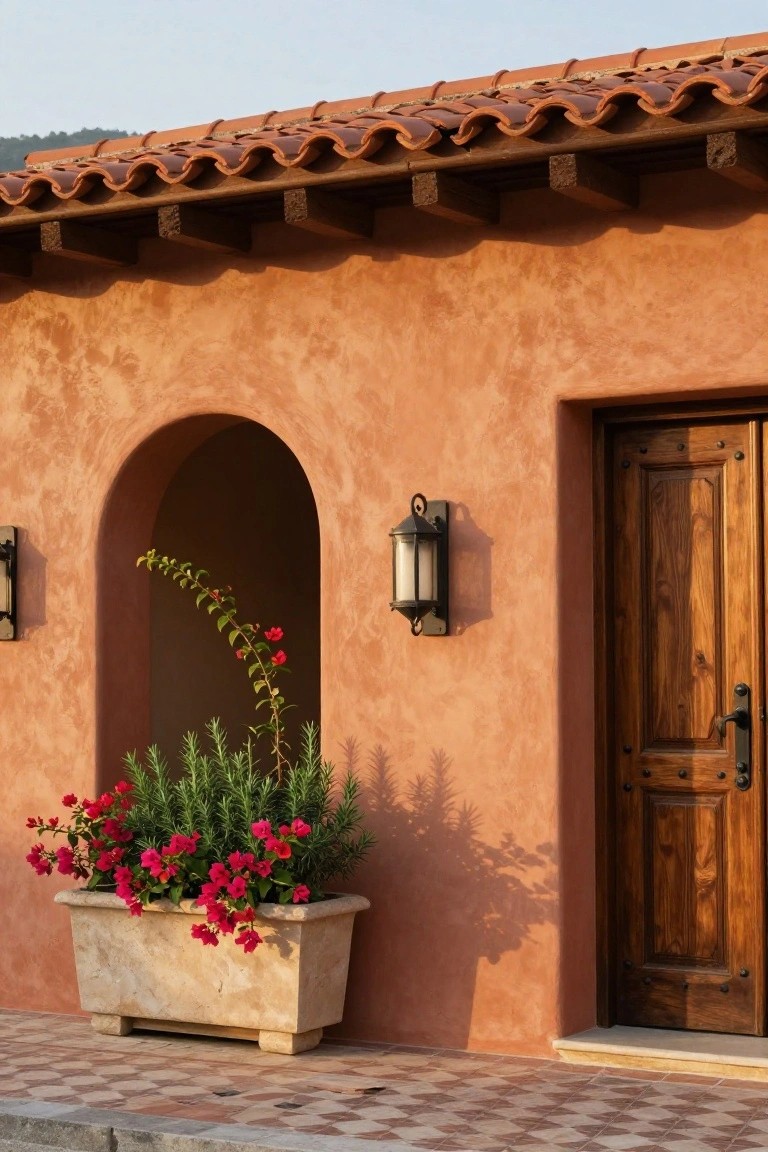
One simple way to make your home’s front more inviting is a recessed arched doorway like this. The deep curve pulls the eye right to the wooden door, and the soft terracotta walls keep everything feeling warm and grounded. A pair of lanterns adds just enough light without overdoing it.
This setup shines on single-story homes or anywhere you want a touch of old-world charm. Pair the arch with a big planter of colorful flowers out front, and it boosts curb appeal fast. Skip fancy trim. Let the shape and materials do the work… especially in sunny spots.
Angular Metal Roofs on Modern Homes
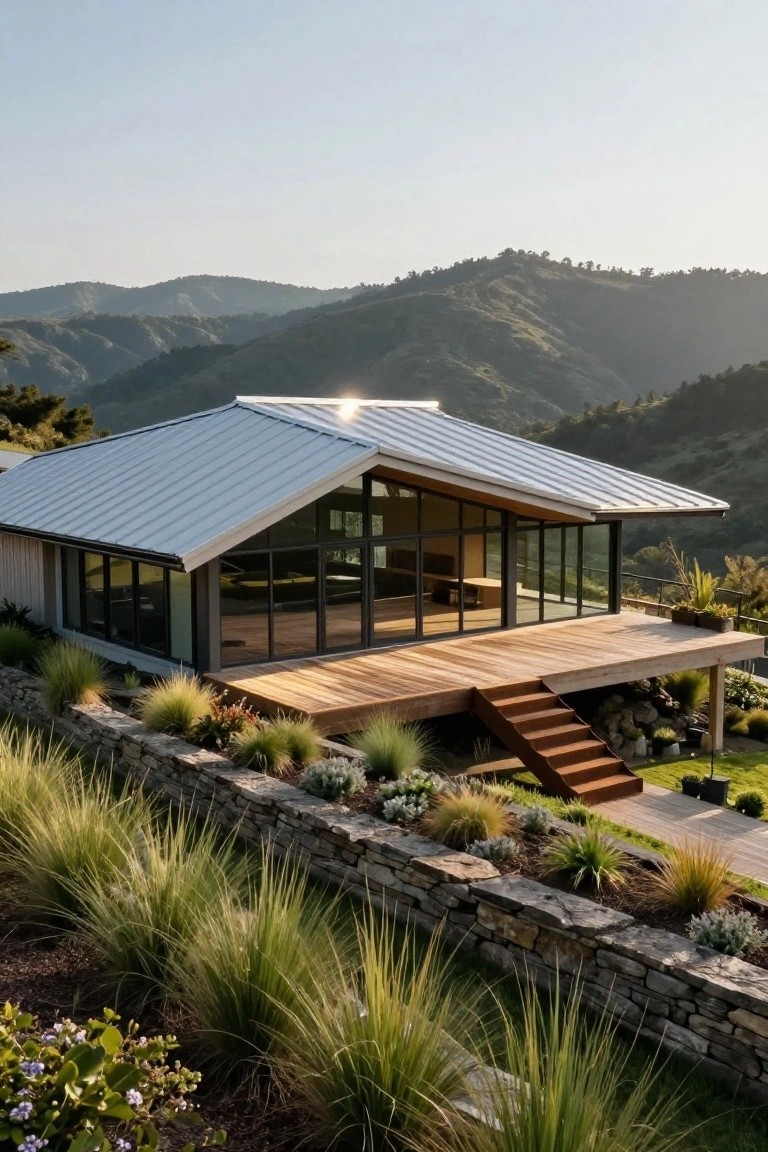
This setup takes a simple angular roof in standing-seam metal and lets it hover over big glass walls. It keeps the house looking light and open, especially on a slope like this. The metal gives clean lines that pop against natural surroundings without overwhelming them.
You can pull this off on hilly lots where flat roofs won’t cut it. Stick to cool grays or silvers for the metal, and add wood decks below for warmth. It suits contemporary builds that need to hug the terrain. Just make sure the pitch handles local weather.
Lakeside Concrete Dining Deck
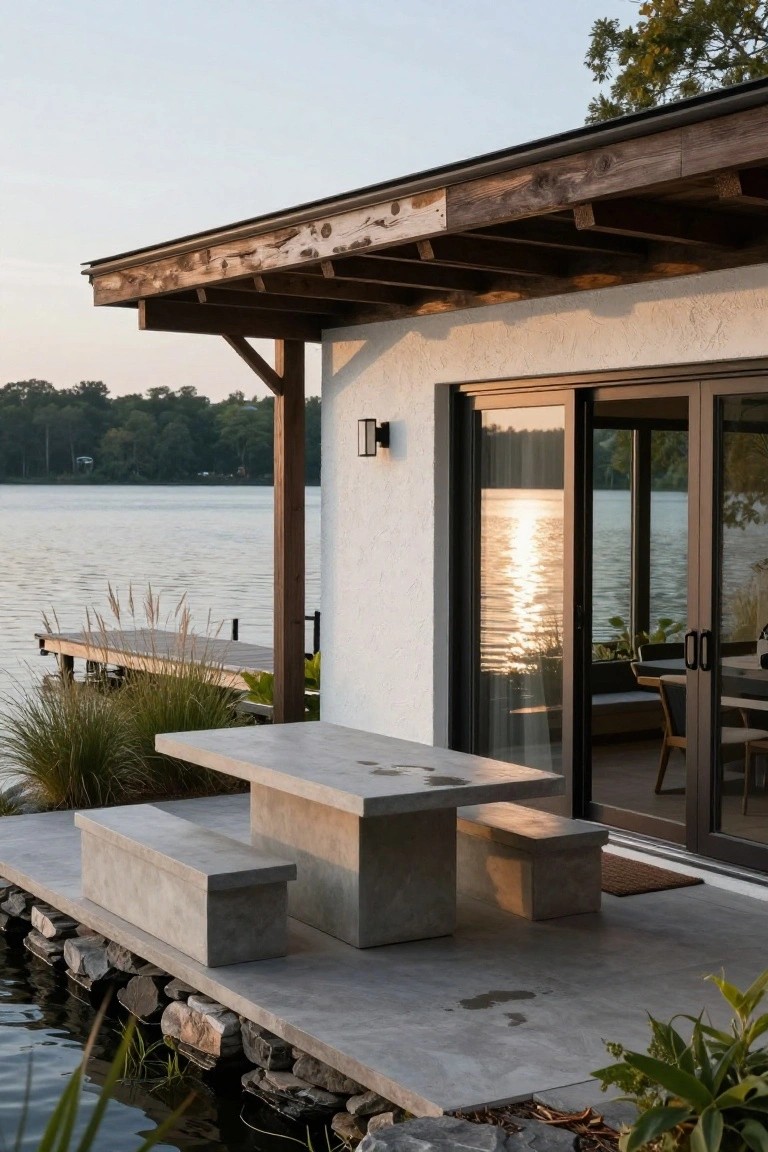
A clean concrete table and benches set right on a deck that hangs over the water makes for easy outdoor meals with a view. No fussy cushions or upkeep. Just smooth gray surfaces that blend with the stone edging and let the lake do the talking.
This works best on waterfront properties where you want dining close to the edge without worrying about rot or stains. Pour the concrete in place for a custom fit, and open up sliding doors behind it to connect with inside. Skip it if your spot floods often.
Frequently Asked Questions
Q: How do I pick the right elevation idea for my house shape?
A: Look at your roof pitch and window placements first. Pick ideas that follow those lines so the new look flows naturally. You end up with something sharp instead of forced.
Q: Can I start these updates without spending a ton?
A: Paint your front door and trim in a sleek matte black. Throw in affordable metal planters for instant pop. It refreshes everything quick.
Q: What if my HOA has rules on house exteriors?
A: Chat with them early and show photos of similar updates nearby. Go for low-key options like textured siding that nods to modern without going wild. They usually greenlight stuff that keeps the street tidy.
Q: Do I paint before or after new siding?
And swap the old stuff out first… New paint sticks better and lasts longer on a clean base. Skip this order and you waste time scraping later.
