

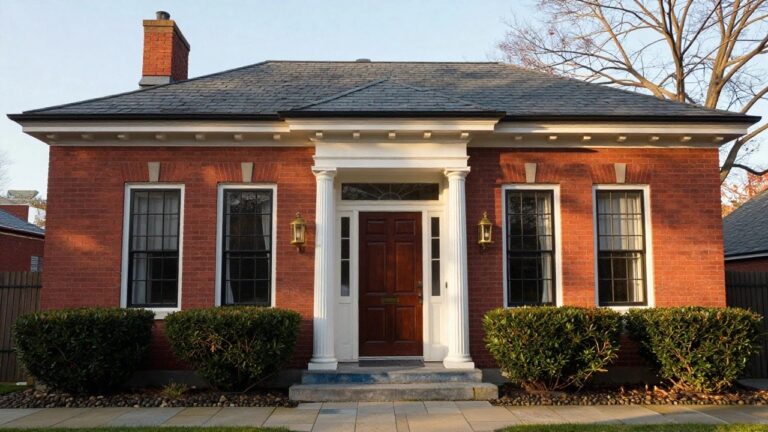
When you approach a colonial house, the windows frame the facade and immediately shape how welcoming it feels from the street. Black frames against crisp white or beige siding deliver that bold contrast, turning a standard exterior into something memorable without overhauling the roofline or entry. I remember parking across from one last summer, where the dark windows pulled the whole front together and made the symmetrical design pop in person. People tend to notice those accents first because they echo the trim while adding depth that plays well with natural light changes throughout the day. A few of these setups convince me to sketch out how they’d adapt to a real curb appeal refresh.
Brick Colonial with Black Windows
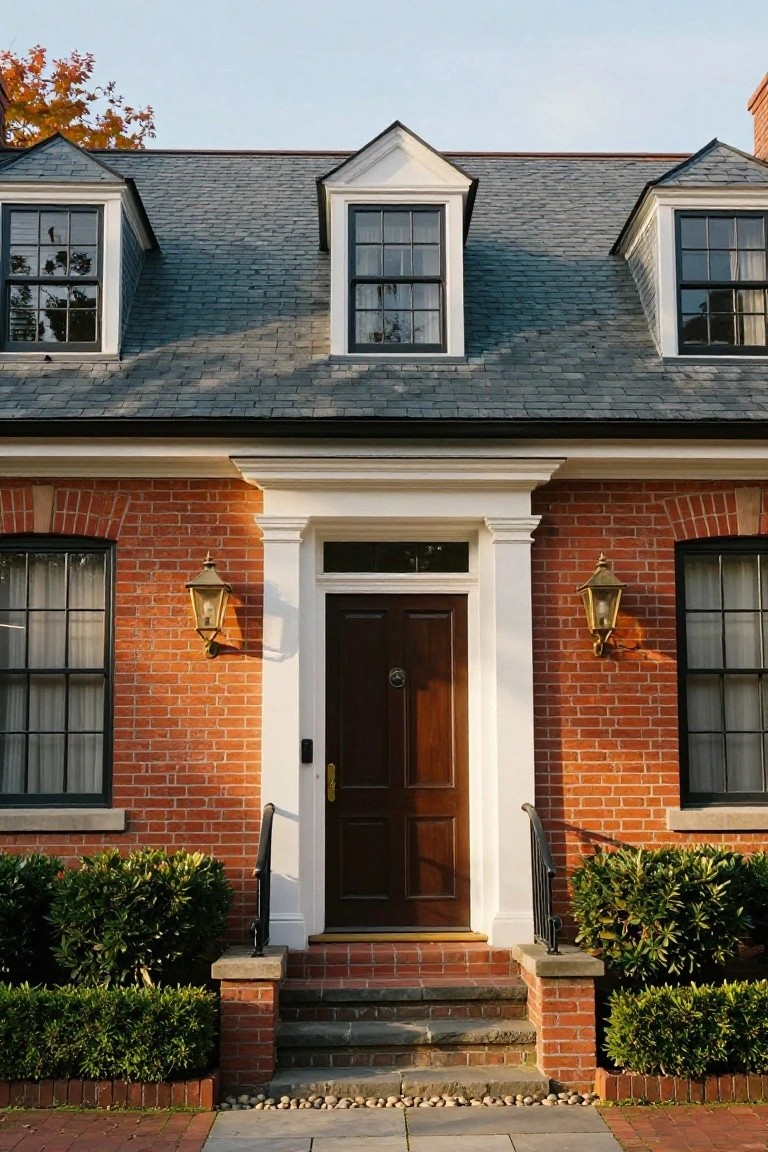
Black windows give this classic brick colonial a fresh punch. The dark frames pop right against the warm red brick walls and crisp white entry surround. It keeps the traditional shape but adds a bit more edge. Folks notice the front more now.
This look suits solid brick homes from the early 1900s or updates on older colonials. Go for it on two-story facades where the dormers can echo the black frames up top. White trim around the door pulls it together. Skip if your brick is too light… might feel off balance.
White Colonial with Black Window Contrast
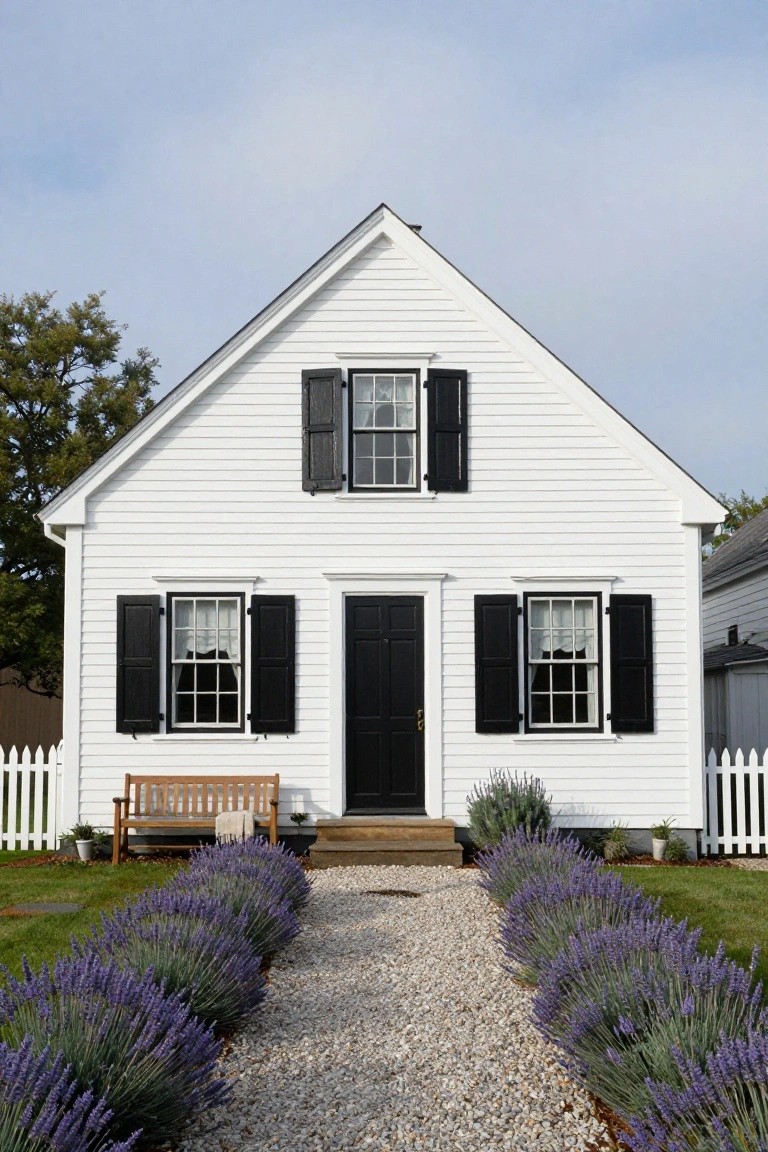
Black windows and shutters stand out sharply against the clean white clapboard siding on this classic colonial house. The dark frames give the simple gable roof and symmetrical facade a fresh, updated look without losing that traditional feel. It’s a straightforward way to add punch to a plain exterior.
This contrast works best on homes with light siding colors, especially in sunny spots where the black pops even more. Keep the landscaping simple, like the lavender rows here leading to the black door, so the windows stay the focal point. Avoid busier trim or too many colors elsewhere, or it can feel cluttered.
Brick Colonial with Black Windows
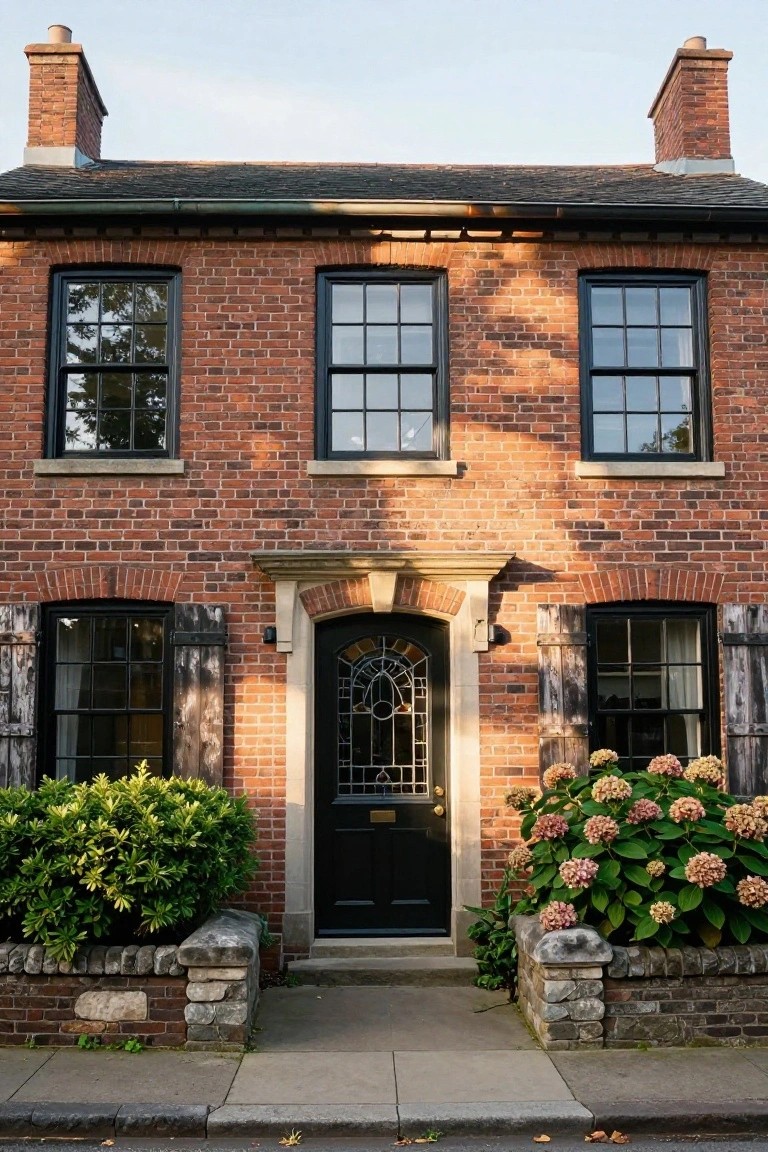
Black windows work great on a classic brick house like this one. The dark frames stand out sharp against the warm red brick, giving the whole facade more punch without changing much else. It’s a simple switch that updates the look while keeping that traditional colonial feel.
Try this on older brick homes in town or suburbs where you want curb appeal that lasts. Pair the black trim with a solid black door, maybe some stone steps, and low plants on the sides. It suits two-story houses best. Just make sure the brick isn’t too faded, or paint it first.
White Colonial Facade with Black Windows
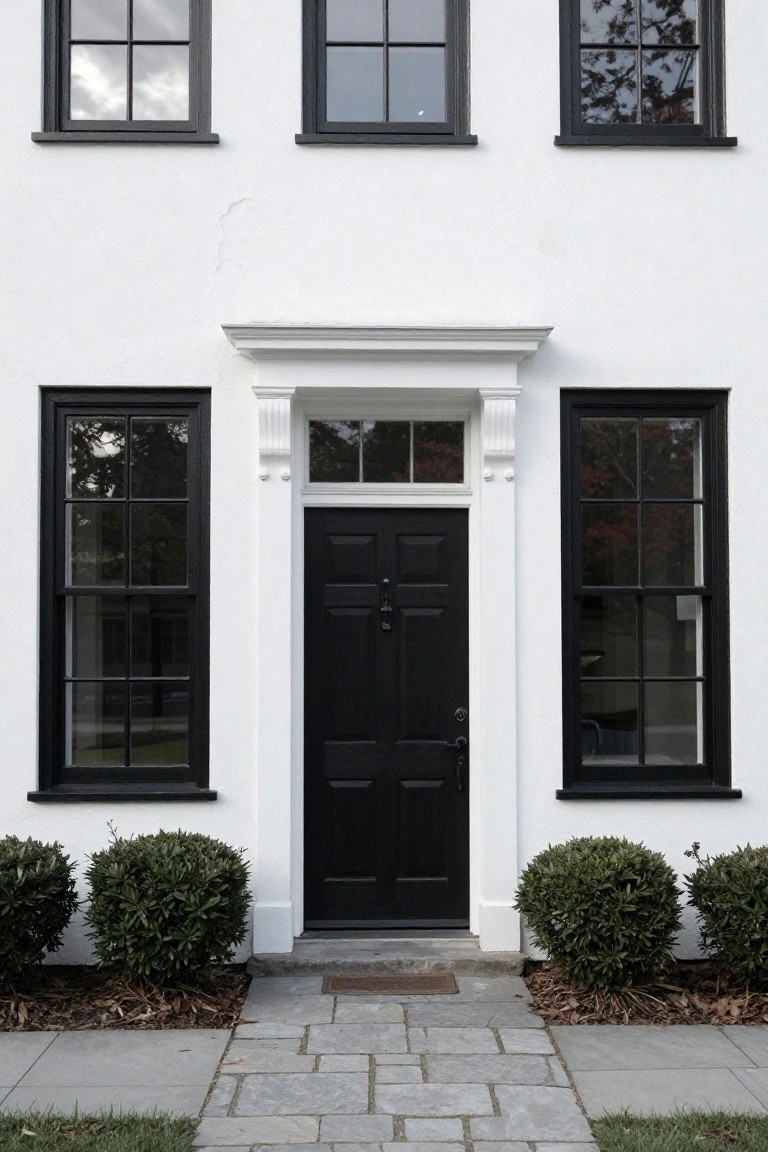
Black window frames stand out sharp against a clean white exterior like this. On a classic colonial house, that dark contrast pulls your eye right to the windows and entry without overwhelming the simple lines. The boxwoods at the base and dark door keep things grounded and finished.
This look suits older homes or new builds aiming for traditional style with a fresh edge. It works best where the house sits symmetric and front-facing, like on a quiet street. Paint the frames glossy black for pop, but stick to even spacing so it doesn’t feel busy.
Black Windows on Soft Yellow Siding
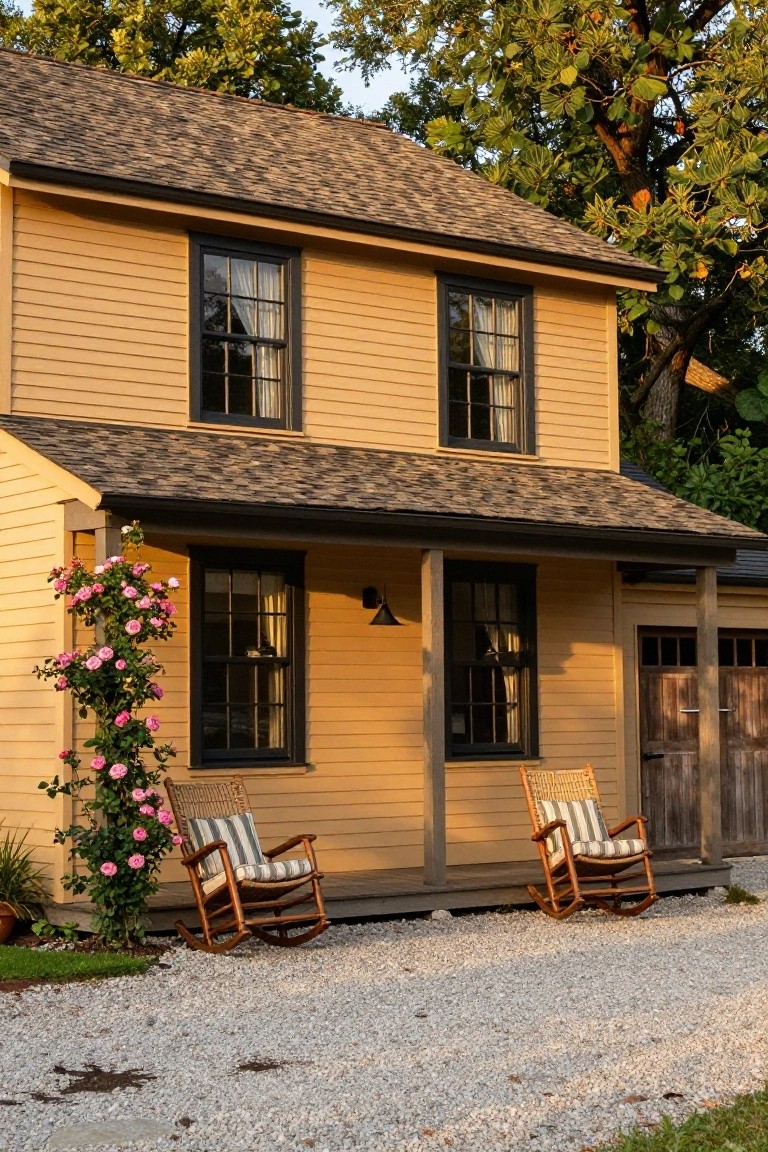
Black window frames stand out sharp against the pale yellow siding on this colonial house. They add clean lines to the simple two-story shape and make the classic windows feel more present. It’s a straightforward way to give an older-style home some edge.
Try this on light-colored clapboard homes, especially colonials with porches. It fits yards with trees and gravel drives best. Keep the rest of the trim simple so the windows do the main work. A few climbing roses nearby help tie it to the yard without overdoing things.
Black Windows on White Colonial Siding
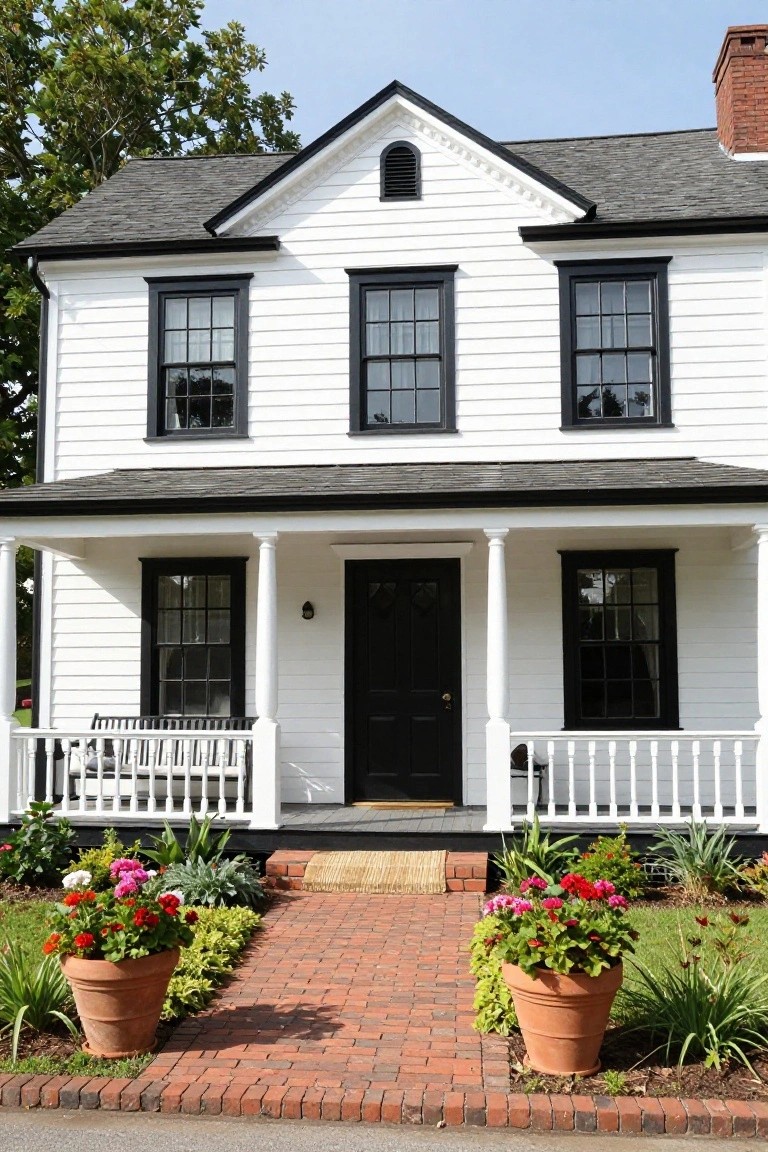
Black window frames stand out sharp against white siding on this classic colonial house. The dark trim around each window pulls your eye right to the facade and gives the whole front a crisp, defined look. It’s a simple change that updates the traditional style without going overboard.
Try this on homes with clean lines and plenty of windows. It works great in neighborhoods with other white houses, where the black adds some punch. Just keep the rest of the trim matching so it doesn’t feel busy. A black front door ties it all together nicely.
Black Windows on Gray Siding
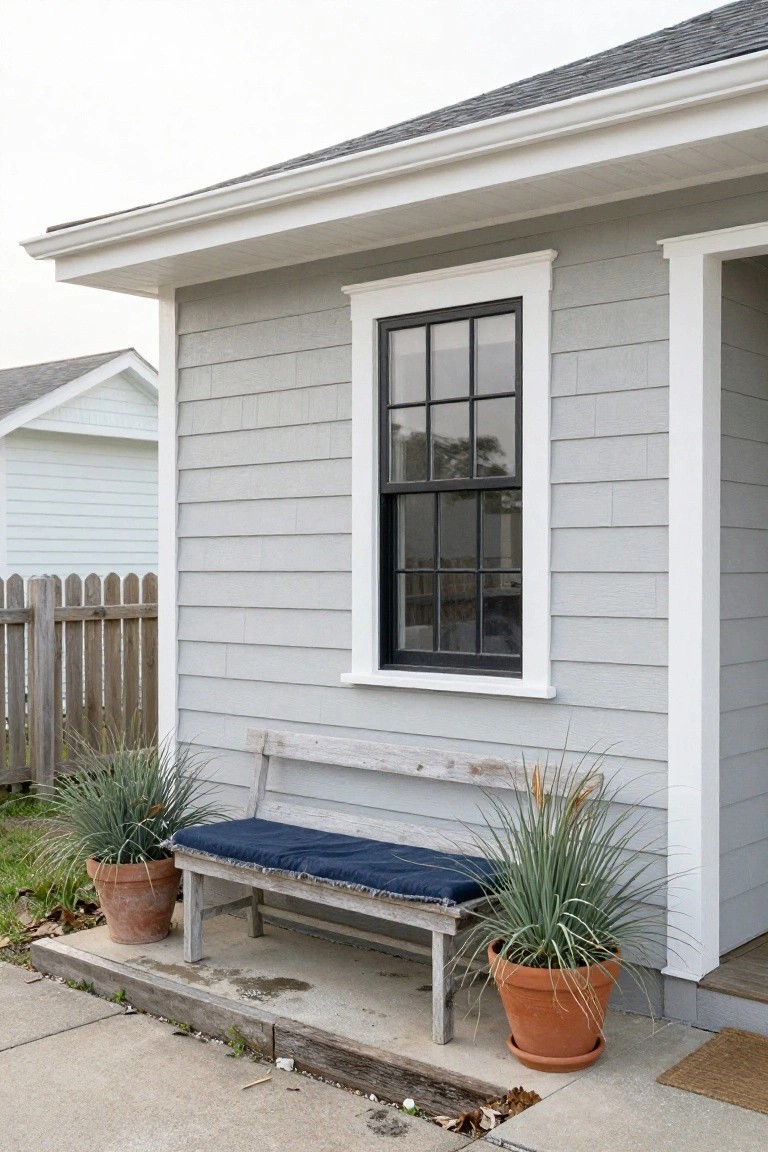
Black window frames really pop against light gray siding like this. The contrast pulls your eye right to the windows and makes the whole side of the house look sharper and more put-together. It’s a straightforward way to update a Colonial exterior without changing much else.
This works best on houses with simple clapboard or shingle siding. Keep the trim white to let the black frames do their thing. Add a bench nearby for seating if you have the space. Just make sure the gray isn’t too dark or the windows might blend in.
Yellow Siding with Black Shutters
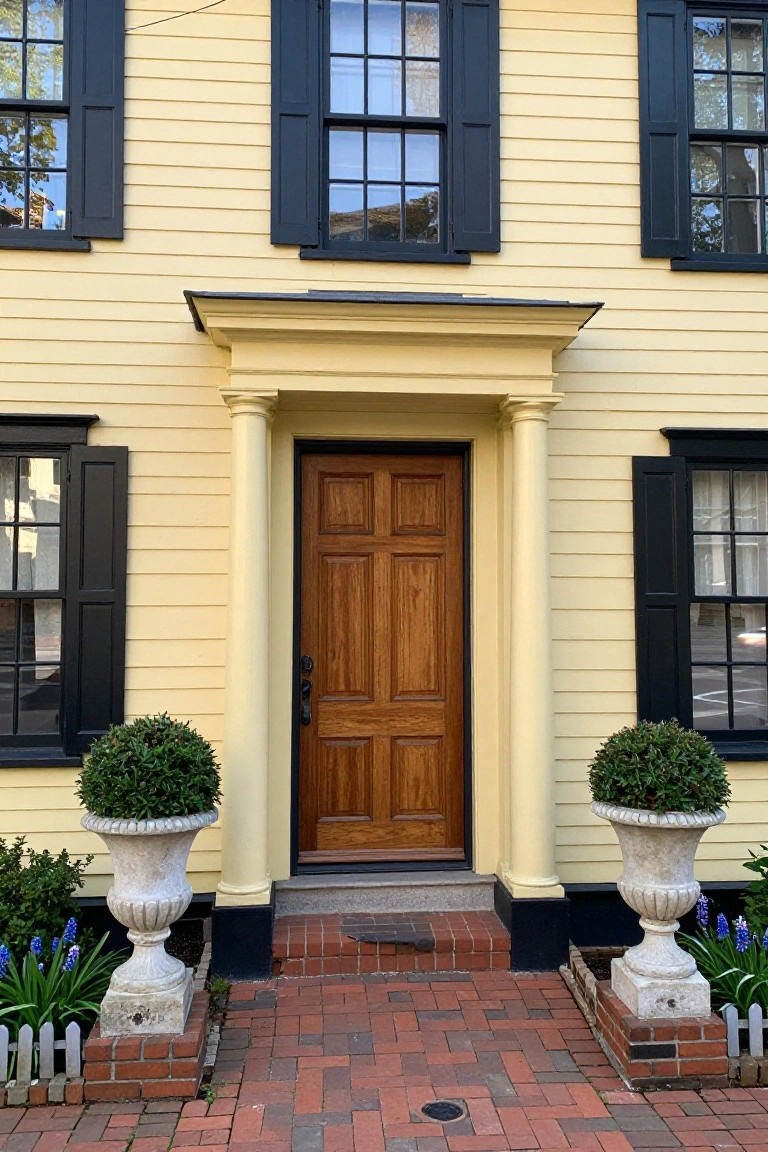
Black shutters give this pale yellow colonial house a sharp, clean look. The dark frames stand out against the soft siding color, pulling your eye to the windows right away. It’s a simple way to add some punch to a traditional facade without much fuss.
This setup suits older homes or neighborhoods with classic architecture. Keep the shutters simple and straight, and match them with black trim around the windows for even more definition. Just make sure the yellow isn’t too bright, or it might fight the contrast.
Black Windows on Colonial Siding
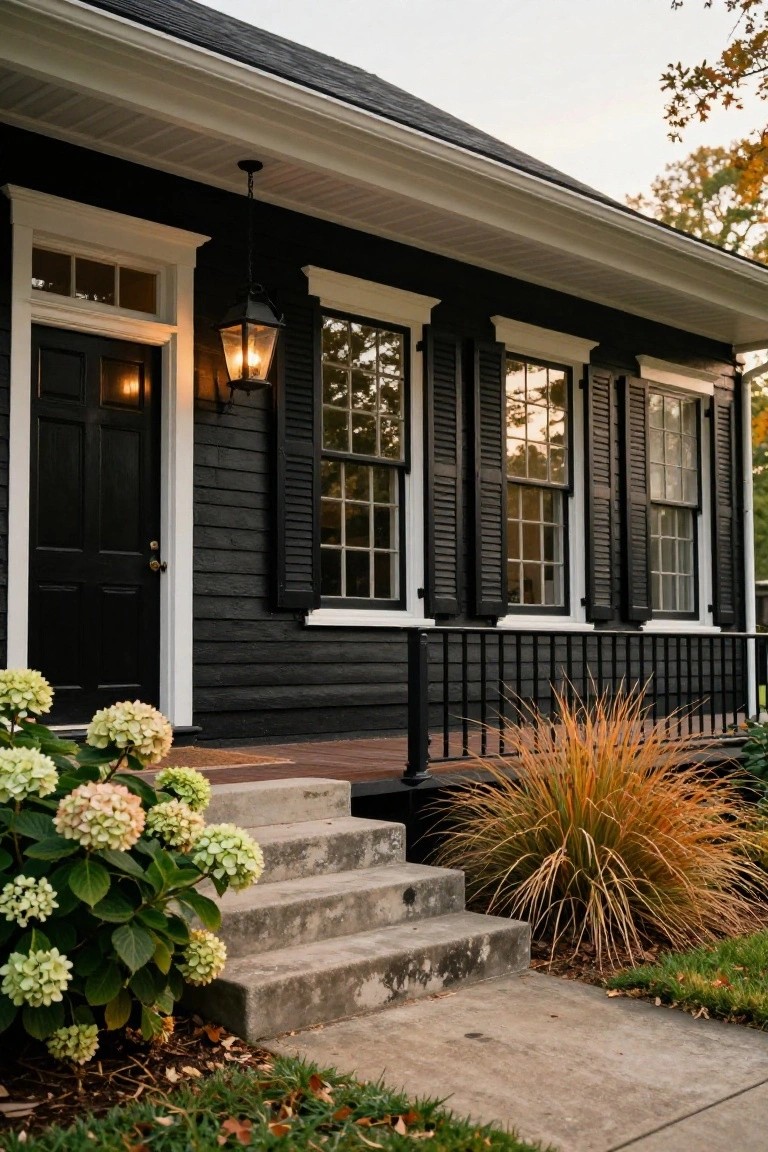
Black windows and shutters stand out strong against dark siding like they do here on this colonial front. The white trim around them keeps everything crisp and pulls your eye right to the entry. It’s a simple way to update that old-school look without changing the bones of the house.
Try this on homes with clean lines and multi-pane windows. It boosts curb appeal on a smaller scale, especially with a lantern light at the door. Pair it with low plants near the steps so the house stays the focus. Just make sure the black paint is high quality, or it’ll show every weather mark.
Colonial White Brick with Black Windows
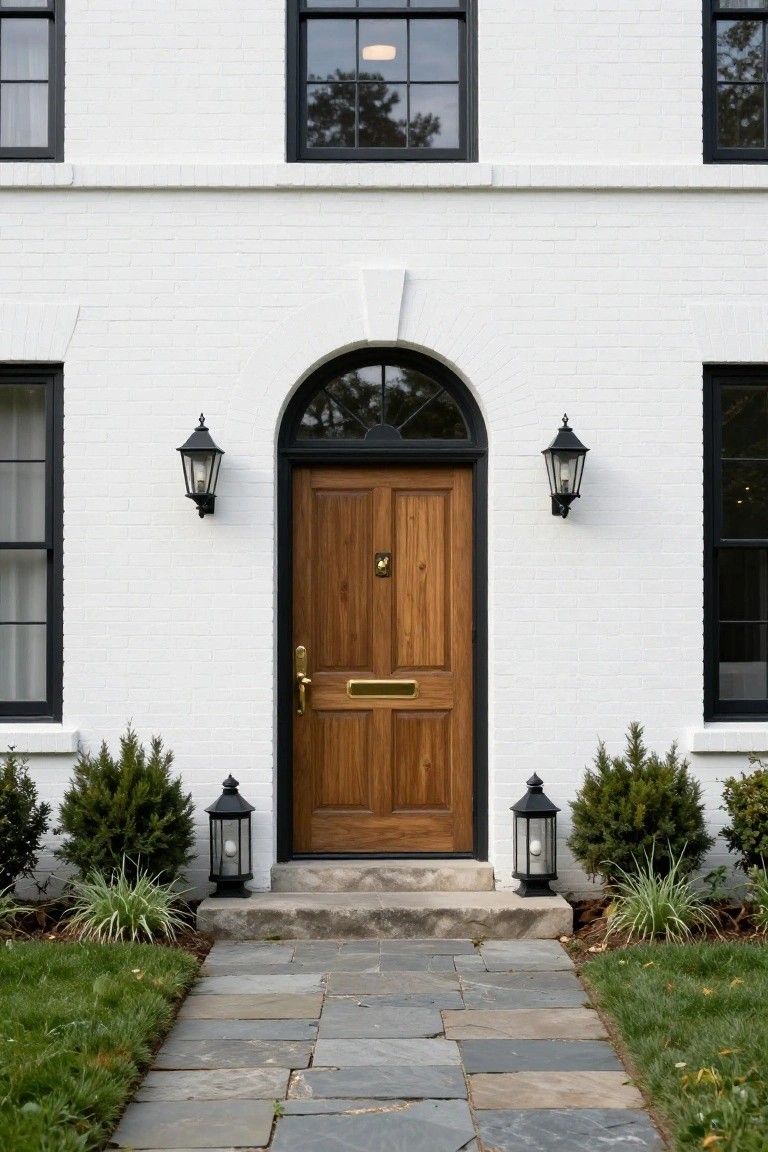
Black window frames stand out sharp against a white brick facade like this. It’s a simple way to add some punch to a classic colonial look. The dark frames make the windows pop without changing the house’s traditional shape. A wooden front door and lanterns keep things warm and balanced.
This setup suits older homes or new builds aiming for that timeless colonial style. It works best on symmetric designs where the windows line up clean. Just make sure the brick is bright white to let the black really show. Avoid it on busier facades… might get too much going on.
Navy Blue Colonial with Black Windows
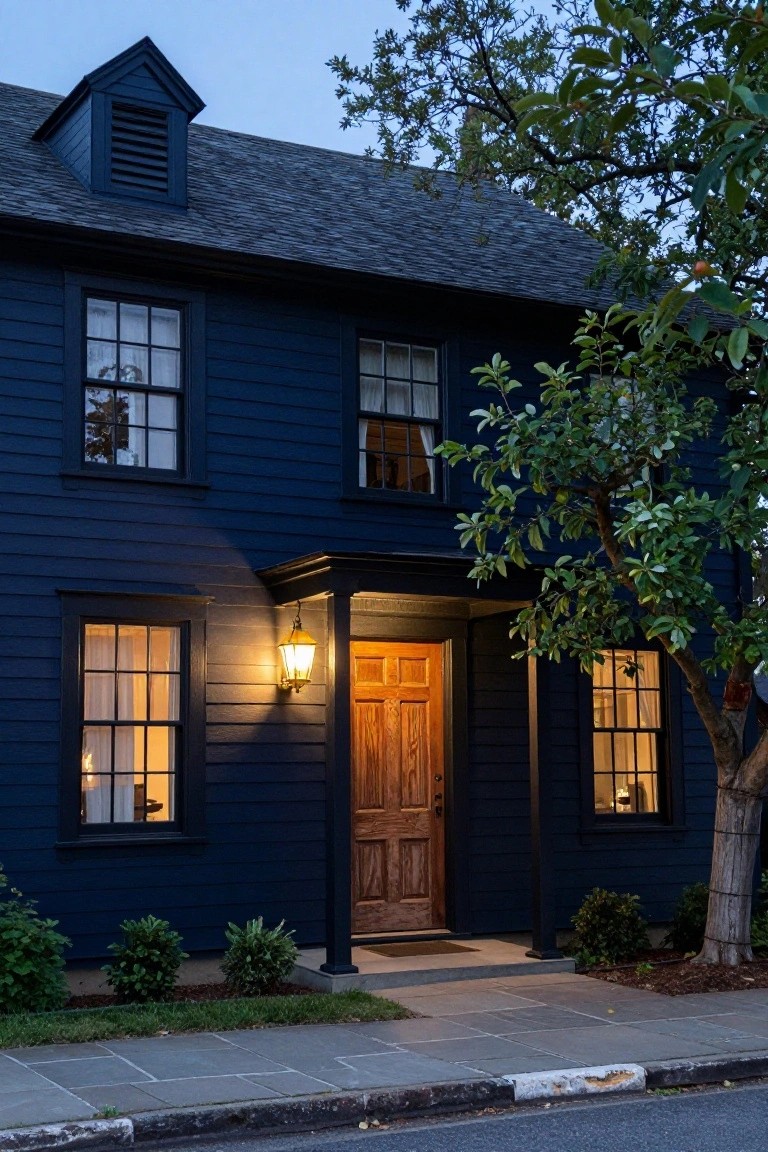
Black window frames really stand out against navy blue siding on this colonial house. The dark color pulls everything together into a moody look that feels classic yet fresh. At dusk, with that lantern light glowing by the door, the windows catch your eye first. It’s a simple way to add punch without going overboard.
This setup suits traditional homes in neighborhoods with some tree cover. The navy hides dirt better than lighter paints, and black frames give sharp lines. Go for it on a two-story facade like this, but pick durable windows. A wooden door keeps things warm… avoids a too-cold vibe.
Black Brick Colonial Facade
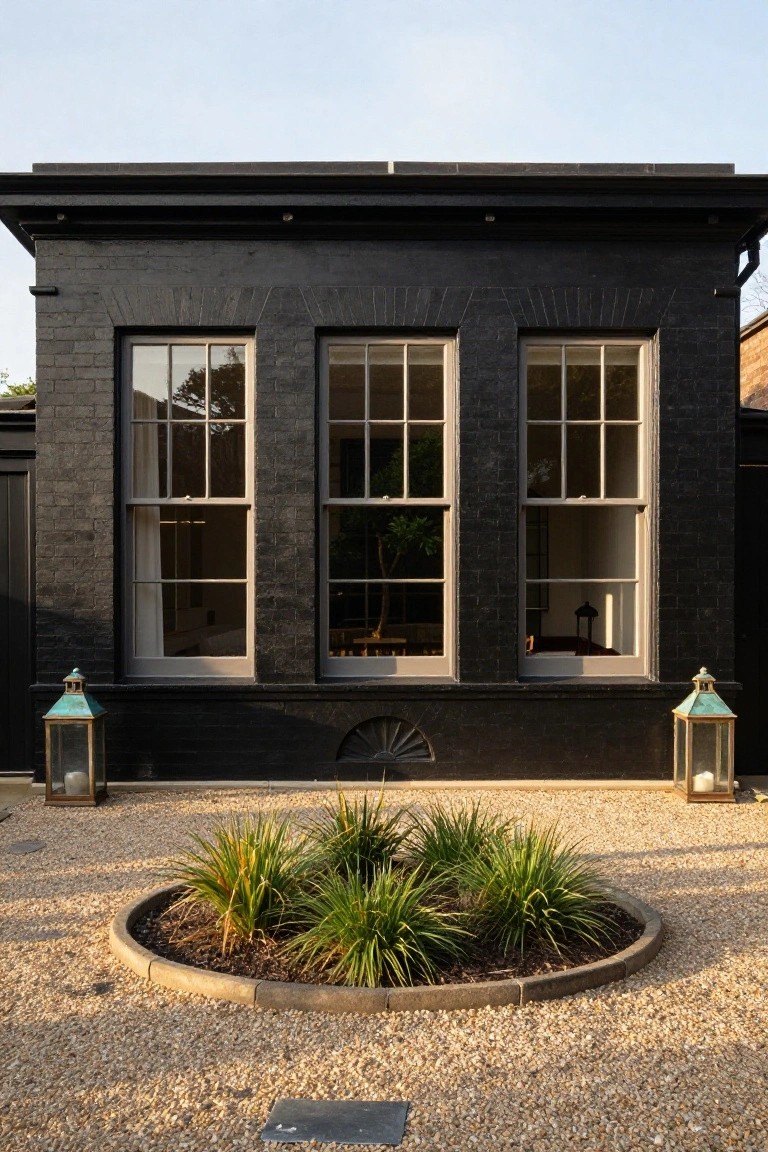
Black brick gives this colonial house a fresh edge without losing its old-school charm. The tall sash windows with white frames pop right out against the dark walls, and a pair of lanterns frames the front just right. It’s a simple switch that turns a plain brick house into something people notice from the street.
Paint your brick black if you have a similar setup with good-sized windows. It suits homes in neighborhoods where you want some standout curb appeal but nothing too wild. Just make sure the paint is made for masonry, or it might peel after a few rains.
Black Windows on White Colonial Siding
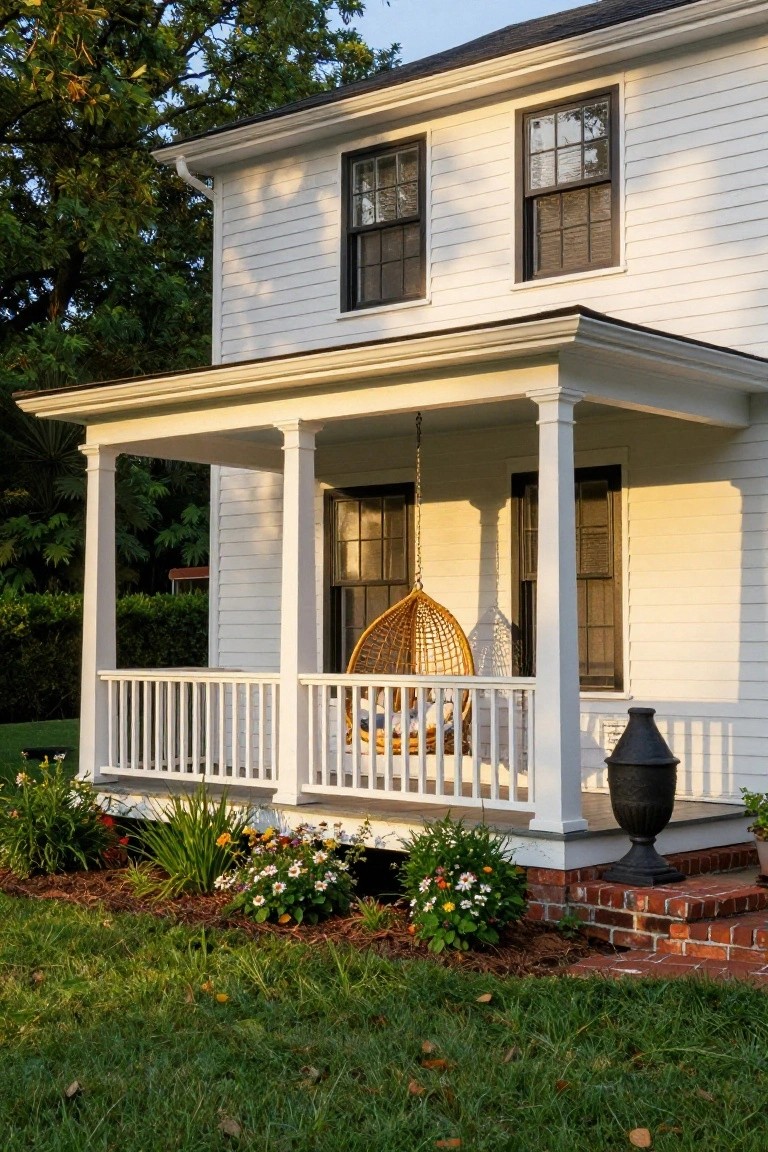
Black window frames stand out sharp against white clapboard siding on this classic colonial house. The dark frames give the double-hung windows more presence. They pull the eye right to the architecture without much else needed.
This look suits older-style homes in leafy neighborhoods. Keep siding plain and fresh. Add a porch for scale but skip busy trim. It works on two-story facades facing the street. Just paint frames a true black for that clean pop.
Colonial Facade with Black Windows
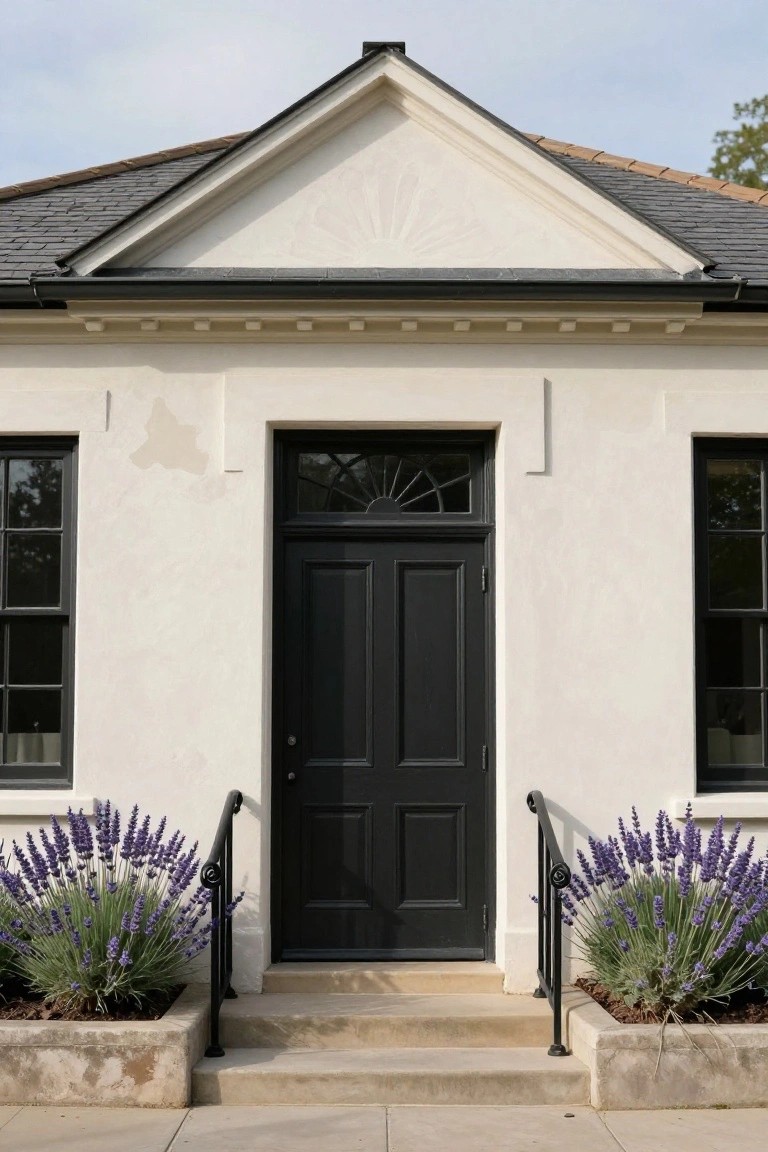
Black windows stand out sharp against the white walls of this colonial-style house. The dark frames on the tall windows and entry door pull your eye right to the architecture. That fanlight over the door and the simple pediment get a boost from the contrast too. It gives the whole front a clean defined look without much fuss.
Try this on older homes or new builds aiming for classic curb appeal. Light stucco or clapboard walls pair best, and keep plantings low like those lavender bushes by the steps. Skip busy details around the entry so the black trim does the main work. Works in town or suburbs where you want neighbors noticing.
Gray House with Black Window Frames
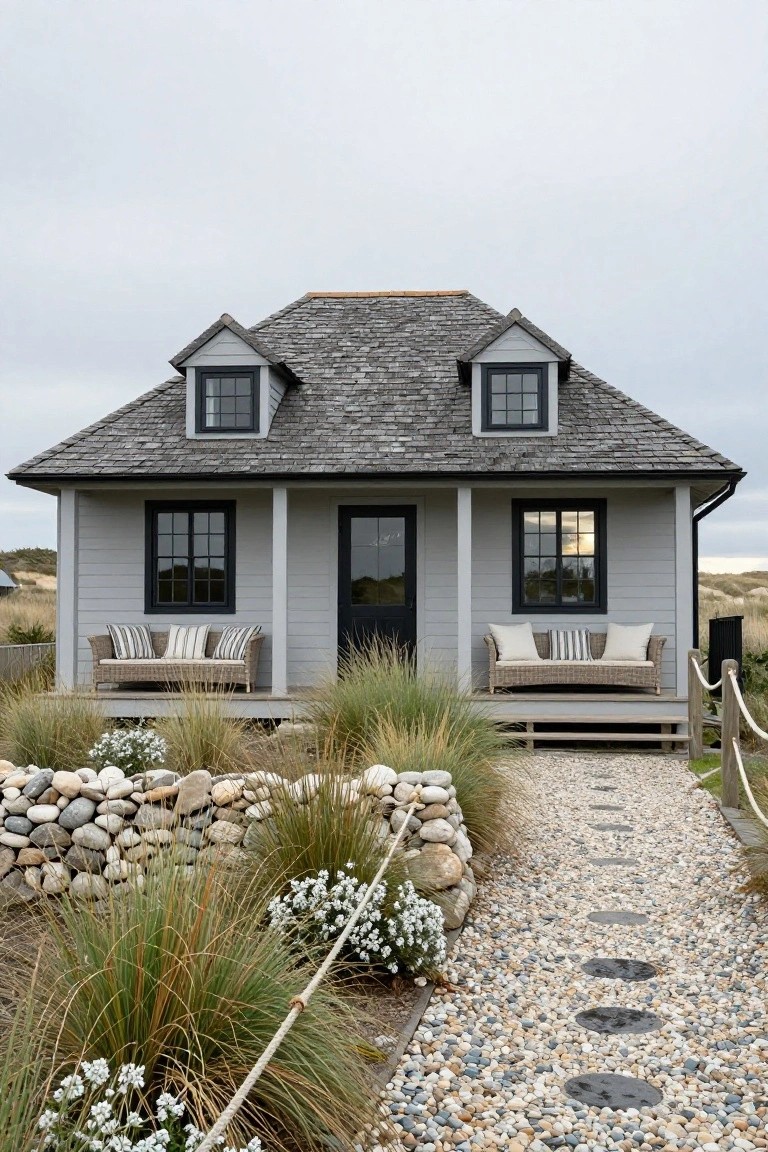
Black window frames give this gray clapboard house a sharp, modern edge. The soft siding color makes those dark frames pop right away, turning a simple colonial shape into something that catches the eye from down the street. It’s an easy way to add interest without changing the whole structure.
This look fits smaller homes near the coast or in casual neighborhoods. Use it on porches or entryways too, like the benches here. Keep the landscaping low-key so the contrast stays the focus, and avoid too many colors elsewhere.
Black Windows on Brick Colonial Facades
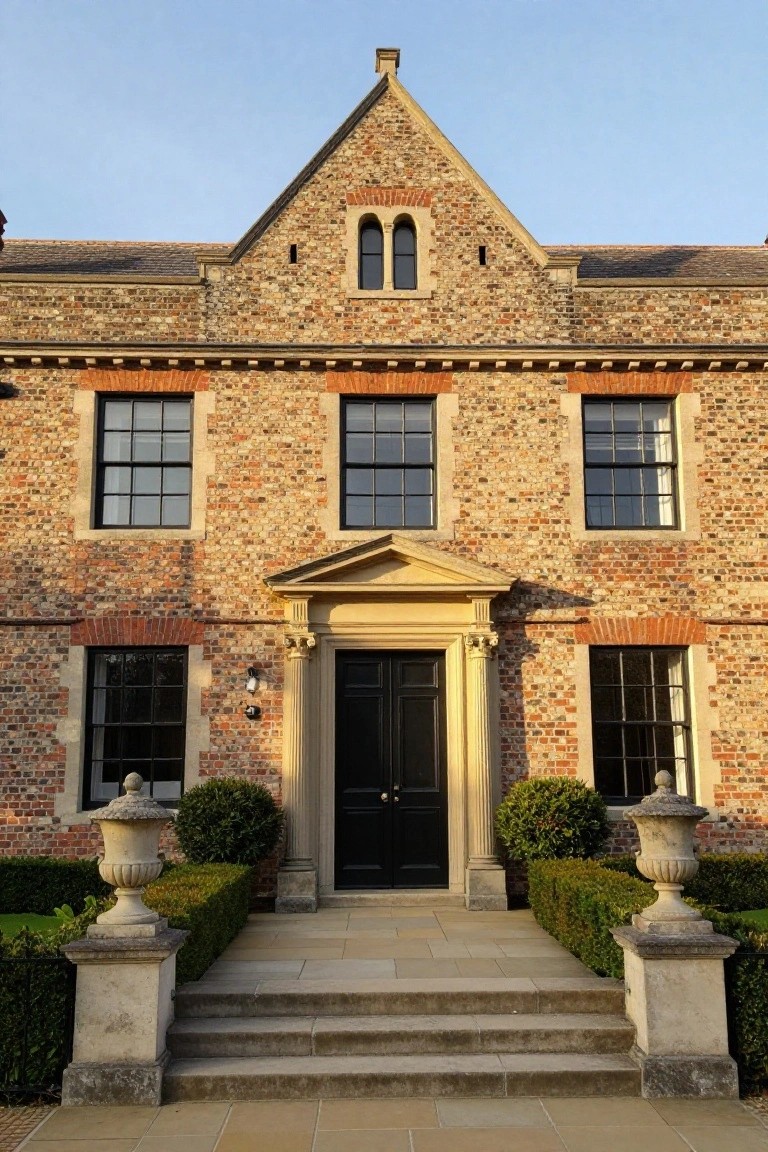
Black window frames stand out sharp against the warm tones of brick on colonial homes like this one. They give the whole front a crisp look that pulls your eye right to the windows and entry without overwhelming the stone details around the door. It’s a simple switch from traditional white sashes that makes older brick houses feel fresh and more defined.
You can pull this off on most colonial or Georgian style homes with red or mixed brick. Just make sure the frames are slim to keep things balanced, and pair them with a neutral door and some evergreen shrubs at the base for grounding. It works best on homes with good window symmetry, but skip it if your brick is too pale… the contrast might not pop.
White Colonial with Black Window Frames
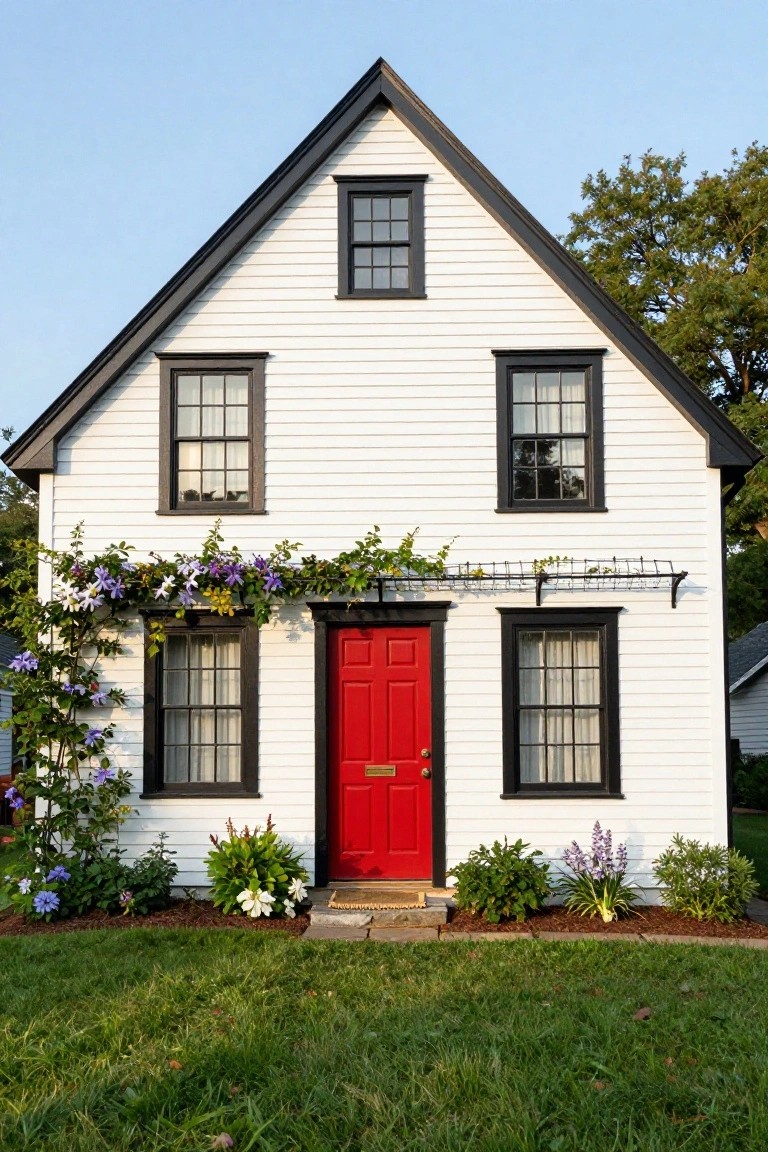
Black window frames on a white colonial house create a clean, sharp contrast that makes the architecture pop. The dark trim outlines each window nicely, drawing attention to the symmetrical layout without overwhelming the simple siding. It’s a straightforward way to update an older style and give it some edge.
This look suits classic clapboard homes in suburban spots. Pair it with a bold door color like red for extra interest, but keep the landscaping low-key so the frames stay the focus. Just make sure the black paint is high-quality to hold up over time.
Black Shutters Sharpen White Colonial Siding
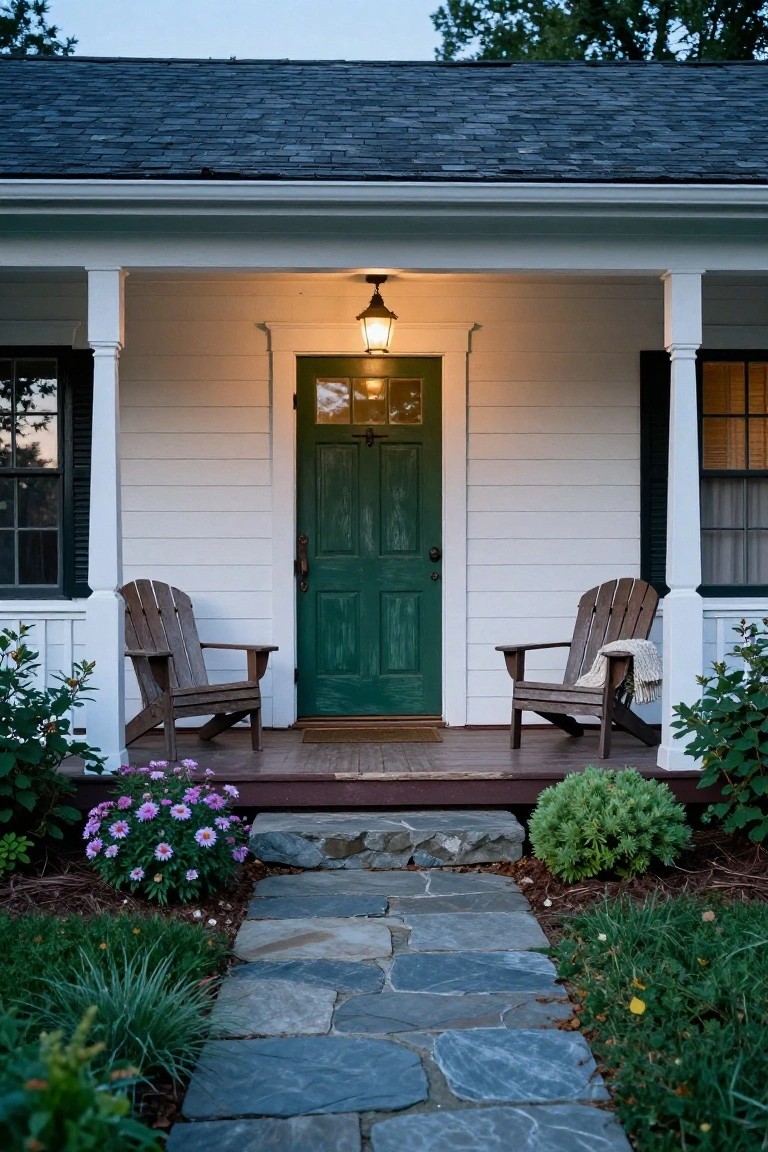
Black shutters on a white colonial house give the whole facade a clean, crisp edge. They frame the windows nicely without overwhelming the simple siding. In this setup, the dark shutters stand out against the bright white boards, making the entry feel more put-together. It’s a straightforward way to add some definition to a plain exterior.
You can pull this off on most colonial or traditional homes, especially ones with lots of windows. Go for matte black to keep it subtle, and match the hardware on the green door for balance. Just make sure the shutters are sized right for your windows, or they might look off.
Frequently Asked Questions
Q: Will black windows overwhelm a smaller colonial house?
A: They add drama without overwhelming if you keep the rest of the exterior simple. Stick to clean lines and white trim to balance it out. Your house will feel taller and more inviting right away.
Q: How do you clean black window frames so they stay sleek?
A: Mix mild soap with warm water and use a soft cloth. Rinse well and dry to avoid streaks. Do it every few months and they gleam like new.
Q: Do black windows hold up in harsh weather?
A: Modern black frames use tough materials that shrug off rain and sun. Choose ones with good warranties.
Q: What trim color pairs best with black windows on colonial homes?
A: White trim wins every time. It sharpens the contrast and nods to classic style. And cream works if you want a softer vibe.
