

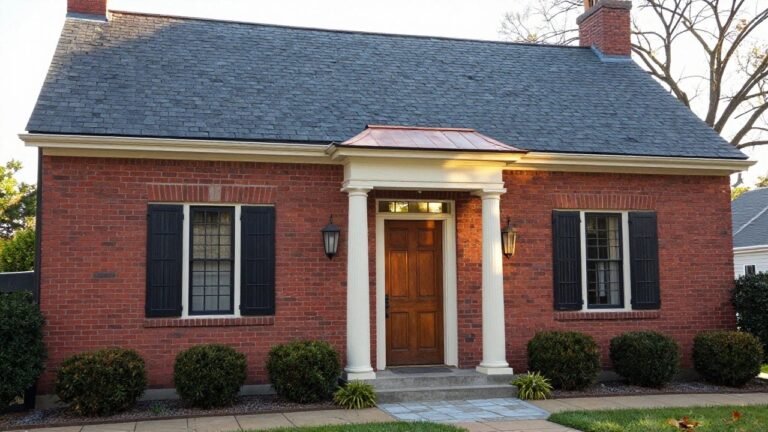
I’ve walked plenty of streets lined with colonial houses, and it’s the ones with updated exteriors that always pull you in from the curb. Those classic facades work best when the siding, roofline, and entry play off each other just right. I once saw a neighbor swap out dated shutters for simpler ones that matched the trim, and it made their place read so much cleaner from the road. People notice the front first, so focusing there keeps the whole house from feeling stuck in time. A handful of these tweaks stand out as ones I’d actually try on a real colonial to test the difference.
Copper Portico Entry Refresh
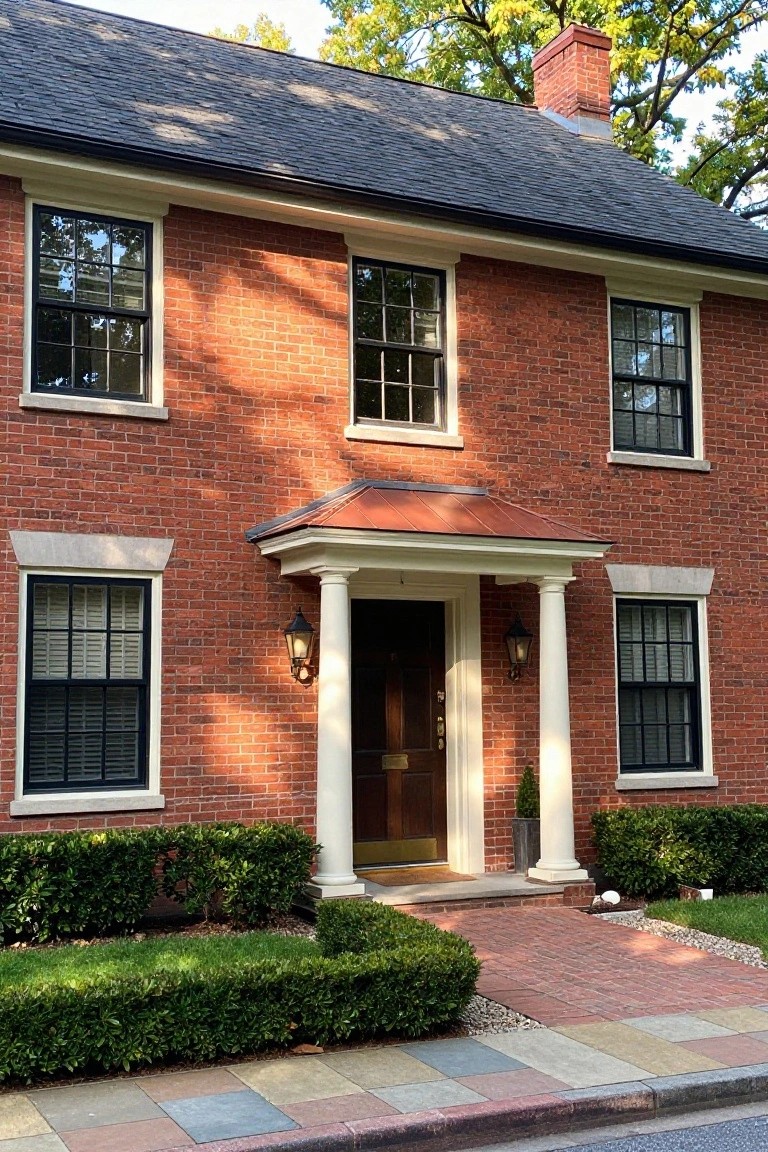
A copper-roofed portico like this one takes a plain colonial brick facade and gives the entry real presence. The reddish metal pops against the warm brick walls, and those clean white columns keep things traditional without fuss. Over time, the copper will patina to that nice green, blending even better with the landscaping.
This works best on two-story brick homes wanting more curb appeal at the door. Match the scale to your house so it doesn’t overwhelm, and add matching lanterns for evenings. It’s a solid upgrade for older colonials or new builds aiming for that timeless look… just budget for the copper upfront.
Recommended Products

Ready to use, pre-mixed door and trim paint offers a fresh new look on interior or exterior metal, wood and fiberglass

Use for a variety of indoor and outdoor project surfaces including wood, metal, plaster, masonry or unglazed ceramic

Weather and corrosion resistant coating protects exterior/interior surfaces like wood, metal, concrete, masonry and more
Paint the Front Door Green
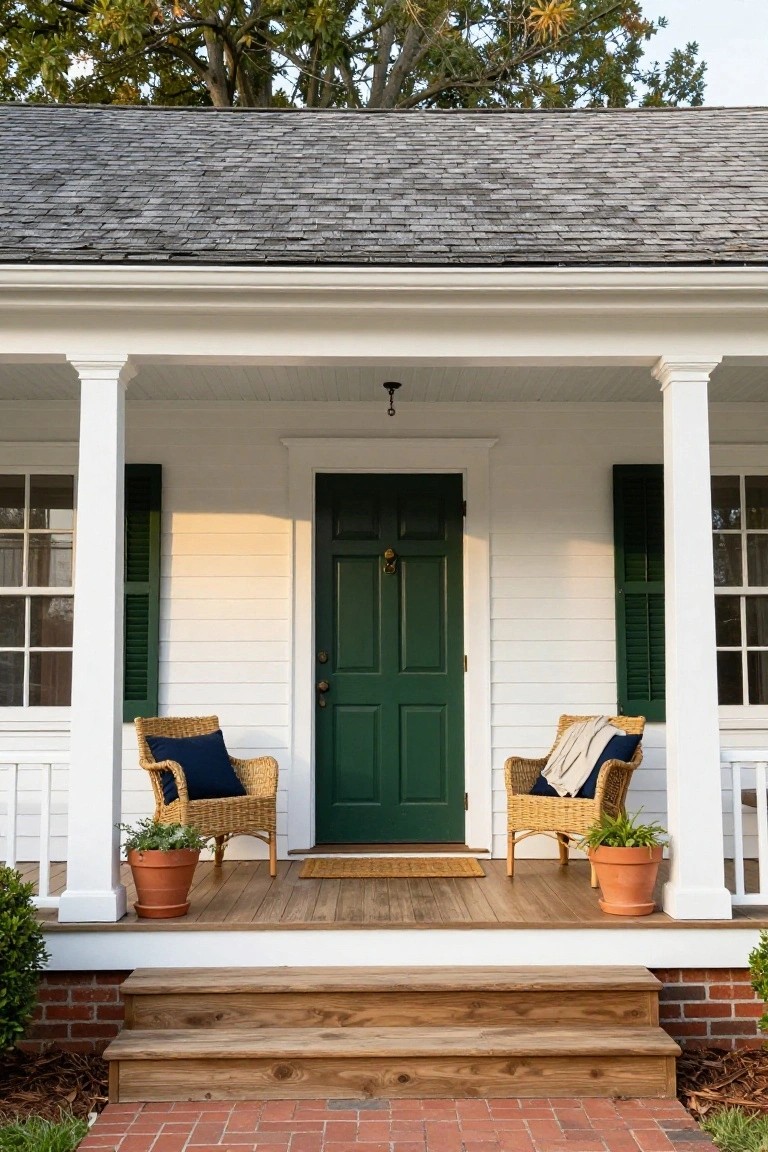
A deep green front door gives a classic white colonial house that fresh pop it needs. It pulls focus right to the entry without messing up the clean lines of the clapboard siding and columns. Folks love how it feels traditional yet lively, especially on a porch like this one with simple wicker chairs and a few plants.
This works best on homes with lots of white or light trim. Go for a glossy finish on the door to catch the light, and stick with brass hardware for that timeless touch. Skip it if your house has too much color already… it shines on simpler facades. Easy upgrade for real curb appeal.
Dark Siding Paired with Wood Garage Doors
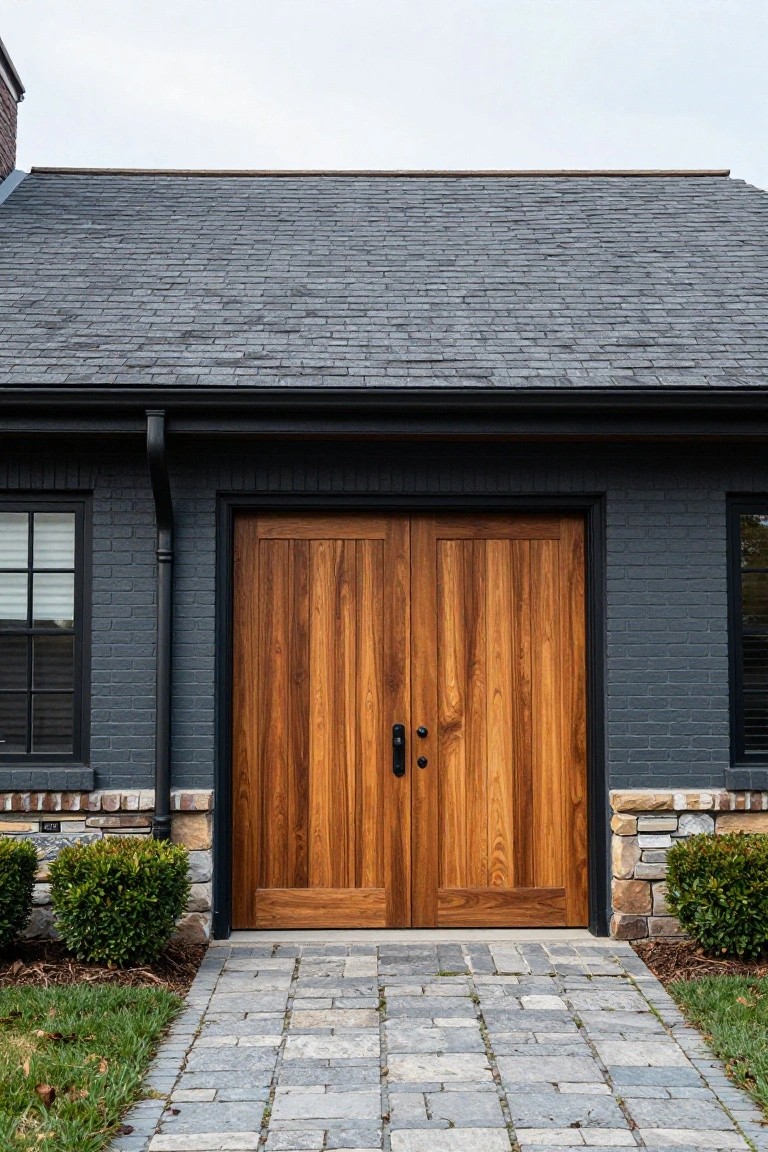
One simple way to update a colonial home’s exterior is swapping out plain garage doors for solid wood ones. Here, the rich walnut-toned double doors stand out against the matte black siding. That contrast pulls the eye right to the entrance without overwhelming the rest of the house. It keeps things modern but nods to traditional craftsmanship.
This look works best on homes with clean lines and neutral tones already. Paint or stain the siding a deep charcoal first, then pick doors in a natural wood finish like oak or mahogany. Add a stone base or simple shrubs along the bottom to tie it in. Skip glossy finishes though. They can make it feel too busy on a larger garage.
Climbing Roses Along House Siding
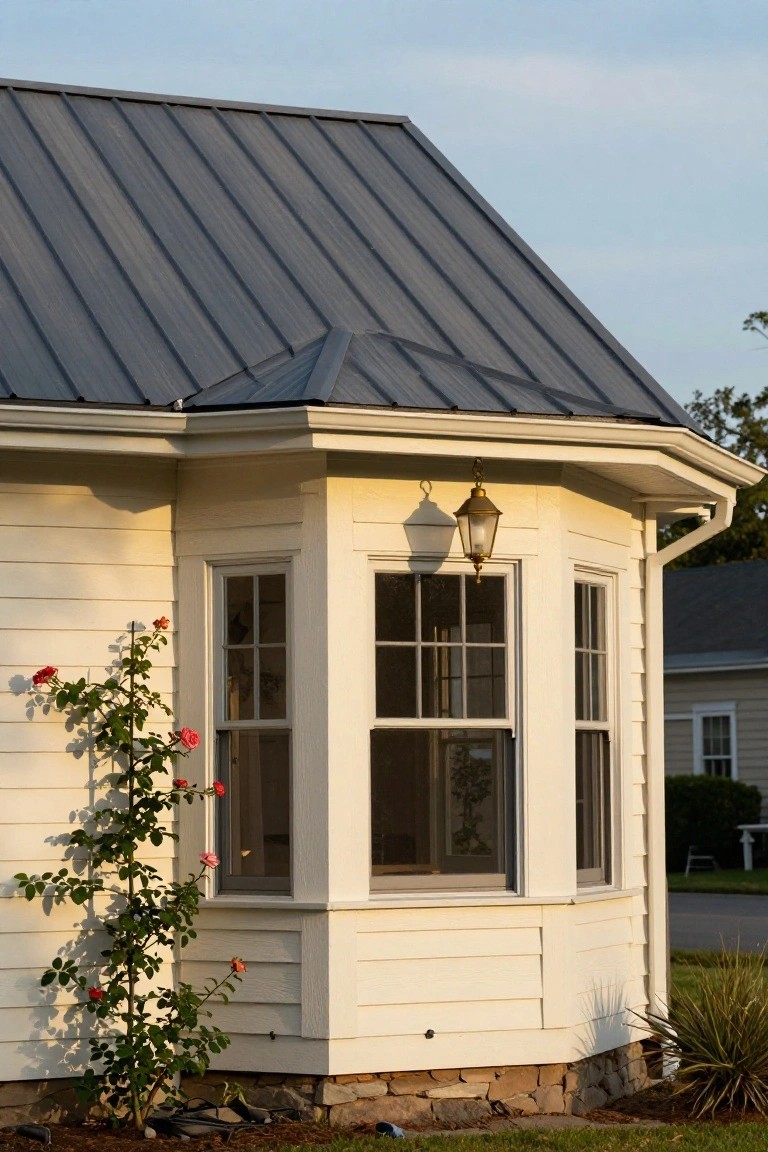
One simple way to freshen up a colonial exterior is to let climbing roses grow up the siding. They add pink blooms and green leaves that break up plain walls nicely. In this setup, the roses run right alongside a bay window, making the corner feel more alive and welcoming. It’s an easy touch that brings some garden charm to the house itself.
Plant them near the base with a simple trellis or ties to guide them up. They suit clapboard homes like this one, especially in milder climates where they thrive without too much fuss. Just trim them back once a year and pick a sturdy variety to avoid damaging the siding.
Black Shutters Refresh a Brick Colonial
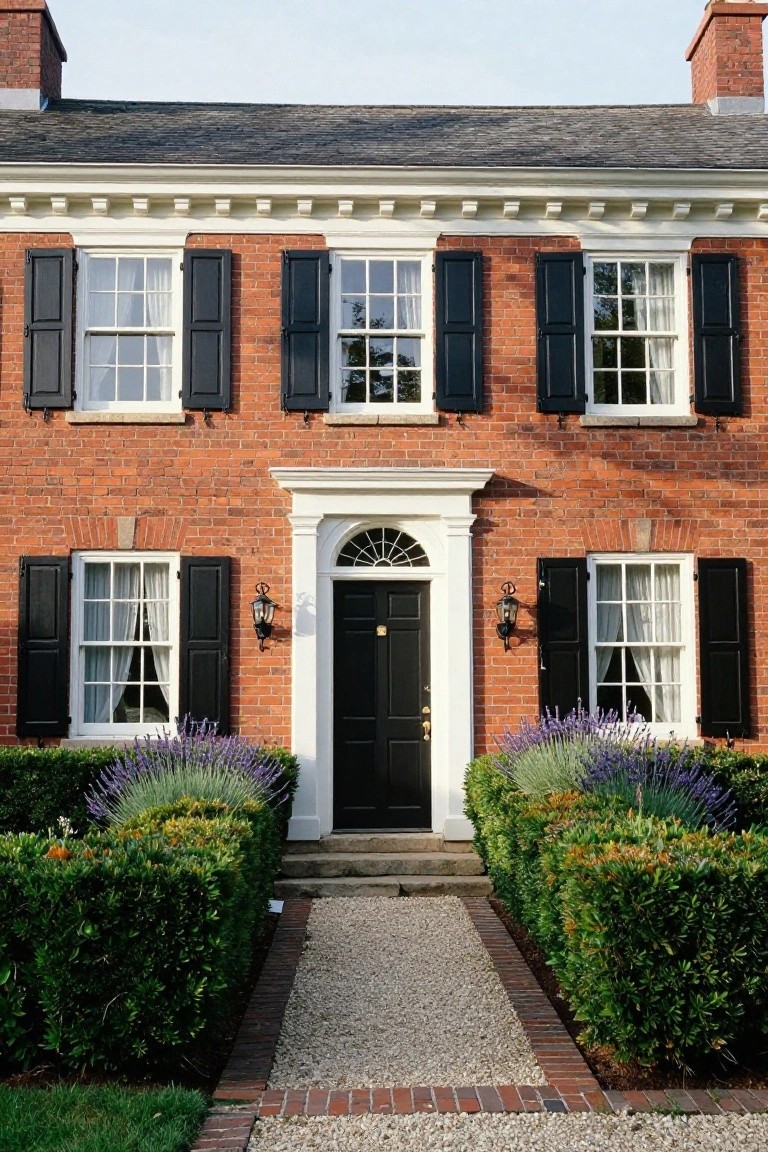
One simple way to update a colonial brick house is swapping in black shutters and a matching front door. That dark contrast pops against the warm red brick. It keeps the traditional look but feels fresh and pulled together. White trim around the entry and windows sharpens everything up without much fuss.
This works best on older homes with good bones already. Paint or replace shutters to match the door, then add lanterns for evenings. Skip it if your brick is too faded, since the black will show every flaw. Boxwoods and a gravel path like this one help frame the entry nicely.
Navy Blue Front Door
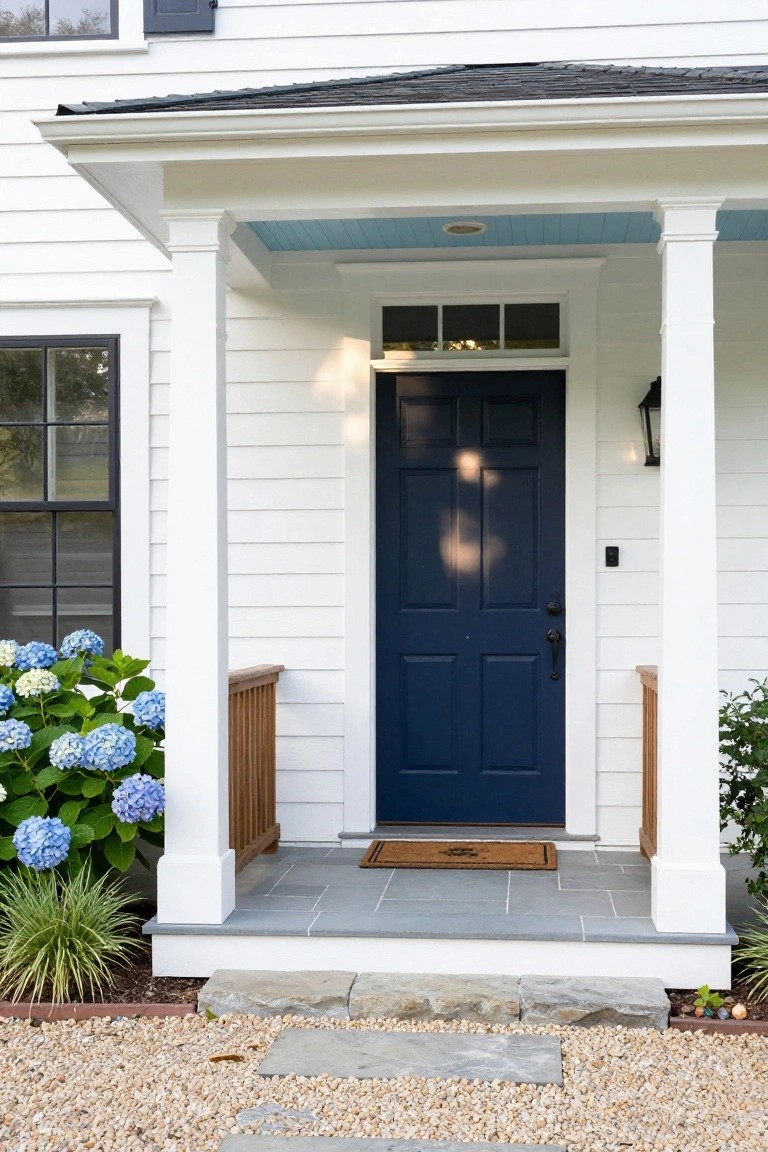
A navy blue front door gives this white colonial house a real focal point right at the entry. Against the clean white siding and porch columns, that deep blue pulls your eye in without overwhelming the look. It’s classic yet fresh, especially with the matching blue on the porch ceiling tying it together.
Try this on any light-colored exterior, like pale siding or stone, to boost curb appeal on a budget. It suits traditional neighborhoods best, and pairs well with blue flowers like hydrangeas nearby. Just make sure the door hardware shines against the dark paint… brass or black both work fine.
Copper Roof on a Colonial House
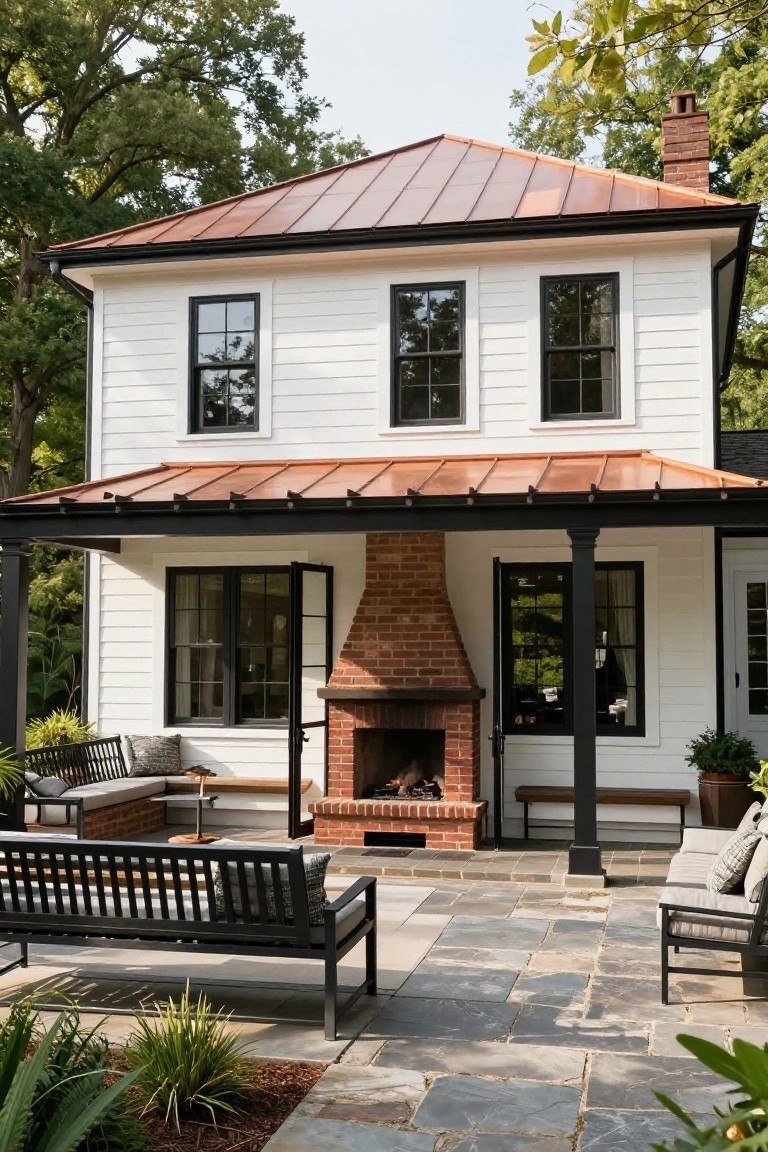
A copper standing seam roof gives a colonial exterior that rich, evolving color over time. You see it here on both the main house and porch, turning from shiny to that warm patina that fits right with white clapboard siding. It adds a touch of distinction without overwhelming the classic lines, especially alongside black window frames.
This works well for renovating older colonials in wooded or suburban spots. Go for it if your roof has enough pitch, and pair it with simple trim colors. Upfront it’s pricier than asphalt, but the longevity pays off. Keeps curb appeal strong year-round.
Classic Colonial Entry Stoop
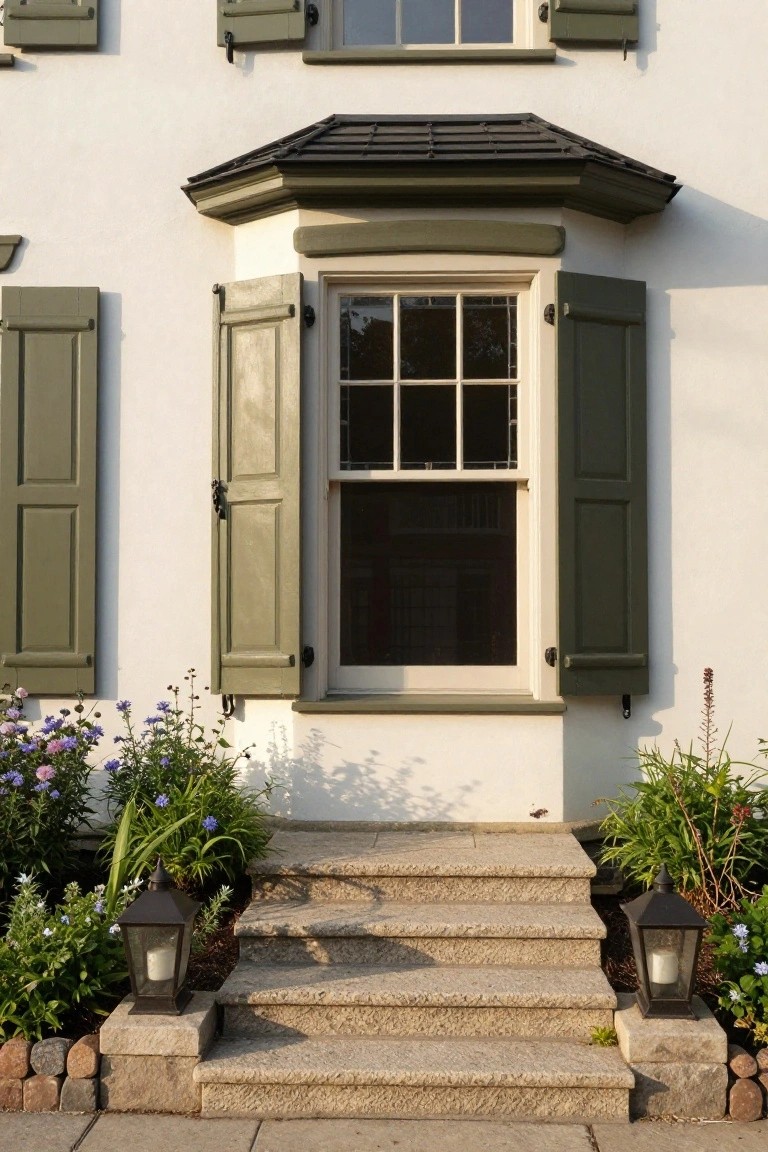
A simple stone stoop like this one makes any colonial house feel more welcoming right from the sidewalk. Those wide granite steps draw your eye up to the bay window above, and the matching lanterns on pedestals at the bottom add just enough light without overdoing it. It’s a straightforward way to give your front entrance some character, especially if your house has white siding and green shutters already.
You can pull this off on most older homes with a flat entry area. Start with sturdy granite or similar stone for the steps, keep them wide enough for two people, and set lanterns at the base on short stone blocks. It works best where you want low upkeep, since stone holds up year round. Just make sure the steps meet code for rise and run, or you’ll trip up guests before they get inside.
Green Shutters on White Siding
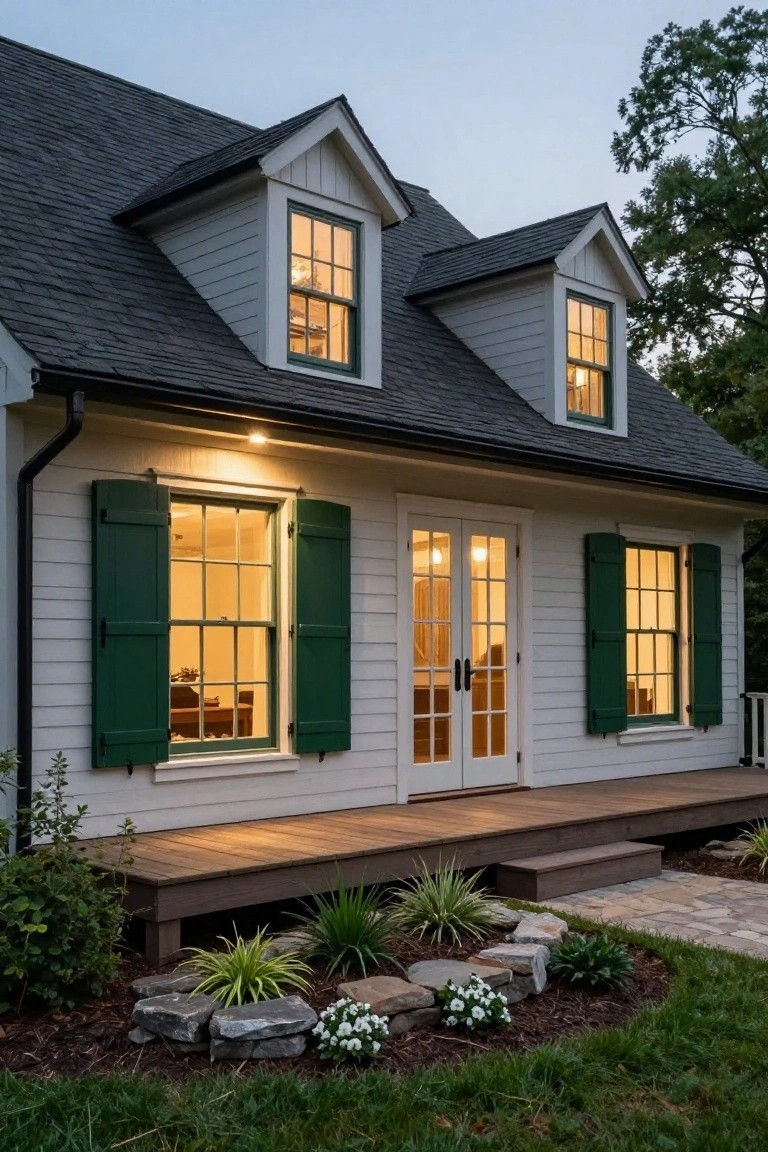
White siding keeps things clean and simple on a colonial home. Green shutters pull it together though. They frame the windows just right and add that bit of color folks expect from older houses. In this setup the dark roof ties in too so the whole front feels balanced without trying too hard. It’s a look that stands out at dusk when lights come on inside.
Try this on homes with lots of windows facing the street. Pick a true hunter green that won’t fade fast. Match the siding to a soft white or light gray for contrast. Skip it if your house has too much going on already. Works best on two stories like this one where the shutters repeat up high.
Warm Wood Front Door
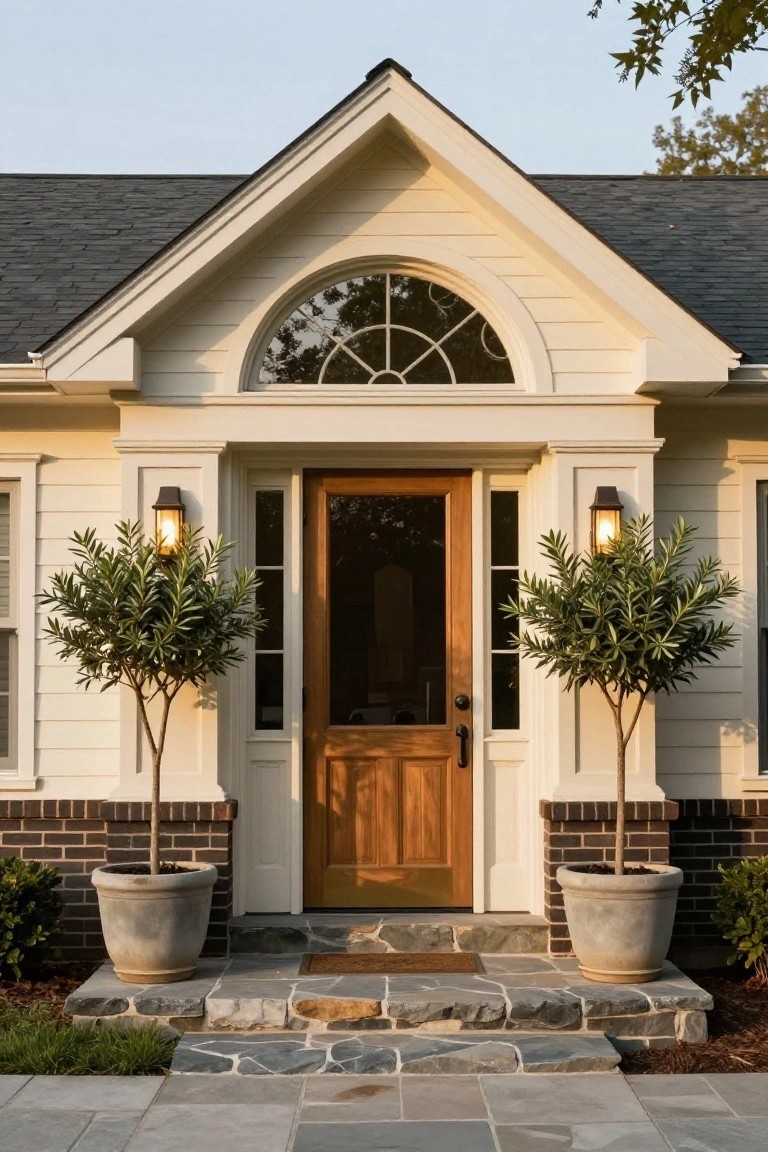
A stained wooden front door like this one adds real warmth to a light-colored colonial house. Against the creamy siding and brick base, that rich wood tone pulls your eye right to the entry. It feels solid and welcoming without overpowering the rest of the facade.
You can pull this off on most traditional homes by picking a mahogany or oak door with simple paneling. Stain it medium brown to match your trim. Just make sure the hardware is sturdy, like that black knob here, and add lanterns on each side for evening light. It suits homes with gabled porches best.
Recommended Products

Superior Rust Resistance with Galvanized Metal: Forged from premium galvanized steel, this garden arbor endures intensive salt spray trials, proving its rust resistance surpasses standard metal designs by over 200%. A robust zinc finish guards against weather wear, ensuring lasting resilience. Whether dressing weddings, seasonal fêtes, or anniversary gatherings, it seamlessly weaves romance or festive spirit into every celebration.

Stunning Apricot Blooms – The Alchymist Climbing Rose produces large, romantic flowers in rich apricot tones with hints of peach and gold, creating a warm, eye-catching display that elevates any garden or landscape.

Grown in our specialized soil mix that ensures healthy, Vigorous start for Roses
Paint the Porch Ceiling Blue
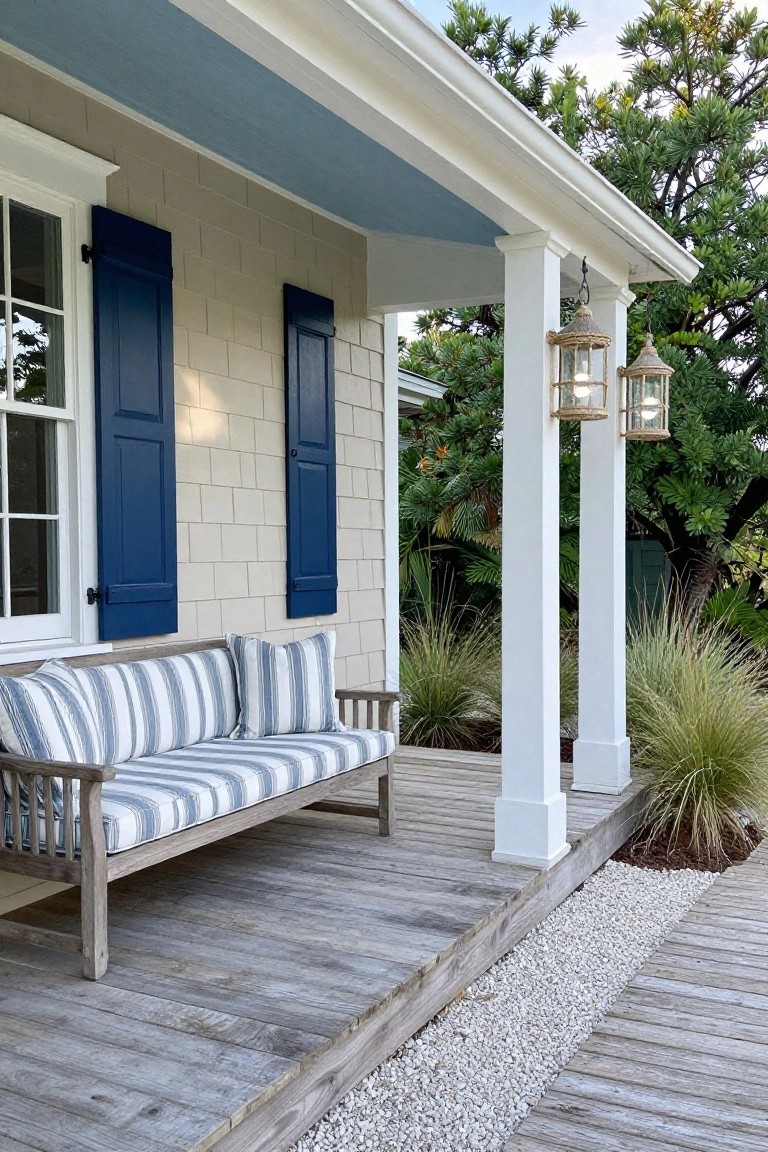
A blue porch ceiling brings a fresh coastal touch to colonial homes without much work. It stands out against white trim and beige siding, like you see here with the dark blue matching the shutters. That color pop makes the front porch feel more alive and pulls the eye right to the entry.
This works best on covered porches facing south or in humid spots. Just pick a soft blue-gray paint rated for exteriors, and it holds up year after year. Skip it on open decks though. Pairs well with neutral house colors and keeps things looking crisp.
Restore a Classic Front Porch
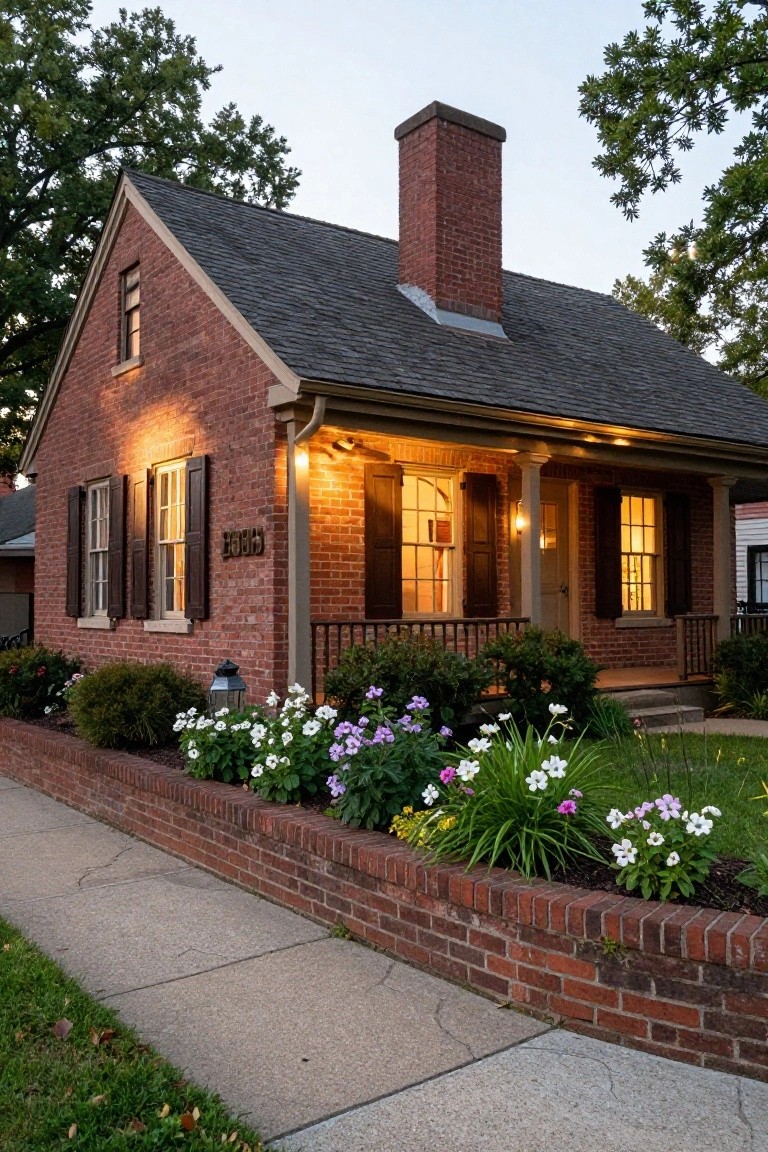
A simple covered porch like this one brings out the best in a brick colonial house. It sits right at the front with sturdy columns and a basic railing that match the roofline and brick perfectly. Those lanterns hanging there add a nice glow without overdoing it, especially as the light fades.
This works well on older homes where the facade feels a bit plain. Keep the porch wide enough for chairs, and paint the door a deeper color to pull eyes in. Skip fancy extras, though. Plants in the beds below keep things soft around the edges.
Black Trim Accents on Colonial Exteriors
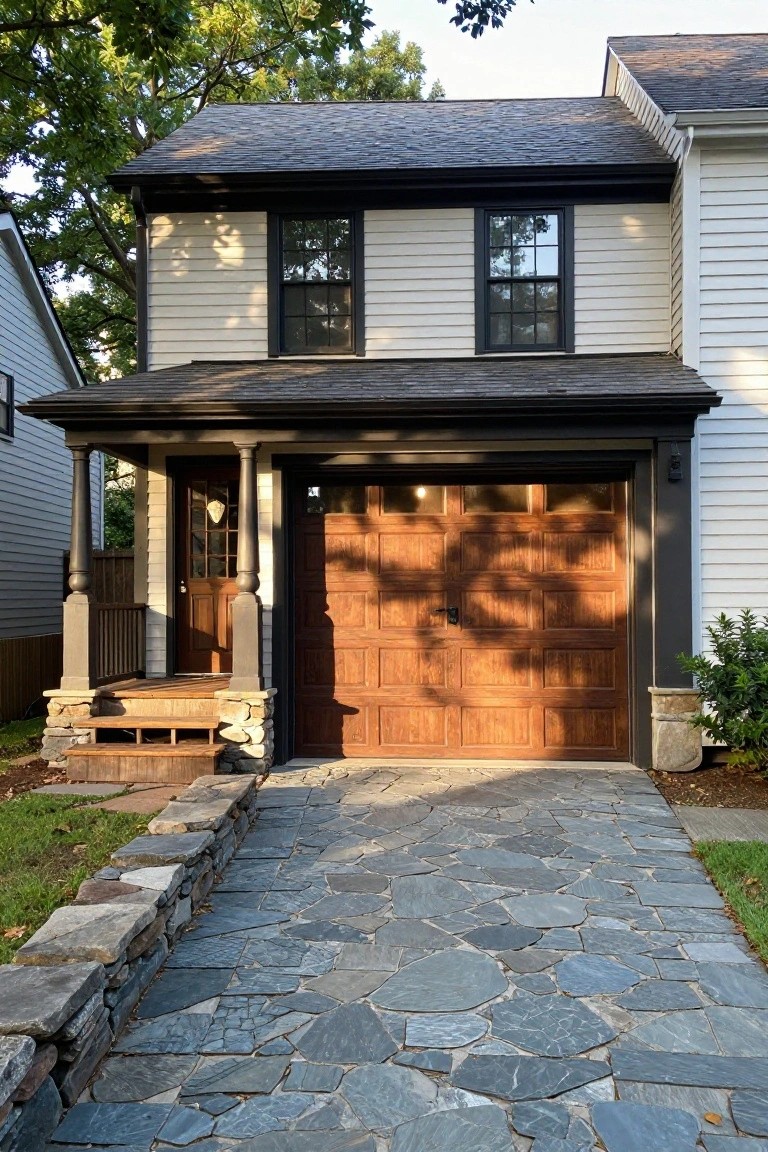
A simple way to refresh a colonial house is adding black trim around the windows and roofline. It works well against white siding because the contrast makes the house look sharper and more current without changing the basic shape. In this setup, the black frames the tall windows nicely, and it ties into the dark garage trim too. Keeps that classic look but feels pulled together.
This approach suits older colonials that need a pick-me-up, especially if the siding is in good shape. Paint the trim glossy black for some pop, or go matte if you want it quieter. Pair it with a wood garage door like here to warm things up. Just make sure the black doesn’t overwhelm smaller homes… test a sample first.
Dark Front Door with Matching Sidelights
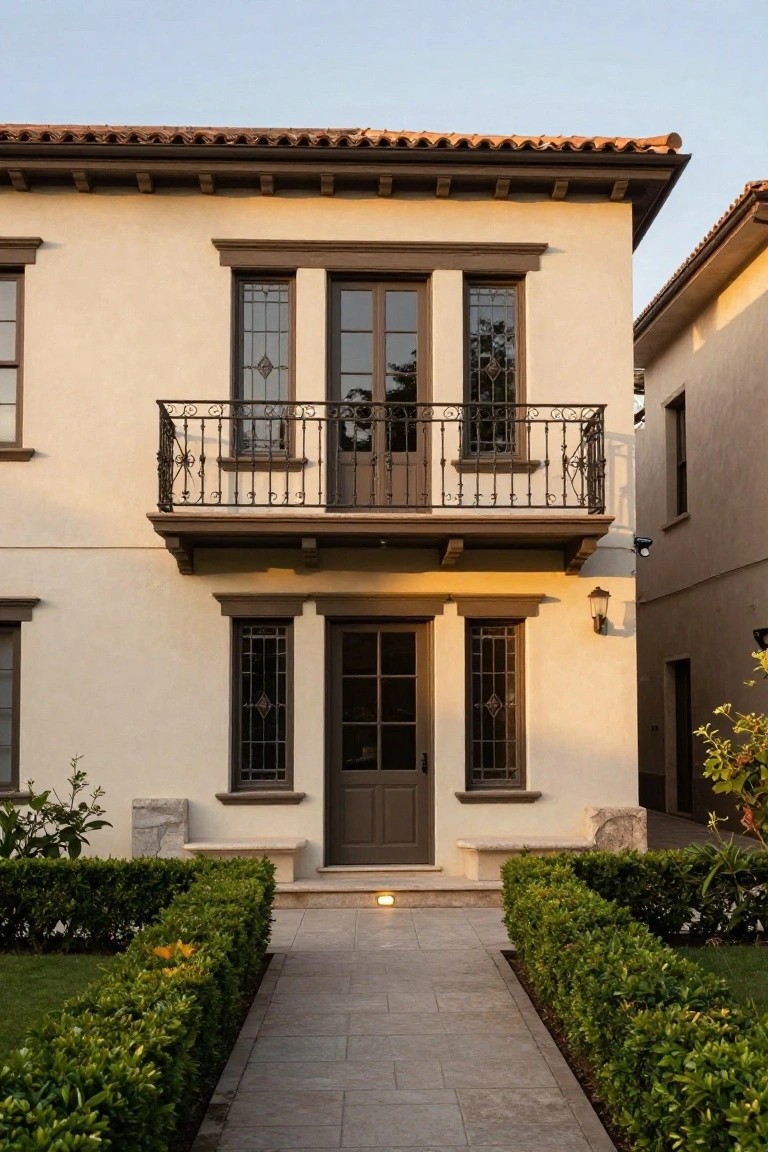
A dark wood front door paired with tall sidelights works well to make the entry feel solid and welcoming. The leaded glass in those sidelights lets in light but keeps things private. It stands out against light stucco walls and pulls the whole facade together nicely.
This setup suits colonial style houses that need a simple update. Go for a bold color like deep brown or black on the door and frames. Add stone steps if you can. Just make sure the glass pattern matches your windows for a clean look.
Green Door on White Colonial Facade
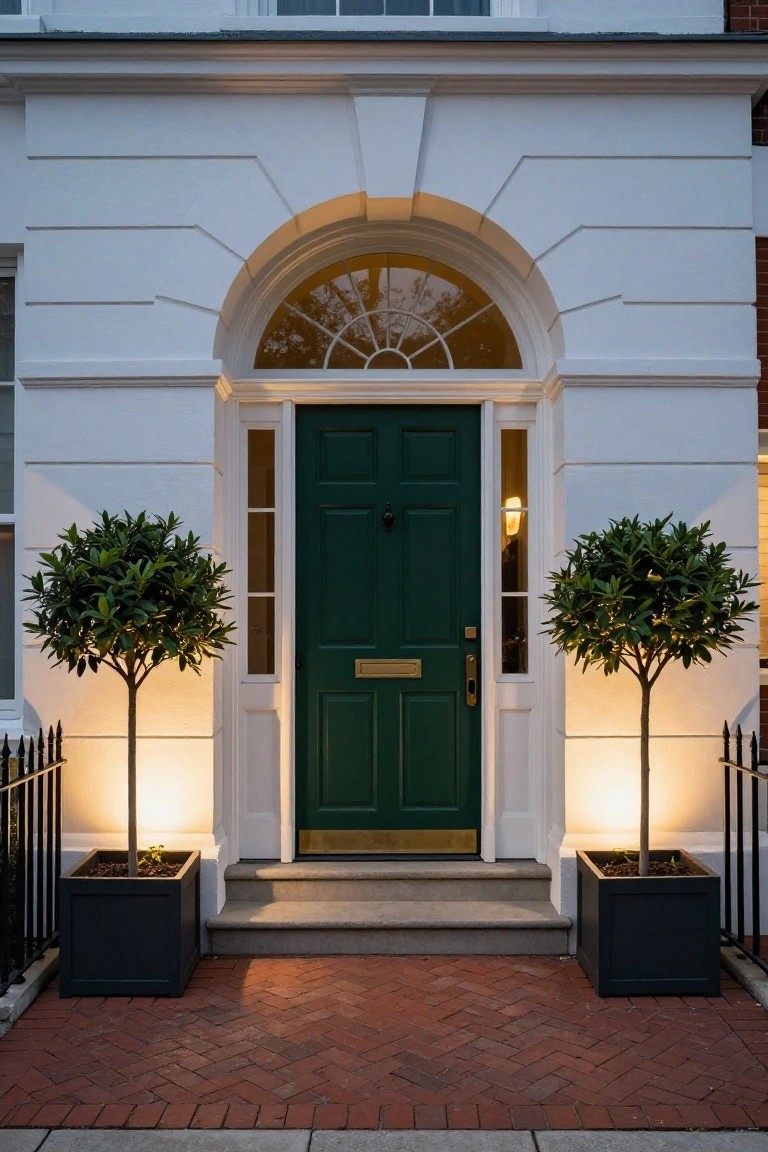
A deep green front door gives this classic white Colonial house real punch at the entry. The color pulls your eye straight to the door against all that clean stucco. It keeps the traditional look but adds a bit of life that makes the house feel lived in.
Paint your own door this shade if you have a similar setup. It suits most older homes with white or light walls. Gold hardware helps it stand out more. Just add simple potted trees on the sides to frame things neatly.
Metal Awning Over the Entry Door
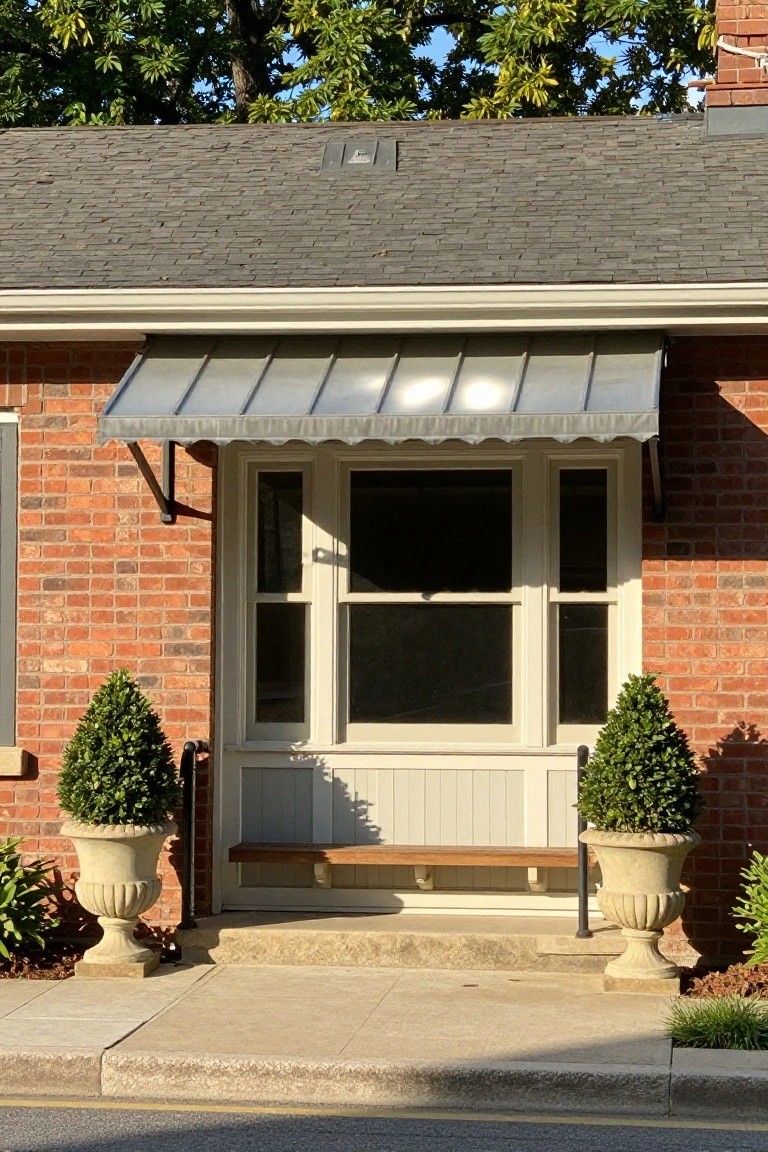
A metal awning like this one gives your front door some real protection from rain and sun without much fuss. It sits right over the multi-pane glass door, echoing the house roof while adding a clean, shiny line against the brick. Folks notice it right away, and it makes the whole entry feel more finished.
This works best on brick or stone Colonials where you want subtle updates. Pick a standing seam style to match existing metalwork, size it to cover the door and a bit more, and keep plants simple on the sides. It suits homes with steps up to the door. Avoid going too big or it starts to look heavy.
Navy Blue Garage Doors Refresh Colonial Exteriors
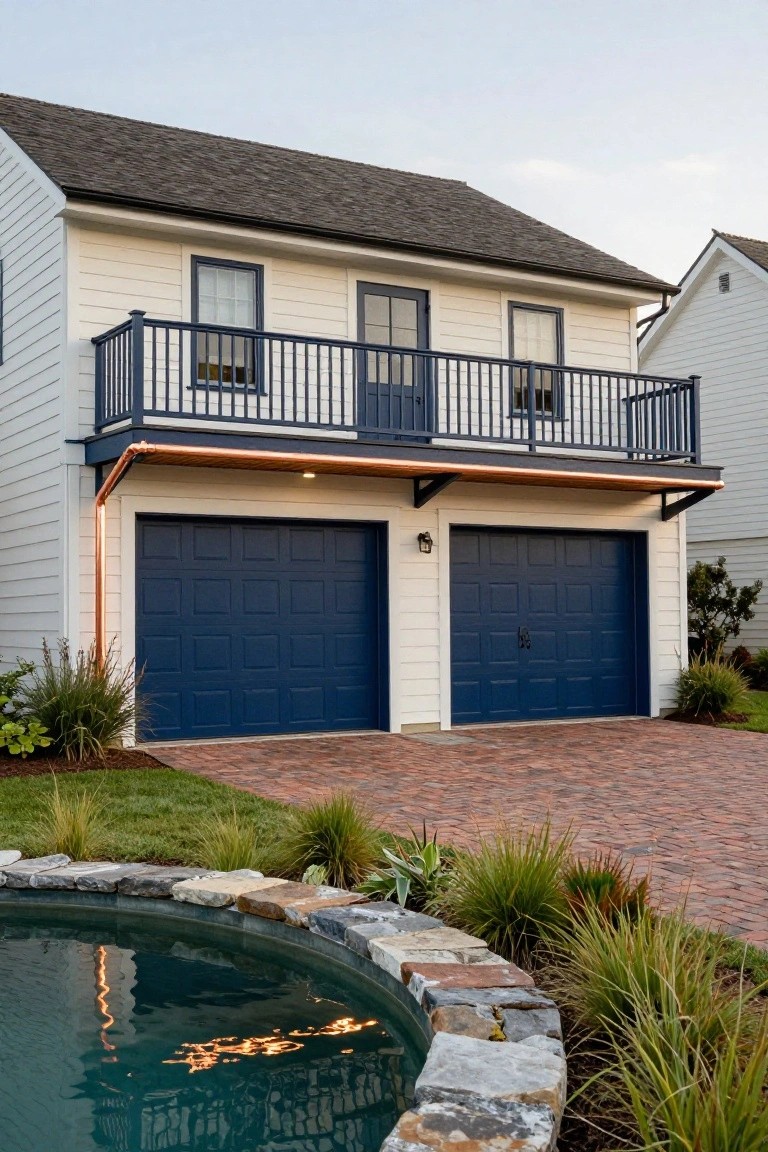
A classic white colonial house gets a simple lift with navy blue garage doors. That deep blue stands out against the light siding and pulls the eye forward. It works because it nods to traditional navy shutters but scales it up for the garage, making the front feel more current and welcoming.
Try this on homes with clapboard siding and a two-car setup. Match the blue to window trim or balcony rails for pull-together looks. It fits most neighborhoods and costs little if you’re painting anyway. Lighter navies hold up better in sunny spots.
Frequently Asked Questions
Q: Can I tackle these Colonial exterior updates myself or do I need to call in pros?
A: You can handle painting siding, swapping shutters, and planting curb appeal boosters like boxwoods on your own. Hire pros for roof tweaks or window replacements to avoid headaches. Start with one weekend project and see how it feels.
Q: What’s the quickest fix for a tired-looking Colonial front door?
A: Rip off the old brass knocker and house numbers. Screw in oversized black iron ones instead. It pops instantly and costs next to nothing.
Q: How do I choose paint colors that scream classic Colonial?
A: Hunt for soft whites or sages at the paint store. Slap samples on your siding at different times of day… sunlight changes everything. Pair with a bold door color like red for that welcoming punch.
Q: Do these ideas fit a smaller Colonial house too?
And yes. Scale down the symmetry. Fewer but bigger planters make tight porches feel grand.
