

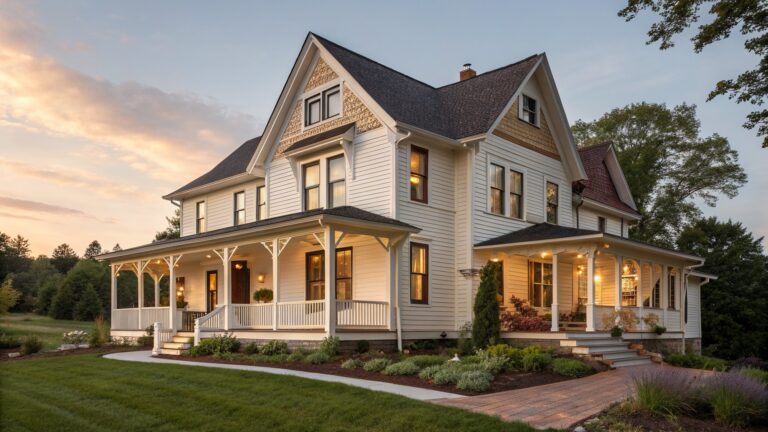
I have always noticed that Victorian farmhouses lose their presence when the original siding and trim start to weather unevenly, yet a few targeted fixes to the facade can restore balance without erasing the age of the house.
When I drive by homes like these, the entry and how the roofline meets the walls tend to shape my first impression more than any single detail.
Small updates to materials and rooflines make a bigger difference than people expect.
I would test a couple of these approaches on my own place before committing to anything major.
Some of the makeovers show how paint choices and porch repairs can shift how the house reads from the street in ways that feel practical rather than flashy.
Wrap a Porch Around the Front
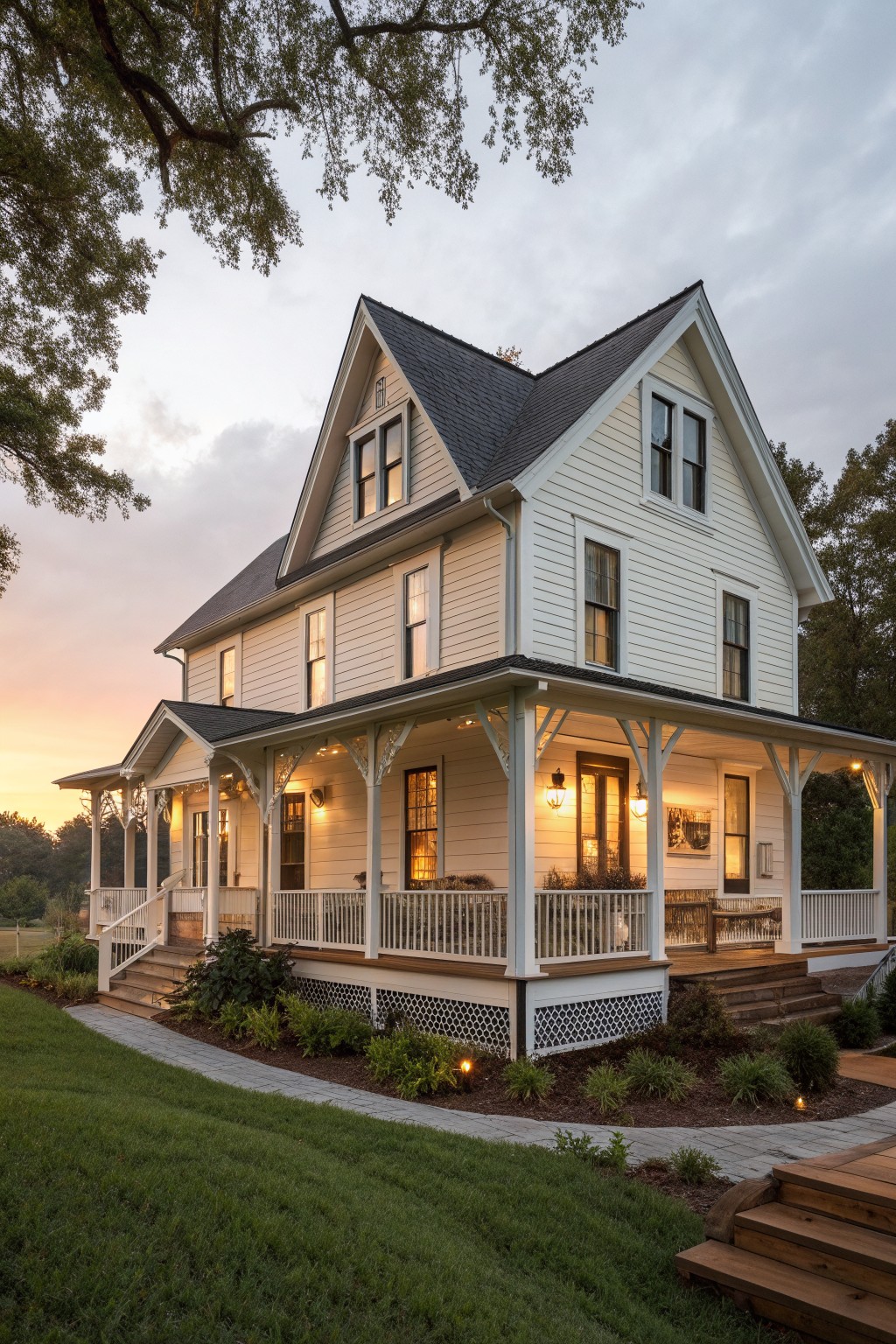
A wraparound porch can make a tall Victorian farmhouse feel less imposing and more connected to the yard. The wide deck and simple railings create a usable outdoor layer that breaks up the vertical lines of the siding and roof without changing the original structure.
This approach works best on houses that already have some porch space to build from. Keep the posts and railings light in color and straightforward in style so the new work blends with the old trim rather than competing with it.
Arched Entries for Historic Farmhouse Facades
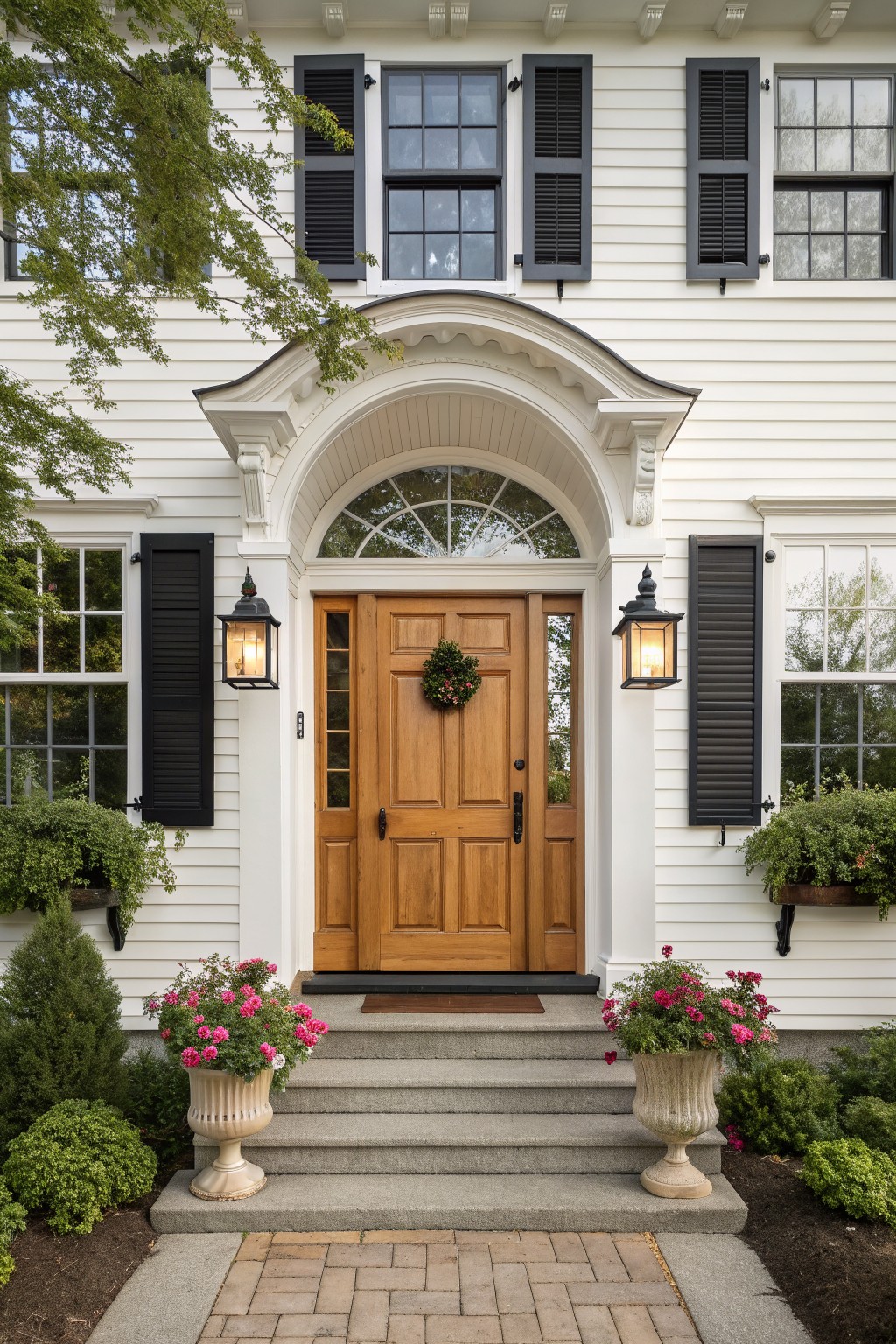
An arched entry adds quiet character to an older facade without needing a full overhaul. It gives the door more weight and helps the whole front feel more finished, especially on houses that have lost some of their original trim over time.
This approach works best on Victorian farmhouses with simple siding and standard window layouts. Keep the door itself plain and the surrounding details minimal so the arch stands out without competing with everything else.
Mixing Shingle Tones On The Facade
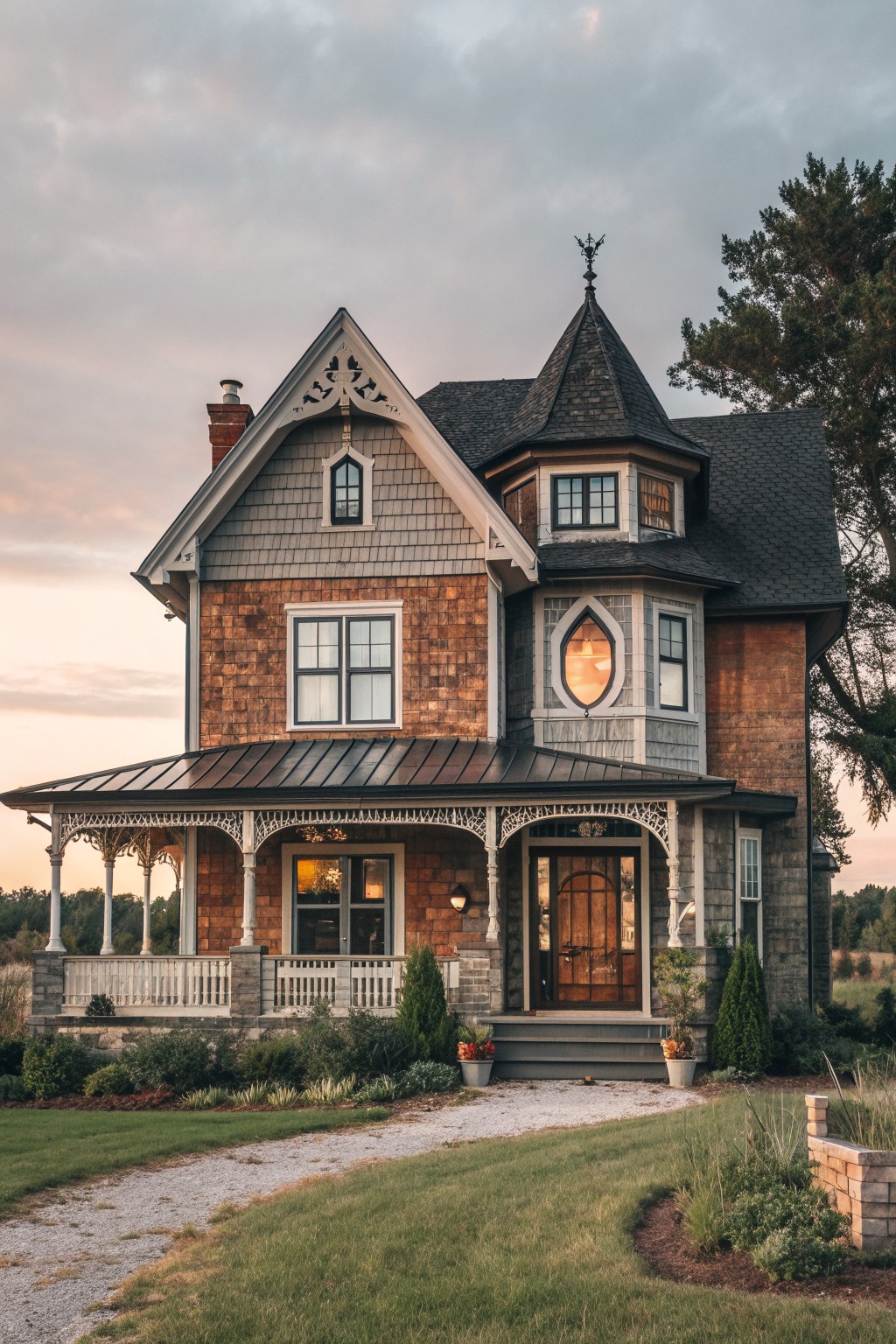
One simple way to refresh an aging Victorian farmhouse is to blend different shingle colors and textures on the exterior walls. The shift from gray to warmer brown tones adds depth without covering up the original lines or trim details.
This approach suits homes that still have most of their wood siding intact. Keep the color change to two or three shades at most, and let the porch and window frames stay light so the mix reads as intentional rather than busy.
Low Hedges Frame Brick Facades
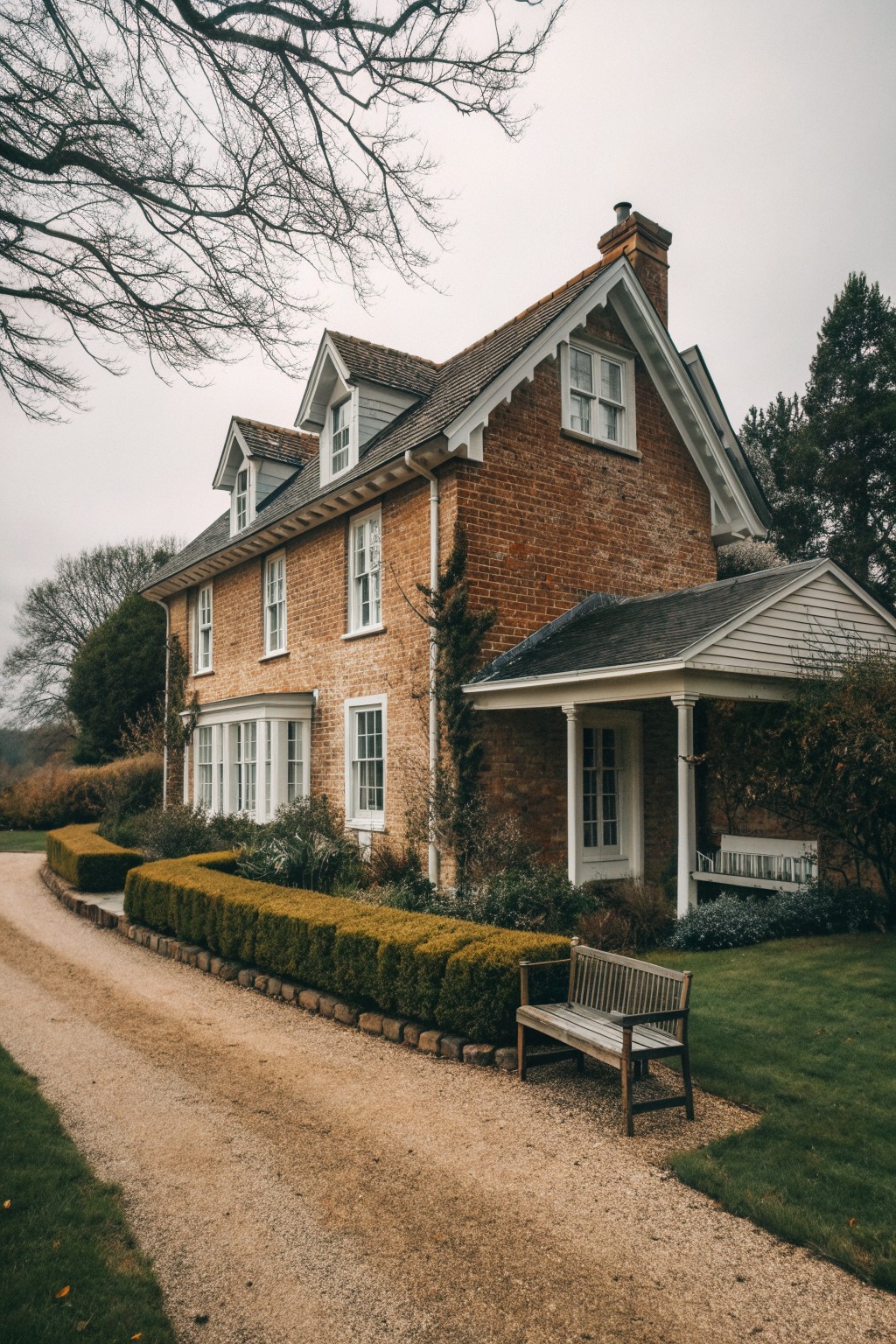
A simple row of clipped hedges can give an aging brick exterior a cleaner, more updated look without changing the house itself. The low height keeps the focus on the brick walls and windows while the gravel path adds a practical edge that guides visitors straight to the door.
This works best on Victorian farmhouses where the architecture already feels solid and detailed. Plant the hedges along the driveway or front path, keep them neatly trimmed, and avoid anything tall that might block windows or compete with the roofline.
Glass Sunroom Additions Refresh Older Facades
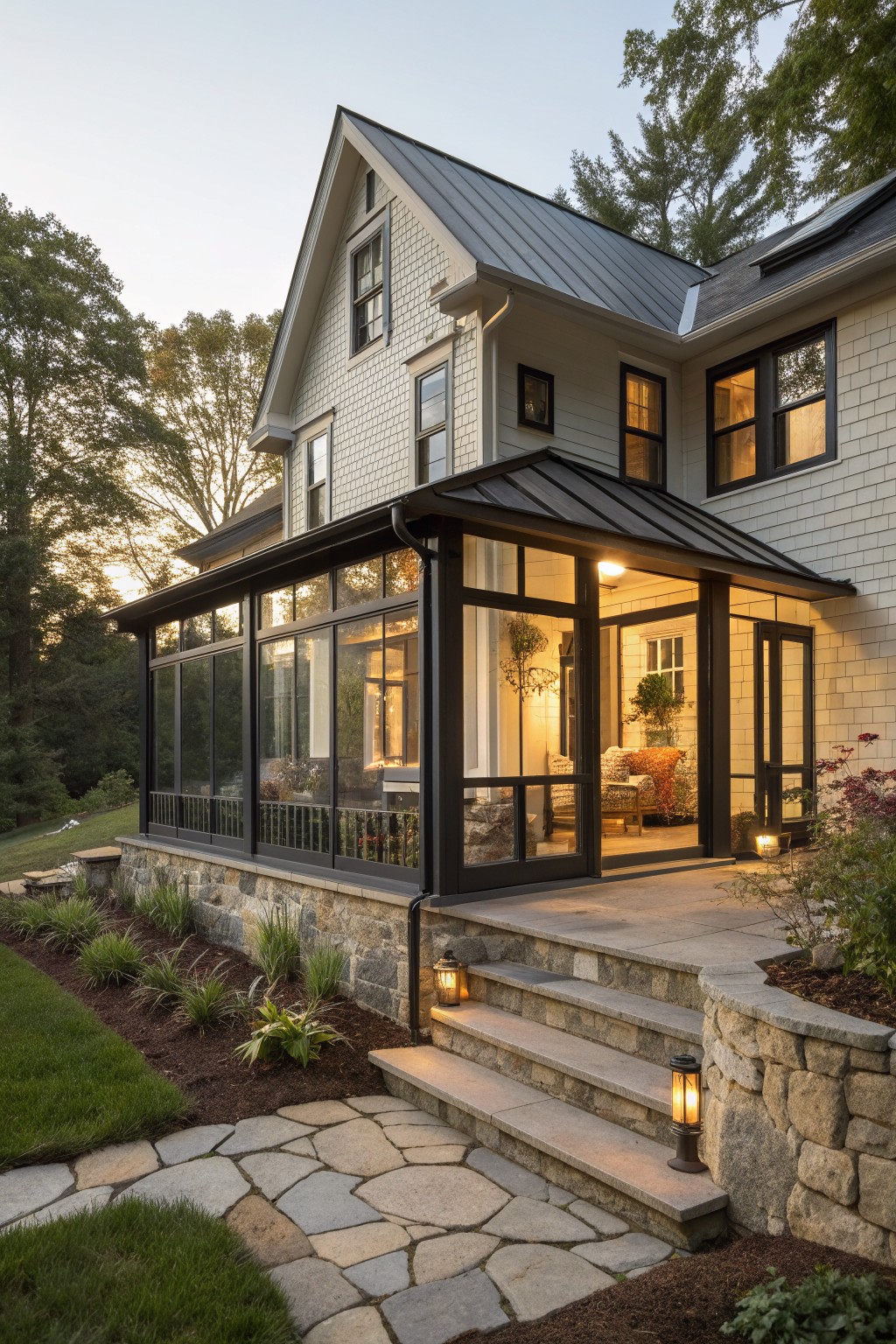
Adding a glass sunroom can give an aging Victorian farmhouse a clearer update while keeping its original shape and rooflines intact. The enclosed space brings in light and creates a gentle transition between the house and the yard without needing major structural changes to the main building.
This approach works especially well on homes where the original porch has deteriorated or feels too closed off. Keep the new structure low and match the trim color to the existing windows so the addition feels like a natural extension rather than a separate modern box.
Dark Exterior Colors For Victorian Farmhouse Updates
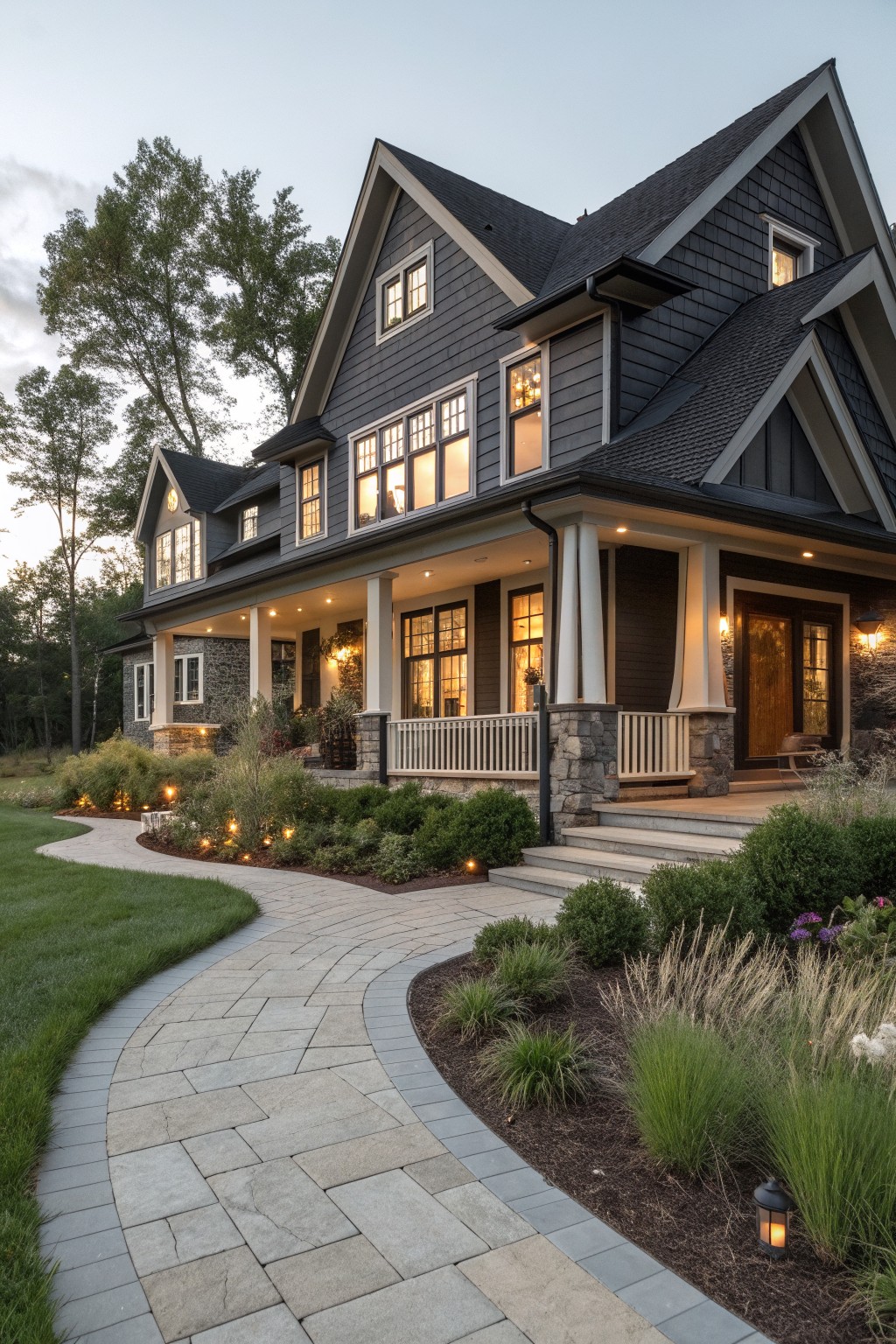
A deep charcoal or near-black finish can give an older Victorian farmhouse a cleaner, more current look without losing its original shape. The color helps hide minor wear on aging wood while making the roofline and trim stand out in a simple way.
This works best on homes that still have good architectural details worth keeping. Pair the dark siding with stone at the base and keep the trim bright so the house stays readable from the street. Test the paint in both morning and evening light before committing, since dark shades change more than people expect.
Paint the Porch Ceiling a Soft Color
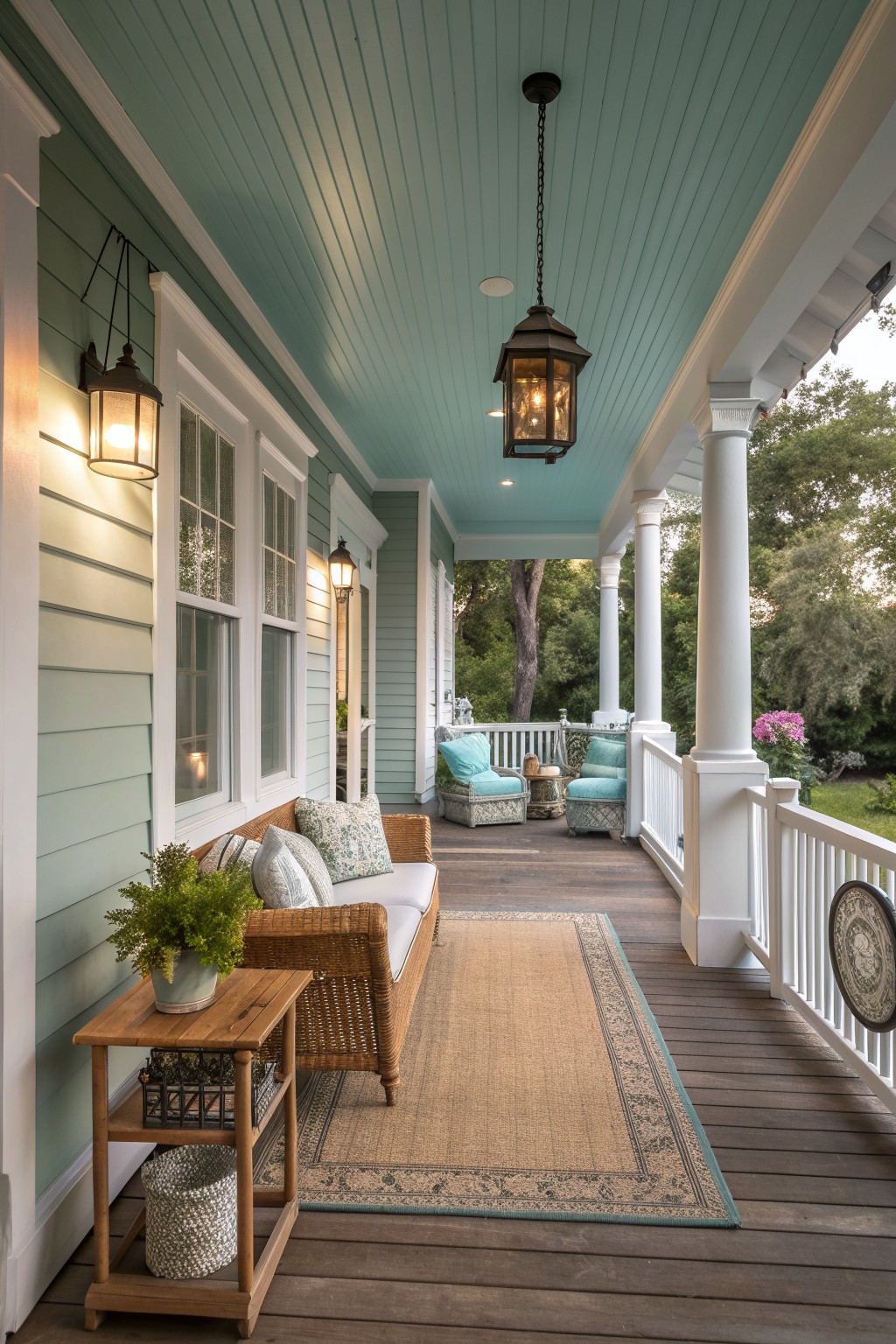
A soft ceiling color can make a big difference on an older porch. It bounces light around and gives the whole space a fresher feel without changing the structure or adding much cost. Many older homes already have the right bones for this, so the color becomes the main update.
This works especially well on Victorian farmhouses where the porch is deep and shaded. Pick a light blue green like the one shown here and keep the trim white. Hang simple lanterns for evening use and add a rug and a couple of chairs to make the area feel finished.
A Soft Neutral Color Refreshes the Facade
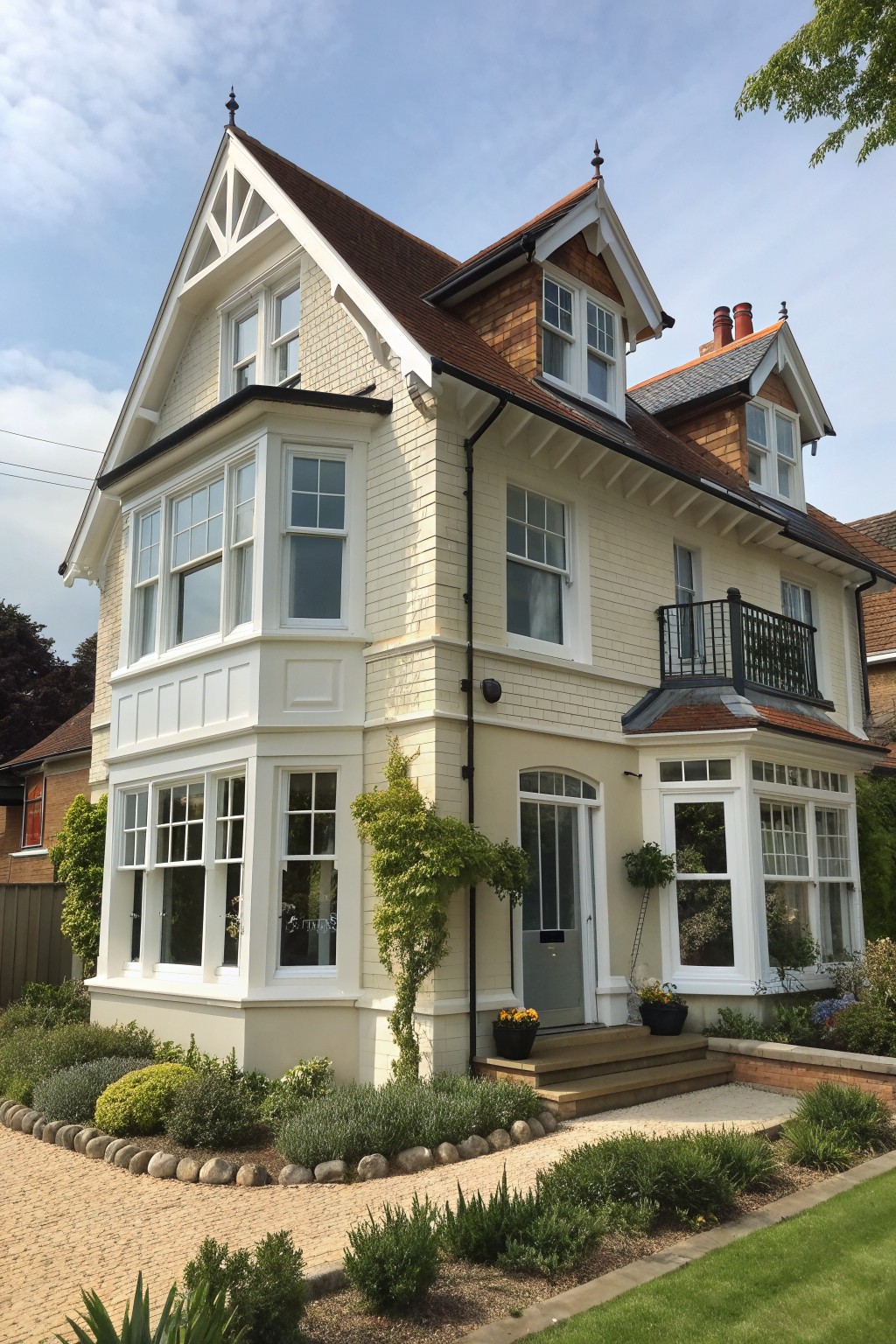
Many older Victorian homes end up with dated or faded paint that makes the whole place feel tired. A light warm neutral on the main siding gives the house a cleaner look without covering up the original trim and window details. It works especially well on farmhouses that still have their gables and bay windows intact.
This approach suits homes that want to keep their historic shape while feeling brighter from the street. Stick with a paint that has a bit of warmth so it does not go too stark against the white accents. Test a large patch first because the color can shift quite a bit in different light.
Extend The Porch For Outdoor Living
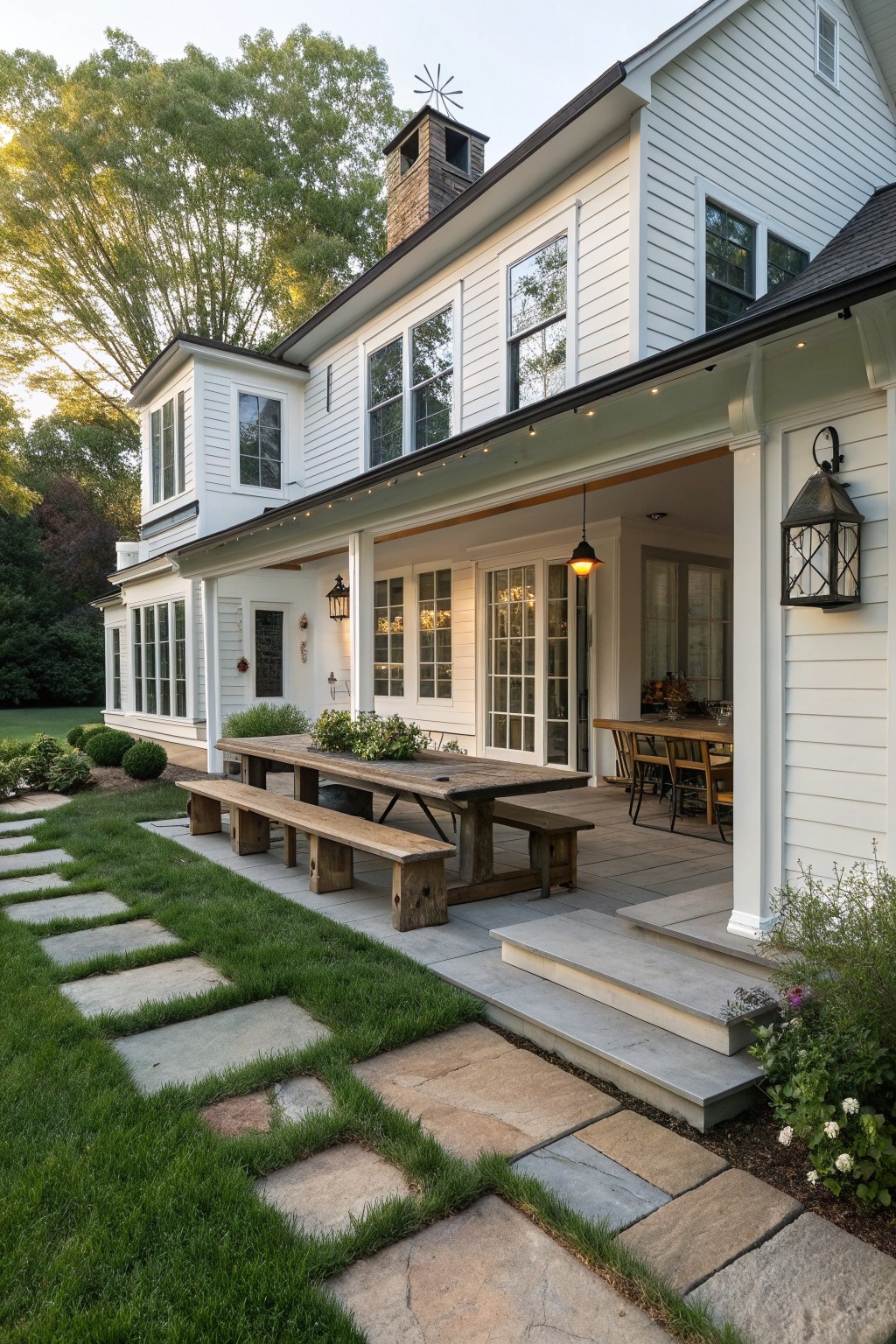
Adding a wide covered porch gives an older farmhouse a practical spot for meals and daily use right outside the main rooms. The roof extension creates shade and shelter while keeping the connection to the house simple and natural.
This approach works best on Victorian farmhouses where the existing roofline can be continued without major changes. Stick with long tables and benches so the space stays casual and easy to maintain over time.
Adding a Small Gabled Porch to the Entry
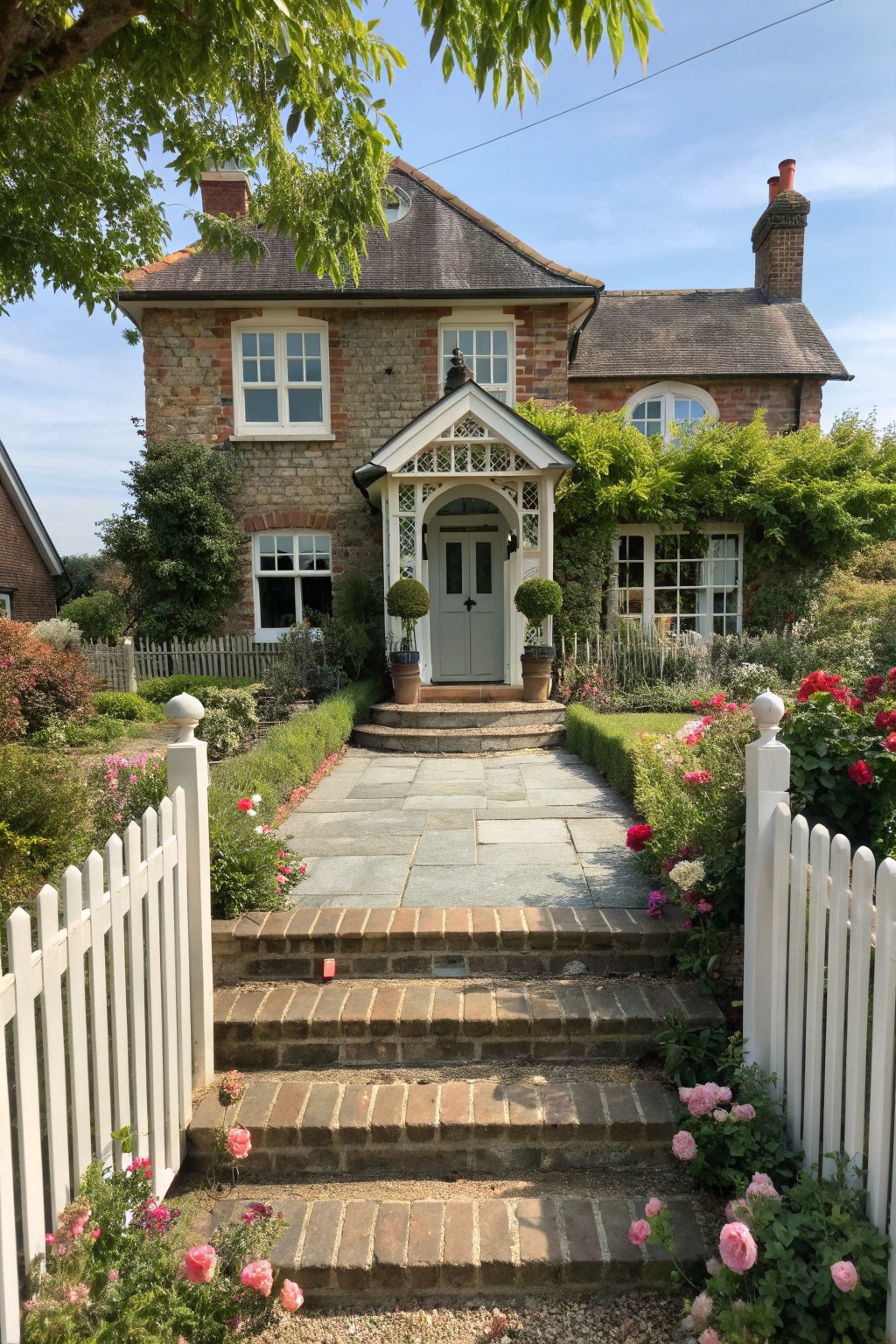
Older brick and stone farmhouses often have doors that sit flat against the facade and can look a bit plain. A narrow gabled porch with simple trim gives the entry some shape and makes the house feel more approachable.
This approach works best on homes where the front door is centered and the rest of the facade stays mostly unchanged. Keep the porch small, use a light color on the woodwork, and let the path and steps lead straight to it so the eye goes right to the door.
Using Dark Shutters on White Siding
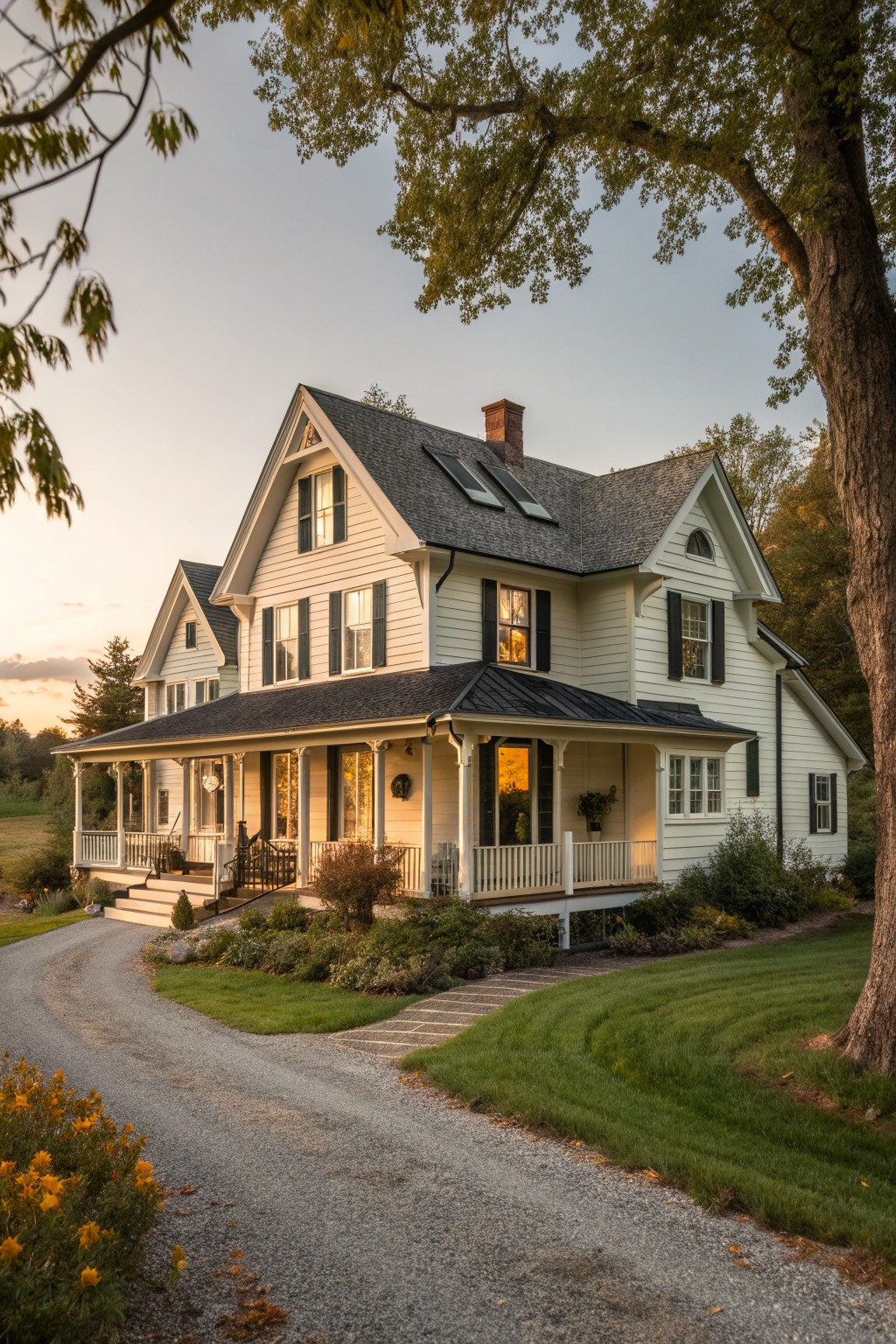
Many older farmhouses look a little flat once the paint is fresh and clean. Dark shutters give the windows more weight and help the whole front read as more finished without adding extra trim or details.
This works best on homes that already have good window spacing and a simple shape. Keep the shutters matte and sized to the glass so they feel like they belong rather than just decoration.
Mix Natural Wood Doors With Painted Siding
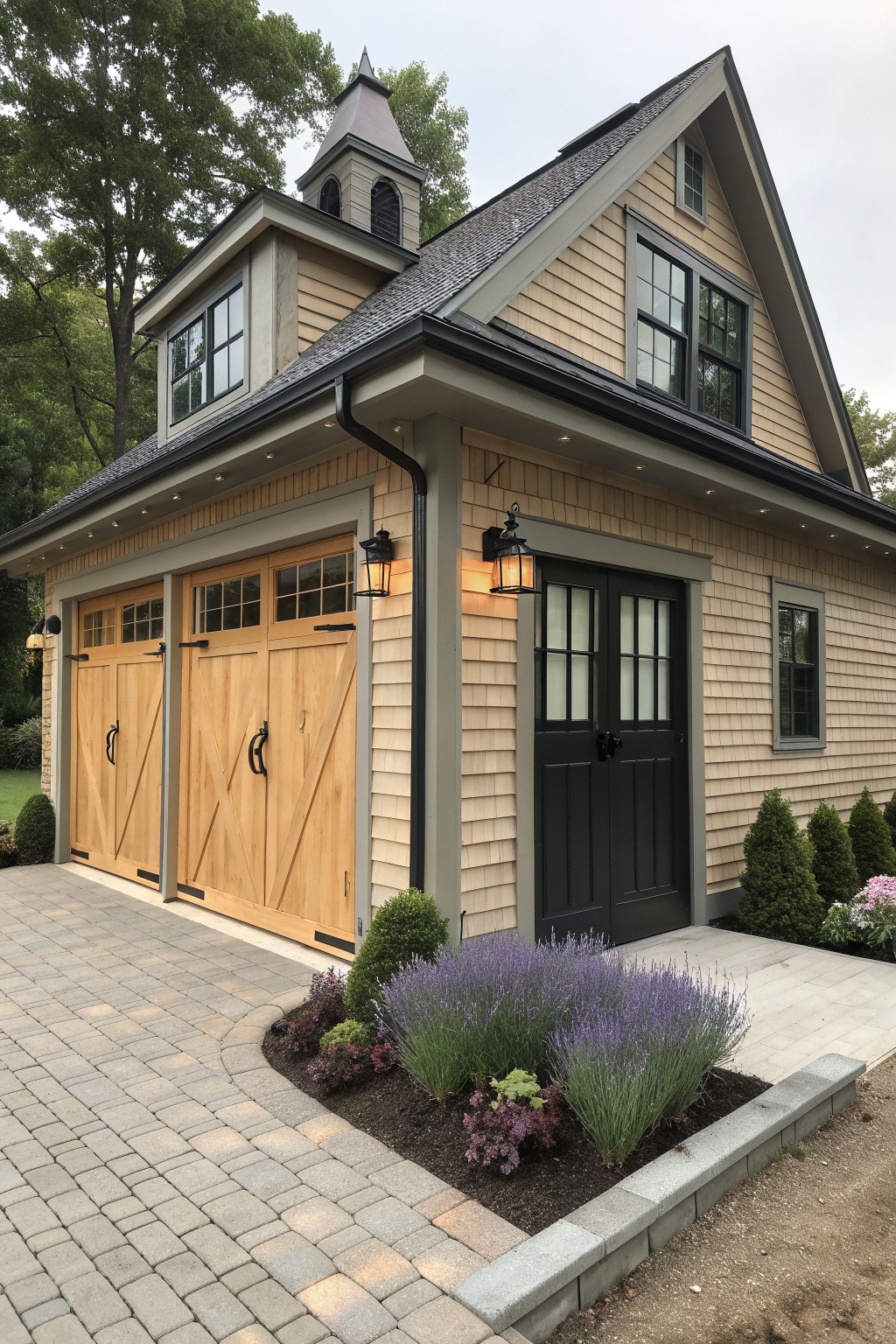
Mixing natural wood doors with painted siding gives an aging Victorian farmhouse a fresh look without losing its character. The wood brings warmth and texture that painted surfaces alone often lack, while the lighter siding keeps the whole front bright and open. This approach works especially well when the original wood details have faded or been covered over time.
It suits homes with multiple doors along the front, like garages next to an entry. Keep the wood tones similar across doors for unity, and let the siding color stay soft so the contrast stays balanced. Too many competing finishes can start to feel busy, so stick to one or two wood tones at most.
Metal Roofing For Victorian Farmhouse Roofs
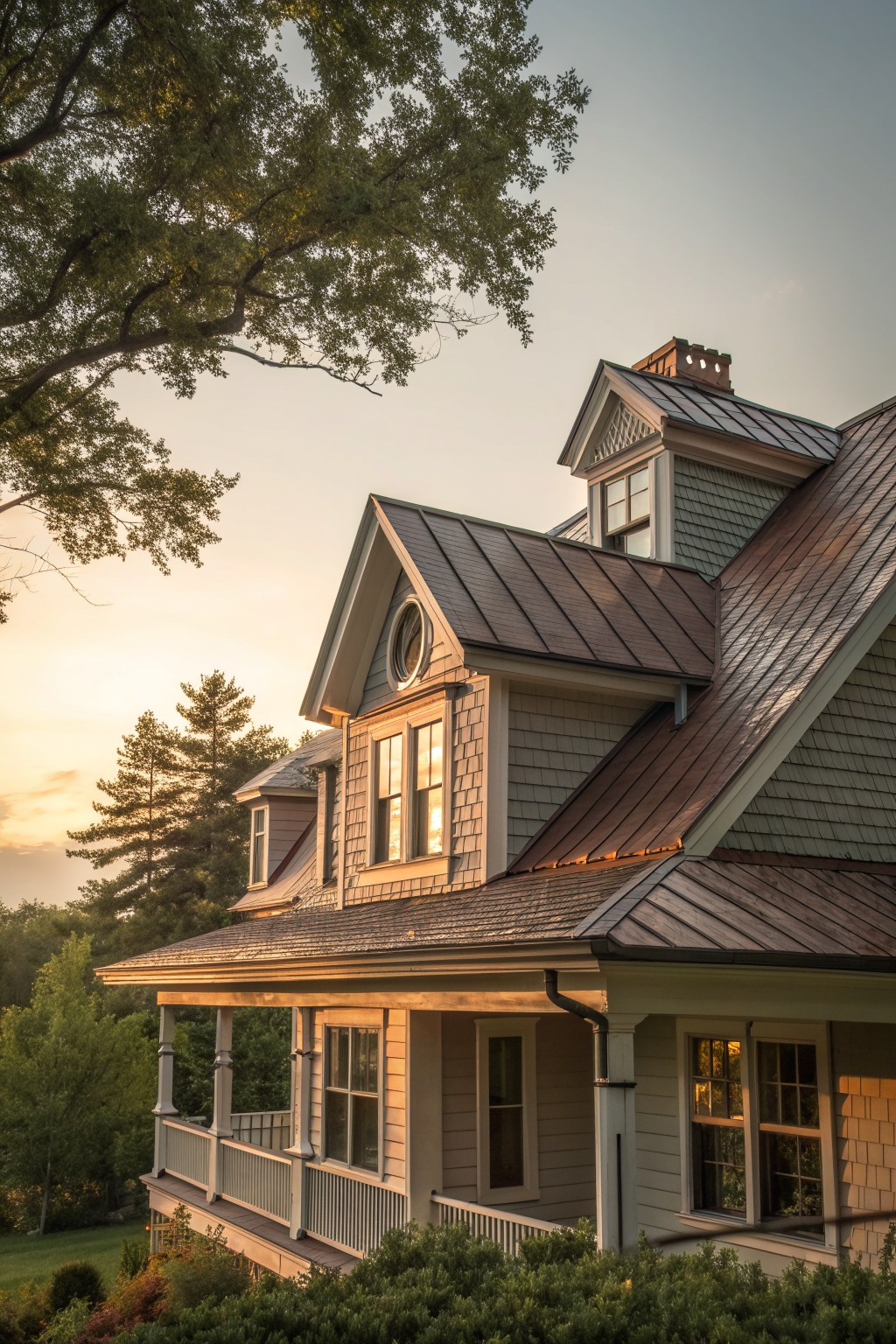
Many older Victorian farmhouses have complicated rooflines with multiple gables and dormers. Switching to standing seam metal roofing gives those shapes a clean, lasting surface that still respects the original architecture. The brown tone in this example blends with the siding instead of fighting it.
This approach works well on homes that need a roof replacement anyway. It adds durability without requiring major changes to the existing structure or trim details. Just match the metal color to the house palette and keep the original pitch and overhangs intact.
Mixing Brick Steps With a Wood Door
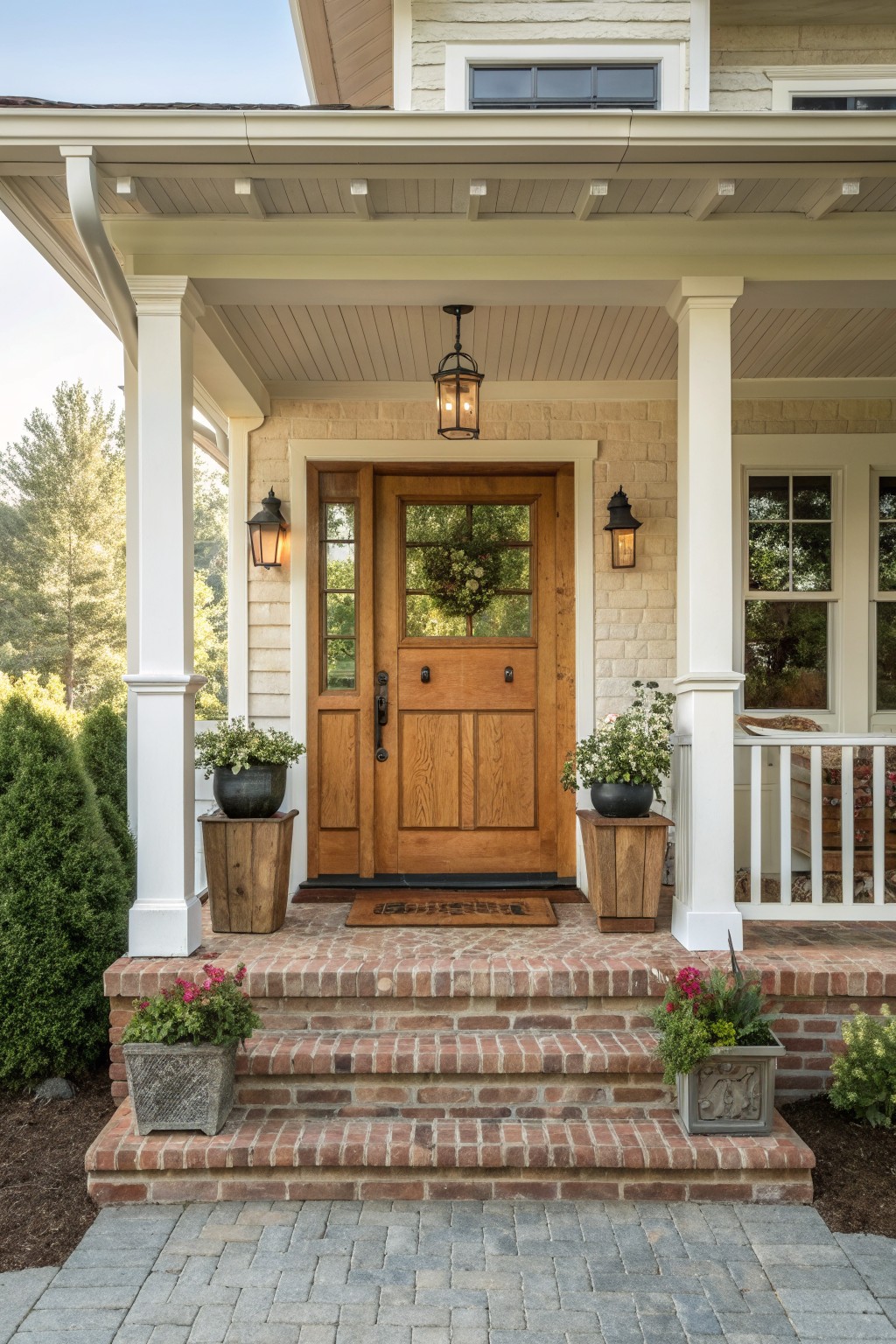
Many older homes gain a lot from pairing brick steps with a natural wood door. The combination adds texture and warmth without needing a full facade overhaul, and it helps the entry feel more substantial.
This works especially well on Victorian farmhouses that still have their original siding. Keep the trim white, add simple lanterns on either side of the door, and use matching planters to hold the look together without crowding the space.
Soft Green Siding Refreshes Older Farmhouses
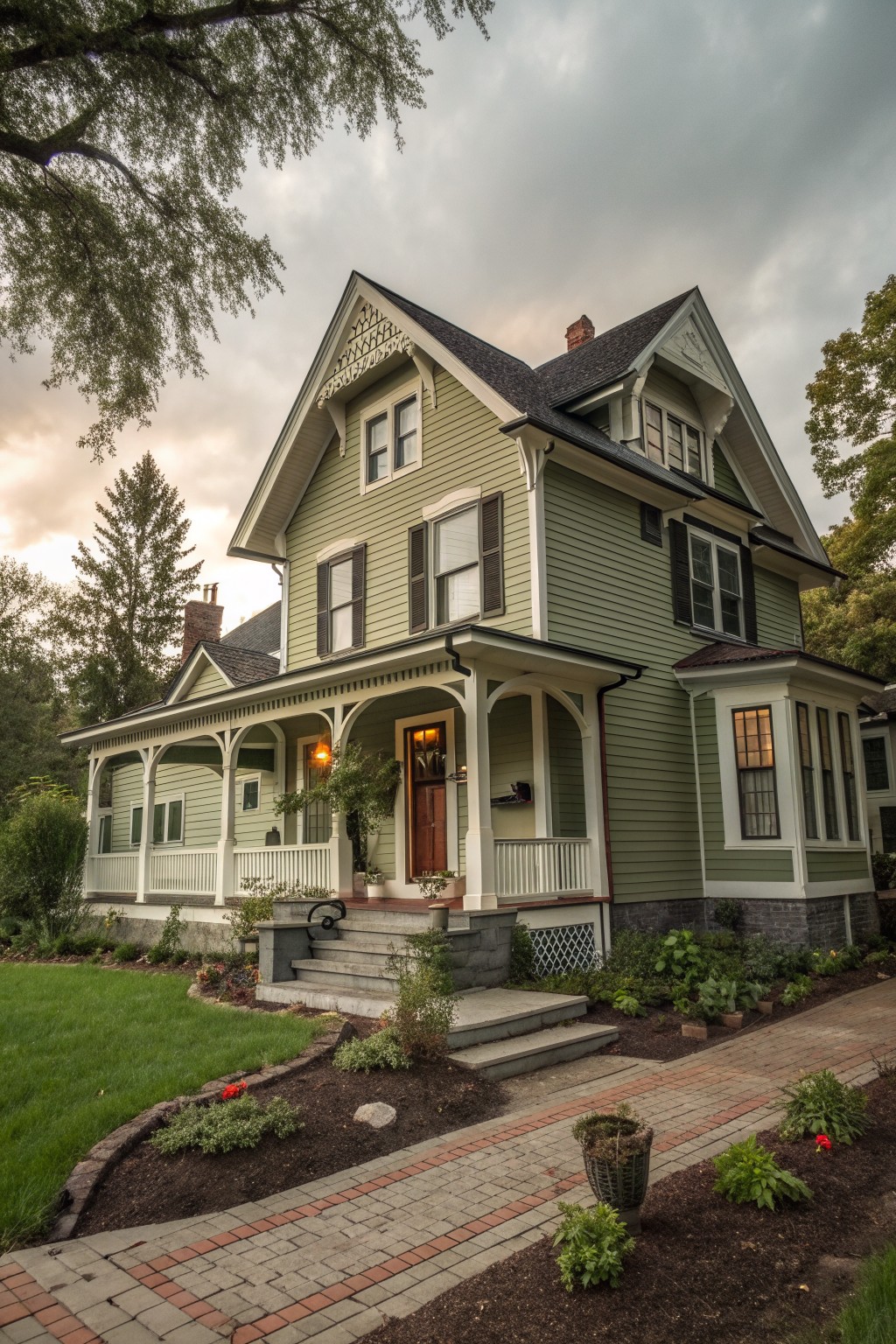
A muted green on the main walls gives an aging Victorian farmhouse a calmer, updated look without erasing its original character. The color sits between gray and sage, so it reads soft from the street and pairs easily with white trim and darker roof shingles. Many older homes already carry similar tones in their history, which makes the shift feel natural rather than forced.
This approach works best on homes that still have good siding and trim details worth keeping. Stick with one main color across the body of the house and keep the trim and porch ceiling in white or cream. Avoid matching the green too closely to surrounding trees or it can fade into the background.
Frequently Asked Questions
Q: How do I choose siding that fits an old Victorian facade without covering up the details?
A: Match the profile to the existing wood or shake patterns on your house. Fiber cement boards in a classic lap style hold up better than vinyl and take paint evenly. Work from the bottom up so the new surface blends with the trim lines.
Q: What is the best way to refresh peeling paint on the front porch without a full scrape?
A: Clean loose flakes with a stiff brush and spot prime bare spots. Roll on one fresh coat of exterior latex in a muted historic shade. This revives the look fast and protects the wood underneath for years.
Q: Can I update the windows myself if they are original but drafty?
A: Add weatherstripping around the sashes first to stop air leaks. If the glass is sound, leave the frames in place and just repaint the wood. Full replacement often changes the proportions that give the facade its character.
