

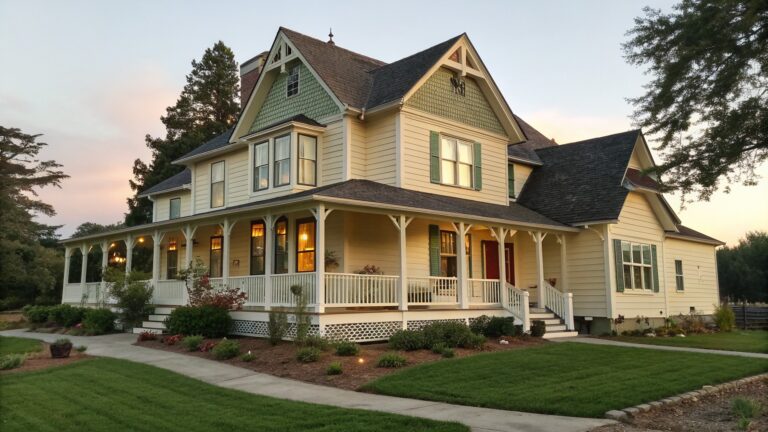
I pay close attention to how the entry and roofline shape the way a farmhouse reads from the road.
Victorian touches like gingerbread trim can add warmth without overwhelming the simple lines that make these homes feel grounded.
I have found that choosing paint colors for the trim often changes the entire feel more than people expect at first.
Some facades only look right in certain light.
Testing a few of these material combinations on my own sketches has helped me see what might work for a real update.
Gable Latticework That Adds Warm Character
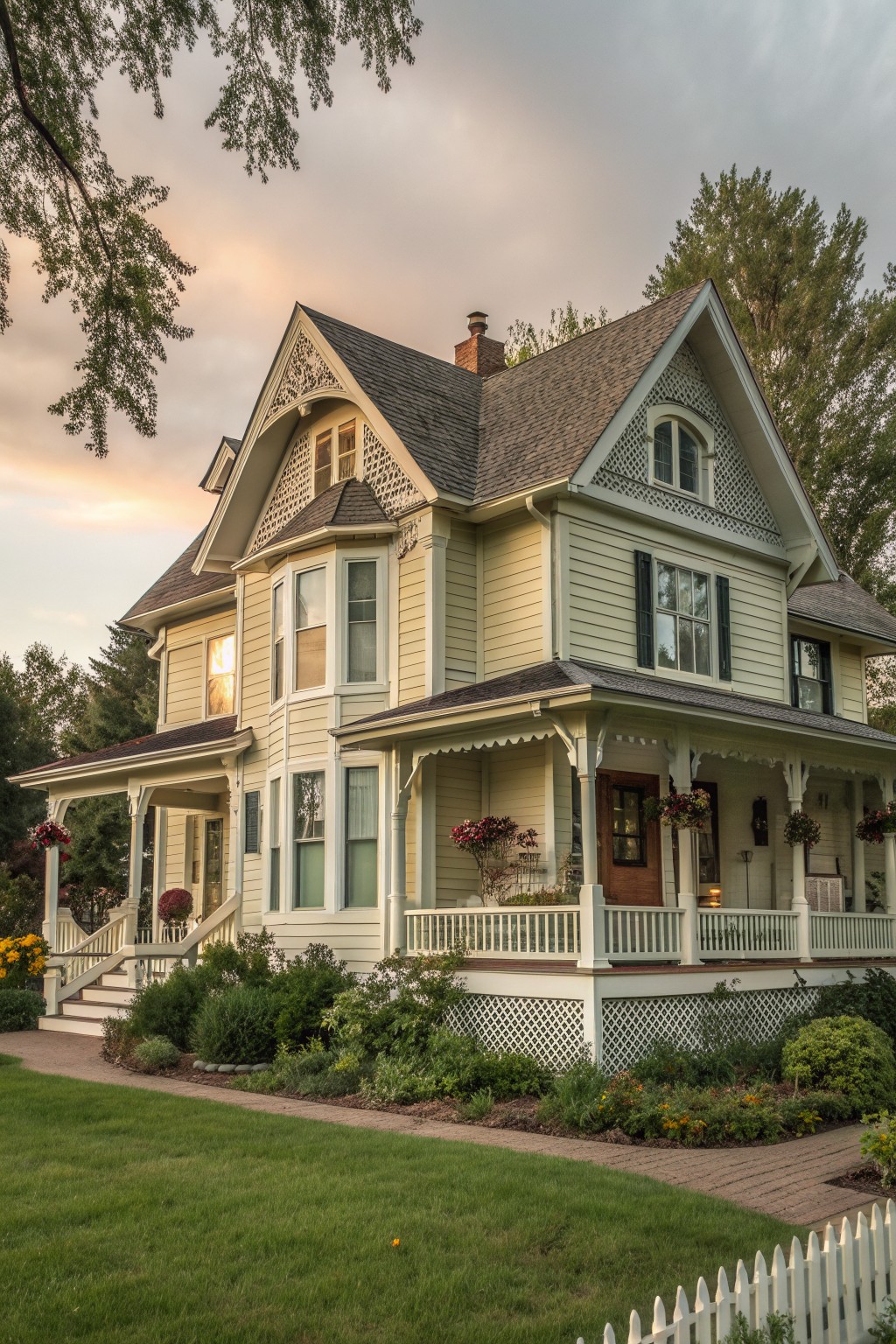
Many Victorian farmhouses gain their period charm from the small details high up on the roof. Lattice panels set into the gables break up large roof planes and give the house a lighter, more finished look without adding heavy trim everywhere.
This approach works especially well on homes with multiple rooflines or a simple painted siding color. Keep the pattern open and the scale modest so the detail reads as thoughtful rather than busy.
Wrap-Around Porches on Victorian Farmhouses
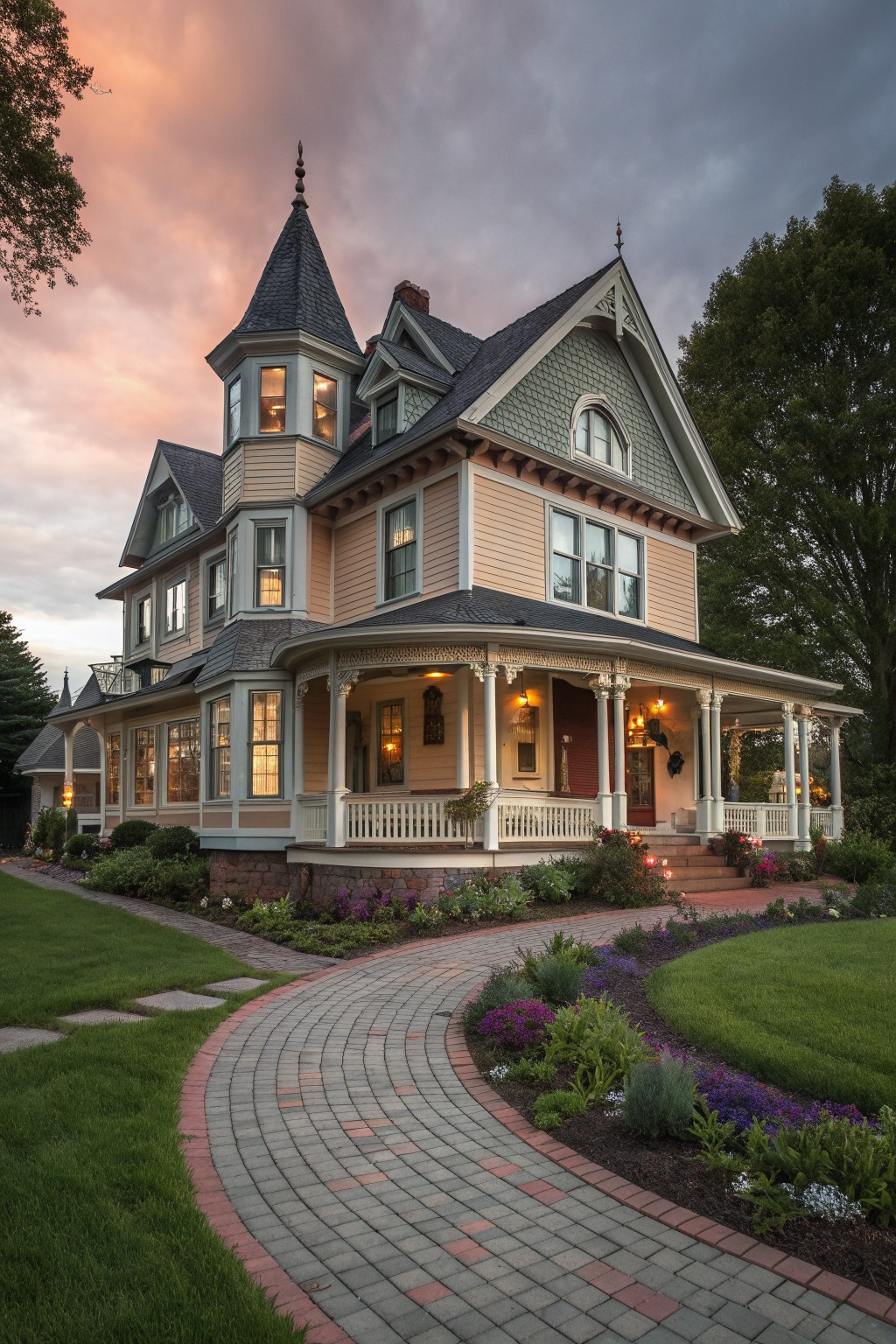
A wrap-around porch adds real presence to a Victorian farmhouse without making the whole exterior feel heavy. It stretches along two sides of the house and gives the front a settled, approachable look that fits the style well.
This works best on homes that already have a strong roofline and enough width to carry the porch without crowding the windows. Keep the railing and columns light in color so they stand out against the siding, and make sure the porch floor sits low enough to feel connected to the yard.
Arched Entries for Victorian Warmth
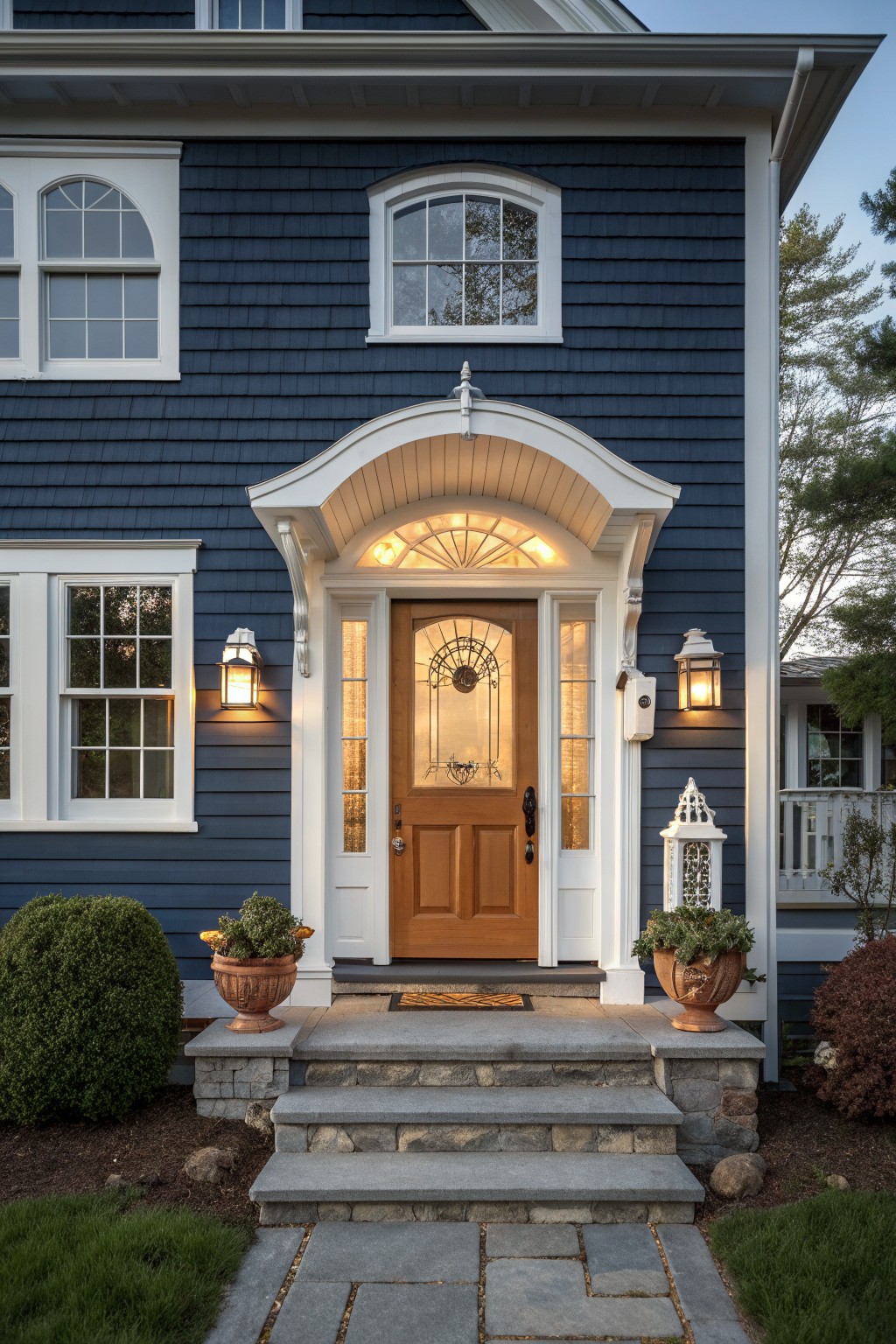
An arched portico over the front door gives a farmhouse that soft Victorian lift without making it feel fussy. The curve breaks the straight lines of the siding and turns a plain opening into the main point of interest.
This works best on homes with simple shingle or clapboard walls in deeper colors. Keep the arch and trim in white or a light shade so the shape stands out, and pair it with a wood door that has some glass to let light through while holding the period look.
Wraparound Porches on Victorian Farmhouses
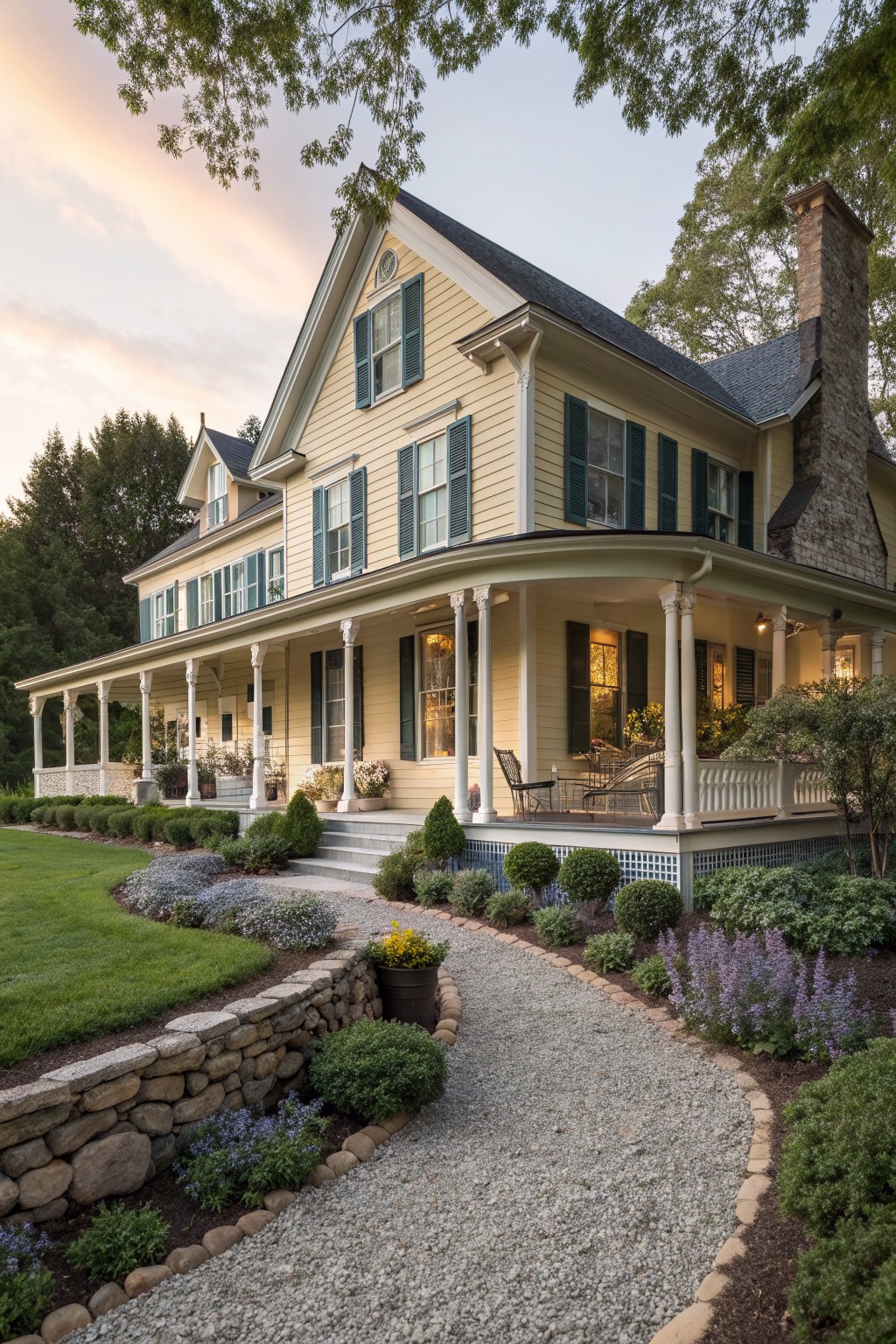
A wraparound porch softens the scale of a taller Victorian farmhouse and gives the front a place to settle into the landscape. It turns what could feel like a formal facade into something more usable and open to the yard.
This layout works well on homes with a bit of side yard so the porch can curve without crowding the windows. Keep the railings and columns light in color so they read against the siding, and let the planting stay low near the base rather than blocking the view from the steps.
Wraparound Porches That Feel Practical
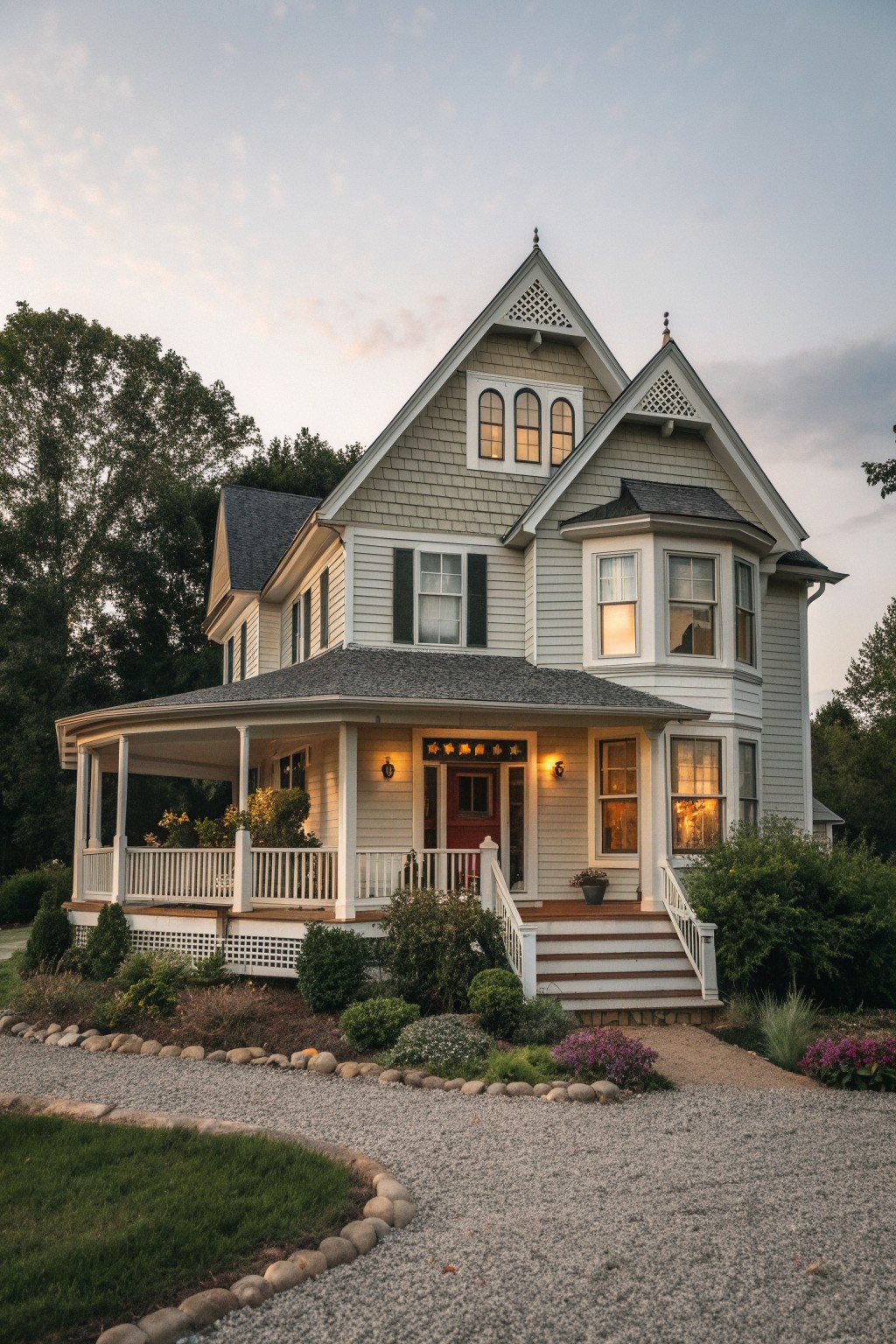
A wraparound porch gives a Victorian farmhouse a place to sit outside without needing a separate deck or patio. It turns the front of the house into usable space where people can actually spend time instead of just walking past the door.
This layout works well on homes that already have a wide front and side roofline. Keep the railings simple and match the steps to the siding color so the porch feels like part of the original structure rather than an add-on.
Enclosed Porches With Large Windows
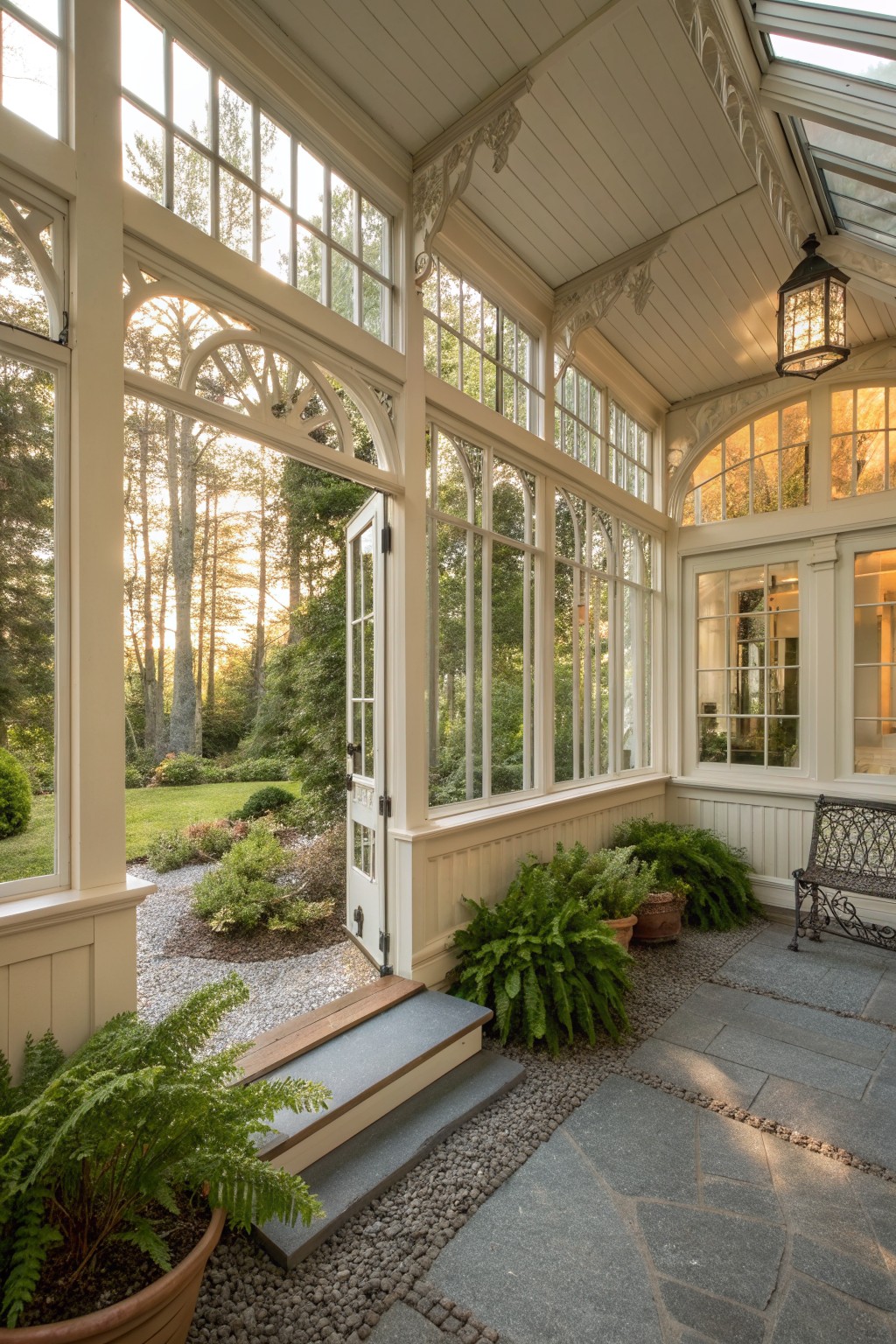
A sun porch like this works well because the big windows and open door let in light while still giving some shelter from the weather. It turns the space into a usable room instead of just a pass-through area, which fits the relaxed but detailed look of a Victorian farmhouse.
This approach suits homes that already have period trim and want to keep the connection to the garden without losing the enclosed feel. Match the window style to the rest of the house and keep the flooring simple so the view stays the main focus.
Stone And Climbing Vines On The Facade
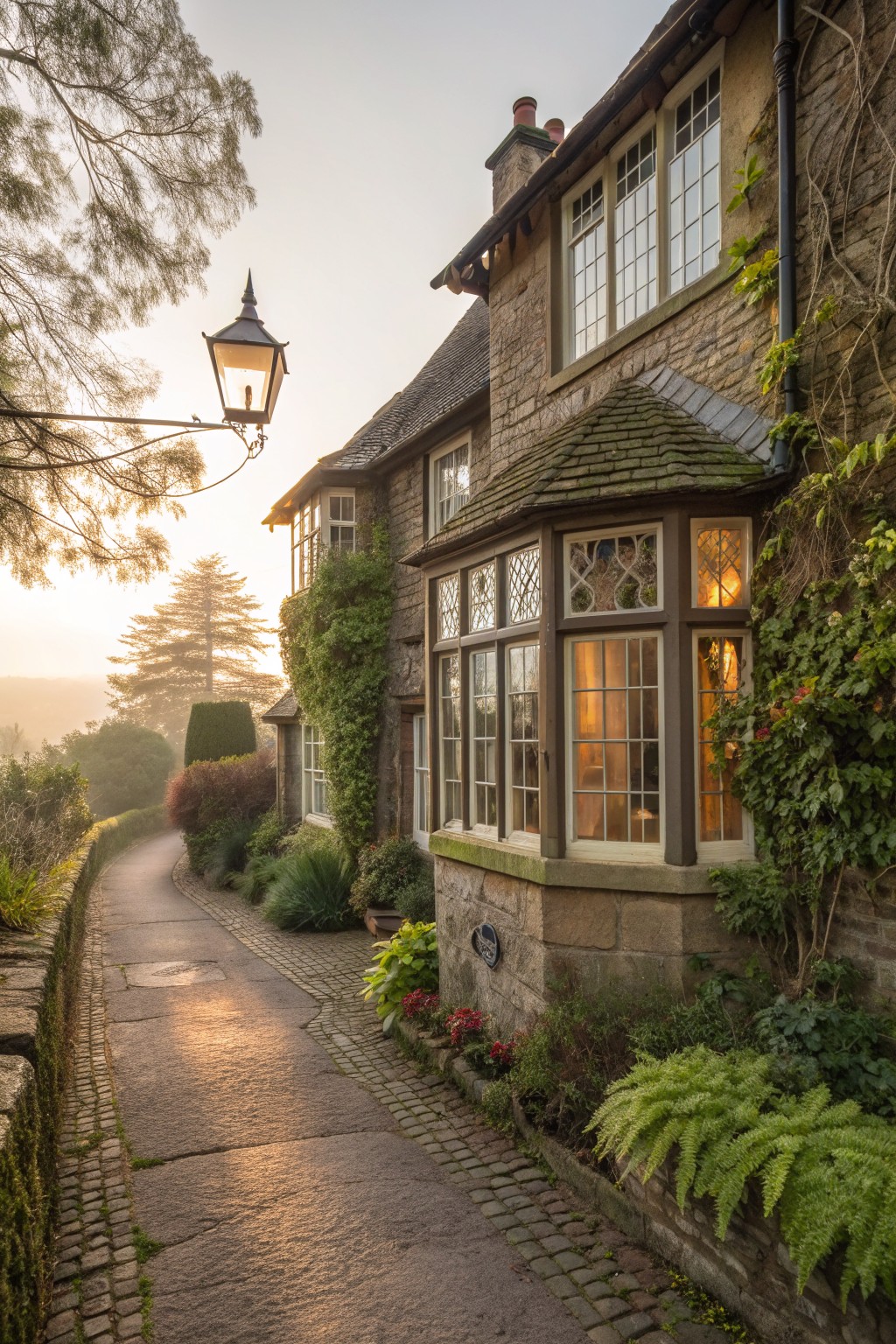
Stone exteriors often look a little stark on their own. Letting vines and other plants climb up the walls softens the surface and gives the house an older, more settled feel that fits Victorian farmhouse style.
This approach works best on homes with simple stone or brick walls that can handle some growth. Keep the vines away from windows and doors, and choose plants that match your local conditions so they stay manageable over time.
Wrap-Around Porches on Victorian Farmhouses
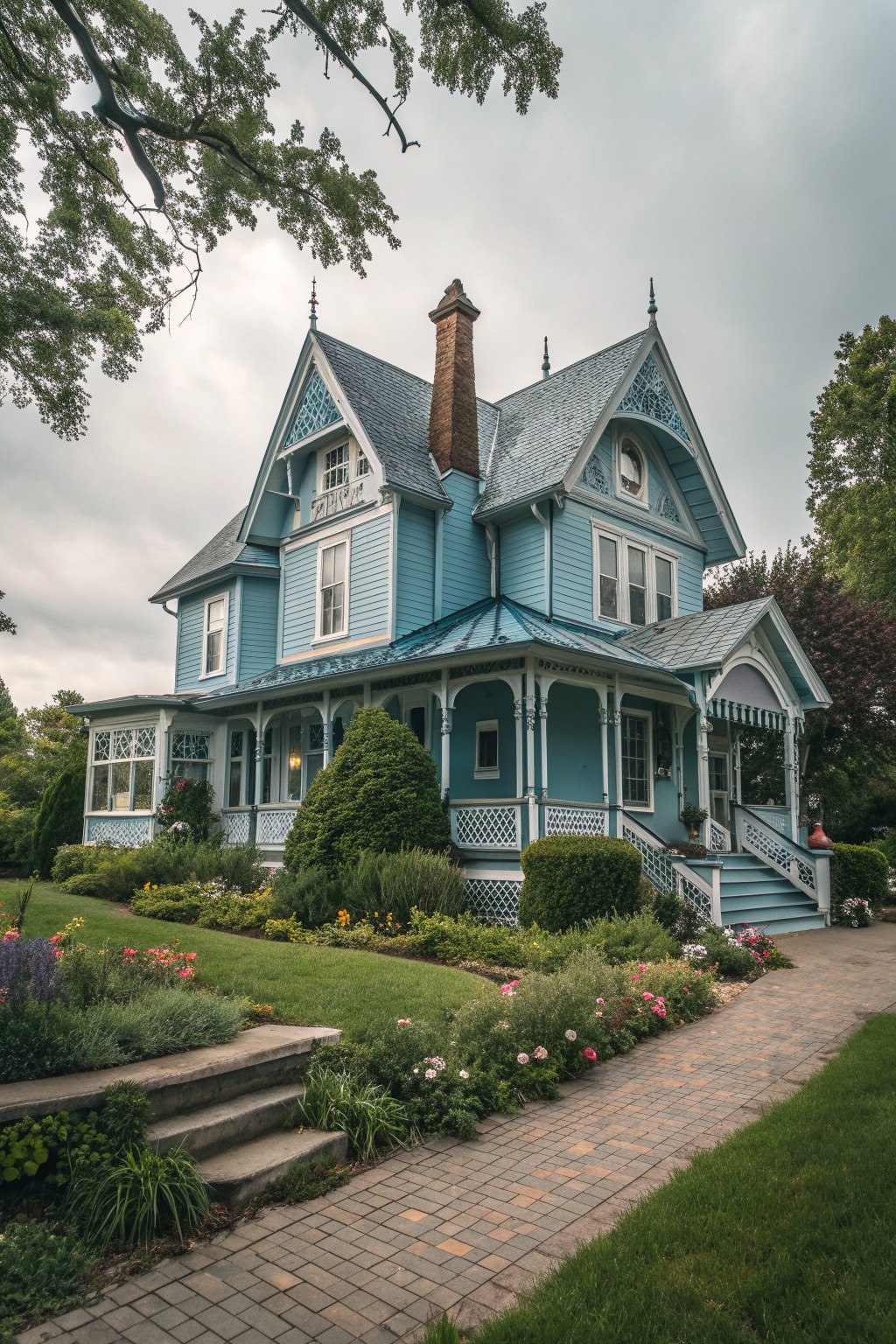
A wrap-around porch gives a Victorian farmhouse extra presence without needing big changes to the main structure. It breaks up the height of the house and creates a natural transition between the indoors and the yard.
This approach works best on homes that already have a corner or side wall where the porch can continue. Stick to simple railings and columns so the rooflines and siding stay the main focus.
Built-In Porch Seating That Feels at Home
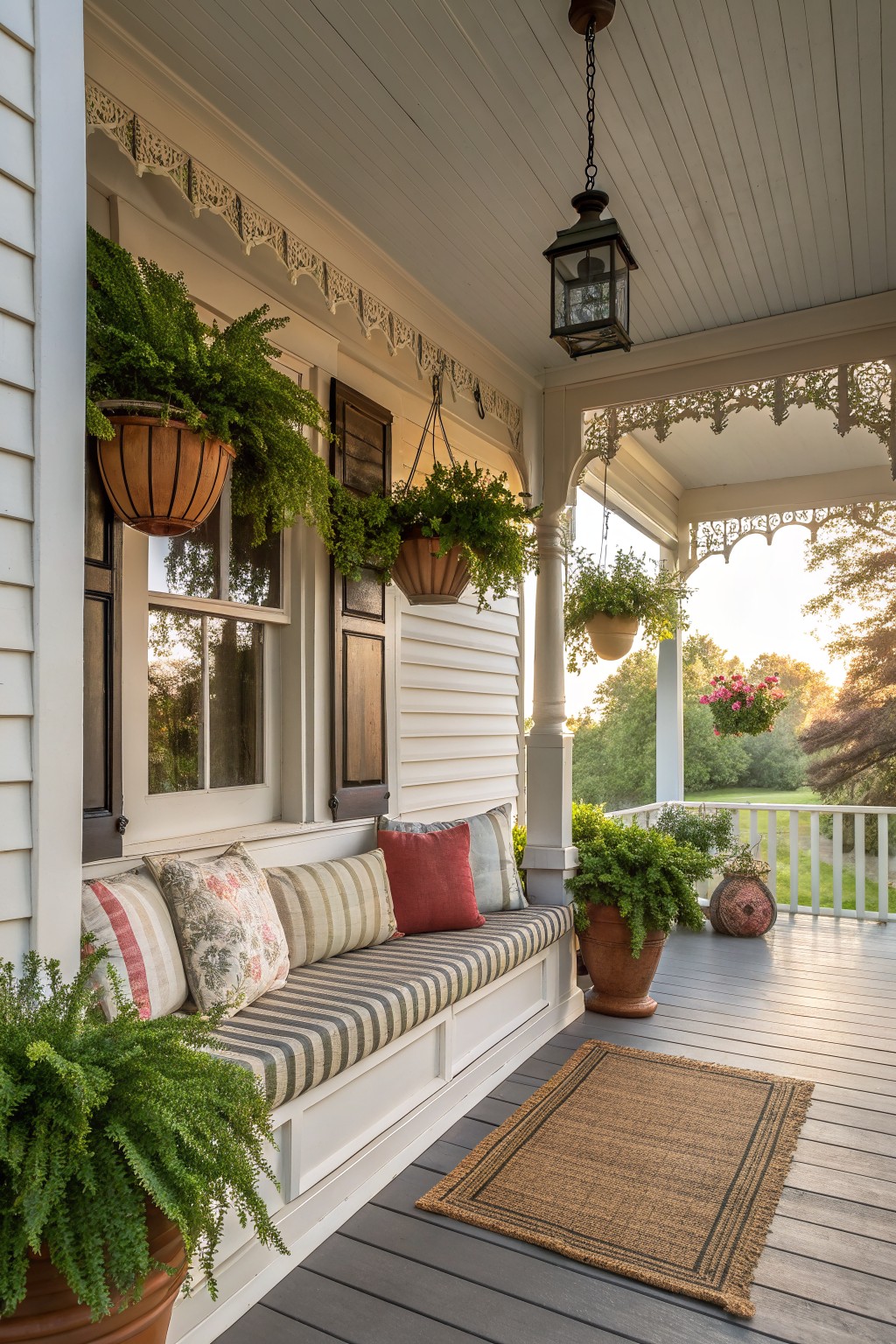
A built-in bench along the porch wall turns the space into a spot people actually use instead of just walking through. It keeps the floor clear and gives the seating a settled look that matches older farmhouse architecture without needing extra furniture.
This works best on homes with wide covered porches where the bench can run under windows. Use simple cushions in a few patterns and keep the rest of the area open so the seating stays practical for daily use rather than feeling staged.
Gravel Borders That Keep a Victorian Farmhouse Grounded
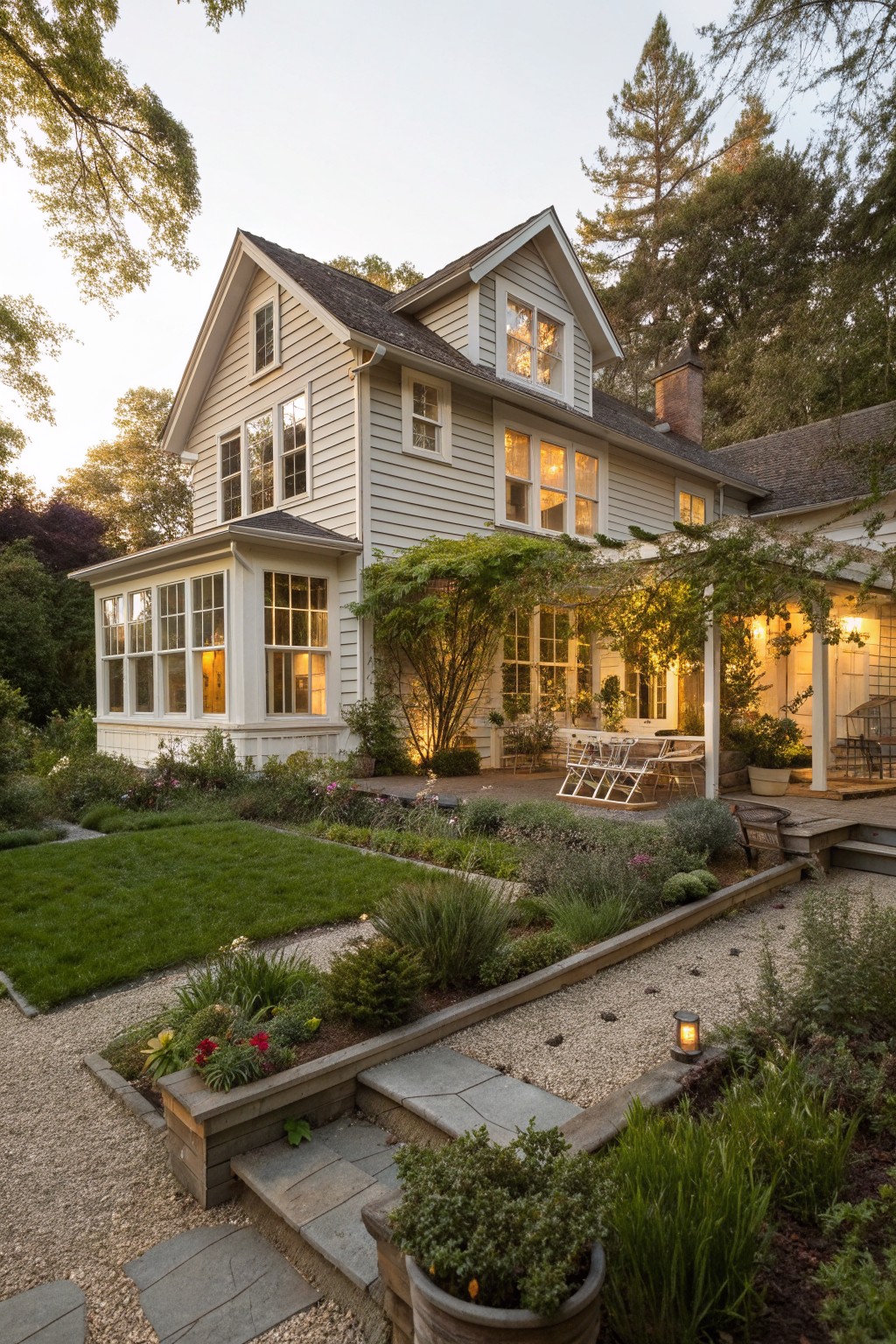
Gravel works well around older farmhouses because it creates a clean edge without competing with the siding or trim. It lets the architecture stand out while giving the garden beds a simple frame that feels right for the period.
This approach suits homes with similar rooflines and window details. Keep the beds fairly narrow near the foundation so the plants can soften the base without hiding the details. Use the same gravel for paths so the whole front stays connected.
Porch Trim That Gives A Farmhouse Its Victorian Character
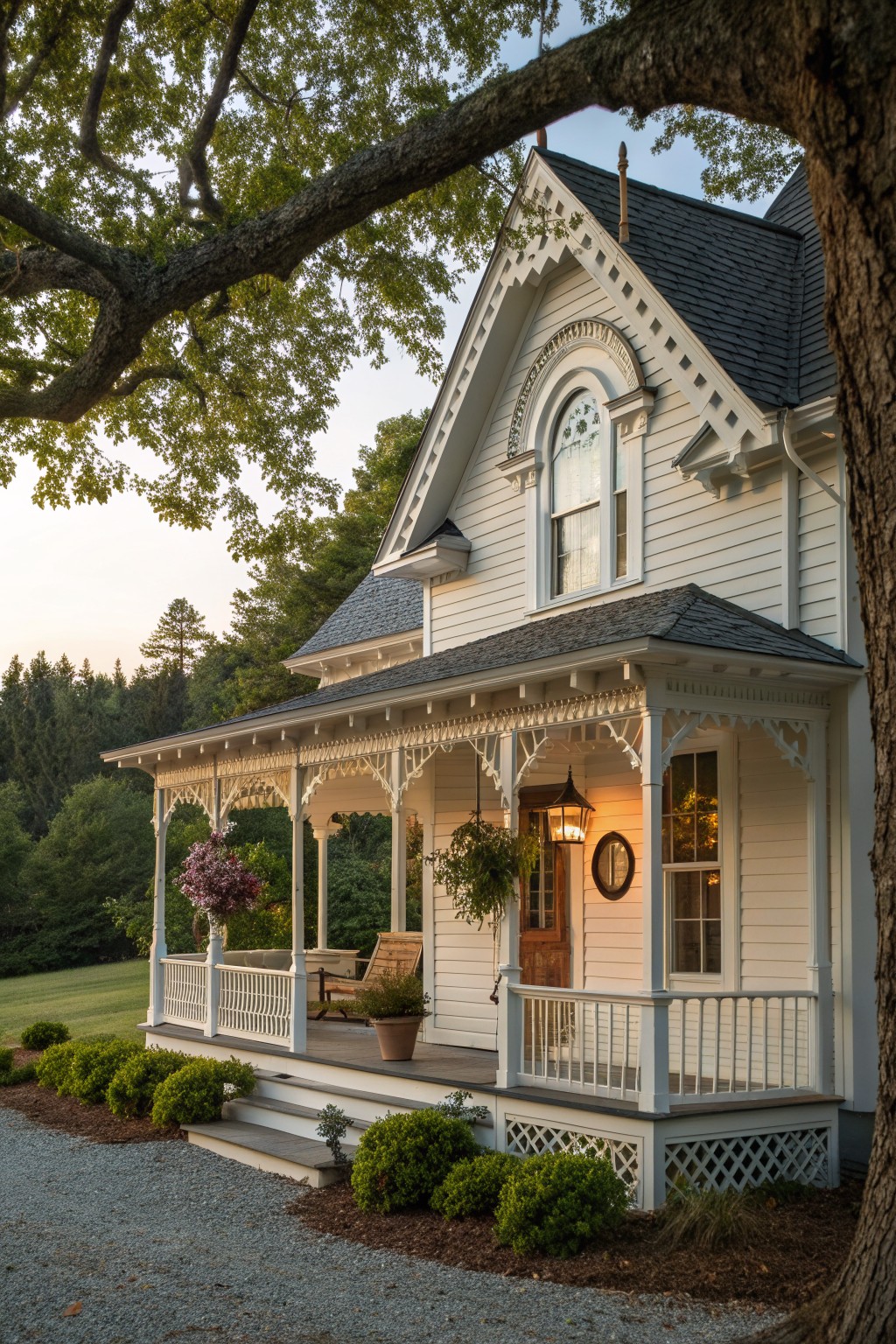
The lacy trim along the eaves and the turned posts on this porch are what make the whole exterior feel like a true Victorian farmhouse. They add just enough detail to a simple shape without making the house look busy or overdone.
This kind of trim works best on homes with clean siding and a straightforward roofline. Use it mainly on the porch and gable ends so the details stand out. Keep the scale in mind so the woodwork feels balanced with the size of the house.
Wraparound Porches Add Warmth to Farmhouse Exteriors
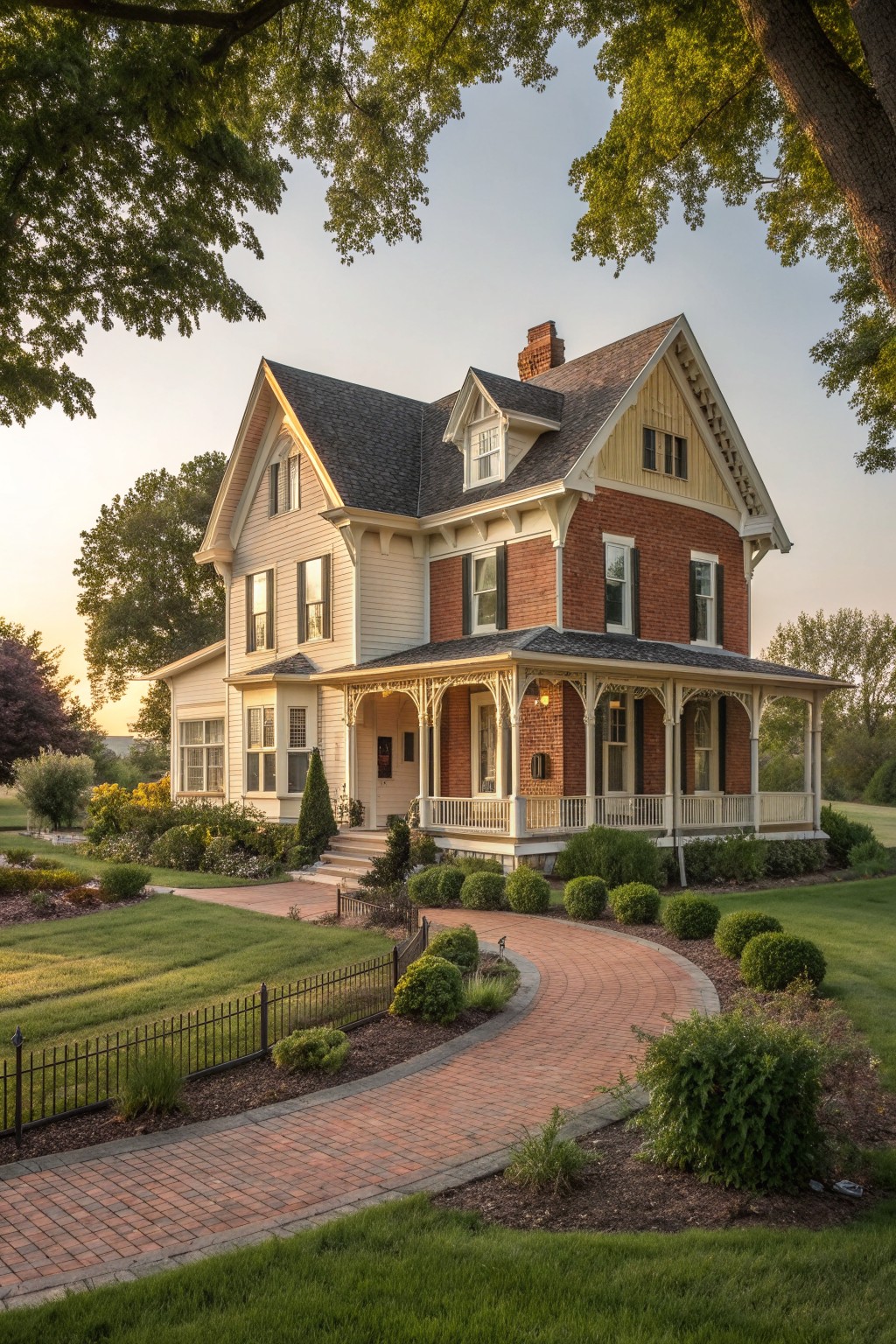
A wraparound porch gives a Victorian farmhouse a more lived-in look and creates usable outdoor space right at the front. It softens the tall shape of the house and connects the main entrance with the rest of the facade in a simple way.
This approach works best on homes that already have some side yard room so the porch does not crowd the lot. Stick with straightforward railings and columns if you want the style to feel practical instead of overly decorative.
Curved Stone Paths For Natural Flow
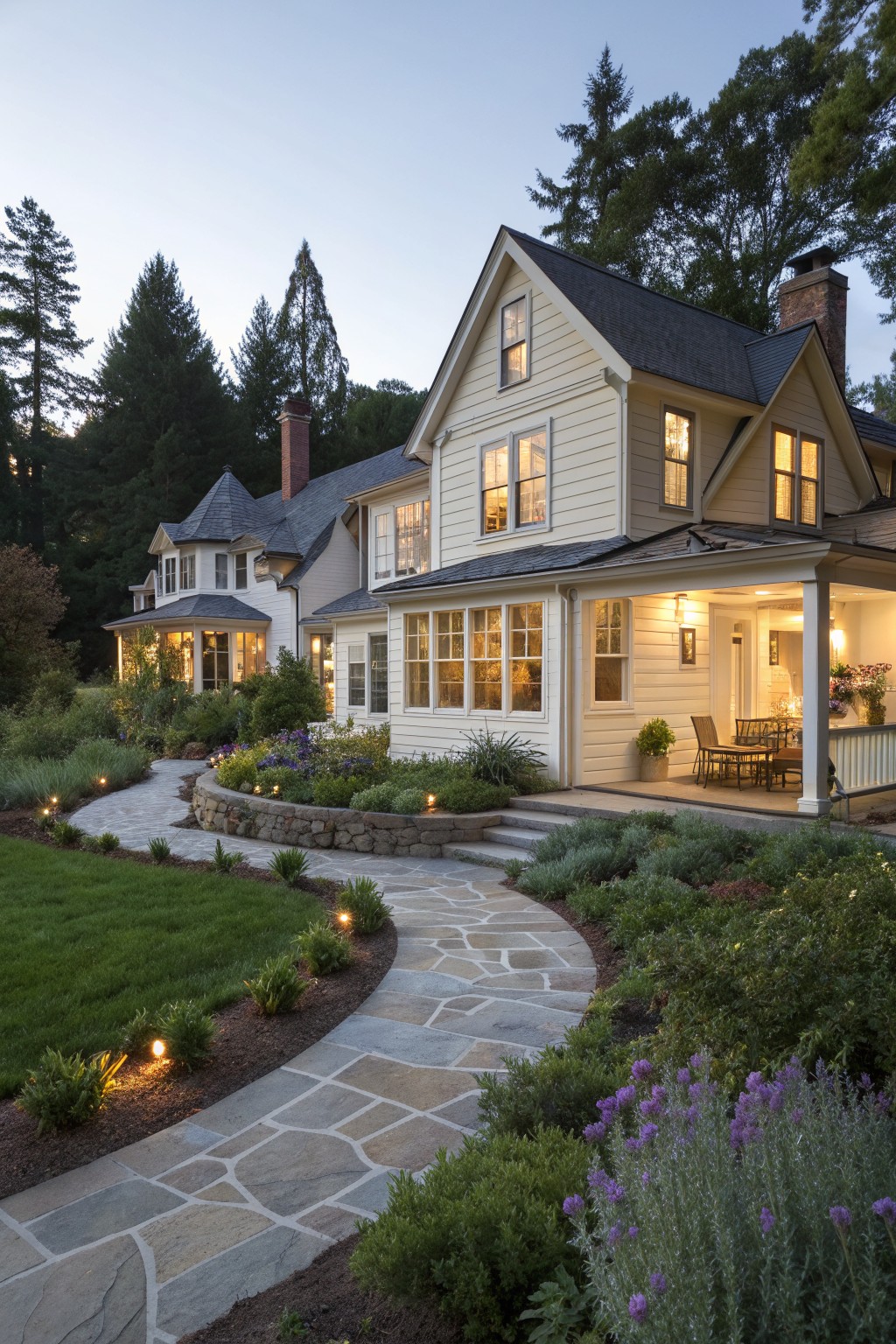
A curved stone path gives the front of a house a relaxed feel that straight lines often miss. It draws the eye along slowly and makes the approach feel more like part of the garden than a direct route to the door.
This works best on lots with enough width for planting beds on both sides. Keep the curves gentle and the edging low so the path feels natural rather than forced.
Adding Cabinetry To An Outdoor Kitchen
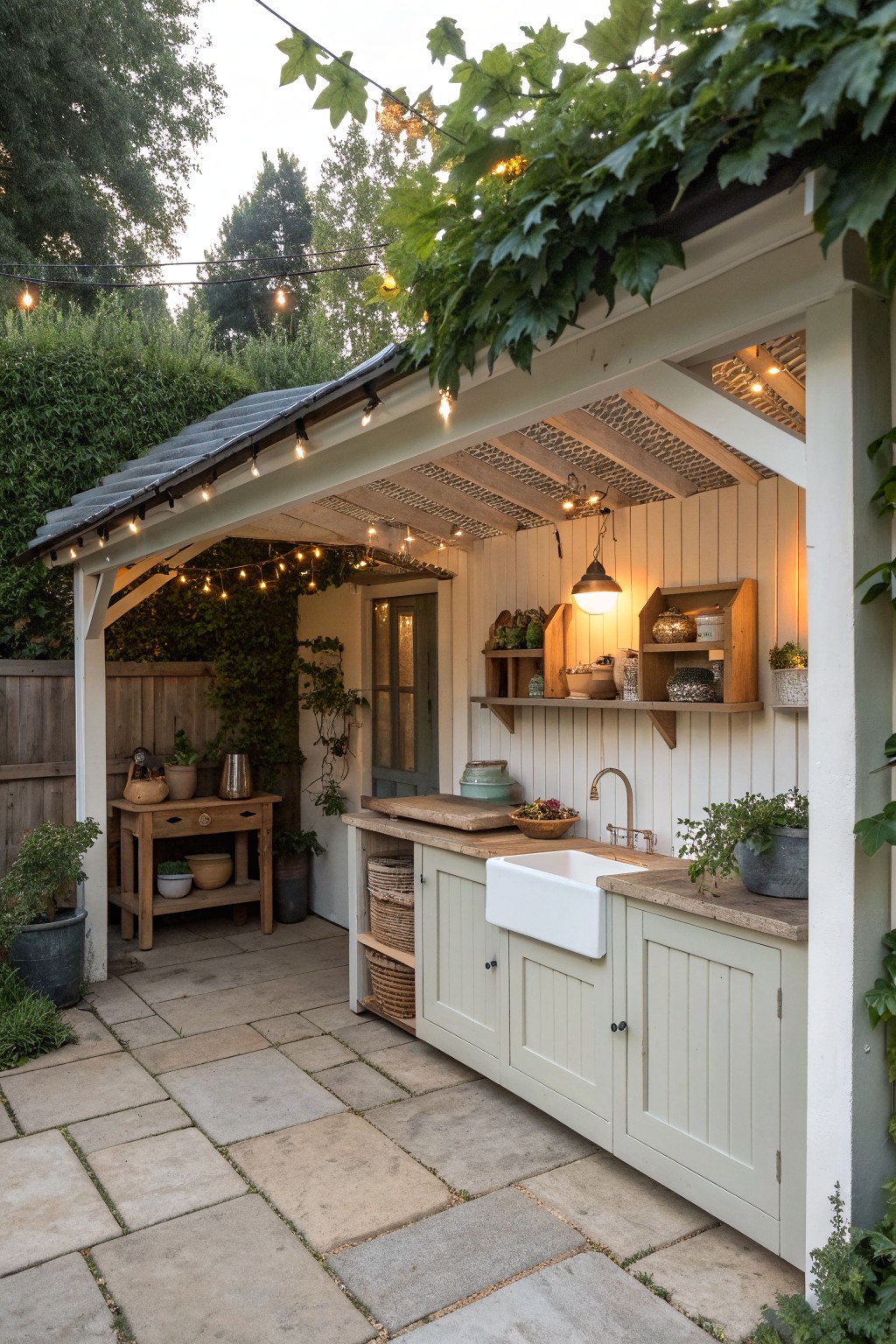
An outdoor kitchen becomes far more practical once you add proper cabinets and a sink. The storage keeps everyday items within reach, and having running water means you can clean up without heading back inside every few minutes.
This approach works best on a covered porch or similar sheltered spot where the structure protects the surfaces. It fits older homes with existing outdoor areas, though it helps to pick finishes that hold up to damp conditions and temperature changes.
Ornate Trim For Victorian Period Charm
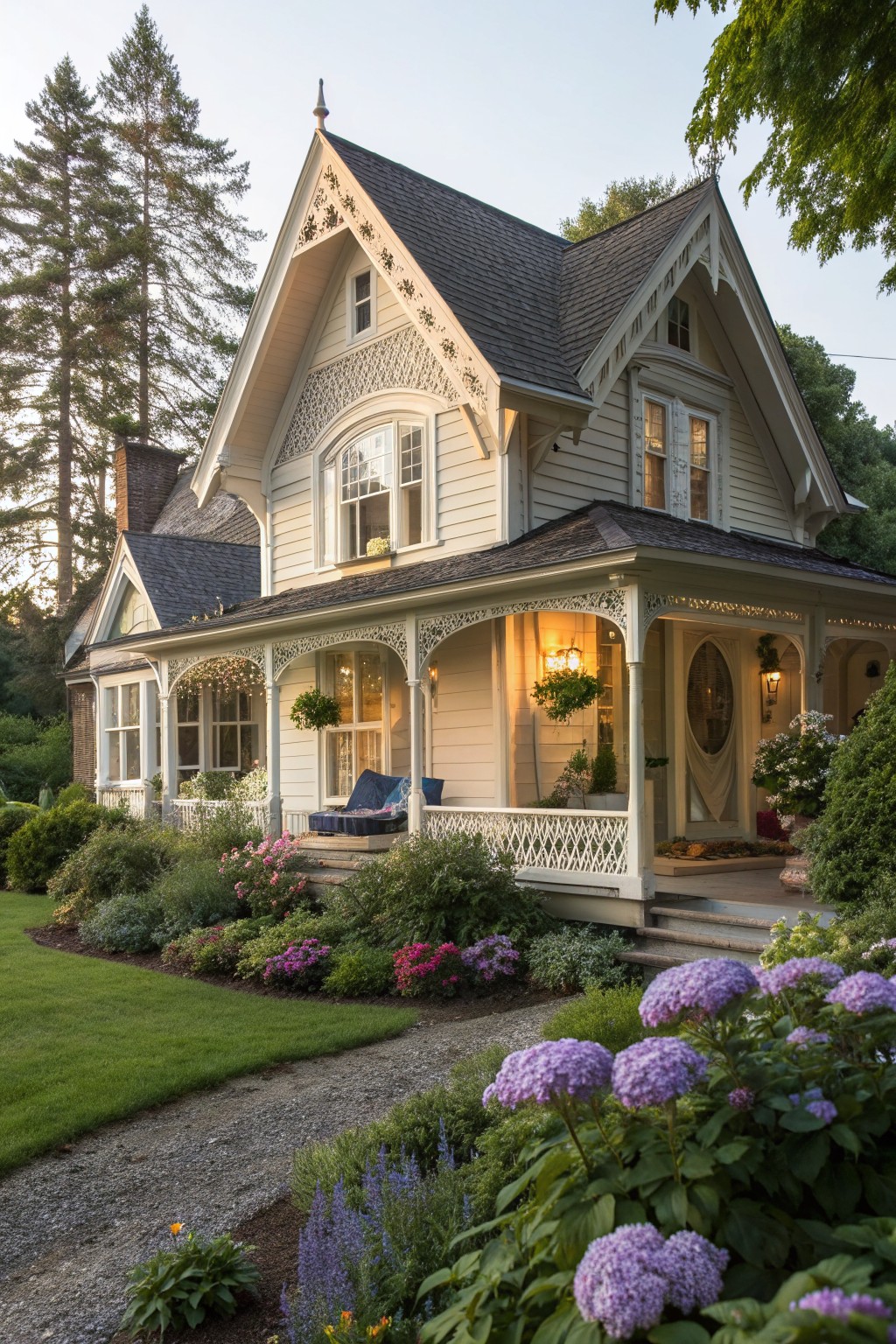
Adding layers of wooden fretwork and cutout trim along the gables and porch edges brings real Victorian character to a simple farmhouse shape. The detail stands out because it breaks up the roofline and adds texture without needing bold colors or heavy materials. It keeps the house feeling light and welcoming even when the design is quite ornate.
This approach works best on homes that already have gables or a wraparound porch, since the trim can follow those lines and highlight them. Stick to one or two paint colors so the patterns read clearly, and avoid covering every surface or the look can turn busy.
Wooden Gates That Add Entry Character
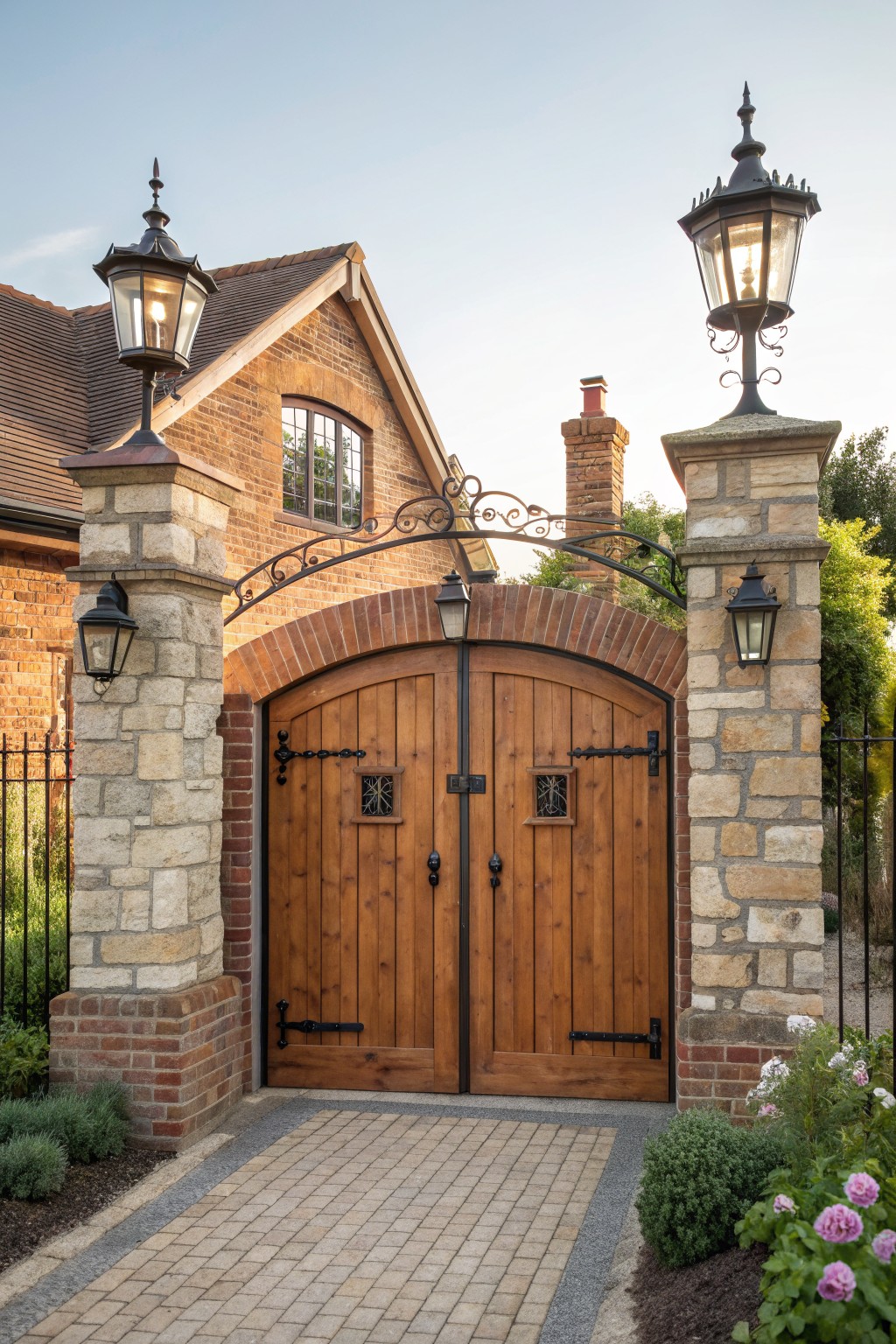
A solid wooden gate with an arched top gives a Victorian farmhouse entry real presence without trying too hard. The wood feels warm against the brick and stone, and the simple hardware keeps the look grounded rather than fussy.
This approach works best on homes that already have some brick or stone in the facade. Keep the gate wide enough for vehicles if the driveway runs through it, and add just a pair of lanterns on the pillars so the entry stays visible at night. Avoid overly ornate scrollwork if you want the wood itself to carry the period feel.
Wraparound Porches on Victorian Farmhouses
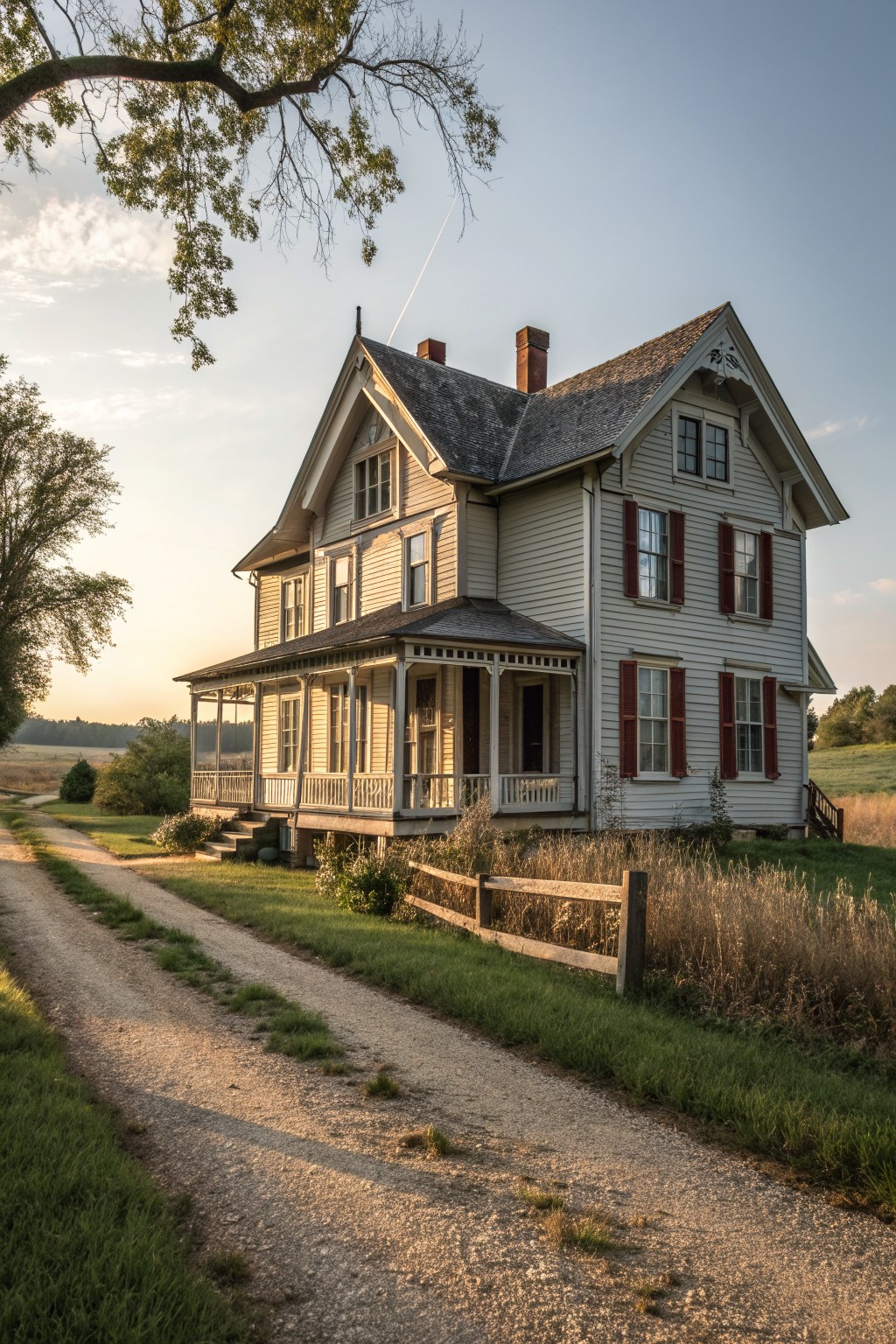
A wraparound porch often becomes the main feature that gives a Victorian farmhouse its easy, lived-in feel. It stretches across the front and turns the corner, offering shade and a place to sit while it softens the tall lines of the house.
This approach works best on homes that already have a simple gable roof and straightforward siding. Keep the railing and posts light in color so they stand out against darker trim, and make sure the porch roof stays low enough to feel connected to the main structure rather than added on later.
Wrap-Around Porches for Farmhouse Character
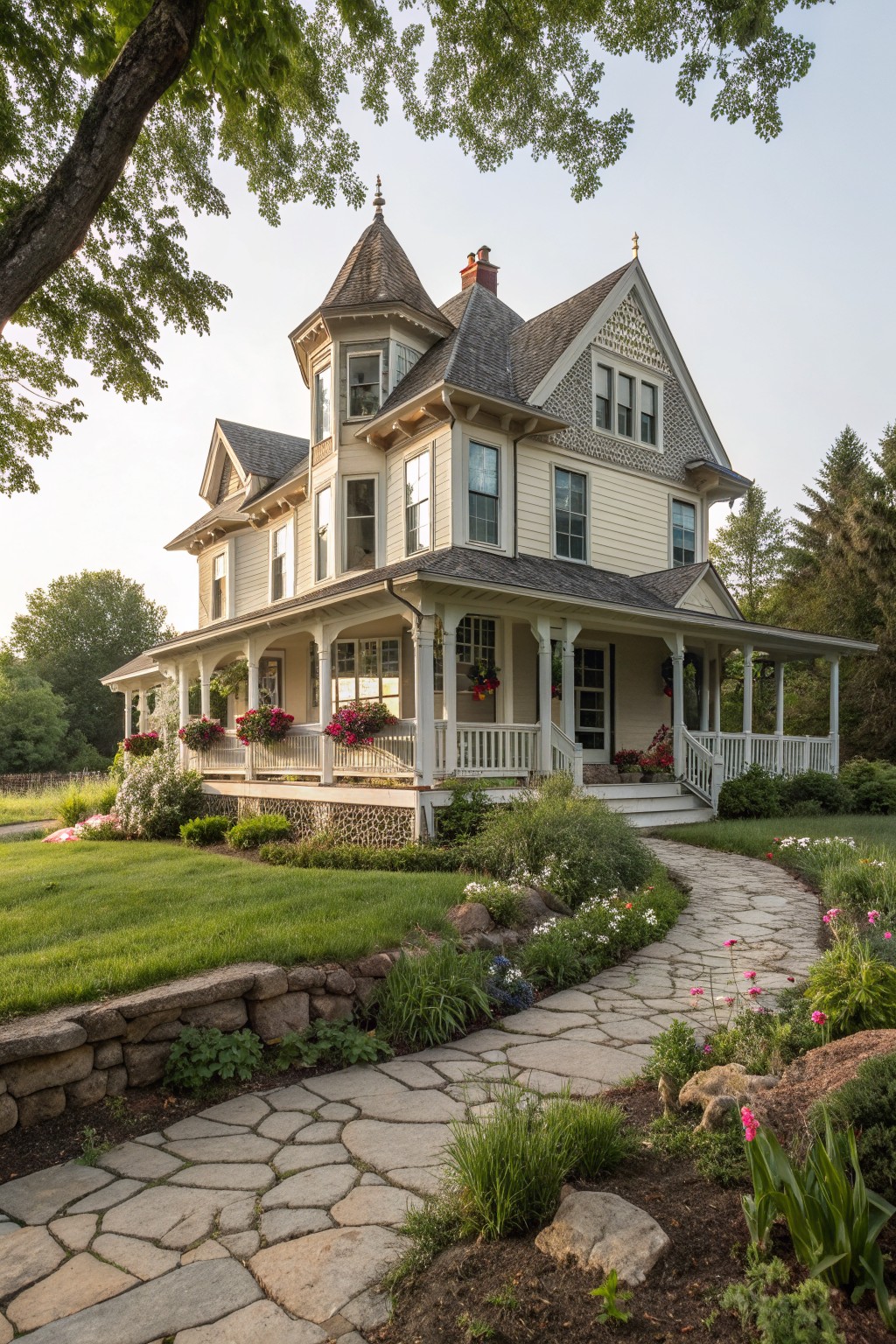
A wrap-around porch gives a Victorian farmhouse its easy, lived-in presence. It stretches across the front and side, softening the height of the house and making the whole place feel more approachable without changing the roofline or siding.
This approach works well on older homes or new builds that want period detail. Keep the railings and posts simple so they match the trim, and make sure the porch sits low enough to the ground to feel connected to the yard.
Frequently Asked Questions
Q: My farmhouse has plain siding already. Can I still add Victorian touches without a full replacement? A: Layer brackets and spindles onto the porch first. They give instant period detail and draw attention away from the flat walls. Then add trim around a couple of windows to pull the style together.
Q: Which windows fit best with these exteriors? A: Go for double hung styles with divided lights. They match the scale of Victorian farmhouses and let light in without looking too modern. Swap out any wide picture windows that break the rhythm.
Q: How do I pick a front door that feels right for the look? A: Choose a wood door with raised panels and a bit of glass up top. A simple transom above it adds height and warmth. Keep the hardware understated so the door blends with the rest of the trim.
